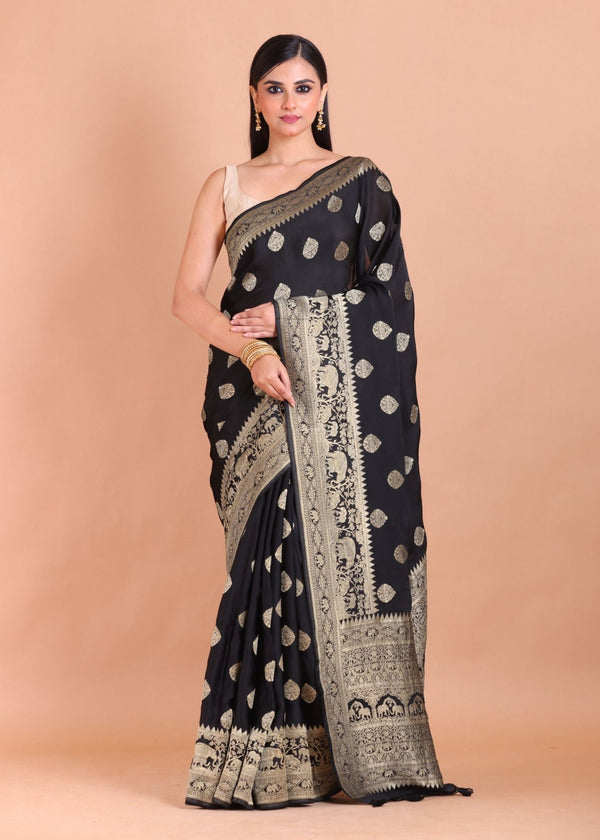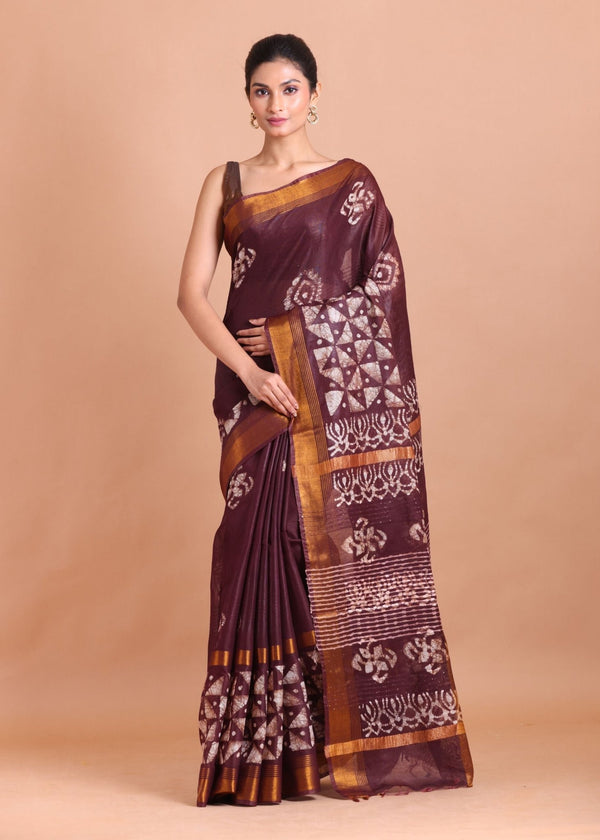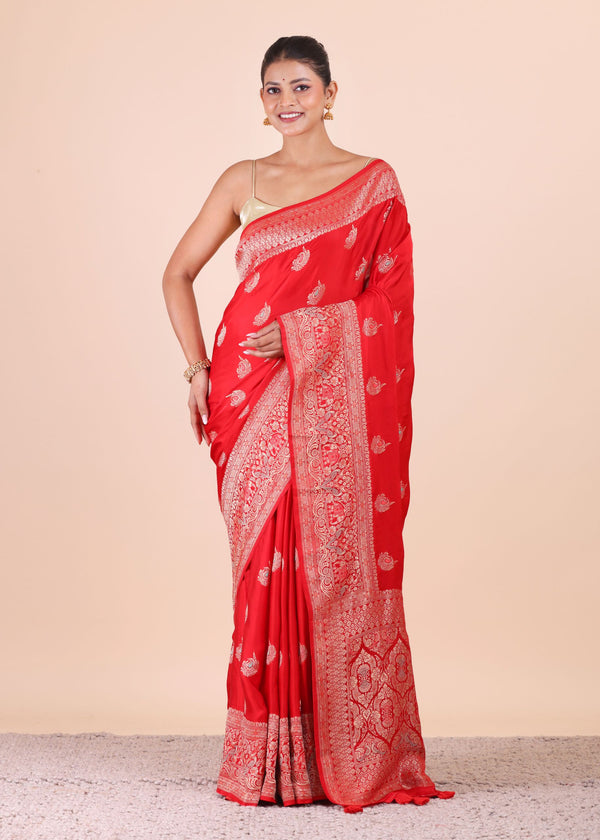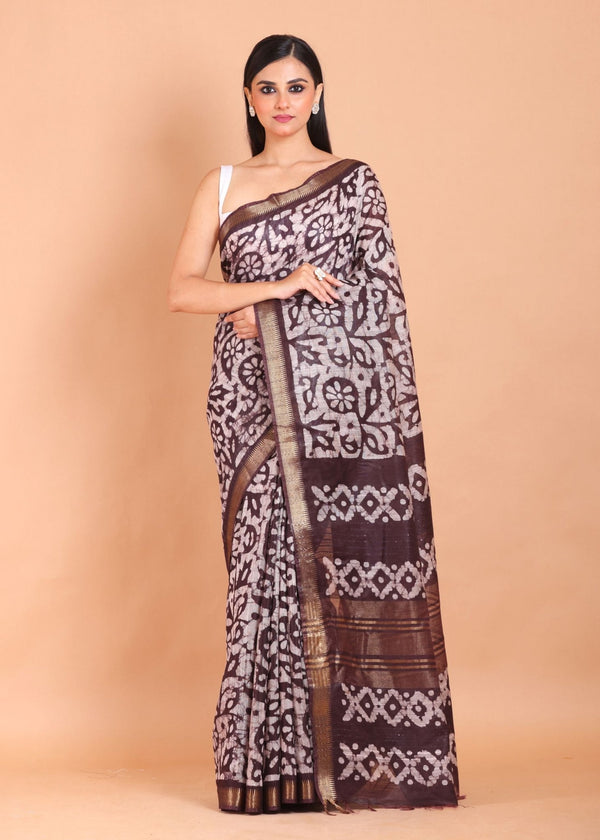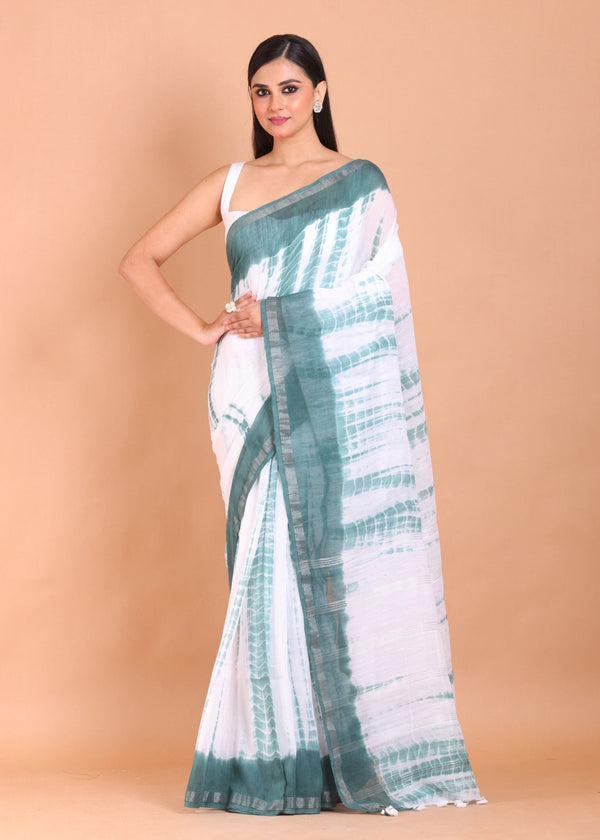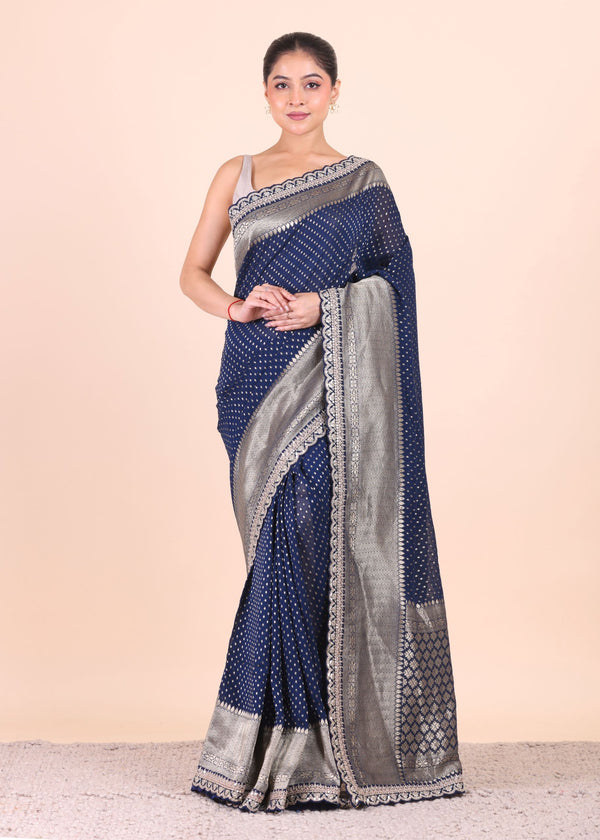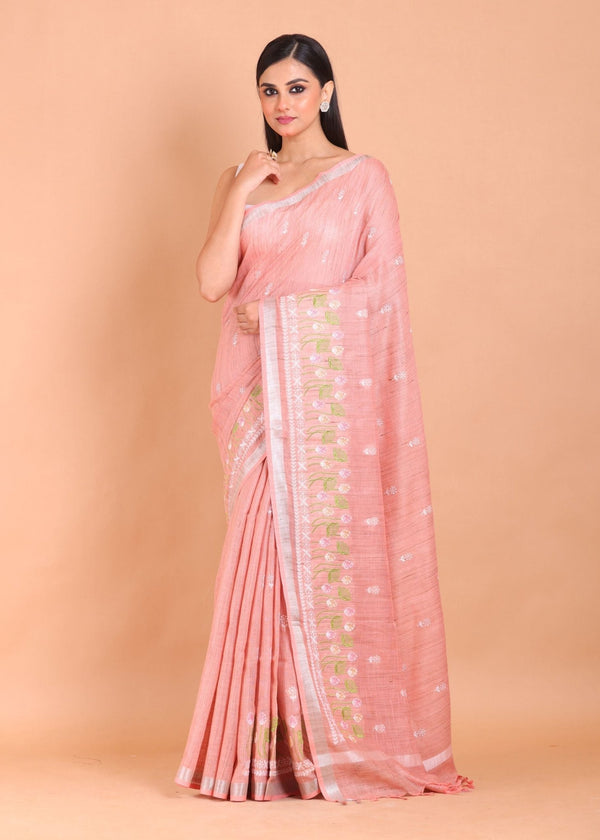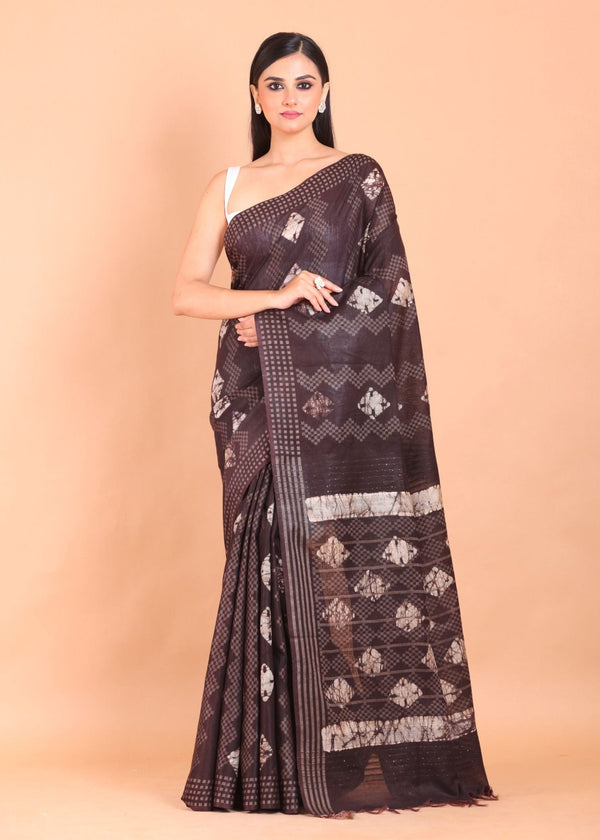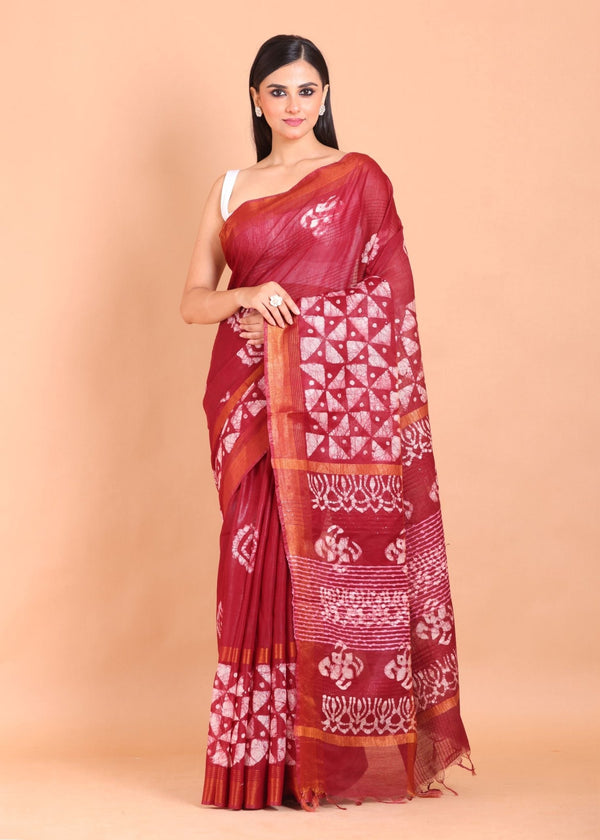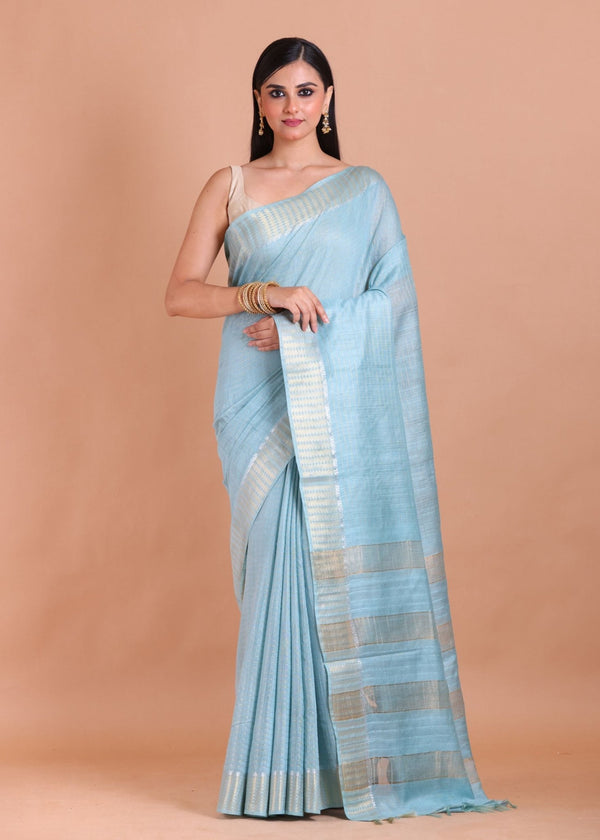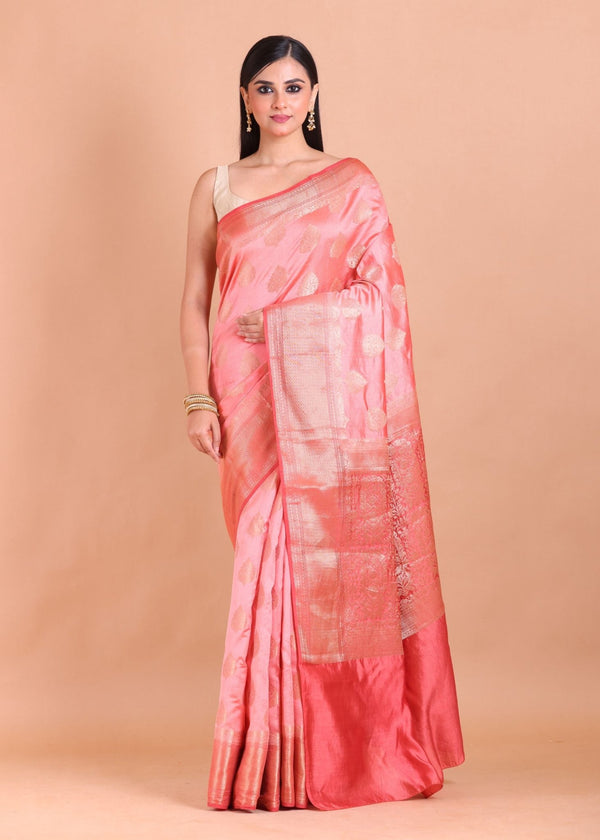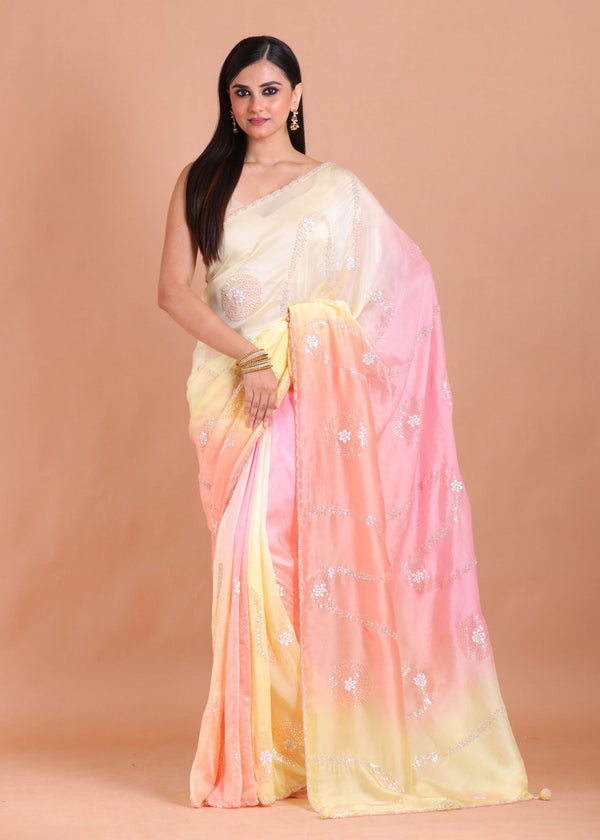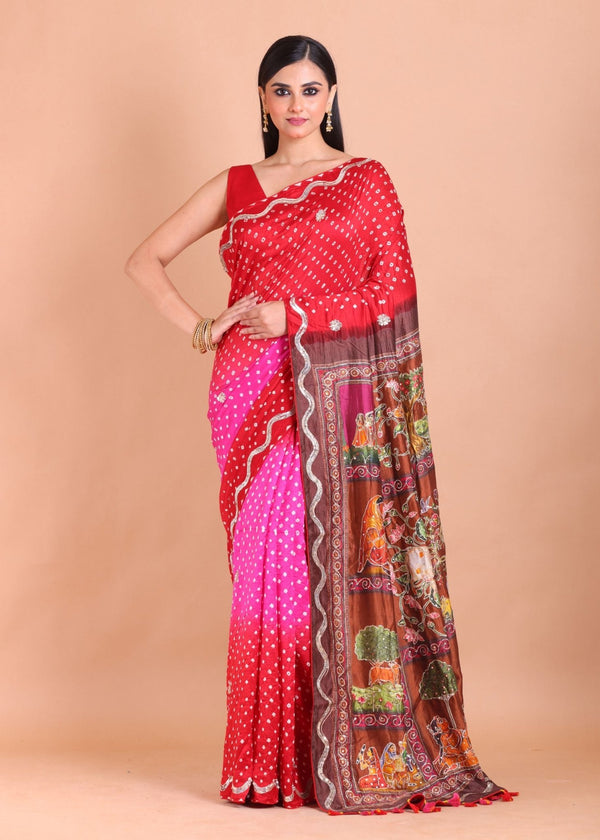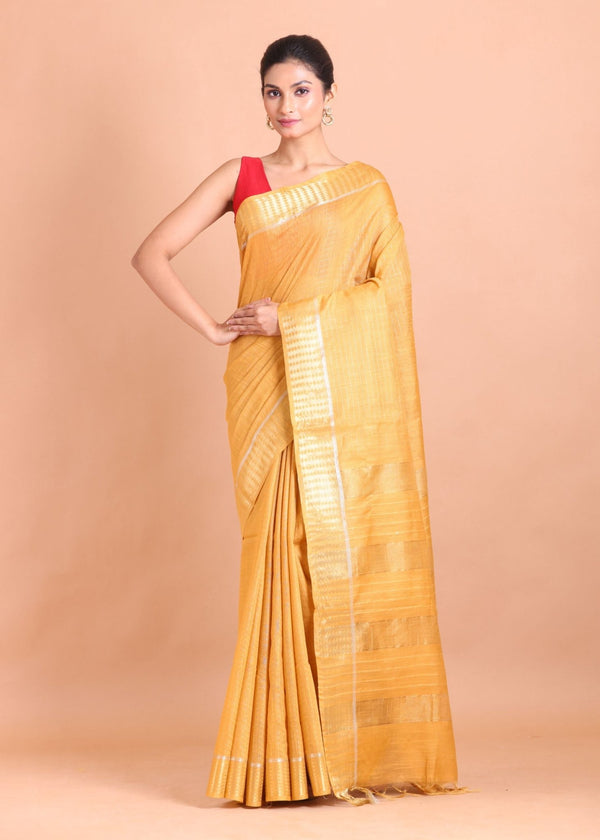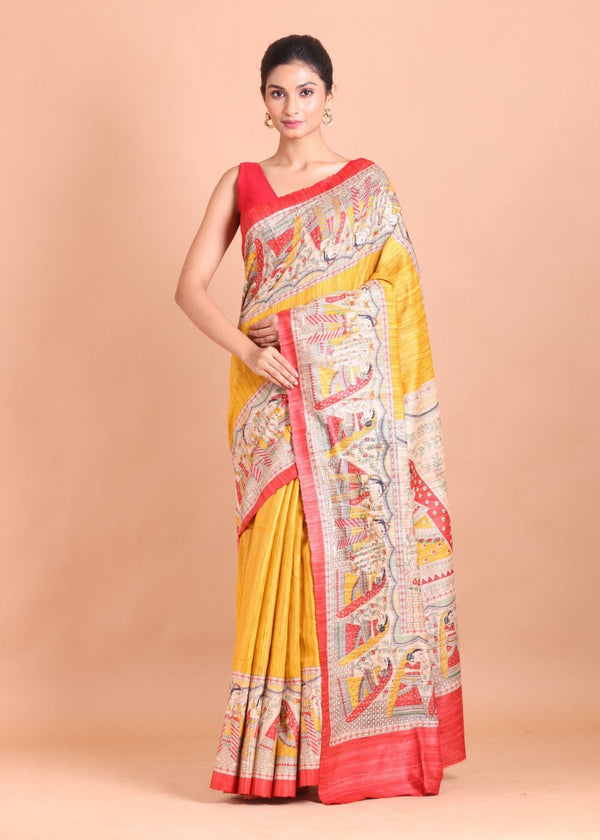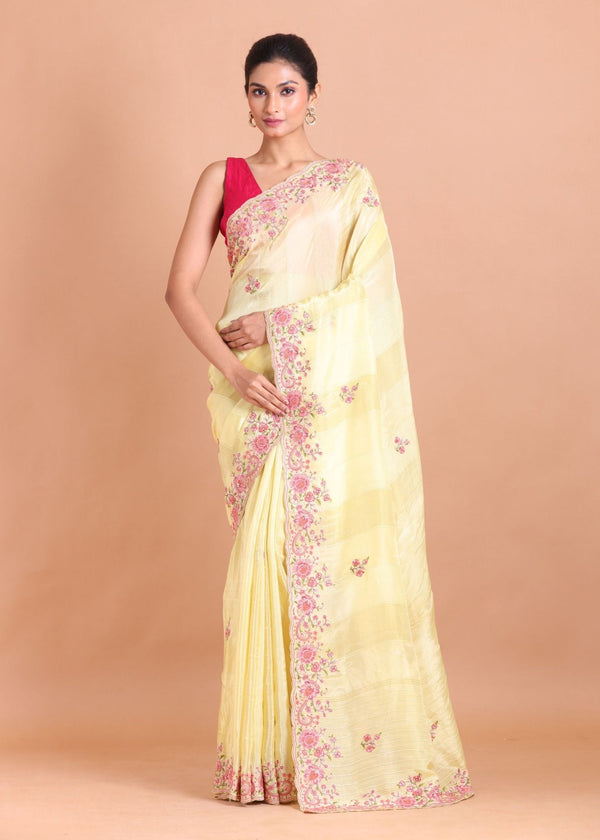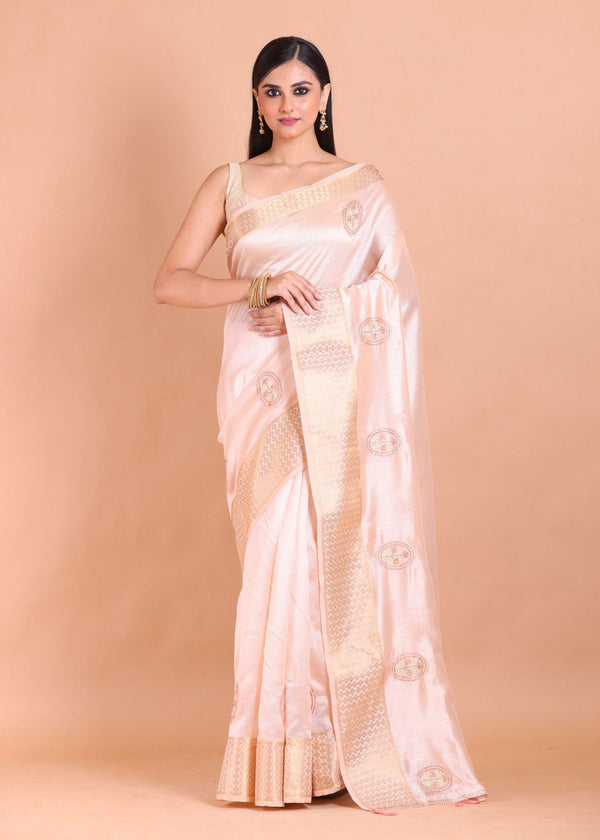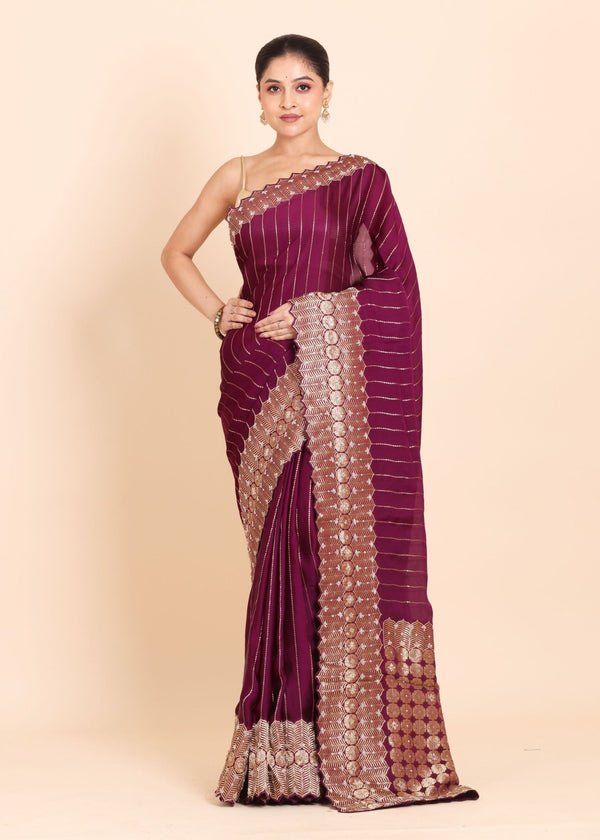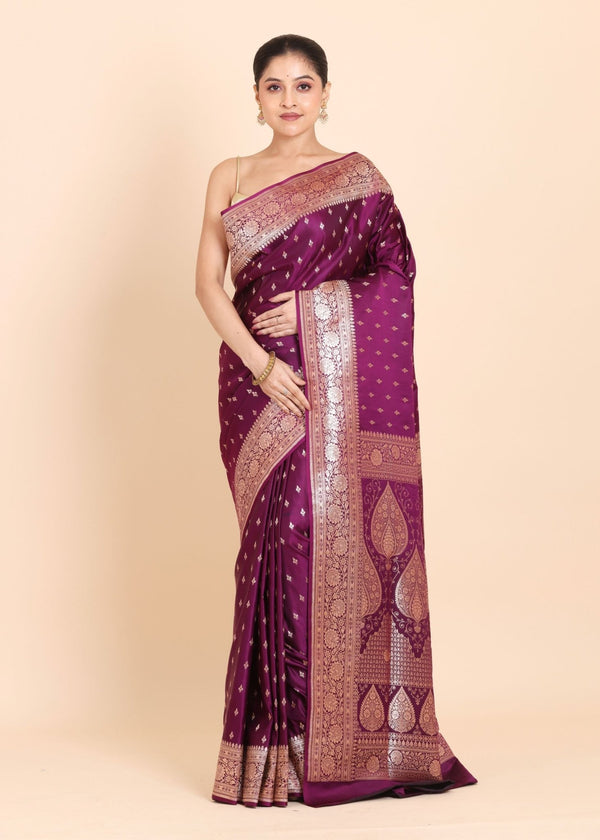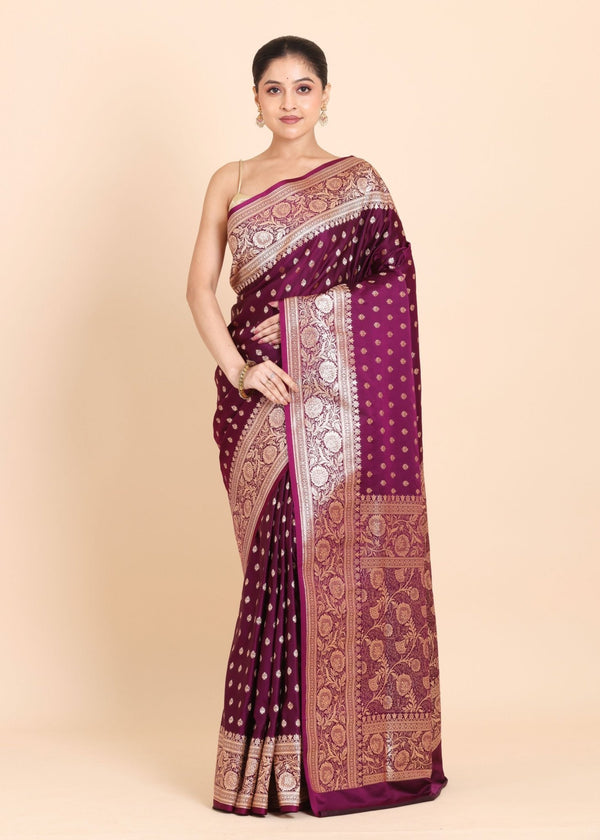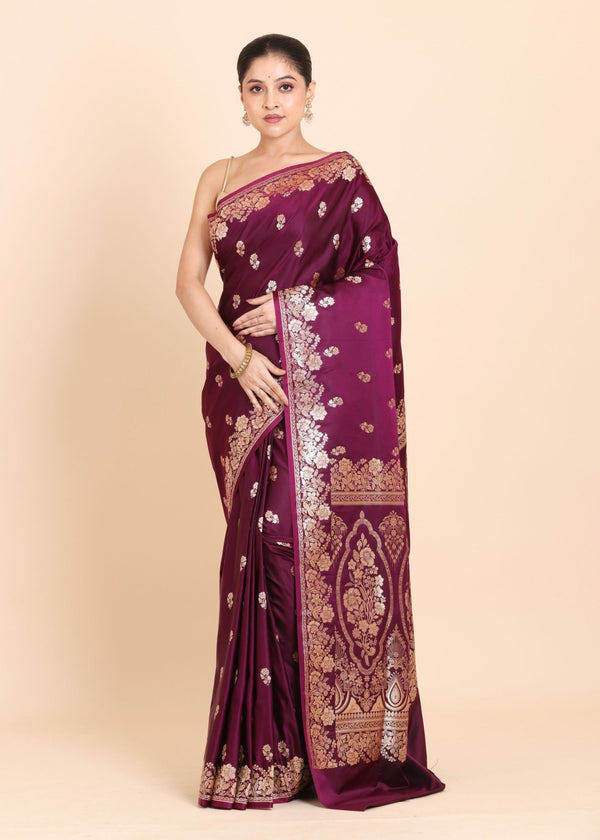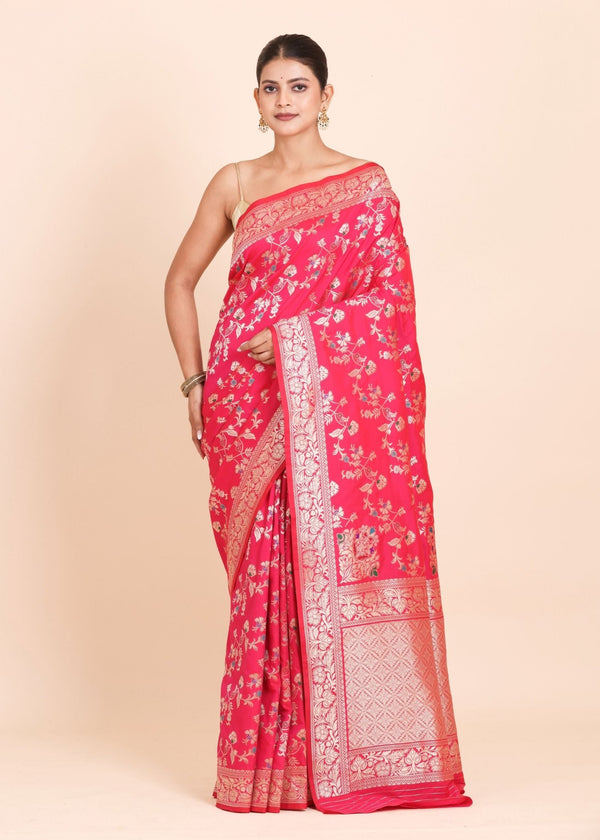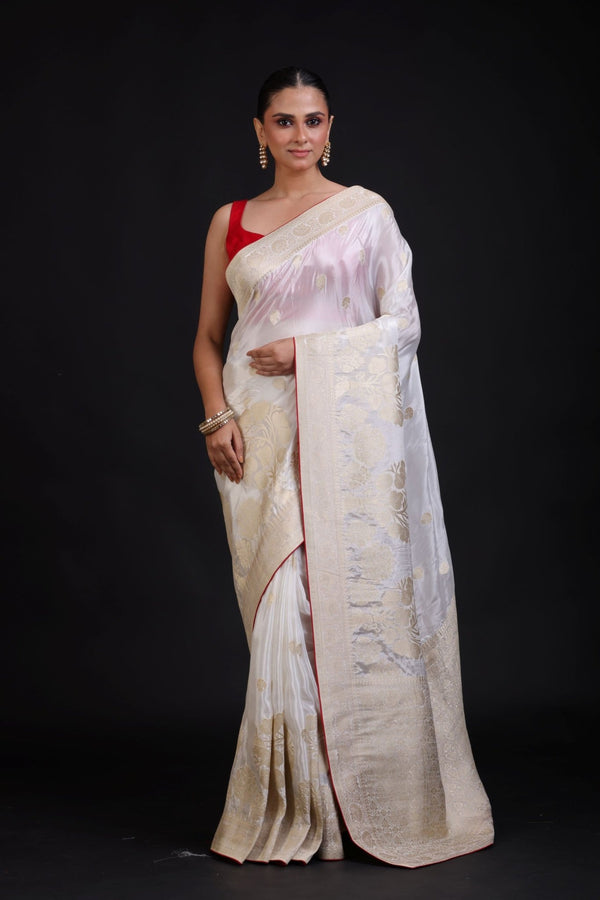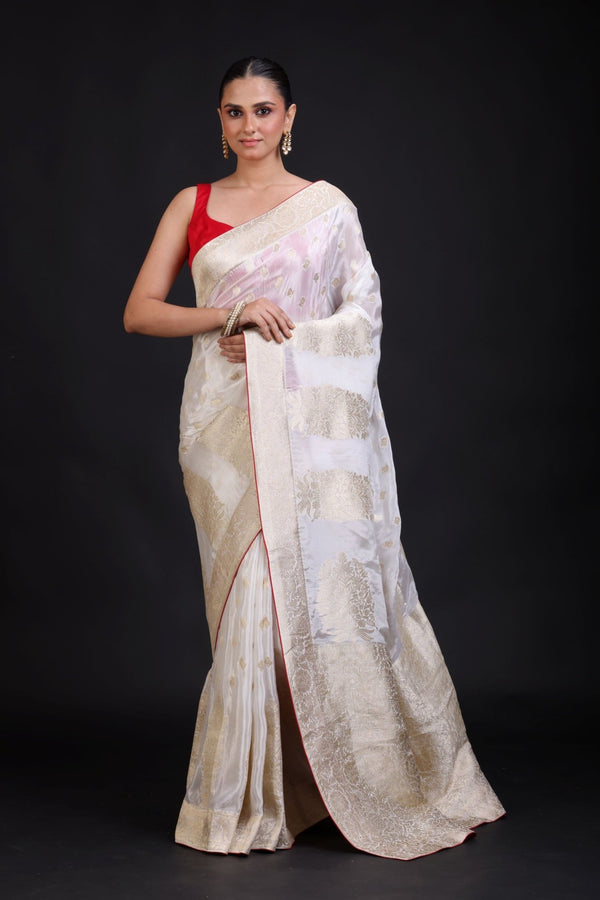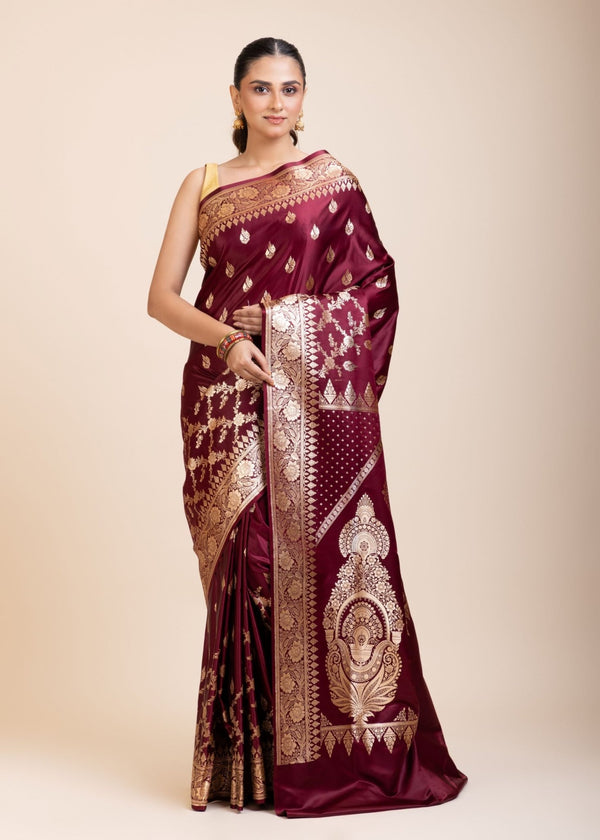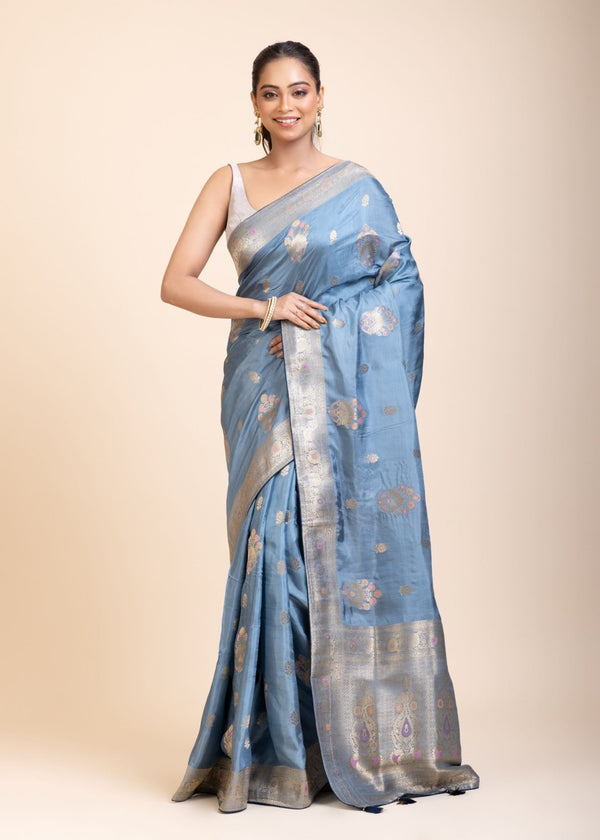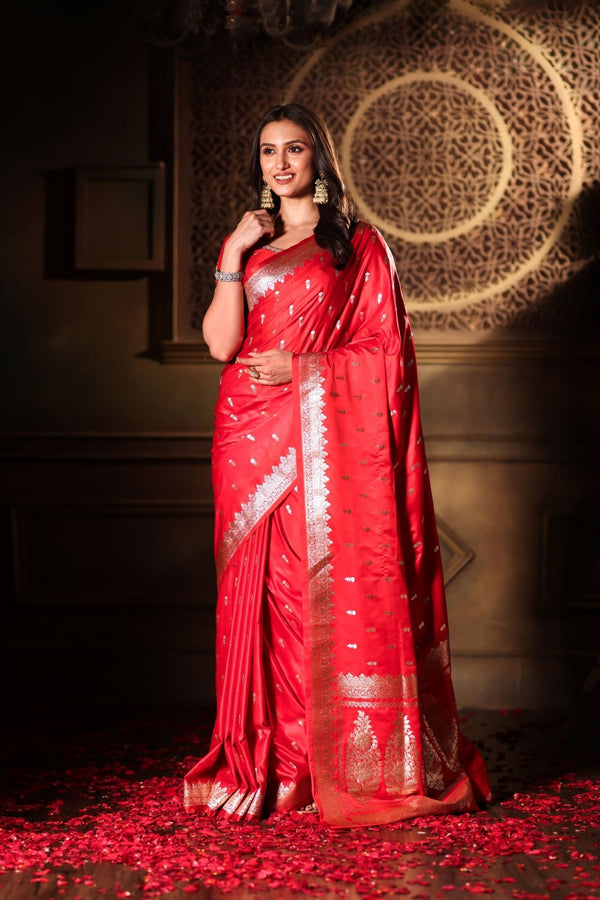




Handloom sarees have a character of their own. The texture of the weave, the fall of the fabric, the border and the pallu can make even a simple saree stand out. But the final look depends on more than just the saree. The blouse, drape, jewellery, footwear and even the hairstyle need to work together. The good news is that styling a handloom saree does not have to be complicated. Whether you are dressing for work, a festive gathering, a wedding or a casual outing, a few thoughtful choices can make the outfit look well put together. If you are wondering how to style a handloom saree, start with the fabric and occasion, then build the look around the saree's weave, colour and detailing. Here are 10 practical styling tips to help you create a graceful and well-balanced handloom saree look.

How to Style a Handloom Saree
The easiest way to style a handloom saree is to think of the entire outfit as one look rather than choosing every element separately. A heavily woven saree may need a simpler blouse and jewellery, while a plain handloom saree gives you more freedom to experiment with a statement blouse or accessories. Keep the occasion, fabric weight, colour palette and overall comfort in mind. Once these four things are right, the rest of the styling becomes much easier.
1. Choose the Right Handloom Fabric for the Occasion
Handloom sarees are available in different fabrics and weaves, and each one creates a different visual effect. Choosing the right fabric for the occasion is the first step towards a balanced look. Cotton handloom sarees are a practical choice for everyday wear, office dressing, daytime gatherings and summer occasions. Their breathable texture and relatively easy drape make them comfortable for longer hours. Linen handloom sarees can also work well for daytime events, brunches and smart casual dressing. Silk handloom sarees have a richer appearance and are better suited to weddings, festivals, pujas and formal occasions. Chanderi, tussar and other lightweight handloom fabrics can work well for festive daytime dressing or semi-formal occasions.
|
Handloom fabric |
Suitable occasions |
Styling direction |
|
Cotton |
Office, everyday wear, casual events |
Simple blouse and minimal jewellery |
|
Linen |
Daytime events, brunches, summer wear |
Structured blouse and lightweight accessories |
|
Chanderi |
Festive gatherings, pujas, daytime celebrations |
Delicate jewellery and a neat drape |
|
Tussar |
Festive and semi-formal occasions |
Earthy or traditional accessories |
|
Silk |
Weddings, festivals and formal events |
Traditional jewellery and a defined drape |
When you buy handloom saree online, always check the fabric, weave, saree dimensions and care instructions before making your choice.
2. Let the Saree's Border and Weave Guide Your Blouse
The blouse is one of the strongest styling elements in a saree outfit. Instead of choosing it separately, look at the border, motifs and overall texture of the handloom saree first. A handloom saree with a prominent border often works well with a clean, well-fitted blouse. You can pick a blouse colour from the border for a coordinated appearance or use a contrasting shade to create more visual interest. For a contemporary look, try a structured blouse with a boat neck, high neck, square neck or elbow-length sleeves. A classic round or U-neck blouse works well when you want a more traditional appearance. If the saree itself has a lot of visual detail, avoid making the blouse equally elaborate. On the other hand, a relatively plain handloom saree can give you more freedom to experiment with an embroidered, printed or statement blouse. If you arebuying saree online, pay attention to whether the saree comes with a blouse piece and consider how its colour and texture will work with your preferred blouse design.
3. Choose a Draping Style That Works With the Fabric
A good drape can completely change the appearance of a handloom saree. The key is to choose a draping style that works with the fabric instead of forcing the fabric into a style that does not suit it. A crisp cotton handloom saree can look sharp with well-defined pleats, while a softer silk or lightweight weave can look more fluid with a relaxed pallu. The classic Nivi drape is a versatile option for many sarees, while a Bengali-style drape can beautifully showcase a broad pallu and traditional border. If the pallu has intricate weaving, motifs or zari detailing, consider an open pallu so that the craftsmanship remains visible. A pleated pallu gives a more structured appearance and can be useful for formal occasions.

Most importantly, make sure the pleats fall neatly and the pallu stays secure. A comfortable, well-set drape will always look better than a complicated drape that needs constant adjustment.
4. Balance the Saree's Colour and Motifs
Handloom sarees often have distinctive colours, woven motifs and contrasting borders. Instead of matching every element exactly, use these details to create a balanced colour palette. There are three easy ways to approach the colour combination. Same-colour styling: Choose a blouse in the same colour family as the saree for a streamlined look. Contrast styling: Pick a shade from the border, pallu or motifs and use it for the blouse or accessories. Neutral styling: When the saree has strong colours or elaborate weaving, use a neutral blouse or understated accessories to keep the saree as the focal point. For daytime occasions, softer shades and natural colour combinations can create a relaxed appearance. Deeper colours can work particularly well for evening events and festive dressing. You do not have to match your jewellery, blouse, footwear and handbag to the saree exactly. A coordinated colour story usually looks more refined than perfect colour matching.

5. Match Jewellery to the Weight of the Saree
Jewellery should complement the handloom saree, not compete with it. A useful styling rule is to match the weight of your jewellery to the visual weight of the saree. A lightweight cotton or linen handloom saree can be paired with small jhumkas, silver jewellery, beads, terracotta jewellery or a few simple bangles. These accessories add character without making the outfit feel heavy. For silk handloom sarees and richer weaves, traditional jewellery can create a stronger festive or wedding look. Gold-toned jewellery, temple-inspired pieces, statement earrings and bangles can work particularly well. If the saree already has heavy zari, an ornate border or elaborate motifs, you do not need a large necklace, statement earrings and multiple bangles at the same time. Choose one or two focal pieces instead. This creates visual balance and allows the handloom craftsmanship to remain visible.
6. Pay Attention to Blouse Fit and Overall Structure
Even a beautifully woven saree can lose its appeal if the blouse does not fit properly. Blouse fit affects the way the saree sits around the shoulders, waist and upper body, so it should be treated as an important part of the overall styling. A blouse that is too loose can make the drape look untidy, while an overly tight blouse can restrict movement and become uncomfortable during a long event. The neckline and sleeve length should also work with the proportions of the saree. A high-neck or full-sleeve blouse can give a more structured appearance, while a sleeveless or short-sleeve blouse can create a lighter, more contemporary look. The foundation underneath the saree also matters. Choose a well-fitted petticoat or saree shapewear that allows the pleats to sit properly without making the outfit uncomfortable. Before leaving for an event, sit, walk and move your arms to check whether the blouse, pleats and pallu stay in place.
7. Choose Footwear That Works With Your Drape
Footwear is a small detail, but it can affect the entire silhouette of a saree outfit. Choose your footwear before finalizing the saree length and final drape. Juttis and mojaris work well with traditional handloom sarees and are useful when comfort is a priority. Flat sandals can be a good choice for casual and daytime looks. For weddings, receptions and formal occasions, block heels, wedges or classic heels can add height while offering better stability than very high stilettos. If you are wearing heels, make sure the saree is draped at the right length so that the fabric does not drag on the floor. The footwear does not have to exactly match the saree. Metallic, neutral or colour-coordinated footwear can work well without taking attention away from the outfit.

8. Complete the Look With Hair, Makeup and a Bindi
The finishing details should support the character of the handloom saree. You do not need elaborate makeup or a complicated hairstyle to make the outfit work. For a traditional look, a neatly tied bun, braid, fresh flowers, a bindi and defined eyes can complement the saree beautifully. For a contemporary handloom saree look, soft waves, a sleek bun or a clean ponytail can create a more modern finish. Makeup can also be adjusted according to the occasion. A natural base, soft eyeliner and a muted lip work well for daytime and office dressing. For evening occasions, you can add more definition to the eyes or choose a deeper lip colour. The key is balance. If the saree, blouse and jewellery are already detailed, keep the makeup and hairstyle relatively clean.

9. Style Your Handloom Saree According to the Occasion
The same handloom saree can look completely different depending on how you style it. Instead of following one fixed styling formula, adjust the blouse, jewellery and drape according to where you are going.
|
Occasion |
Saree styling |
Blouse |
Accessories |
|
Office |
Cotton, linen or lightweight handloom |
Structured and simple |
Minimal jewellery, comfortable footwear |
|
Everyday outing |
Lightweight cotton or printed handloom |
Fitted basic blouse |
Small earrings and flats |
|
Puja |
Traditional cotton or silk |
Classic neckline |
Bindi, bangles and traditional earrings |
|
Festive occasion |
Richer handloom or Chanderi |
Contrast or coordinated blouse |
Gold-toned or traditional jewellery |
|
Wedding |
Silk or richer handloom |
Structured or embellished blouse |
Statement earrings, bangles and heels |
|
Dinner or party |
Textured silk or contemporary handloom |
Modern blouse |
Controlled statement accessories |
For an office look, focus on a neat drape, comfortable footwear and minimal accessories. For a wedding, you can increase the jewellery and choose a more structured or embellished blouse. This approach allows the same handloom wardrobe to work across different occasions without making every outfit look identical.
10. Avoid These Common Handloom Saree Styling Mistakes
Styling a handloom saree is about knowing what to add and what to leave out. Some common mistakes can make the outfit look visually heavy or uncomfortable.
Over-accessorising: A saree with a detailed border or heavy weave may not need several statement accessories.
Ignoring the blouse: The wrong colour, neckline or fit can disturb an otherwise well-balanced saree look.
Hiding the pallu: If the pallu contains intricate motifs, zari or handwoven detailing, choose a drape that allows it to remain visible.
Choosing footwear too late: Your footwear height can affect the final saree length and drape.
Using too many contrasting colours: A handloom saree can already have several colours through its weave and border. Too many additional shades can make the outfit look busy.
Ignoring comfort: If you cannot walk, sit or move comfortably, the styling is not working for you.
Making every element equally elaborate: Your blouse, jewellery, makeup and accessories do not all need to be statement pieces. Give the eye one or two focal points.
How to Make a Handloom Saree Look Modern
A handloom saree does not have to be styled in a completely traditional way. The easiest way to give it a contemporary feel is to keep the saree traditional and update one or two elements around it. Try pairing a classic handloom saree with a structured blouse, a clean neckline or an unexpected contrast colour. You can also choose a minimalist jewellery combination instead of wearing a complete traditional jewellery set. A clean pleated drape with a contemporary blouse can create a modern silhouette. Similarly, a simple bun, soft waves or a sleek ponytail can change the overall mood of the outfit. The idea is not to remove the traditional character of the saree. It is about creating a balance between heritage craftsmanship and modern styling.
Quick Handloom Saree Styling Formulas
If you want a simple starting point, use these combinations:
For everyday wear:
Lightweight handloom + comfortable blouse + small earrings + flats + simple hairstyle.
For office:
Cotton or linen handloom + structured blouse + minimal jewellery + neat pleats + comfortable footwear.
For festive occasions:
Rich handloom + contrast blouse + traditional jewellery + defined drape + bindi.
For weddings:
Silk handloom + structured or embellished blouse + statement jewellery + secure drape + heels.
For a modern look:
Classic handloom + contemporary blouse + minimal accessories + clean hairstyle.
Conclusion
Styling a handloom saree is less about following a fixed set of rules and more about creating balance. The fabric should suit the occasion, the blouse should complement the weave and border, and the drape should allow the saree's craftsmanship to remain visible. From a simple cotton saree for office wear to a rich silk handloom saree for a wedding, the right combination of blouse, jewellery, footwear and finishing details can change the entire look. Most importantly, choose styling that allows you to move comfortably and feel confident.A handloom saree already carries the beauty of traditional craftsmanship. Good styling simply helps you bring that character forward.