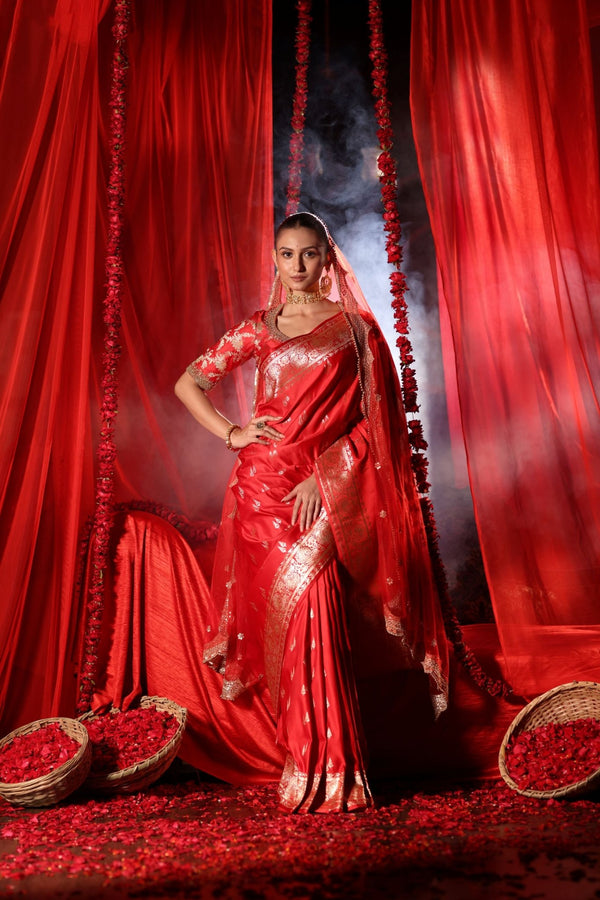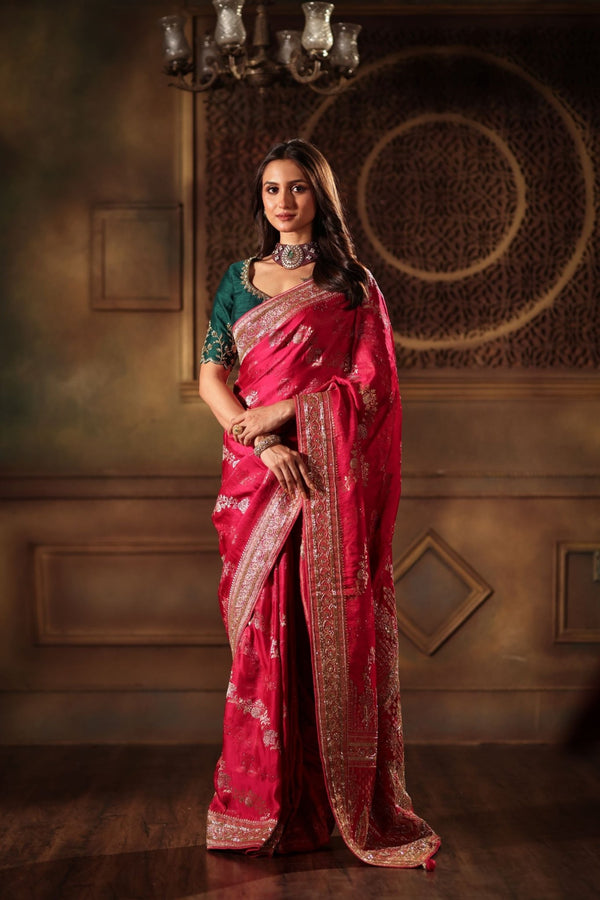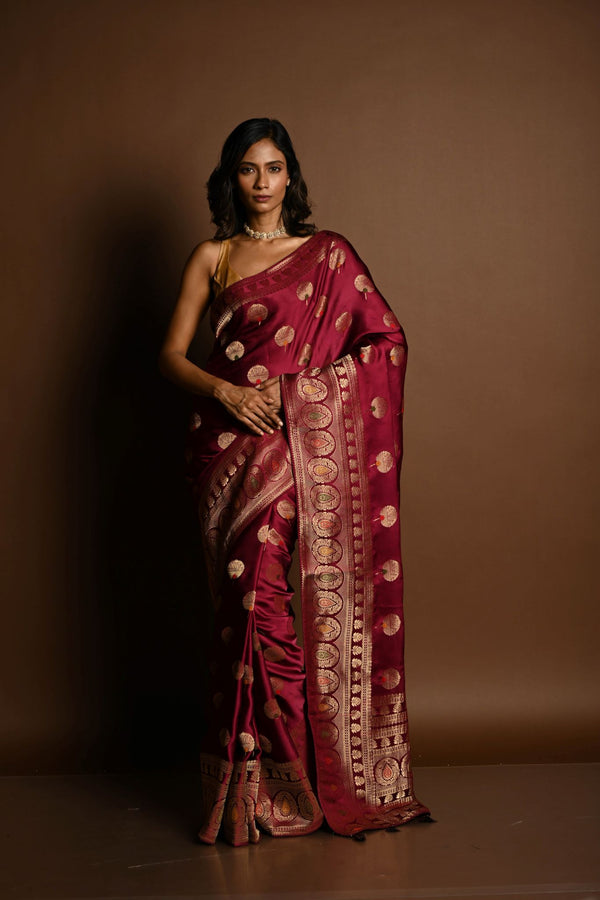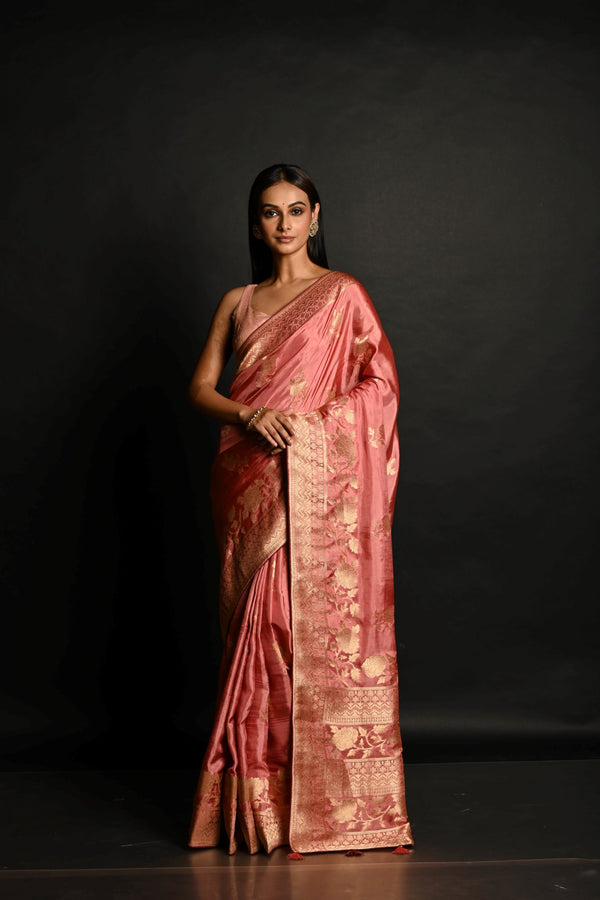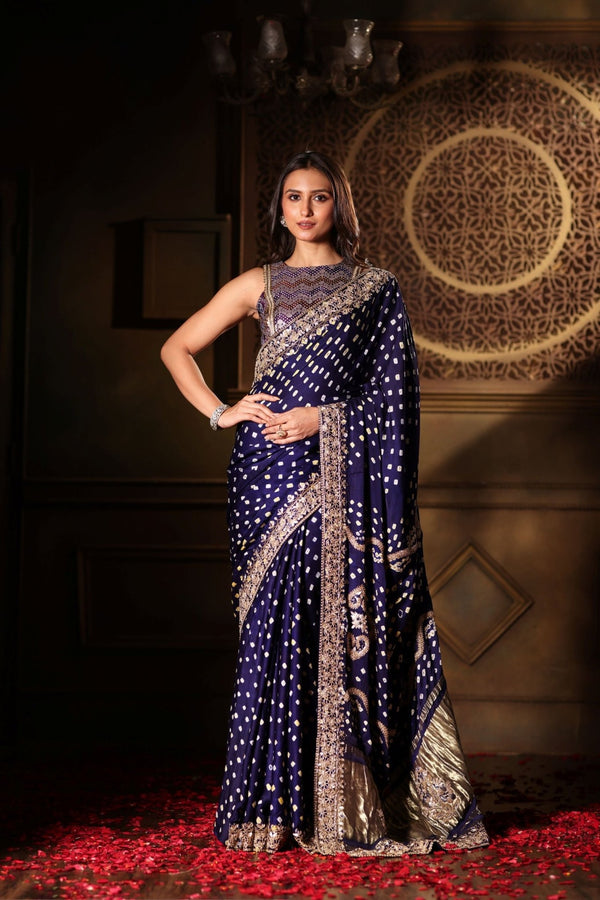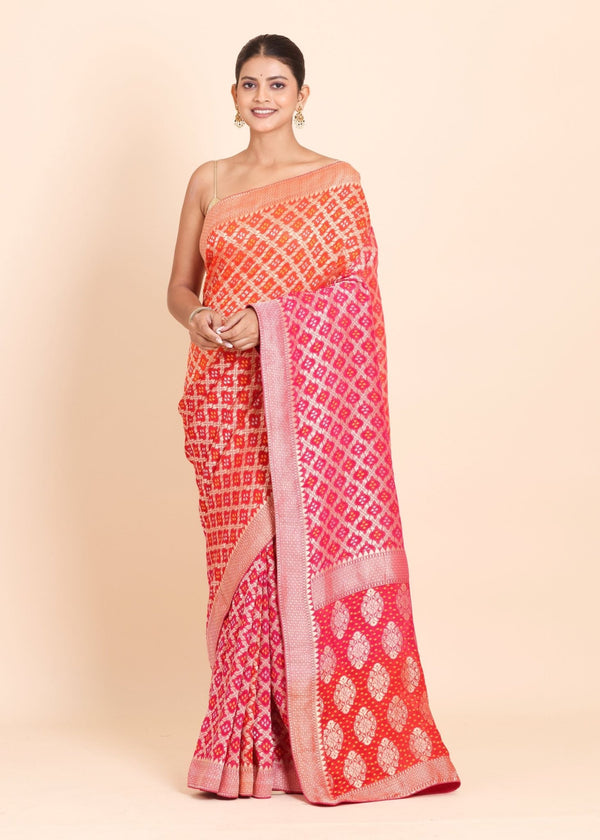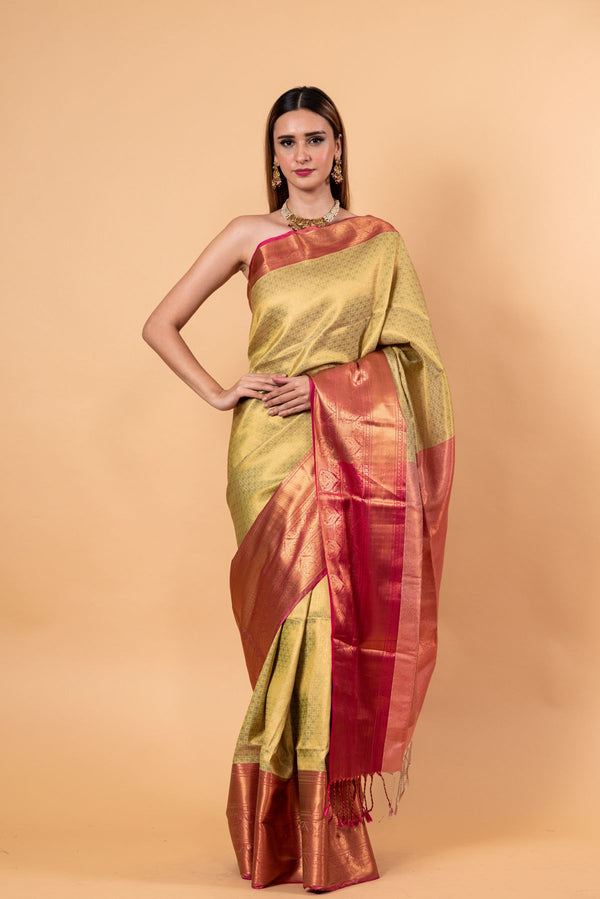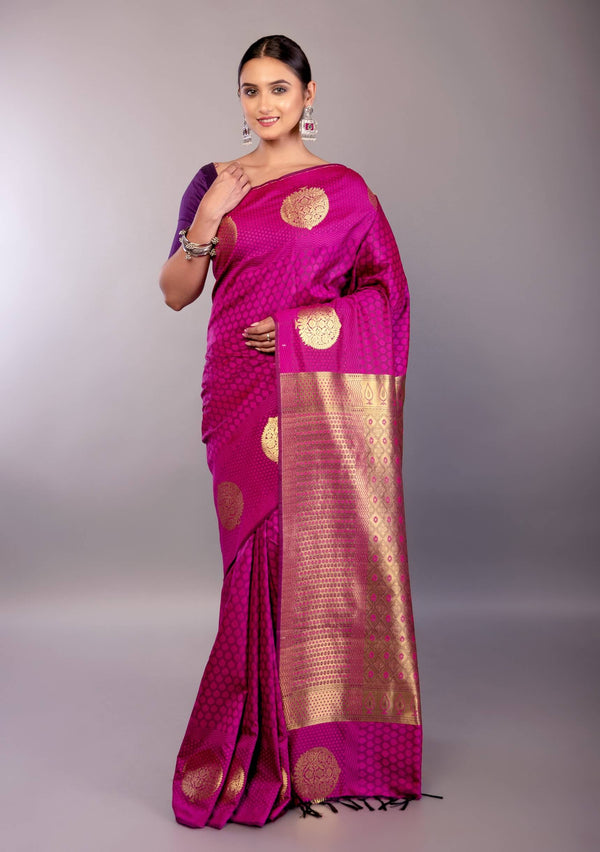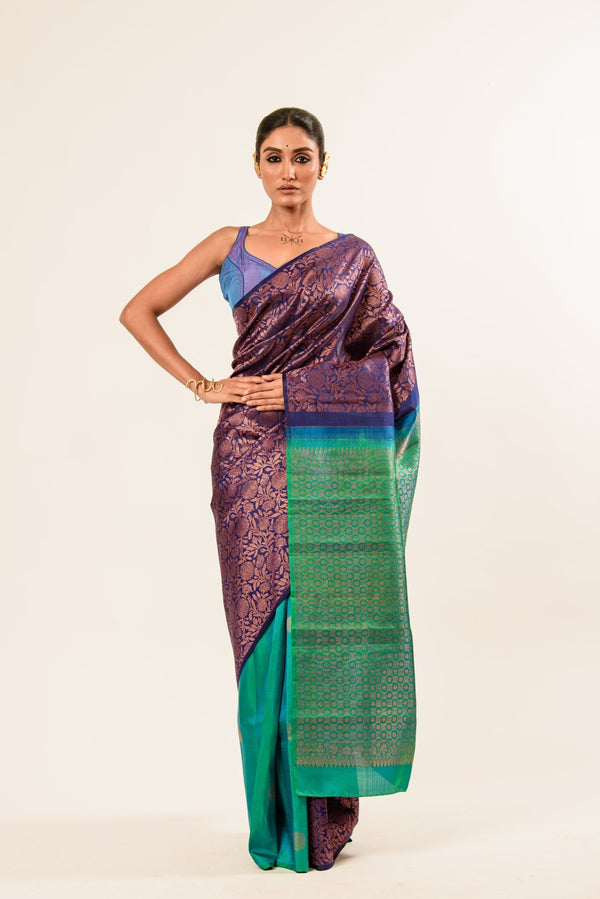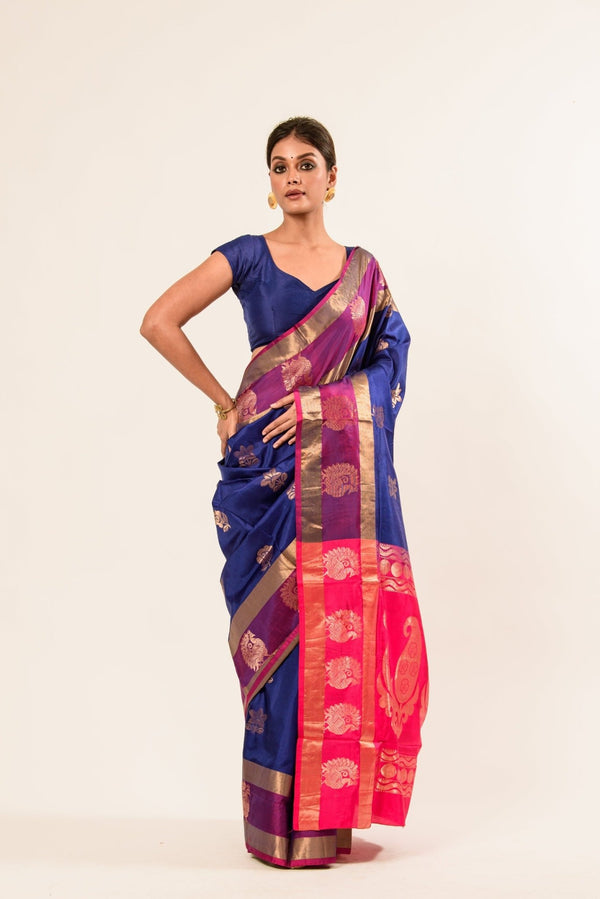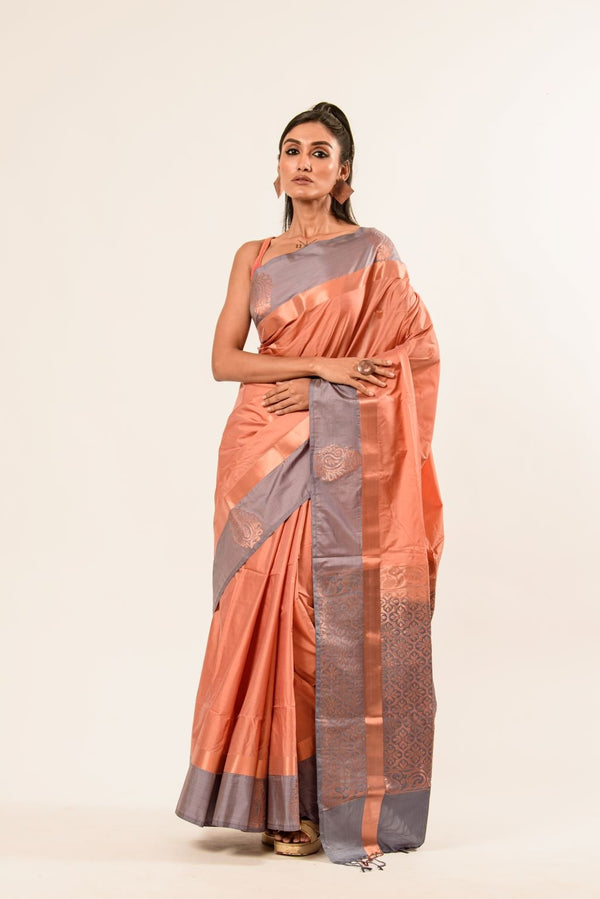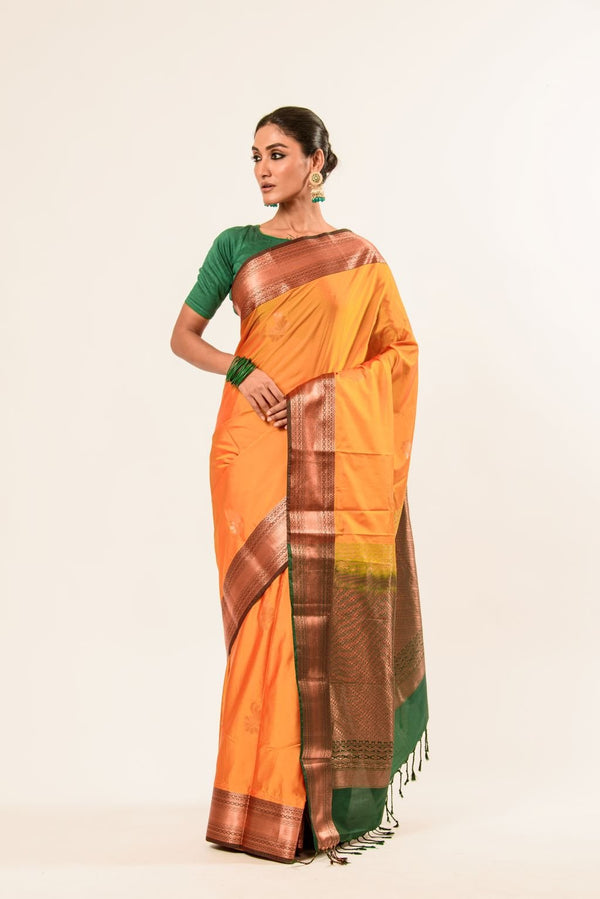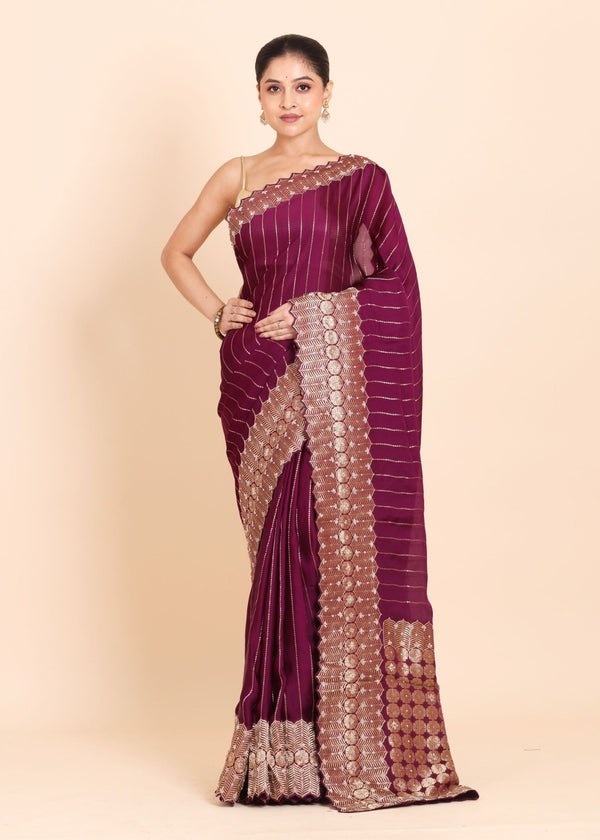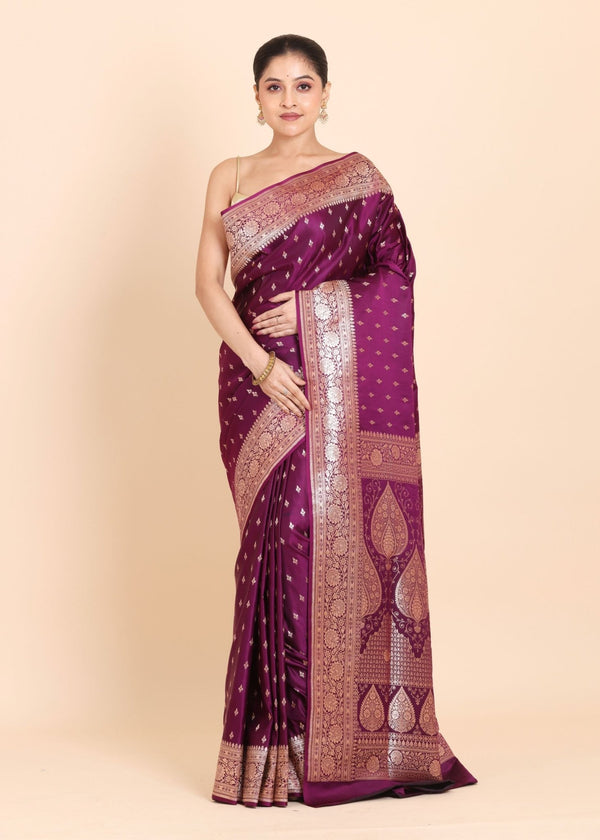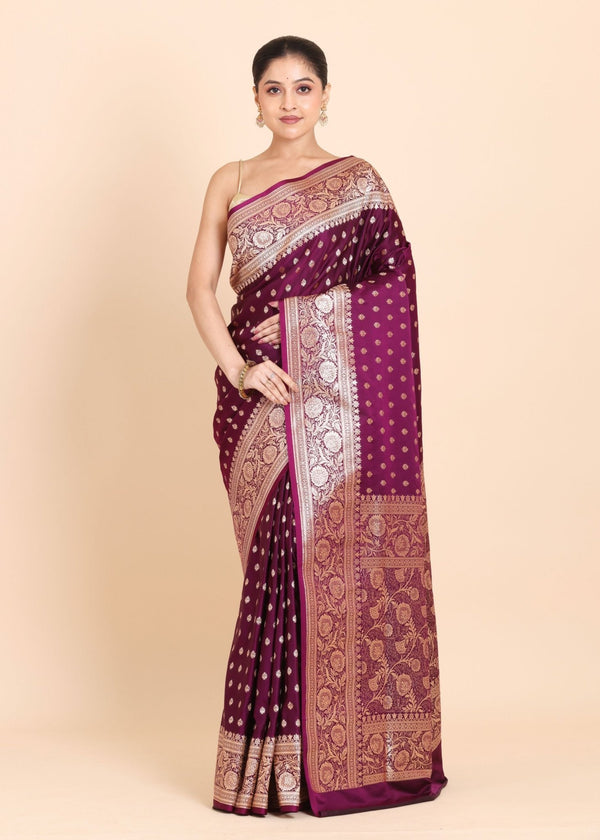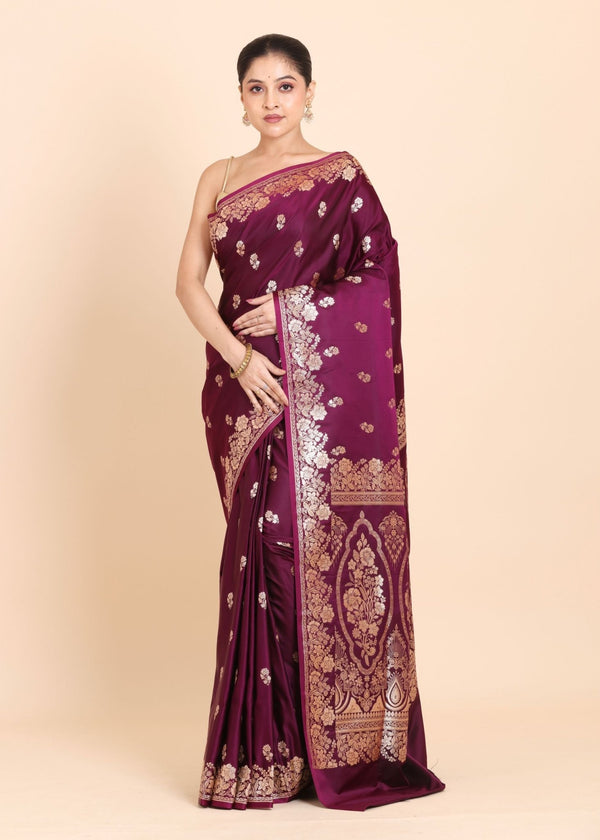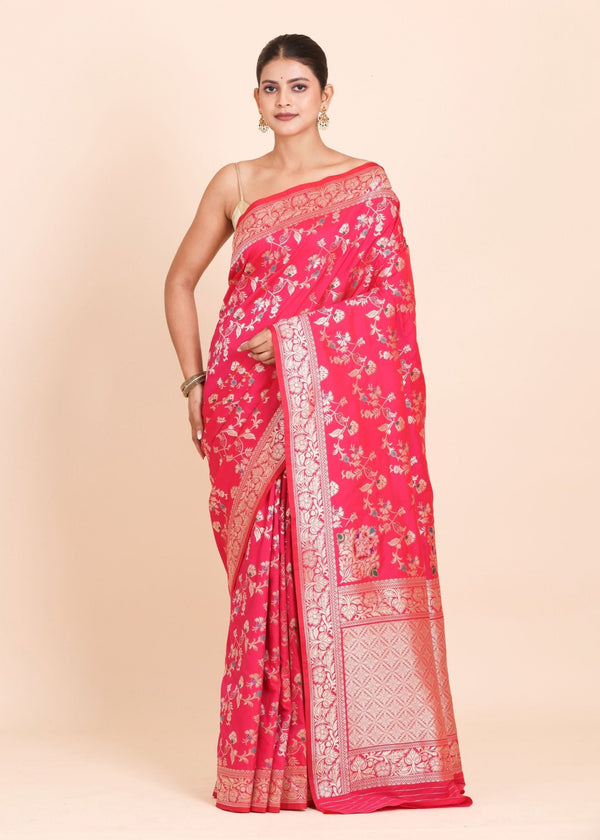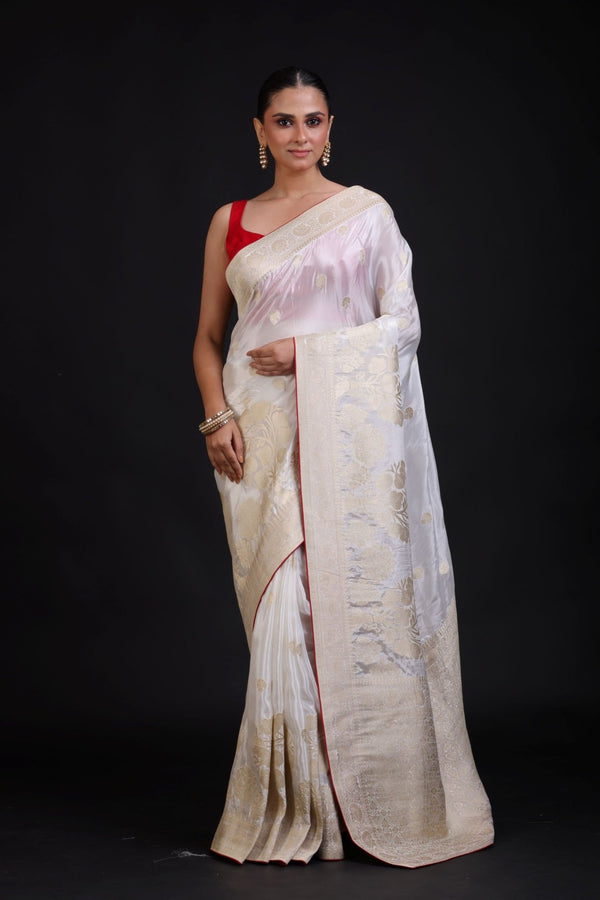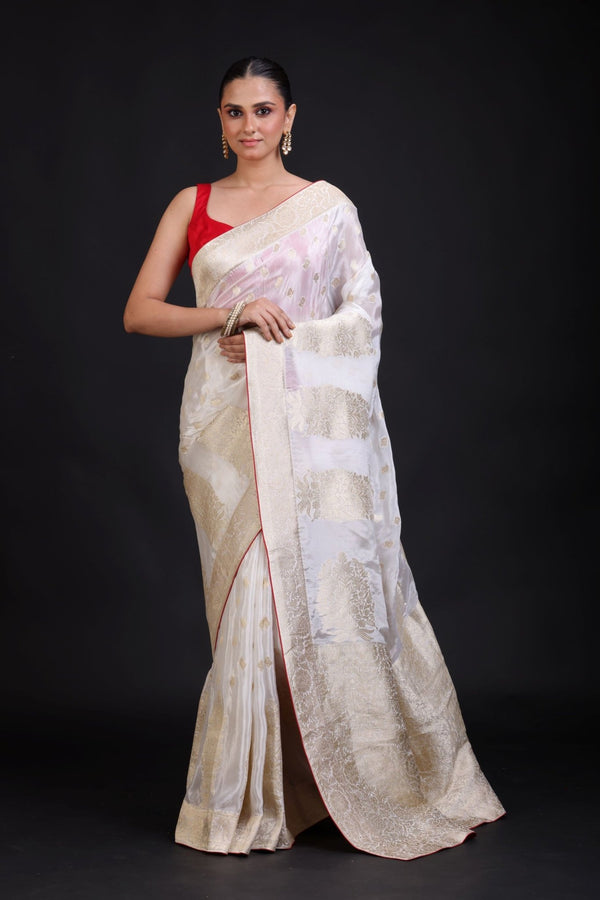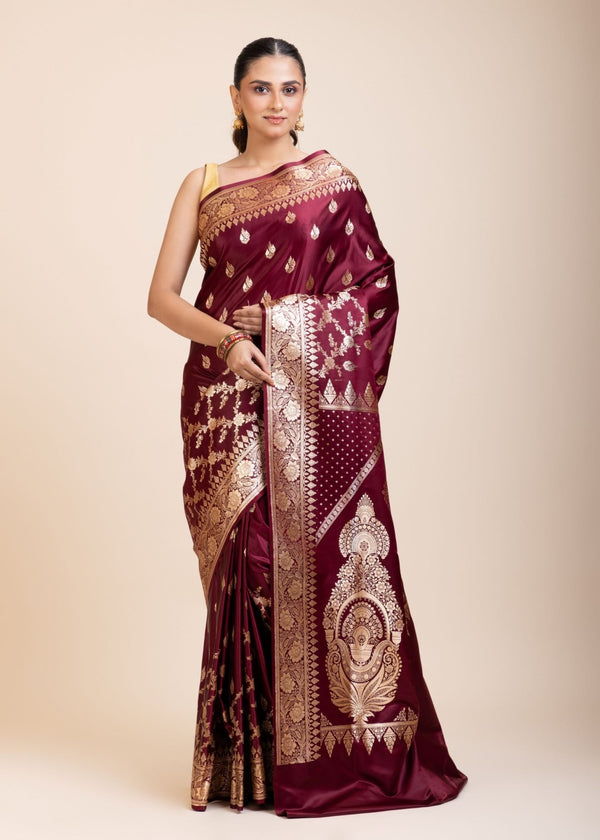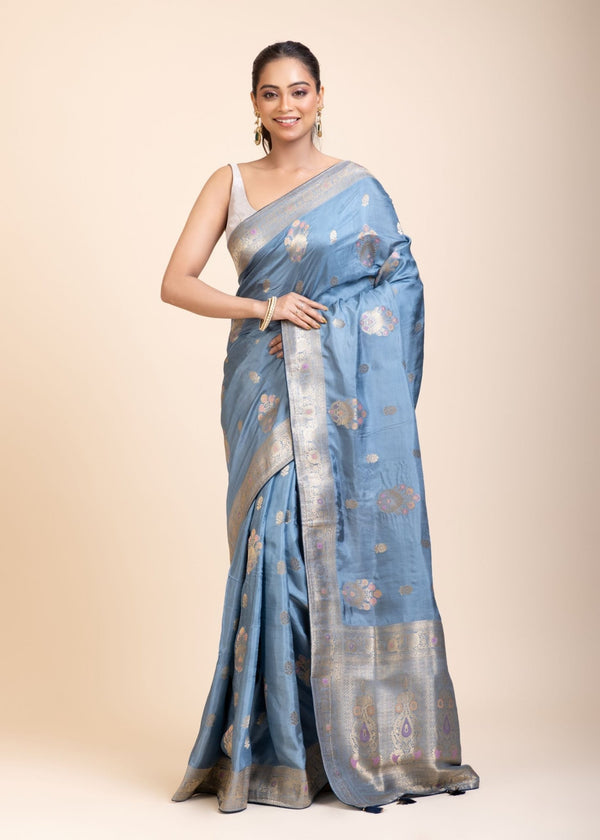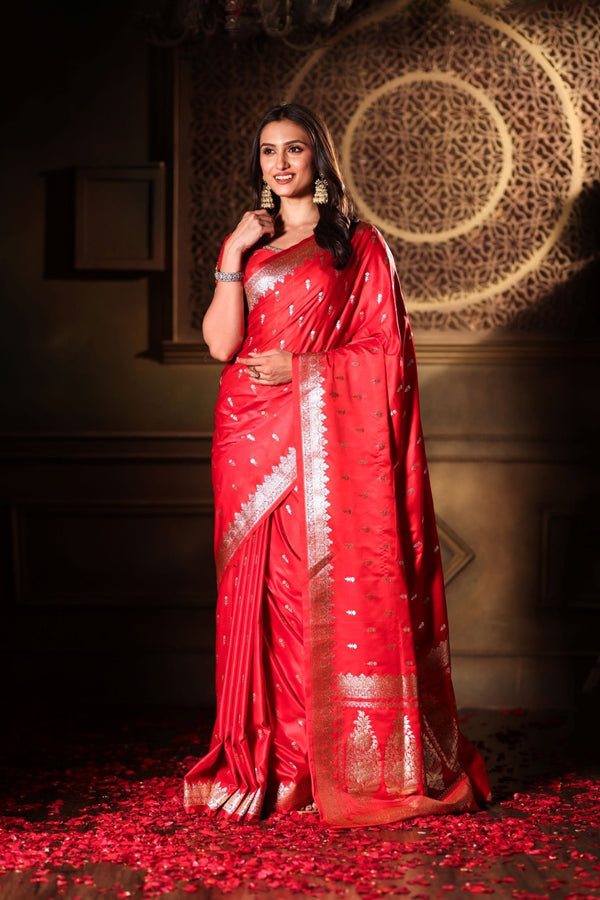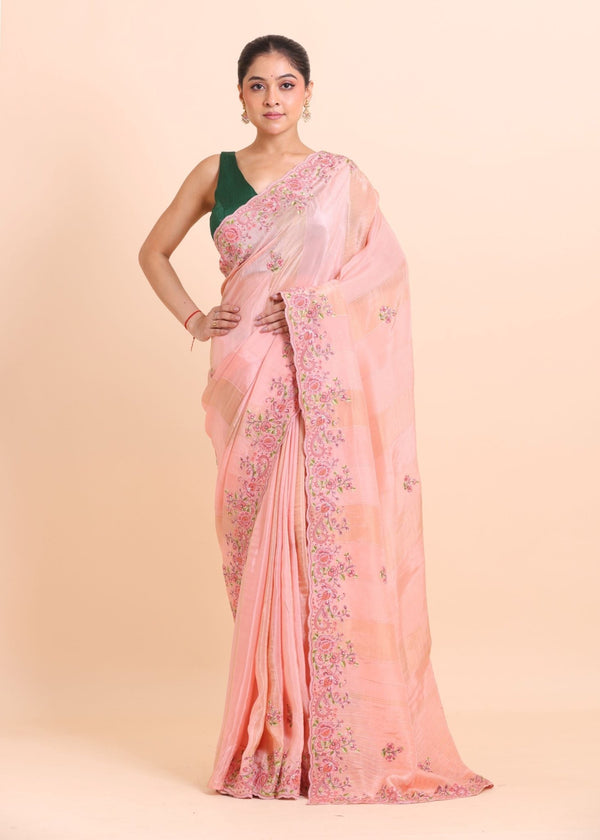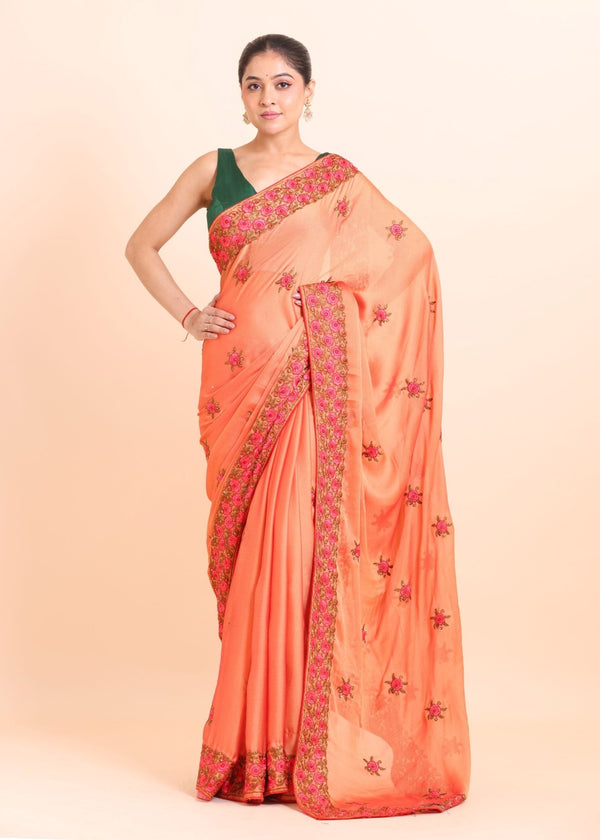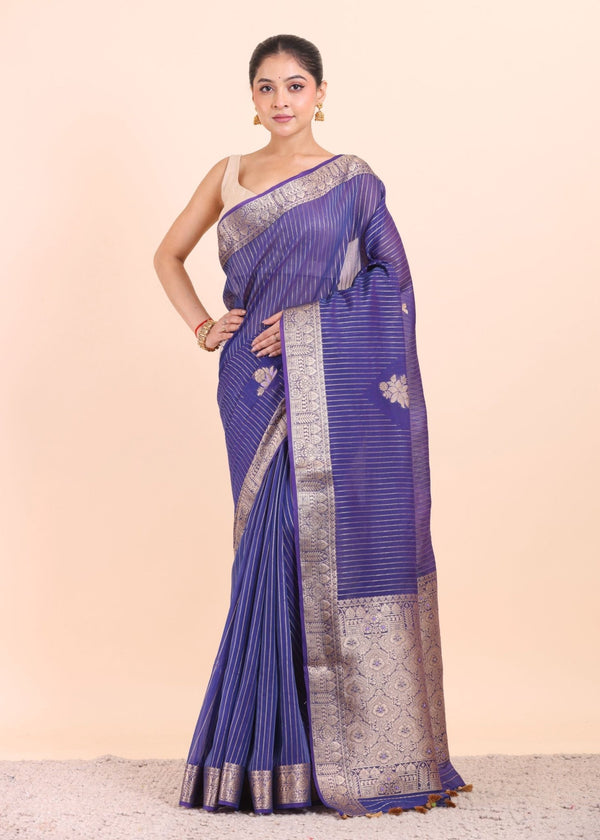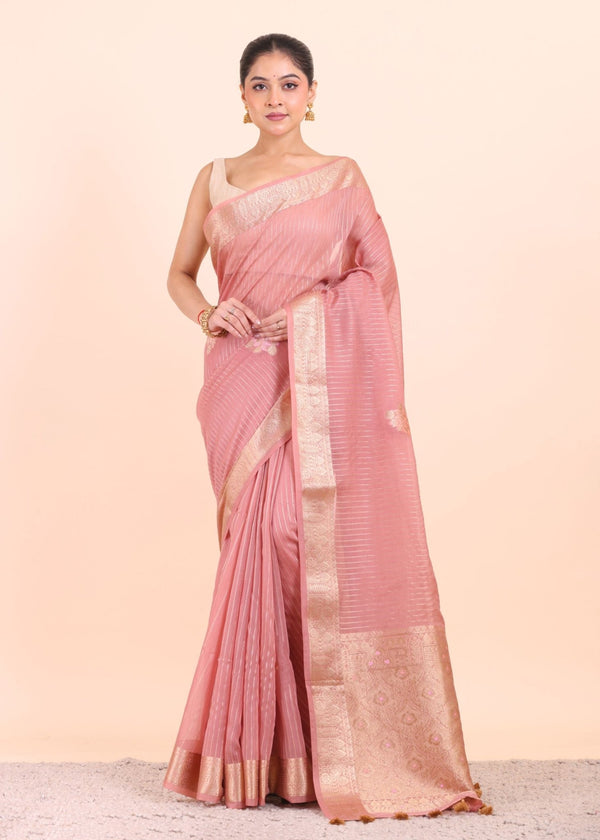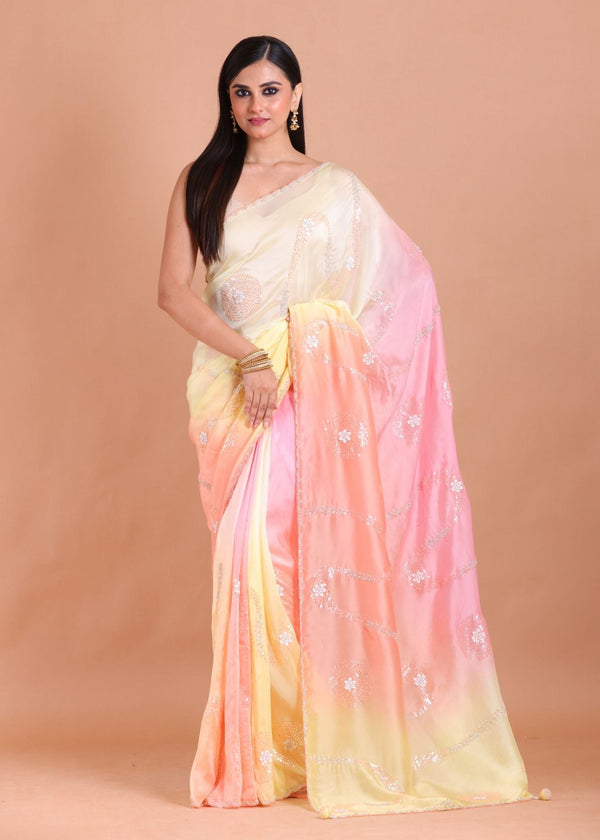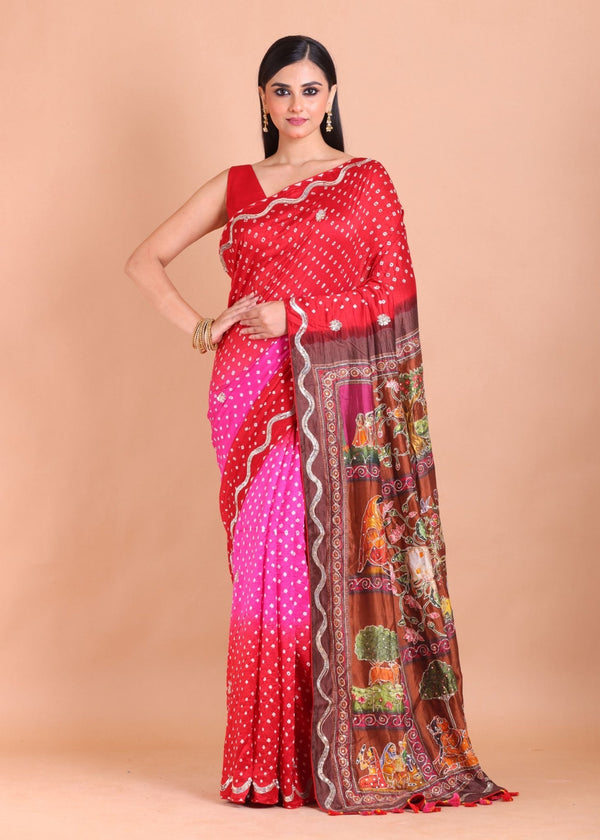





A bridal saree is more than an outfit for the wedding day. It reflects regional traditions, personal style and the significance of the occasion. From richly woven silk sarees to intricate embroidered designs, Indian brides have plenty of styles to consider when choosing their wedding attire. Some brides prefer the traditional appeal of Kanjivaram or Banarasi silk, while others look for detailed embroidery, lighter fabrics or contemporary patterns. The right choice depends on your wedding traditions, the ceremony, comfort and the kind of bridal look you want to create. If you are exploring designer bridal sarees for Indian weddings, here are ten styles worth considering, along with their distinctive features and the occasions they suit.
10 Trending Bridal Saree Styles for Indian Weddings
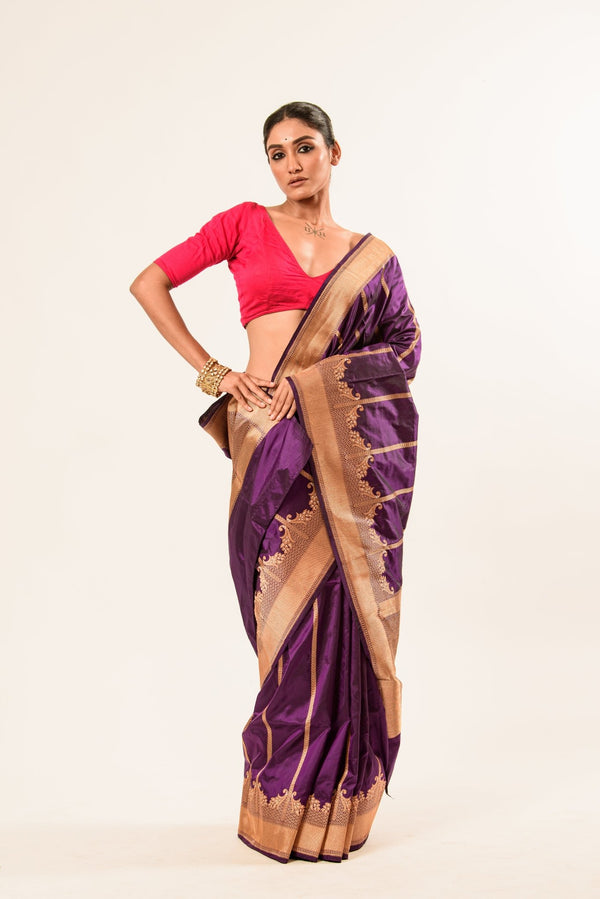
1. Classic Kanjivaram Silk Saree
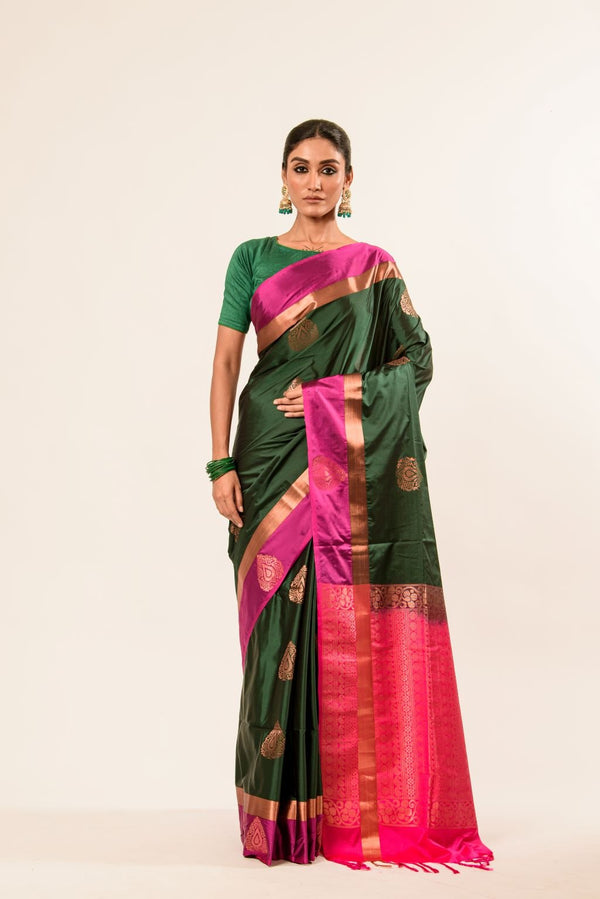
A Kanjivaram saree is a traditional favourite for brides who appreciate South Indian wedding attire. Originating from Kanchipuram in Tamil Nadu, these sarees are known for their silk weave, contrasting borders, rich pallu designs and traditional motifs. Gold zari detailing, temple-inspired patterns and elaborate borders make them particularly suitable for the main wedding ceremony. Brides can pair a Kanjivaram saree with a traditional silk blouse, temple jewellery and a classic bridal hairstyle. Explore different weaves and designs in our traditional Kanchipuram silk sarees.

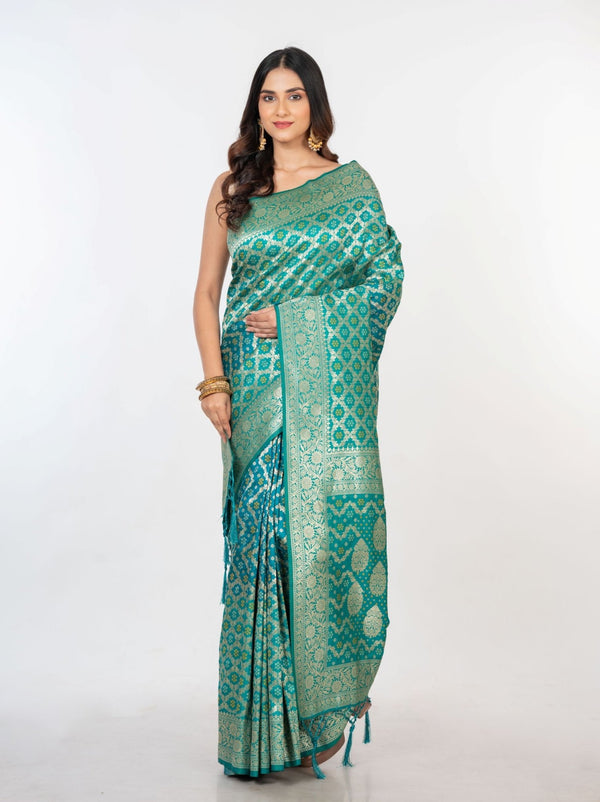
2. Banarasi Silk Saree
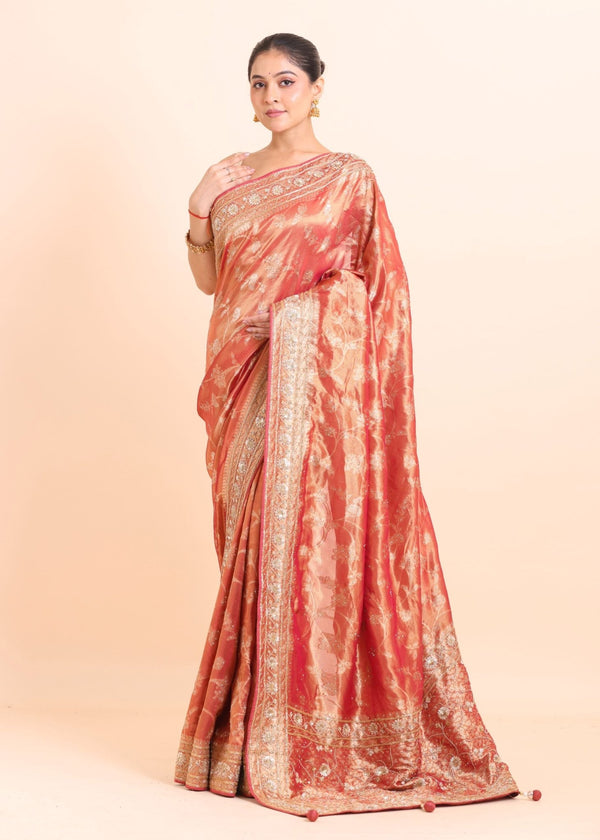
Banarasi sarees are closely associated with North Indian bridal traditions. Woven in Varanasi, these sarees are recognised for their intricate brocade patterns, floral motifs and zari detailing. Depending on the design, a Banarasi saree can feature elaborate borders, detailed pallus or all-over woven patterns. Heavier silk versions are particularly suitable for traditional wedding ceremonies, while more understated designs can work for engagement celebrations and receptions. Pair one with a brocade or embroidered blouse and traditional gold jewellery for a coordinated bridal look. You can also explore our handloom sarees for wedding ceremonies.

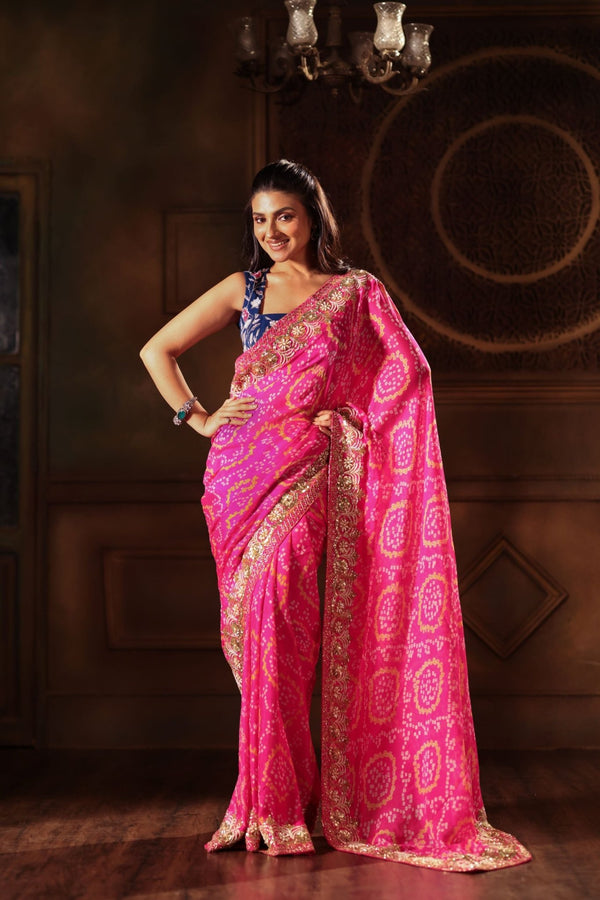
3. Zardozi Embroidered Saree
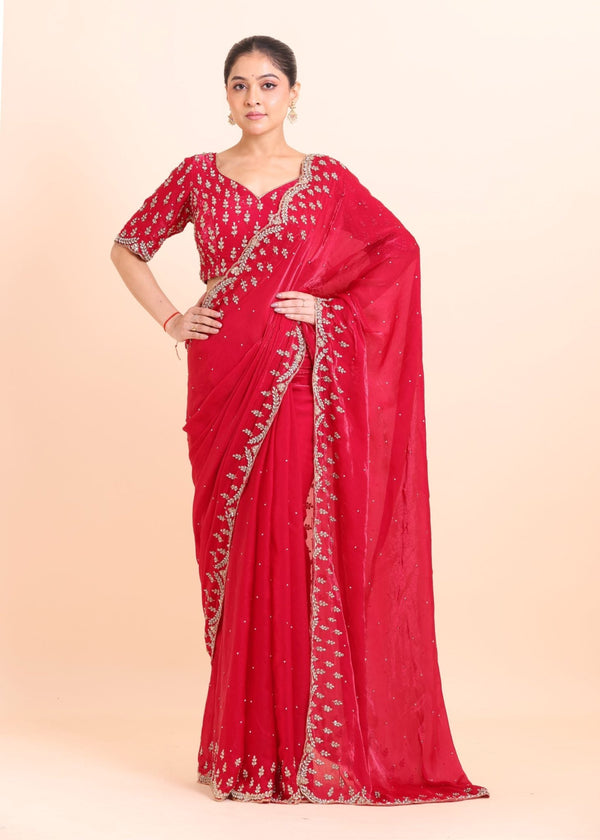
Zardozi embroidery is known for its detailed metallic threadwork, traditionally created using gold or silver-coloured threads and decorative elements. The technique adds texture and dimension to a saree, making it a striking choice for brides who enjoy elaborate detailing. Depending on the embroidery coverage and fabric, a Zardozi saree can work particularly well for wedding ceremonies, receptions and evening celebrations. Since detailed embroidery can add weight, consider the placement of the work and how comfortably you can carry the saree throughout the occasion. A coordinated embroidered blouse and statement jewellery complete the look. Browse designer embroidered sarees for weddings for more occasion-ready designs.

4. Mukaish Embroidery Saree
Mukaish embroidery, traditionally associated with Lucknowi craftsmanship, uses fine metallic elements to create delicate patterns and subtle surface detailing. Unlike heavily embroidered designs, Mukaish work can add shimmer without making the entire saree look too elaborate. It is worth considering for engagement celebrations, intimate wedding functions and evening occasions. The overall appearance depends on the fabric, density of the embellishment and colour of the saree. Style it with a complementary blouse and delicate metallic jewellery to let the embroidery remain the focus.

5. Georgette Saree
Not every wedding saree needs to be heavily woven or embellished. Georgette sarees offer a lighter drape and are worth considering for brides who prioritise ease of movement. Their flowing fall works well with embroidered borders, sequin details and contemporary blouse designs. Depending on the embellishment, a saree can be suitable for engagement functions, cocktail evenings and wedding receptions. For a more occasion-ready look, choose a design with detailed borders or embroidery and pair it with statement earrings. Explore georgette sarees for wedding functions for more options.

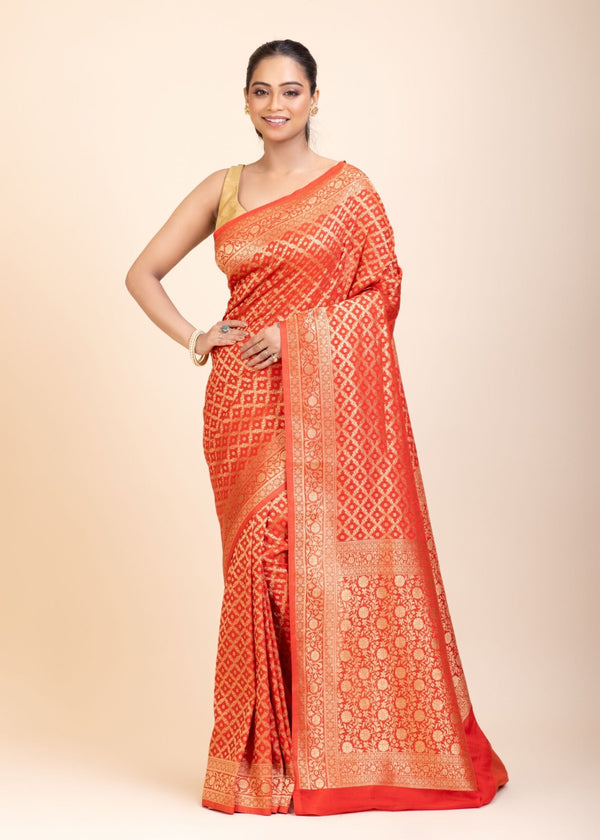
6. Brocade Banarasi Saree
Brocade Banarasi sarees are a distinctive choice for brides who love detailed woven patterns. Brocade refers to a weaving technique in which decorative patterns are created using additional weft threads, often giving the fabric a rich, textured appearance. Banarasi brocade designs frequently feature floral motifs, intricate patterns and elaborate borders. They are particularly suited to traditional wedding ceremonies and formal celebrations. When selecting one, look closely at the pattern, border, pallu and overall fabric weight. A classic blouse and traditional jewellery can complement the detailed weaving.

7. Paithani Saree
Paithani sarees are an important part of Maharashtra's weaving heritage. Traditionally made in silk, they are recognised for their decorative pallus, colourful woven motifs and distinctive borders. Peacock, lotus and other traditional motifs are commonly associated with Paithani designs. Their cultural significance and detailed weaving make them a meaningful choice for Maharashtrian wedding traditions and other traditional celebrations. A Paithani saree pairs naturally with traditional gold jewellery, a complementary blouse and classic Maharashtrian bridal accessories. Explore our Paithani silk sarees for weddings for different designs and woven patterns.

8. Chikankari Embroidered Saree
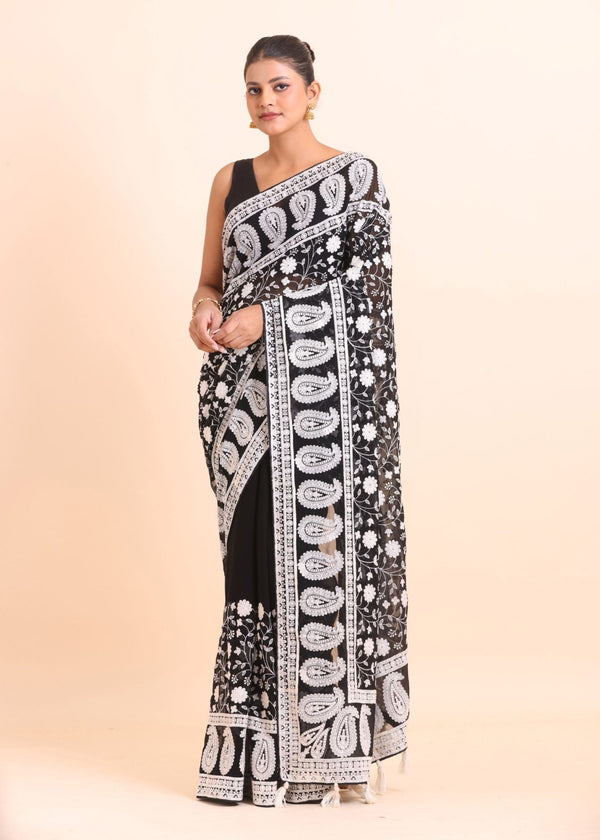
Chikankari is a traditional embroidery craft associated with Lucknow. It is known for delicate threadwork, floral patterns and detailed stitches that give the fabric a distinctive appearance. Unlike heavily embellished bridal sarees, Chikankari designs often have a softer and more understated look. They can be a lovely option for daytime wedding functions, intimate ceremonies and pre-wedding celebrations. For a balanced look, pair the saree with a well-fitted blouse, subtle jewellery and a hairstyle that complements the embroidery. Discover different designs through our Chikankari sarees for women.

9. Floral Motif Saree
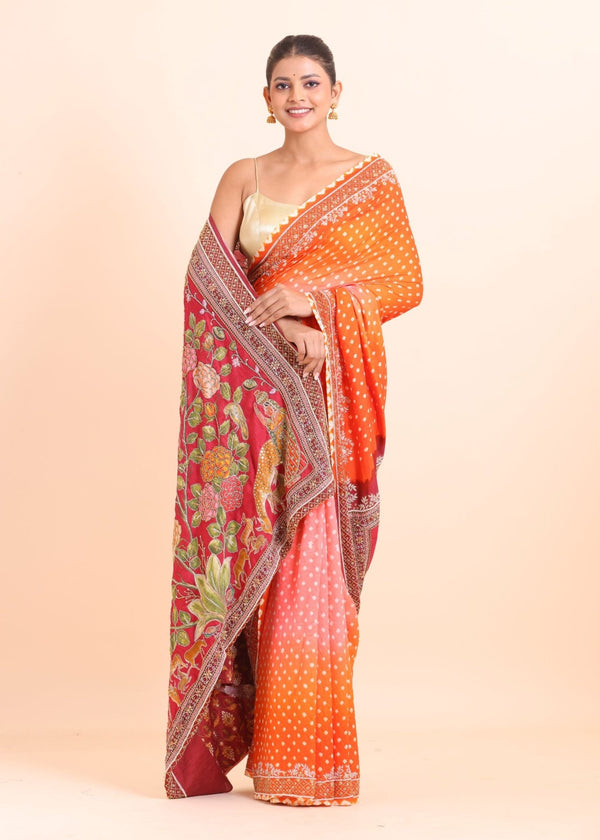
Floral sarees offer a different approach to bridal and wedding dressing. Instead of relying only on traditional borders or heavy zari work, these designs use floral patterns through weaving, printing or embroidery. Depending on the fabric and detailing, floral sarees can suit engagement ceremonies, daytime celebrations, wedding receptions and intimate functions. Larger embroidered motifs create a more decorative appearance, while delicate floral prints offer a lighter look. Choose a blouse that complements the floral pattern without competing with it. You can explore different designs in our floral designer sarees for wedding occasions.

10. Classic Silk Saree
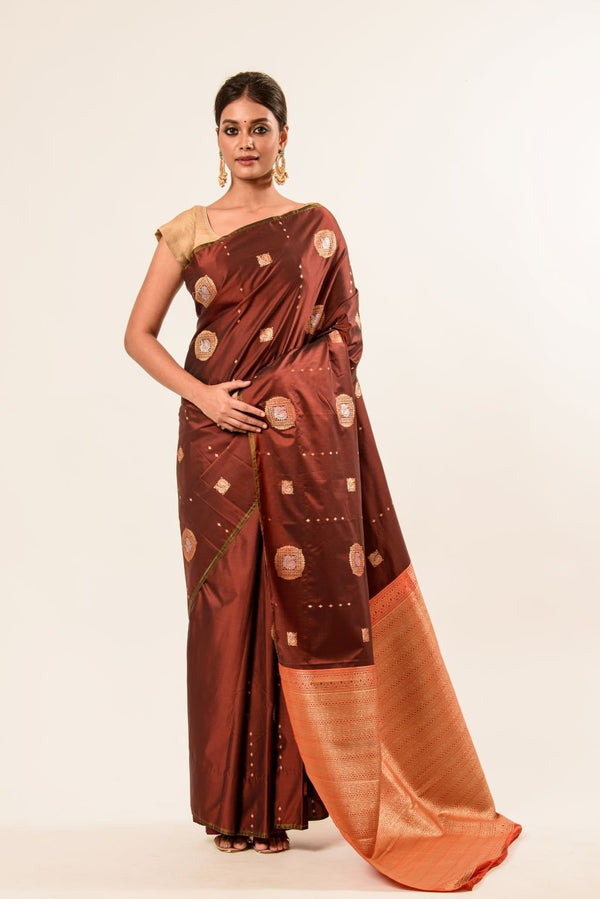
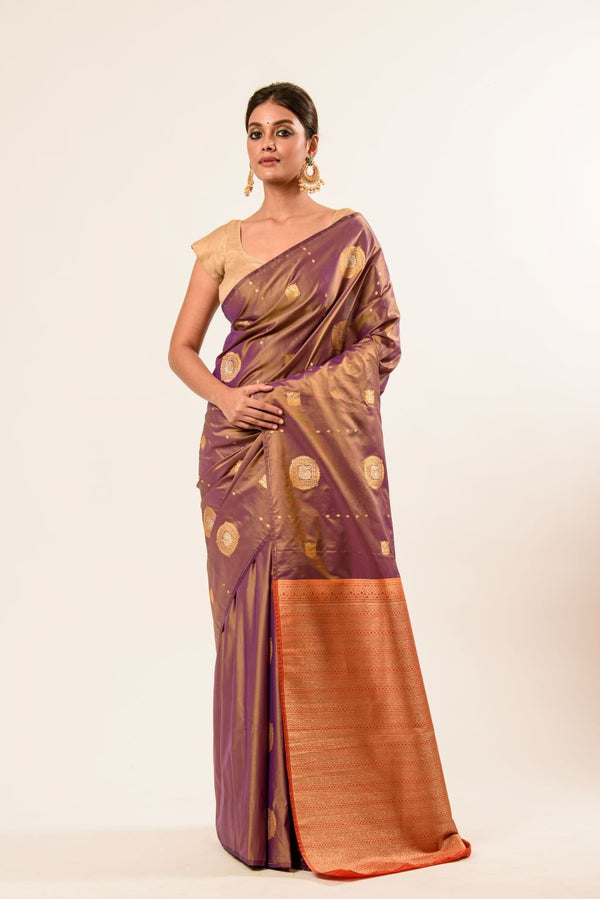
Silk sarees remain a popular choice for Indian weddings because of their rich texture, natural sheen and versatility. Unlike a specific regional weave, classic silk sarees cover a wider range of styles, including traditional and contemporary designs. Depending on the silk variety, border and embellishment, they can be suitable for wedding ceremonies, receptions and other family celebrations. When selecting a silk saree, pay attention to the fabric, weave, zari work and pallu design. A contrasting blouse and traditional jewellery can bring the entire bridal look together. Explore different styles through our silk sarees for wedding occasions.

How to Choose the Right Bridal Saree for Your Wedding
With so many saree styles available, choosing one can feel overwhelming. Instead of focusing only on appearance, consider the following factors before making your decision.
1. Consider your wedding traditions: Your regional customs can help narrow down the choices. Kanjivaram sarees are popular among South Indian brides, Banarasi sarees are closely associated with North Indian wedding traditions, and Paithani sarees hold a special place in Maharashtrian bridal dressing.
2. Choose the right fabric: Consider the duration of the ceremony, weather and ease of movement. Silk and brocade sarees offer a traditional, structured look, while georgette and other lighter fabrics can be more comfortable for extended celebrations.
3. Match the saree to the occasion: A heavily woven or embroidered saree may suit the main wedding ceremony, while a lighter design can work for engagement functions, daytime celebrations or receptions.
4. Check the craftsmanship: Look closely at the weave, zari, embroidery, borders and pallu. These details influence the overall appearance of the saree. If possible, examine the fabric and finishing before finalising your choice.
5. Plan your blouse and jewellery: The blouse design can change the overall look of a saree. Consider the neckline, sleeve length, fit and embellishments alongside your jewellery and hairstyle.
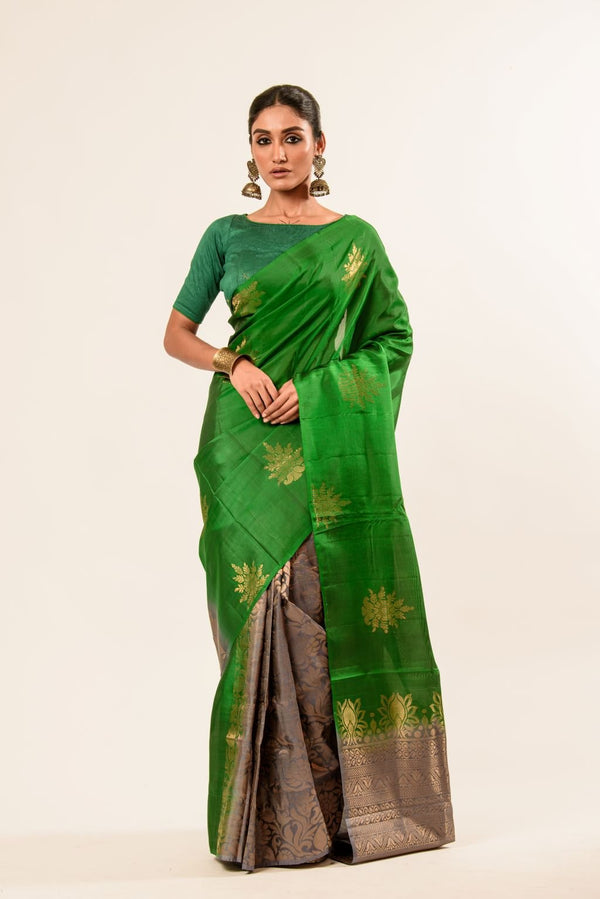
Colour is another important consideration. Traditional red and green remain popular bridal choices, while brides also consider pink, yellow, peach, purple and other shades depending on their preferences and wedding customs. You can explore red bridal sarees, green silk sarees, grey designer sarees, yellow sarees for wedding functions, pink wedding sarees, blue silk sarees, white sarees for wedding occasions, black designer sarees, orange sarees for festive occasions, purple wedding sarees and peach sarees for wedding functions for inspiration.
Which Bridal Saree Is Best for Different Wedding Functions?
The best saree for a wedding function depends on its setting, duration and dress traditions. Here are a few combinations to help you plan your wedding wardrobe.
Wedding function |
Saree styles to consider |
Engagement |
Banarasi, Mukaish or embroidered sarees |
Haldi |
Lightweight silk, georgette or floral sarees |
Mehndi |
Chikankari, floral or lightweight sarees |
Main wedding ceremony |
Kanjivaram, Banarasi or Paithani |
Wedding reception |
Zardozi, brocade or embellished georgette sarees |
These are styling suggestions rather than fixed rules. Your family's traditions, regional customs and personal preferences should guide the final choice.
How to Style a Bridal Saree
The right styling details can bring the entire bridal look together without taking attention away from the saree.
Blouse: Choose a blouse that complements the saree's fabric, border and embroidery. Traditional silk sarees work well with classic blouse designs, while contemporary sarees allow more room for experimentation.
Jewellery: Temple jewellery and traditional gold pieces complement silk sarees. Statement necklaces and earrings can work well with Banarasi and brocade designs.
Draping: A neat, secure drape helps maintain the saree's shape throughout the ceremony. Consider the pallu placement and pleats when planning your look.
Footwear: Select comfortable footwear that works with the saree length and allows you to move easily.
Makeup and hair: Coordinate your makeup and hairstyle with the wedding setting and overall outfit rather than following trends that may not suit your look.
Finding a Bridal Saree That Feels Right
Choosing a bridal saree is a personal decision that brings together tradition, craftsmanship and individual style. Whether you prefer the rich weaving of Kanjivaram and Banarasi sarees, the heritage of Paithani or the detailing of embroidered designs, the best choice is one that feels comfortable and meaningful for your wedding. At Anvi Couture, you can explore a range of designer sarees for wedding occasions, bridal sarees for wedding ceremonies and wedding wear sarees across traditional and contemporary styles. Take time to consider the fabric, craftsmanship, blouse and overall styling before making your selection. After all, your wedding saree should feel like a reflection of you, not simply another outfit for the occasion.