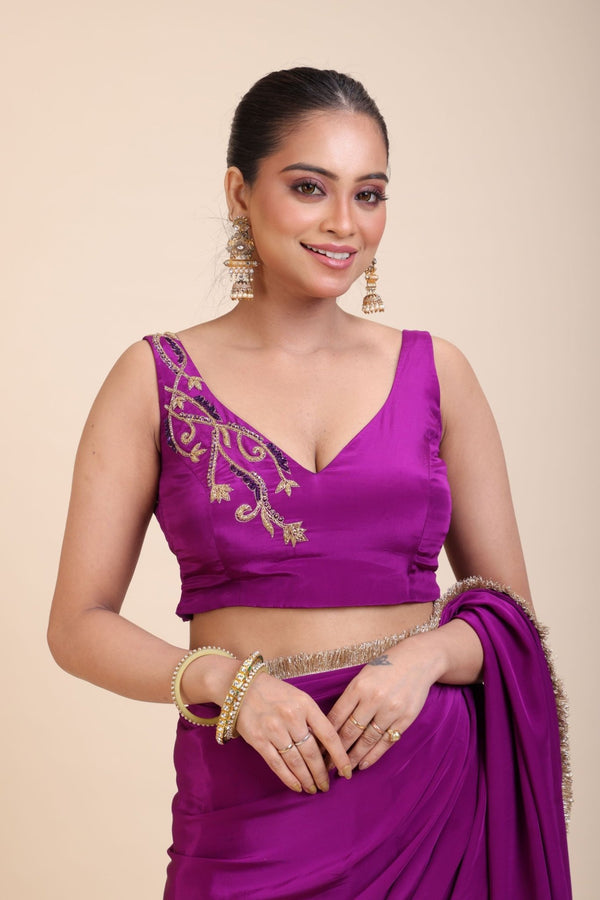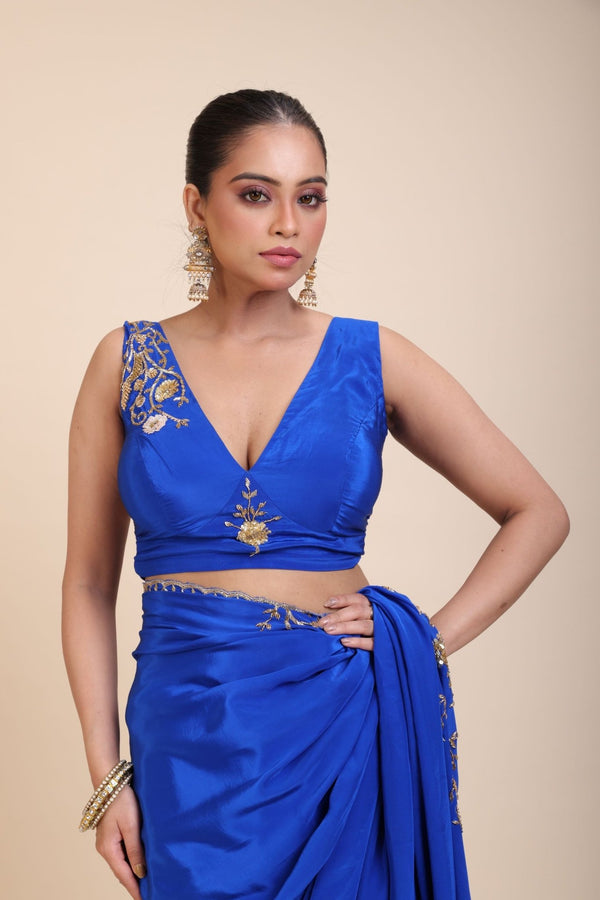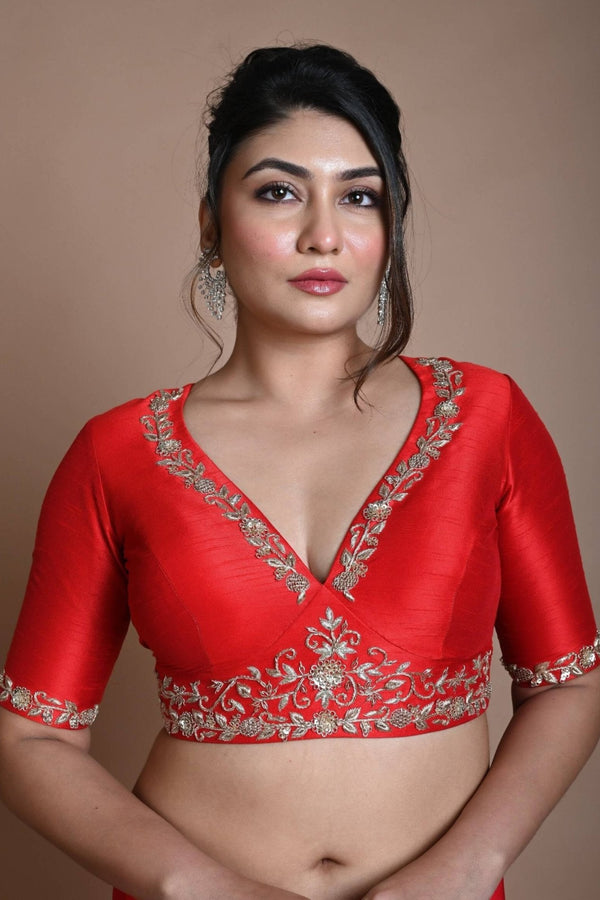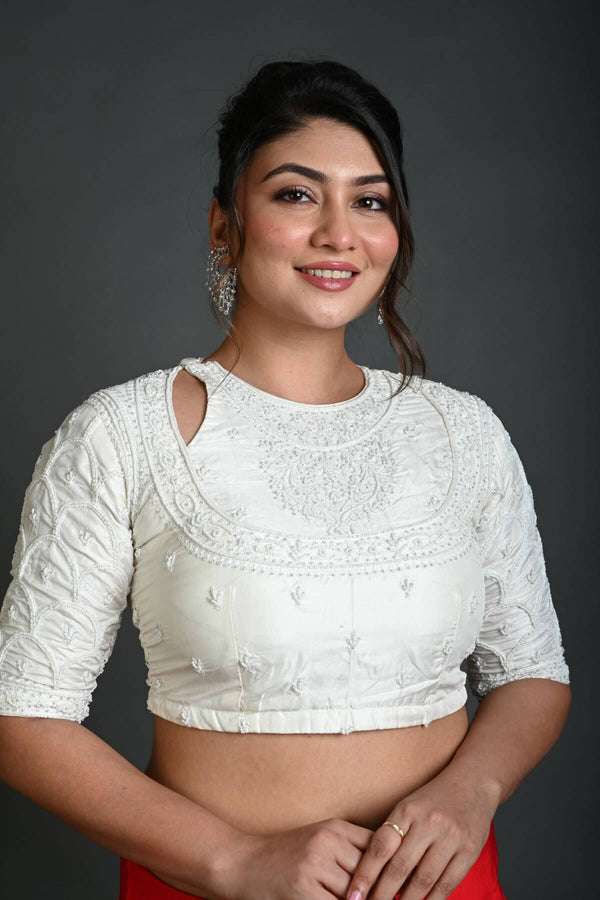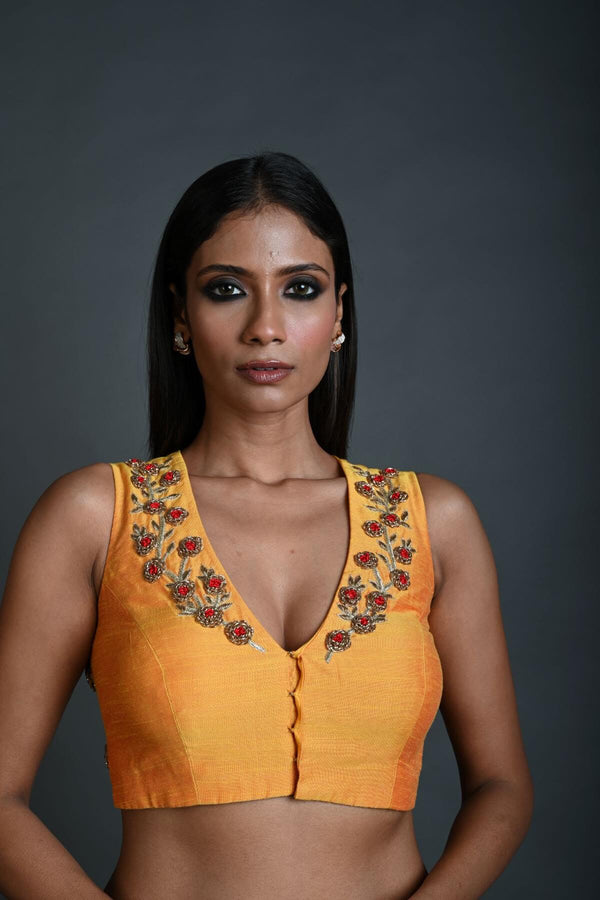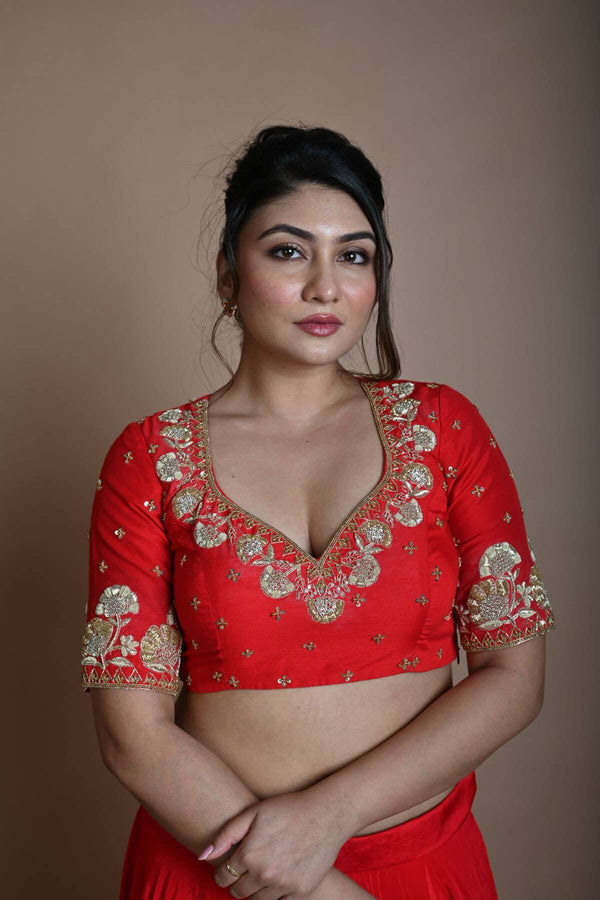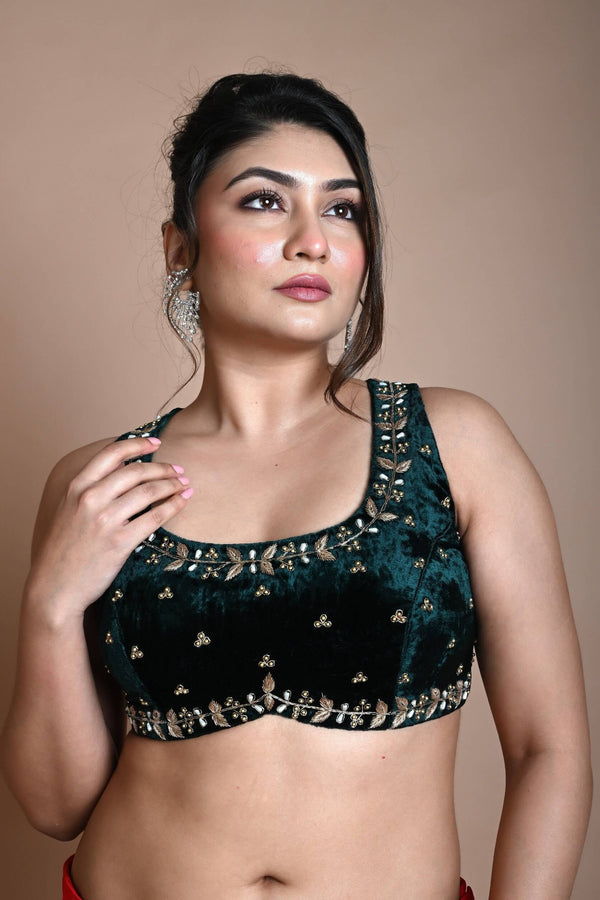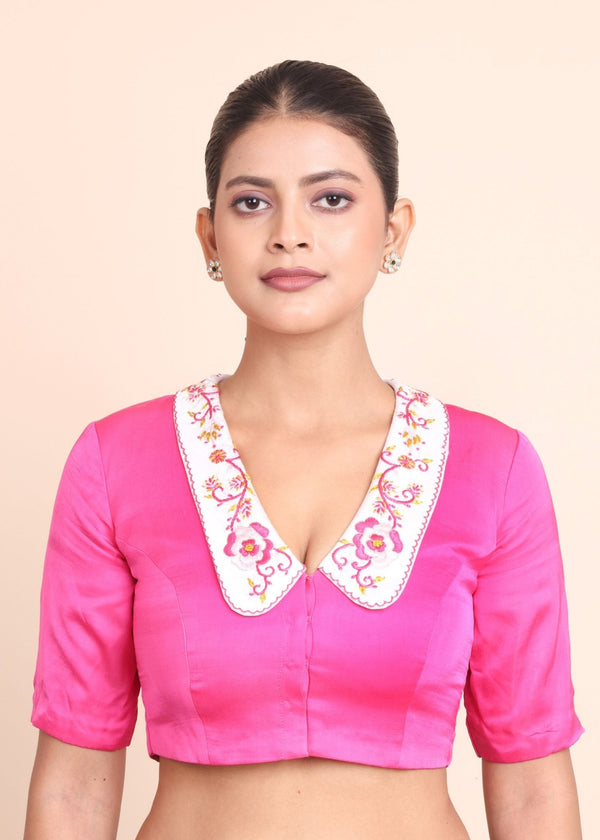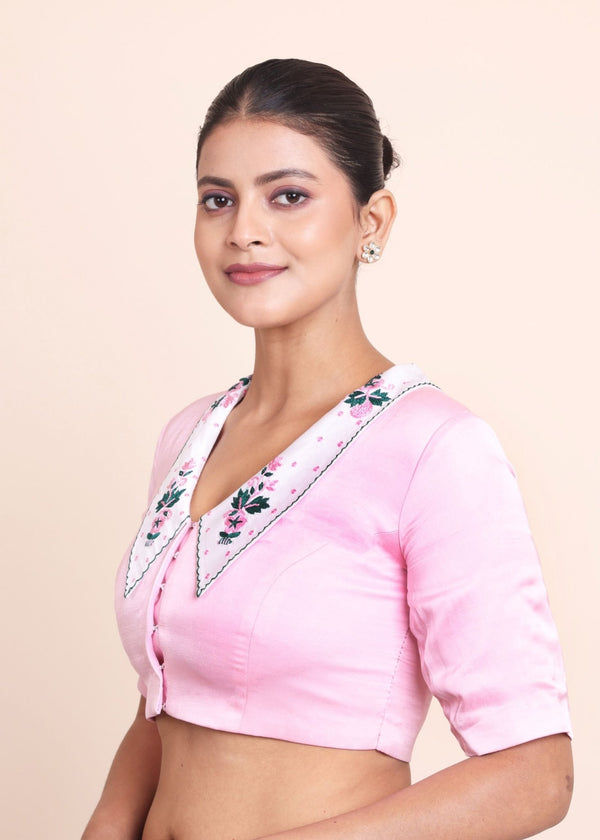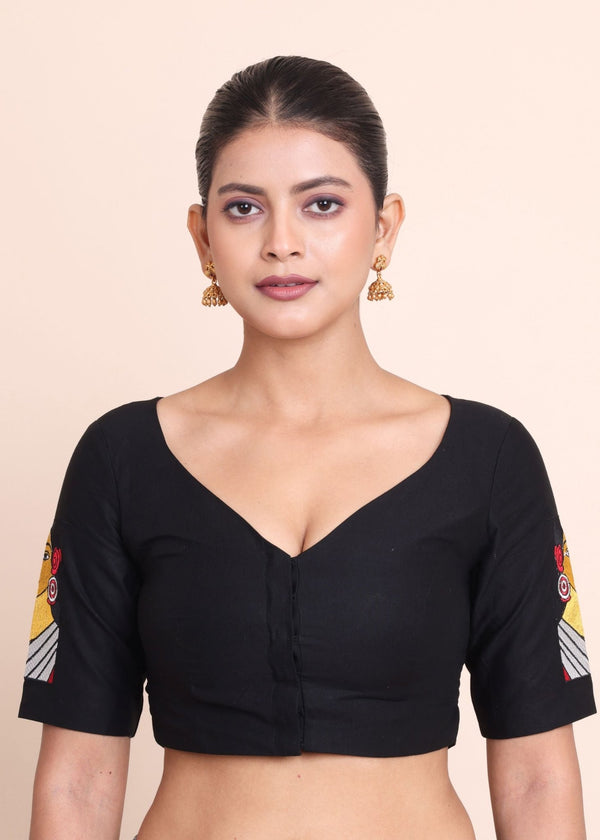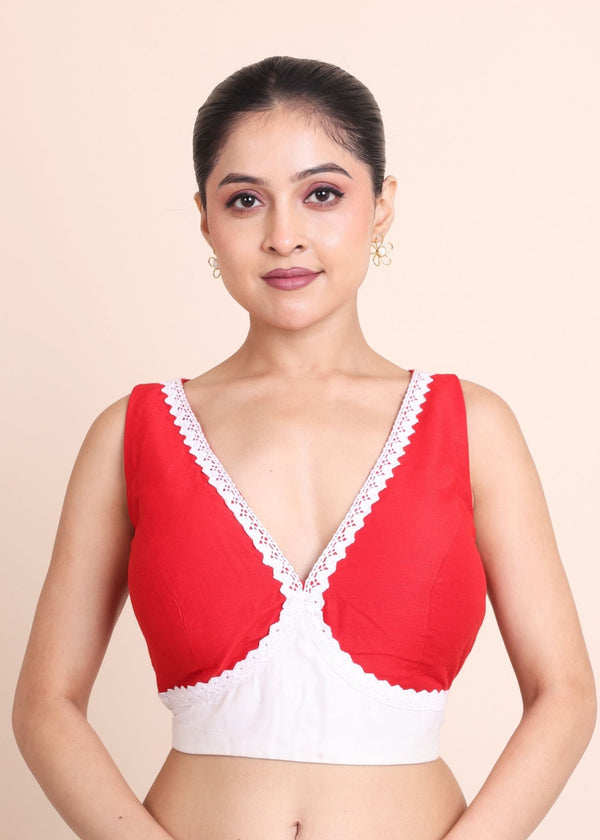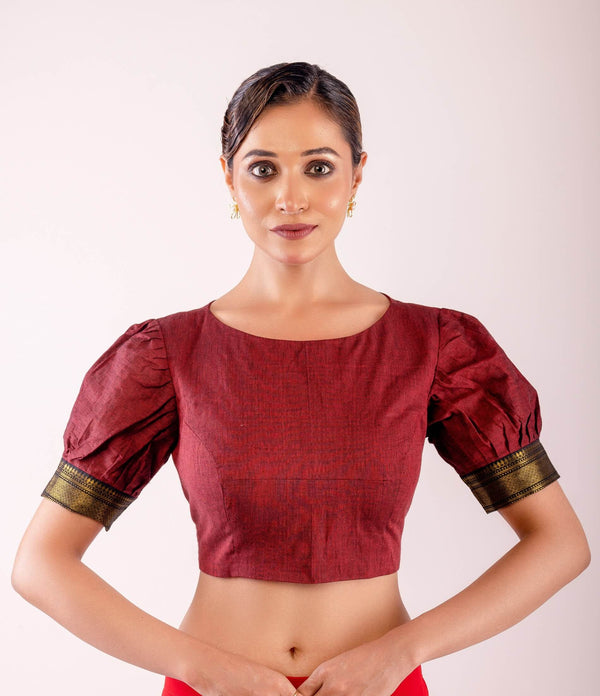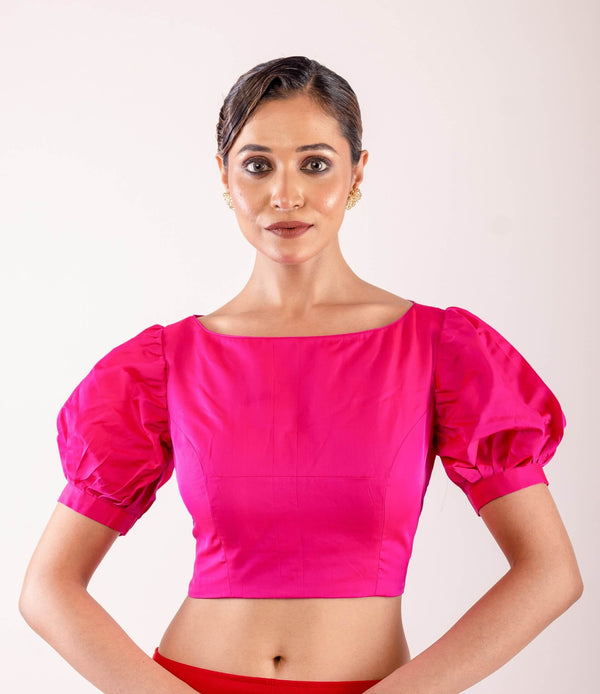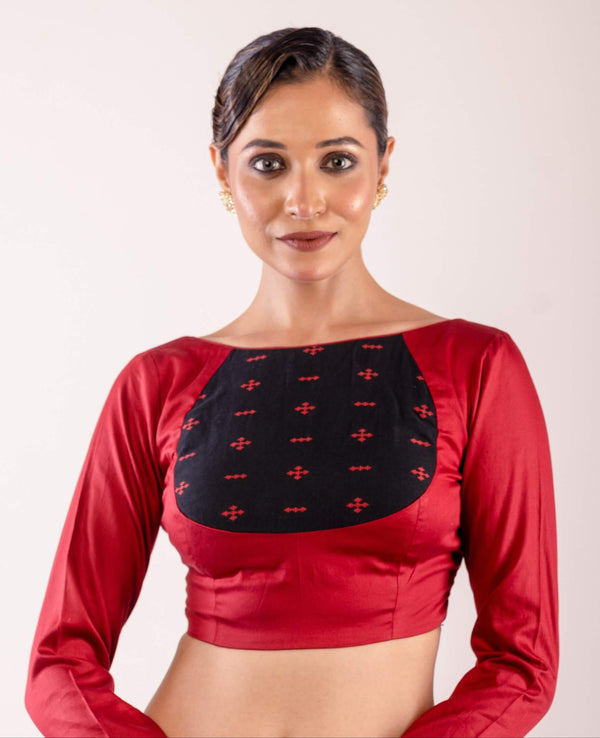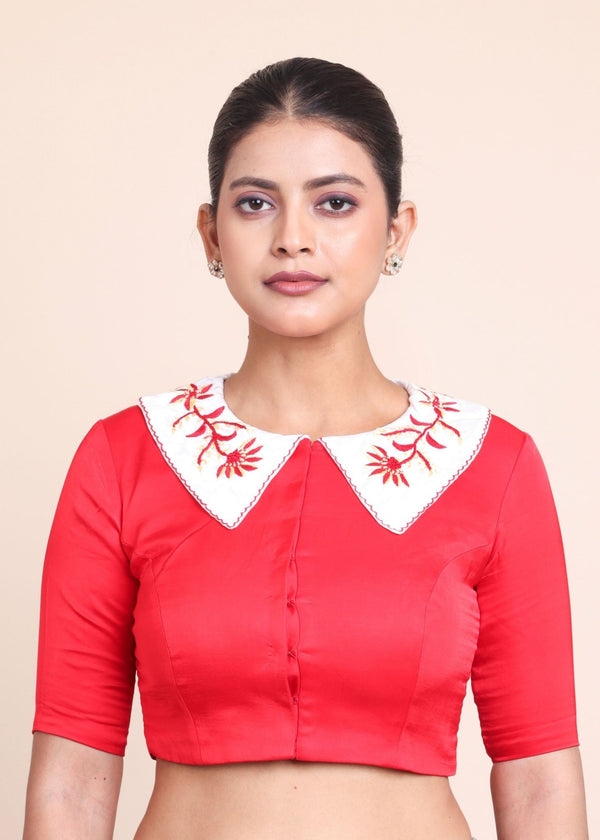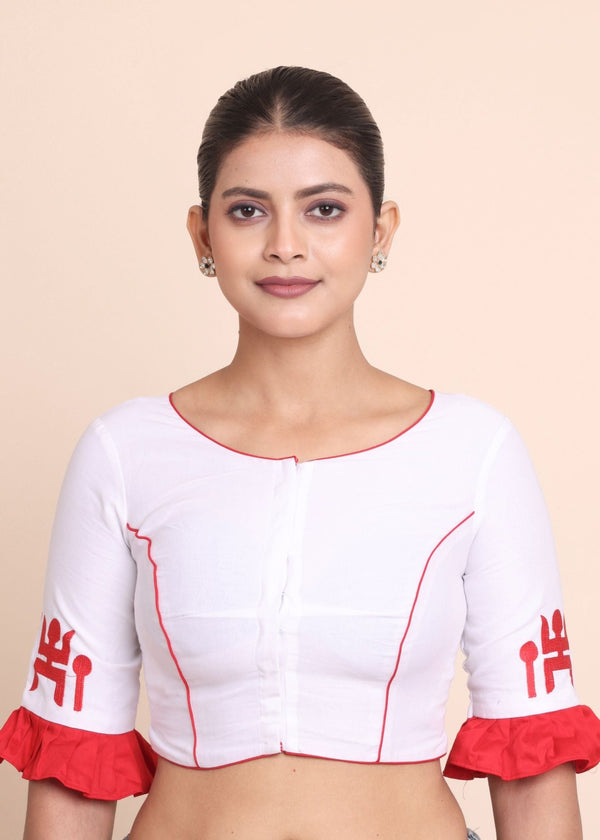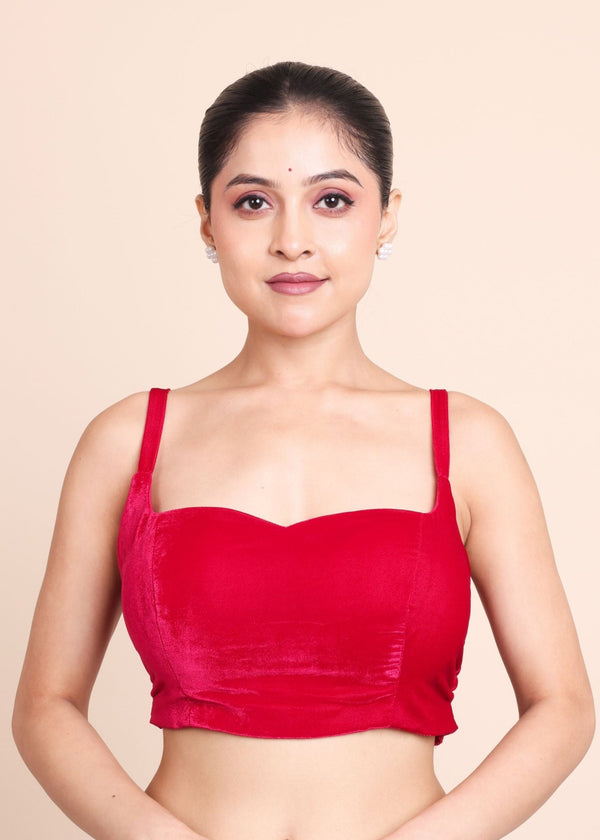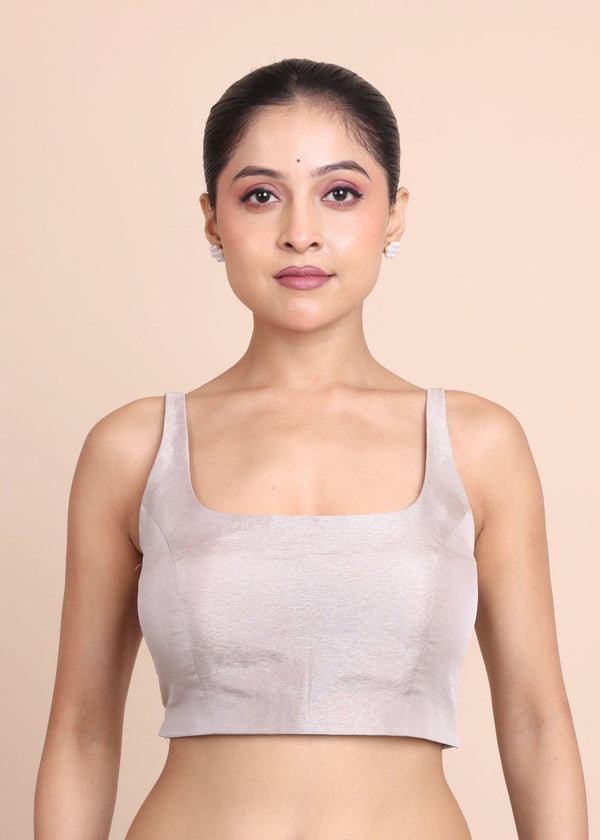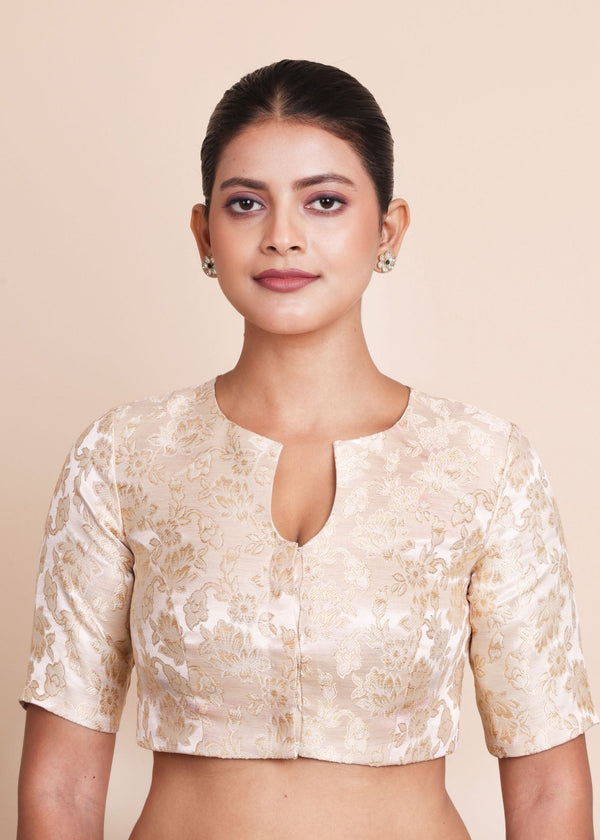




A bridal blouse does much more than complete a saree or lehenga. The right neckline, sleeves, embroidery, back design and fit can change the entire look of a bridal outfit. It also needs to be comfortable enough to wear for several hours, especially during a long wedding ceremony or reception. From traditional Aari and Maggam work to modern cut-out backs and structured silhouettes, there are many ways to design a bridal blouse. Your choice should work with the fabric, drape, embroidery and overall style of your saree or lehenga. In this guide, we explore different bridal blouse designs, along with neckline, sleeve and back-design ideas. You will also find practical tips on choosing the right blouse for different sarees, getting the fit right and planning your blouse before the wedding.
10 Bridal Blouse Design Ideas for Brides
A bridal blouse can be traditional, contemporary or a mix of both. Instead of choosing a design only because it is trending, think about how it will work with your bridal outfit, jewellery and personal comfort.
Here are some bridal blouse ideas worth considering.
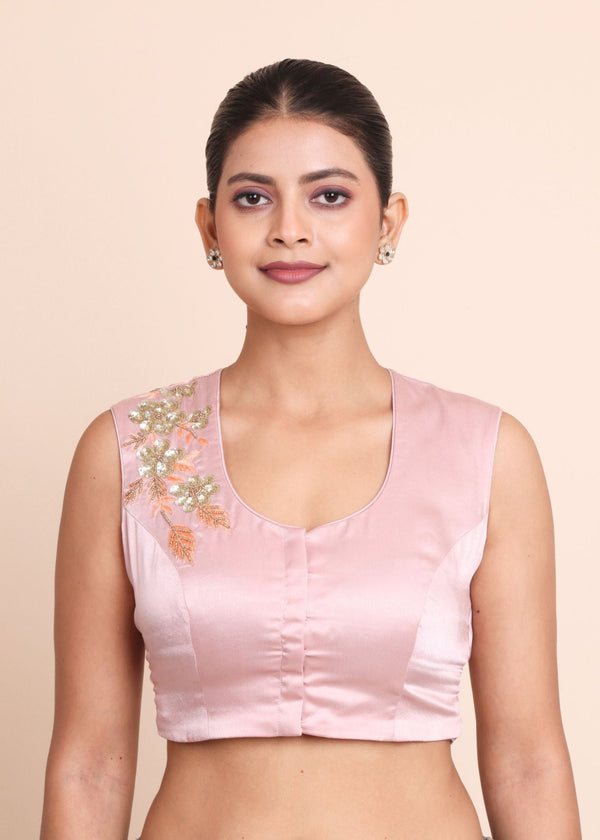
1. Aari Work Bridal Blouse
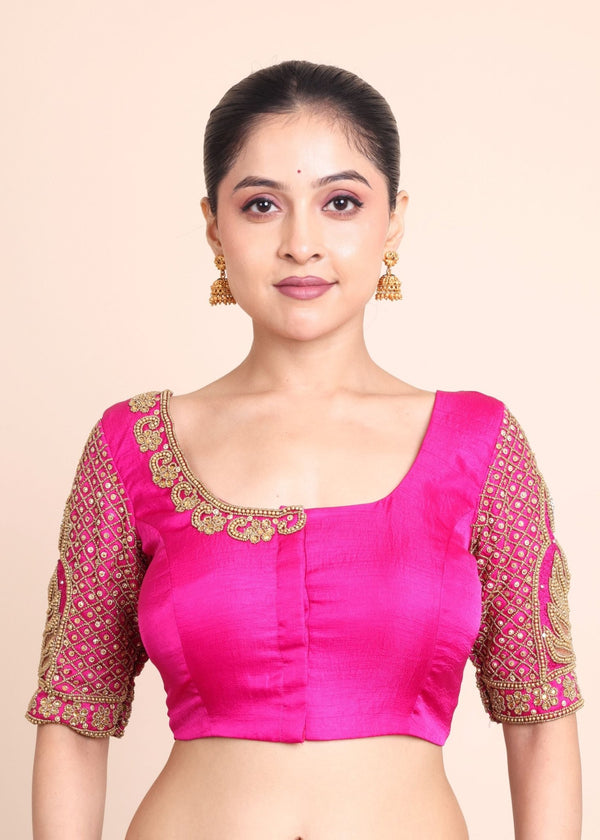
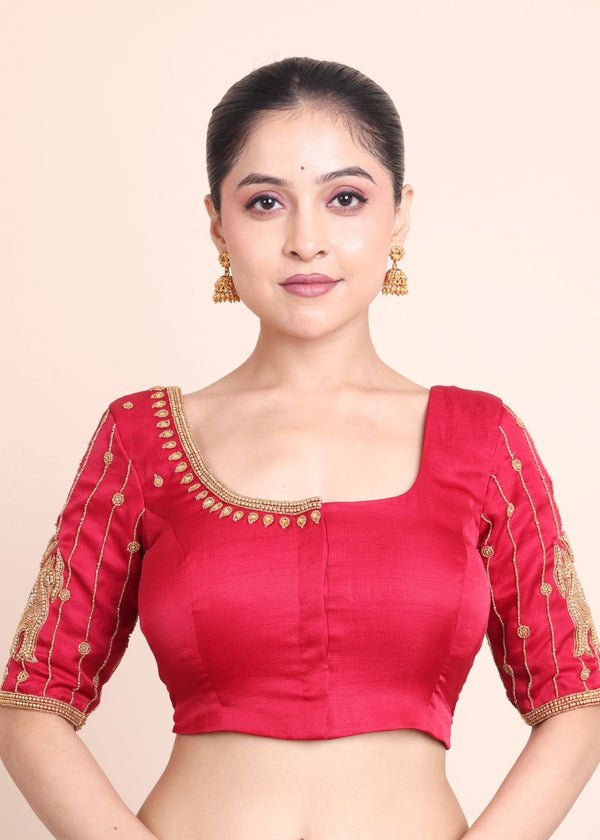
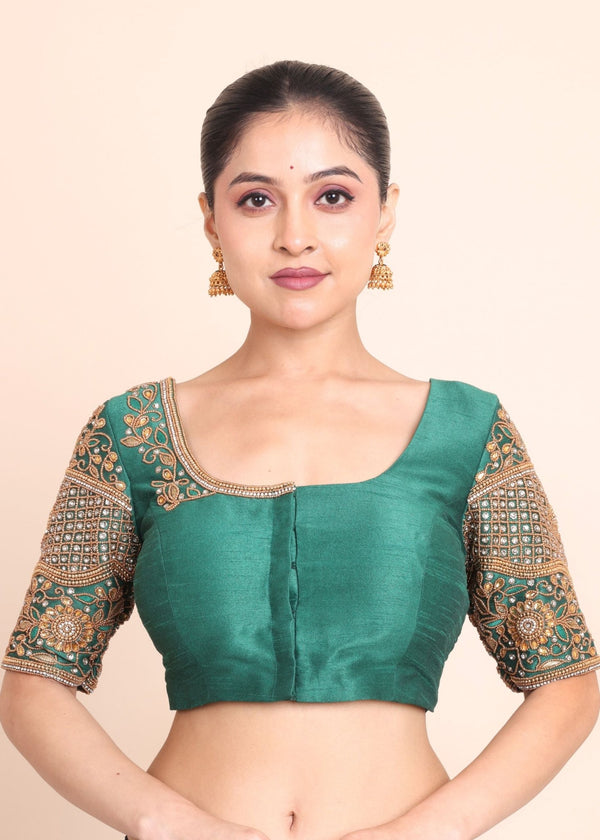
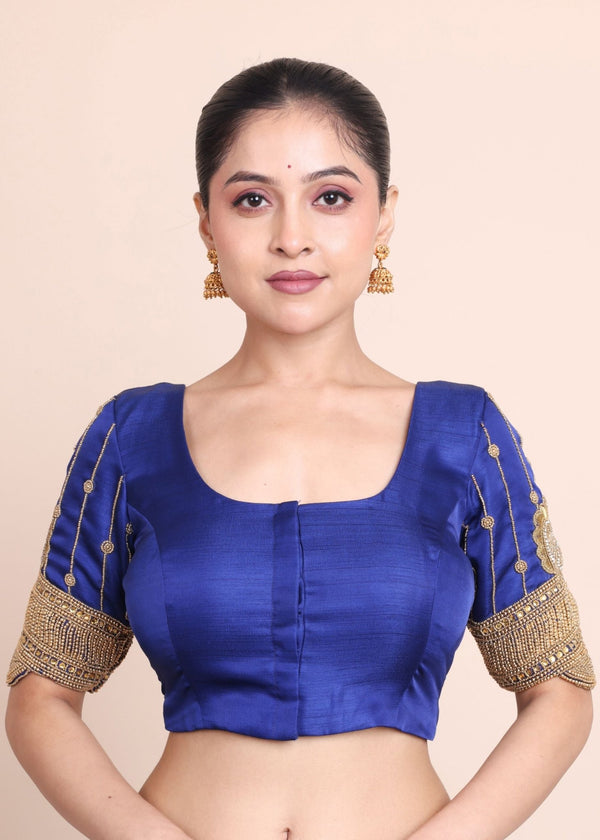
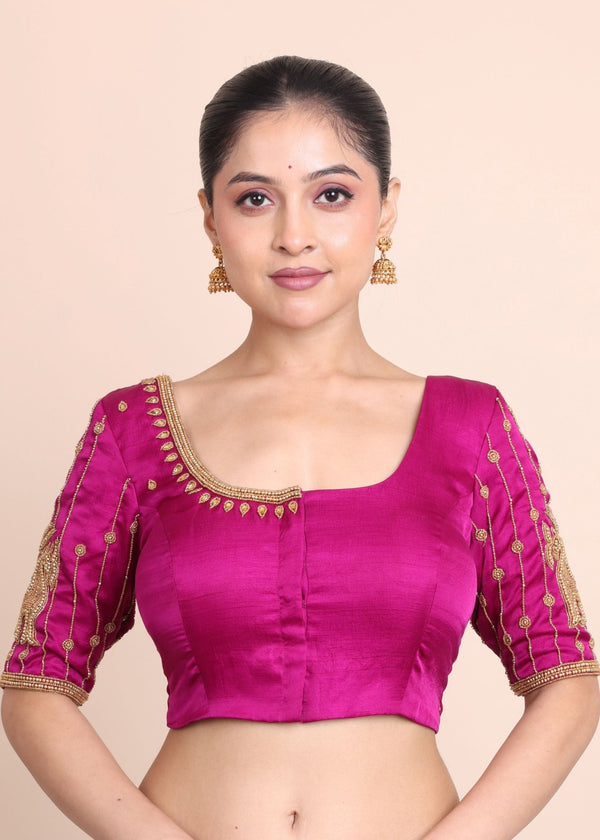
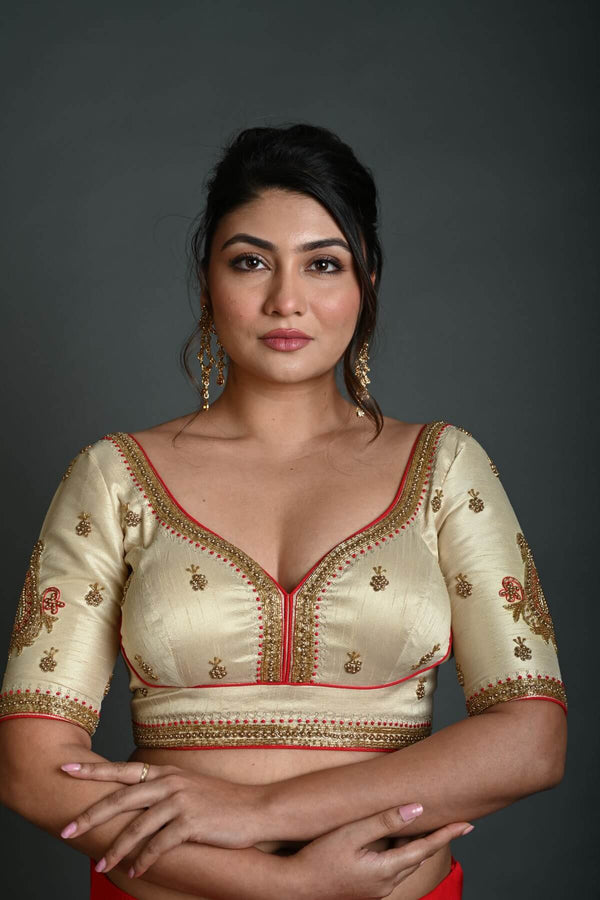
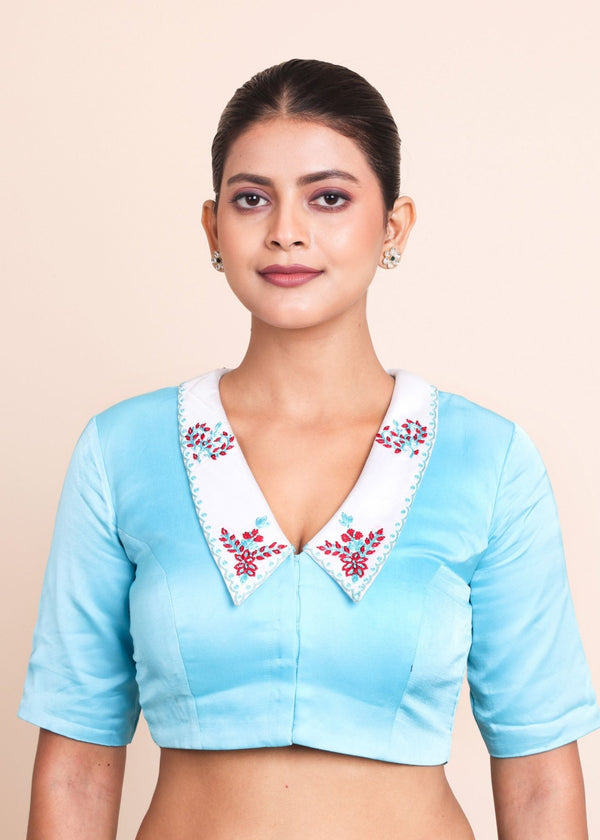
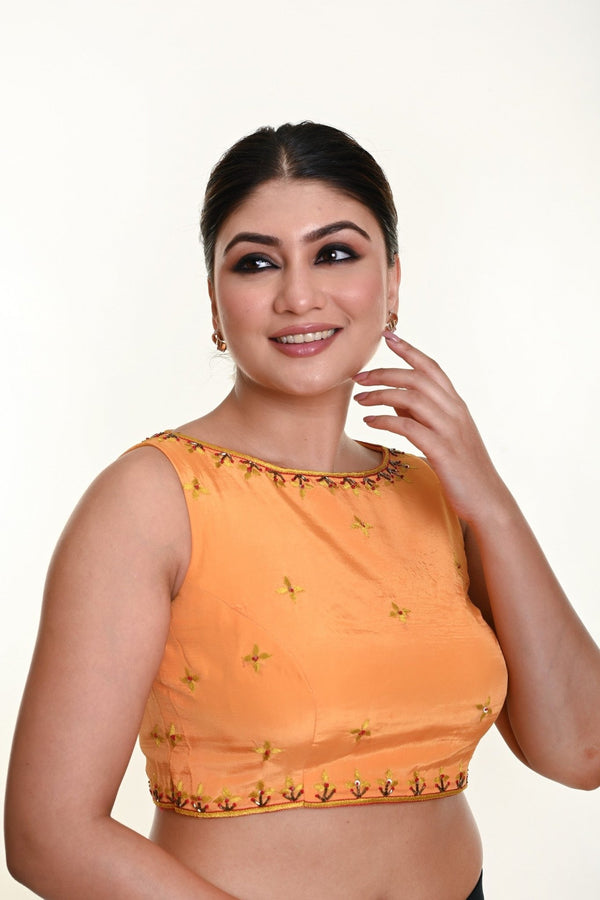
Aari work is a traditional Indian hand-embroidery technique that continues to be a popular choice for bridal blouses. The embroidery can feature floral motifs, paisleys, leaves, vines and other detailed patterns. Zari, beads, stones, sequins and metallic threads can also be added to create a richer finish. An Aari blouse works particularly well with silk sarees because the detailed embroidery complements the richness of the fabric. A heavily embroidered blouse can be paired with a relatively simple saree, while a more controlled Aari design can balance a saree that already has a detailed border or pallu. For brides who want traditional craftsmanship with a luxurious finish, Aari work for silk blouse is a versatile option. You can also explore detailed hand-embroidery when choosing the embroidery style. If you are looking for a customised option, you can buy a bridal blouse online and select a design according to your saree, neckline and preferred embroidery.

2. Maggam and Zardozi Bridal Blouse
Maggam and Zardozi embroidery can give a bridal blouse a rich and elaborate appearance. These techniques are often combined with zari, stones, pearls, sequins, cutdana and threadwork to create intricate motifs. Maggam work is particularly useful when you want detailed embroidery across the neckline, sleeves, back or borders. Zardozi elements can add metallic highlights that work beautifully with traditional bridal jewellery. The important thing is to balance the embroidery with the saree or lehenga. If the outfit already has a heavy border and detailed pallu, a blouse with concentrated embroidery around the neckline and sleeves can create a more balanced look. For a simpler saree, a more elaborate blouse can become the main statement. A Maggam Zardozi blouse is especially suitable for wedding ceremonies and other formal bridal functions where detailed craftsmanship is part of the overall look.

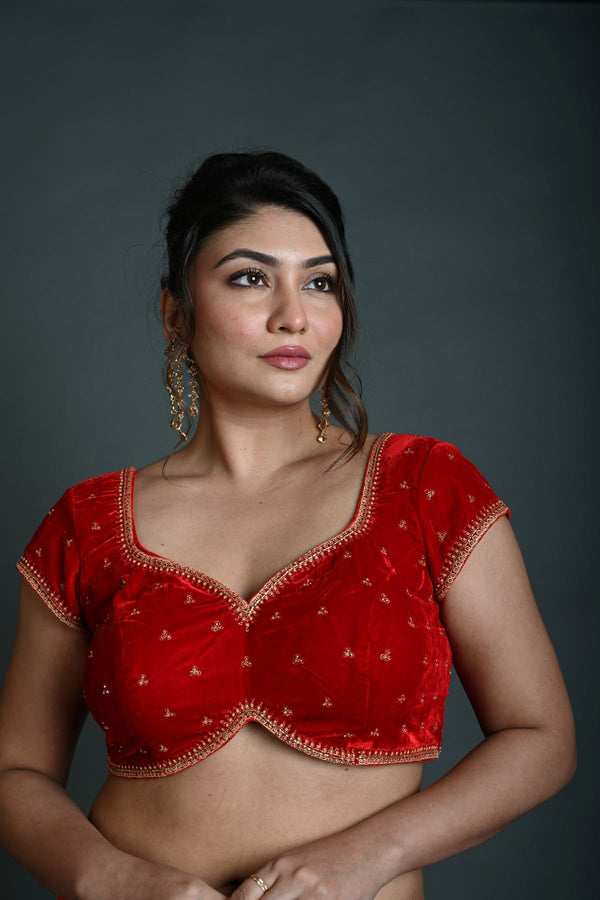
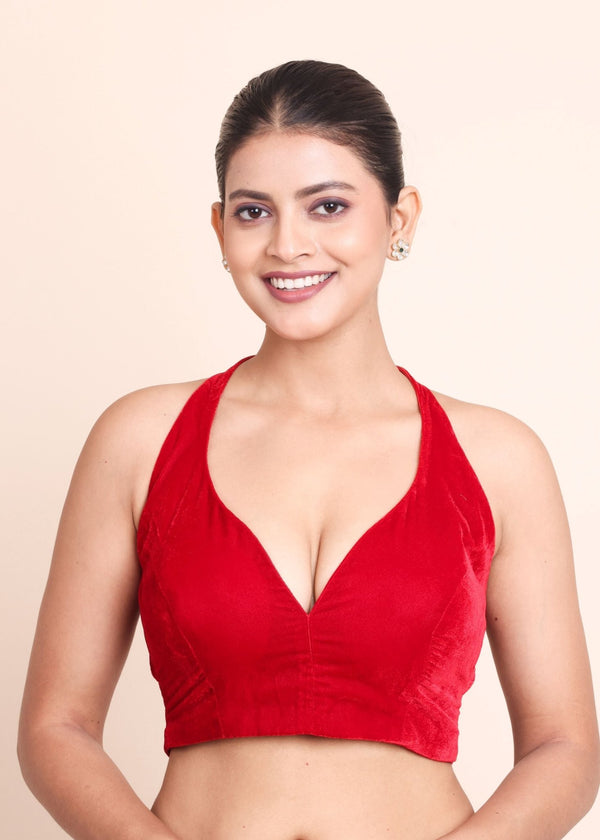
3. Velvet Bridal Blouse
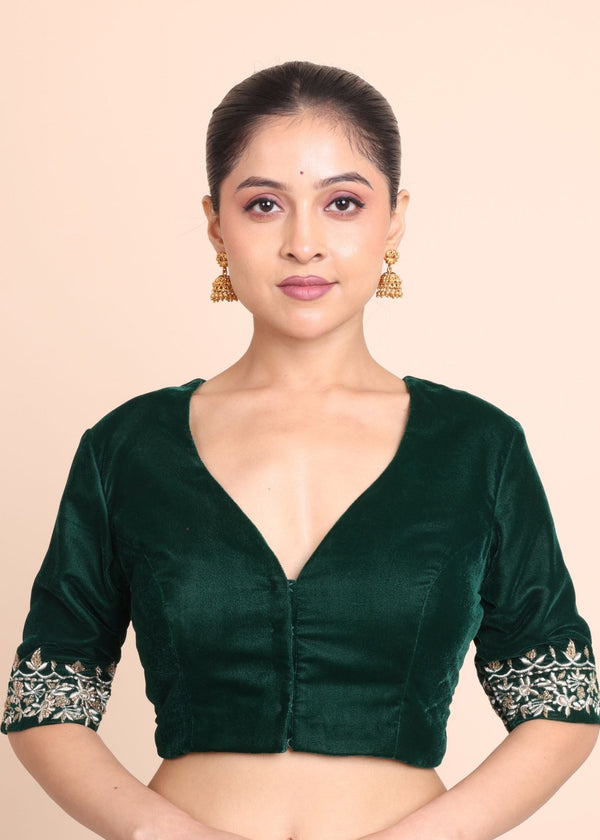
Velvet brings a rich texture to a bridal outfit and can work particularly well for winter weddings, evening ceremonies and receptions. Its soft, dense surface also provides a strong base for embroidery, zari, sequins and stone embellishment. A velvet bridal blouse can be designed with full sleeves, elbow-length sleeves, a high neckline or a statement back. Since velvet itself has a visually rich texture, the embroidery does not always need to cover the entire blouse. For a traditional look, a velvet blouse can be paired with a silk saree. For a more contemporary outfit, it can also work with a designer saree or lehenga. Explore velvet bridal blouses for different silhouettes, colours and embroidery directions.

4. Statement Back Bridal Blouse
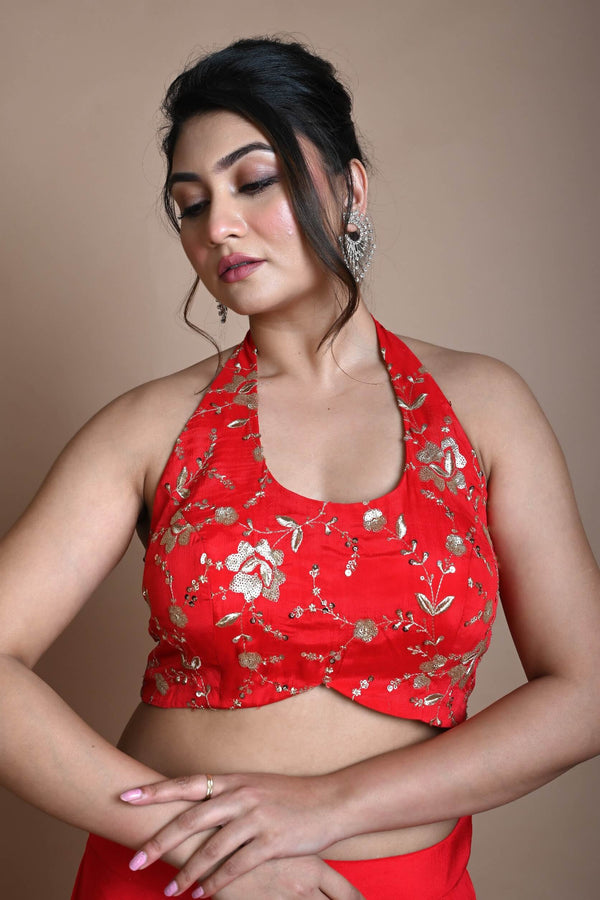
The back of a bridal blouse can become an important part of the outfit, particularly when the saree pallu is draped in a way that leaves the blouse visible. A statement back does not necessarily mean a completely open back.
Some popular options include:
-
Deep V back
-
Deep U back
-
Keyhole back
-
Cut-out back
-
Sheer embroidered back
-
Dori or tie-up back
-
Embroidered back panels
A cut-out back can add a contemporary element to a traditional saree. Lace, embroidery, mirror work, sequins or small motifs can be used around the cut-out to make the design look more detailed. If you prefer a more traditional appearance, an embroidered U-back or keyhole design can provide visual interest while offering more coverage. When exploring back blouse designs, consider the saree drape as well. The back design should remain visible and should not be hidden completely by the pallu.

5. Traditional Silk Saree Bridal Blouse
A bridal blouse for a silk saree needs to work with the weight and visual richness of the saree. Kanjivaram, Banarasi, Gadwal and Paithani sarees, for example, already have strong woven details, zari work or traditional motifs. A structured silk or brocade blouse with Aari, Maggam or zari embroidery can complement such sarees without making the outfit look disconnected. For heavily woven sarees, you can keep the blouse embroidery focused around the neckline, sleeves, cuffs or back. If the saree has a relatively simple body, the blouse can carry more detailed embroidery. The neckline also makes a difference. A square, boat, round or traditional U neckline can work well with a silk saree, while a deeper neckline or statement back can give the bridal look a more contemporary direction.

6. Full-Sleeve and Elbow-Sleeve Bridal Blouses
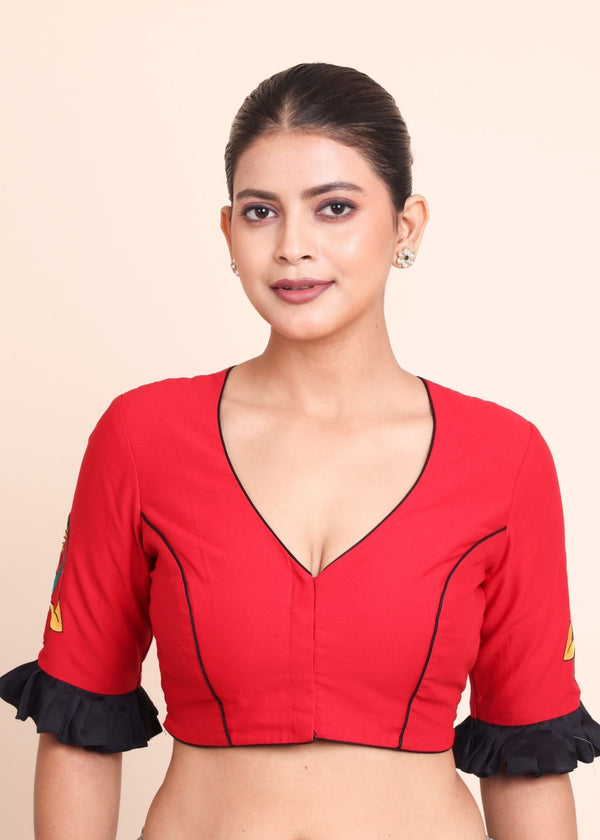
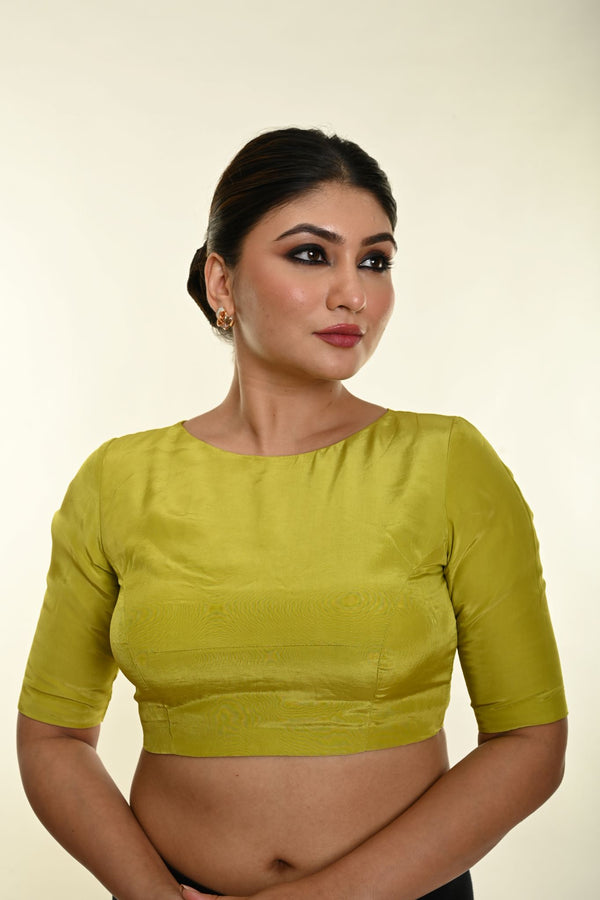
Sleeve length can completely change the character of a bridal blouse. Full sleeves blouse create a more covered and regal appearance, while elbow-length sleeves offer a classic traditional look.
Full sleeves can be especially effective with:
-
Heavy Aari embroidery
-
Zardozi work
-
Velvet blouses
-
High-neck designs
-
Reception sarees
-
Heavily embroidered lehengas
Elbow-length sleeves work well when you want to show more of the embroidery on the upper arm while keeping the blouse traditional. Sheer sleeves can also be used to create a lighter appearance when you want the look of full sleeves without adding the visual weight of a solid fabric. When choosing sleeves, think about the wedding season, venue, comfort and the amount of jewellery you plan to wear on your arms.

7. High-Neck, Boat-Neck and Square-Neck Blouses
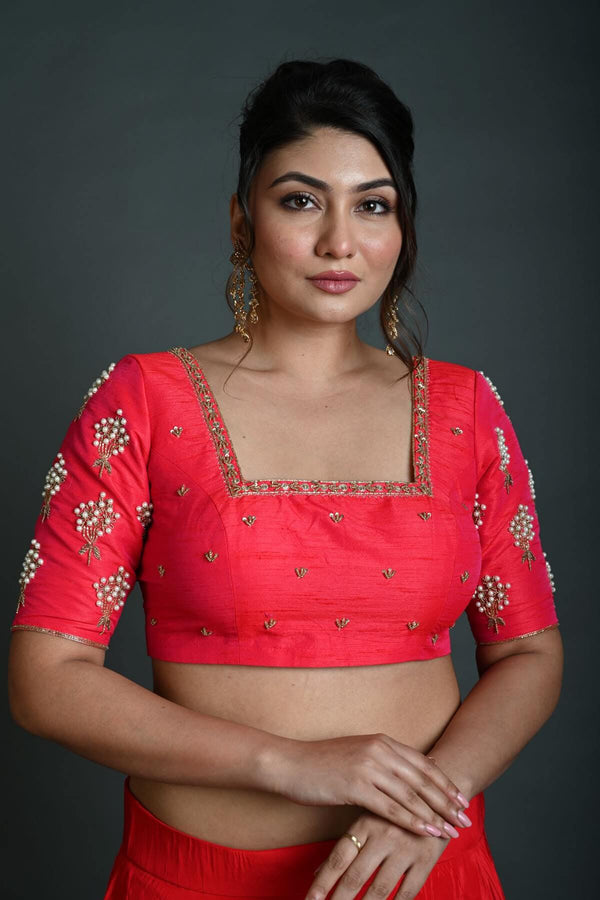
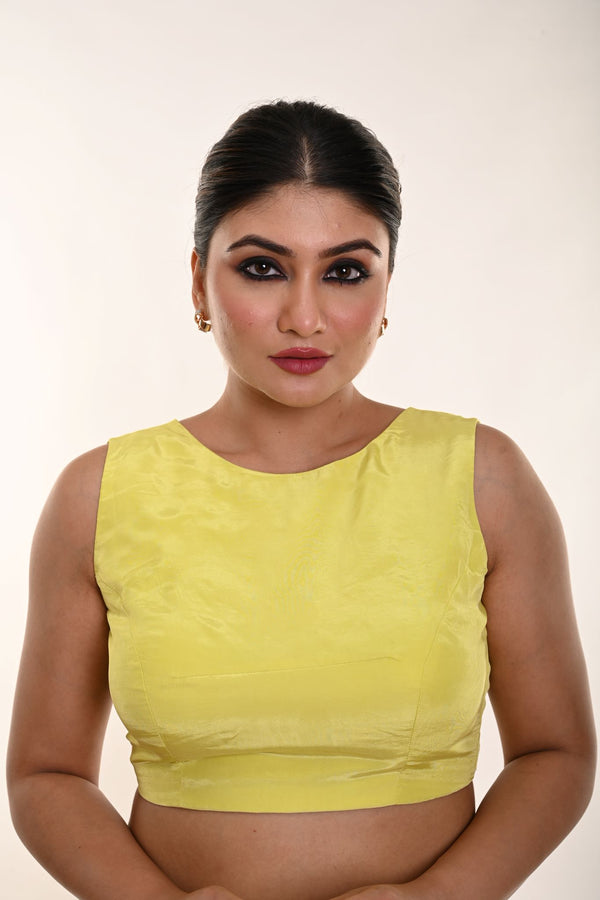
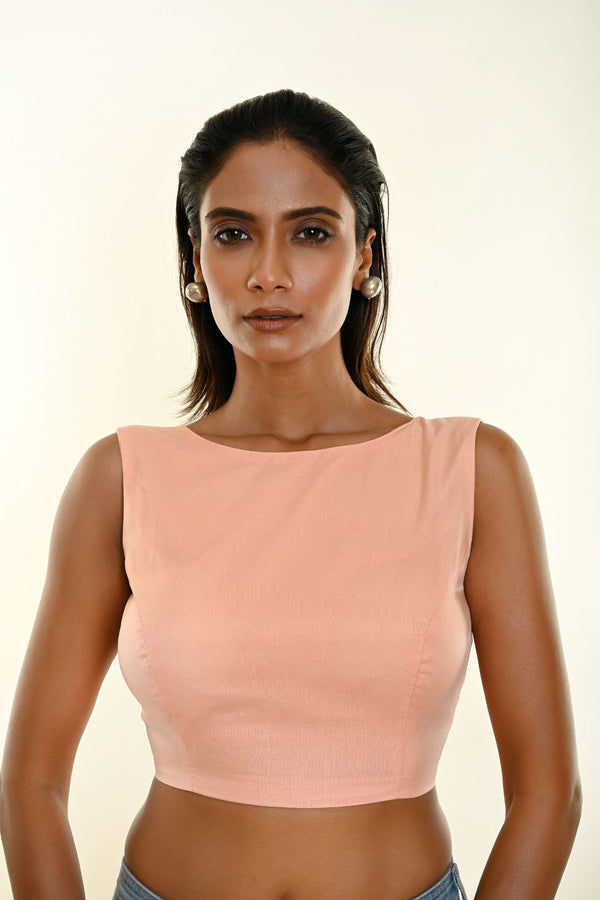
The neckline frames the face and also affects how the saree sits around the upper body. For bridal wear, the neckline should be selected according to the embroidery, jewellery and overall silhouette. A high neck gives a structured and regal appearance and works well with heavily embroidered blouses. A boat neck has a wider horizontal shape and can create a graceful traditional look, especially with silk sarees. A square neck provides a clean and defined shape and works well with both traditional and contemporary bridal blouses. The embroidery can also be designed around the neckline. For example, a heavily embellished square neckline can become a focal point, while a simpler neckline can allow the saree border and jewellery to stand out.

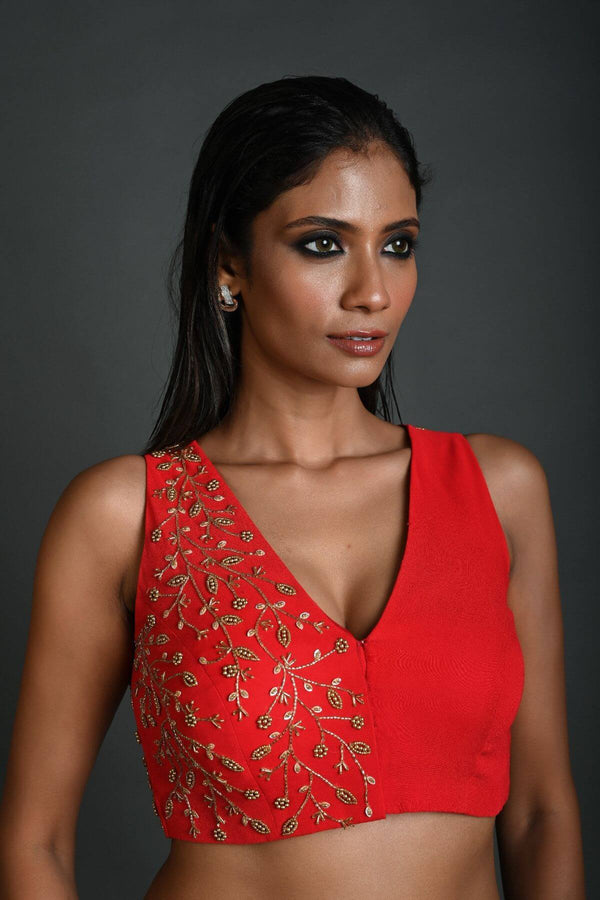
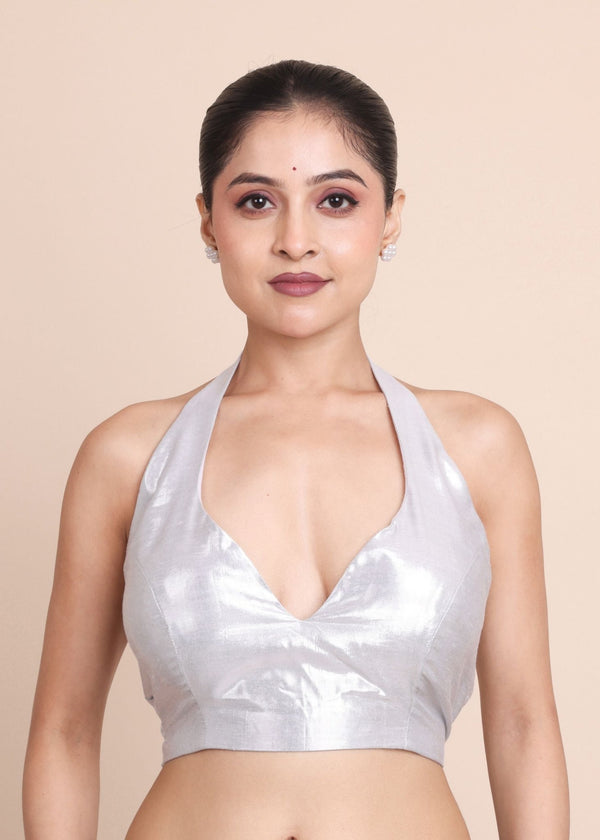
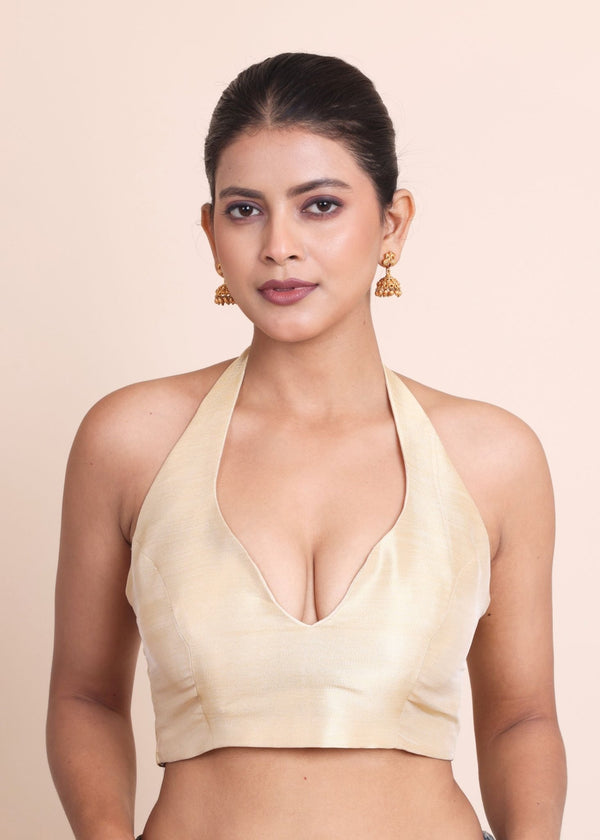
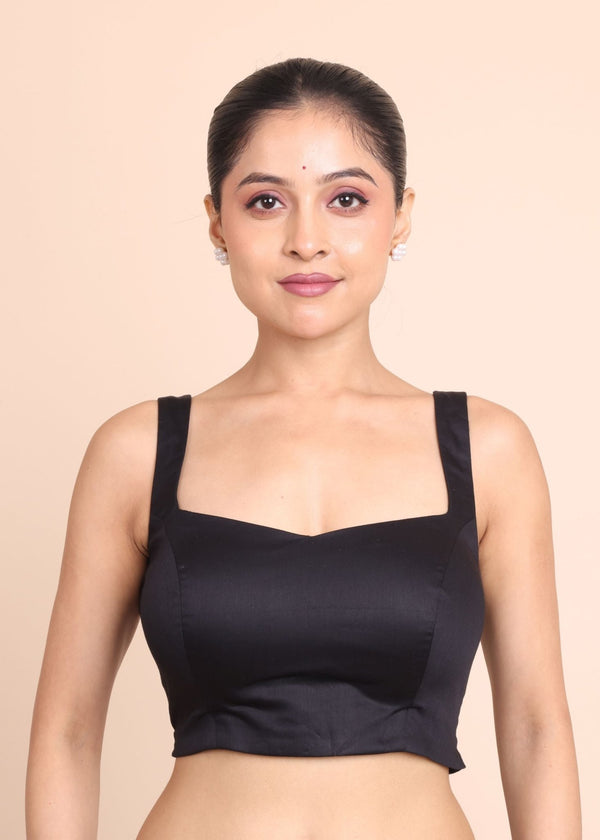
8. Sweetheart and Deep-V Bridal Blouses
Sweetheart and deep-V necklines are useful when you want a more contemporary bridal silhouette without moving too far away from traditional saree styling. A sweetheart neckline has a curved shape that can work beautifully with embroidery around the bust and neckline. A deep-V neckline blouse creates a longer visual line and can be combined with statement jewellery or a more detailed blouse back. Both necklines can be paired with short, elbow-length or full sleeves. The depth should always be adjusted according to personal comfort and the amount of coverage you prefer. For a bridal blouse, the neckline should also be properly supported and fitted. A beautiful design will not feel comfortable if the blouse pulls, gaps or restricts movement.

9. Modern or Corset-Inspired Bridal Blouse
A modern bridal blouse does not have to be completely separate from traditional Indian fashion. Structured silhouettes can be combined with classic embroidery to create an Indo-western bridal look.
A corset-inspired blouse can feature:
-
Structured panels
-
A defined waist
-
Embroidered borders
-
Sweetheart or square neckline
-
Statement sleeves
-
Contemporary back details
This type of blouse can work particularly well for a reception saree, designer saree or lehenga where the bride wants a more contemporary silhouette. The key is to keep the structure comfortable and properly fitted. A bridal blouse should allow you to sit, move your arms and participate comfortably in wedding rituals.

10. Embroidered Bridal Lehenga Blouse
Bridal blouses are not limited to sarees. A heavily embroidered blouse or choli is also an important part of a bridal lehenga. With a lehenga, the blouse can either match the embroidery of the skirt or create a controlled contrast. Matching embroidery creates a coordinated look, while a simpler blouse can allow the lehenga skirt to remain the main focus.
Popular options include:
-
Embroidered crop-top blouses
-
High-neck cholis
-
Sweetheart necklines
-
Full-sleeve blouses
-
Corset-inspired cholis
-
Heavily embellished bodices
For a traditional bridal lehenga, Maggam, Aari, Zardozi and zari embroidery can work beautifully. For a reception or contemporary function, a cleaner silhouette with focused embellishment can create a modern look.

How to Choose the Right Bridal Blouse Design
Choosing a bridal blouse is easier when you start with the outfit instead of selecting the blouse independently. The saree or lehenga, fabric, embroidery and occasion should all influence the final design.
Start With Your Saree or Lehenga
The blouse should complement the outfit rather than compete with it. A heavily woven Kanjivaram or Banarasi saree already has plenty of visual detail. In this case, a structured blouse with carefully placed embroidery can create balance. On the other hand, a relatively simple saree can provide more room for an elaborate blouse with Aari, Maggam, Zardozi or stone work. The same principle applies to lehengas. If the skirt is heavily embellished, the blouse does not always need the same level of embroidery. You can concentrate the detailing around the neckline, sleeves or back.
Match the Blouse to the Fabric
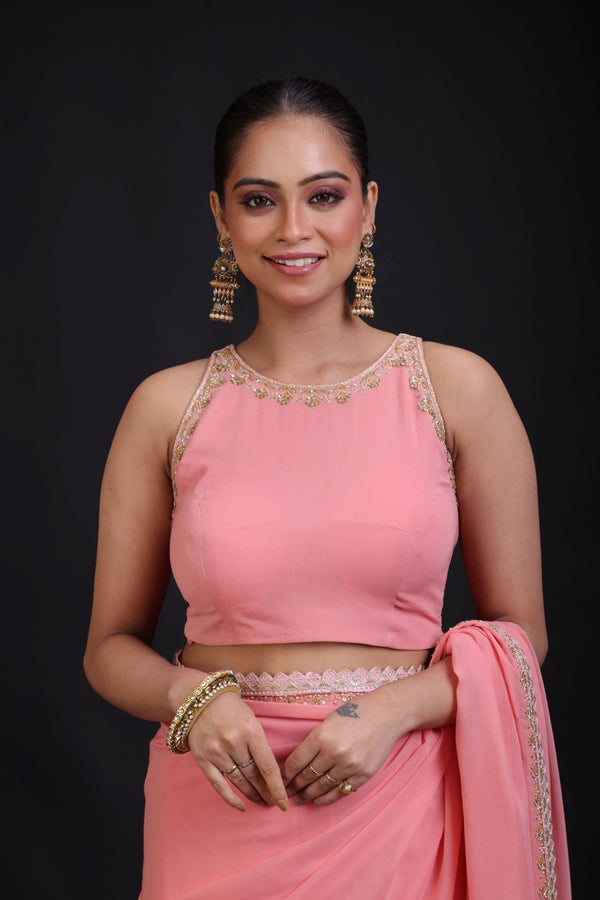
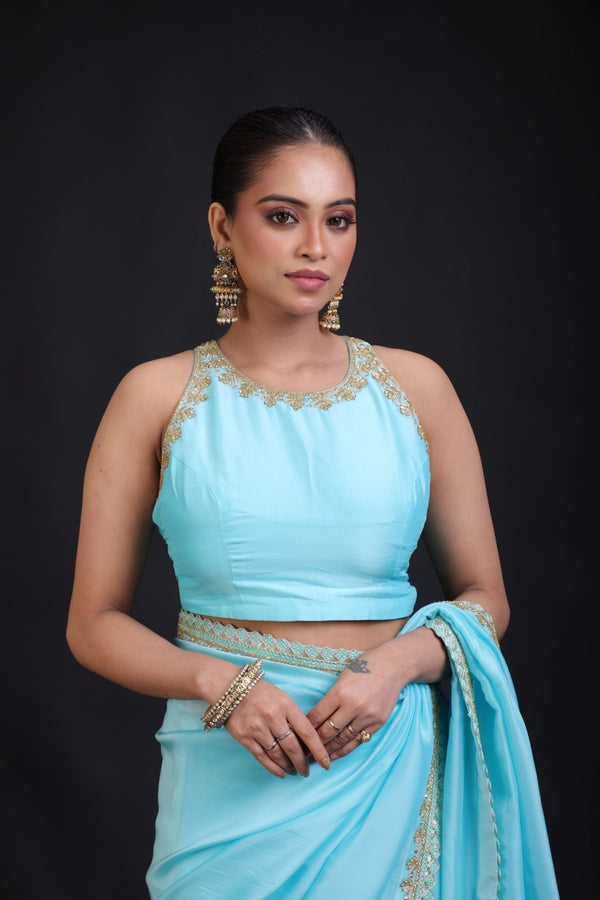
Fabric affects how the blouse sits on the body and how the embroidery looks. Silk and brocade can support structured bridal blouses with traditional embroidery. Velvet creates a richer texture and works particularly well for evening or winter functions. Lighter fabrics such as georgette and organza can be paired with embroidered or contemporary blouse designs. Before finalising the blouse, look at the saree's weight, border, pallu and overall texture. This helps prevent the blouse from looking visually disconnected from the outfit.
Balance Embroidery and Saree Detailing
One of the easiest ways to make a bridal outfit look cohesive is to balance the amount of detailing. If your saree has a broad zari border and elaborate pallu, you can keep the blouse embroidery concentrated in selected areas. If the saree is relatively plain, the blouse can carry more detailed embroidery. You can also repeat one or two motifs from the saree on the blouse. This small design connection can make the complete outfit look more coordinated.
Bridal Blouse Neckline Guide
The neckline is one of the first details people notice in a blouse. It also affects the placement of embroidery and jewellery.
|
Neckline |
Overall look |
Suitable bridal styling |
|
Sweetheart |
Soft and feminine |
Embroidered sarees and lehengas |
|
V-neck |
Contemporary and elongated |
Designer and reception sarees |
|
Square neck |
Structured and defined |
Silk, Banarasi and traditional sarees |
|
Boat neck |
Classic and refined |
Kanjivaram and other silk sarees |
|
High neck |
Regal and covered |
Heavy embroidery and formal bridal looks |
|
Round neck |
Traditional and versatile |
Silk sarees and classic bridal styling |
|
Deep U-neck |
Traditional with a statement effect |
Bridal sarees with detailed jewellery |
There is no single neckline that works for every bride. The final choice should consider the saree, blouse embroidery, jewellery, desired coverage and personal comfort.
Bridal Blouse Design and Saree Combination Guide
The best blouse-saree combinations are usually based on balance. A blouse does not always need to exactly match the saree. Instead, the fabric, embroidery, colour and visual weight should work together.
|
Saree Type |
Bridal Blouse Ideas |
Design Direction |
|
Aari, zari or structured silk blouse |
Traditional embroidery with a controlled neckline or sleeve |
|
|
Silk, brocade or embroidered blouse |
Balance the blouse embroidery with the woven motifs |
|
|
Aari, Maggam or zari blouse |
Traditional detailing with an embroidered neckline or back |
|
|
Silk blouse with zari or embroidery |
Let the distinctive pallu and border remain visible |
|
|
Contemporary embroidered or structured blouse |
A statement neckline or back can work well |
|
|
Structured or delicately embroidered blouse |
Keep the embroidery detailed but visually balanced |
|
|
Embroidered, sequin or contemporary blouse |
A statement back or modern neckline can add contrast |
|
|
Rich embroidered blouse |
Suitable for evening and winter bridal styling |
|
|
Matching or minimally embroidered blouse |
Avoid competing with heavy saree embroidery |
|
|
Structured or lightly embellished blouse |
Keep the blouse detailing controlled for balance |
|
|
Contemporary, corset-inspired or embellished blouse |
Suitable for modern reception styling |
|
|
Embellished or illusion-detail blouse |
Coordinate the embroidery with the saree |
|
|
Aari, zari or traditional blouse |
Let the handwoven texture remain the focus |
|
|
Solid or lightly embroidered blouse |
Avoid excessive embroidery that hides the print |
|
|
Embroidered or structured blouse |
A defined neckline can add shape |
|
|
Contemporary or embroidered blouse |
Suitable for modern bridal and festive styling |
|
|
Traditional embroidered blouse |
Coordinate the blouse with the saree's woven storytelling motifs |
|
|
Structured or traditional blouse |
Use embroidery selectively for a balanced look |
|
|
Simple embroidered or traditional blouse |
Keep the silhouette timeless and versatile |
|
|
Aari, zari or hand-embroidered blouse |
Complement the texture rather than overpowering it |
|
|
Delicate embroidered or solid blouse |
Allow the fine woven motifs to remain visible |
|
|
Embroidered or structured blouse |
Traditional necklines work well for a classic finish |
|
|
Solid, embroidered or contrast blouse |
Pick one colour from the print for a coordinated blouse |
|
|
Simple structured or embroidered blouse |
Suitable for lighter pre-wedding functions |
The same saree can also work with different blouse styles depending on the occasion. A traditional embroidered blouse may suit the wedding ceremony, while a contemporary neckline or structured silhouette can change the same saree for a reception or evening event.
How To Choose Bridal Blouse Right Fit
A bridal blouse can have beautiful embroidery and an elaborate design, but poor fit can affect both comfort and appearance. Important measurements include the bust, shoulder, armhole, sleeve circumference, blouse length and neckline depth. The back and closure also need to be planned according to the design. This becomes even more important with heavily embroidered or structured blouses because the fabric has less flexibility. The blouse should allow you to sit, move your arms, participate in rituals and wear your jewellery comfortably. A good fitting process should also consider how the blouse looks with the actual saree or lehenga. If possible, try the blouse with the final outfit before the wedding so that the neckline, sleeve and blouse length can be checked with the drape. For brides who need a personalised fit or specific design changes, a custom bridal blouse can be planned around the outfit and measurements.