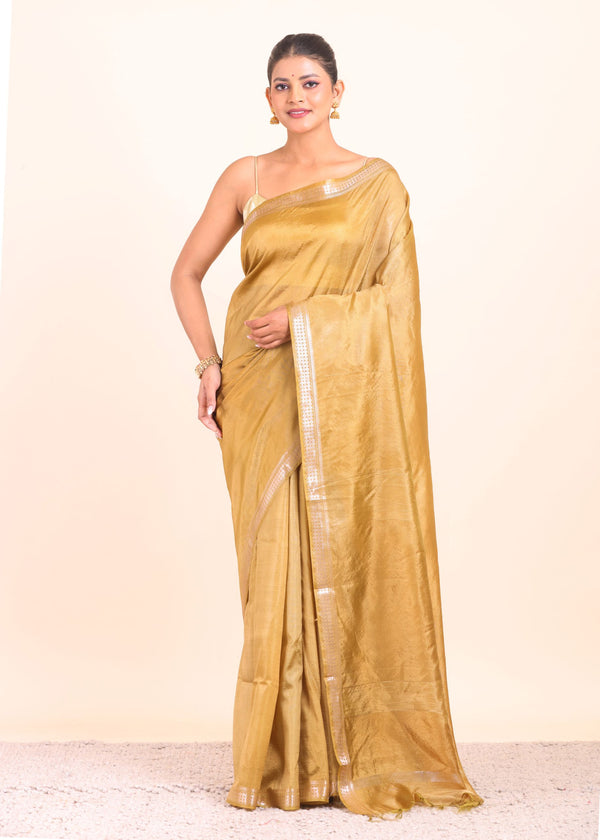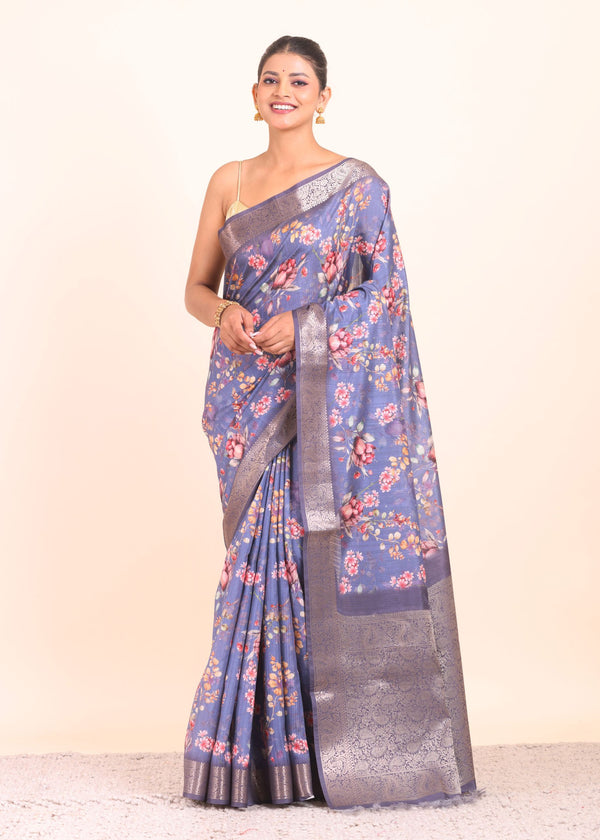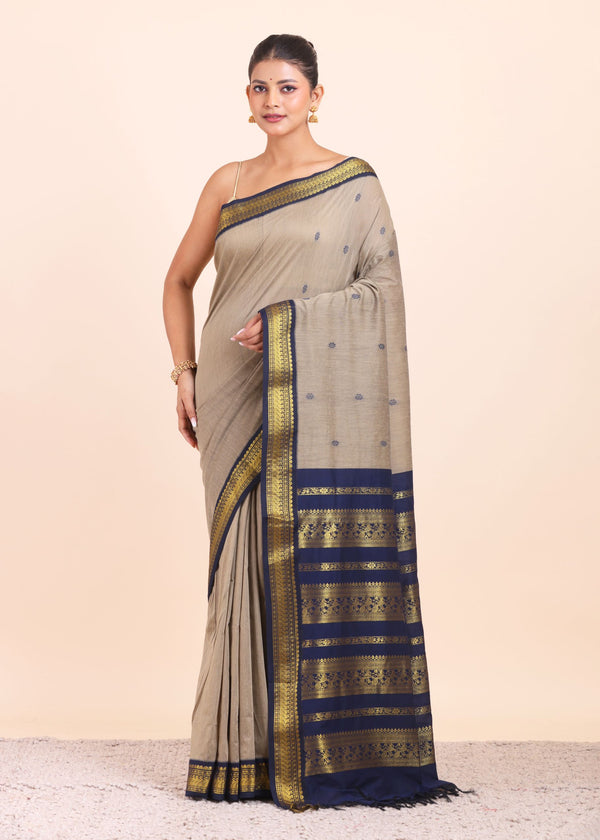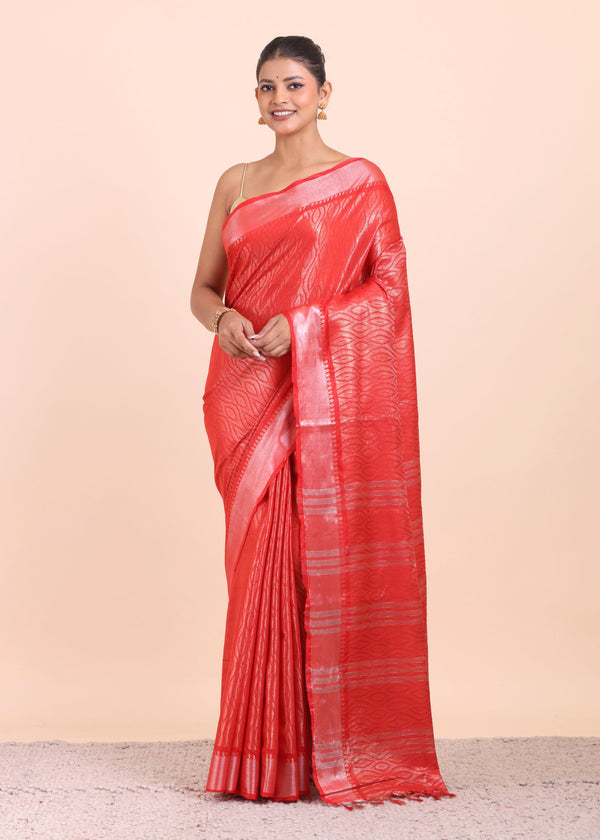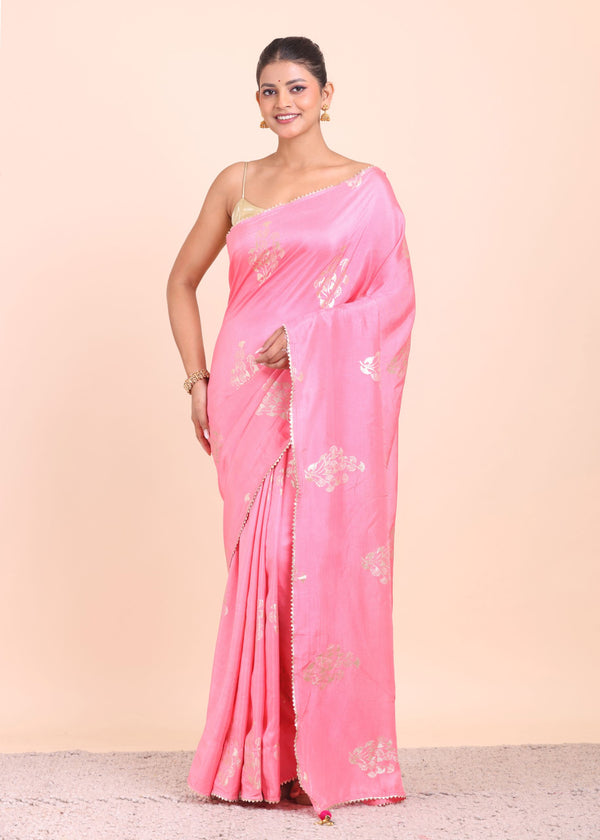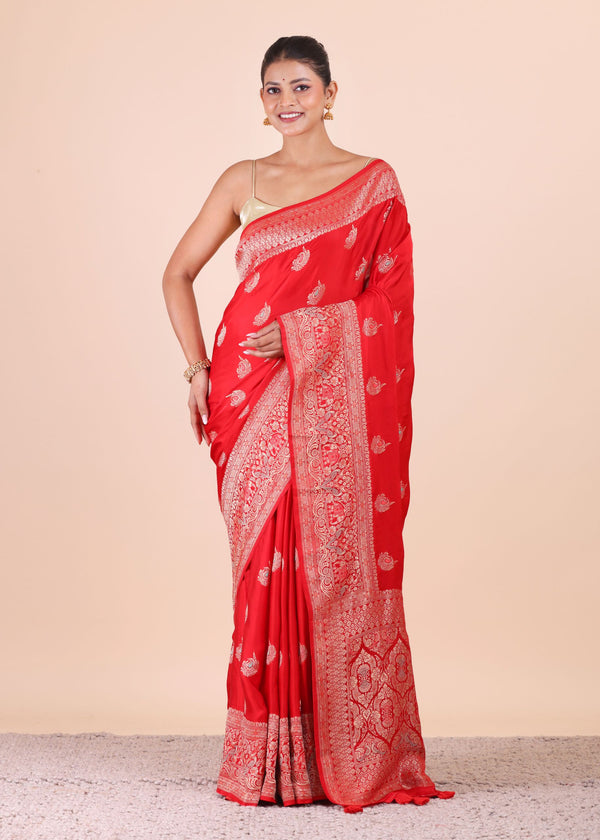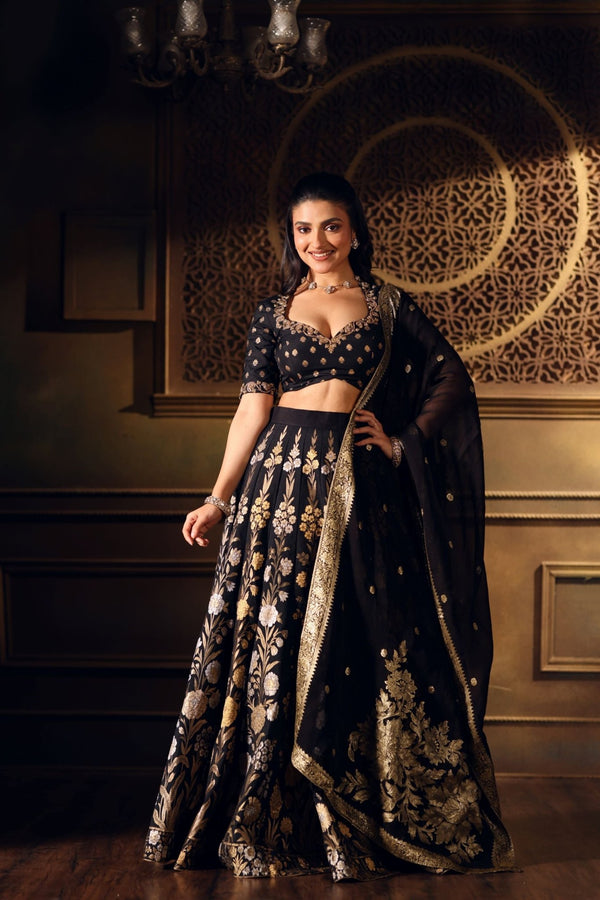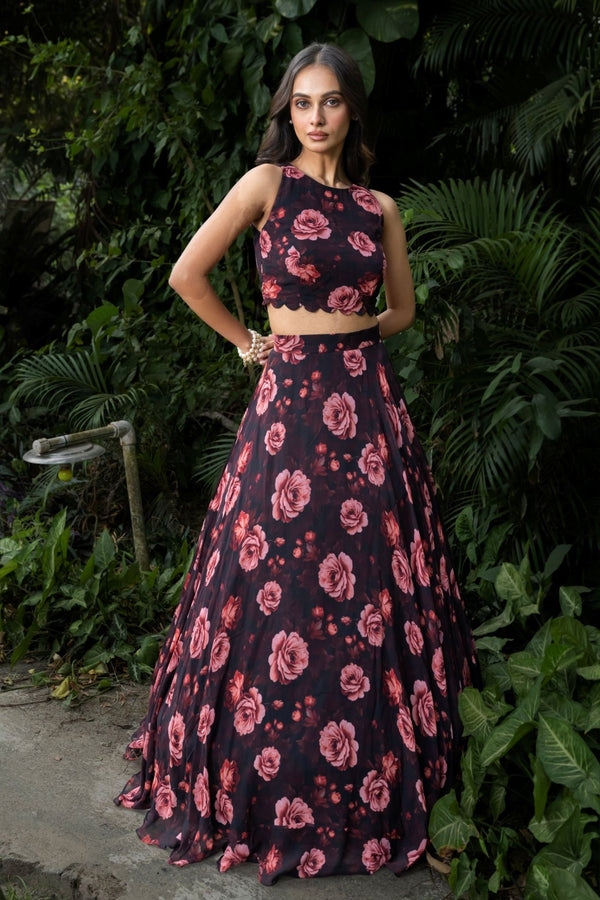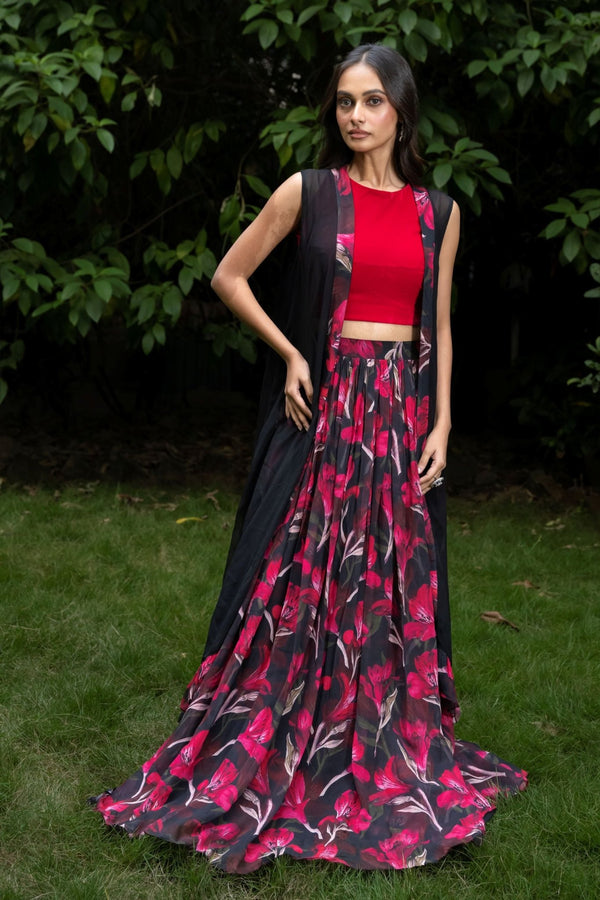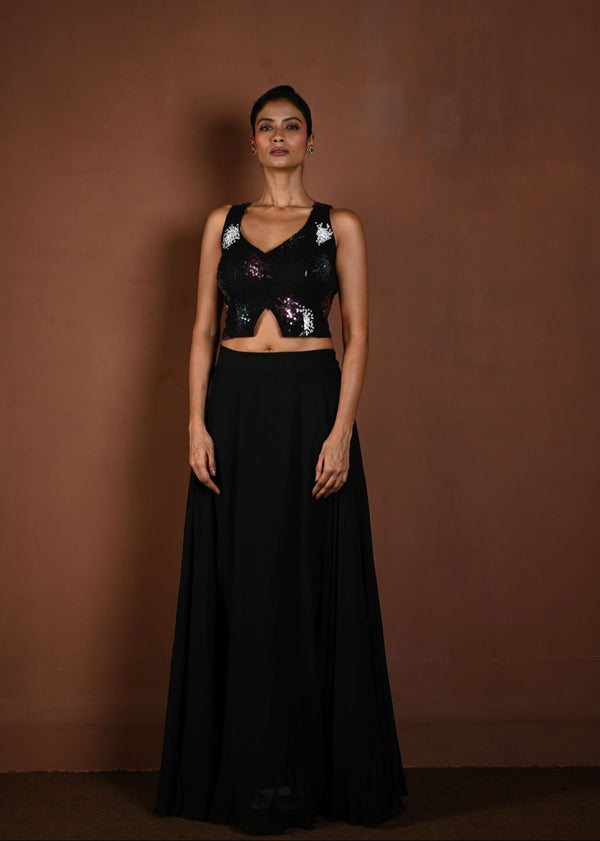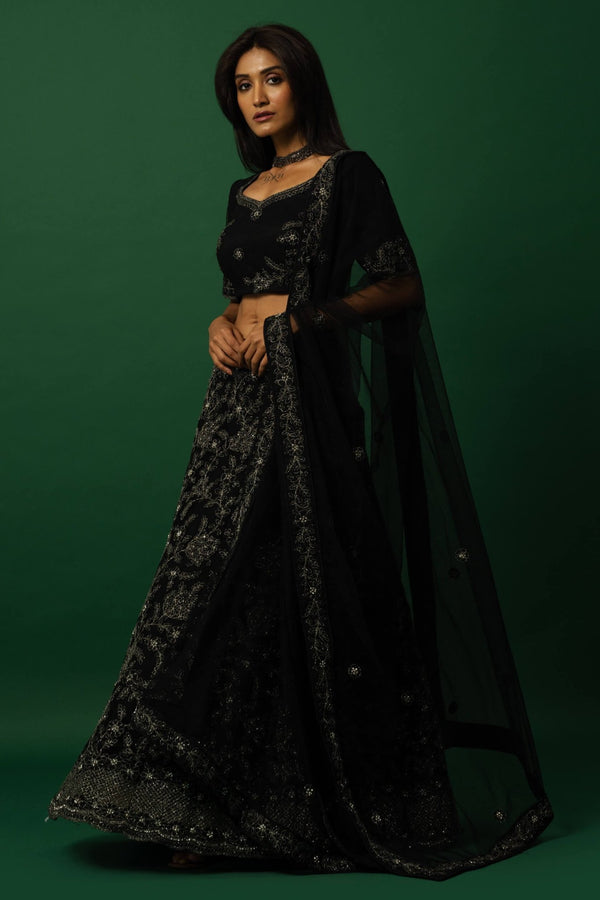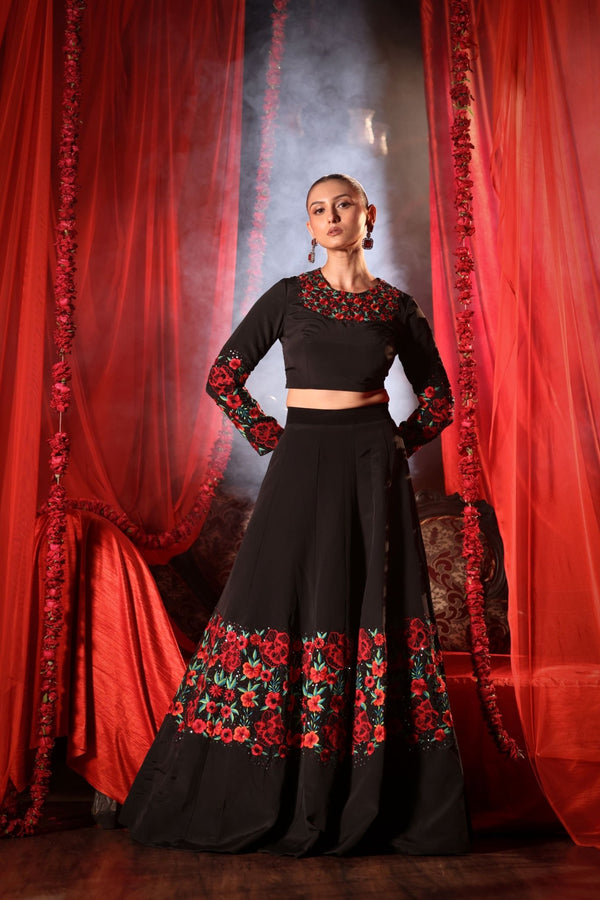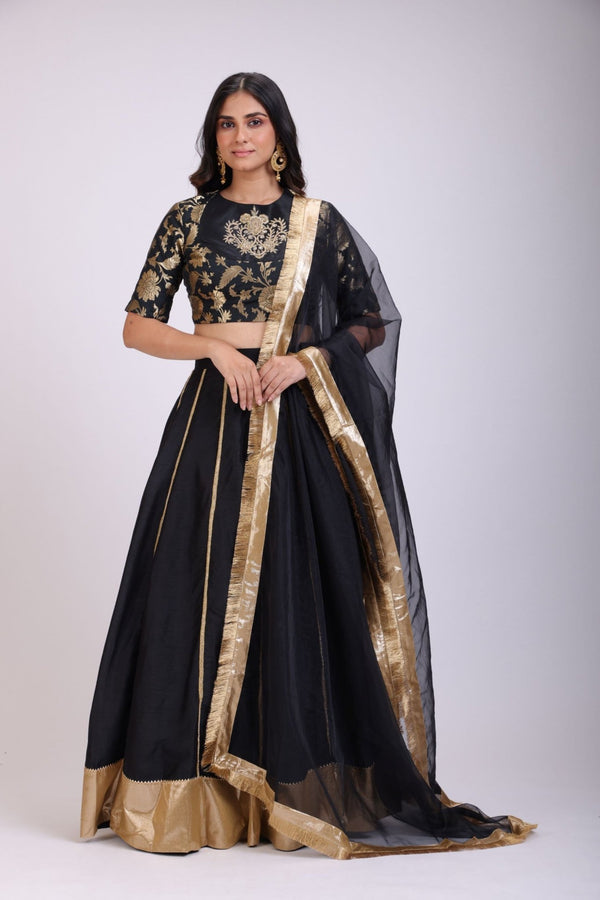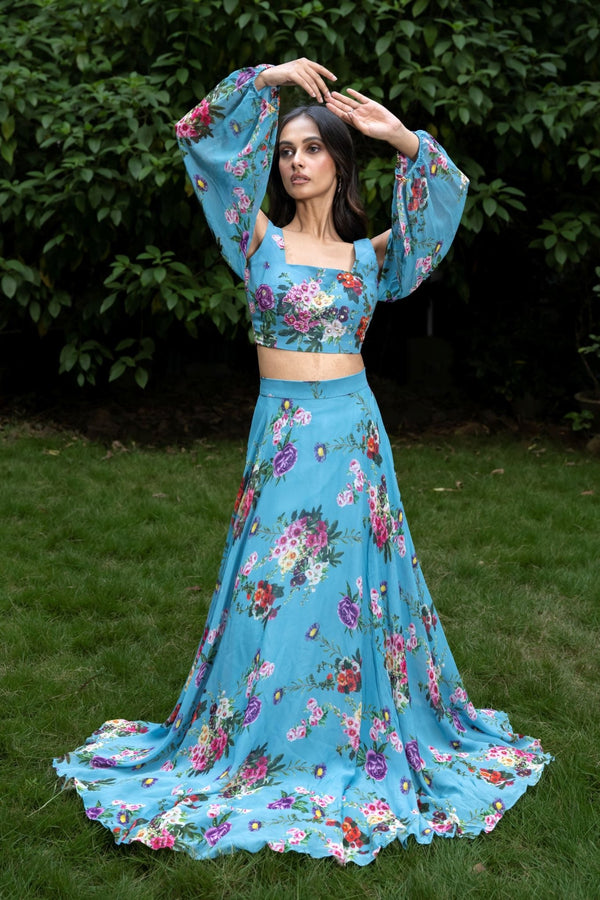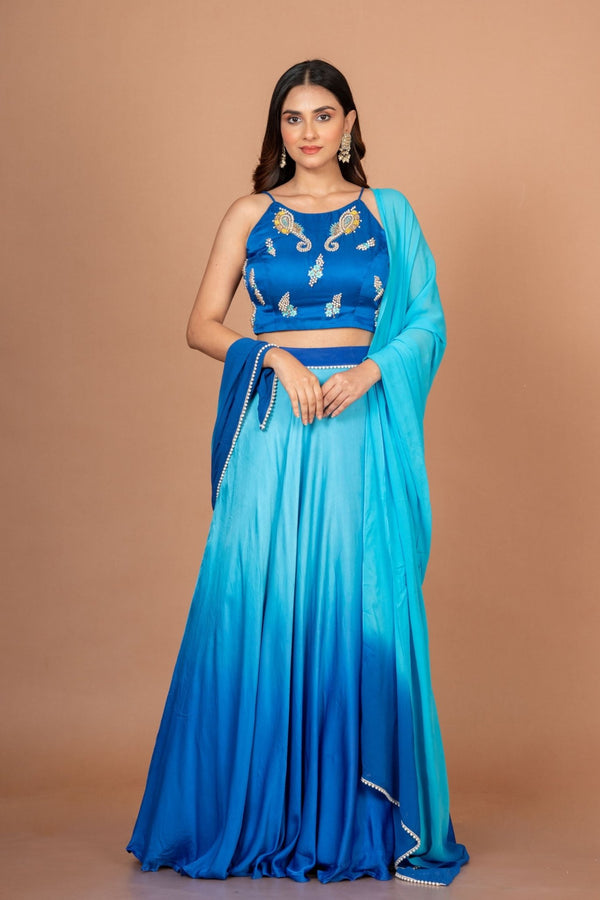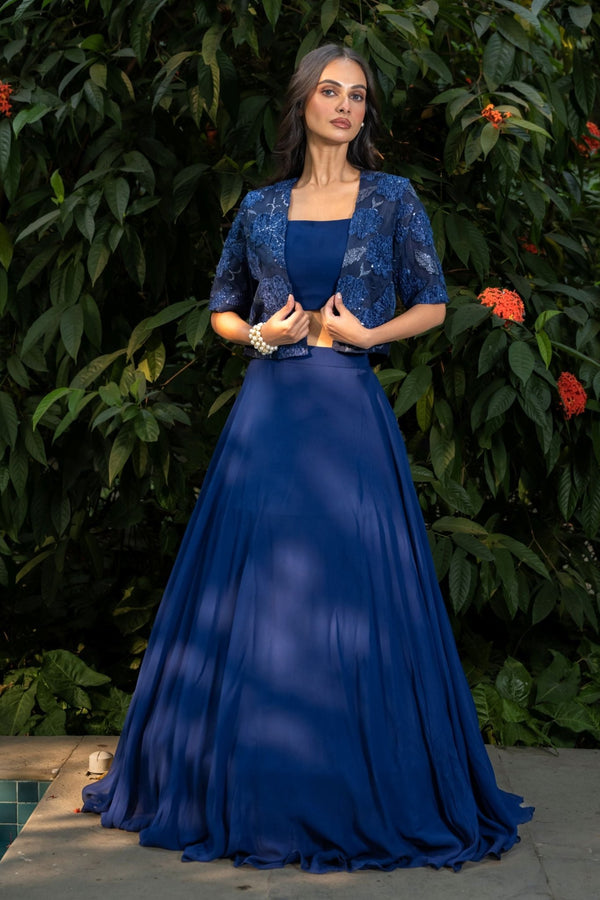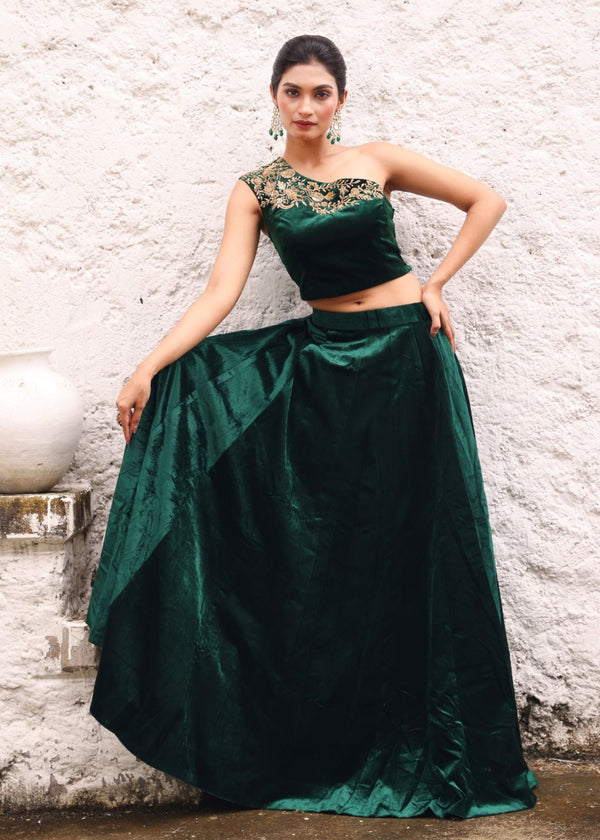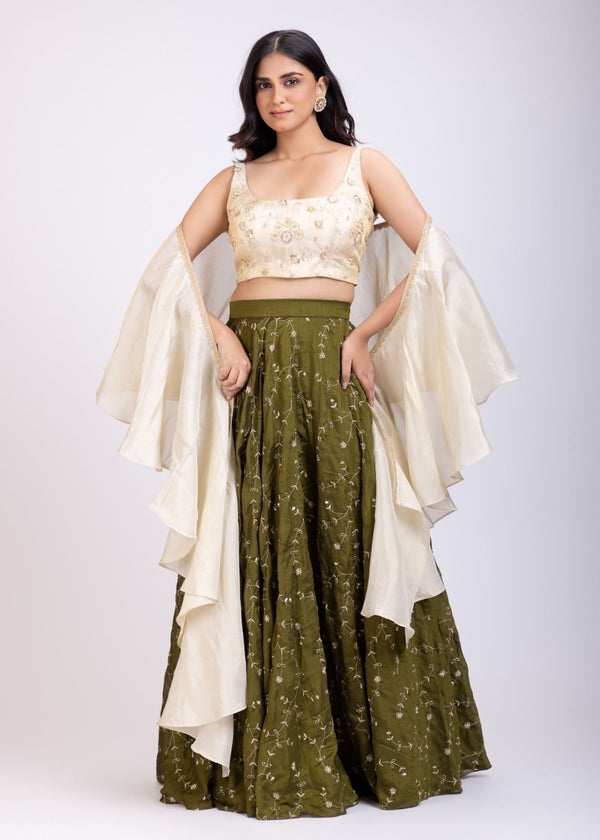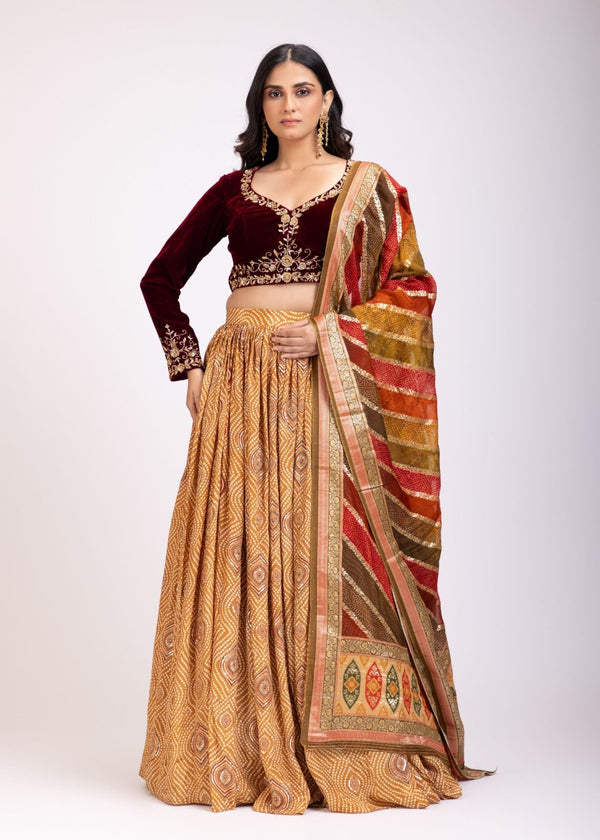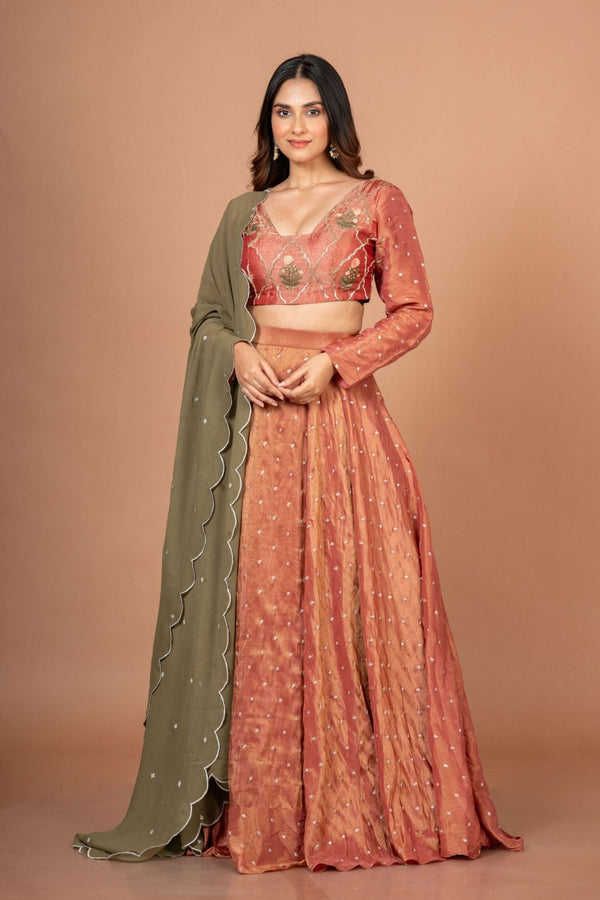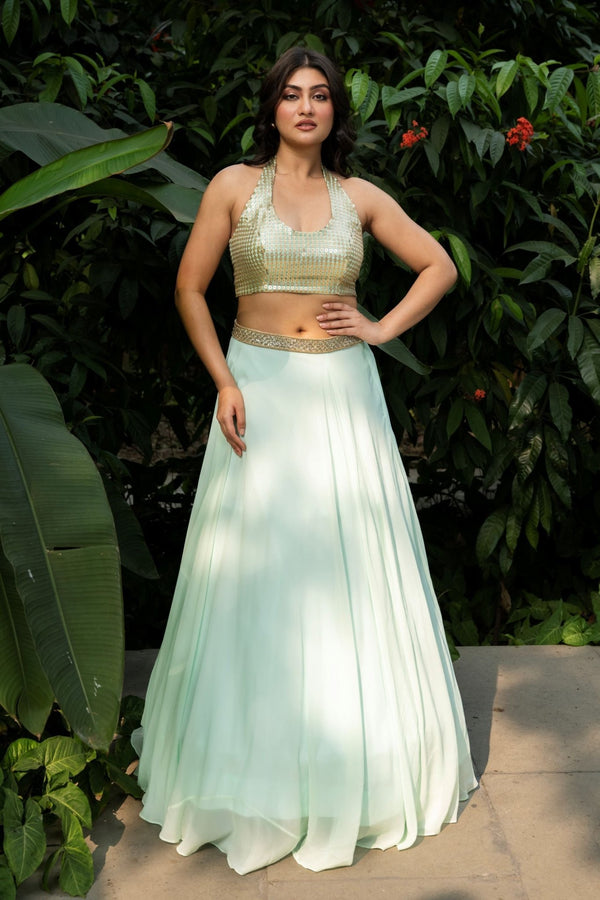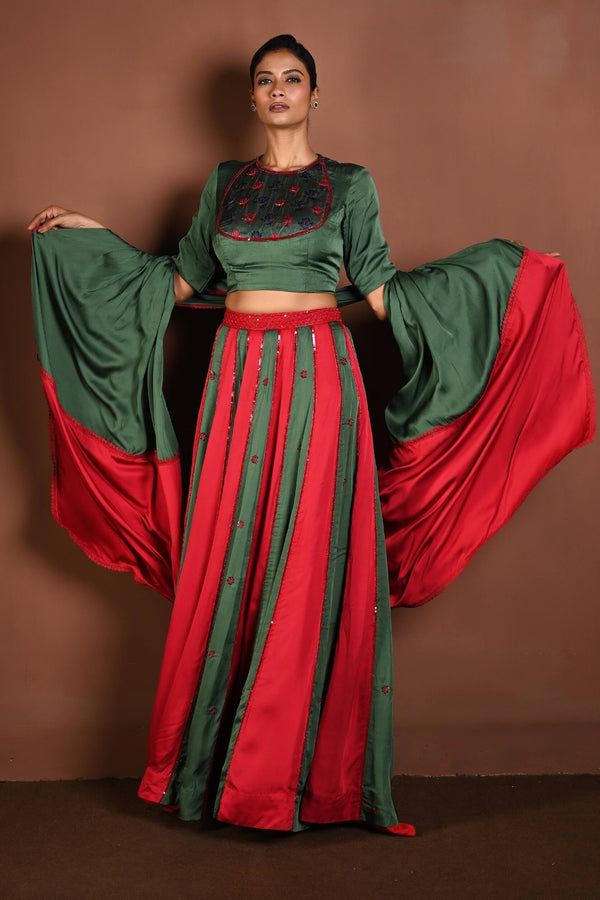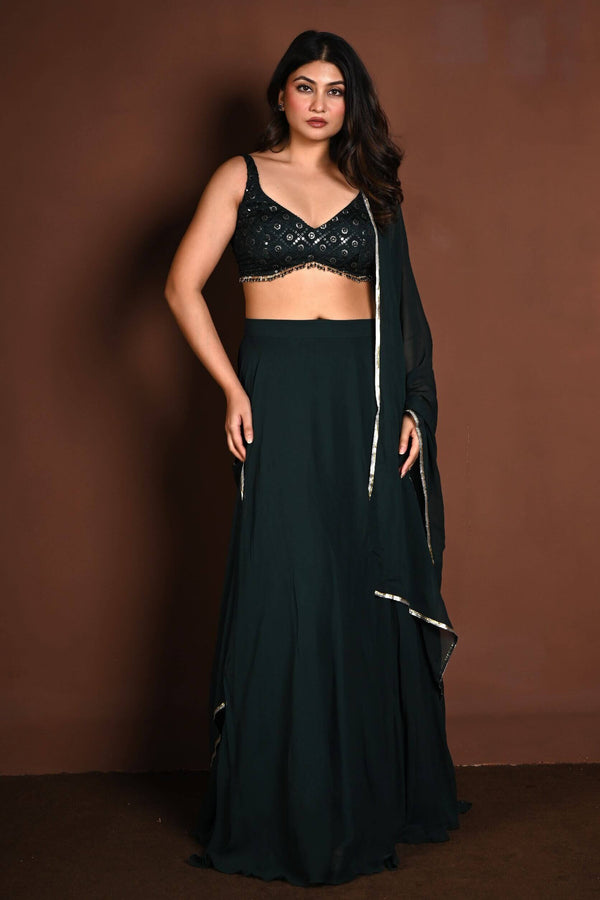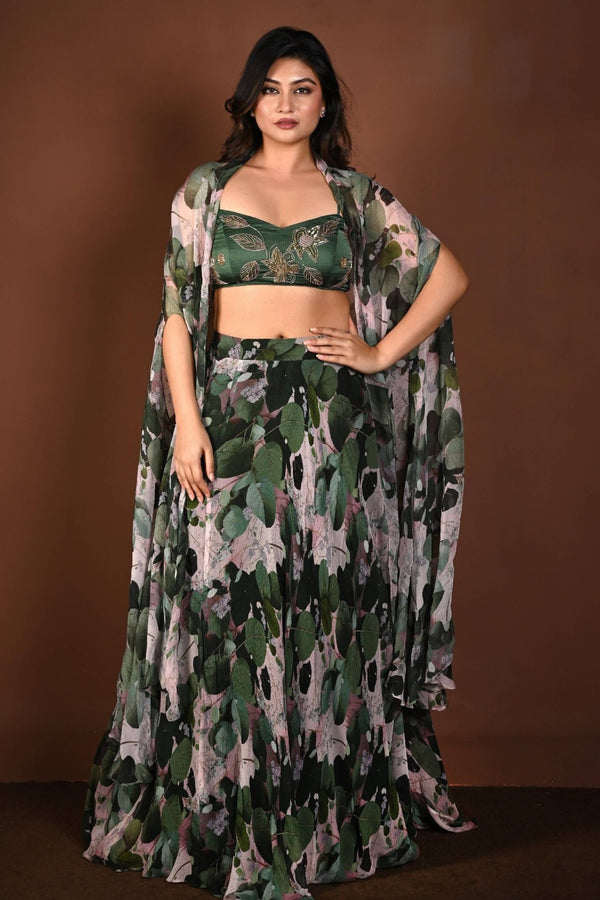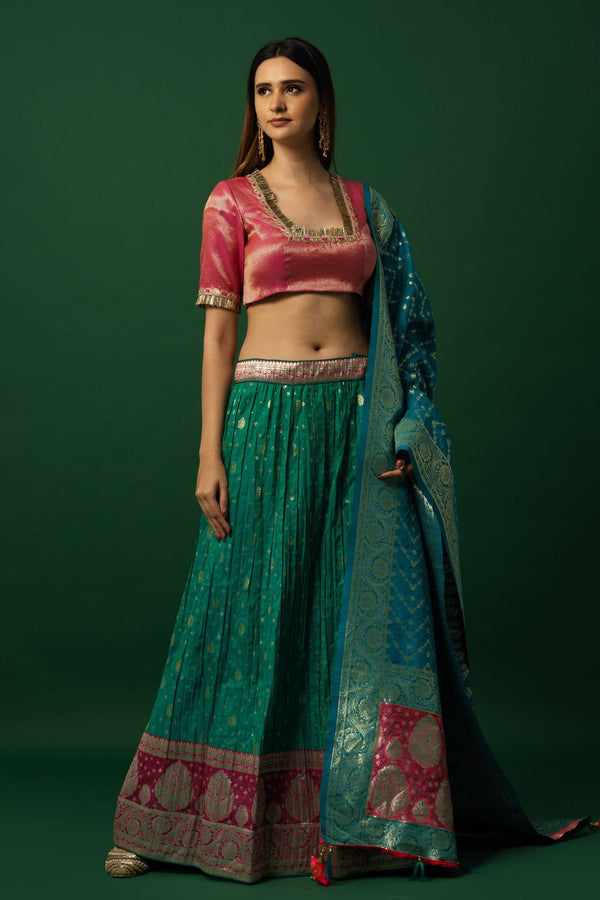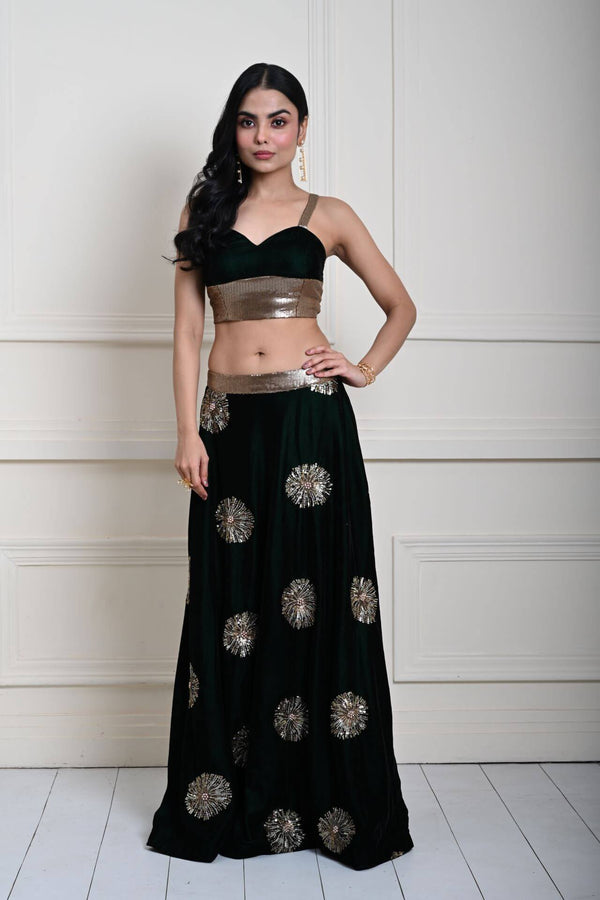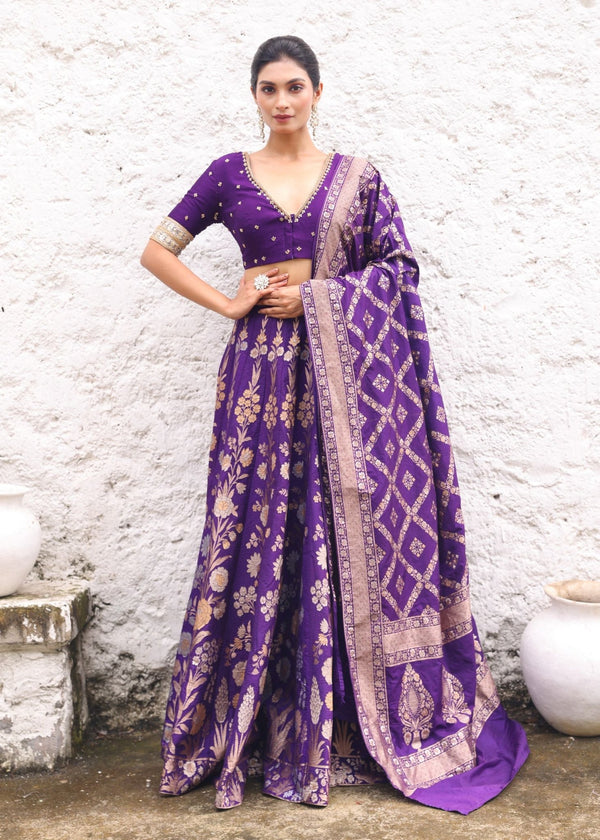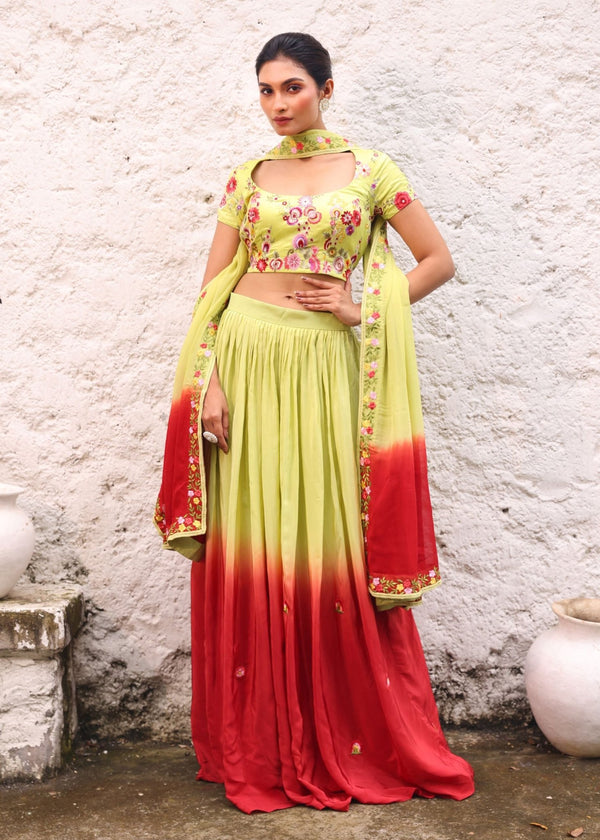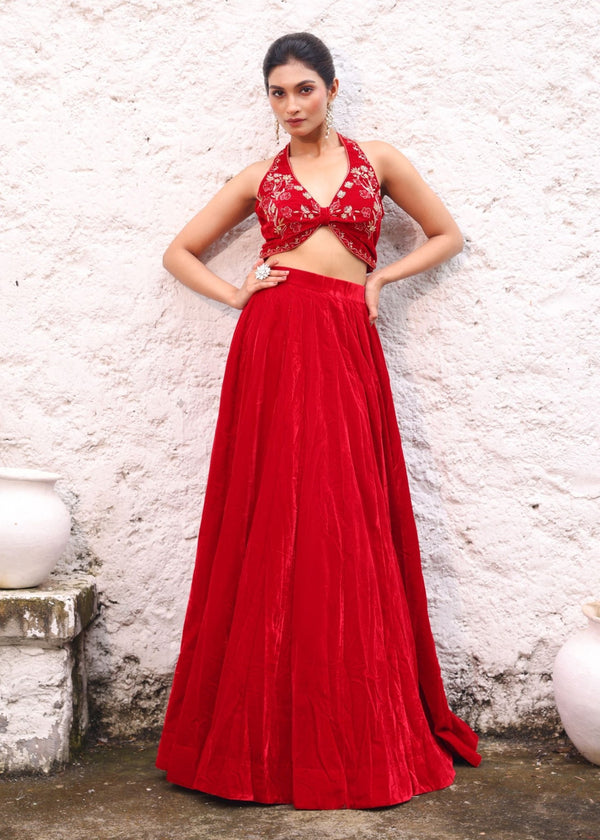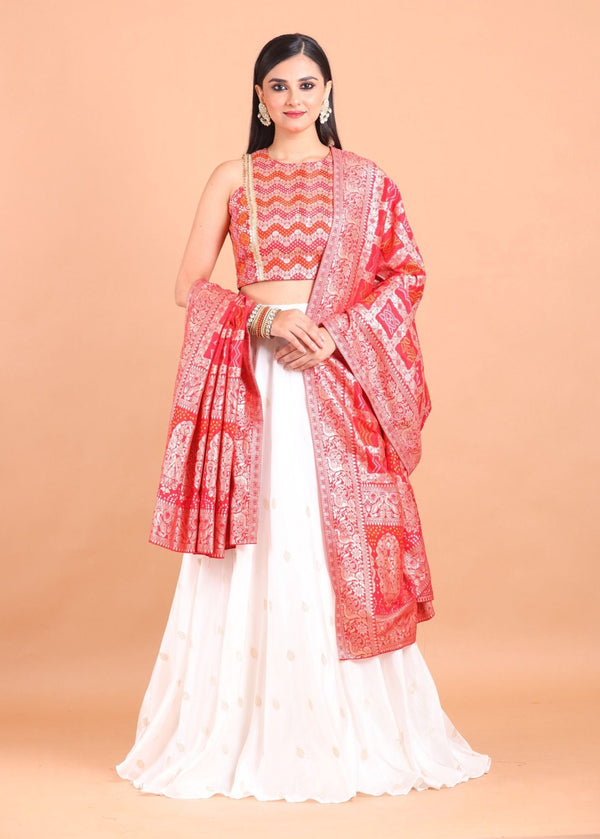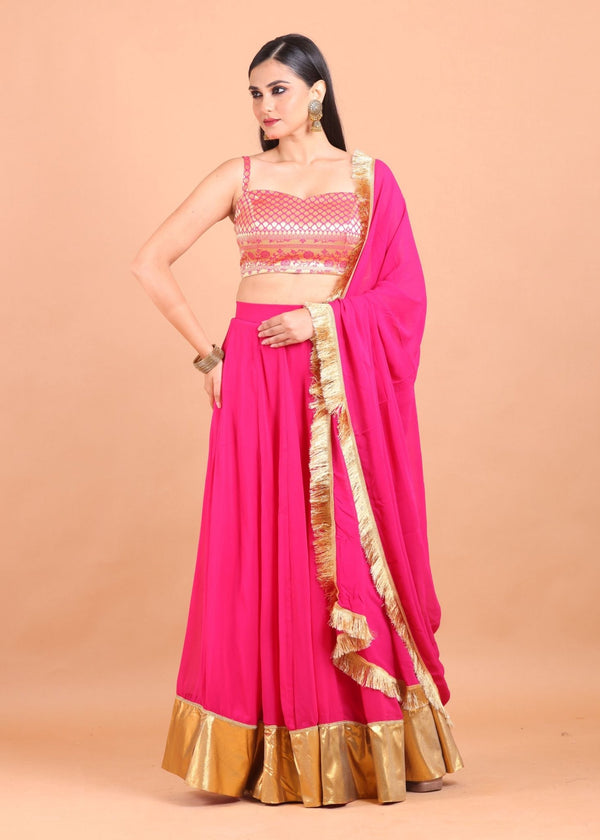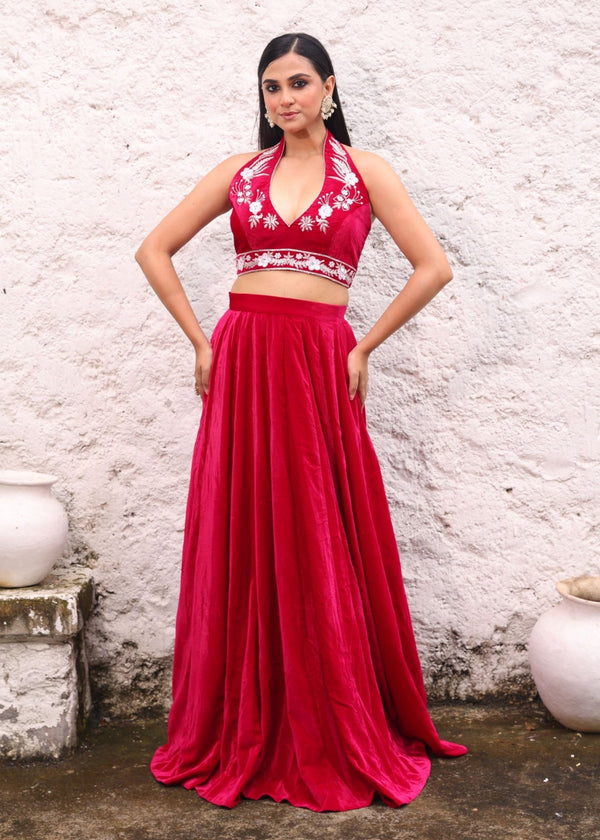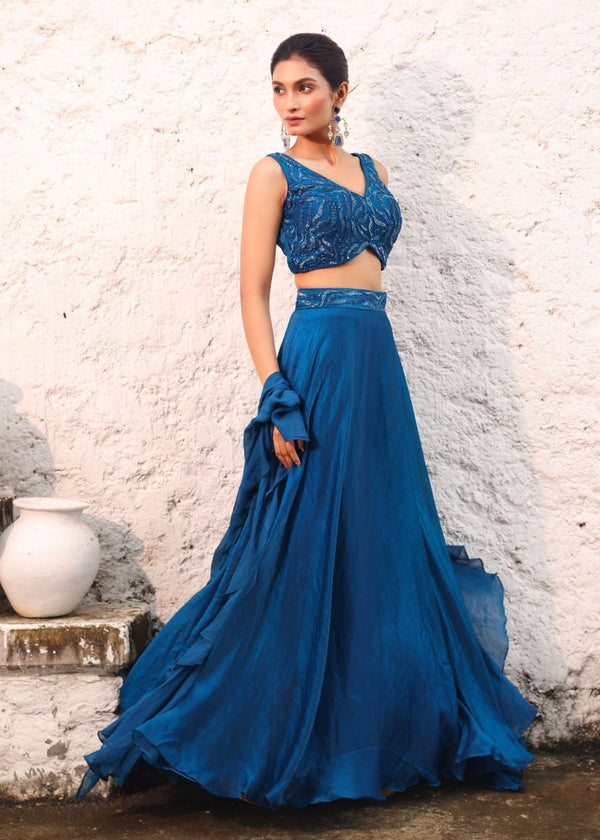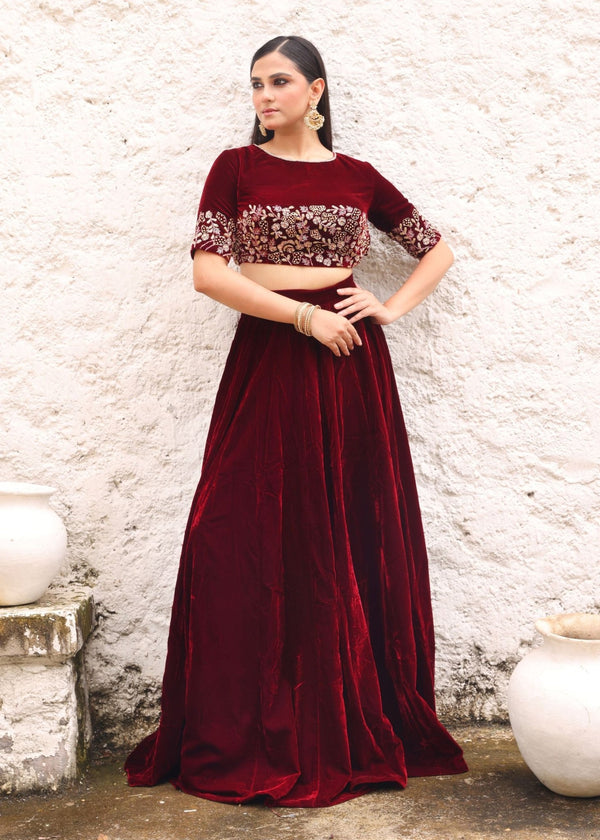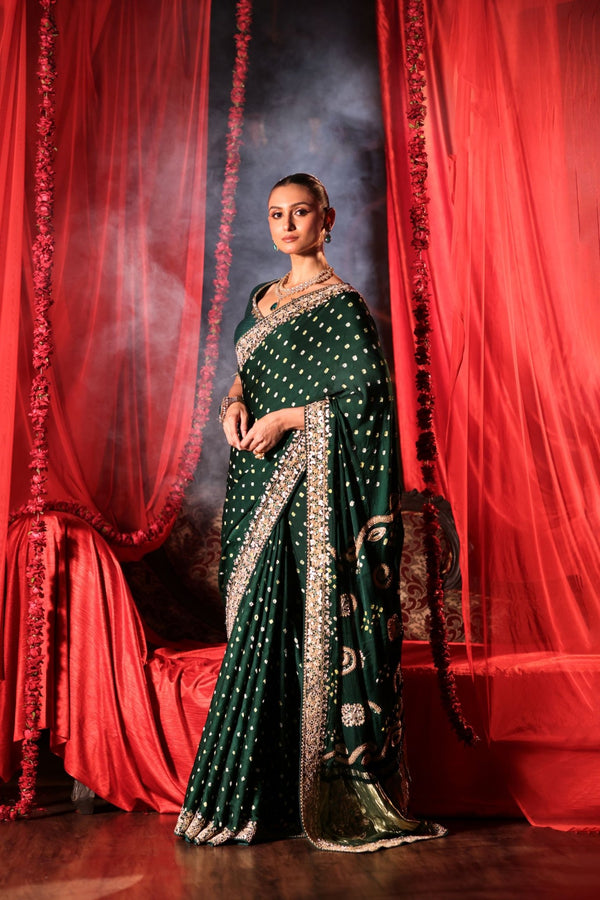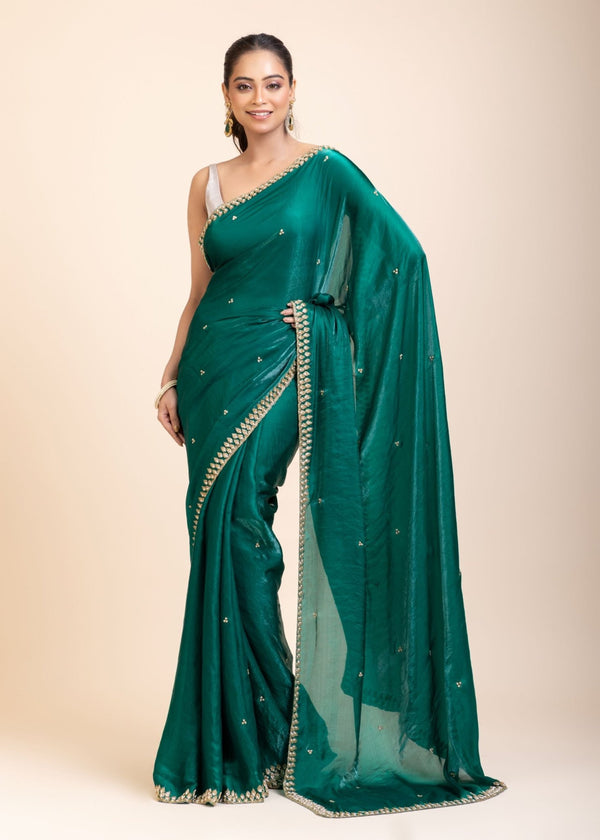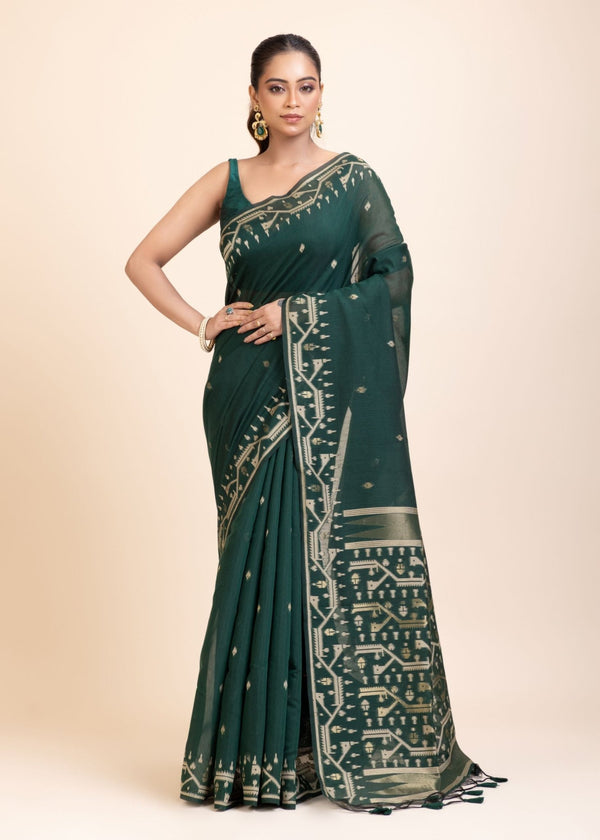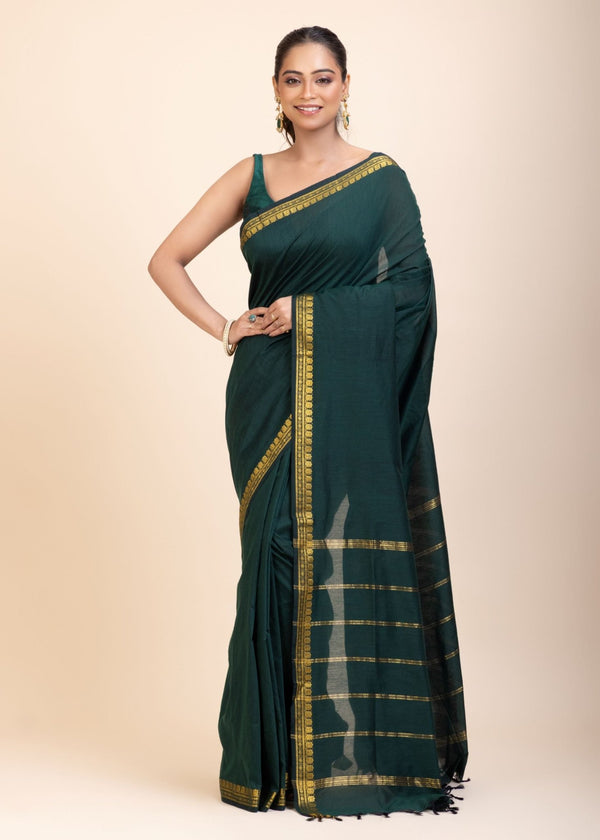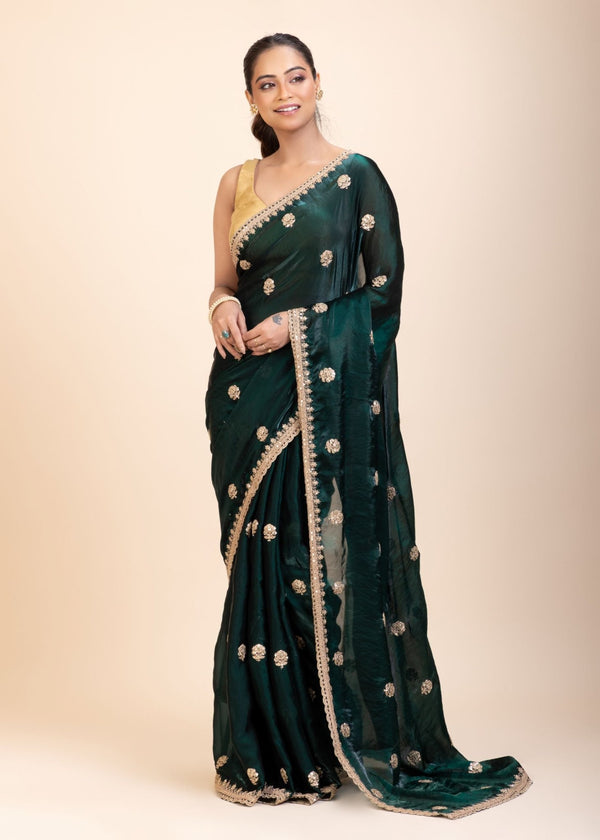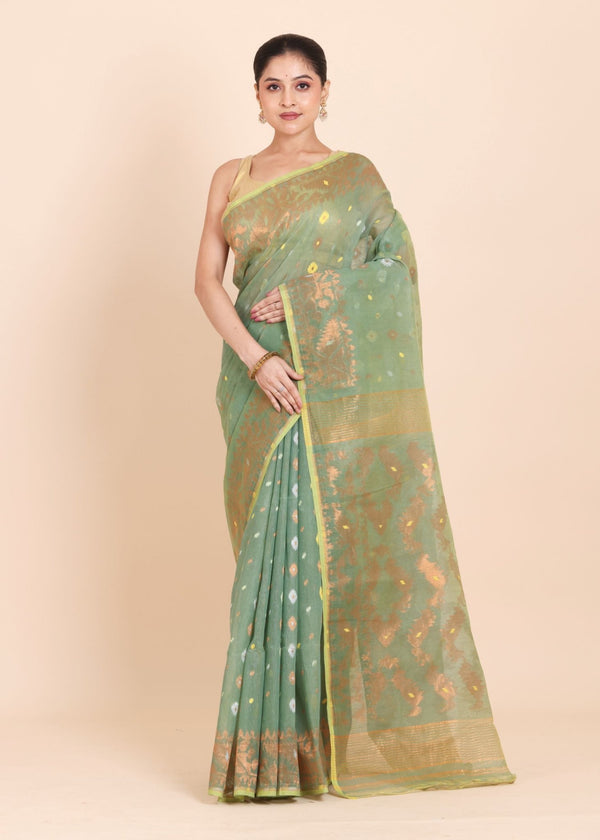




Choosing a bridesmaid outfit for an Indian wedding is not only about looking stylish. You also need to think about the wedding function, comfort, movement, dress code, weather, photography and how well your outfit coordinates with the rest of the bridal party. This is why the choice between a lehenga and a saree can feel difficult. A lehenga gives a structured, festive silhouette with plenty of room for movement, making it a strong choice for sangeet, reception and cocktail functions. A saree offers a more versatile and traditional look and can work particularly well for wedding ceremonies and daytime functions. Neither is automatically better. The right choice depends on the occasion and your personal styling preferences. The good news is that bridesmaids no longer need to wear exactly the same outfit. Sarees and lehengas can be coordinated through colour, embroidery, fabric, blouse details or jewellery to create a cohesive bridal-party look while allowing each bridesmaid to dress for her own comfort.
Lehenga vs Saree for Bridesmaids: A Quick Comparison
Before choosing an outfit, it helps to understand how both silhouettes work for different wedding situations.
|
Factor |
Bridesmaid Lehenga |
Bridesmaid Saree |
|
Overall look |
Structured, festive and statement-making |
Graceful, versatile and traditional |
|
Movement |
Generally easy for walking and dancing |
Depends on draping and how securely it is pinned |
|
Sangeet |
Excellent choice for dance and movement |
Works well in a lightweight or pre-draped style |
|
Wedding ceremony |
Works well depending on the dress code |
Particularly suitable for traditional ceremonies |
|
Reception |
Excellent for an evening statement |
Excellent with a statement blouse and accessories |
|
Draping |
No saree draping required |
Requires draping unless pre-draped |
|
Styling |
Blouse, skirt and dupatta can be styled separately |
Drape, blouse, pallu and accessories create the look |
|
Rewear potential |
Separate pieces can be restyled |
Sarees can be draped in different ways |
|
Traditional appeal |
Can range from contemporary to traditional |
Naturally strong traditional appeal |
|
Comfort |
Depends on skirt, blouse and dupatta fit |
Depends on fabric, drape, blouse and pleating |
The most important point is that comfort comes from the construction and fit of the outfit, not simply from whether you choose a saree or lehenga.
When Should You Choose a Bridesmaid Lehenga?
A Bridesmaid lehenga is a practical option when the bridesmaid wants a more structured silhouette and expects plenty of movement during the event. The combination of a flared skirt, blouse and dupatta gives you several styling possibilities. A lehenga also works well when the bridal party has a coordinated colour palette. Different bridesmaids can wear slightly different silhouettes or embroidery levels while maintaining a common visual theme.
Lehenga for Sangeet
The sangeet is one of the easiest occasions for a bridesmaid lehenga. Dancing, photographs and movement are usually a major part of the event, so a well-fitted sangeet lehenga can provide freedom without requiring constant adjustment of a saree drape. For this function, look for a skirt with enough flare to move comfortably but avoid excessive weight from heavy embroidery, multiple layers or an oversized dupatta. Mirror work, sequins, thread embroidery and lighter embellishment can add festive appeal without making the outfit difficult to manage. A simple lehenga with refined embroidery can also be a good choice when the bride is wearing a heavily embellished bridal outfit.
Lehenga for Reception
A reception usually gives bridesmaids more freedom to experiment with evening silhouettes. An embroidered lehenga with a statement blouse can create a strong look for photographs without needing the level of bridal embellishment used for the bride. The blouse is particularly important here. A contemporary neckline, sleeve detail or structured bodice can make a relatively simple skirt look more fashion-forward. For example, an ivory and orange combination can work beautifully when floral detailing and a hand-embroidered cape are used to create a layered silhouette.

Lehenga for Cocktail or Engagement Functions
For a cocktail or engagement event, a lehenga can be styled in a more contemporary way. You do not always need a traditional heavily embroidered set. A modern blouse, lighter skirt and minimal dupatta can create a cleaner silhouette. An engagement dress is another option when the dress code is more Indo-Western, but a lehenga remains useful when you want a distinctly Indian festive look.
When Is a Saree Better for a Bridesmaid?
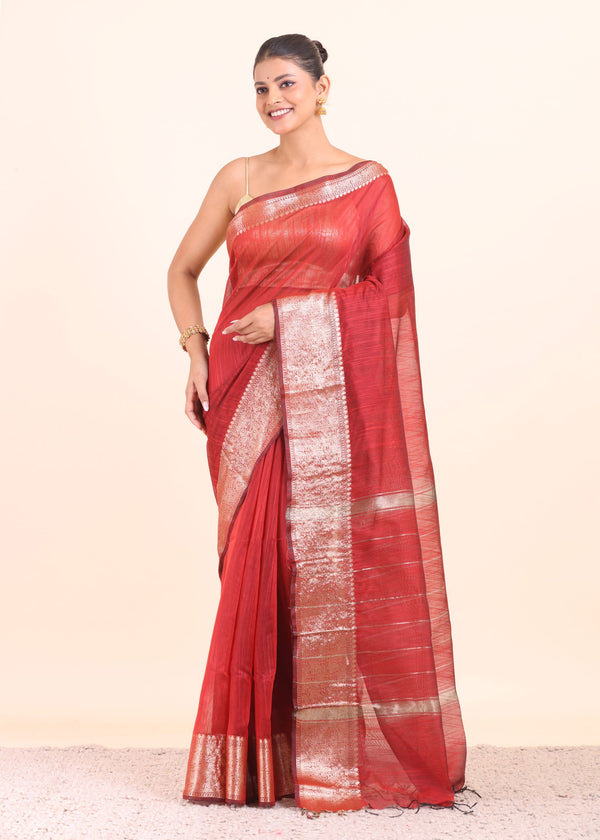
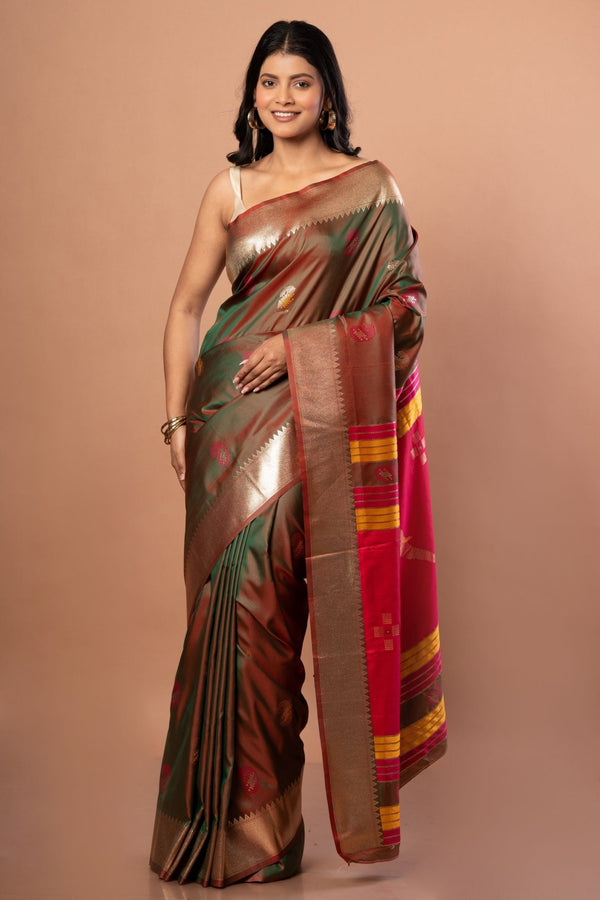
A saree is especially useful when the wedding has a traditional dress code or when the bridesmaid wants an outfit that can be restyled for other occasions. Sarees also give you considerable styling flexibility. The same saree can look very different depending on the blouse, jewellery, drape and accessories. For traditional ceremonies, a silk saree can create a strong cultural connection with the occasion. A lighter georgette or organza saree can work better for daytime or outdoor functions.
Saree for the Wedding Ceremony
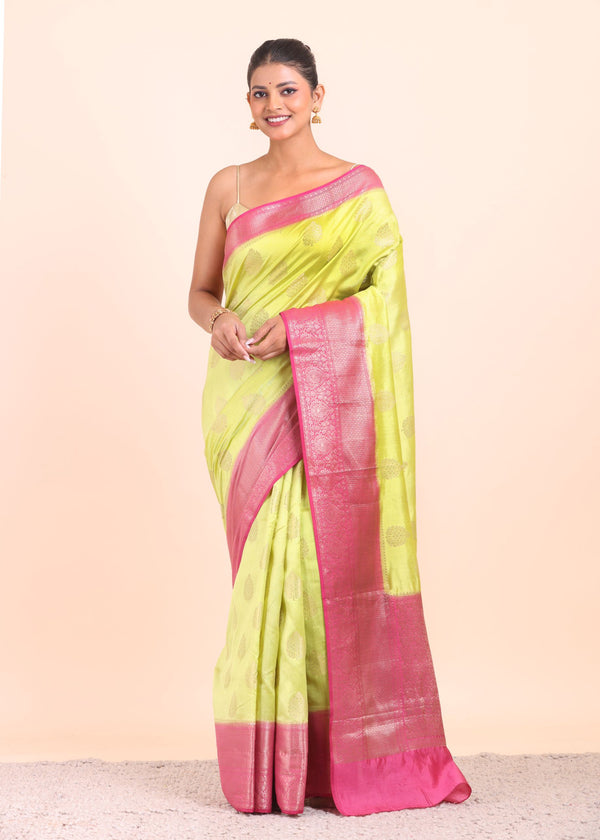
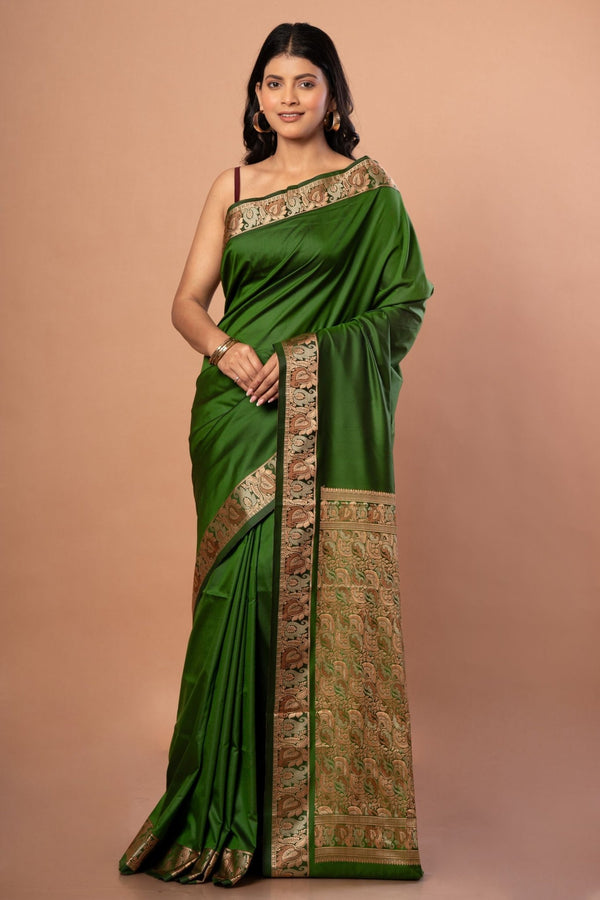
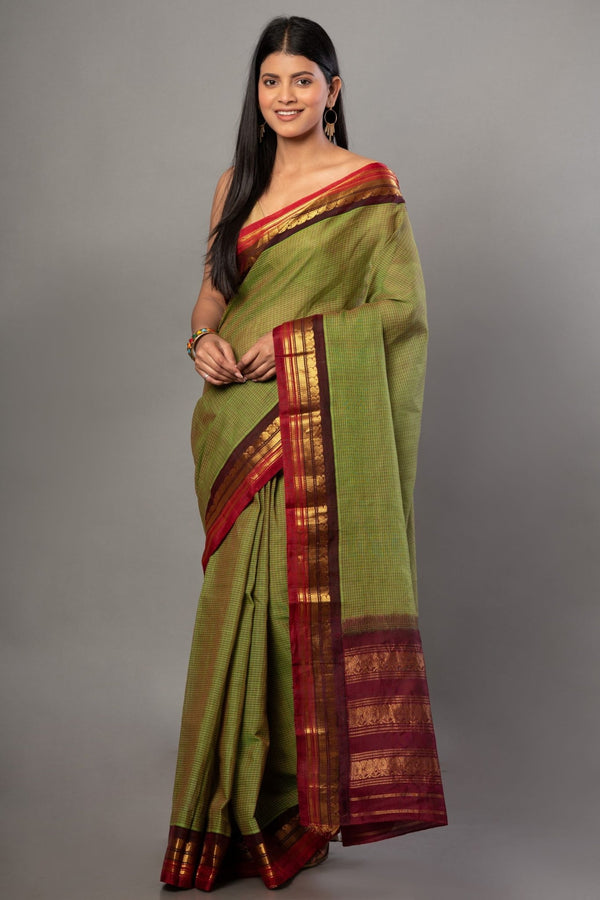
For a traditional wedding ceremony, a saree can be a natural choice. This is particularly true for regional weddings where sarees are already an important part of the cultural dress code. A silk saree can give a bridesmaid a rich and traditional appearance without requiring a heavily embellished bridal silhouette. A south Indian silk saree, for example, can work beautifully for a morning wedding or traditional ritual. The blouse can then introduce a contemporary element through its neckline, sleeves or contrast detailing. An emerald green Gadwal silk saree is an example of how a traditional weave can provide colour and richness without relying on excessive surface embellishment.

Saree for Day Weddings
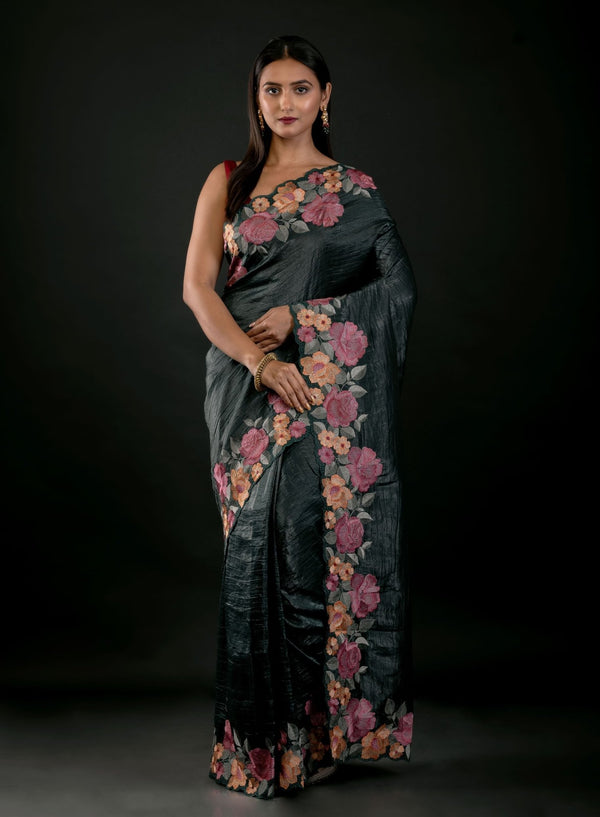
Lightweight sarees can be particularly useful for daytime weddings. Georgette, organza and lighter silk options can provide a festive look without making the outfit feel excessively heavy. A floral printed saree can also be a good choice for a daytime bridesmaid look, especially when the wedding palette includes softer or nature-inspired colours.

Which Is More Comfortable: Lehenga or Saree?
There is no universal answer because comfort depends on the construction and fit of the outfit. For a lehenga, pay attention to the waistband, blouse fit, skirt weight and dupatta. A skirt that is too heavy can become uncomfortable during a long event, while an overly tight waistband can make sitting difficult. For a saree, the fabric, blouse fit, pleats, petticoat or underskirt and draping method all affect comfort. A saree that is pinned securely can be surprisingly easy to manage, while a loosely draped saree may require repeated adjustment. If you are going to dance, walk long distances or participate in several wedding activities, test the outfit before the event. Sit down, walk, raise your arms and move around in the blouse and footwear. This simple test can help identify fit problems before the wedding day. A pre-draped saree can also be considered when you love the saree silhouette but do not want to spend time managing traditional draping.
Bridesmaid Outfit Ideas for Every Wedding Function
Different wedding functions call for different levels of formality. Instead of choosing one outfit based only on what is trending, consider what you will actually be doing at the event.
Mehendi
A lighter saree, printed lehenga, lightweight embroidered lehenga or easy-to-carry festive set can work well. Since Mehendi functions are usually more relaxed, you can experiment with prints, floral motifs and lighter embellishment.
Sangeet
A lehenga is particularly practical for a dance-heavy Sangeet. Choose a skirt that allows movement and a dupatta that can be secured comfortably. A lightweight saree can also work, especially when it is pre-draped or pinned properly. For a more colourful group, an embroidered lehenga can bring visual interest without requiring every bridesmaid to wear exactly the same design.


Wedding Ceremony
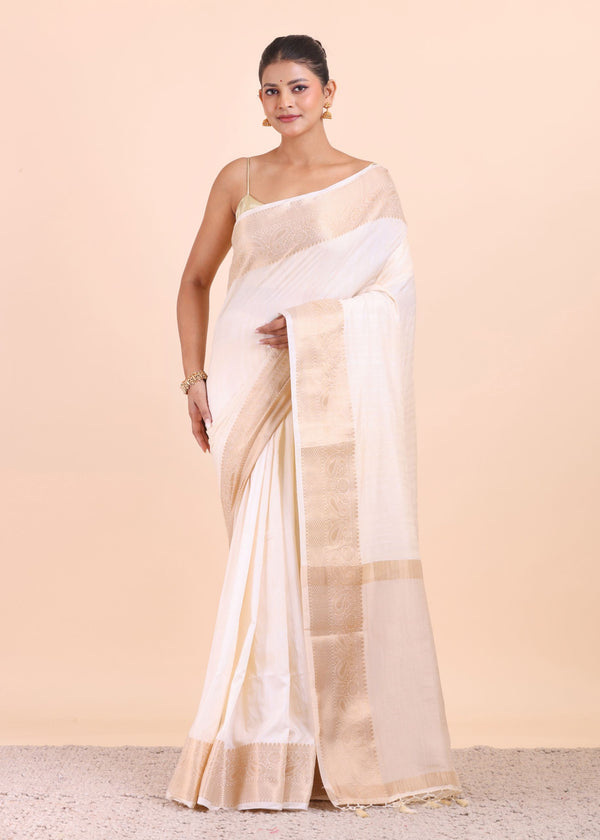
For a traditional wedding ceremony, consider silk sarees, handloom sarees or other fabrics that suit the cultural setting. A well-fitted blouse and carefully secured drape can make the look both traditional and contemporary. A lehenga can also work when the wedding dress code is more modern, but it should complement rather than compete with the bride's bridal outfit.
Reception
Both sarees and lehengas work particularly well for receptions. This is the right time to consider richer textures, sequins, cutdana, embroidery, statement blouses and evening-friendly fabrics. A net lehenga with controlled embellishment can provide glamour, while a net saree with a detailed blouse can create a more streamlined silhouette.


Bridesmaid Outfit Trends to Know in 2026
Rather than following one particular outfit trend, bridesmaid dressing is increasingly about balancing style with practicality. A good bridesmaid outfit should look festive in photographs but should also allow you to participate in the wedding.
Coordinated Does Not Mean Identical
Bridesmaids do not have to wear identical outfits to look like a group. You can coordinate through a shared colour palette, fabric, embroidery style or blouse detail. For example, one bridesmaid can wear a lehenga while another wears a saree in a related shade. If the outfits share similar embroidery or accessories, the group can still look cohesive.
Lighter, Wearable Embellishment
Embroidery, sequins, cutdana and other surface details can make bridesmaid outfits festive, but the amount of embellishment should suit the function. A heavily worked lehenga may look impressive but can become difficult to wear for several hours. A lighter embroidered saree or lehenga can provide the same festive mood with easier movement.
Contemporary Blouse Designs
The blouse has become one of the easiest ways to update a traditional saree. Statement necklines, interesting sleeves, structured cuts and contemporary back designs can make the same saree look more modern. The same principle applies to lehengas, where the blouse or choli can completely change the character of the outfit.
Versatile Silhouettes
A bridesmaid outfit should ideally have life beyond one wedding. A saree can be restyled with another blouse and different drape, while lehenga separates can sometimes be paired with different tops or dupattas. This makes versatility an important consideration when choosing an outfit.
Can Bridesmaids Mix Sarees and Lehengas?
Yes. In fact, mixing sarees and lehengas can be a practical way to accommodate different preferences within the bridal party. The key is to coordinate the visual language rather than force everyone into the same silhouette.
You can coordinate bridesmaid outfits through:
-
The same colour family
-
Similar embroidery
-
A shared blouse colour
-
The same jewellery metal
-
Similar dupatta detailing
-
A common fabric
-
Similar levels of embellishment
For example, one bridesmaid might wear an embroidered lehenga while another wears a saree with a matching embroidery style. The silhouettes are different, but the group still looks coordinated in photographs. This approach is also useful when bridesmaids have different comfort levels. Someone who loves dancing may prefer a lehenga, while another person may feel more comfortable in a saree.
How Should Bridesmaids Coordinate Their Outfits?
The easiest way is to choose a wedding palette before selecting individual outfits.
You can then decide whether everyone should wear:
-
The same colour in different silhouettes
-
Different shades from the same colour family
-
Different outfits with the same embroidery
-
Different outfits with matching blouses
-
Different silhouettes with coordinated jewellery
There is no requirement for every bridesmaid to wear exactly the same shade. In fact, slight variation can make group photographs look more dimensional. The bride's outfit should also be considered. Bridesmaid colours should complement the bridal look rather than copy its most distinctive elements.
How to Choose Bridesmaid Outfit Colours
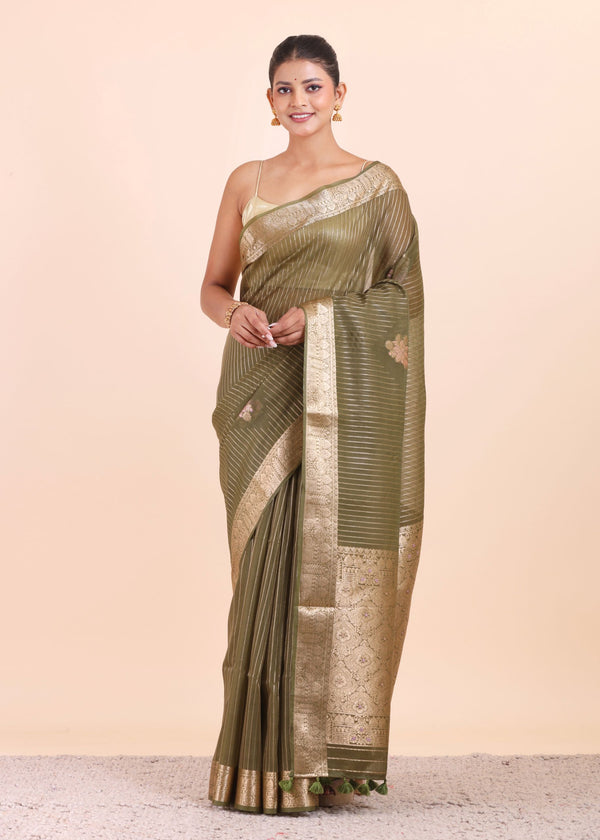
Colour selection should depend on the wedding palette, time of day, venue and the bride's outfit. For a daytime wedding, softer shades and lighter fabrics can work well. For an evening reception, deeper colours and richer embellishment can create more visual depth. You can also choose colours based on the overall wedding décor. Floral, pastel, jewel-tone and earthy palettes can all work, but the bridesmaid outfits should have some connection with the wider wedding styling. For example, green sarees can work well for festive daytime functions when the wedding palette includes natural or jewel-inspired tones. The most important thing is not to choose a colour simply because it is popular. Choose one that works with the bride, venue, function and the overall visual direction of the wedding.
Which Fabric Is Best for a Bridesmaid Saree or Lehenga?
Fabric can change both the appearance and comfort of a bridesmaid outfit.
|
Fabric |
Works Well For |
What to Consider |
|
Silk |
Traditional weddings and ceremonies |
Rich, structured and more traditional |
|
Georgette |
Sangeet, day events and long functions |
Lightweight and fluid |
|
Organza |
Day weddings, engagement and photographs |
Crisp and slightly structured |
|
Net |
Reception and glamorous evening functions |
Sheer and often embellished |
|
Crepe |
Evening events and contemporary looks |
Smooth and fluid drape |
|
Velvet |
Cooler weather and evening events |
Rich texture and greater warmth |
Silk
Silk gives both sarees and lehengas a rich festive quality. A silk lehenga has a structured appearance, while a silk saree brings a more traditional drape.
Georgette
Georgette is lightweight and fluid, making it useful when movement and comfort are important. A georgette saree drapes smoothly, while a georgette lehenga can provide flare without excessive weight.
Organza
Organza has a crisp texture and naturally holds its shape. An organza lehenga can create volume, while an organza saree gives a lighter, structured drape. For example, an organza saree can work well for a daytime event where the fabric itself adds visual interest.


Net
Net is useful when you want a more glamorous evening look. A net lehenga can create volume through layered construction, while a net saree can provide a more streamlined silhouette.
Georgette and Lightweight Sarees for Movement
For outdoor or summer weddings, lighter fabrics can make a long event easier to manage. Georgette sarees and lightweight lehengas are particularly useful when you expect to walk, dance or move between different venues. A georgette saree can be draped securely and styled with a blouse that provides the desired amount of structure.
How to Look Festive Without Outshining the Bride
Being a bridesmaid means being part of the bridal party, but the outfit does not need to compete with the bride's bridal look.
A few simple styling choices can help:
-
Choose embroidery according to the function.
-
Avoid copying the bride's exact colour and bridal motifs.
-
Select jewellery that complements rather than overwhelms the outfit.
-
Consider a lighter dupatta or simpler drape if the bridal outfit is heavily embellished.
-
Use the blouse to add personality instead of adding excessive embellishment everywhere.
-
Coordinate with the bridal party without making every outfit identical.
The goal is not to make the outfit plain. It is to create a festive look that has its own identity while remaining part of the wedding's overall styling.
How to Choose a Bridesmaid Outfit for Comfort and Fit
Before buying or getting an outfit stitched, think about how you will spend the day.
Ask yourself:
-
Will I be dancing?
-
Will I need to walk between venues?
-
Will I be sitting for long periods?
-
Is the wedding outdoors?
-
Will I wear the outfit for several hours?
-
Am I comfortable with saree draping?
-
Is the blouse comfortable when I move my arms?
-
Is the lehenga waistband comfortable while sitting?
-
Can I manage the dupatta easily?
-
Are my shoes practical for the venue?
A good bridesmaid outfit should look good in photographs but also work when you are actually moving around. This is particularly important for bridesmaids because they are often involved in more activities than regular wedding guests.
How to Accessorize a Bridesmaid Saree or Lehenga
Accessories should support the outfit rather than compete with it. With a saree, the blouse, pallu and jewellery can create the main visual focus. Statement earrings, a necklace, bangles or a waist belt can be added depending on the neckline and overall embroidery. With a lehenga, the blouse and dupatta already create several layers, so jewellery should be selected with the neckline and embroidery in mind. If the outfit has heavy surface work, you may not need equally heavy jewellery. If the outfit is relatively simple, statement earrings or a necklace can add definition. The same principle applies to footwear. Choose something that you can comfortably walk and stand in for several hours.
Final Guide: Should a Bridesmaid Choose a Lehenga or Saree?
There is no single outfit that works for every bridesmaid or every wedding function. Choose a lehenga when movement, dancing, structured silhouettes and statement styling are important. It is particularly useful for Sangeet, reception and cocktail functions. Choose a saree when you want versatility, a traditional silhouette or an outfit that works naturally with a cultural wedding ceremony. Silk sarees are particularly suitable for traditional functions, while lighter georgette and organza sarees can work well for daytime events. And if your bridal party has different preferences, you do not have to choose between uniformity and individuality. Sarees and lehengas can be mixed when the colour palette, embroidery, fabric or accessories create a common visual theme. Ultimately, the best bridesmaid outfit is the one that fits the function, feels comfortable for the duration of the event and complements the bride without copying her look.