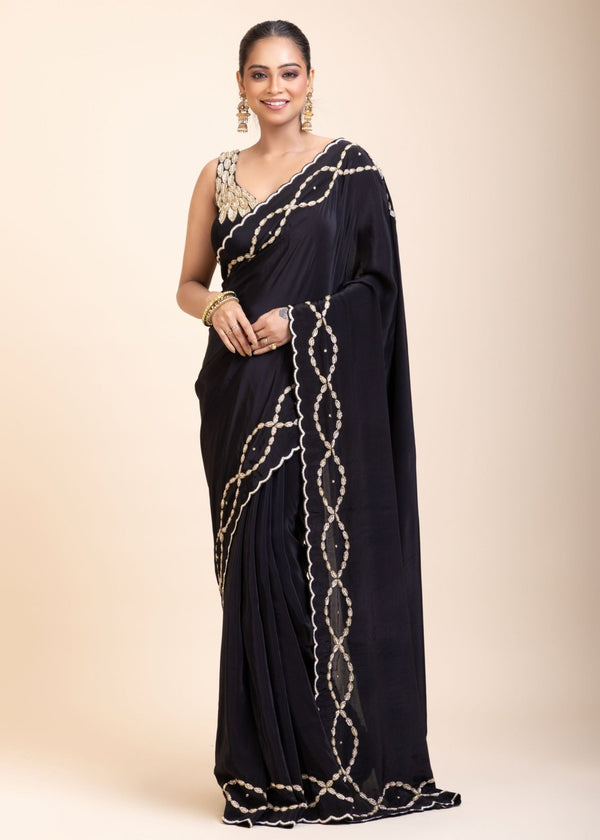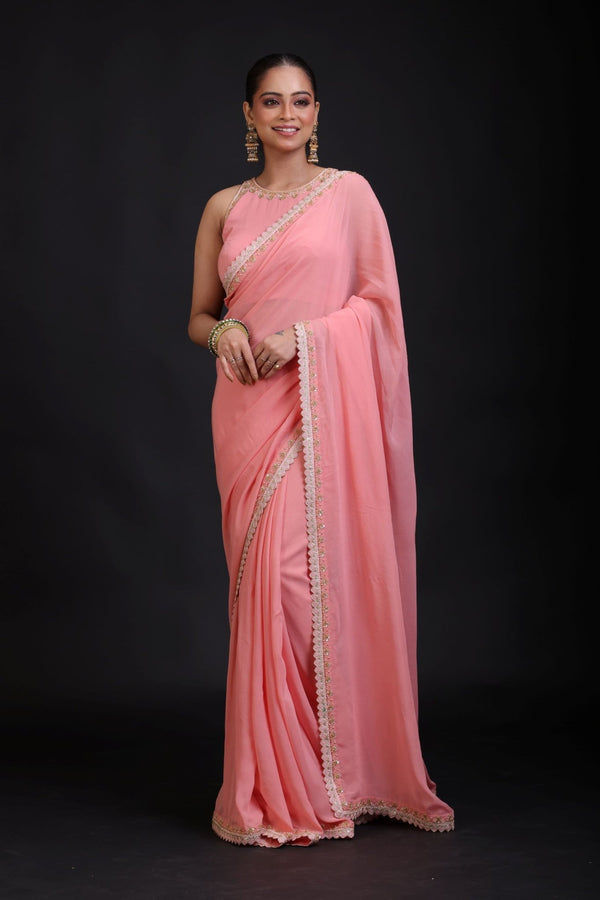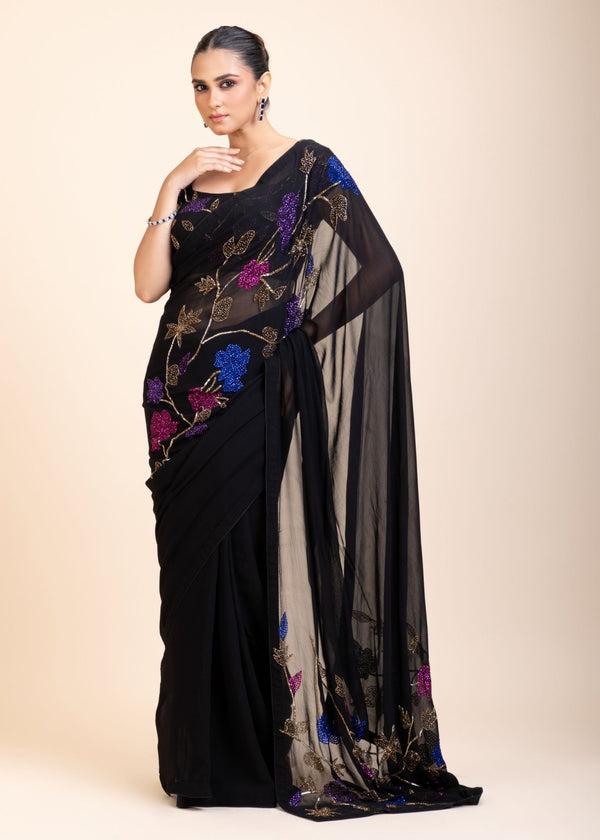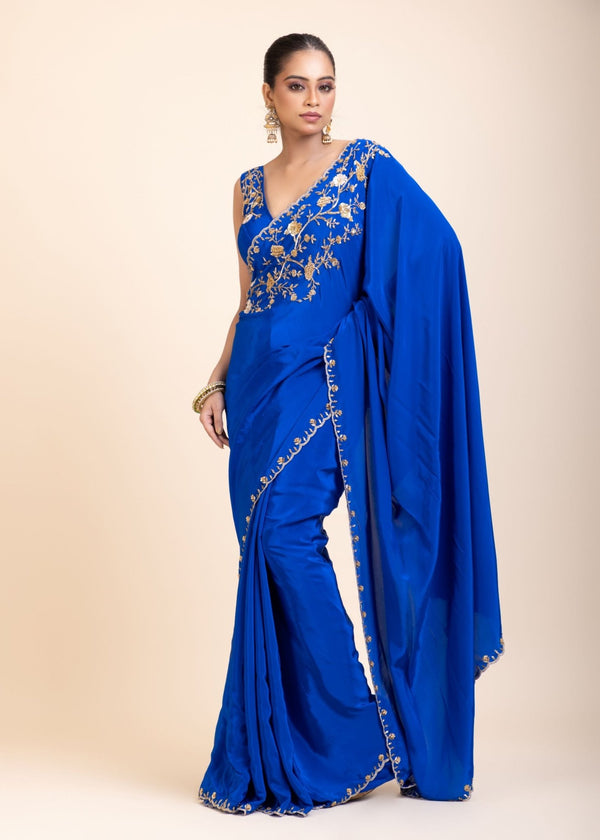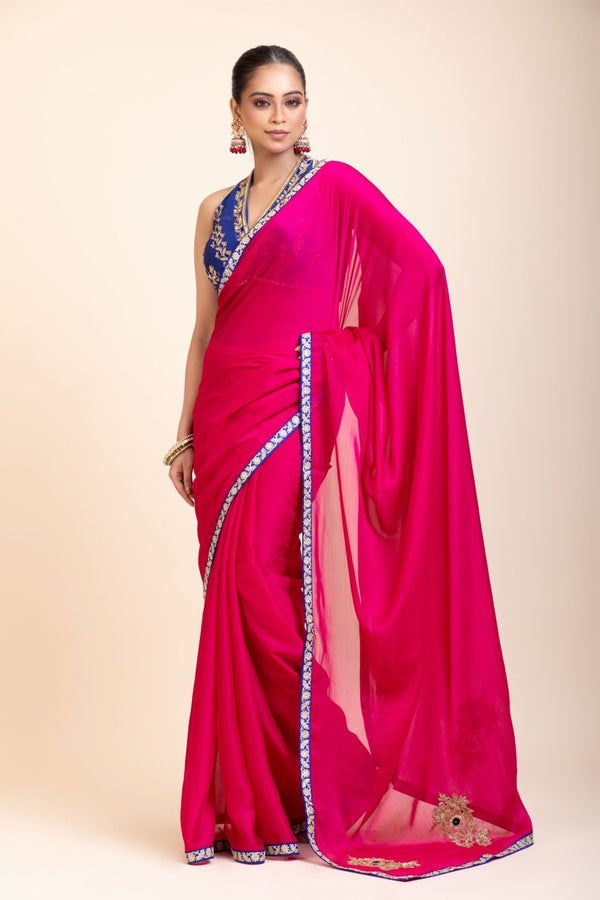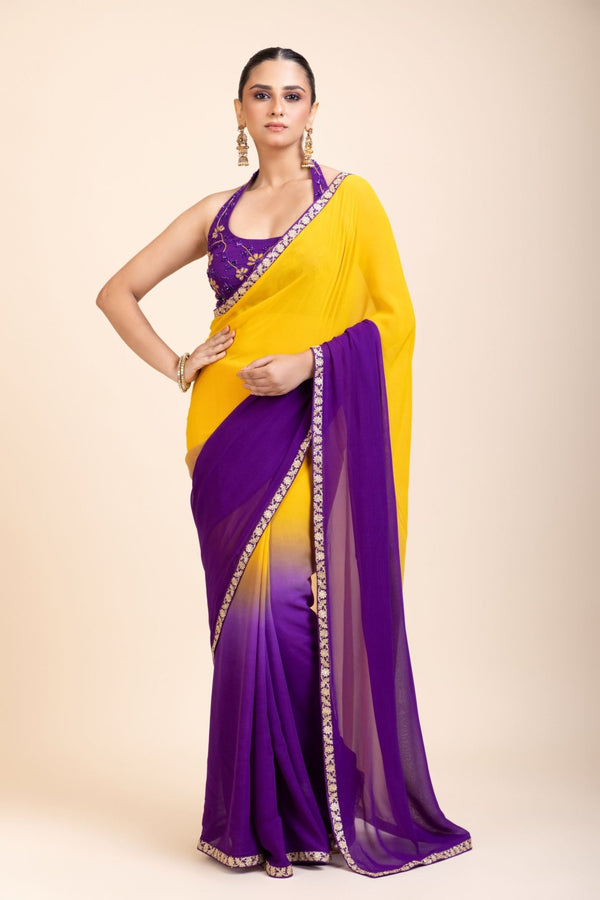




Love wearing sarees but struggle with getting the pleats and pallu right? You're not alone. Draping a traditional saree takes practice, and not everyone has the time to do it before every occasion. This is where ready to wear sarees come in. But are they really better than traditional sarees?
The main difference between a ready to wear saree and a traditional saree is the draping process. A ready to wear saree comes with pre-stitched pleats or a partially arranged drape, making it quicker to wear. A traditional saree requires manual pleating and tucking but gives you more freedom to adjust the fit and experiment with different draping styles.
So, which one should you choose?
That depends on your comfort, the occasion, your styling preferences and how much time you want to spend getting ready. In this guide, we'll compare ready to wear sarees vs traditional sarees based on their fit, comfort, fabric, draping process and suitability for different occasions.
What Is a Ready to Wear Saree?
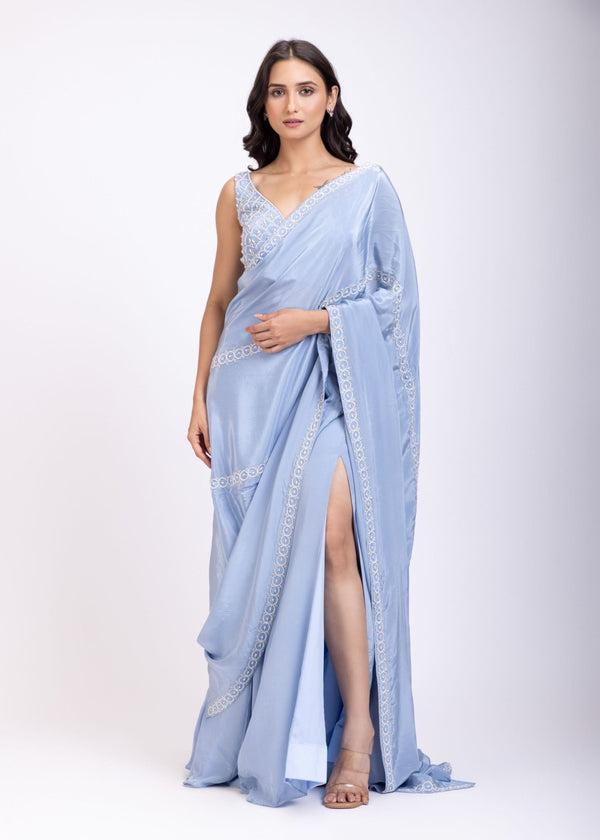
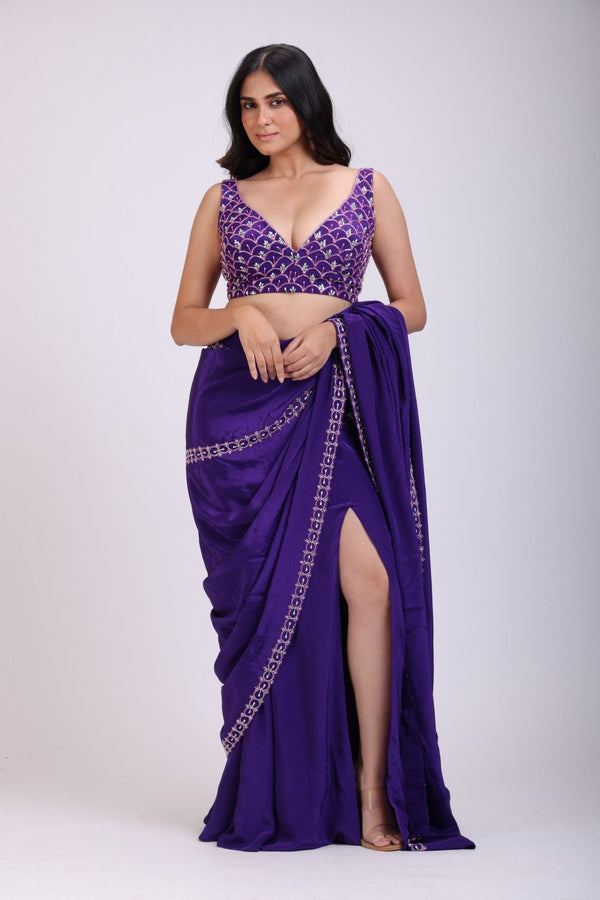
A ready to wear saree is a pre-stitched or pre-draped saree designed to reduce the steps involved in traditional saree draping. Its pleats are usually stitched into place, while the waist and pallu may be partially or fully arranged. Instead of manually creating pleats and tucking several metres of fabric, you can wear a ready to wear saree by fastening it around your waist, adjusting the pallu and pairing it with a blouse.
Most ready to wear sarees have some of these features:
-
Pre-stitched pleats: Front pleats are already arranged and secured.
-
Waist fastening: Hooks, zippers or adjustable waistbands help secure the saree.
-
Pre-draped pallu: The pallu may be partially or completely arranged.
-
Fixed silhouette: The stitched construction helps maintain the intended drape.
However, not every ready to wear saree is constructed the same way. Some designs require additional pinning or pallu adjustment. Ready to wear sarees are particularly useful for beginners, working women and anyone who prefers quick occasion dressing.
Ready to Wear Saree vs Traditional Saree: What Are the Main Differences?
Ready to wear sarees are easier and quicker to wear, while traditional sarees offer greater flexibility in draping and fit. Both can look equally stylish when the fabric, blouse and accessories are chosen carefully.
Here is a detailed comparison.
|
Features |
Ready to Wear Saree |
Traditional Saree |
|
Draping |
Pre-stitched or partially pre-draped |
Requires manual pleating and tucking |
|
Time to wear |
Usually 2–5 minutes for a familiar design |
Often 10–20 minutes for beginners |
|
Ease of wearing |
Beginner-friendly |
Requires some draping practice |
|
Pleats |
Usually stitched in place |
Manually arranged |
|
Pallu |
Fixed or partially adjustable |
Can be styled in several ways |
|
Fit |
Depends on stitched measurements |
Can be adjusted during draping |
|
Comfort |
Depends on fabric, stitching and fit |
Depends on fabric and draping technique |
|
Styling flexibility |
Limited by pre-stitched construction |
Greater freedom to experiment |
|
Alterations |
May require tailoring |
Usually adjustable without altering the saree |
|
Best for |
Quick dressing, parties and beginners |
Traditional occasions and versatile styling |
Which Saree Is Easier to Wear?
A ready to wear saree is generally easier to wear because the pleats are already arranged. You don't need to spend time measuring the pleat width, securing the waist tuck or repeatedly adjusting the front drape. A traditional saree requires more practice, especially if you're unfamiliar with saree draping.
Our suggestion: If you're wearing a saree for the first time or getting ready without assistance, a ready to wear saree may be the more convenient choice.
Which Saree Is More Comfortable?
Neither style is automatically more comfortable. A lightweight georgette ready to wear saree with a properly fitted waistband can feel comfortable for long hours. However, a pre-stitched saree that's too tight around the hips may restrict movement. Similarly, a traditional cotton or silk saree can be comfortable when draped correctly. Comfort mainly depends on three factors: fabric weight, fit and freedom of movement.
Which Saree Gives You a Better Fit?
A traditional saree offers more flexibility because you can adjust the waist tuck, pleat arrangement and pallu length while draping. A ready to wear saree follows a more defined silhouette, so choosing the correct measurements becomes important. If you're purchasing a pre-stitched saree online, check the waist, hip and length measurements before ordering.
What Are the Advantages of Ready to Wear Sarees?
The biggest benefits of ready to wear sarees are quicker dressing, easier pleat management and a more consistent drape.
Let's look at where these advantages make a difference.
1. You Can Get Ready in Minutes
One of the main reasons women choose ready to wear sarees is convenience. Since the pleats are already stitched, you can skip much of the traditional draping process. This is useful when you're getting ready for an office event, wedding reception or last-minute invitation.
2. They're Suitable for Beginners
If you haven't learned how to drape a saree, a pre-stitched design can make the process much easier. You don't have to worry about arranging equal pleats or securing multiple layers of fabric. You only need to understand the fastening system and how the pallu should sit.
3. The Pleats Stay in Position
With a traditional saree, poorly secured pleats may shift while walking or sitting. A ready to wear saree has stitched pleats that maintain their arrangement. This can be helpful during weddings, Sangeet functions and parties where you expect to move around frequently. However, you should still ensure that the waistband and pallu are secure.
4. They Work Well with Contemporary Styling
Ready to wear sarees are available in modern silhouettes such as pre-pleated sarees, ruffle sarees, belted sarees and structured drapes. You can pair them with embroidered blouses, sleeveless blouses, statement earrings or waist belts. These styling options make them suitable for women who enjoy a mix of Indian ethnic wear and contemporary fashion.
5. They Make Occasion Dressing More Practical
A ready to wear saree can be particularly useful when you want to dress up without spending much time on the drape. For example, if you're attending a Sangeet, a lightweight pre-stitched saree with secured pleats may be easier to manage while dancing. The important thing is to choose a design that allows you to walk, sit and move comfortably.
When Should You Choose a Traditional Saree?
A traditional saree is a better choice when you want more control over the drape, enjoy regional saree styles or prefer to restyle the same saree in different ways.
Here are a few situations where traditional sarees have an advantage.
1. When You Want Different Draping Styles
A traditional saree gives you the freedom to experiment with various drapes. You can try the classic Nivi drape, Bengali Atpoure style, Gujarati seedha pallu or other regional variations, depending on the fabric and saree length.You can also change the pleat width, pallu length and overall silhouette. A ready to wear saree usually offers fewer draping options because some sections are already stitched.
2. When You Prefer Traditional Handloom Sarees
If you enjoy traditional Indian textiles, an unstitched saree allows you to appreciate the original weave and drape. For example, a Kanjivaram silk saree often features a prominent zari border, while a Banarasi saree may have detailed brocade work and an elaborate pallu. Traditional draping allows you to arrange these elements according to your preference.
3. When You Want Greater Flexibility in Fit
Traditional sarees are not restricted to one stitched waist measurement. You can adjust the fabric around your waist and hips each time you wear the saree. This flexibility can be useful if your measurements change over time.
4. When You Want to Restyle the Same Saree
A traditional saree can create several looks depending on how you drape it. You can wear the same saree with a pleated pallu for a formal event, an open pallu for a family celebration or a regional drape for a traditional occasion. If you enjoy experimenting with saree styling, a traditional saree offers more possibilities.
Ready to Wear Saree vs Traditional Saree: Which Is Better for Weddings, Parties and Festivals?
Ready to wear sarees are particularly convenient for parties, receptions and Sangeet functions, while traditional sarees offer greater freedom for classic wedding and festive looks. However, both styles can work for almost any occasion.
The best choice depends on the dress code, fabric and your preferred silhouette.
|
Occasion |
Recommended saree |
Why it works |
|
Wedding reception |
Ready to wear or traditional |
Both suit formal dressing, depending on fabric and embellishment |
|
Sangeet |
Ready to wear saree |
Secured pleats can be convenient for movement |
|
Traditional wedding ceremony |
Traditional saree |
Allows classic regional draping styles |
|
Cocktail party |
Ready to wear saree |
Works well with contemporary silhouettes |
|
Office party |
Ready to wear saree |
Quick dressing with a consistent drape |
|
Durga Puja |
Both |
Choose according to your preferred traditional or contemporary look |
|
Family gathering |
Both |
Comfort and personal style matter most |
Ready to Wear Sarees for Wedding Receptions
For a wedding reception, you can consider a ready to wear saree in georgette, crepe or organza. Georgette creates a soft, flowing drape, while crepe offers a smooth silhouette. Organza has a crisp texture that works well for more structured looks. Pair your saree with a well-fitted embroidered blouse, statement earrings and a clutch.
Ready to Wear Sarees for Sangeet Functions
A Sangeet usually involves plenty of movement, making a pre-stitched saree a practical option. Look for lightweight fabrics, comfortable waist construction and a manageable pallu. Avoid designs that restrict your stride or require frequent adjustments.
Traditional Sarees for Weddings and Festivals
For traditional ceremonies, you may prefer a Banarasi, Kanjivaram or another regional silk saree. These sarees can be styled to highlight their woven borders, zari work and pallu. For festivals such as Durga Puja, both traditional and ready to wear sarees can work. The choice depends on whether you prefer a classic regional drape or a quicker, pre-arranged silhouette.
How to Choose the Right Ready to Wear Saree
Before purchasing a ready to wear saree, consider the fabric, measurements, draping construction and occasion.
These details affect how the saree looks and feels when worn.
1. Choose the Right Fabric
Different fabrics create different silhouettes.
|
Fabric |
Drape and texture |
Best suited for |
|
Georgette |
Lightweight and flowing |
Parties, Sangeet and receptions |
|
Crepe |
Smooth with a fluid fall |
Evening events and cocktail parties |
|
Organza |
Crisp and structured |
Daytime celebrations and festive occasions |
|
Silk |
Varies by weave and weight |
Weddings and traditional functions |
|
Tissue silk |
Lightweight with a subtle shine |
Receptions and festive gatherings |
Quick tip: Choose georgette or crepe if you prefer a softer drape. Consider organza if you like a more structured silhouette.
2. Check the Waist and Hip Measurements
Since ready to wear sarees have pre-stitched sections, correct sizing is important.
Before purchasing, check:
-
Waist measurement
-
Hip measurement
-
Saree length
-
Waistband adjustability
-
Fastening style
Don't assume that your usual dress size will automatically match a pre-stitched saree. Always refer to the product's measurement guide.
3. Understand the Pallu Construction
Some ready to wear sarees have a fixed pallu, while others allow you to adjust the shoulder drape. If you enjoy experimenting with pleated or open-pallu styles, check how much adjustment the design allows.
4. Check Whether You Need a Petticoat
Not every ready to wear saree comes with an attached underskirt. Some designs have a built-in skirt or lining, while others require a separate petticoat. Similarly, the blouse may or may not be included. Read the product details carefully before placing an order.
5. Choose According to the Occasion
For a wedding reception, you might prefer an embroidered or embellished ready to wear saree. For an office party, a simpler georgette or crepe design may be more practical. For festive occasions, consider silk or tissue silk styles that complement your jewellery and blouse. If you're exploring different fabrics and designs, browse Anvi Couture's ready to wear saree collection to compare options for weddings, parties and festive celebrations.
Ready to Wear Saree or Traditional Saree: Which One Should You Choose?
The right choice depends on your lifestyle, draping preferences and the occasions you attend.
Choose a ready to wear saree if:
-
You're a beginner and don't know how to drape a saree.
-
You want to save time while getting ready.
-
You prefer pre-stitched pleats.
-
You frequently attend parties or formal events.
-
You enjoy contemporary saree silhouettes.
Choose a traditional saree if:
-
You enjoy different saree draping styles.
-
You prefer traditional handloom textiles.
-
You want more flexibility in fit.
-
You like experimenting with the pallu and pleats.
-
You want to wear the same saree in different ways.
You don't necessarily have to choose one over the other.
A ready to wear saree can be useful for busy evenings and occasions when you need to dress quickly. A traditional saree offers more freedom when you want to experiment with your drape.
What We Look for in a Ready to Wear Saree at Anvi Couture
At Anvi Couture, we believe a ready to wear saree should do more than save draping time. It should also fit comfortably, maintain its pleats and allow you to move freely.
When selecting and checking our sarees, we pay attention to a few important details:
-
Fabric and drape: We consider how the fabric falls, whether the pleats sit properly and how the pallu looks when worn.
-
Fit and measurements: We focus on waist and hip measurements to help customers choose a size that fits comfortably.
-
Stitching and finishing: We check the stitching, pleat alignment and overall finishing to ensure the saree maintains its intended shape.
-
Comfort and movement: We consider how the saree feels when walking or sitting, particularly around the waist and hips.
We also understand that every woman has different fitting preferences. That's why we encourage customers to check their measurements and discuss any sizing or customization requirements before ordering. Our aim is simple: to help you find a ready to wear saree that looks right, fits well and makes dressing for your next occasion easier.