



Classic Saree
Indian sarees are shaped by the regions, communities, fibres, weaving methods, dyeing traditions and design practices from which they developed. A Banarasi does not simply look different from a Chanderi because of its pattern; the two can differ in their construction, texture, weight, drape and the techniques used to create their designs.If you are looking for a classic saree, understanding these differences can help you choose one that suits your occasion, climate, comfort and personal style. This guide explores the major classic Indian saree traditions, explains the textile techniques behind them, compares their characteristics and shows you what to consider before buying one online.At Anvi Couture, our saree collections bring together traditional Indian aesthetics with contemporary styling and customisation options. We believe choosing a saree should involve more than selecting a colour or motif, so our approach focuses on helping customers understand fabric, drape, occasion, styling and product-specific details before making a purchase.For that reason, it is more accurate to describe today's classic sarees as part of a long and evolving Indian textile heritage rather than treating the modern saree as an unchanged garment from ancient times.
Read more421 Products
421 Products
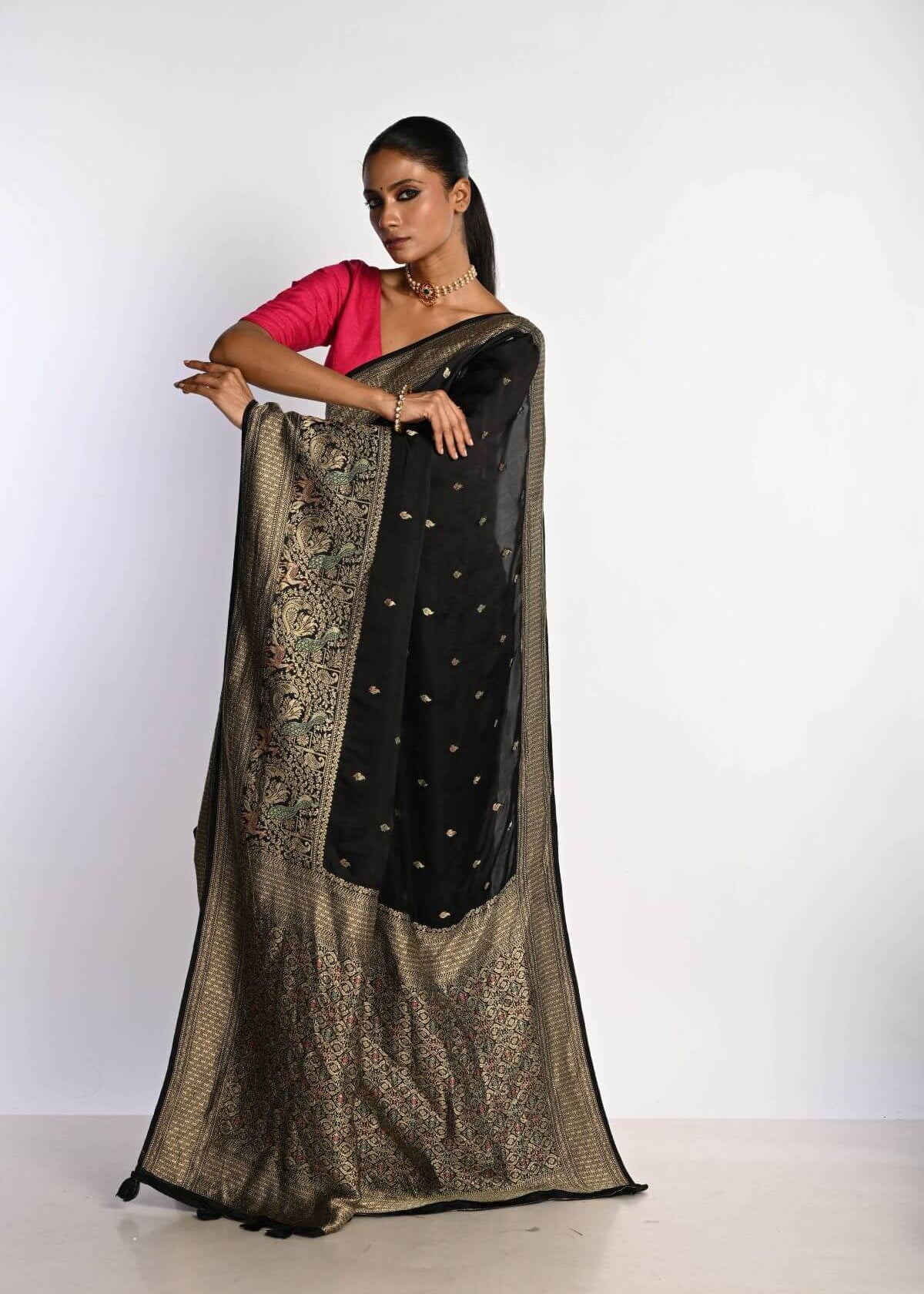
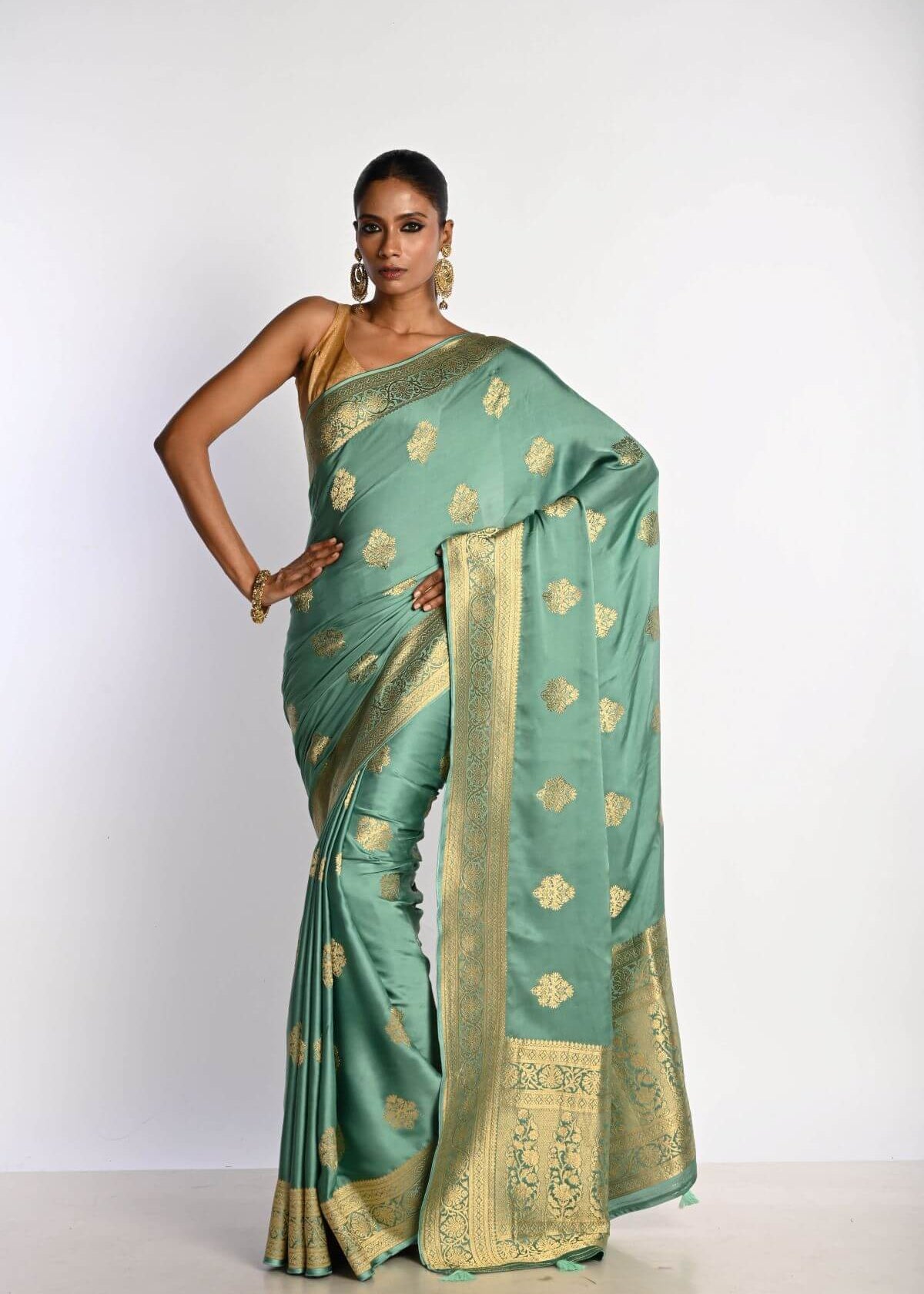
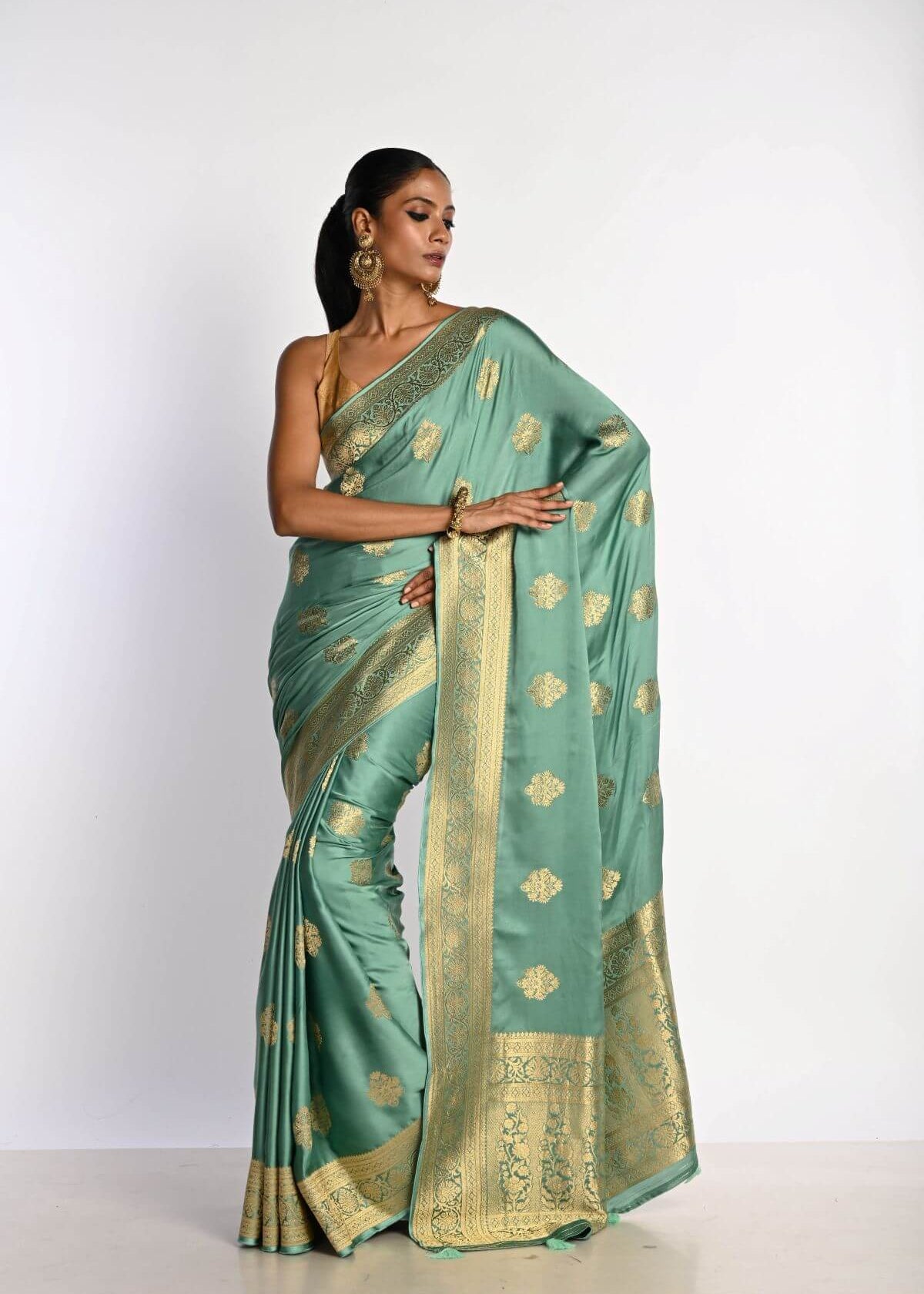
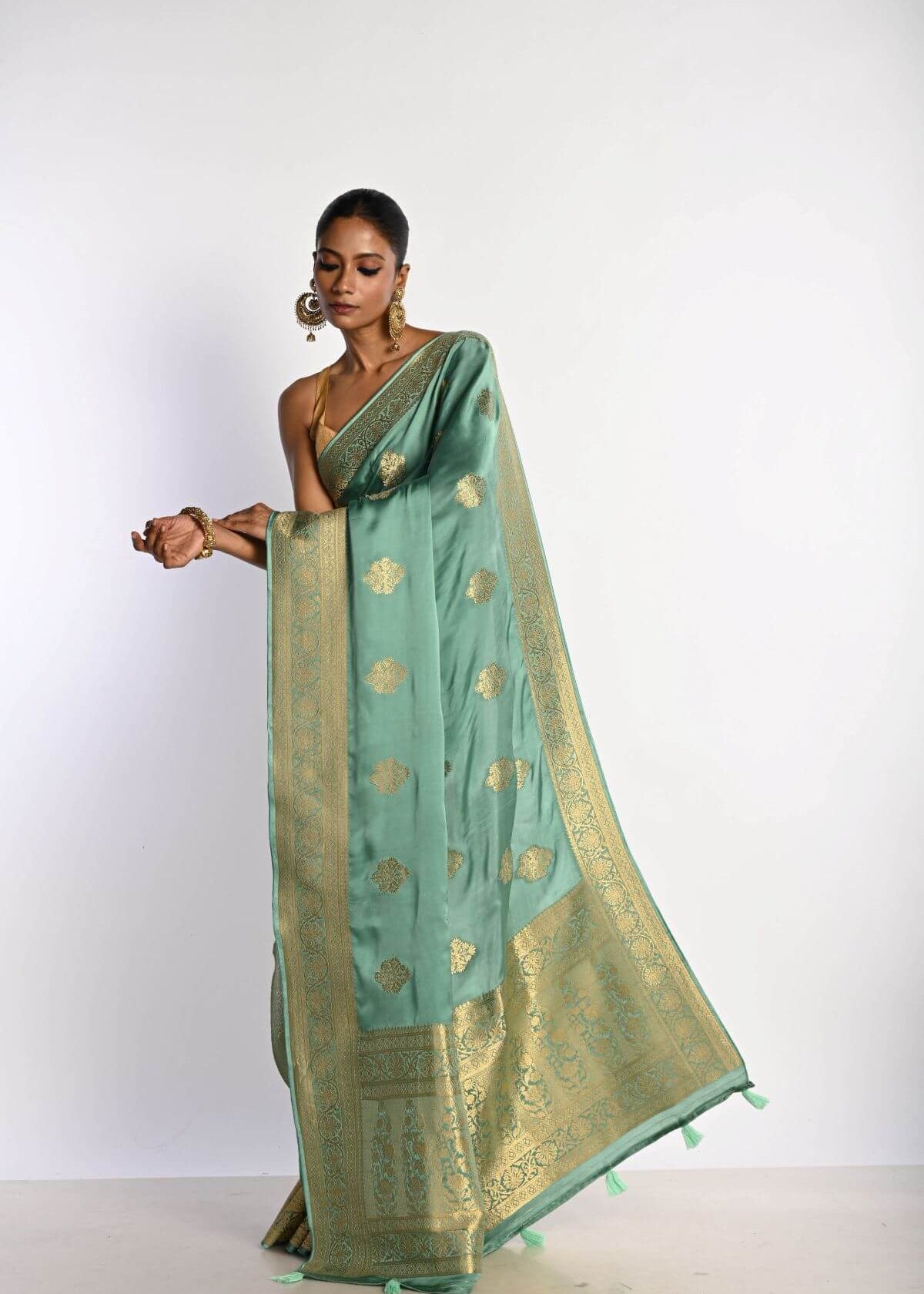
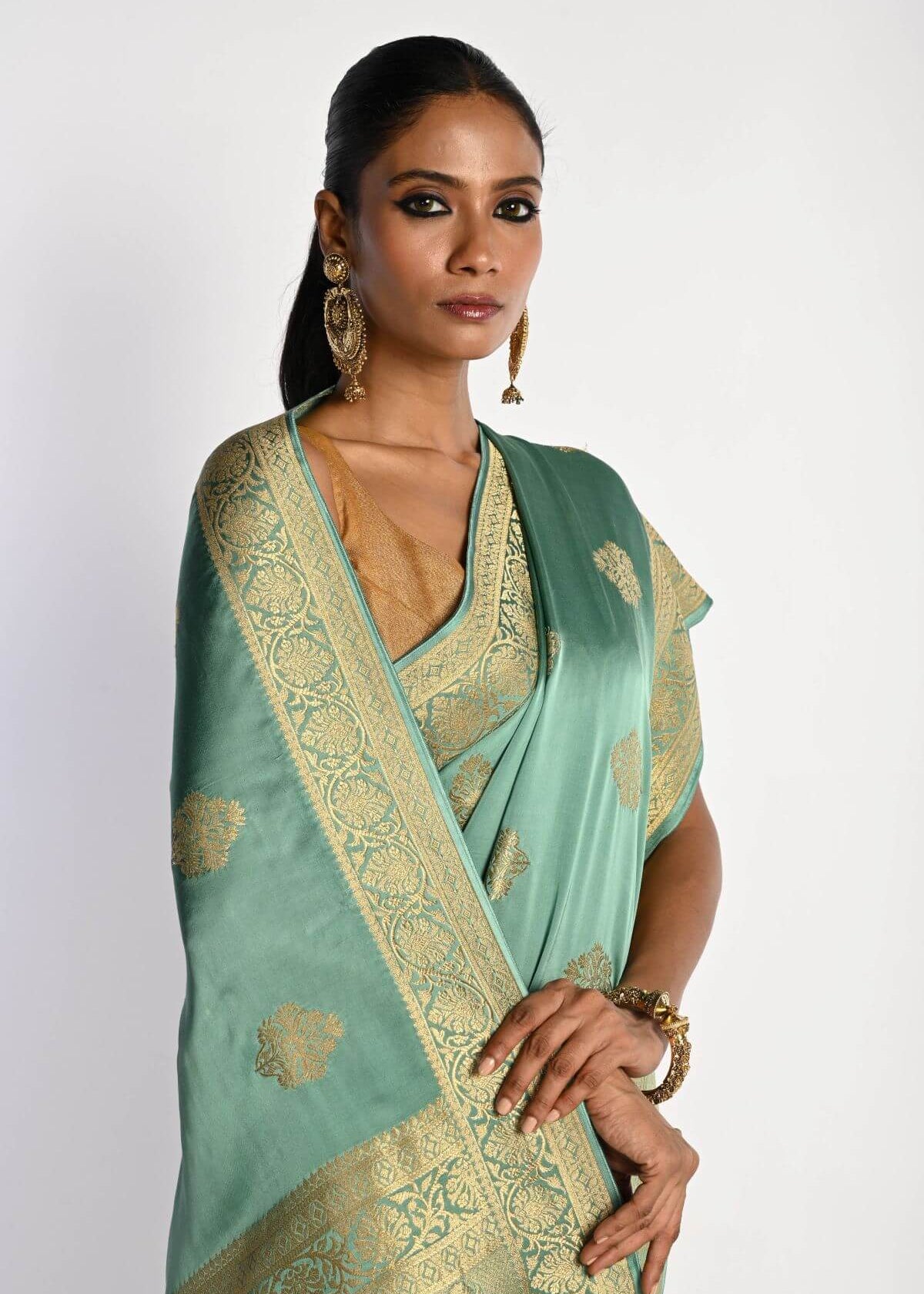
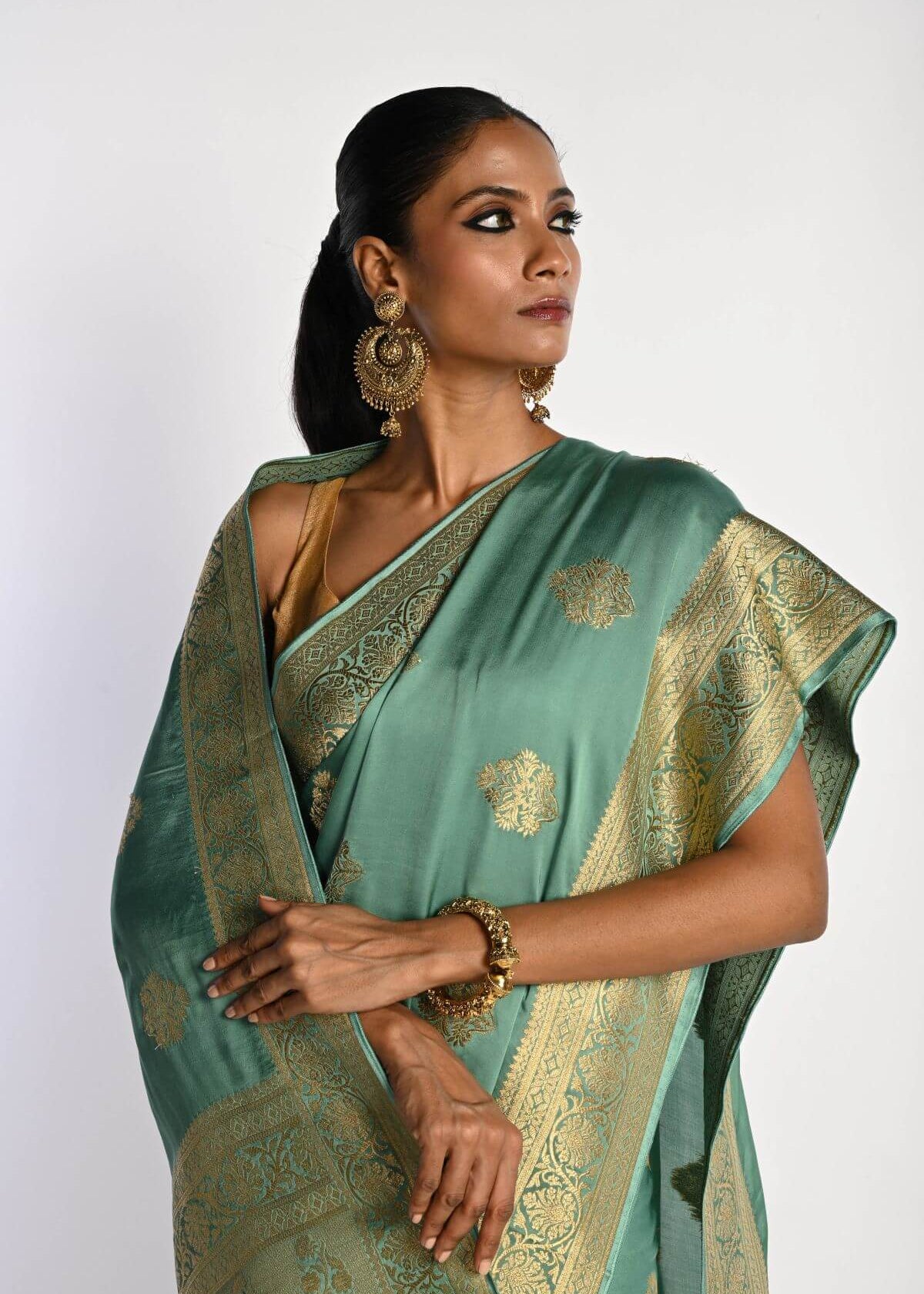
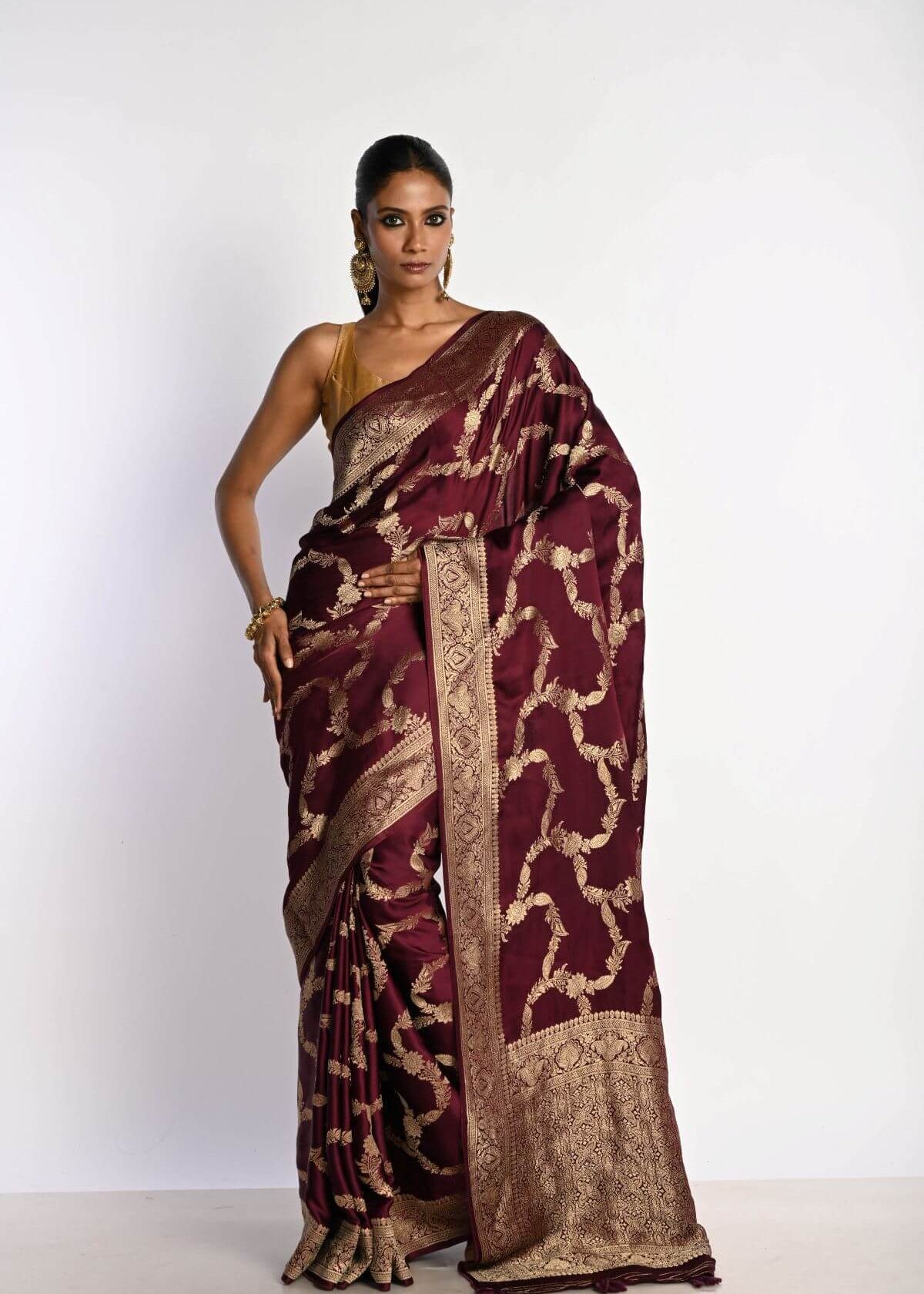
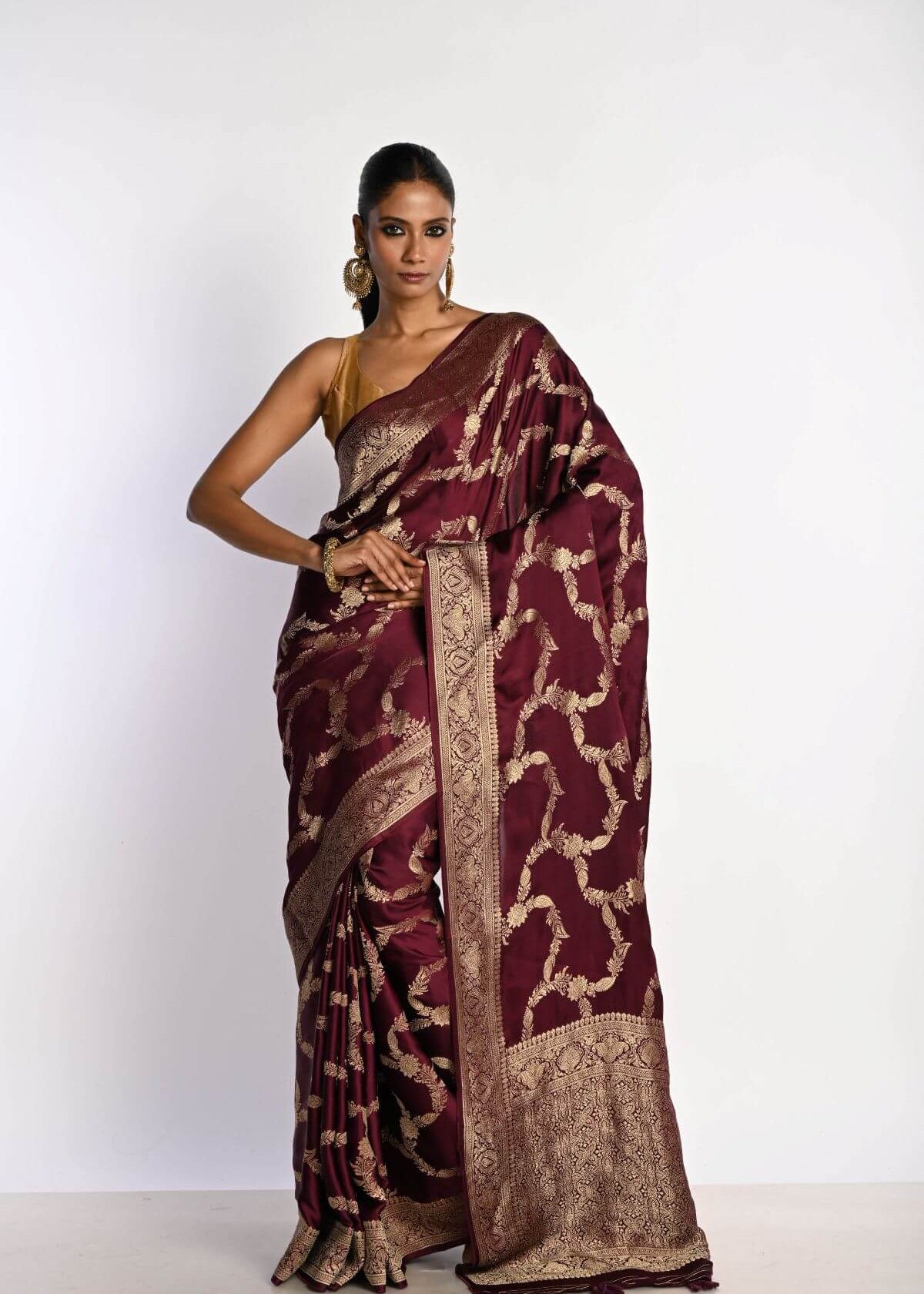
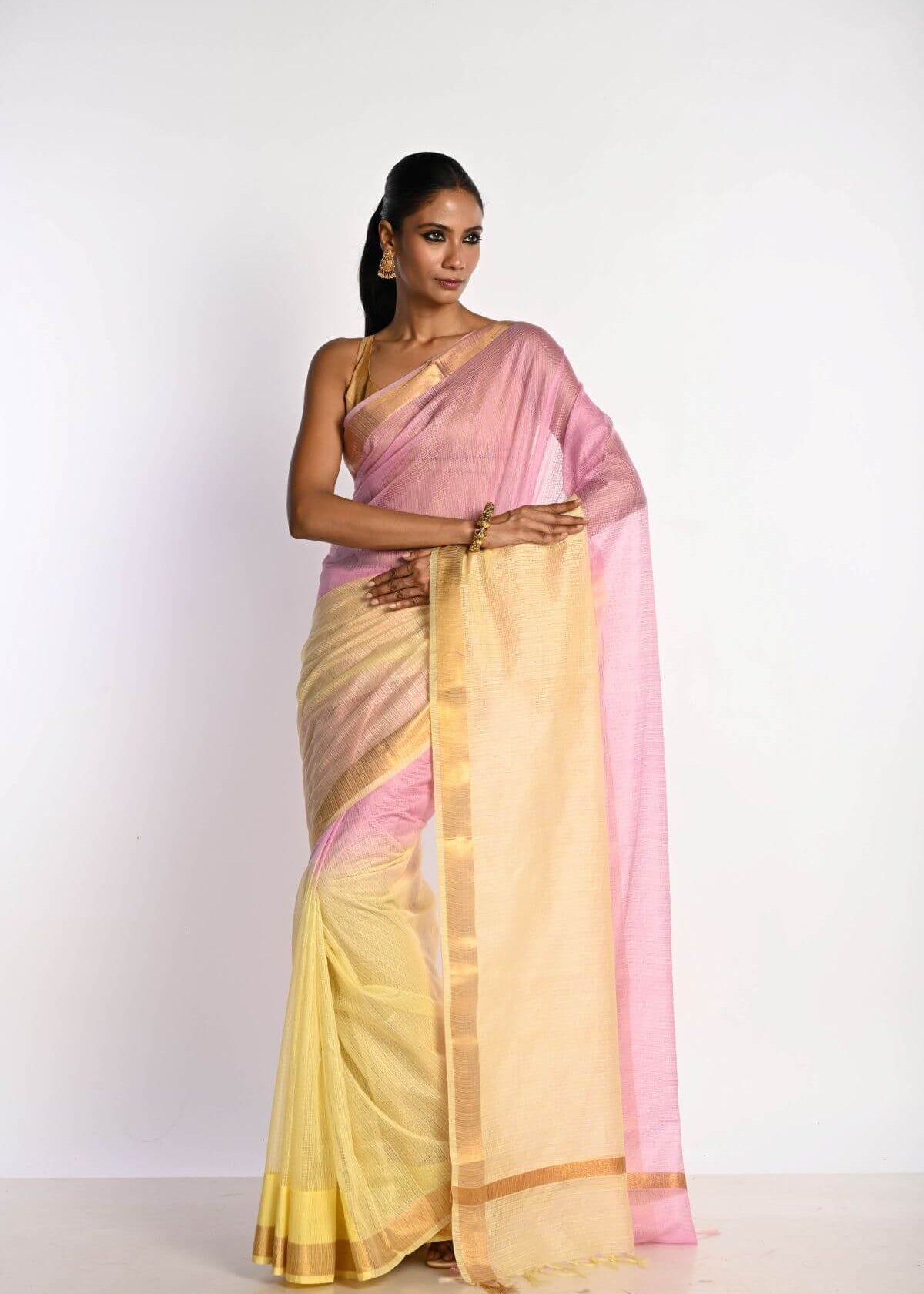
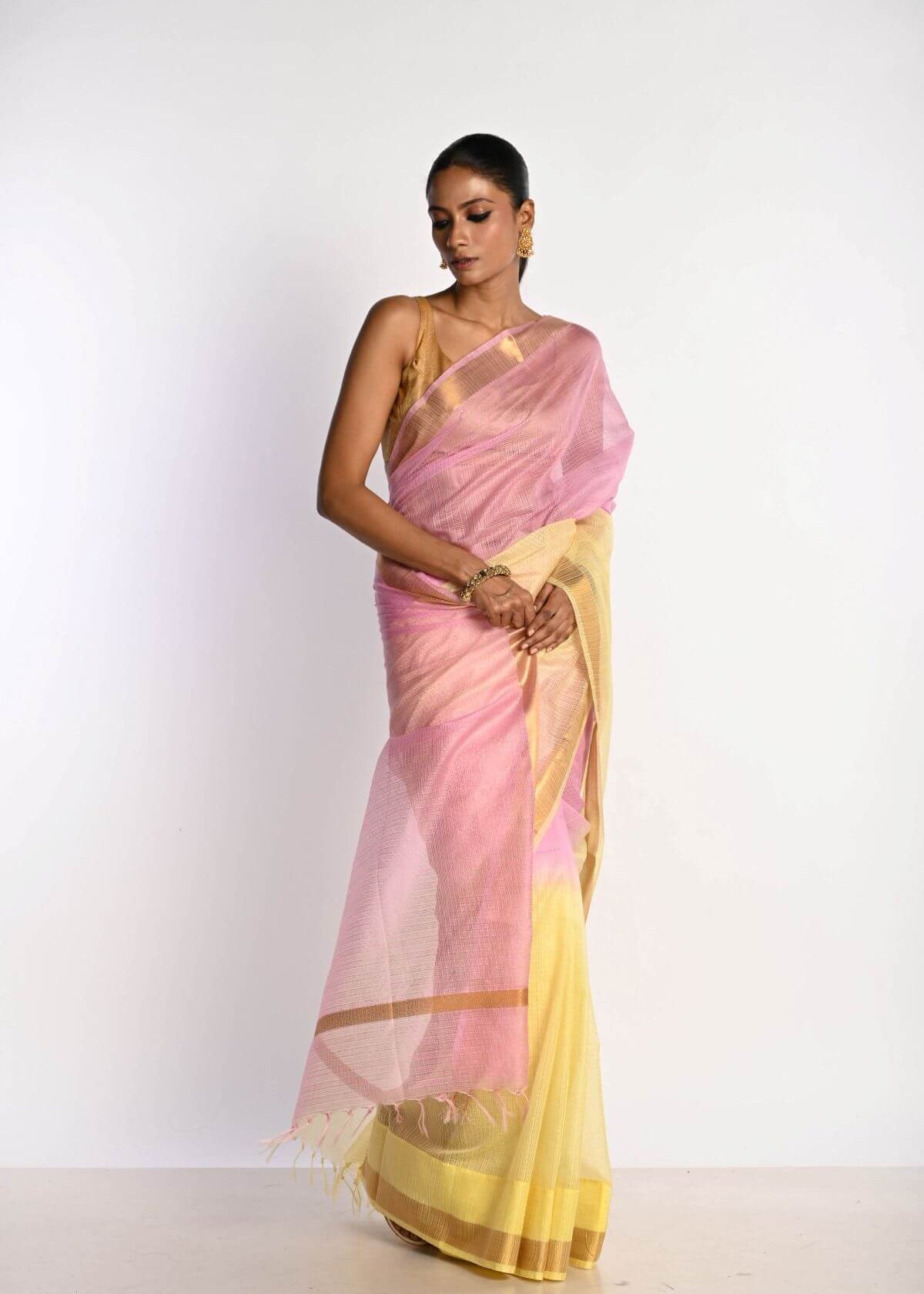
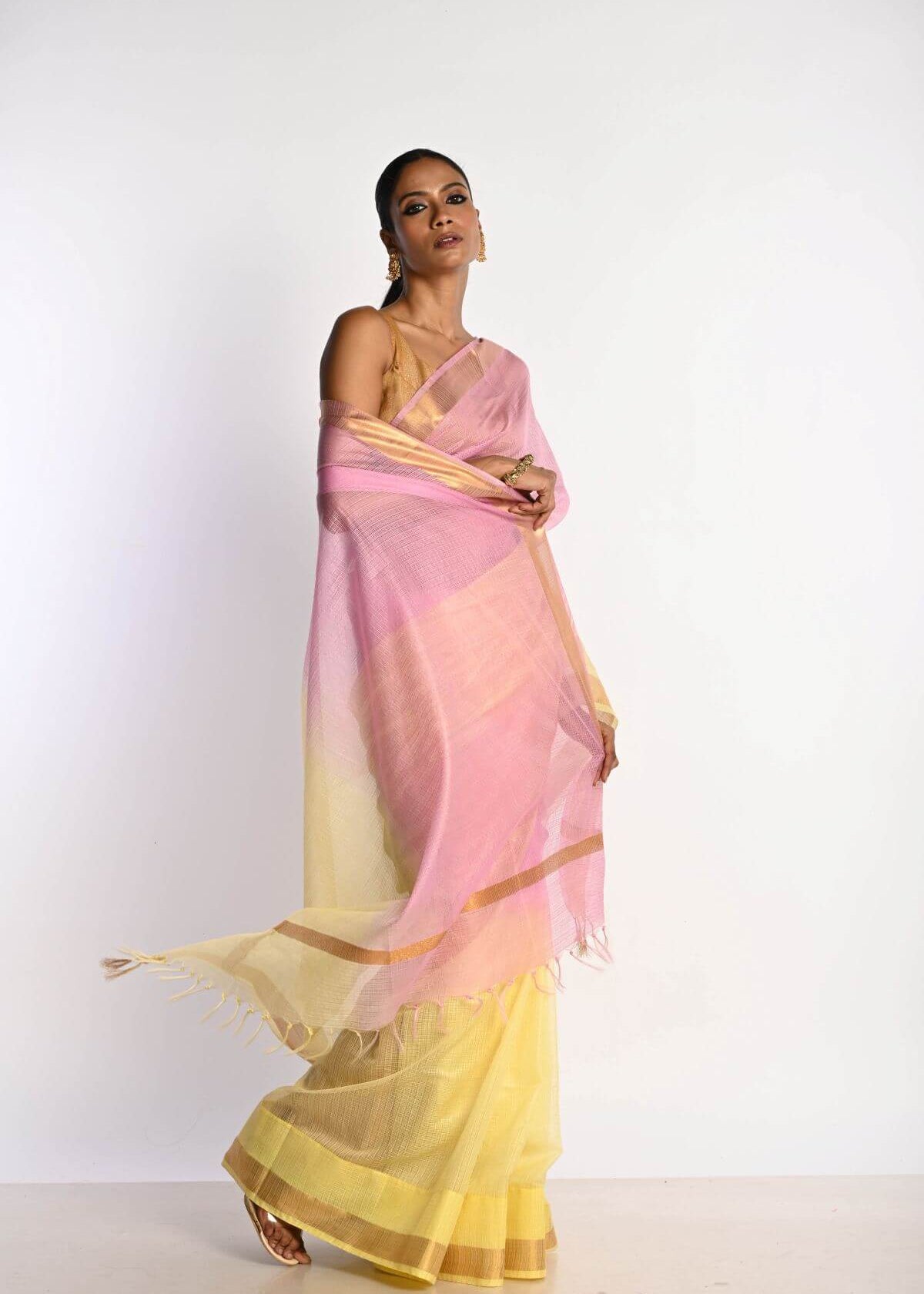
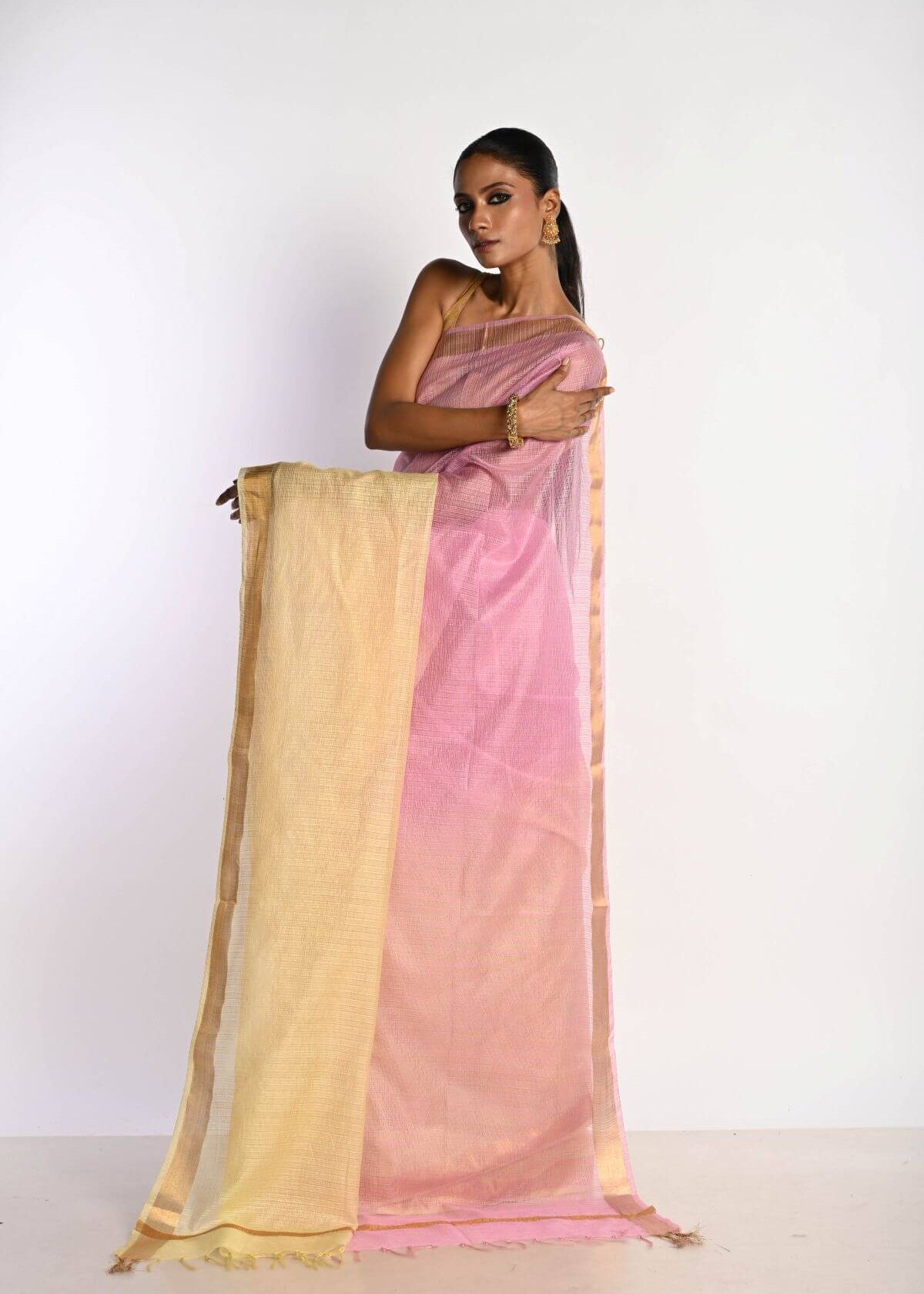
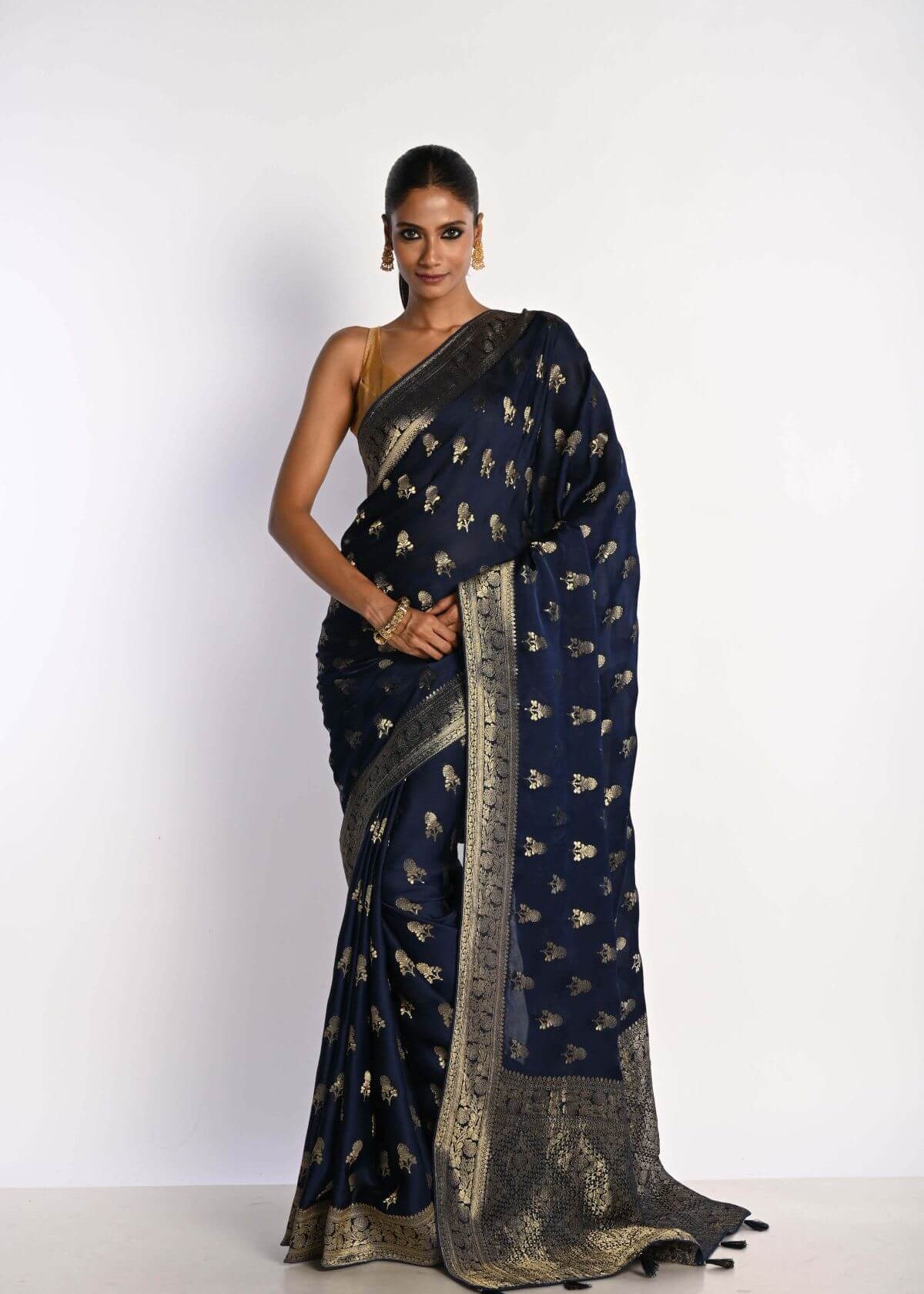
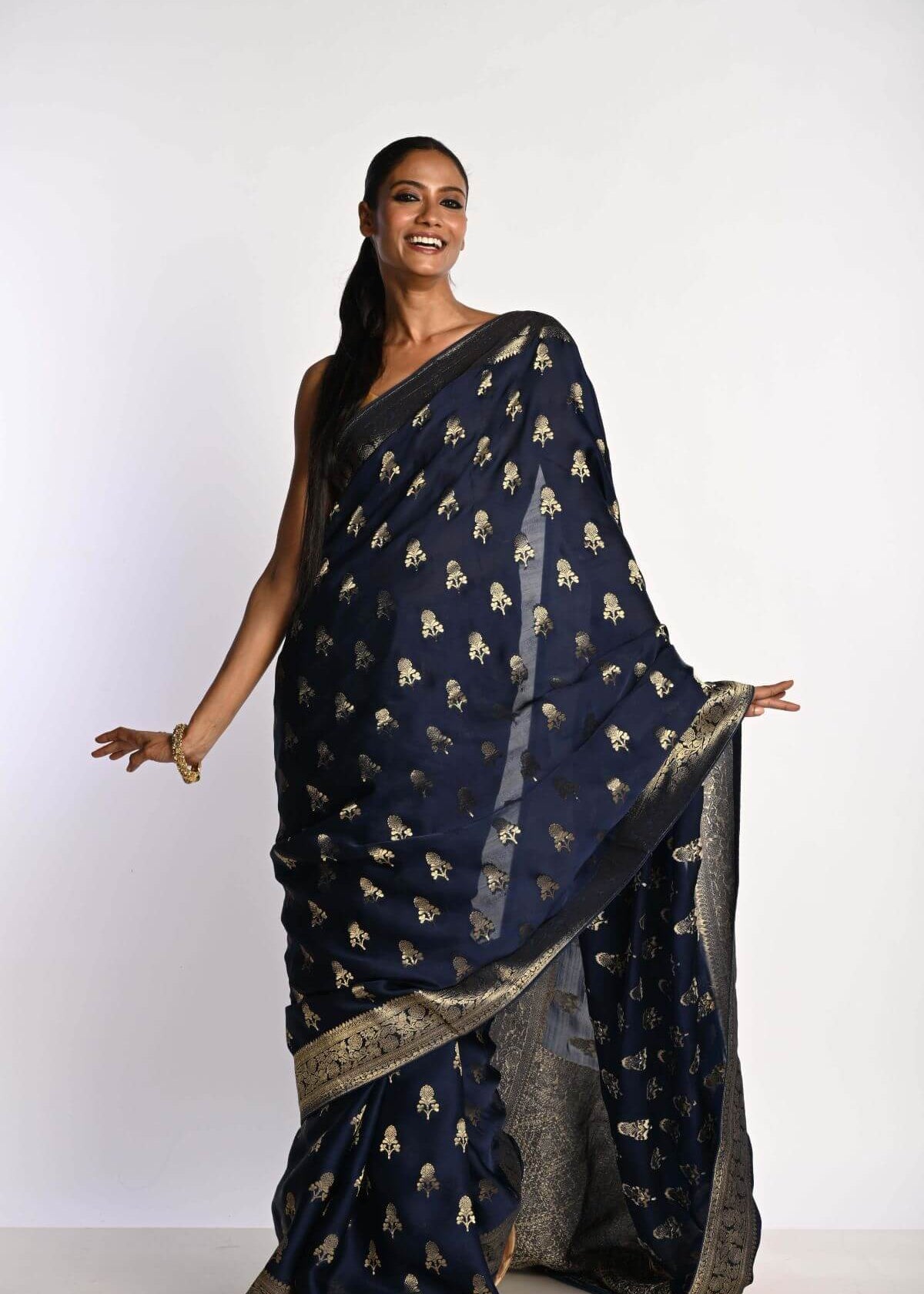
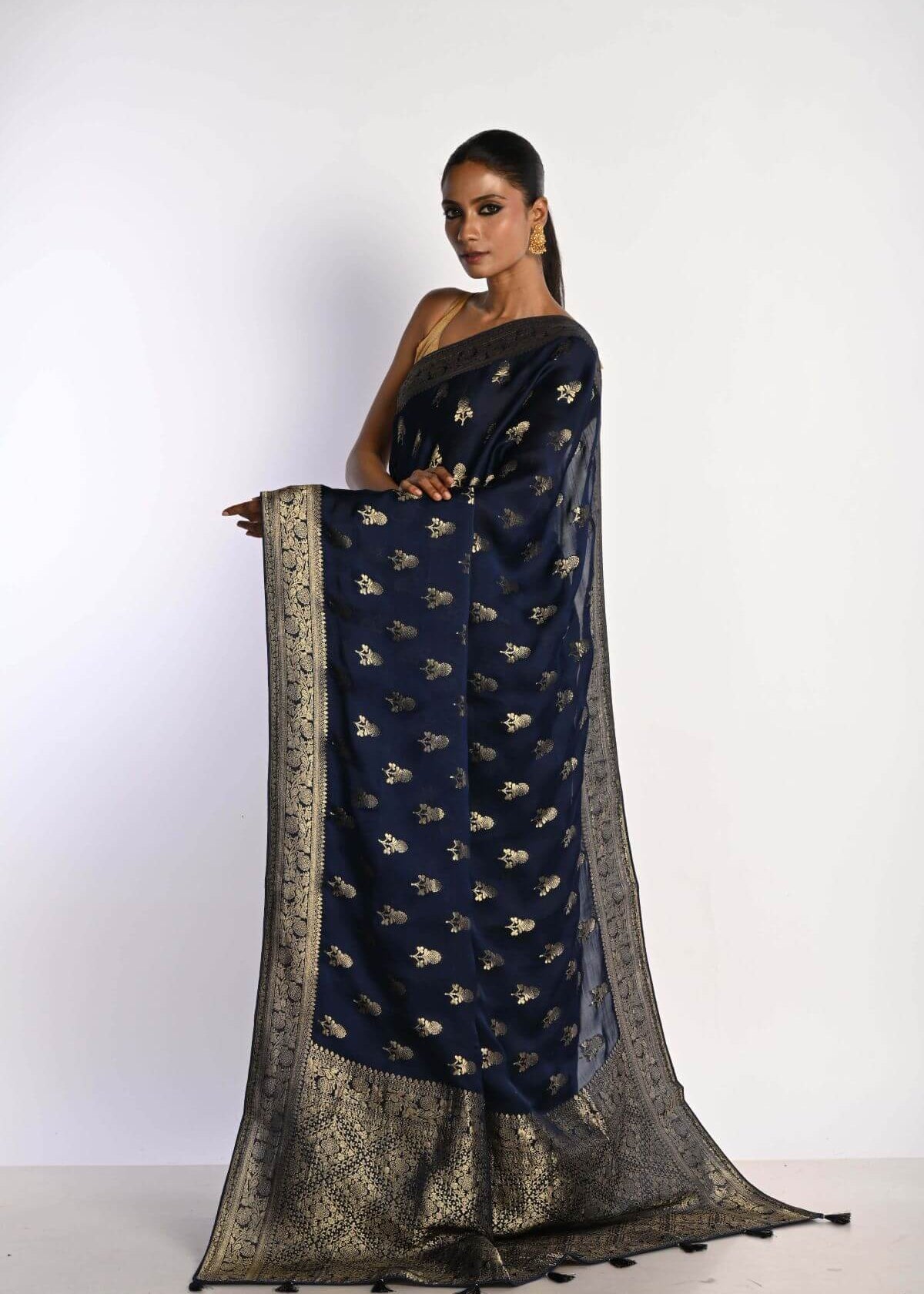
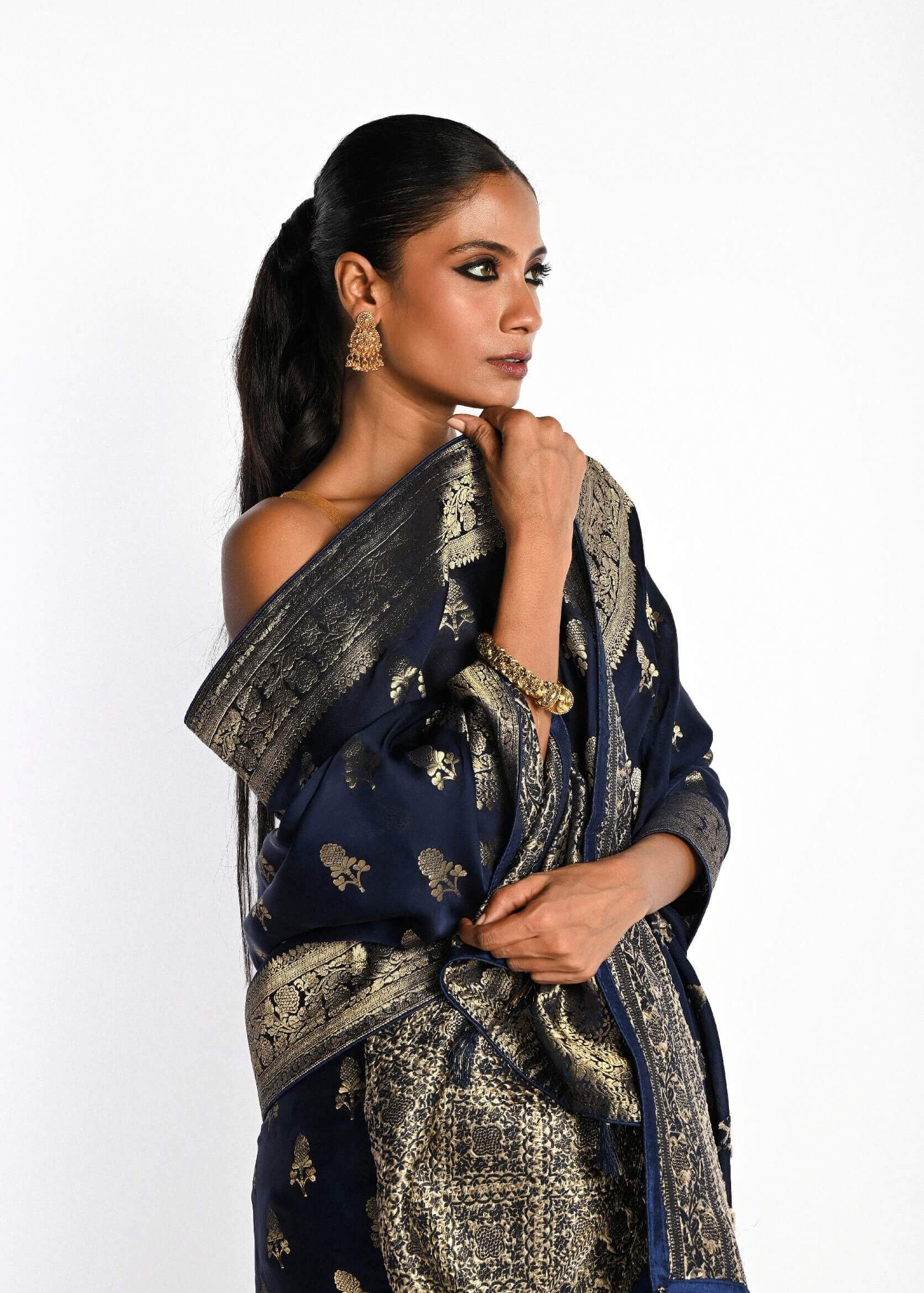
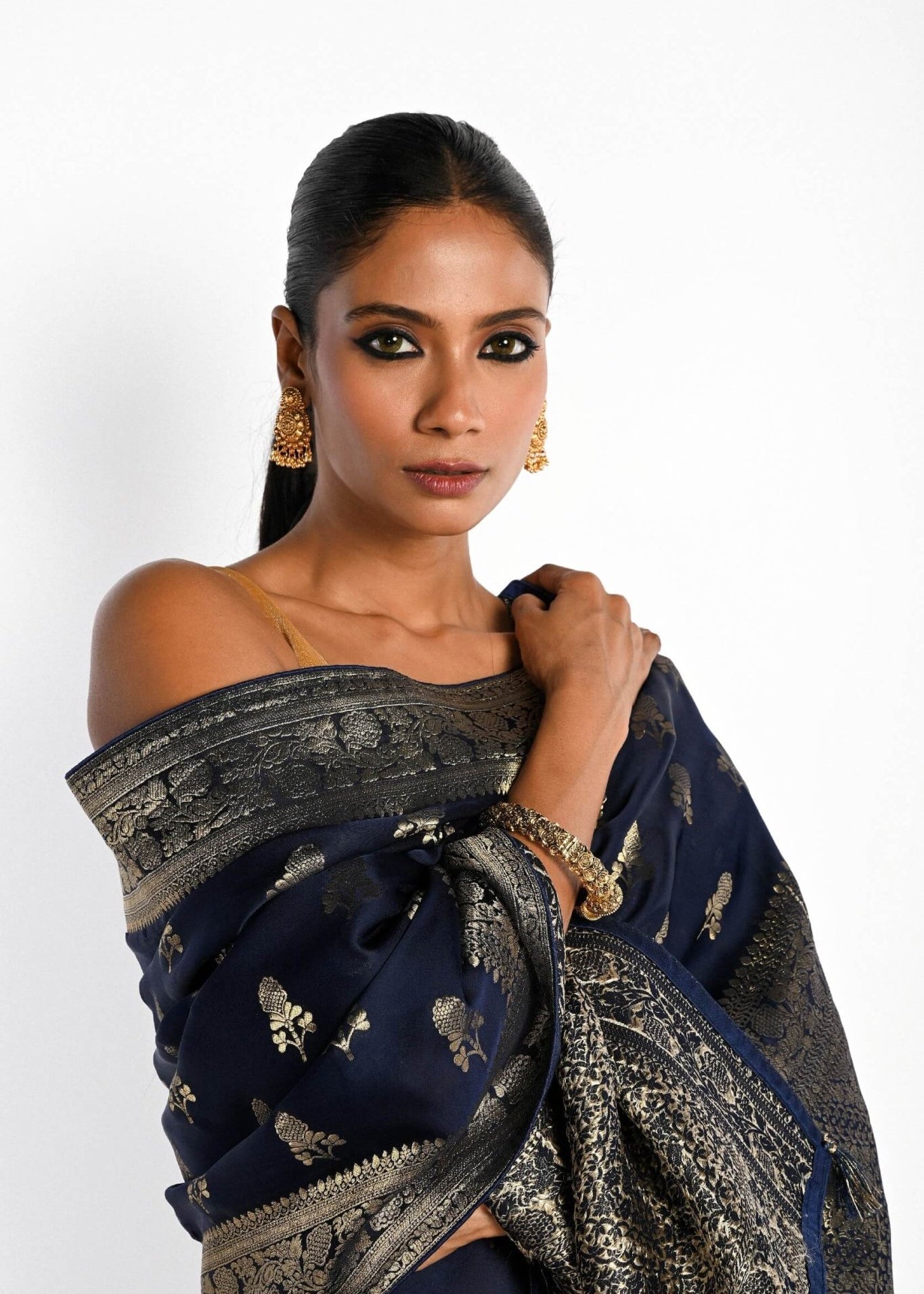
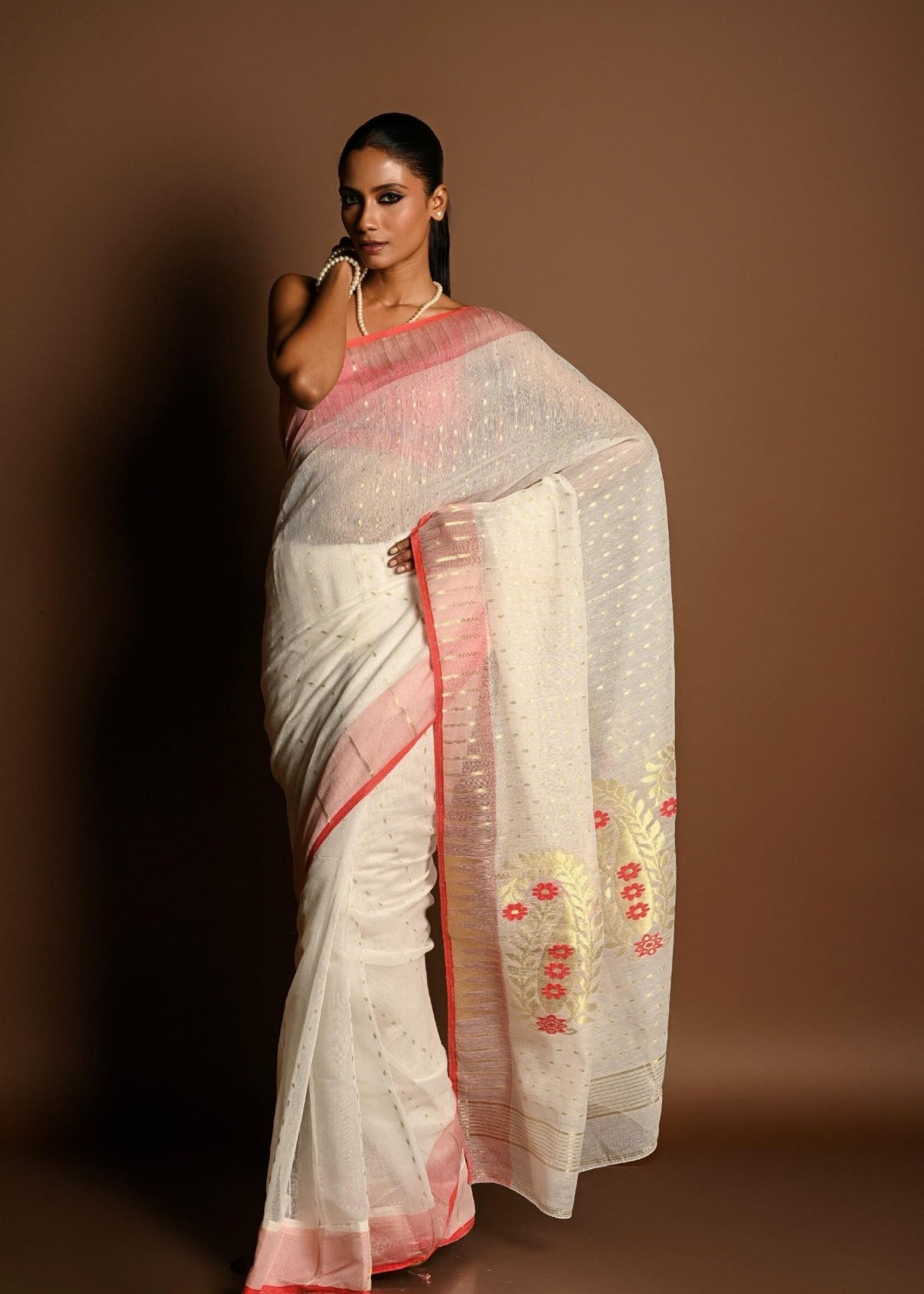
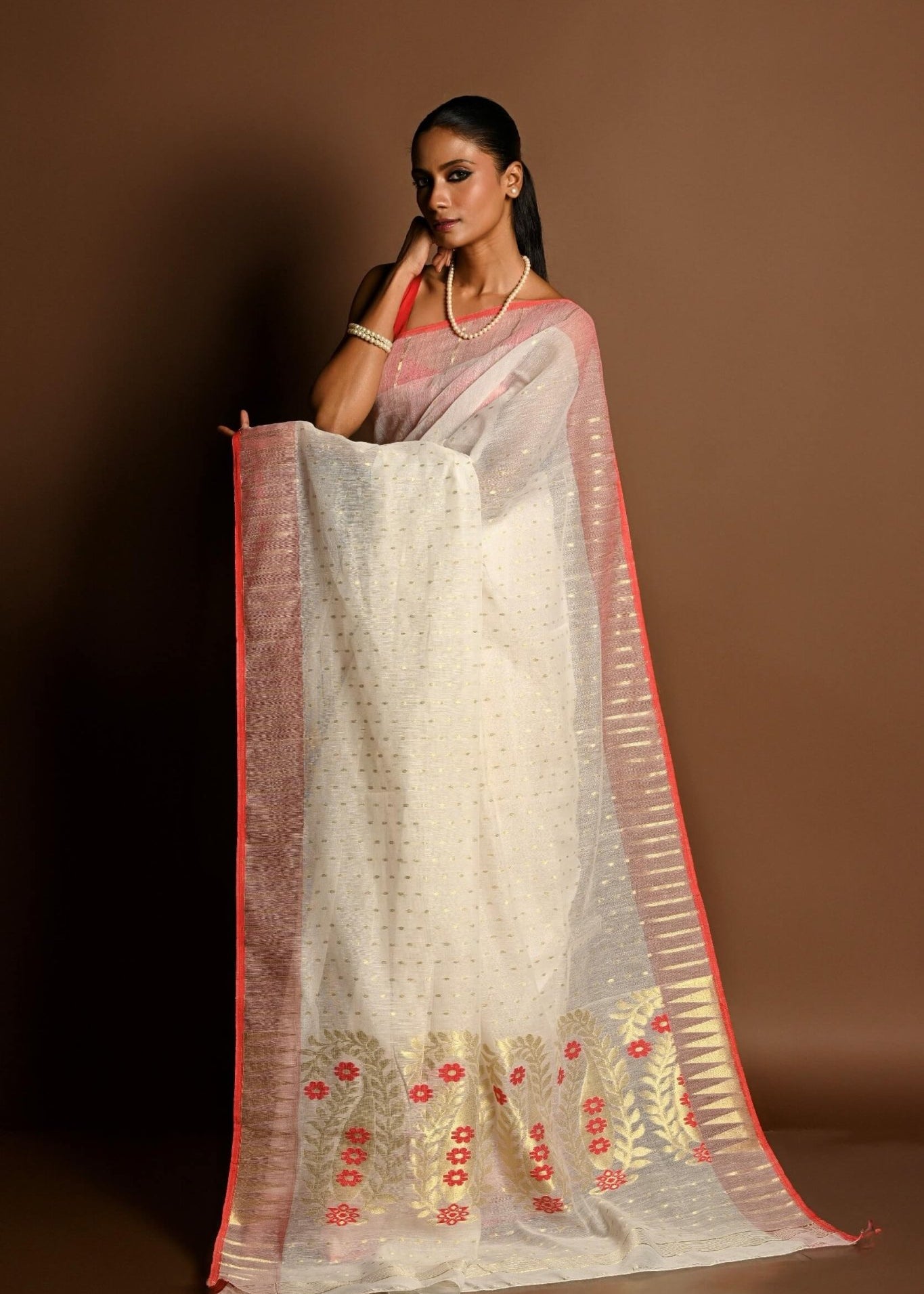
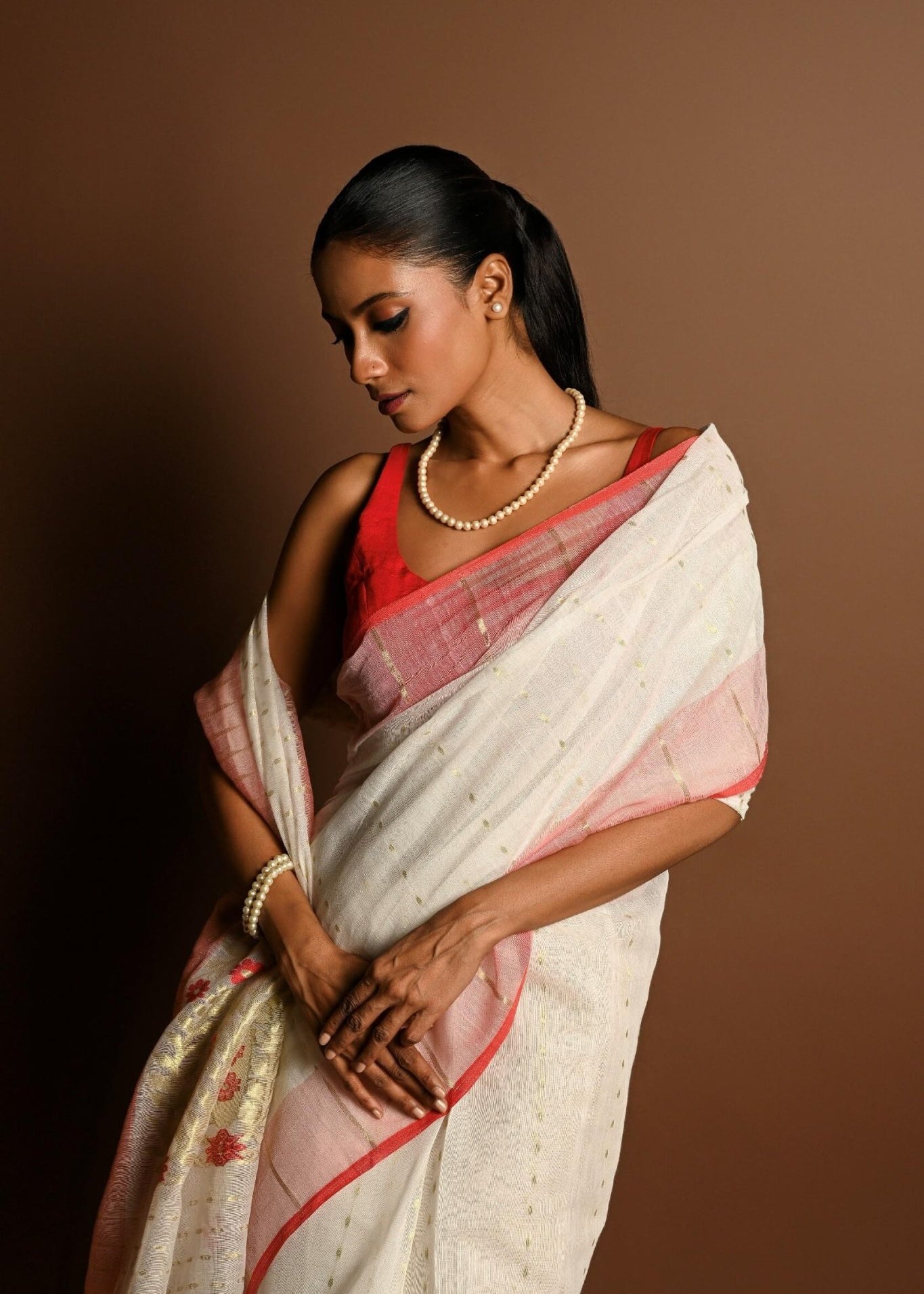
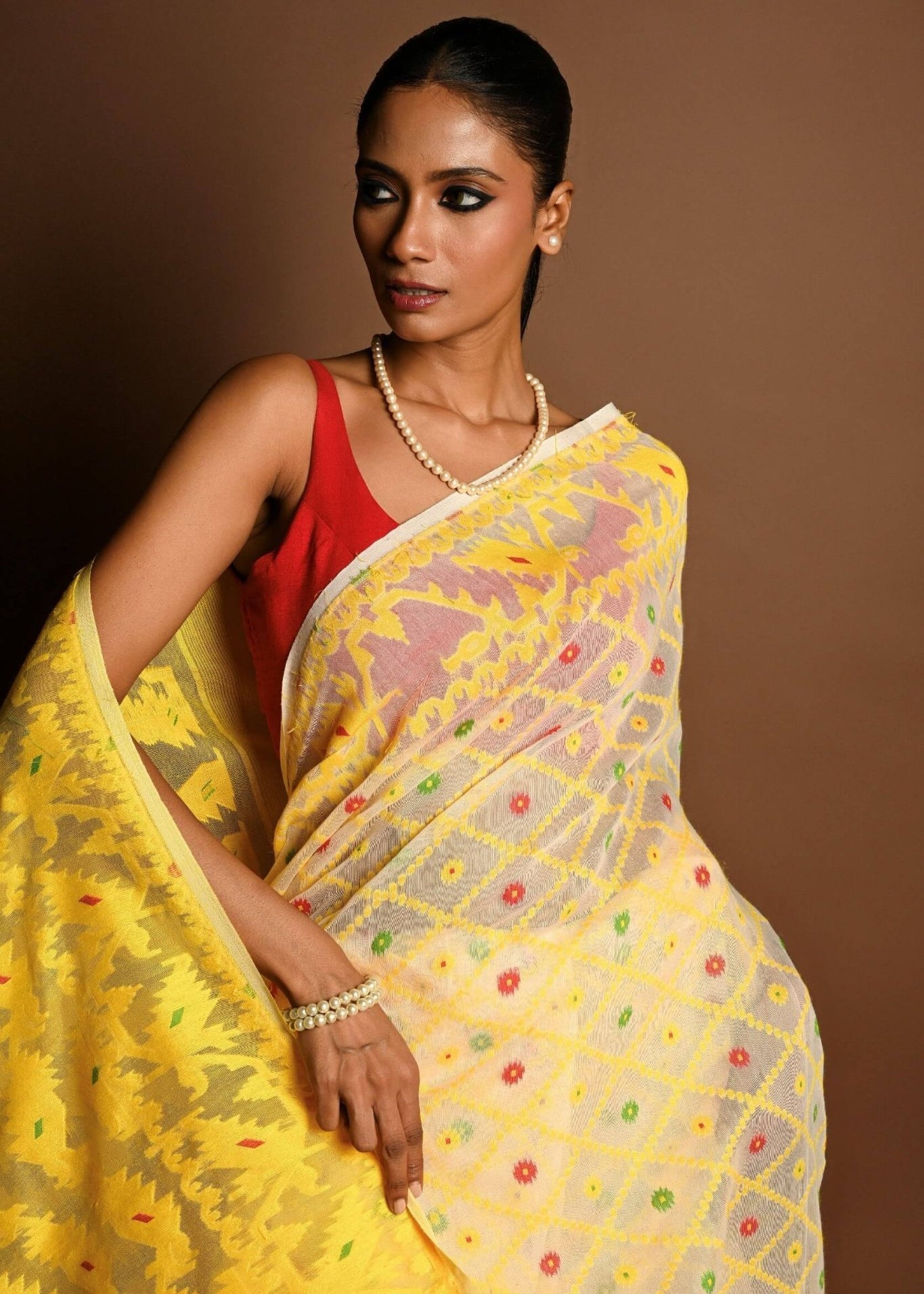
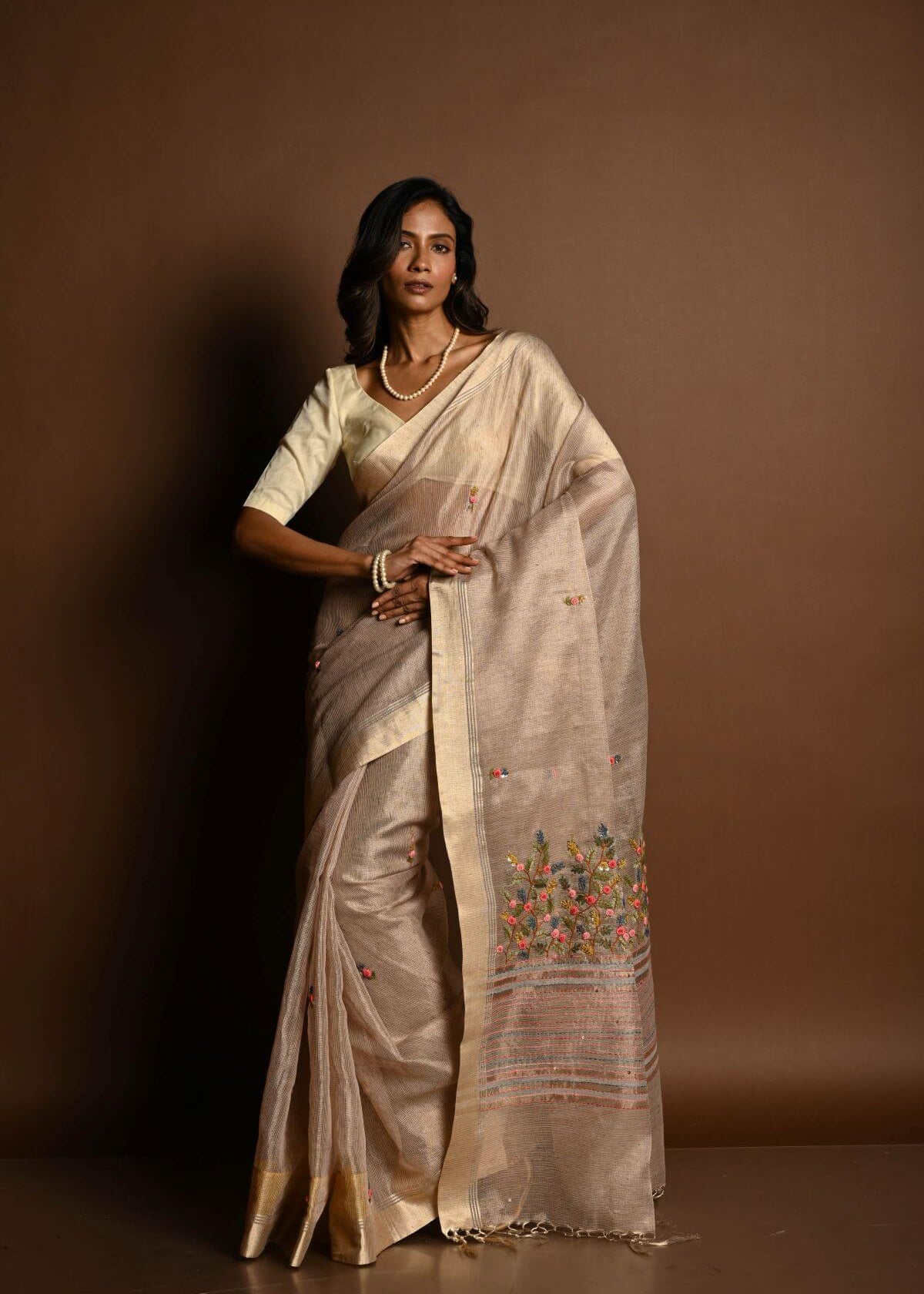
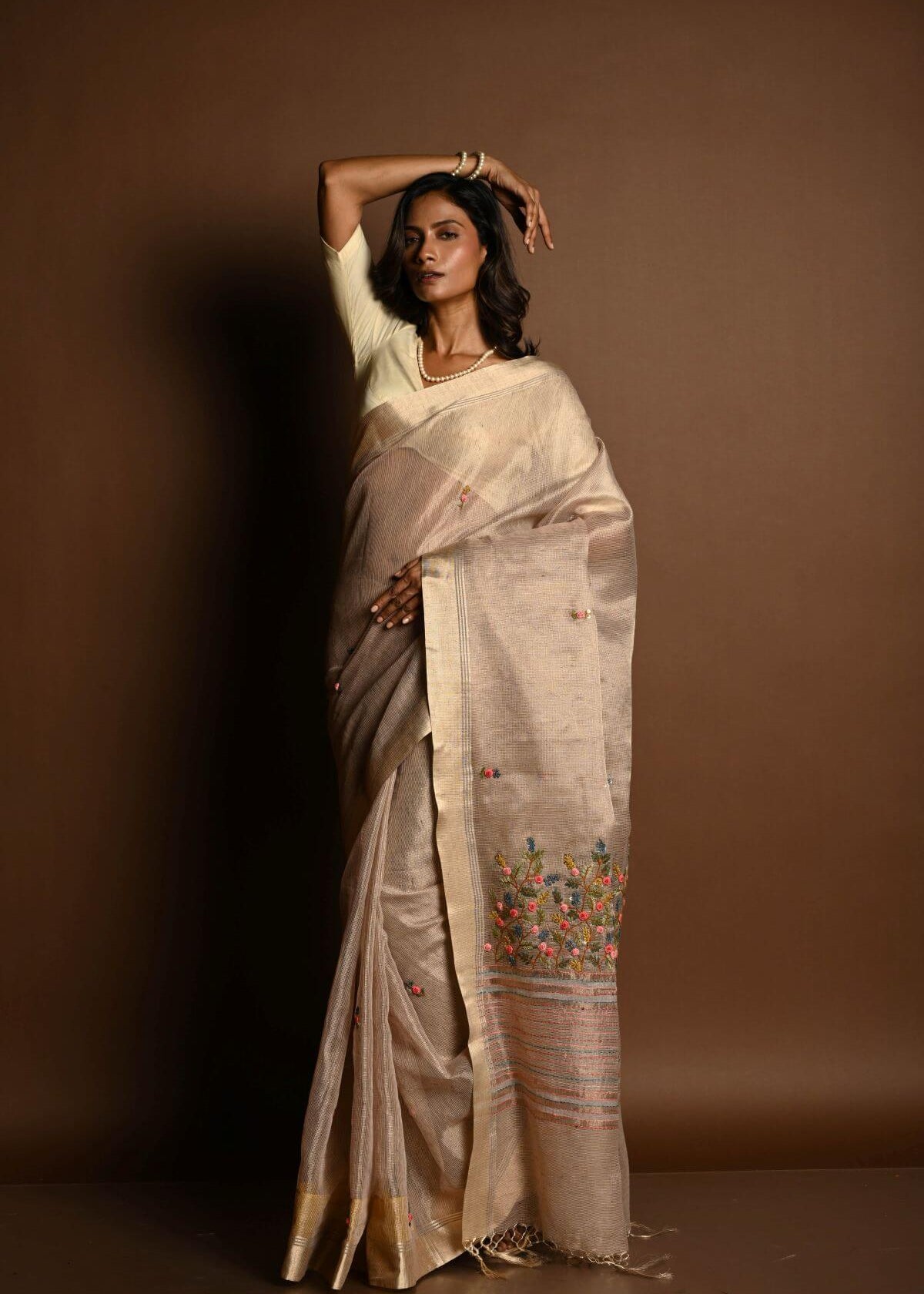
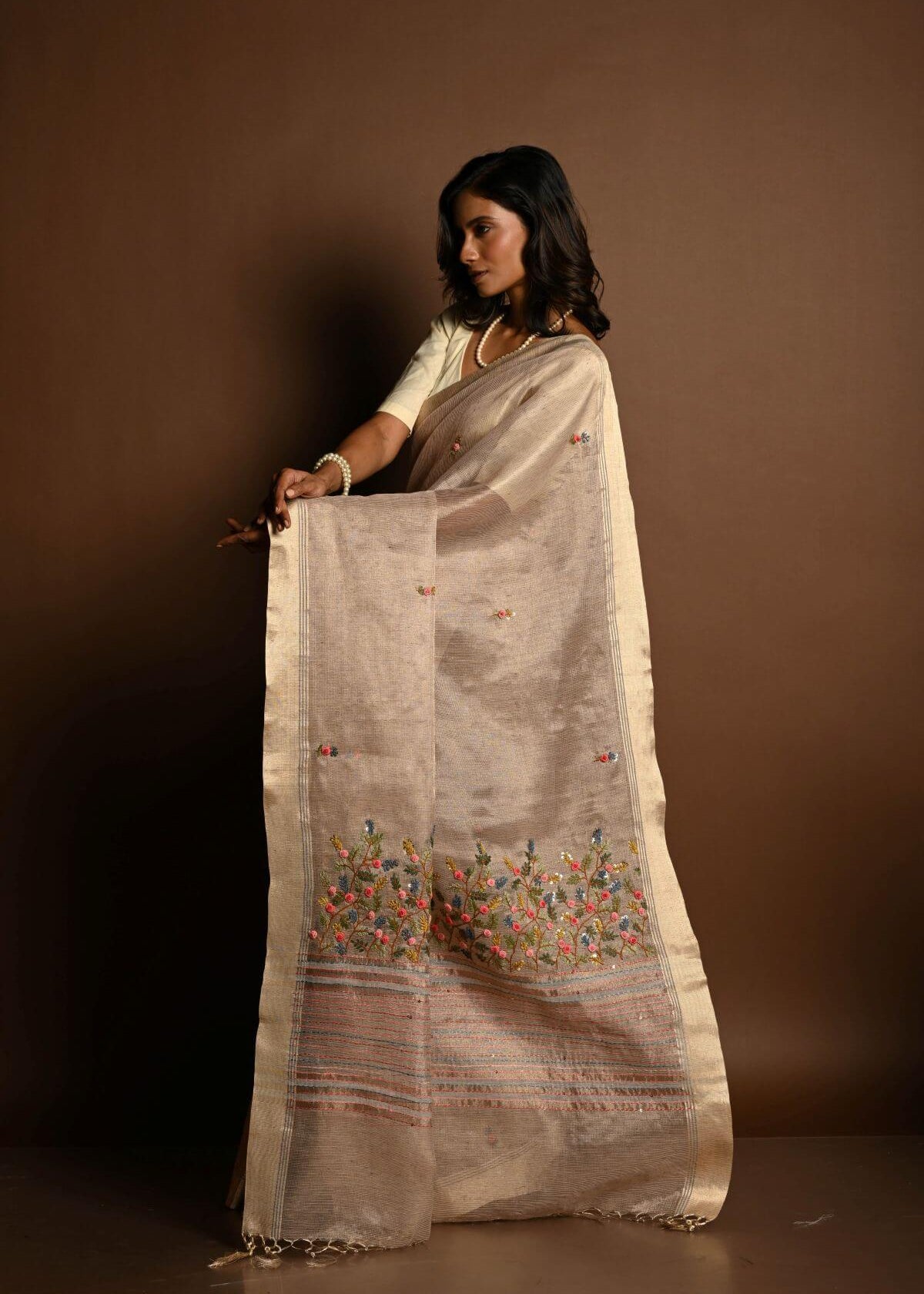
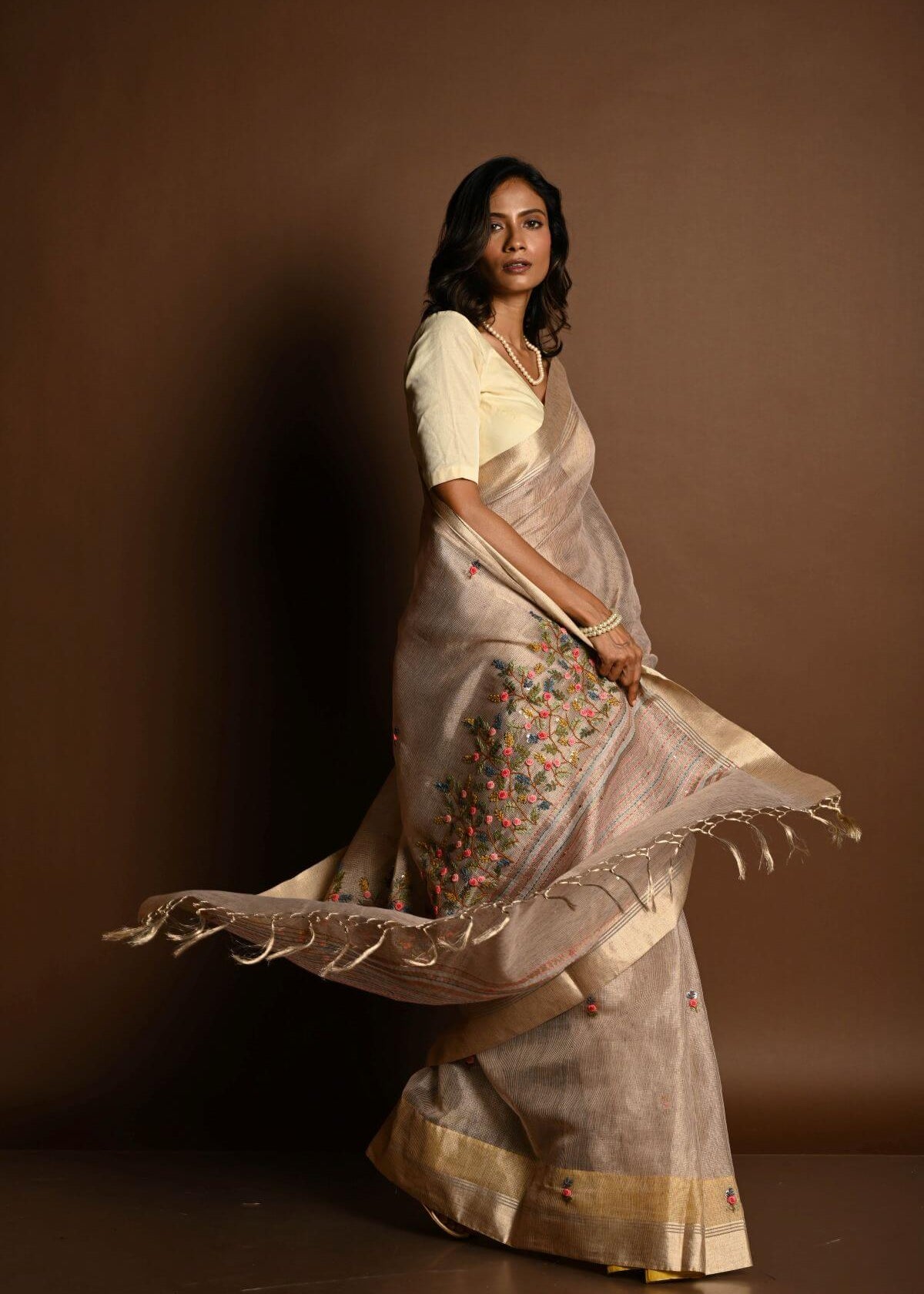
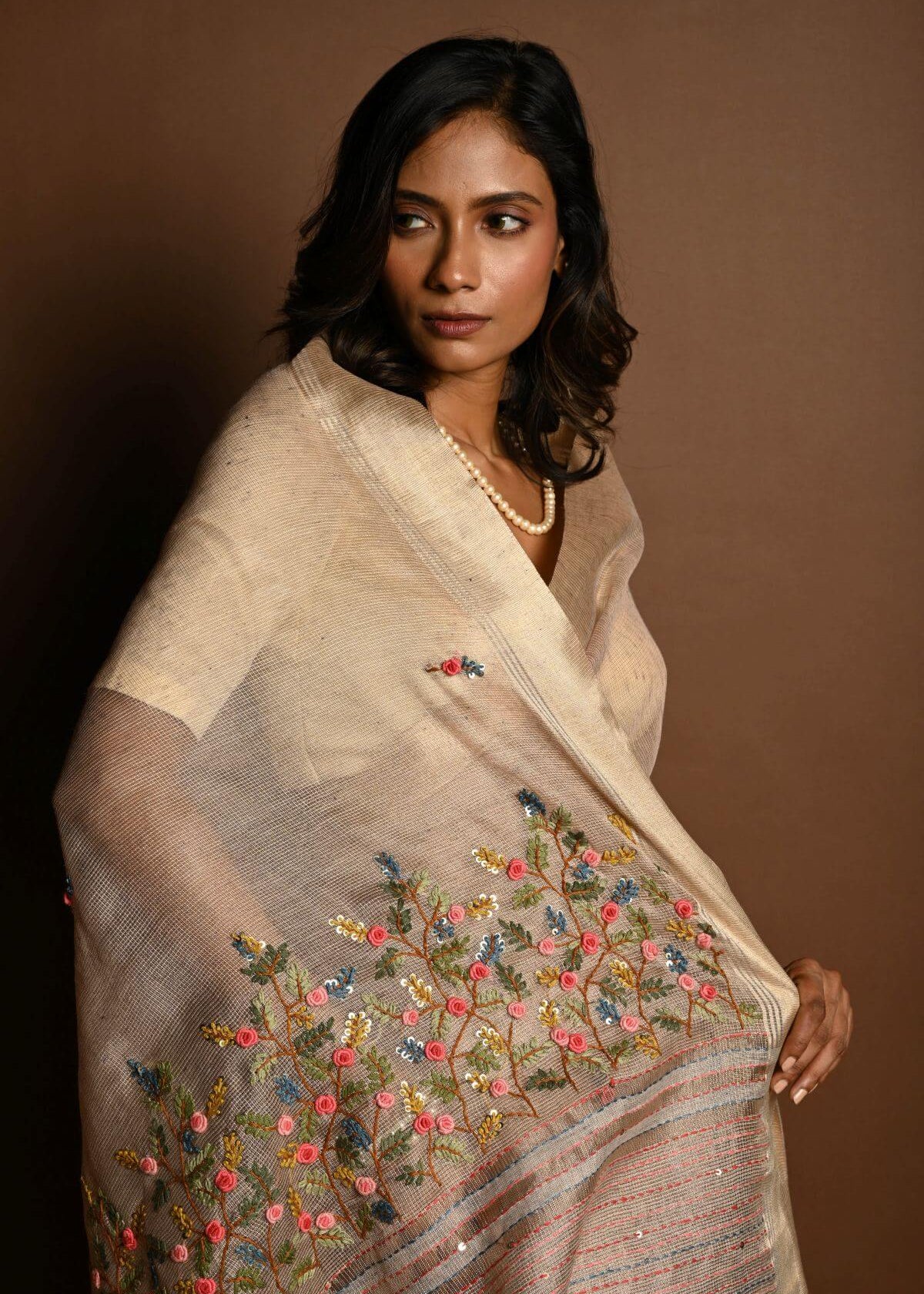
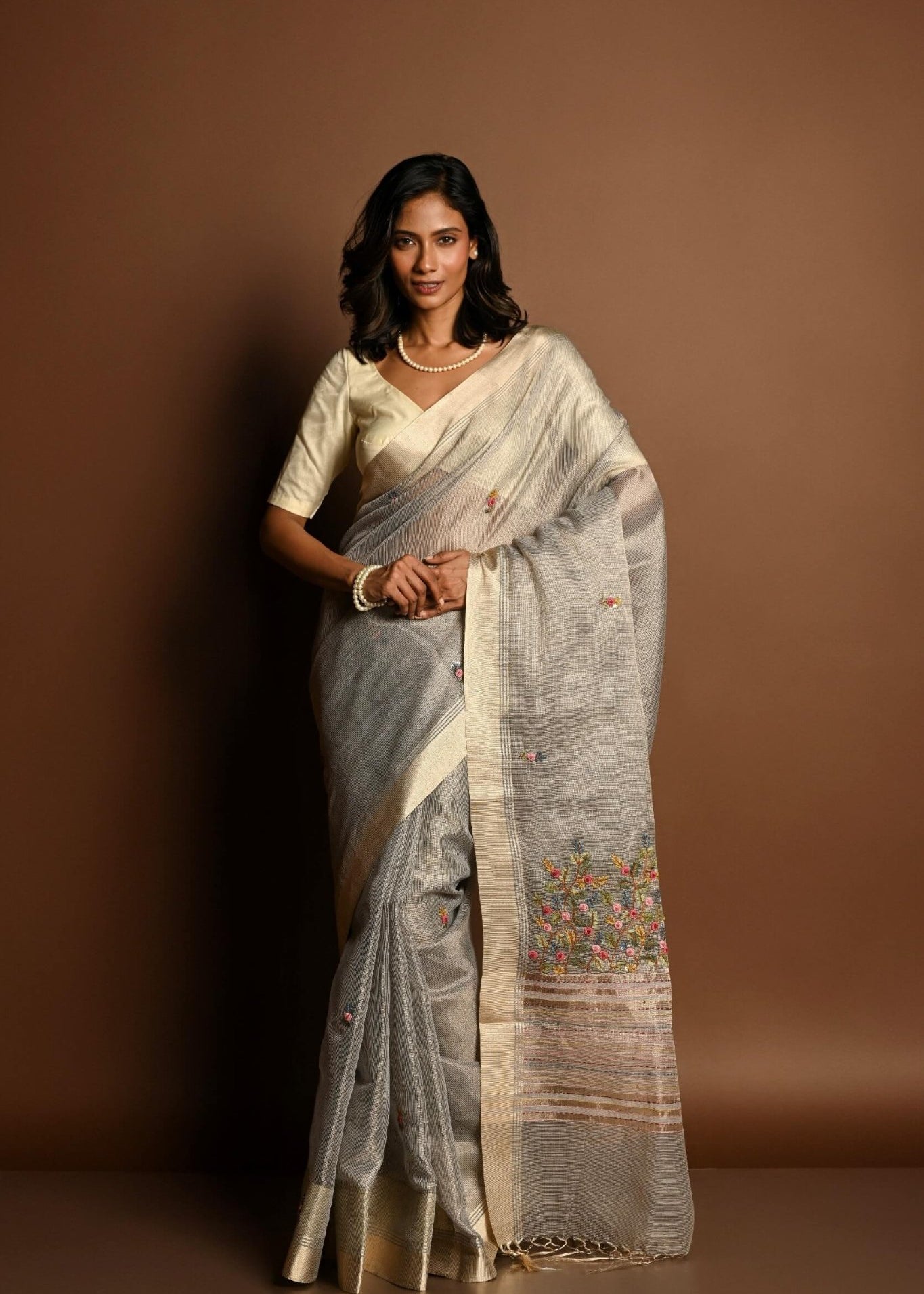
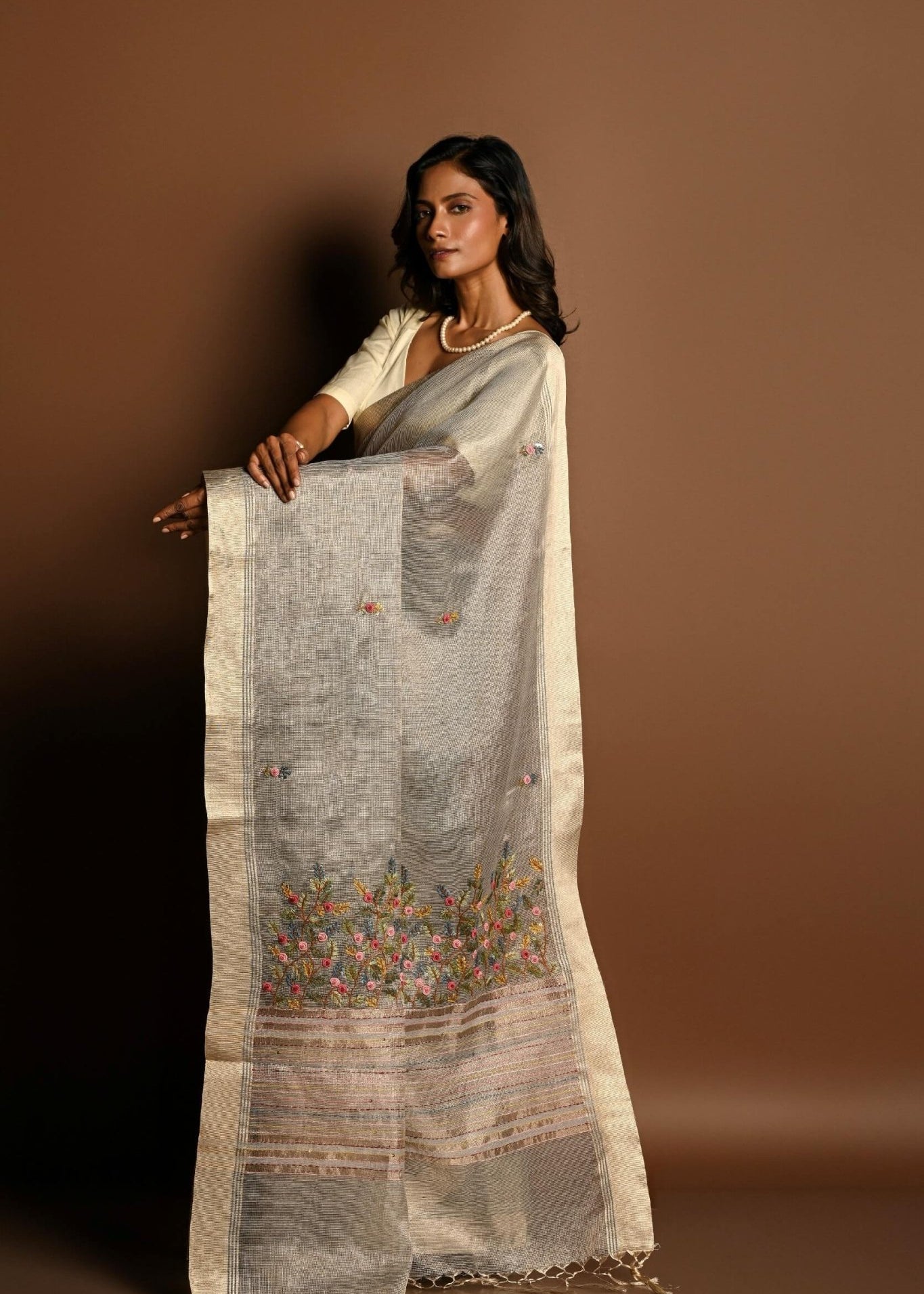
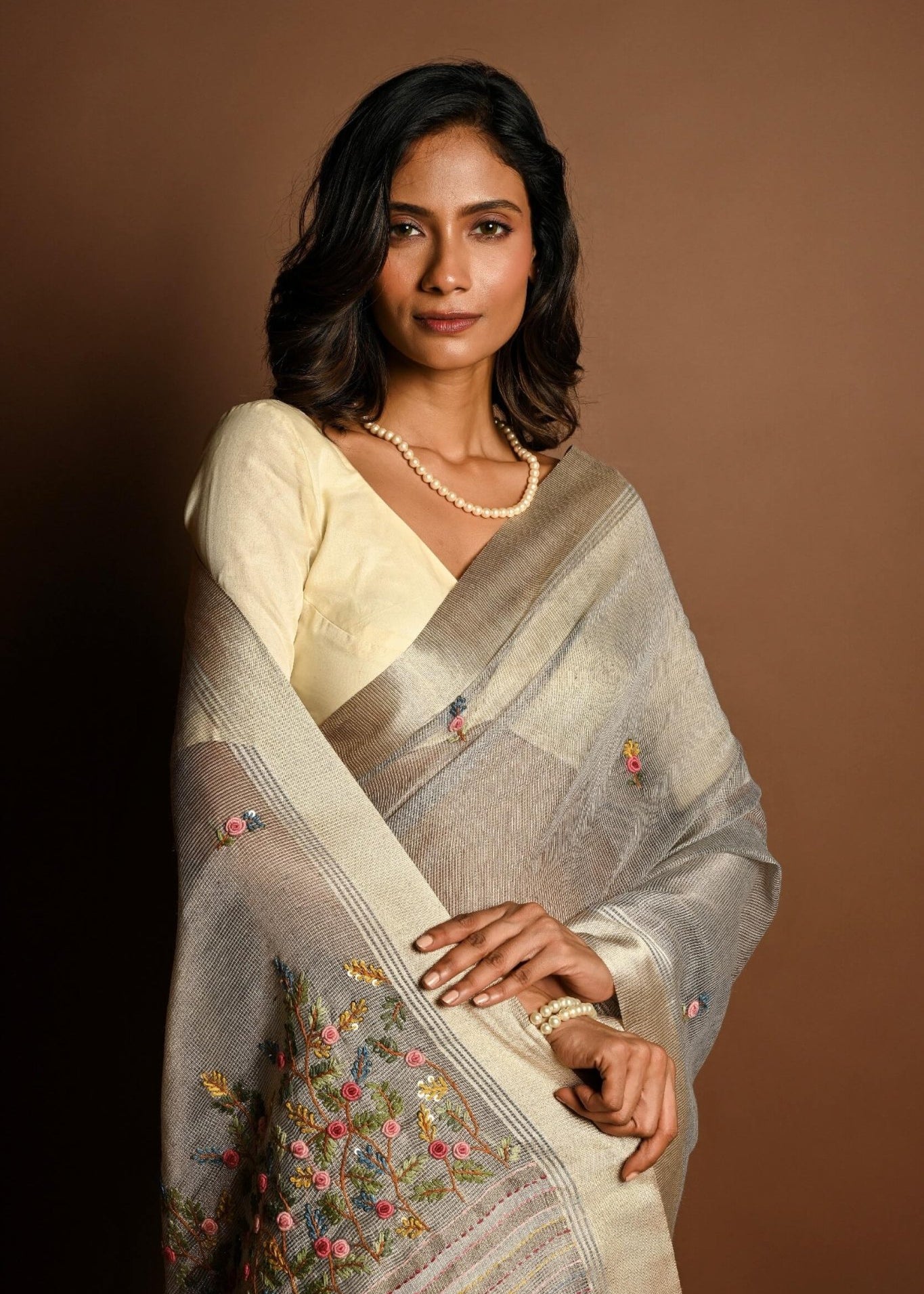
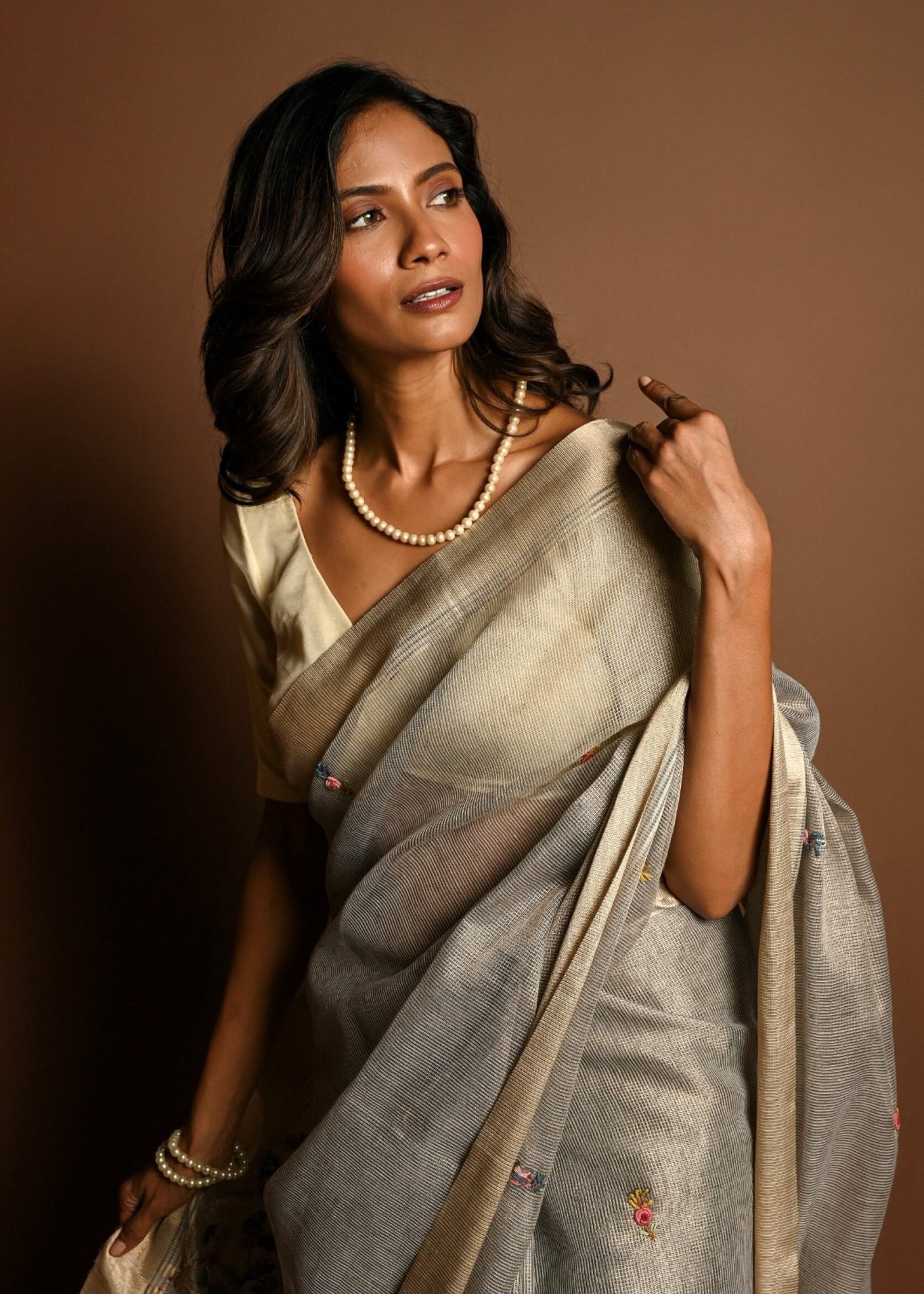
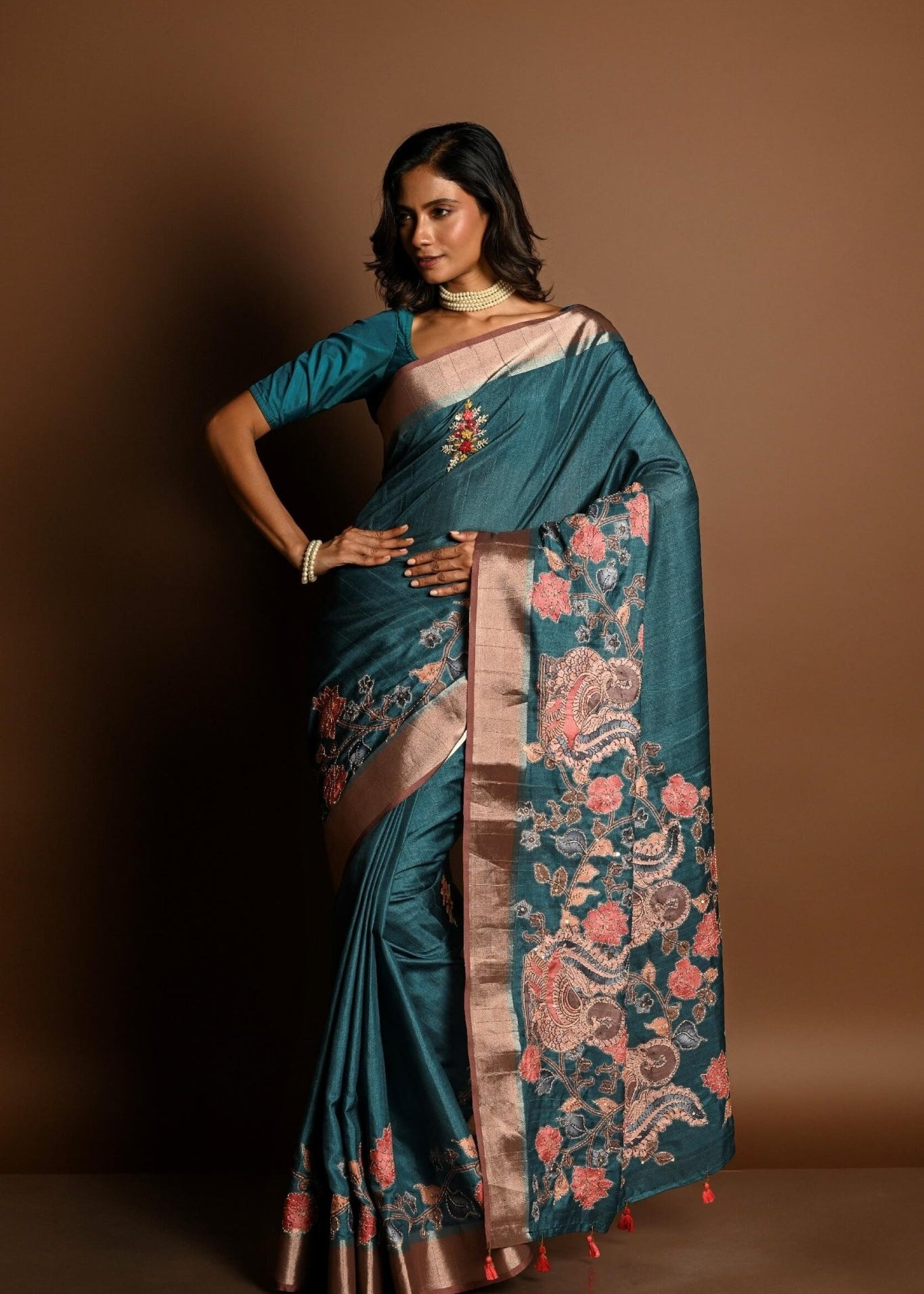
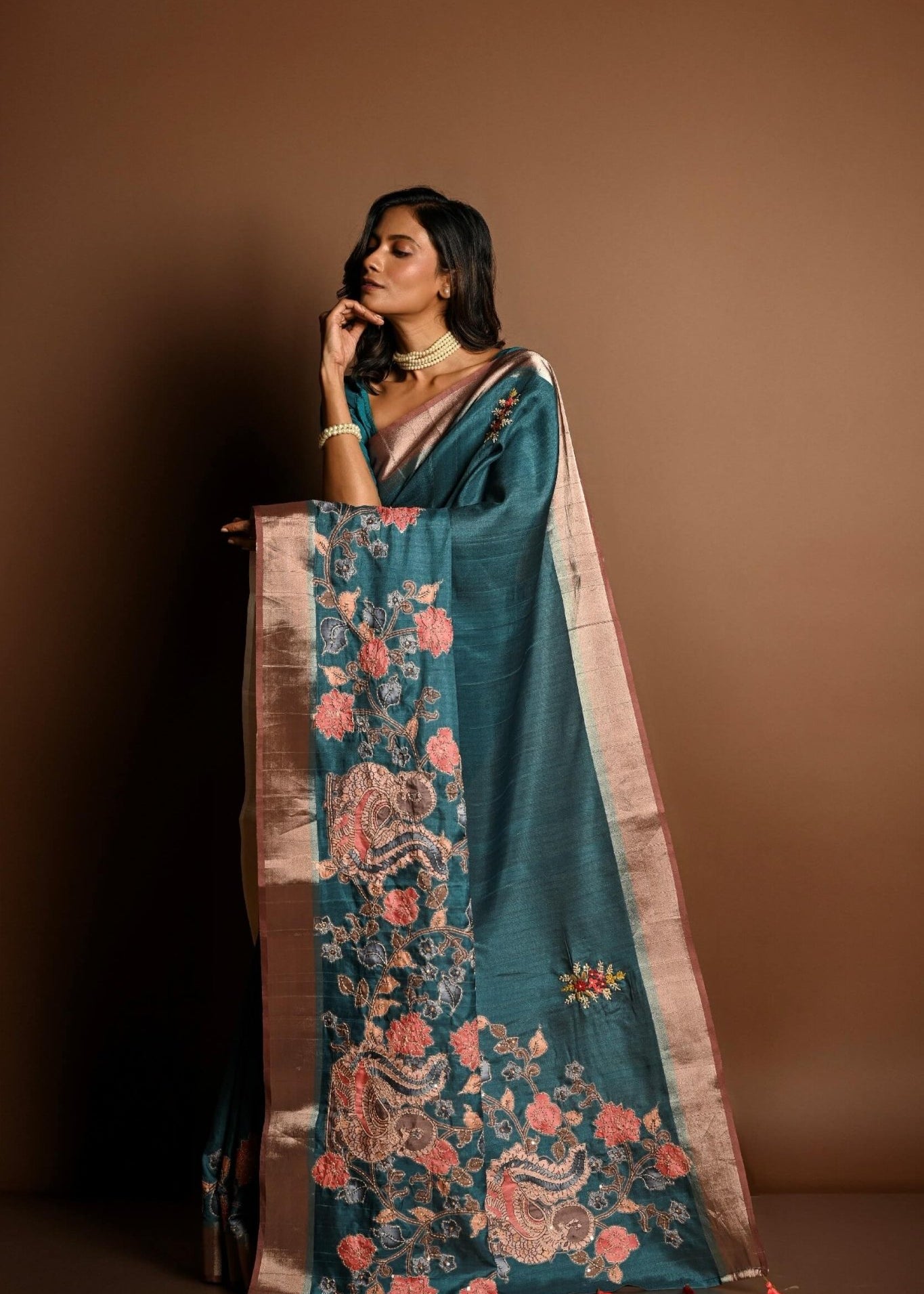
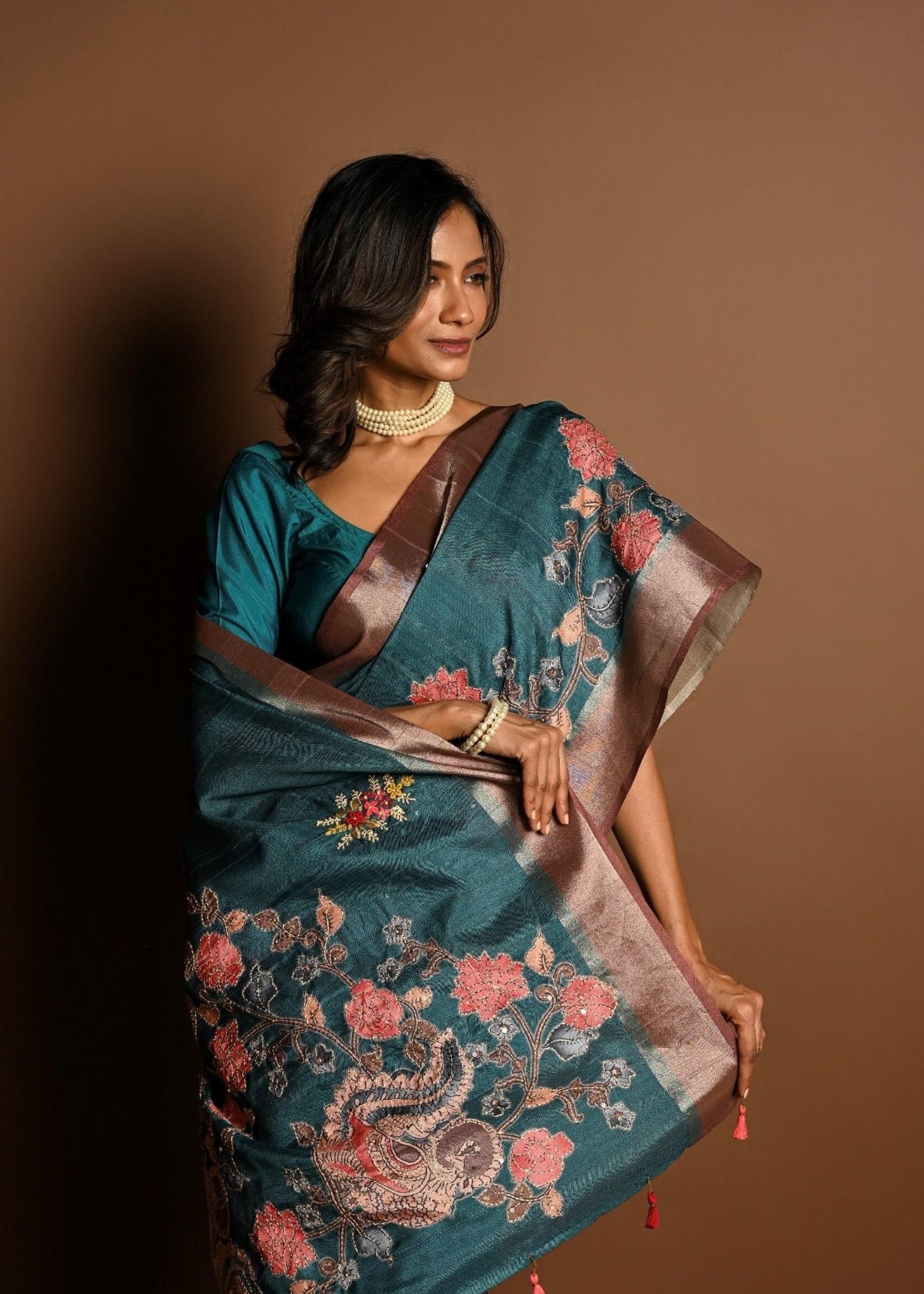
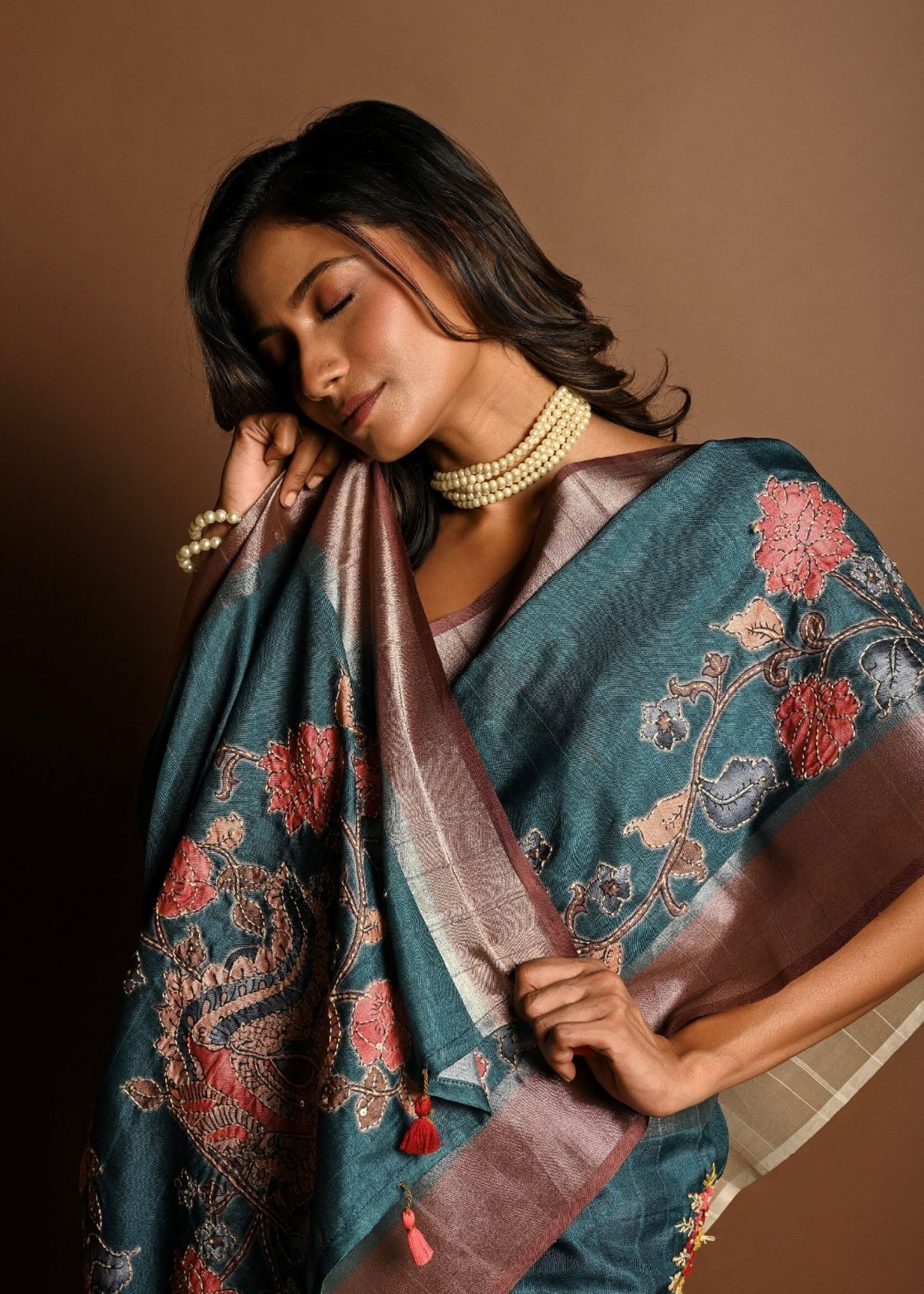
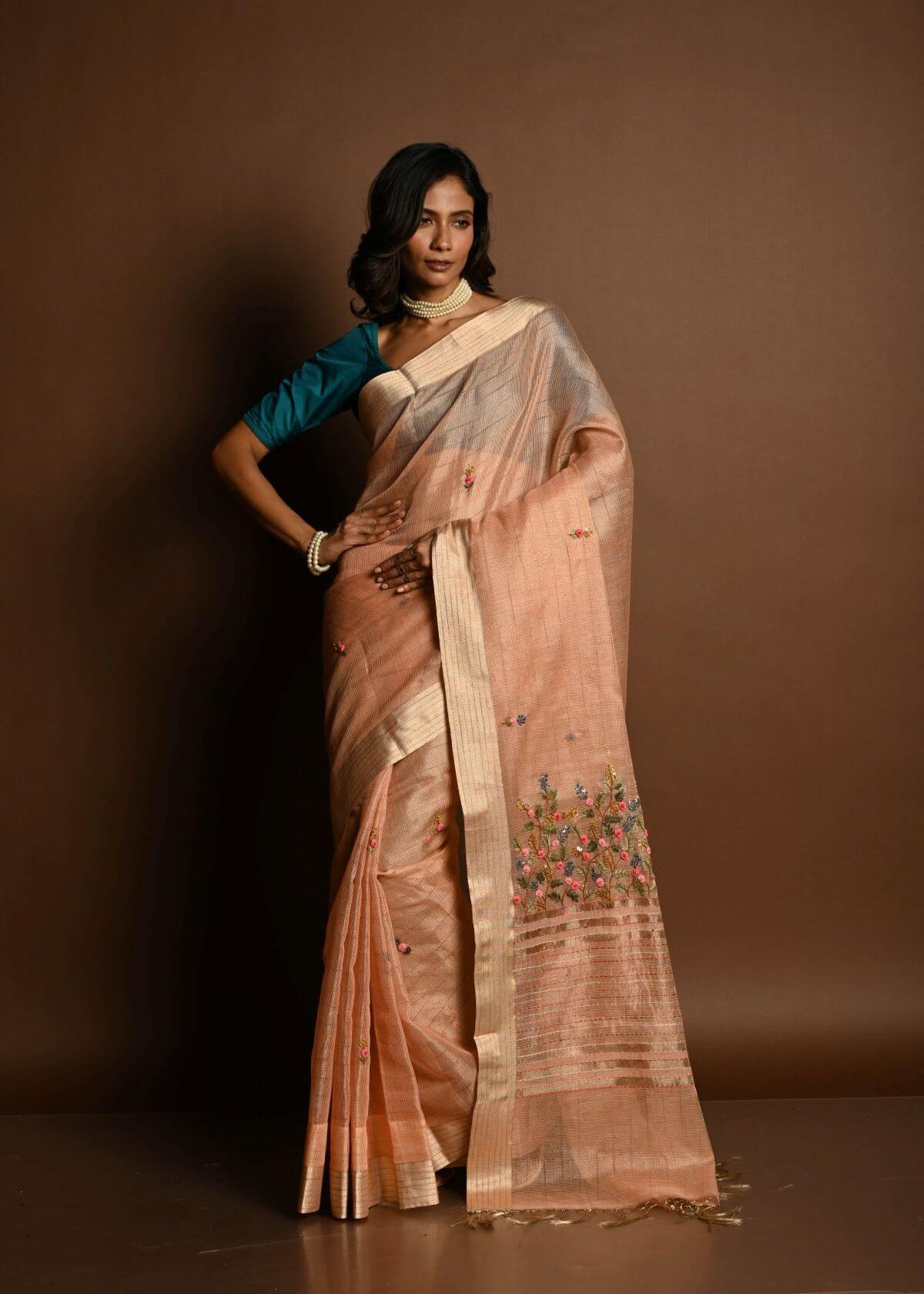
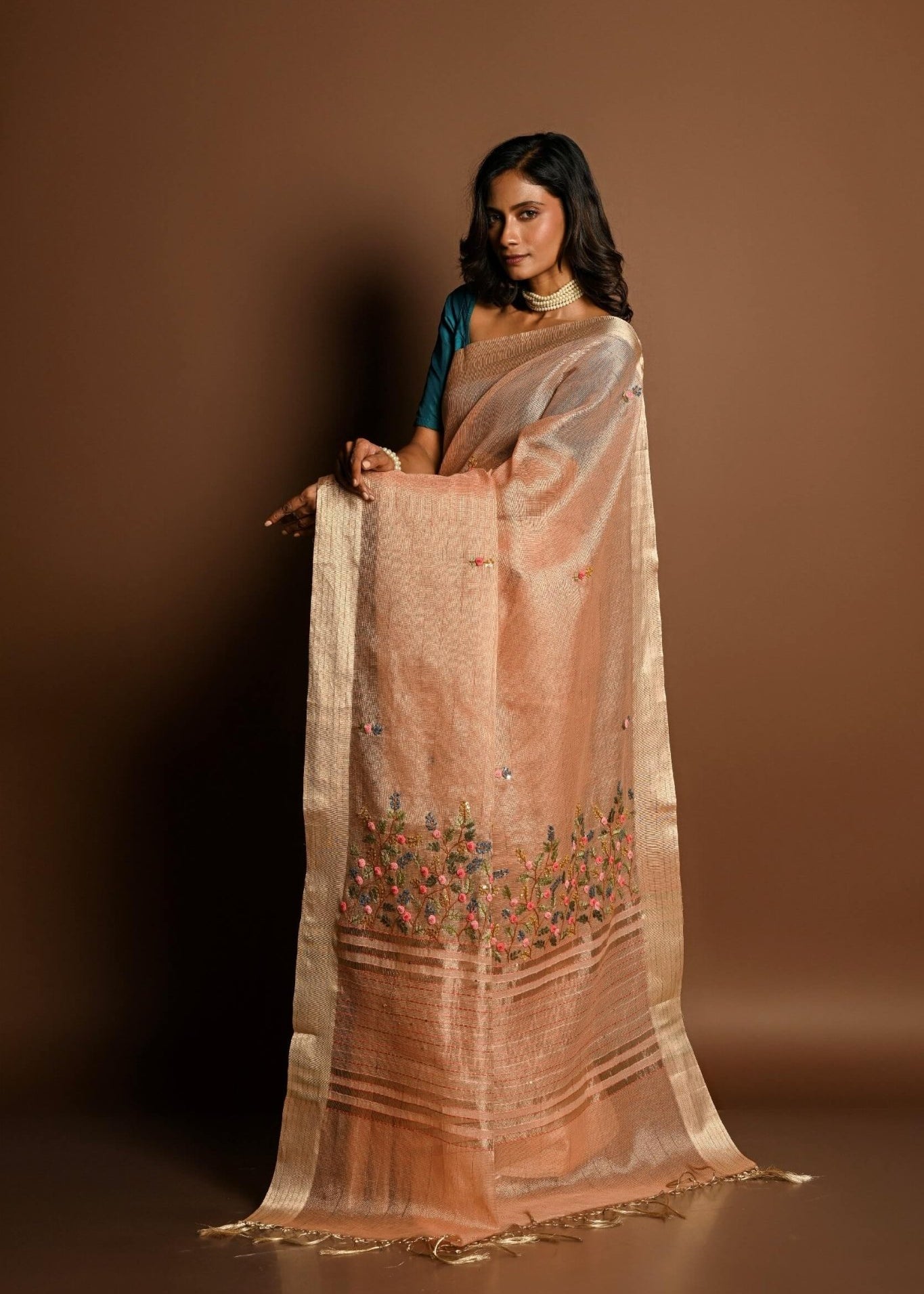
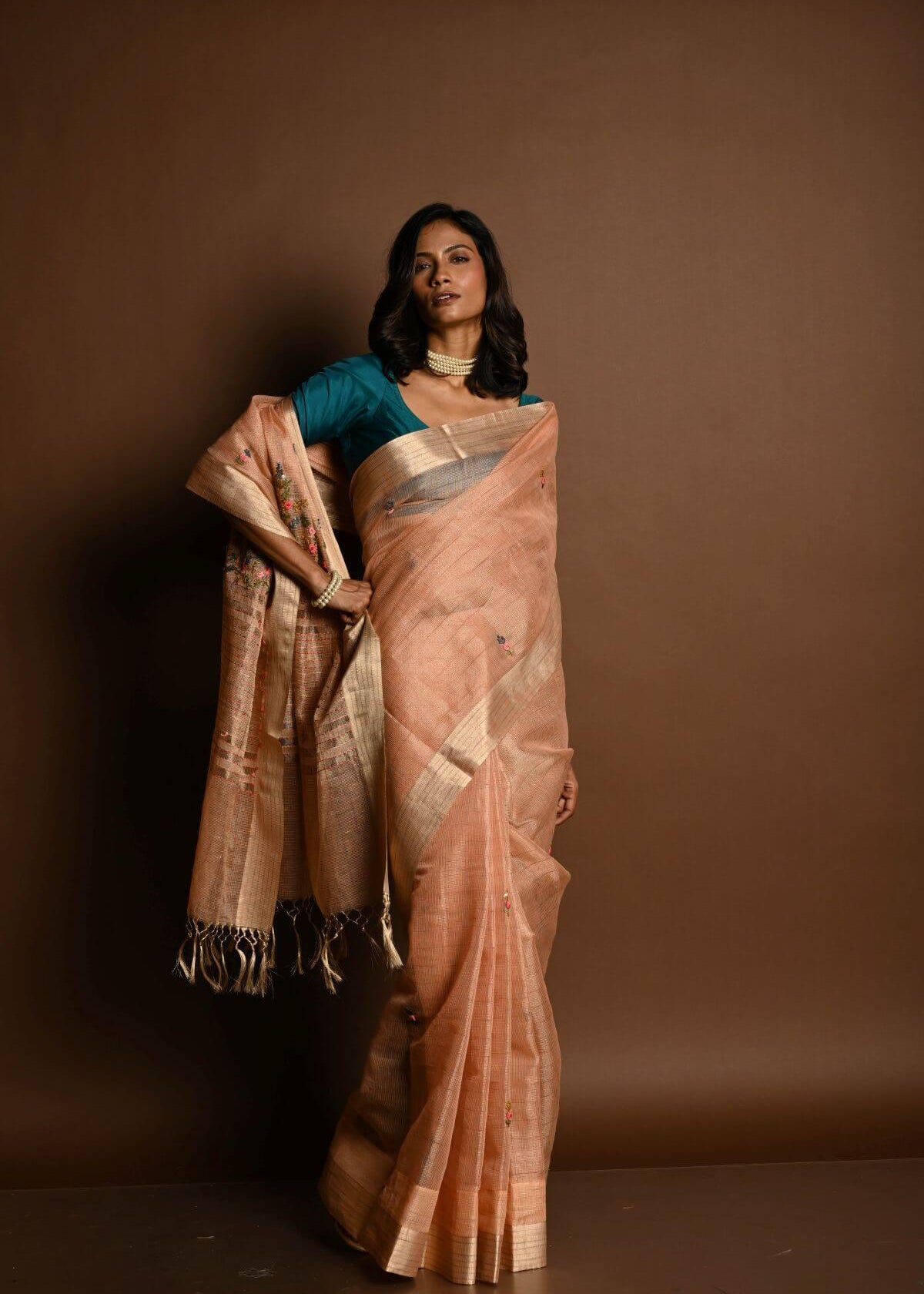
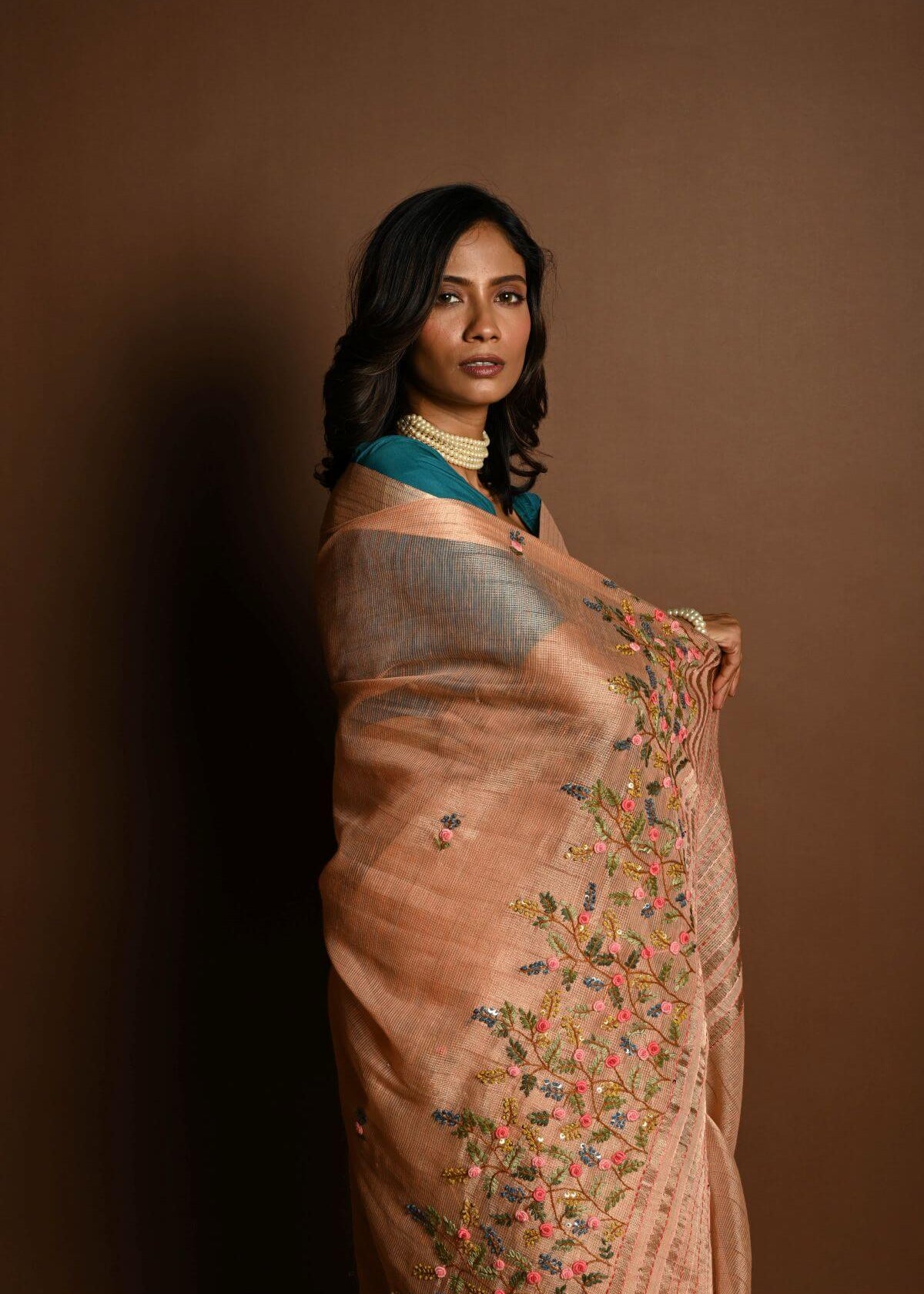
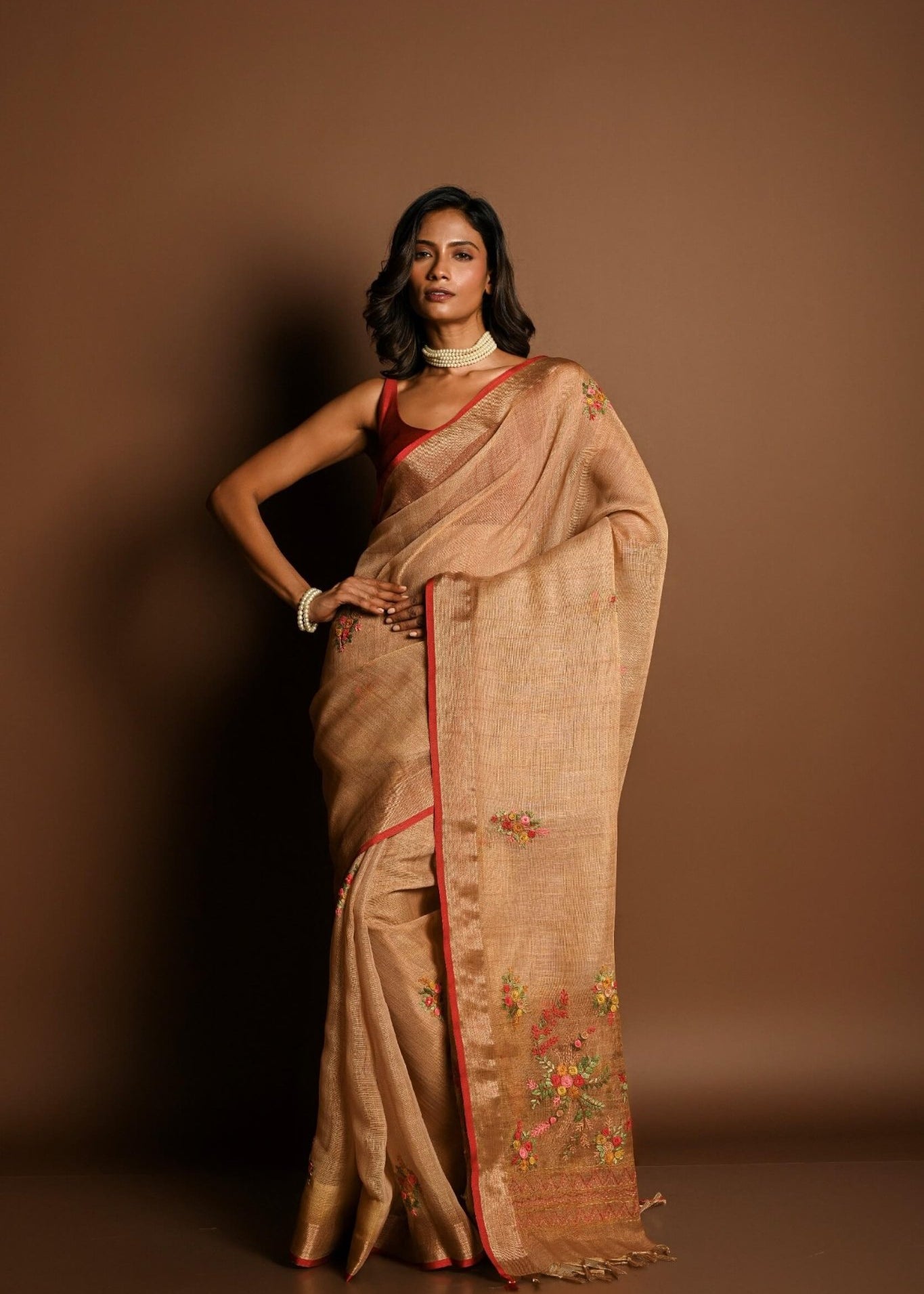
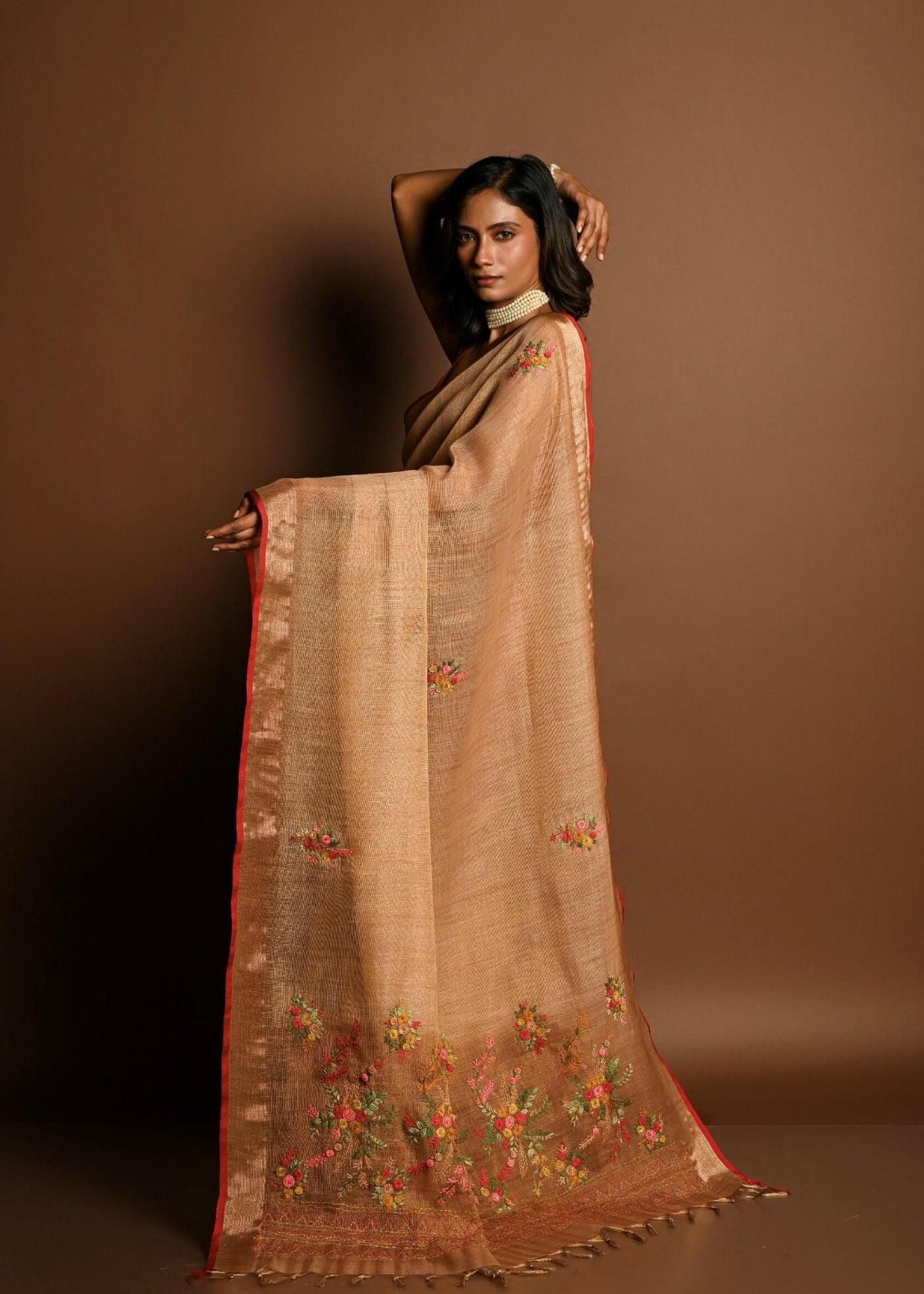
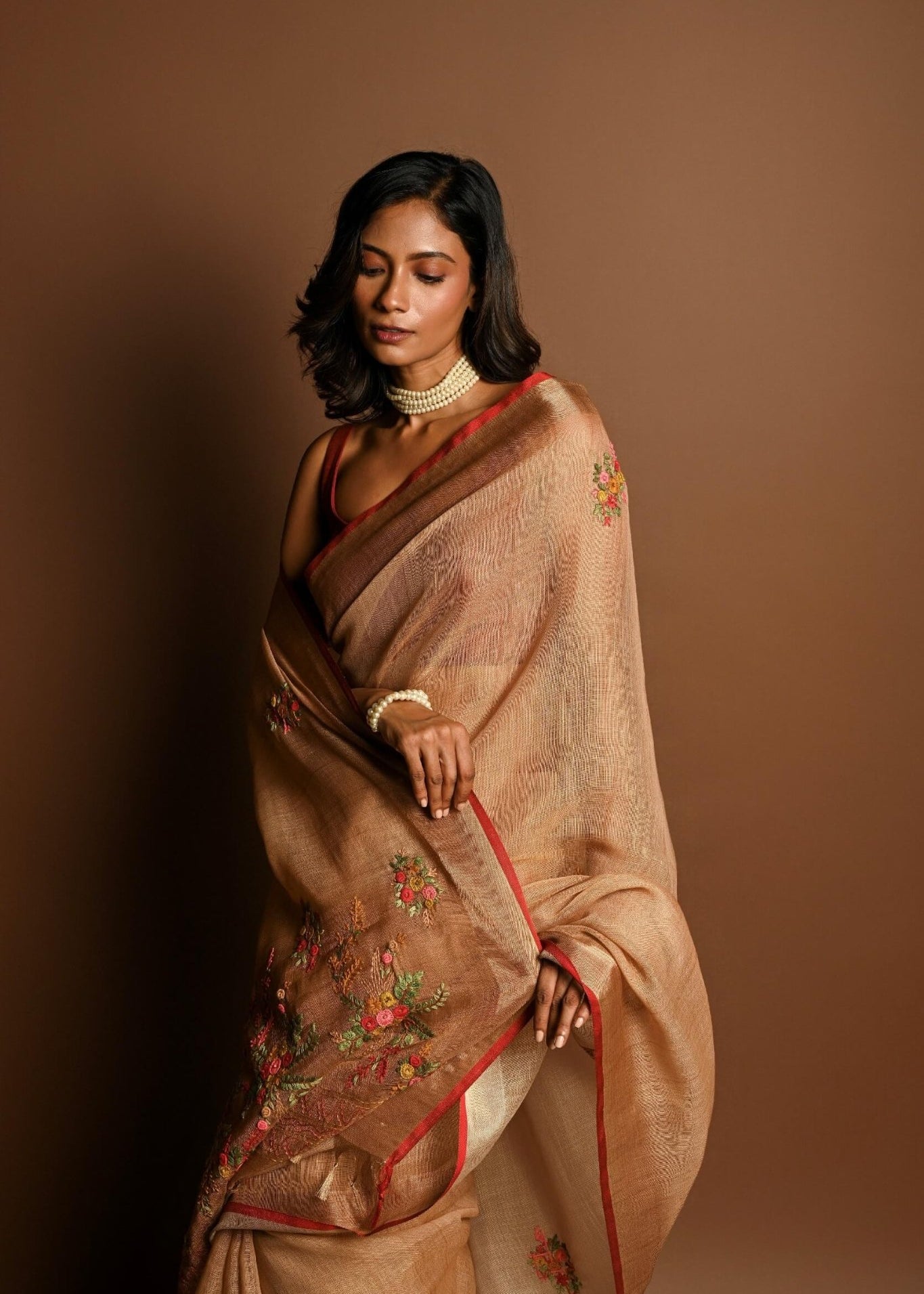
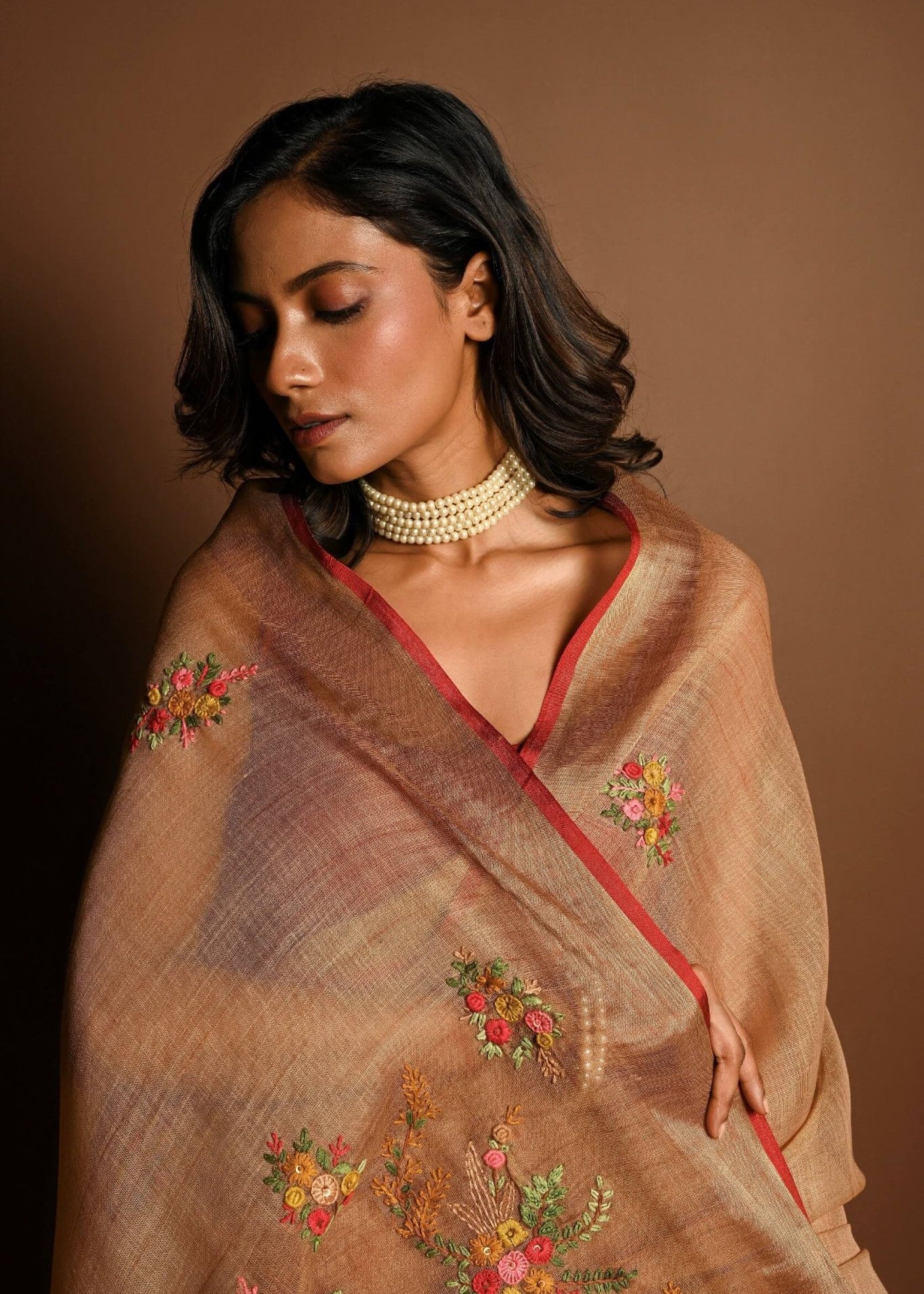
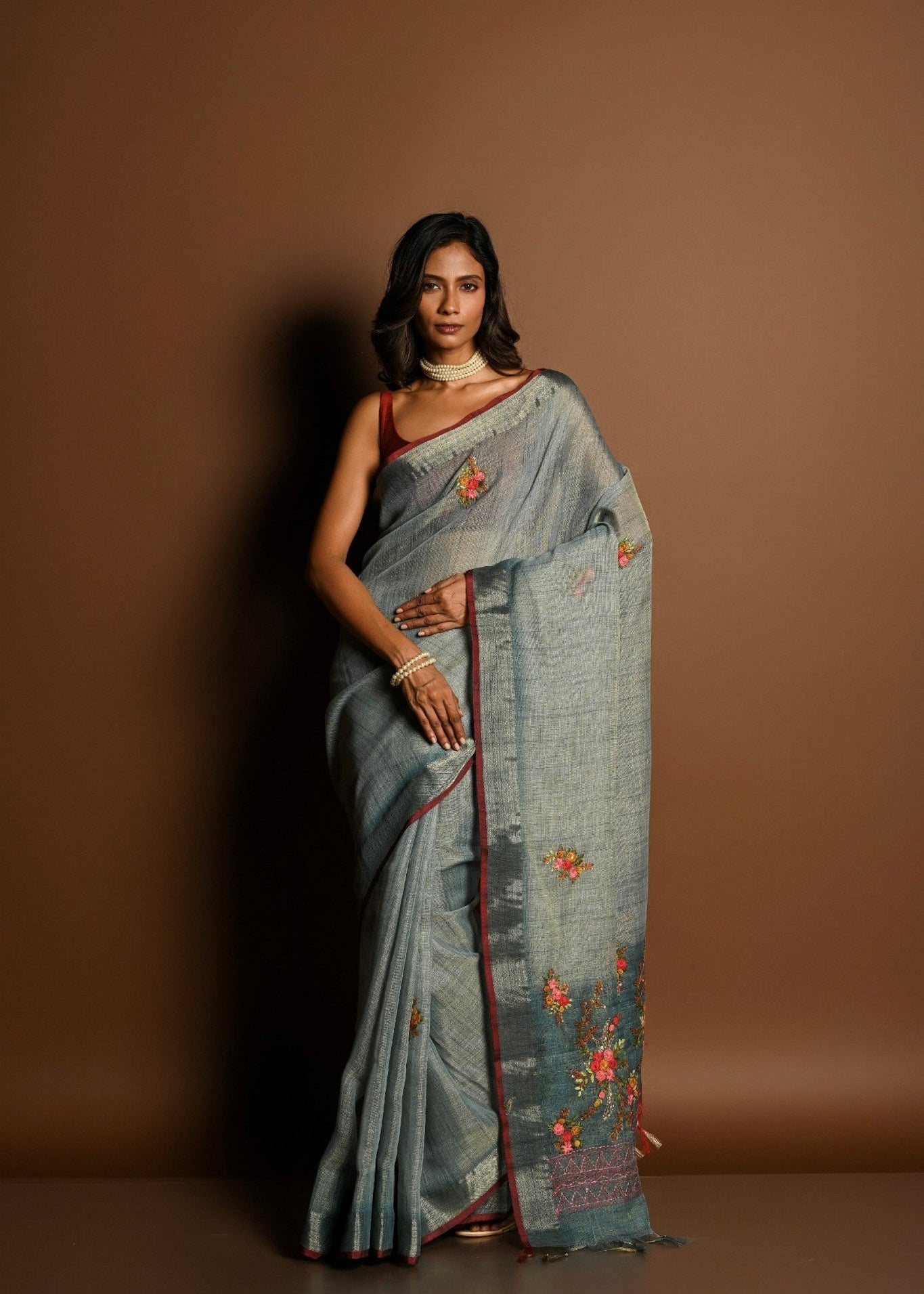
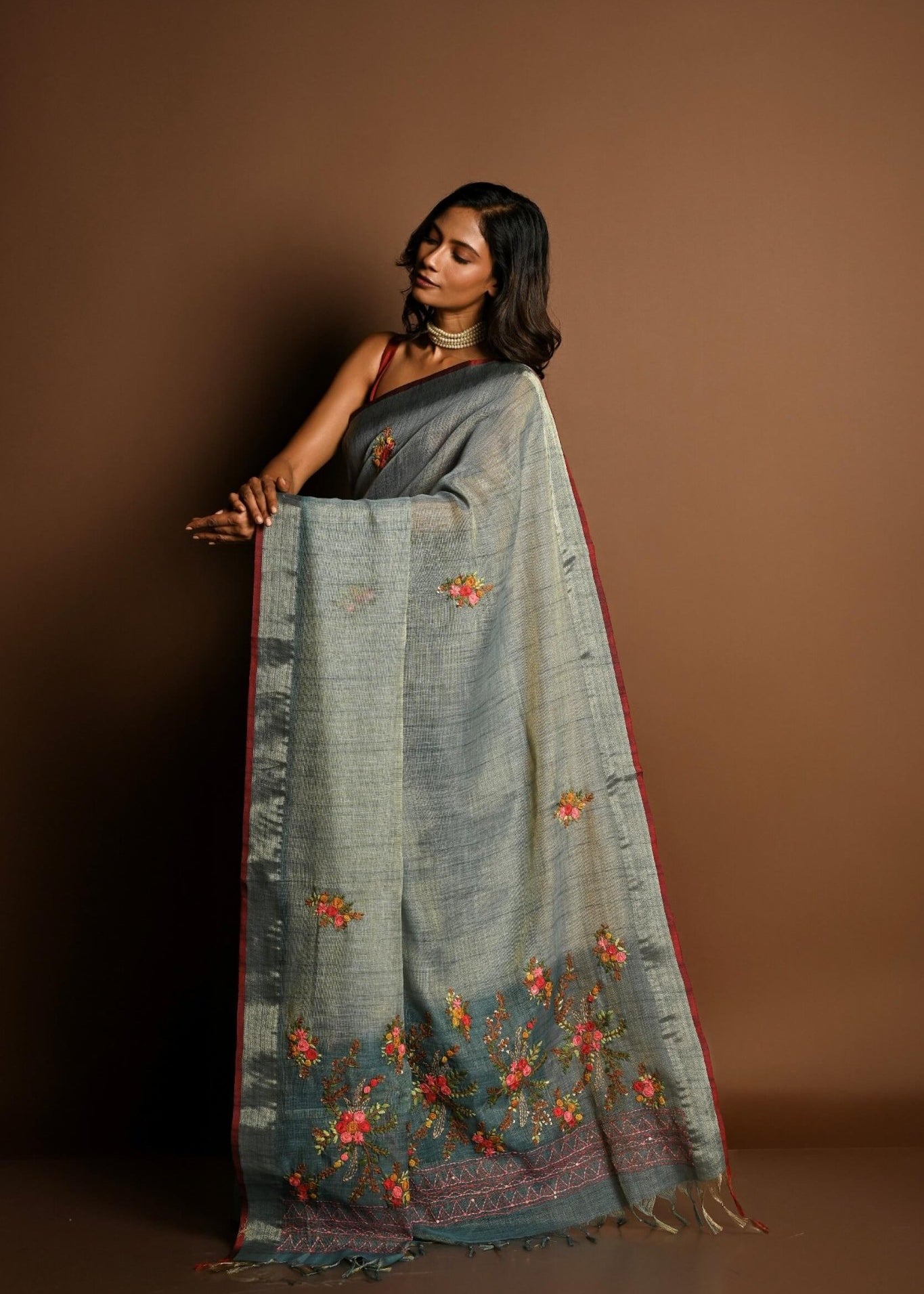
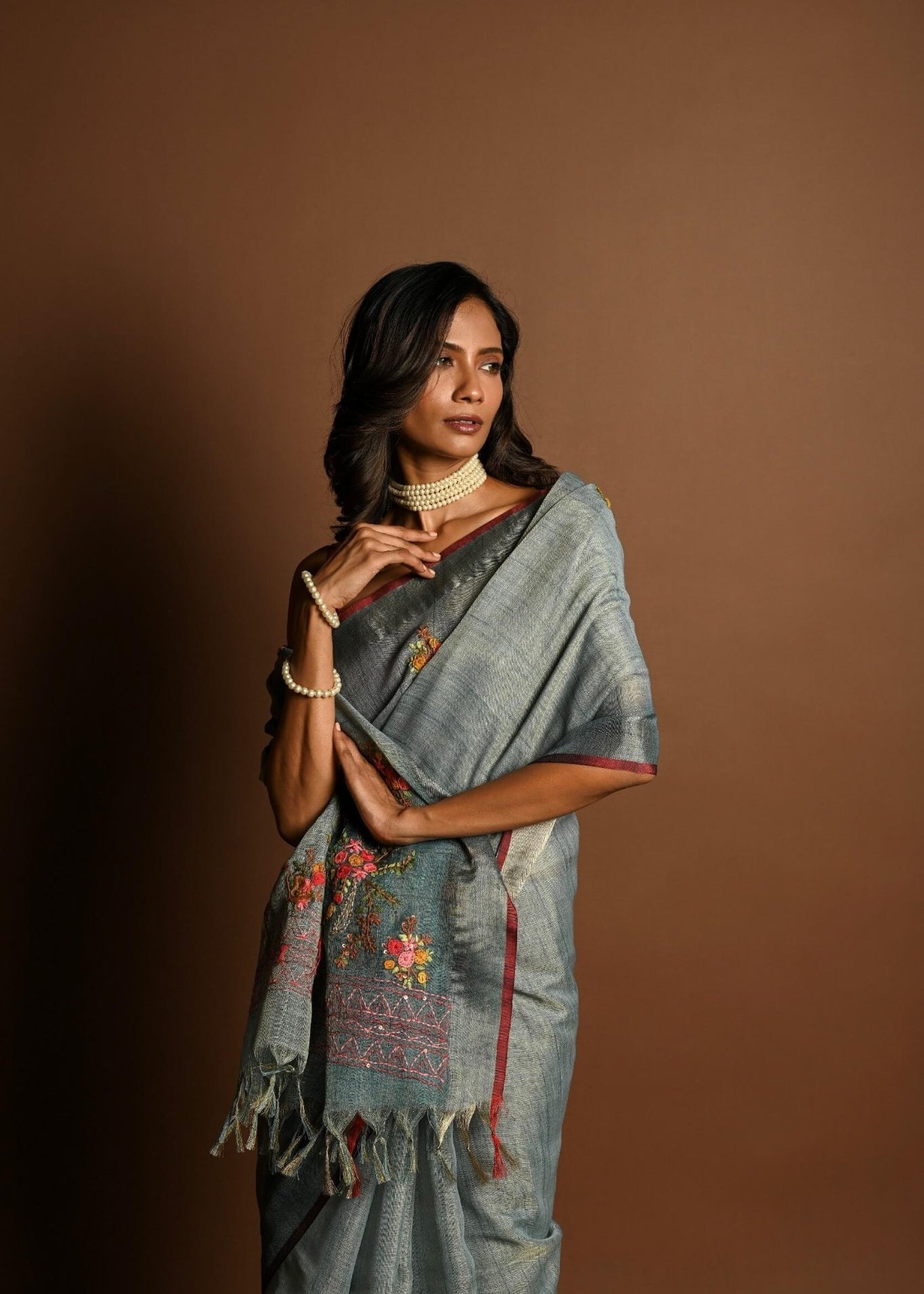
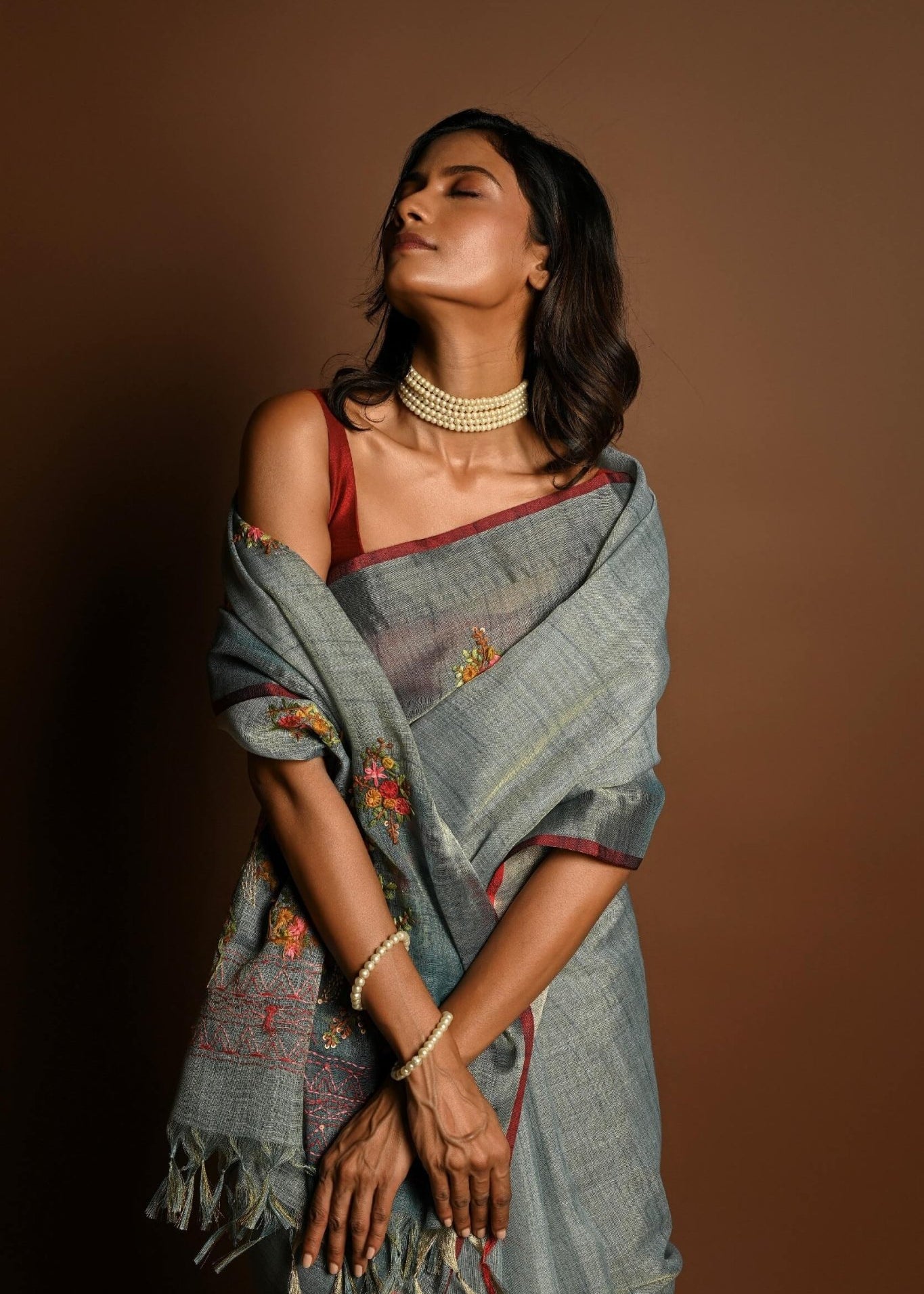
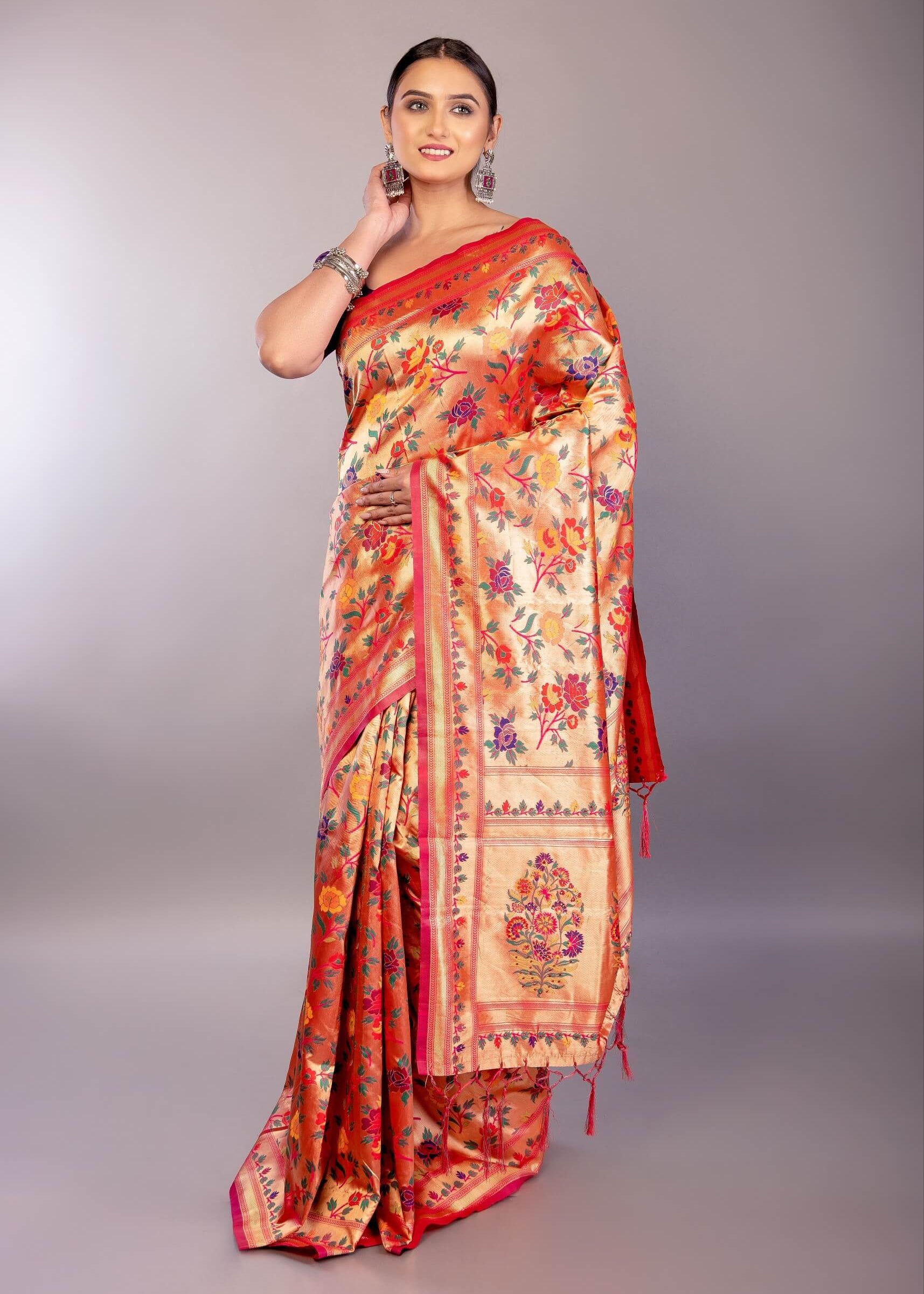
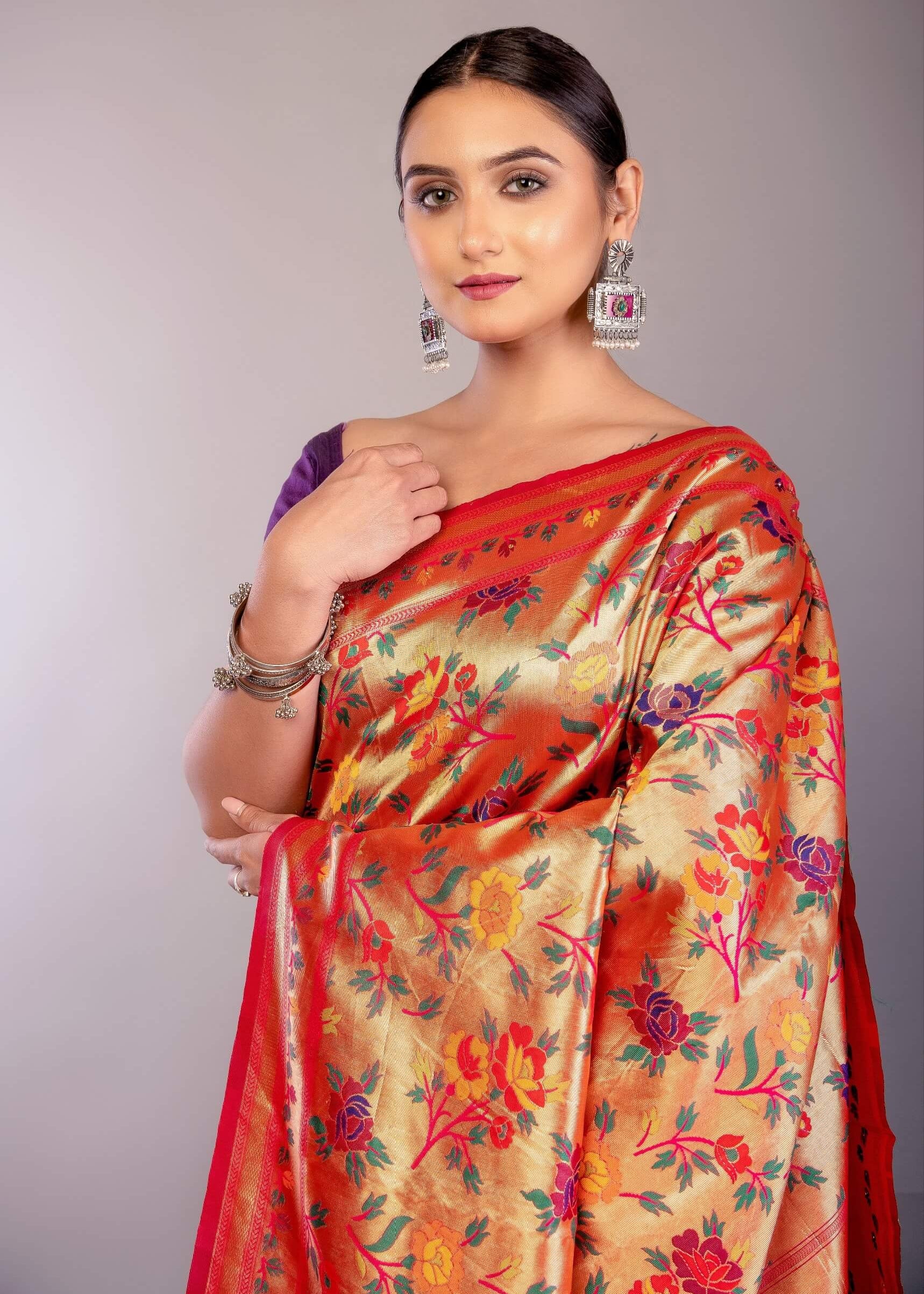
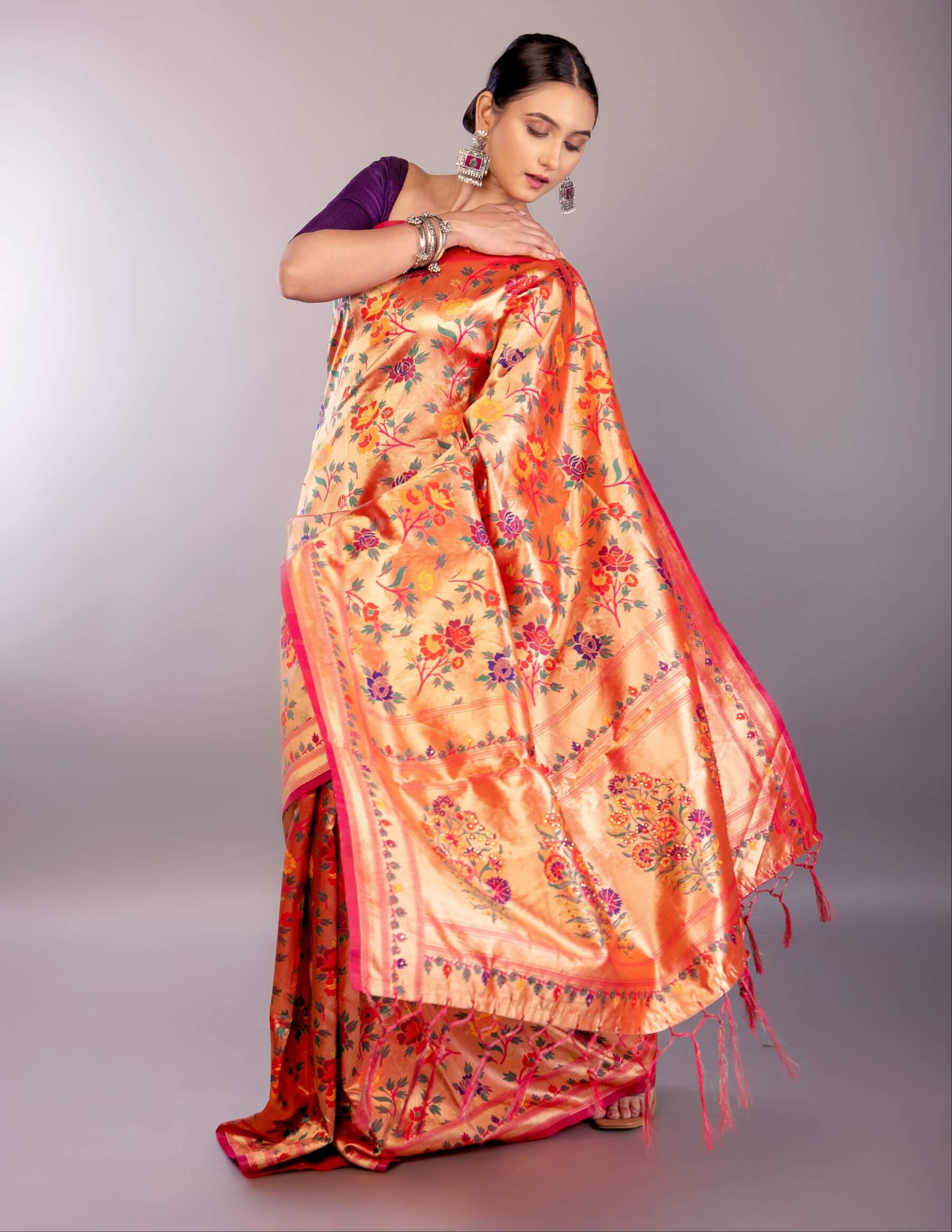
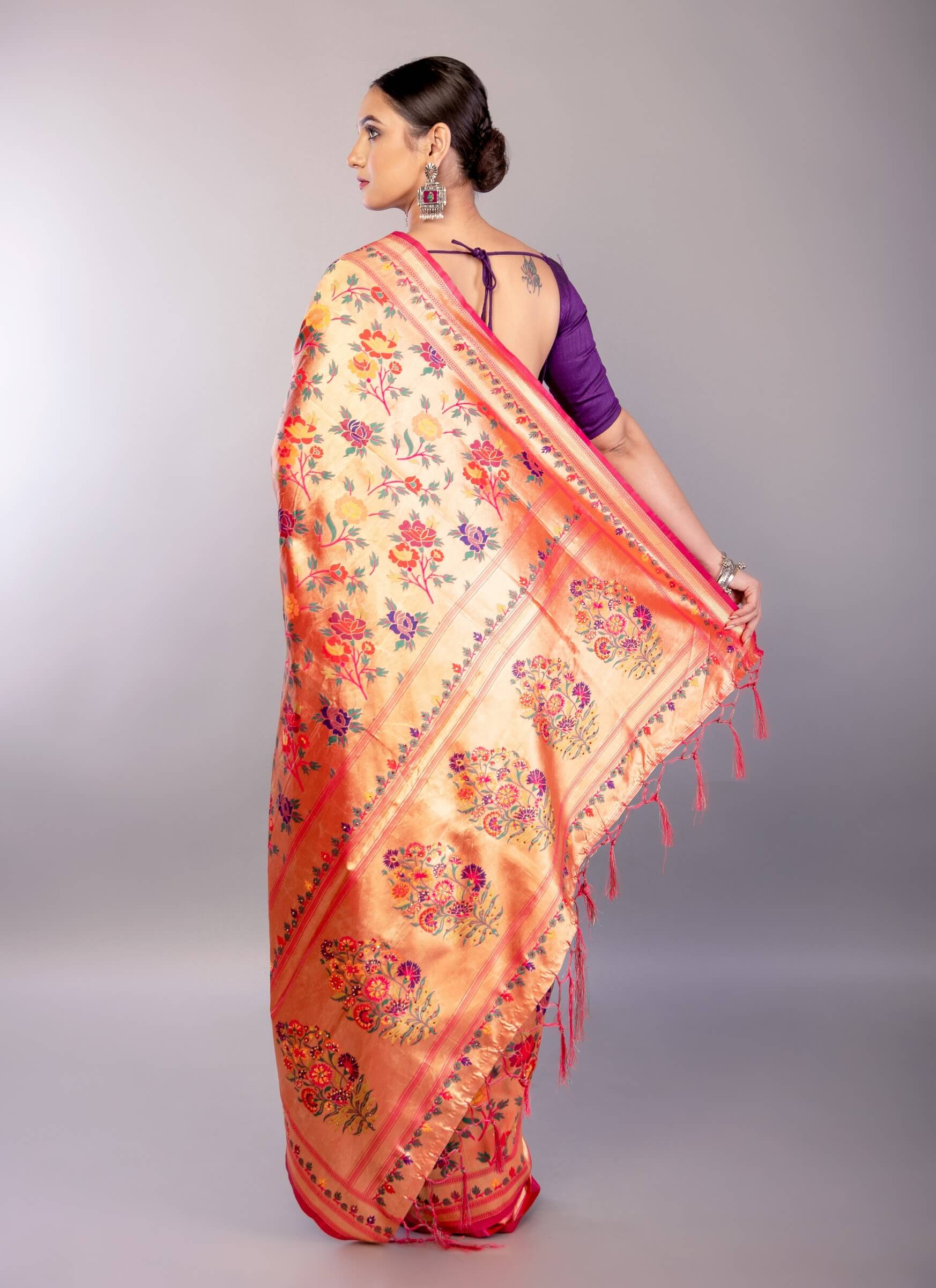


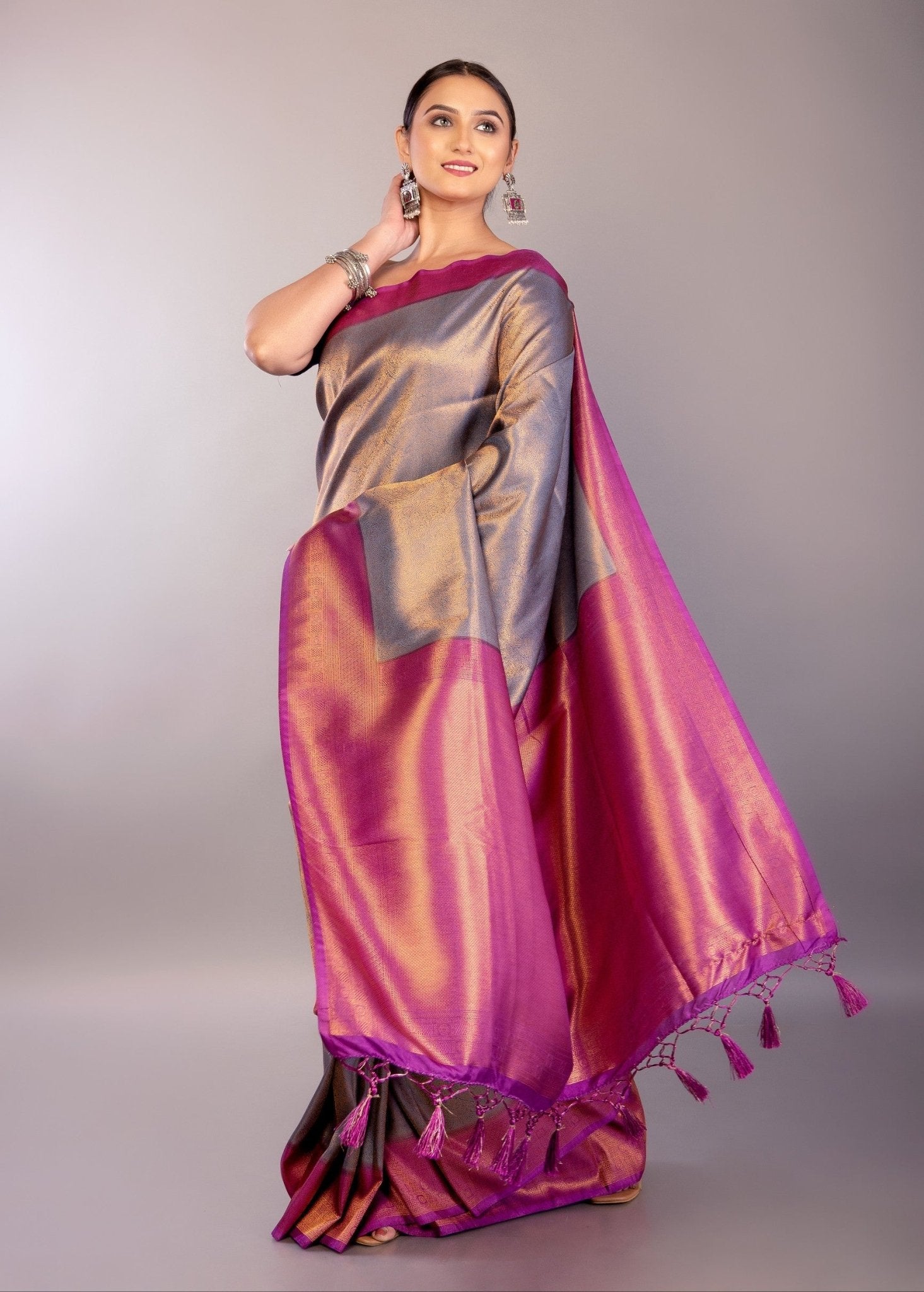
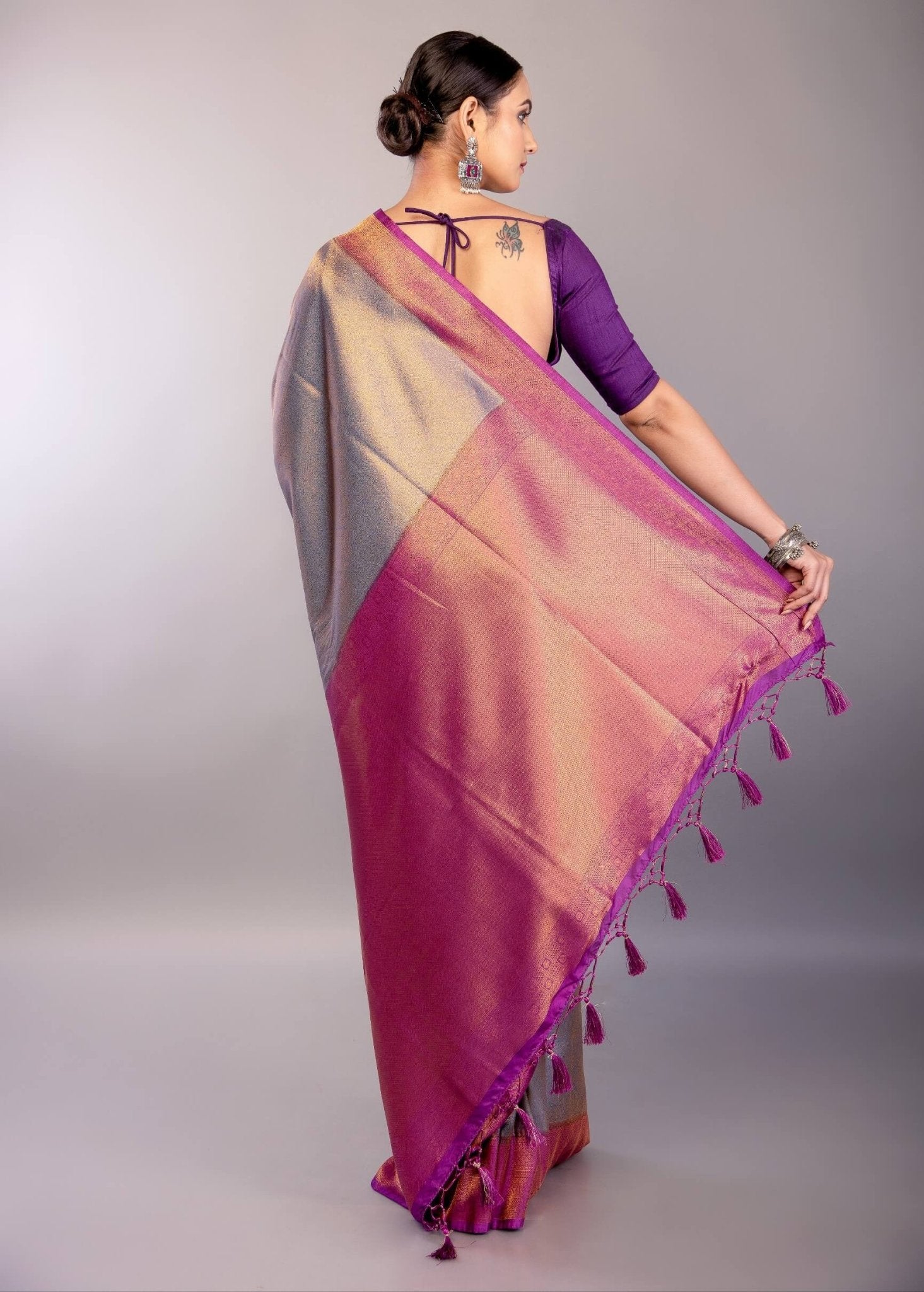
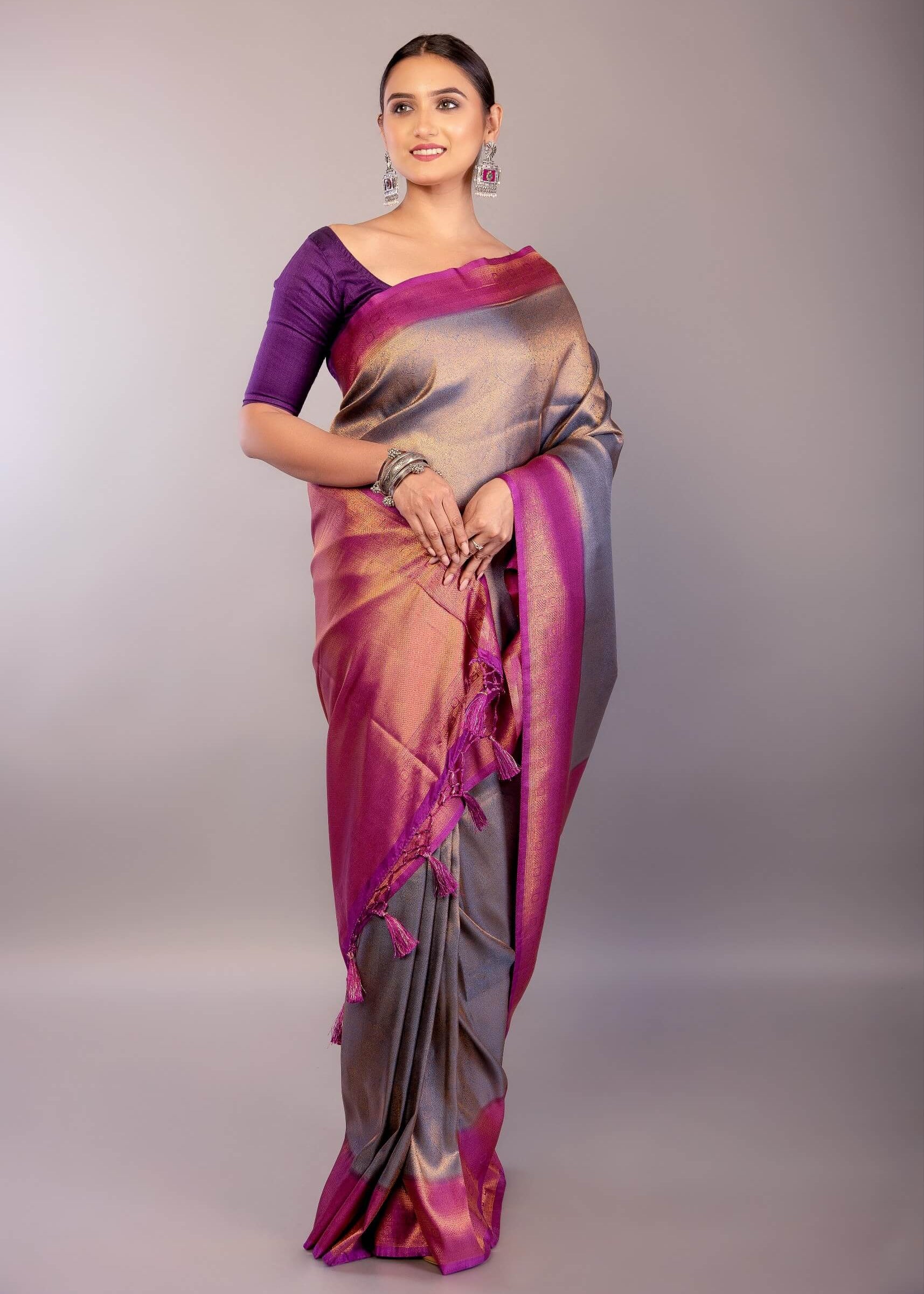
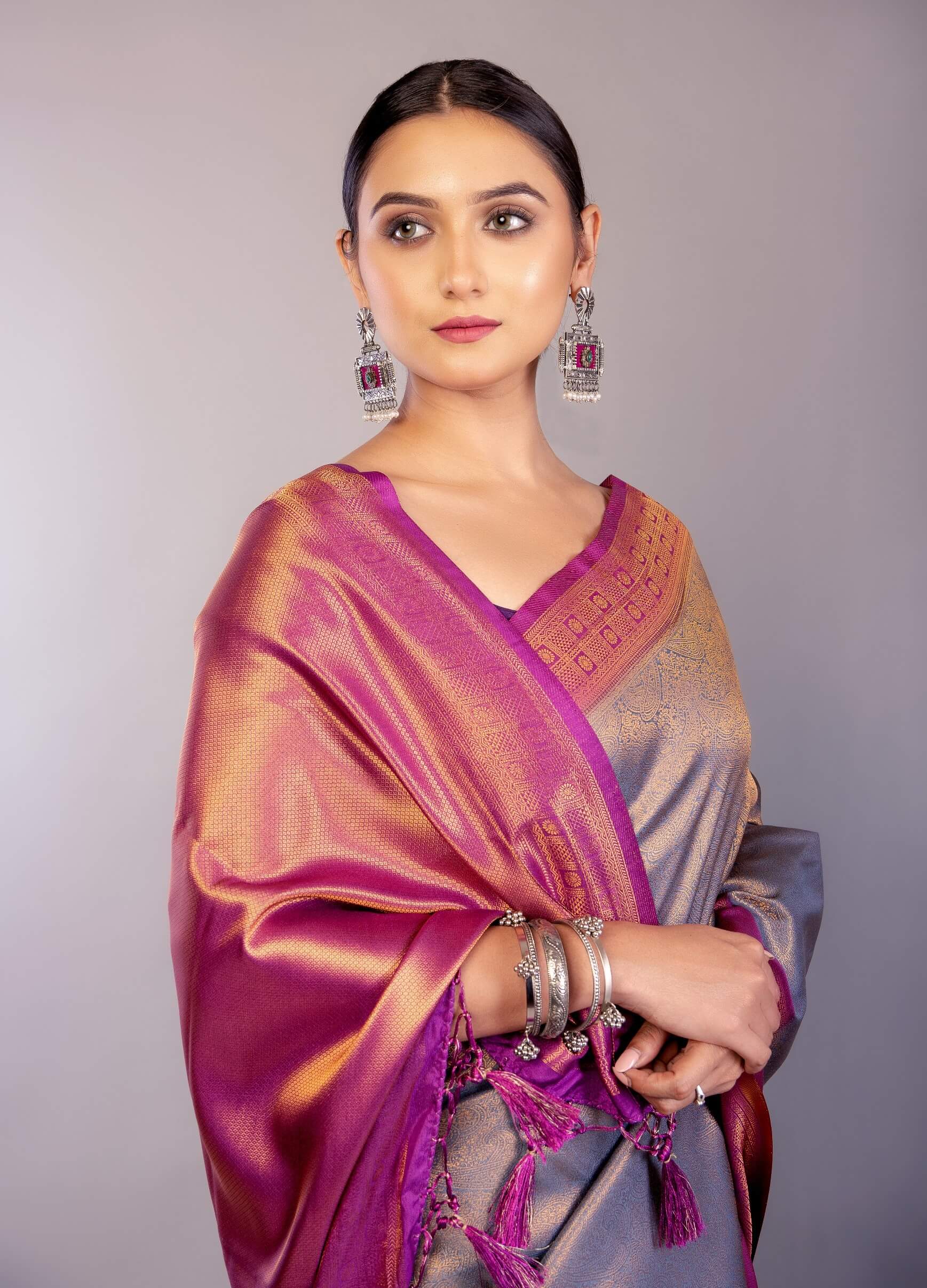
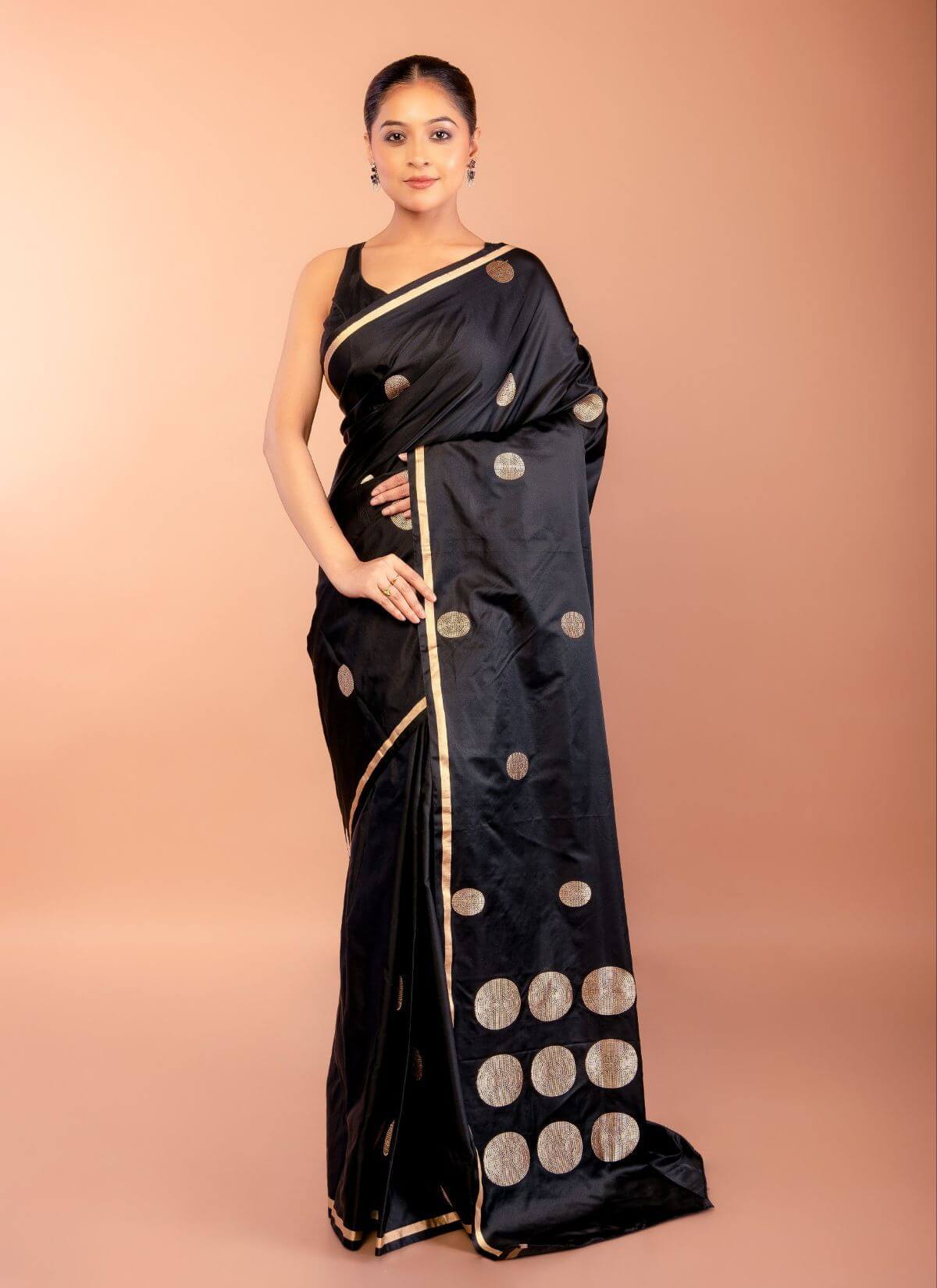
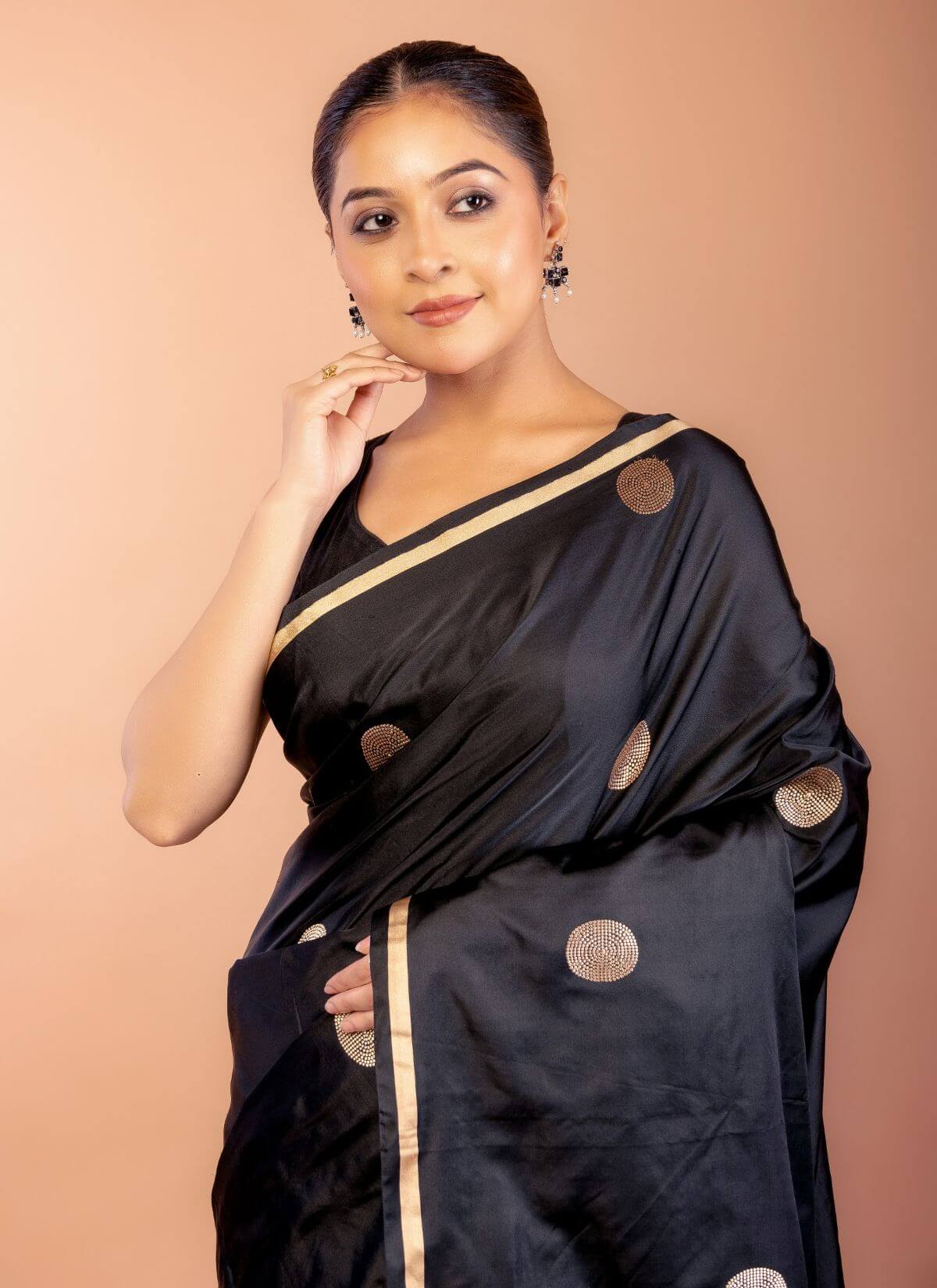
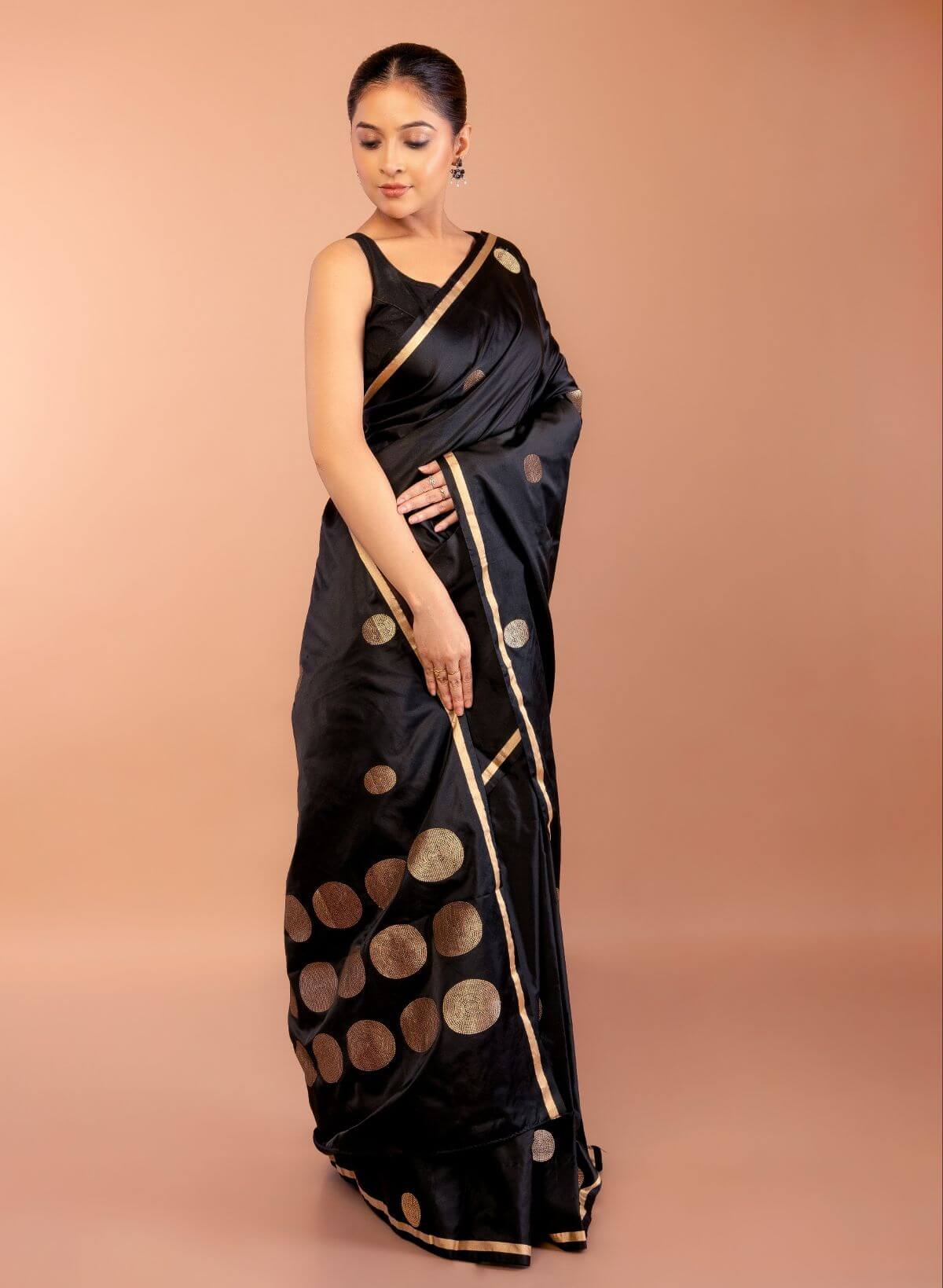
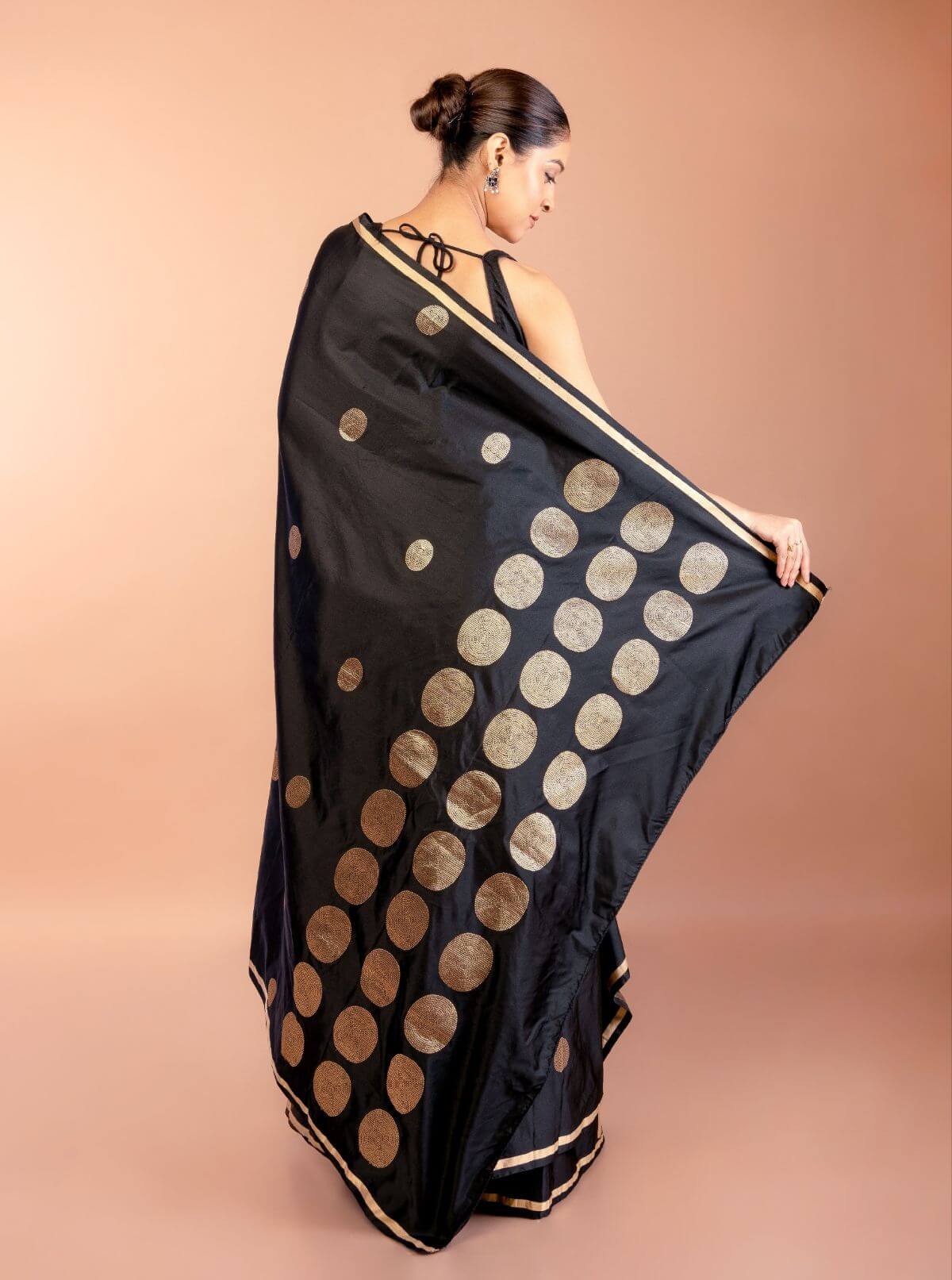
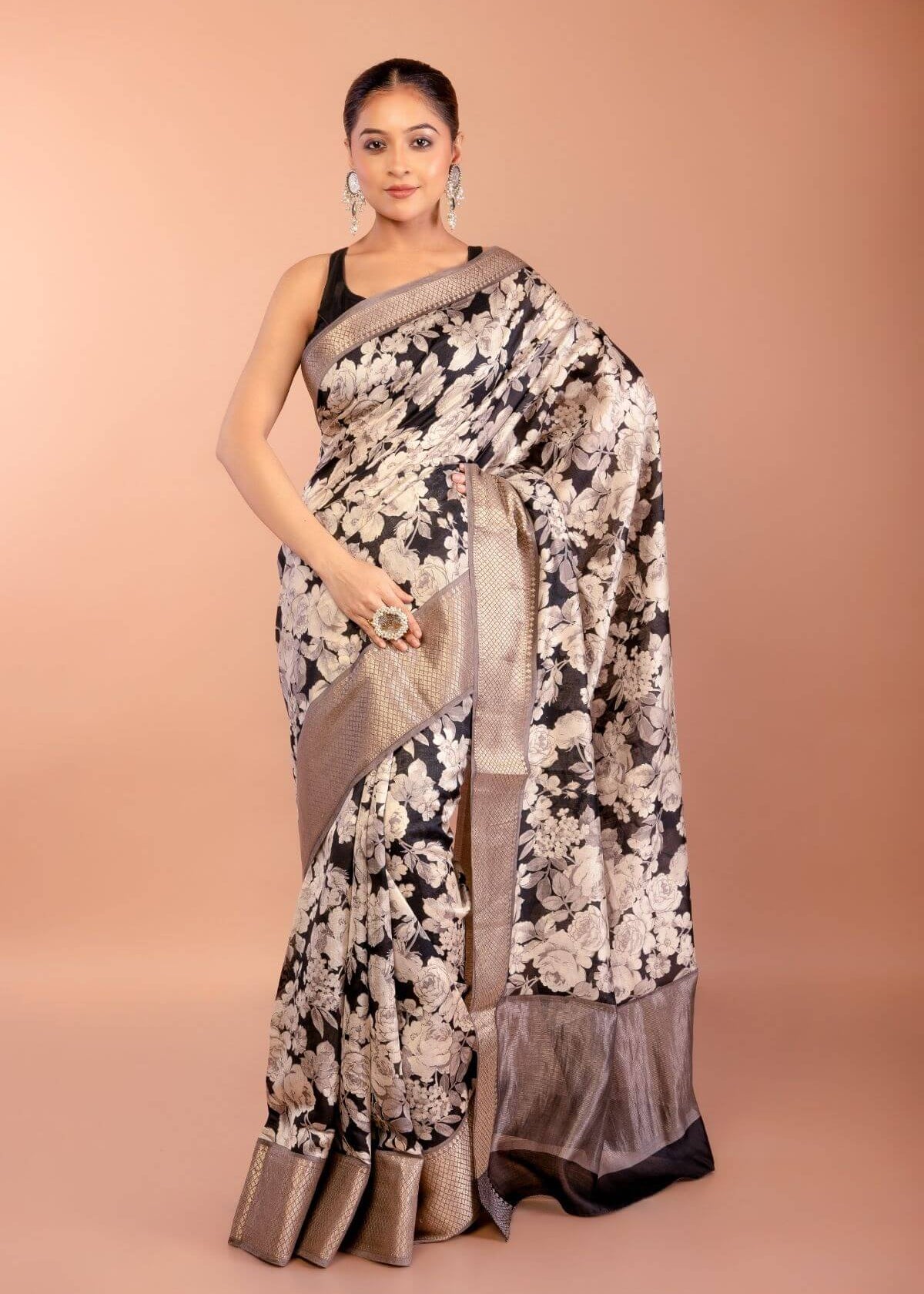
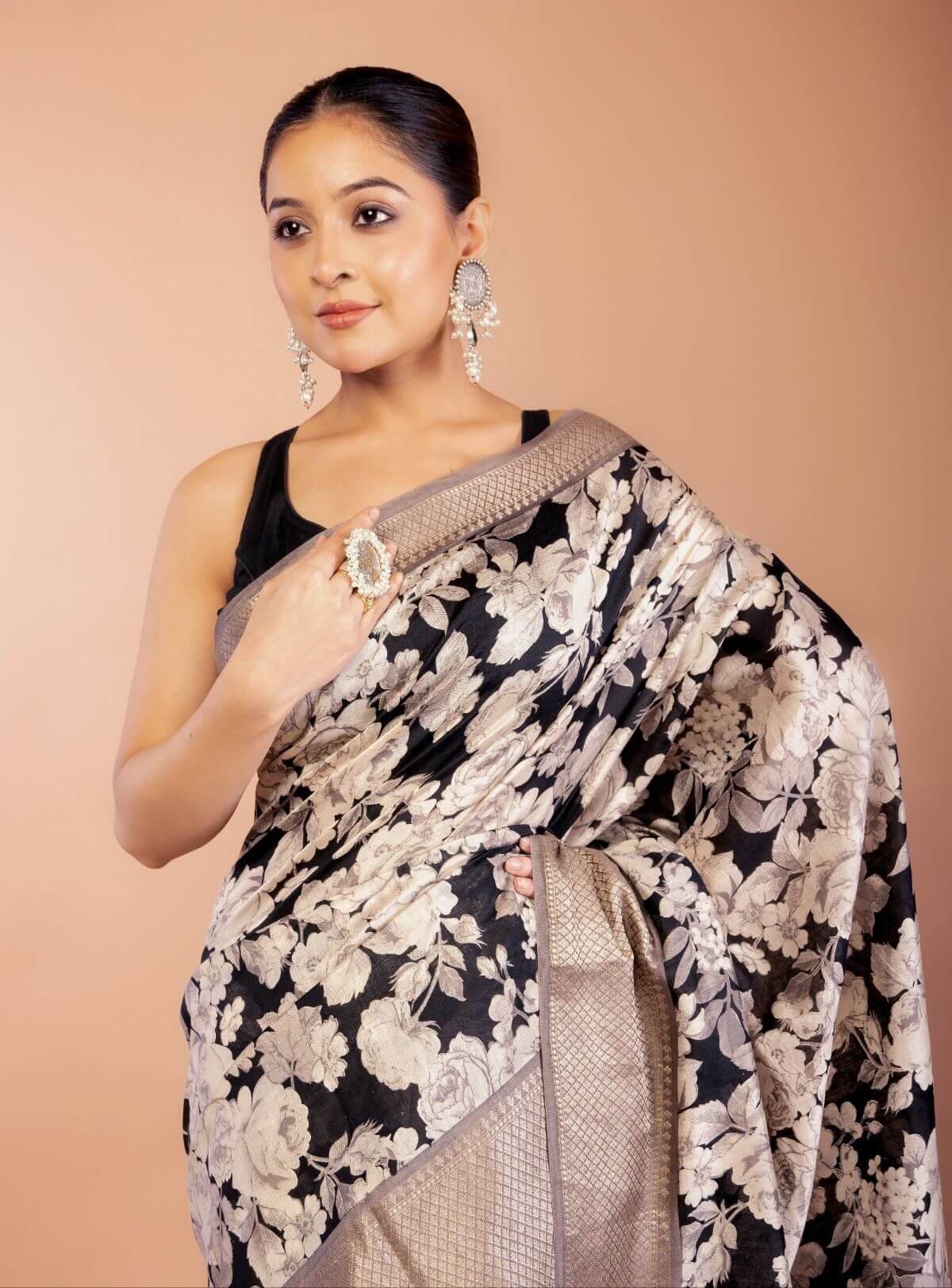
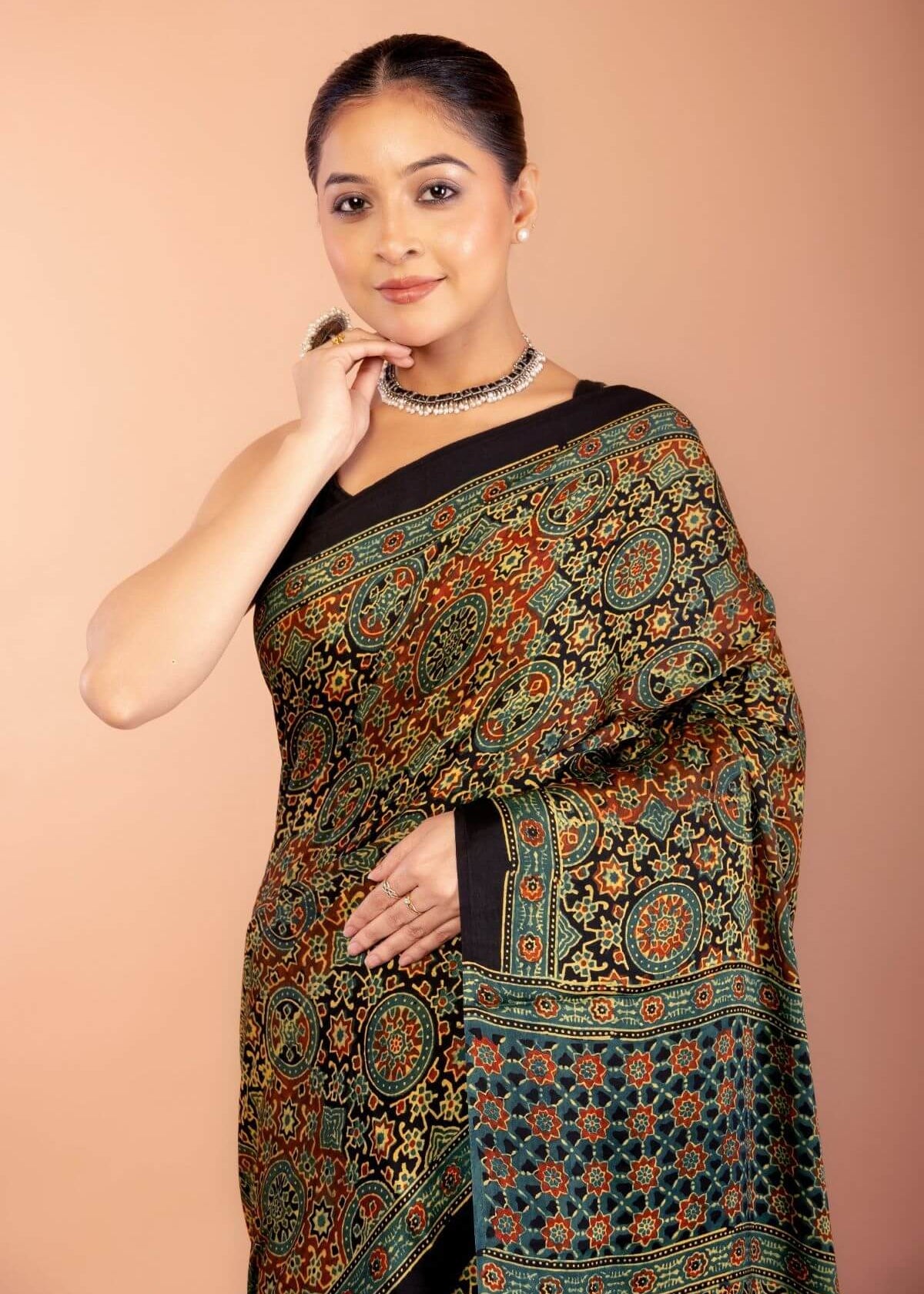
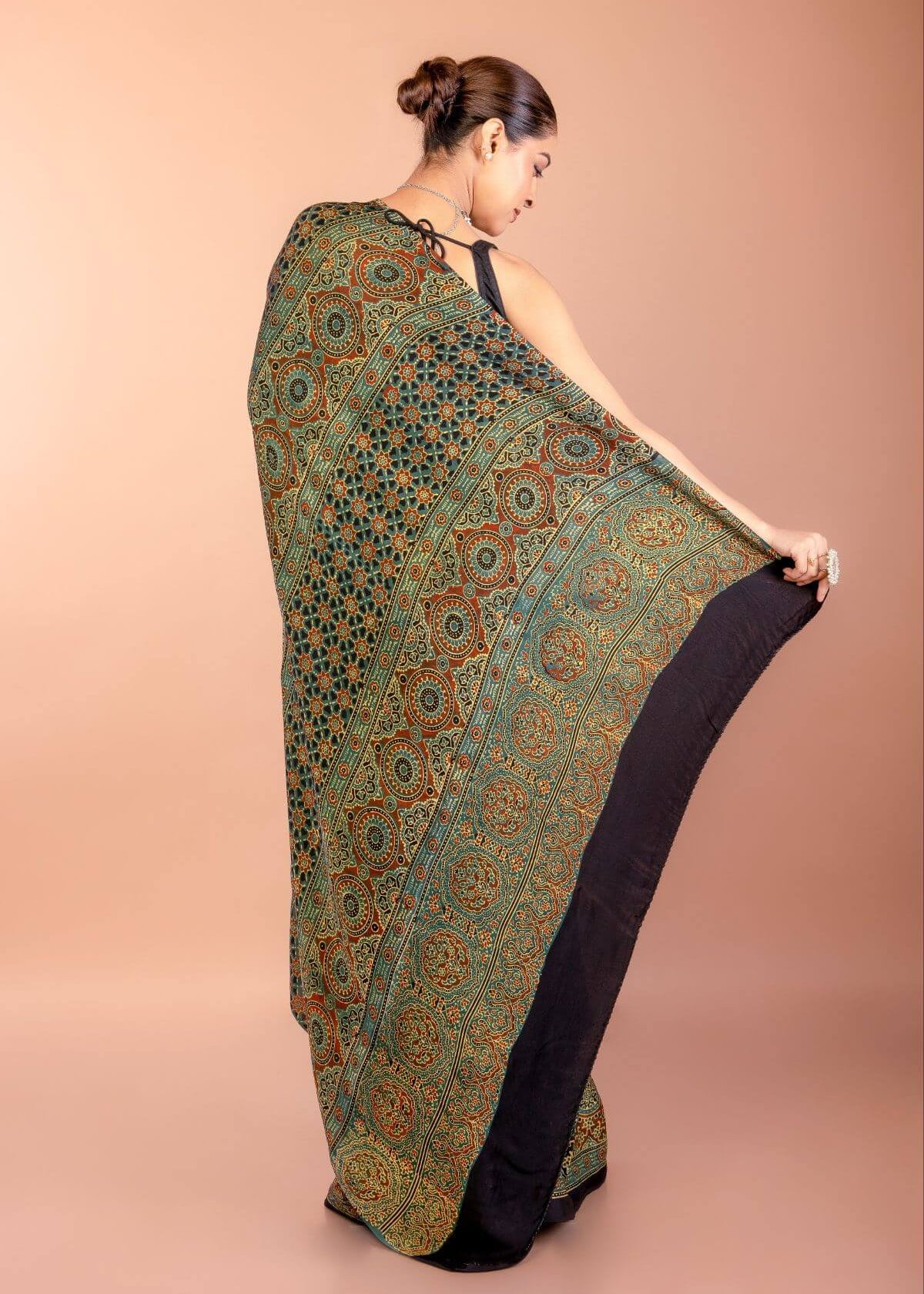
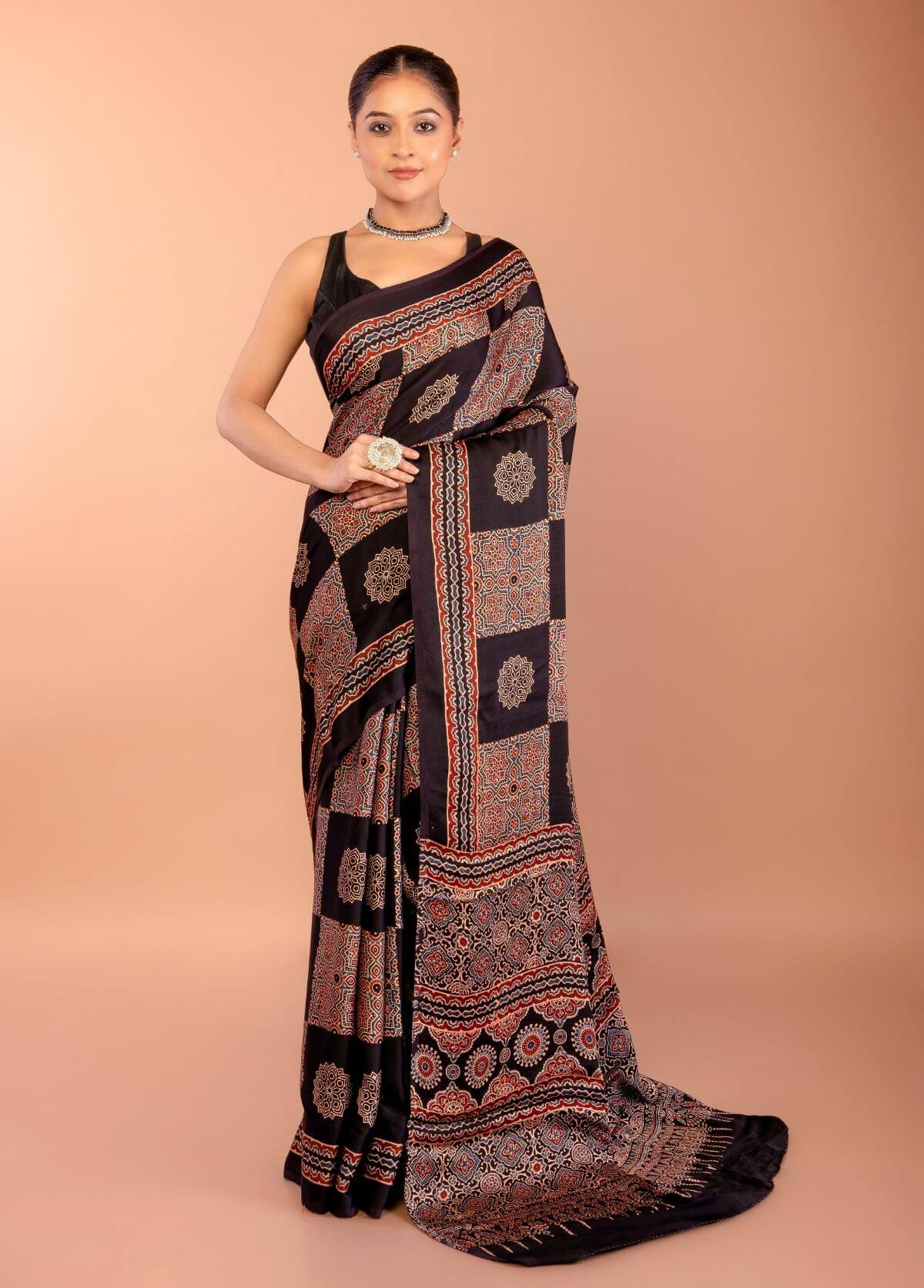
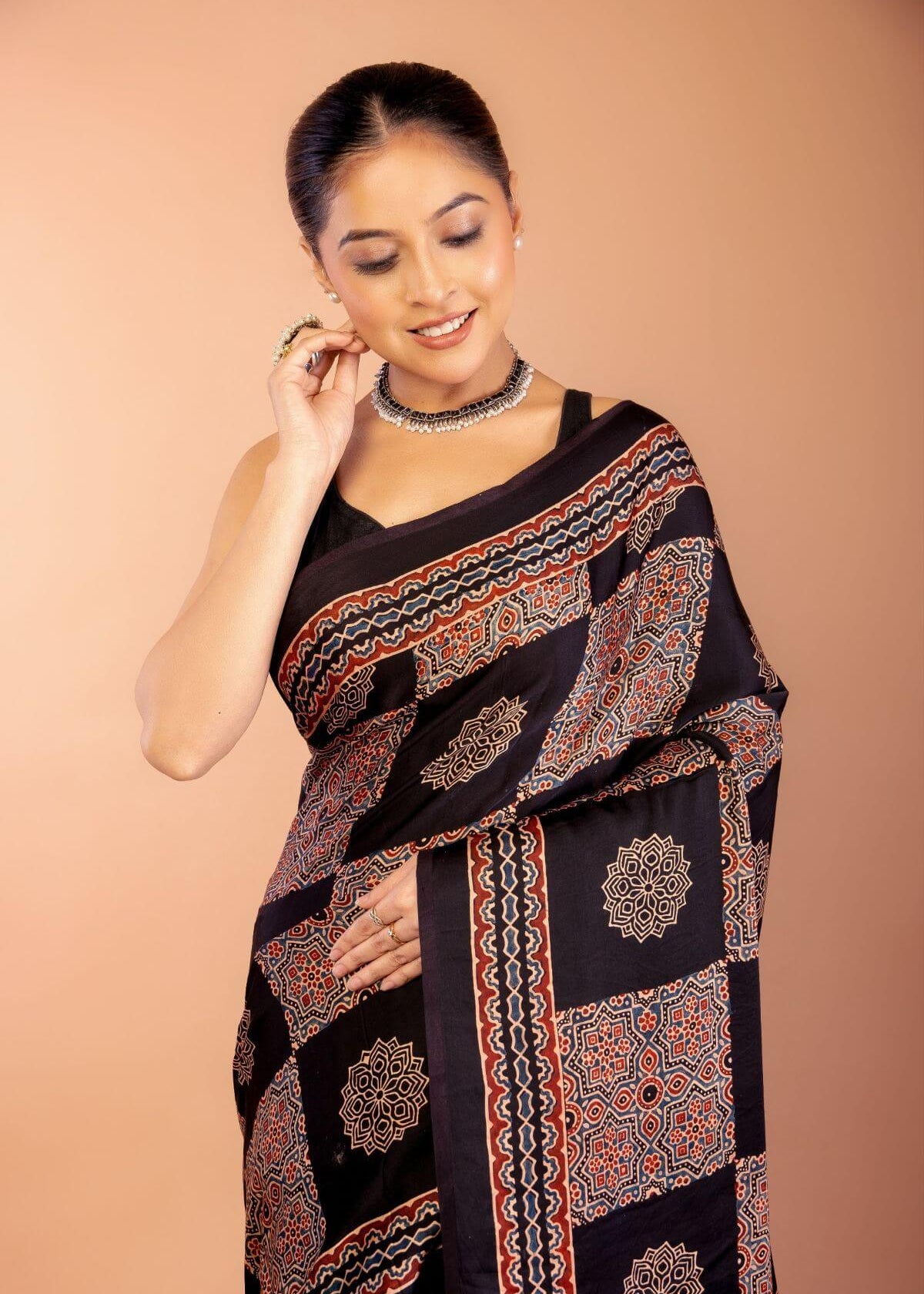
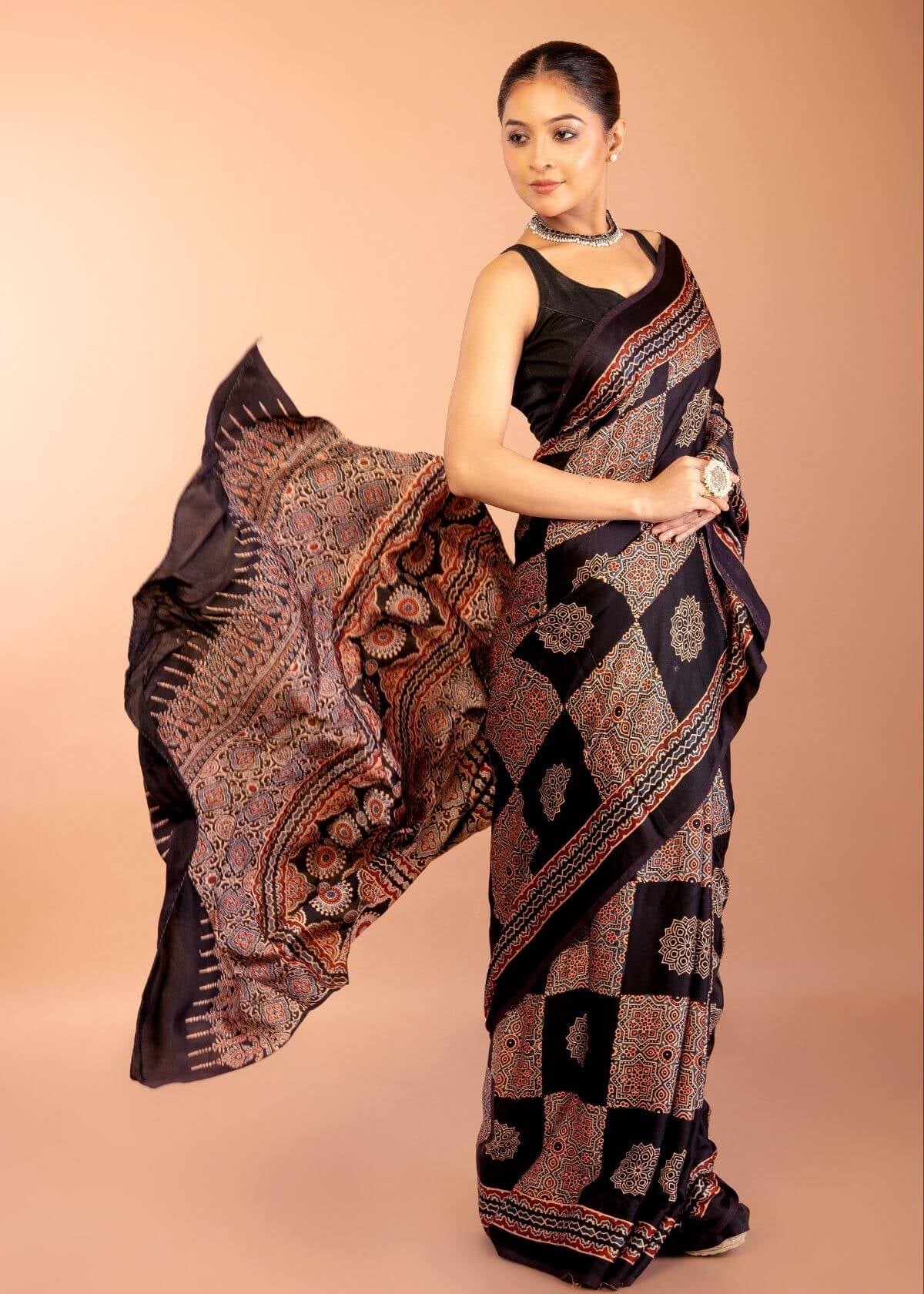
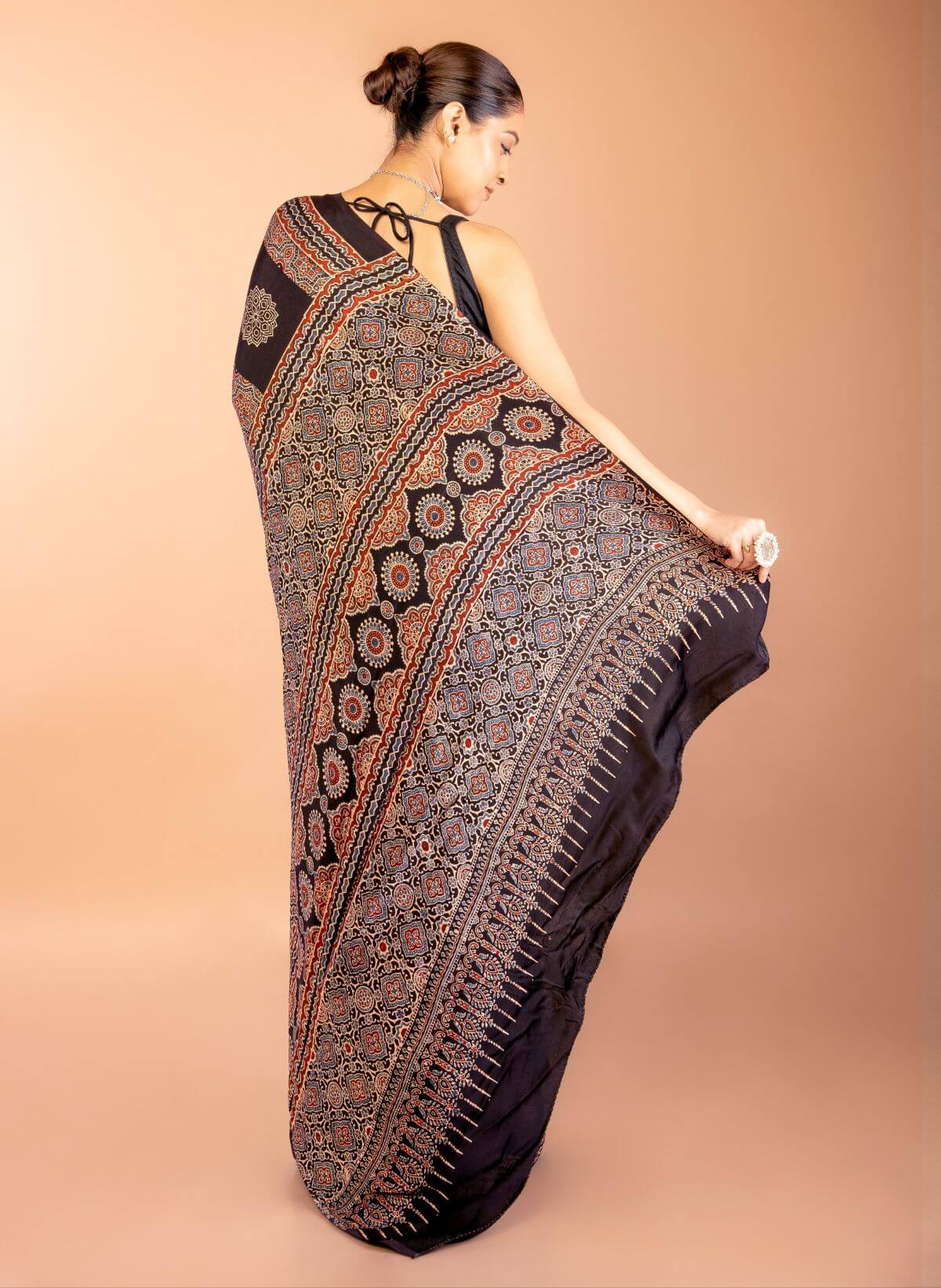
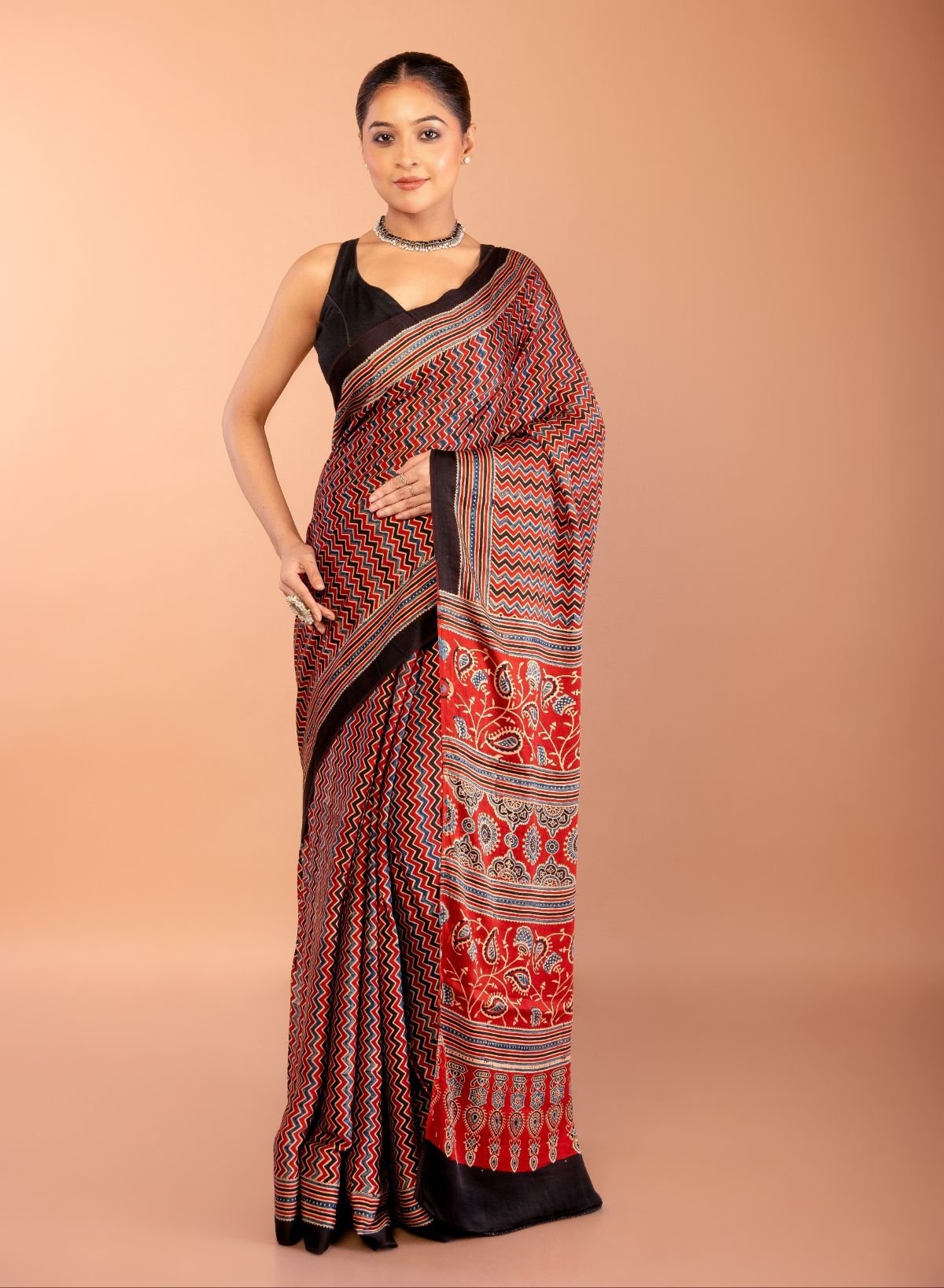
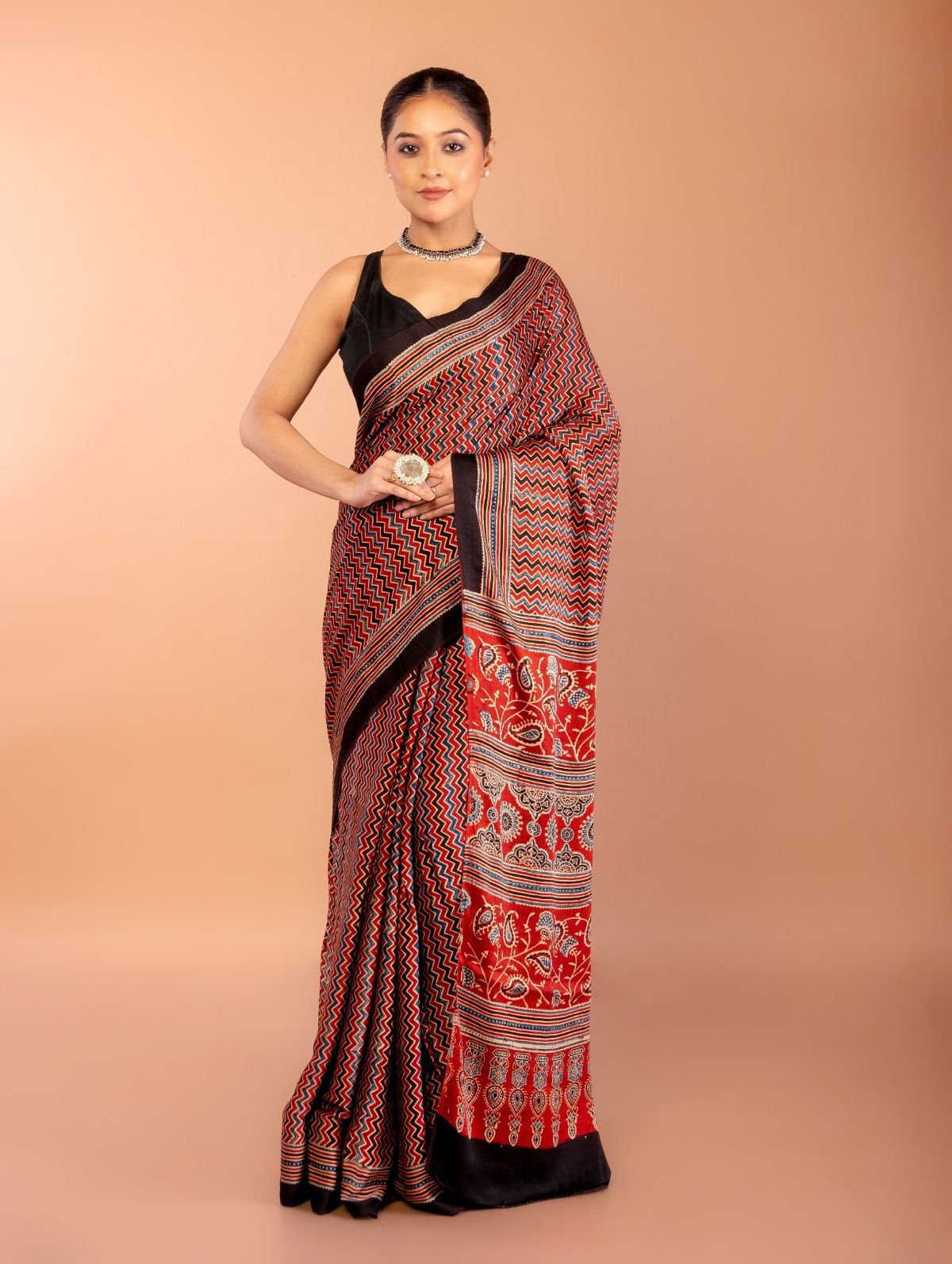
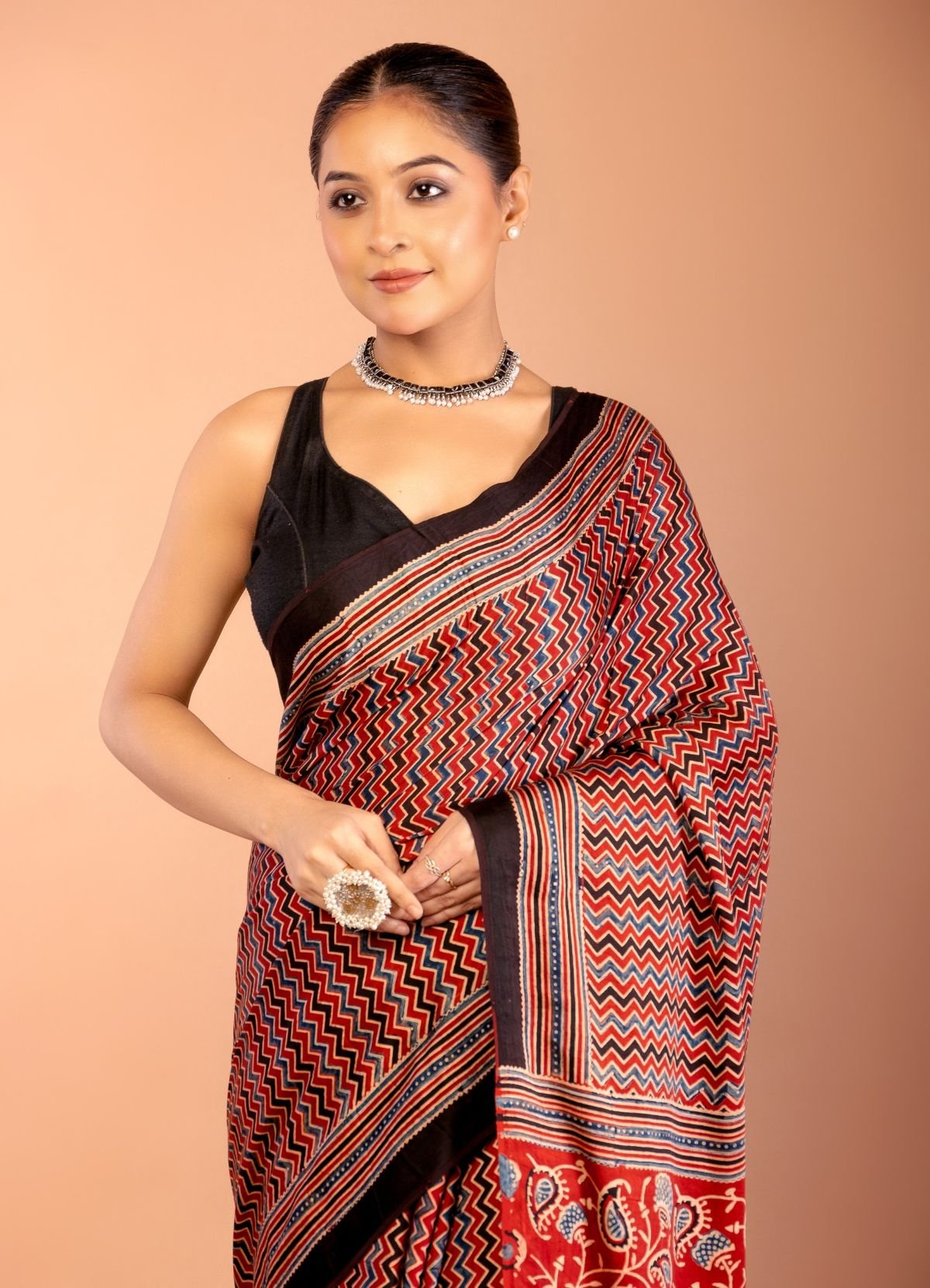
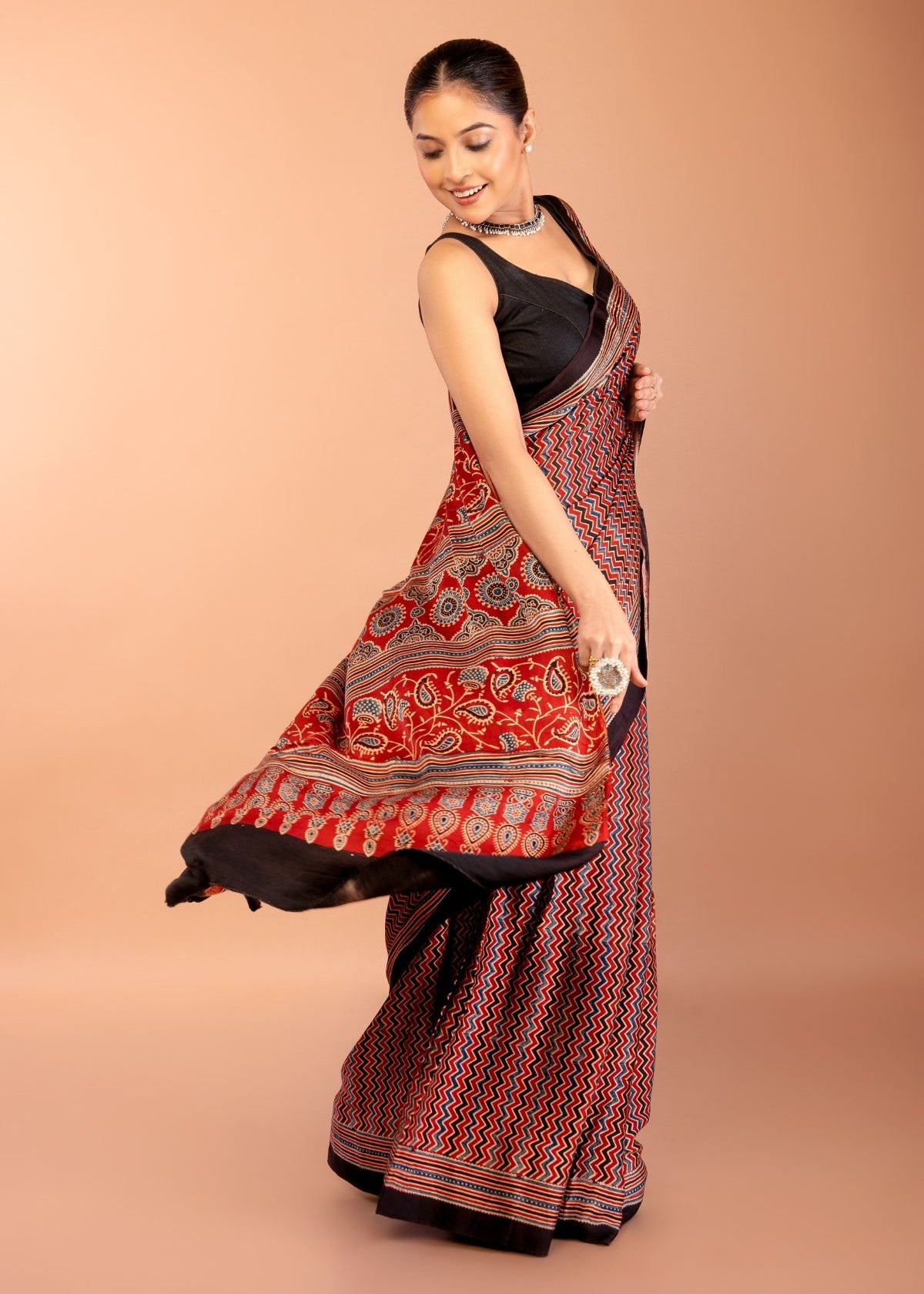
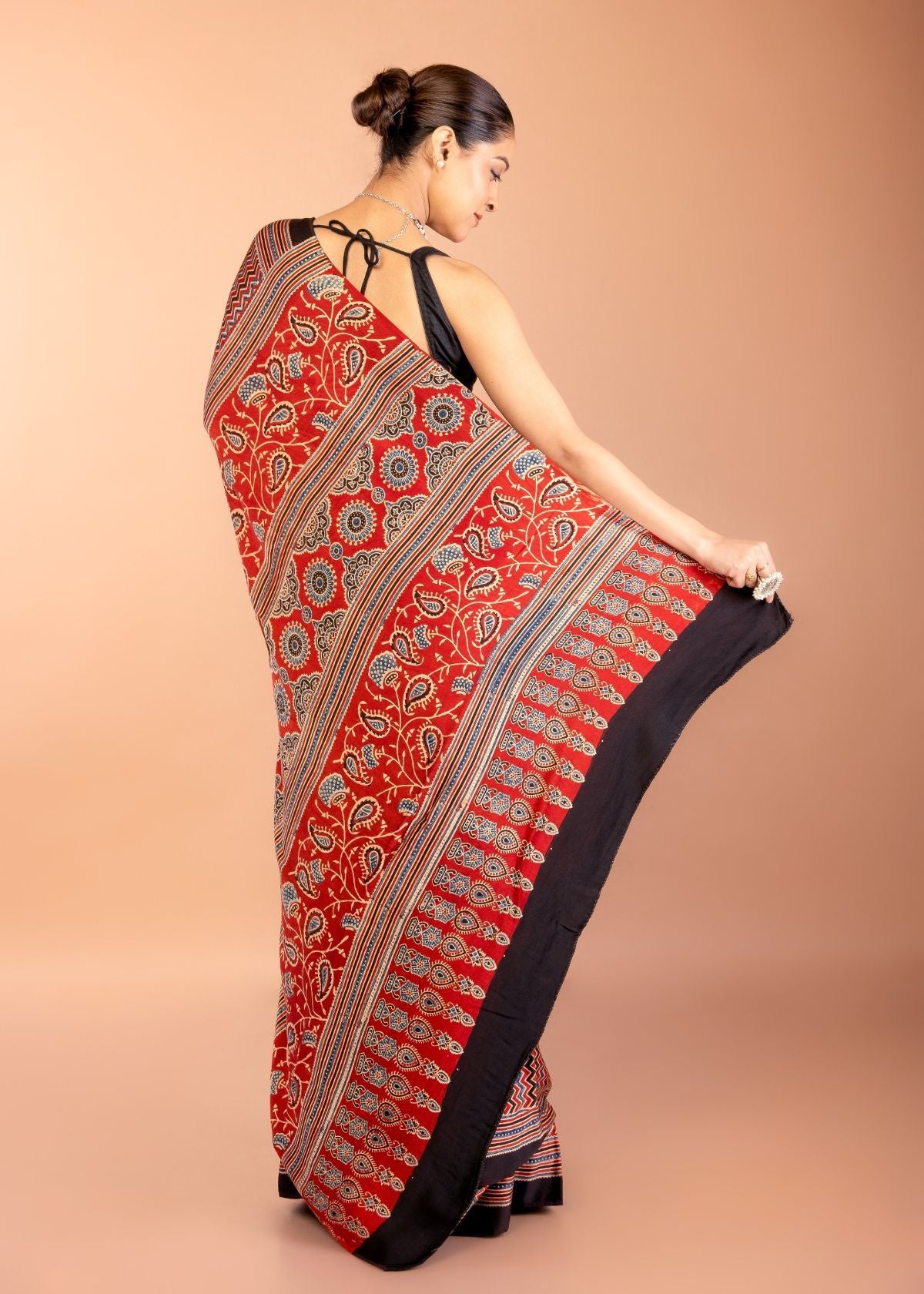
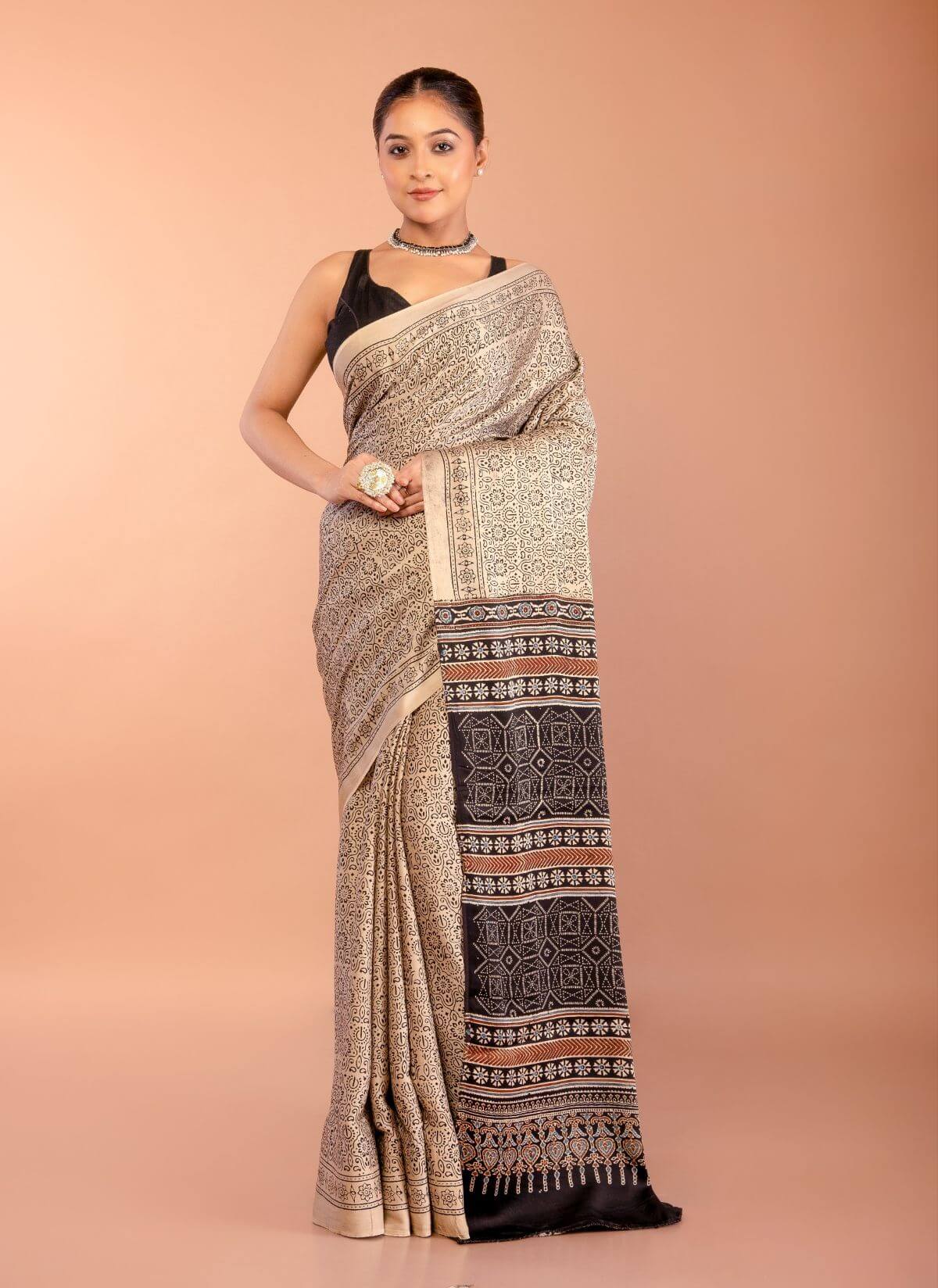
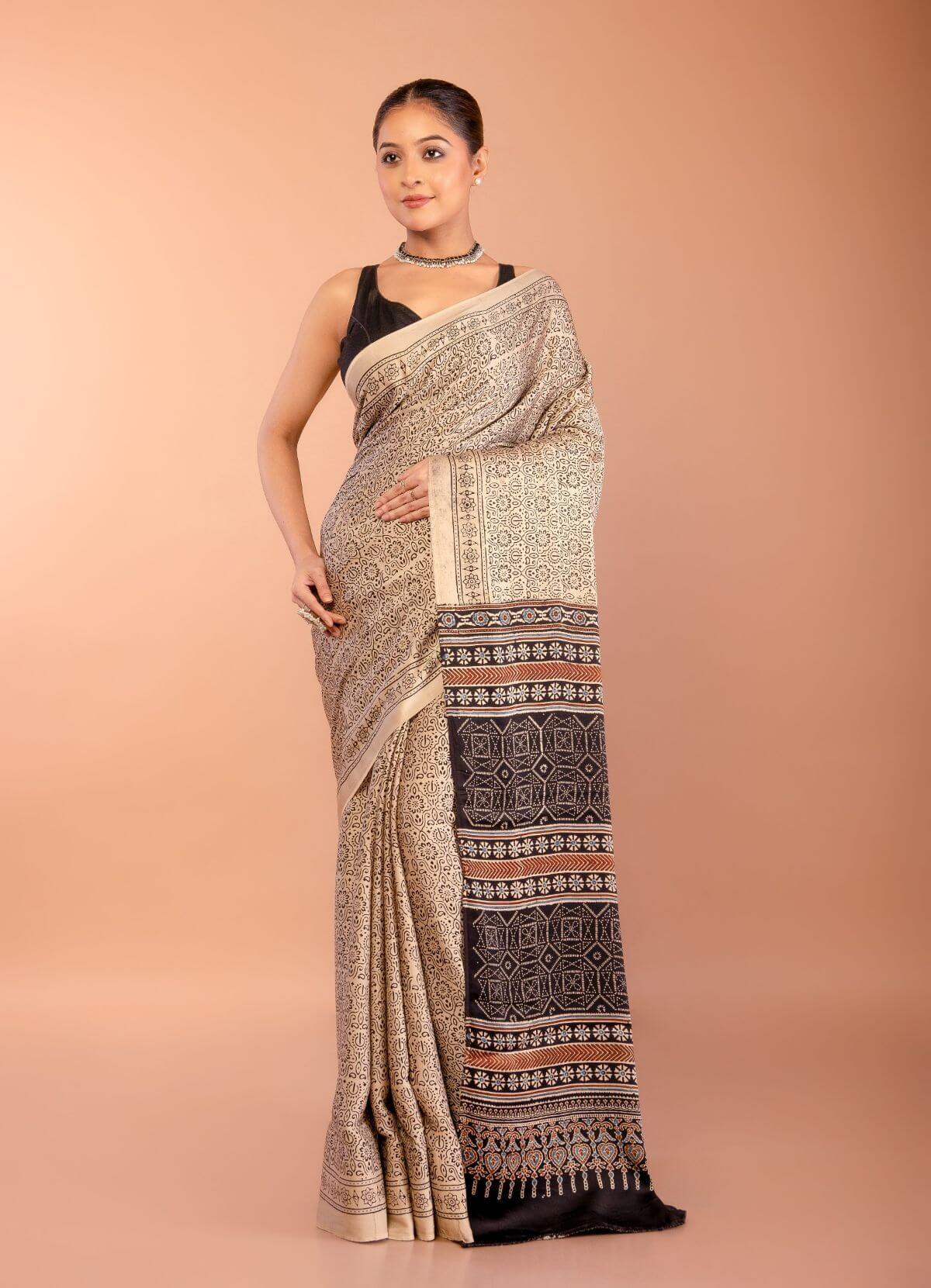
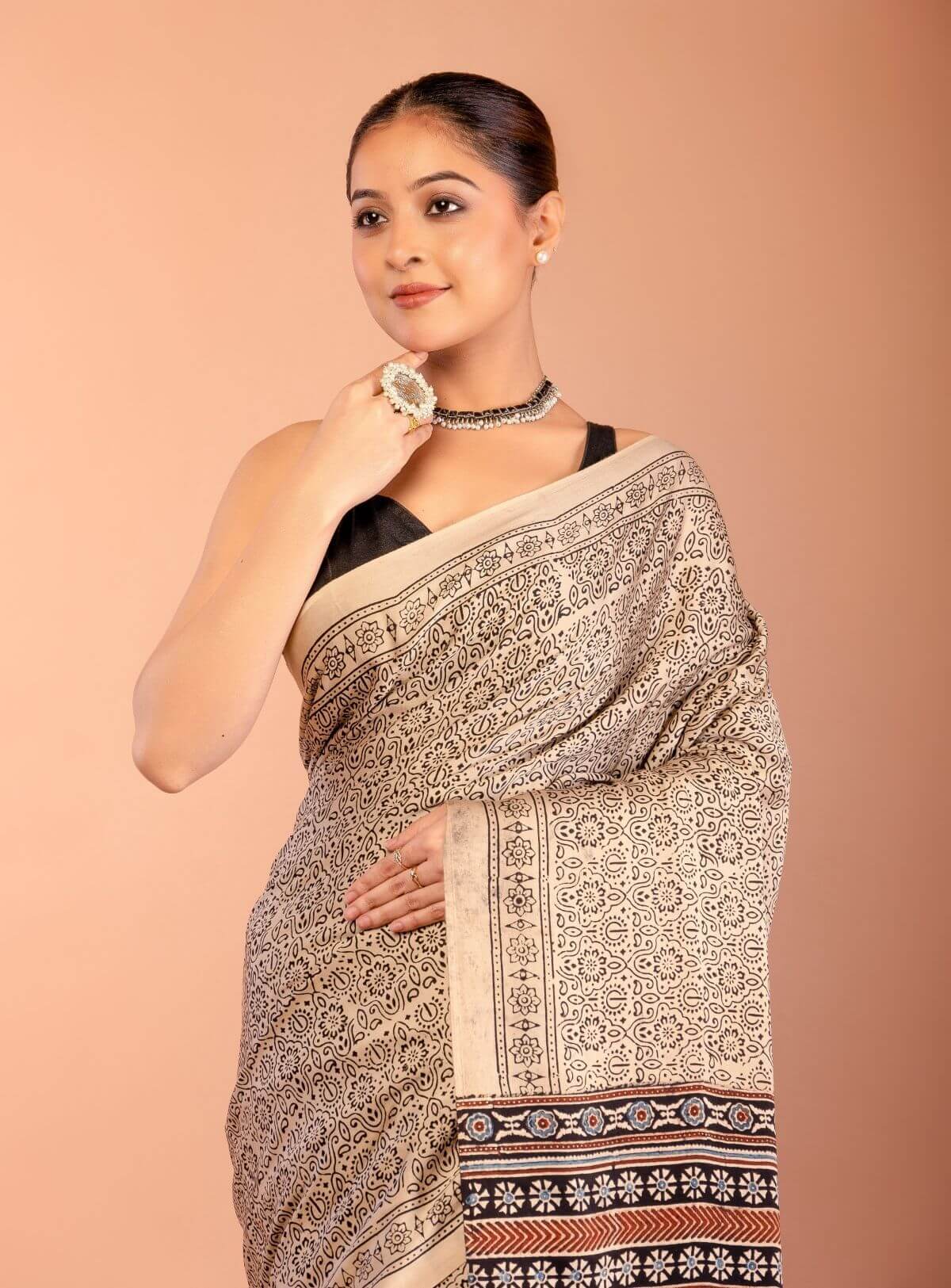
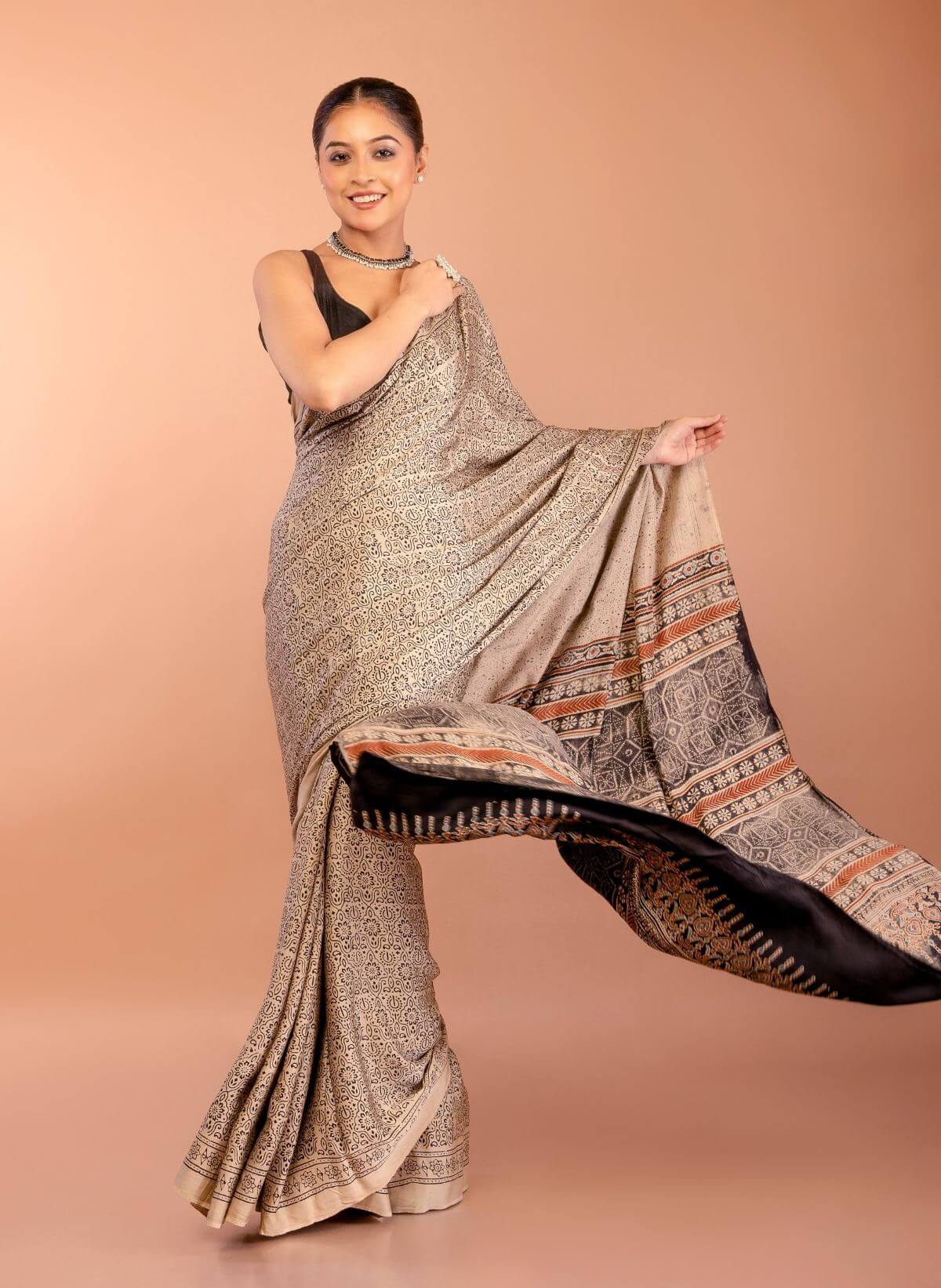
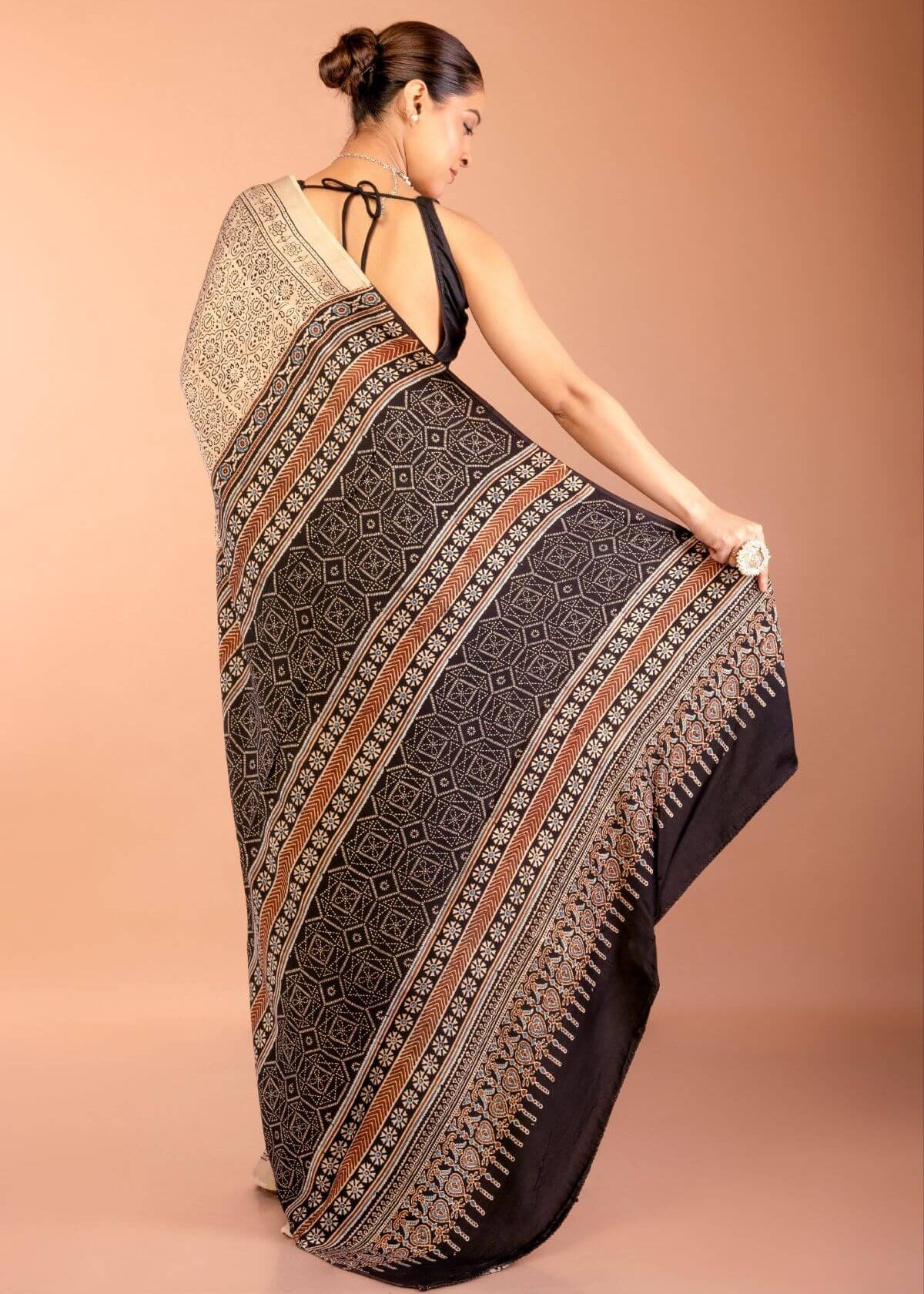
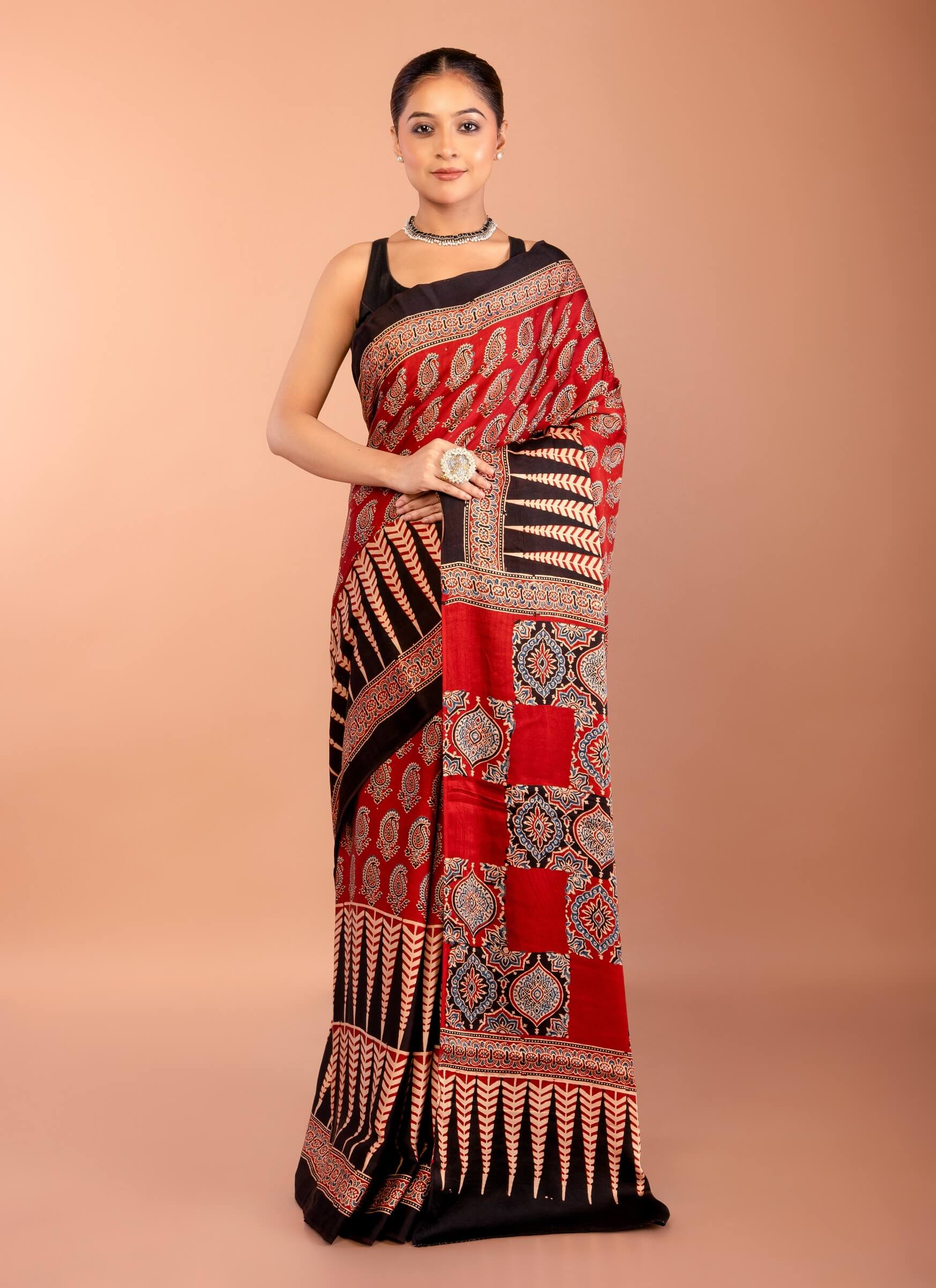
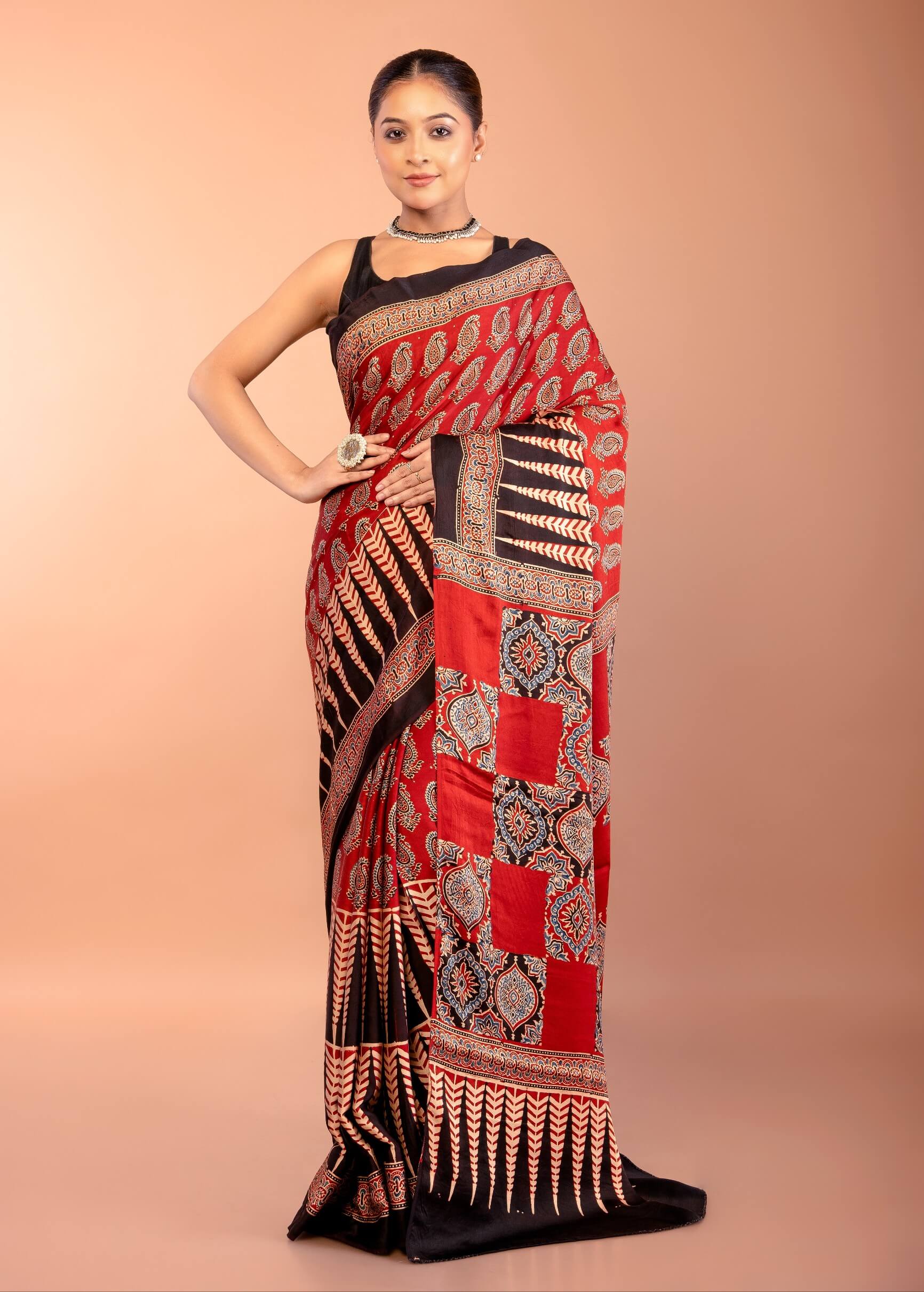
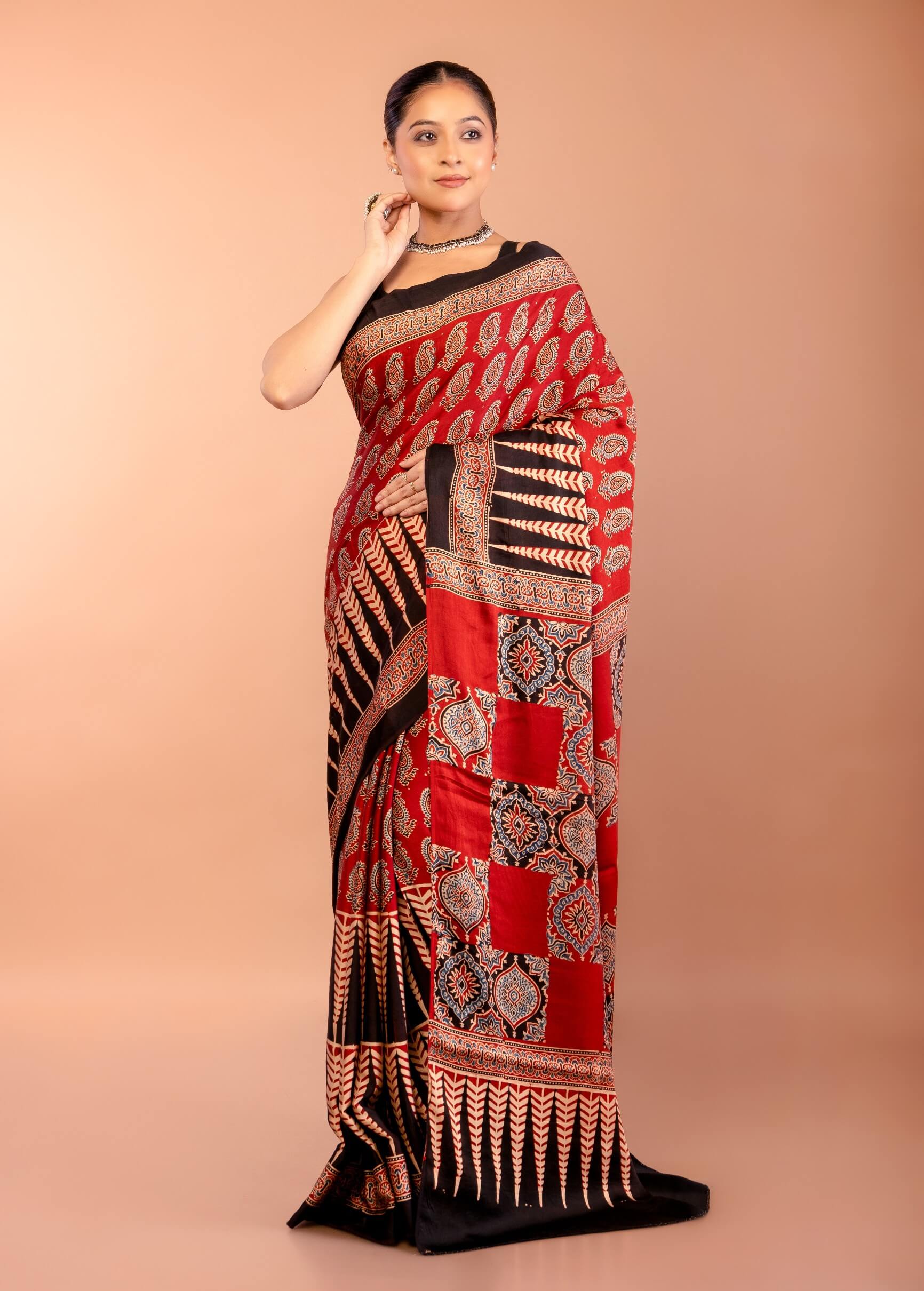
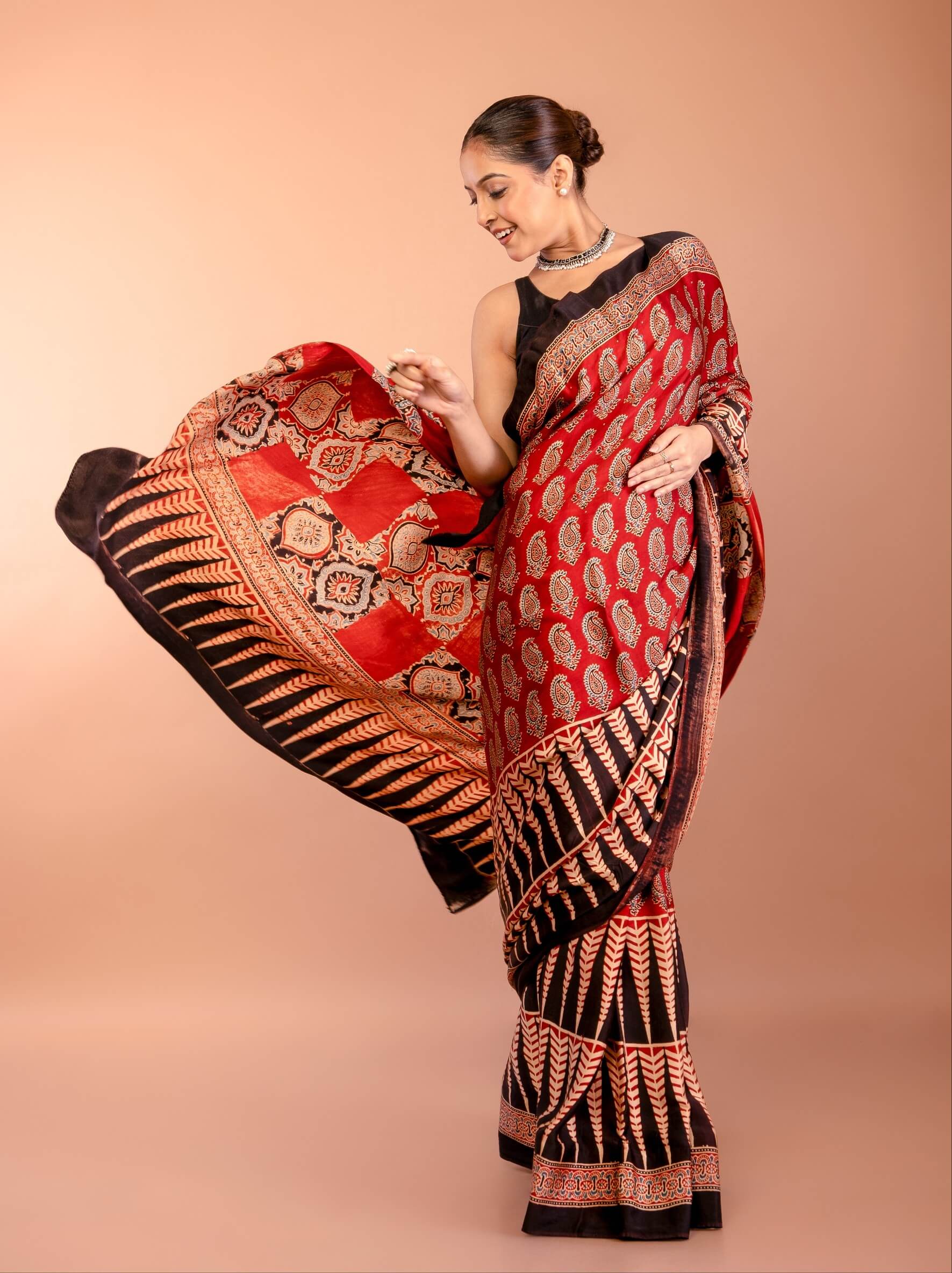
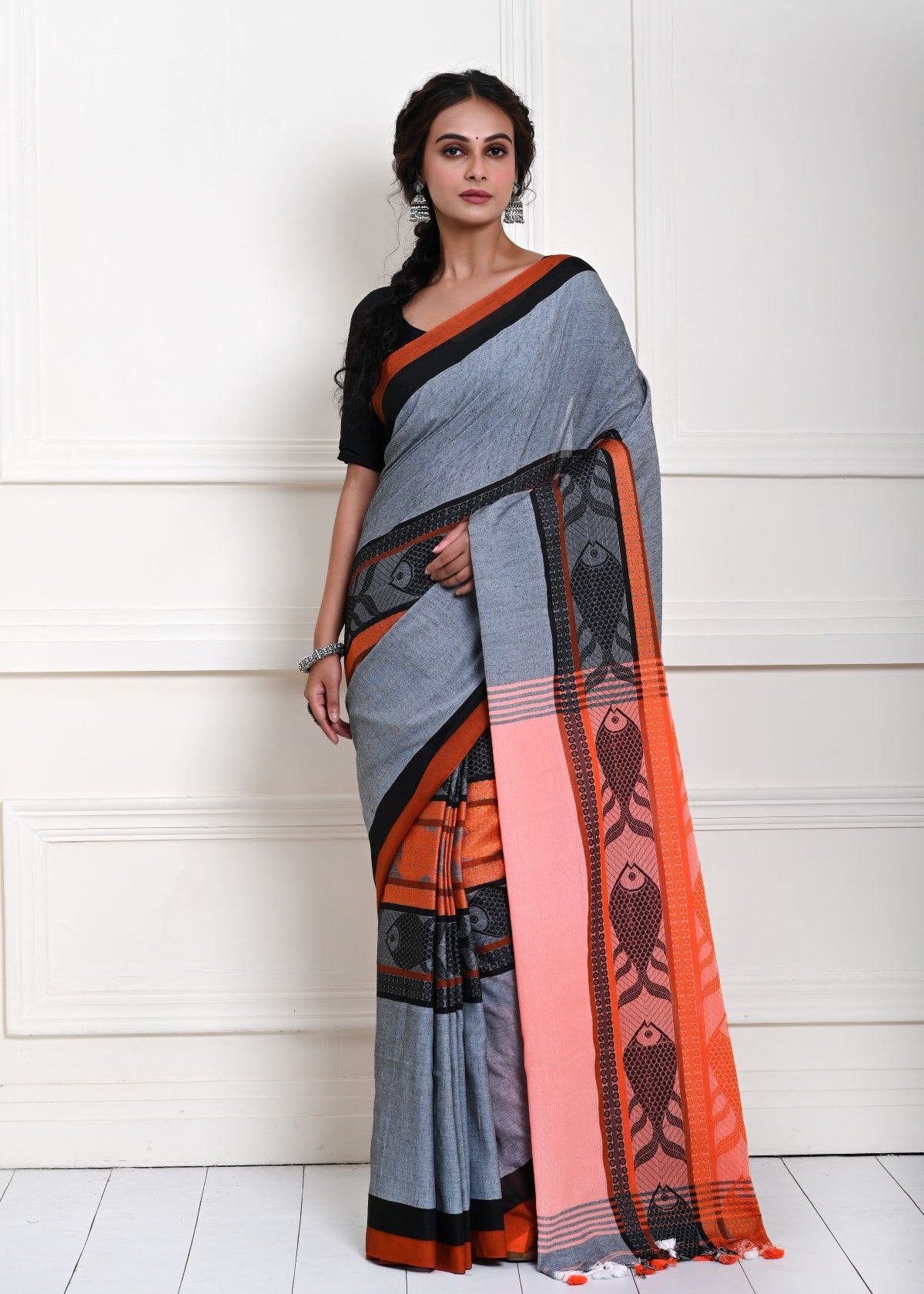
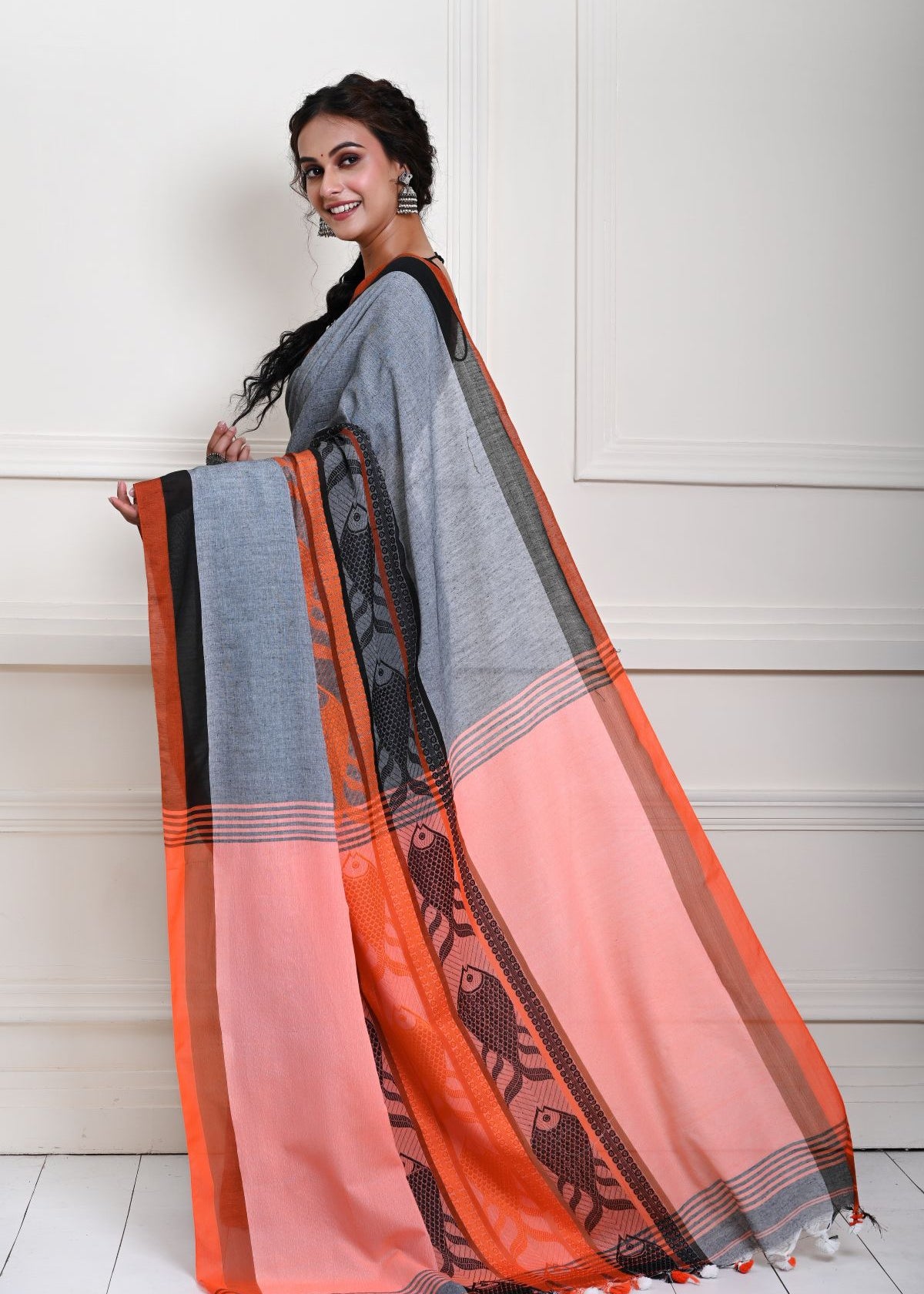
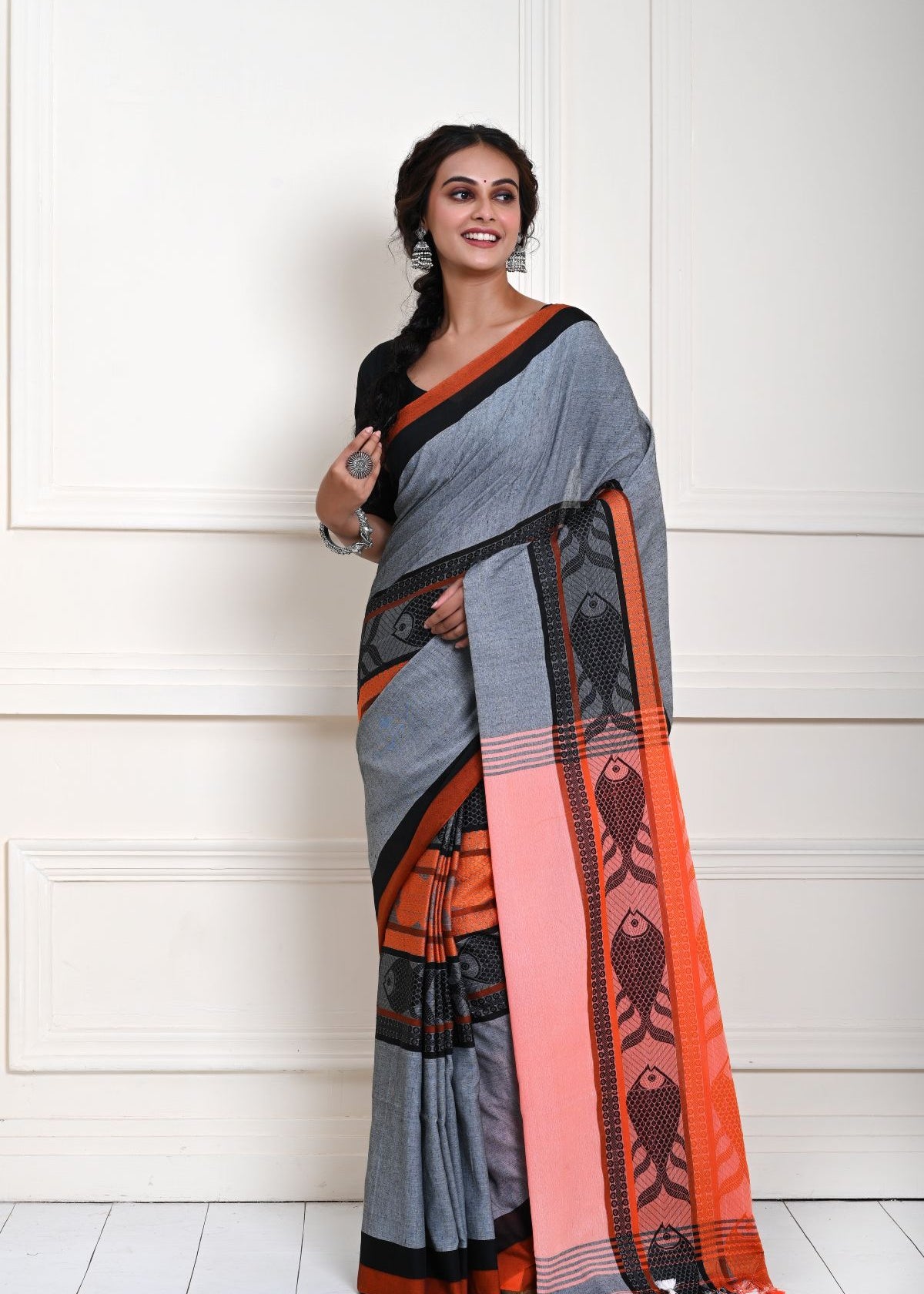
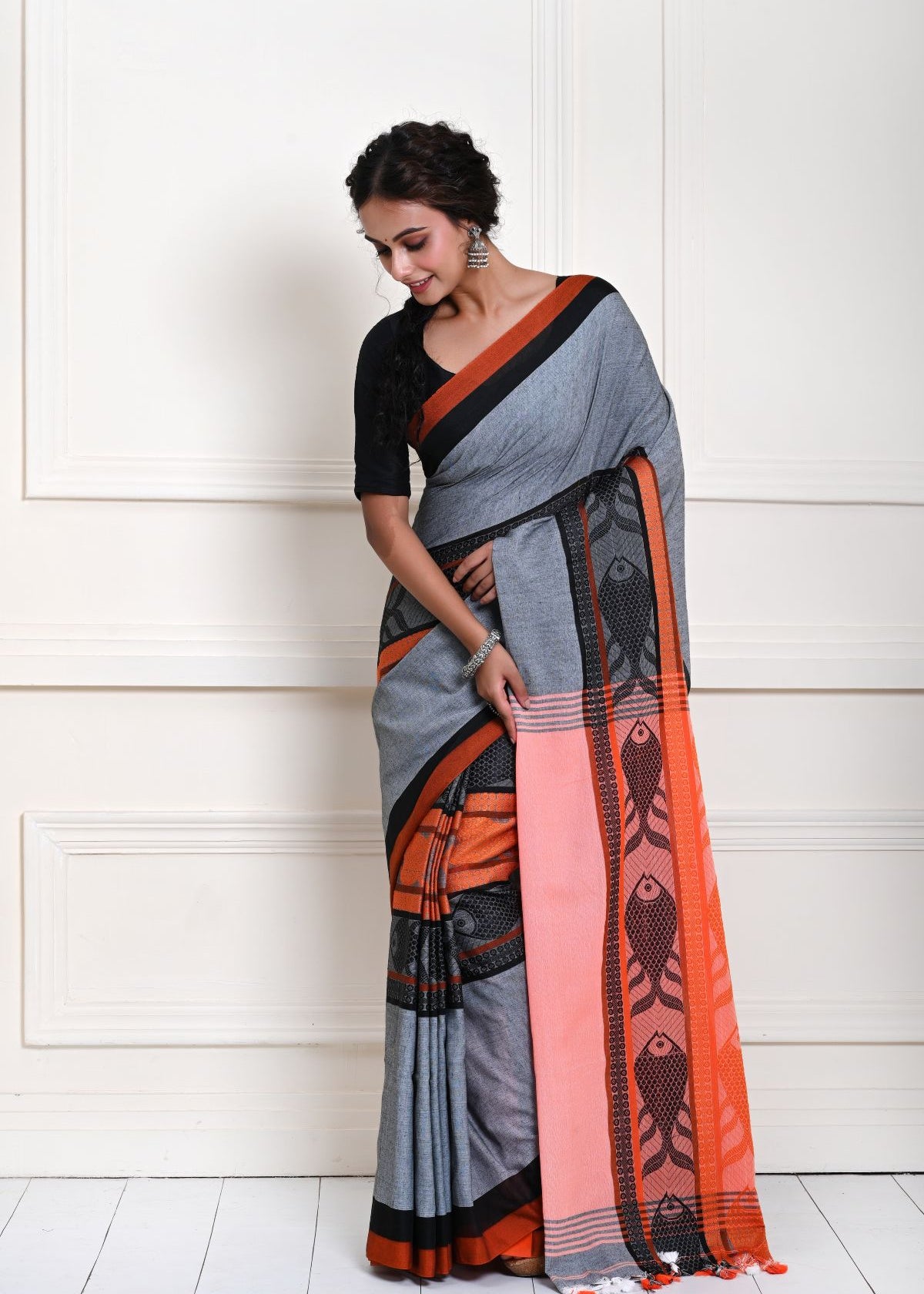
Trending Classic Sarees for Women Online
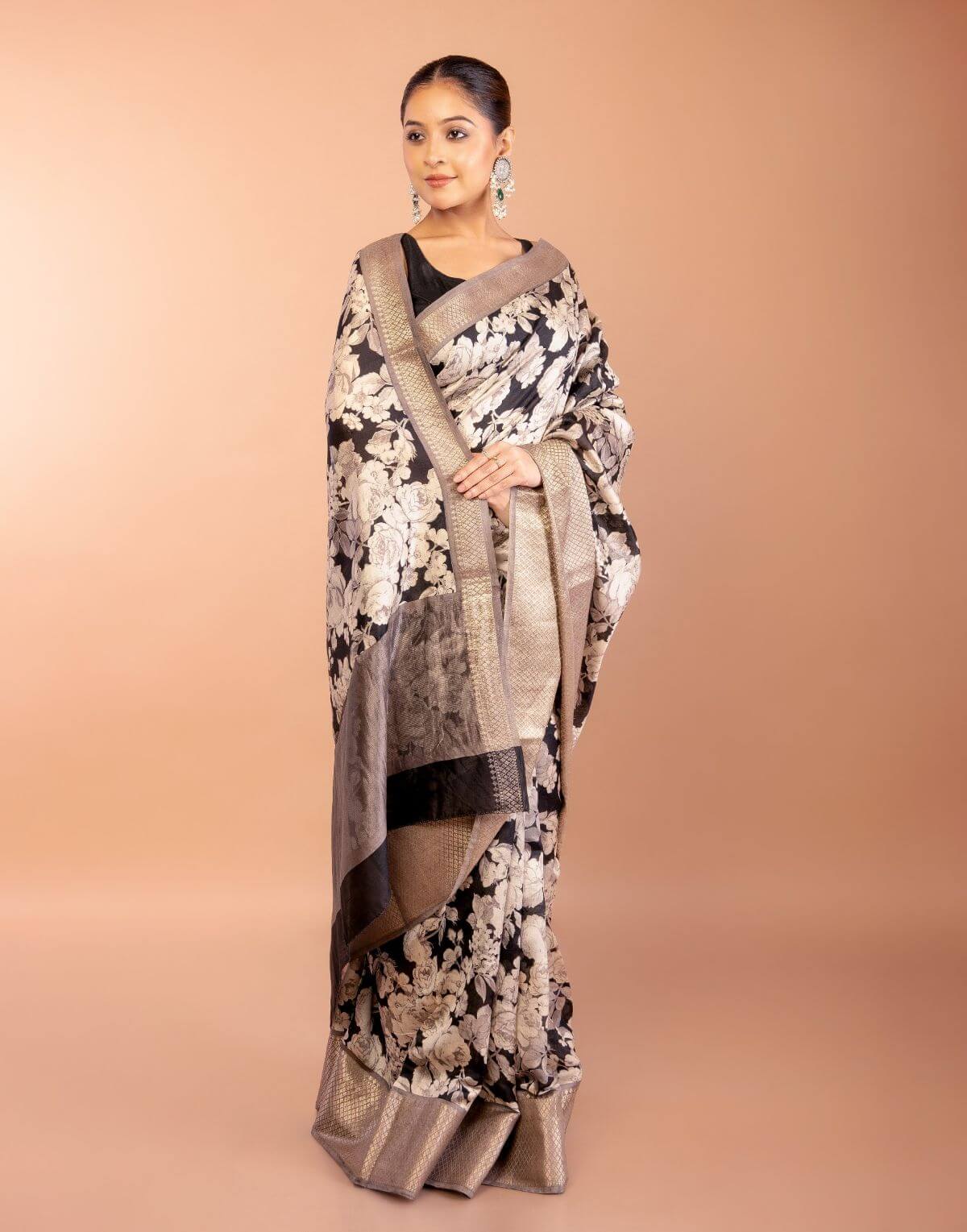
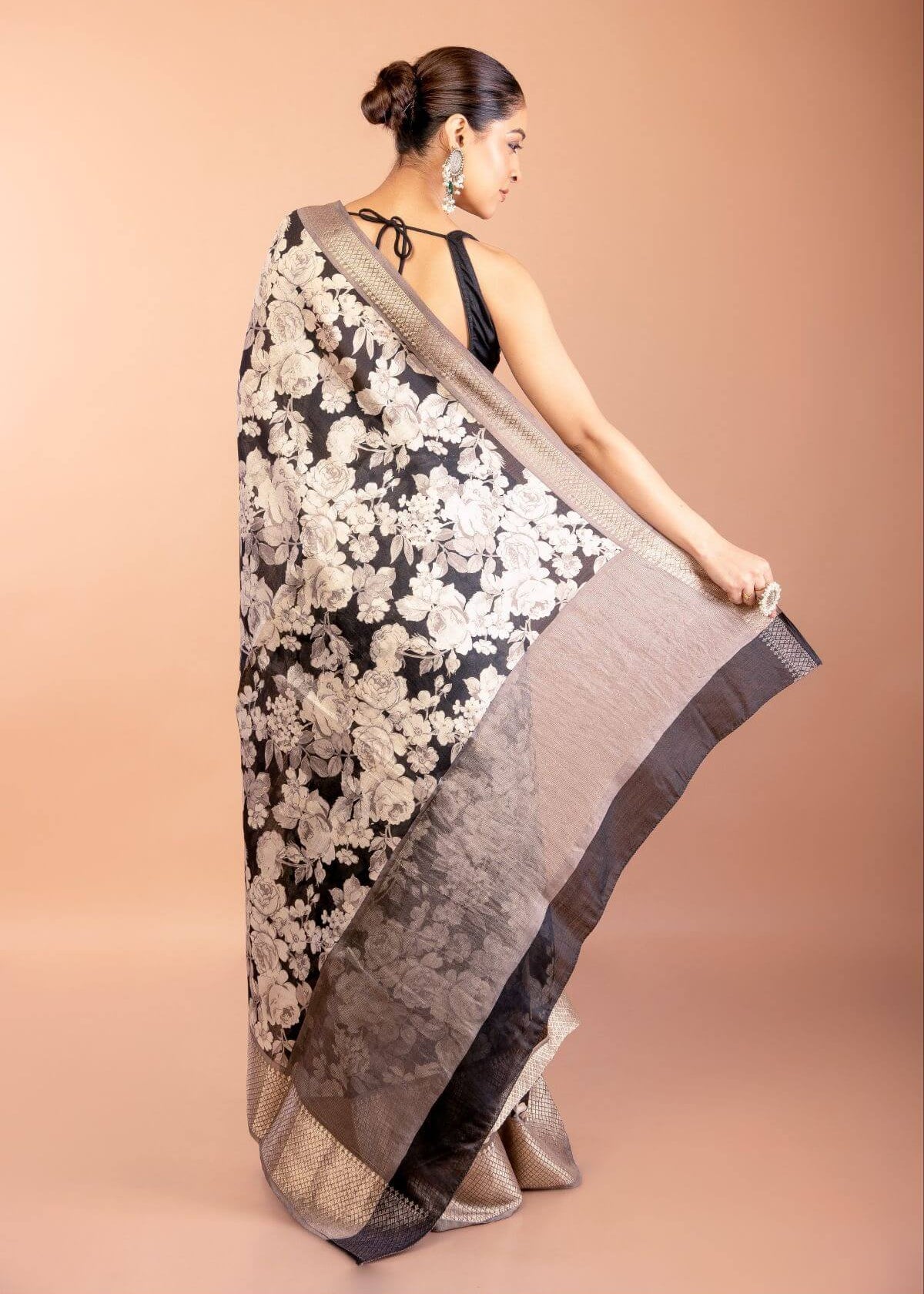
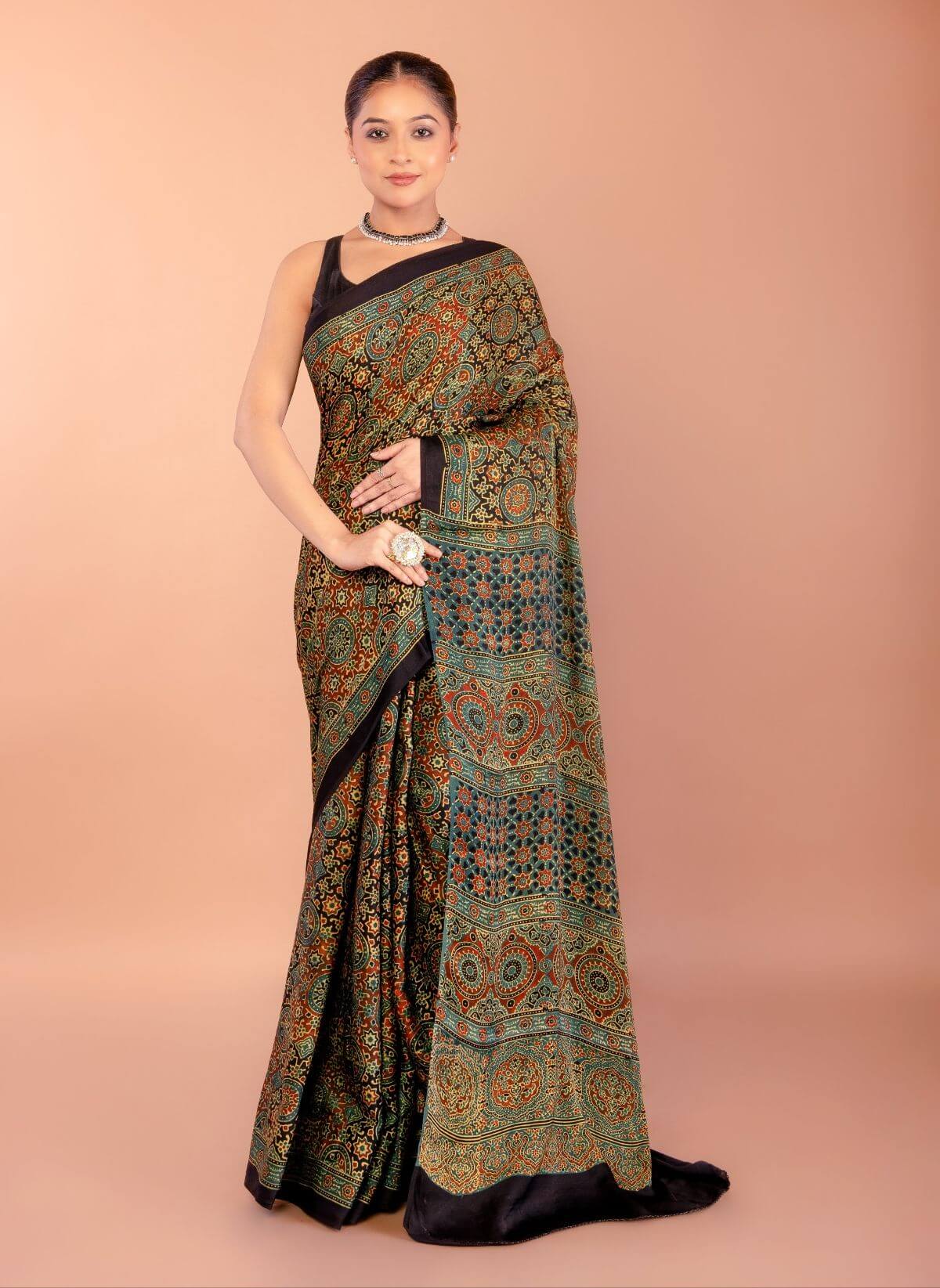
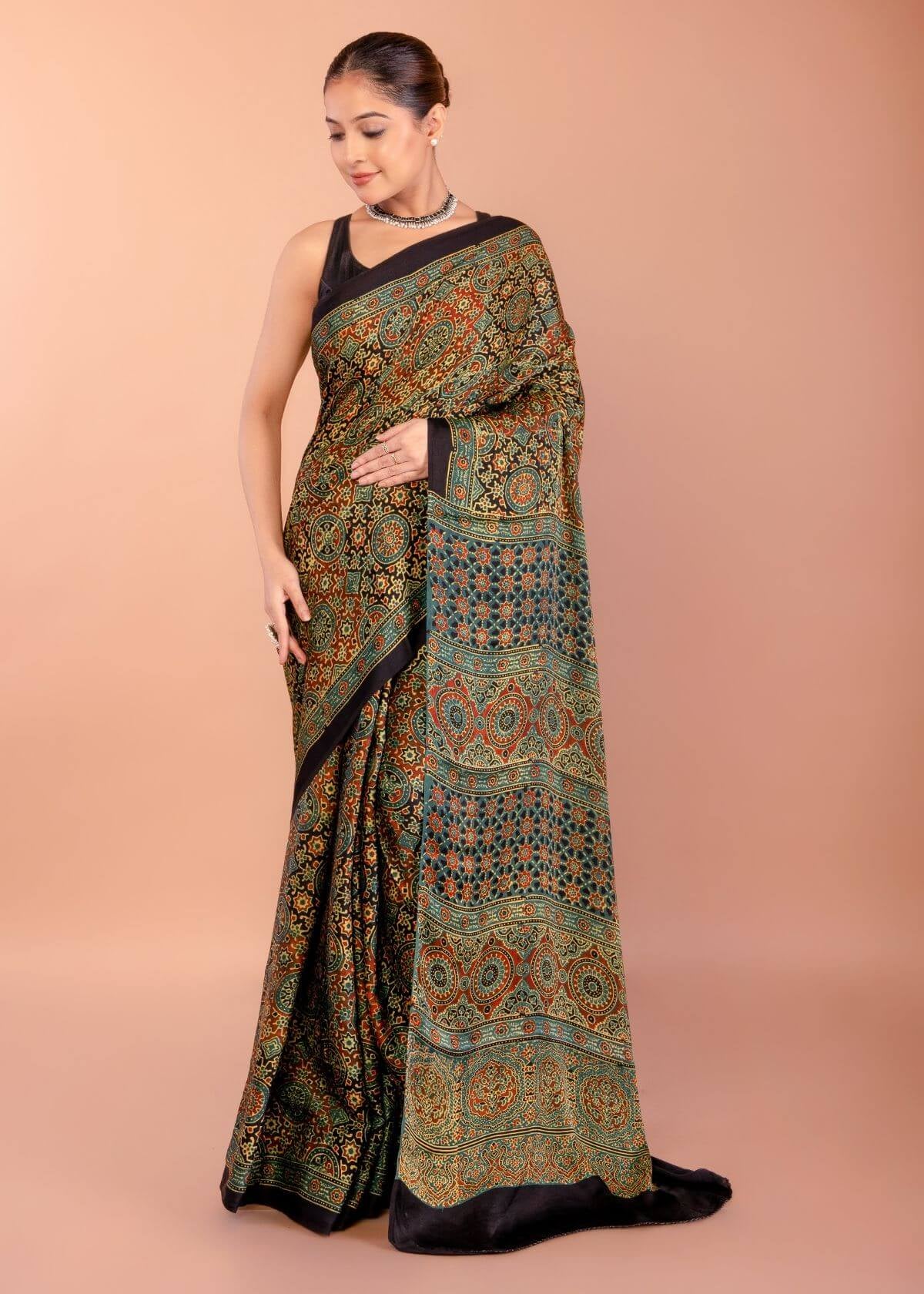
You say classic? We say Saree! India's stunning sarees are the epitome of classic and traditional fashion, representing more than just clothing—they symbolize tradition, elegance, and cultural heritage. For centuries, this timeless garment has graced women with its beauty, reflecting the rich diversity of Indian culture, dating back over 5,000 years. Throughout history, the saree has evolved, adapting to the changing tastes and needs of women. Today, it is celebrated around the world, with designers and fashion houses continuously reinventing it to suit modern preferences. Our collection of designer sarees are perfect for both daughter, mother and grandmother. The culture of generations is what we represent in our work.
Various type of Classic sarees
Classic sarees represent India’s rich textile heritage, each distinguished by its region, weave, and signature technique. Banarasi sarees from Varanasi feature ornate gold and silver zari brocades with Mughal-inspired motifs, making them ideal for grand celebrations. Kanjivaram sarees from Tamil Nadu are celebrated for their thick mulberry silk, heavy contrasts, and temple-inspired borders. For understated elegance, Chanderi sarees offer a sheer texture woven with silk and cotton threads, while Jamdani showcases delicate hand-woven floral patterns created directly on the loom. Richly textured Tussar silk brings natural gold sheen and rustic charm, whereas contemporary favorites like Organza and Georgette provide lightweight, fluid drapes suited for modern styling. From structured silks that hold crisp pleats to soft cottons crafted for tropical comfort, these classic weaves balance timeless traditions with versatile elegance.
-
Classic Kanjeevaram Sarees
The Kanjeevaram south indian saree is the pride of the south and coveted by thousands across the globe. Anvi Couture brings for you the best collection of Kanjeevaram sarees for you to be draped in splendor and grace. Indulge in these sarees and maybe you’ll understand why your mom can’t stop raving about them!
-
Classic Banarasi Sarees
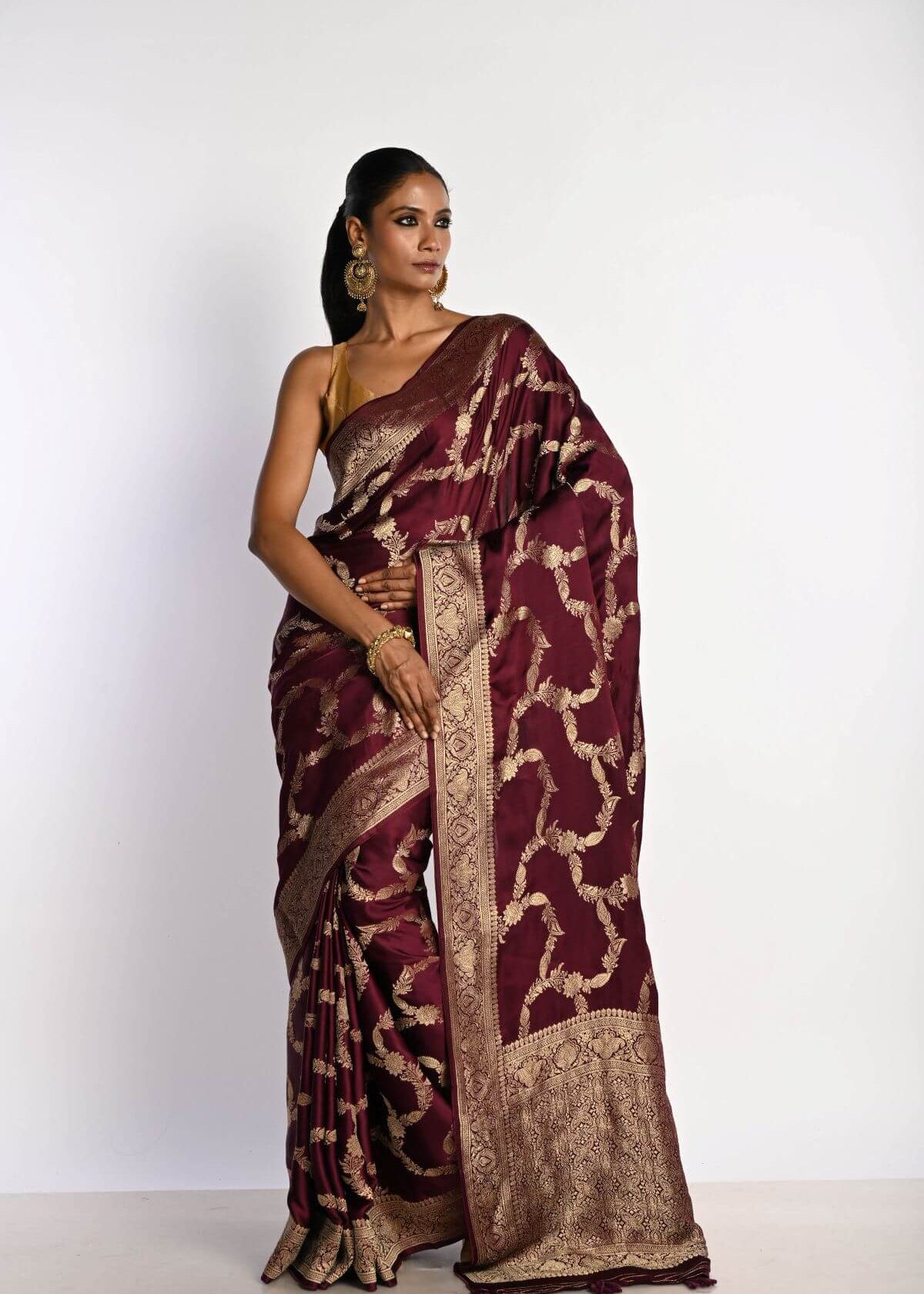
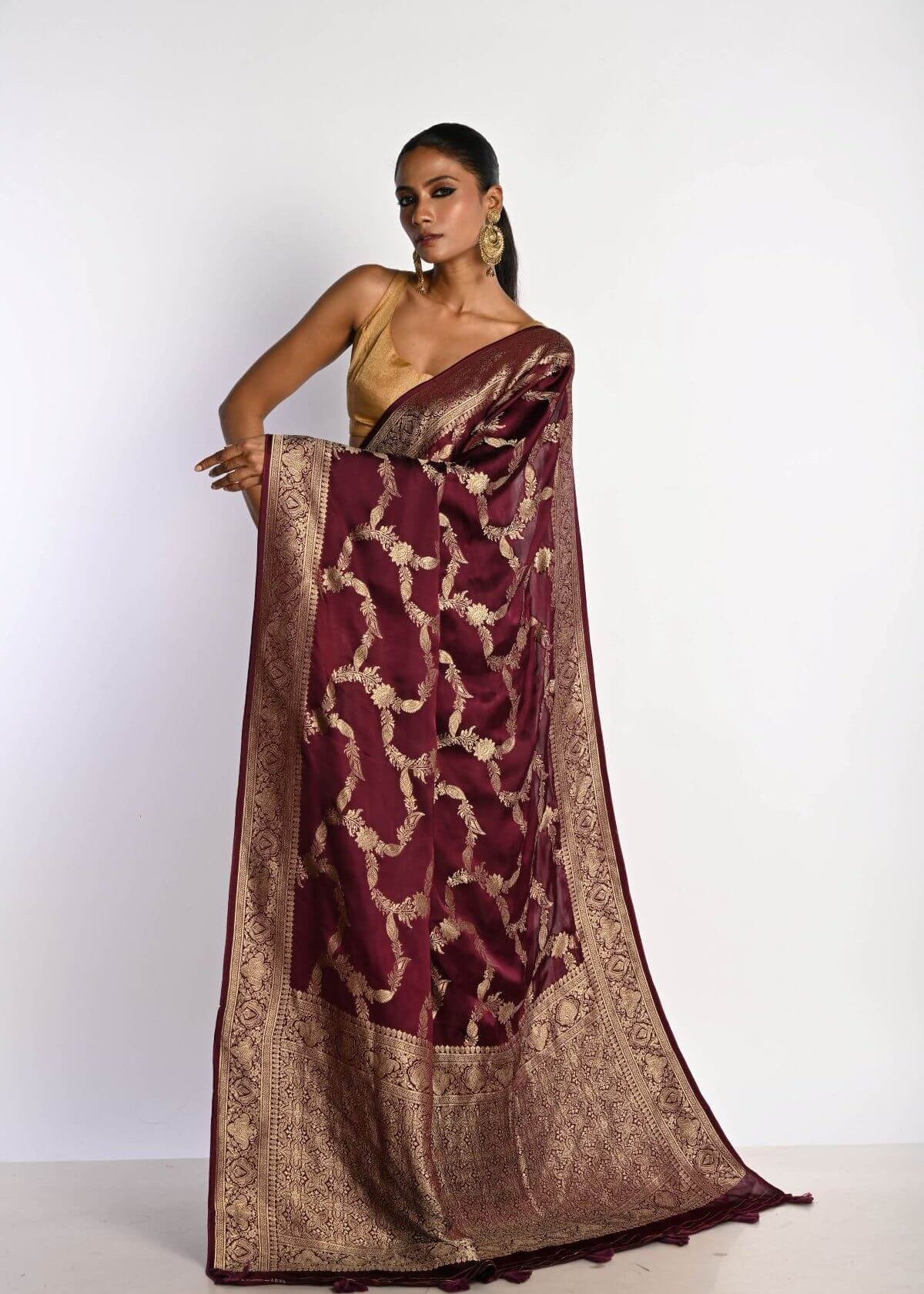
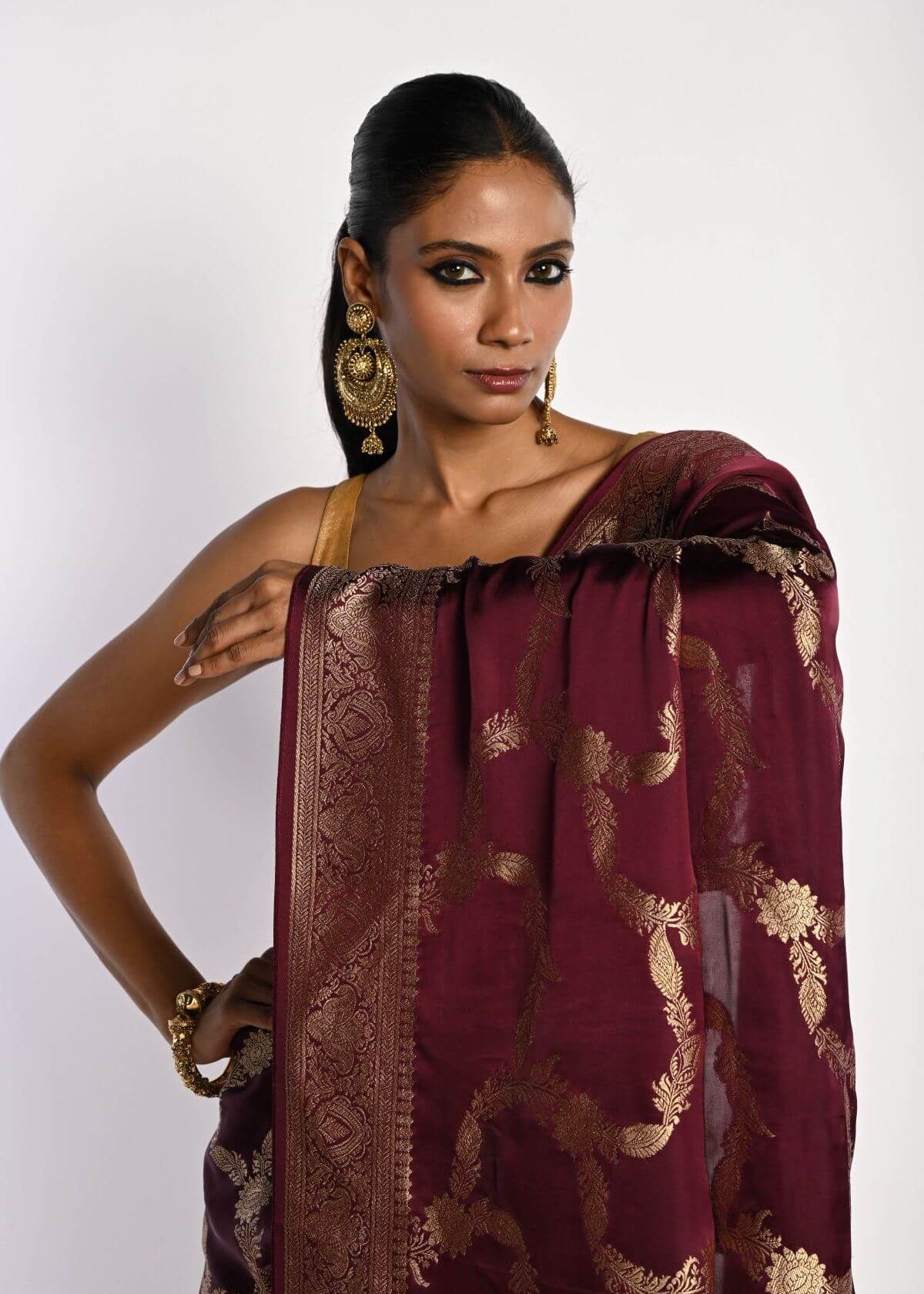
The Banarasi saree, known for its intricate brocade work and rich textures, is often the go-to attire for weddings and grand celebrations. The art of weaving a Banarasi saree is meticulous, with craftsmen spending weeks, sometimes months, to perfect a single piece.
-
Classic Chanderi Saree
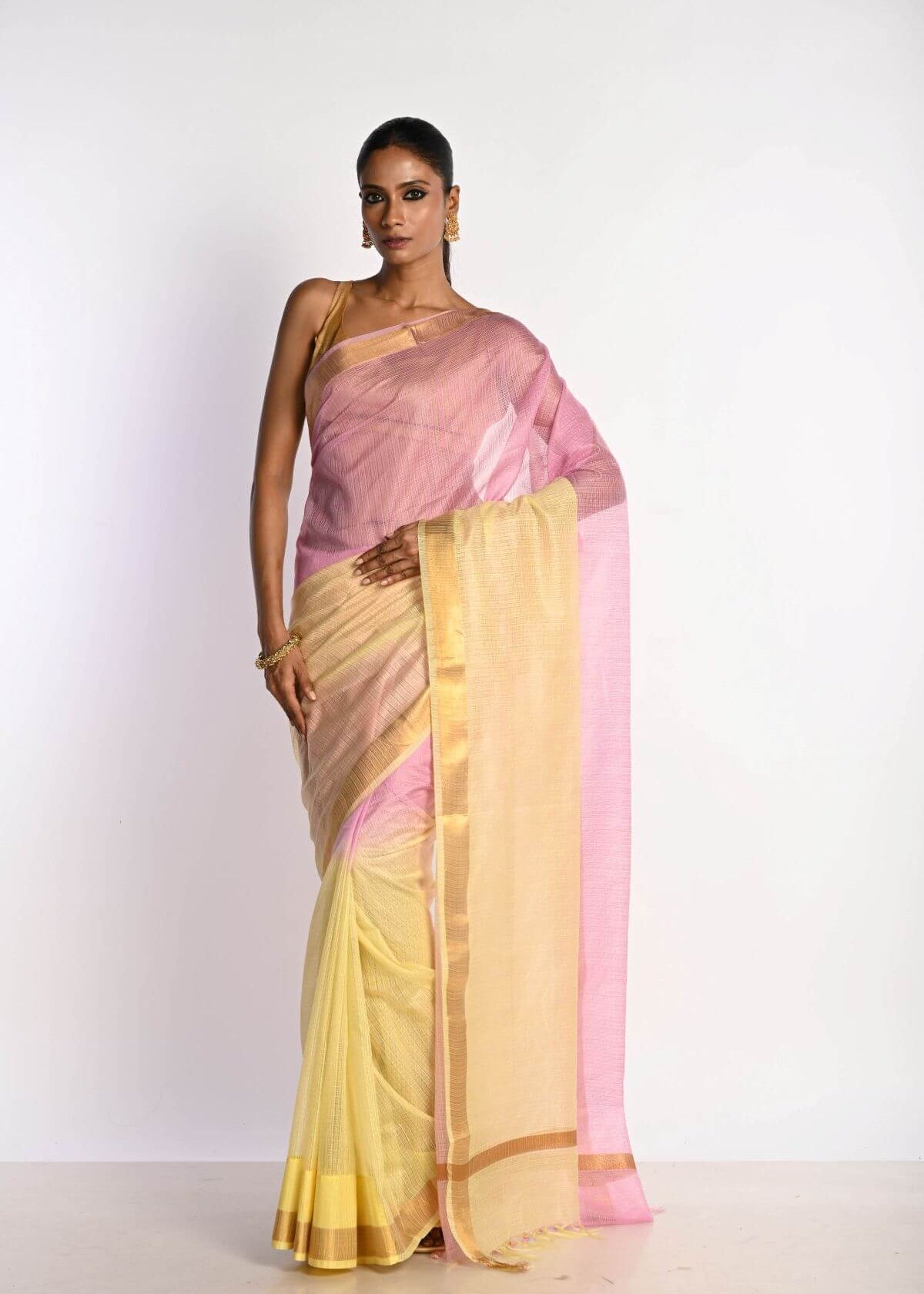
Chanderi sarees hail from the town of Chanderi in Madhya Pradesh. Celebrated for their lightweight texture and sheer elegance, these sarees are predominantly crafted from three types of fabric—Chanderi silk cotton saree, pure silk, and Chanderi cotton. What sets them apart are the intricate motifs, often inspired by nature and traditional coins.
-
Classic Patola Silk Saree
Patola silk sarees from Gujarat are nothing short of a masterpiece. Known for their vibrant hues and geometric designs, these sarees are double ikat woven, a technique that demands precision and skill. Each Patola saree tells a story, with motifs like animals, flowers, and human figures intricately woven into the fabric.
-
Classic Paithani Saree
Originating from Maharashtra, Paithani sarees are renowned for their exquisite craftsmanship and vibrant borders. Characterized by intricate peacock and floral motifs, these sarees are made from the finest silk and pure gold and silver zari, making them a staple in bridal wear. The luscious fabric drapes beautifully, accentuating the wearer's elegance.
-
Classic Tant Jamdani Saree
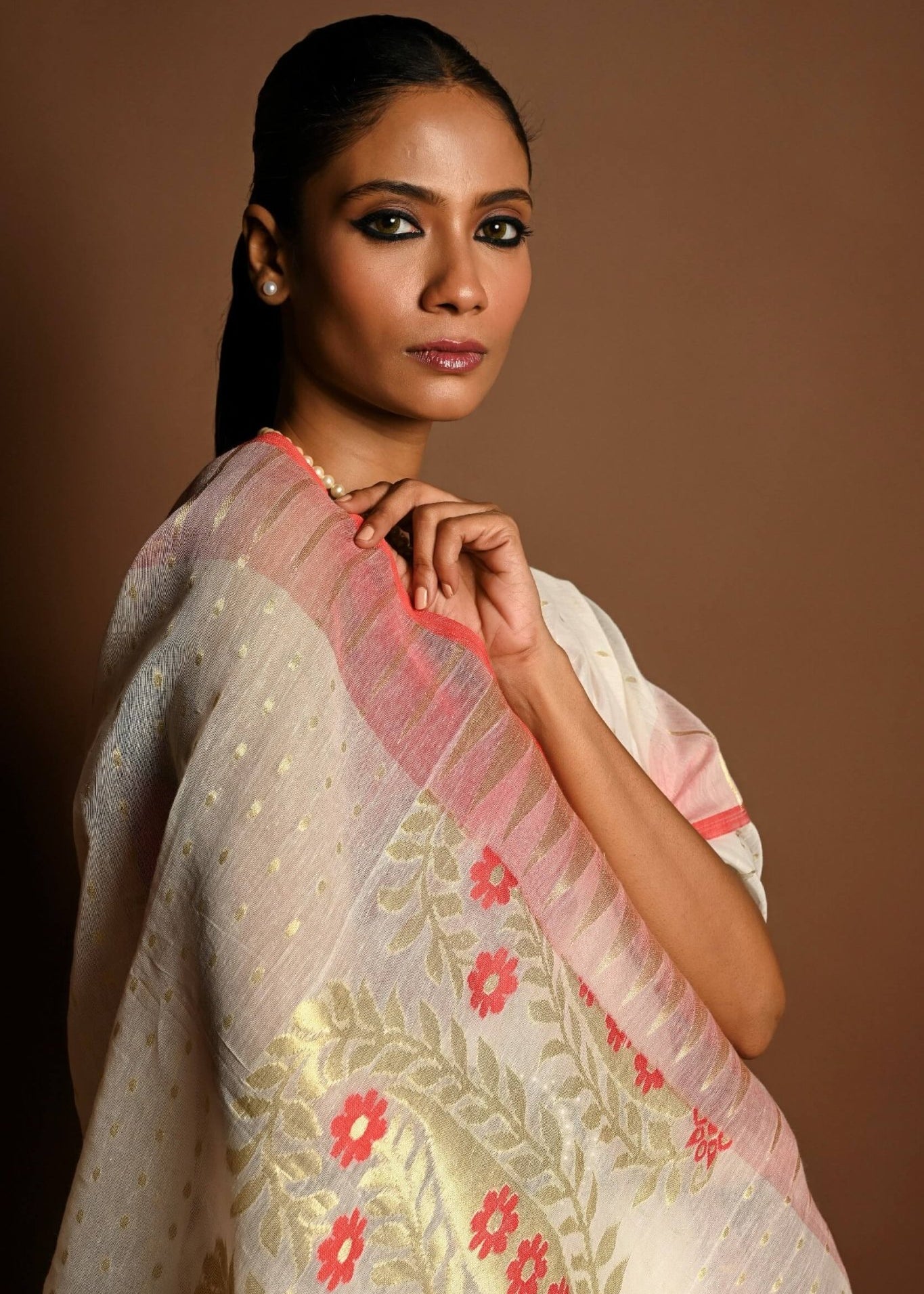
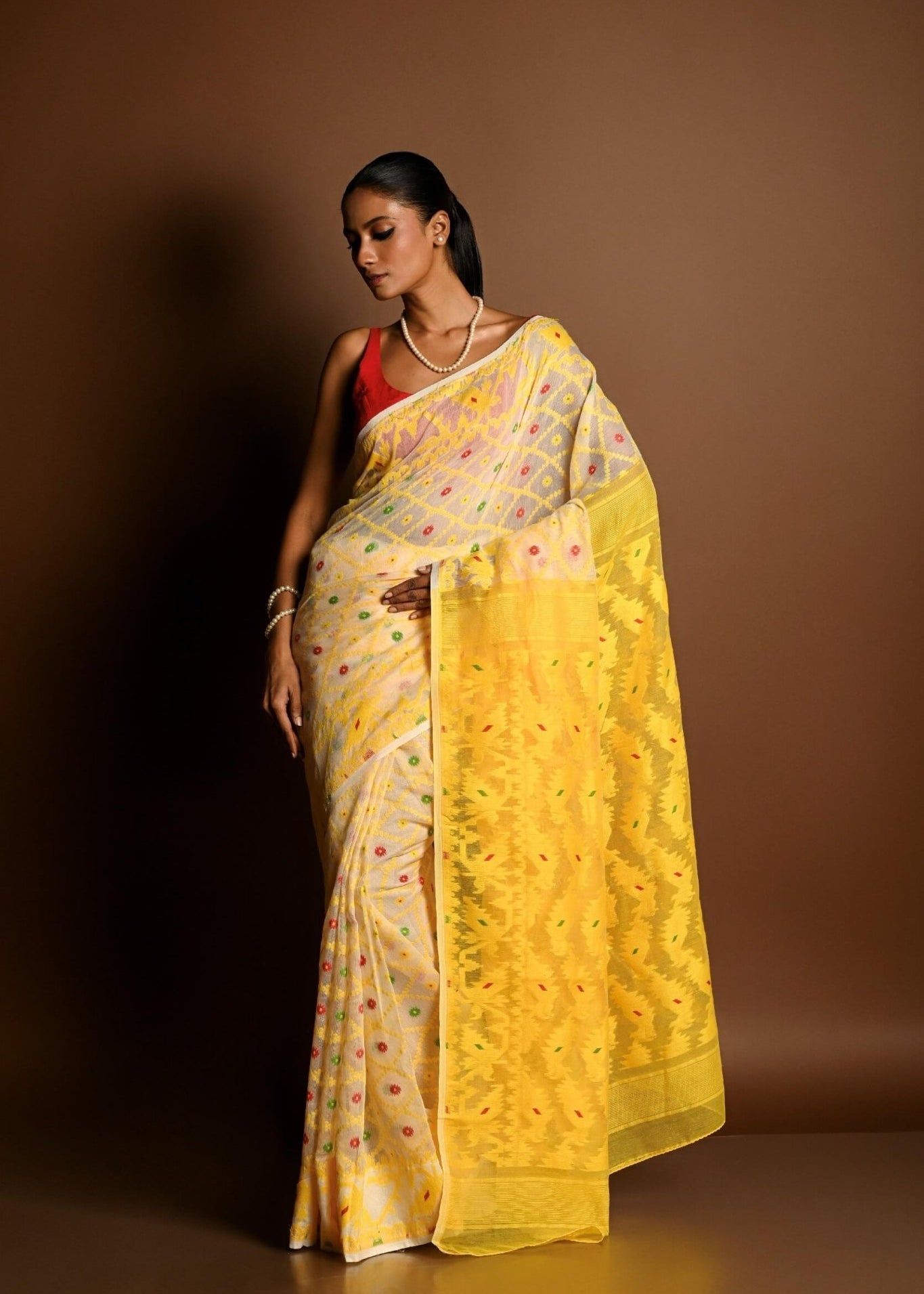
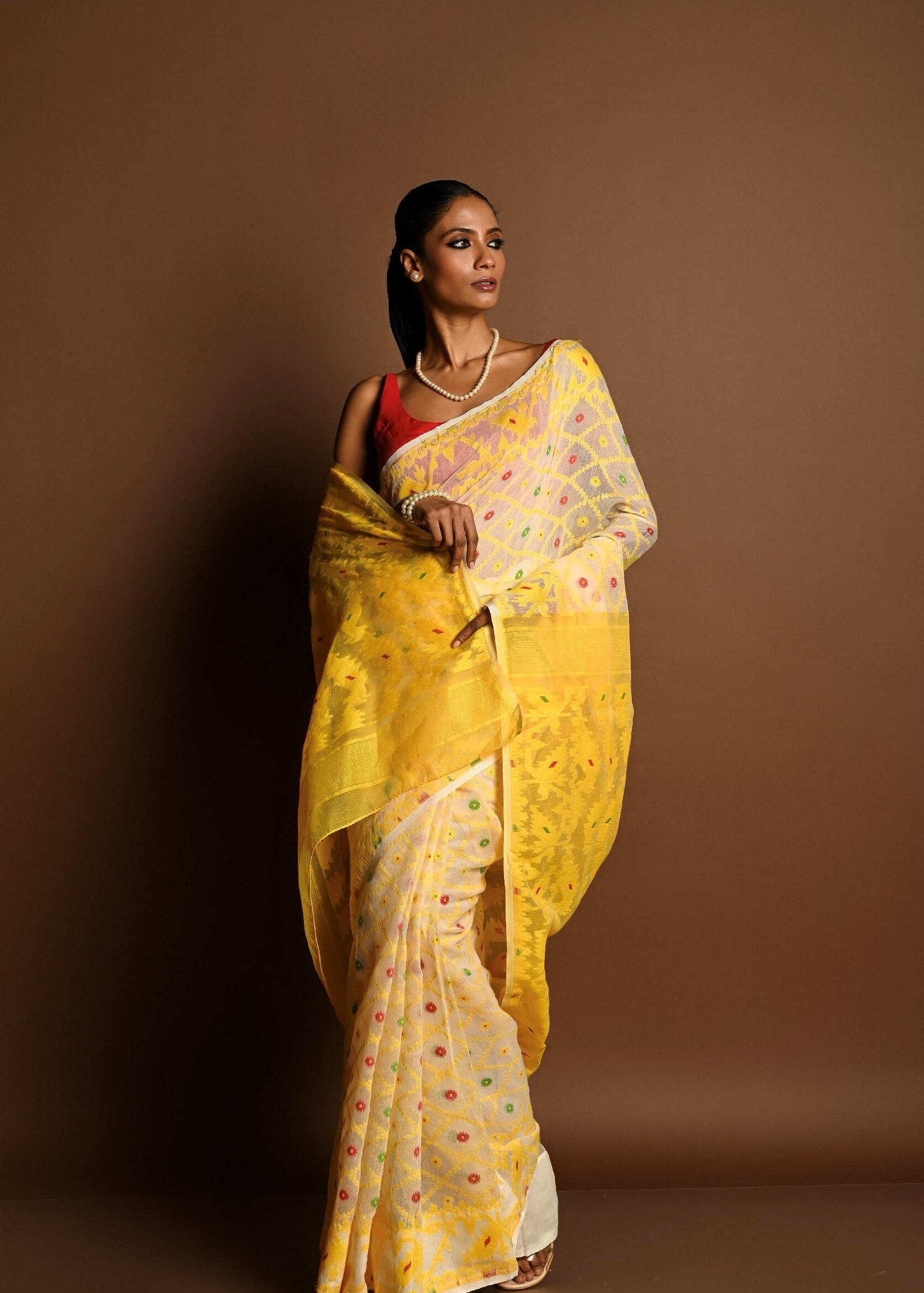
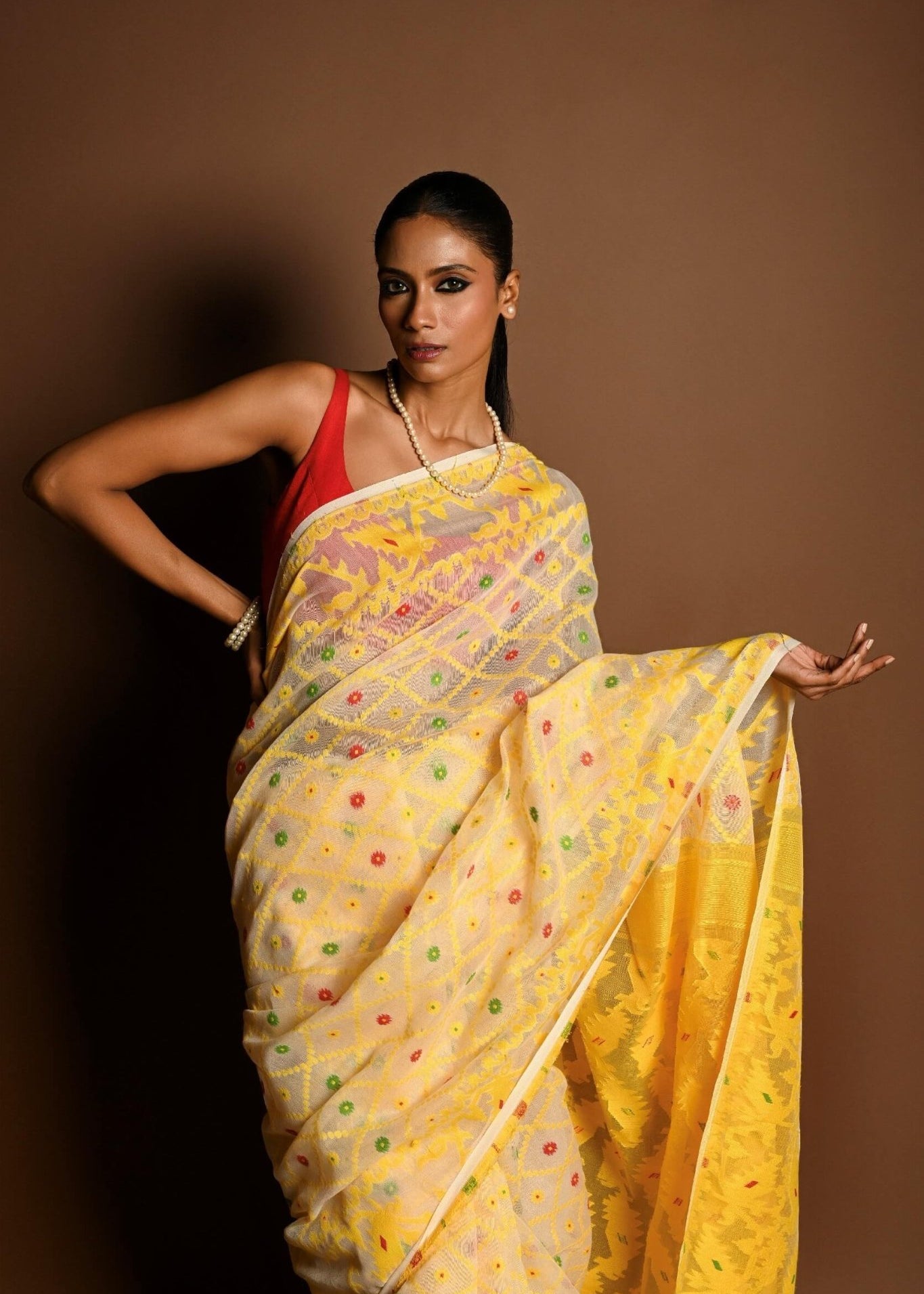
The Tant Jamdani saree, a staple in Bengal, is known for its lightweight and artistic appeal. Predominantly crafted from cotton, these sarees are perfect for the sweltering Indian summers. The beauty of Tant Jamdani lies in its motifs—floral, geometric, and tribal patterns adorn these sarees, each piece telling a story of its own.
-
Classic Sambalpuri Saree
Sambalpuri sarees from Odisha are famed for their unique tie-dye technique known as Bandha. These sarees are handwoven using the ikat technique, where the warp and weft are tie-dyed before being woven together. The motifs of a Sambalpuri saree often draw inspiration from traditional symbols and nature, including flowers, wheels, and conch shells.
-
Classic Bandhani Saree
Bandhani sarees are synonymous with the colorful state of Gujarat. Known for their tie-dye technique, these sarees are a riot of colors and patterns. The playful dots, waves, and stripes of a Bandhani saree are instantly recognizable. The vibrant colors and lightweight fabric make them ideal for festive occasions and warmer climates.
-
Classic Printed Silk Saree
Printed silk sarees are a modern take on traditional silk. Combining the elegance of silk with contemporary prints, these sarees are perfect for the fashion-forward woman. From abstract patterns to floral motifs, printed silk sarees come in a myriad of designs. They are lightweight, making them comfortable to wear for extended periods, without compromising on style or sophistication.
-
Classic Baluchari Saree
Baluchari sarees from West Bengal are known for their narrative art. These sarees often depict mythological scenes on the pallu, weaving stories into the fabric itself. The creation of a Baluchari saree requires skilled artisans, who painstakingly weave intricate patterns using silk threads.
-
Classic Gadwal Saree
Gadwal sarees from Andhra Pradesh are celebrated for their perfect blend of cotton and silk. The body of the saree is typically made from cotton, ensuring comfort, while the borders and pallus are crafted from silk, adding a touch of luxury. The motifs of Gadwal sarees often include traditional elements like temples, floral designs, and abstract patterns. The vibrant colors and contrasting borders make them visually striking.
-
Classic Pattu Saree
Pattu sarees, hailing from South India, are renowned for their luxurious silk and intricate zari work. These sarees are a staple in South Indian weddings and festive occasions, thanks to their rich texture and vibrant colors. The craftsmanship of Pattu sarees is unparalleled, with each piece showcasing exquisite designs inspired by temples, nature, and mythology.
-
Classic Kalamkari Saree
Kalamkari sarees are a fusion of art and fabric. Originating from Andhra Pradesh, these sarees are hand-painted or block-printed with intricate designs depicting mythological narratives, flora, and fauna. The earthy tones and natural dyes used in Kalamkari sarees make them unique.
-
Classic Cotton Sarees
cotton silk saree are a requisite for every single woman in the summers.Light and breezy, these sarees are the perfect choice to stay comfortable during hot days. You can also create a simple bengali saree look with them for a more traditional feel. Style your saree with minimal accessories, add your own personal touch, and enjoy the ease and simplicity it brings.
Classic Sarees by Occasion
A classic saree can work for almost any occasion, but the right choice depends on the level of formality, fabric, colour, detailing and comfort you need. A heavily woven silk saree may feel appropriate for a wedding, while a lightweight Chanderi or Jamdani can be easier for daytime celebrations. For parties, organza, georgette and contemporary silk sarees offer more styling flexibility. Instead of choosing a saree only by colour, think about where you will wear it, how long you will be wearing it and whether you prefer a structured or fluid drape. This makes it easier to choose a saree that looks beautiful and feels practical.
Classic Sarees for Weddings
Weddings are a natural setting for richer classic sarees, particularly styles with luxurious fabrics, detailed borders or decorative pallus. Silk sarees, Banarasi sarees, Kanjivaram sarees and richly woven designs can create a traditional and elegant appearance. If the saree already has elaborate zari or woven detailing, balance it with a blouse that complements rather than competes with the saree. An embroidered blouse, traditional silk blouse or structured designer blouse can work well. Complete the look with statement earrings, bangles or a necklace, depending on the amount of detailing in the saree.
Classic Sarees for Festivals
Festivals allow you to experiment with colour, fabric and styling while still keeping the saree's traditional character. Bright silk sarees can create a festive appearance, while floral organza, Jamdani, Chanderi and lightweight woven sarees offer a softer alternative. Consider the time of day as well; lighter fabrics and brighter colours can work particularly well for daytime celebrations, while richer shades can create a more dramatic evening look. A traditional saree paired with a sleeveless, V-neck or contemporary blouse can also give the outfit a modern feel without losing its ethnic appeal.
Classic Sarees for Puja
For puja and cultural celebrations, comfort can be just as important as appearance because you may spend several hours moving around, sitting or participating in rituals. Lightweight cotton, Jamdani, Chanderi, Tussar and lighter silk sarees can be practical choices depending on the season and occasion. Soft colours, traditional motifs and understated borders can create an elegant appearance without making the outfit feel overly formal. Pair the saree with a comfortable blouse and minimal jewellery if you prefer a simple look. For a more festive appearance, add traditional earrings, bangles or a small bindi.
Classic Sarees for Parties
A party saree does not always need heavy embroidery or elaborate embellishment. The fabric, silhouette, colour and blouse can create enough visual interest on their own. Organza can offer a crisp and elegant appearance, while georgette creates a softer drape and silk provides a more luxurious finish. For evening parties, deeper colours and statement blouses can create a more dramatic look. If the saree has a relatively simple design, you can introduce interest through an embroidered blouse, contemporary jewellery or a distinctive draping style.
How to Choose a Classic Saree
Choosing a classic saree becomes easier when you consider more than its colour or pattern. Start with the occasion, then think about the fabric, weight, drape, border, pallu and blouse options. These details determine how the saree will look on you and how comfortable it will feel during wear. A structured silk may be ideal when you want a formal silhouette, while a fluid georgette can be easier for movement. Also consider how often you are likely to wear the saree. A versatile design that works across festivals, celebrations and family occasions can offer greater value than a saree chosen only for one event.
Choose the Fabric First
The fabric influences the saree's appearance, weight, drape and overall comfort, so it is one of the first things to consider. Silk generally creates a richer and more formal look, while organza has a lightweight and crisp character. Georgette offers a softer, more fluid drape, whereas Chanderi is known for its light and elegant feel. Tussar brings a distinctive textured appearance, and cotton is often preferred for comfortable everyday or daytime wear. Think about the weather, occasion and amount of movement involved before choosing the fabric rather than selecting one based only on appearance.
Consider the Drape
The drape can change how a classic saree looks even when the colour and design remain exactly the same. Fabrics with more structure, such as many silk and organza sarees, can create a defined silhouette and hold pleats neatly. Softer fabrics such as georgette generally fall more fluidly around the body. Consider how you normally like to wear your saree and how much movement you need. If you prefer a crisp, polished appearance, a structured fabric may suit you better; if comfort and easy movement are priorities, a softer drape may be preferable.
Look at the Border and Pallu
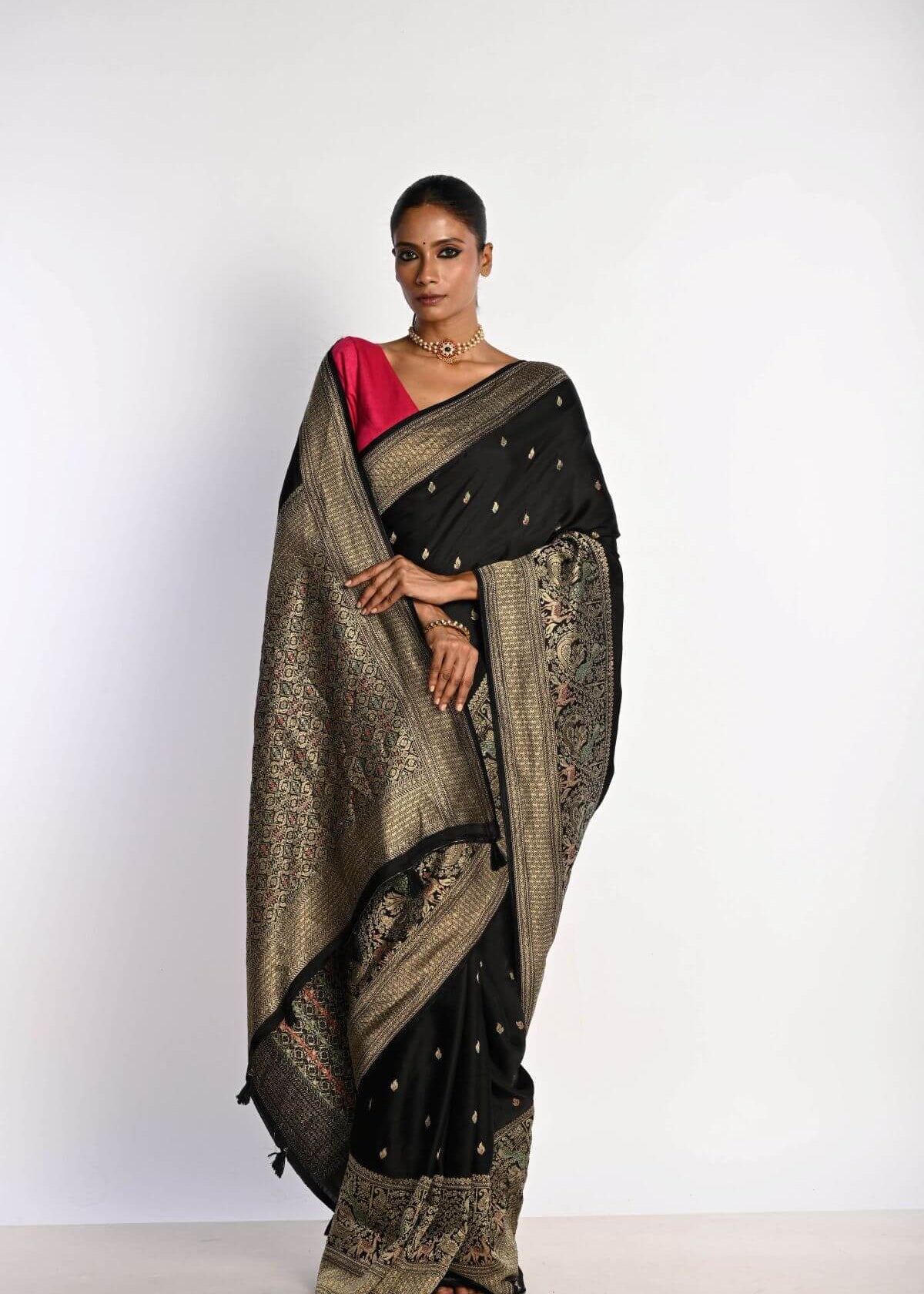
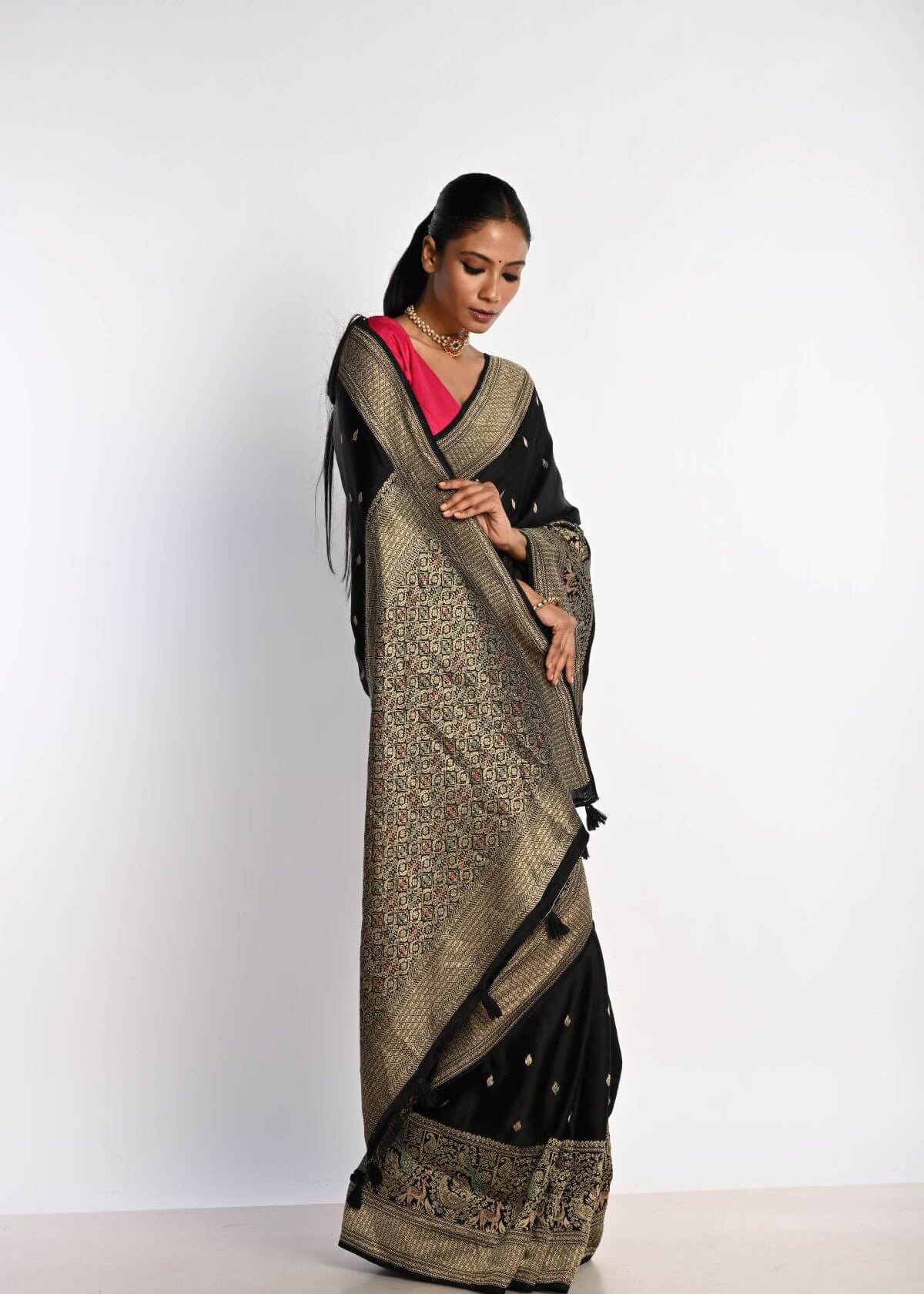
The border and pallu can determine how traditional, understated or statement-making a saree appears. A broad decorative border often creates a more traditional visual effect, while a narrow border can give the saree a cleaner and more contemporary appearance. The pallu is equally important because it is one of the most visible parts of the saree when draped. Look closely at its motifs, woven detailing and finish before purchasing. If the body is simple, a detailed pallu can become the focal point; if the saree is already elaborate, a balanced pallu can keep the overall look refined.
Choose the Right Colour
Colour should complement both the occasion and the overall look you want to create. Traditional shades such as red, maroon, green, navy, ivory, cream, royal blue and mustard can form a versatile classic saree wardrobe. For a softer contemporary appearance, consider peach, powder blue, lavender, blush pink or other pastel shades. Also think about the blouse when choosing a colour. A saree with a versatile base colour can be styled with contrasting, tonal or neutral blouses, giving you more options to create different looks from the same saree.
How to Style a Classic Saree
Styling a classic saree is about creating balance between the saree, blouse, jewellery and accessories. You do not necessarily need an elaborate blouse or heavy jewellery to make a traditional saree look special. Instead, consider which element you want to be the focal point. If the saree has intricate woven work, a simpler blouse can allow the textile to stand out. If the saree is relatively minimal, an embroidered blouse or statement jewellery can add personality. This approach also makes it easier to adapt the same saree for weddings, festivals, parties and other occasions.
Traditional Blouse
A traditional blouse works particularly well when you want to preserve the classic character of the saree. High-neck, round-neck and elbow-length styles can complement silk and richly woven sarees without competing with their detailing. Consider using a blouse colour taken from the saree's border or pallu for a coordinated appearance. For heavily detailed sarees, a relatively clean blouse can create balance, while a simpler saree gives you more freedom to choose embroidery, woven motifs or decorative sleeves.
Sleeveless Blouse
A sleeveless blouse can give a classic saree a more contemporary appearance while keeping the overall outfit elegant. It works particularly well with organza, silk, georgette and lightweight sarees where the blouse can become an important part of the overall styling. You can choose a simple round or V-neck for a clean look or introduce more structure through tailoring and fabric choice. If the saree already has strong traditional detailing, keeping the sleeveless blouse relatively refined can create a better balance between heritage-inspired and modern styling.
Designer Blouse
A designer blouse can transform a relatively simple classic saree into a more occasion-focused outfit. Embroidery, structured shoulders, interesting necklines, statement backs or carefully placed embellishment can add personality without requiring heavy decoration throughout the saree. For weddings and parties, consider matching the blouse detailing with an element already present in the saree, such as its border or pallu. This creates visual connection between the two pieces and makes the outfit look intentionally coordinated rather than as though the blouse and saree were selected separately.
Looks for Classic Sarees
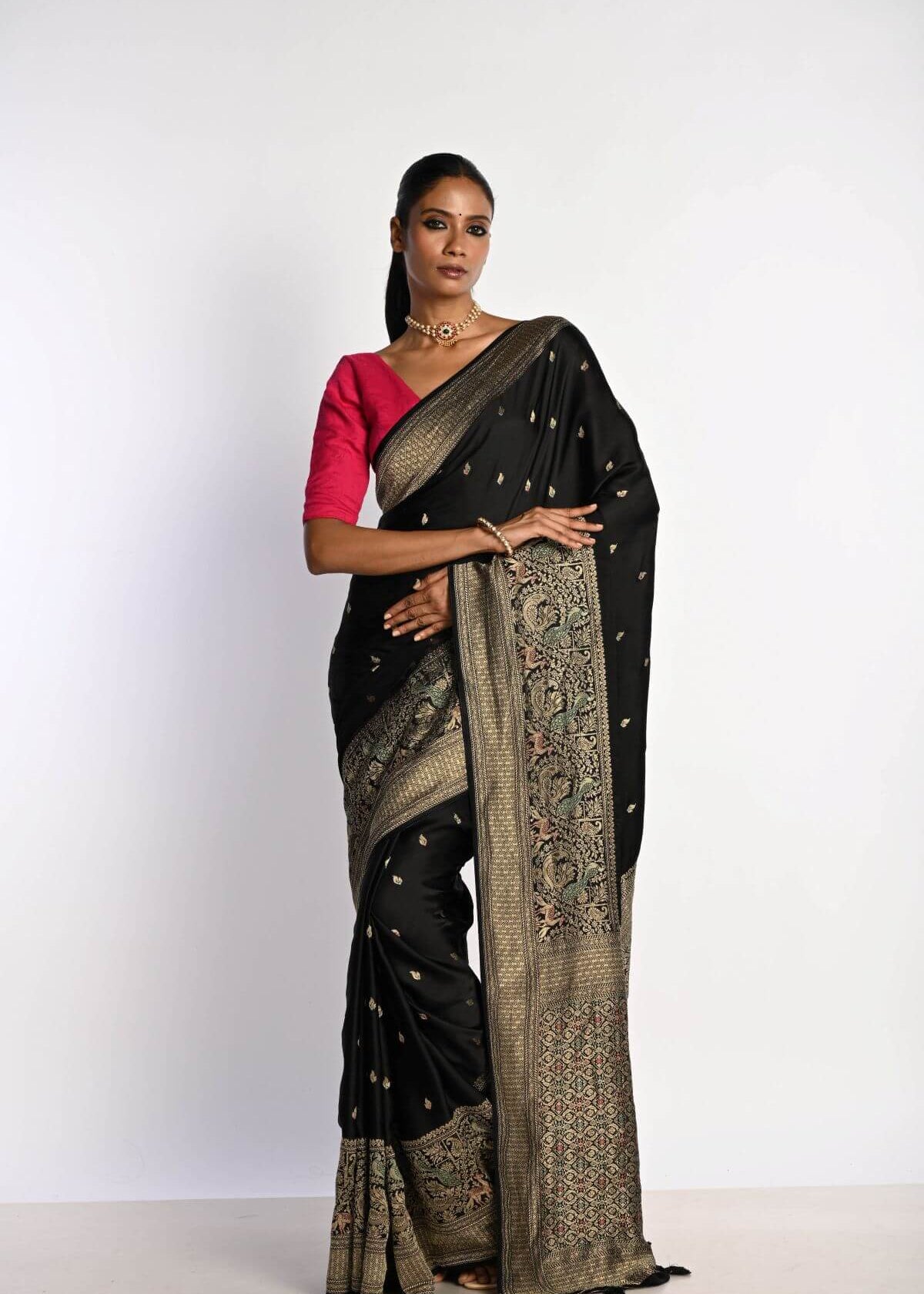
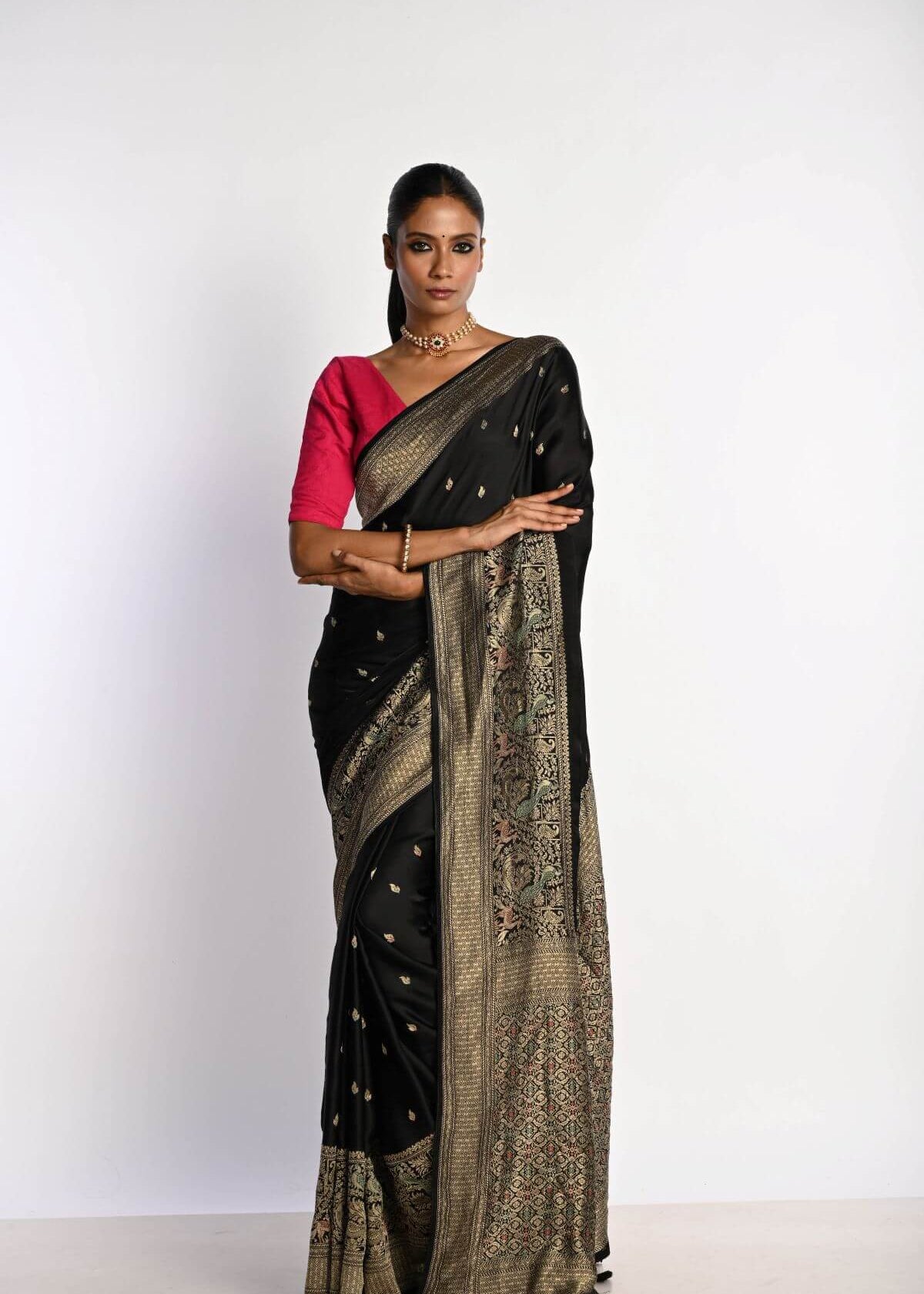
We have seen the resurgence in trends of classic sarees over and over again. Classic sarees are here for you to look elegant and gorgeous. For example, pairing them with a stylish organza saree blouse design can instantly elevate your overall look, adding a modern and graceful touch while keeping the timeless charm intact.! We have also seen a huge resurgence of the black chiffon saree inspired by blockbuster Bollywood numbers.
Classic Bollywood Sarees
Bollywood has forever set the standard for trends in sarees, but some looks remain classic and iconic forever. Cotton, silk, chiffon and georgette are bases the starlets have always adored. Embroidered sarees with traditional motifs are another Bollywood staple which is never going out of style.
Popular Search
Explore More


FAQs
To give the classic saree a modern twist, try different saree draping techniques like the butterfly drape, dhoti style, or a front-open approach for a fresh look. Pair your saree with a contemporary blouse such as an off-shoulder, crop top, or asymmetrical cut. Consider teaming a silk saree with a denim jacket. When it comes to jewelry, western pieces like pearl and silver accents can enhance your look beautifully.
A classic saree should be accessorized traditionally paying homage to the centuries of culture. Style the saree with traditional Choose statement pieces like chunky necklaces, jhumkas, or bangles that match the saree's style. Pair the saree with stylish footwear.
Choose a blouse that complements your saree's colors and patterns. You might prefer a traditional cut or modern styles like off-shoulder, halter neck, or crop tops. Ensure it's well-made and don't overdo the accessories. When it comes to hair and makeup, consider a classic bun, soft waves, or a chic braid for your hairstyle. Adding flowers or hair accessories can enhance your look. For makeup, aim for a classic style with either bold lips or smoky eyes, depending on the occasion.
Styling a classic saree from your mom's collection can be a delightful challenge. Should you go for a trendy look with a crop top blouse or experiment with draping styles like the Butterfly, Dhoti, or Saree Pants. Maybe a long jacket or cape would give it a modern flair, perfect for both casual and formal occasions. You could keep it traditional with delicate gold jewelry and complementary accessories or opt for a contemporary twist with bold statement pieces. The choice is yours!
Browse our collection of authentic classic sarees at www.anvicouture.com and shop now for all your saree needs.
Latest Sarees Collection with Price
Sarees List
Price
