



Patola Saree
A Patola saree is one of the most beautiful and respected handwoven sarees in India. It comes from Patan in Gujarat and is known for its bright colours, detailed patterns, and rich cultural heritage. These sarees are made using a traditional double ikat weaving technique, where the threads are dyed before they are woven together. This process requires a great deal of skill, time, and patience, which is why an authentic Patola saree is highly valued. Patola sarees often feature geometric designs, floral motifs, and traditional patterns that have been passed down through generations. They are a popular choice for weddings, festivals, and special occasions because of their elegant and timeless look. Another reason people love Patola sarees is their durability, as they can last for many years when cared for properly. Whether paired with traditional jewellery or modern accessories, a Patola saree offers a perfect blend of tradition, beauty, and craftsmanship.
Read more11 Products
11 Products
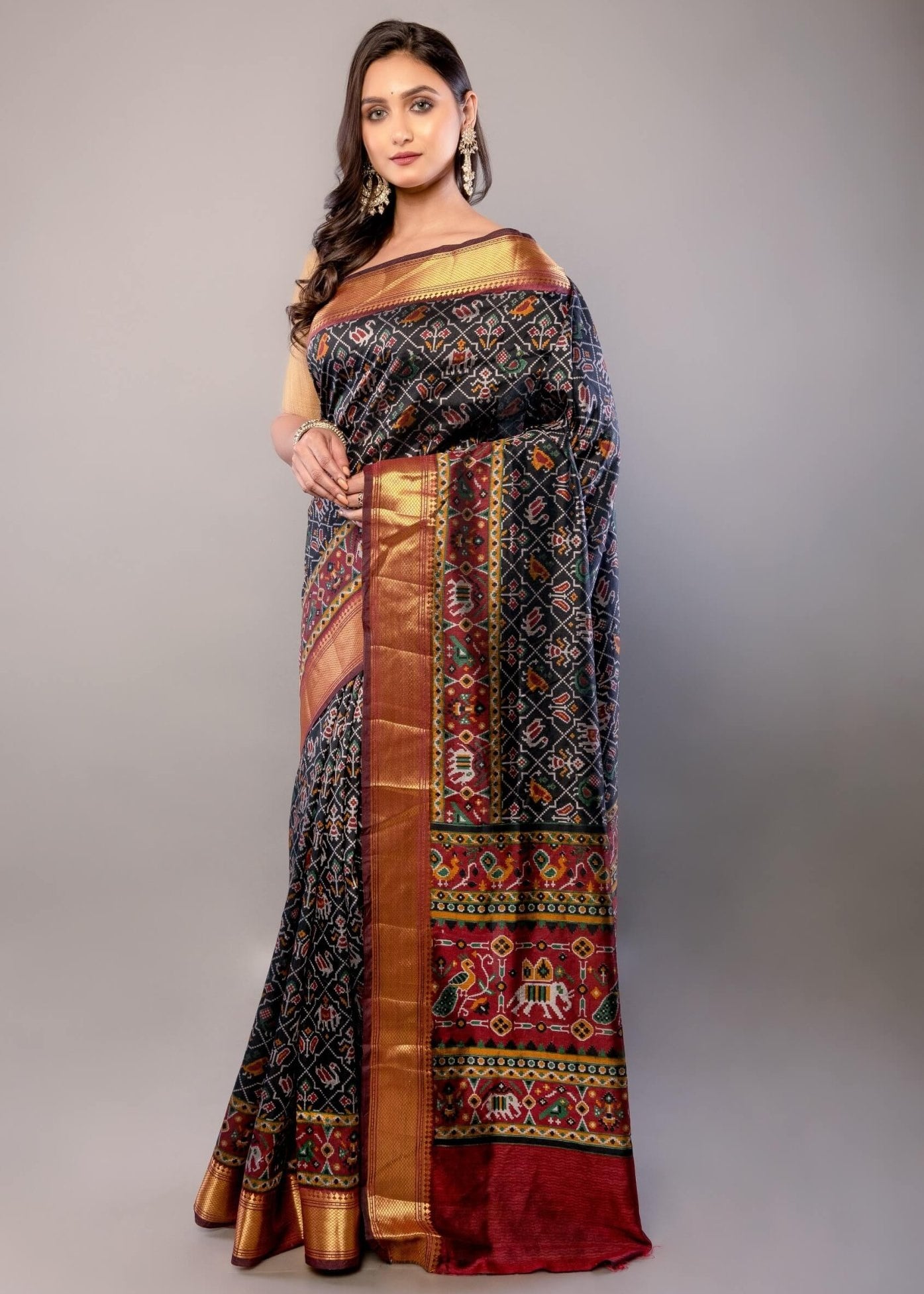
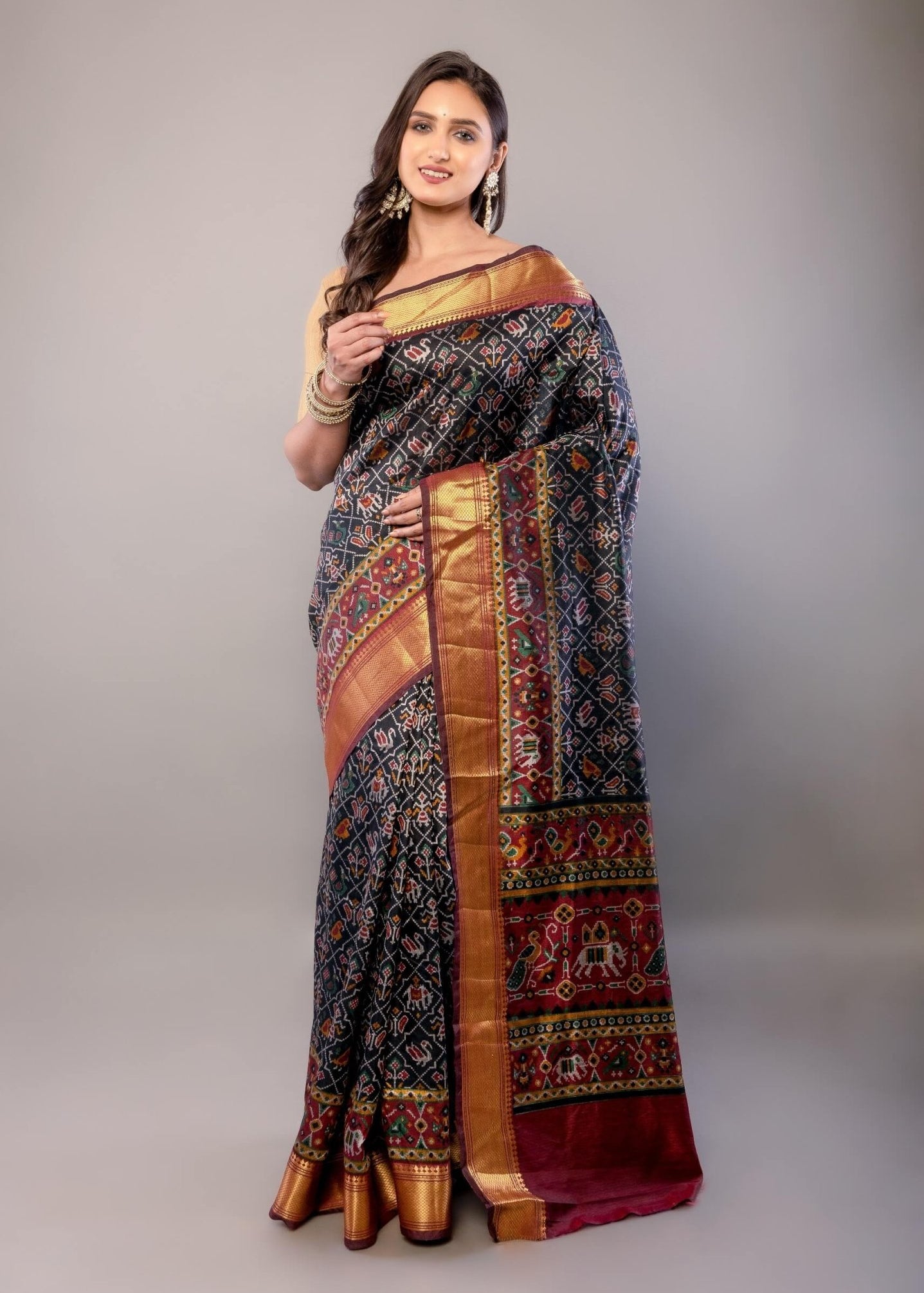
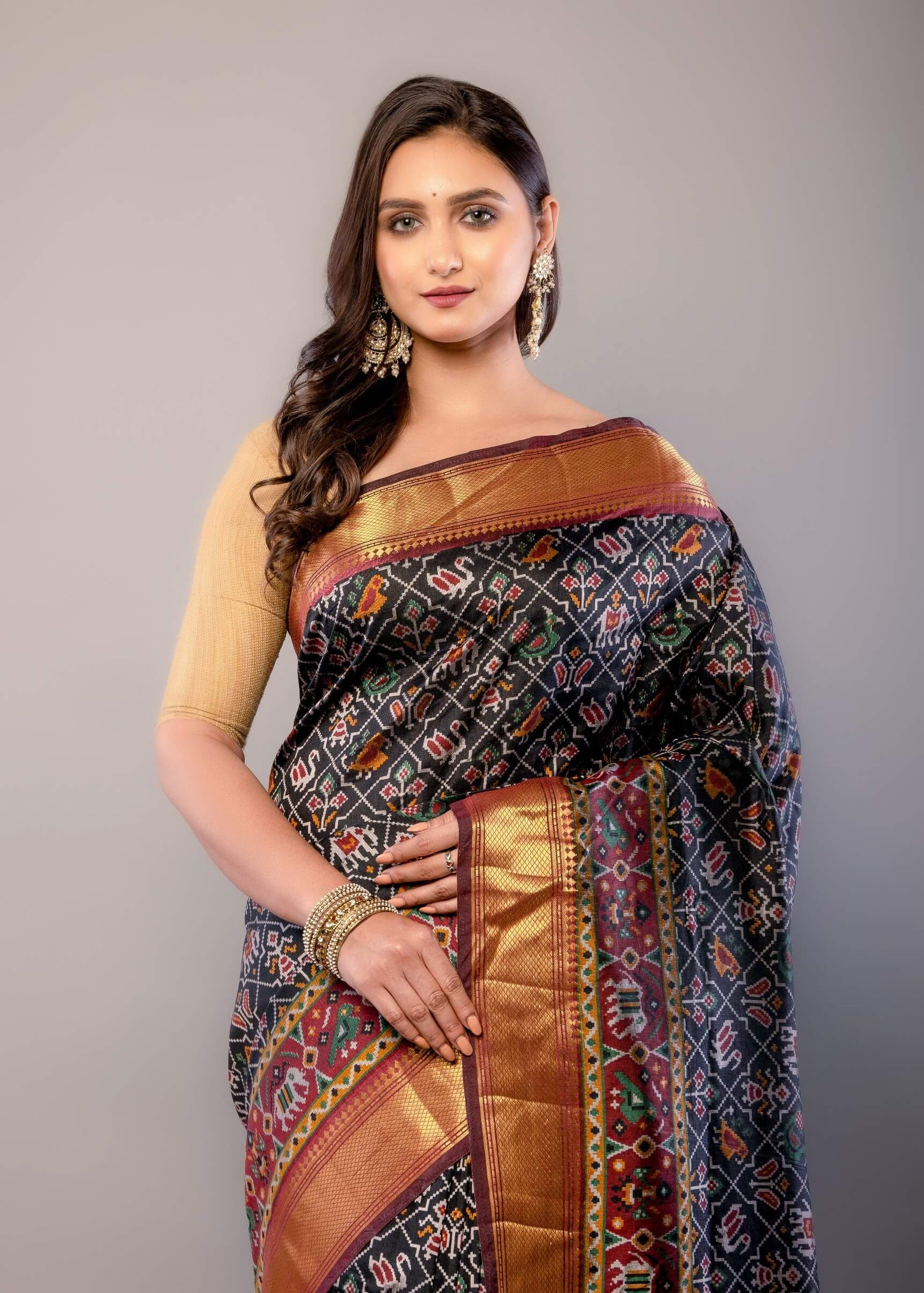
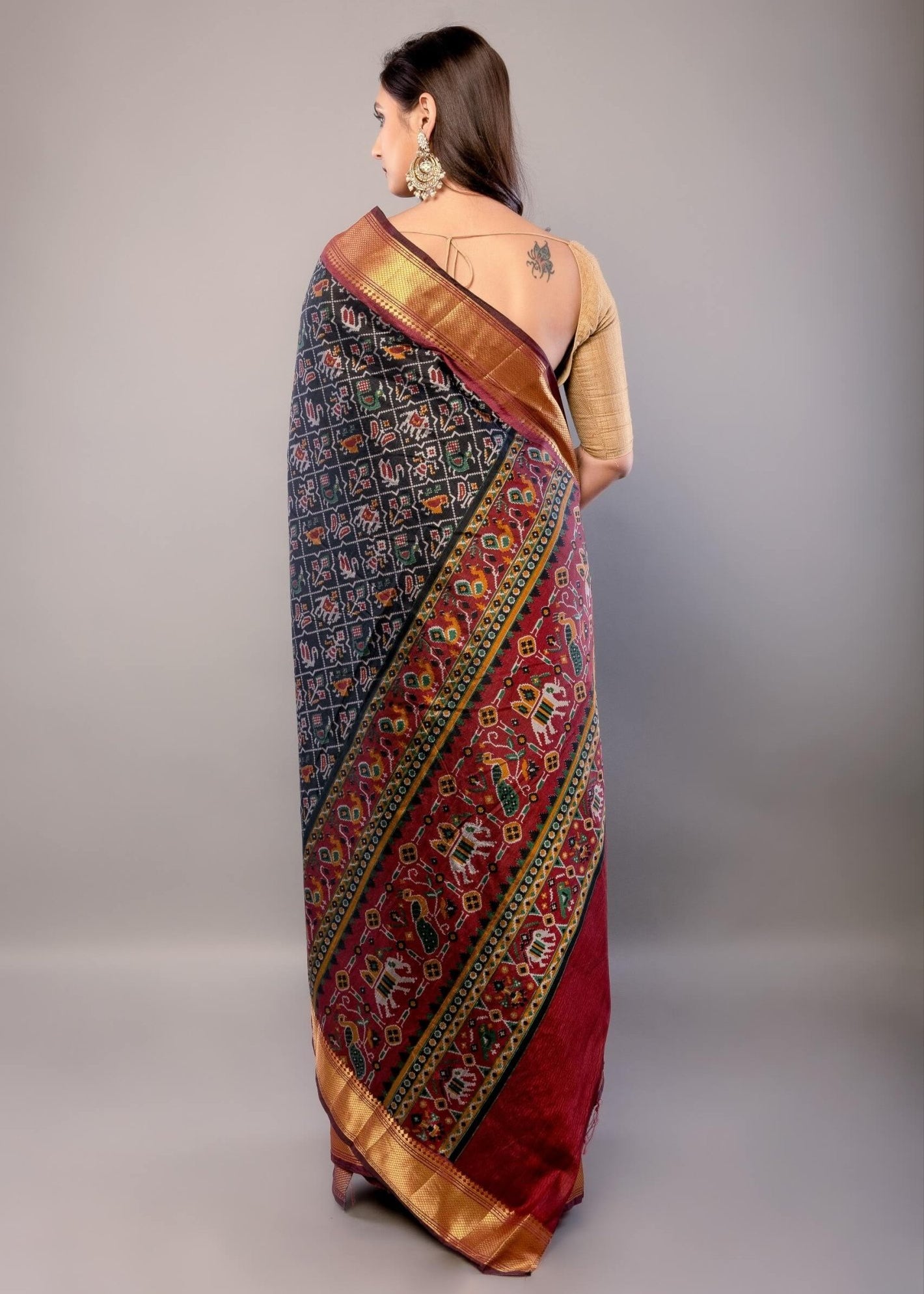


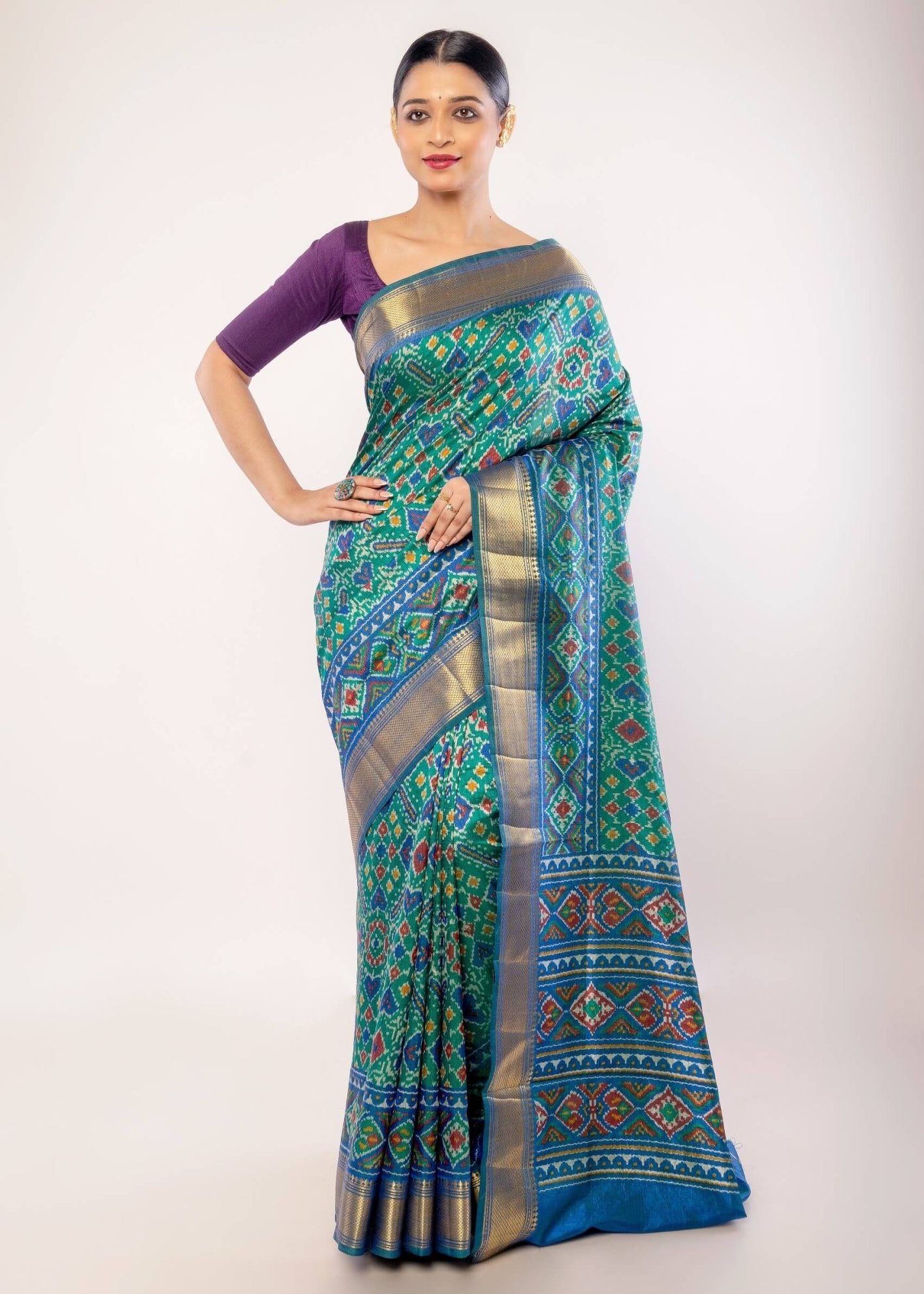
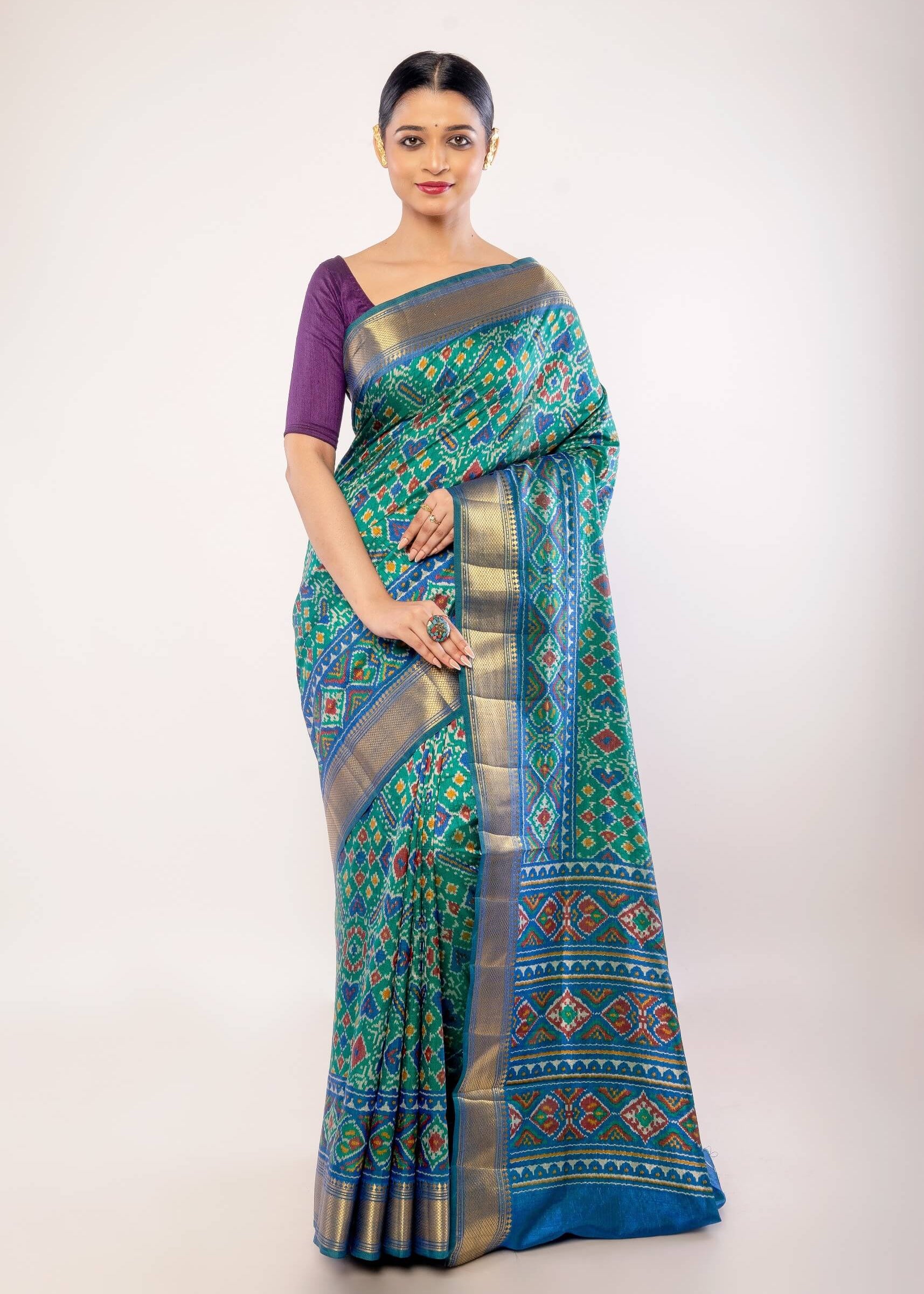
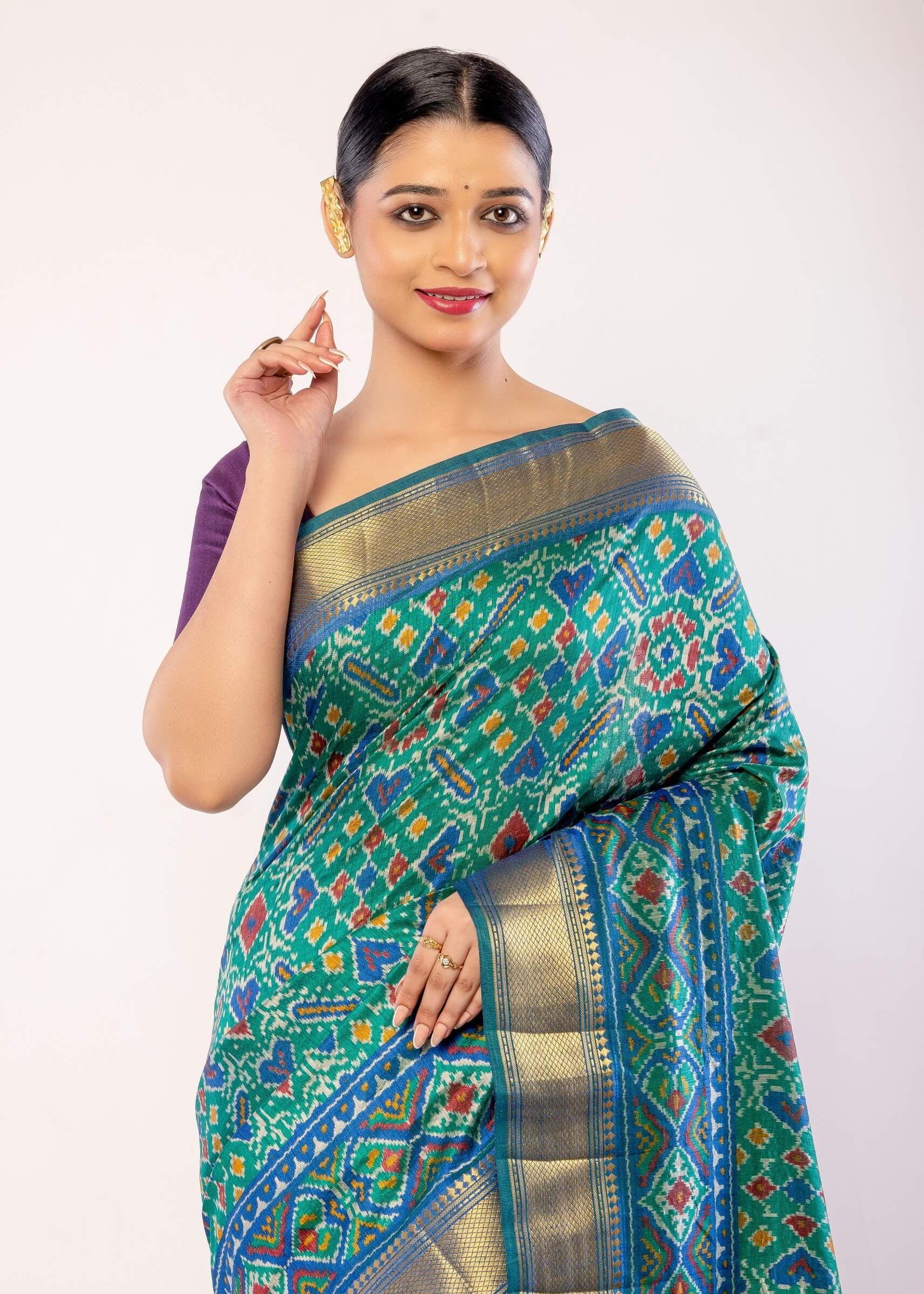
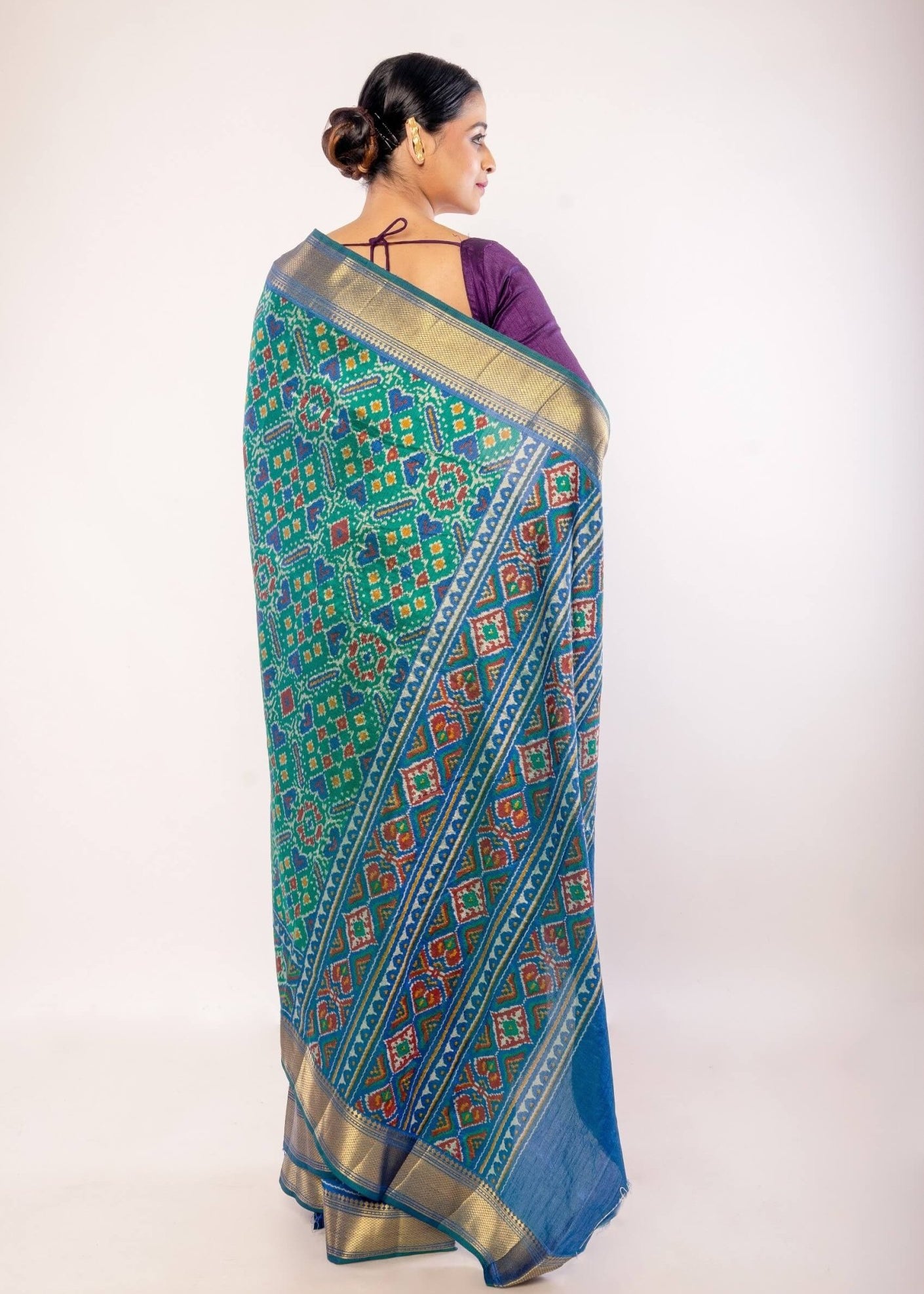
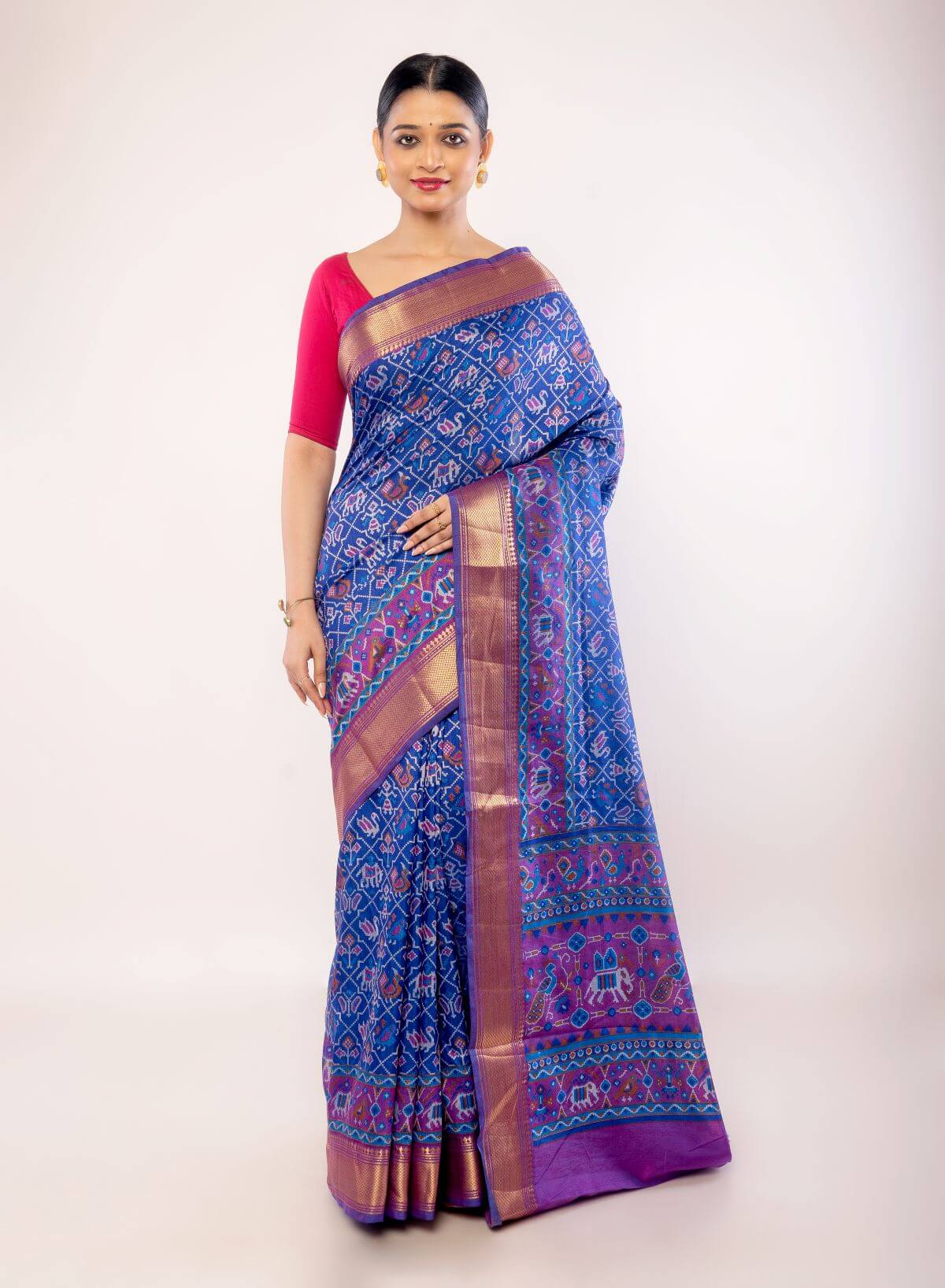
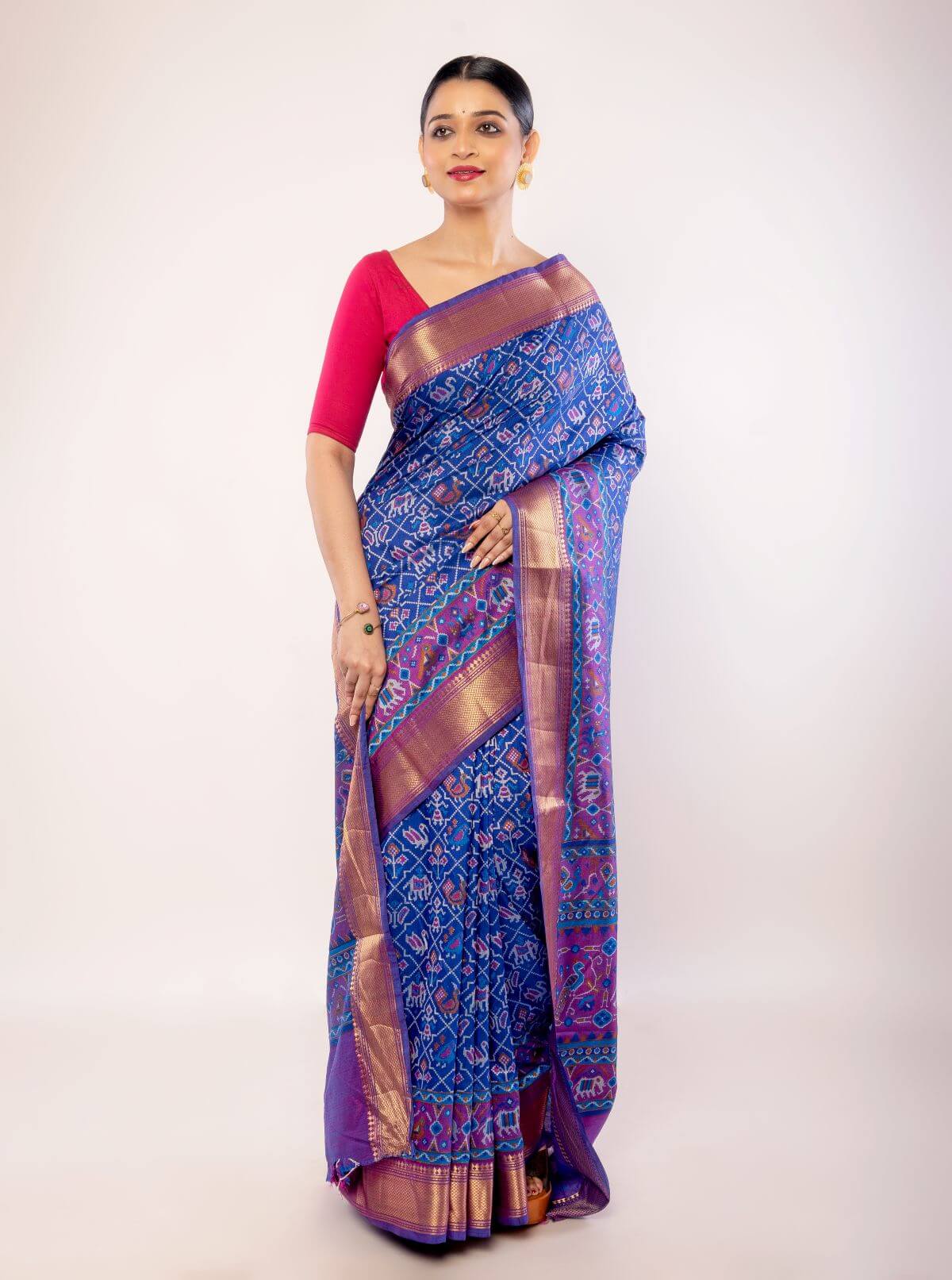
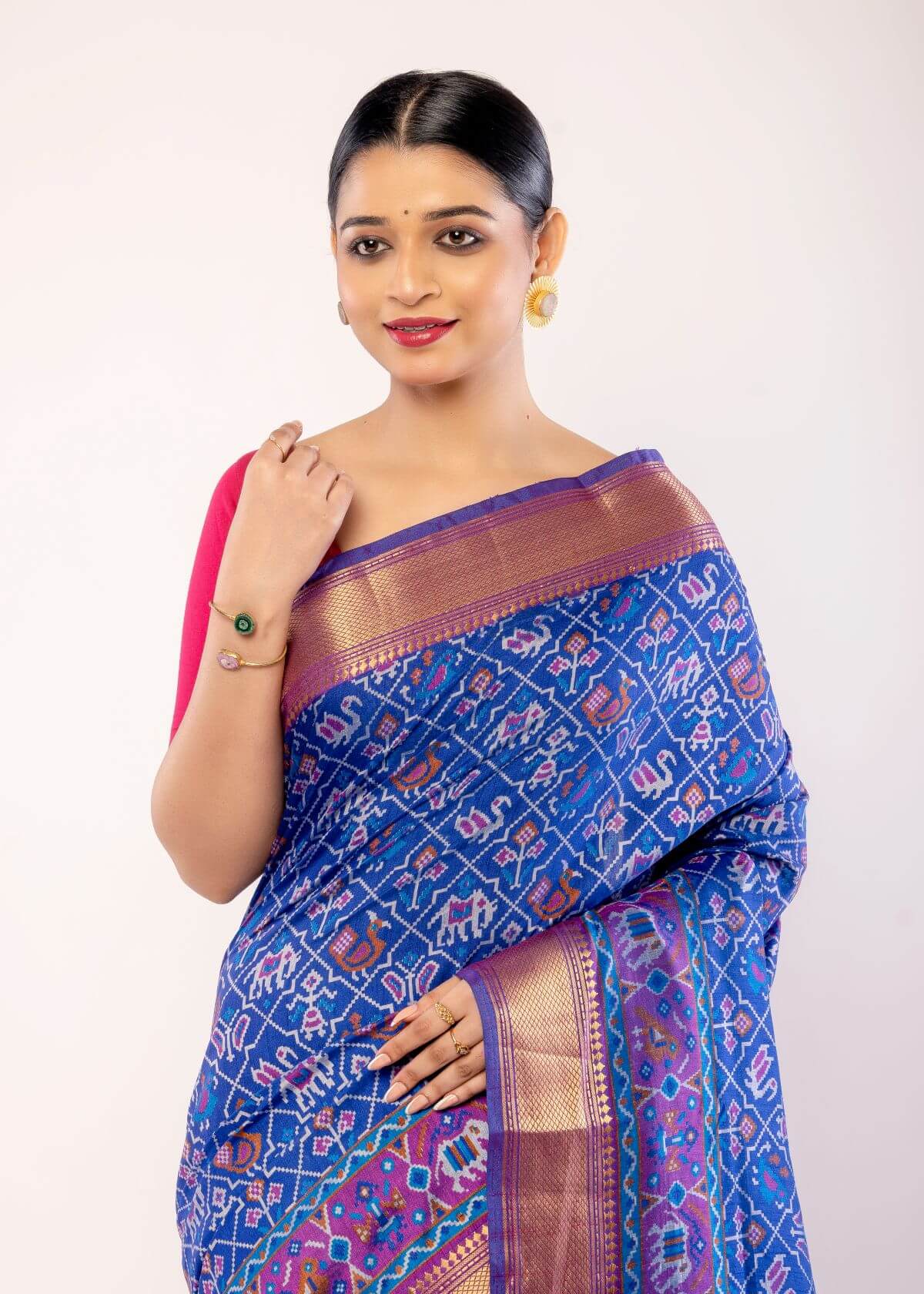
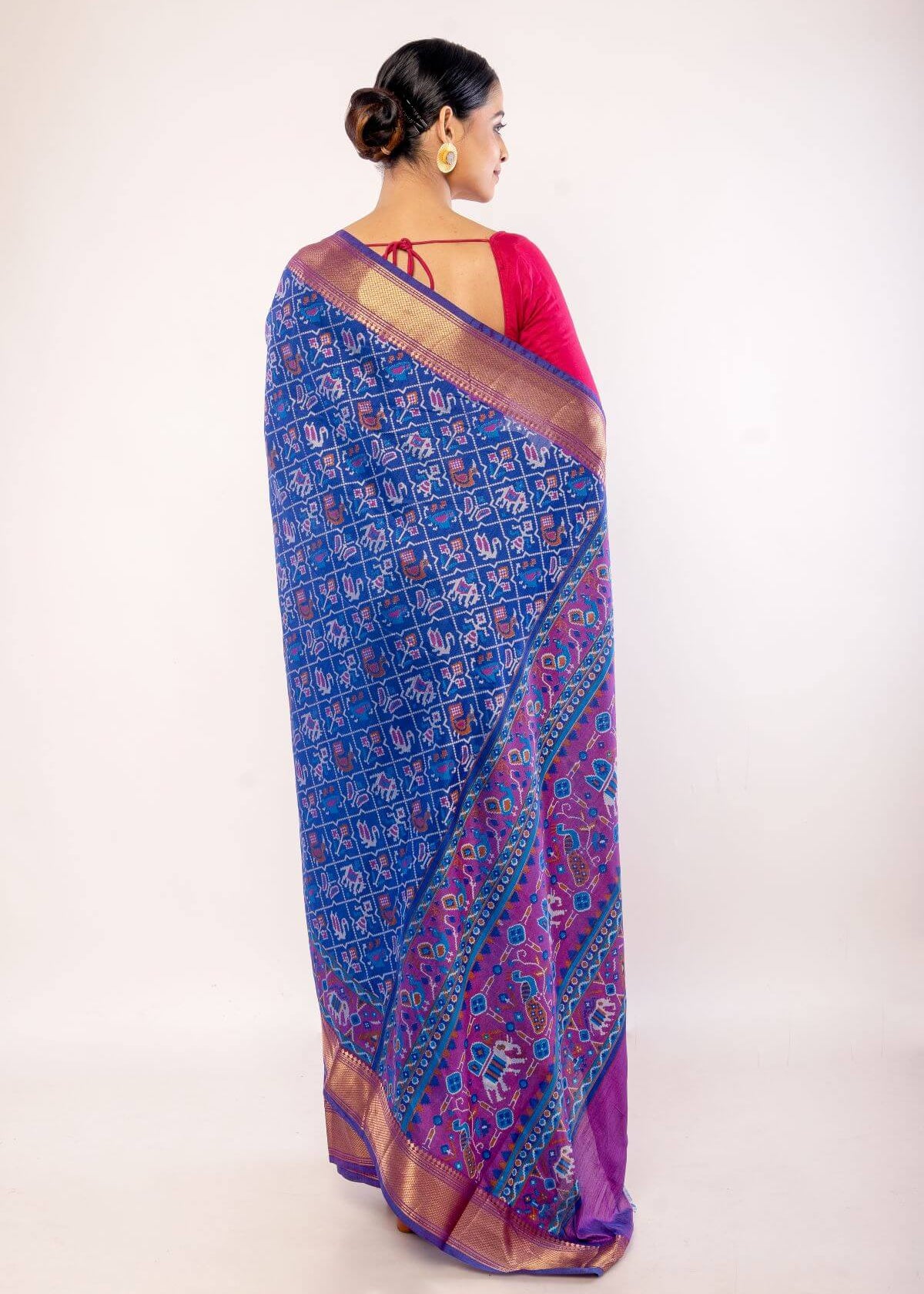
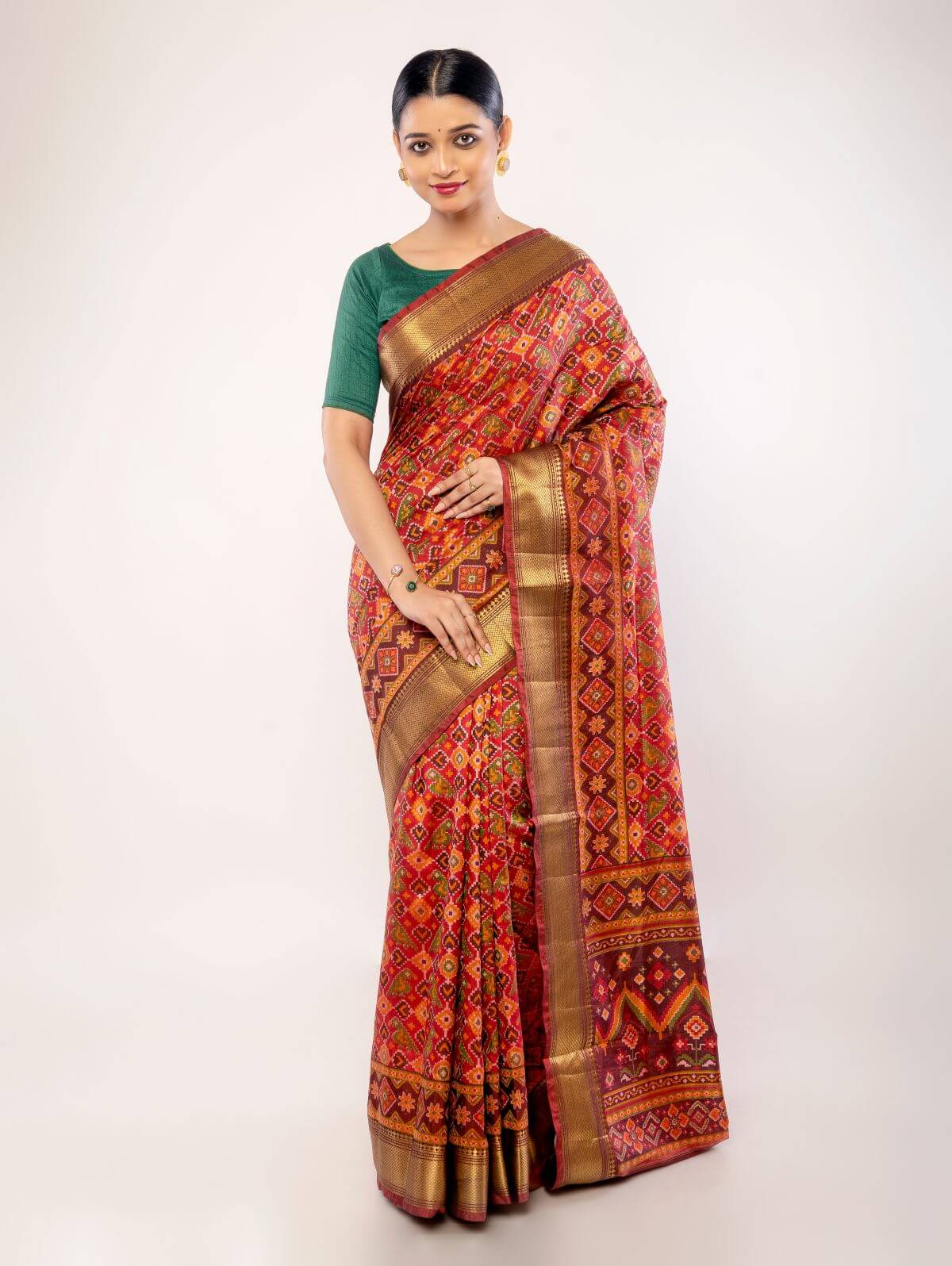
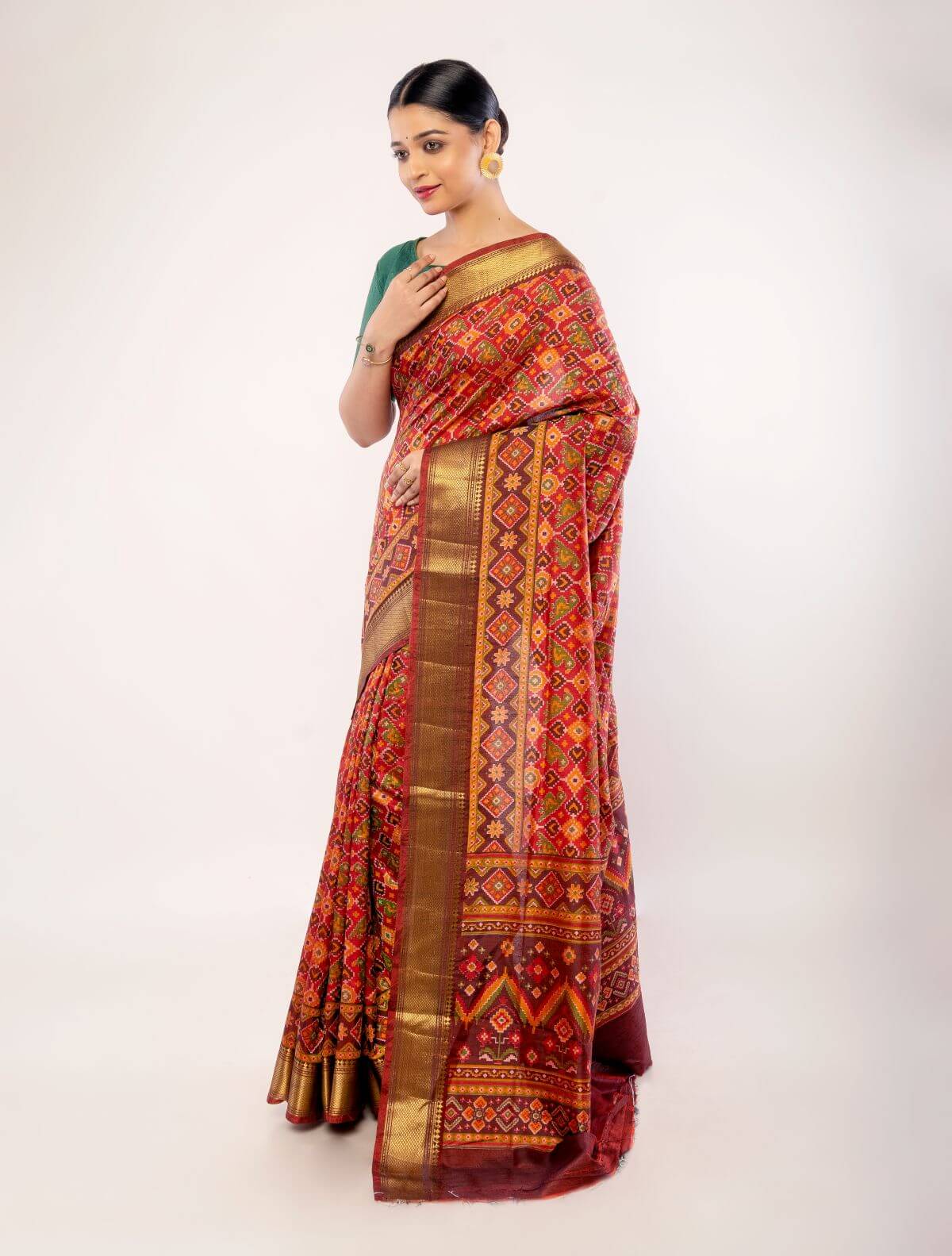
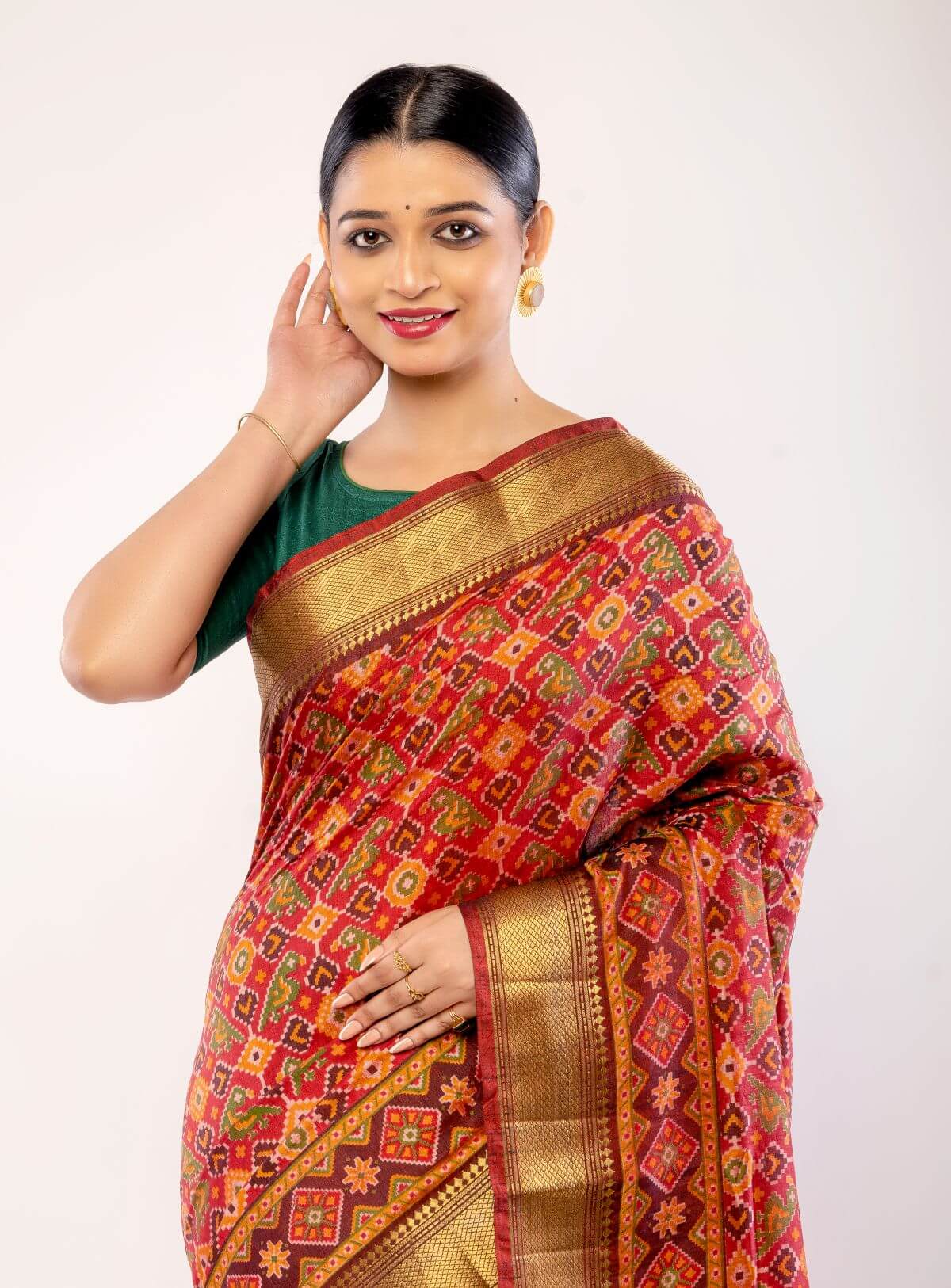
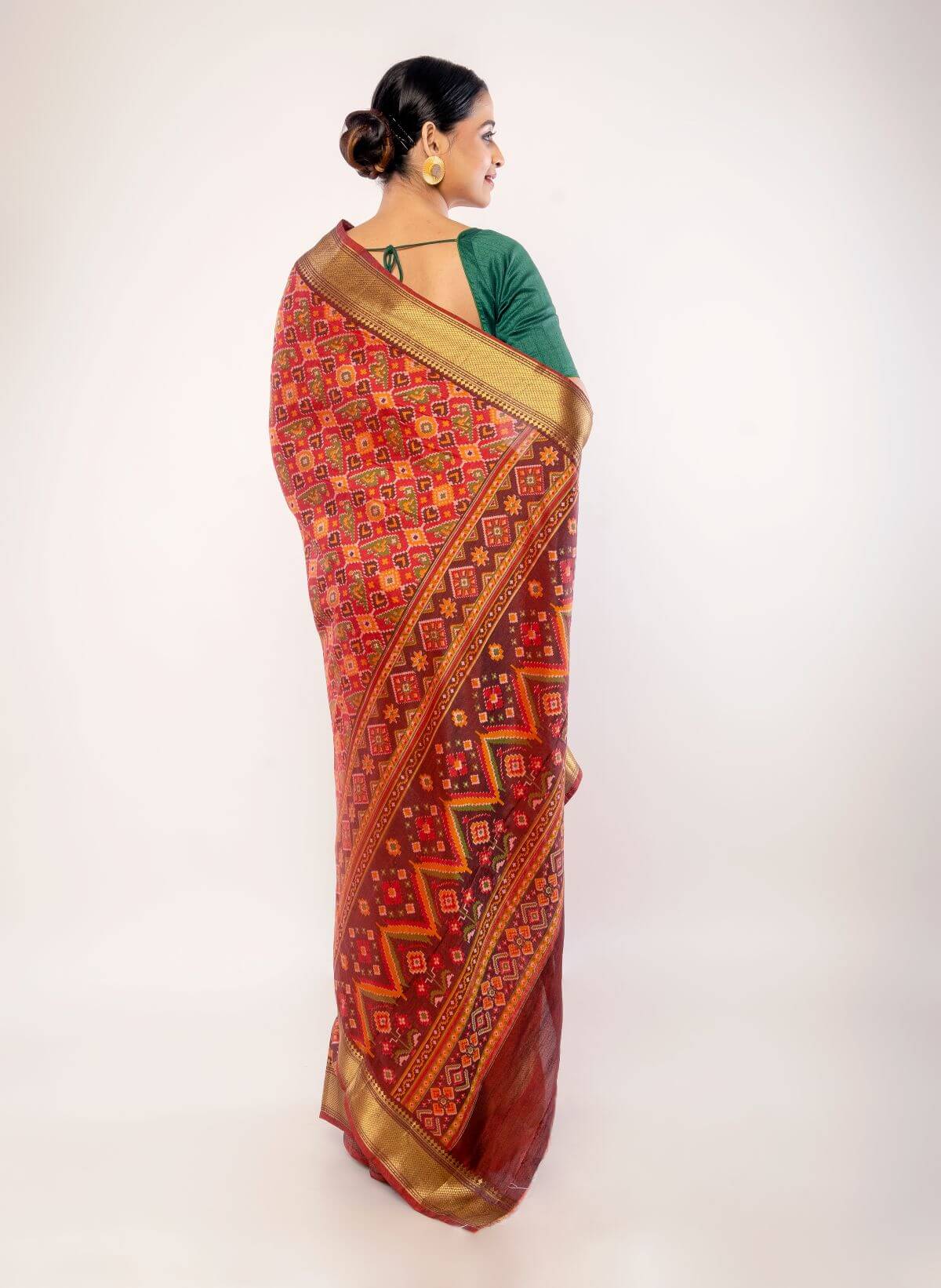
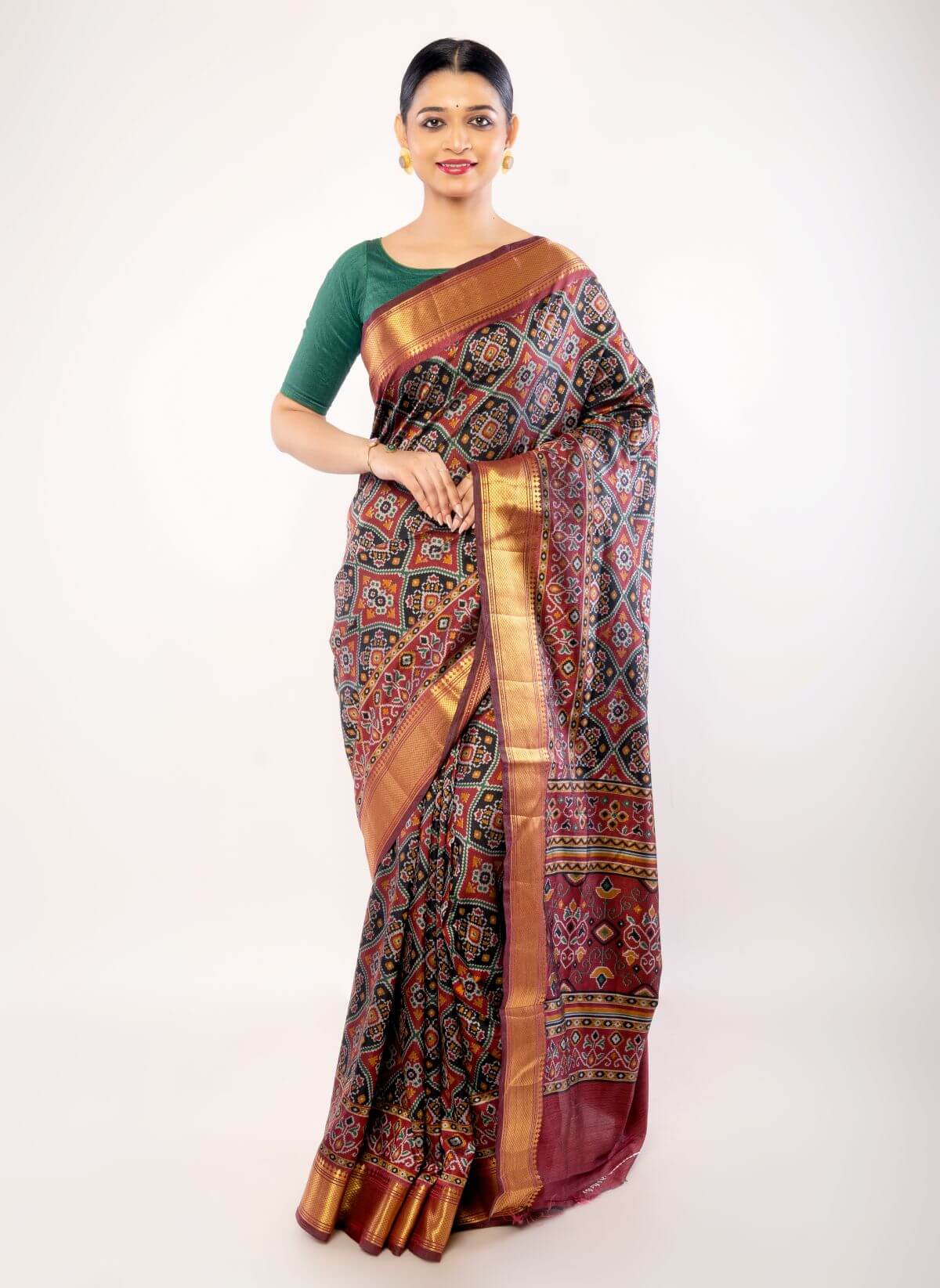
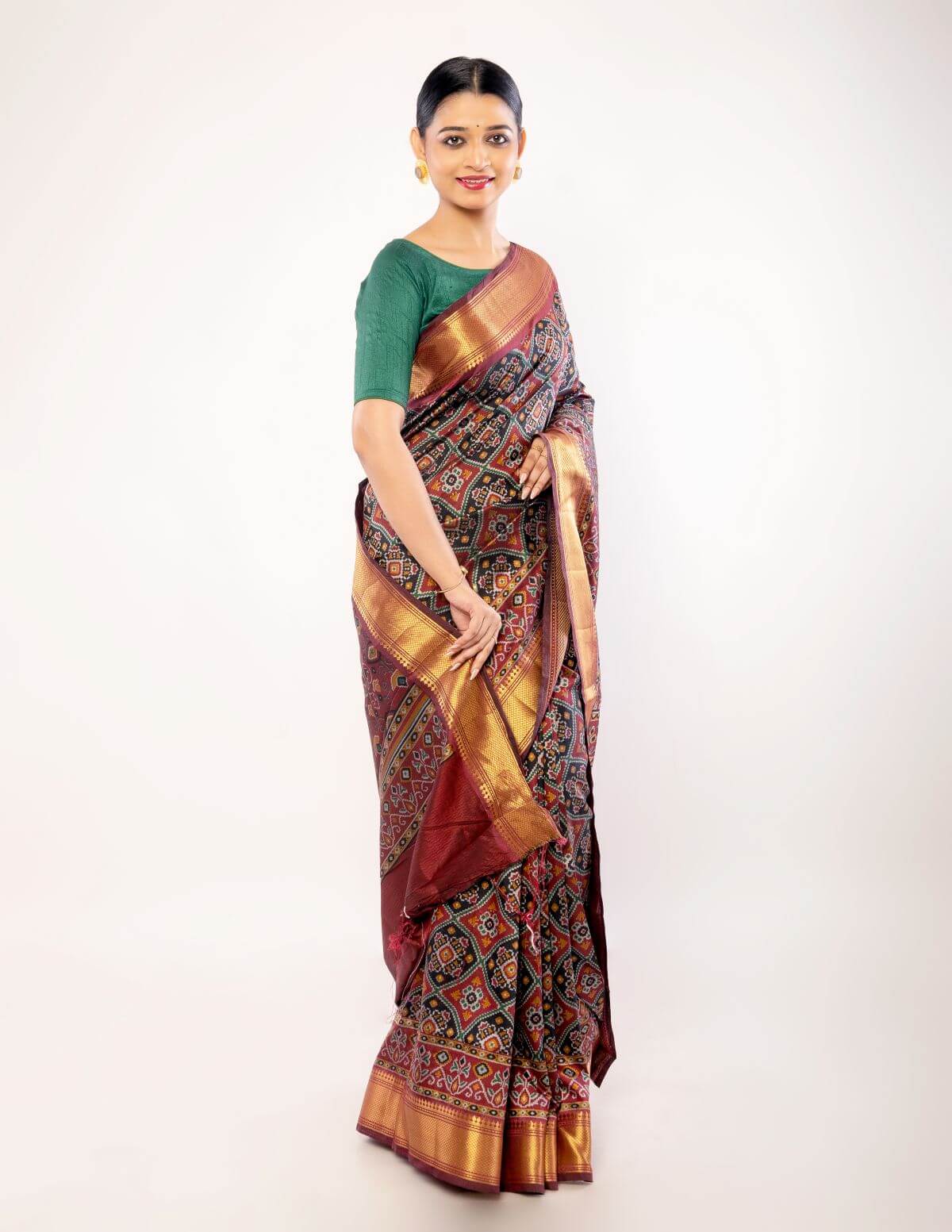
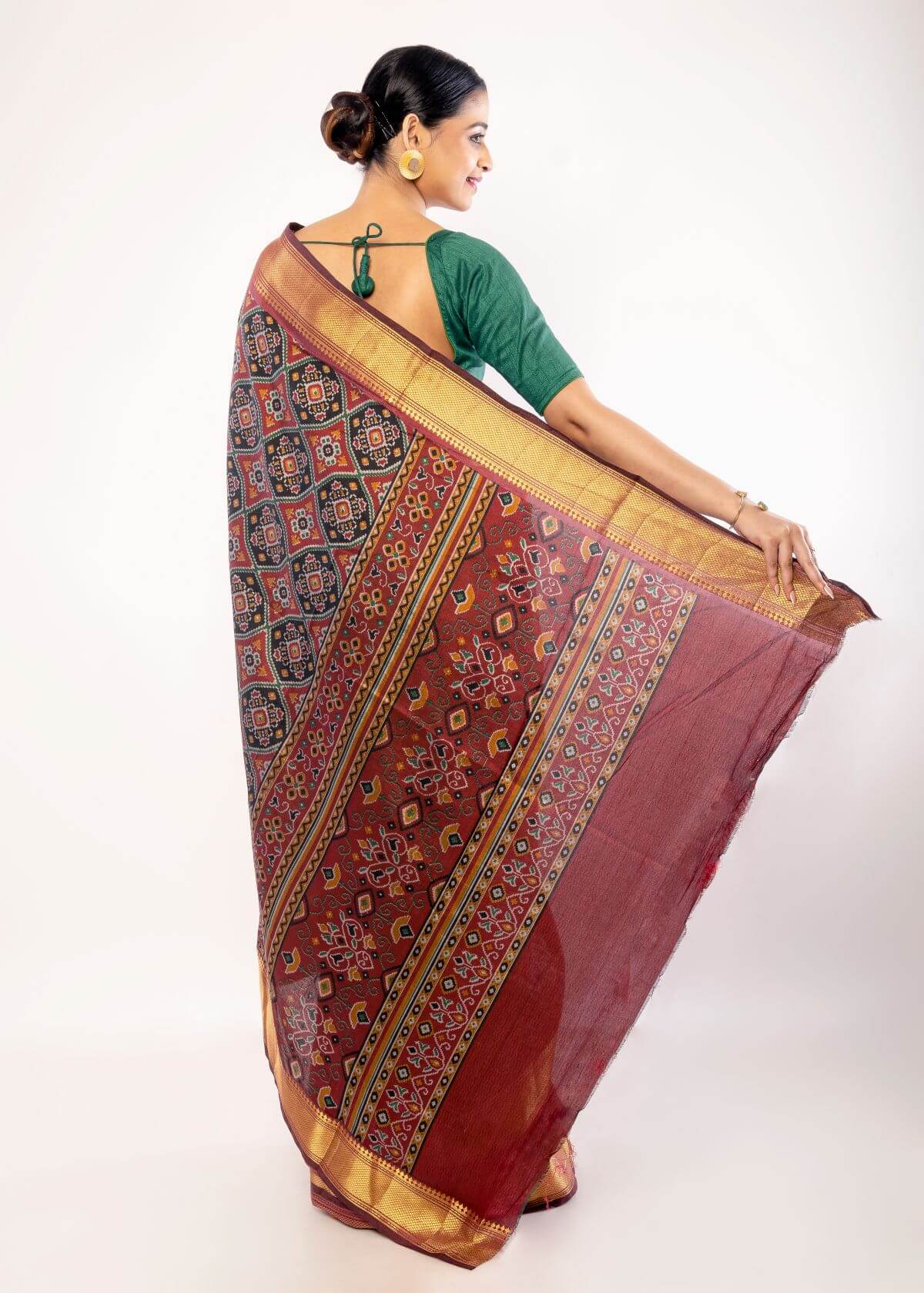
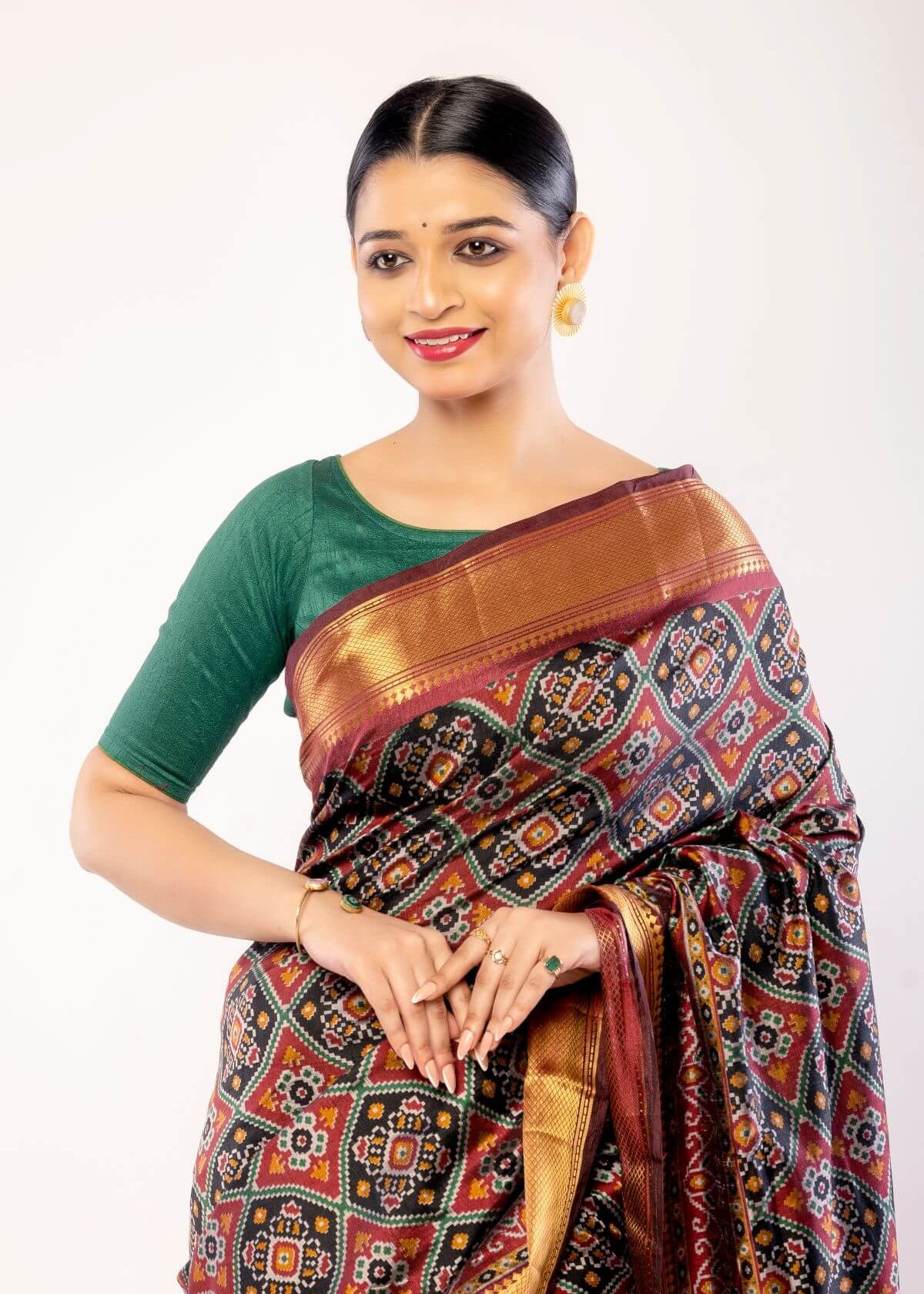
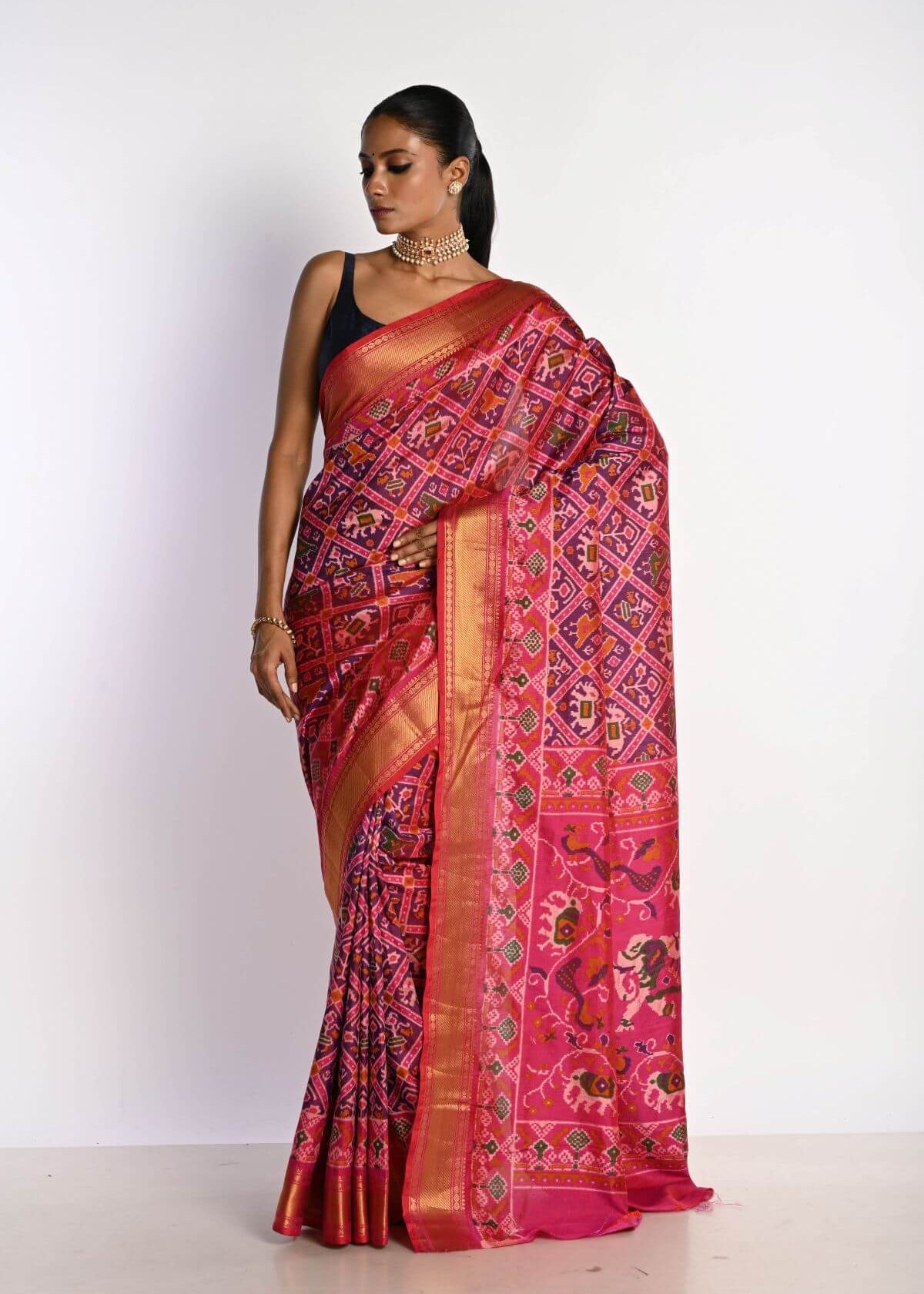
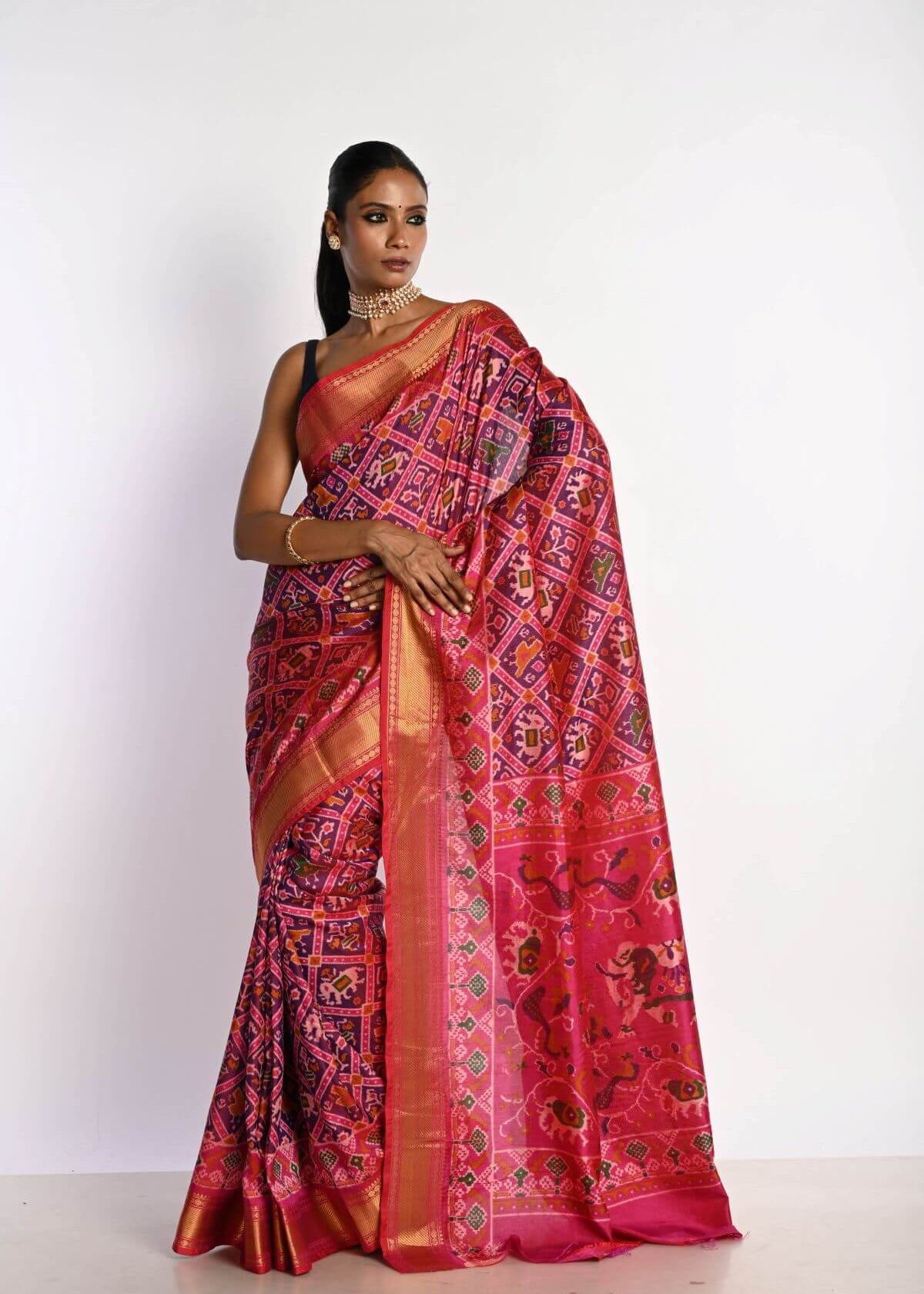
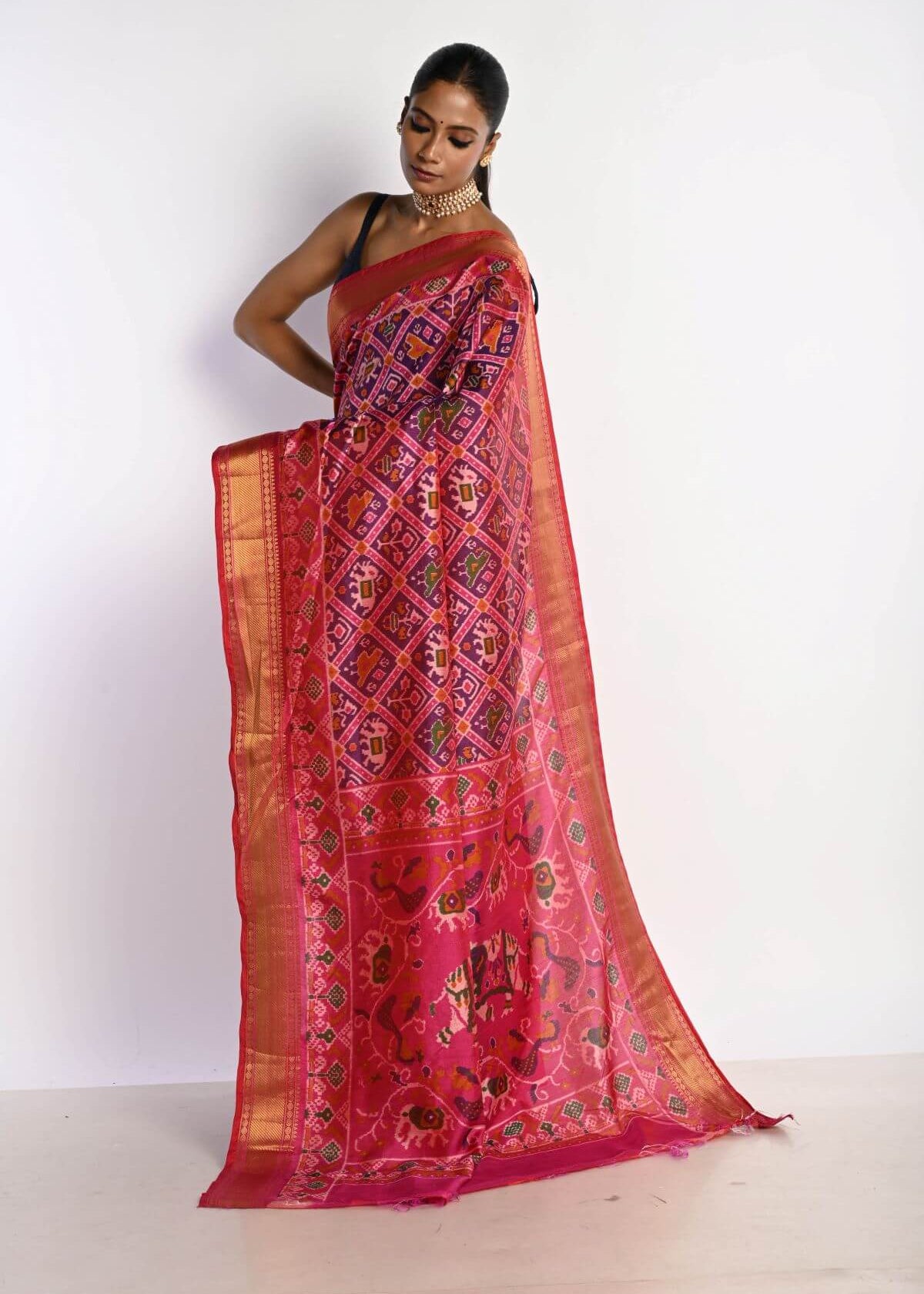
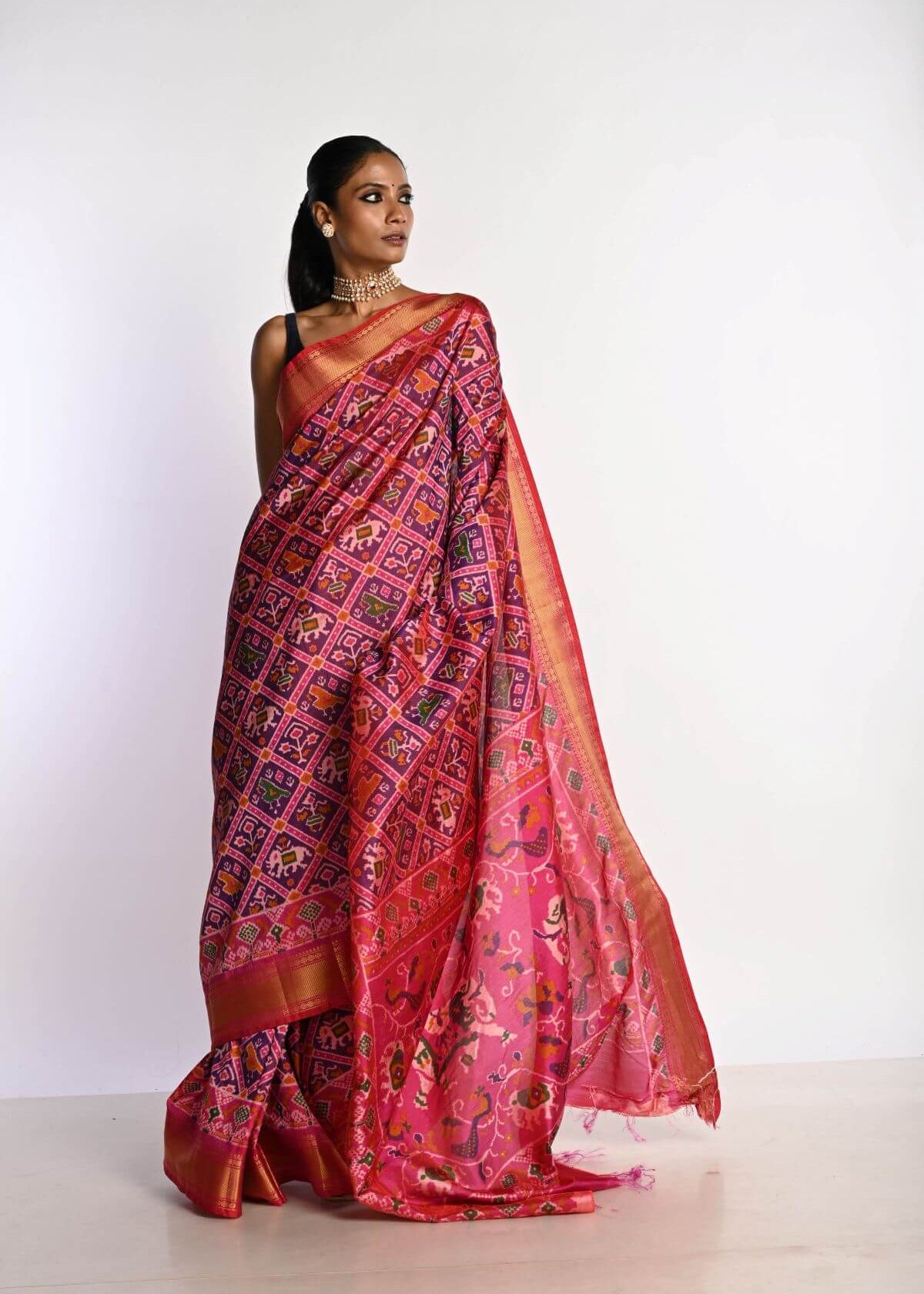
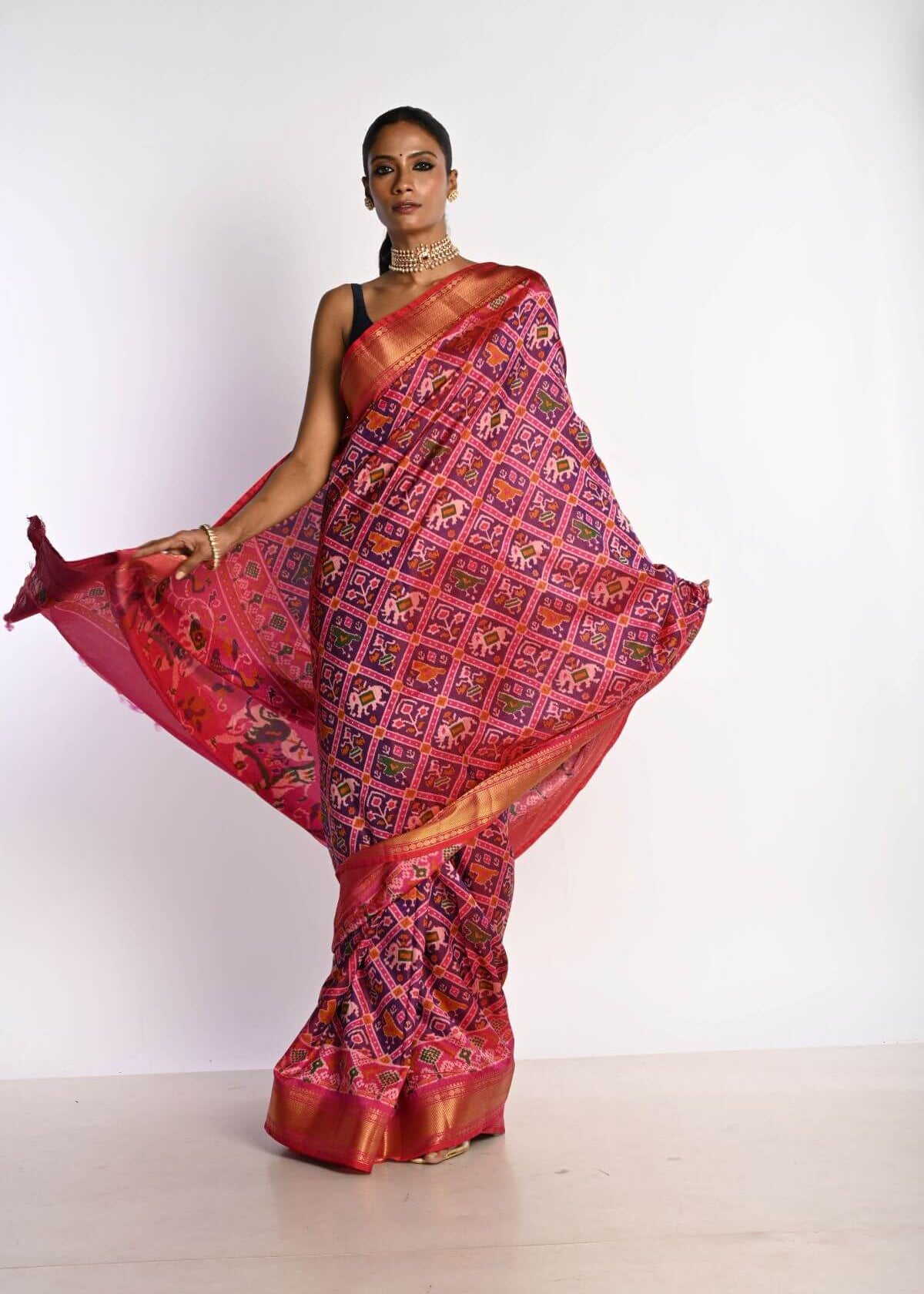
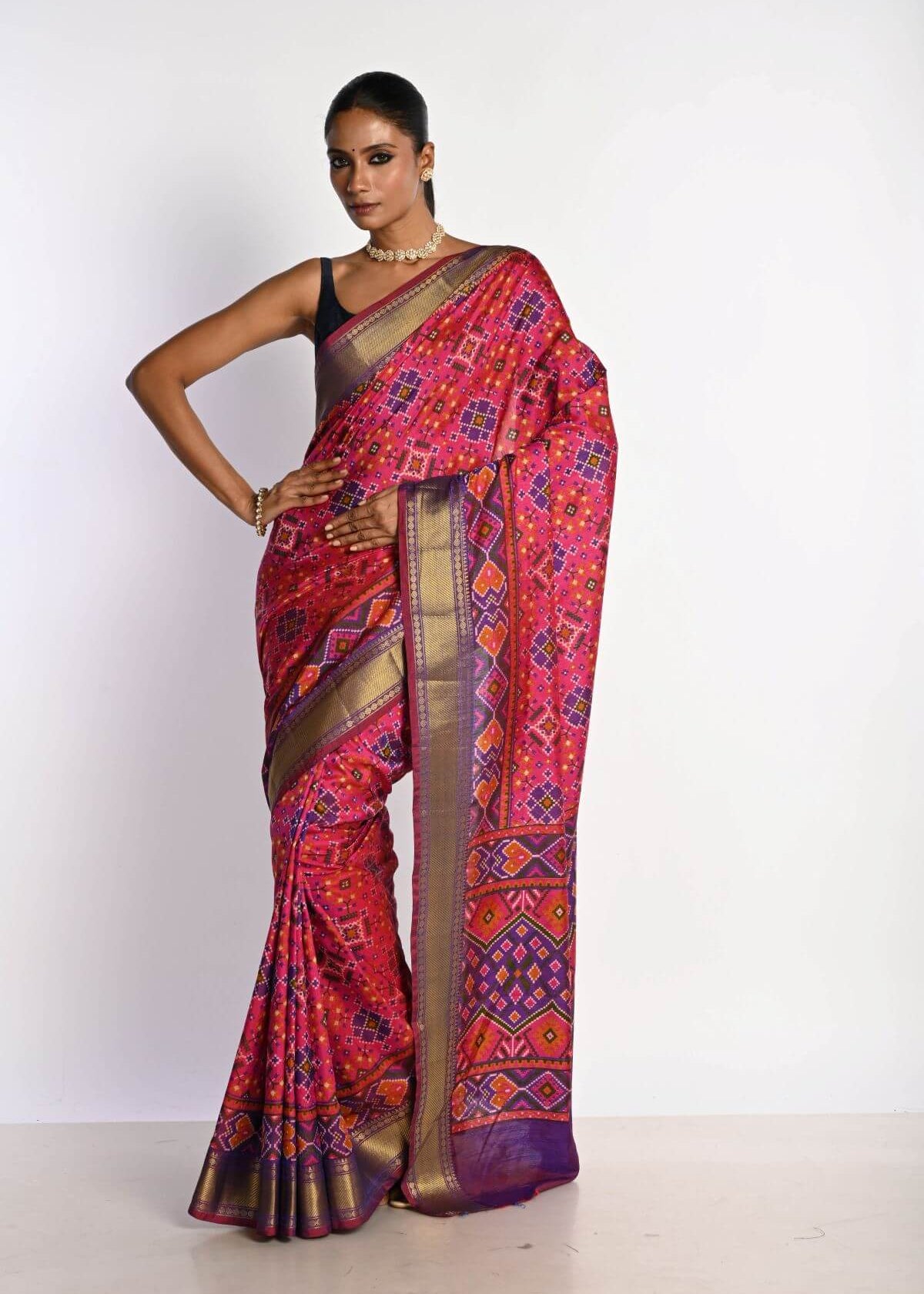
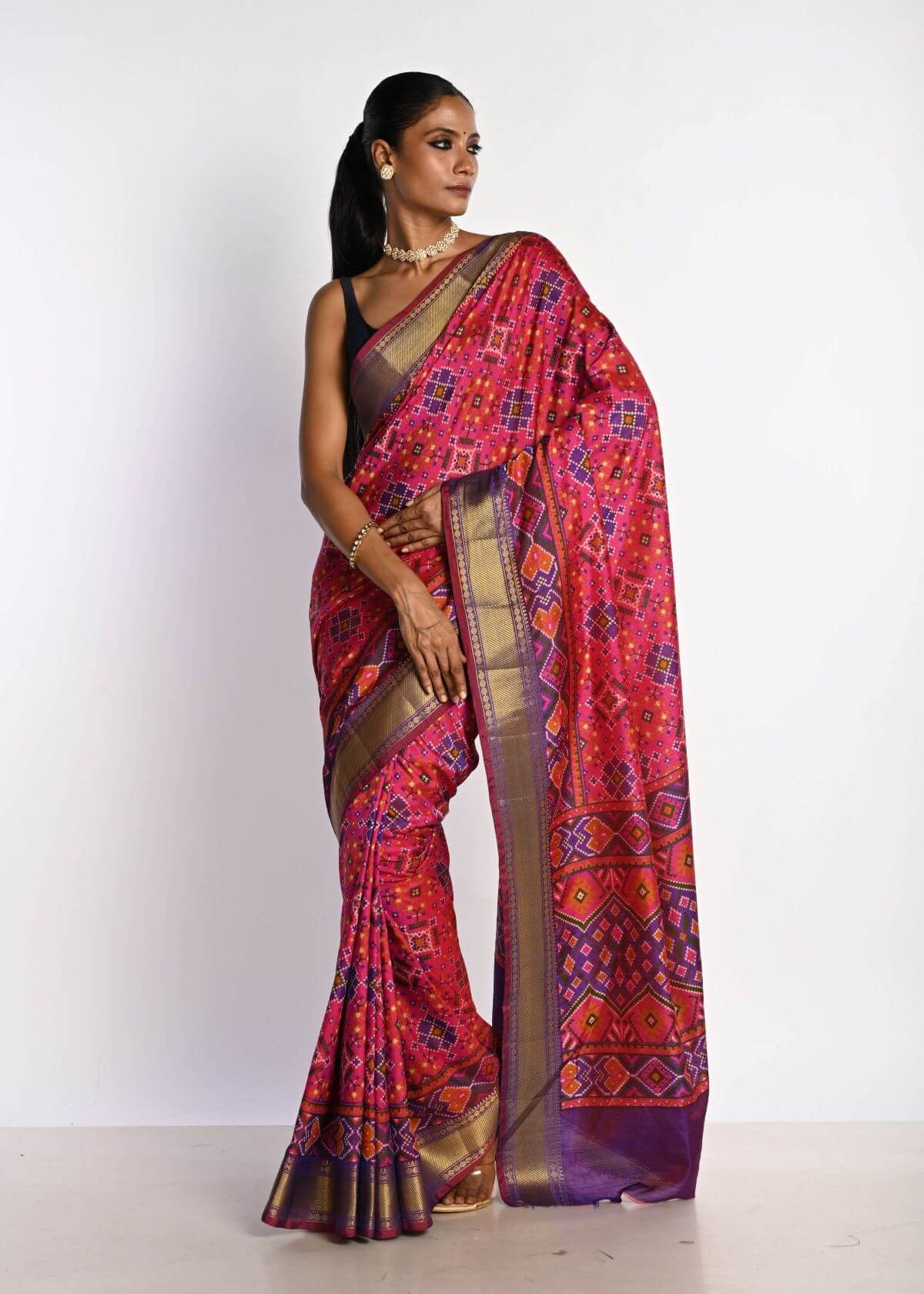
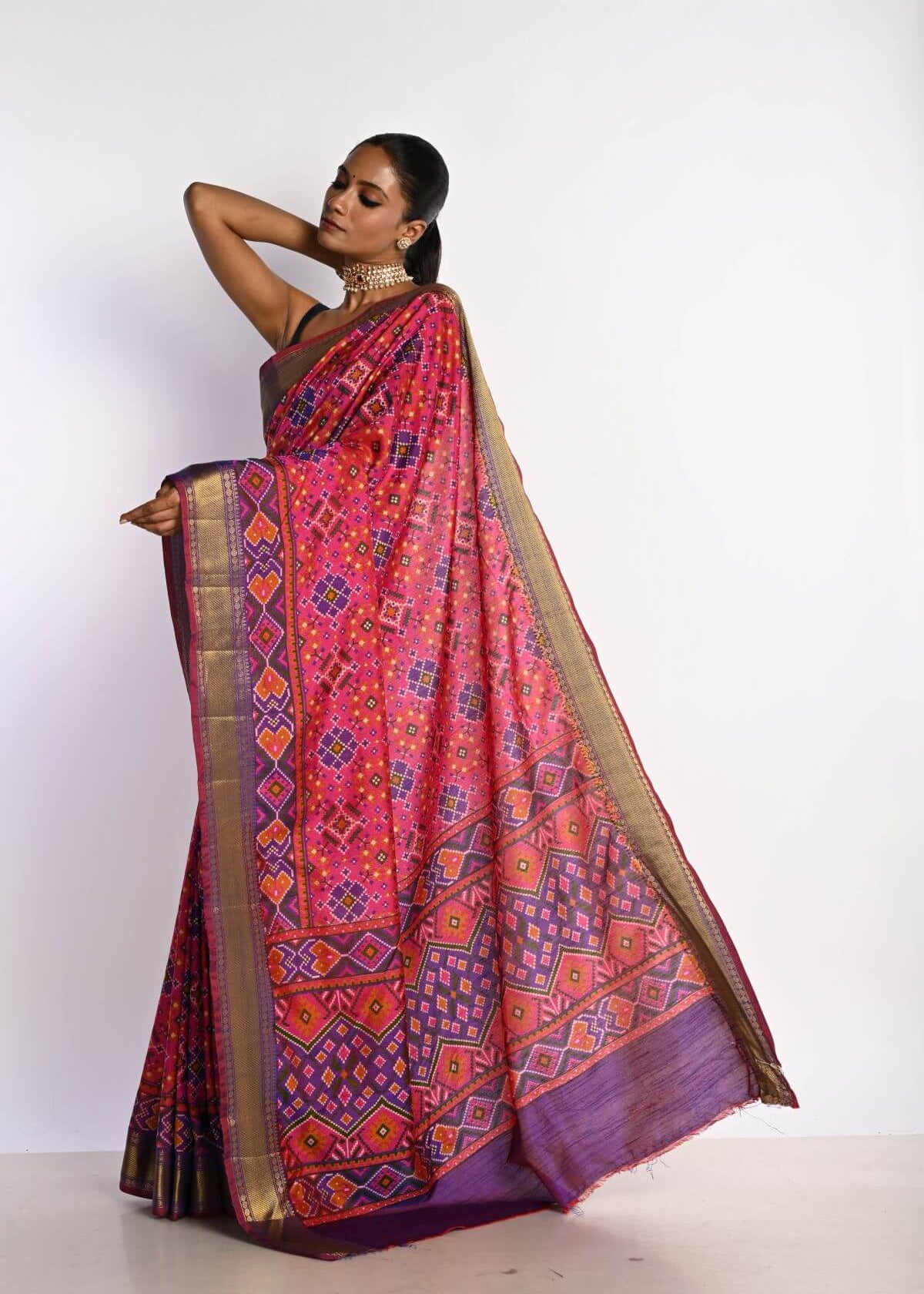
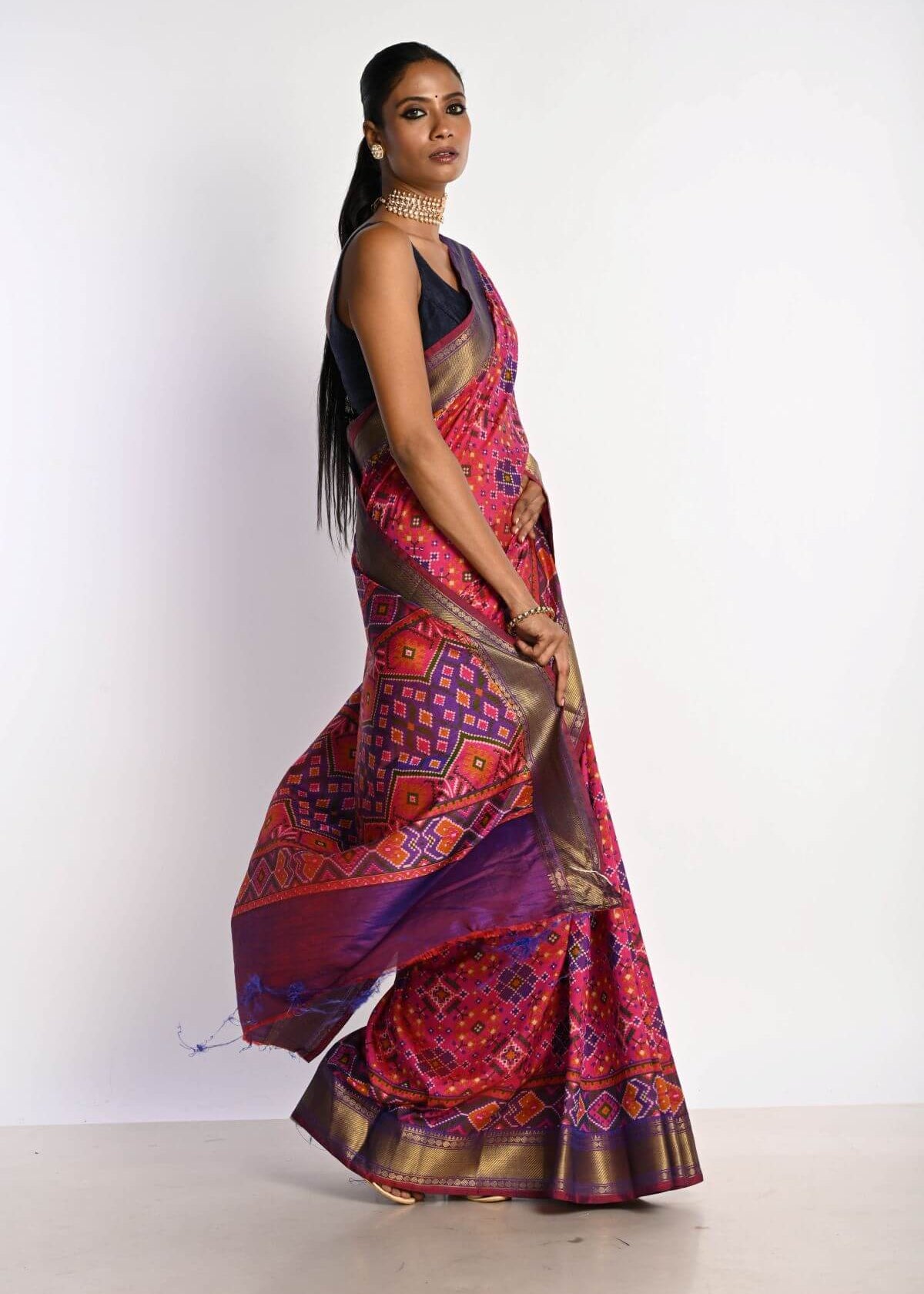
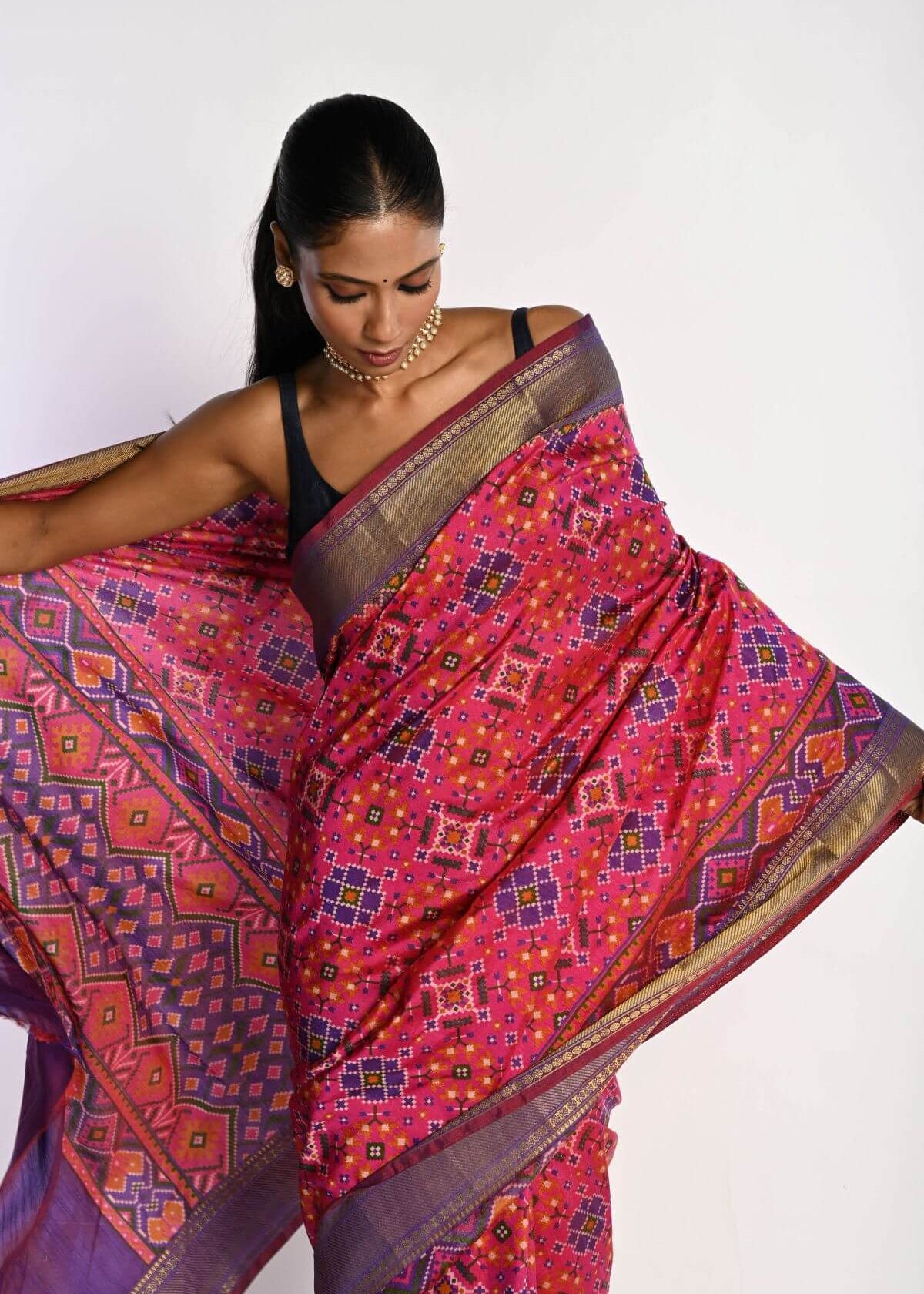


What Is a Patola Saree?
A Patola Saree is a traditional handwoven saree from Gujarat, best known for the intricate ikat patterns and exceptional craftsmanship associated with Patan. Traditionally, Patan Patola is created using the double ikat technique, where both the warp and weft yarns are carefully tied and dyed before weaving so that the design is formed through precise alignment of the coloured threads. This highly skilled process can take several months and is one of the reasons authentic Patan Patola sarees are valued for their craftsmanship and heritage. Patan Patola is also a registered Geographical Indication (GI) product, linking the textile to its recognised regional tradition. With a history spanning centuries and strong connections to Gujarat's weaving communities, Patola remains an important part of India's textile heritage. Exploring selections at anvi couture connects you to an exclusive collection celebrating traditional artistry. Like a Paithani saree, it combines traditional artistry with timeless appeal, while its distinctive double-ikat weaving gives Patola its own unique identity.
Types of Patola Sarees
The word Patola is often used broadly, but not every ikat saree from Gujarat is made in exactly the same way. The most useful distinction for a buyer is between Patan Patola and Rajkot Patola, because the two traditions are associated with different weaving methods. Patan is particularly known for the complex double-ikat technique, while Rajkot is commonly associated with single-ikat production. Understanding this difference helps explain why Patan Patola generally requires more preparation, greater precision and a higher level of craftsmanship.
Patan Patola: Double Ikat
Patan Patola is the best-known form of traditional double-ikat Patola weaving. Both the warp and weft yarns are individually planned, tied and dyed before weaving, so the artisan must position the coloured sections with great accuracy. As the two sets of yarns intersect on the loom, the planned motifs gradually appear and create the characteristic pattern. Because the design is created within the structure of the fabric, a well-made Patan Patola can show strong colour and pattern clarity on both sides. Incredible India describes this mathematical precision as one of the defining features of Patan Patola weaving.
Rajkot Patola: Single Ikat
Rajkot Patola is generally associated with a single-ikat approach, in which the pattern is created by resist-dyeing one set of yarns before weaving. The process is less complex than the double-ikat method used for traditional Patan Patola, although it still requires considerable skill and careful control of colour and pattern. Rajkot Patola therefore provides another way to enjoy the visual language of Gujarat's ikat traditions without equating it with the specific double-ikat craftsmanship of Patan.
Patan Patola vs Rajkot Patola: What Is the Difference?
The main difference between Patan Patola and Rajkot Patola lies in the ikat technique used to create their patterns. Patan Patola is traditionally made using the double ikat technique, in which both the warp and weft yarns are carefully tied and dyed before weaving. Rajkot Patola is generally associated with single ikat, where one set of yarns is prepared through resist dyeing before being woven. Because double ikat requires the precise alignment of two prepared yarn systems, Patan Patola involves a more complex and labour-intensive process and is generally positioned at a higher price point. Patan Patola is also a registered Geographical Indication, while the GI status should not be automatically applied to every saree described simply as Rajkot Patola.
This distinction is important when choosing a saree because the terms Patola, Patan Patola and Patola-inspired can describe different products. A genuine Patan Patola represents a specific regional weaving tradition, while Rajkot Patola follows a different ikat approach and Patola-inspired sarees may reproduce traditional colours and motifs using other weaving or printing methods. Before purchasing, check the saree's place of origin, weaving technique, fabric, production method and supporting documentation so you know exactly what type of textile you are choosing.
Why Does a Patola Saree Take So Long to Make?
A Patola saree takes several months to make because its intricate design requires careful planning, yarn tying, repeated dyeing, drying, precise arrangement, and skilled weaving. According to Government of Gujarat sources, production can take around four to six months, while more complex pieces may require six months to a year. The time depends on the saree’s design, length, colours, and level of craftsmanship.
Patola Saree Designs and Motifs
Patola sarees are recognised for their precise geometric patterns combined with traditional motifs inspired by nature, animals, birds and everyday life. These designs are not simply decorative; they also demonstrate the exceptional accuracy required in ikat weaving. Traditional Patan Patola motifs include Nari Kunjar, Ratan Chowk, Chhabdi, Chokta, Paan, Phul, Panchphul, Laheriya, diamonds, stars and vine-like butta patterns. The meaning of individual motifs can vary across traditions, so their symbolism should be understood in a broader cultural context.
Popular Patola Motifs
- Paan: Inspired by the shape of the betel leaf, this motif is often arranged as a repeating pattern.
- Phul and Panchphul: Floral motifs that introduce natural forms into Patola's structured designs.
- Nari Kunjar: A distinctive traditional design featuring human and elephant figures.
- Ratan Chowk: A geometric motif incorporating floral elements and detailed arrangements.
- Parrot: Bird motifs commonly appear in traditional Patola compositions and add movement to the design.
- Diamonds and Geometric Patterns: Repeating geometric shapes that highlight the precision and symmetry of ikat weaving.
The beauty of Patola motifs lies in both their visual appeal and the skill required to create them through dyed yarns. Because the design is formed during the weaving process, maintaining accurate alignment is essential to achieving the sharp, balanced appearance associated with traditional Patola sarees.
Patola Saree Colours: Traditional Shades and Modern Choices
Patola sarees are known for their vibrant colour combinations, where contrasting shades are carefully arranged to complement geometric patterns, floral motifs, birds and traditional figures. Rather than relying on a single dominant colour, many Patola designs combine several shades within the same composition, creating the characteristic richness of the textile. Discovering trending saree colours can also inspire fresh ideas for your festive wardrobe. The choice of colour can also influence how the saree feels when worn, with deeper shades often creating a more traditional appearance and brighter or softer combinations offering a contemporary interpretation.
Red Patola Saree
A red Patola saree has a strong traditional character and is particularly suitable for weddings, festive celebrations and other important occasions. Red is often combined with contrasting shades such as yellow, green or lighter motifs, allowing the intricate patterns to remain clearly visible. A red Patola saree can be paired with traditional gold jewellery and a comparatively simple blouse when the saree itself has an elaborate border and pallu.
Yellow Patola Saree
A yellow Patola saree brings a bright and festive quality to the traditional weave. Yellow can be combined with red, green, orange or other contrasting shades to create clearly defined motifs across the fabric. Because of its lively appearance, a yellow Patola saree works particularly well for daytime celebrations, cultural gatherings and festive occasions where a brighter colour palette is appropriate.
Green Patola Saree
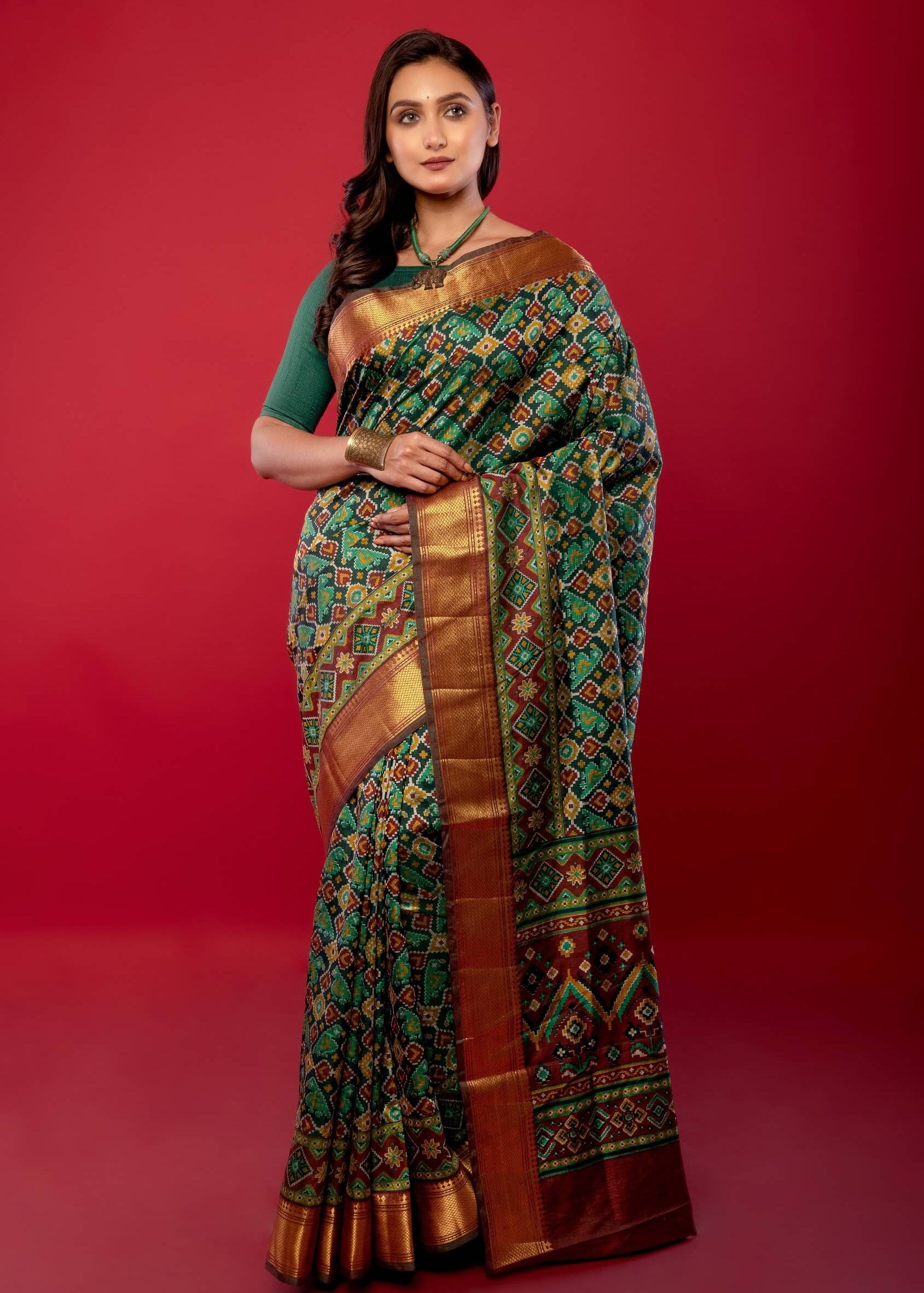
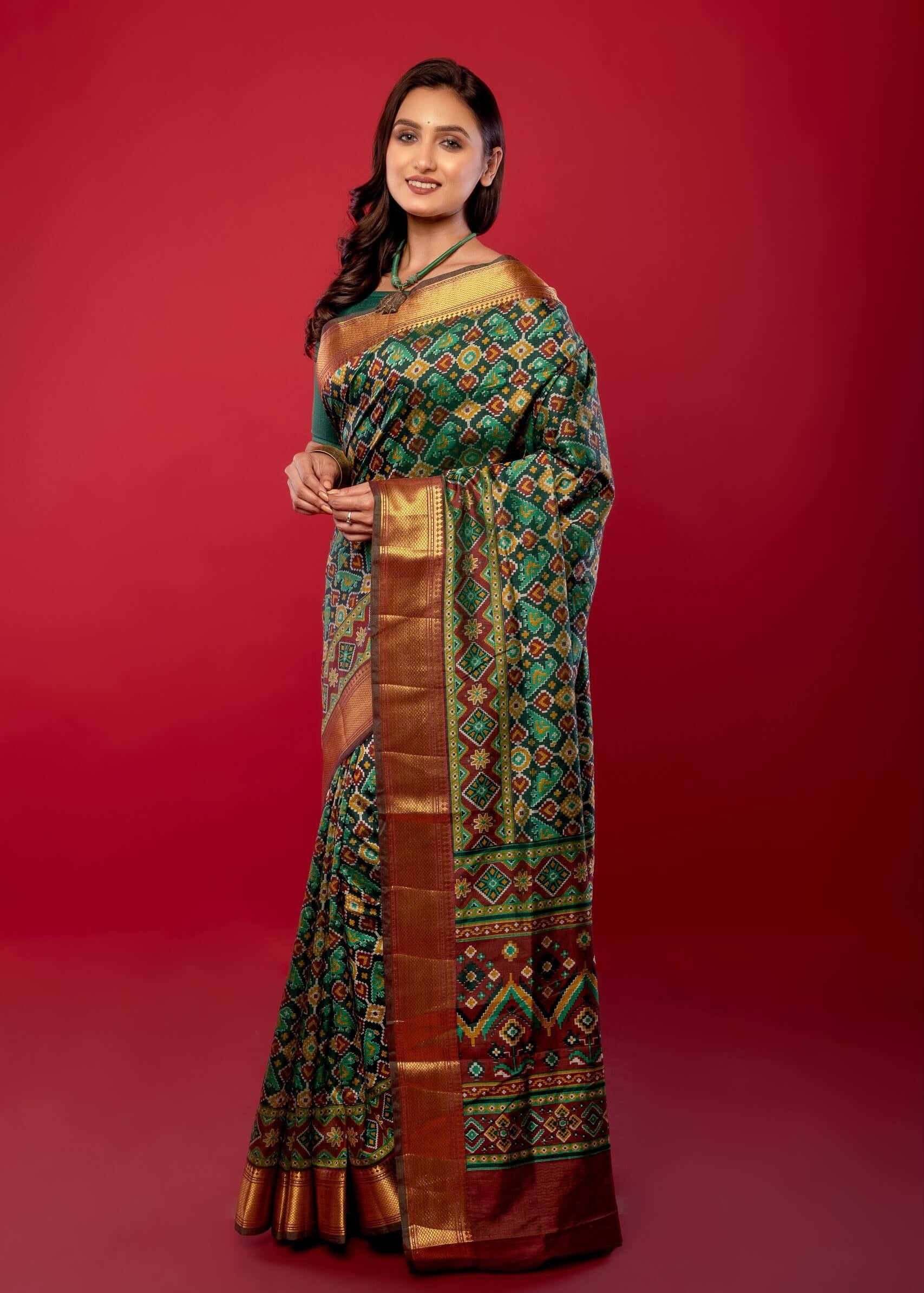
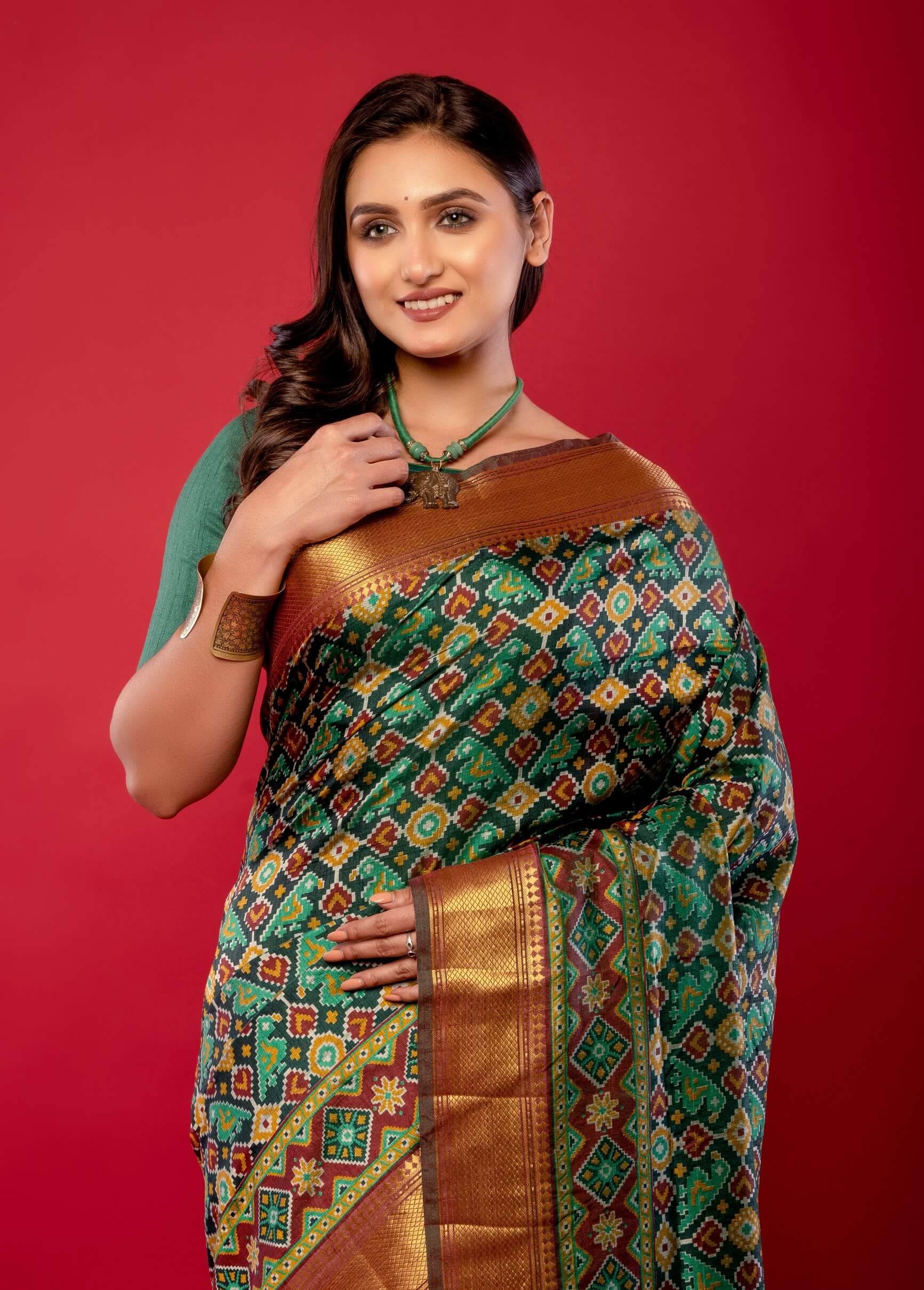
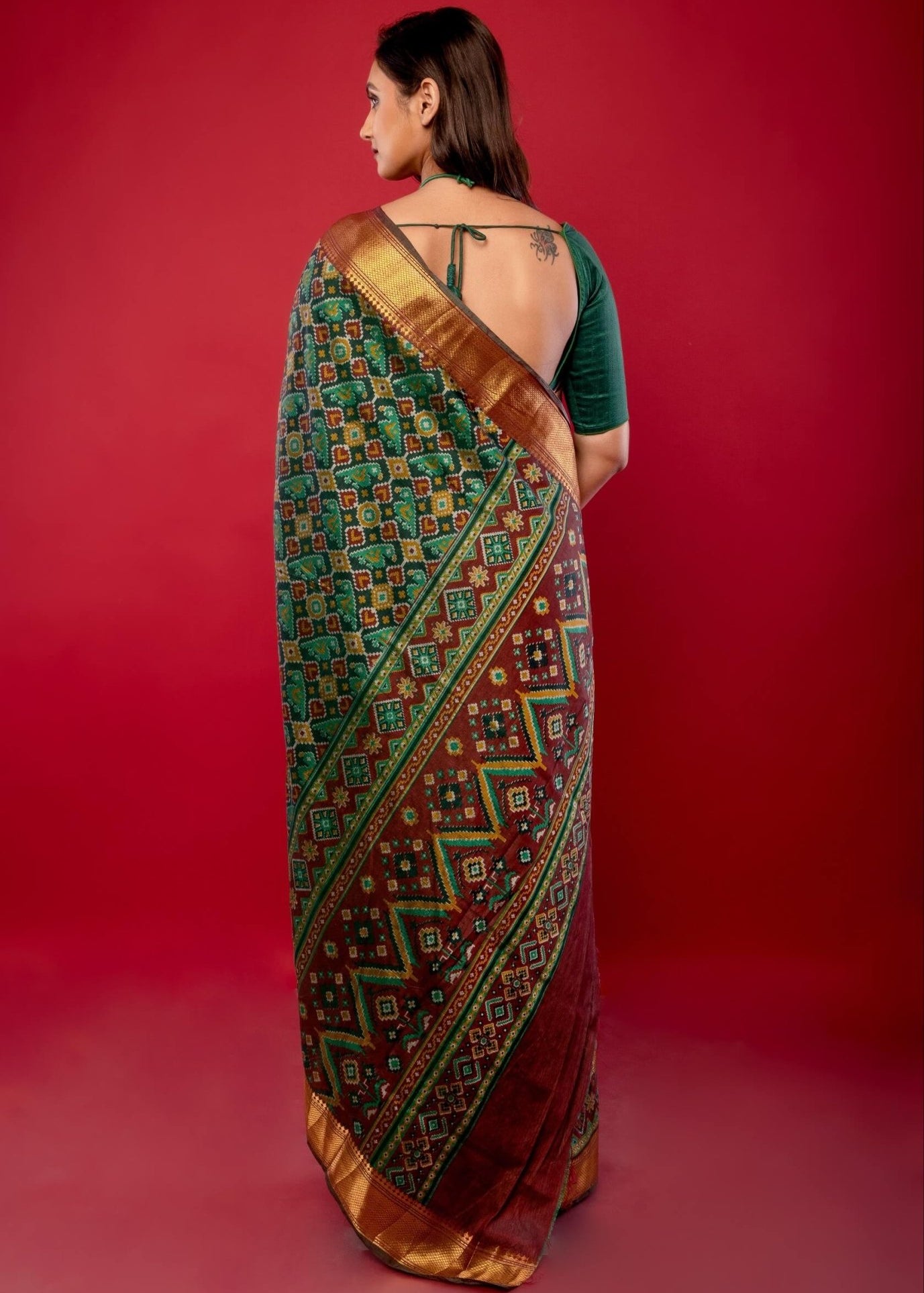
A green Patola saree provides a rich background for traditional motifs and contrasting woven patterns. Deeper green shades can be combined with red, yellow, pink or lighter details to create visual contrast without hiding the structure of the weave. A green Patola saree can therefore work for both traditional celebrations and contemporary festive dressing, depending on the blouse and jewellery chosen.
Orange Patola Saree
An orange Patola saree creates a warm and vibrant appearance, especially when the base colour is balanced with contrasting geometric or floral motifs. Orange can be combined with red, yellow, green or deeper shades to give the design greater depth. For festive occasions, the saree can be paired with traditional jewellery, while a simpler blouse can keep the overall outfit balanced.
Pink Patola Saree
A pink Patola saree offers a softer approach to the vibrant Patola colour palette while retaining the detailed character of the weave. Depending on the shade, pink can be combined with red, green, yellow, blue or contrasting lighter motifs. Softer pink combinations can work well for daytime events and family celebrations, while deeper pink shades can create a richer appearance for weddings and evening occasions.
Blue Patola Saree
A blue Patola saree creates a striking base for contrasting motifs, particularly when deeper blue shades are paired with red, yellow, green or lighter details. The contrast helps geometric patterns and traditional figures remain visually distinct across the fabric. A blue Patola saree can be styled with traditional jewellery for formal occasions or with a clean, contemporary blouse for a more modern appearance.
Multicolour Patola Saree
A multicolour Patola saree brings several shades together within a single woven composition, making colour placement an important part of the overall design. The combination of contrasting colours can help define geometric patterns, floral motifs, birds and traditional figures while demonstrating the precision required in ikat weaving. Because multicolour designs already contain visual variety, understated jewellery and a well-coordinated blouse can create a more balanced final look.
How to Identify an Authentic Patola Saree
Identifying an authentic Patola requires looking beyond colour and surface appearance. A genuine handwoven ikat saree has its design formed through dyed yarns, so the pattern is part of the woven structure rather than a print placed on top of the fabric. In a traditional Patan double-ikat saree, the alignment of warp and weft creates a particularly precise pattern, and the design can show strong continuity on both sides.
When evaluating a saree, pay attention to the following details:
- Weaving: Ask whether the saree is handwoven or machine-made.
- Technique: Confirm whether it is double ikat, single ikat or simply Patola-inspired.
- Origin: Ask whether the saree is from Patan, Rajkot or another weaving centre.
- Pattern: Examine the alignment and clarity of the motifs.
- Fabric: Confirm the fibre composition rather than assuming every Patola-style saree is pure silk.
- Provenance: Ask the seller about the weaver, sourcing location and production method.
- Documentation: Where applicable, ask for GI-related or other authenticity documentation supplied by the seller.
How to Style a Patola Saree
A Patola saree features intricate patterns and vibrant colours, so styling should keep the saree as the main focus. For weddings and festive occasions, pair it with a structured blouse featuring a boat neck, elbow-length sleeves or a contemporary neckline. Traditional gold jewellery, Kundan or Polki pieces can enhance its heritage appeal, while simple earrings and bangles are better suited to sarees with elaborate motifs. Keep footwear and handbags understated so they do not distract from the weave.
The draping style can also change the overall appearance. A Gujarati-style seedha palla brings the pallu forward and highlights its detailed design, making it ideal for traditional celebrations. The Nivi drape offers a versatile look that works well for weddings, family gatherings and festive occasions. For a wedding look, a designer saree for wedding can be paired with a carefully selected blouse design that complements the saree's colours and motifs.
The key to styling Patola is balance. A saree with a richly detailed border and pallu pairs well with a simpler blouse and jewellery, while a more understated design can be enhanced with statement earrings or a traditional necklace.
Patola Saree for Modern Occasions
Patola sarees are not limited to weddings and traditional ceremonies. With the right styling, they can also be worn for festive lunches, cultural events, family gatherings, social occasions and selected formal settings. Choosing a saree with a balanced colour combination and a manageable motif size can make the traditional textile feel more suitable for contemporary wardrobes.
Patola Saree for Office and Formal Events
For office meetings and formal events, choose a Patola saree with a relatively controlled colour palette or smaller motifs. A well-fitted blouse, minimal jewellery and comfortable footwear can create a polished appearance without making the outfit look overly ceremonial. A neat Nivi drape and a structured blouse can further give the saree a professional finish. Keeping accessories simple allows the craftsmanship and pattern of the saree to remain visible while maintaining a refined overall look.
Patola with Contemporary Blouses
A contemporary blouse can give a traditional Patola saree a fresh and modern appearance. Crop-style blouses, structured necklines, high necks and modern sleeve lengths can work well when their proportions complement the saree. The key is to maintain visual balance. When the saree features an elaborate pallu and detailed border, a cleaner blouse design can prevent the outfit from appearing too busy. For simpler Patola designs, a statement blouse can provide an interesting contrast.
Patola-Inspired Silk for Everyday Wear
Patola-inspired silk sarees offer a practical option for women who enjoy traditional motifs but prefer a lighter and easier-to-manage outfit. These sarees can work for daytime gatherings, casual celebrations, workplace events and everyday festive dressing. However, they should be clearly described as Patola-inspired when they do not use the traditional Patan double-ikat technique. A Patola-inspired saree may recreate the colours and motifs associated with Patola while using a different weaving or printing process. Understanding this distinction helps buyers appreciate both the visual appeal of contemporary designs and the specialised craftsmanship of authentic handwoven Patan Patola.
Why Patola Sarees Remain Valuable Today
The value of a Patola saree comes from the combination of material, technique, time and inherited knowledge. A traditional Patan double-ikat saree requires the design to be translated into yarn preparation before weaving begins, making the finished pattern the result of multiple stages of skilled manual work. That craftsmanship is difficult to reproduce through ordinary printing or simpler weaving methods.
Patan Patola also carries a documented geographical and cultural identity. Its registered GI status connects the textile to its recognised geographical origin, while government sources continue to identify Patan as a centre of the double-ikat tradition. For someone choosing a Patola saree, understanding these details makes it easier to appreciate why an authentic handwoven piece can command a significantly higher price than a printed or machine-made Patola-inspired saree.
How Anvi Couture Selects Patola Sarees
At Anvi Couture, selecting a Patola saree involves looking beyond colours and patterns. The focus is on understanding the fabric, craftsmanship, design and overall quality so that each saree reflects the beauty and heritage associated with traditional Indian textiles. You can also pair your handwoven weave with customized blouse cuts and bespoke fits through our specialized anvi couture tailoring services.
- Weaving Technique: We look at whether the saree uses double ikat, single ikat or a Patola-inspired technique and ensure the description clearly reflects the weaving method.
- Fabric Quality: The silk or other fabric used is considered carefully for its texture, finish, strength and overall feel.
- Pattern and Alignment: Intricate motifs and colour arrangements are examined for clarity, consistency and balanced alignment across the saree.
- Colour Combination: We select colour combinations that highlight traditional Patola aesthetics while also appealing to contemporary preferences.
- Craftsmanship: Attention is given to the quality of weaving, detailing and finishing because these elements contribute significantly to the character of a handwoven saree
- Design Selection: Traditional motifs are balanced with wearable designs so that the collection offers options for weddings, festive occasions and cultural celebrations.
- Authenticity Information: Where applicable, details about the saree's origin, weaving technique and craftsmanship are considered before the piece is included in the collection.
- Customer Suitability: We consider how the saree can be styled, the type of occasion it suits and the preferences of women looking for traditional textiles with a contemporary appeal.
Popular Search
Explore More


FAQs
Both Patola and Pochampally sarees use the ikat weaving technique, but they originate from different regions and follow distinct weaving traditions. Patola sarees come from Gujarat, particularly Patan and Rajkot, while Pochampally sarees originate from Telangana. Authentic Patan Patola is known for its complex double ikat technique, where both warp and weft threads are dyed before weaving. Pochampally sarees are generally woven using single ikat or less intricate double ikat methods, making them more accessible in terms of price.
No, Patola sarees are appreciated and worn across India and even internationally. While they have deep roots in Gujarat's cultural heritage, their intricate craftsmanship and timeless appeal make them popular for weddings, festivals, and special occasions in many regions of the country.
Yes, a Patola saree is considered a meaningful and prestigious wedding gift. Its rich heritage, handcrafted artistry, and lasting value make it a cherished present for brides and family members. Many people choose Patola sarees for weddings because they symbolize tradition, elegance, and good wishes for the future.
A genuine Patola saree can last for several decades when properly maintained. The high-quality silk, skilled weaving, and durable dyeing techniques contribute to its longevity. Many families pass Patola sarees down through generations as treasured heirlooms.
Yes, an authentic Patola saree is often considered a valuable investment. Its rarity, handcrafted nature, and cultural significance contribute to its long-term worth. High-quality Patan Patola sarees, in particular, are highly sought after and can retain their value over time, especially when preserved in excellent condition.
Traditional short-sleeve blouses, sleeveless cholis, or modern high-neck blouses all go well with Patola sarees. One can also opt for jacket-style blouses or deep-back blouses for a more contemporary look. The blouse has to complement the intricate designs and vibrant colors of the saree for a perfect and elegant balance.
Making a Patola saree involves a long time; it requires patience because of the elaborate double ikat weaving technique involved. This weaving technique includes elaborately dyeing both warp and weft strings and then expertly inter-weaving them according to the motifs to be done. Such patterns require a few weeks or sometimes even months with regard to designing and hand weaving.
The cost of the Patola saree will differ based on how complex the design is, the quality of the silk, and even the region. In general, the Patola saree can be anywhere from ₹20,000 to ₹1,00,000 or even more for the premium ones. Custom designs and intricate patterns raise the price further.
Latest Sarees Collection with Price
Sarees List
Price
