



Suit for Women
Choosing the right suit for women is about finding an outfit that fits the occasion, feels comfortable, and reflects your personal style. Anvi Couture’s suits collection brings together traditional Indian silhouettes and contemporary designs, giving you options for everyday dressing, office wear, festive celebrations, weddings, and parties. Each suit is selected with attention to fabric, fit, colour, embroidery, and overall styling, so the outfit feels as considered as it looks. From breathable cotton suits designed for regular wear to elegant silk, georgette, and embellished styles for special occasions, the collection offers different levels of comfort and formality. You can explore straight-cut suits, Anarkali-inspired silhouettes, Punjabi styles, Patiala designs, palazzo sets, and other modern interpretations of Indian ethnic wear. For shoppers who need a more personalised fit, customization and tailored options can make the final garment more suitable for individual measurements and styling preferences. With a focus on Indian craftsmanship, thoughtful design, and practical wearability, Anvi Couture helps women choose suits that can become meaningful and versatile additions to their wardrobes.
Read more
78 Products
78 Products


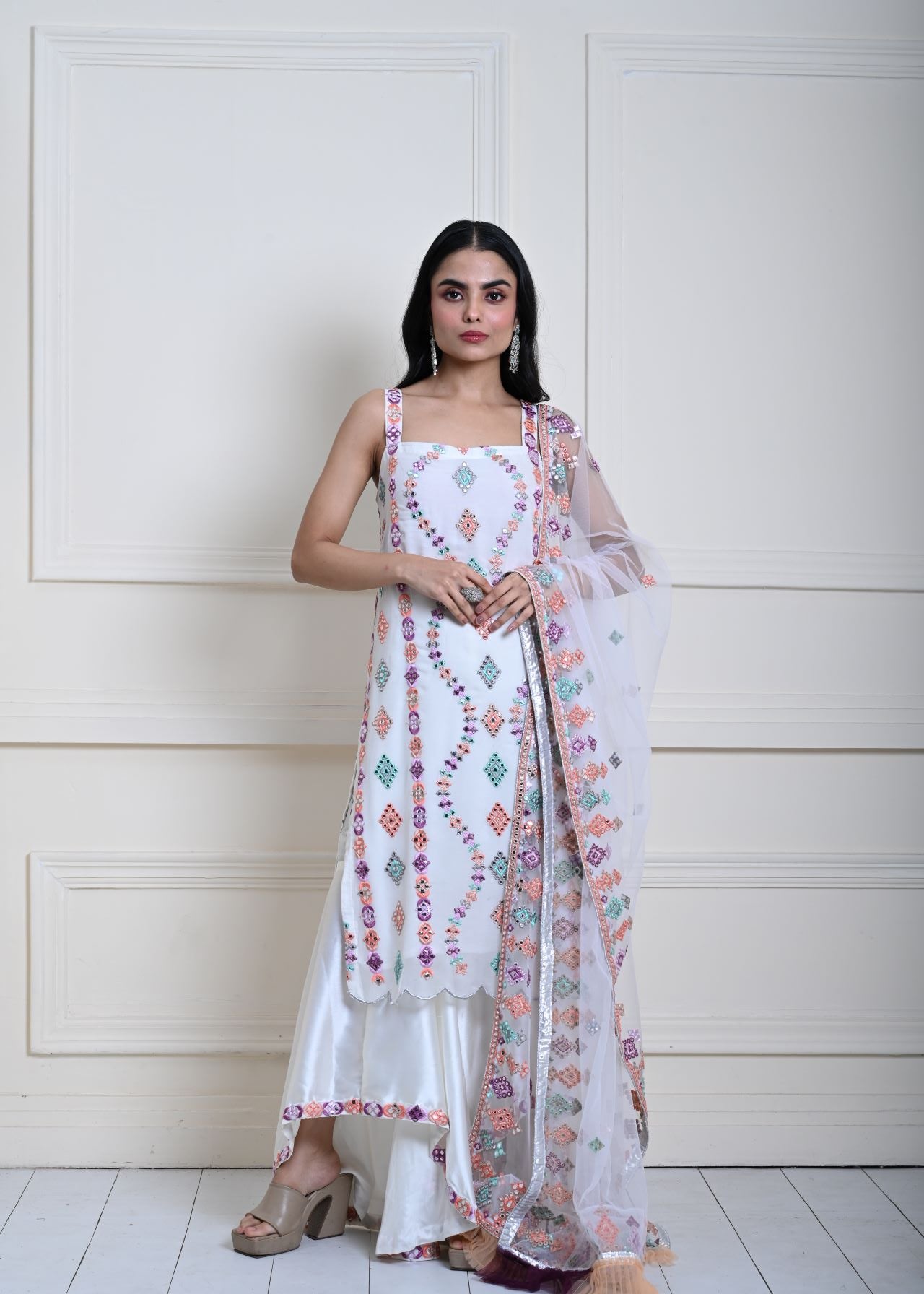
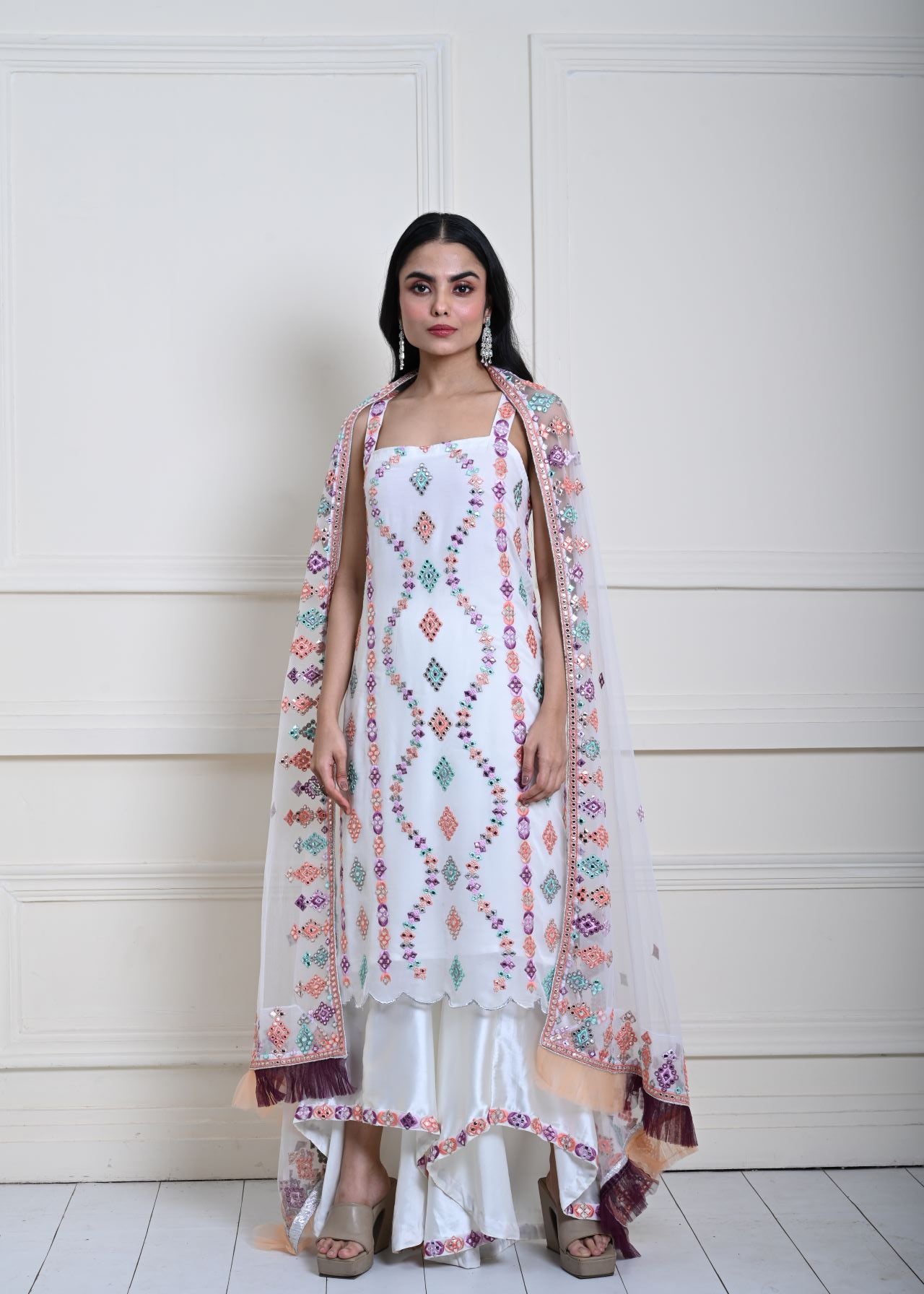
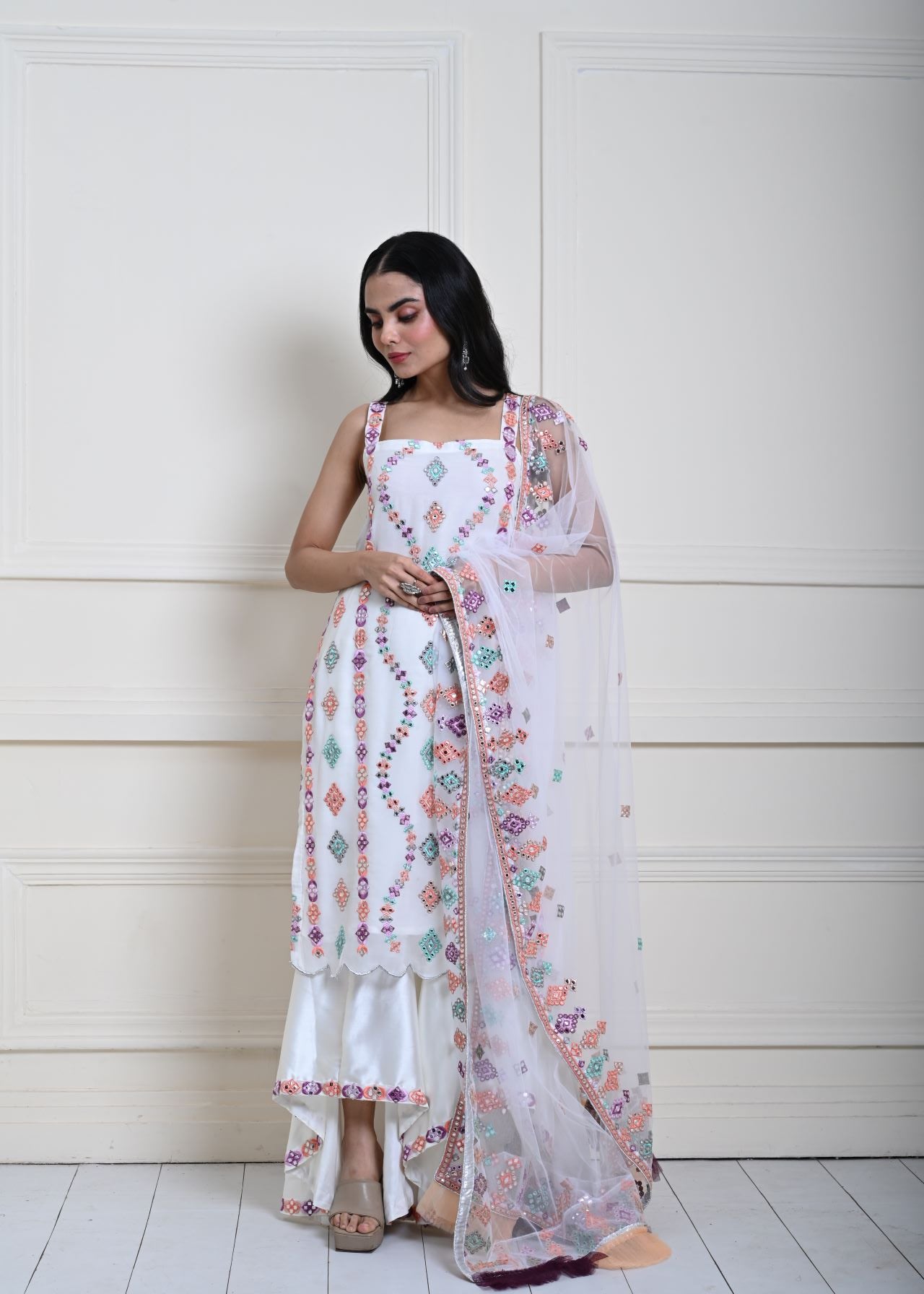
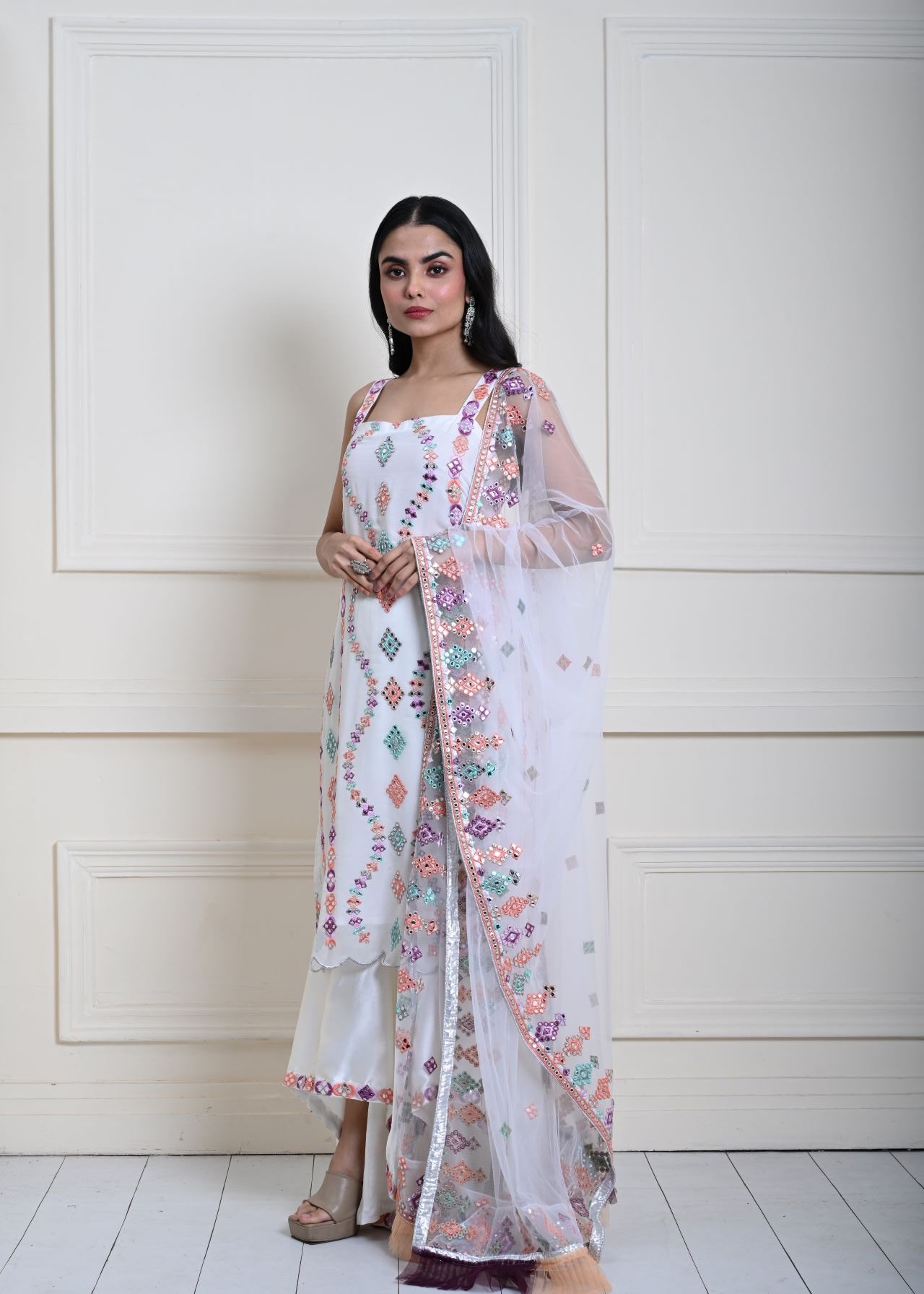
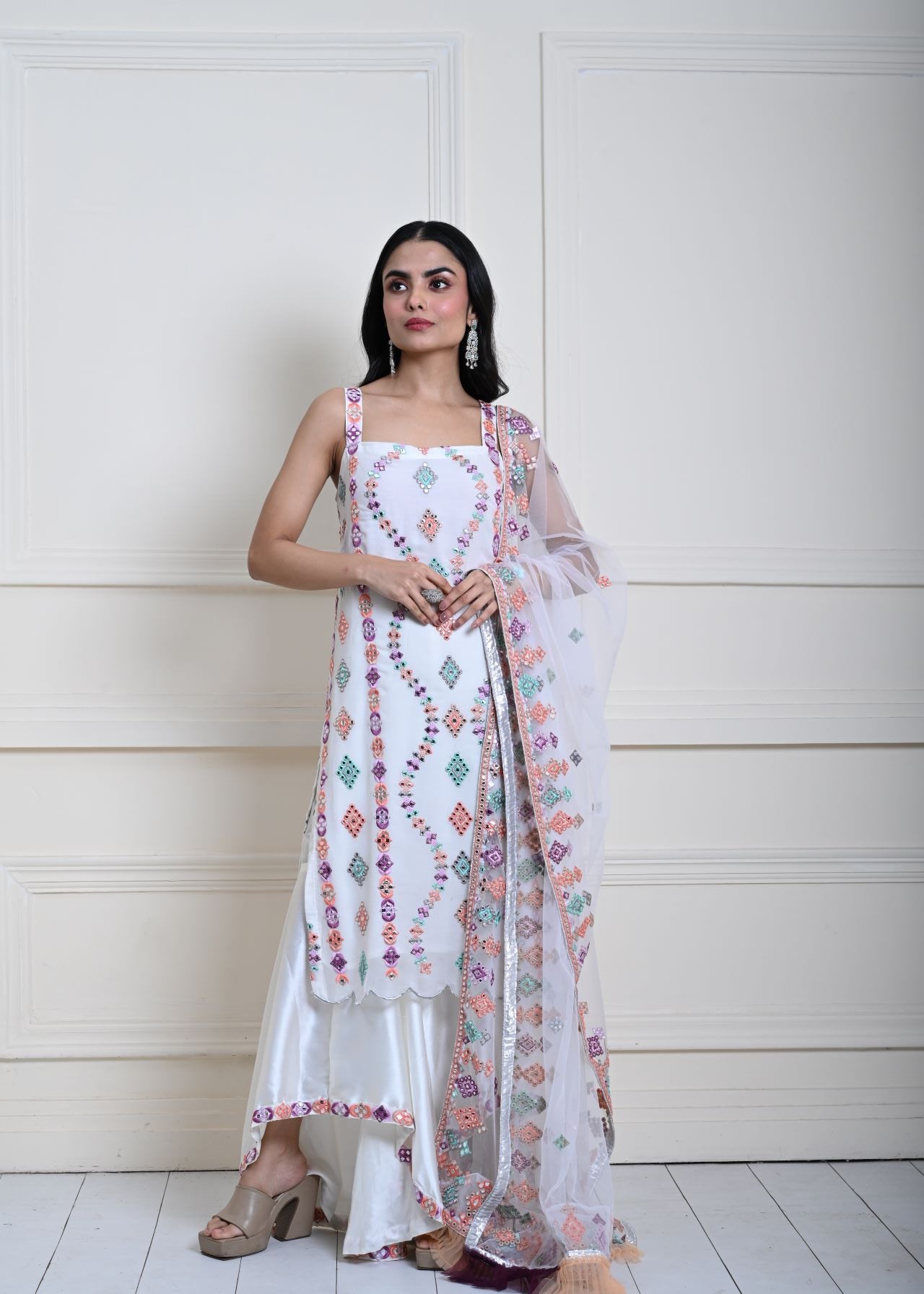
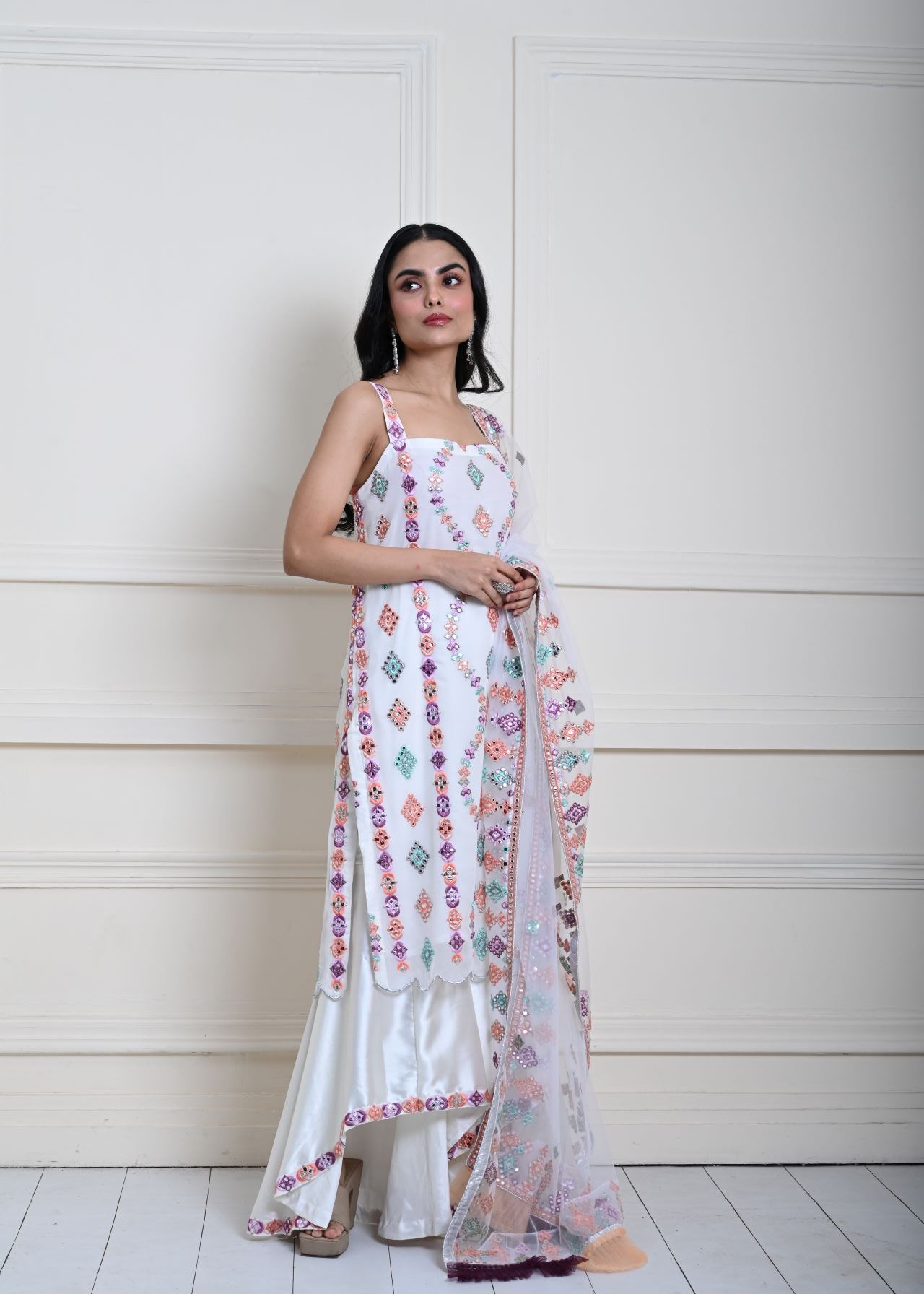


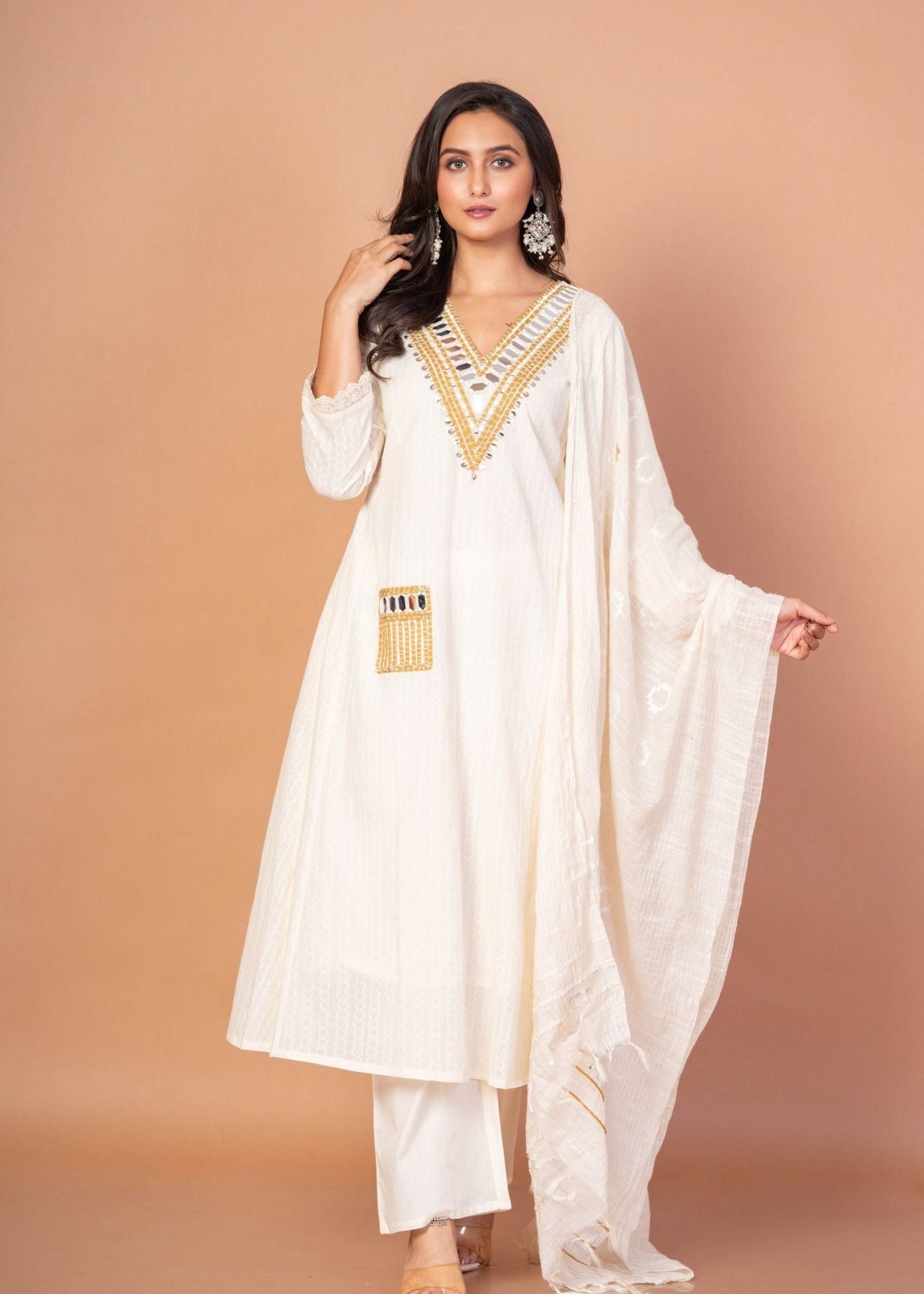
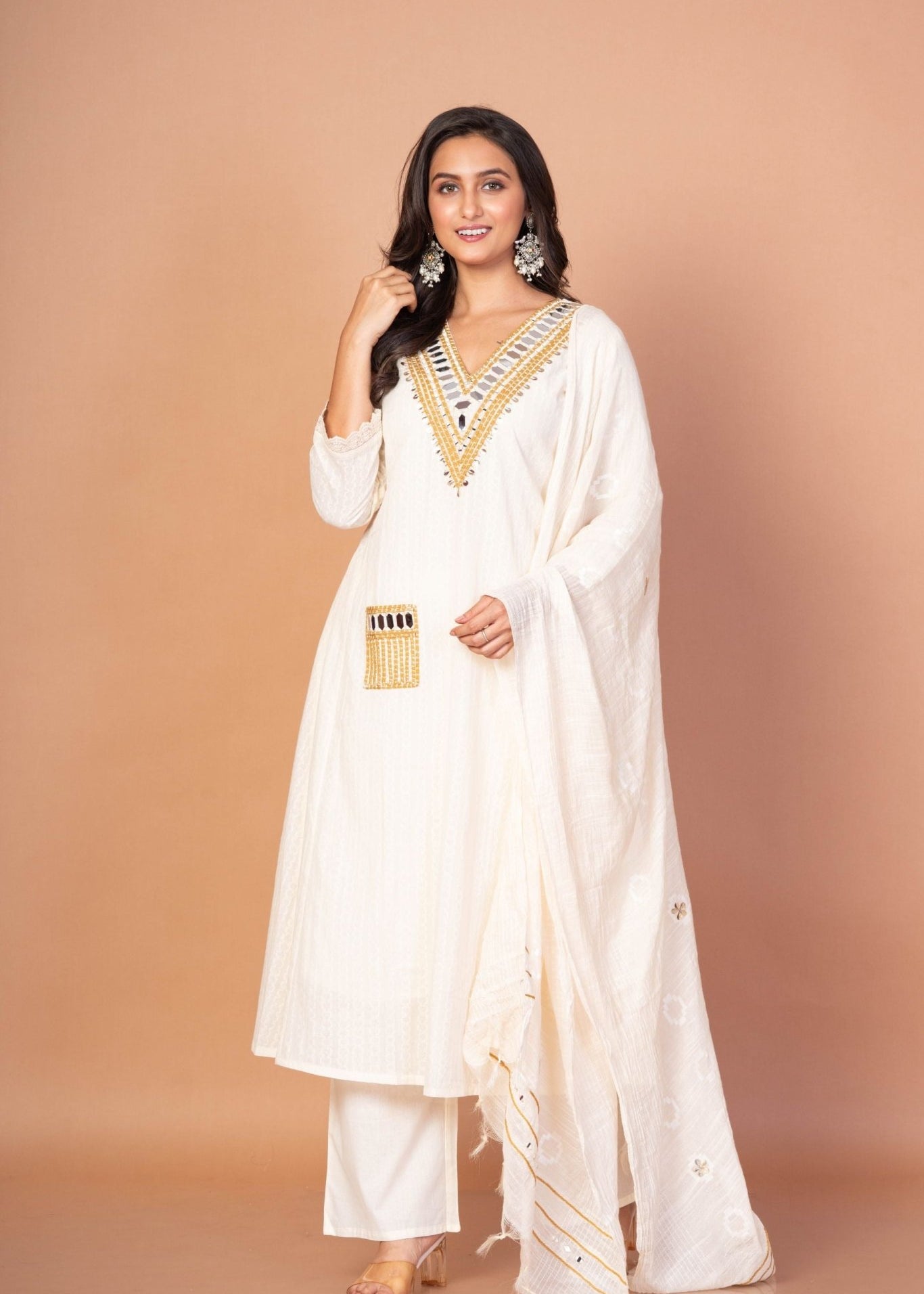
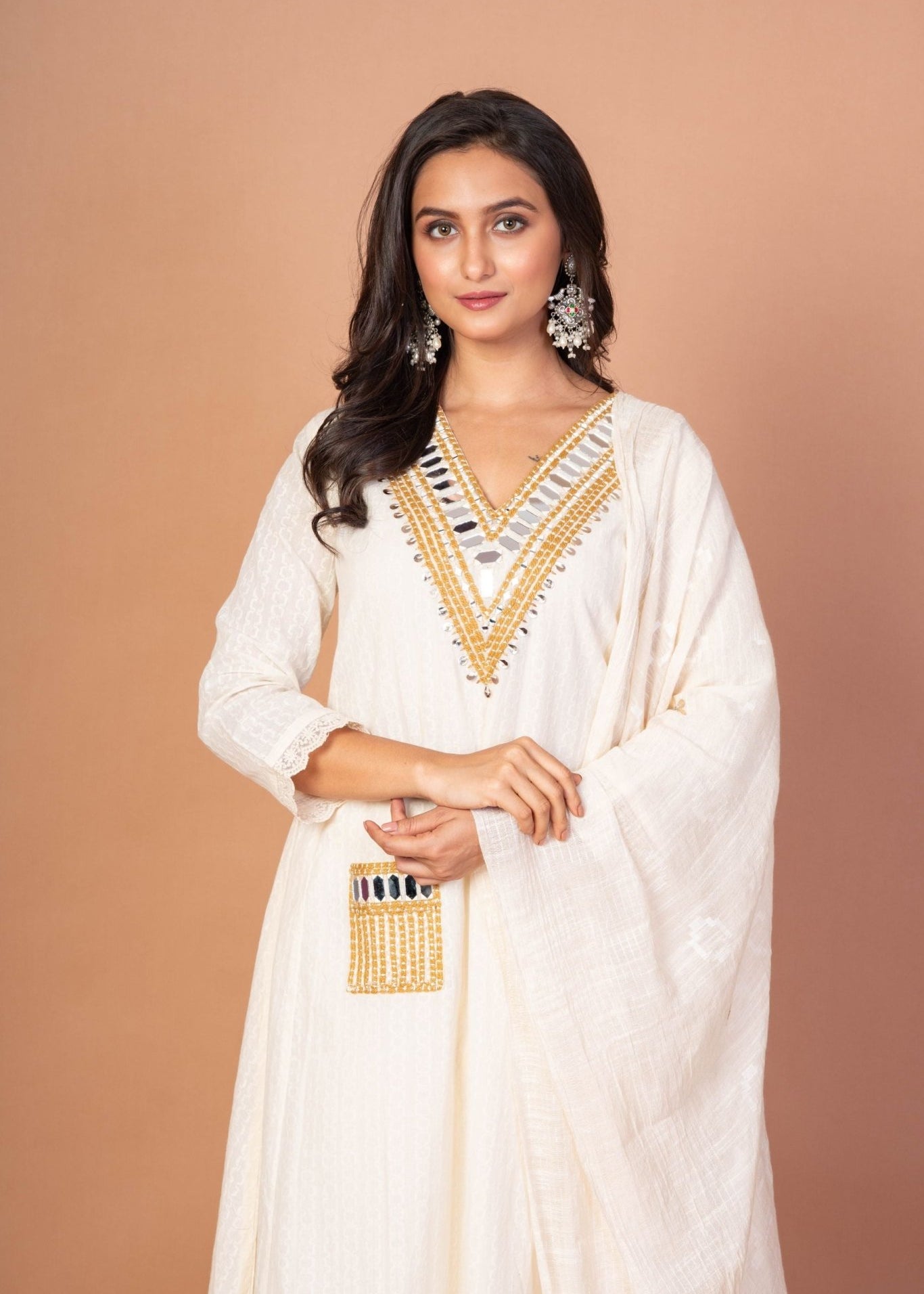
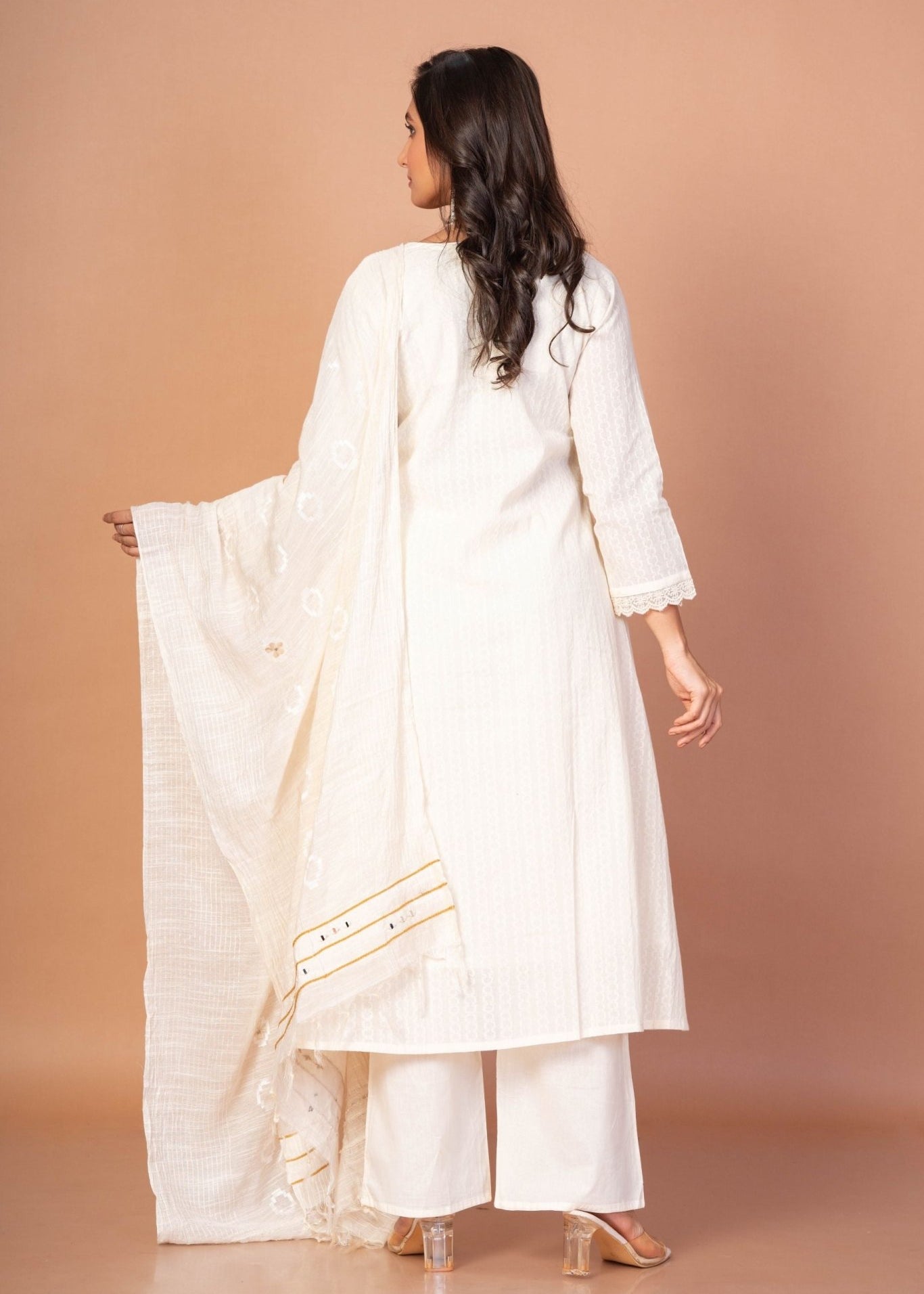


What Is a Suit for Women?
A traditional Indian women's suit generally combines a kurta or kameez, a bottom and a dupatta, although contemporary suit designs may use trousers, palazzos, shararas or other coordinated bottoms instead of a conventional salwar. The kurta establishes the main silhouette, while the bottom influences the proportion and movement of the outfit; the dupatta then adds another layer of colour, texture or ornamentation. Because these three elements can be combined in many ways, the same basic suit concept can create anything from a simple daily outfit to a sophisticated wedding ensemble. When buying a suit, it is therefore useful to assess the complete set rather than judging the kurta alone, because the relationship between the upper garment, bottom and dupatta determines much of the final appearance.
A women's suit commonly includes:
- Kurta or kameez: The main upper garment, available in straight, A-line, flared, asymmetric and other silhouettes.
- Bottom: Depending on the design, the bottom may be a salwar, churidar, Patiala, palazzo, straight pant, sharara or gharara.
- Dupatta: A traditional finishing layer that can add contrast, texture, embroidery or a more formal appearance.
- Embellishment: Depending on the occasion, a suit may feature embroidery, zari, sequins, mirror work, prints, appliqué or other decorative details.
Popular Types of Suits for Women
Women’s suits come in many silhouettes, and the right style depends on where you plan to wear it, how much movement you need, and the overall look you want to create. A short kurti can work well for everyday wear, while an Anarkali or floor-length suit creates a more dressy appearance for weddings and festive occasions. Straight-cut and A-line suits are practical choices for work and family gatherings, whereas asymmetric and layered designs add a contemporary touch. Understanding the difference between these silhouettes makes it easier to choose a Suit for Women based on comfort, body proportions, fabric, occasion, and personal style rather than following trends alone.
Short Kurta Suit
A short kurta suit features a kurta that usually falls around the hip or upper thigh, making it a practical choice for casual and semi-formal dressing. The shorter length pairs naturally with straight pants, palazzos, cigarette trousers, or churidar-style bottoms, giving the outfit a lighter and more contemporary appearance. Cotton and linen suits work especially well for everyday use, while embroidered fabrics can make the same silhouette suitable for small celebrations. Short kurta suits are particularly useful when you want freedom of movement without losing the traditional character of a salwar suit.
Knee-Length Suit
A knee-length suit has a kurta that falls around or slightly below the knees, creating a balanced silhouette that works across many occasions. The length provides more coverage than a short kurta while remaining easier to move in than a very long design. Knee-length kurtas can be paired with churidars, straight pants, palazzos, or cordset depending on the desired finish. Printed cotton versions are suitable for everyday and office wear, while silk, jacquard, or embroidered styles can be dressed up for festive gatherings and family functions.
Long Kurta Suit
A long kurta suit extends below the knee and can reach toward the calf, creating a graceful and slightly more formal appearance. The longer silhouette works particularly well with straight pants, narrow trousers, palazzos, or traditional churidars because the proportions remain visually balanced. Depending on the fabric and detailing, a long kurta can move easily from office dressing to festive occasions. Lightweight cotton and rayon offer comfort for regular wear, while fabrics such as silk, georgette, and Chanderi can add structure, drape, and a more occasion-ready finish.
Straight-Cut Suit
A straight-cut suit has a relatively even fall from the shoulders toward the hem, giving the outfit a clean and structured appearance. Because the silhouette does not flare significantly, straight-cut suits are easy to style and work well for office wear, everyday dressing, and understated festive looks. The design can be paired with cigarette pants, straight trousers, churidars, or palazzos to change the overall character of the outfit. Minimal embroidery creates a polished appearance, while printed fabrics, woven patterns, or detailed necklines can add visual interest without making the silhouette overly elaborate.
A-Line Suit
An A-line suit gradually widens from the upper body toward the hem, forming a shape that resembles the letter “A.” The gentle flare gives the kurta comfortable movement while creating a softer alternative to a straight-cut silhouette. A-line suits are versatile enough for daily wear, work, festive gatherings, and casual celebrations, depending on the fabric and embellishment. Cotton and printed A-line suits are practical for daytime use, while silk, organza, or embroidered versions can look more refined. The silhouette also works well when you want a comfortable fit around the lower body.
Anarkali Suit
An Anarkali suit is recognised by its fitted or shaped upper section and pronounced flare that begins from the waist, bust, or higher on the bodice. The flowing construction creates movement as you walk, making Anarkalis especially popular for weddings, festive celebrations, receptions, and traditional events. The amount of flare can range from moderate to very wide, so the best choice depends on the occasion and how much volume you prefer. Cotton Anarkalis can be comfortable for daytime wear, while silk, georgette, velvet, or heavily embroidered designs create a more luxurious occasion-wear look.
Floor-Length Suit
A floor-length suit features a long kurta or Anarkali that reaches close to the floor, giving the outfit a dramatic and formal appearance. This silhouette is generally chosen for weddings, receptions, engagement celebrations, and other occasions where a statement outfit is appropriate. Because the length already creates visual impact, the amount of embroidery and flare should be considered carefully rather than adding heavy detailing everywhere. Flowing fabrics such as georgette, chiffon, silk blends, and layered net can enhance movement, while structured fabrics can create a more defined and regal silhouette.
Asymmetric Suit
An asymmetric suit has an intentionally uneven hemline, with one side, panel, or section of the kurta falling longer than another. The irregular shape gives a traditional suit a modern fashion-forward character without completely changing its ethnic identity. Asymmetric designs can be styled with cigarette pants, leggings, straight trousers, or palazzos, depending on the cut of the kurta. Simple prints and solid colours keep the look suitable for casual occasions, while embroidery, statement sleeves, or richer fabrics can make an asymmetric suit appropriate for parties and contemporary festive events.
Layered Suit
A layered suit combines two or more visible lengths or fabric layers to create depth and movement within the outfit. The layers may appear as an attached overlay, an additional jacket, a sheer outer panel, or contrasting fabric placed over the main kurta. This construction can make a simple suit look more detailed without relying entirely on heavy embroidery. Layered suits are particularly effective for festive gatherings and parties, although lightweight fabrics are preferable when several layers are used. When choosing one, check how the layers sit together and whether the added volume remains comfortable while walking or sitting.
Which Fabric Is Best for a Women's Suit?
There is no single fabric that is best for every women’s suit because the right choice depends on the occasion, weather, desired silhouette, comfort, drape, level of embellishment, and care requirements. Cotton is often the most practical option for daily and summer wear, while silk, Chanderi, and brocade are better suited to festive and traditional occasions. Georgette and chiffon work well when you want fluid movement, whereas organza and velvet offer more structure or visual richness. When choosing a suit fabric, consider not only how the material looks but also how it behaves after several hours of wear, especially if the outfit includes embroidery, lining, or multiple layers.
Cotton Suits
Cotton suits are a dependable choice for everyday wear because cotton is generally breathable, comfortable, and easy to incorporate into relaxed silhouettes. Lightweight cotton works particularly well during warm weather, while slightly heavier cotton fabrics can provide more structure for office or regular daytime dressing. Cotton suits are available in solid colours, block prints, floral patterns, stripes, and subtle embroidery, so the fabric does not have to look basic. For frequent use, also check the fabric quality, colourfastness, stitching, and care instructions because repeated washing can affect some cotton garments over time.
Silk Suits
Silk suits are usually selected when you want a richer appearance, elegant drape, and a more formal finish for weddings, festivals, and celebrations. Different silk varieties can behave quite differently, so the weight, weave, texture, and finish should be considered rather than treating every silk suit as the same. Silk works especially well with traditional embroidery, zari, woven motifs, and detailed borders because the fabric can support a more luxurious design. For long events, check the lining and construction as carefully as the outer fabric because comfort depends on the complete garment, not only the silk used on the surface.
Georgette Suits
Georgette suits are popular for parties and occasion wear because the fabric has a fluid drape that allows the kurta or Anarkali to move naturally. The slightly textured surface also works well with embroidery, sequins, beadwork, and printed designs without making the garment appear excessively stiff. Georgette is particularly effective for flowing silhouettes where movement is an important part of the overall look. Because the fabric can be lightweight and somewhat sheer depending on its construction, a well-designed lining is important for coverage, comfort, and maintaining the intended shape of the suit.
Chiffon Suits
Chiffon suits are suitable when you want a soft, lightweight outfit with a flowing and delicate appearance, particularly for dressy daytime or evening occasions. The fabric drapes closely around the body and can create an elegant effect in layered kurtas, dupattas, and flowing suit designs. Chiffon can also work well with subtle prints and restrained embellishment because its movement provides visual interest without requiring heavy decoration. Since lightweight chiffon can be delicate, check the garment’s care instructions before purchase and avoid choosing excessive embellishment if you want a suit that is easy to maintain and wear frequently.
Chanderi Suits
Chanderi suits offer a refined balance between lightness, subtle sheen, and traditional elegance, making the fabric particularly suitable for festive and semi-formal dressing. Chanderi can create a polished silhouette without feeling as visually heavy as many richly embellished fabrics, which makes it useful for daytime celebrations and family gatherings. The fabric pairs naturally with woven motifs, delicate embroidery, zari details, and elegant dupattas. When selecting a Chanderi suit, consider the weave and finish as well as the styling because some versions have a crisper feel, while others are softer and more fluid.
Organza Suits
Organza suits are known for their crisp, lightweight structure, which makes the fabric useful when you want defined sleeves, sculpted panels, layered details, or a more architectural silhouette. Unlike softer fabrics that fall close to the body, organza can hold its shape and therefore creates a more polished statement for formal and festive occasions. Organza suits often look best when the embellishment is thoughtfully placed because excessive decoration can compete with the fabric’s natural texture. A suitable lining is also important because organza can be translucent and may feel firmer against the skin than softer suit fabrics.
Brocade Suits
Brocade suits are a strong choice for traditional celebrations because the fabric itself often contains decorative woven patterns that provide richness without relying entirely on surface embroidery. The textured appearance works especially well for weddings, religious celebrations, receptions, and winter festivities where a more substantial outfit feels appropriate. Brocade can be paired with simpler trousers and a restrained dupatta so the fabric remains the visual focus. Because brocade can feel heavier than cotton or chiffon, consider the garment’s weight and construction if the suit will be worn for several hours.
Velvet Suits
Velvet suits are particularly suited to winter weddings, evening celebrations, receptions, and other occasions where a luxurious and warmer fabric is appropriate. The dense surface has a distinctive depth and softness that can make jewel tones, deep neutrals, and traditional embroidery appear especially rich. Velvet works well for straight suits, long kurtas, Anarkalis, jackets, and layered designs, although the heavier fabric can add visual volume. For a comfortable fit, pay attention to the lining, sleeve construction, and overall weight because velvet suits can become warm during extended indoor events.
How Should You Choose a Suit for Different Occasions?
Choosing the right suits for women starts with understanding where the outfit will be worn, how formal the occasion is, and how much comfort and movement you need. The fabric, silhouette, colour, embroidery, and dupatta should work together rather than being selected separately. For everyday and office dressing, practical suits or kurti for women usually feature breathable fabrics and restrained detailing, while festive, wedding, and party occasions allow richer fabrics, embellishment, and more expressive silhouettes. Matching the suit to the occasion helps create an outfit that feels appropriate, comfortable, and polished without looking either too casual or unnecessarily elaborate.
Daily-Wear Suits for Women
Daily-wear suits for women should be comfortable enough for repeated use while still looking neat and put together. Cotton, cotton blends, and other lightweight fabrics are practical choices for errands, shopping, casual outings, and everyday family activities. Straight-cut, short-kurta, and simple A-line suits work well with trousers, palazzos, or churidars because these silhouettes allow easy movement. Small prints, block prints, checks, and minimal embroidery can add character without making the outfit feel overly formal. For frequent wear, prioritise easy-care fabrics, comfortable fits, and versatile colours that coordinate with accessories already in your wardrobe.
Office-Wear Suits for Women
Office-wear suits for women should look polished and professional while remaining comfortable throughout a full working day. Straight-cut and knee-length suits in cotton, Chanderi, rayon, or other moderately structured fabrics can work well with coordinated trousers and a neatly styled dupatta. Subtle geometric prints, solid colours, delicate woven patterns, and restrained embroidery are generally more appropriate for professional settings than heavy sequins or ornate embellishment. The neckline, sleeve length, and overall fit should also suit your workplace environment, particularly when the outfit needs to remain comfortable during commuting, meetings, presentations, and extended periods of sitting.
Festive Suits for Women
Festive suits for women provide more freedom to experiment with richer fabrics, brighter colours, traditional detailing, and elegant silhouettes. Silk, Chanderi, brocade, and embellished fabrics can create a celebratory appearance, while Anarkali, A-line, layered, and long-kurta suits offer different levels of volume and movement. A statement dupatta featuring zari, embroidery, woven motifs, or delicate embellishment can elevate a relatively simple suit without requiring heavy decoration across the entire garment. When selecting festive suits for women, consider the time and setting of the celebration because a lightweight daytime suit may be more comfortable than a heavily embellished design for a long family gathering.
Wedding Guest Suits for Women
Wedding guest suits for women can be more elaborate than everyday or office outfits, although the appropriate level of dressing depends on the wedding ceremony, venue, and your role at the event. Anarkali suits, sharara sets, gharara suits, embroidered long kurtas, and richly detailed suit sets can work particularly well for receptions, sangeet celebrations, and other wedding functions. Silk, georgette, Chanderi, and brocade can provide festive richness, while embroidery and embellished dupattas add further detail. Choose wedding suits for women that allow comfortable movement because weddings often involve several hours of walking, standing, photographs, meals, and socialising.
Party-Wear Suits for Women
Party-wear suits for women allow greater flexibility with contemporary silhouettes, flowing fabrics, statement sleeves, sequins, metallic details, jackets, and asymmetric cuts. Georgette and chiffon can create fluid movement, while a structured jacket or layered overlay can give a traditional suit a more modern character. The amount of embellishment should match the venue and timing; an evening celebration may accommodate more sparkle than a daytime gathering. Comfort remains important, especially when the event lasts several hours, so check the garment weight, lining, sleeve construction, and fit before choosing heavily decorated party-wear suits for women.
Winter Suits for Women
Winter suits for women allow you to choose warmer fabrics and layering options that may feel unsuitable during warmer months. Velvet, heavier silk, brocade, and jacket-style suits can provide greater warmth while adding depth and richness to the overall appearance. Long kurtas with matching jackets, layered suits, and velvet Anarkalis are particularly suitable for winter weddings and evening celebrations. Darker jewel tones, deep neutrals, and rich festive shades can complement the season, although the colour should ultimately suit your personal style. For events that move between outdoor and heated indoor spaces, choose removable layers so your winter suits for women remain comfortable throughout the occasion.
How Do You Choose the Right Suit for Your Body Shape and Fit?
A flattering suit depends more on proportion, construction and personal comfort than on following a strict body-shape rule. Petite women may prefer cleaner silhouettes and controlled proportions, while taller women can comfortably explore longer Anarkalis, floor-length designs and layered styles. Women who prefer a more defined silhouette can consider structured or fitted kurtas, while A-line and straight silhouettes can provide a different balance of shape and ease. These suggestions should be treated as styling options rather than fixed rules because personal preference, posture and garment construction can influence the final result. Fit should also be checked through the shoulder, bust, waist, armhole, sleeve, kurta length and bottom measurements, because a suit can look attractive on a model but feel uncomfortable when the proportions do not match the wearer.
Before purchasing a suit, check:
- Shoulder width and armhole comfort
- Bust, waist and hip measurements
- Kurta length in relation to your height
- Sleeve length and circumference
- Bottom waist and hip measurements
- Salwar, trouser or palazzo length
- Dupatta length and width
- Room for comfortable sitting and movement
How Can You Style and Care for a Women's Suit?
Styling a suit works best when the accessories support the amount of detail already present in the garment. A heavily embroidered suit can look balanced with understated earrings and simple footwear, while a minimally decorated cotton or straight-cut suit can accommodate statement jewellery, a contrasting dupatta or more noticeable footwear. Traditional juttis and mojaris complement classic Indian silhouettes, whereas heels, wedges and refined sandals can create a more contemporary finish. The dupatta can also change the character of the outfit: neatly arranged pleats create a formal appearance, while a relaxed drape feels more casual. Once the outfit has been worn, proper care is equally important; always follow the garment-specific care instructions, avoid applying direct heat to delicate embroidery and store embellished garments in a way that reduces snagging or unnecessary pressure on the decorative work.
For a more considered final look:
- Match jewellery to the amount and style of embroidery.
- Choose footwear according to the outfit's formality and length.
- Use the dupatta to introduce contrast, texture or additional colour.
- Select a handbag that complements the outfit without competing with its embroidery.
- Consider garment weight if the event involves several hours of standing, walking, or dancing.
- Follow the recommended cleaning and storage instructions for the specific fabric.
How to Choose the Right Women's Suit from Anvi Couture
Choosing the right women’s suit from Anvi Couture is about finding a garment that suits the occasion, feels comfortable, and complements your personal style rather than selecting a design based only on a product photograph. Start by checking the fabric, silhouette, colour, embroidery, measurements, and care requirements because each factor affects how the suit looks, feels, and performs when worn. For a customized suit, review the measurement and tailoring process carefully and confirm the approved design, fabric details, and finishing before stitching begins. Customers should also check the product-specific size information, estimated delivery timeline, alteration terms, and applicable return or refund conditions before placing an order. Anvi Couture focuses on custom-made Indian ethnic wear with attention to fabric selection, measurements, tailoring, and garment finishing. Explore Anvi Couture’s women’s suit collection to find a style suited to your occasion, or choose customization for a more personalized fit and finish.
Explore More


FAQs
Anvi Couture offers a variety of suits for women, including straight-cut suits, A-line suits, Anarkali suits, short kurta suits, long kurta suits, floor-length suits, asymmetric suits, and layered suits. The collection includes styles suitable for daily wear, office wear, festive occasions, weddings, and parties.
The best fabric depends on the occasion, weather, comfort, and desired look. Cotton is a good choice for daily and summer wear, while silk, Chanderi, and brocade are suitable for festive occasions. Georgette and chiffon offer a flowing look, while organza and velvet work well for more structured or luxurious outfits.
Choose a suit based on the formality of the occasion, fabric, silhouette, colour, and level of embroidery. Cotton and simple straight-cut suits work well for daily and office wear, while Anarkali, silk, embroidered, and embellished suits are suitable for weddings, festivals, and parties.
To choose the right size, check your shoulder, bust, waist, hip, armhole, sleeve, kurta length, and bottom measurements against the product's size information. You should also consider how much room you need for comfortable sitting and movement. For customized suits, accurate measurements are especially important for a better fit.
Yes, Anvi Couture offers customization and tailored options for selected women's suits. Customization can help create a more personalised fit and finish based on individual measurements and styling preferences. Before placing a customized order, check the measurement process, design details, delivery timeline, and applicable alteration or return conditions.
