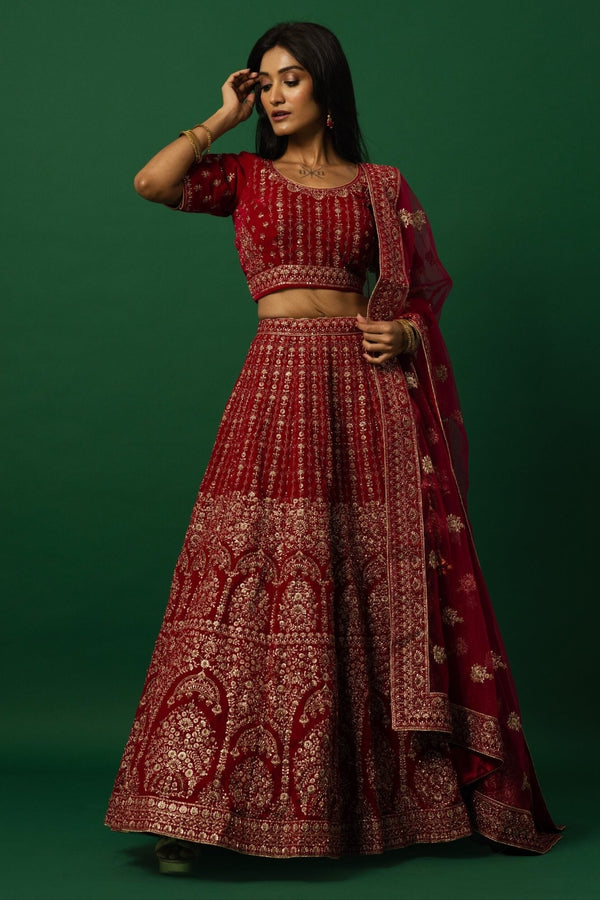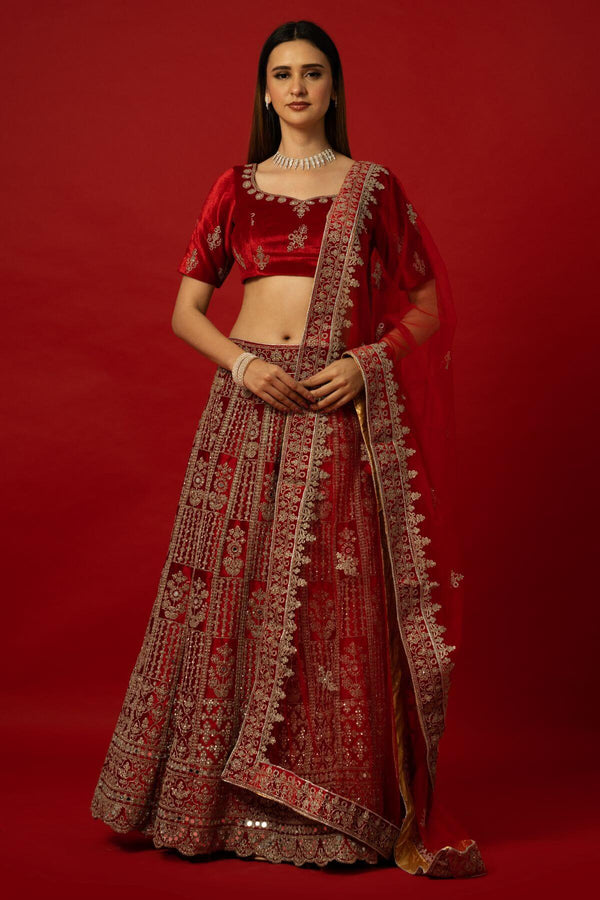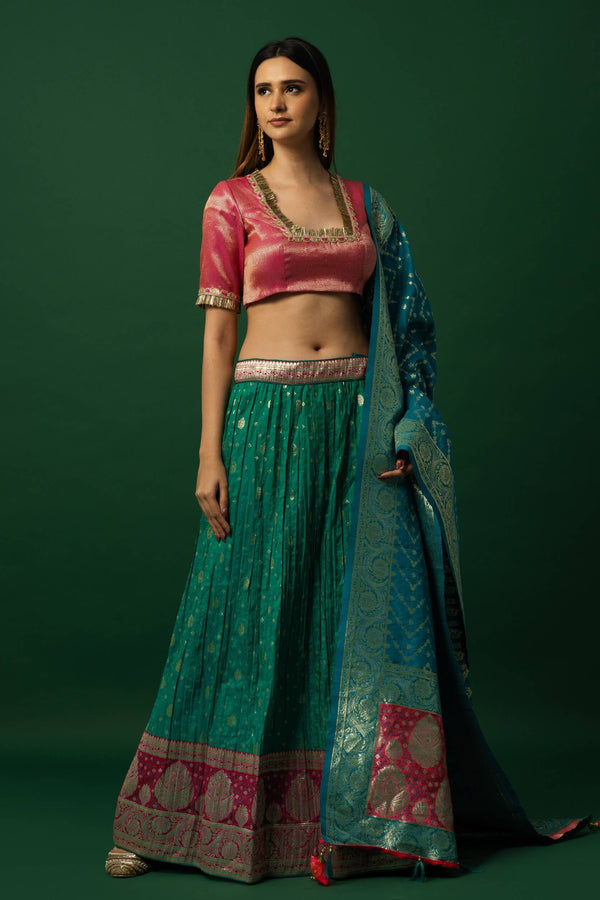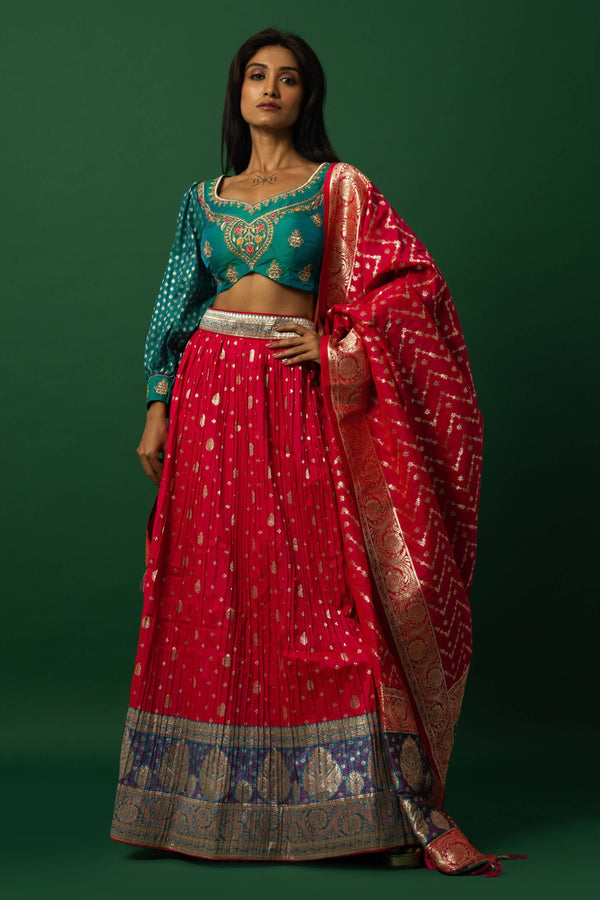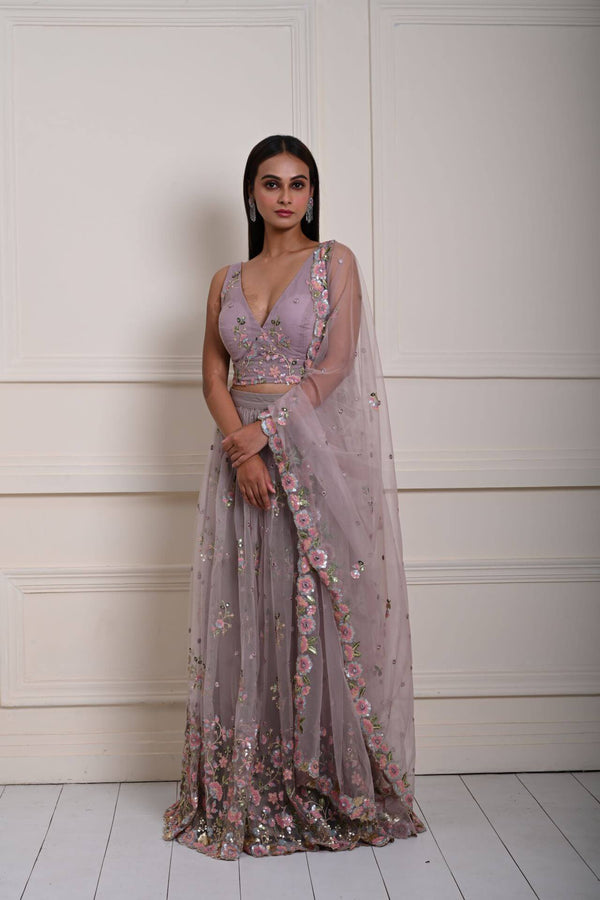




Your wedding lehenga is more than just an outfit. It carries memories of one of the most special days of your life and may also feature delicate fabrics, zari, zardozi, sequins, stones and detailed embroidery. With the right care, you can preserve it for years and wear it again at another wedding, festive celebration, anniversary or family occasion. However, simply putting your lehenga back in the wedding bag is not enough. Sweat, makeup, food stains, perfume, moisture and dust can slowly damage the fabric and embellishments, even when the outfit looks clean. This guide explains how to preserve a wedding lehenga properly, from cleaning it after the wedding to folding, storing and checking it over the years.
How Do You Preserve a Wedding Lehenga? — Quick Answer
To preserve a wedding lehenga, first check its care label and have it professionally cleaned if needed. Make sure the outfit is completely dry before storage. Inspect the fabric, seams and embroidery for stains or loose embellishments. Wrap the lehenga in clean, breathable muslin or cotton and use suitable protective material between folds. Heavy lehengas are generally better stored folded rather than hanging for long periods. Keep them in a cool, dark and dry place away from sunlight, moisture, perfume and insects. Check the outfit about every six months for stains, odour, mould, insects or embroidery damage.
What to Do With Your Lehenga Immediately After the Wedding
The first few days after the wedding are important for long-term lehenga care. Do not immediately put the outfit into a suitcase or sealed storage box. Take the lehenga out of its wedding packaging and let it dry naturally in a clean, shaded and well-ventilated room. Check areas that are more likely to have sweat or makeup, such as the neckline, underarms, waistband, blouse and dupatta. Also inspect the hem for dirt from the floor. Once you have checked the outfit, follow the care instructions on the garment. If cleaning is required, choose a professional cleaner who has experience handling bridalwear and delicate fabrics. Before long-term storage, make sure the lehenga is completely dry and that any loose beads, sequins, threads or embroidery have been repaired.
10 Best Tips to Preserve Your Wedding Lehenga
1. Clean Your Lehenga Before Long-Term Storage
A wedding lehenga can have sweat, body oils, makeup, food or drink residue that may not be visible immediately after the wedding. If these traces remain on the fabric for months or years, they can lead to stains, odour or fabric damage. Check the care label before choosing a cleaning method. Many heavily embroidered bridal lehengas need professional cleaning because silk, velvet, net, organza, zari and other embellishments may require different treatments. Do not assume that every lehenga needs the same type of cleaning. Tell the cleaner about delicate embroidery, stones, sequins, zari or other embellishments before the garment is treated.
2. Inspect and Repair Embroidery Before Packing
Before storing your lehenga, carefully check the entire outfit for loose threads, missing beads, loose sequins, damaged zari, weak seams, broken hooks or small tears. Pay particular attention to areas that received friction during the wedding, such as the hem, waistband and heavily embroidered sections. Small repairs are easier to manage before storage. A loose thread or sequin can become a larger problem if it catches on another part of the garment while the lehenga is folded or moved.
3. Wrap the Lehenga in Breathable Muslin or Cotton
Avoid keeping your wedding lehenga in a plastic garment bag for long-term storage. Plastic can trap moisture, especially in humid conditions, increasing the risk of a musty smell or mould. Instead, use a clean, breathable cotton or muslin cover. The material should be clean, dry and preferably unbleached or colourfast so that it does not transfer colour to the garment. Keep the skirt, blouse and dupatta protected individually when possible. This reduces friction between embellished pieces and makes the outfit easier to inspect and reuse later. You can also preserve your favourite lehenga for women using the same storage principles, especially when it features delicate embroidery or premium fabrics.
4. Use Suitable Protective Material Between Folds
Heavy embroidery, zari and sequins can rub against each other when a lehenga is folded. This friction may cause loose threads, scratches or damage to embellishments over time. Place clean muslin between heavily decorated sections before folding. If you use tissue paper, choose clean, acid-free archival tissue rather than coloured or ordinary paper. Avoid newspaper because its ink can transfer to fabric. Do not create very sharp folds through heavily embroidered areas. Folding the garment loosely helps reduce pressure on delicate embellishments.
5. Fold Heavy Lehengas Instead of Hanging Them Long-Term
A heavily embellished bridal lehenga can be surprisingly heavy. Keeping it on a hanger for years may put stress on the waistband, seams and fabric. For long-term storage, fold the skirt carefully and place protective material between the folds. Avoid pressing the garment under other heavy clothes. The blouse can be lightly supported with clean muslin inside it to help retain its shape. Store the dupatta separately so that delicate net, organza or embellished fabric does not get crushed. If your lehenga is lightweight and the care instructions allow hanging, a properly padded hanger may be suitable. However, heavily embroidered pieces are generally better stored flat.

6. Store the Lehenga in a Cool, Dark and Dry Place
Where you store your lehenga matters as much as how you wrap it. Choose a cool, dry and dark cupboard away from direct sunlight, radiators, heaters, bathrooms and areas where moisture collects. Sunlight can gradually fade fabric and weaken delicate fibres, while excess moisture can encourage mould and mildew. Avoid storing the lehenga directly against a damp wall. In humid weather, check the storage area more frequently and make sure there is no sign of condensation or dampness. If you use silica gel, keep the packets separate from the garment and replace them when necessary. They should never be placed where they can rub directly against delicate fabric.

7. Protect Zari, Sequins and Embroidery From Friction
Bridal lehengas often combine several decorative techniques, including zari, zardozi, sequins, beads, stones and hand embroidery. These details need extra care during storage. Do not place a heavily embellished lehenga underneath other clothes. Avoid squeezing it into a small storage box or suitcase. Excess pressure can flatten embroidery and put stress on threads and embellishments. When folding, place muslin or suitable archival tissue between decorated layers. Handle the garment gently and avoid pulling it by embroidered borders or loose threads.
8. Protect the Lehenga From Insects and Humidity
Insects can damage natural textile fibres, particularly when garments are stored for long periods. A clean and completely dry garment is less likely to develop problems. Keep the cupboard clean and inspect your lehenga regularly. You can use cedar or lavender sachets near the storage area, but do not allow strongly scented or oily materials to sit directly against the fabric. Avoid placing neem leaves, cloves, mothballs or other household insect repellents directly inside the folds of a delicate lehenga. Some materials can leave oils, odours or chemical residues on fabric. Humidity is another major concern. If your home has high humidity, use appropriate moisture-control products in the storage area and check the garment more often for musty smells, dampness or mold.
9. Keep Perfume, Chemicals and Direct Sunlight Away
Perfume and deodorant should never be sprayed directly onto a stored lehenga. Fragrance ingredients can leave marks or interact with delicate fabrics and embellishments over time. Allow perfume and body products to dry completely before wearing the outfit. After the event, clean the lehenga according to its care instructions before long-term storage. Also keep the garment away from direct sunlight. If you need to air it, choose a clean, shaded and well-ventilated area instead of placing it outside in strong sunlight.

10. Inspect, Air and Refold the Lehenga Periodically
Long-term storage does not mean forgetting about your lehenga for several years. Check it approximately every six months. Look for insects, dampness, mould, unusual odours, stains, loose embroidery or changes in the fabric. If the garment has been folded for a long time, refold it differently to reduce repeated pressure on the same areas. If you need to air it, place it in a shaded and well-ventilated room. Do not automatically dry clean or wash the lehenga every year. Clean it when necessary and always follow the fabric and garment-care instructions.
How to Preserve Different Lehenga Fabrics
Different fabrics and embellishments can respond differently to cleaning, moisture and pressure. Your lehenga's care label should always be the first reference, but these general tips can help:Silk lehengas: Protect them from moisture, direct sunlight and harsh cleaning products. Avoid storing silk in a damp cupboard.Velvet lehengas: Avoid crushing or tightly folding velvet. Heavy velvet lehengas should not be left hanging for years.Organza lehengas: Protect organza from sharp creases, snags and excessive pressure.Net lehengas: Handle net carefully because it can catch on jewellery, zippers and other embellishments.Brocade lehengas: Keep brocade dry and protect it from excessive friction and prolonged exposure to sunlight.Heavily embroidered lehengas: Give extra attention to zari, zardozi, sequins, beads and stones. Avoid compression and store the garment flat when possible.
How to Store a Wedding Lehenga in a Box
A spacious, clean storage box can provide additional protection from dust and light. For valuable heirloom garments, an archival or acid-free textile storage box is a better choice.The box should be large enough to hold the folded garment without crushing it. Do not force a heavily embroidered skirt into a small container.Wrap the lehenga in breathable muslin and use suitable acid-free tissue where needed. Keep the blouse, skirt and dupatta protected so that their embellishments do not rub against each other.Never store the garment in a damp or damaged cardboard box. Also avoid sealing the outfit in an airtight container if moisture may already be present.
10 Common Wedding Lehenga Storage Mistakes to Avoid
Avoid these common mistakes if you want your bridal lehenga to remain wearable for years:
-
Storing the lehenga without checking for stains.
-
Keeping it in plastic for long-term storage.
-
Using newspaper around the fabric.
-
Using coloured tissue that may transfer dye.
-
Spraying perfume directly onto the garment.
-
Leaving a heavily embroidered lehenga hanging for years.
-
Compressing the lehenga into a very small box or bag.
-
Storing it in a damp cupboard.
-
Placing insect repellents directly against delicate fabric.
-
Forgetting to inspect the garment for several years.
What to Do If Your Lehenga Develops Mould, Odour or Damage
If your stored lehenga develops a musty smell, damp patches or mould, do not simply spray perfume on it or put it back into the cupboard.Keep the affected garment away from other textiles and avoid rubbing or scrubbing the affected area yourself. Home cleaning can spread the problem or damage delicate embroidery and fibres.For an expensive or heavily embellished bridal lehenga, consult a professional cleaner experienced in bridalwear. If the outfit is an antique or valuable family heirloom, a textile conservation professional may be the safest option.The same applies to significant embroidery damage. Avoid pulling loose threads or attempting complex repairs at home.
Can You Wear a Preserved Wedding Lehenga Again?
Absolutely. Proper preservation is not about keeping your wedding lehenga locked away forever. It is about keeping the outfit in good enough condition to enjoy again.You can restyle your bridal lehenga for a sibling's wedding, reception, anniversary, festive celebration or another family function. Depending on the design, you can also pair the skirt with a simpler blouse, wear the blouse with another saree or lehenga, or style the dupatta with a different outfit.This makes preservation even more worthwhile. Instead of becoming a one-time wedding outfit, your lehenga can become a part of your wardrobe for years to come.
How to Pack a Wedding Lehenga for Travel
If you are travelling with a wedding lehenga, protect the embroidery before packing it. Fold the outfit carefully with clean muslin or suitable protective tissue between heavily embellished sections.Avoid over-compressing the lehenga inside a suitcase. Keep the blouse and dupatta protected separately where possible, and unpack the outfit soon after reaching your destination.For particularly valuable or delicate bridalwear, check the airline's baggage rules and consider keeping the garment with you when practical.
Wedding Lehenga Preservation Checklist
Before putting your lehenga away, use this simple checklist:
☐ Check the care label
☐ Inspect the outfit for stains and makeup
☐ Clean it professionally if required
☐ Make sure the garment is completely dry
☐ Check for loose embroidery and embellishments
☐ Complete small repairs
☐ Wrap the pieces in clean muslin or cotton
☐ Use suitable acid-free tissue where needed
☐ Fold heavy pieces carefully
☐ Keep the blouse, skirt and dupatta protected
☐ Store away from direct sunlight
☐ Keep the storage area dry
☐ Protect against insects without placing repellents directly on the fabric
☐ Store the garment without excessive compression
☐ Inspect it approximately every six months