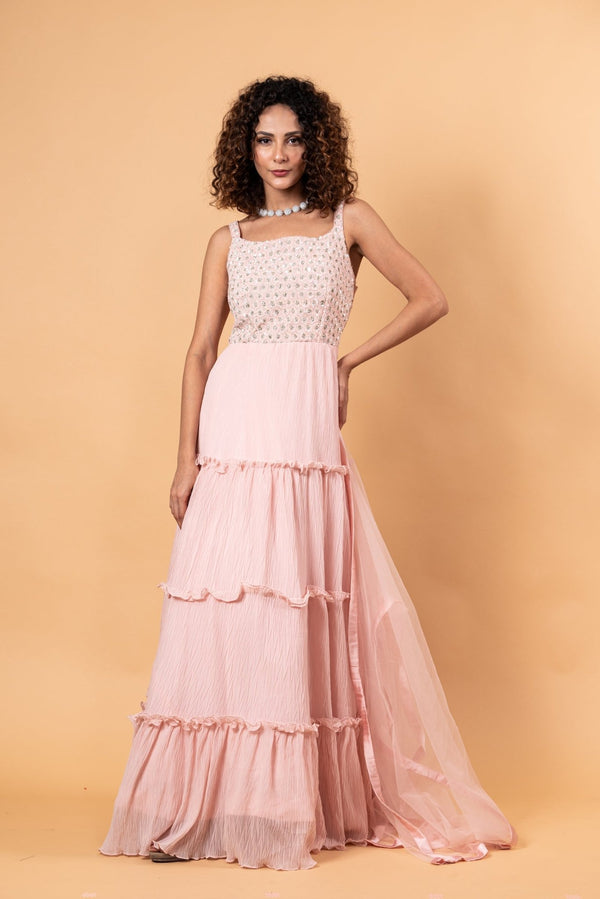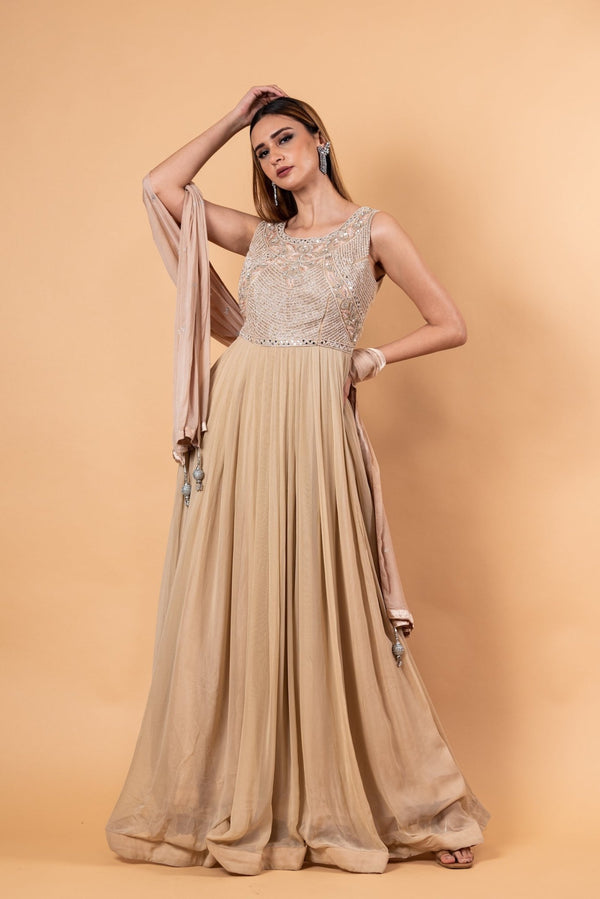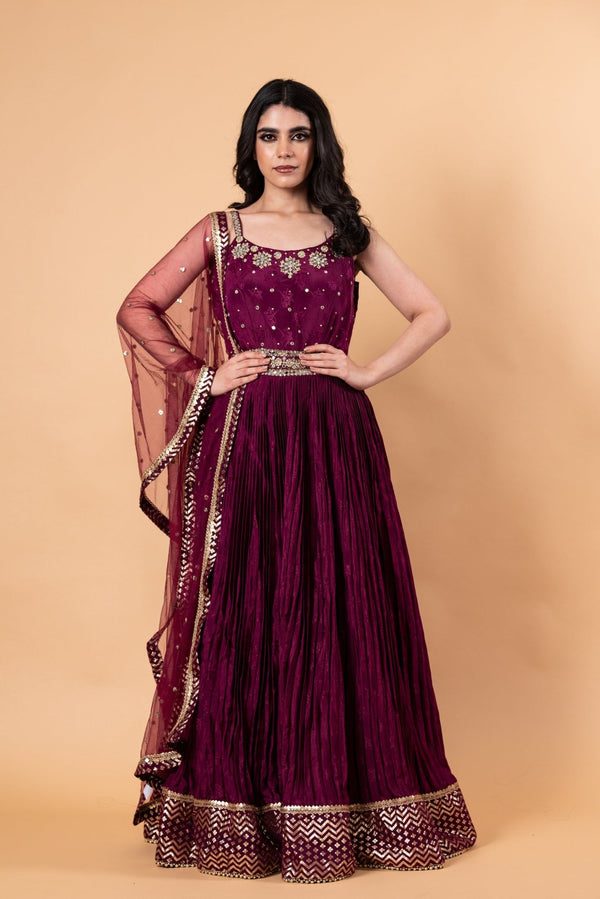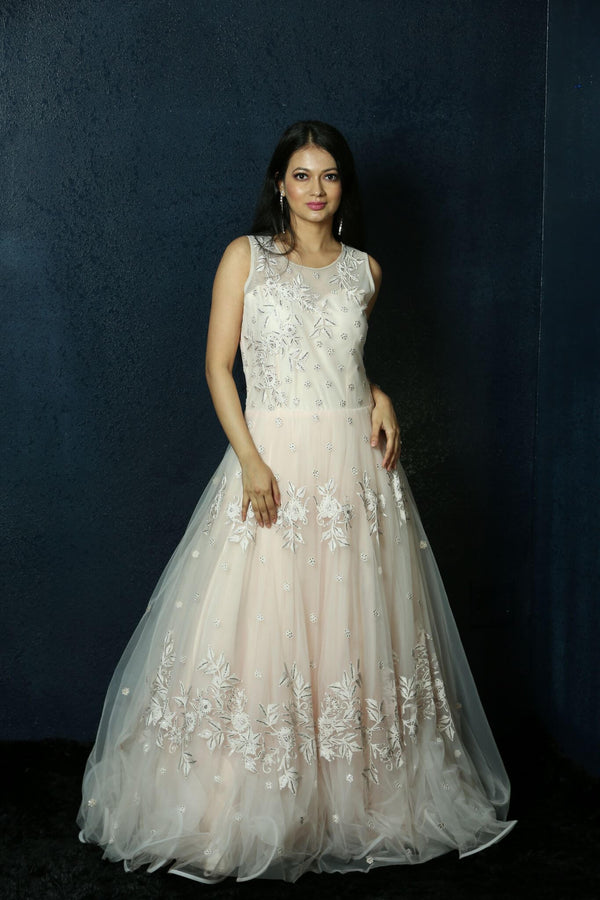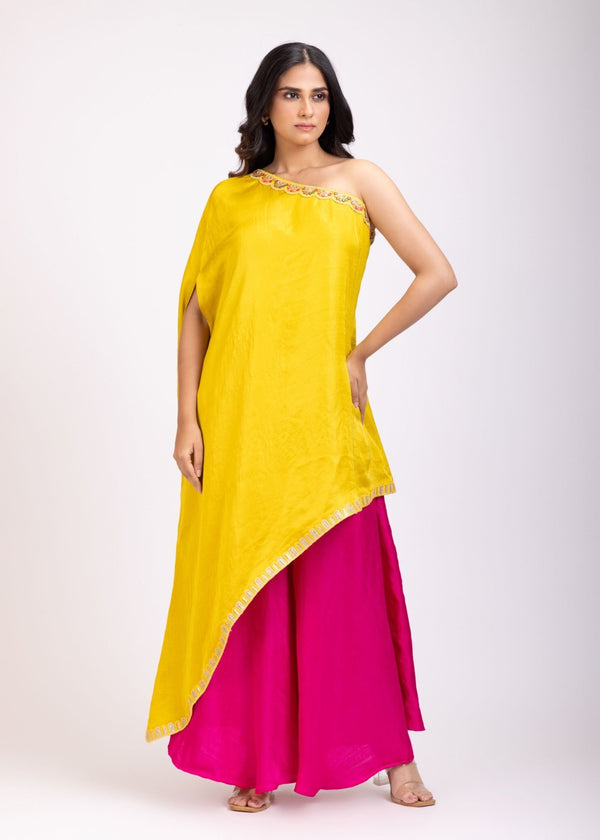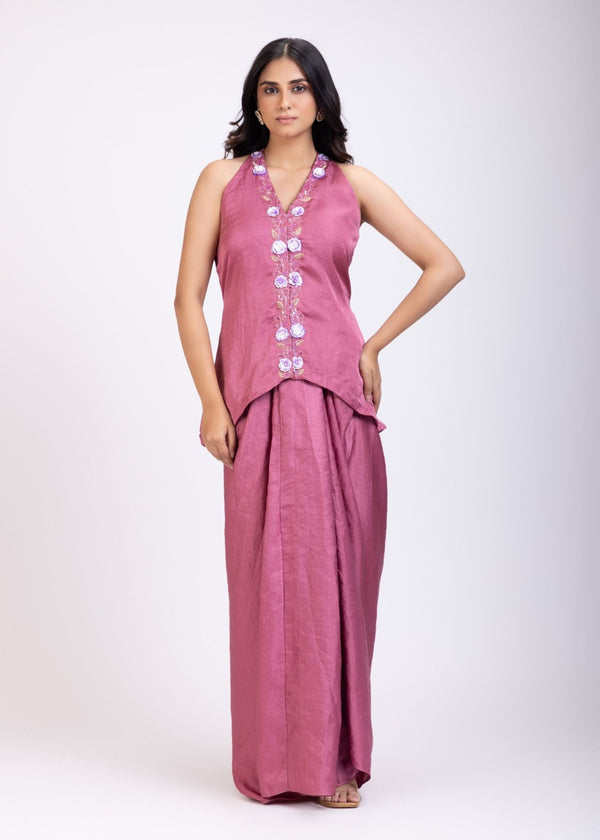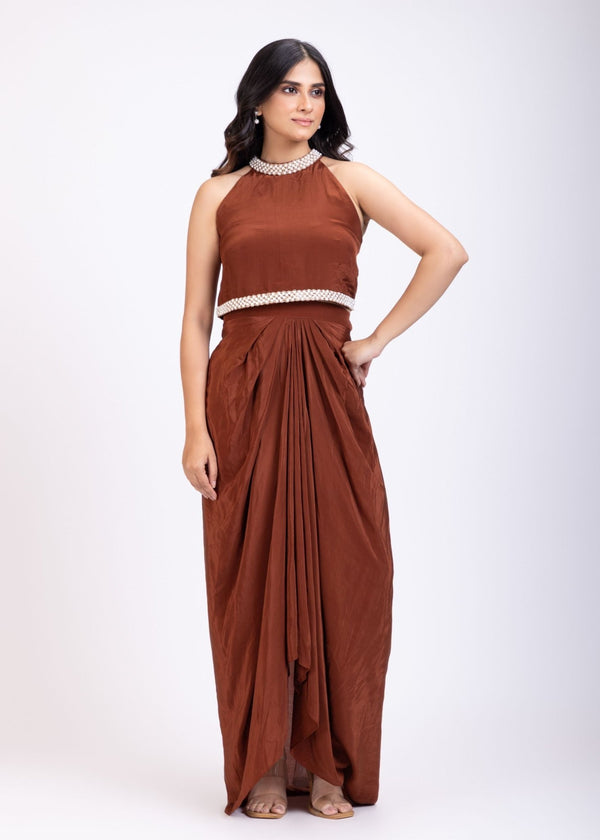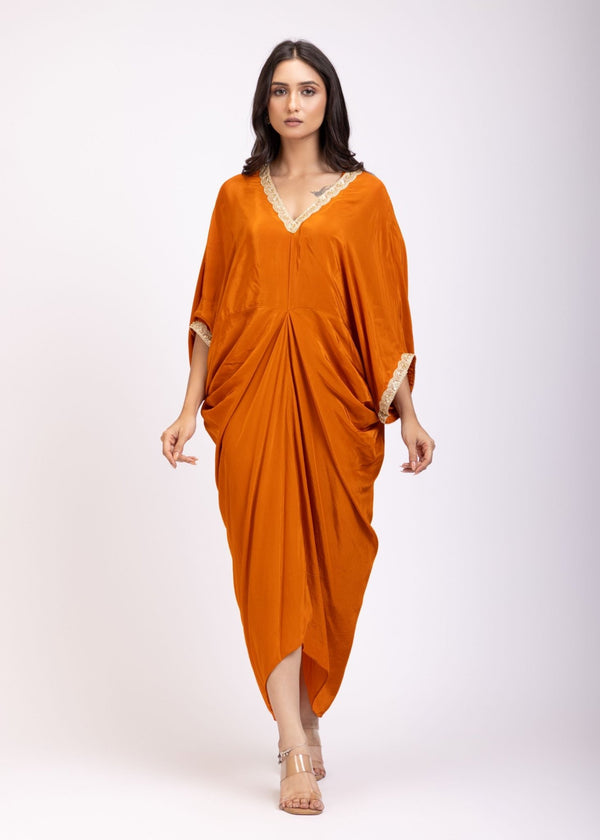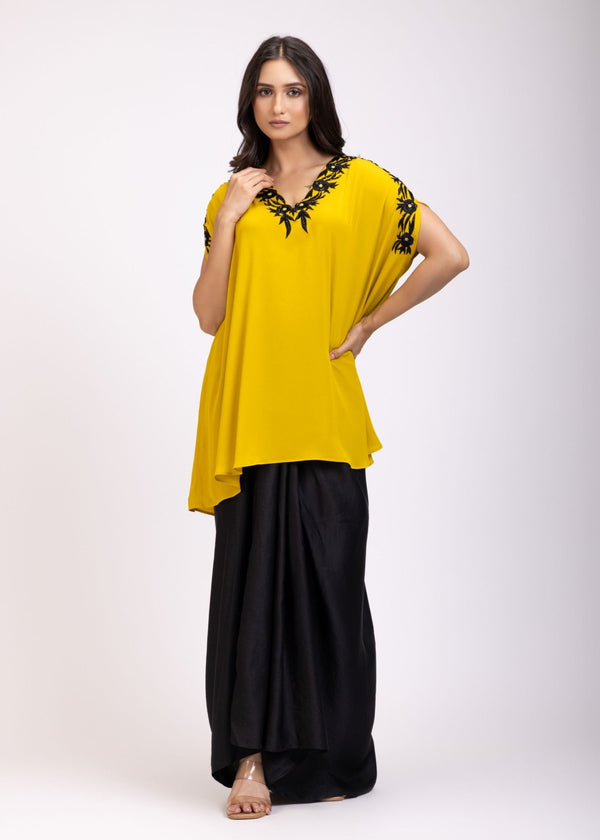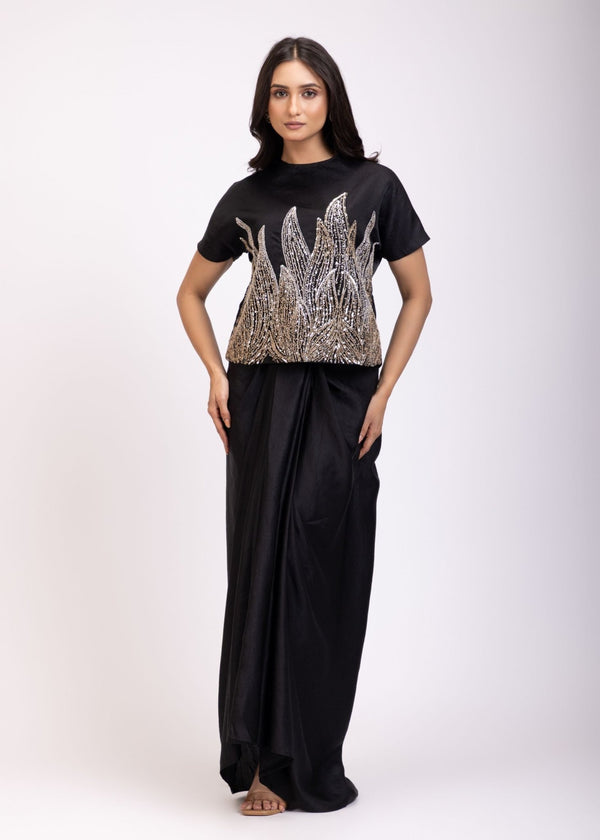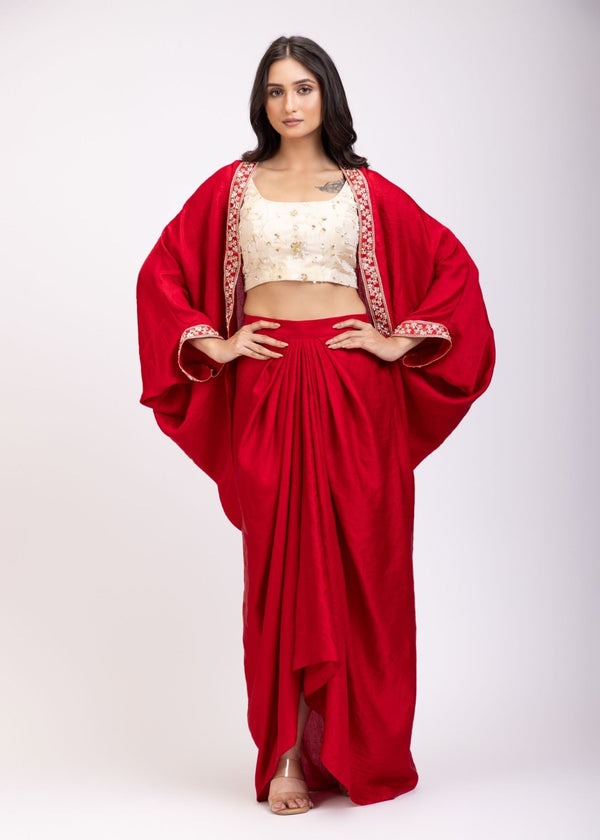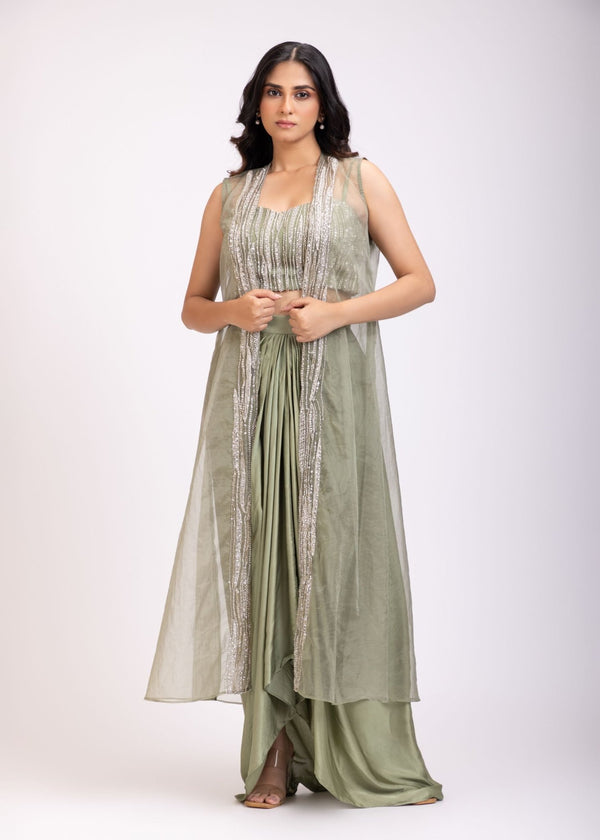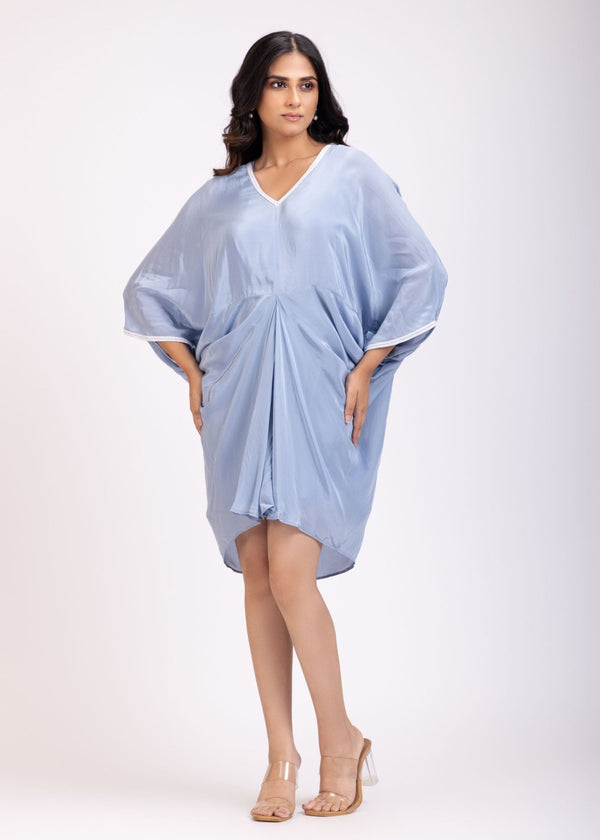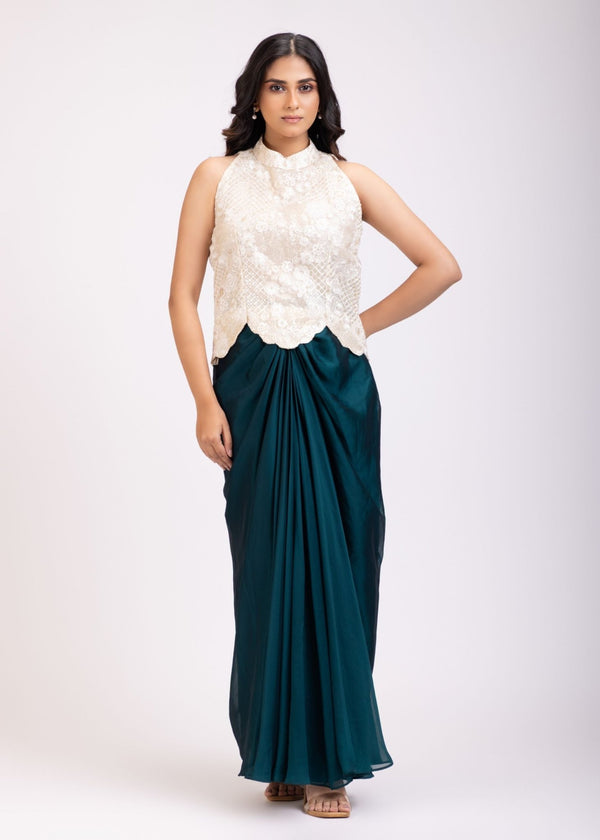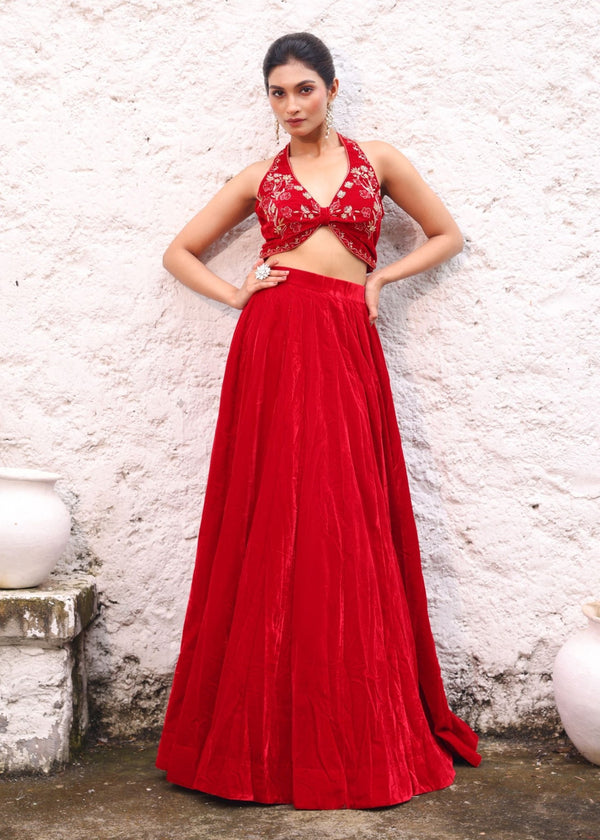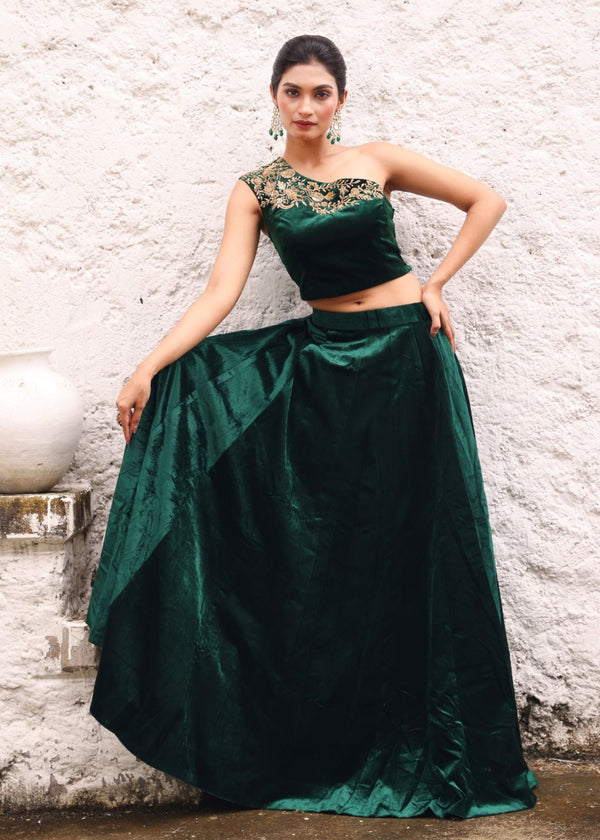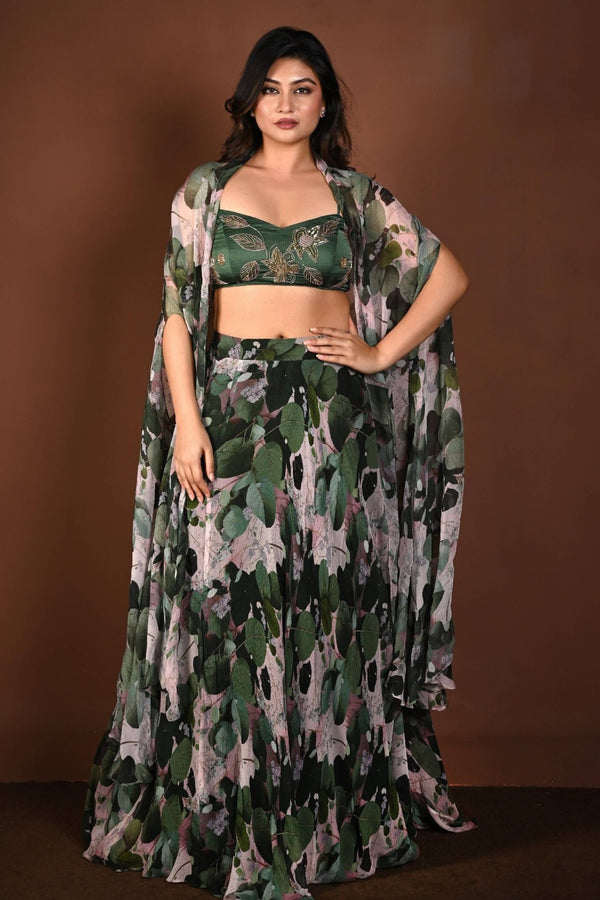




Indian ethnic fashion continues to evolve without losing its connection to traditional clothing. Sarees, lehengas, shararas, kurtis and dupattas are being reworked through contemporary drapes, modern blouses, fusion styling, new proportions and handcrafted details. The idea of modern ethnic fashion is not about replacing traditional Indian clothing. It is about finding new ways to wear familiar silhouettes. A saree can look contemporary with a different drape or blouse. A lehenga can be styled with a modern crop top. A traditional dupatta can become the focal point of a simple outfit. Some styles are highly fashion-forward, while others have lasting appeal. The most useful approach is to understand how each trend works, which occasions it suits and how much styling is needed. Here are 15 Indian ethnic fashion trends and styles worth knowing, along with practical ways to wear them.
What Is Ethnic Fashion?
Ethnic fashion refers to clothing rooted in the traditional dress, textiles, craftsmanship and design heritage of a particular culture. In India, ethnic wear includes sarees, lehengas, salwar suits, shararas, kurtis, dupattas and many regional garments. Contemporary ethnic fashion also includes Indo-Western outfits that combine Indian fabrics, embroidery or silhouettes with modern cuts and styling. This makes ethnic fashion a broad category. A handwoven saree worn with a classic blouse and a fusion dress with Indian embroidery can both belong to the modern ethnic wardrobe.
How Is Indian Ethnic Fashion Changing?
Indian ethnic fashion is becoming more versatile. Women are looking for outfits that can work across different occasions rather than pieces that can only be worn once.
Traditional silhouettes are being updated through:
-
Contemporary blouse designs
-
New saree draping techniques
-
Pre-draped and ready-to-wear formats
-
Fusion separates
-
Modern lehenga silhouettes
-
Statement dupattas
-
Contemporary embroidery
-
Bold prints and colour combinations
-
Handcrafted textiles
-
Indo-Western dresses and co-ord sets
The result is a wardrobe where traditional and contemporary pieces can be mixed more easily.
15 Indian Ethnic Fashion Trends and Styles
1. Sarees with a Modern Twist
The saree remains one of the most versatile pieces in Indian ethnic fashion. The traditional garment can look completely different depending on the drape, blouse, accessories and styling. A modern saree look can involve an unconventional pallu, a belt, a structured blouse, a contrasting blouse or a different way of arranging the pleats.
How to style it
For a statement saree, let one element lead the look. If the drape is distinctive, keep the jewellery relatively simple. If the blouse has dramatic sleeves or embroidery, a more traditional drape can create balance.
Best for
Weddings, festive celebrations, parties, receptions and other occasions where you want a traditional outfit with a contemporary finish.

2. Pre-Draped and Ready-to-Wear Sarees
Traditional sarees require pleating, tucking and careful draping. Pre-draped and ready-to-wear sarees simplify the process while retaining the visual character of a saree. They are especially useful for women who like the saree but want an easier dressing experience. A ready-to-wear saree can also be a practical option for travel, destination events and occasions where you expect to move around frequently.
How to style it
Since the drape already creates structure, choose a blouse that complements rather than competes with it. Statement earrings, a clutch and carefully selected footwear can complete the look.
Best for
Receptions, parties, festive events, destination weddings and occasions where convenience matters.

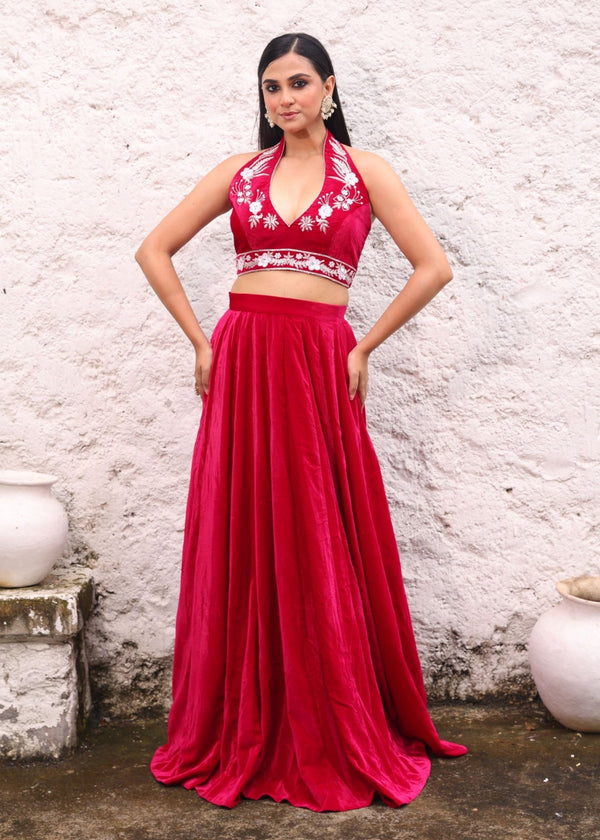
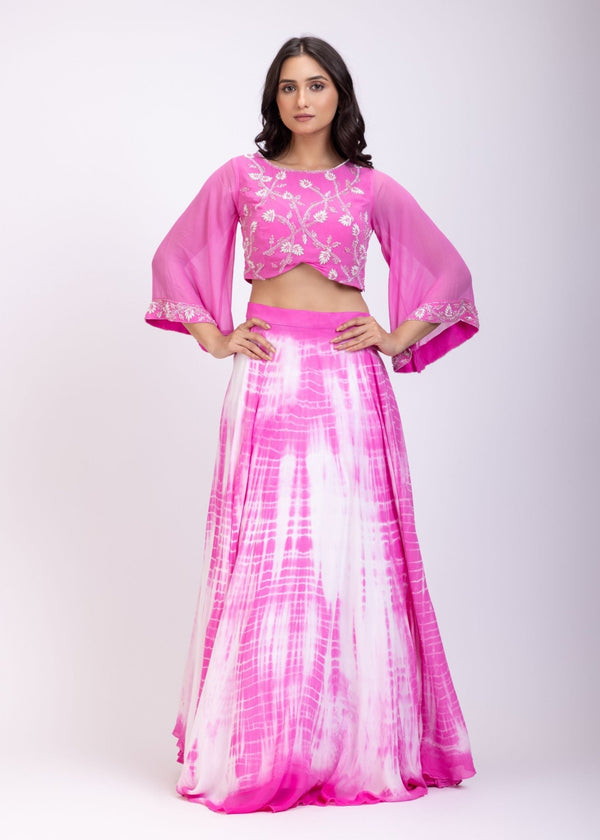
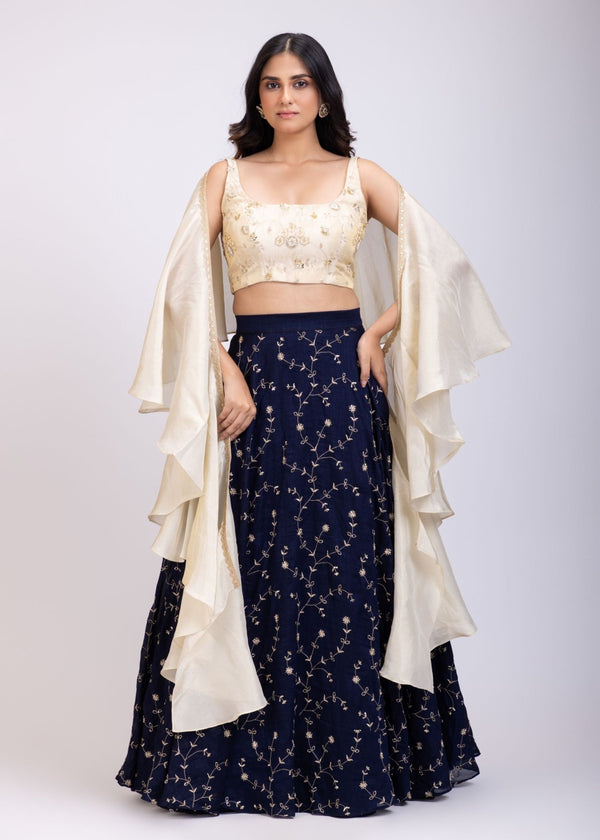
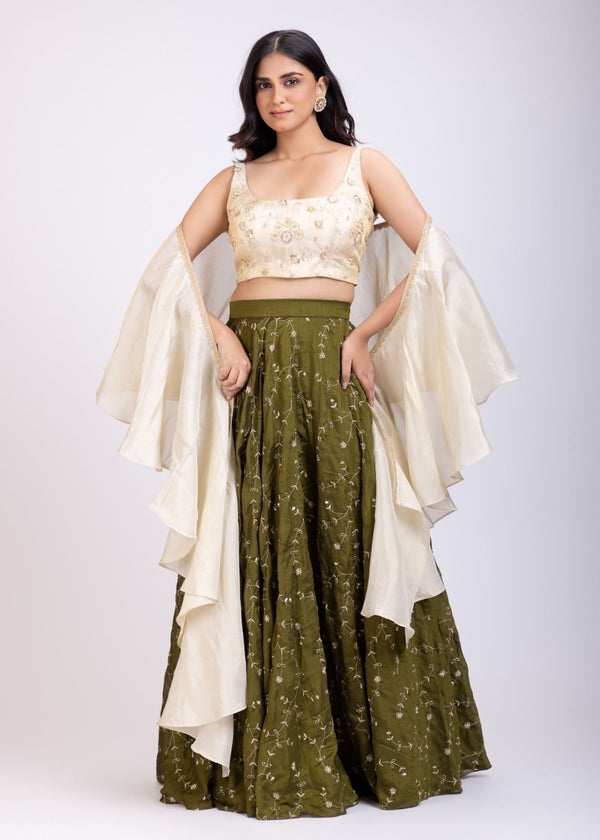
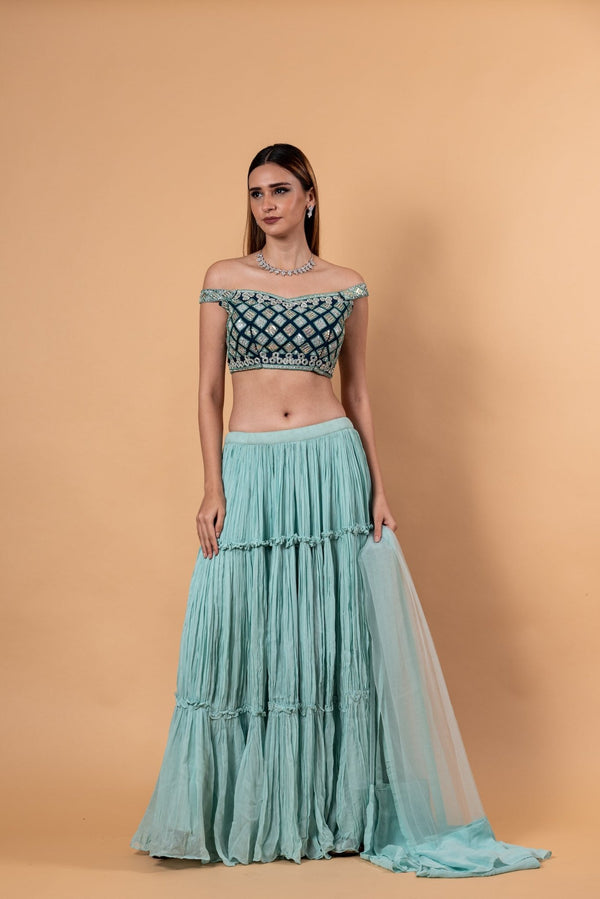
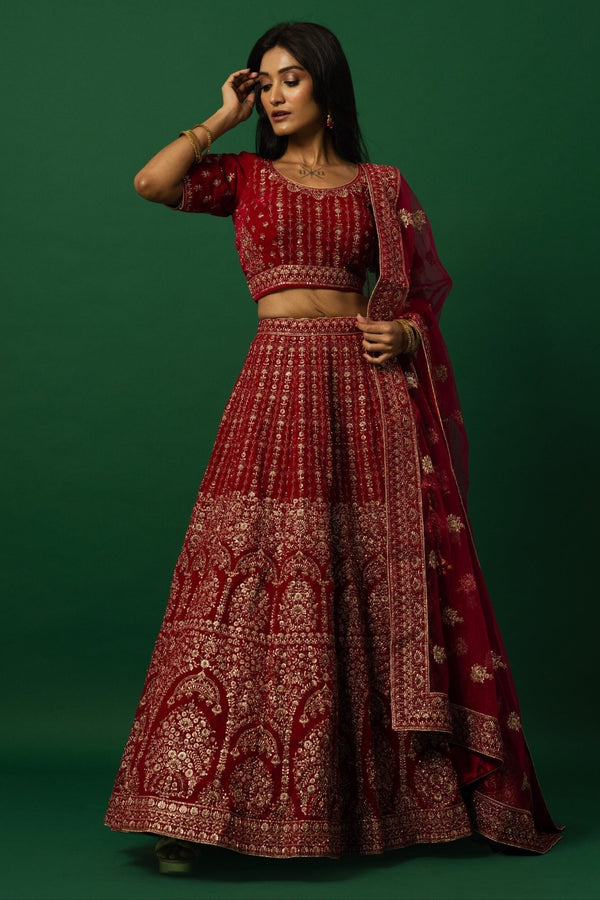
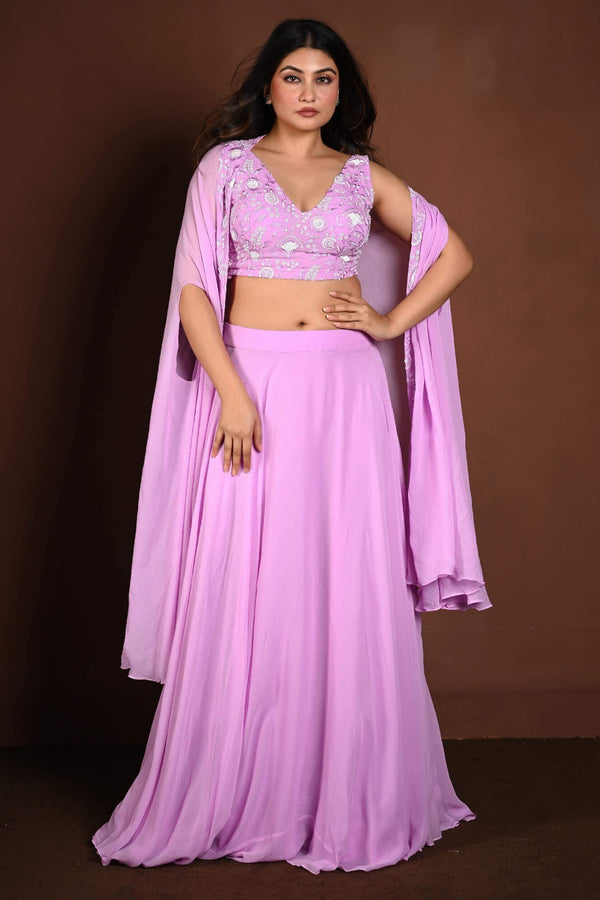
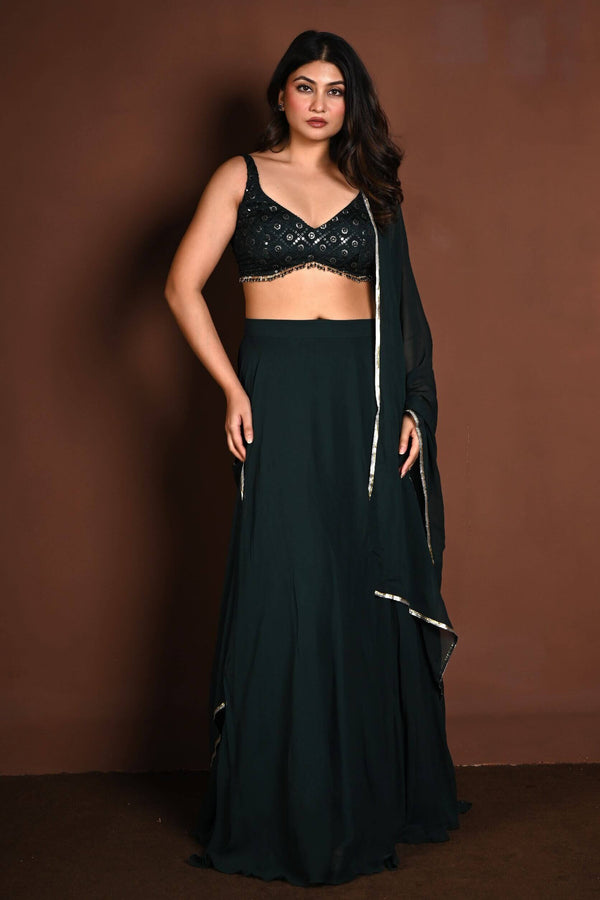
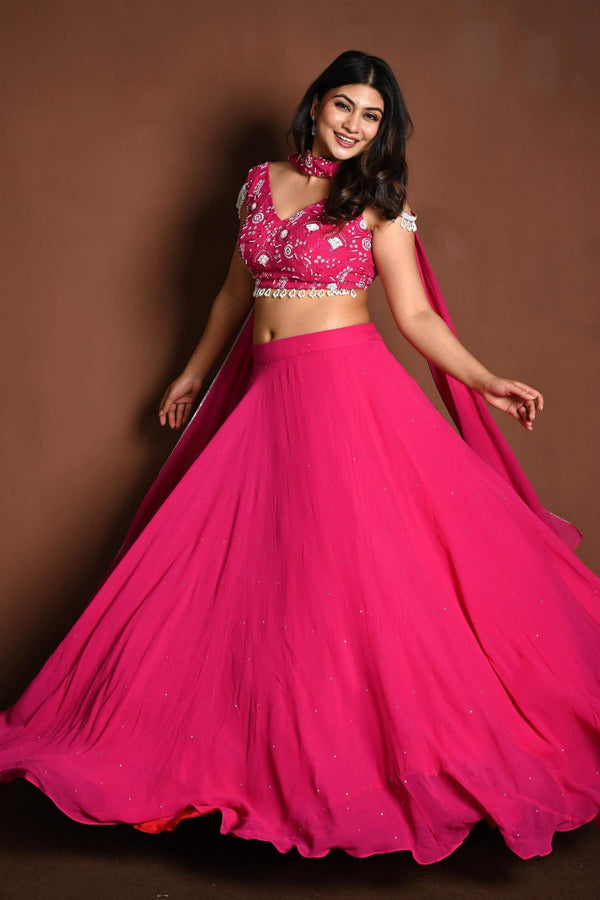
3. Crop Top Lehengas
A crop top lehenga combines the traditional lehenga skirt with a contemporary crop top. The blouse can range from minimal and fitted to heavily embroidered and embellished. Necklines can include boat neck, sweetheart, V-neck, high neck and other modern shapes. Lehenga skirts can be flared, A-line, straight or more structured depending on the desired silhouette. Luxurious fabrics such as silk, brocade, velvet, georgette and satin can be used across the outfit.
How to style it
For daytime events, lighter embroidery and softer colours can keep the outfit balanced. For evening occasions, richer fabrics and more detailed embellishment can create a stronger festive look. A simple dupatta can also help balance a heavily worked crop top.
Best for
Sangeet ceremonies, weddings, receptions, festive celebrations and parties.

4. Indo-Western and Fusion Wear
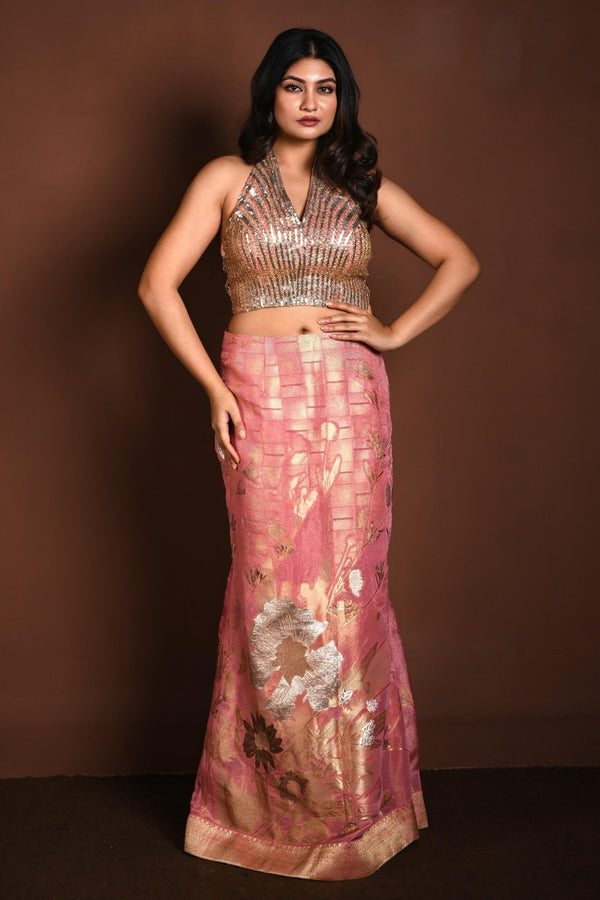
Fusion fashion combines elements of Indian and Western clothing. The Indian foundation may come from a textile, embroidery, silhouette or traditional garment, while the modern element can come from the cut, layering or styling. Fusion Lehengas are one example of this approach. Fusion dressing does not require completely unconventional clothing. Even a traditional garment can become Indo-Western through the right combination.
Easy ways to create a fusion look
-
Pair a traditional skirt with a contemporary top.
-
Style an embroidered jacket with a simple outfit.
-
Wear a modern blouse with a saree.
-
Combine Indian embroidery with a contemporary silhouette.
-
Use modern accessories with a traditional garment.
The easiest approach is to let one Indian element remain the visual foundation and introduce one contemporary element around it.
Best for
Parties, festive dinners, pre-wedding events, celebrations and occasions where you want something less traditional.

5. Statement Dupattas
A dupatta can completely change the appearance of an ethnic outfit. Statement dupattas use colour, embroidery, print, texture, borders or embellishment to create a stronger focal point. Statement dupattas can be paired with both simple and heavily detailed outfits.
How to style it
A heavily embroidered or colourful dupatta usually works best with a simpler base. If the kurta or lehenga already has extensive embellishment, choose a dupatta whose colours and details support the outfit rather than competing with it. A statement dupatta can also be reused with more than one outfit, making it a useful styling piece.
Best for
Festivals, weddings, family celebrations, pujas and festive dinners.

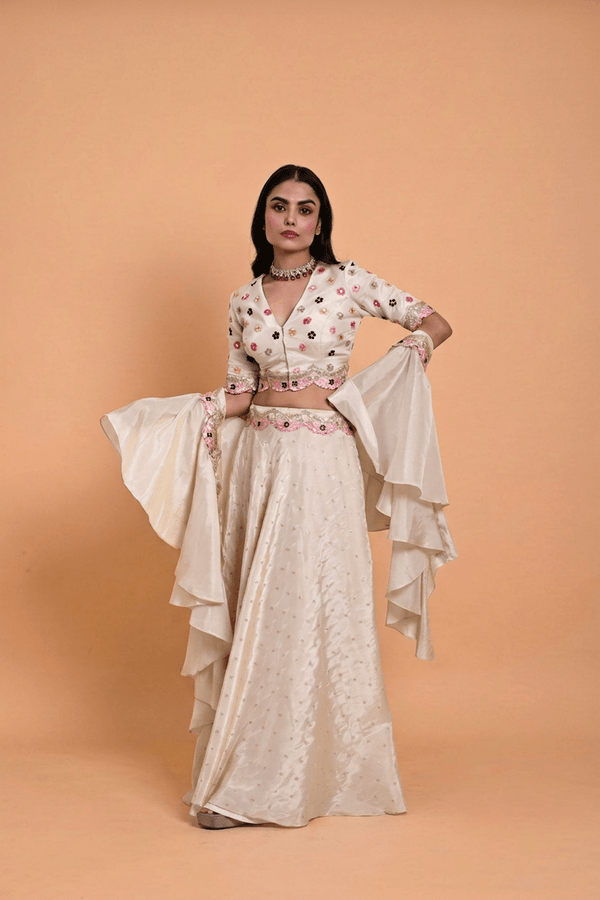
6. Contemporary Sharara Sets
The sharara is a traditional Indian silhouette known for its wide, flared trousers. Contemporary versions experiment with crop tops, shorter kurtas, layered tops, different fabrics and modern dupattas. Sharara sets can create a festive look while offering more movement than some heavily structured outfits.
How to style it
If the sharara has a lot of volume, balance it with a more fitted or structured top. A shorter kurta can highlight the flare, while a longer kurta creates a more traditional silhouette. Keep the dupatta proportion in mind. A lighter dupatta can prevent a voluminous sharara from looking visually heavy.
Best for
Mehendi ceremonies, sangeet events, festive gatherings, wedding functions and family celebrations.

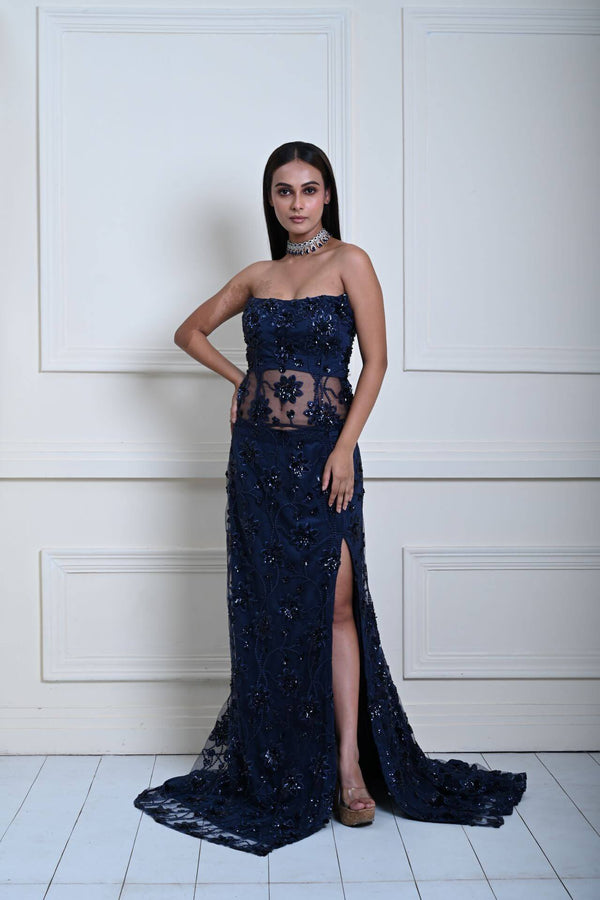
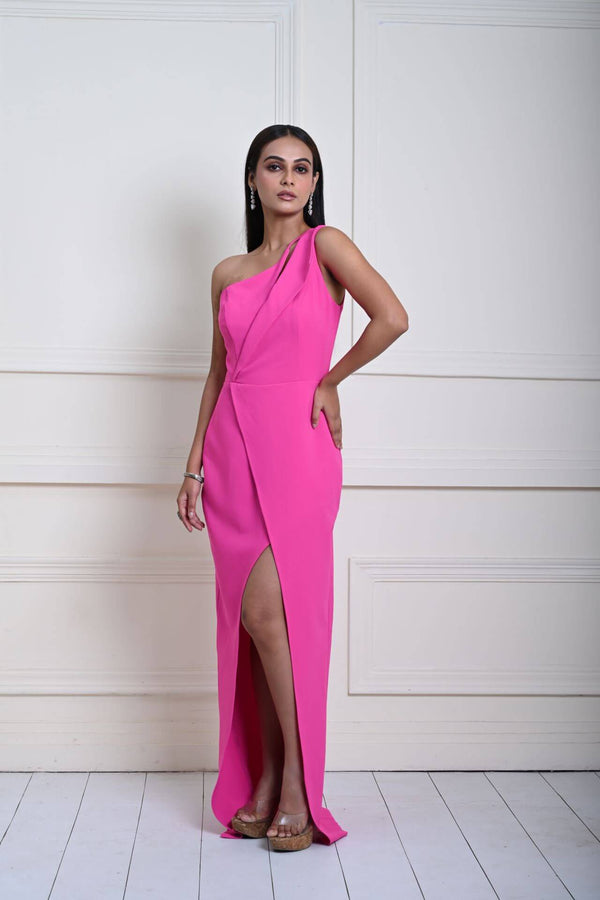
7. Saree Gowns
A saree gown combines the visual appeal of a saree with the construction of a gown. It can feature a stitched drape, fitted bodice, flowing skirt or dramatic pallu-inspired detailing.This style is useful for women who like the appearance of a saree but prefer a more structured or ready-to-wear silhouette.
How to style it
Because the silhouette itself can be dramatic, accessories do not always need to be heavy. Choose jewellery according to the neckline and overall amount of embellishment. A clean hairstyle can also keep attention on the outfit.
Best for
Cocktail events, receptions, evening parties and formal celebrations.

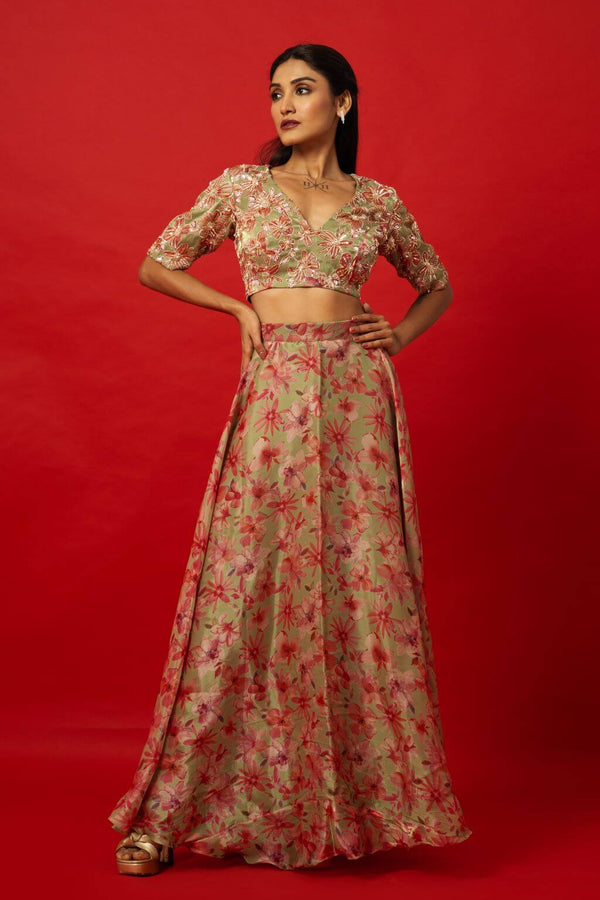
8. Bold Prints and Mixed Patterns
Prints add colour and visual movement to ethnic clothing. Instead of using only one uniform print, contemporary styling can combine different scales, motifs and colour placements. Paisleys, florals, geometric patterns and abstract designs can all work in Indian ethnic wear.
How to wear bold prints
If the print is large or visually strong, keep the accessories relatively restrained. When combining prints, look for at least one connecting colour so the outfit feels coordinated. For a simpler approach, choose a printed saree or kurta and keep the blouse or accessories in one of the colours already present in the print.
Best for
Daytime celebrations, casual festive occasions, vacations, lunches and relaxed parties.

9. Embroidery as a Statement Detail
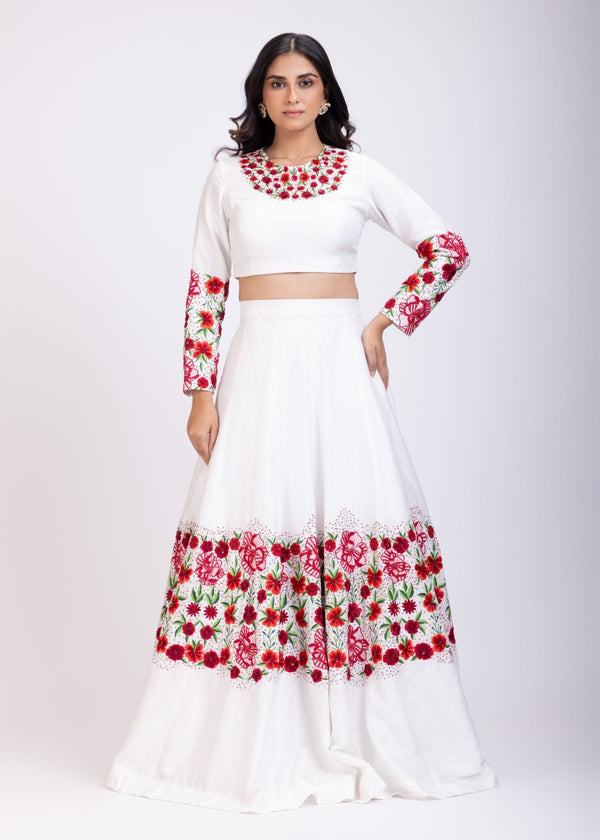
Embroidery remains an important part of Indian ethnic fashion because it adds texture, craftsmanship and visual depth. Embroidery does not always have to cover the entire garment. It can be concentrated around the neckline, sleeves, border, waist, hem or pallu.
How to choose embroidered clothing
Consider the occasion first. For daytime events, lighter thread work or embroidery concentrated in smaller areas can be easier to wear. For weddings and evening celebrations, heavier embroidery, metallic details and embellishments can create a more formal effect. Also consider the weight of the garment. Extensive embroidery can add structure and weight, which may affect comfort and movement.
Best for
Weddings, receptions, festive celebrations and formal events.

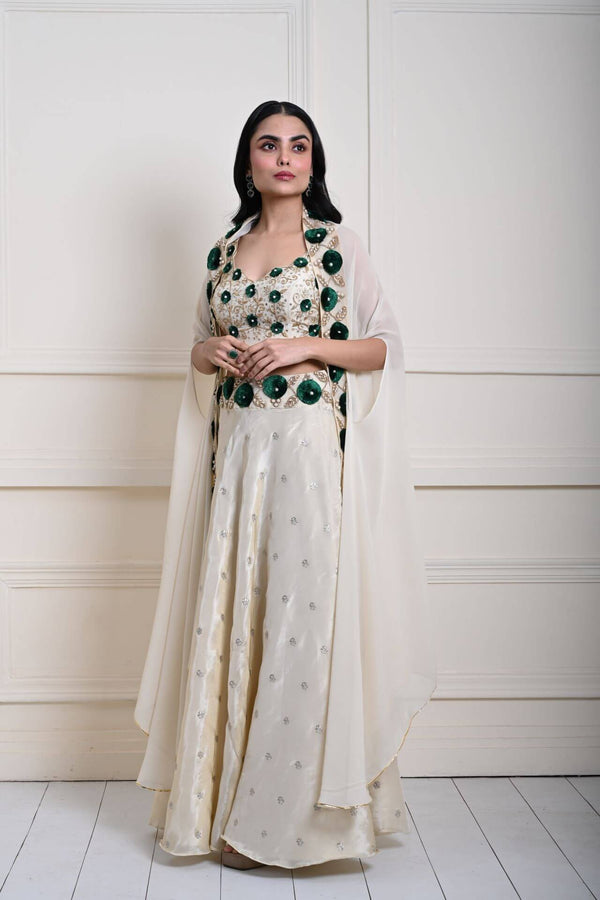
10. Sheer Layers
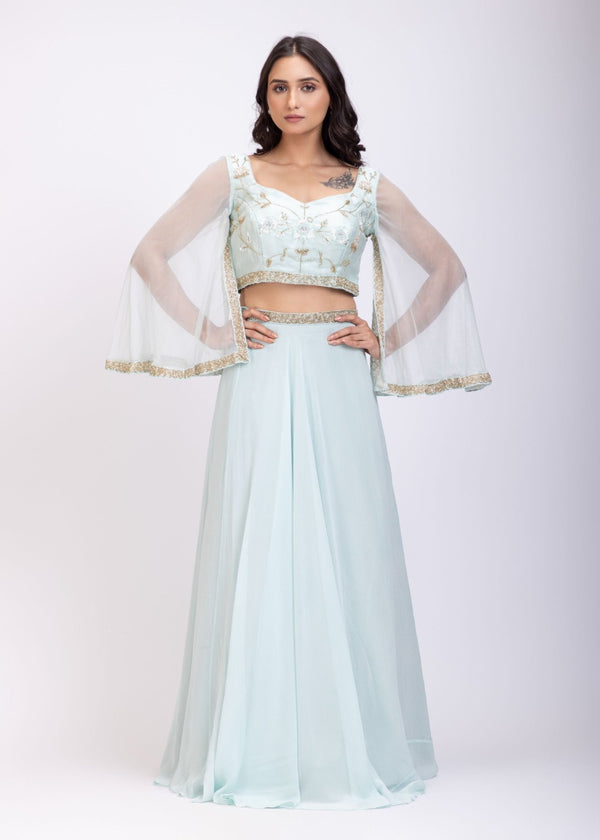
Sheer fabrics can add lightness and visual depth to an ethnic outfit. They may appear in dupattas, sleeves, overlays, jackets, sarees or panels. The key to wearing sheer clothing comfortably is appropriate layering. The amount of transparency should suit the occasion and the wearer's personal comfort.
How to style sheer details
If the outfit already has a sheer element, keep the rest of the styling clean. A sheer dupatta can soften a heavily embroidered outfit, while sheer sleeves can add detail without changing the entire silhouette.
Best for
Festive dinners, parties, receptions and evening events.

11. Statement Blouses and Sleeves
The blouse has become one of the easiest ways to give a traditional saree a contemporary appearance.
Instead of changing the saree itself, you can experiment with:
-
Neckline
-
Sleeve length
-
Sleeve volume
-
Back design
-
Embroidery
-
Fabric contrast
-
Structured silhouettes
-
Modern cuts
A statement blouse can also increase the versatility of a saree because the same saree can look different with another blouse.
How to style it
If the blouse has dramatic sleeves, a deep neckline or heavy embroidery, allow it to remain the focal point. The saree can be simpler in texture or colour. For a heavily patterned saree, a cleaner blouse can create better visual balance.
Best for
Weddings, parties, festive occasions and fashion-forward ethnic looks.

12. Palazzo and Wide-Leg Silhouettes
Palazzo pants have become a useful part of contemporary ethnic dressing because they offer a wide-leg silhouette with comfortable movement. They can be paired with kurtas, short tops, long tunics, jackets and coordinated sets.
How to style palazzos
A wide-leg bottom works particularly well with a top that gives the outfit some structure. A shorter kurta can highlight the waist and length of the trousers, while a longer kurta creates a more fluid silhouette. Printed palazzos can be paired with a simpler top, while plain palazzos allow more freedom with prints and embroidery.
Best for
Casual outings, work-friendly ethnic dressing, festive lunches and relaxed celebrations.

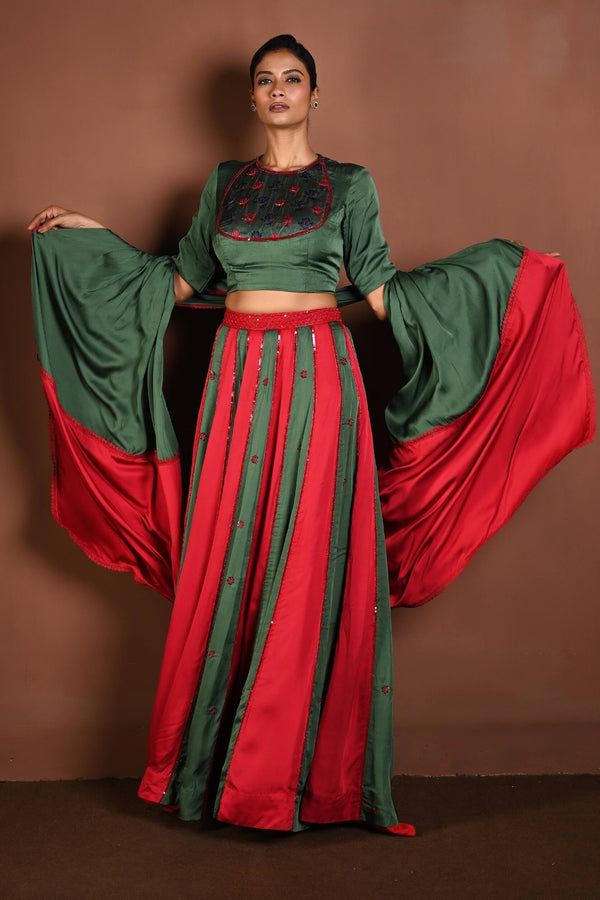
13. Multicolour and Colour-Blocked Outfits
Indian fashion naturally lends itself to colour. Multicolour outfits can combine contrasting shades, tonal variations, colour blocking, gradients, prints or multiple coloured details.
How to style multiple colours
You do not need every element to be a different colour. A simple approach is to choose one dominant shade and use one or two supporting colours through the blouse, dupatta, jewellery or footwear. Another option is to pick a multicoloured print and repeat one shade from the print in the accessories.
Best for
Festivals, daytime weddings, mehendi functions, family celebrations and summer events.

14. Artisanal and Handcrafted Fashion
Handcrafted fashion gives ethnic clothing a strong connection to India's textile and craft traditions. Hand embroidery, weaving, handloom fabrics and traditional craft techniques can bring character to contemporary silhouettes. Artisanal clothing does not have to look highly traditional. A handcrafted textile can be used in a contemporary blouse, fusion dress, lehenga, saree or coordinated outfit.
How to style artisanal pieces
Let the textile or craftsmanship remain visible. Avoid adding too many competing details when the fabric already has a strong weave, print or embroidery. Simple jewellery can often complement handcrafted clothing without taking attention away from the textile.
Best for
Festivals, cultural occasions, family celebrations, weddings and everyday wardrobes that include traditional textiles.

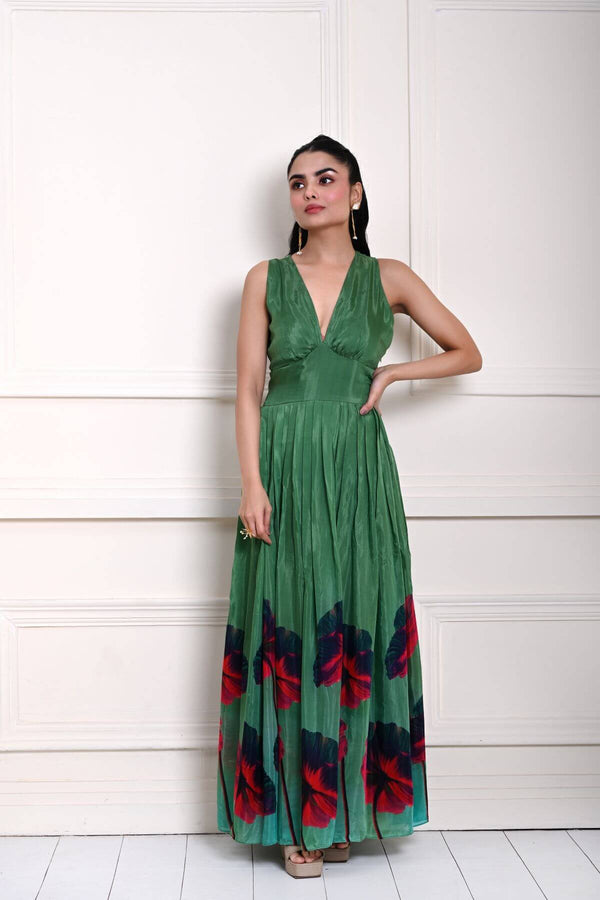
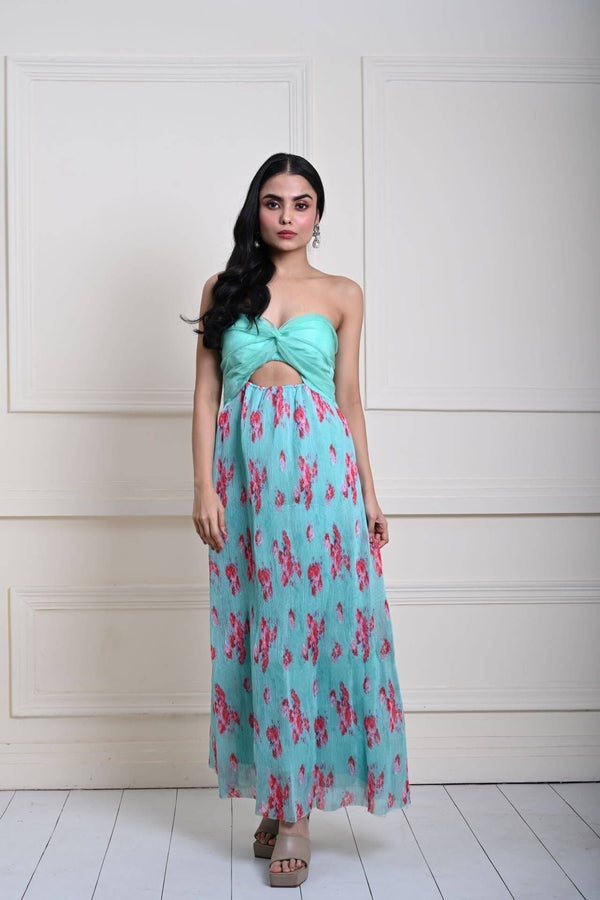
15. Indo-Western Dresses and Contemporary Co-Ord Sets
Indo-Western dresses and co-ord sets combine the visual language of Indian fashion with contemporary silhouettes. They may use Indian embroidery, prints, textiles or decorative details while following the construction of a dress, skirt set, draped outfit or coordinated two-piece ensemble. This makes them particularly useful for women who want ethnic influence without wearing a fully traditional outfit.
How to style them
Start with the occasion. For a festive event, embroidery, Indian textiles or statement jewellery can strengthen the ethnic character. For a casual occasion, a simpler silhouette with one Indian design element can feel more relaxed. The easiest way to keep the look balanced is to choose one clear focal point.
Best for
Parties, festive dinners, family events, travel, celebrations and occasions that call for contemporary ethnic dressing.

Traditional vs Contemporary Ethnic Fashion
Traditional and contemporary ethnic fashion do not have to be treated as opposites. Many of the strongest looks combine both.
|
Traditional approach |
Contemporary approach |
|
Classic saree drape |
Modern or pre-draped saree |
|
Matching blouse |
Contrast or statement blouse |
|
Traditional jewellery |
Selective statement jewellery |
|
Full ethnic outfit |
Mix-and-match separates |
|
Conventional embroidery placement |
Modern embroidery placement |
|
Coordinated colours |
Colour blocking or contrast |
|
Traditional silhouette |
Fusion silhouette |
|
Heavy occasionwear |
Lightweight and versatile styling |
The important difference is usually in the styling, not the cultural identity of the garment.
Which Ethnic Fashion Trends Work for Different Occasions?
Choosing a trend becomes easier when you start with the occasion.
|
Occasion |
Ethnic fashion styles to consider |
|
Wedding |
Saree, lehenga, sharara, saree gown |
|
Reception |
Saree gown, contemporary saree, embellished lehenga |
|
Sangeet |
Crop-top lehenga, fusion lehenga, sharara |
|
Mehendi |
Sharara, colourful prints, lightweight fusion wear |
|
Festival |
Saree, artisanal clothing, statement dupatta |
|
Family gathering |
Saree, kurti set, sharara or palazzo set |
|
Party |
Saree gown, fusion outfit, contemporary ethnic dress |
|
Work event |
Simple saree, structured kurta set, understated ethnic styling |
|
Casual outing |
Lightweight saree, palazzo set, kurti or Indo-Western outfit |
The same garment can also work for different occasions when you change the blouse, dupatta, jewellery or other styling elements.
How to Choose the Right Ethnic Fashion Trend for Your Style
Not every trend needs to become part of your wardrobe. The best choice depends on your personal style, comfort and the occasions you attend most often.
If you prefer classic ethnic wear
Choose sarees, traditional textiles, subtle embroidery and classic silhouettes. You can make them feel contemporary through your blouse, drape or accessories.
If you prefer modern fashion
Try fusion lehengas, crop-top lehengas, saree gowns, Indo-Western dresses and contemporary co-ord sets.
If you prefer minimal styling
Choose one statement element rather than several. A simple saree with a distinctive blouse can be enough. Similarly, a plain kurta can work with an embroidered dupatta.
If you enjoy statement dressing
Experiment with bold prints, dramatic sleeves, strong embroidery, multicolour combinations and distinctive silhouettes.
If comfort is your priority
Look at lightweight fabrics, practical silhouettes, ready-to-wear sarees, palazzo sets and outfits that allow easy movement.
How Can You Make Traditional Indian Clothes Look Modern?
You do not always need a new outfit. Small styling changes can make familiar ethnic pieces feel different.
Try:
-
Changing the blouse of a saree.
-
Experimenting with the saree drape.
-
Pairing a traditional outfit with contemporary jewellery.
-
Using a statement dupatta with a simple base.
-
Mixing prints carefully.
-
Adding a modern jacket or layer.
-
Styling a lehenga skirt with a different top.
-
Wearing traditional embroidery on a contemporary silhouette.
-
Using one contrasting colour.
-
Keeping the outfit simple and allowing one detail to lead.
The goal is not to make traditional clothing look Western. It is to give the garment a fresh styling direction while retaining its Indian character.
How to Build a More Versatile Ethnic Wardrobe
A versatile ethnic wardrobe does not need dozens of outfits. Start with pieces that can be styled in more than one way. A saree can be worn with different blouses. A lehenga skirt can sometimes be paired with another top. A statement dupatta can refresh a simple kurta. A handcrafted blouse can work with several sarees.
When choosing an outfit, consider:
-
Can it be worn for more than one occasion?
-
Can the blouse or top work separately?
-
Can the dupatta be paired with another outfit?
-
Is the fabric comfortable for the intended occasion?
-
Will the embellishment be easy to style with different accessories?
-
Does the silhouette allow comfortable movement?
Thinking about versatility before choosing an outfit can make an ethnic wardrobe more practical.
Final Thoughts
Indian ethnic fashion does not have to choose between tradition and modernity. The strongest contemporary looks often come from changing one element of a familiar outfit—such as the drape, blouse, colour, textile, silhouette or styling. Whether you prefer a classic saree, a statement lehenga, a sharara, an artisanal textile or an Indo-Western outfit, the most useful trend is the one that works with your personal style and real occasions. Instead of trying to follow every new fashion direction, choose pieces that you can style in different ways, wear comfortably and return to over time. That is what makes an ethnic wardrobe both current and practical.