


Maxi Dress
A maxi dress is a long, full-length dress that usually falls around the ankles or closer to the floor, offering an elegant silhouette with comfortable coverage. At Anvi Couture, our maxi dress collection brings together contemporary styling, comfortable fabrics, flattering silhouettes, and versatile designs created for different occasions. From lightweight printed maxi dresses for brunches, holidays, and daytime outings to elegant styles for dinners, parties, festive gatherings, and special occasions, there are options for different moods and settings. When choosing a maxi dress, we recommend considering the fabric, neckline, waist placement, sleeve design, fit, and overall drape along with the occasion. Our collection also focuses on styling flexibility and fit, making it easier to choose a maxi dress that feels comfortable while reflecting your personal style.
Read more20 Products
20 Products




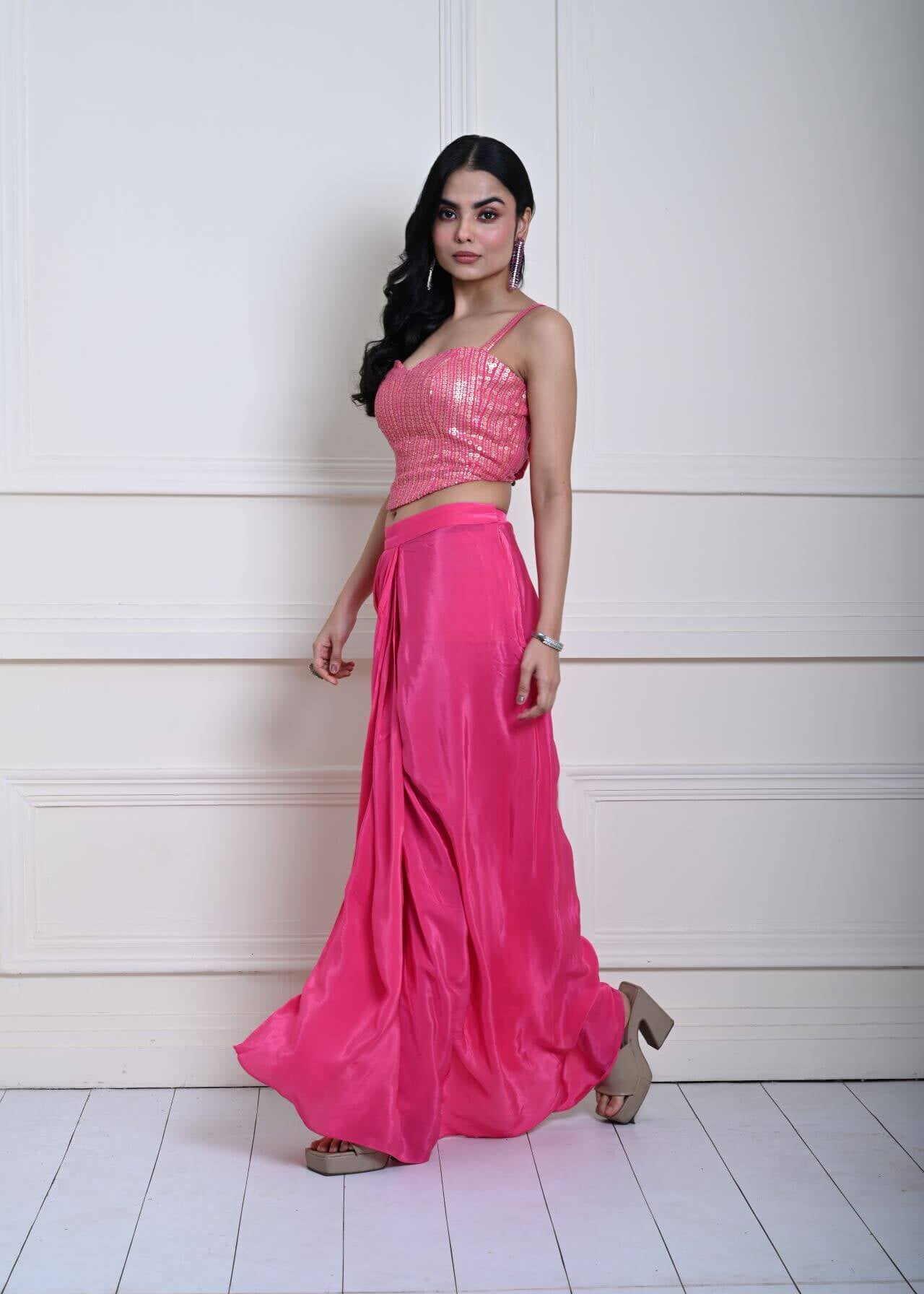
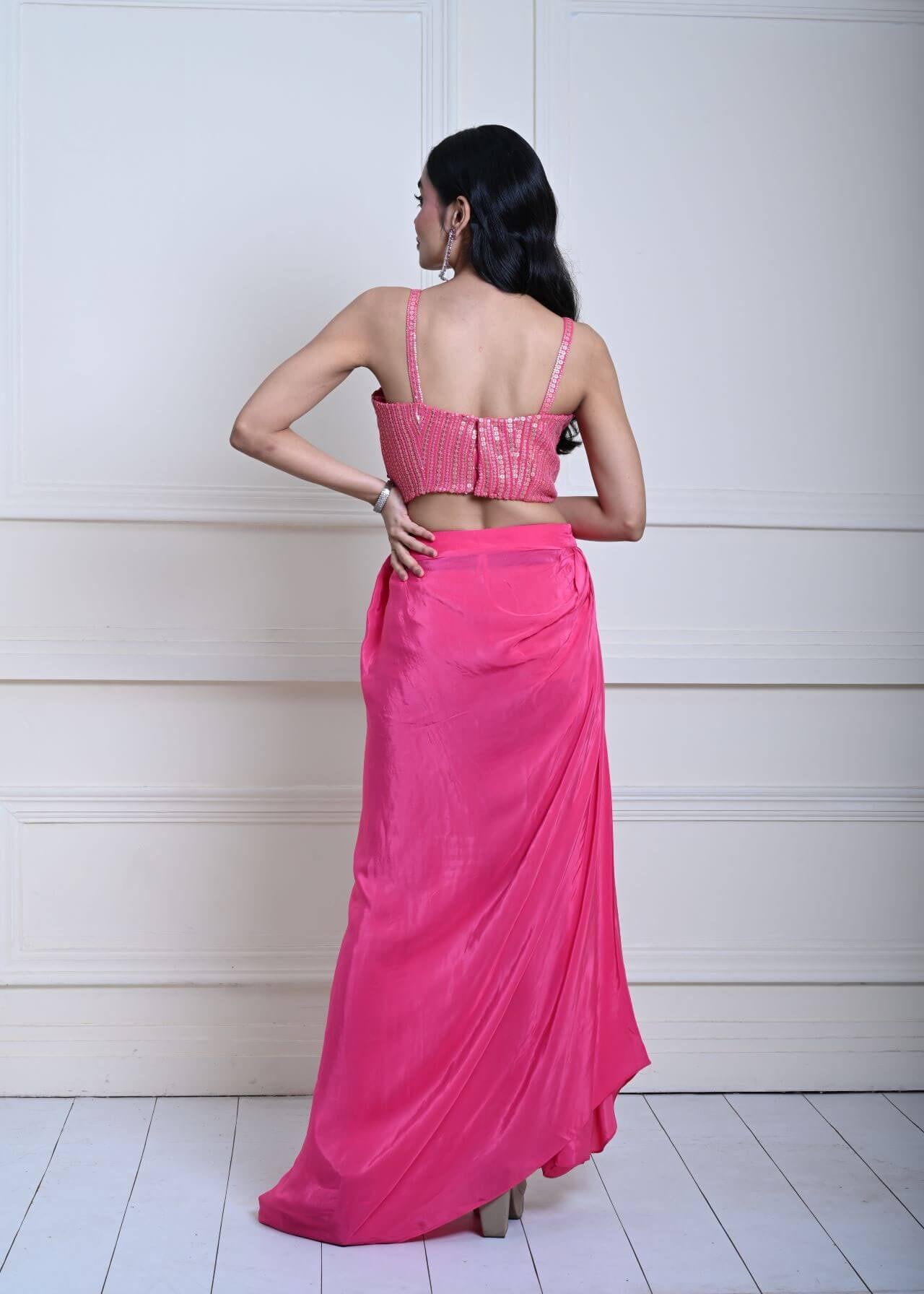


How to style maxi dresses for different occasions?
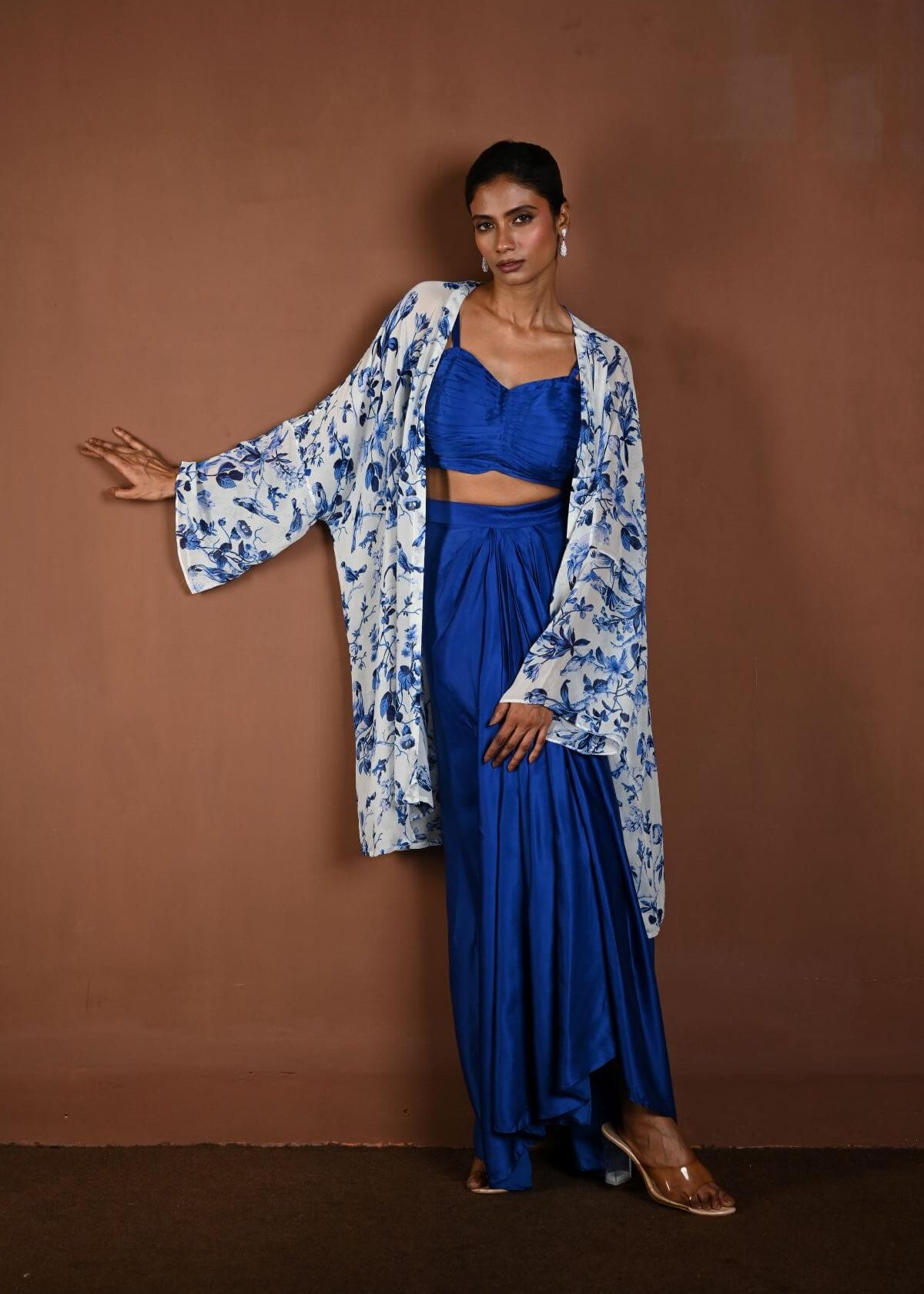
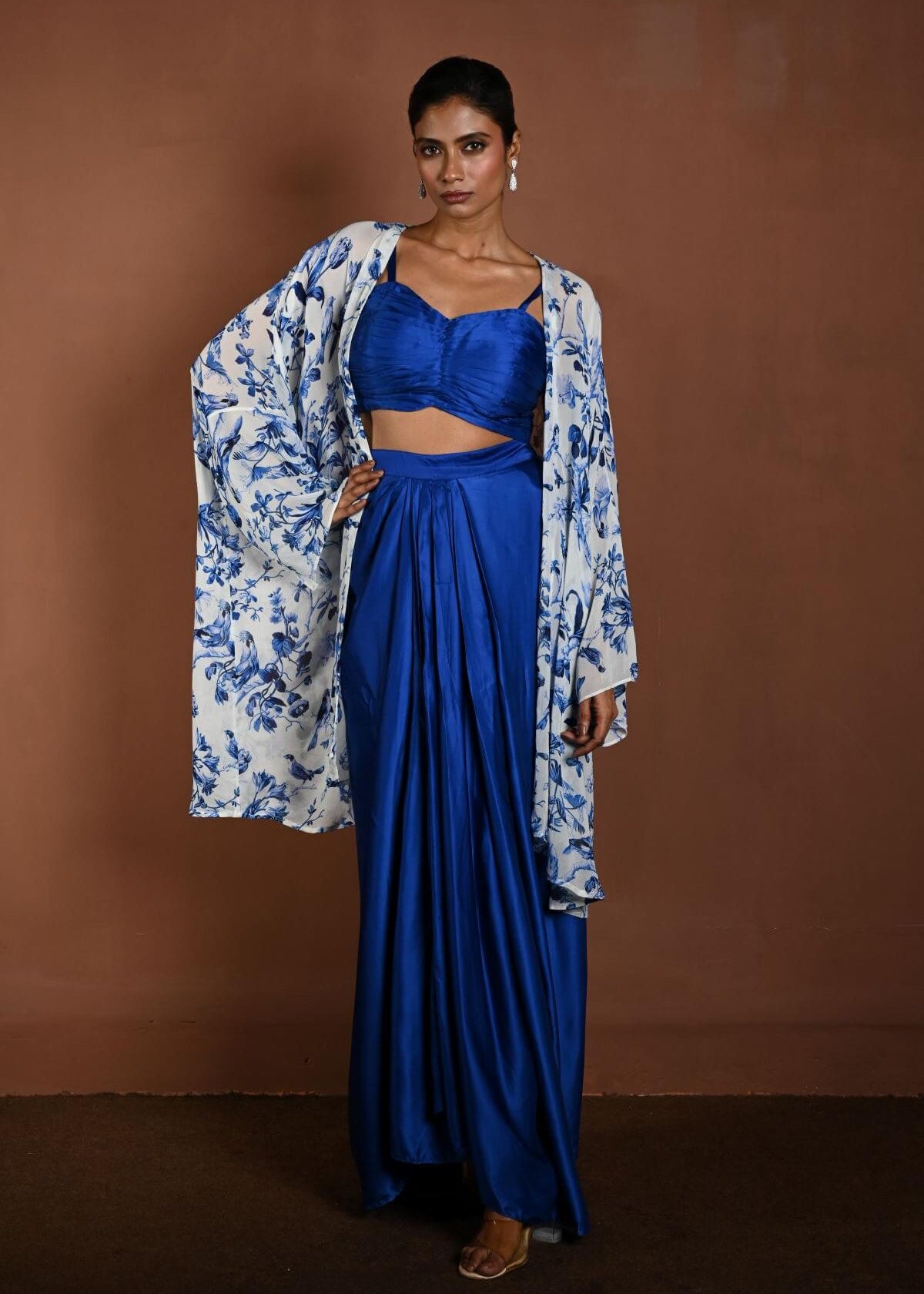
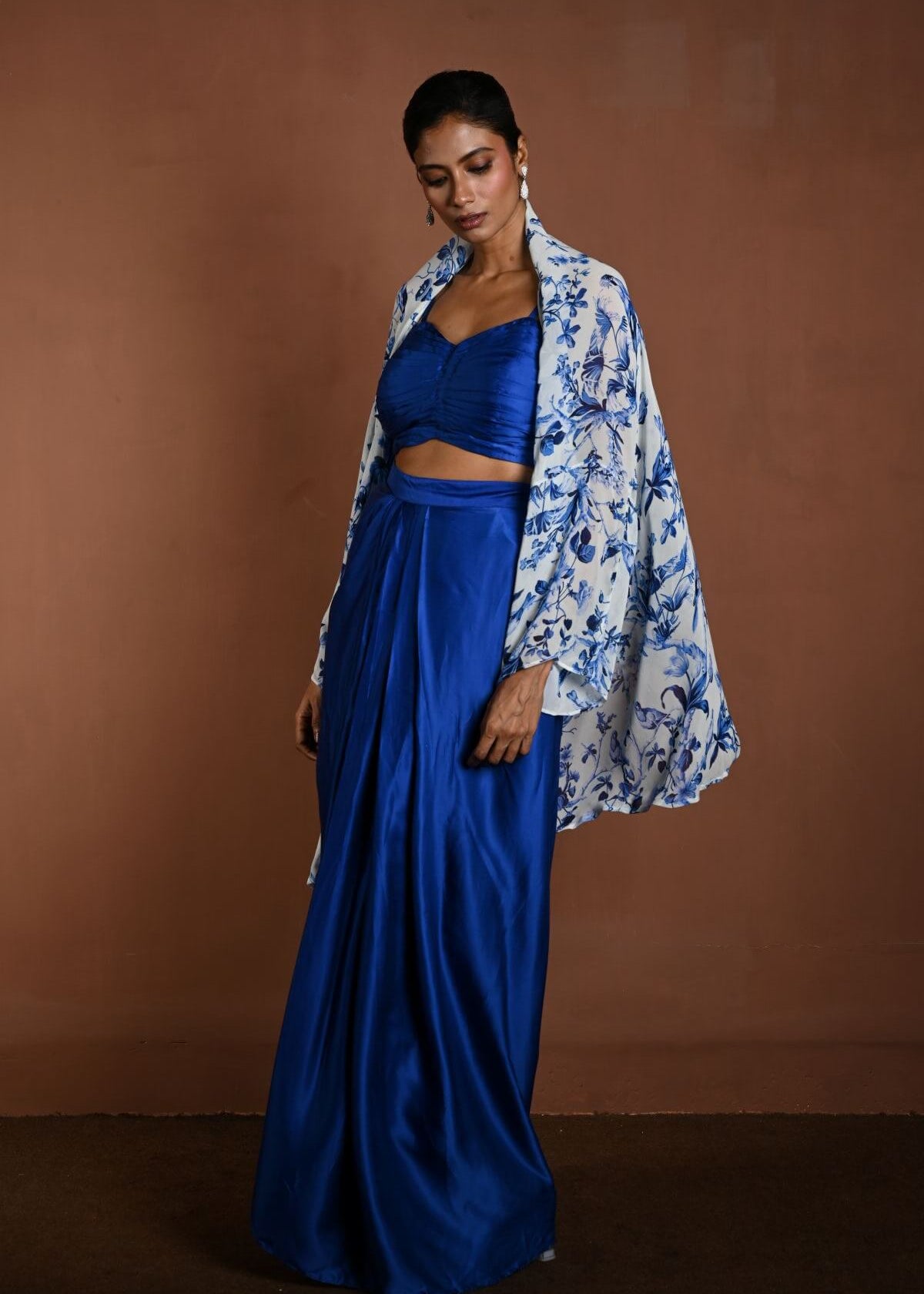
A Maxi Dress can suit different occasions when you choose the right fabric, silhouette, and level of detailing. Exploring collections at anvi couture brings you an authentic destination for western, fusion, and contemporary celebratory fashion. Consider the setting and overall dress code before selecting your style.
Printed Cotton Maxi Dresses Brunches and Daytime Gatherings:
Choose a printed cotton or lightweight maxi dress for brunches, casual get-togethers, shopping, and daytime outings. Breathable fabrics and relaxed silhouettes offer comfort while keeping the look polished.
Maxi Dresses for Resort Wear
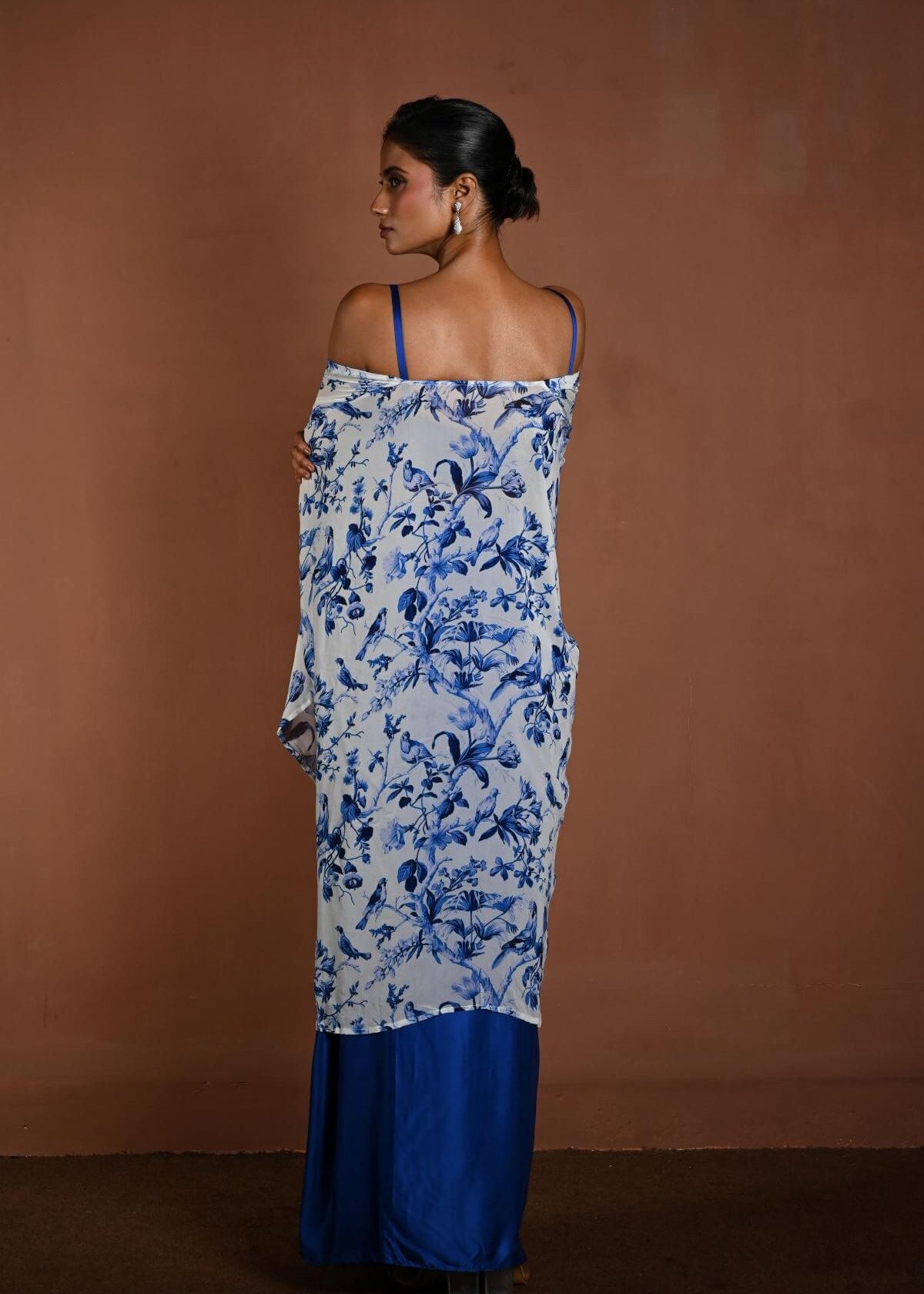
Flowing maxi dresses in lightweight fabrics are suitable for holidays and resort wear. Floral prints, soft colours, and relaxed silhouettes can create a comfortable look that is easy to style.
Elegant Maxi Dresses for Evening Occasions
For evening occasions, consider maxi dresses made from satin, silk, georgette, or velvet. A defined waist, structured silhouette, statement sleeves, or subtle embellishment can make the outfit more suitable for a dressier setting.
Embellished Maxi Dresses for Weddings and Festive Occasions:
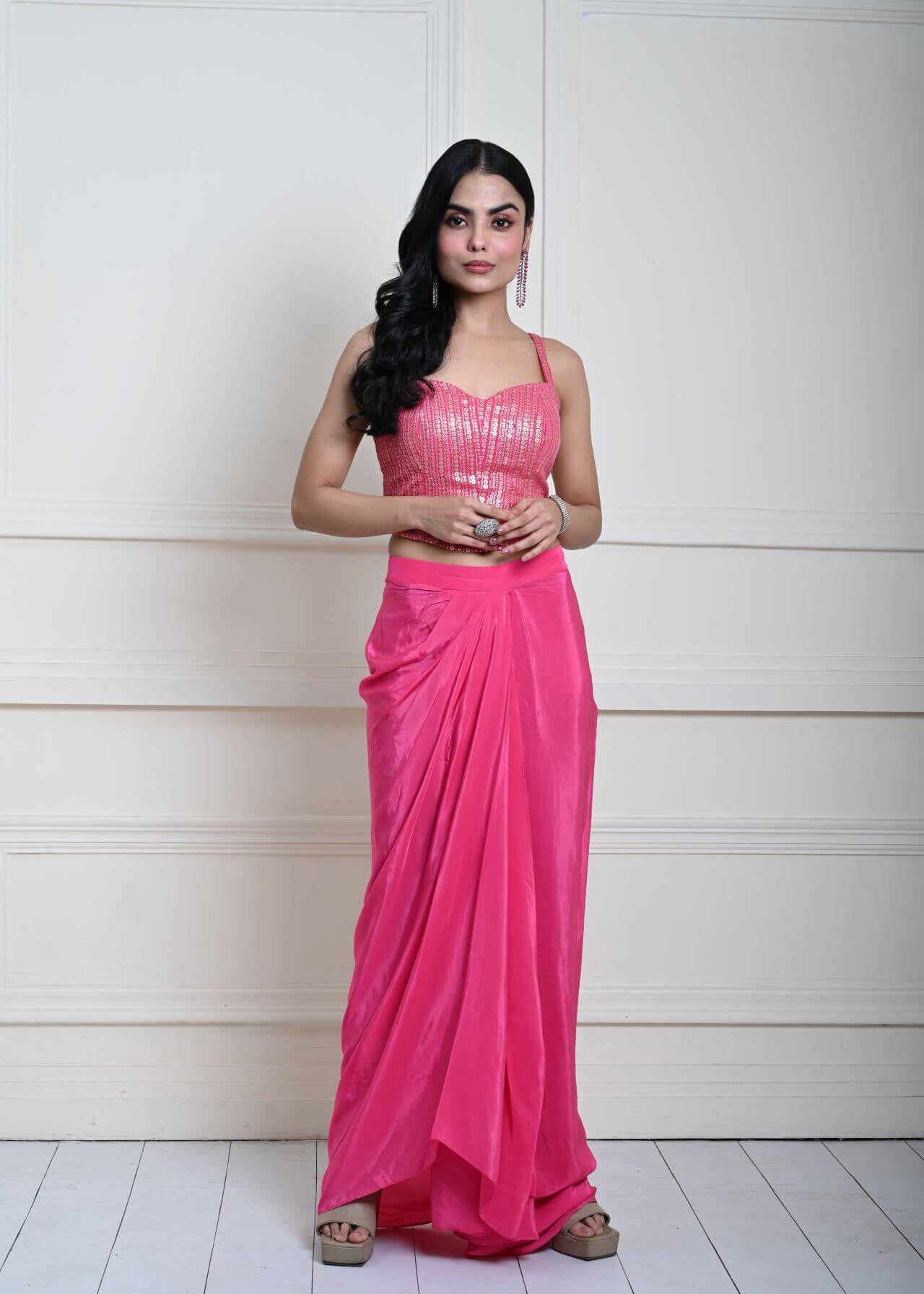
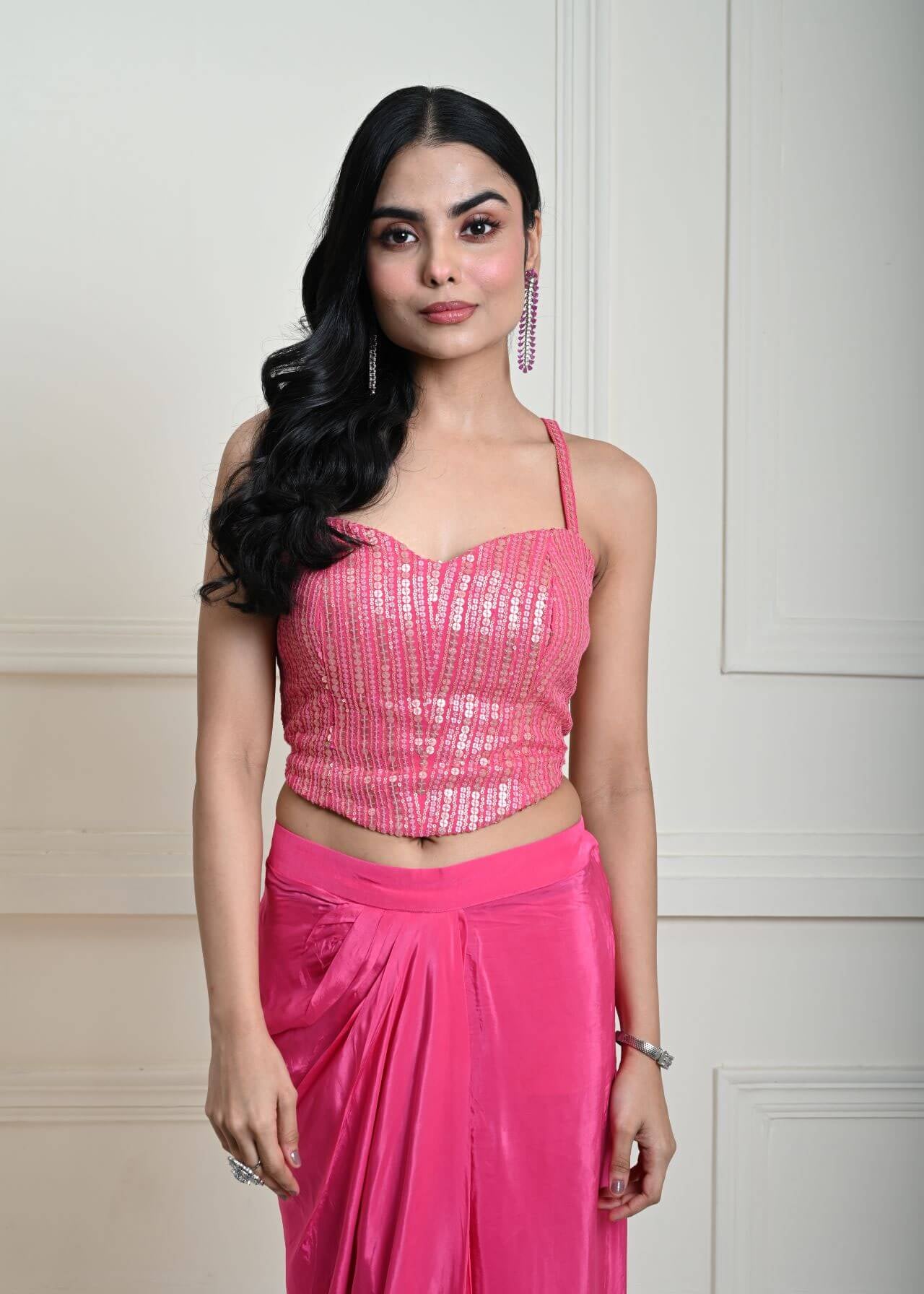
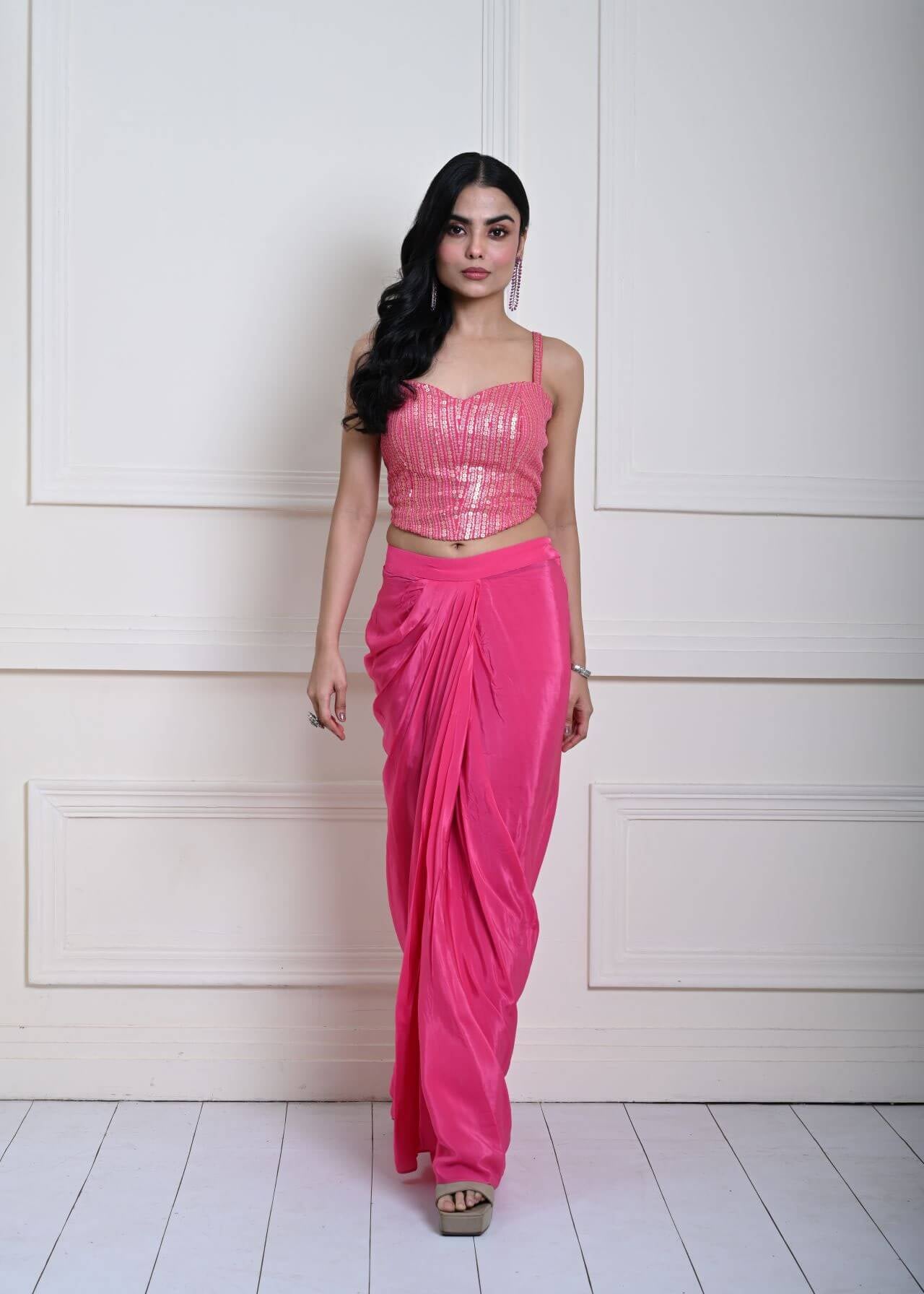
Embroidery, draping, metallic accents, statement sleeves, and Indian-inspired motifs can give a maxi dress a more celebratory character. Richer fabrics and detailed surface work are especially suitable for receptions, festive gatherings, and wedding functions.
Indo-Western Maxi Dresses for Indian Celebrations
An Indo-Western maxi dress can offer a contemporary alternative to a traditional saree or lehenga while retaining elements of Indian craftsmanship. Draped panels, traditional motifs, embroidery, and rich textiles can add an ethnic influence to the modern silhouette.
What body type looks best in a maxi dress?
Choosing a maxi dress for your body proportions is less about following strict body-type rules and more about understanding how length, waist placement, volume, and fabric affect the overall fit. The most suitable style is one that creates the proportions, comfort, and visual balance you personally prefer.
- For a More Defined Waist: Choose a maxi dress with a shaped waist, waist seam, belt, or gentle gathering when you want more definition through the midsection. A structured bodice can further support the shape without making the dress feel restrictive.
- For a Longer-Looking Silhouette: Vertical stripes, elongated prints, high-waisted designs, and uninterrupted lines can create a visually longer effect. A maxi dress with a consistent colour or print from the bodice through the skirt can also create greater visual continuity.
- For More Volume Through the Lower Half: A-line and fit-and-flare maxi dresses gradually widen from the waist toward the hem, adding movement and volume to the lower part of the silhouette. These shapes can be useful when you prefer a softer transition between the waist and skirt.
- For a Balanced Upper and Lower Silhouette: A-line maxi dresses create a gradual outward line from the upper body, while balanced prints and moderate detailing can prevent one area of the outfit from becoming visually dominant. The result is a proportionate appearance without relying on rigid styling rules.
- For a Relaxed, Less Structured Fit: Flowy maxi dresses with soft fabrics and a relaxed cut allow more room through the body and create fluid movement. They are a practical choice when comfort and ease are more important than waist definition.
- For Petite or Shorter Proportions: Consider the overall length, waist placement, and volume of the dress rather than choosing a maxi dress based only on its label. A properly adjusted hemline, a higher waist placement, and a less bulky A skirt can help maintain proportion and prevent the dress from overwhelming the frame.
The key is to consider the complete garment rather than one feature in isolation. Fabric weight, drape, neckline, sleeve volume, waist placement, hemline, and footwear all work together to determine how a maxi dress looks and feels when worn.
Different Types of Maxi Dresses for Every Occasion
Maxi dresses come in different silhouettes, waist placements, fabrics, and levels of detailing, so the right style depends on how you want the dress to fit and where you plan to wear it. Understanding these variations can make it easier to choose a maxi dress that offers the right balance of structure, movement, comfort, and visual appeal.
A-Line Maxi Dresses:
An A-line maxi dress fits closer through the bodice and gradually widens toward the hem. The balanced silhouette allows comfortable movement while giving the skirt a defined shape.
Fit-and-Flare Maxi Dresses:
Fit-and-flare styles create more definition around the upper body before opening into a fuller skirt. They work well when you want a more shaped silhouette with noticeable movement through the lower half.
Empire-Waist Maxi Dresses:
Empire-waist designs position the waistline higher than the natural waist, generally below the bust. The raised waist creates a relaxed fall through the skirt and can be a comfortable choice when you prefer less shaping around the midsection.
Straight Maxi Dresses:
Straight silhouettes follow a relatively consistent line from the bodice toward the hem. Their simple construction creates a streamlined appearance and suits those who prefer a less voluminous skirt.
Flowy Maxi Dresses:
Flowy maxi dresses use relaxed cuts and fabrics with fluid drape to create natural movement. They are particularly suitable for holidays, daytime gatherings, and occasions where comfort is a priority.
Choose a Maxi Dress Neckline and Sleeves That Suit Your Style
The right neckline and sleeves can influence how a maxi dress frames the upper body, how comfortable it feels, and how suitable it looks for a particular occasion. Instead of choosing a style only because it is trending, consider your preferred level of coverage, the structure of the dress, your proportions, and where you plan to wear it. A well-chosen neckline and sleeve combination should complement the dress silhouette while allowing you to move and feel comfortable.
1. Choose a Neckline That Complements Your Proportions
The neckline creates the first visual focus around the face and upper body, so its shape can affect the overall balance of a maxi dress. A V-neckline can create a longer, more defined vertical line, while a square neckline adds structure and draws attention to the collarbone. Round necklines provide a softer appearance, whereas a boat neckline creates a wider horizontal line across the shoulders. When choosing between these options, consider both your natural proportions and the amount of coverage you feel comfortable wearing.
2. Match the Neckline to the Occasion
The occasion should also guide your neckline choice because different settings call for different levels of structure and coverage. For casual daytime wear, a round, scoop, or modest V-neck can work well with lightweight maxi dresses, while a square or deeper V-neck may suit an evening or occasion-wear style. For an Engagement Dress, a well-balanced neckline can add an elegant and polished touch without making the outfit look too heavy. For formal events, a structured neckline can give the dress a more refined appearance without requiring heavy embellishment. The fabric and overall silhouette should also work with the neckline so that the finished outfit feels cohesive rather than overly detailed. .
3. Select Sleeves Based on Comfort and Coverage
Sleeves can change both the practical comfort and visual character of a maxi dress. Short sleeves and cap sleeves are suitable for warm weather and casual styling, while three-quarter sleeves offer additional coverage without making the dress feel too heavy. Long or fitted sleeves can create a more polished appearance, particularly when paired with a streamlined maxi silhouette. If you prefer a relaxed and expressive look, puff, balloon, or statement sleeves can introduce volume while making the upper part of the outfit more distinctive. A Drape Dress can also use flowing sleeve designs to enhance its relaxed and graceful appearance.
4. Balance Neckline and Sleeve Details
A balanced combination of neckline and sleeves usually creates a more polished outfit than choosing two highly dramatic details at the same time. For example, a maxi dress with a statement puff sleeve may work better with a simple round or square neckline, allowing the sleeves to remain the main feature. Similarly, a more defined V-neck can be balanced with clean, fitted sleeves. This approach works well when styling an Orange Dress, as balanced details can keep the bright color from feeling visually overwhelming. It also keeps the proportions visually controlled and allows the dress silhouette, fabric, or print to remain part of the overall design.
5. Consider Fabric and Maxi Dress Silhouette
The fabric and silhouette should be considered alongside the neckline and sleeves because construction affects how these details sit on the body. Lightweight fabrics such as chiffon, georgette, and soft cotton can work well with relaxed sleeves and flowing necklines, while structured fabrics can support sharper necklines and more defined sleeves. A Traditional Dress can also benefit from choosing the right fabric and silhouette to create a balanced and elegant look. An A-line maxi dress can accommodate several neckline options, while a fitted or body-skimming silhouette may benefit from cleaner sleeve and neckline details. Looking at the complete construction of the dress helps ensure that each design element works together.
6. Make Comfort Part of the Final Choice
A beautiful neckline or sleeve design is only practical when the dress remains comfortable throughout the day. Check whether the neckline provides enough coverage when you sit, bend, or move, and make sure the sleeves allow comfortable movement around the shoulders and arms. For longer events, breathable fabrics, suitable sleeve lengths, and a secure neckline can make a noticeable difference. When choosing a Pink Dress, comfort should remain just as important as color and design. The best maxi dress is ultimately one that combines a flattering shape with comfortable construction, allowing you to focus on the occasion rather than adjusting your outfit.
How to Choose a Maxi Dress by Season
The best maxi dress for a particular season depends on more than colour or current trends. Fabric weight, breathability, lining, sleeve length, and the way the dress moves all affect comfort, so choose materials and construction that suit the weather as well as the occasion.
Summer: Choose breathable fabrics such as cotton, chiffon, or lightweight georgette that allow air to circulate and feel comfortable in warm weather. A breathable lining is also important because a heavy or poorly ventilated lining can make even a lightweight dress feel uncomfortable. Short sleeves, sleeveless designs, and open or modest necklines can provide additional comfort on hot days.
Monsoon: During the rainy season, lighter fabrics that are easier to manage and dry relatively quickly can be more practical. Avoid excessively long or trailing hems that can drag across wet surfaces and become difficult to maintain. A well-fitted maxi dress with a manageable hemline can provide better mobility while keeping the look polished.
Winter: Cooler weather allows you to experiment with heavier fabrics such as velvet and other structured materials that provide more warmth. Long sleeves can offer additional coverage, while a tailored jacket, shawl, or other lightweight layer can add warmth without changing the overall silhouette of the maxi dress.
Festive Season: Festive occasions are a good opportunity to choose richer fabrics such as silk and designs featuring embroidery, embellishment, or deeper colours. The fabric should still be comfortable enough for extended wear, particularly when the dress includes detailed surface work. Pairing a more elaborate maxi dress with thoughtfully chosen accessories can create a festive look without making the outfit feel overcrowded.
How to Care for a Maxi Dress Based on Its Fabric
Choosing the right fabric for a maxi dress involves more than considering its appearance and comfort; understanding its care requirements can also help you maintain the garment over time. Cotton maxi dresses may be practical for regular wear, while silk, satin, velvet, and heavily embellished designs often require more careful handling because washing, heat, and friction can affect their texture, finish, or decorative details. The lining and construction of the dress also matter, as layered panels, embroidery, sequins, beads, and structured elements can require specific cleaning methods. Always check the garment's care label before washing, drying, or ironing because care requirements can vary even among dresses made from similar fabrics. For occasion maxi dresses, proper storage is equally important, so make sure the garment is completely dry before storing it and protect delicate embellishments from excessive friction or pressure. Following the manufacturer's care instructions rather than relying on general fabric-care assumptions is the safest way to help preserve the dress's fabric, shape, colour, and finishing details.
Where Indian Craftsmanship Meets Modern Maxi Dress Styles
Indo-Western maxi dresses bring together the beauty of Indian craftsmanship with contemporary silhouettes, creating outfits that feel rooted in tradition while fitting naturally into modern wardrobes. Details such as embroidery, zari work, block prints, mirror work, and traditional motifs can add cultural character, while flowing lengths, A-line shapes, structured waists, and layered designs give the dress a modern appeal. Fabrics such as silk, cotton, georgette, and organza add texture and movement, making these dresses suitable for festive gatherings, family celebrations, cultural events, and evening occasions. Contemporary necklines and sleeves, including V-necks, square necklines, puff sleeves, fitted sleeves, and cape-inspired details, can further modernise the overall look. The key is balance: traditional craftsmanship should complement rather than overpower the silhouette. At Anvi Couture, this balance can be reflected through carefully selected fabrics, thoughtful detailing, and wearable designs that connect Indian heritage with the style preferences of today's women.
How to Find the Right Maxi Dress for Your Style with Anvi Couture
Finding the right maxi dress starts with understanding how you want the dress to look, feel, and function for the occasion. At Anvi Couture, the selection can be considered through key details such as silhouette, fabric, neckline, sleeve design, waist placement, length, drape, and embellishment, allowing you to choose a style that reflects your personal preferences rather than simply following a trend. For custom measurements, bespoke silhouette adjustments, and personalized tailoring, you can also explore dedicated made-to-measure services through anvi couture. A lightweight printed maxi dress may suit relaxed daytime dressing, while a structured satin or embellished design can work better for evening celebrations. For festive occasions, an Indo-Western maxi dress with embroidery, draped elements, or Indian-inspired detailing can bring together contemporary styling and traditional craftsmanship. Paying attention to fabric behaviour, garment construction, fit, and ease also helps ensure that the dress is comfortable to move in and suitable for the way you plan to wear it. With these factors in mind, Anvi Couture brings together maxi dress styles designed to offer a balance of personal style, comfort, craftsmanship, and occasion-appropriate detailing.
Popular Search
Explore More


FAQs
A maxi dress is a long, full-length dress that usually falls around the ankles or closer to the floor. It offers comfortable coverage and can be styled for casual outings, parties, festive occasions, holidays, and formal events.
Choose a maxi dress based on your preferred fit, waist placement, length, fabric, and silhouette. A-line and fit-and-flare styles can add shape, while flowy maxi dresses offer a more relaxed fit. Petite women can consider the hemline, waist placement, and dress volume to maintain balanced proportions.
The best neckline and sleeves depend on your comfort, proportions, and occasion. V-neck, square, round, and boat necklines offer different visual effects, while short, three-quarter, long, puff, and fitted sleeves can change the overall appearance and level of coverage.
The best fabric depends on the season and occasion. Cotton, chiffon, and lightweight georgette are suitable for warm weather, while silk, satin, velvet, and richer fabrics can work well for evening and festive occasions. Always consider the fabric's comfort, drape, and care requirements.
Choose the fabric, silhouette, neckline, sleeves, and level of detailing according to the occasion. Lightweight printed maxi dresses work well for daytime outings and holidays, while embellished or structured maxi dresses can be suitable for weddings, festive celebrations, parties, and evening events.
Latest Dresses Collection with Price
Dresses List
Price
