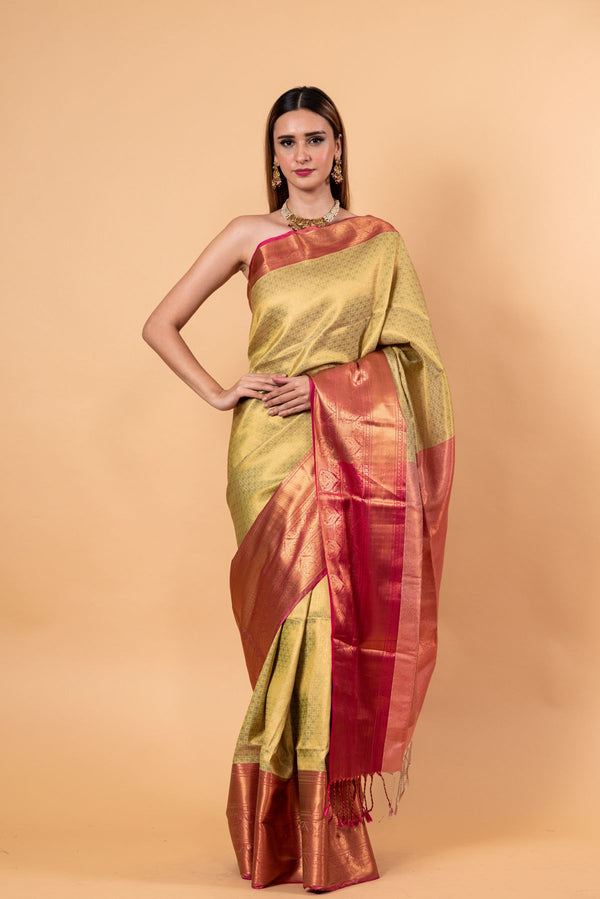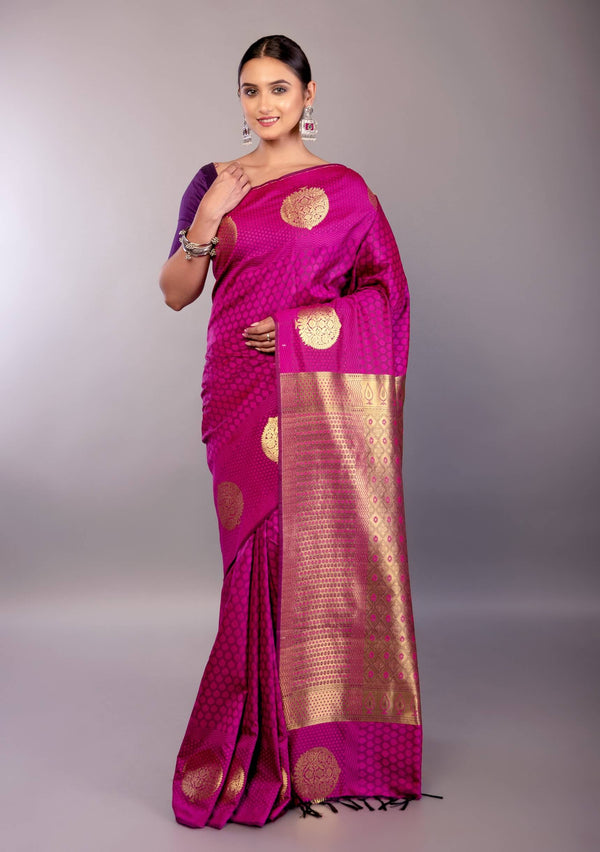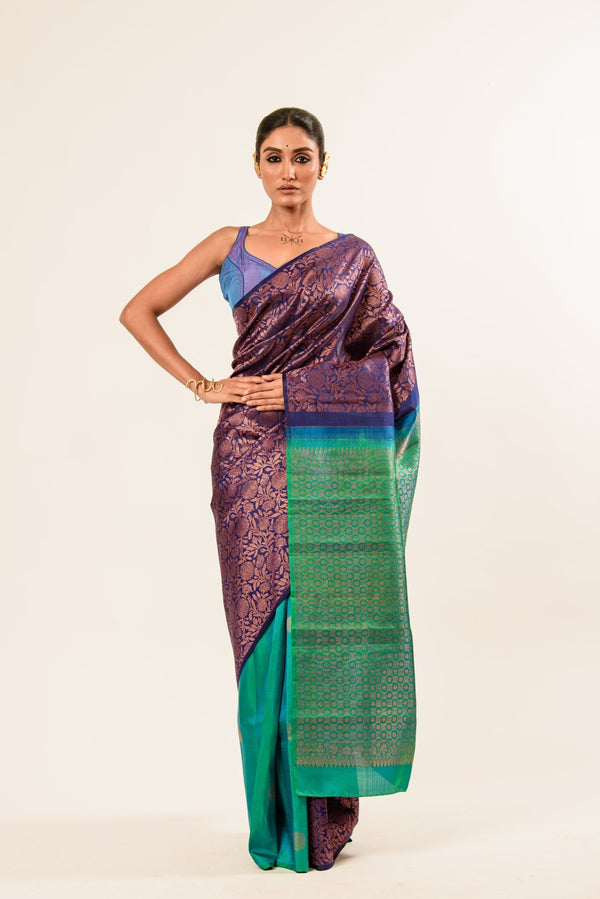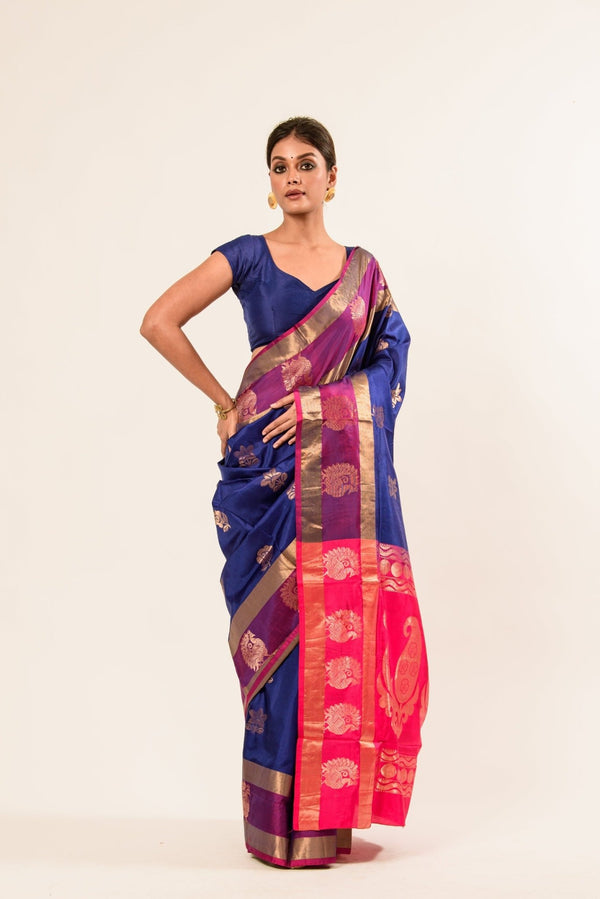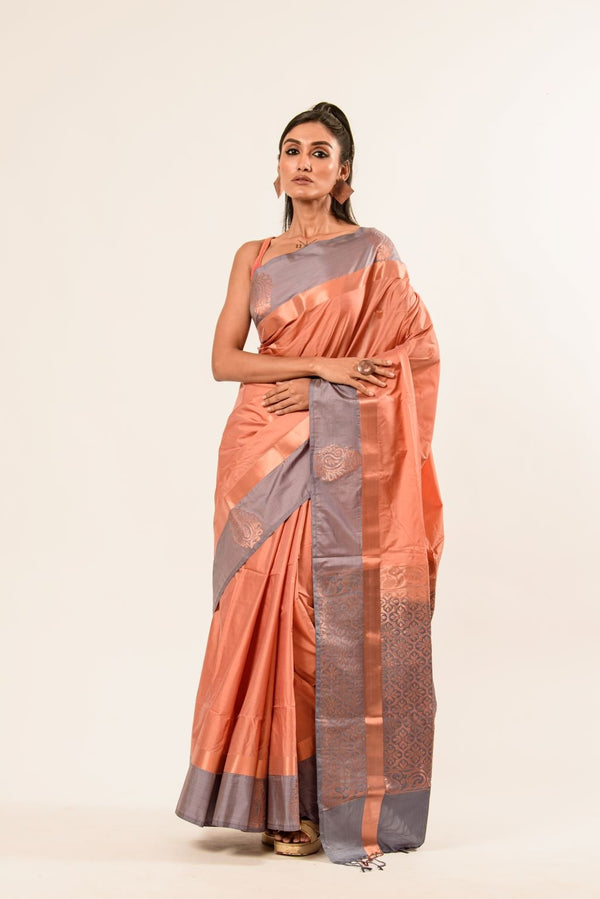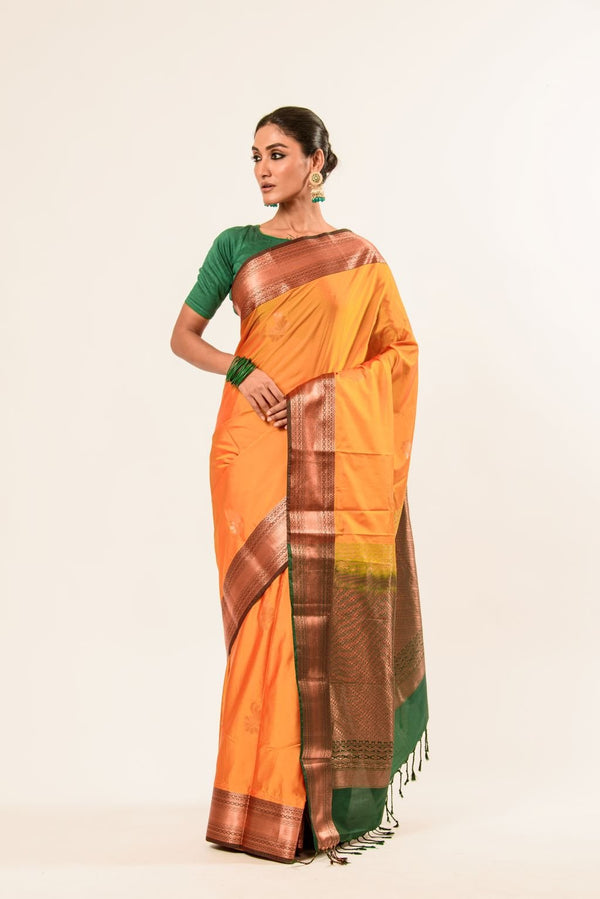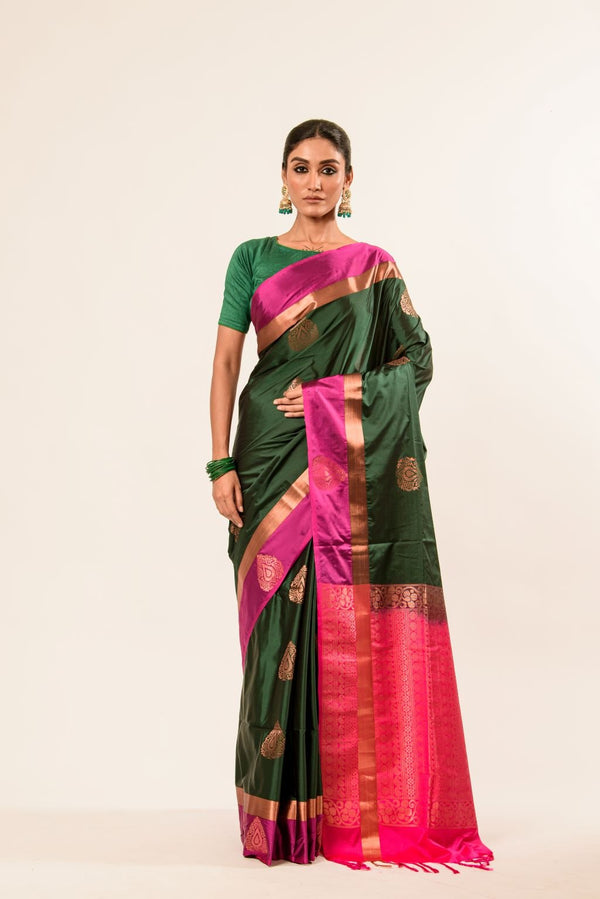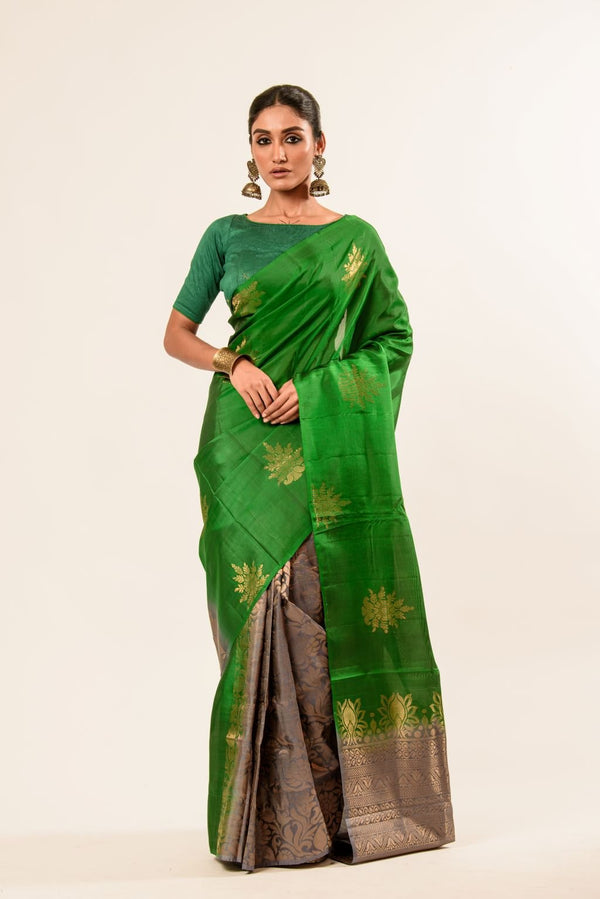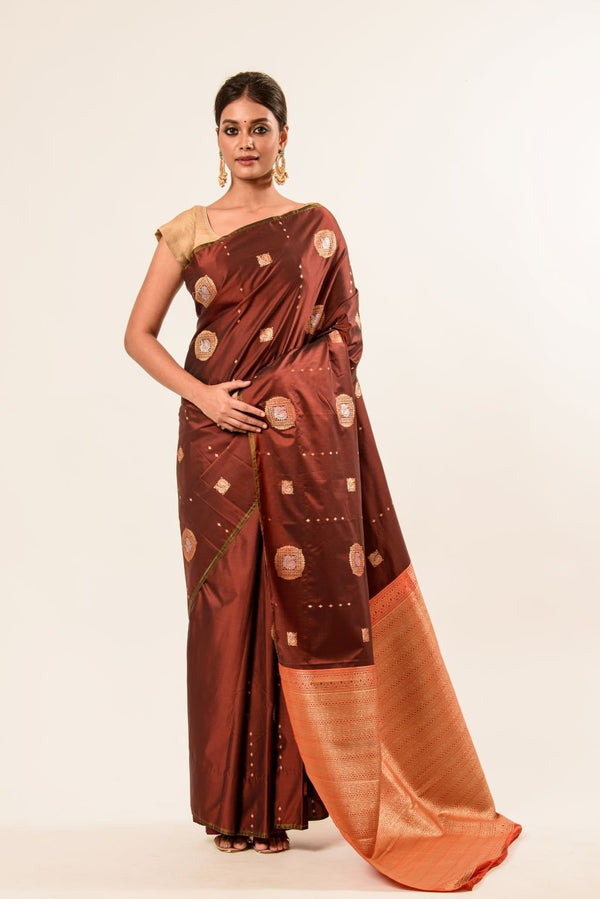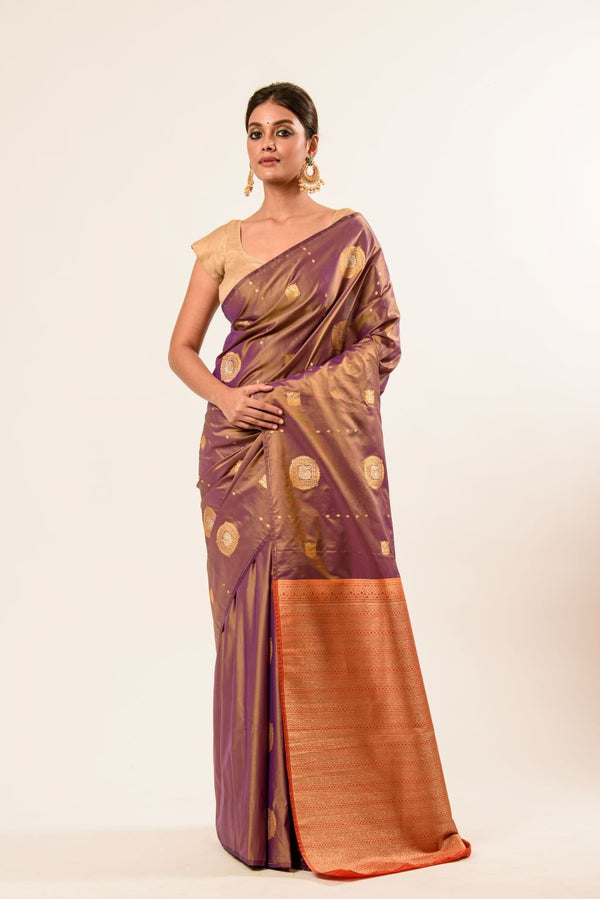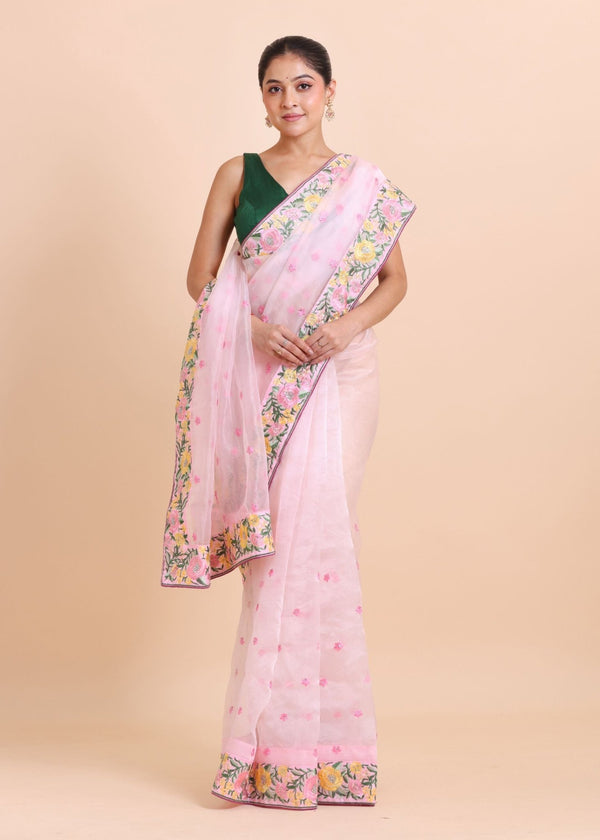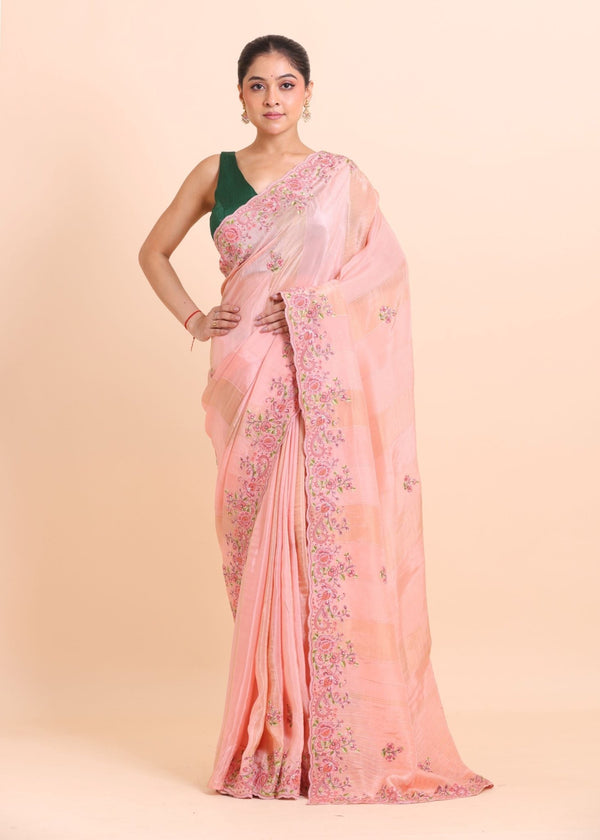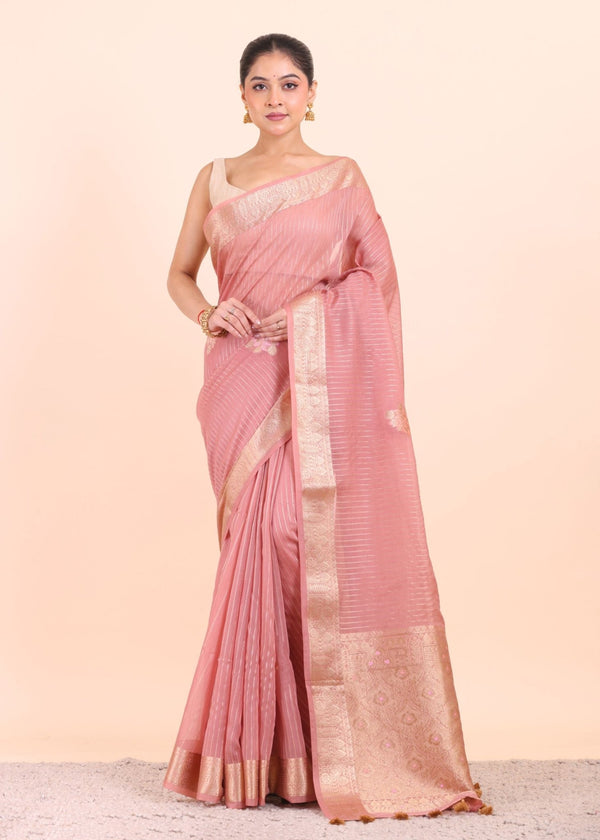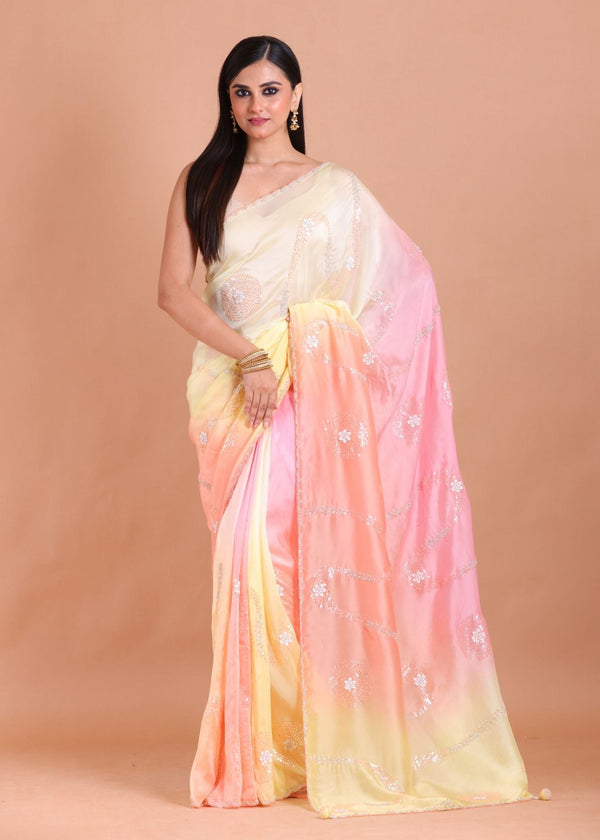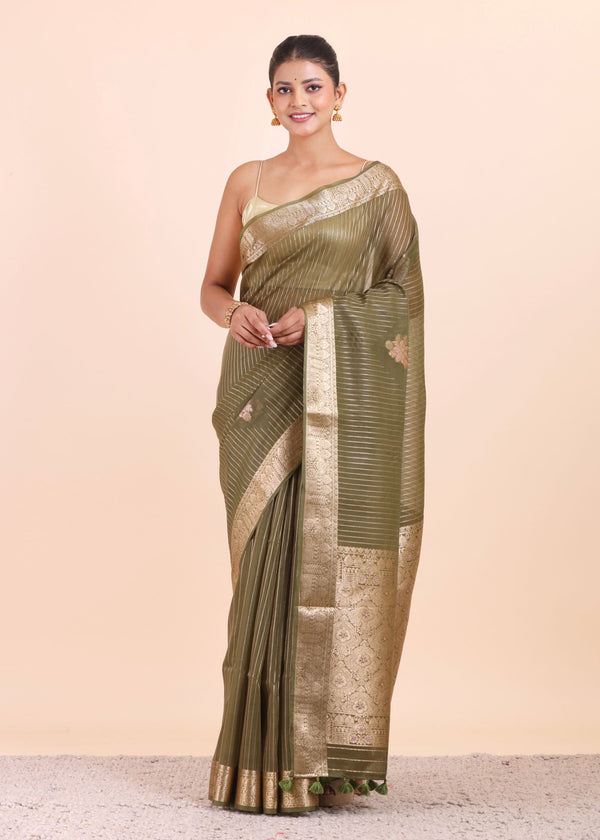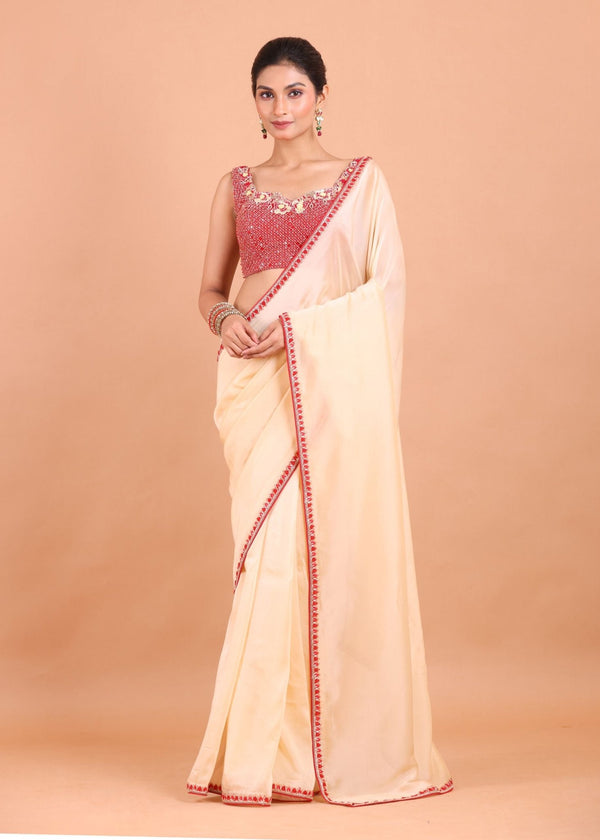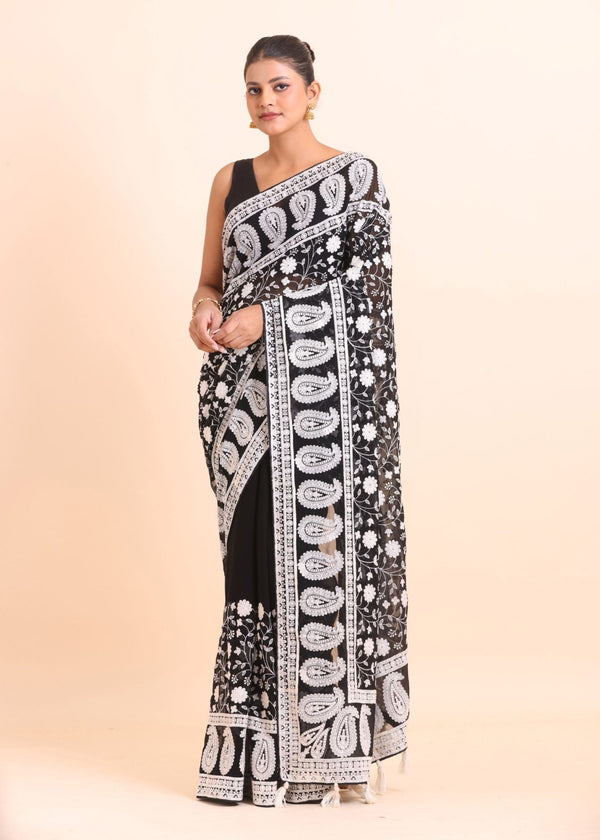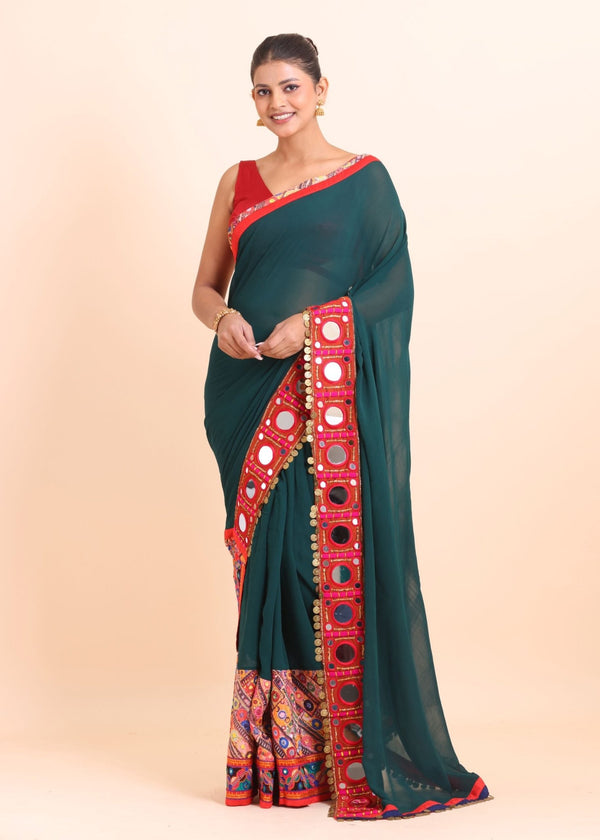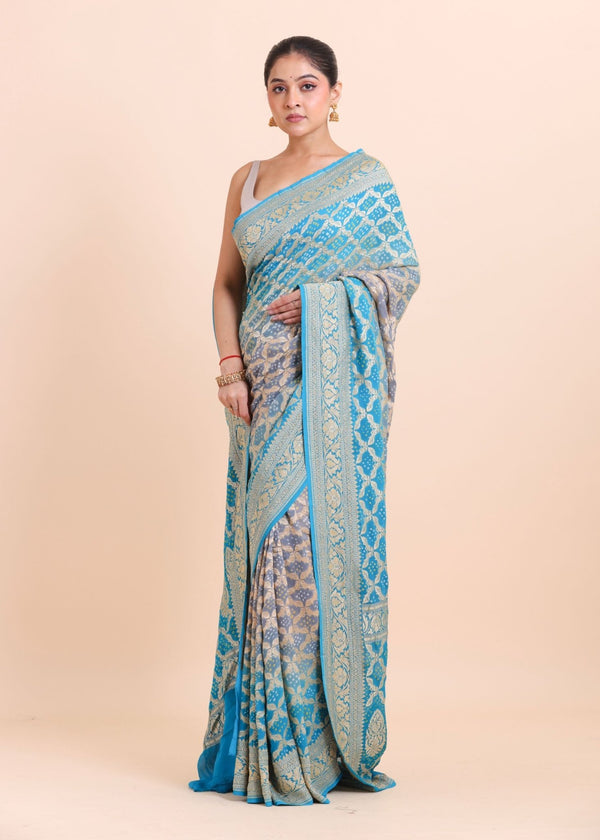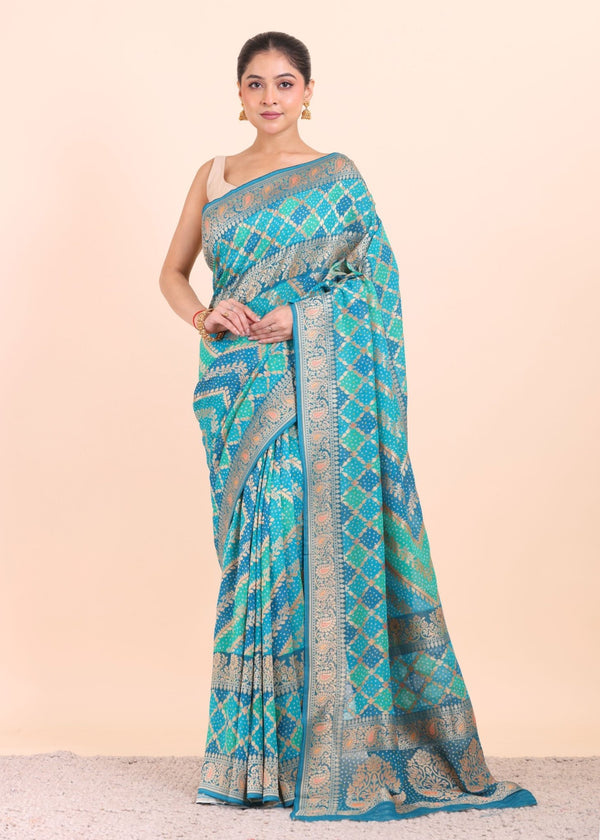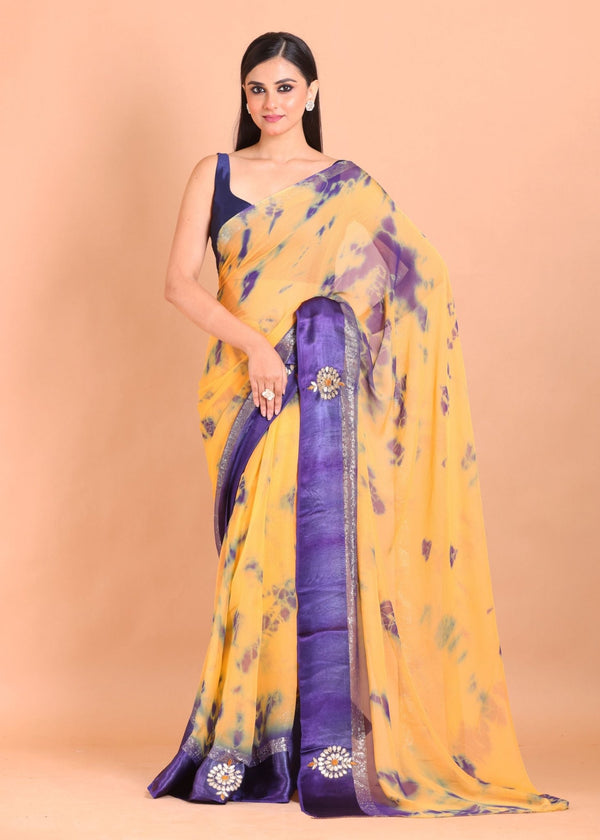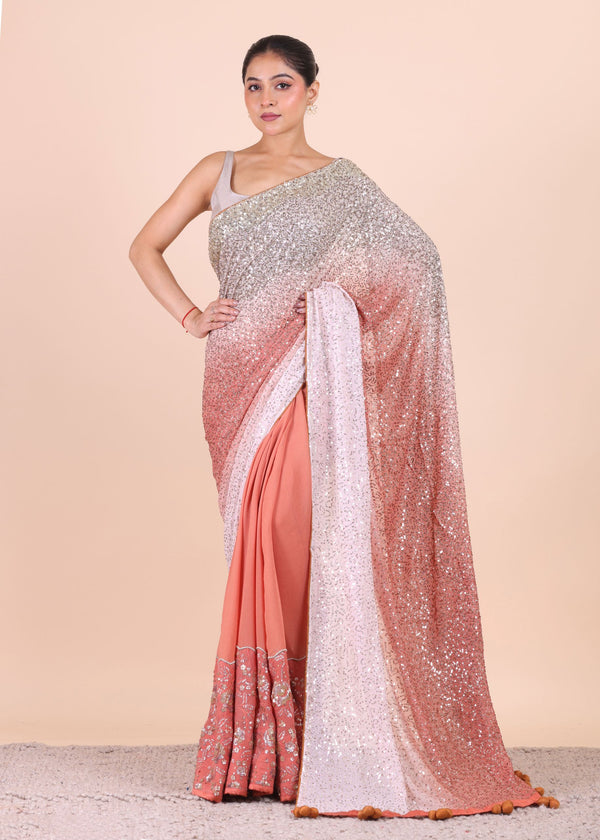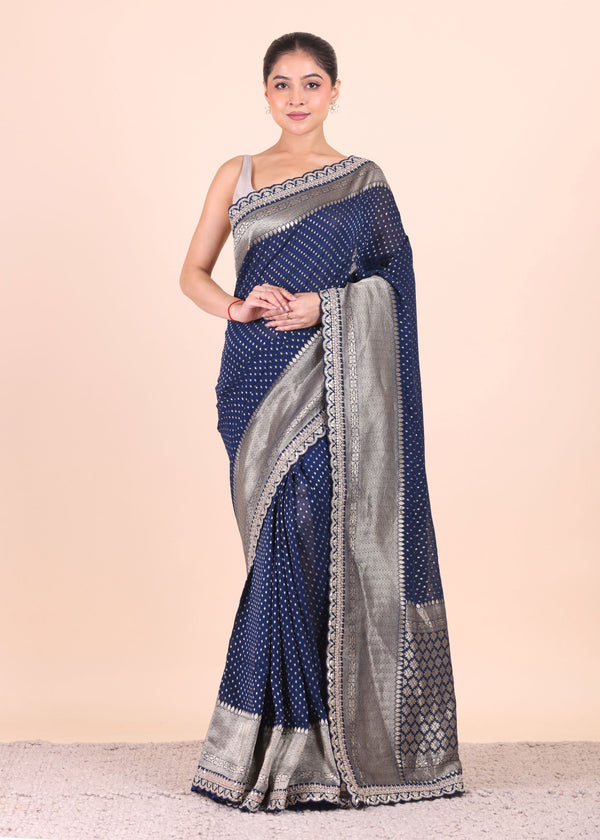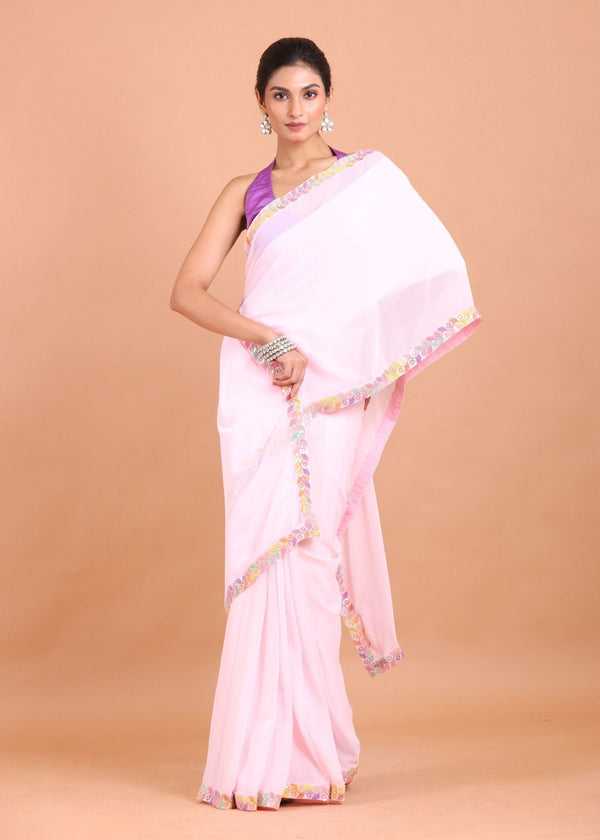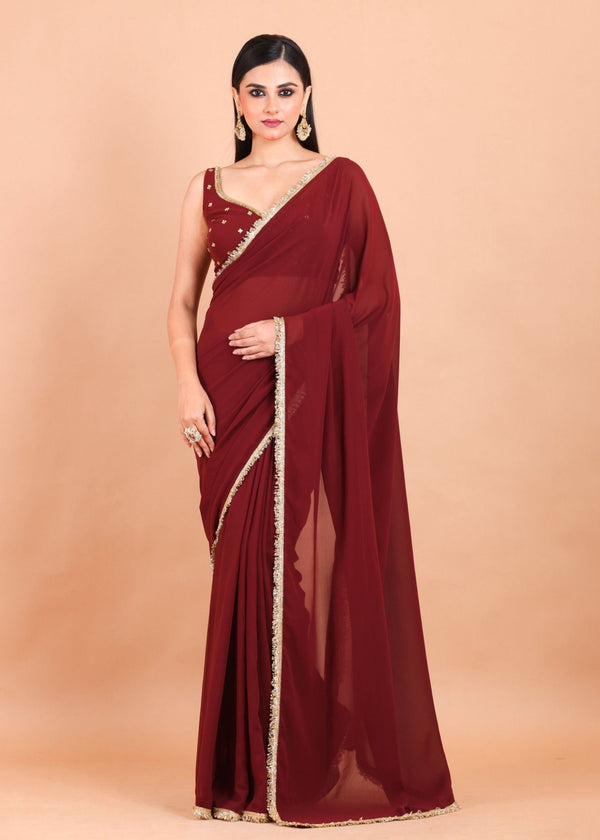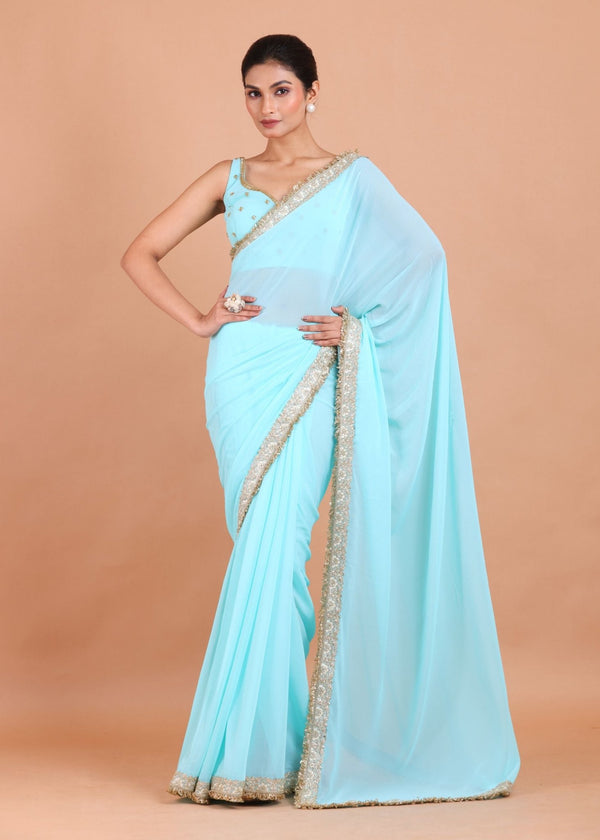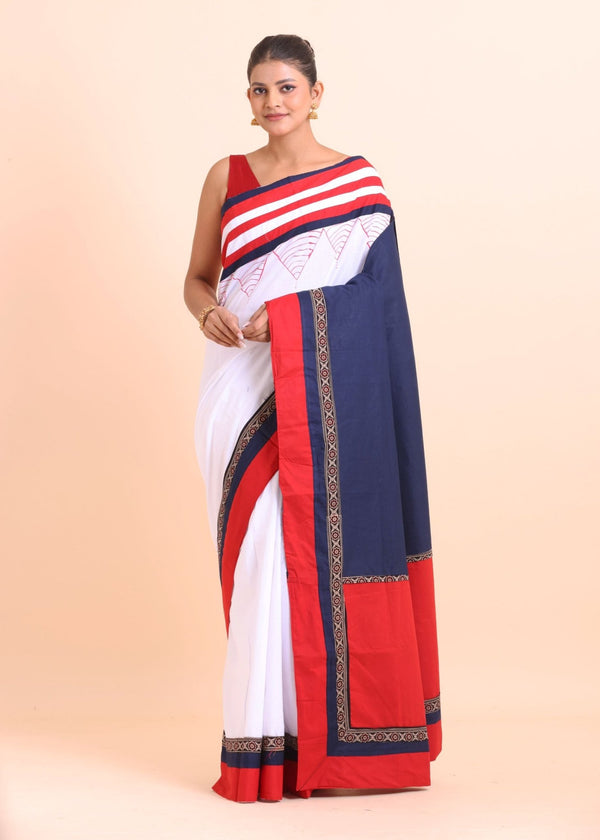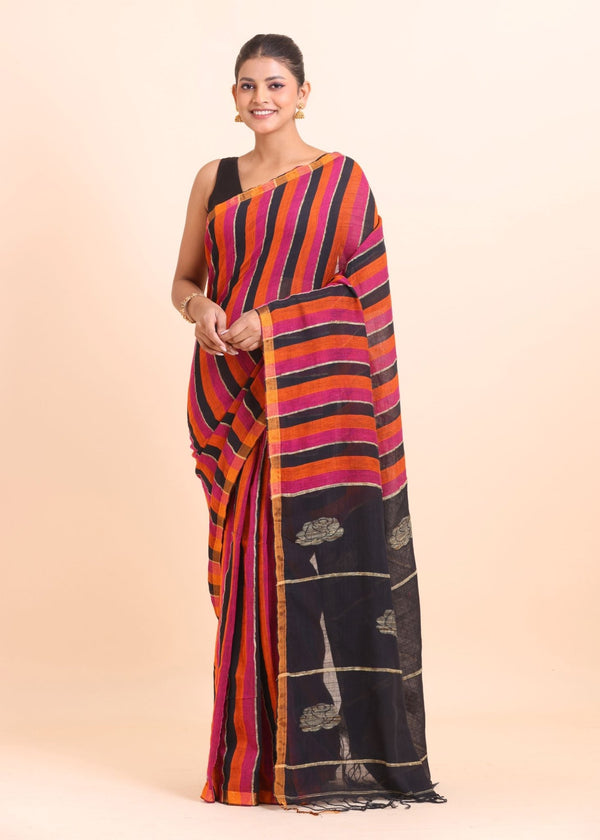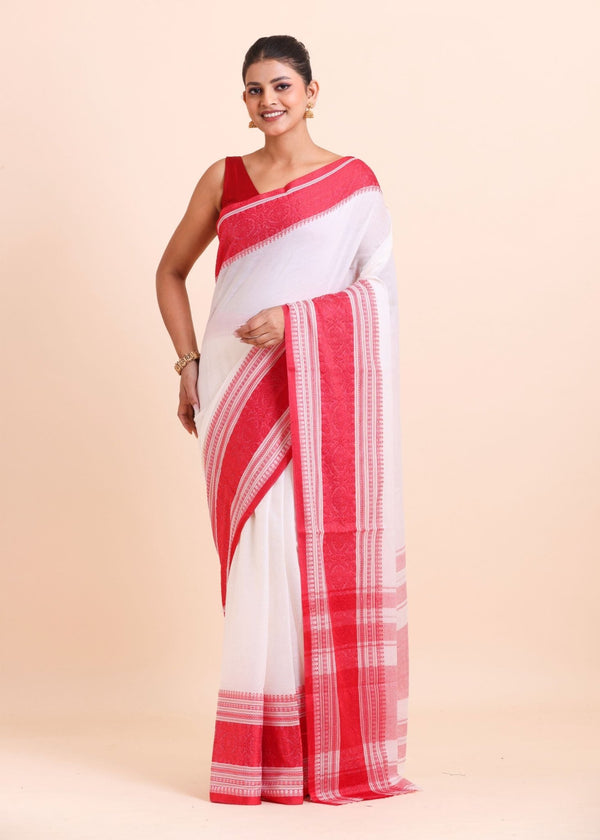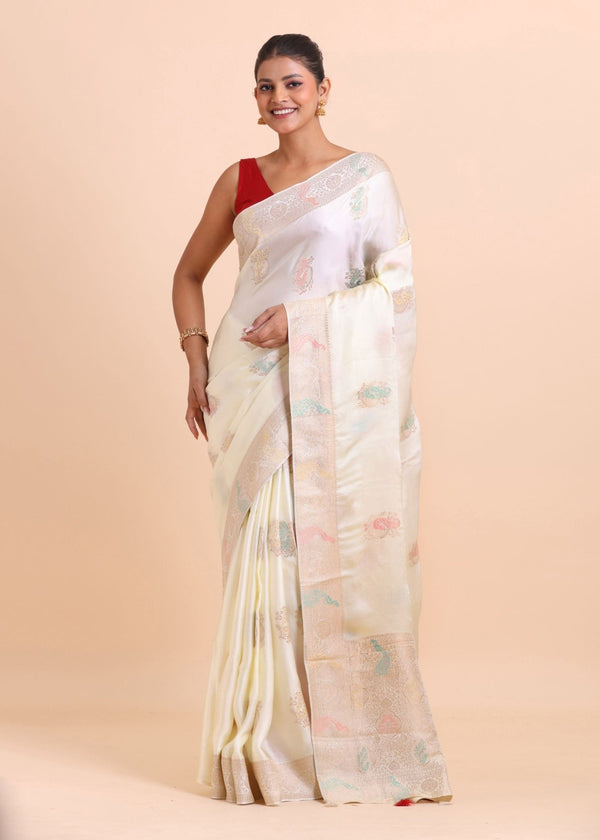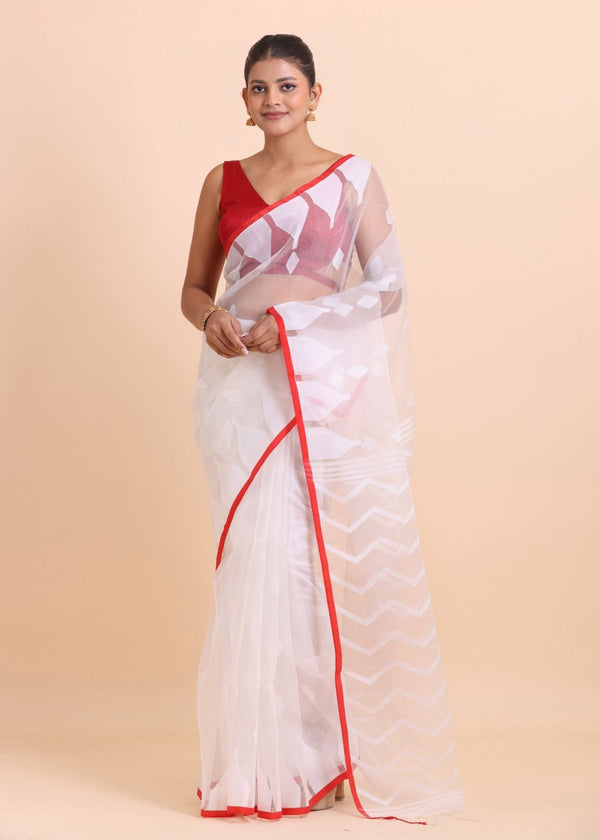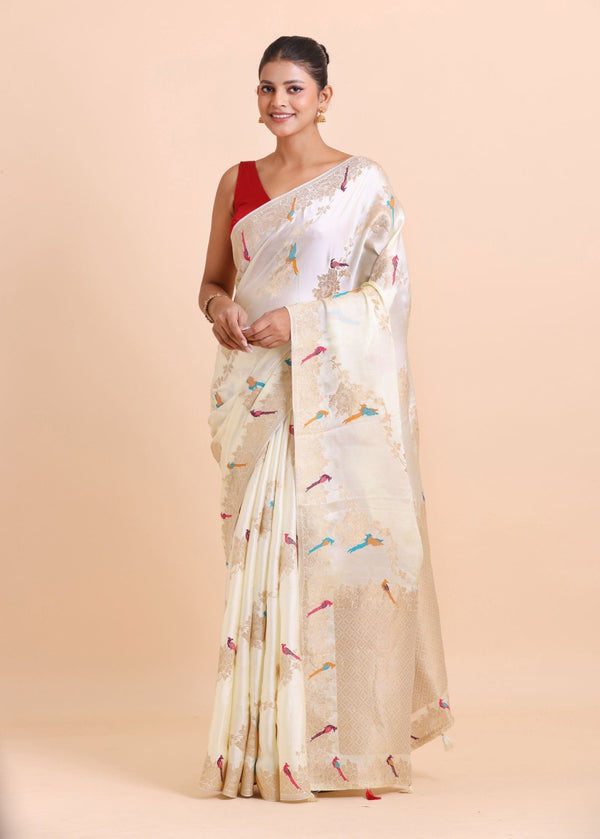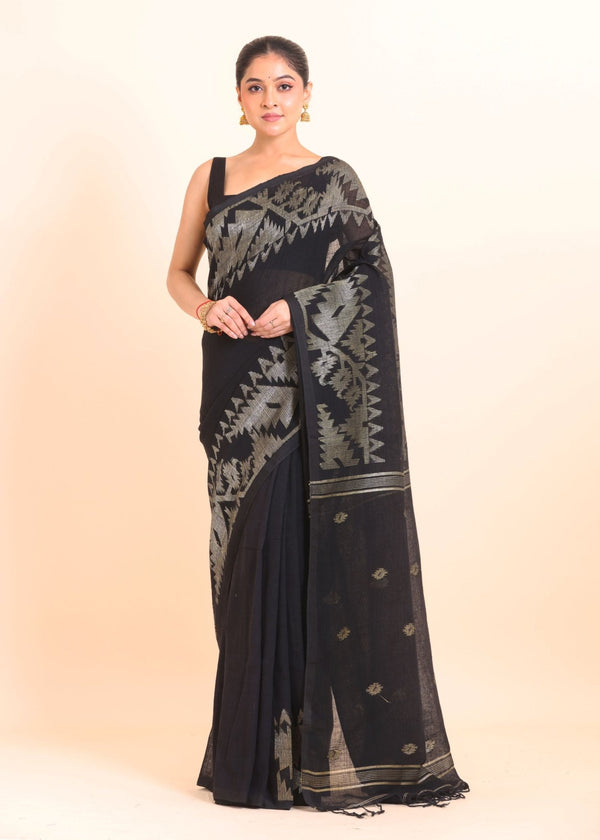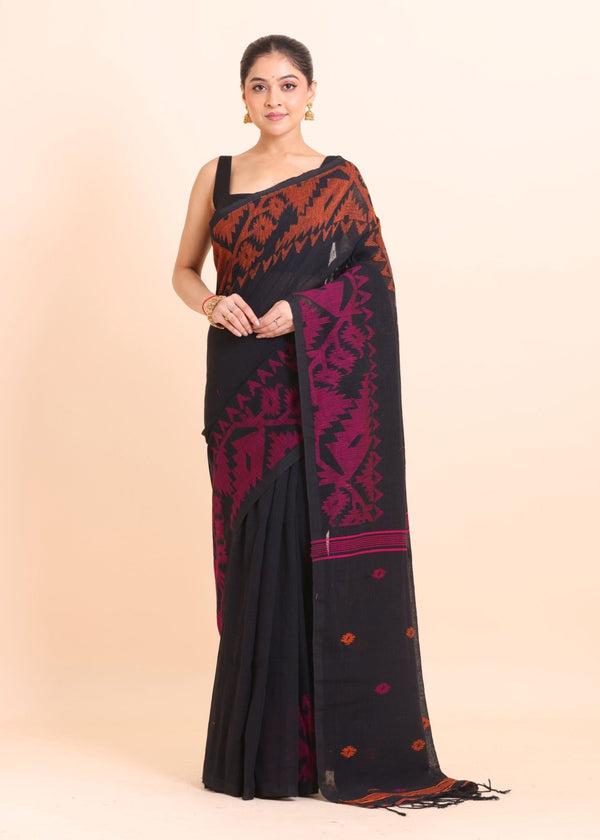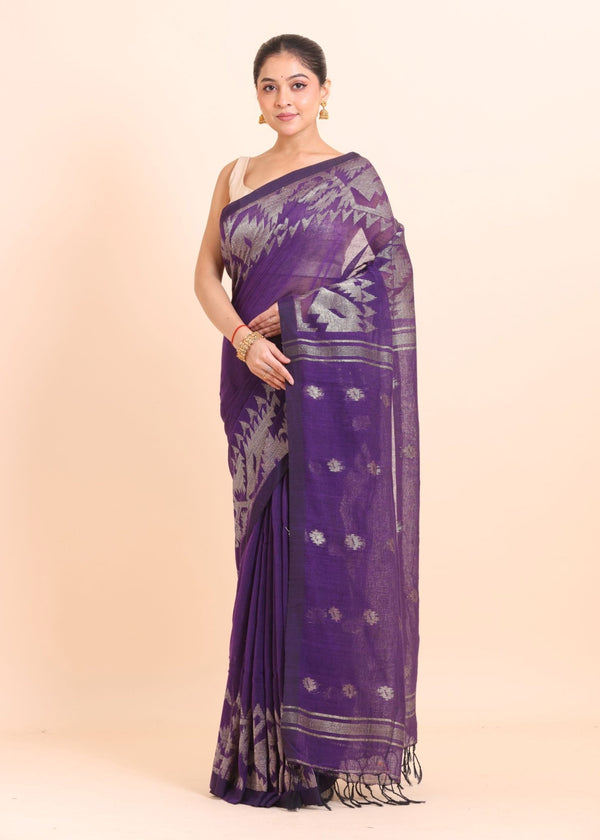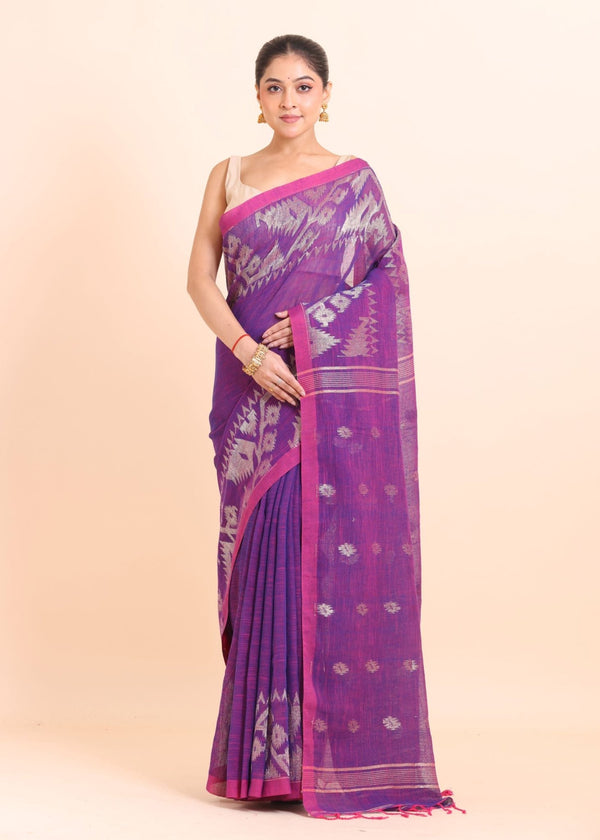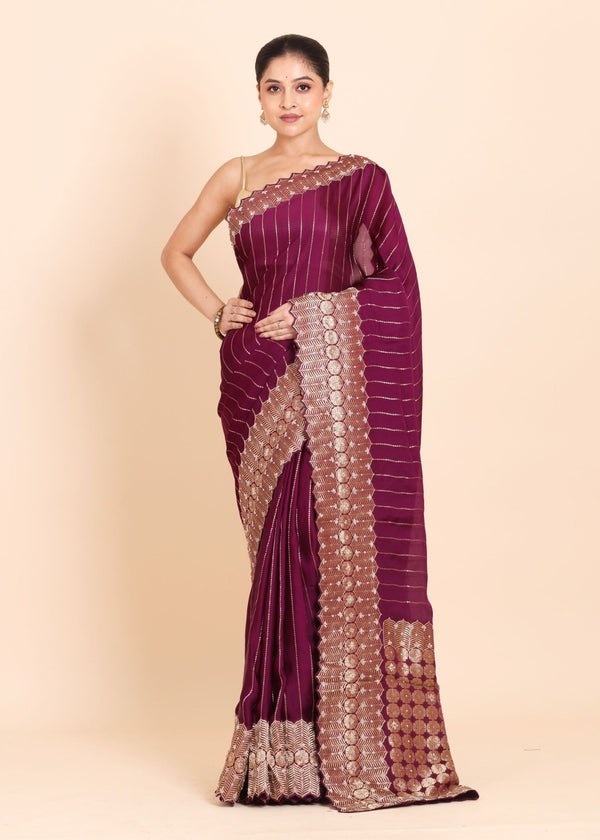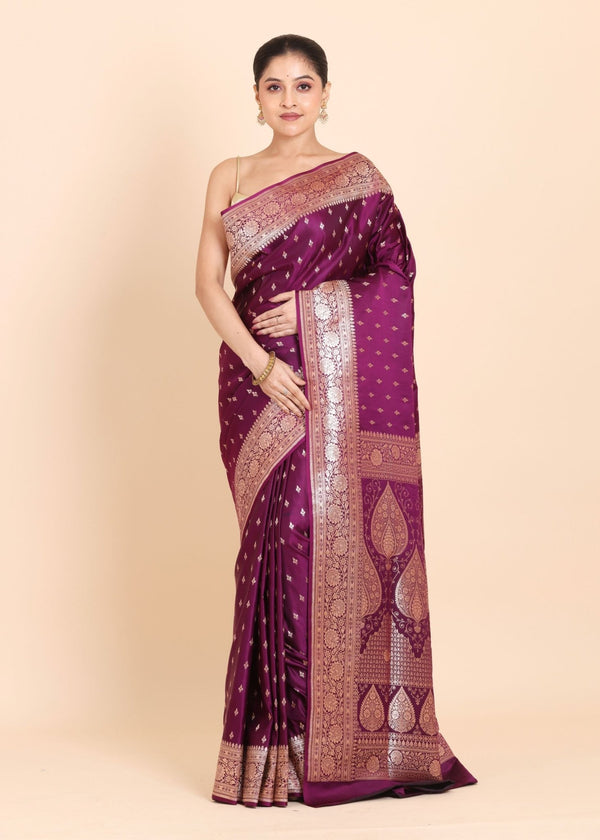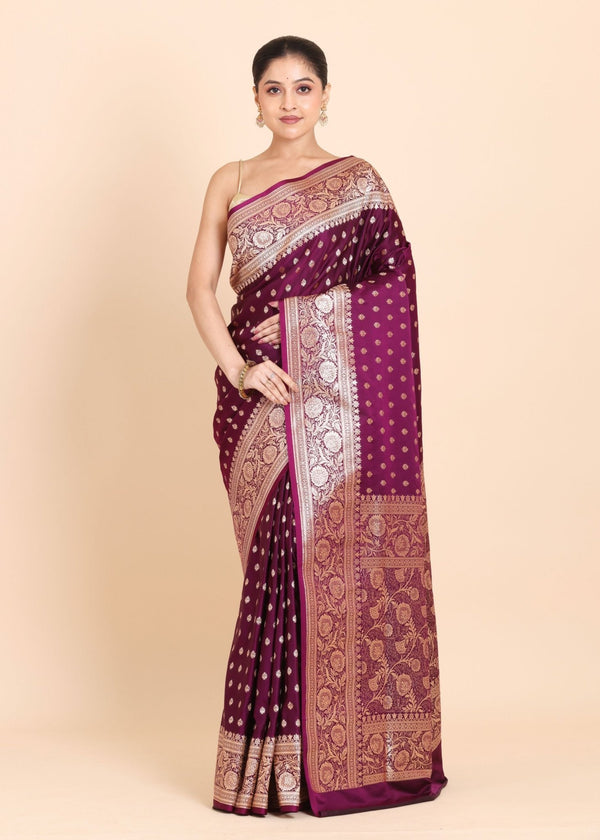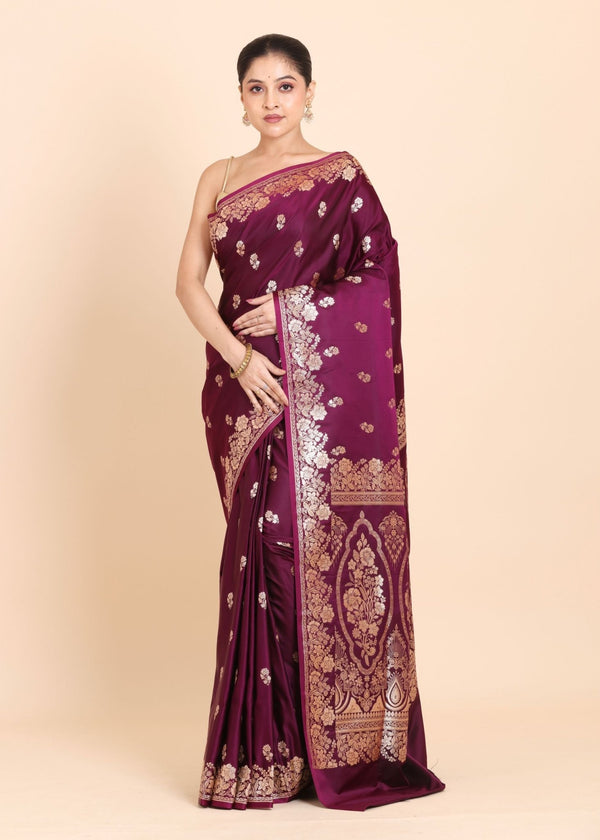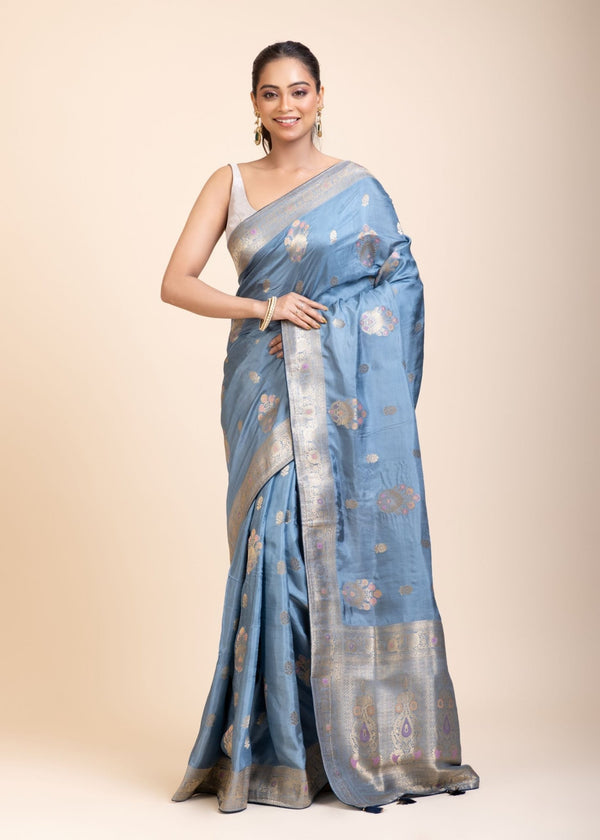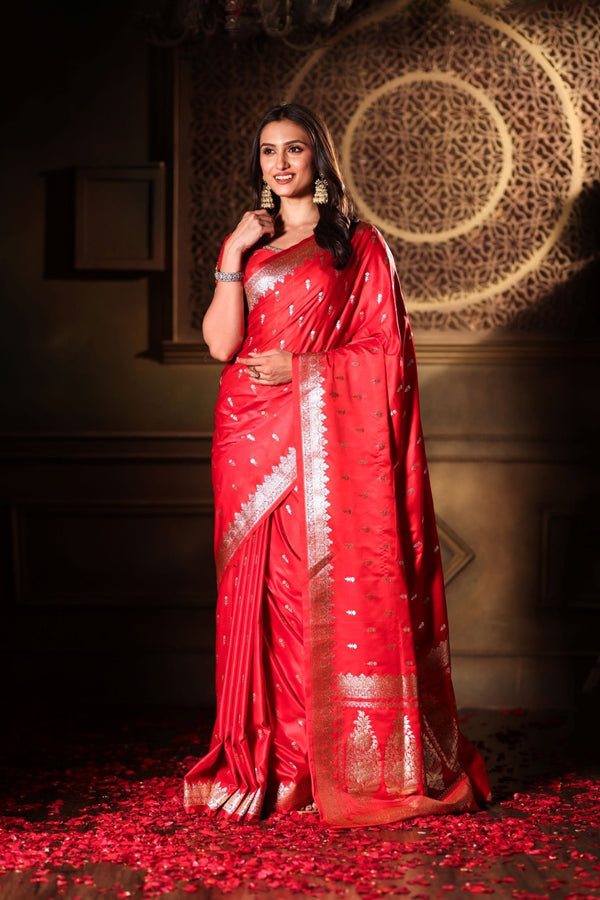





A traditional saree paired with a fresh gajra is one of the most recognizable looks in Indian wedding and festive fashion—and one of the easiest to overdo. Bollywood stylists make it look effortless because they treat the saree weave, blouse neckline, hairstyle, and flowers as a single proportion rather than separate accessories.
Quick Styling Formula: To style traditional sarees with a gajra like a Bollywood celebrity, pair structured weaves like Banarasi or Kanchipuram silk with a sleek low bun wrapped in fresh mogra, or match fluid organza and georgette drapes with half-up waves and a semi-circular gajra. Anchor the garland with interlocking U-pins and limit jewelry to one or two focal points.
5 Iconic Bollywood Saree and Gajra Looks to Recreate
When you look closely at memorable Bollywood gajra appearances, each one matches the weight of the fabric to the structure of the hairstyle.
1. The Regal Heritage Look
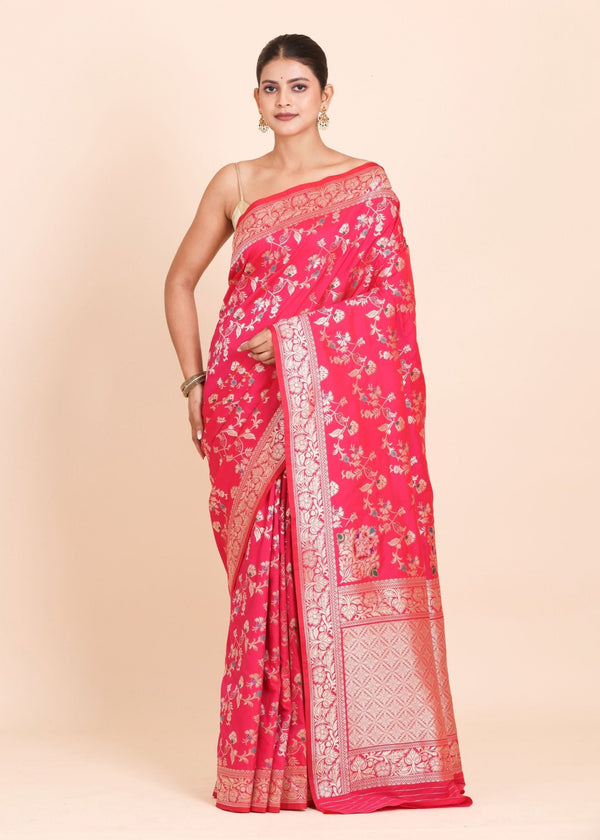
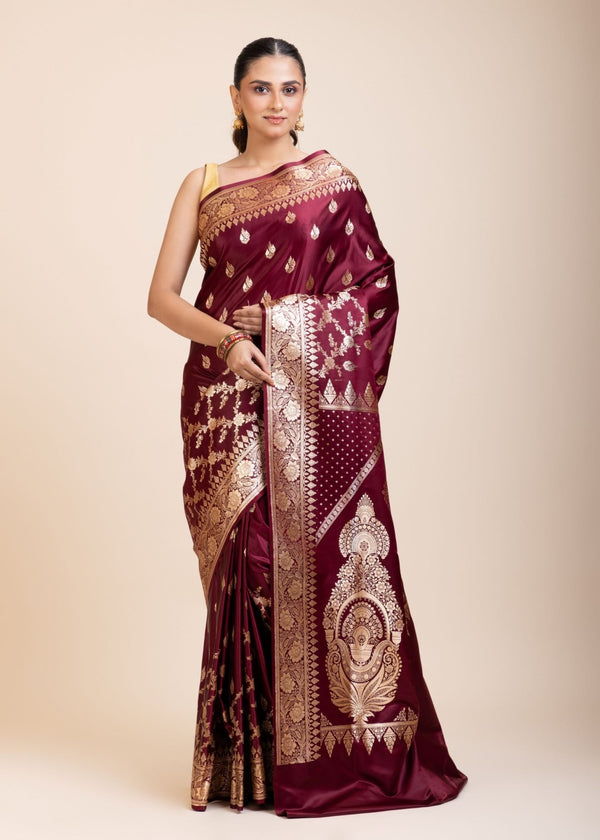
Heavy heirloom silks need clean lines around the face. Rekha’s signature Kanchipuram silk sarees and Deepika Padukone’s rich crimson and gold wedding sarees rely on a sleek, center-parted low bun encircled completely by dense white mogra buds. Pulling the hair neatly back gives the zari border, statement earrings, and floral garland room to stand out without visual clutter.

2. The Soft Pastel Festive Look
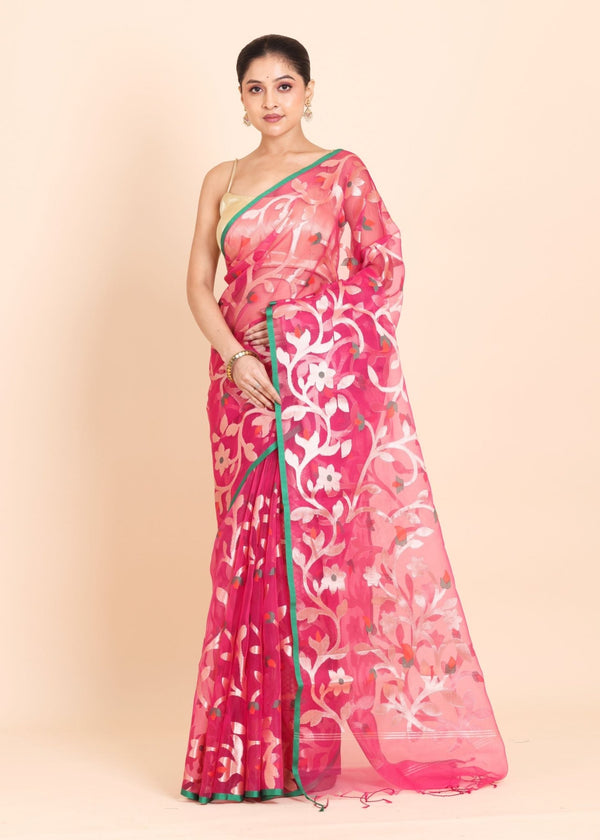
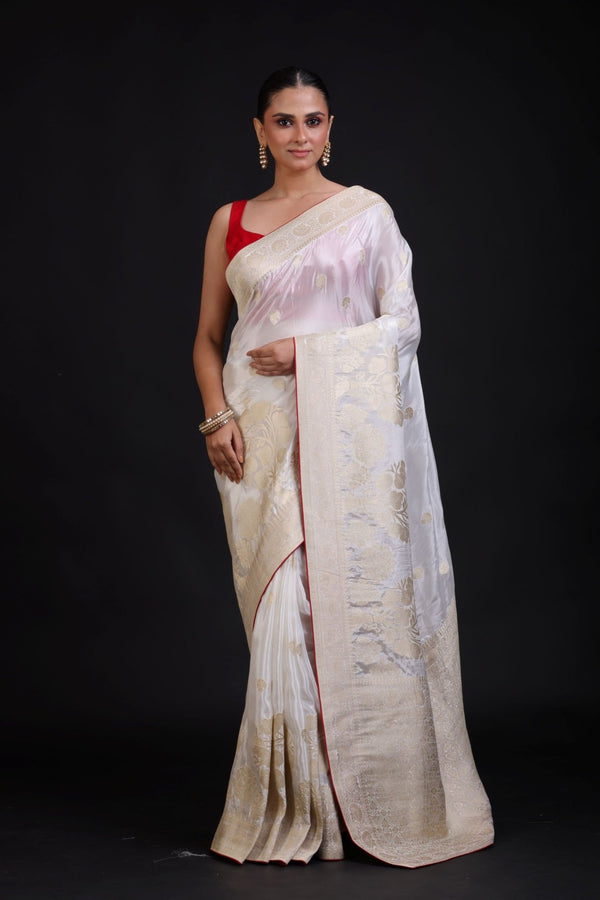
For daytime weddings, pujas, and intimate celebrations, a heavy floral wrap can overwhelm delicate colors. Alia Bhatt often pairs blush and pink silk or organza drapes with a neat, medium-volume bun and a single strand of jasmine tucked along the lower curve of the bun. A tiny bindi and small ear studs keep the look understated.

3. The Modern Half-Up Drape
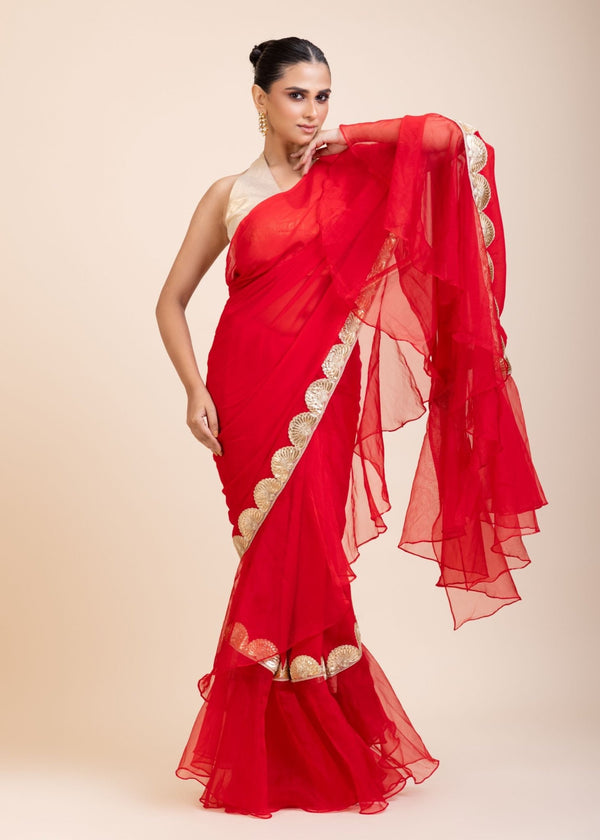
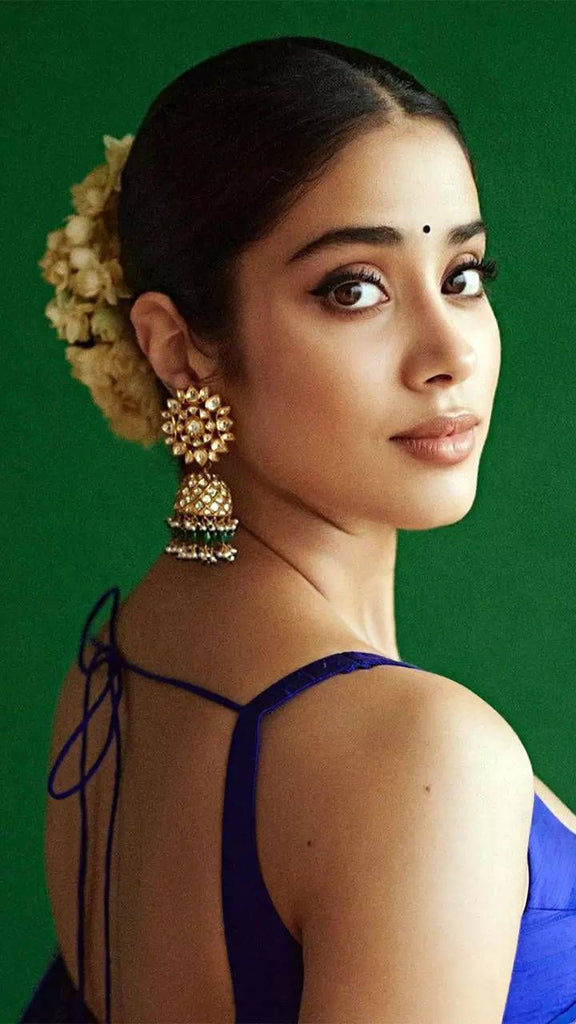
If you prefer wearing your hair down, look to Janhvi Kapoor’s festive styling with fluid georgette sarees and sheer drapes. Soft waves are pinned back at the crown, with a semi-circular gajra framing the pinned section. This works particularly well for wedding guests, sangeet evenings, and pre-wedding functions where a tight juda feels too formal.
4. The Braided Heirloom Style
Sonam Kapoor frequently pairs traditional Indian weaves with long braids woven with mogra or baby’s breath. A structured plait criss-crossed with jasmine strings complements vintage sarees, classic handloom sarees, and South Indian pattu sarees—especially when the pallu is pleated neatly over one shoulder.

5. The Contemporary Pearl-and-Gajra Fusion
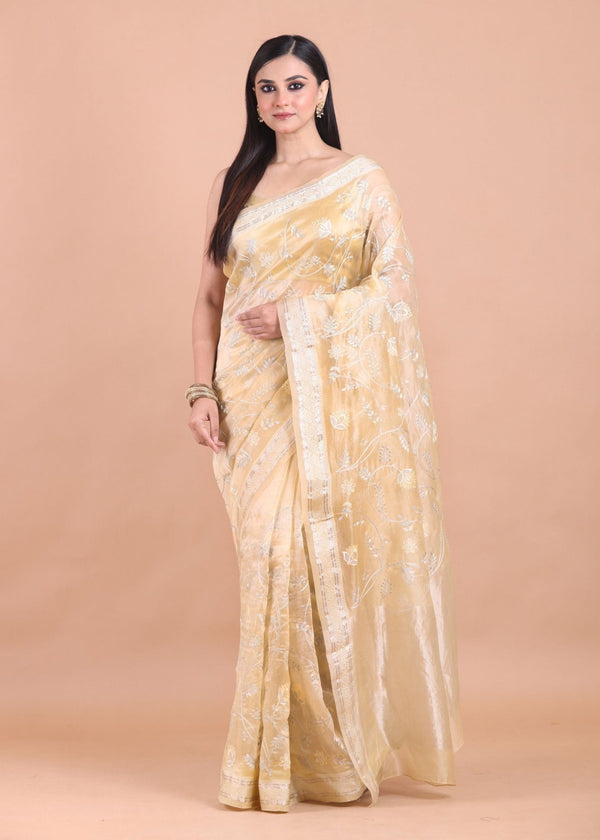
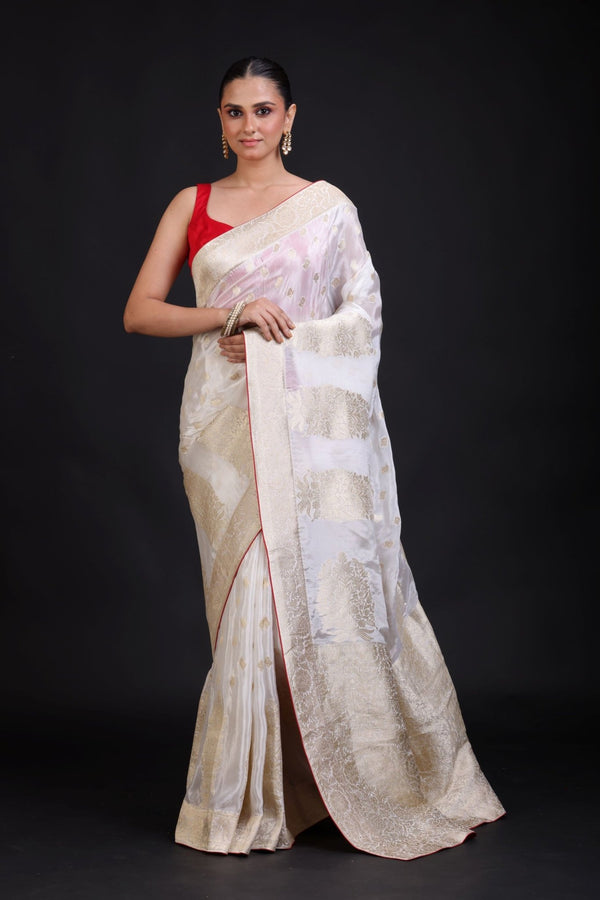
A popular update for modern wedding guests is layering fresh mogra with delicate faux pearl strings. Draped in soft loops beneath a low bun, pearl-and-gajra strands complement ivory, champagne, and pastel organza sarees or subtle tissue silk sarees without competing with metallic zari.

How to Match Your Saree Fabric, Weave, and Color to the Right Gajra
Always choose the saree before the flowers. Different types of sarees carry different visual weights, and your gajra should echo that balance.
Heavy Heritage Silks and Wedding Sarees
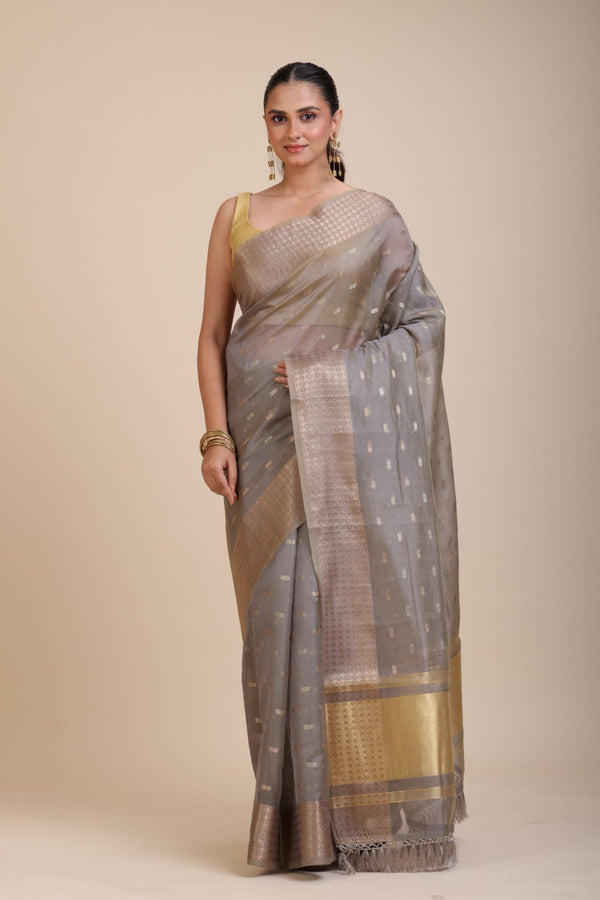
Structured weaves—such as Banarasi silk sarees, Kanchi pattu sarees, and marriage wedding silk sarees—have natural body and rich zari sheen. They pair best with classic white mogra or bela gajras wrapped fully around a low bun. Deep jewel tones like crimson, maroon, emerald green, and royal purple create sharp contrast against crisp white jasmine buds.
Fluid Silks, Tissue, and Party Wear Sarees
Lighter, fluid weaves—including Mysore silk, Mysore crepe silk, soft silk, tissue silk, and designer party wear sarees—drape closely along the frame. Pair them with a single-strand or semi-circular gajra, or mix white mogra with soft pink rose petals. For evening receptions and fancy sarees with shimmer or cutdana borders, a sleek chignon with a slim floral accent keeps the look refined rather than busy.
Handloom, Cotton, and Daytime Traditional Weaves
For morning ceremonies, Haldi functions, and puja special sarees, breathable weaves look best with lighter floral styling. Maheshwari silk, Pochampally, Kalamkari, silk cotton, and pure cotton sarees (including mul cotton and khadi cotton) pair naturally with loose low buns, side-tucked gajras, or braided jasmine strands. For younger wearers styling half sarees or Kalamkari half sarees for festive mornings, a cascading braid gajra gives an authentic South Indian finish.
Saree-to-Gajra Pairing Guide
|
Saree Weave / Style |
Best Gajra Style |
Recommended Hairstyle |
Ideal Occasion |
|
Banarasi & Kanchipuram Silk Sarees |
Full-coverage white mogra or double-strand jasmine |
Sleek center-parted low bun |
Weddings, bridal wear, Karva Chauth, grand pujas |
|
Soft Silk, Mysore & Maheshwari Silk |
Single-strand mogra or mogra-and-rose mix |
Soft low chignon or classic braided plait |
Engagements, daytime weddings, family ceremonies |
|
Tissue Silk & Organza Sarees |
Semi-circular gajra or pearl-and-gajra strings |
Voluminous low bun or half-up soft waves |
Receptions, pastel day weddings, festive dinners |
|
Georgette & Party Wear Sarees |
Side-tucked floral strip or slim mogra band |
Loose waves with pinned crown or messy bun |
Cocktail evenings, sangeet, festive gatherings |
|
Handloom, Kalamkari & Cotton Sarees |
Thin jasmine strand or traditional braid wrap |
Neat low bun or woven braid |
Temple visits, Haldi, Durga Puja, daytime cultural events |
Don't Overlook the Blouse Neckline
Your blouse design quietly dictates whether your hair should be up or down:
-
Deep-Back, Tie-Up, and Embroidered Backs: Always wear your hair up in a neat low or mid bun so the craftsmanship stays visible. If you are styling backless blouses or intricate blouse designs for silk sarees, a structured gajra bun draws attention cleanly down the neckline and back detailing.
-
High Necks, Boat Necks, and Elbow-Length Pattu Blouses: Traditional blouse designs for pattu sarees—especially elbow-length sleeves with zari borders or temple motifs—pair naturally with a low gajra bun or a long floral braid. Wearing hair completely open over a high neckline tends to shorten the neck visually.
-
Sweetheart, Square, and Sleeveless Necklines: These open up the collarbone, giving you the flexibility to wear either a sleek gajra bun or soft half-up waves with a semi-circular floral accent.
Fresh Mogra vs. Artificial Gajra: Which Should You Choose?
Both fresh and artificial gajras have a practical place in an ethnic wardrobe. Choose based on your schedule and venue:
-
Fresh Mogra / Jasmine Gajra: Unmatched in natural fragrance, soft drape, and photographic authenticity. Ideal for local weddings, morning pujas, and classic silk sarees. Keep in mind that fresh buds bloom and darken in high heat after 6 to 8 hours.
-
Artificial (Fabric, Foam, or Scented) Gajra: The smarter choice for destination weddings, humid outdoor venues, long travel days, or multi-hour receptions where fresh flowers wilt. Quality artificial gajras also come in blush, lavender, and pearl-accented styles that coordinate cleanly with pastel festive sarees without bruising.
Step-by-Step: How to Secure a Gajra So It Lasts All Day
Even the best gajra loses its polish if it slips halfway through an event. A few backstage hairstyling habits keep it anchored comfortably for hours.
-
Match the Parting to Your Face Shape:
-
Oval or Heart-Shaped Faces: A sleek center-parted low bun highlights facial symmetry and mirrors the classic Bollywood look.
-
Round or Square Faces: Opt for a soft side part with slight crown volume and two loose face-framing strands to elongate the jawline.
-
Prep for Grip, Not Slip: Freshly washed, overly conditioned hair makes pins slide out. Apply a light texturizing spray around the bun area for grip, and smooth a tiny drop of serum along the hairline for a sleek finish.
-
Build a Solid Base (Especially for Short or Thin Hair): If your hair is fine or shoulder-length, wrap your low ponytail around a hair donut (bun maker) matched to your hair color. The mesh gives pins a firm surface to lock into without tugging on your scalp.
-
Choose Your Placement Intentionally:
-
Full Wrap: Wind the gajra cleanly around the base of a low bun so the flowers sit snug against the head without gaps.
-
Semi-Circular (Moon) Placement: Drape the garland only across the lower half of the bun for an understated, editorial finish.
-
Side Tuck: Pin a short floral cluster just behind one ear—ideal for soft waves or a low side bun.
-
Lock It with Interlocking Pins: Use U-pins to anchor the thread of the gajra into the bun without crushing the petals, and place two bobby pins in an "X" formation at the top and bottom anchor points so the weight of the flowers never pulls the bun down.
-
Keep Fresh Buds Crisp Until You Leave: Store a fresh mogra gajra in an airtight container lined with a slightly damp (not wet) paper towel in the refrigerator until 15 minutes before you step out. Never spray perfume or hairspray directly onto fresh petals, as alcohol causes them to turn brown quickly.
Balancing Jewelry and Makeup: The Celebrity Restraint Rule
One common mistake is treating every traditional accessory as mandatory at once. Bollywood stylists rely on visual restraint—picking one or two focal points so the saree, gajra, and face stay balanced.
Smart Jewelry Pairings
-
Heavy Jhumkas or Chandbalis + Clean Neck: When your saree has a rich border and your bun is wrapped in a full gajra, statement jhumkas or chandbalis alone create a clean, striking silhouette.
-
Choker or Temple Necklace + Smaller Studs: If you are wearing a Kanchipuram or Banarasi silk saree with a structured choker or layered haram, keep your earrings compact so the area around your jawline does not feel crowded.
-
When to Add a Maang Tikka: A delicate maang tikka pairs naturally with a sleek center-parted gajra bun for weddings and bridal functions—just keep your necklace lighter so the upper half of your look stays cohesive.
Makeup That Complements the Saree and Gajra
Match your makeup intensity to the lighting and fabric rather than defaulting to heavy evening glam:
-
Evening Heritage Silks: Luminous skin, softly defined kohl or winged liner, a classic red or berry lip, and a small traditional bindi echo timeless Bollywood elegance.
-
Daytime Pastels, Organza, and Handlooms: Dewy base makeup, warm neutral eyeshadow, flushed cheeks, and a rose or nude-brown lip keep the focus on the soft drape and fresh flowers.
Final Word
Styling traditional sarees with a gajra comes down to thoughtful proportion—pairing structured silk weaves with clean low buns, matching breezy organza or georgette drapes to softer waves, and keeping your jewelry intentional. Whether you are shopping for sarees online for an upcoming wedding, Puja, or family celebration, starting with the right fabric and blouse fit makes the rest of the look fall into place naturally. Explore Anvi Couture’s curated festive sarees and handwoven silk drapes to find the piece that anchors your next celebration.