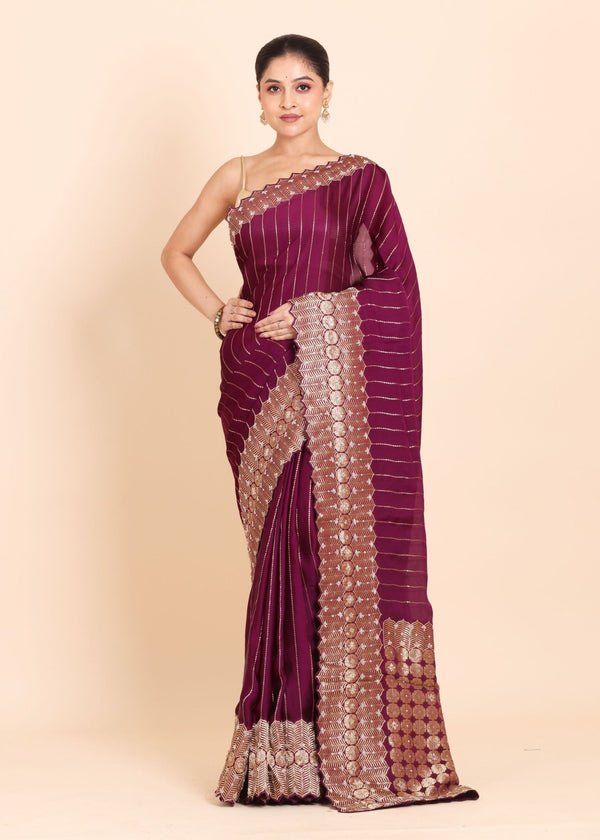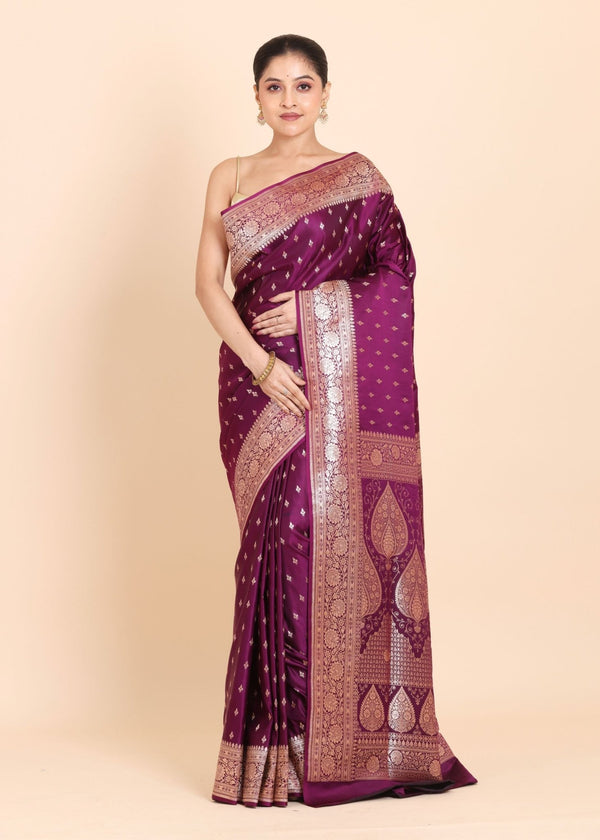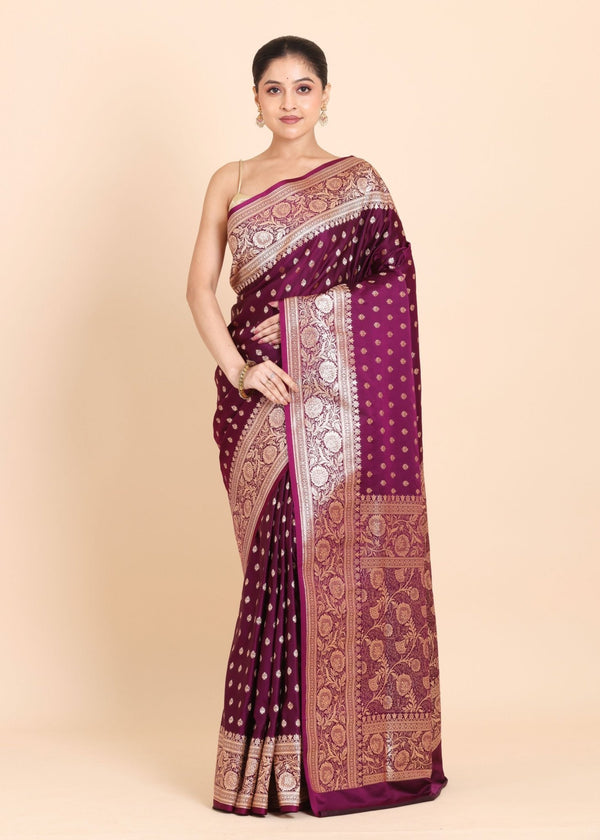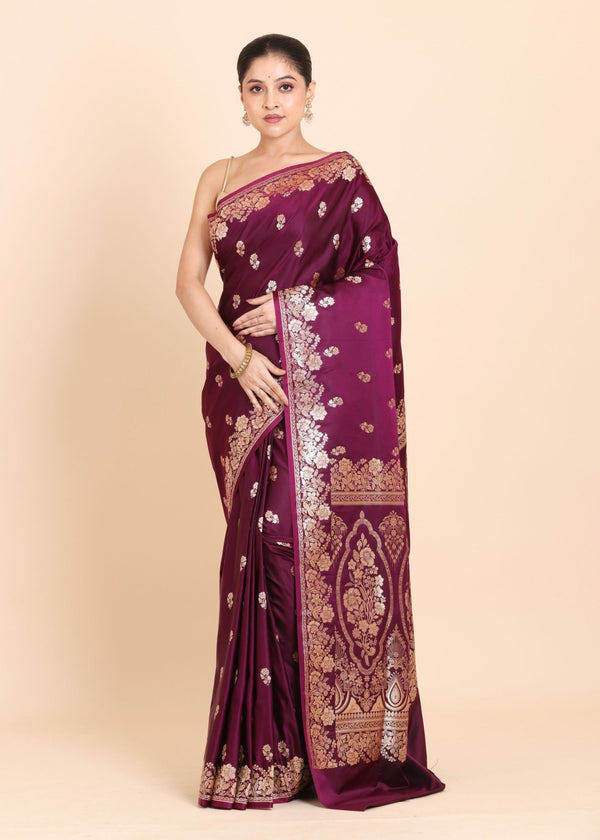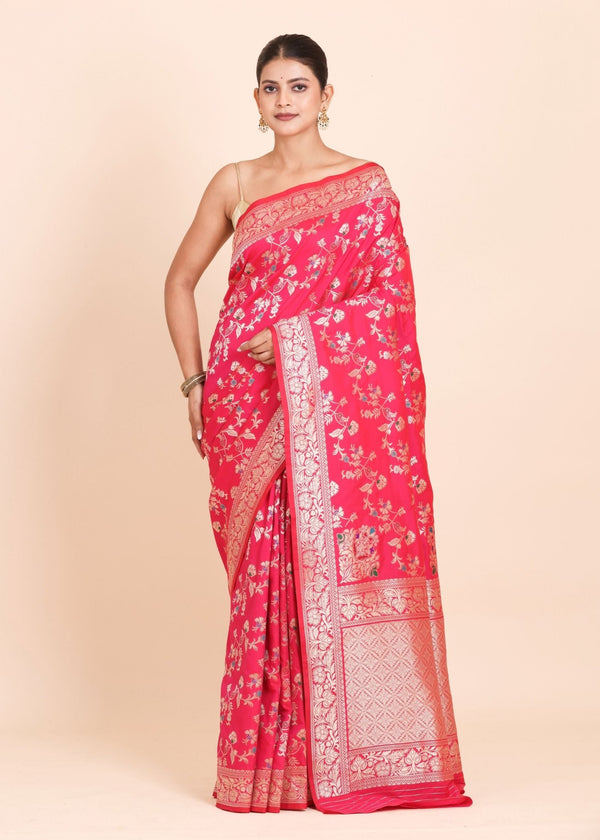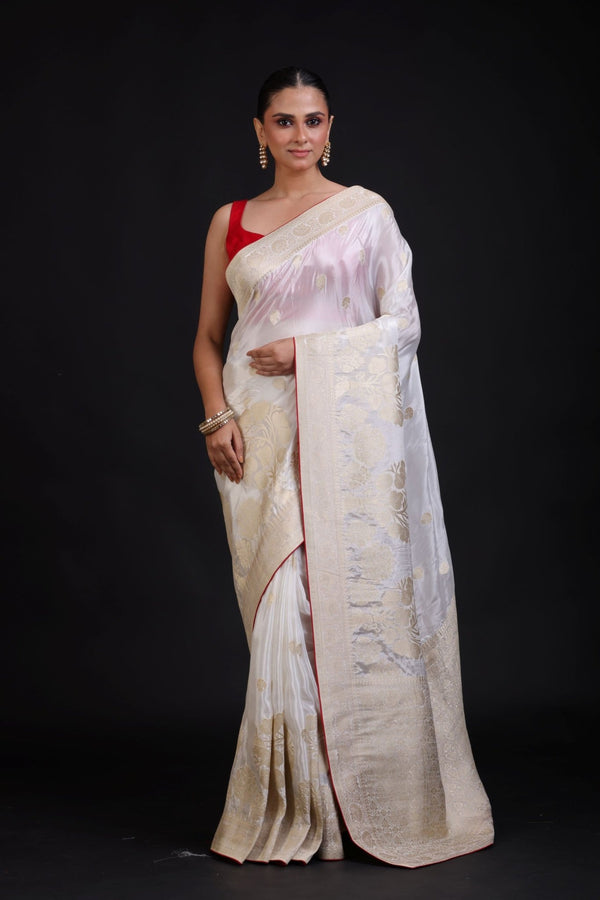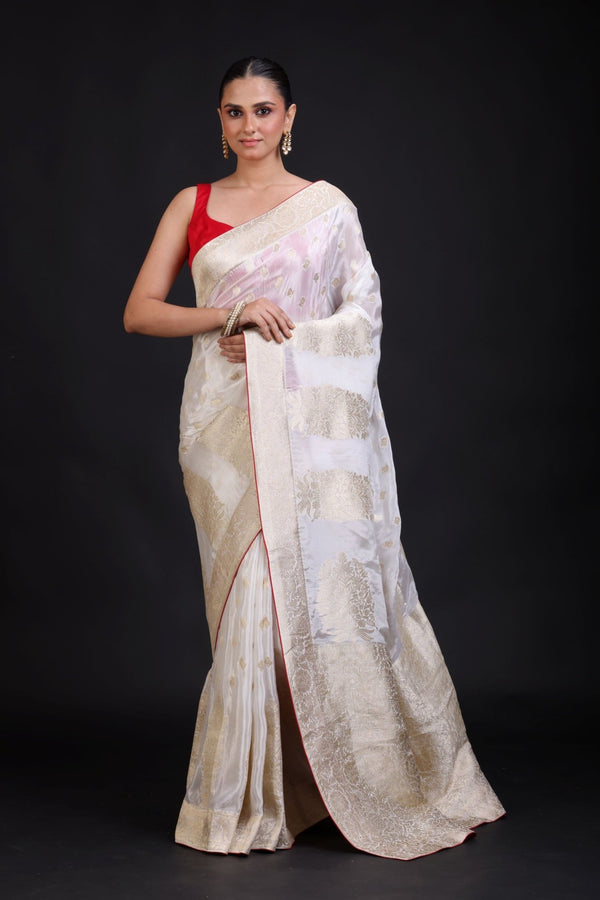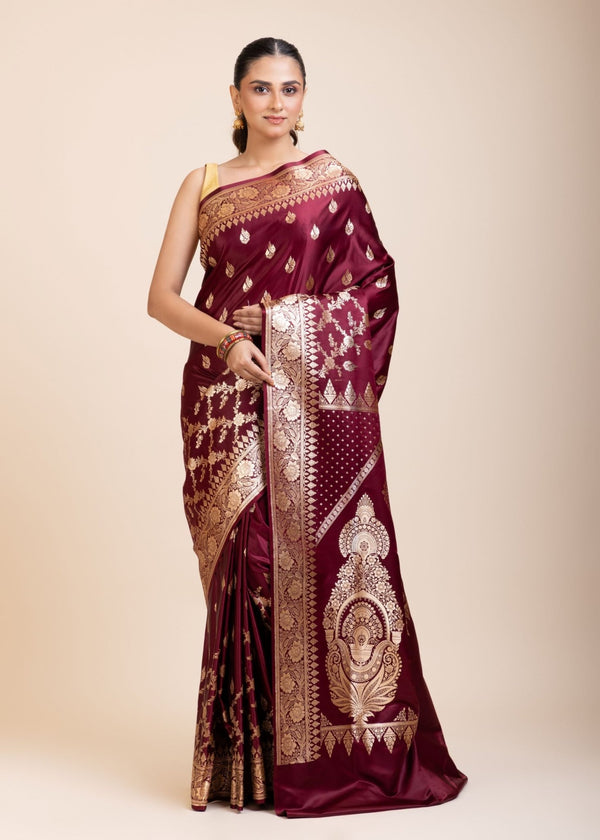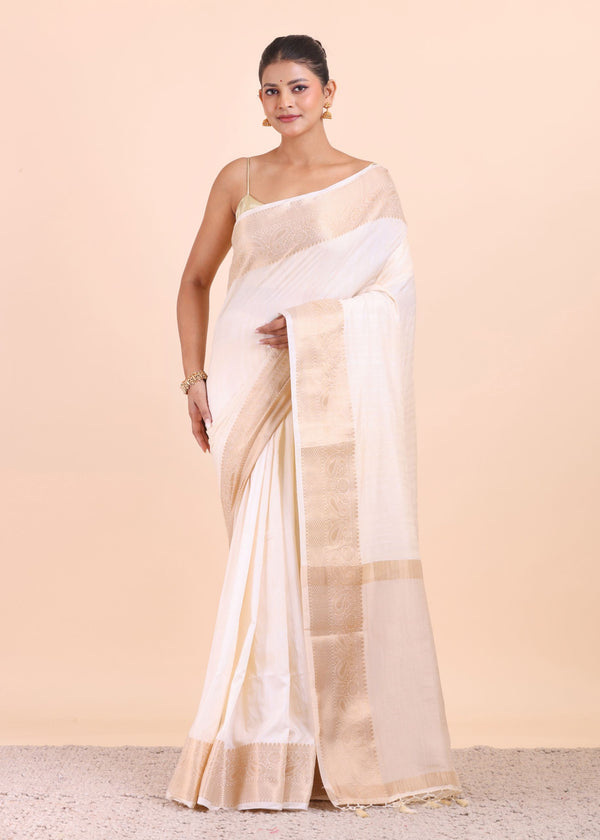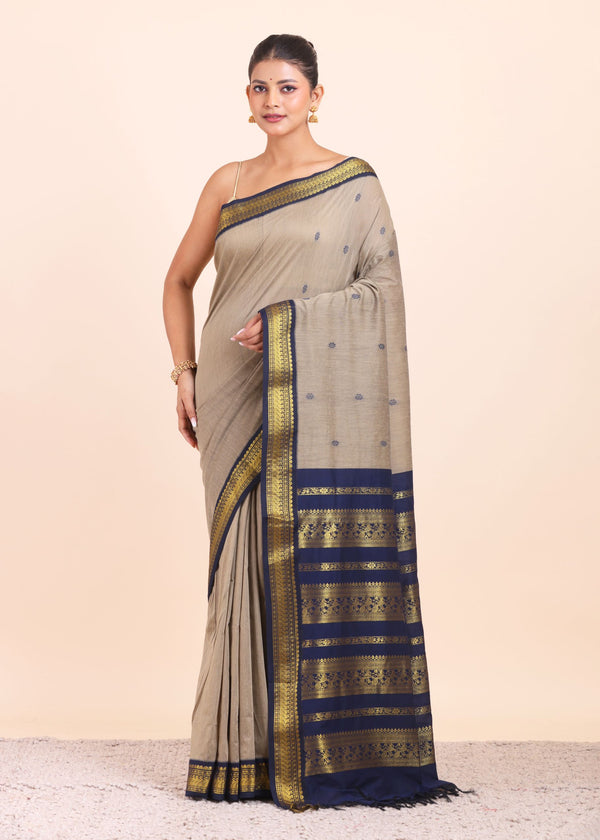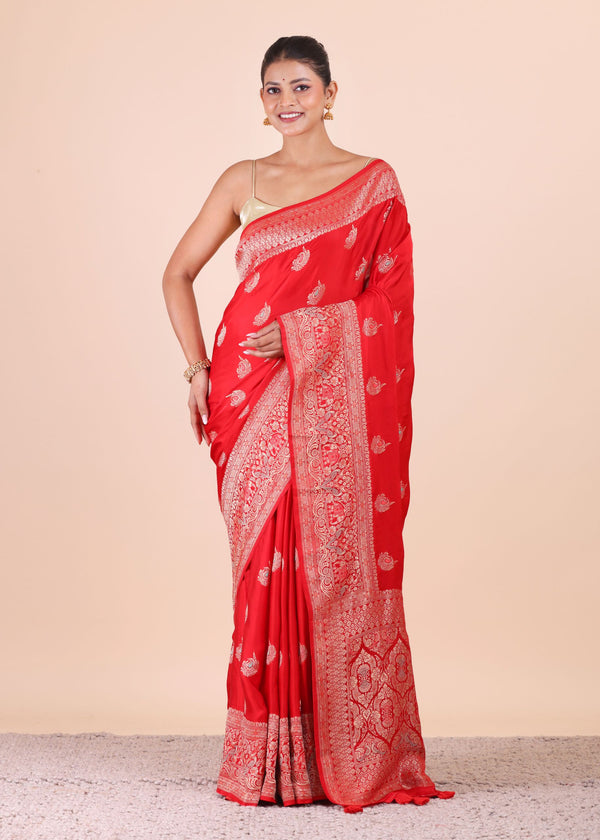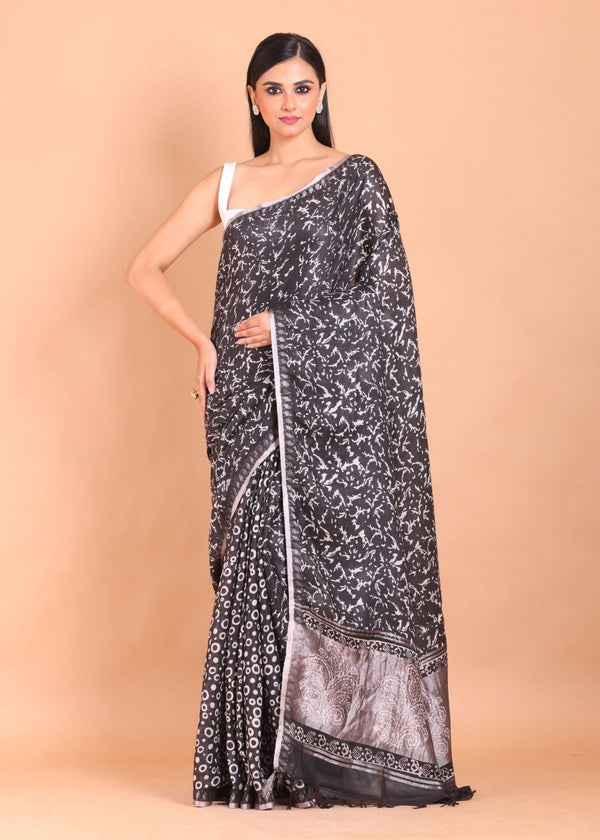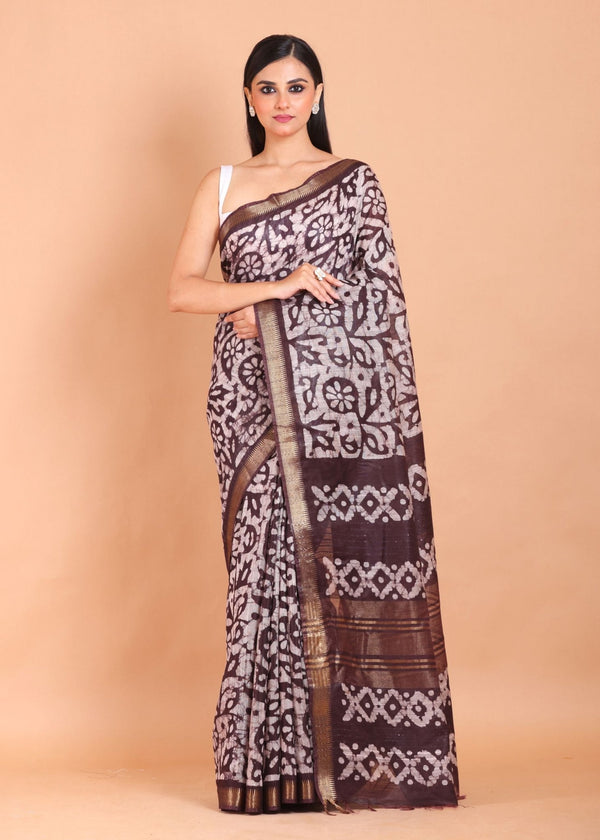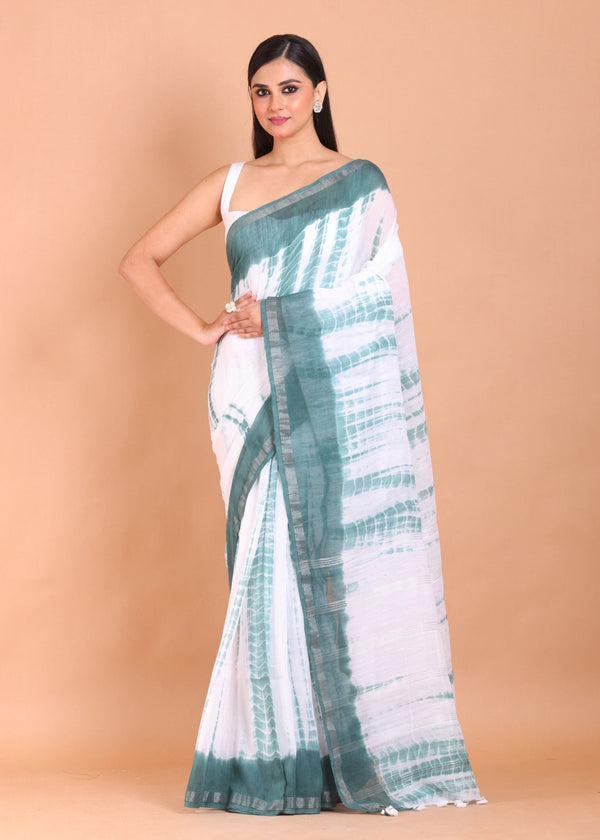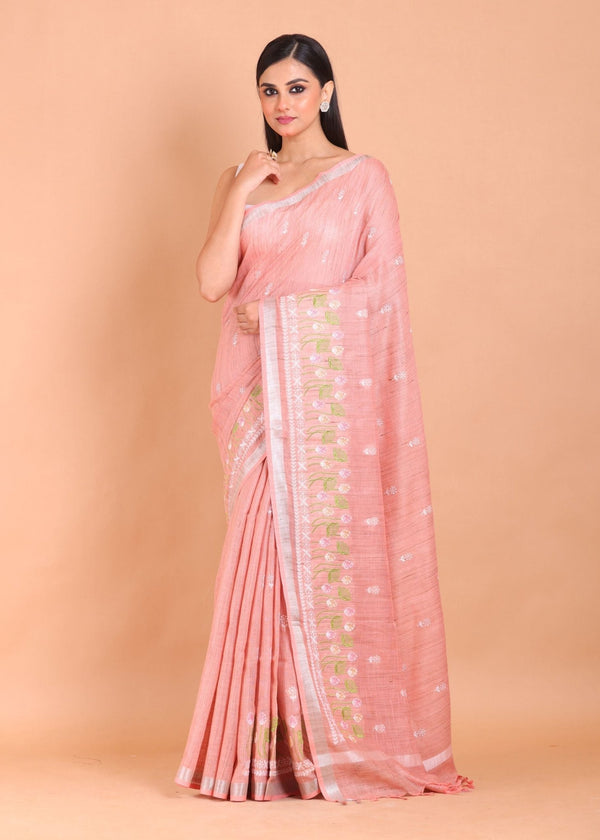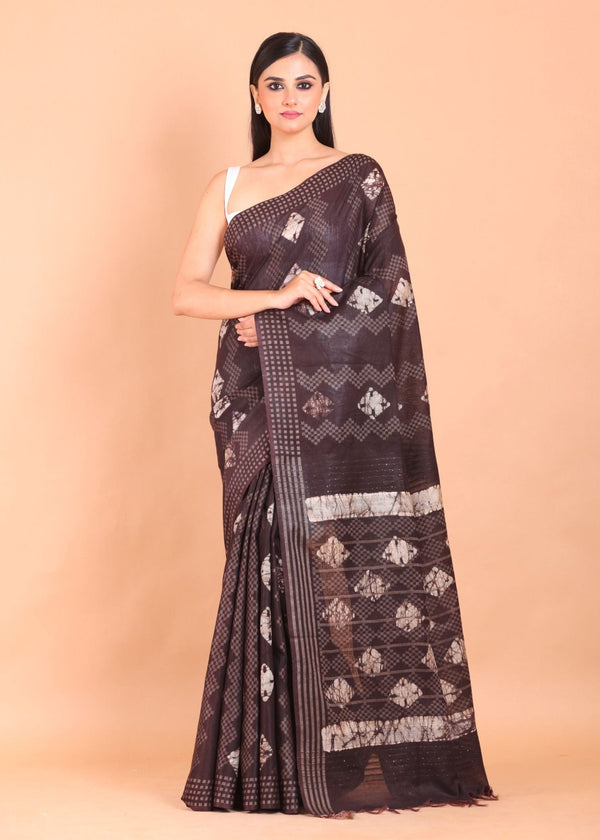




The arrival of the monsoon brings welcome relief from the summer heat, but it also creates challenges for maintaining your favourite sarees. Increased humidity, unexpected rain showers, and damp surroundings can affect both everyday and premium sarees if they are not cared for properly. Moisture can lead to fungus, unpleasant odours, colour bleeding, and even weaken delicate fabrics over time. Whether you own luxurious silk sarees, treasured handloom weaves, or lightweight daily wear options, giving them a little extra attention during the rainy season can help preserve their beauty for years. In this guide, you'll learn why monsoon weather can damage sarees, how to care for different fabrics, which sarees are best suited for rainy days, which materials are better avoided, and practical tips to keep your saree collection fresh, clean, and ready to wear throughout the season.
Why Monsoon Weather Can Damage Your Sarees
Monsoon weather creates the perfect conditions for moisture to settle into fabrics. High humidity prevents sarees from drying completely after use, allowing fungus and mildew to develop if they are stored too soon. Damp conditions can also cause colours to transfer from one saree to another, especially when different fabrics are kept together. Delicate materials may develop yellow stains, lose their shine, or become weak with repeated exposure to moisture. Expensive sarees, particularly handcrafted silk and heirloom pieces, require even more attention because natural fibres are more vulnerable to humidity than synthetic materials. Taking preventive care during the rainy season is much easier than trying to restore a damaged saree later.
How to Take Care of Your Favourite Sarees during Monsoon?
Silk sarees need a little extra care when the rains arrive. A few simple habits can help protect their shine, texture, and colour. Here’s what you should keep in mind to keep your favourite silk sarees safe and beautiful through the monsoon.
Banarasi Silk Sarees
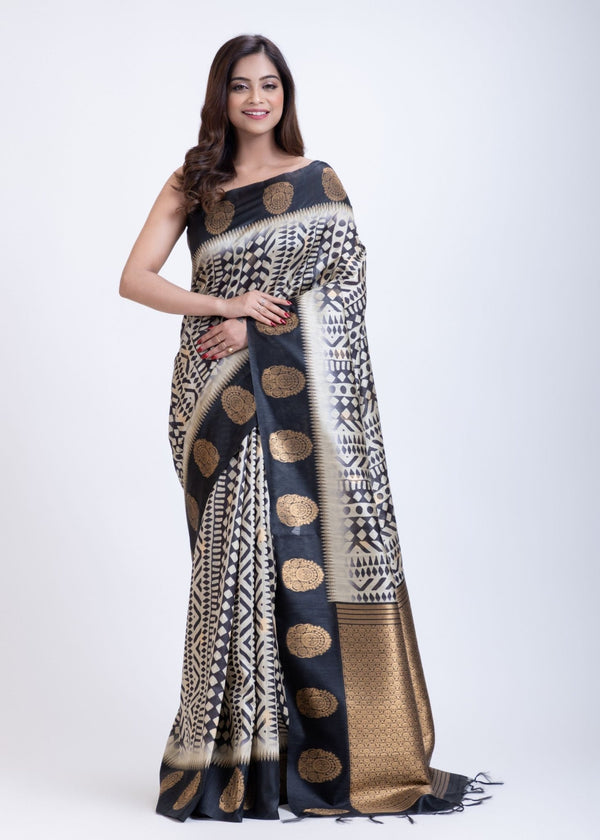
Banarasi silk sarees are known for their luxurious weave and intricate zari work, making them especially valuable. During the monsoon, avoid wearing them on days with heavy rainfall. If the saree becomes damp, unfold it immediately and allow it to dry naturally in a shaded, well-ventilated space. Never leave it folded while wet, as moisture can damage both the silk fibres and the zari detailing. Once completely dry, store it in a soft muslin cloth to protect it from humidity.

Kanjivaram Silk Sarees
Kanjivaram silk sarees are woven from pure silk and often feature rich borders that deserve extra care. If exposed to rain, gently blot away excess water using a clean cotton towel without rubbing the fabric. Avoid drying the saree under direct sunlight, as prolonged exposure may affect its natural sheen. Refolding the saree every few weeks during the monsoon also helps prevent permanent creases and keeps the fabric in excellent condition.

Tussar Silk Sarees
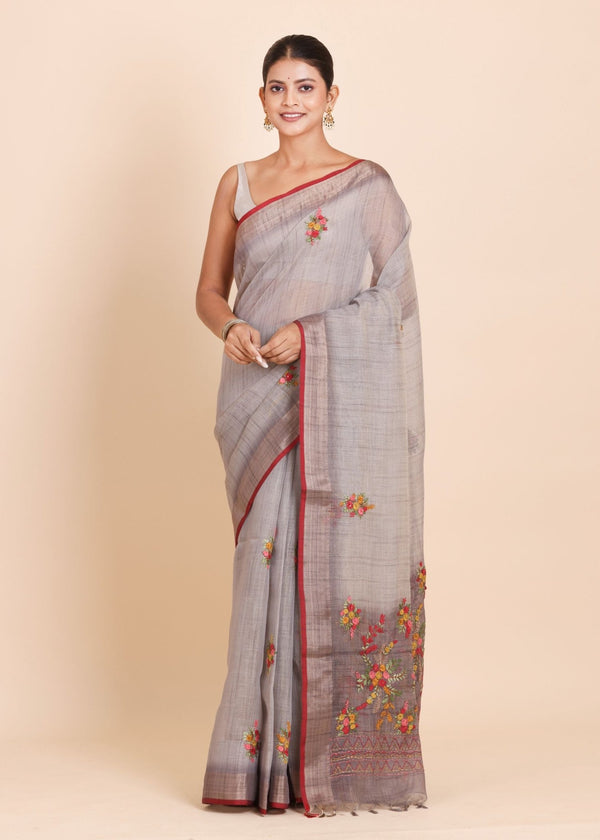
Tussar silk has a beautiful natural texture but absorbs moisture more easily than many other silk varieties. After every wear during the rainy season, allow the saree to air out before storing it. Keep it away from damp wardrobes and avoid spraying perfumes directly onto the fabric, as moisture combined with fragrance can sometimes leave marks. A cool, dry storage space will help preserve its texture and colour.

Linen Sarees
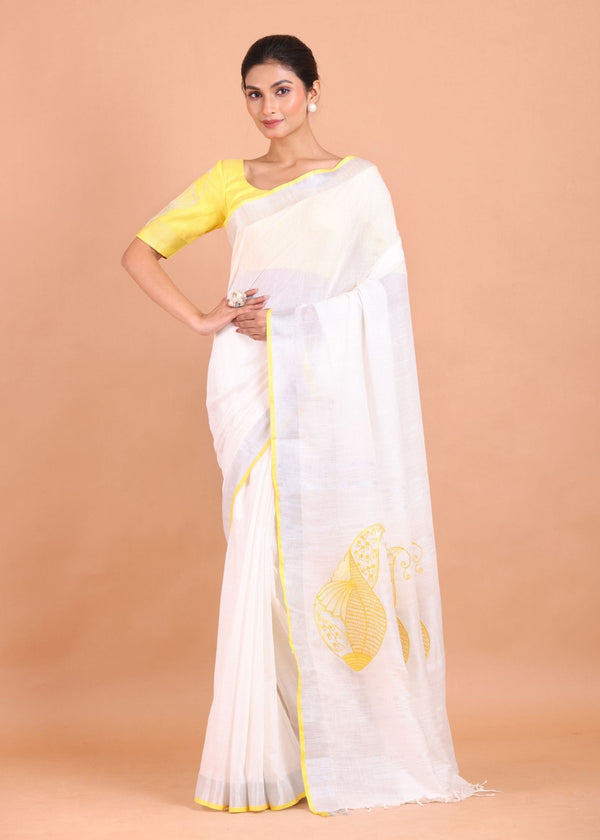
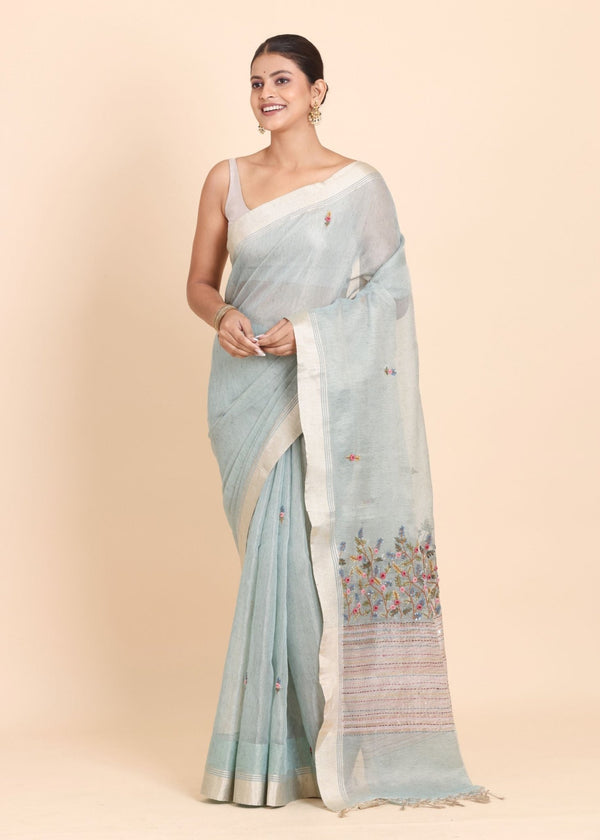
Pure linen sarees are relatively breathable and more comfortable during humid weather, but they still benefit from proper care. Ensure they are completely dry before folding them away. If wrinkles develop due to moisture, use a low-temperature iron only after the fabric has dried fully. Proper ventilation during storage helps linen retain its crisp appearance throughout the season.

Cotton Handloom Sarees
Cotton handloom sarees are among the most practical choices for the monsoon because they are lightweight and breathable. However, a pure cotton saree should never be left damp after washing or wearing. Dry them in a shaded area with good airflow to maintain their softness and prevent mildew. Washing them separately also reduces the risk of colour transfer.

Chanderi Sarees
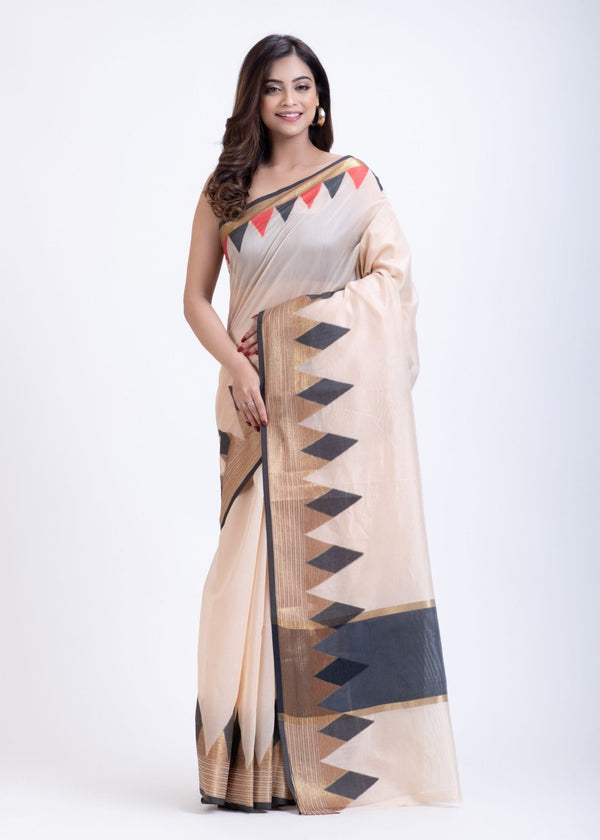
Chanderi sarees combine elegance with lightweight comfort, making them popular for festive occasions. Their delicate weave should be protected from excessive moisture. If they get wet, dry them flat or hang them carefully in the shade. Store them in breathable fabric covers instead of plastic, allowing the material to stay fresh throughout the rainy months.

Which Saree Material Is Best For Rainy Season?
Choosing the right saree fabric can make monsoon dressing much easier. Some materials stay comfortable in humidity, dry faster, and need less care. In the next sections, we’ll look at the best options for rainy days and the fabrics you may want to avoid.
Cotton Sarees
Cotton sarees remain one of the best options during the rainy season because they are lightweight, breathable, and comfortable even on humid days. They dry relatively quickly compared to heavier fabrics, making them practical for everyday wear.
Linen Sarees
Pure Linen sarees are another excellent monsoon choice. Their airy weave allows better airflow, helping you stay comfortable throughout the day. With proper drying and storage, linen continues to look fresh even during prolonged humid weather.
Lightweight Georgette Sarees
Lightweight plain georgette sarees are popular during the rainy season because they resist moisture better than many heavier fabrics. They dry quickly and drape beautifully, making them ideal for women looking for both style and convenience.
Crepe Sarees
Crepe sarees are another practical choice for rainy weather. Their lightweight texture makes them easy to manage, and they generally require less maintenance than heavily woven fabrics. Since they dry faster, they remain comfortable even when the weather is unpredictable.
Saree Fabrics You Should Avoid During Monsoon
Some saree fabrics are best avoided during the monsoon because they do not handle moisture well and can become difficult to maintain in humid weather. Heavy silk sarees absorb dampness easily, feel heavier, and take longer to dry, which increases the risk of fungus and damage if they are not aired properly after use. Velvet sarees are also unsuitable for rainy weather because they retain moisture for a long time, which can affect their soft texture and luxurious appearance, while even slight dampness may leave them smelling musty if they are not dried thoroughly. Tissue sarees are delicate and can lose their crisp finish when exposed to excessive moisture, and rainwater or prolonged humidity may affect their shine and make them difficult to restore. Heavy embroidered sarees, especially those with beads, sequins, stones, or intricate thread work, can trap moisture, become heavier, and may even lose embellishments if they remain damp for too long. Net sarees with heavy work may be lightweight on their own, but the added embellishment makes them difficult to manage during the rainy season, as moisture can weaken the fabric and affect the decorative work, so careful storage and handling are essential.
What to Do If Your Saree Gets Wet in the Rain?
If your saree gets caught in the rain, don't panic. The first step is to unfold it immediately instead of leaving it bundled up. Gently remove excess water by pressing it with a clean, dry towel rather than twisting or wringing the fabric. Hang the saree in a shaded, well-ventilated area until it is completely dry. Avoid drying delicate fabrics under harsh sunlight, as this may affect their colour and texture. Iron the saree only after it has dried completely to restore its smooth finish without causing damage.
Pro Tips on Maintaining the Beauty of Your Sarees during Monsoons
Proper storage is just as important as proper wear during the monsoon season. Never store a saree until it is completely dry, even if it feels only slightly damp. Air your sarees after every use to remove any trapped moisture before folding them. Choose breathable cotton or muslin storage bags instead of plastic covers, which can trap humidity. Keeping silica gel pouches or natural moisture absorbers like neem leaves in your wardrobe can help maintain a dry environment. Refold silk sarees every few weeks to prevent permanent fold lines, and ensure your wardrobe remains clean, dry, and well-ventilated throughout the season.