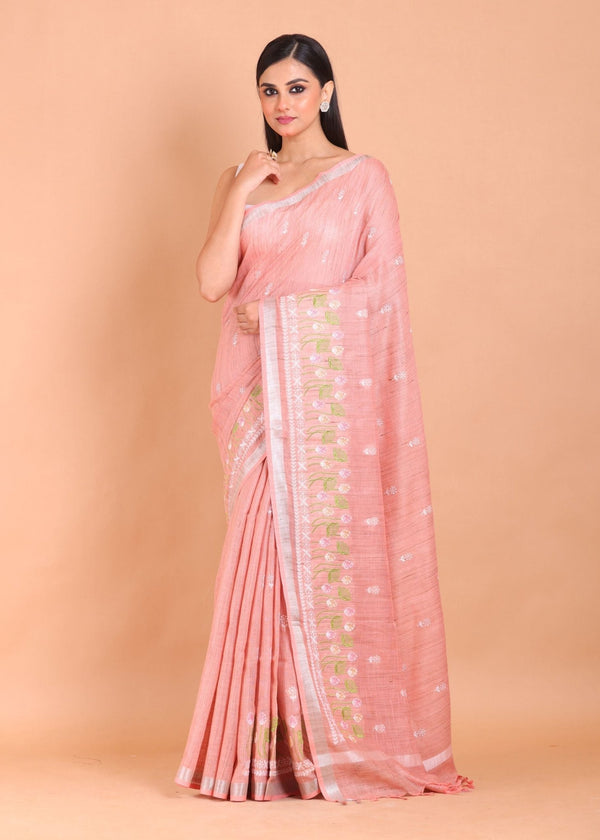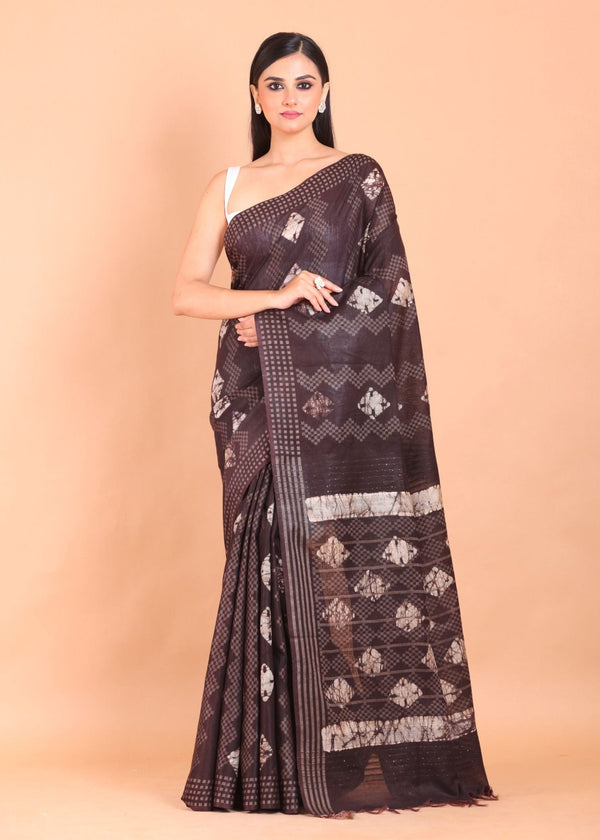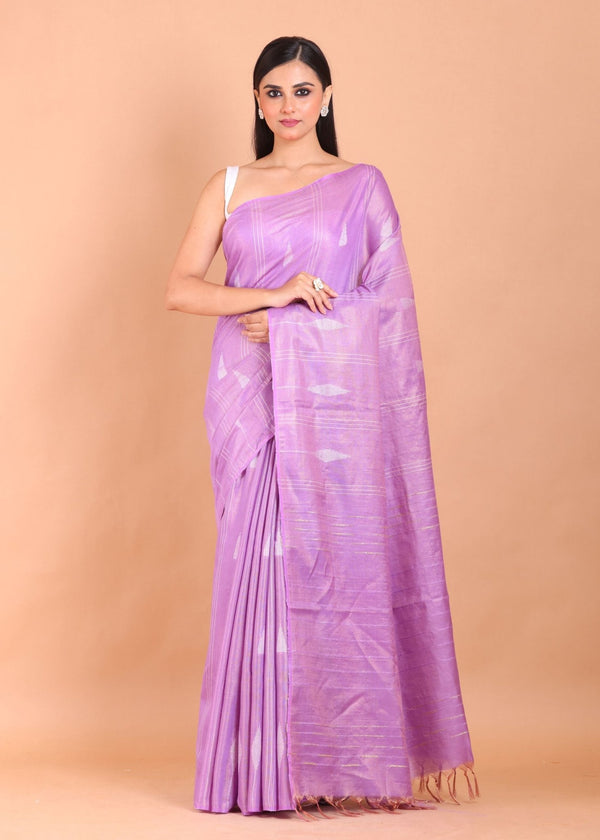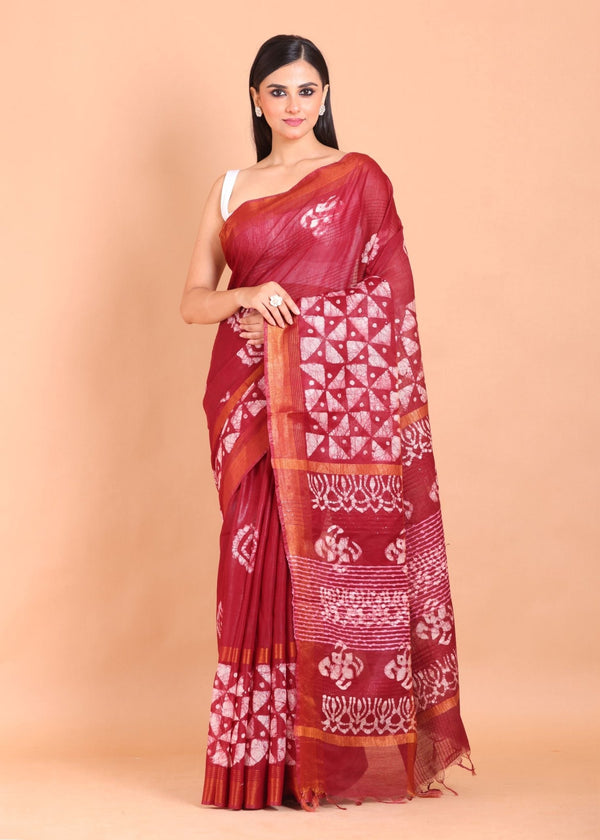




Maroon and burgundy are often mistaken for the same color, especially when shopping for sarees, bridal lehengas, dresses, or accessories. While both belong to the deep red family, they are not identical. The biggest difference lies in their undertones. Maroon is a warm, brownish-red that sits between red and brown, giving it a muted, earthy appearance. Burgundy, on the other hand, is a cooler, wine-inspired red with subtle purple or blue undertones, creating a richer and more luxurious look. Their names also reflect their origins—maroon comes from the French word marron, meaning chestnut, while burgundy is named after the famous wine-producing region of France. Depending on the fabric, lighting, and dyeing process, these shades can sometimes appear almost identical, which is why retailers and designers occasionally use the terms interchangeably. However, understanding the distinction is essential when selecting ethnic wear, bridal outfits, or fashion accessories.
Quick Comparison: Maroon vs. Burgundy
|
Feature |
Maroon |
Burgundy |
|
Base Color |
Deep Red |
Dark Red |
|
Undertone |
Brown |
Purple/Violet |
|
Appearance |
Warm and earthy |
Cool and rich |
|
Brightness |
Darker and muted |
Slightly brighter |
|
Inspiration |
Chestnut (Maroon) |
Burgundy Wine |
|
Popular For |
Traditional ethnic wear |
Modern bridal & evening wear |
|
Jewelry Pairing |
Antique Gold, Temple Jewelry |
Diamonds, Rose Gold, Silver |
Which is More Brighter Maroon or Burgundy ?
Maroon is generally the brighter of the two.Burgundy tends to be darker and more muted because of its purple undertone, which pulls the color deeper into shadow. Maroon, with its brown-red base, sits a bit lighter and warmer — it has slightly more red saturation and less blue mixed in, which makes it read as marginally more vivid.That said, "brighter" can shift depending on the exact shade — some maroons are quite dark too, and some burgundies lean lighter. But as a general rule: maroon > burgundy in brightness.

What Color is Exactly Opposite of Maroon?
The color opposite to maroon on the color wheel is teal or blue-green. Since maroon is a dark shade of red with warm brown undertones, its complementary color falls in the blue-green family. These opposite colors create a strong contrast, making each one appear more vibrant when placed together. That's why teal accessories, dupattas, jewelry, or décor can beautifully complement maroon outfits. While many people think green is the opposite of maroon, the closer match on the modern RGB color wheel is actually teal or spring green. This combination creates a balanced, stylish, and eye-catching look in both fashion and interior design.

Best Fabrics for Burgundy
Burgundy is a rich and elegant color that looks its best on fabrics with texture, softness, or a natural shine. Choosing the right fabric helps bring out the depth of the color and gives the outfit a more luxurious appearance. Velvet is one of the most popular choices because its soft texture reflects light beautifully, making burgundy look deep, royal, and perfect for bridal wear or evening occasions. Silk and satin also enhance burgundy with their smooth, glossy finish, making them ideal for sarees, ethnic dresses for women, blouses, and festive outfits. During cooler months, burgundy looks sophisticated on wool and wool-blend fabrics, making them a great choice for coats, blazers, and suits. Suede gives the color a soft, premium look and is commonly used for jackets, shoes, and handbags. Corduroy adds warmth and texture, making burgundy feel stylish yet comfortable for casual wear and autumn or winter fashion.

Best Fabrics for Maroon
Maroon is a warm, earthy color with subtle brown undertones, making it look best on fabrics that have a soft, natural, or textured finish. Wool and tweed are excellent choices because they give maroon a classic and elegant appearance, especially in coats, blazers, and sweaters during the colder months. Cotton is another popular fabric that makes maroon look comfortable and versatile, making it perfect for everyday shirts, cotton kurtis, dresses, and sarees. Corduroy adds texture and depth to the color, creating a stylish look for jackets and trousers. Flannel enhances maroon's warm tone and is ideal for cozy autumn and winter clothing. Suede gives maroon a soft, premium finish, making it a great option for jackets, shoes, and handbags. Velvet also complements maroon beautifully, giving it a rich, vintage-inspired look that is perfect for festive wear, bridal outfits, and special occasions.

Why Are Maroon and Burgundy Often Confused?
Maroon and burgundy are often confused because both belong to the deep red color family and look very similar at first glance. The main difference is their undertones—maroon has warm brown undertones, while burgundy has cool purple undertones—but this can be difficult to notice in photos. Lighting, camera filters, and fabric finishes can also change how the colors appear. Matte fabrics like cotton or wool often make a shade look more maroon, while shiny fabrics like silk, satin, and velvet can make the same shade appear more burgundy. Adding to the confusion, many fashion brands and online stores use the names interchangeably. In South Asian fashion especially, maroon is often used as a general name for both shades, making it important to check product images instead of relying only on the color label.