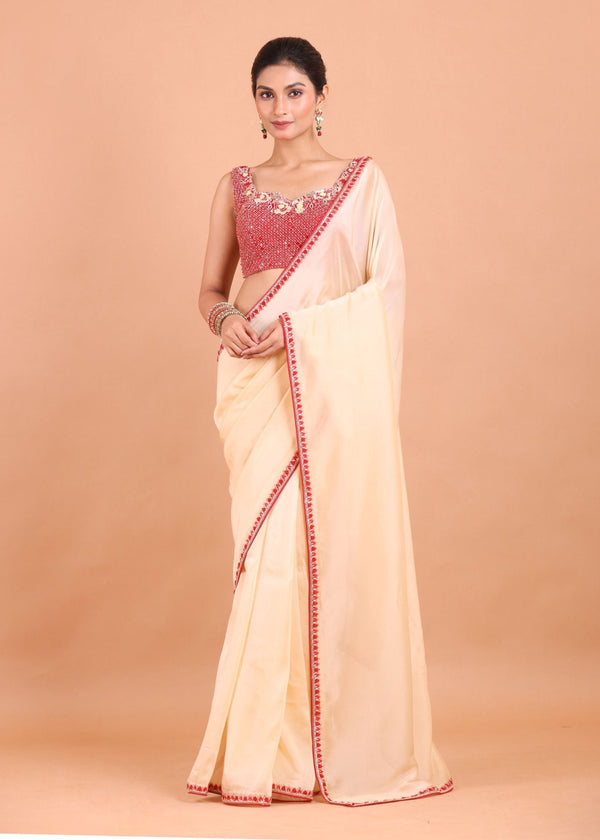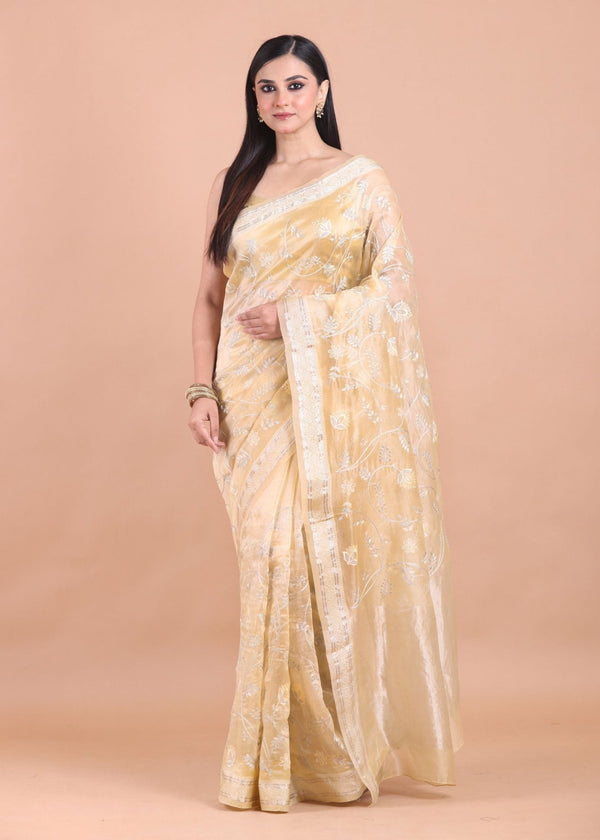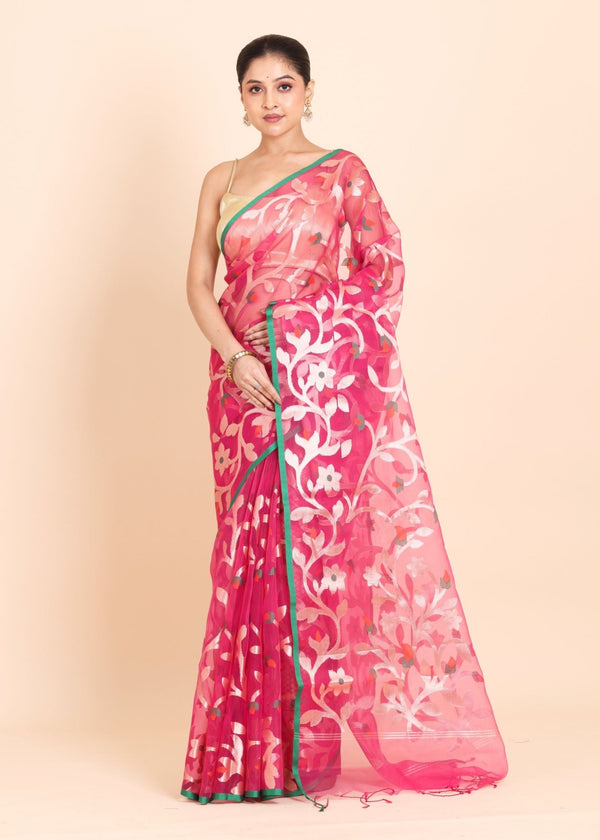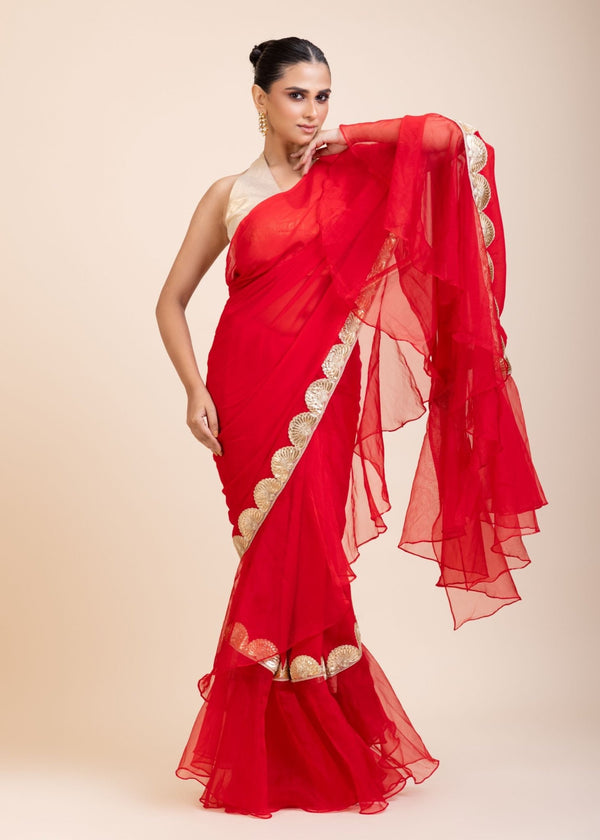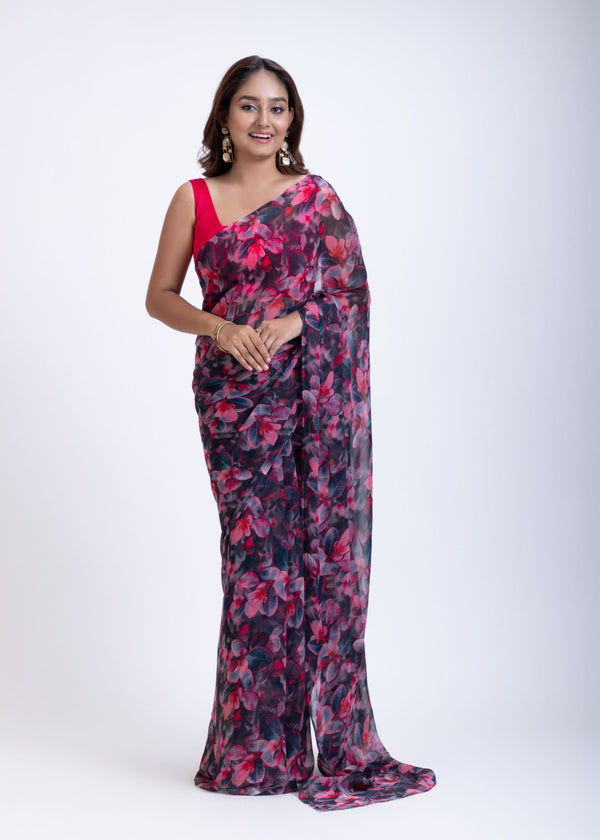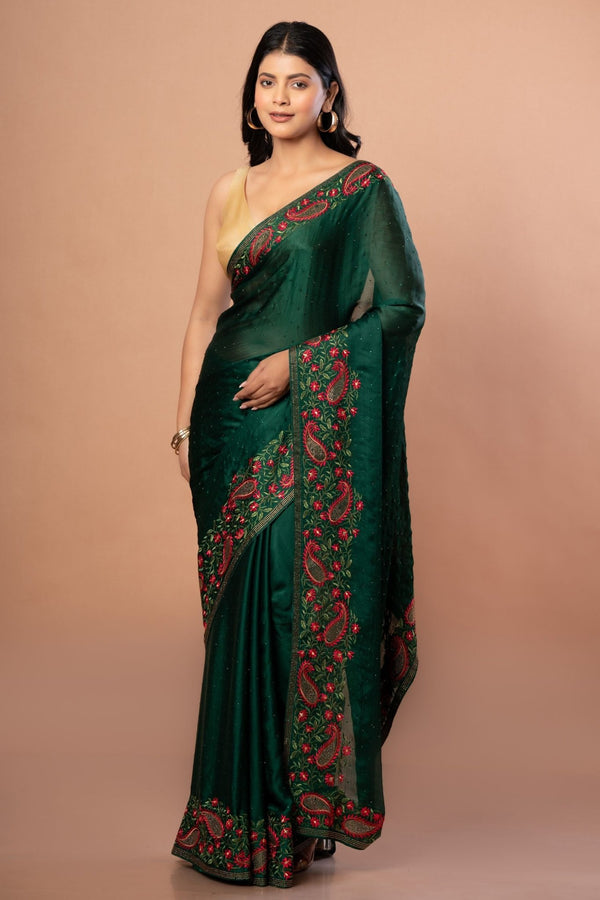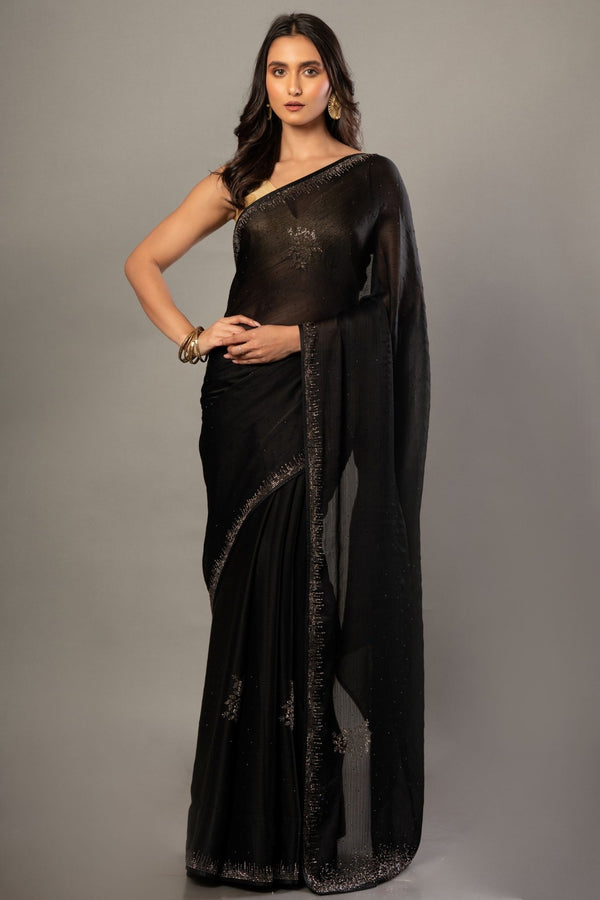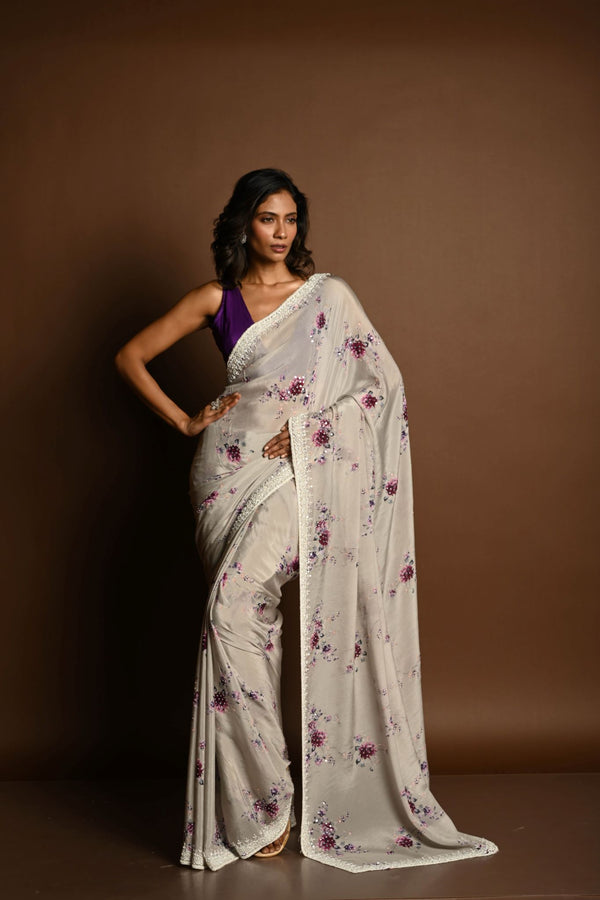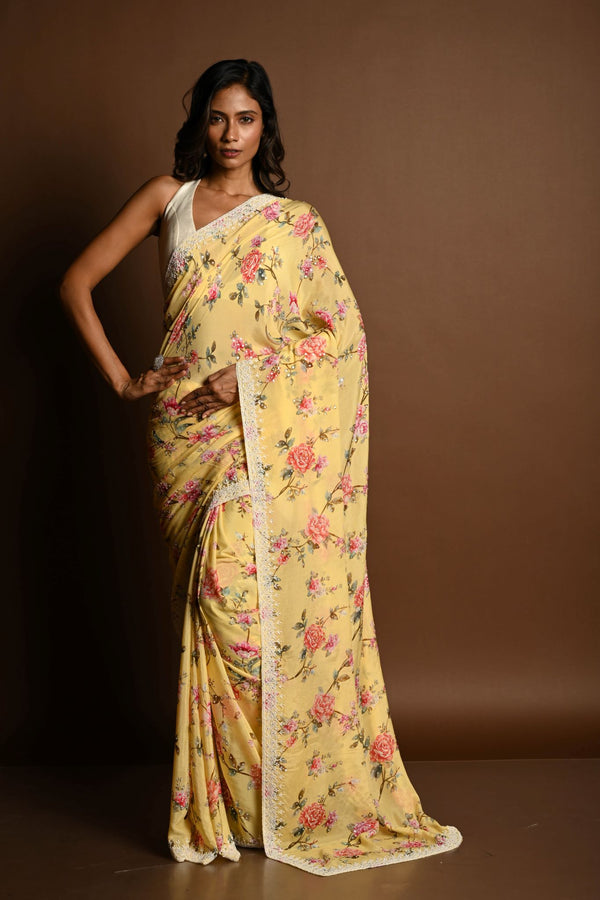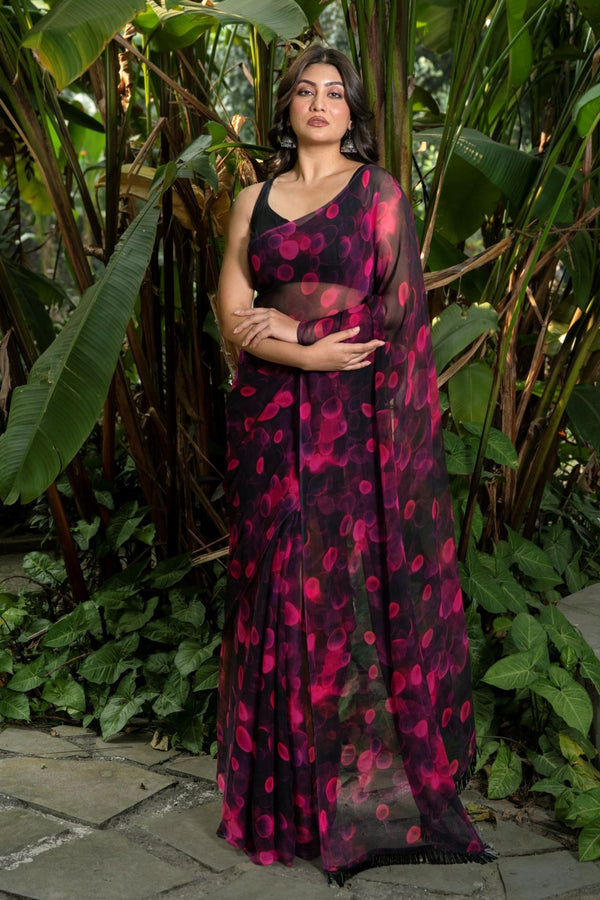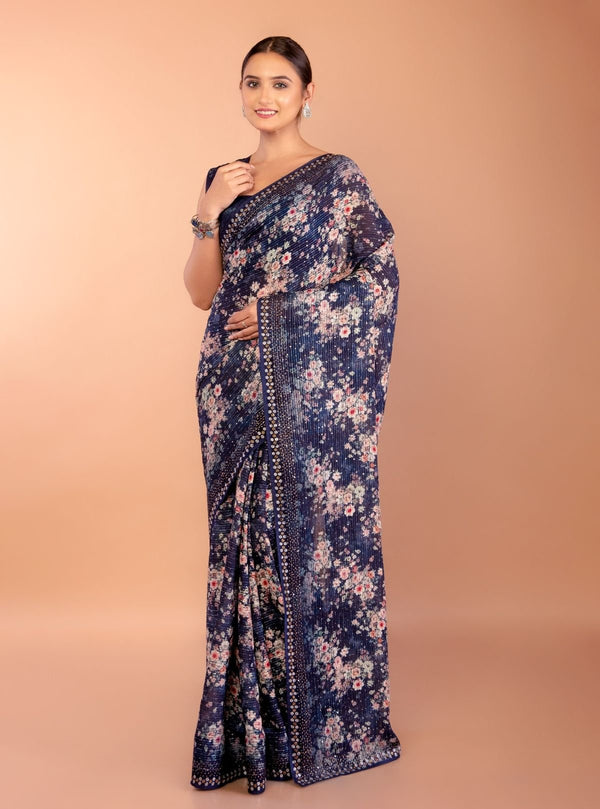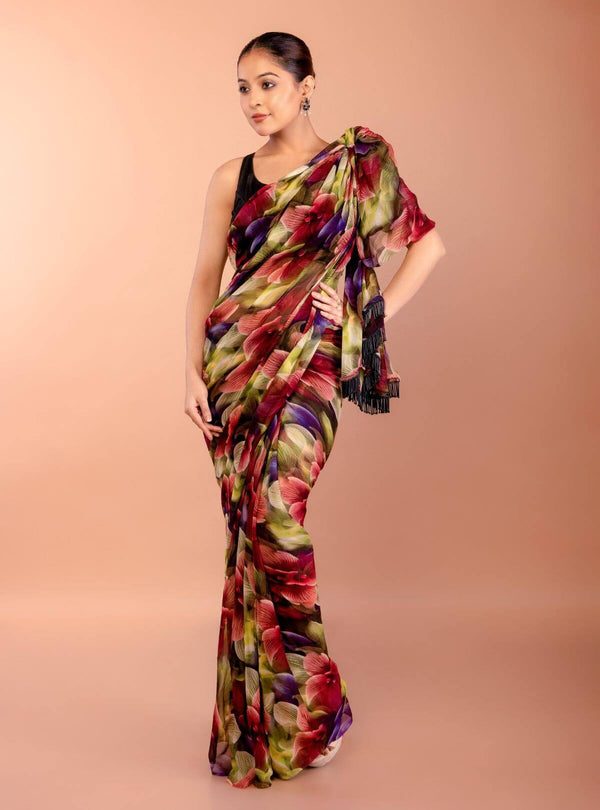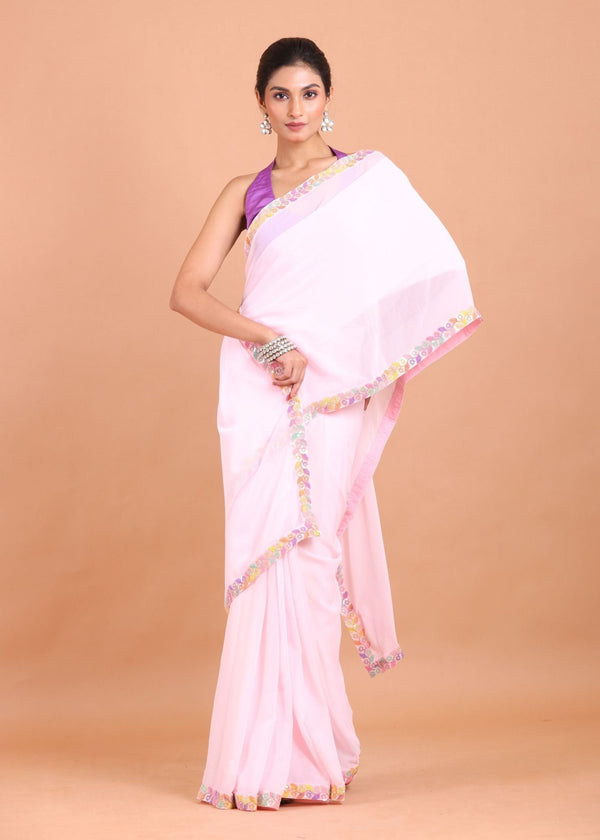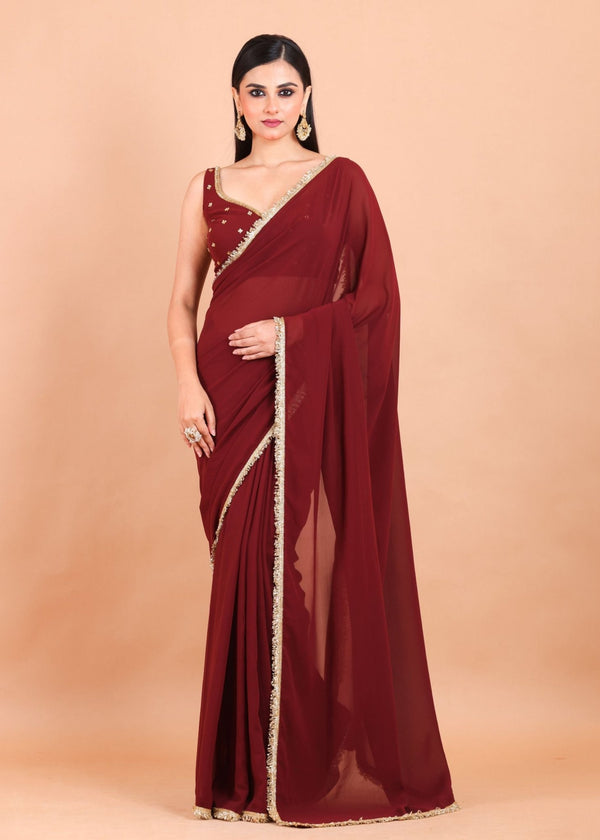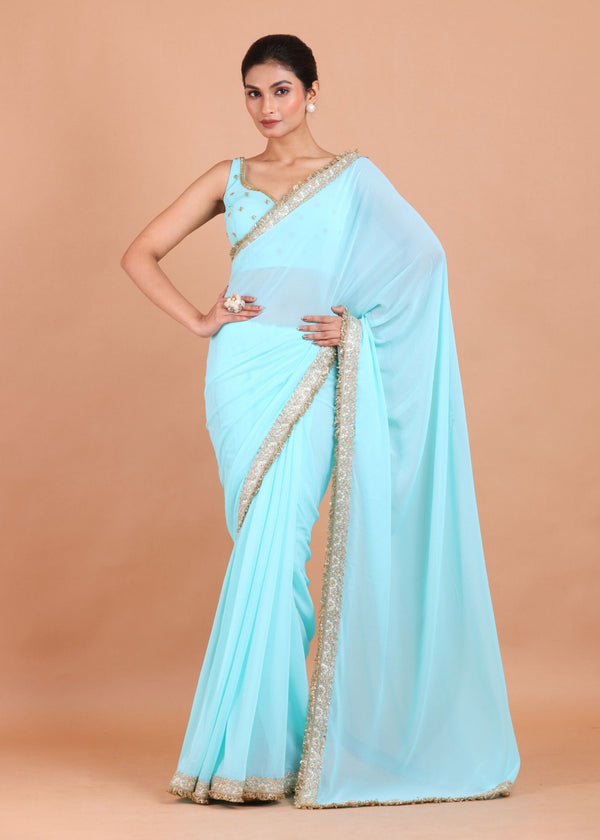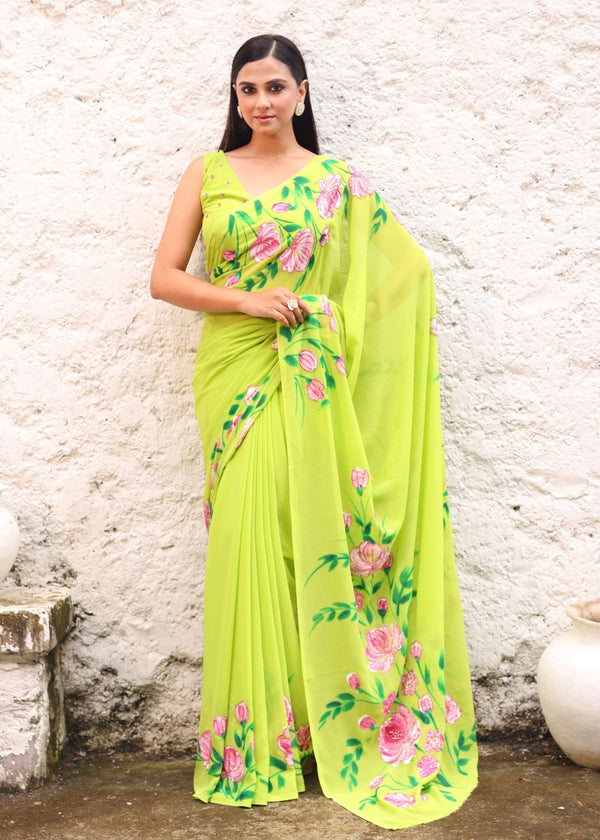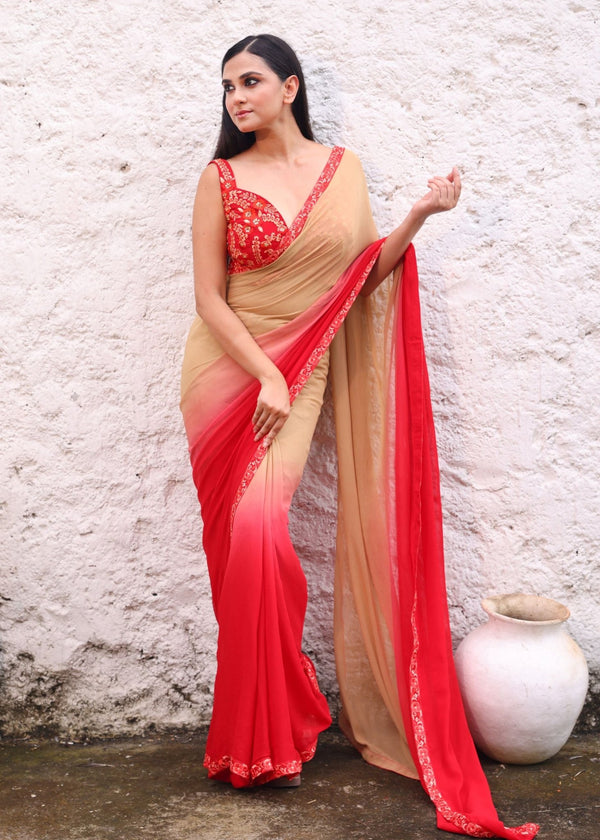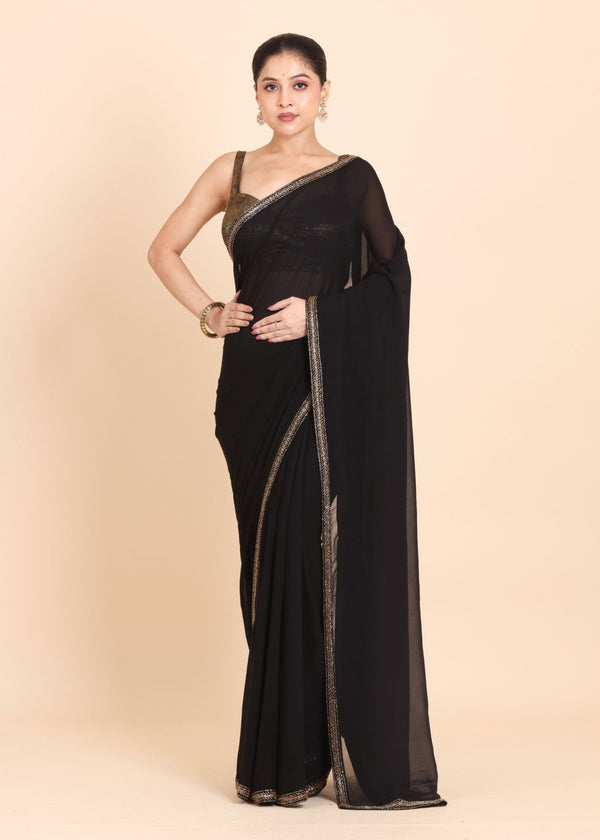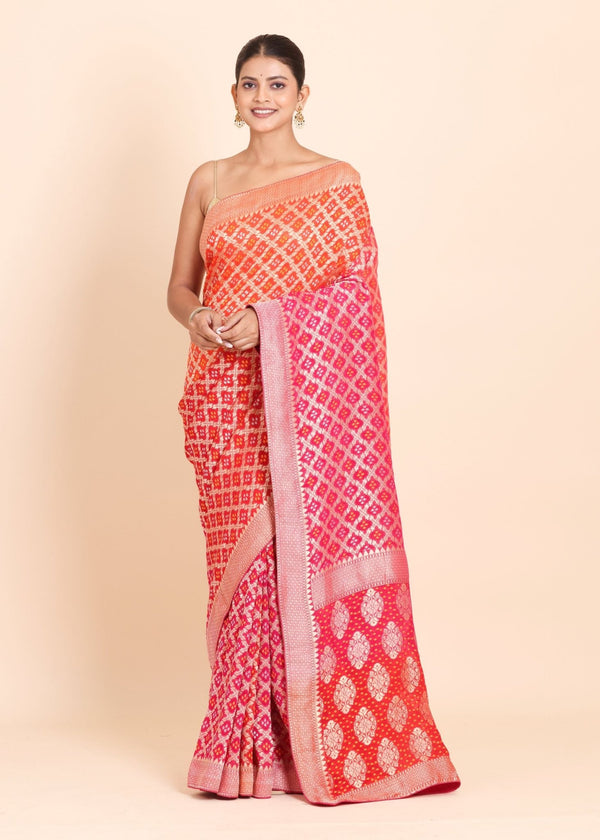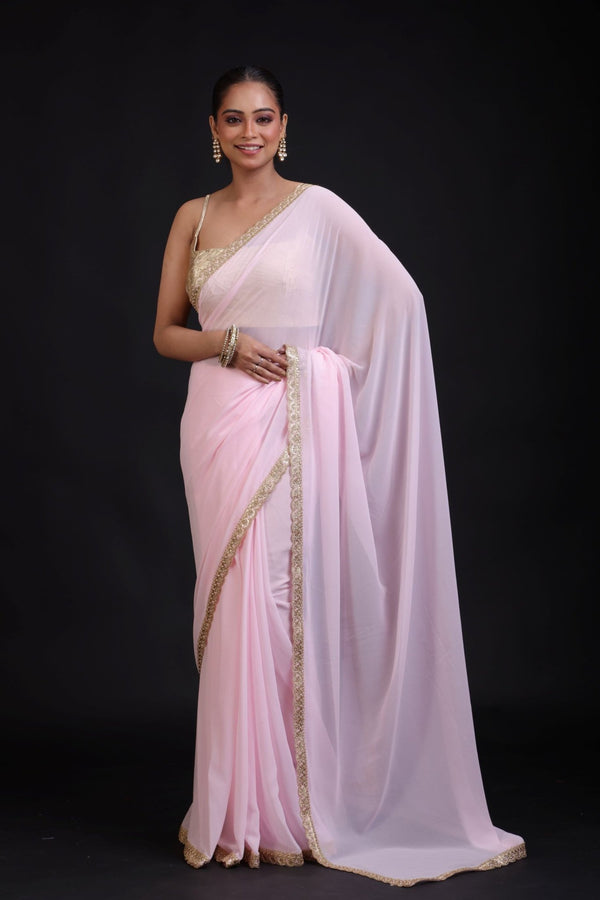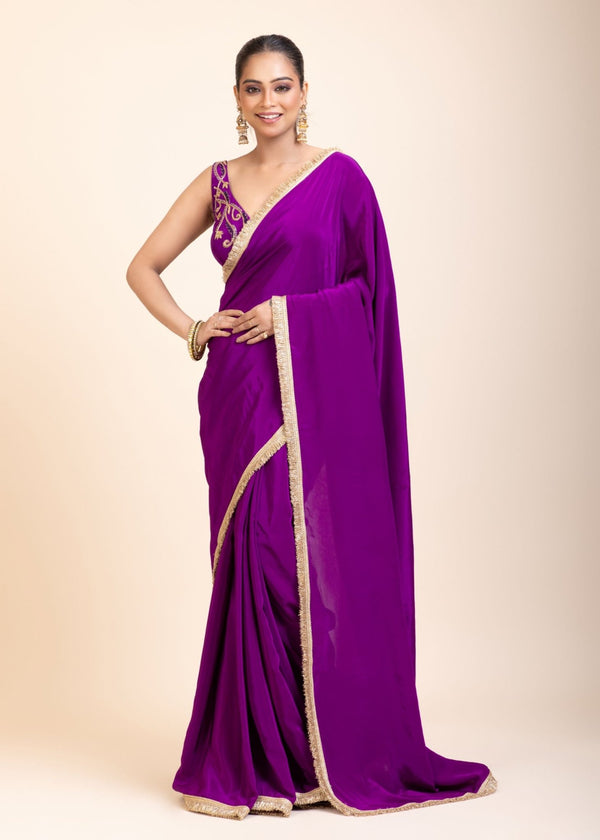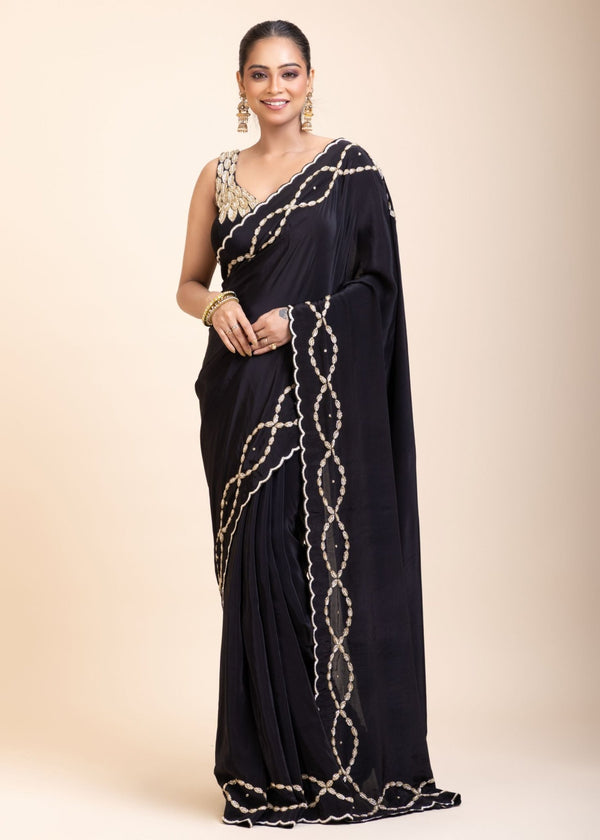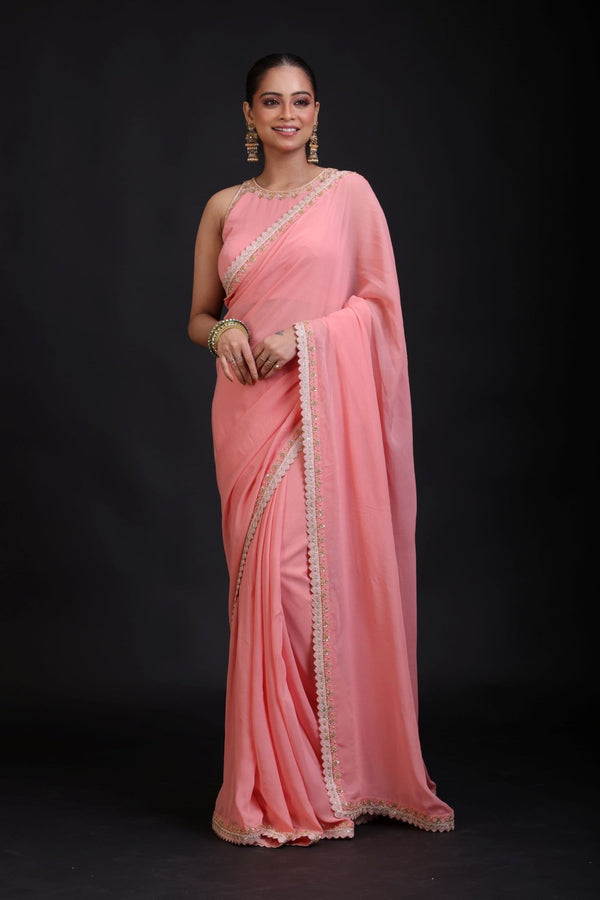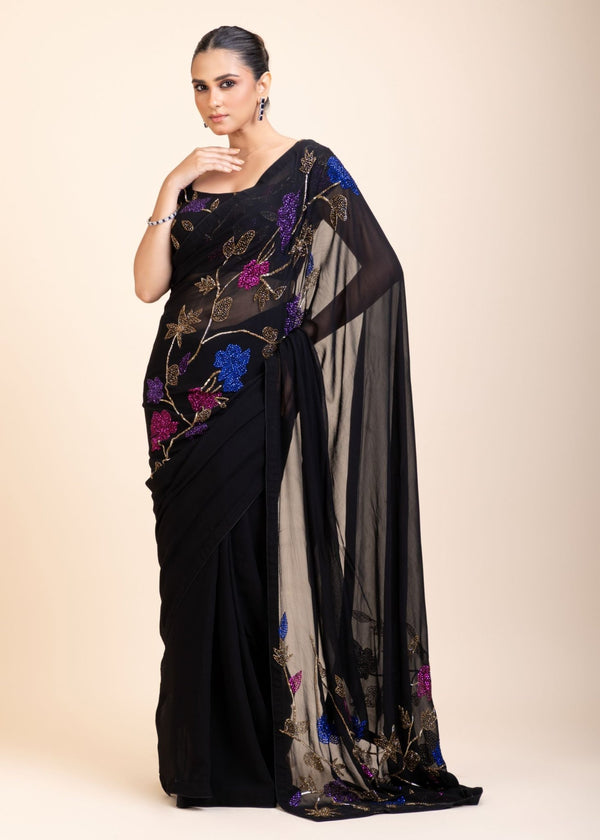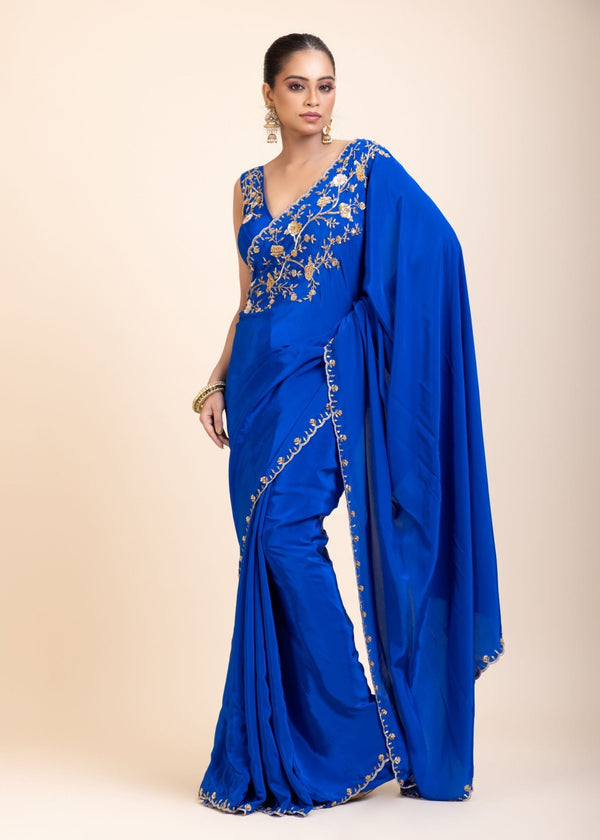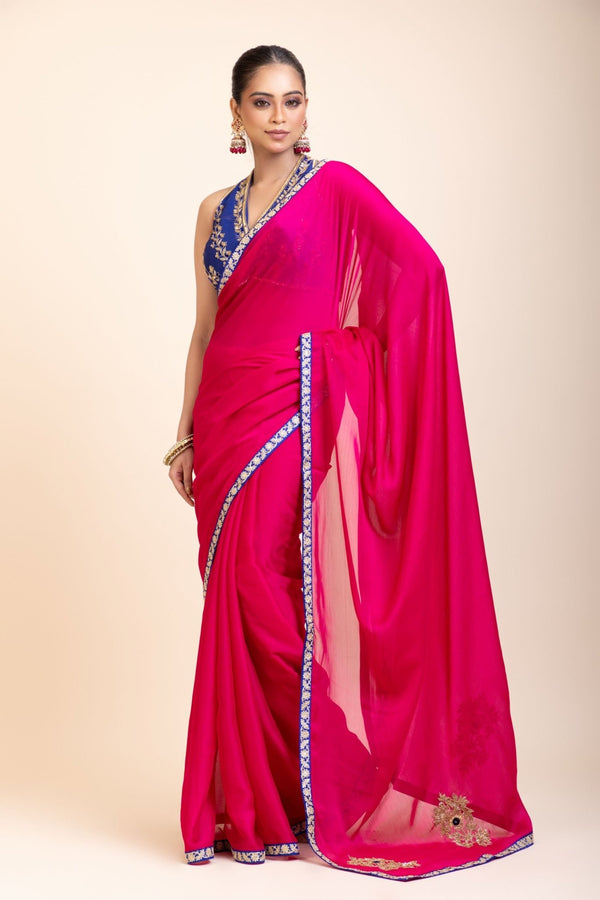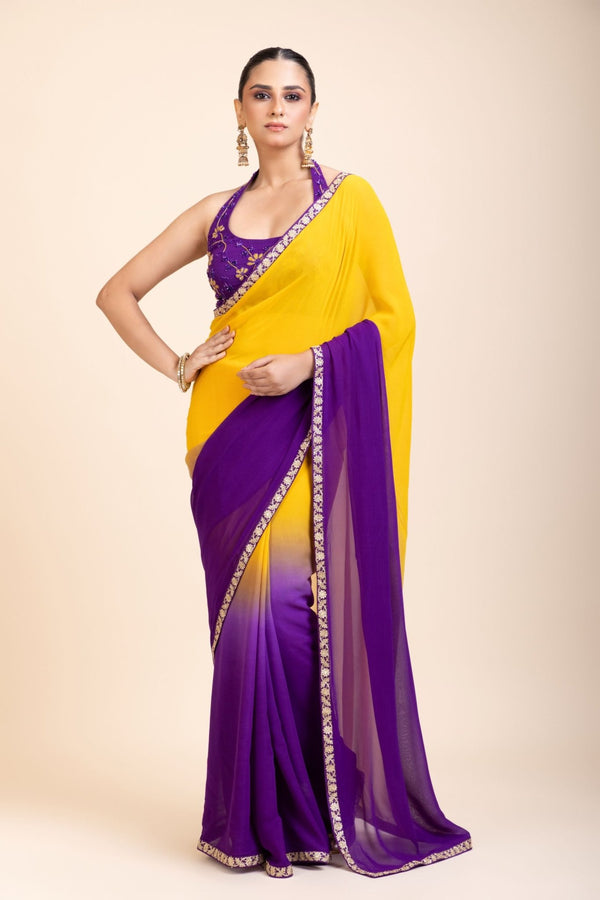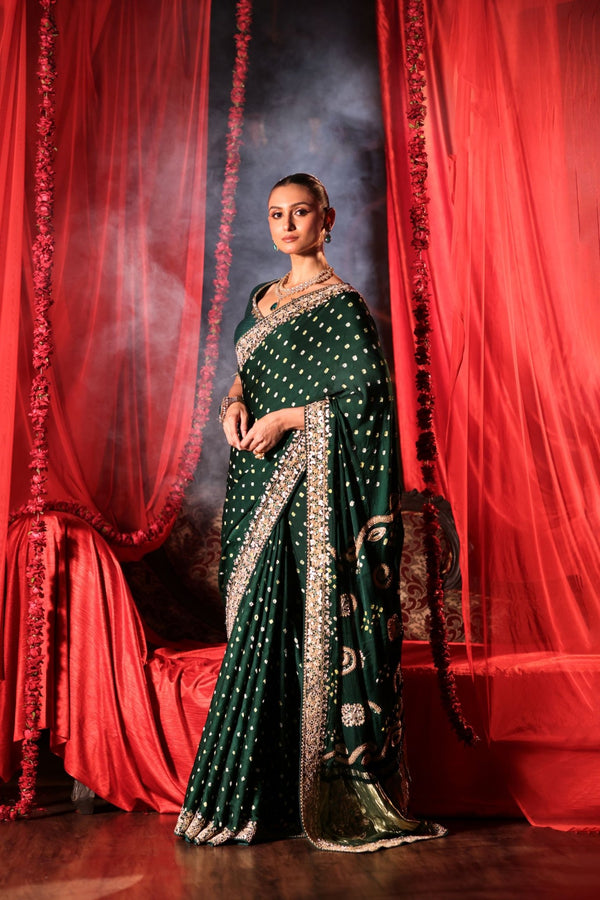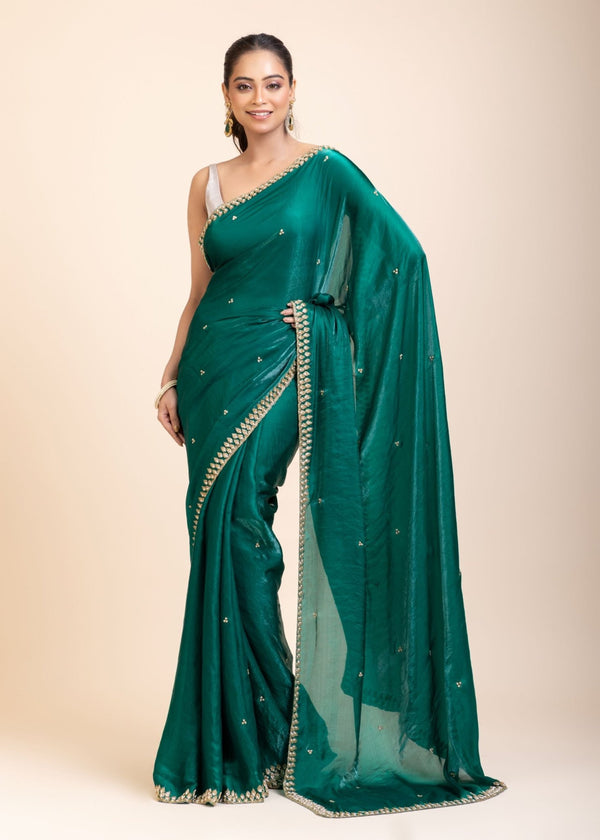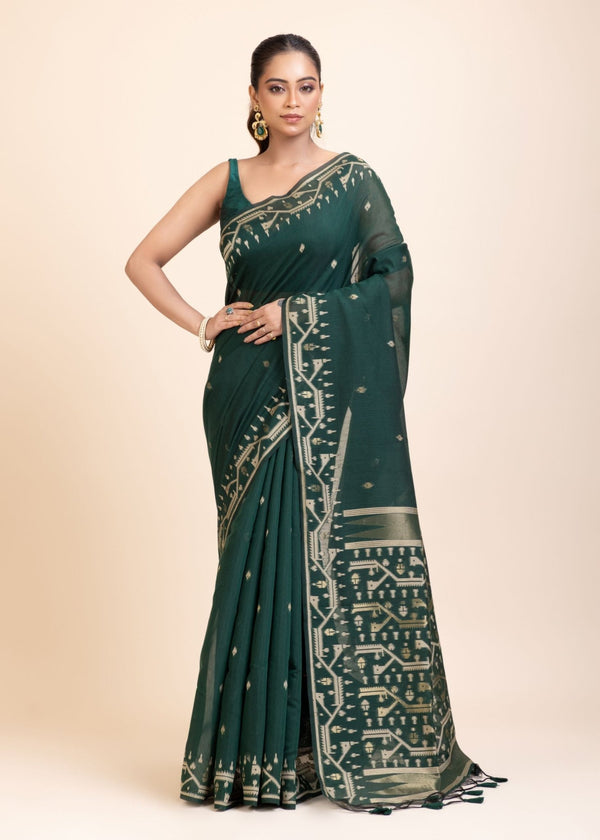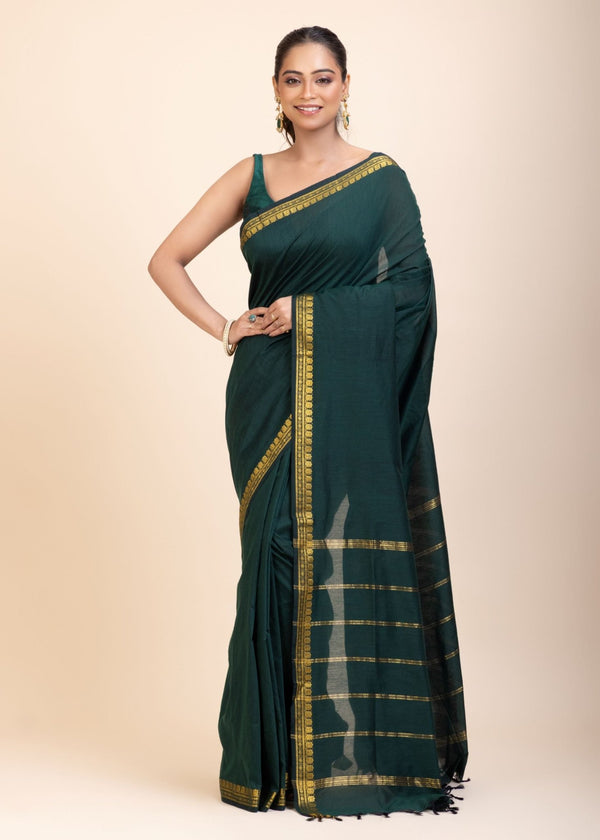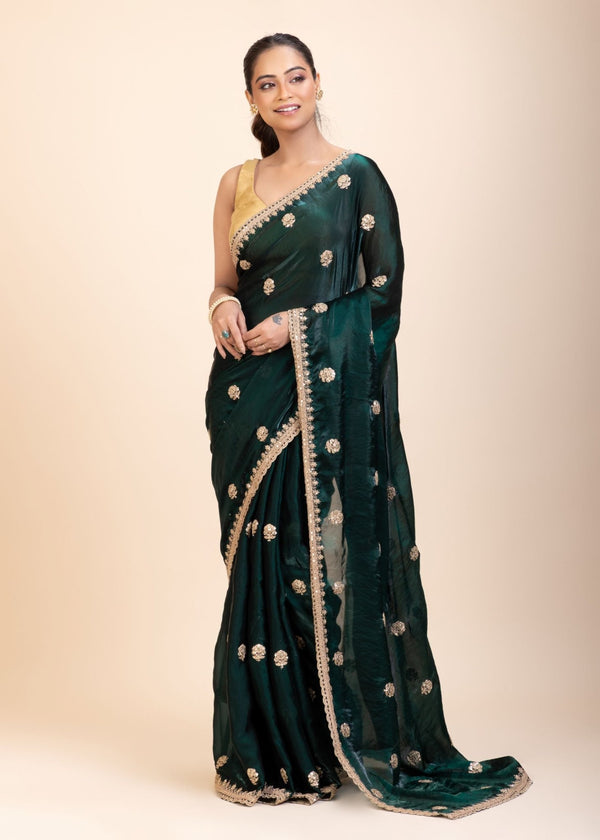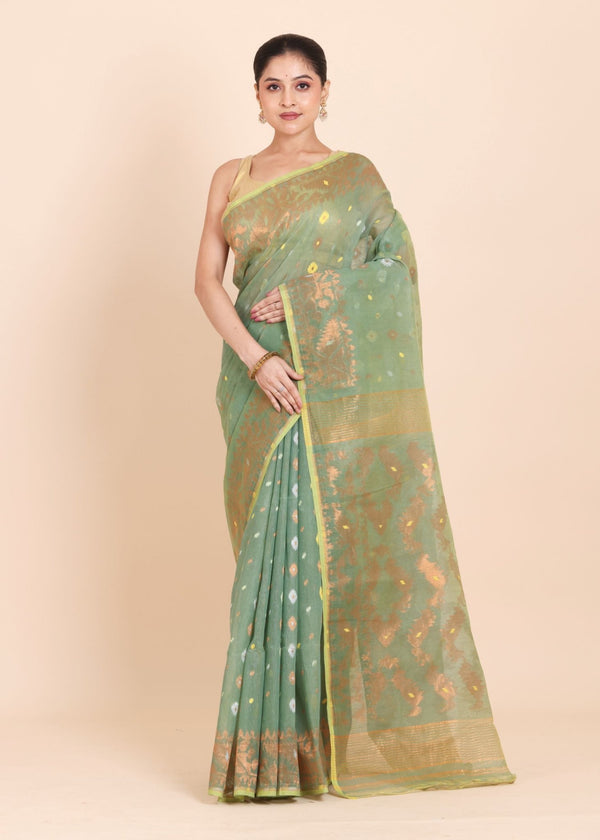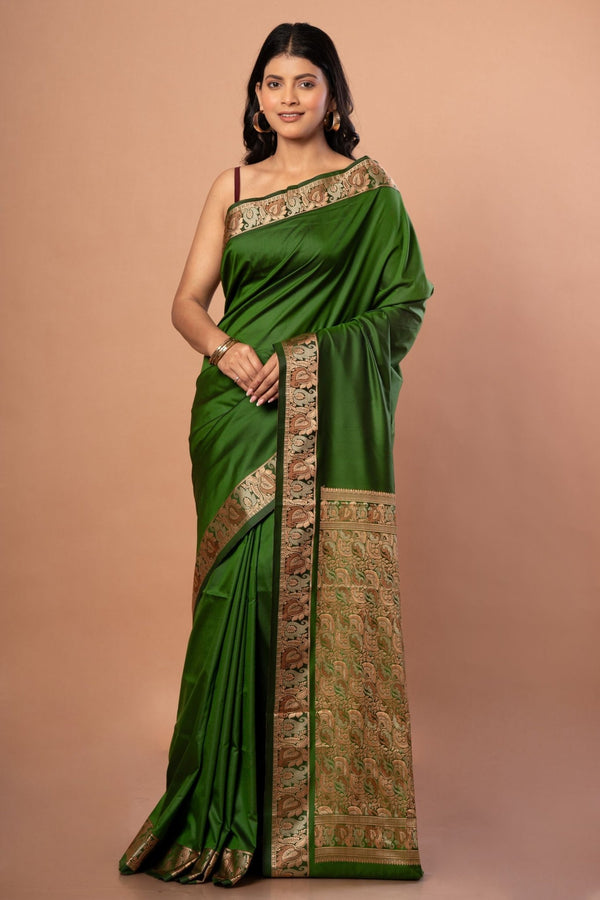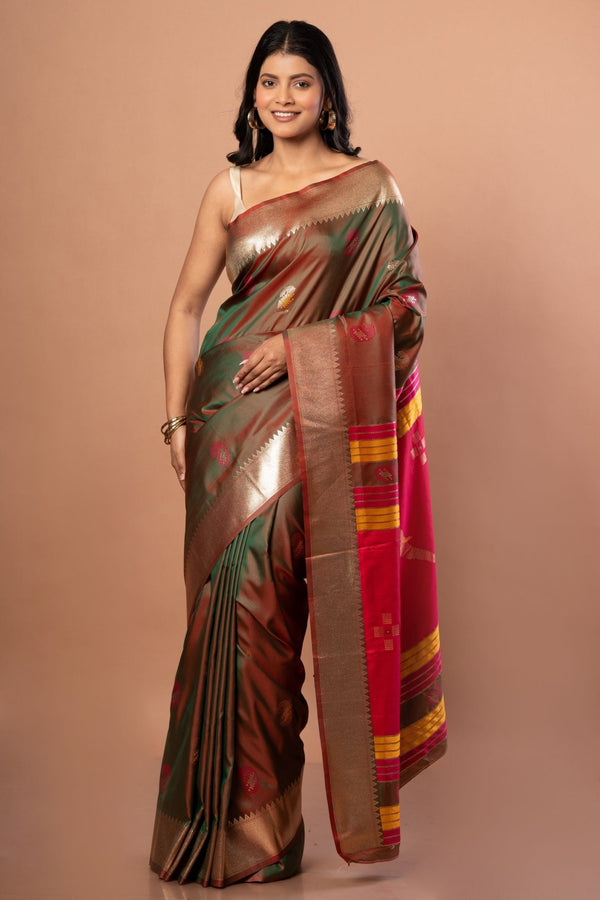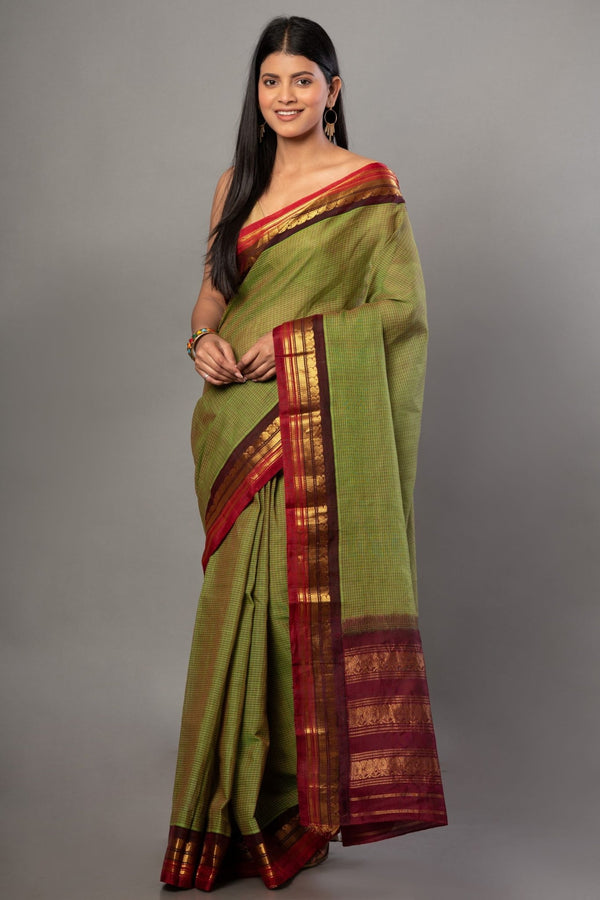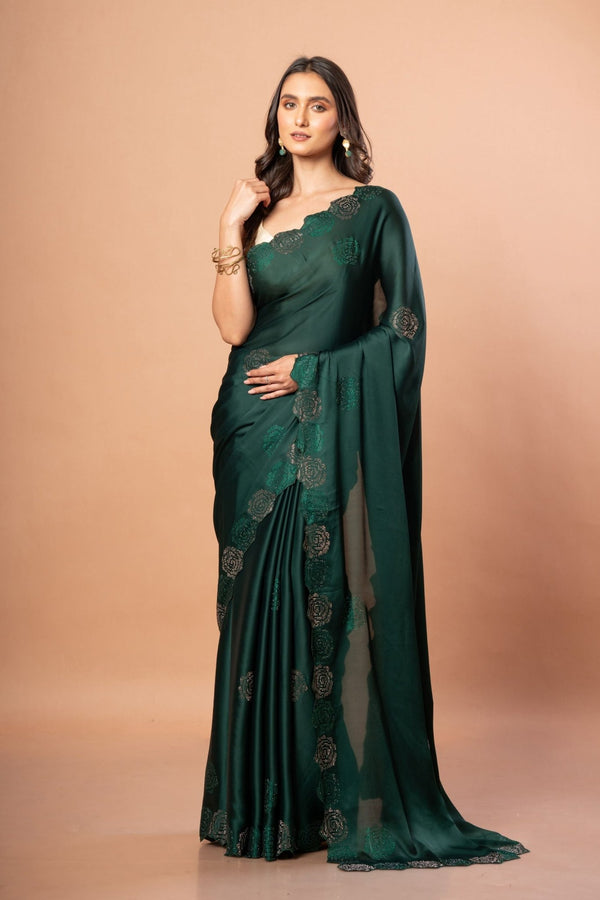




If you've ever bought a new saree, you've probably been asked whether you'd like to get a fall stitched before wearing it. While it has long been considered a standard part of saree preparation, many women today wonder if it is still necessary. With lightweight fabrics, designer drapes, and ready-to-wear styles becoming increasingly popular, the answer is no longer the same for every saree. Whether you can wear a saree without a fall depends on the fabric, the weight of the saree, the occasion, and how often you plan to wear it. In this guide, we'll explain what a saree fall does, when you can skip it, and which types of sarees benefit most from having one stitched.
What Is Saree Fall And Why Is Saree Fall Necessary?
A saree fall is a strip of cotton or blended fabric stitched along the inner edge of the lower border of a saree. It is usually attached to the part that touches the floor while walking. Although it remains hidden when the saree is draped, it plays an important role in maintaining the garment's condition. The main purpose of a saree fall is to protect the lower border from dust, friction, and everyday wear. Since the hem constantly brushes against the ground, it is more likely to get dirty or damaged over time. A fall acts as a protective layer, reducing direct contact between the saree fabric and the floor. It also adds a little weight to the hem, helping the saree drape more neatly and allowing the pleats to fall in a cleaner, more structured way. This is why traditional sarees, especially those made from premium fabrics, have long been stitched with a fall before being worn.
Can You Wear Saree Without Fall?
Yes, you can wear a saree without a fall in many situations. Not every saree requires one, especially if it is made from a lightweight fabric or designed for easy draping. Many modern sarees are comfortable to wear without any additional stitching and still offer a graceful look.
However, there are times when stitching a fall is the better option. Heavier sarees, handwoven fabrics, and sarees with expensive borders benefit from the extra protection and improved drape that a fall provides. If you're wearing a saree for a wedding, festive celebration, or another occasion where you'll be wearing it for several hours, a fall can also help the saree stay in place more comfortably. Rather than following one rule for every saree, it is best to decide based on the fabric, weight, and purpose of the saree.
Which Sarees Can Be Worn Without a Fall?
Not every saree needs a fall stitched before it is worn. Many lightweight and modern fabrics naturally drape well without extra support. These sarees are often designed to be soft, flowy, and easy to manage, making a fall optional rather than necessary. If the saree is worn occasionally and does not have a heavy woven border, you can comfortably wear it without one. Here are some common saree fabrics that can often be worn without a fall.
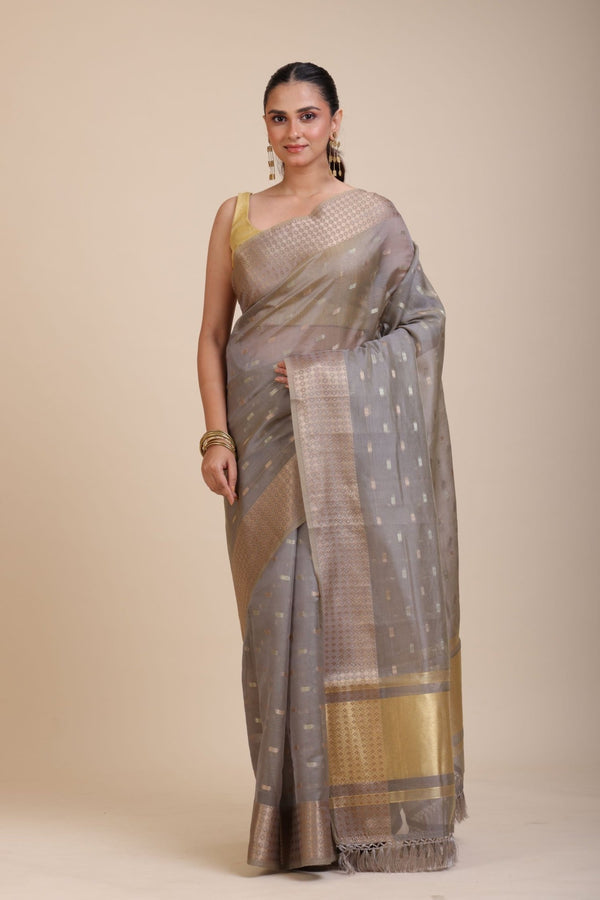
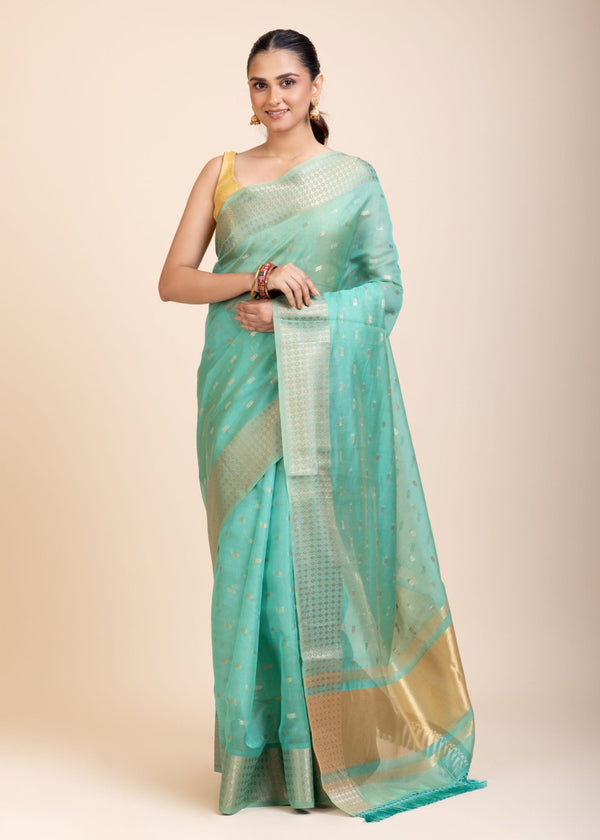
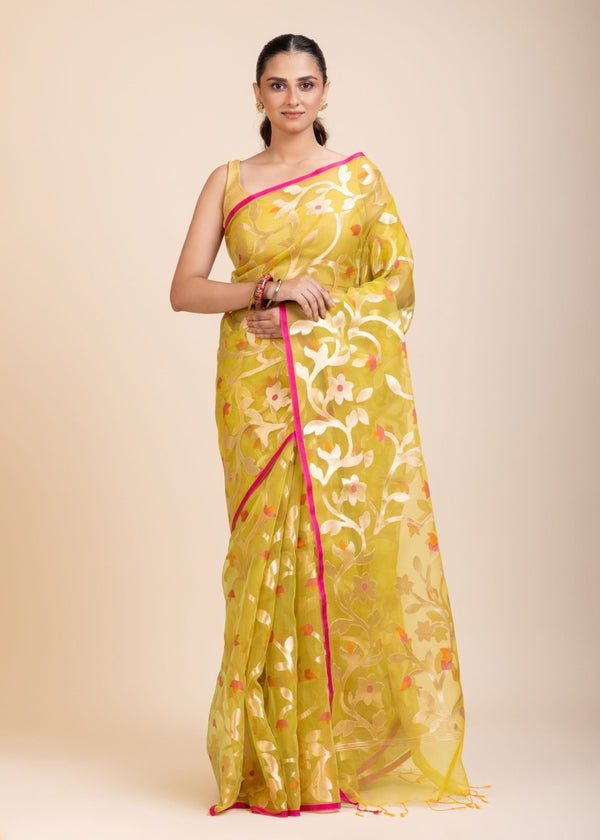
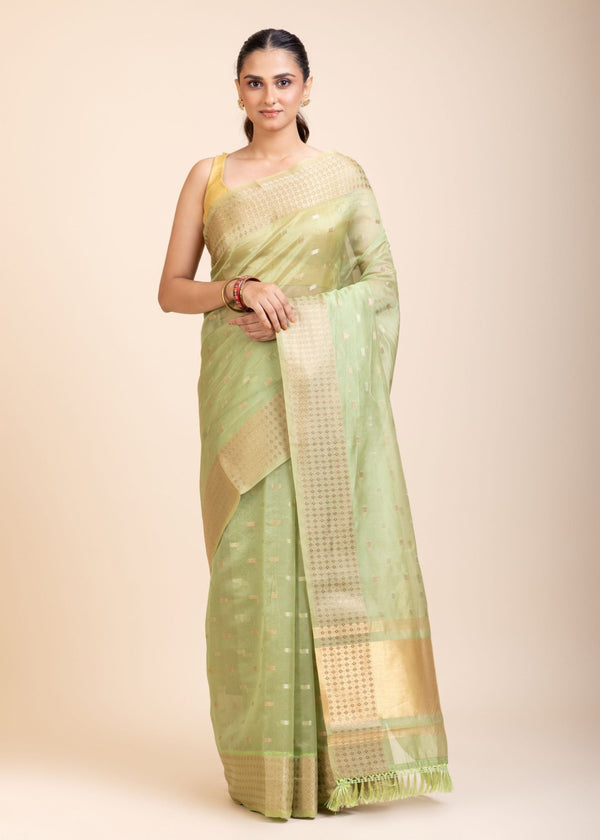
Can You Wear an Organza Saree Without a Fall?
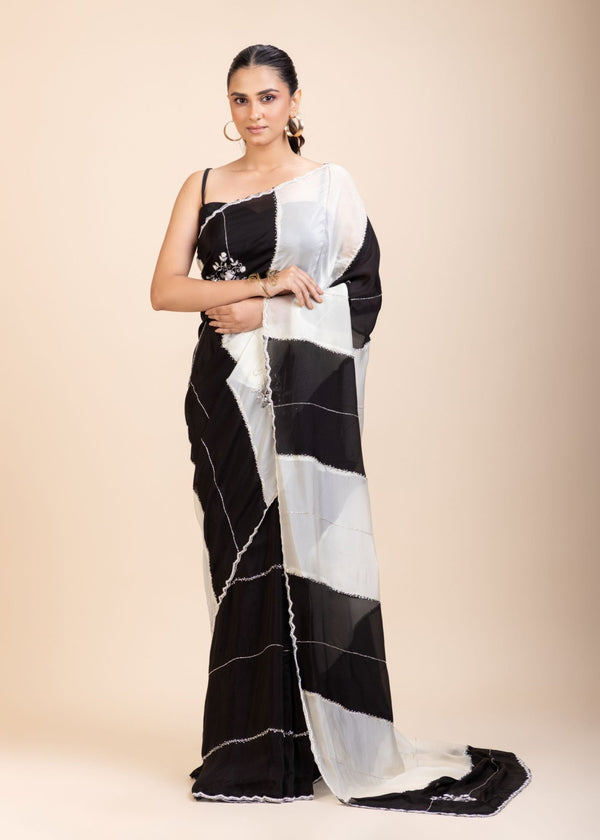
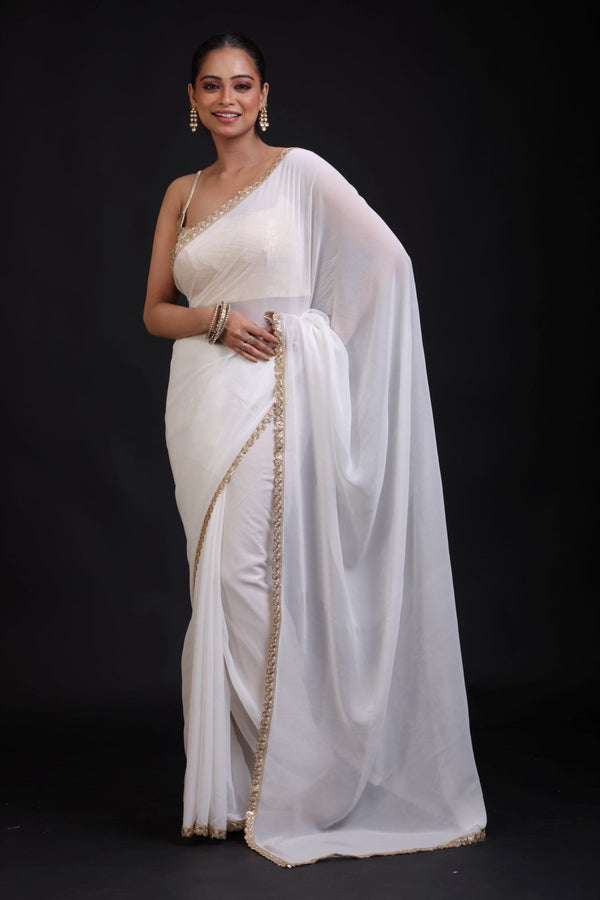
Yes, an organza saree can usually be worn without a fall. Organza is a crisp yet lightweight fabric that naturally holds its shape, allowing the pleats to look neat even without additional weight at the hem. Many designer organza silk sarees are created to showcase their airy texture, and adding a thick fall may slightly change the way they drape. However, if the saree has detailed embroidery, heavy borders, or is intended for regular use, stitching a lightweight fall can help protect the lower edge without affecting its elegant appearance.
Is a Chiffon Saree Comfortable Without a Saree Fall?
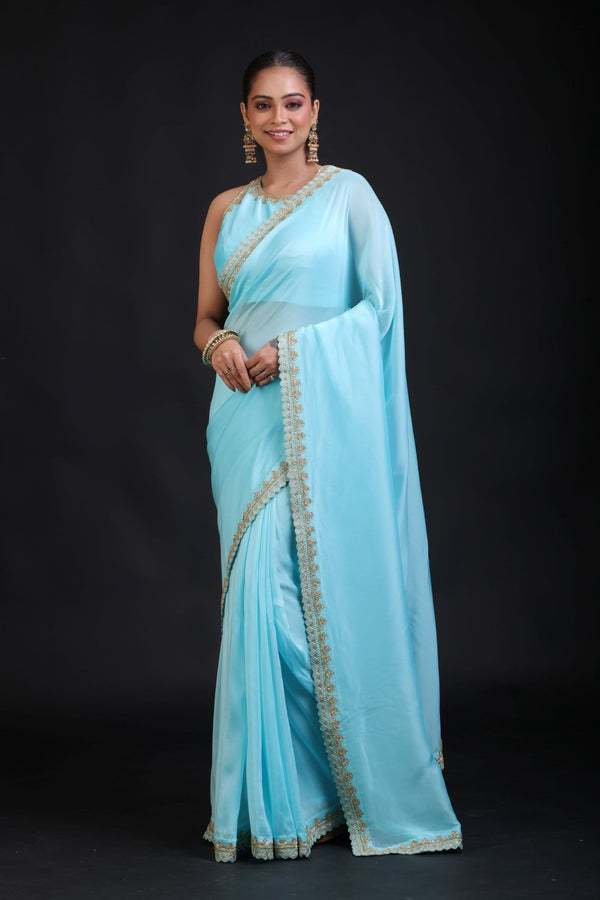
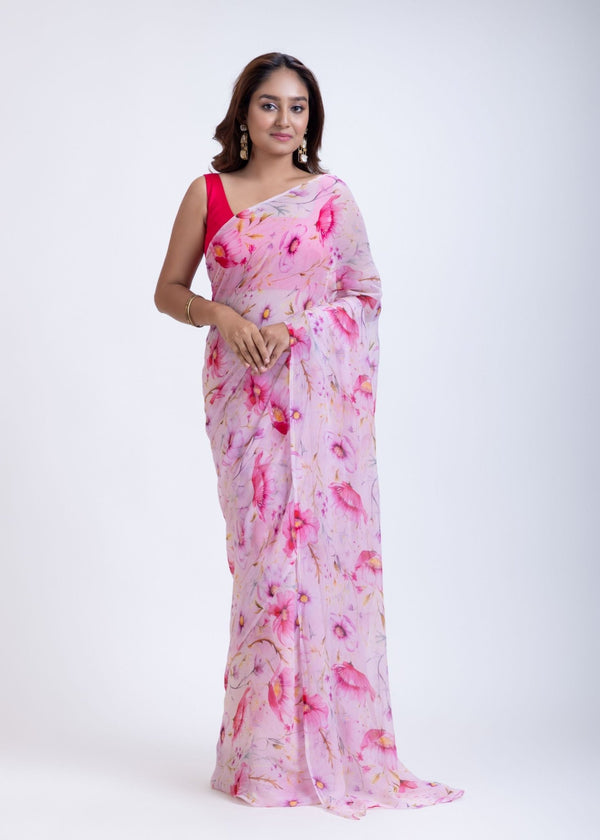
A chiffon saree is one of the easiest sarees to wear without a fall. Its soft, flowing texture allows it to drape naturally around the body, making it a popular choice for casual outings, office wear, and parties. Since plain chiffon sarees are lightweight, many women prefer wearing it without the extra layer of fabric at the bottom. That said, if the saree features a decorative border or you wear it frequently, adding a thin fall can help improve durability while keeping the graceful flow of the fabric intact.
Do Georgette Sarees Need a Fall for Better Draping?
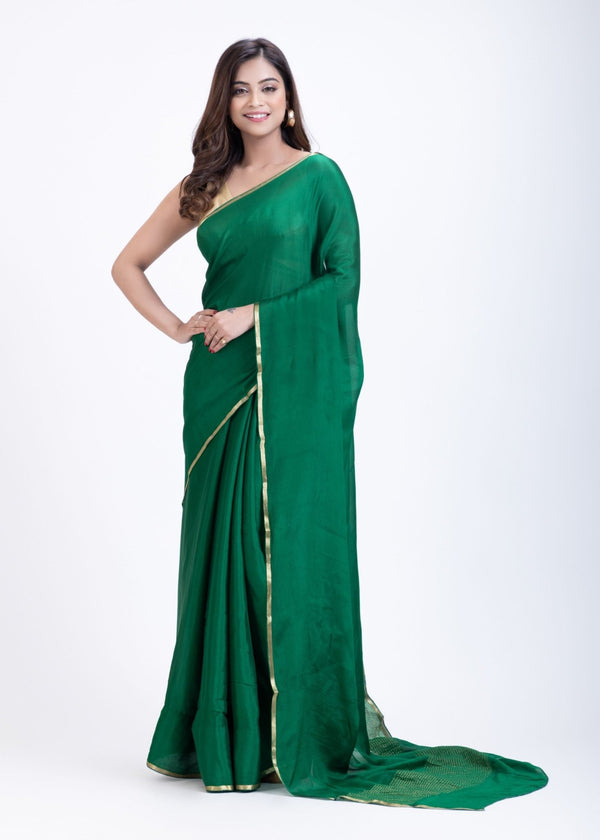
Khaddi georgette sarees can often be worn without a fall, particularly if they are lightweight and used for occasional wear. The fabric has a slightly textured surface that helps it stay in place, making it comfortable to drape on its own. However, sarees made from heavier georgette or those with embellished borders may drape better with a fall stitched along the hem. The additional support helps create sharper pleats and protects the border from daily wear, especially during long events.
Should You Stitch a Fall on a Tissue Saree?
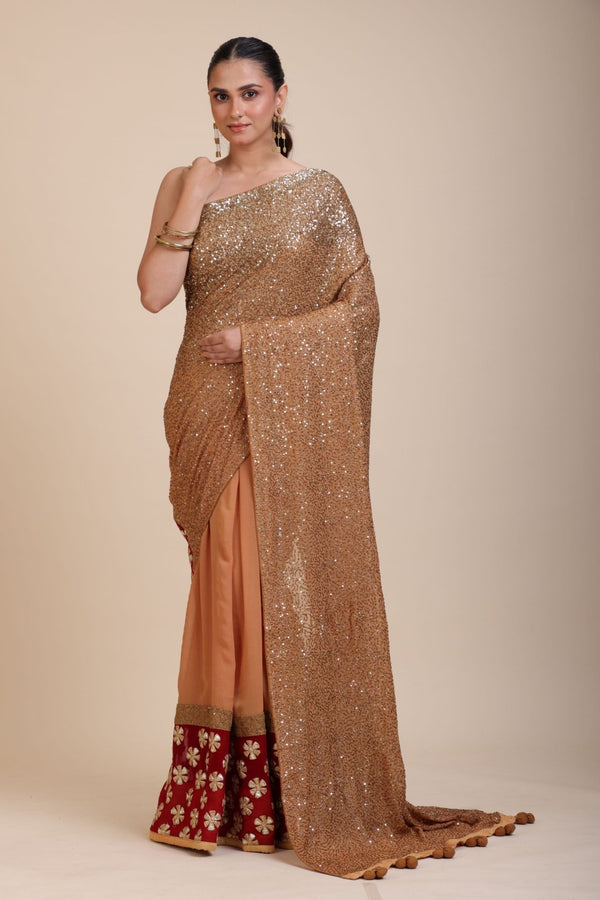
A tissue saree does not always require a fall, but the decision depends on its design and purpose. Lightweight tissue sarees generally retain their elegant sheen and structure without one. Since the fabric is delicate, some women prefer to leave it untouched to preserve its original finish. If the saree has intricate borders or is reserved for repeated festive wear, a carefully matched lightweight fall can provide extra protection while maintaining its refined appearance.
Do Ready-to-Wear Sarees Require a Saree Fall?
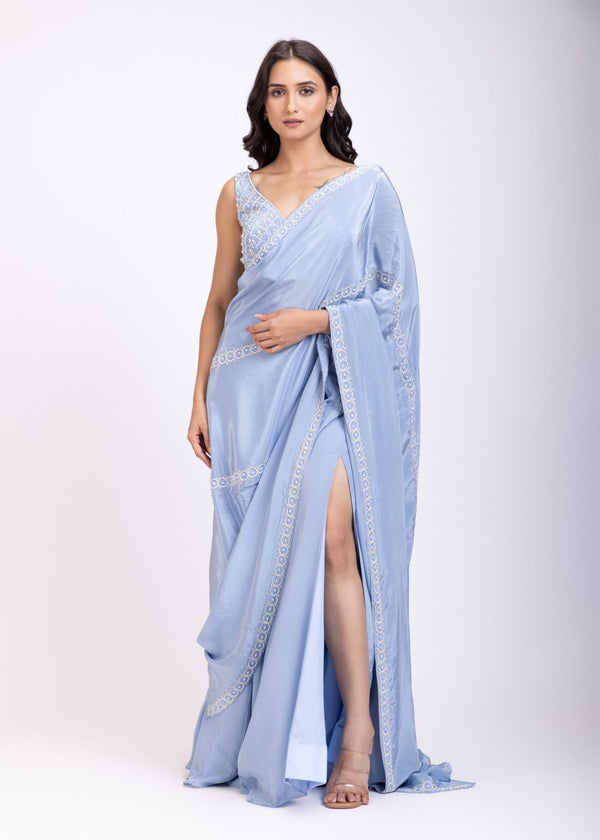
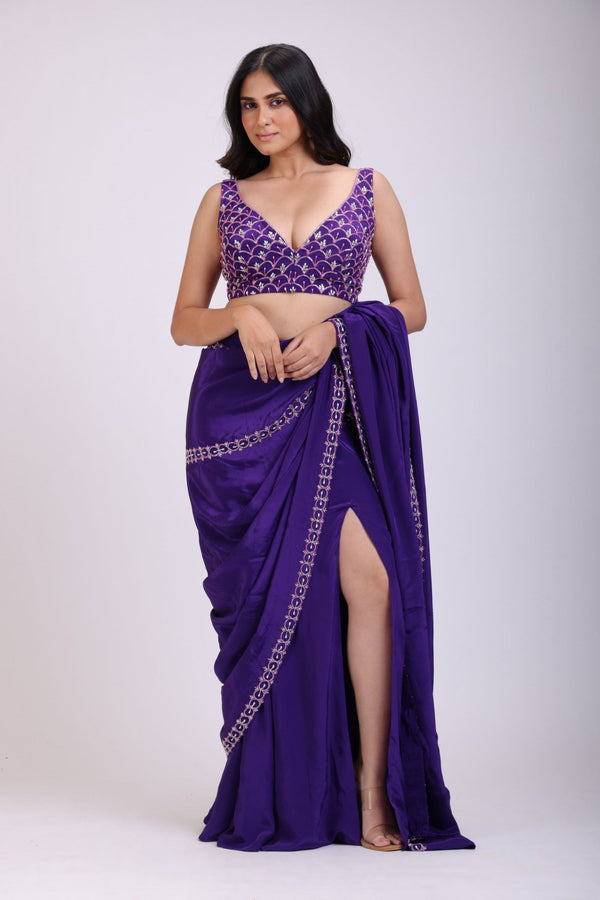
Most ready-to-wear sarees do not require a traditional fall because they are designed for convenience and easy draping. These sarees are pre-stitched to create well-shaped pleats and a balanced silhouette, reducing the need for additional support at the hem. Many are made from lightweight fabrics that already drape smoothly without extra weight. Unless the saree has a heavy border or the manufacturer specifically recommends adding a fall, you can usually wear a ready-to-wear saree exactly as it is.
Which Sarees Should Always Have a Fall Stitched?
While many lightweight sarees can be worn without a fall, some fabrics should always have one stitched before use. Silk sarees, cotton sarees, Banarasi sarees, Kanjivaram sarees, linen sarees, and handloom sarees benefit the most from a fall because they are generally heavier and are often worn for special occasions. These sarees also tend to have woven borders that can become worn or frayed if they repeatedly rub against the floor. A properly stitched fall protects the lower edge from dust and friction while adding just enough weight to help the saree drape beautifully. It also allows the pleats to stay structured, making the saree look neater and feel more comfortable throughout the day.
What Happens If You Don't Stitch a Fall?
Choosing not to stitch a fall on a saree that requires one can affect both its appearance and longevity. The lower edge is exposed directly to the ground, causing it to collect dirt more quickly and wear out faster over time. On sarees with zari or woven borders, continuous friction may lead to loose threads, fading, or damage that is difficult to repair. Without the slight weight of a fall, pleats may not remain as crisp, especially in heavier fabrics, and the saree can shift more while walking. Although skipping a fall may not be a problem for lightweight designer sarees, it is generally not recommended for silk, cotton, or handloom sarees that are intended for repeated use or long hours of wear.
When to Stitch Saree Fall and When to Skip It?
The decision to stitch a saree fall depends on where you plan to wear the saree and the type of fabric you choose. For weddings, festive celebrations, family functions, and traditional ceremonies, stitching a fall is usually a good idea, particularly for silk, Banarasi, Kanjivaram, cotton, and handloom sarees. It improves the drape while protecting the border from damage during extended wear. For office wear, daily wear, party sarees made from lightweight fabrics, designer organza, chiffon, georgette, tissue, and most ready-to-wear sarees, you can often skip the fall if the saree already drapes well. If you decide to stitch one, choose a lightweight cotton fall that closely matches the saree's colour so it remains invisible from the outside. Professional stitching is always worth considering for expensive or heirloom sarees, as it ensures the fall is attached neatly without affecting the fabric's finish.