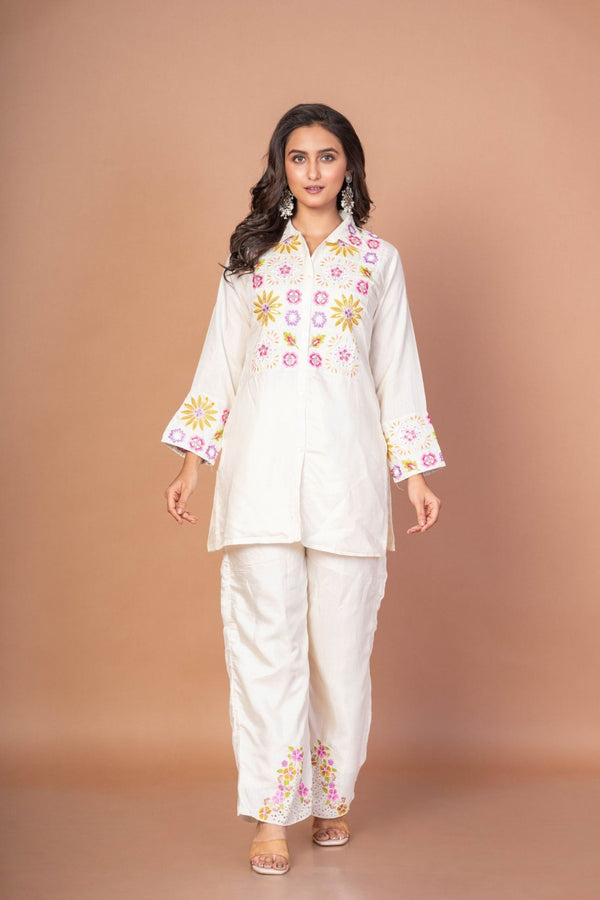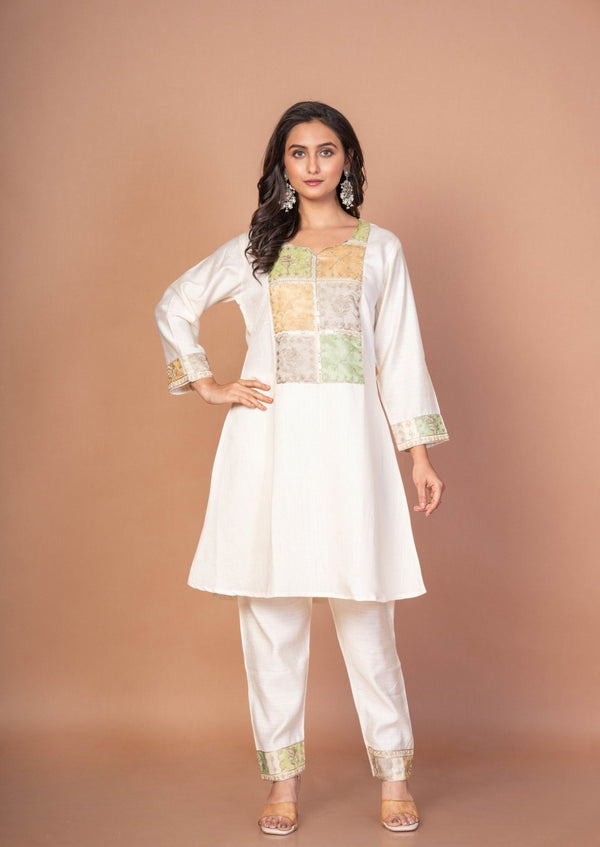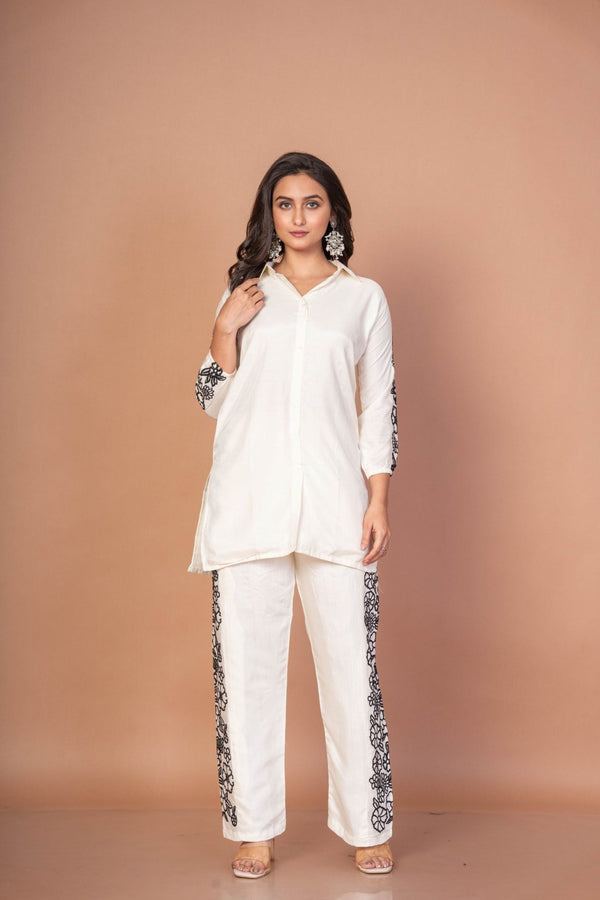




You have fallen for a soft ivory lehenga, but someone at home insists that a "proper" bride wears red. Before you choose between your heart and tradition, it helps to know where the white wedding dress actually came from, and what it means today.
If you are searching "why do brides wear white", you probably want more than a trivia answer. You want to know whether the purity story is true, whether an Indian bride can wear white without upsetting anyone, and which shade will suit you. This guide answers all five of those questions using museum archives, royal history and the choices of real Bollywood brides.
In this guide:
-
The real history of the white wedding dress
-
Whether white really means purity
-
Bollywood brides who chose white and ivory
-
Bridal colour trends for 2026
-
White vs ivory vs off-white, and how to pick yours
1. Why do brides wear white? The real history
Brides wear white mainly because of one wedding: Queen Victoria's marriage to Prince Albert on 10 February 1840. Before that, most brides in Europe simply wore their best dress, often in red, blue or other rich colours, and wore it again for later occasions.
Victoria was not the first bride to wear white. According to the Victoria and Albert Museum, earlier royal brides used white elements, but Victoria is the first in British history known to have dressed entirely in it. British royal brides before her usually married in heavy gold or silver cloth.
So why did she break the pattern? Her biographer Julia Baird notes that Victoria chose white largely because it showed off the handmade Honiton lace on her gown. Newspapers and illustrated magazines spread images of the dress, and fashionable brides copied it. By 1849, the American magazine Godey's Lady's Book was declaring white the most fitting colour for a bride.
Even then, white remained a luxury. It took roughly another century, helped by cheaper fabric and Hollywood weddings, before the white gown became the default for most Western brides.
Practical takeaway: The white wedding dress is a fashion trend that is less than 200 years old, not an ancient rule. You are free to follow it, adapt it or skip it.

2. Does a white wedding dress mean purity? Myth vs fact
No, not originally. White first signalled wealth, and the purity meaning was attached later.
Before modern bleaching and washing machines, pure white fabric was expensive to produce and almost impossible to keep clean. Only a family with money could afford a dress that might be ruined after one wear. A white gown quietly told guests that the bride came from means.
The purity reading grew during the Victorian era itself. Some writers of the time described the Queen as dressed in spotless white, like an innocent bride, and that image stuck. Over the next century, churches and etiquette books reinforced the link between white, innocence and new beginnings.
Meaning also changes with geography. In many Asian traditions, including parts of India and China, white has long been associated with mourning and widowhood, while red signals joy, fertility and good fortune. That is why a grandparent may react strongly to an all-white bridal look, even if your friends love it.
|
Common belief |
What the history shows |
|
Brides have always worn white |
Widespread only since the mid-1800s, and common for ordinary brides only in the 1900s |
|
White was chosen to show purity |
It first showed wealth; Victoria chose it to display her lace |
|
White means the same everywhere |
In many Asian cultures, white is linked to mourning |
Practical takeaway: Decide what white means to you before you shop. If elders worry about mourning symbolism, ivory, gold accents or a red dupatta can respect both meanings.

3. Can Indian brides wear white? Bollywood says yes
Yes. Over the past few years, several high-profile Bollywood brides have married in white or ivory, and each found a way to keep the look festive rather than plain.
|
Bride |
Wedding look |
Why it works |
|
Alia Bhatt (2022) |
Ivory saree with subtle gold embroidery and a matching veil |
Minimal and personal, with gold keeping it celebratory |
|
Parineeti Chopra (2023) |
Manish Malhotra lehenga in soft ivory-gold tones; Raghav Chadha matched in a white sherwani |
Coordinated couple styling makes white feel intentional |
|
Richa Chadha (2022) |
Ivory gharara covered in intricate embroidery |
Heavy craft adds richness without colour |
|
Natasha Dalal (2021) |
Sequinned ivory lehenga |
Shimmer brings glamour to a pale palette |
|
Alanna Panday (2023) |
White lehenga with a netted white dupatta and diamond jewellery |
A modern, almost Western take on Indian bridal wear |
|
Rakul Preet Singh (2024) |
Tarun Tahiliani outfit mixing ivory with baby pink |
Blends white with a soft colour for balance |
Not every star who skipped red chose white. Anushka Sharma's blush-pink Sabyasachi lehenga in 2017 is widely credited with starting the pastel bridal wave, and Kiara Advani and Athiya Shetty followed with pink of their own. Deepika Padukone took a split approach, wearing a red saree for her Konkani ceremony and pastel pink for her Sindhi ceremony.
The lesson for real brides is that you do not have to choose one tradition. You can wear ivory for the main ceremony and red for another function, or the reverse.
Practical takeaway: Save two or three celebrity looks that match your style, whether minimal, glamorous or fusion, and share them with your designer as references rather than asking for a copy.

4. What bridal colours are trending in 2026?
In 2026, ivory and white sit alongside pastels and a revived bridal orange, while red remains the classic choice. Indian bridal retailers report a steady rise in searches for terms such as "white Indian bridal lehenga" and "ivory wedding saree".
Here is how the main colour families compare this season:
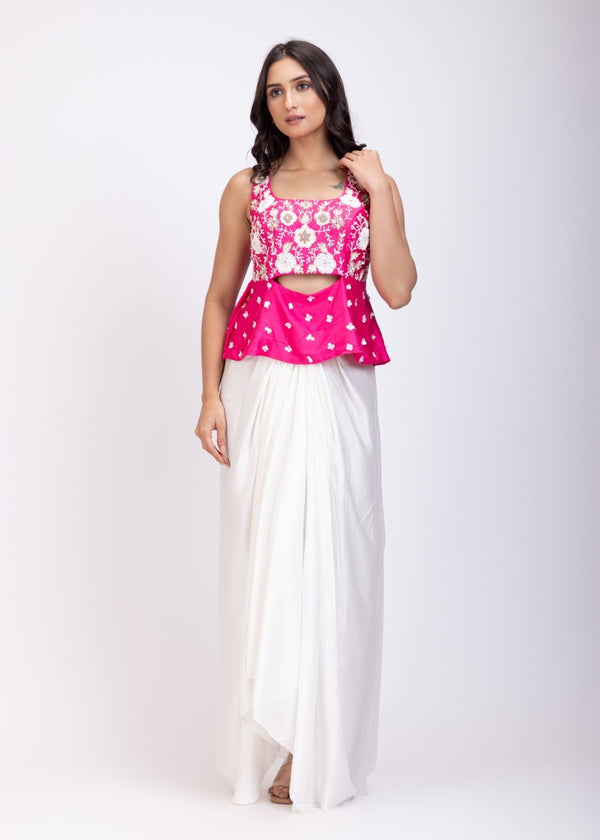
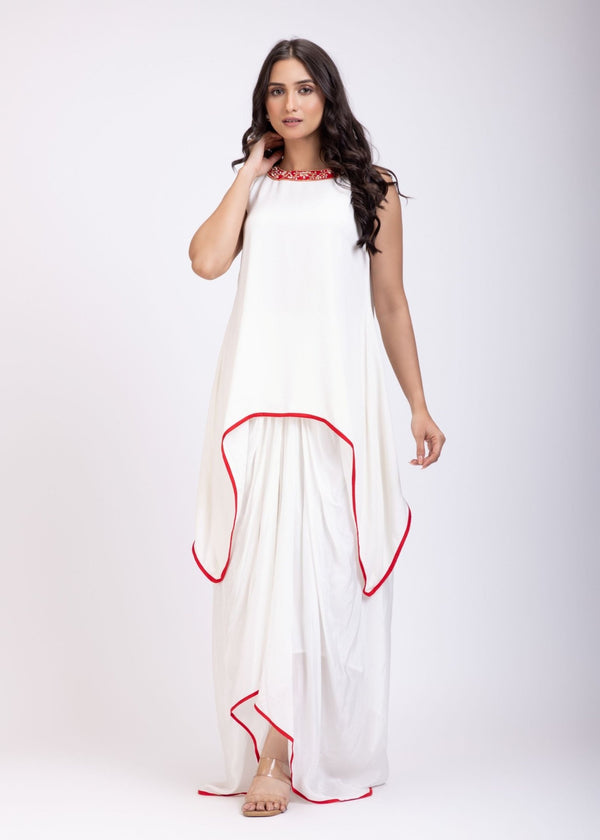
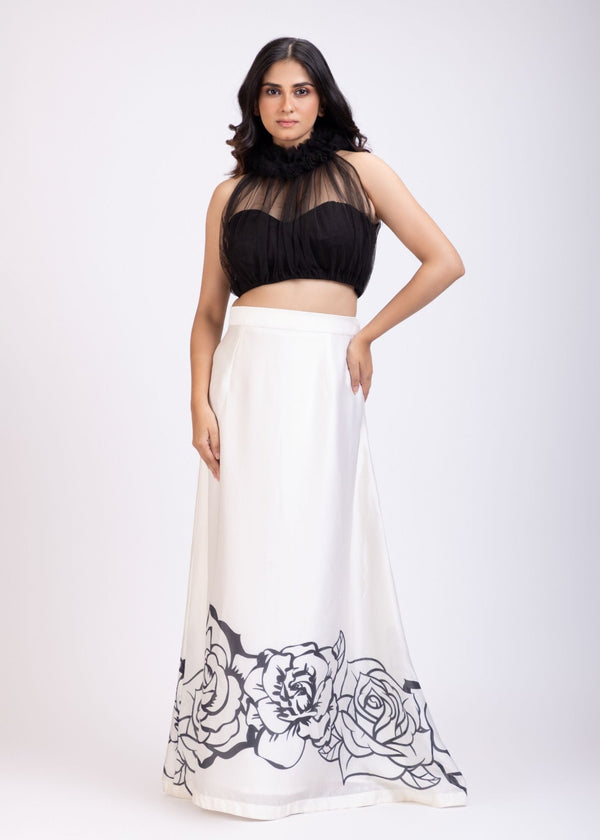
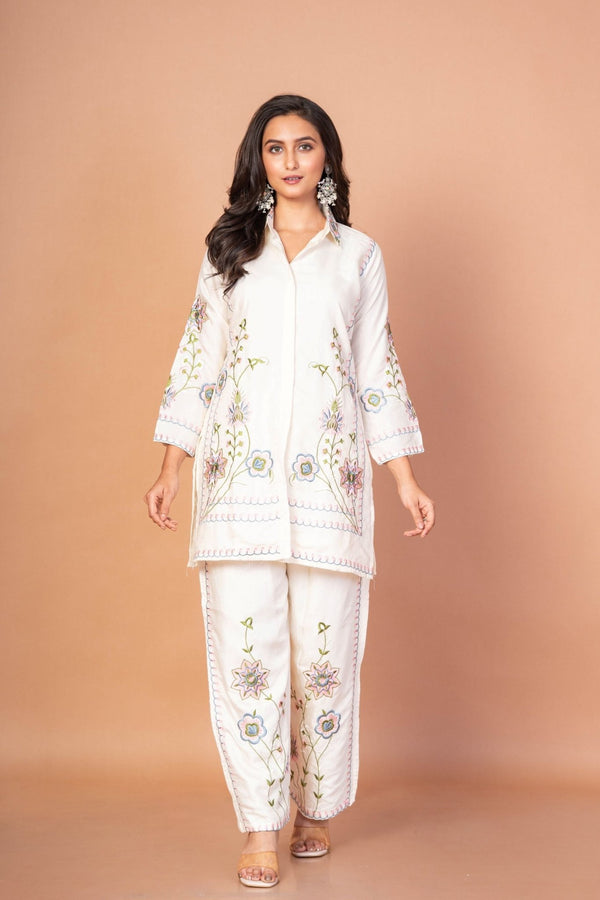
● Ivory, white and cream: Named by Aza Fashions as one of the biggest bridal trends of 2026. Designers are pairing them with gold zardozi, pearls and tonal embroidery so the outfit still reads as bridal.
● Pastels: Blush pink, powder blue, lavender, mint, champagne and soft peach continue to lead, especially for day weddings and destination events.
● Bridal orange: Burnt orange and saffron tones are returning as a nod to older Indian wedding palettes.
● Jewel tones: Emerald, sapphire, wine and deep magenta suit winter and evening ceremonies.
● Red and maroon: Still the most traditional choice, carrying deep cultural and religious meaning, and often refreshed with an ivory or peach dupatta.
The wider shift is towards longevity. Brides increasingly ask whether an outfit will still look elegant in photographs ten years from now, and whether it can be re-worn or passed down.
Practical takeaway: Treat trends as a starting point, not a rule. Choose the shade you will be happy to see in your wedding album in 20 years.

5. White vs ivory vs off-white: which should you choose?
For most Indian brides, ivory is the safest and most flattering choice. Pure white is bright with no undertone, while ivory carries a soft yellow warmth that suits Indian skin tones and avoids the mourning association some families have with stark white.
|
Shade |
What it looks like |
Best for |
|
Pure (optic) white |
Bright, cool, with no undertone |
Fair or cool-toned skin; Western-style receptions and church weddings |
|
Off-white / diamond white |
White with a faint grey or cream softness |
Most skin tones; photographs without glare |
|
Ivory |
Warm, with a light yellow undertone |
Wheatish and dusky skin; traditional ceremonies with gold jewellery |
|
Cream / champagne |
Deeper, golden or beige warmth |
Deeper skin tones; evening and winter weddings |
How to choose your shade
-
Test in daylight. Shop lighting is flattering; hold fabric swatches near a window to see the true shade.
-
Hold three swatches against your face. Compare white, ivory and champagne side by side. The one that brightens your skin, not the one that washes it out, is your shade.
-
Think about the venue light. Warm evening lighting deepens ivory and champagne, while bright daylight can make pure white look harsh in photos.
-
Add colour where elders notice it. A red or gold dupatta, a traditional chooda, or red sindoor keeps rituals intact while the outfit stays light.
-
Plan by function. Many brides now wear ivory for the reception, cocktail or a fusion ceremony, and keep red for the pheras.
Practical takeaway: Book a daylight trial with your shortlisted shades and your actual bridal jewellery before you place the final order.

The bottom line
Brides wear white because a young queen wanted to show off her lace in 1840, and the world copied her. The purity meaning came later, and in India white carries a different history altogether. Today, the right bridal colour is the one that reflects you, respects the people who matter to you, and still looks beautiful in your album decades from now.
Would you wear white or ivory on your wedding day, or is red non-negotiable for you? Tell us in the comments.
About the author
Pranati Sur is a fashion designer specialising in Indian bridal and occasion wear. Her work draws on traditional textiles, embroidery and colour, and she helps brides choose outfits that feel personal, timeless and true to their culture. In this article, she brings that design perspective to the history and modern choices behind the white wedding dress.