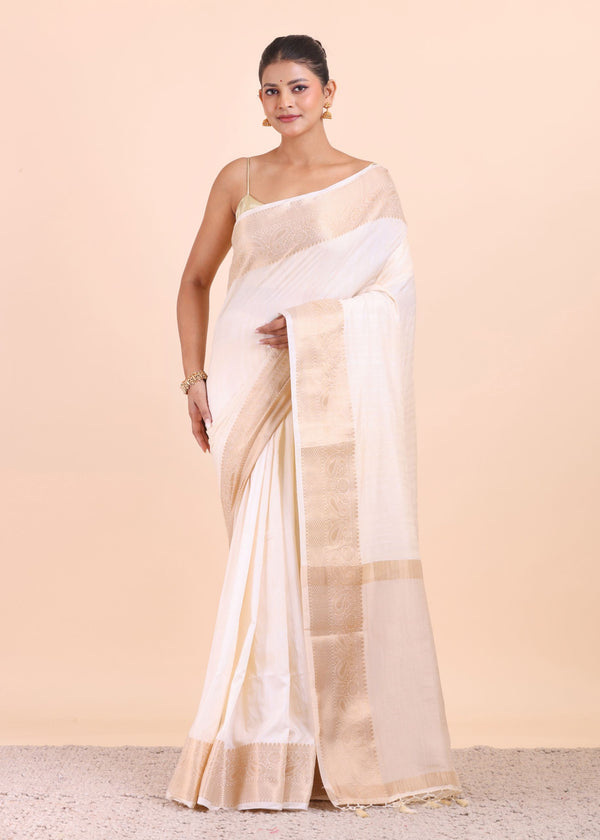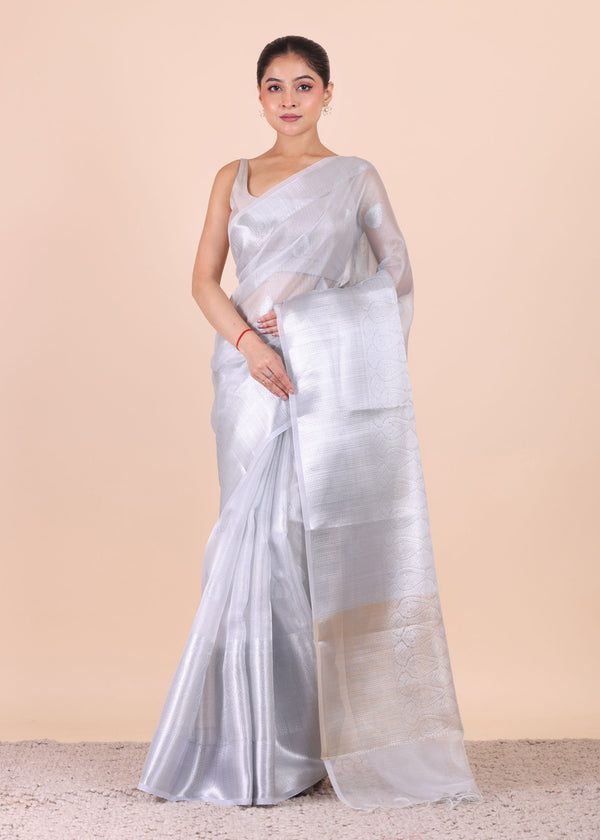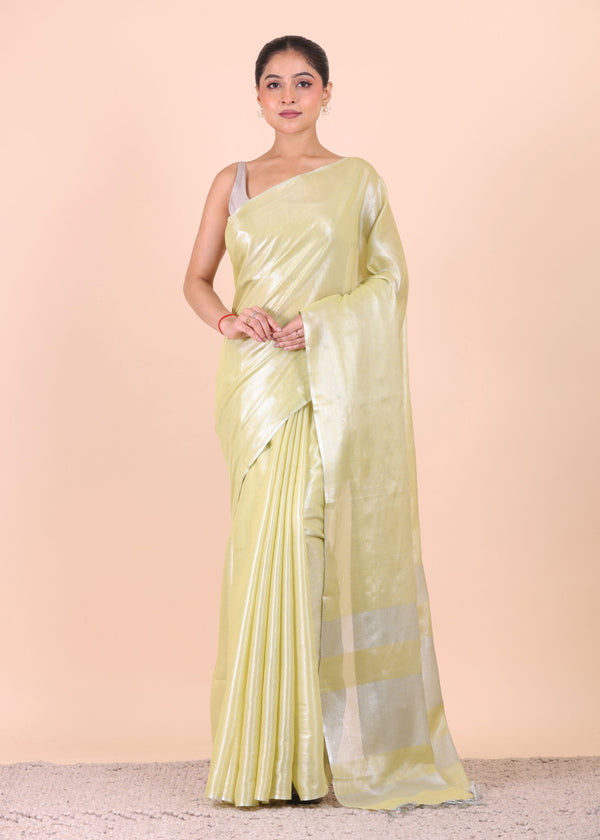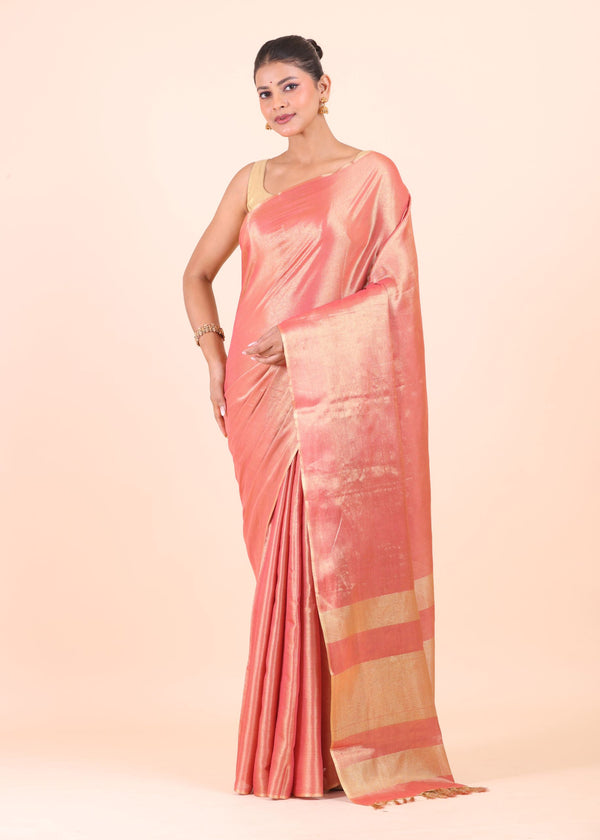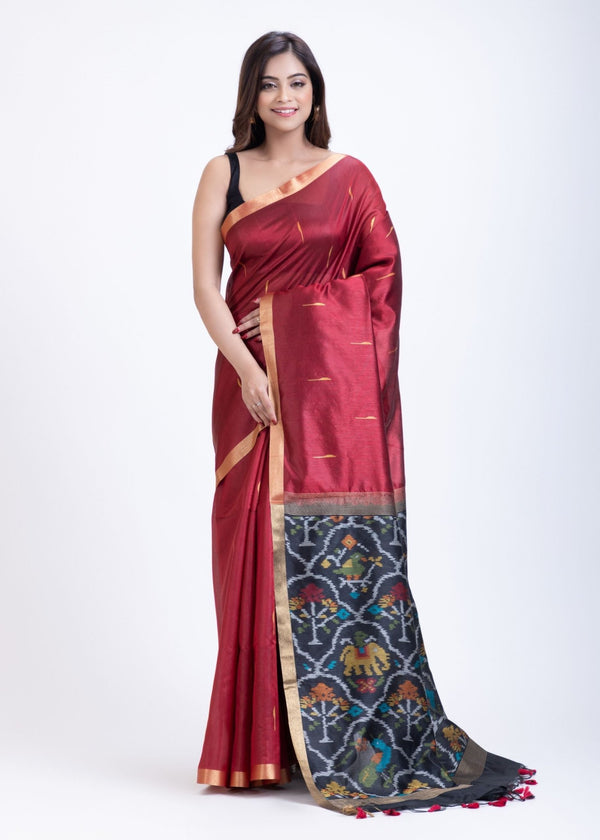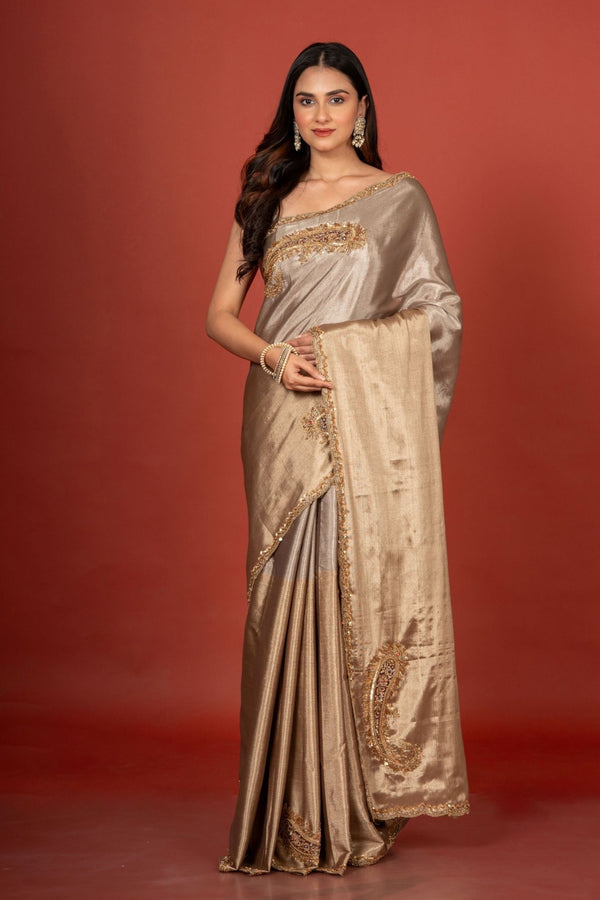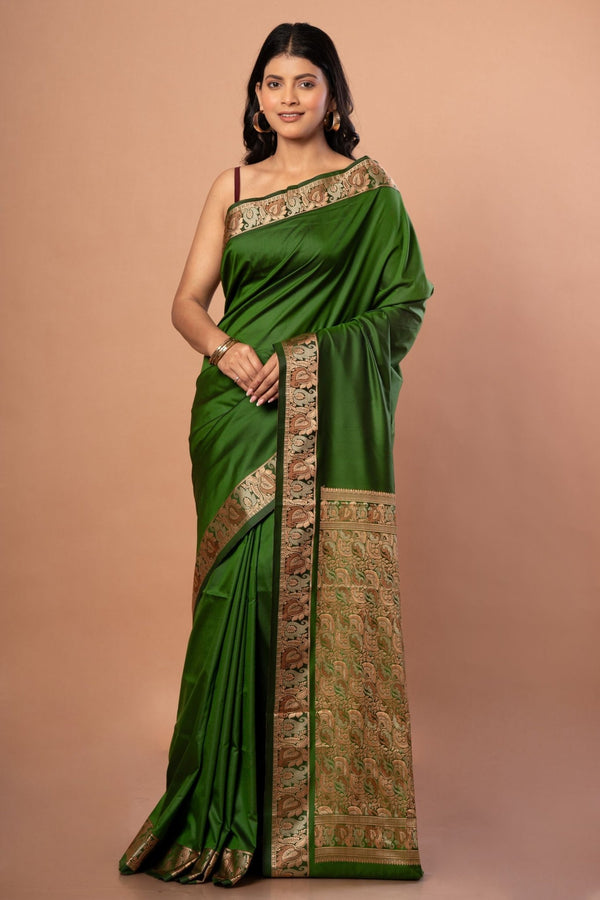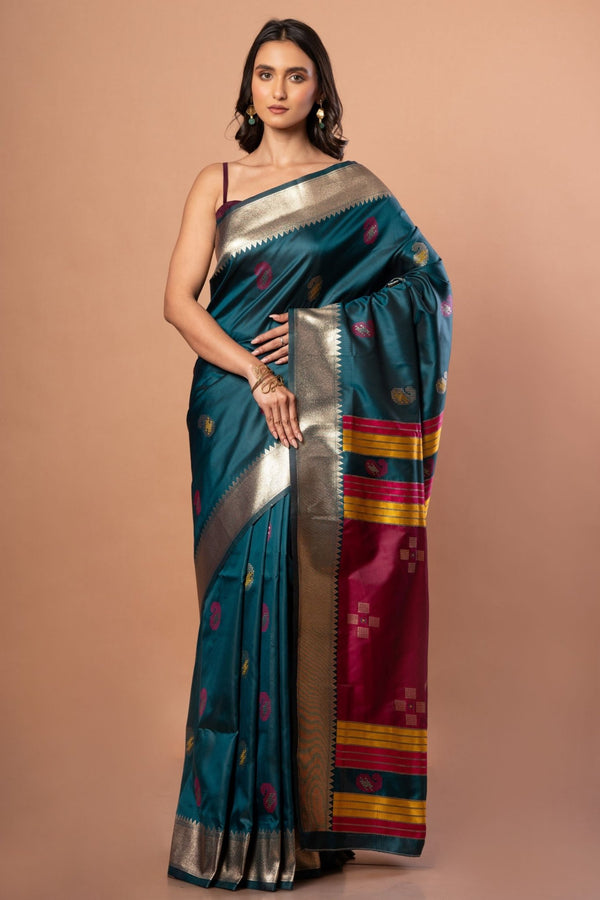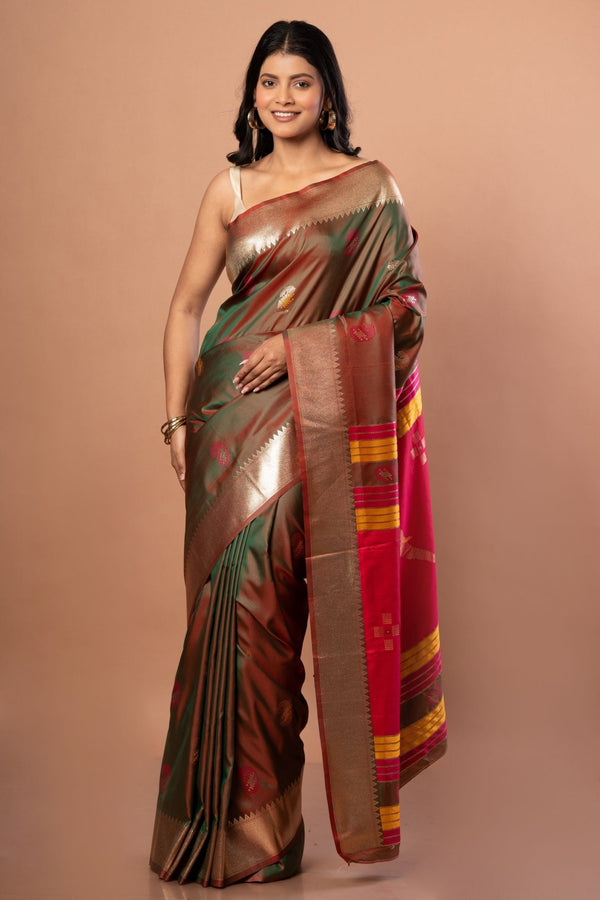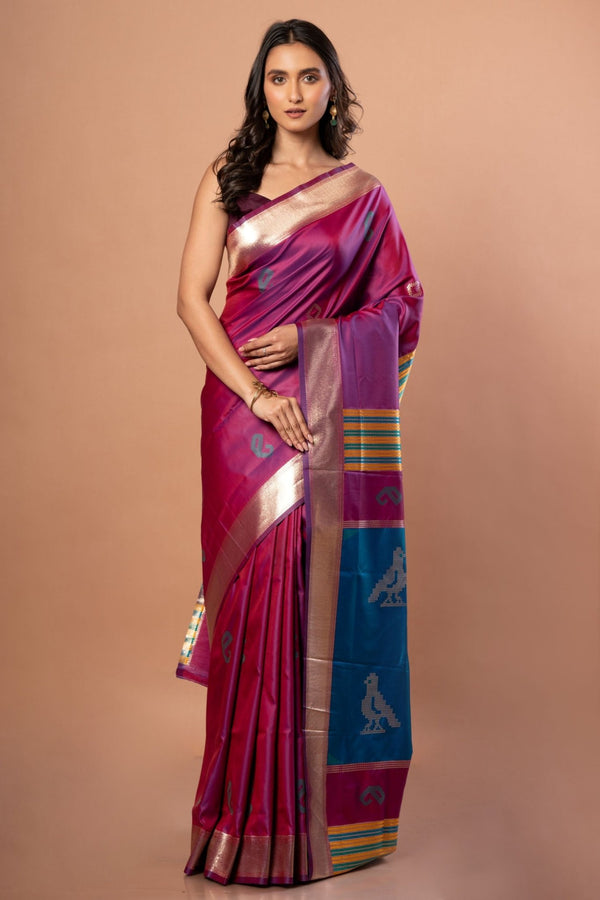




South Indian bridal fashion has a strong connection with silk sarees, traditional weaving techniques, zari work, statement jewellery and elaborate hairstyles. But the modern South Indian bride is not limited to one type of bridal outfit. Along with classic Kanjivaram sarees, brides are exploring Gadwal, Paithani and other rich silk sarees, while lehengas and contemporary draped silhouettes are also becoming part of the bridal wardrobe. Current bridal fashion coverage reflects this balance between heritage textiles and newer silhouettes. The right South Indian bridal look, therefore, is less about following one fixed formula and more about choosing the right combination of saree or lehenga, blouse, jewellery, hairstyle and draping style. A traditional silk can look completely different with a classic blouse and temple jewellery compared with a contemporary blouse and lighter accessories. Here are 15 South Indian bridal looks to consider, with practical styling ideas to help you decide which one suits your wedding style, ceremony and personal taste.
What Makes a South Indian Bridal Look?
Before choosing a particular bridal look, it helps to understand the elements that create the overall aesthetic.
The Saree or Lehenga
Traditional South Indian bridalwear is strongly associated with silk sarees. Kanjivaram is perhaps the most recognisable choice, but it is not the only option. Gadwal, Bangalore silk, Mysore silk, Paithani and other richly woven sarees can also create a traditional bridal appearance when styled correctly. The weave, border, pallu, zari and fall of the saree all influence how the final look appears. A heavier silk with a broad border creates a more traditional appearance, while a lighter silk can work well for a reception or pre-wedding function. Lehengas offer another option for brides who want the richness of traditional Indian textiles with a more structured silhouette.
The Blouse
The blouse can make a major difference to the final bridal look. A traditional silk saree can be paired with a classic short-sleeved blouse, elbow-length sleeves or a more contemporary blouse with a different neckline. For bridalwear, fit is especially important. The blouse should allow comfortable movement while supporting the saree properly. If you prefer a customised neckline, sleeve length or back design, custom stitching can also help create a more personal bridal look.
Jewellery
South Indian bridal jewellery is usually rich and layered. Depending on the regional style, a bride may wear temple jewellery, long harams, chokers, jhumkas, bangles, vanki and a traditional waist belt. You do not necessarily need every jewellery piece. The important thing is to create balance between the saree and jewellery.
Hair and Flowers
A long braid decorated with jasmine is one of the most recognisable elements of a traditional South Indian bridal look. Jadai accessories can add another layer of detail. For a more contemporary bridal look, a low bun, braided hairstyle or simpler floral arrangement can work well.
Makeup
South Indian bridal makeup generally works best when it complements rather than competes with the saree and jewellery. Defined eyes, a well-finished base, shaped brows, bindi and a bridal lip colour can create a traditional finish.
15 South Indian Bridal Looks to Consider
1. Classic Kanjivaram Silk Bridal Look
A classic Kanjivaram silk saree is one of the easiest ways to create a traditional South Indian bridal look. Its structured silk, distinctive borders and zari detailing give the outfit enough visual richness without requiring excessive styling. For the blouse, choose a traditional silk blouse that works with the saree border. A fitted blouse with elbow-length sleeves can create a timeless appearance. Complete the look with layered temple jewellery, jhumkas, bangles and a traditional waist belt. A long braid decorated with jasmine flowers works particularly well with this look.
Best for: Main wedding ceremony or muhurtham.
Choose this look if: You want a traditional bridal appearance that will continue to look classic in wedding photographs. Kanjivaram remains a central part of South Indian bridalwear, while contemporary styling is increasingly being used to give the traditional weave a more personal finish.

2. Gadwal Silk Bridal Look
Gadwal silk offers a different way to create a traditional South Indian bridal outfit without repeating the Kanjivaram look. Known for its distinctive weaving tradition, Gadwal can create a rich bridal appearance through its silk body, zari details and contrasting borders. Anvi's inventory includes Gadwal silk sarees, making this a practical option for brides looking beyond the more familiar Kanjivaram. For styling, pair the saree with a well-fitted silk blouse and traditional gold jewellery. A layered necklace, jhumkas, bangles and vaddanam can give the look a strong bridal finish.
Best for: Wedding ceremony, traditional wedding functions or reception.
Choose this look if: You want a heritage silk bridal look but prefer something different from the usual Kanjivaram.

3. Paithani Silk Bridal Look
Paithani silk saree can bring a distinct heritage character to a South Indian-inspired bridal wardrobe. It is important, however, to recognise that Paithani is a traditional Maharashtrian textile rather than a South Indian weave. Its inclusion works best for a bride who wants a pan-Indian bridal look while retaining the rich silk-and-zari aesthetic. Paithani is known for its distinctive motifs and specialised weaving traditions. Choose a blouse that allows the saree's pallu and motifs to remain visible. Traditional gold jewellery can complement the silk, while a braid with flowers keeps the overall styling rooted in Indian bridalwear.
Best for: Wedding ceremony, reception or an inter-regional wedding.
Choose this look if: You want to combine South Indian bridal styling with another Indian handloom tradition.

4. Bangalore Silk Bridal Look
A Bangalore silk saree can be a good option for a bride who wants a softer and comparatively lighter silk appearance. Instead of overwhelming the look with too many accessories, focus on a well-fitted blouse and carefully selected jewellery. A traditional necklace, jhumkas and bangles can provide enough bridal detail. For the hairstyle, a traditional braid with jasmine works well for the wedding, while a low bun can make the same saree feel more contemporary for a reception.
Best for: Reception, engagement or a lighter wedding ceremony.
Choose this look if: You want the richness of silk but prefer a more fluid and wearable drape.

5. Mysore Silk Bridal Look
Mysore silk offers another option for brides who want a refined silk saree without relying on a heavily patterned bridal weave. The simpler surface of the saree allows the blouse and jewellery to become more important parts of the styling. A traditional blouse with detailed sleeves can add bridal character, while temple jewellery can provide the necessary richness. Keep the hairstyle traditional with a braid or bun and fresh flowers.
Best for: Reception, engagement or a secondary wedding function.
Choose this look if: You prefer a cleaner silk appearance and want to let jewellery and blouse details create the bridal effect.

6. Traditional Pattu Saree Bridal Look
The word pattu is widely used for traditional silk sarees in South Indian bridalwear. Pattu sarees can feature rich silk, zari borders, traditional motifs and a strong pallu, making them suitable for important wedding rituals. Current bridal guides continue to highlight different forms of pattu sarees as important choices for South Indian brides. The key to styling this look is balance. A richly woven saree can be paired with a classic blouse, traditional gold jewellery and a decorated braid.
Best for: Main wedding ceremony.
Choose this look if: You want a recognisably traditional South Indian bridal appearance.

7. Temple-Border Silk Saree Look
If you want a bridal look where the saree itself communicates tradition, choose a silk saree with a strong temple-inspired border or traditional woven motifs. The blouse does not need to be heavily embroidered. A clean silk blouse can allow the border and pallu to remain the focus. Temple jewellery, jhumkas, a traditional waist belt and a bridal braid complete the styling.
Best for: Traditional wedding ceremonies and temple weddings.
Choose this look if: You appreciate heritage motifs and want your outfit to have a strong traditional identity.

8. Heirloom-Style Silk Saree Look
An heirloom-style bridal look focuses on craftsmanship rather than a particular colour. Look for a silk saree with traditional motifs, a detailed border and a rich pallu. The styling should also remain classic: a traditional blouse, gold jewellery, flowers and a structured drape. This approach works particularly well for brides who want their wedding outfit to feel timeless rather than heavily trend-driven.
Best for: Main wedding ceremony.
Choose this look if: You want a bridal saree that has the visual character of a family heirloom and can potentially be preserved for future generations.

9. Contemporary Kanjivaram Bridal Look
You do not have to style a Kanjivaram in a completely traditional way. A contemporary Kanjivaram bridal look can use the same heritage silk but introduce a modern blouse. Consider a different neckline, statement sleeves, a structured back or a more contemporary blouse silhouette. You can also simplify the jewellery slightly and use a cleaner hairstyle. The idea is to modernise the styling without losing the identity of the saree. This is one of the easiest ways for a bride to combine tradition with her personal fashion sense. Contemporary Kanjivaram styling is increasingly discussed as a way of adapting the traditional saree for modern brides.
Best for: Reception or modern wedding ceremony.
Choose this look if: You love traditional silk but do not want a completely conventional bridal outfit.

10. Kanjivaram Lehenga-Style Bridal Look
A bride who loves Kanjivaram silk does not necessarily have to wear it as a conventional saree. A lehenga-inspired interpretation can use traditional silk aesthetics in a skirt-and-blouse silhouette, sometimes combined with a dupatta or draped element. Draped lehengas and sari-inspired silhouettes are also part of the broader 2026 bridalwear conversation. Keep the styling Indian and bridal with traditional jewellery, a statement blouse and a dupatta arranged in a saree-inspired way.
Best for: Reception, Sangeet or modern wedding ceremony.
Choose this look if: You love the visual richness of a South Indian silk but prefer the easier structure of a lehenga.

Source: Pinterest
11. Traditional Silk Lehenga Bridal Look
A traditional silk lehenga can create a South Indian-inspired bridal appearance while giving the bride more freedom of movement than a conventional saree. Choose a lehenga with rich textile detailing, a structured blouse and a dupatta with a strong border. Instead of very contemporary jewellery, use traditional gold pieces to connect the outfit to the South Indian aesthetic. A braid with flowers or a traditional bun can make the lehenga feel more bridal.
Best for: Reception or Sangeet.
Choose this look if: You want a lehenga silhouette but do not want to lose the traditional Indian character of the bridal outfit.

12. Embroidered Bridal Lehenga With Traditional Jewellery
A heavily embroidered bridal lehenga can also work with South Indian styling when the accessories and beauty look are chosen carefully. Instead of mixing several competing jewellery styles, choose one clear direction. Temple-inspired jewellery, traditional gold necklaces and jhumkas can help connect the lehenga to the rest of the bridal look. The blouse should fit securely because the lehenga silhouette exposes more of the upper body than a saree.
Best for: Reception or evening wedding celebration.
Choose this look if: You want a glamorous bridal outfit but still want recognisable Indian bridal details.

13. Jacket-Style Bridal Lehenga Look
A jacket-style lehenga offers a more structured alternative to the conventional blouse-and-dupatta combination. A long embroidered or embellished jacket can be worn over the lehenga, creating a layered silhouette. This works especially well for brides who want more coverage or prefer a fashion-forward bridal outfit. Keep the jewellery relatively controlled if the jacket is heavily detailed. A statement necklace and earrings may be enough.
Best for: Reception, Sangeet or cocktail-style wedding function.
Choose this look if: You want your South Indian-inspired bridal wardrobe to include a distinctly contemporary silhouette.

Source: Pinterest
14. Draped Lehenga With South Indian Jewellery
The draped lehenga is particularly useful for brides who like the appearance of a saree but want the convenience of a pre-structured outfit. The drape can create saree-like pleats while the lehenga provides the structure underneath. Add a traditional blouse, statement necklace, jhumkas and a waist belt to strengthen the bridal appearance. This is also a good opportunity to use a traditional hairstyle rather than a completely Western-inspired bridal look.
Best for: Reception or pre-wedding celebration.
Choose this look if: You want the visual movement of a saree but prefer a more structured outfit.

Source: Pinterest
15. Modern Heritage Bridal Look
The final look combines the strongest elements of traditional South Indian bridalwear with contemporary styling. Start with a heritage silk from Anvi's inventory—such as Kanjivaram, Gadwal, Paithani or another suitable silk—and keep the textile as the traditional element. Then modernise the look through the blouse, jewellery layering, hairstyle or drape. For example, a traditional silk can be paired with a more contemporary blouse while the jewellery remains classic. Alternatively, a traditional blouse can be combined with a simpler jewellery arrangement and modern hair styling.
Best for: Brides who want a traditional foundation with a contemporary finish.
Choose this look if: You want your wedding outfit to feel personal rather than completely conventional.

How to Choose Your Bridal Saree or Lehenga
Before finalising your outfit, consider these practical points.
1. Start With the Ceremony
The main wedding ceremony usually calls for a more traditional and substantial outfit. A reception or Sangeet gives you more freedom to experiment with a lehenga, modern blouse or contemporary styling.
2. Think About Comfort
Your wedding outfit may need to stay on for several hours. Consider the weight of the saree, blouse fitting, footwear and the amount of jewellery you plan to wear. A very heavy outfit may look impressive but can become uncomfortable during a long ceremony.
3. Look at the Border and Pallu
For silk sarees, the border and pallu have a major effect on the final appearance. A broad border can create a stronger traditional look, while a more restrained border can work well for contemporary styling.
4. Choose the Blouse Before the Final Fitting
Do not leave the blouse as an afterthought.
Decide whether you want:
- short or elbow-length sleeves
- a classic neckline
- a high neck
- a contemporary neckline
- a statement back
- embroidery
- a plain silk finish
The blouse should work with the saree rather than compete with it.
5. Match Jewellery to the Textile
Heavy zari and traditional silk generally work well with traditional gold or temple-inspired jewellery. If the outfit already has substantial embroidery, you may not need multiple extremely heavy jewellery pieces.
6. Consider the Hairstyle
Your hairstyle should work with the neckline, jewellery and veil or dupatta. A traditional braid is an obvious choice for a saree, while a bun or structured hairstyle can work well with a lehenga.
7. Think About Rewearability
A bridal outfit is a major investment. Consider whether you can wear the saree or lehenga again for a reception, anniversary, family wedding or another important occasion. A traditional silk with a versatile blouse can often be styled differently later.
Saree or Lehenga: Which Is Better for a South Indian Bride?
There is no single answer because both create different silhouettes.
| If you want... | Consider... |
| Strong traditional identity | Kanjivaram or Pattu silk saree |
| A different heritage silk | Gadwal, Paithani or Bangalore silk |
| A classic wedding drape | Traditional silk saree |
| Easier movement | Lehenga |
| A modern bridal silhouette | Draped or jacket-style lehenga |
| Traditional outfit with contemporary styling | Kanjivaram + modern blouse |
| A reception statement outfit | Bridal lehenga |
| An heirloom-style bridal outfit | Traditional silk saree |
| Traditional jewellery with a modern silhouette | Silk or embroidered lehenga |
The important thing is not to choose an outfit simply because it is currently popular. Think about the ceremony, comfort, personal style, jewellery, blouse and how you want to remember yourself in your wedding photographs.
How to Create a South Indian Bridal Look Without Overdoing It
A common mistake is assuming that every part of the outfit needs to be heavy. If the saree has a strong zari border, you can keep the blouse relatively clean. If the blouse has heavy embroidery, you can reduce the number of jewellery layers. If the jewellery is elaborate, a simpler hairstyle may create better balance. The same principle applies to lehengas. A heavily embroidered lehenga with a statement jacket and very heavy jewellery can become visually crowded. Choose one or two elements to lead the look and allow the others to support them.