



Mehndi is one of the few traditions that has managed to stay rooted in ritual while constantly reinventing its look. Every wedding season and every festival brings a fresh wave of patterns, and the artists behind these designs are quietly pushing the craft forward — mixing regional styles like Rajasthani, Arabic, and Indo-Western into something new almost every year.
This guide walks through why mehndi still matters, what's trending right now, and how to pick the right design for your hands, your event, and your personal style — along with practical answers to the questions people search for most: how to get the color darker, how mehndi is actually applied, and how long you should expect it to last.
Why Mehndi Is Important in Indian Weddings and Festivals
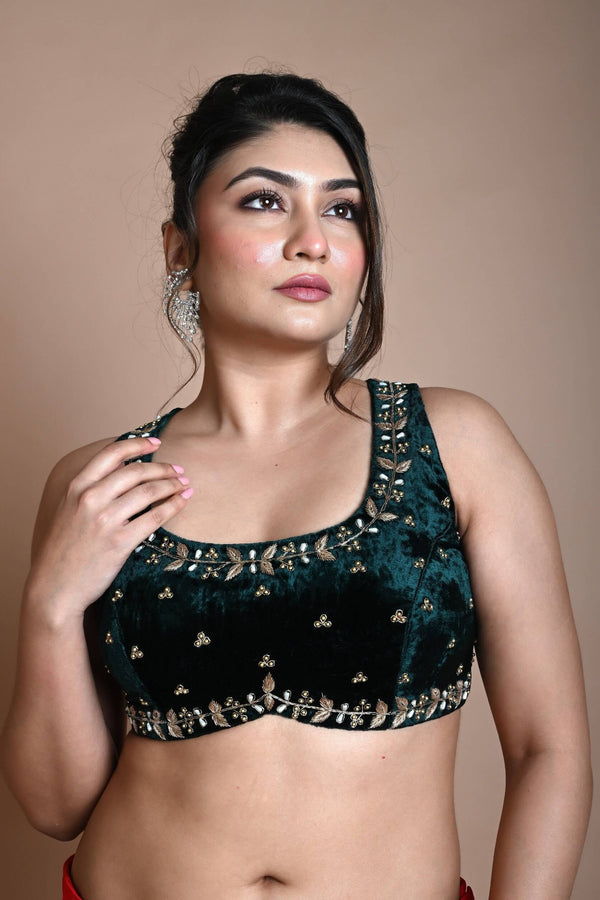
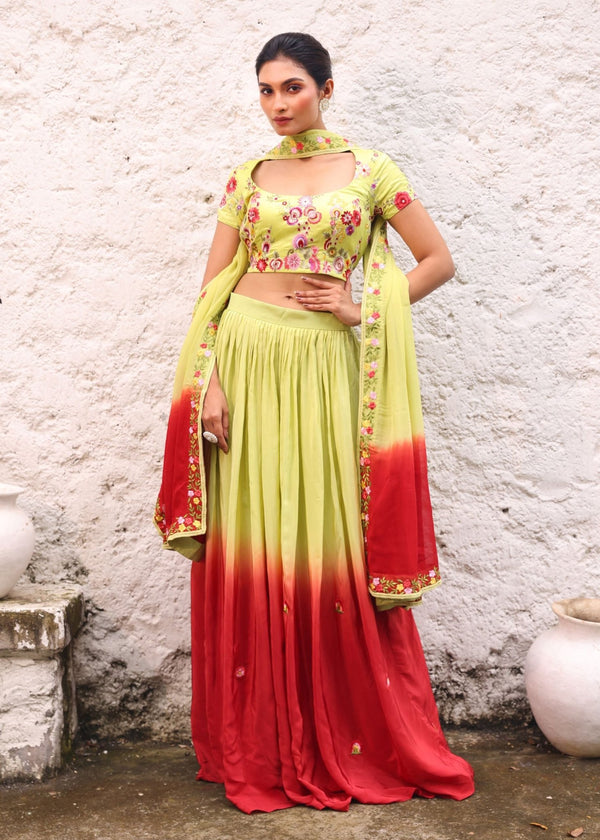
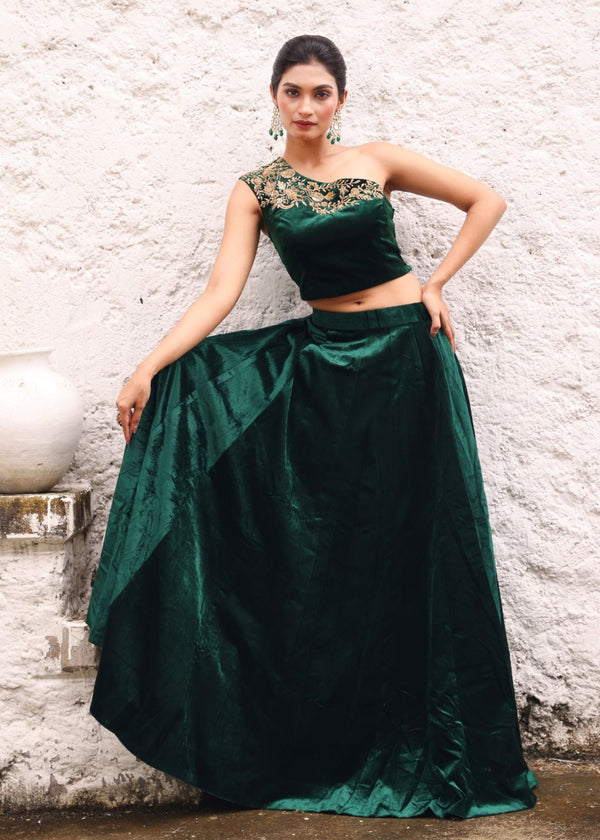
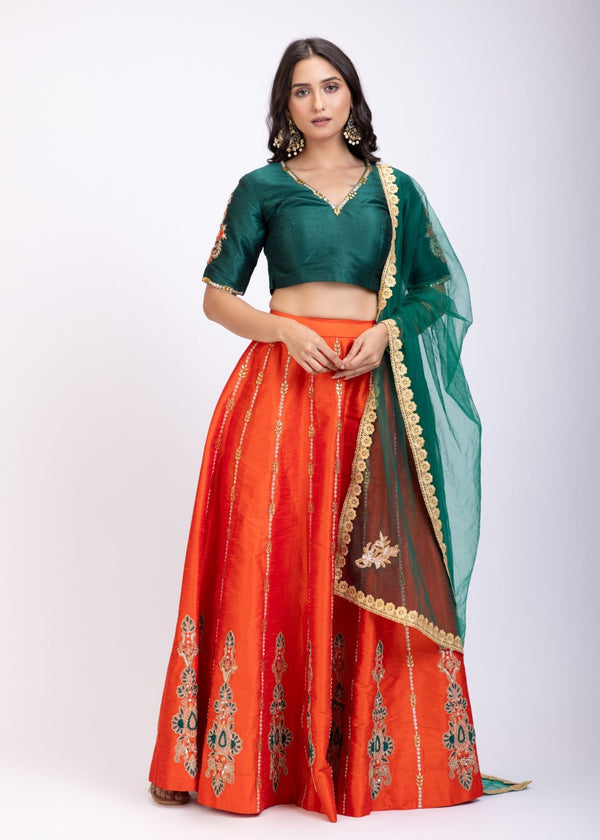
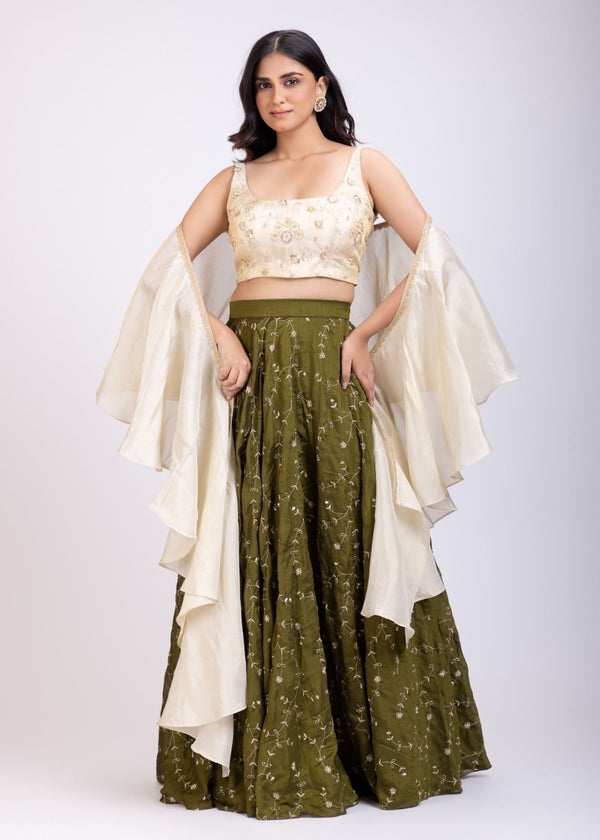
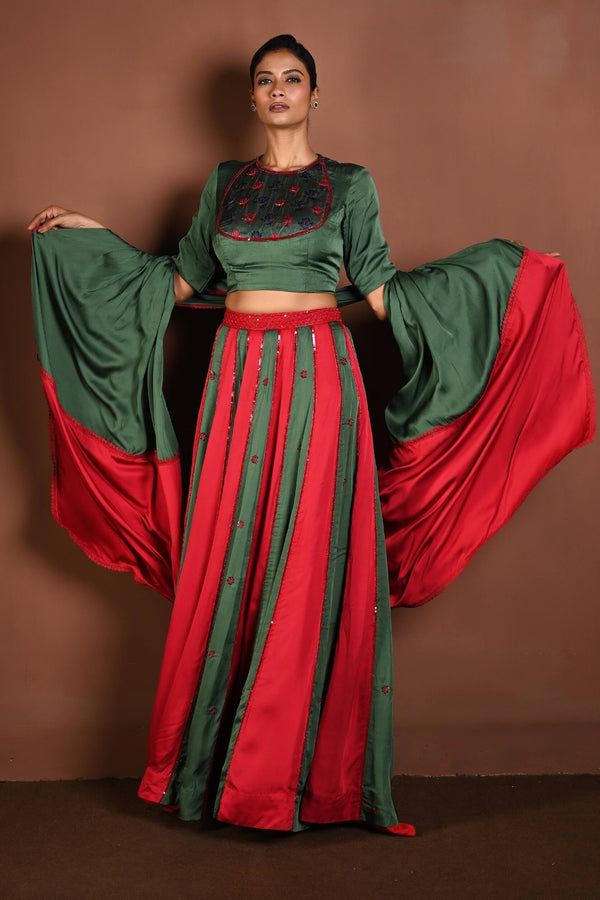
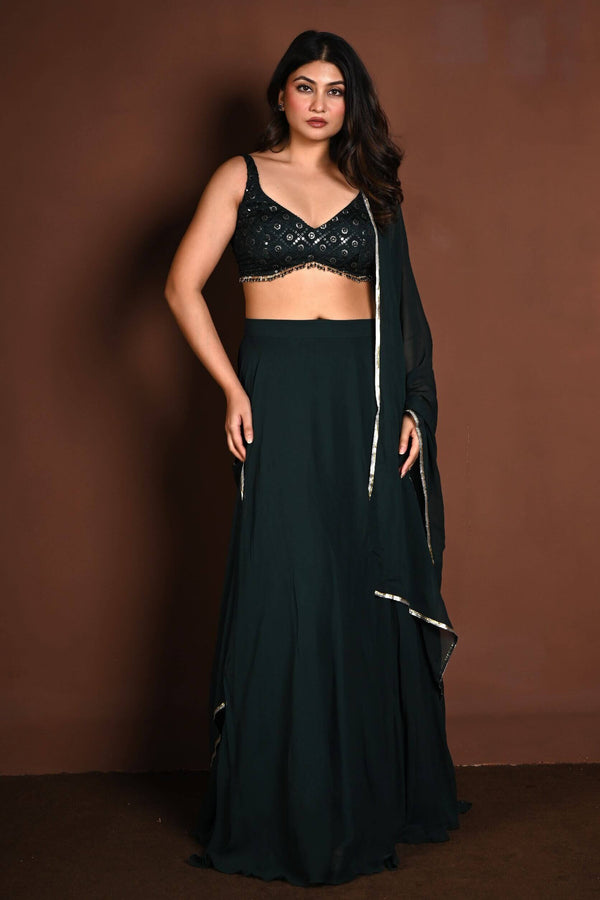
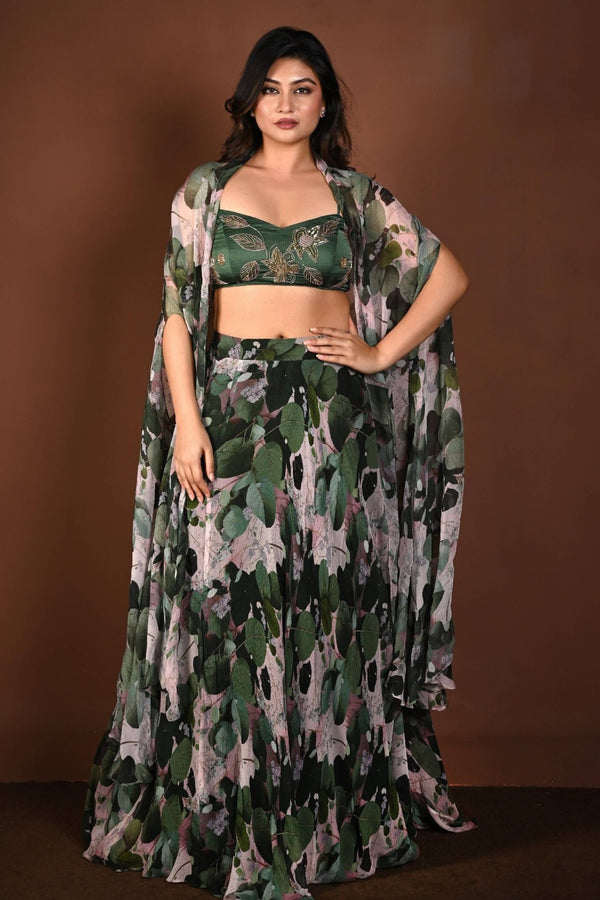
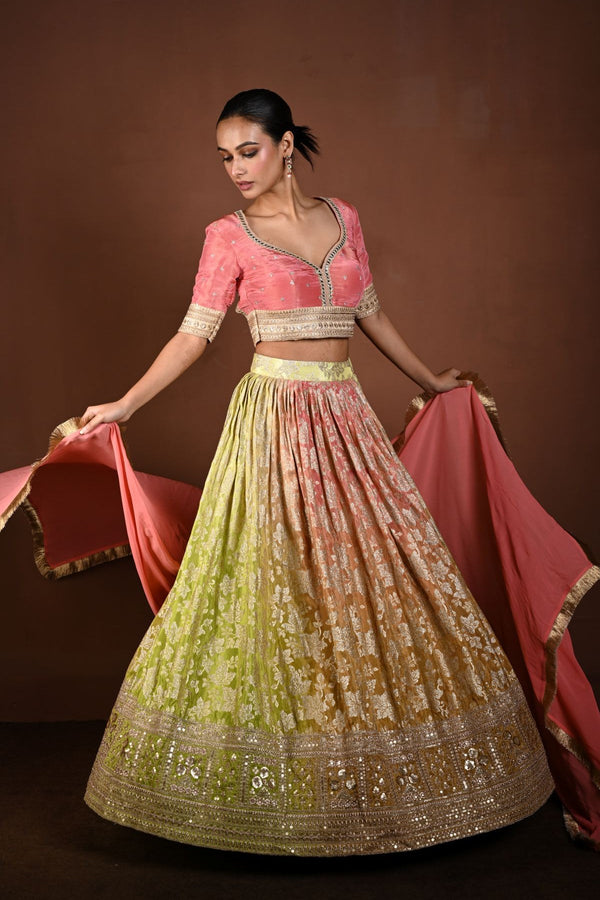
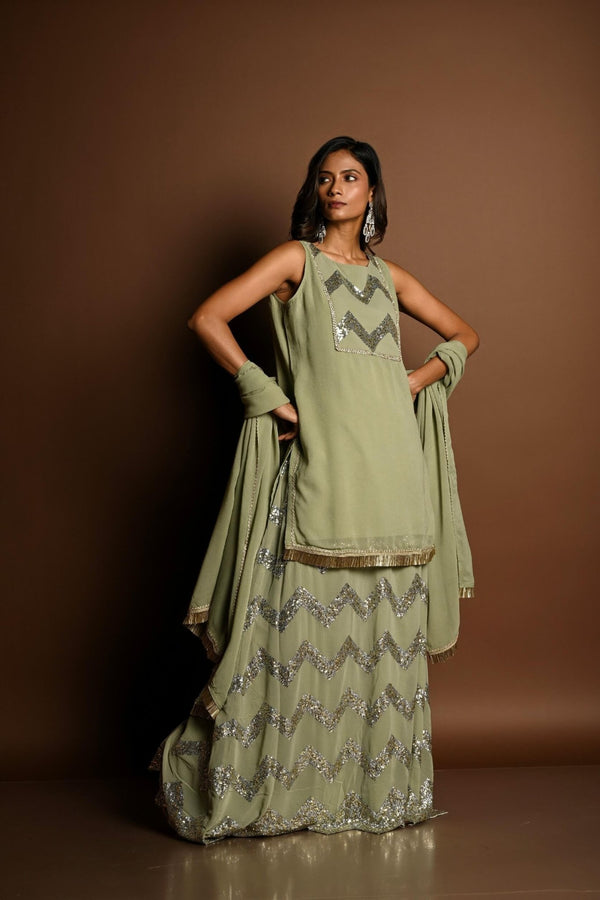
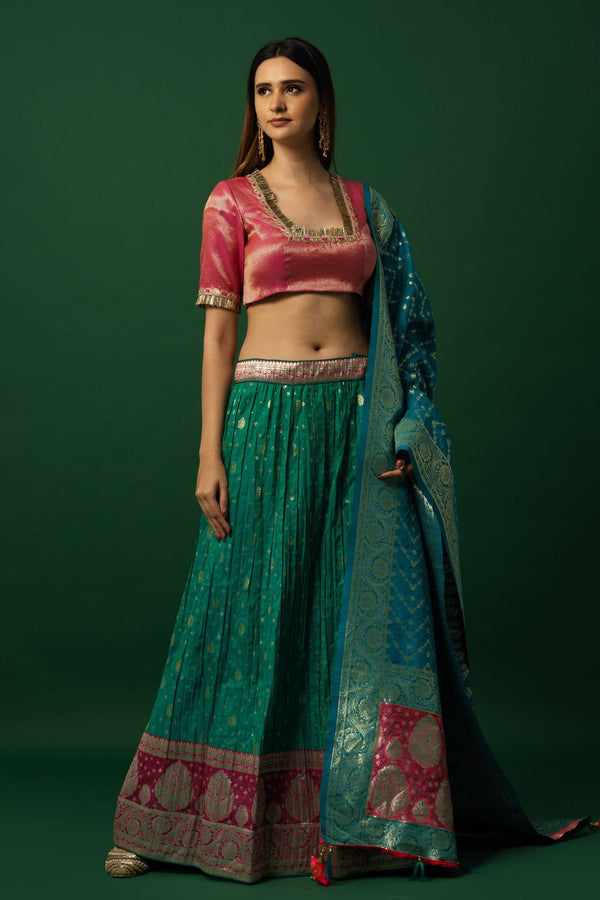
Mehndi is much more than a beautiful design on your hands. It is a meaningful tradition that adds joy, beauty, and positive energy to Indian weddings and festivals. Many people believe mehndi brings good luck, happiness, and prosperity, and there is a popular tradition that a darker mehndi stain symbolizes a strong bond between the bride and groom. The Mehndi ceremony is one of the most enjoyable pre-wedding celebrations, where family and friends come together to enjoy music, dance, delicious food, and beautiful henna designs. Brides often wear bright and comfortable outfits like yellow lehengas, floral lehengas, sharara sets, Anarkali suits, or kurta-palazzo sets, paired with floral jewelry for a fresh festive look. Mehndi is also an important part of festivals such as Karwa Chauth, Teej, Diwali, and Eid, where women apply beautiful designs to celebrate the occasion and complete their festive outfits, whether it's a saree, salwar suit, or kurti. Today, many brides also personalize their mehndi by adding their partner's initials, wedding date, or meaningful symbols, making each design unique and full of special memories.
Latest Mehndi Design Trends
Mehndi trends keep changing every year, with new ideas inspired by bridal fashion, social media, and modern weddings. Today, many brides love fusion mehndi designs that combine traditional Rajasthani patterns with elegant Arabic floral motifs for a unique look. Negative space mehndi is also becoming popular, where small empty spaces are left between the designs to create a clean, stylish, and modern appearance. Personalized mehndi is another favorite trend, with brides adding their partner's initials, wedding date, couple portraits, or meaningful symbols to make the design truly special. While the classic dark brown mehndi remains the most popular choice, many brides also use white, gold, or glitter accents for pre-wedding photoshoots and festive events. Another growing trend is shorter bridal mehndi that ends at the wrist or mid-forearm instead of covering the entire arm, offering a comfortable yet elegant look that pairs beautifully with lehengas, sarees, sharara sets, and other modern bridal outfits.

Back Hand Mehndi Designs
The back of the hand is one of the most visible parts of any mehndi design, making it the perfect place for beautiful and eye-catching patterns. Mandala designs remain a timeless favorite, featuring a detailed circular pattern in the center of the hand with delicate floral or lace-inspired details extending toward the fingers. Floral vine designs are also very popular, creating a graceful flow from the wrist to the fingertips with leaves, flowers, and curved lines. If you prefer a modern style, geometric mehndi designs with clean lines, diamond shapes, grids, and symmetrical patterns offer a unique and stylish look. Traditional motifs like peacocks, lotus flowers, paisleys, and intricate jaal (net) work continue to be loved for their rich cultural appeal. For festivals or simple celebrations, many women choose minimalist back hand mehndi with a single floral motif, elegant bracelet-style patterns, finger rings, or delicate leafy trails that are quick to apply yet look beautiful. Whether you love traditional, modern, or minimalist styles, back hand mehndi designs offer endless options for every occasion.

Finger Mehndi Designs
Finger mehndi designs may be small, but they add the perfect finishing touch to any mehndi look. One of the most popular styles is ring-style mehndi, where delicate bands are drawn around the fingers to create the look of beautiful jewelry. Fine jaal (net) patterns, thin lines, and detailed floral designs running from the base to the fingertips give the fingers an elegant and graceful appearance. Many people also love leafy vines, tiny paisleys, dots, and small flower motifs that decorate each finger without making the design look too heavy. Another trending style is fingertip shading, where only the tips of the fingers are filled with mehndi for a clean and stylish finish. Some designs focus on a single statement finger, while others feature different patterns on every finger for a creative look. Whether paired with a full-hand mehndi design or worn on their own, finger mehndi designs are simple, elegant, and suitable for weddings, festivals, and everyday celebrations.

Full Hand Mehndi Designs
Full hand mehndi designs are a timeless choice for brides and anyone who loves detailed henna art. These designs cover the palms, the back of the hands, and often extend to the wrists or forearms, creating a rich and elegant look. Traditional bridal mehndi usually features beautiful motifs such as paisleys, peacocks, lotus flowers, mandalas, leafy vines, and intricate jaal (net) patterns. Many brides also choose personalized designs that include the bride and groom, hidden initials, wedding dates, or meaningful symbols. Arabic full hand mehndi is another popular style, known for its bold floral patterns, flowing vines, and spacious layouts that give a modern and graceful appearance. Rajasthani and Indian bridal mehndi designs are more detailed, with closely filled patterns that create a stunning traditional look. Another growing trend is semi-full hand mehndi, which combines intricate designs with open spaces for a lighter yet equally attractive finish. Whether you prefer a classic, modern, or fusion style, full hand mehndi designs offer endless inspiration for weddings, festivals, and special celebrations.

Minimalist Mehndi Designs
Simple and minimalist mehndi designs are perfect for those who love an elegant look without covering the entire hand. These designs often feature delicate floral vines, leafy trails, tiny paisleys, or fine-line patterns that are quick to apply and easy to wear. Small mandalas placed in the center of the palm, bracelet-style wrist designs, and finger-only mehndi are also popular choices for a clean and modern appearance. Many people also choose simple dot-and-line patterns or geometric designs for a stylish finish. These minimal mehndi designs are ideal for festivals, family functions, casual celebrations, and anyone who prefers understated beauty.

Mehndi Designs for Karwa Chauth
Karwa Chauth mehndi designs are beautiful, festive, and elegant without being as detailed as traditional bridal mehndi. Many women prefer medium-sized designs that cover the palms, back of the hands, and fingers while remaining comfortable to apply in a shorter time. Popular motifs include the moon, stars, diya, karva (decorated pot), lotus flowers, paisleys, and delicate floral patterns, all of which reflect the spirit of the festival. Mandala designs combined with leafy vines and fine jaal work are also popular choices for a graceful look. Some women also add simple matching mehndi designs on their feet to complete their festive appearance. These designs beautifully celebrate the tradition of Karwa Chauth while keeping the look stylish and timeless.

Mehndi Designs for Teej
Teej mehndi designs are inspired by nature, love, and the beauty of the monsoon season. These designs are known for their graceful floral patterns, leafy vines, peacocks, paisleys, and detailed mandalas that create a fresh and festive look. A popular element in Teej mehndi is the jhula (swing) motif, which symbolizes the joy and traditions of the festival. Many women also choose intricate jaal patterns and elegant wrist-to-finger trails for a balanced design. While some prefer full-hand mehndi, medium and simple designs are equally popular for their comfort and elegance. To complete the festive look, many women also apply matching mehndi on their feet. Teej mehndi beautifully reflects the spirit of celebration, tradition, and togetherness, making it an important part of this special festival.

Mehndi Designs for Diwali
Diwali mehndi designs are all about adding a festive touch with elegant and beautiful patterns. Unlike heavy bridal mehndi, Diwali designs are usually lighter, making them comfortable for celebrating throughout the festival. Popular motifs include diyas (lamps), rangoli patterns, lotus flowers, paisleys, mandalas, and delicate floral vines that reflect the joy and brightness of the occasion. Many women also choose stylish finger mehndi, bracelet-style wrist designs, or back hand mehndi for a simple yet festive look. Floral trails with open patterns and fine-line details are especially popular because they are quick to apply and look elegant. Some people also add subtle glitter or gold accents after the mehndi dries for an extra festive touch. Whether simple or detailed, Diwali mehndi designs beautifully celebrate the festival of lights with tradition and style.

Mehendi is more than just a beautiful design—it is a timeless tradition that adds joy, elegance, and meaning to every celebration. Whether you prefer simple mehendi designs for everyday occasions, intricate bridal patterns, Arabic styles, or modern minimalist looks, the right design reflects your personality and the spirit of the event. Explore different styles, save your favorite inspirations, and choose a design that complements your outfit and celebration. From weddings and festivals to engagements and family functions, the perfect mehendi design can complete your look and create memories you'll cherish for years to come.
How to Make Mehndi Colour Dark Naturally
To get a dark and long-lasting mehndi stain, leave the mehndi paste on your hands for at least 6–8 hours or overnight if possible. Once it dries, apply a light lemon and sugar mixture to keep the paste moist. Gently scrape off the dried mehndi instead of washing it with water. Applying natural oils like mustard or coconut oil after removing the paste helps protect the stain. Avoid soap, sanitizer, and excessive water for the first 24 hours, as the mehndi colour naturally becomes darker over the next one to two days.
How to Do a Mehndi Design
Creating a mehndi design at home is easier with a little practice and patience. Start by washing your hands thoroughly and make sure they are clean and free from oil or lotion. Decide on a simple design, such as a mandala, floral pattern, or leafy vine, before you begin. Hold the mehndi cone comfortably and apply gentle, even pressure to create smooth lines. Start from the center or one side of the hand and slowly build the design to avoid smudging. Once finished, let the mehndi dry naturally without touching it. Leave the paste on for several hours or overnight for a darker, longer-lasting stain.