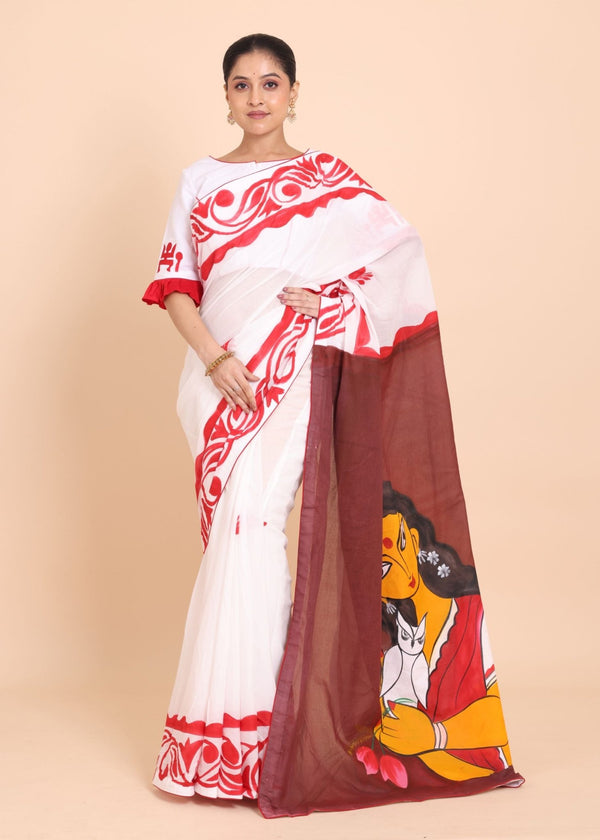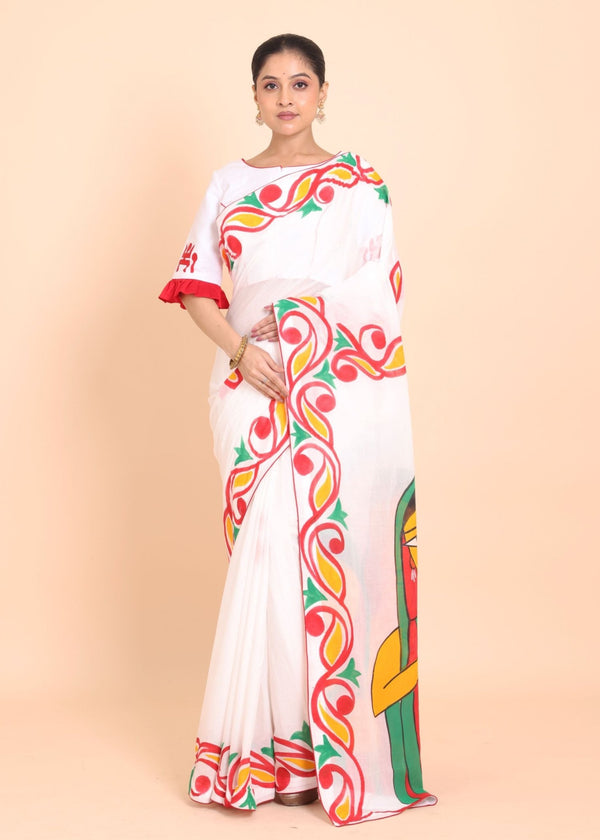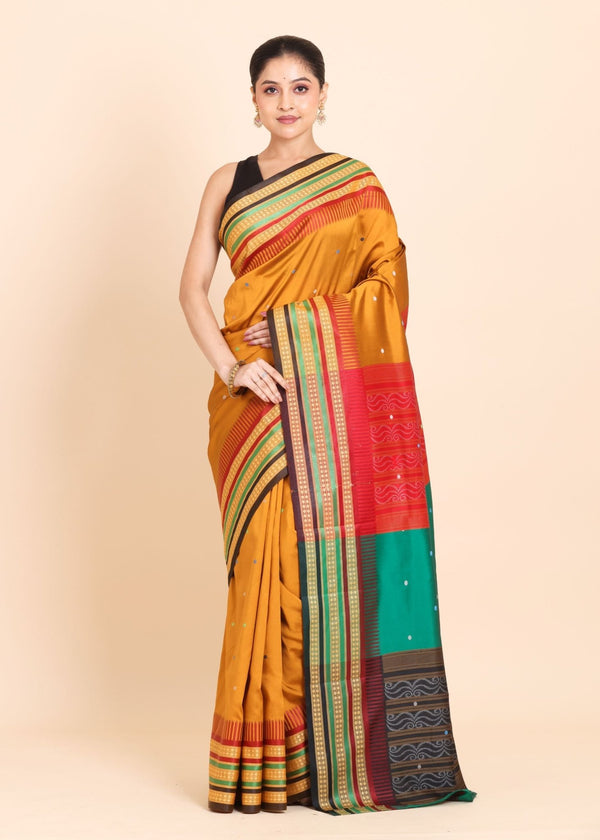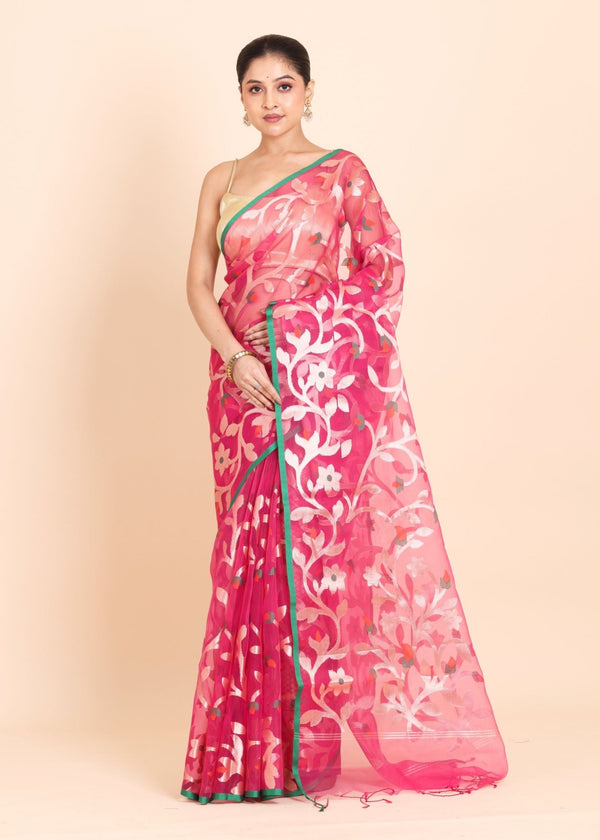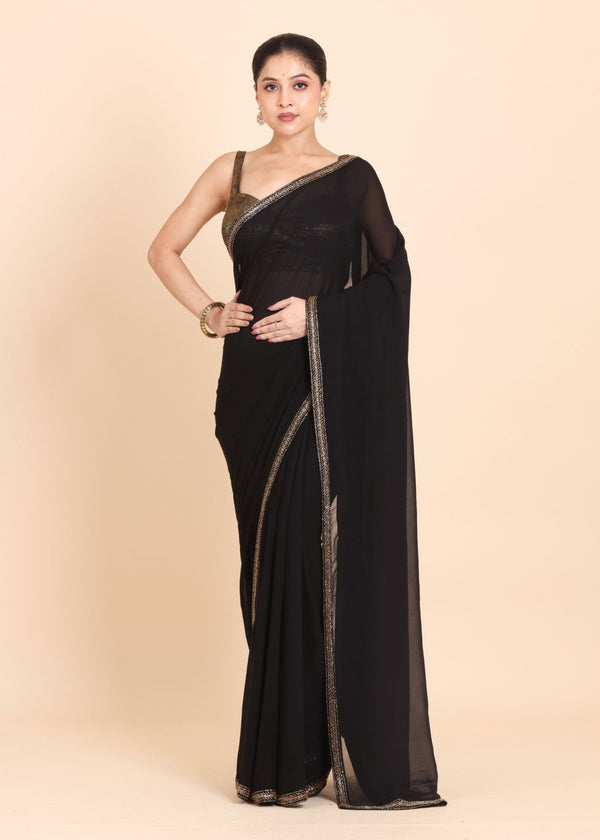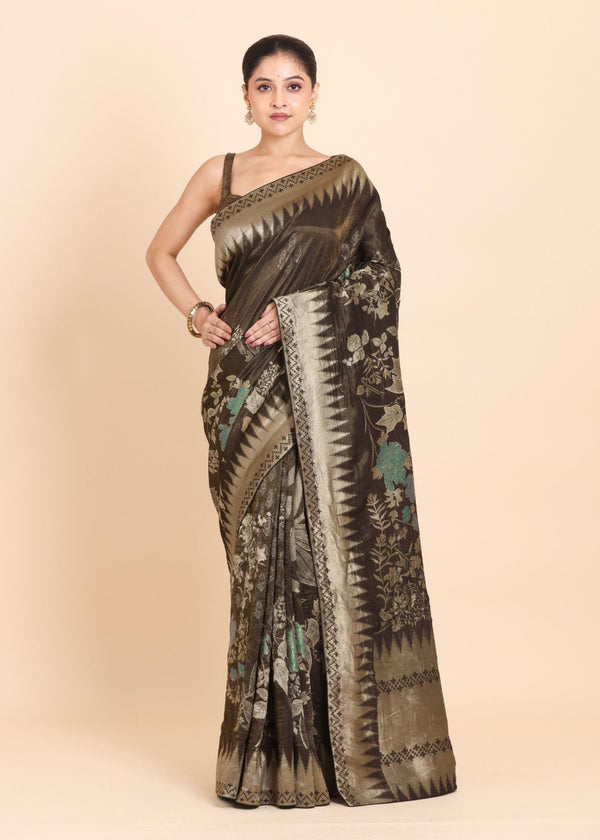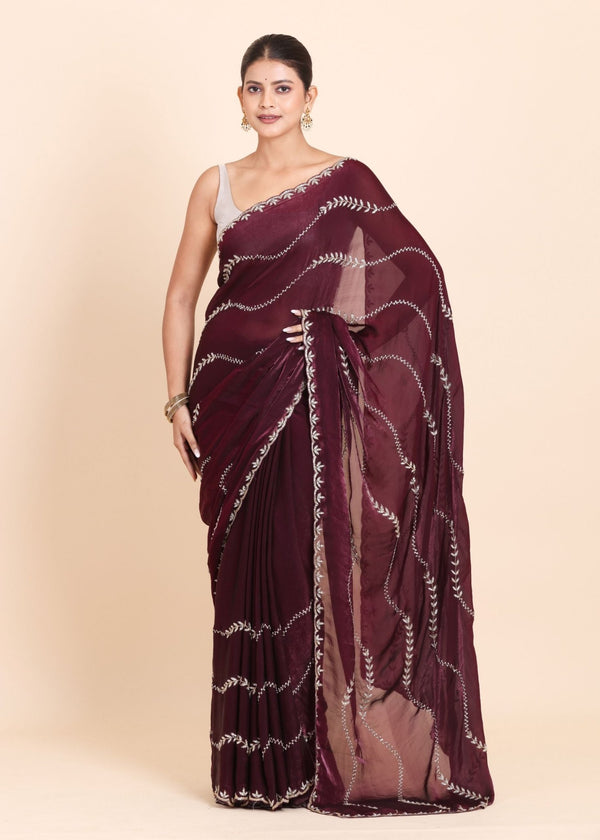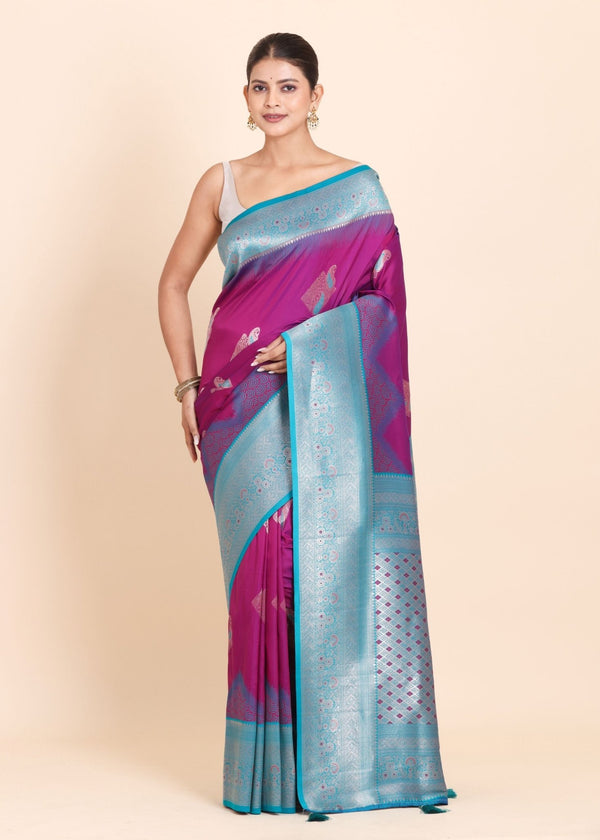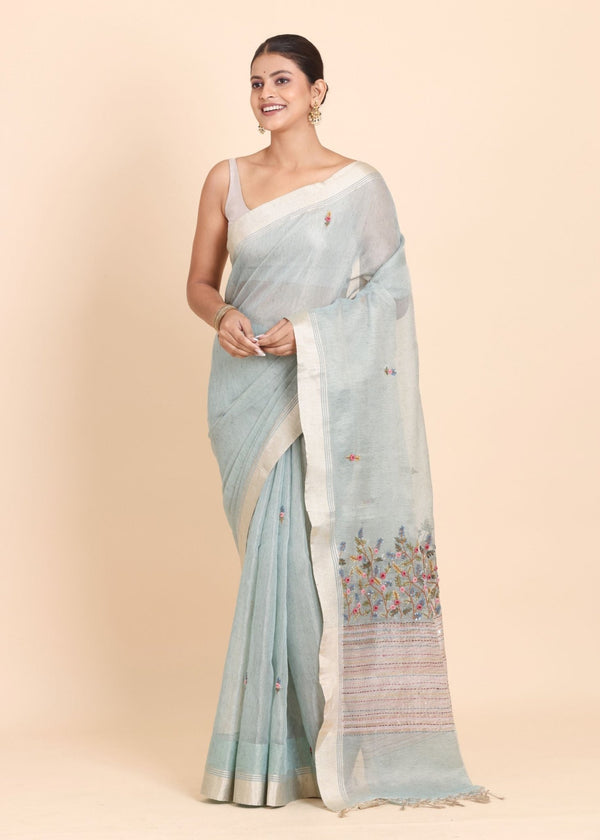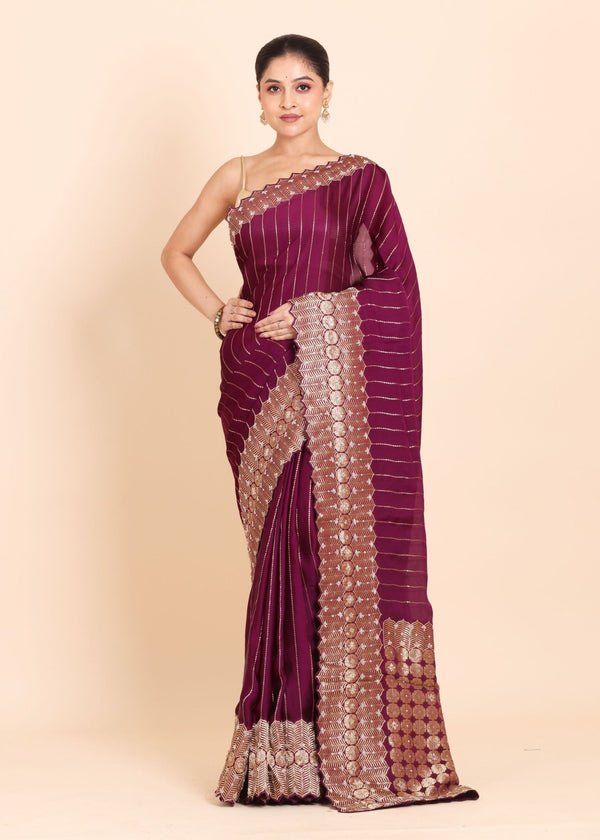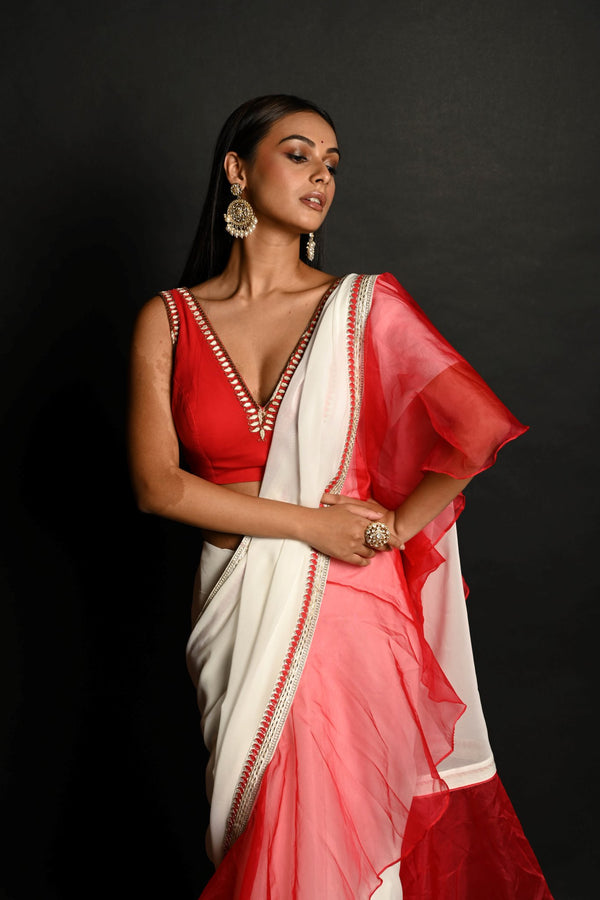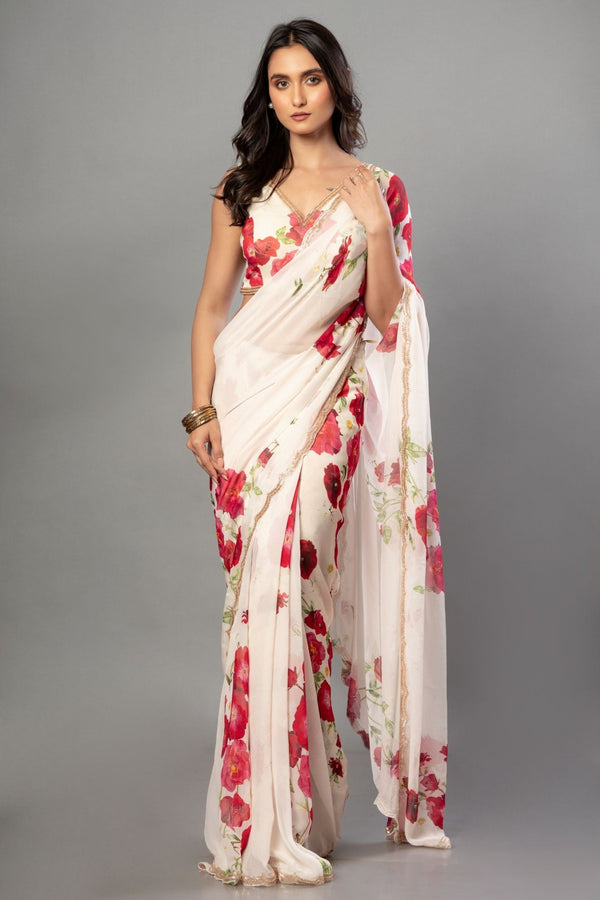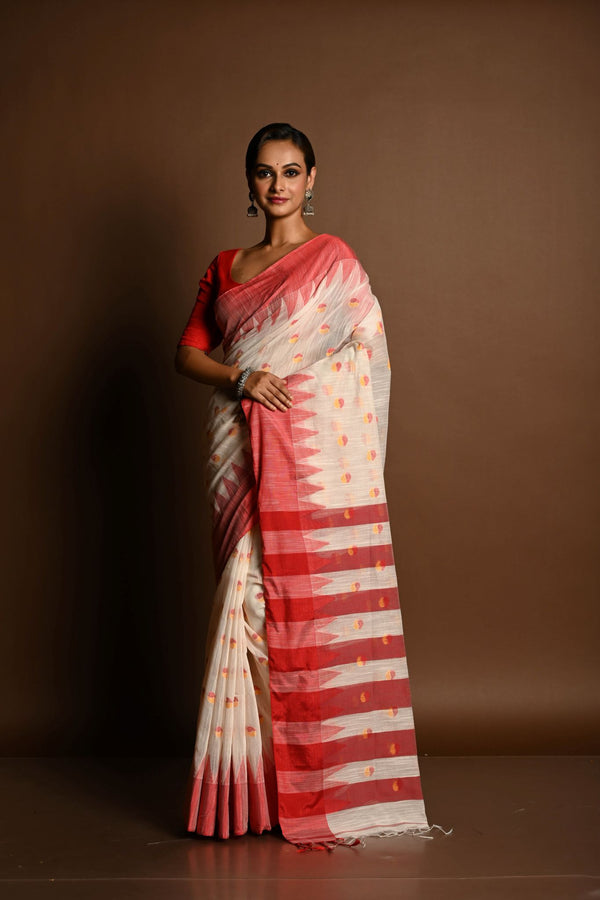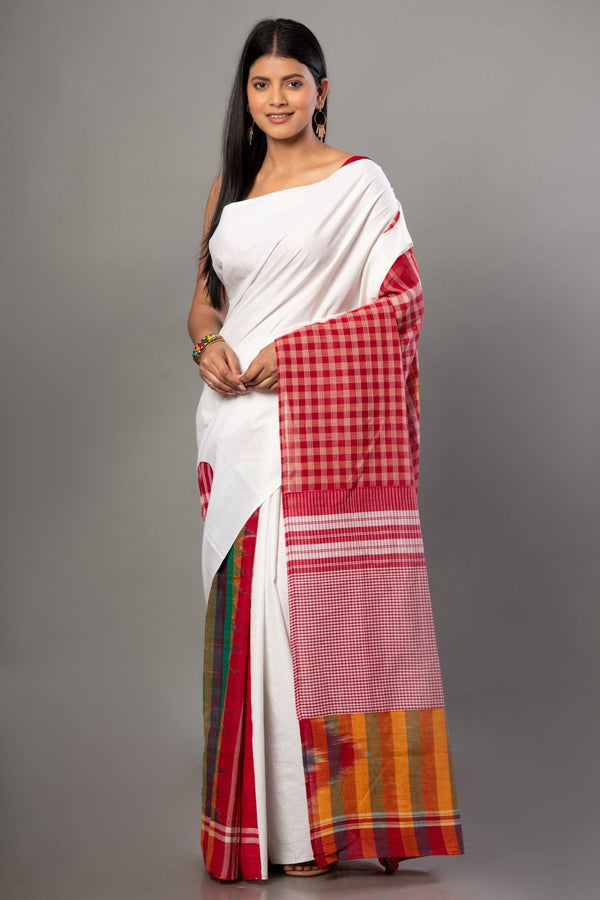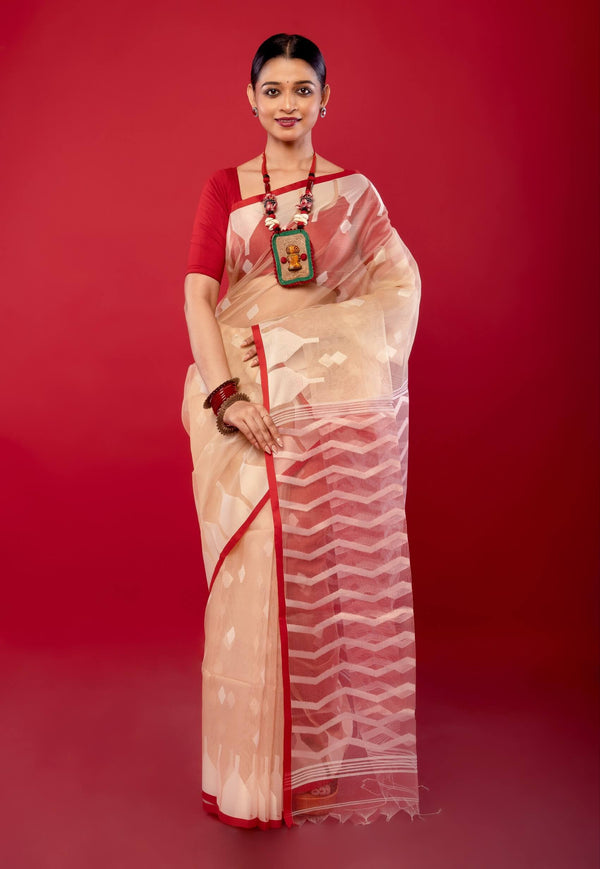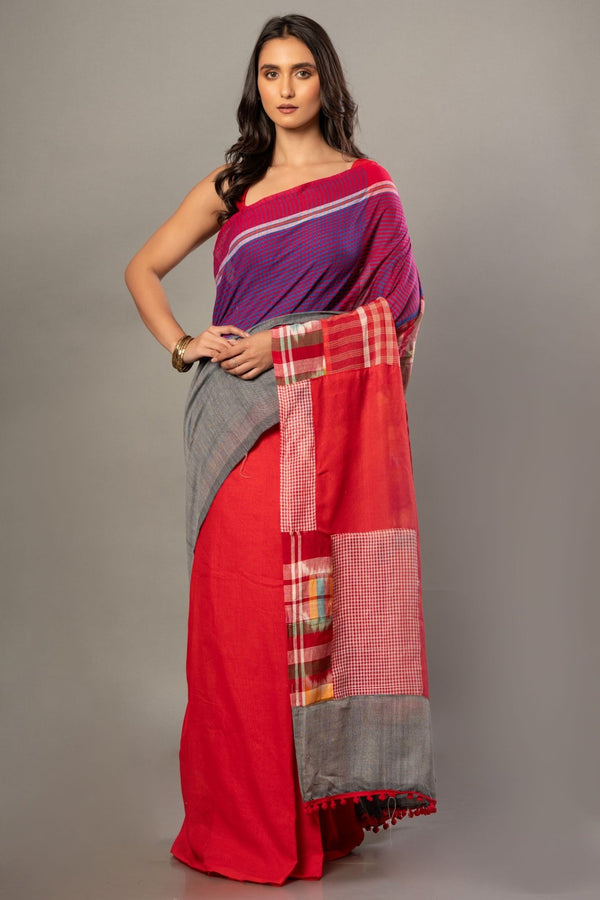




With the essence of seuli in the air, it seems like Durga puja is just around the corner and shopping for the puja becomes imperative. However,for Bengalis living outside India, Durga Puja shopping works on a completely different clock. There is no walk to Gariahat on a Sunday afternoon or a last-minute dash to New Market a day before Ashtami. Everything has to be planned, ordered, and shipped weeks in advance, and the puja itself is usually celebrated over a weekend rather than on the actual tithis, once community halls and temples can be booked and everyone can take time off work. This shift changes how the entire shopping process needs to be approached, right from what you buy to when you place the order, and it also changes how much thought goes into each purchase, since a wrong size or a delayed parcel cannot be fixed with a quick trip to the local market the way it can back home. For a lot of Bengali families abroad, the shopping itself becomes part of the anticipation, a way of staying connected to the festival even while planning it around a very different calendar and a very different set of logistics. Here is a practical guide covering everything that matters when you are shopping for Durga Puja from thousands of miles away.
When to Start Durga Puja Shopping
International shipping during the festive season gets slower, not faster, because every brand shipping out of India is dealing with the same rush at once. Customs clearance in countries like the US, UK, Canada, and Australia can add extra days on top of regular transit time, and courier networks in the Middle East often see similar delays closer to the festival. As a rule, ordering four to six weeks before your local puja weekend gives enough cushion for both standard and slightly delayed shipments. Express shipping helps, but it should be treated as a backup option rather than the default plan, since even expedited couriers slow down once the festive rush peaks in late September and early October.
Day-wise Outfit Planning for Durga Puja
Diaspora pujas rarely follow the exact ritual calendar, but the outfit logic still holds. Shashti and Saptami are usually kept for lighter, everyday festive wear, since these are the days people are getting into the puja mood rather than dressing for a big occasion. Ashtami calls for the traditional white saree with a red border, worn for Pushpanjali and Sindoor Khela, and this remains non-negotiable for most Bengali households regardless of where they live. Navami is where richer fabrics come in, with Kanjivaram and Banarasi silks being the most requested for the grandest day of the celebration. Dashami is kept simpler again, since it involves visarjan, farewells, and long hours of socialising, so comfort matters more than embellishment. Since re-ordering mid-festival is not realistic when you are abroad, planning four to five outfits in one go before the season starts is far more practical than buying as you go.

Popular Saree Types for Durga Puja
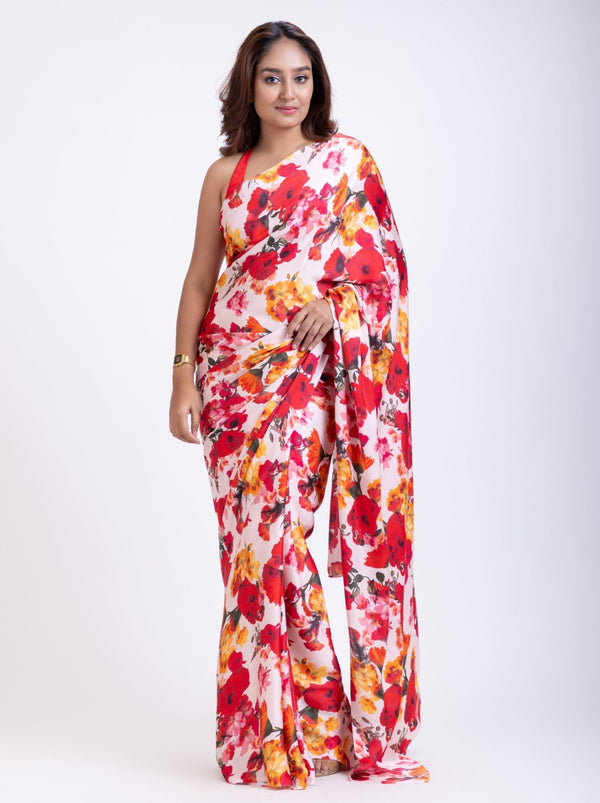
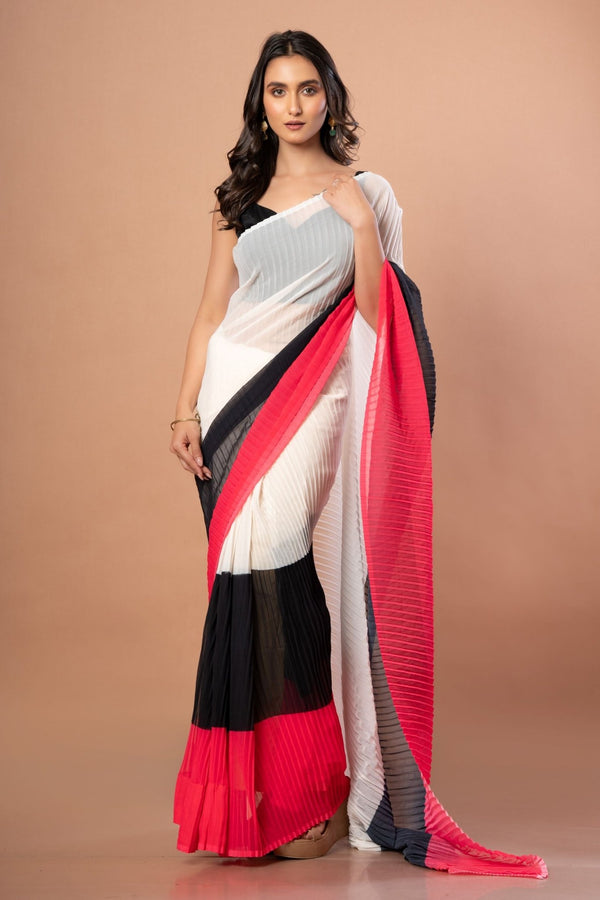
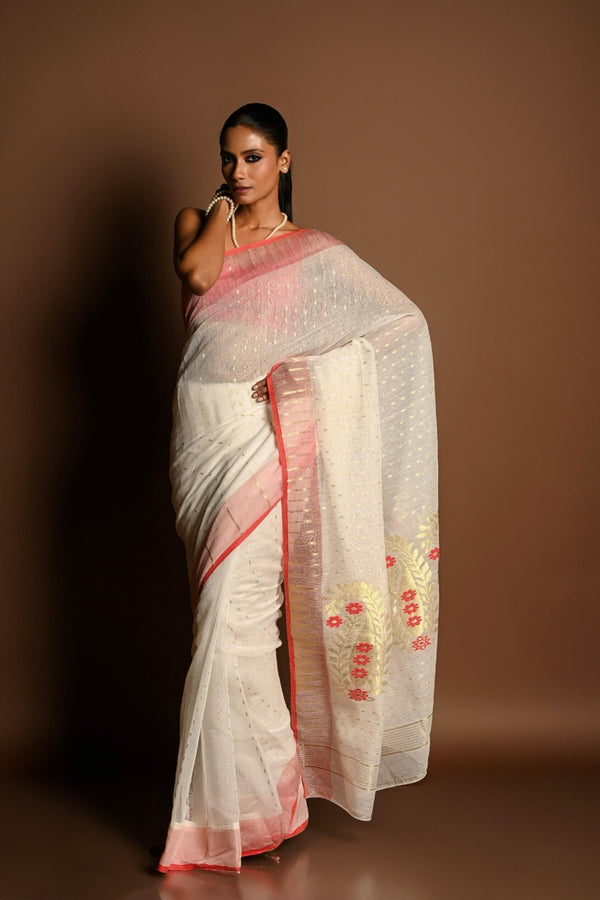
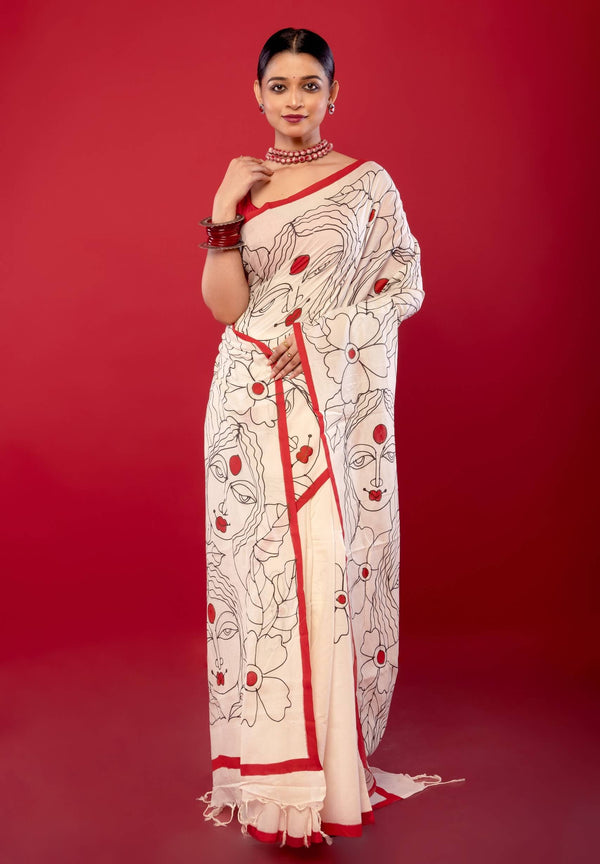
Tant and Jamdani sarees remain the most searched-for options every year, largely because they are breathable and suit humid pandal weather even outside Bengal. Kantha stitch sarees carry an emotional pull for a lot of NRI buyers, since the handloom work feels closer to home and carries a story with it. For Ashtami and Navami, Kanjivaram and Banarasi silks are the go-to choice when people want a saree with more weight and presence. Designer and fusion sarees have also picked up demand among younger buyers who want something rooted in tradition but styled a little differently, whether through a modern blouse pairing or an updated drape.

How to Choose Your Blouse and Drape Your Saree for Durga Puja
Getting the blouse right matters more when you cannot walk into a local tailor a week before the puja. Pre-stitched blouses are almost always the safer choice for buyers abroad, since alterations are not easily accessible the way they are in India. Reading size charts carefully is essential here too, because international sizing conventions do not always line up neatly with Indian blouse measurements, so checking bust, waist, and blouse length in centimetres rather than relying on standard S-M-L labels avoids a lot of returns. For those who have not draped a saree regularly, pre-pleated or ready-to-wear drapes are worth considering, since they cut down on the time and practice a traditional six-yard drape usually needs.

A Complete Durga Puja Shopping Guide for NRIs
Pairing sarees with the right blouse cut can change how an outfit reads for the day. A high-neck, full-sleeve blouse works well with lighter Tant and Jamdani sarees for daytime events, while a deep-back or boat-neck blouse suits the heavier Kanjivaram and Banarasi silks reserved for evening functions. Contrast blouses, in shades that pick up a secondary colour from the saree's border or motif, tend to photograph better and stand out more in pandal settings than a matching-tone blouse. For the white and red Ashtami saree, a plain red or gold blouse keeps the look traditional, while a hint of zari work on the sleeves adds a bit of detail without overpowering the simplicity of the drape. Layering with a light shawl or stole also works well for outdoor pandal hopping in cooler climates, especially in the evenings, and doubles up as a practical addition rather than just a styling choice. Anvi Couture's collection is built around exactly these considerations, with pre-stitched blouses, ready-to-wear drapes, and worldwide shipping timed for the festive season.