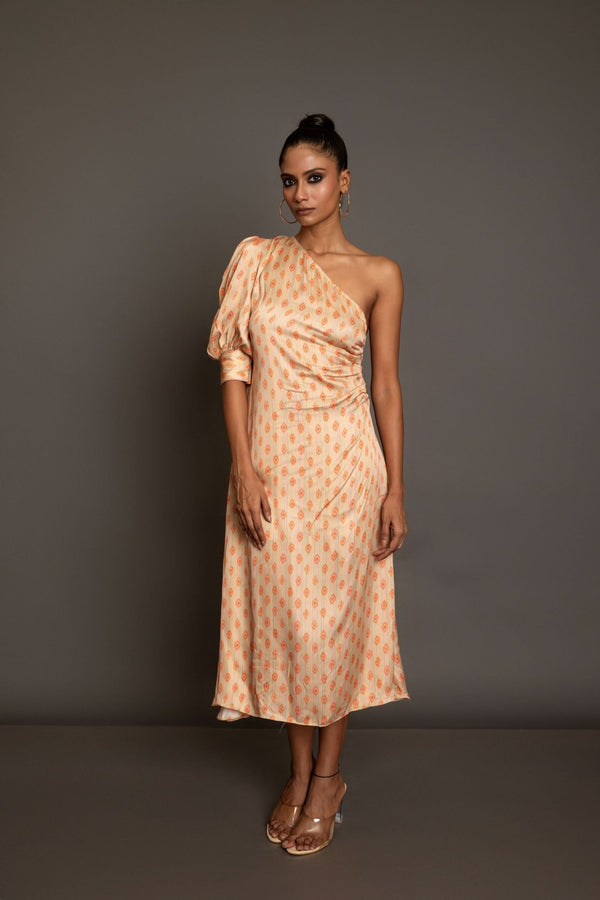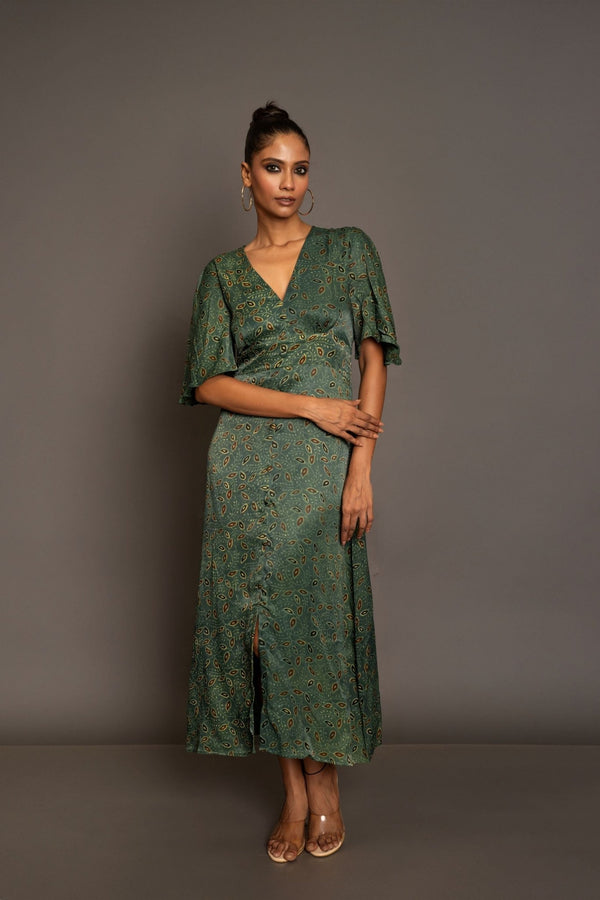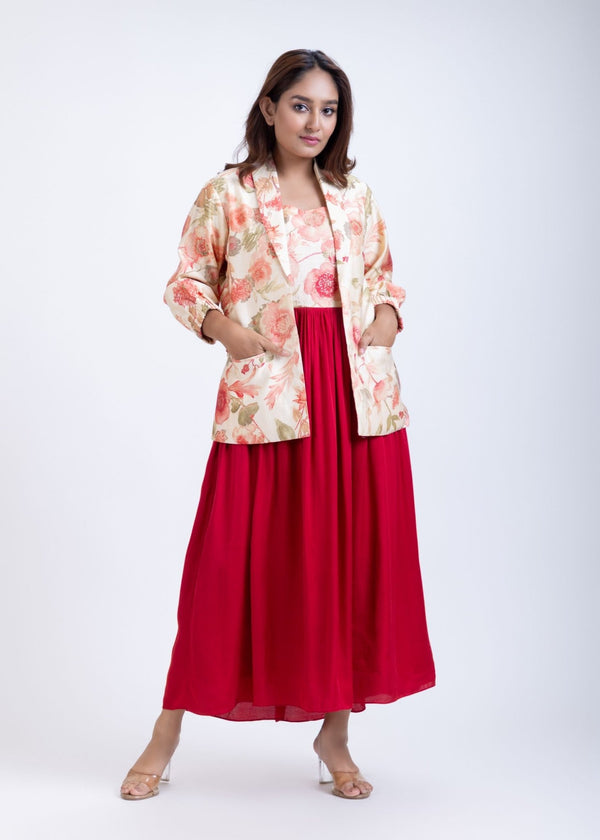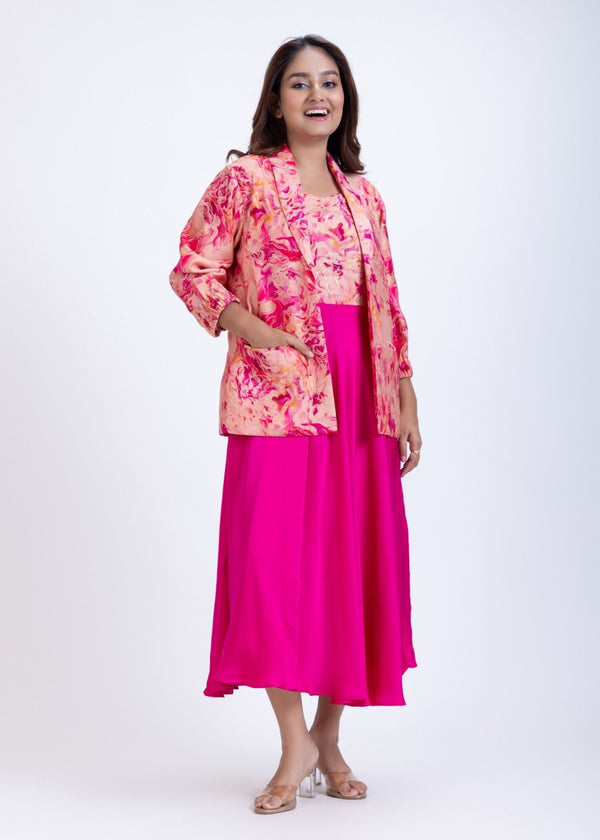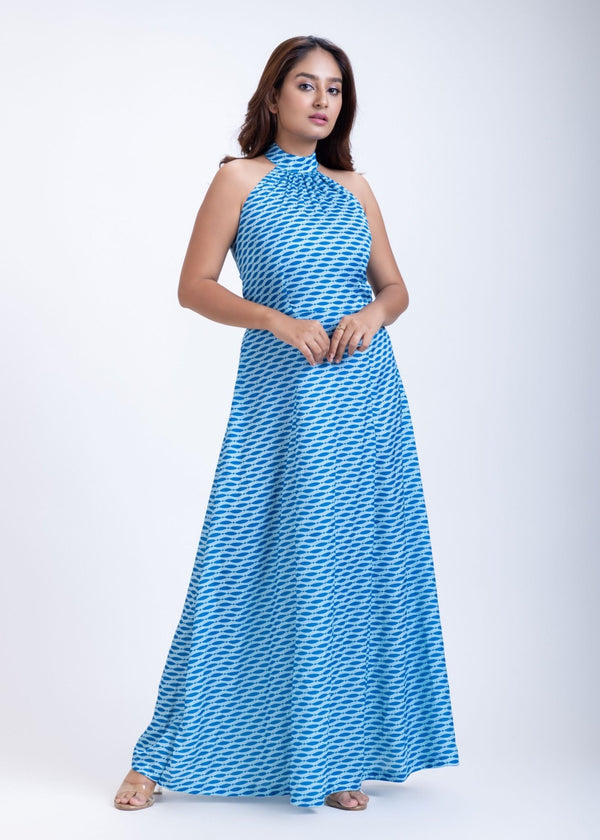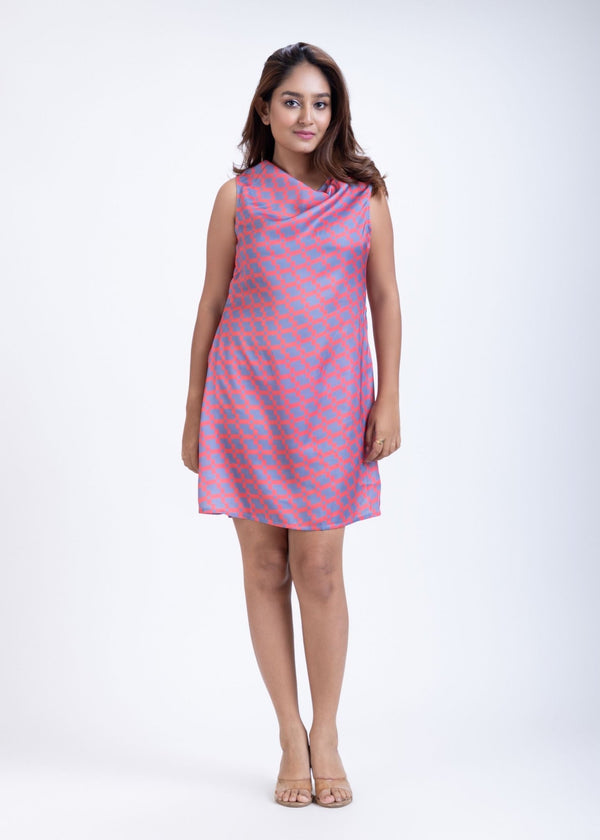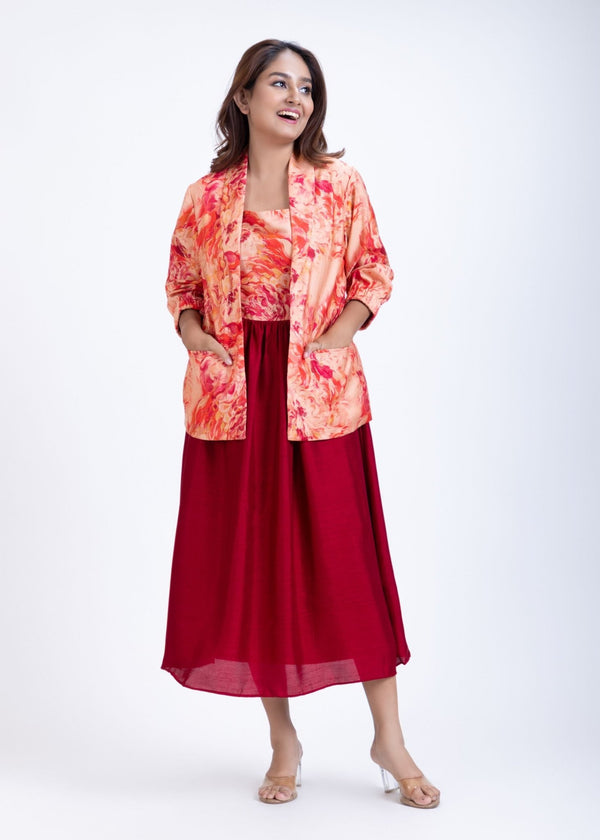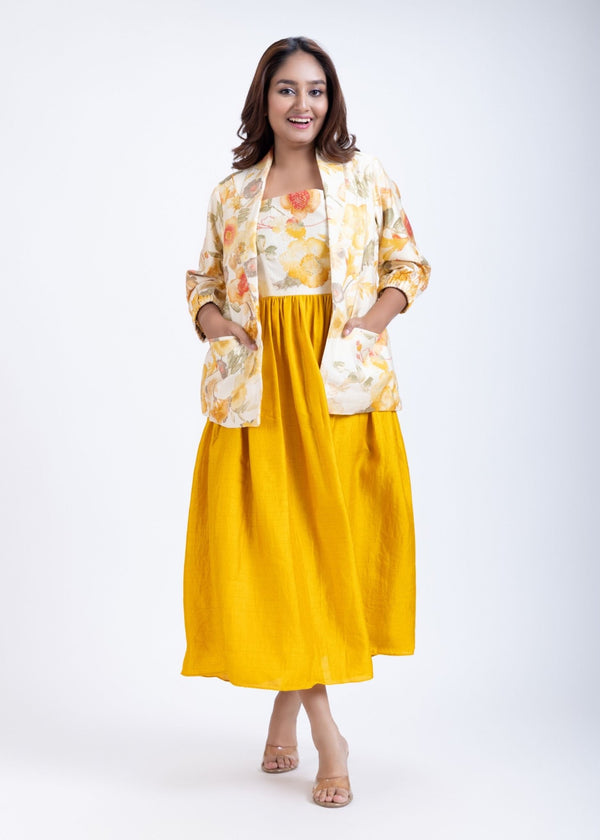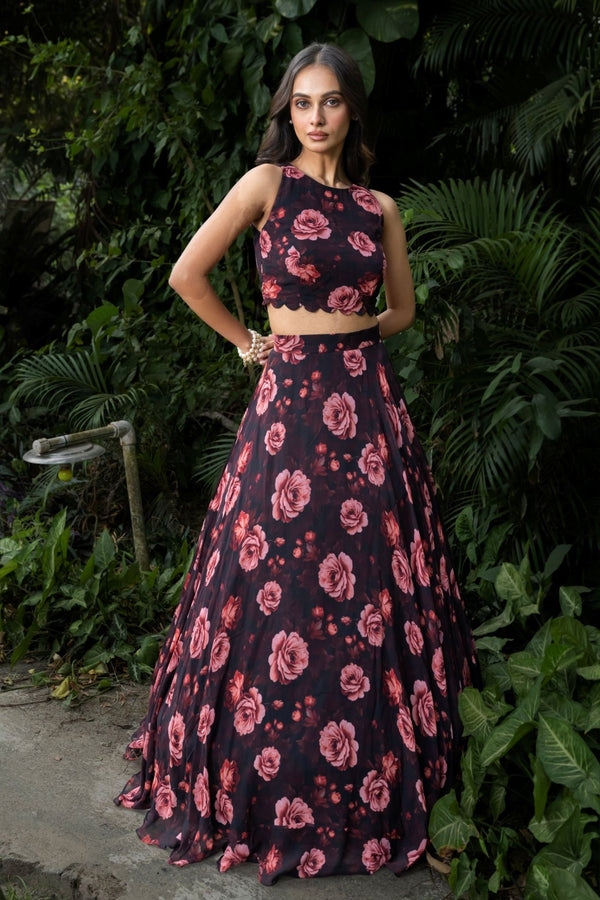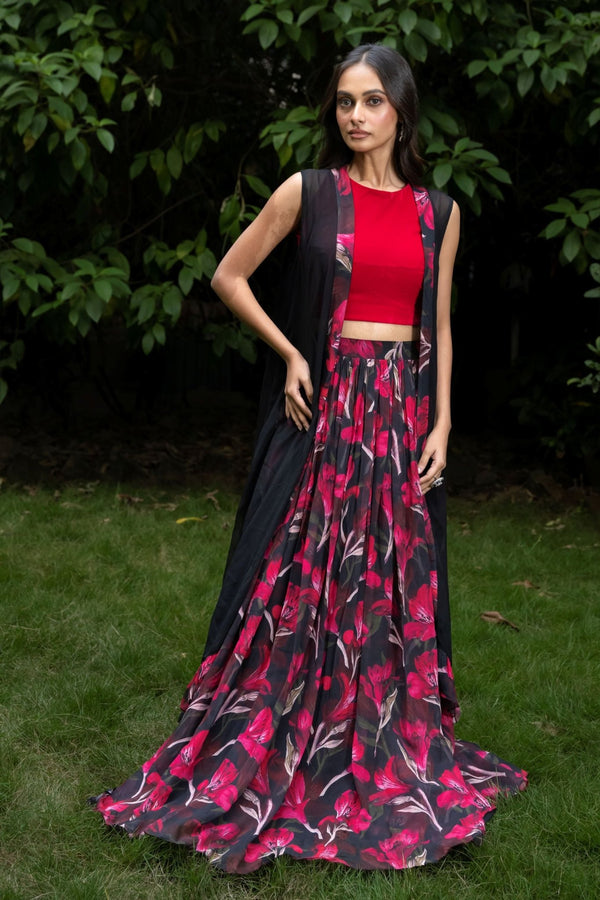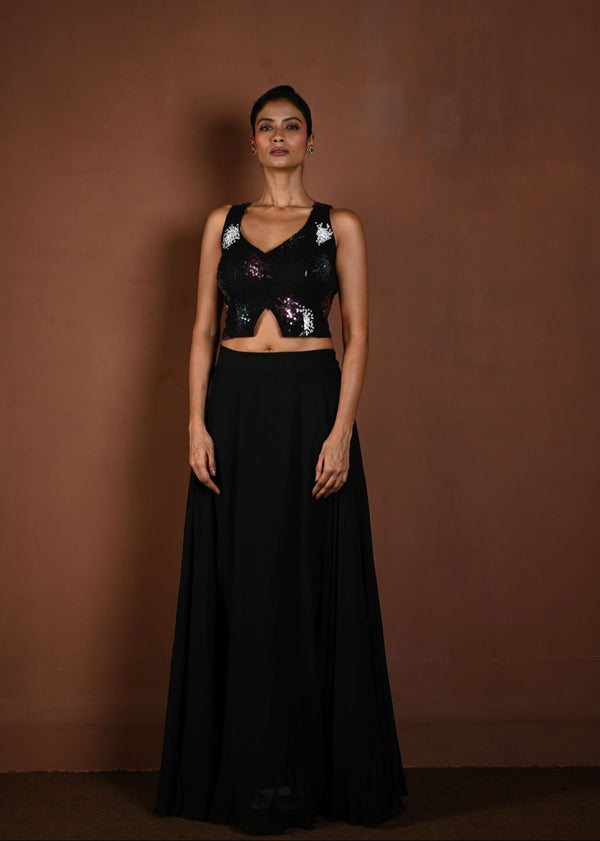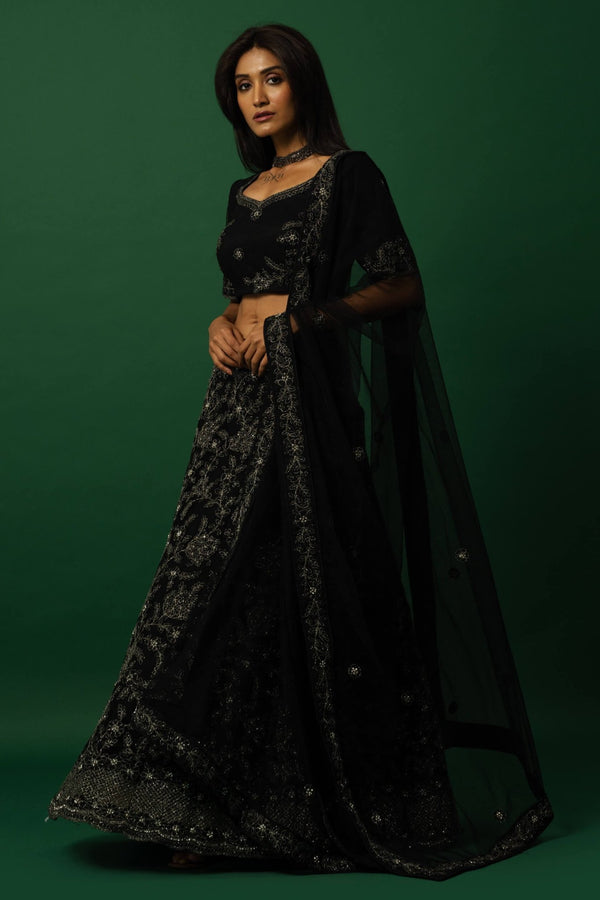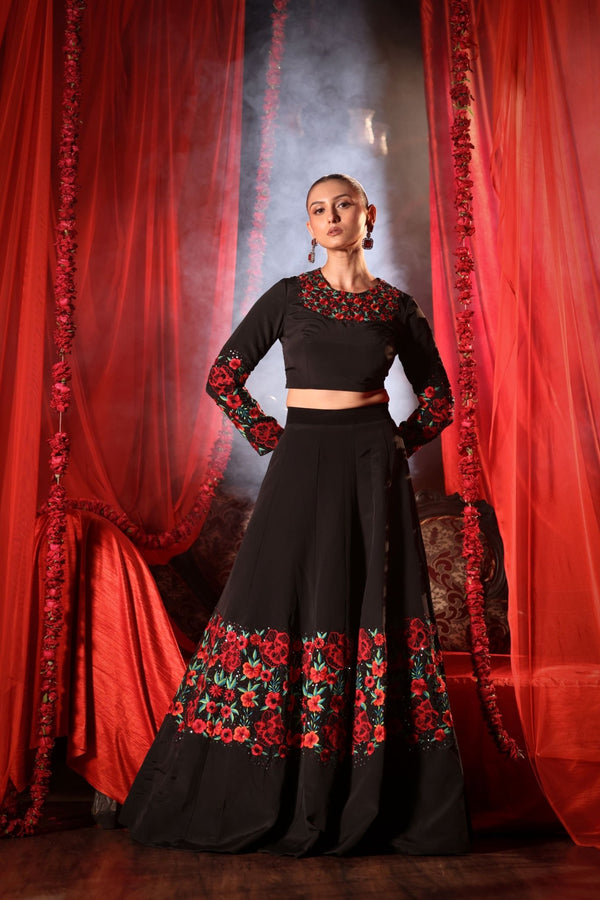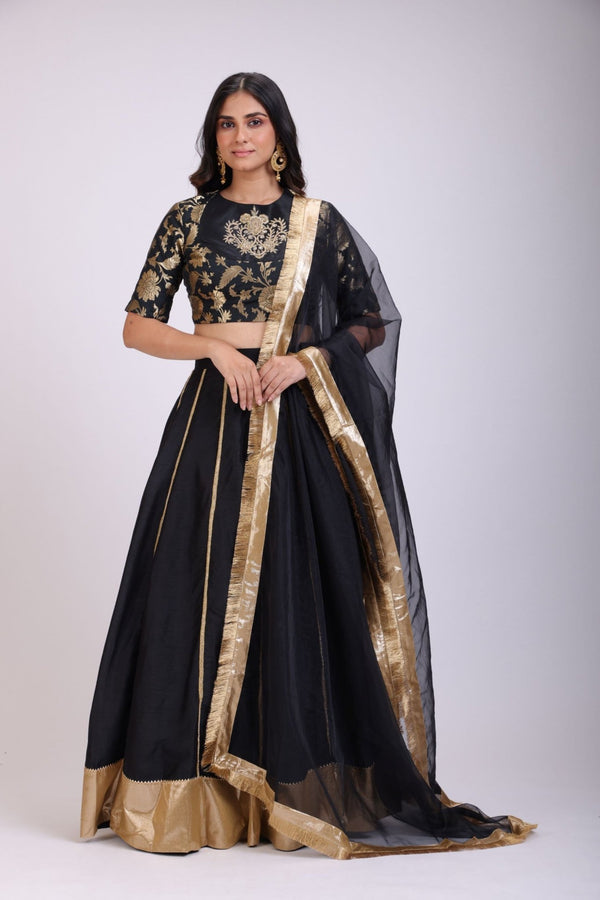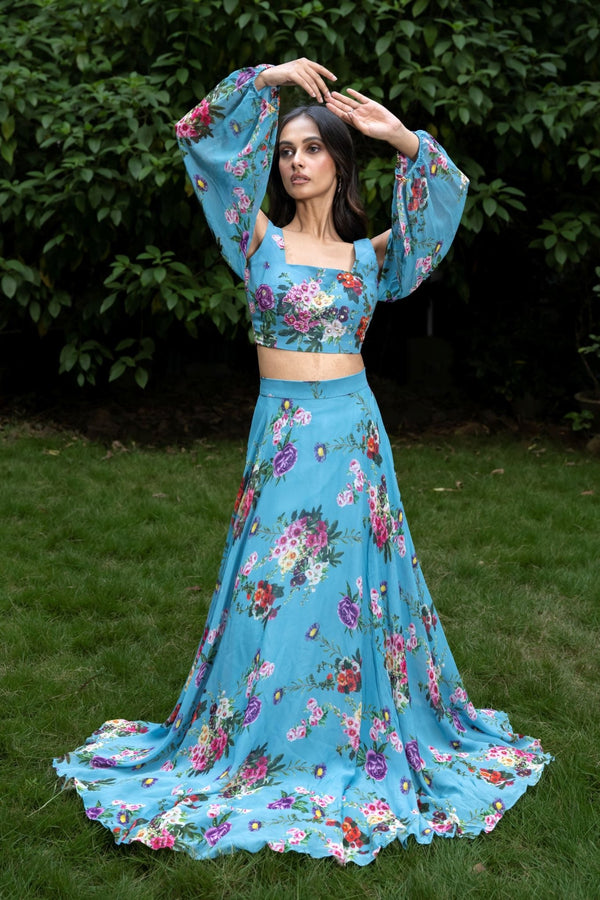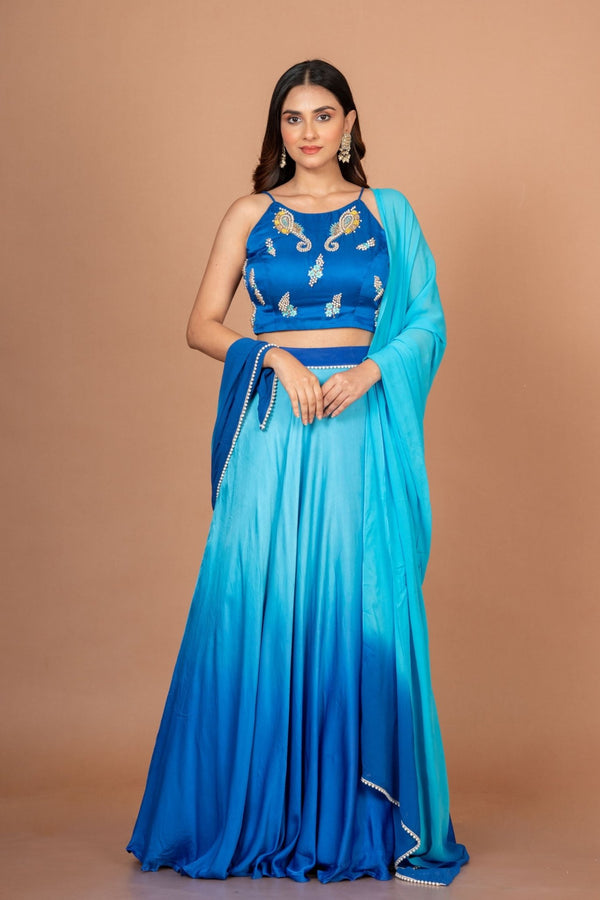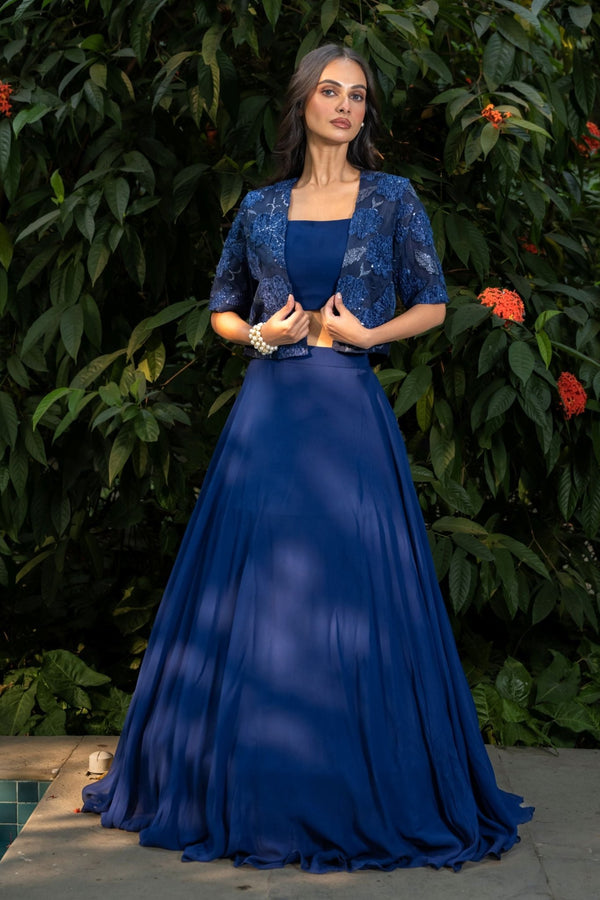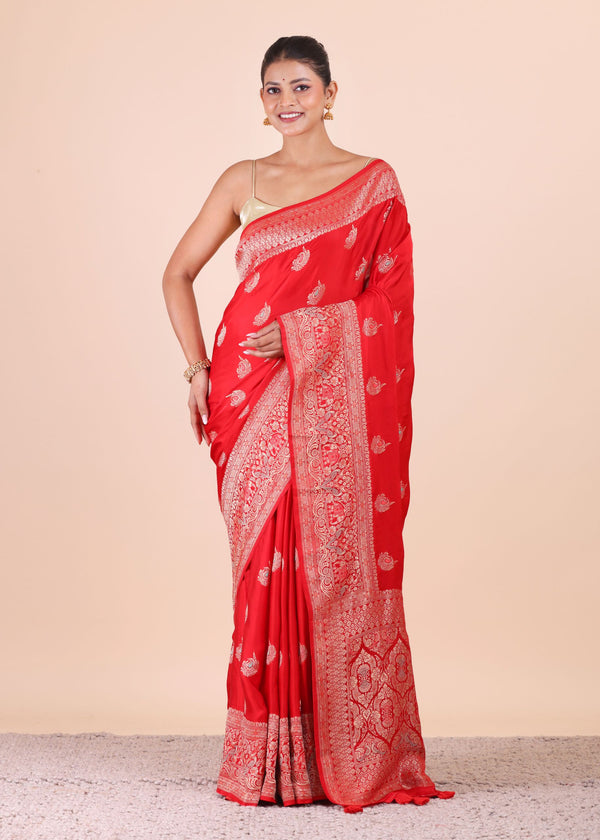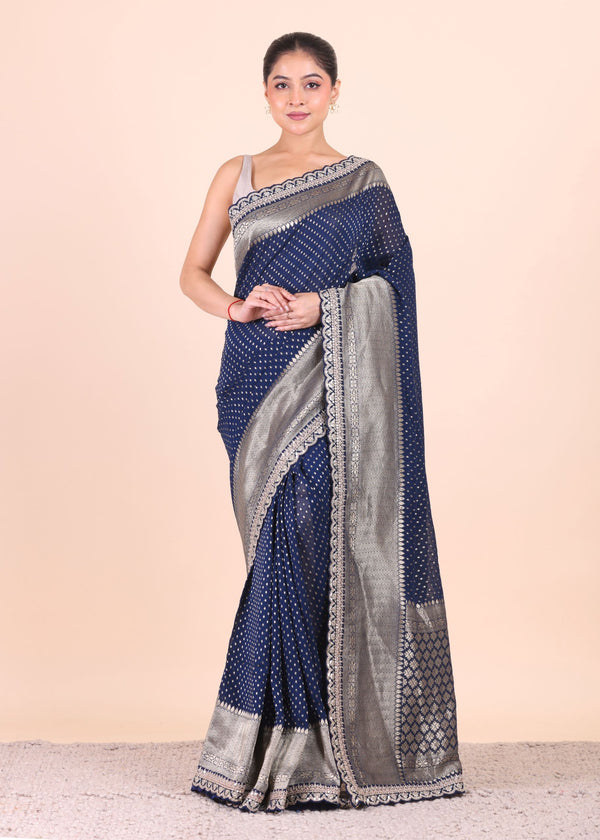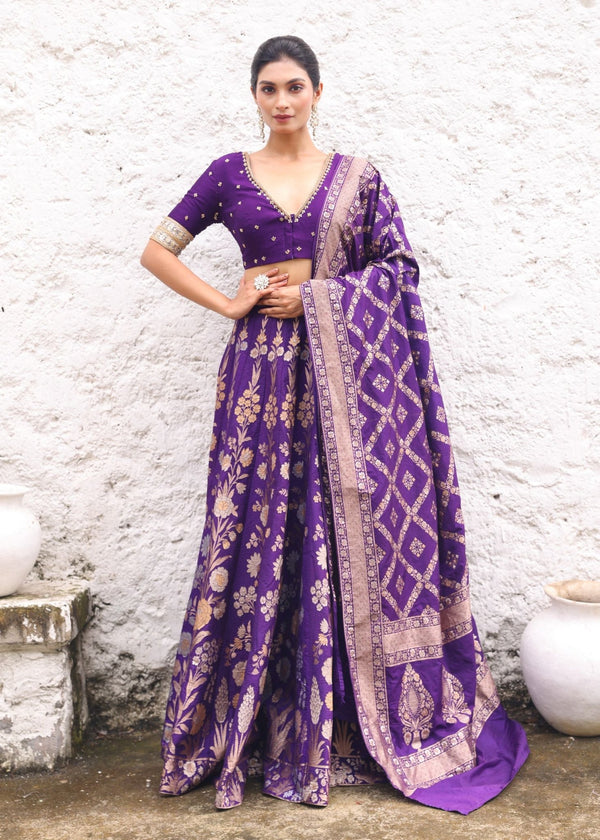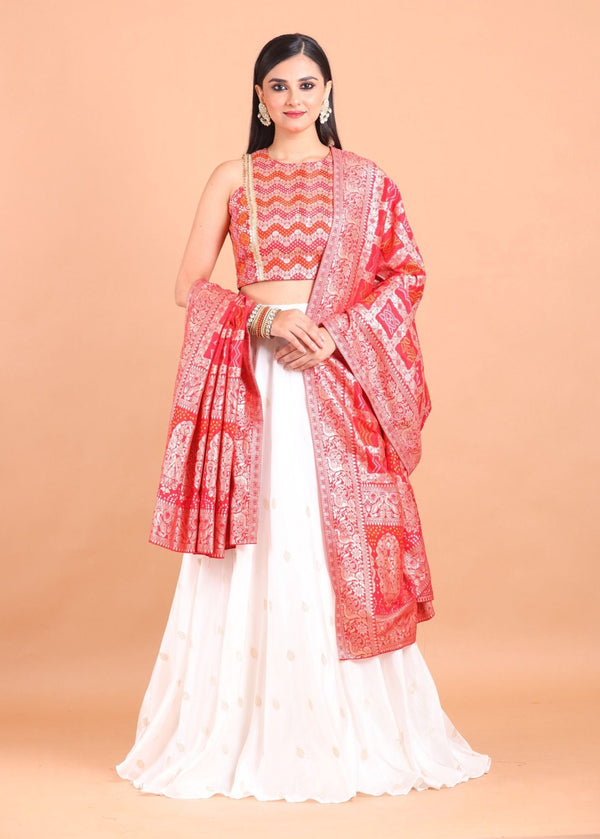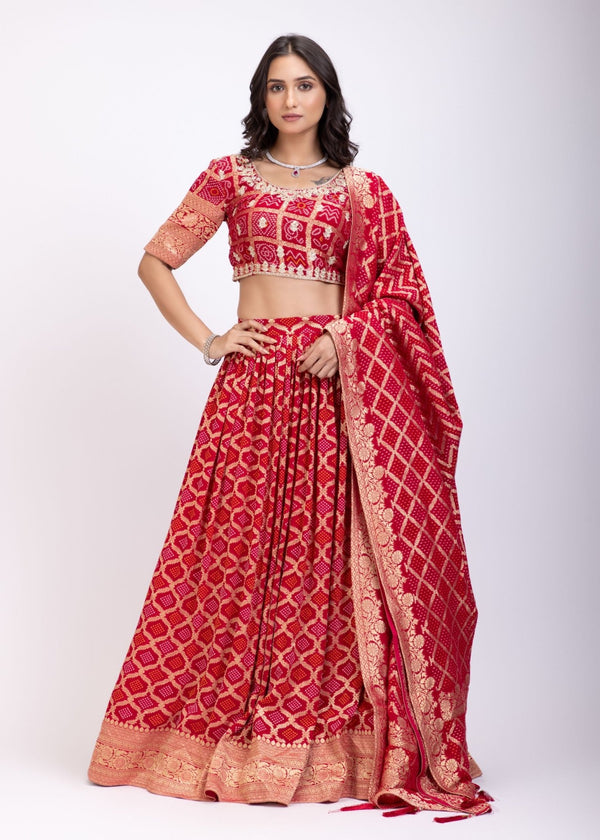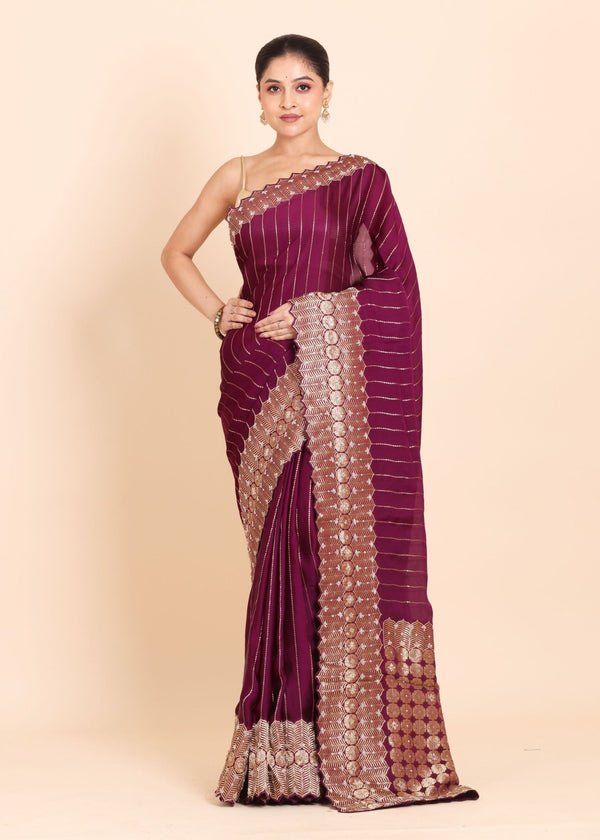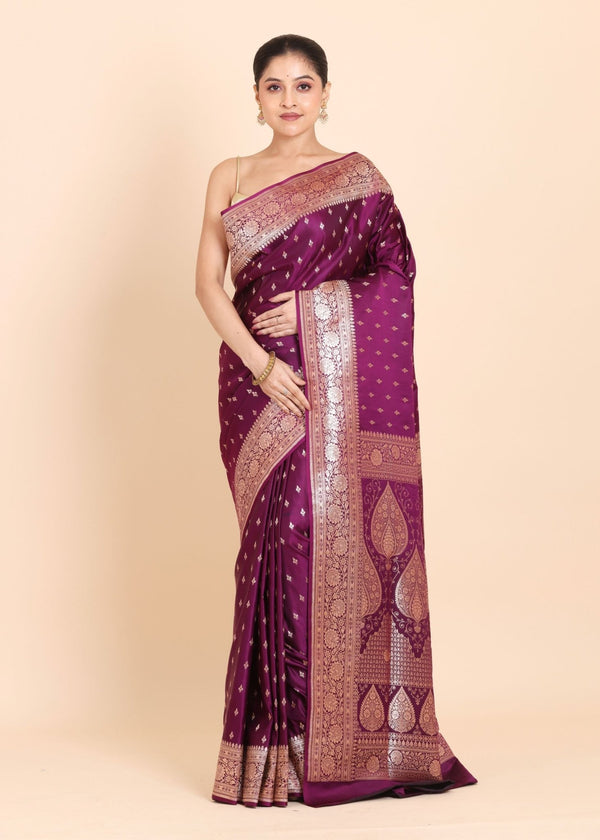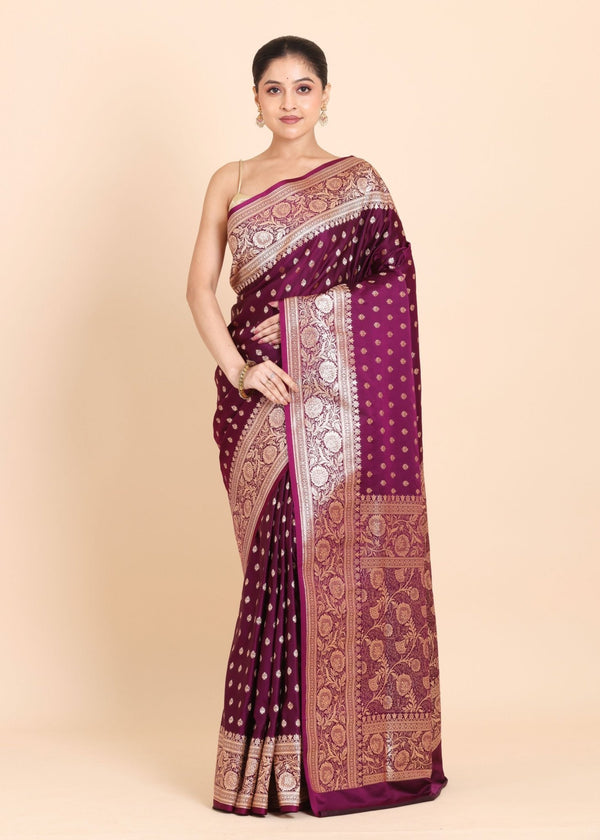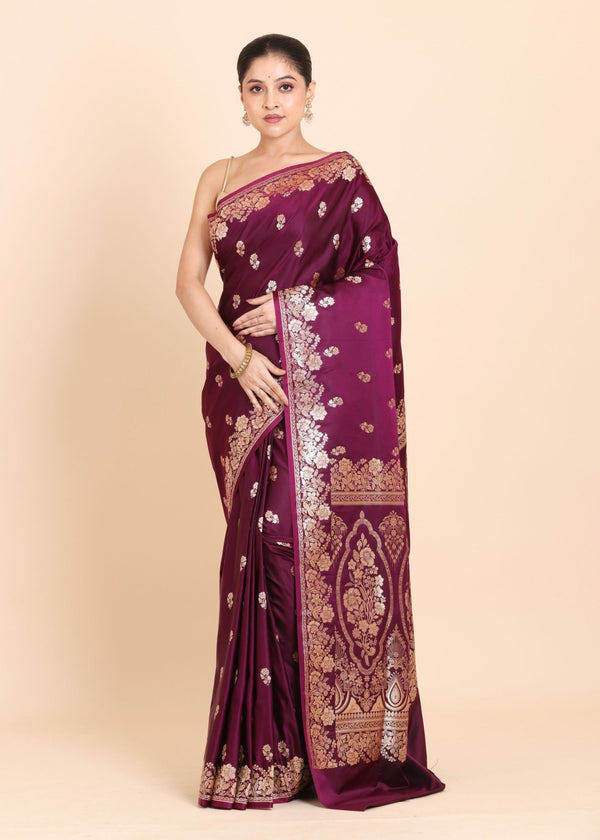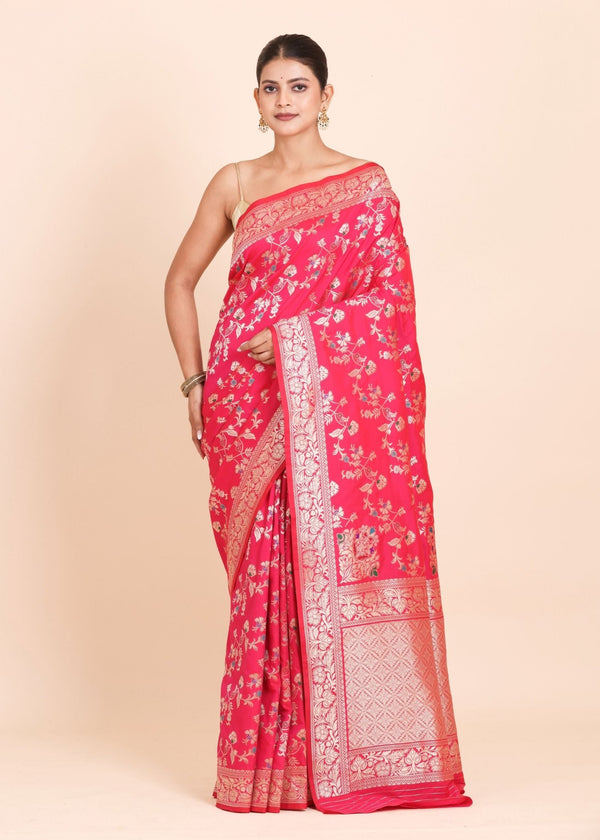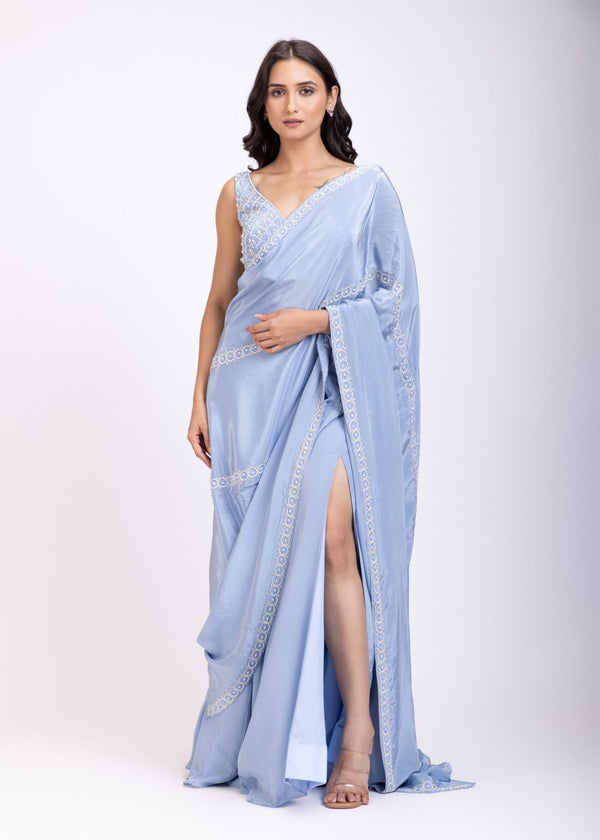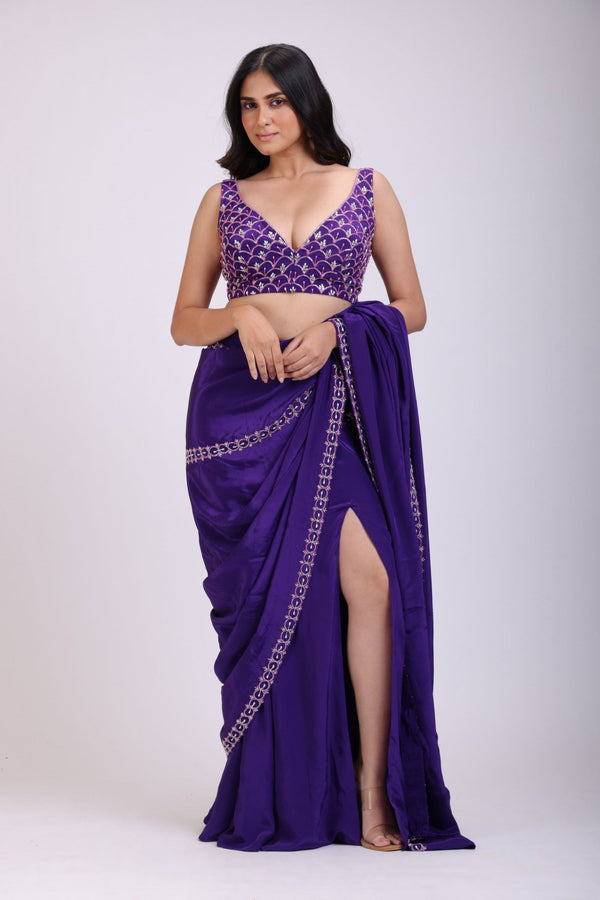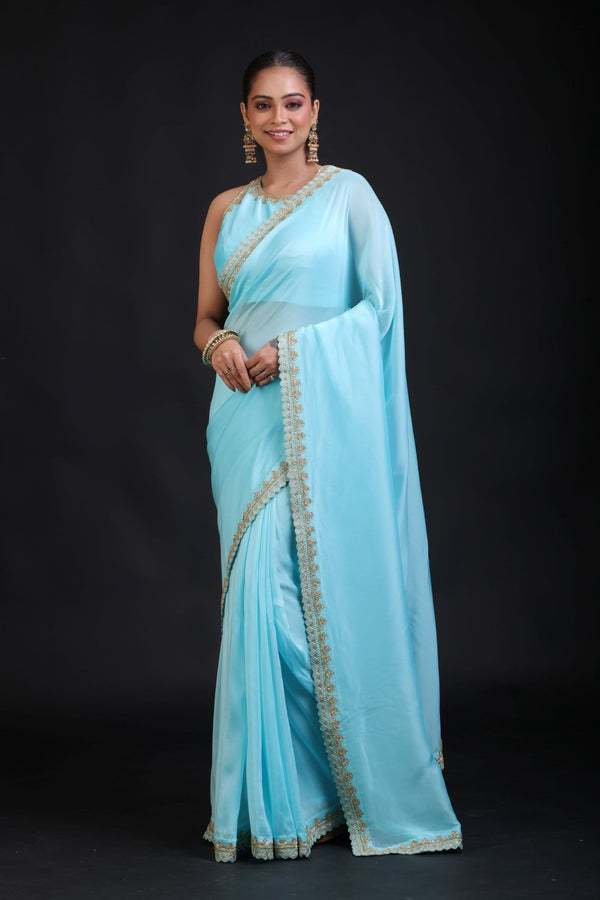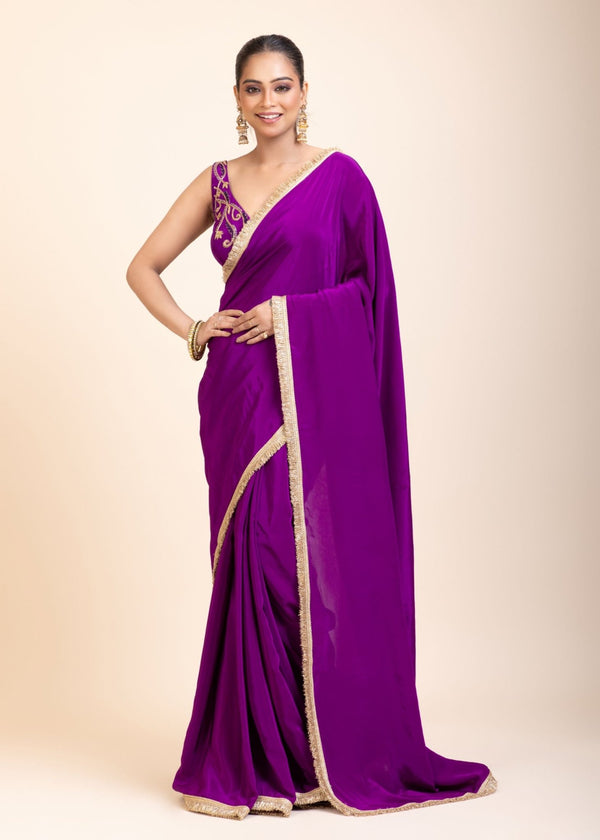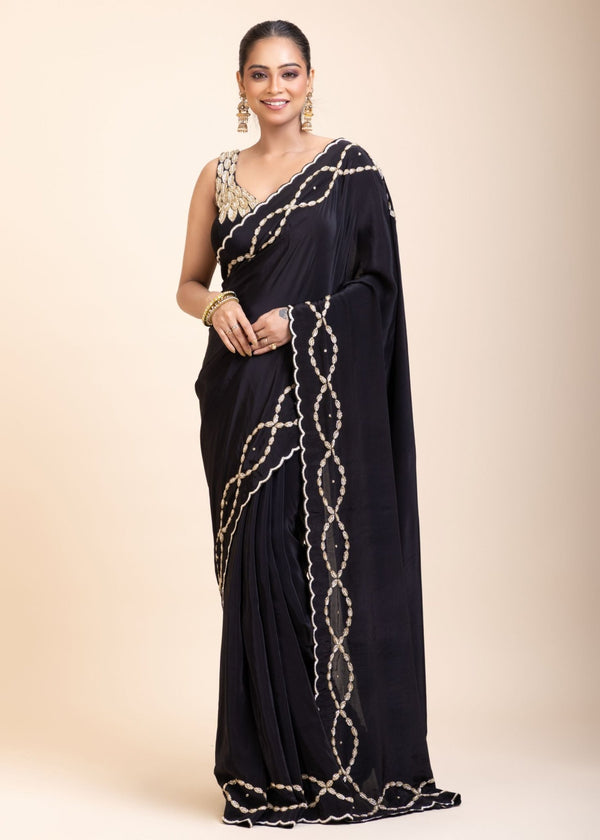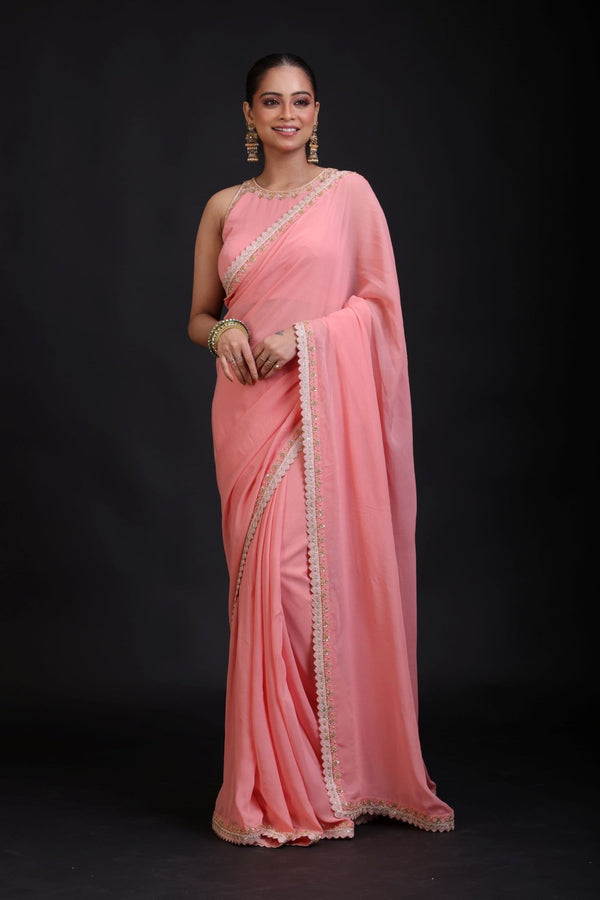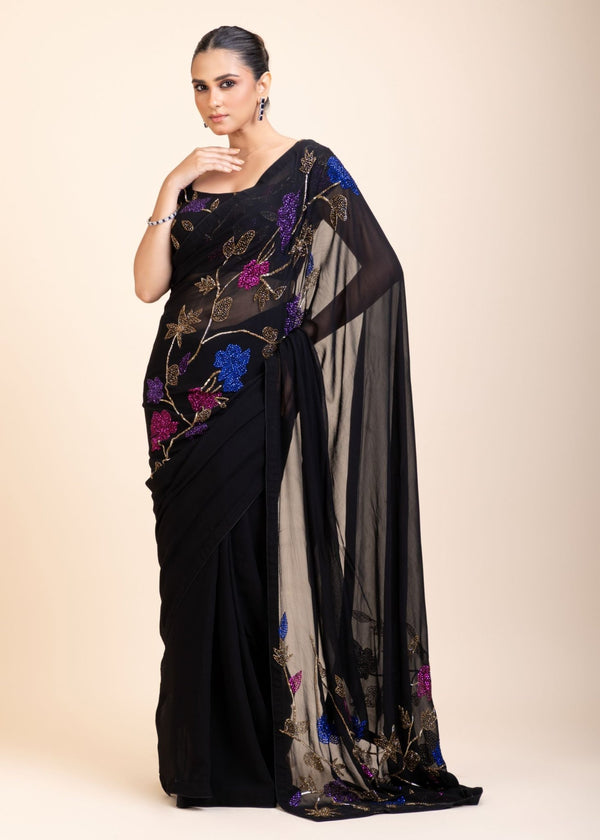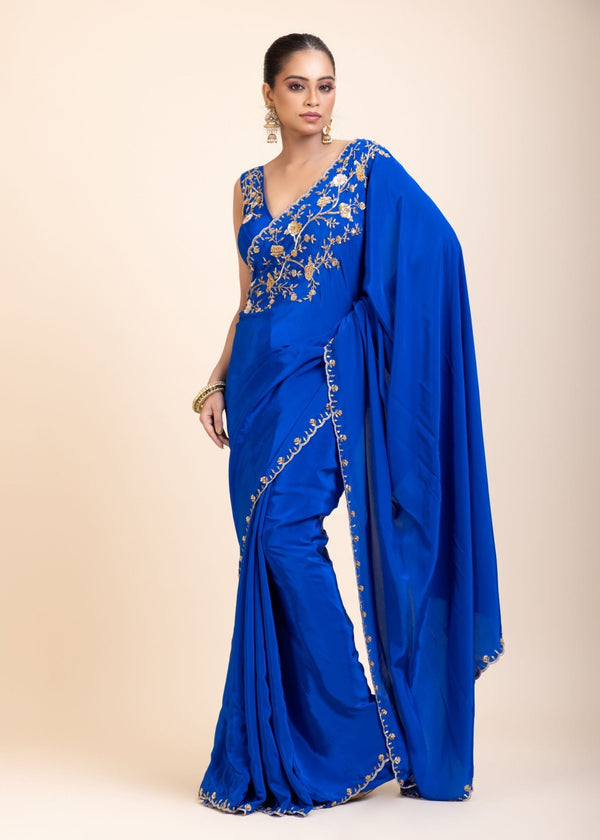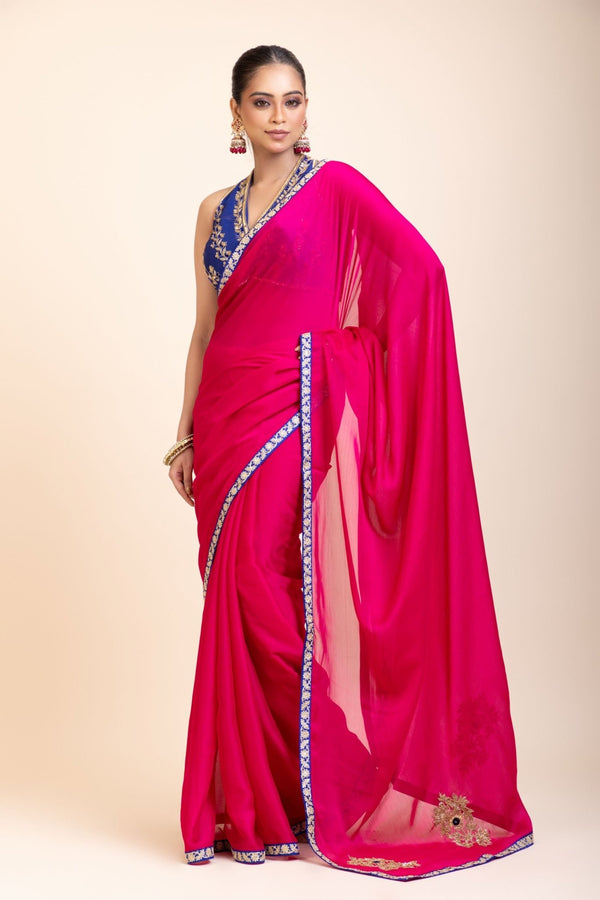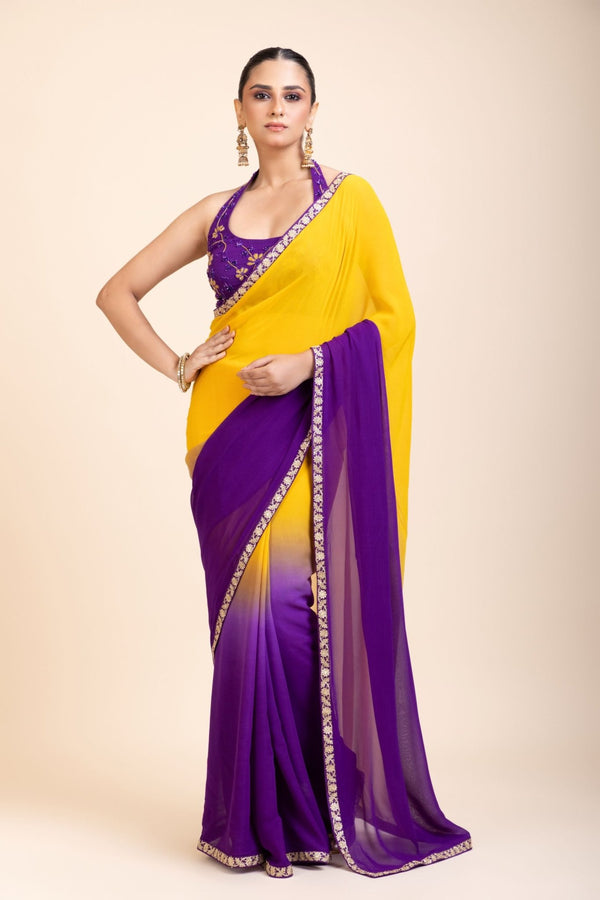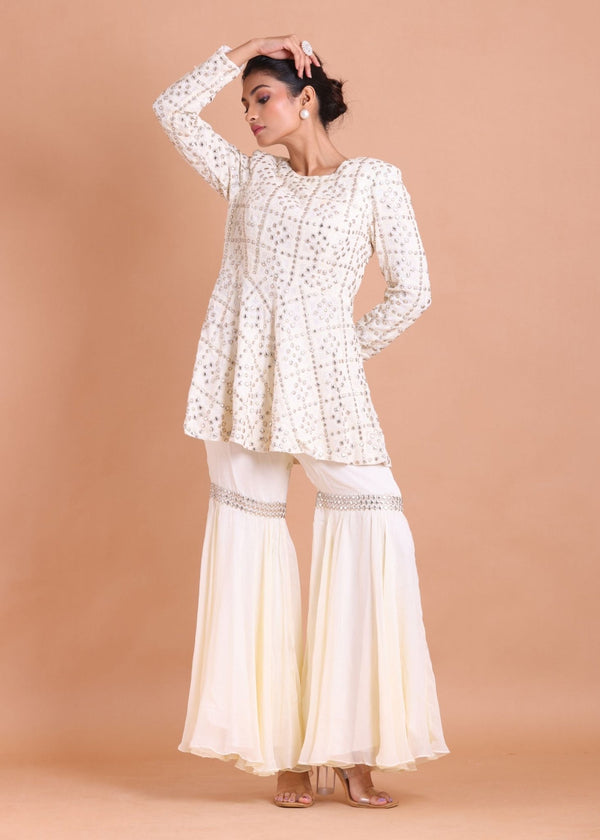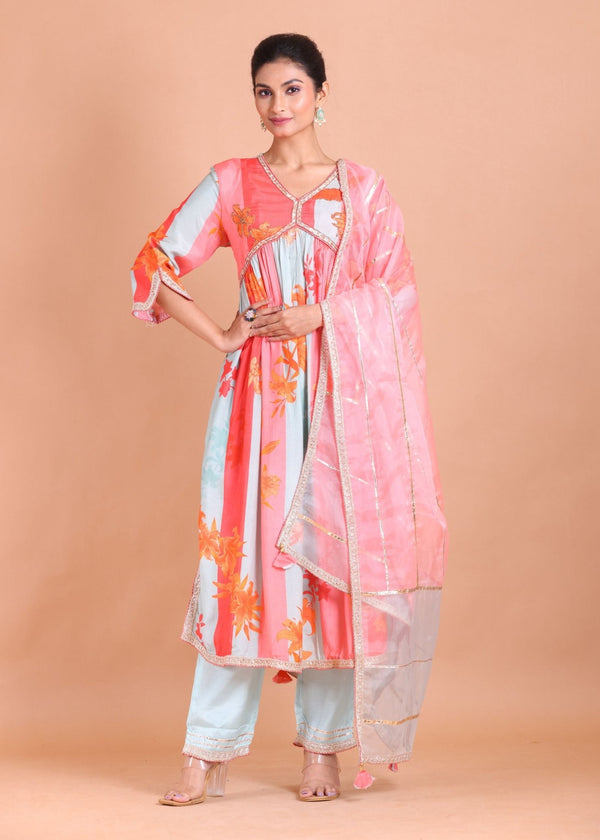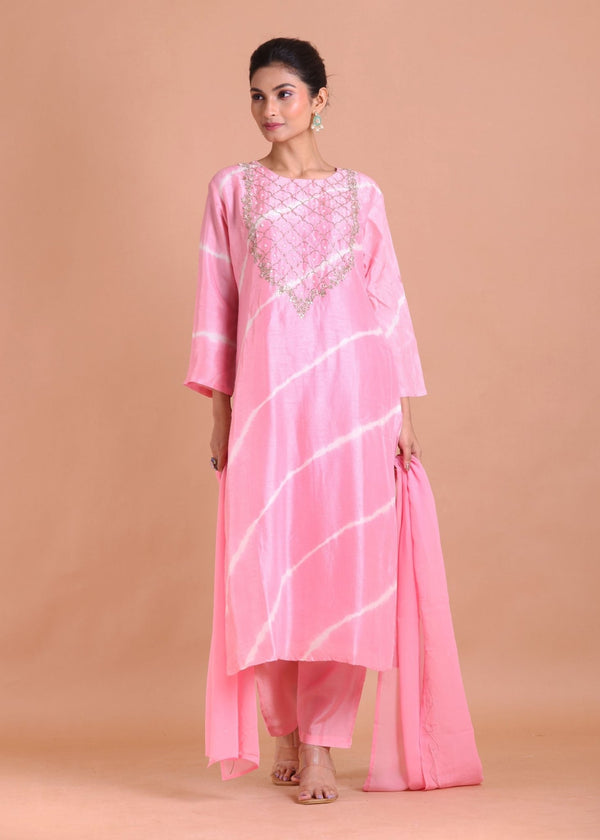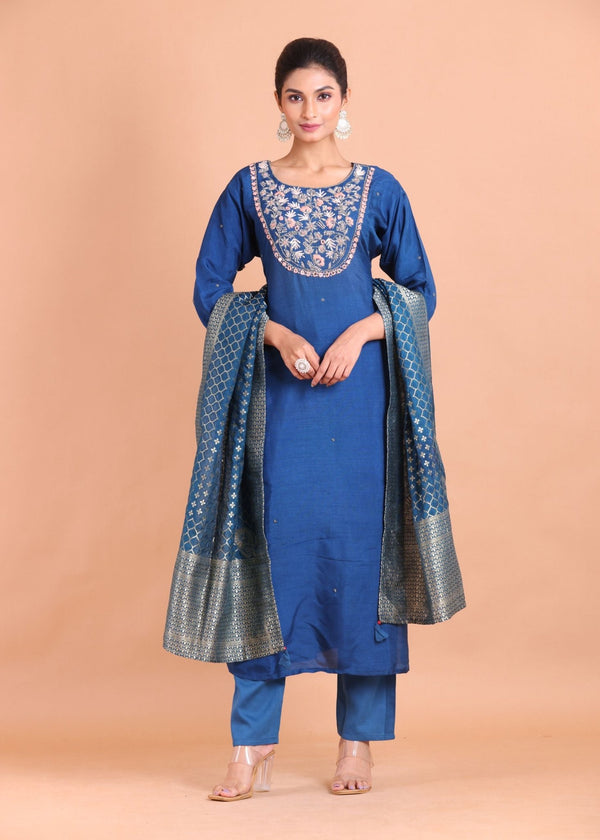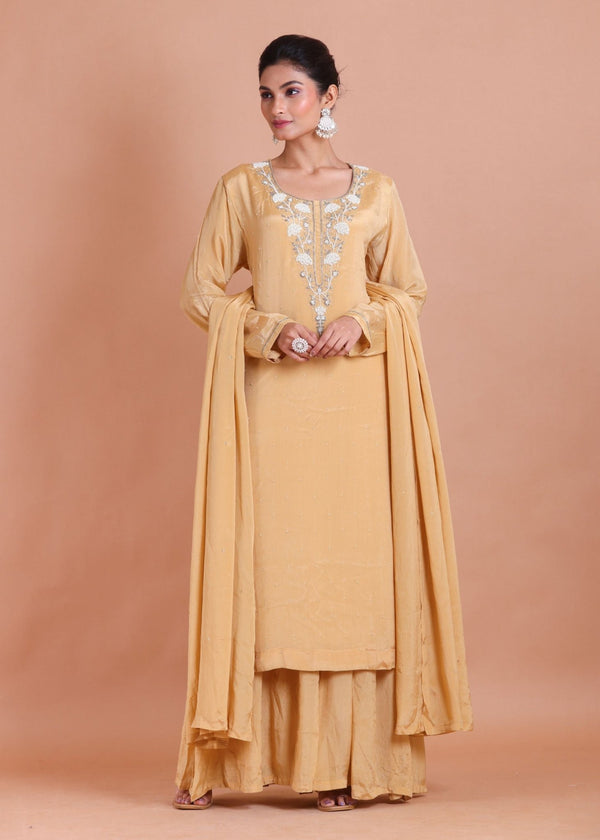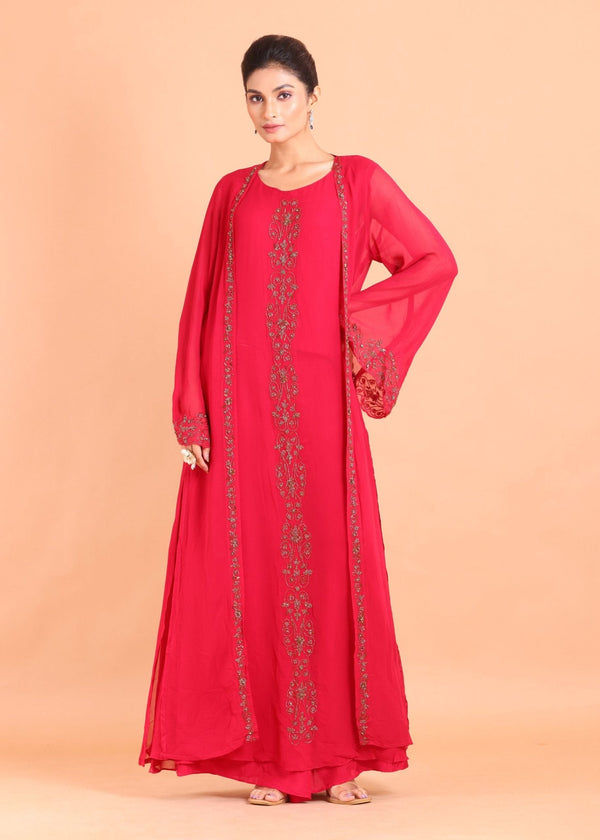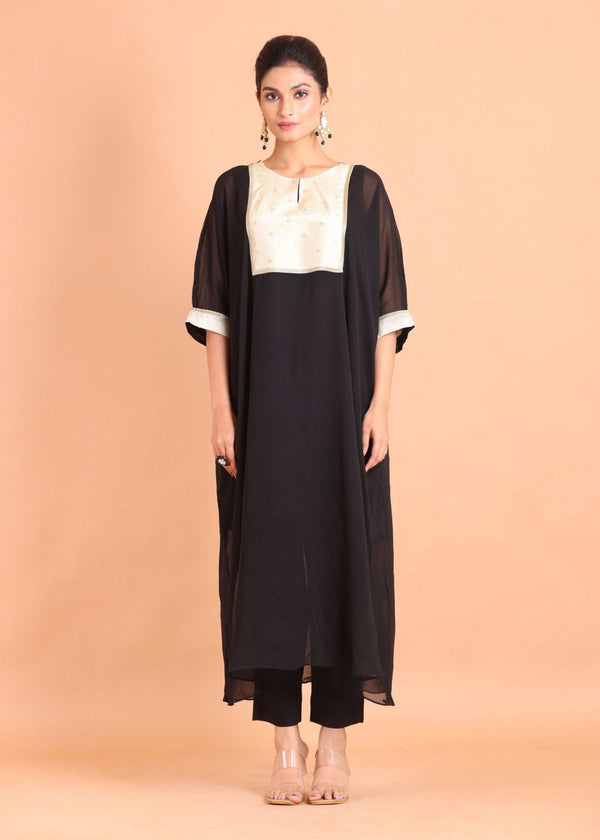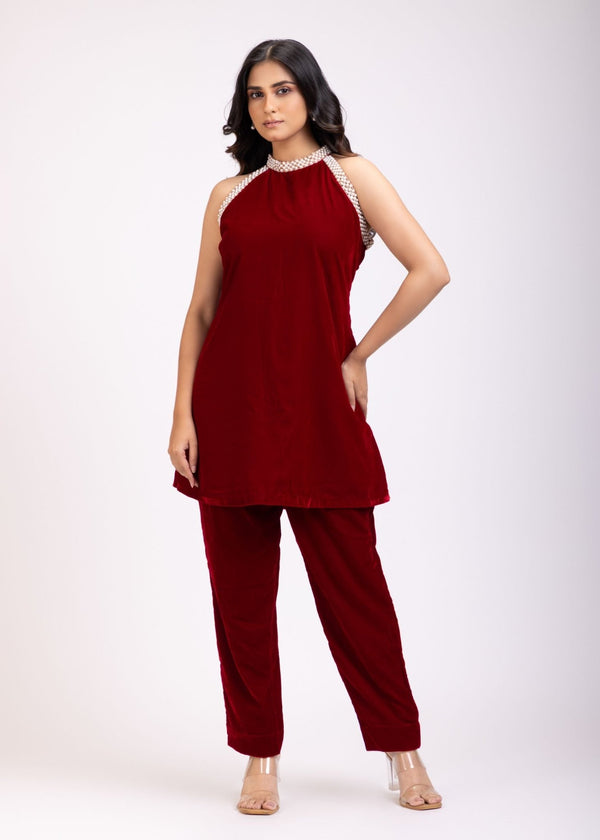




Choosing bridesmaid dress colors for an Indian wedding is about more than picking a shade that looks good. The color should work with the wedding function, time of day, season, décor, bridal outfit and overall wedding palette. In 2026, bridesmaid styling continues to include soft pastels, rich jewel tones, earthy shades and subtle metallics, giving bridesmaids plenty of ways to create a coordinated look without looking identical. The most popular Indian bridesmaid dress colors include blush pink, lavender, powder blue, mint green, peach, emerald green, sapphire blue, wine red, terracotta, mustard yellow, champagne and rose gold. Some shades are better suited to daytime ceremonies, while others work particularly well for evening celebrations and formal receptions. The key is to choose a color palette that complements the bride rather than competing with her outfit.
Quick Answer: What Are the Most Popular Indian Bridesmaid Dress Colors in 2026?
The most popular bridesmaid colors for Indian weddings in 2026 include pastel shades, jewel tones, earthy colors and soft metallics. Blush pink, lavender, powder blue, peach and mint green work well for daytime and outdoor celebrations. Emerald green, sapphire blue, wine red and other deep jewel tones suit evening weddings, Sangeet functions and receptions. Terracotta, burnt orange and mustard yellow are well suited to Haldi, Mehendi and destination weddings, while champagne, rose gold and silver-lavender can add subtle glamour to cocktail parties and receptions. Instead of making every bridesmaid wear exactly the same shade, modern bridal parties can also use different tones from the same color family or combine complementary colors.
1. Pastel Bridesmaid Dress Colors for Daytime Indian Weddings
Pastel colors remain a versatile choice for daytime Indian weddings. Blush pink, lavender, powder blue, peach and soft mint can create a light bridal-party palette without taking attention away from the bride. These shades work especially well for garden weddings, outdoor mandaps, daytime ceremonies, spring and summer celebrations, and wedding décor featuring fresh flowers or soft neutral tones. A light pink lehenga can work beautifully for a bridesmaid when the wedding palette includes blush, ivory or dusty rose. A lavender saree offers a slightly cooler alternative and can be styled with silver, pearl or light gold jewellery. For bridesmaids who prefer a more traditional silhouette, an anarkali in a soft pastel shade can provide coverage and movement while keeping the overall look coordinated. Pastels also photograph well in natural daylight because they create a softer visual balance with outdoor décor. If the bride is wearing a heavily embroidered or strongly colored bridal outfit, a muted pastel bridesmaid palette can create useful contrast.

2. Jewel-Tone Bridesmaid Colors for Evening Weddings
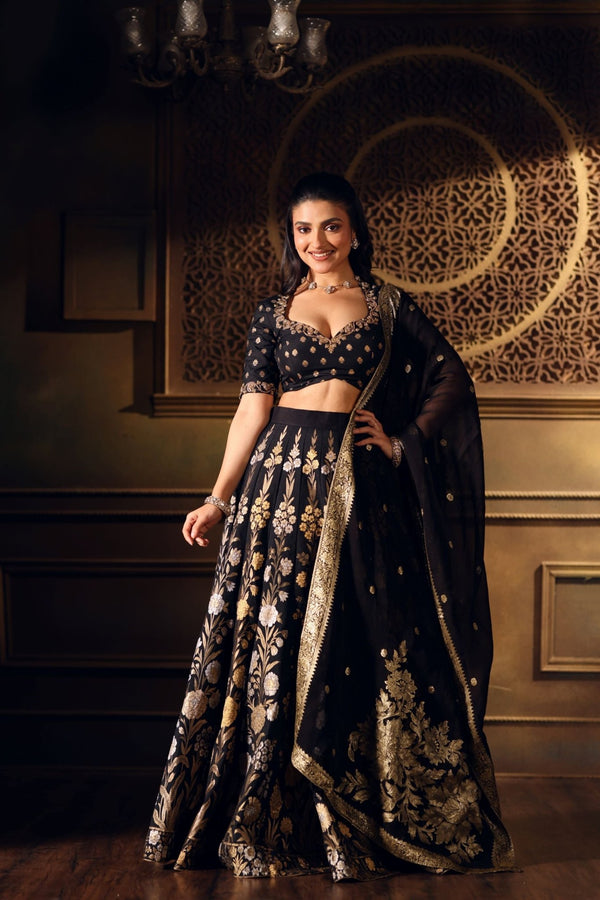
For evening celebrations, deeper shades can give the bridal party a richer and more formal appearance. Emerald green, sapphire blue, ruby red, wine and teal are strong options for Sangeet nights, evening wedding ceremonies and receptions. Jewel tones pair naturally with traditional Indian embellishment. Gold zari, cutdana, sequins, zardozi and statement jewellery can all work with deeper shades without making the outfit look flat. A red silk saree can create a traditional bridesmaid look for an evening function, particularly when styled with understated jewellery if the bride herself is wearing a heavily embellished red outfit. Similarly, a rich green saree can work well with gold accessories, embroidered blouses and formal wedding décor. Emerald green can also be paired with champagne or antique gold when the bridal party needs a little contrast. When choosing a jewel tone, consider the fabric as well. Velvet creates a deeper and more luxurious visual effect, while silk has a natural sheen. Satin and embellished fabrics can make the same color appear brighter under reception lighting.

3. Terracotta, Burnt Orange and Mustard for Haldi and Mehendi
Earth-inspired shades have a natural connection with Indian pre-wedding celebrations. Terracotta, burnt orange and mustard yellow are especially suitable for Haldi, Mehendi and destination weddings where the décor often includes flowers, foliage, natural textures and warm tones. Mustard is a traditional-looking shade that works naturally with marigold décor and yellow-themed Haldi celebrations. Burnt orange has a brighter, more contemporary feel, while terracotta offers a muted earthy alternative. A yellow saree can be styled with floral jewellery, lightweight embroidery or a contrasting blouse for a festive Haldi or Mehendi look. These colors also work well in destination wedding settings. Against outdoor backgrounds, earthy shades can create a cohesive bridal-party appearance without requiring every detail of the outfit to match the décor. For a coordinated bridesmaid group, the three shades can even be used within the same warm palette. For example, the bride can choose mustard for one function while bridesmaids wear terracotta, burnt orange or a softer peach tone.

4. Metallic Bridesmaid Colors for Receptions and Cocktail Parties
For receptions and cocktail events, metallic shades can bring a more glamorous direction to bridesmaid styling. Champagne gold, rose gold, silver and silver-lavender are useful choices when the wedding has a contemporary or evening-focused aesthetic. Metallic does not always mean heavy shimmer. A satin, tissue, silk or lightly embellished outfit can create enough surface shine without becoming overly dramatic. Champagne gold sarees can complement warm lighting and gold jewellery, while rose gold works well with blush, nude and dusty pink wedding palettes. Silver-lavender offers a cooler alternative and can be paired with silver jewellery or crystal embellishments. For a bridesmaid outfit, the amount of embellishment matters as much as the color. If the dress or saree already has sequins, metallic threadwork or a high-shine finish, keeping the jewellery and accessories more restrained can help maintain visual balance. These shades are particularly useful when the bridal party wants a formal look without wearing the same deep colors typically associated with evening weddings.

5. Mint Green, Peach and Soft Neutral Bridesmaid Colors
Mint green, peach and soft neutral shades offer another direction for bridesmaid styling. They are especially useful for daytime weddings, garden ceremonies and pastel-themed celebrations. Mint green has a fresh, cool appearance and works well with floral décor, pearl accessories and light gold embellishment. Peach adds warmth while remaining softer than orange or coral. Soft ivory and off-white can also be considered, but these shades require more care. In many Indian weddings, the bride may wear ivory, cream or white, so bridesmaids should confirm the bridal color palette before selecting these shades. An off white lehenga can work particularly well when ivory is intentionally part of the wedding palette or when the bride has chosen a contrasting bridal color. For a softer bridal-party aesthetic, a pastel bridal dress can also be paired with complementary shades such as peach, blush or mint. Lightweight fabrics such as organza, georgette and chiffon can enhance these colors because their fluid drape and slightly sheer surface create movement. For bridesmaids, this can be useful when the aim is to create a coordinated group without making every outfit look identical.

Which Bridesmaid Colors Work Best for Each Indian Wedding Function?
The best bridesmaid color depends heavily on the function. A color that works beautifully for a daytime Haldi may not have the same impact at a formal reception.
|
Wedding Function |
Color Ideas |
Why They Work |
|
Haldi |
Mustard, yellow, peach, burnt orange |
Bright, festive and works with marigold décor |
|
Mehendi |
Green, mint, terracotta, peach |
Complements floral and botanical themes |
|
Sangeet |
Emerald, sapphire, wine, rose gold |
Works well for evening glamour |
|
Wedding Ceremony |
Blush, lavender, muted jewel tones |
Creates a coordinated bridal-party palette |
|
Reception |
Champagne, silver, emerald, wine |
Suits formal evening styling |
|
Cocktail Party |
Rose gold, silver, sapphire, deep wine |
Works with contemporary evening décor |
|
Destination Wedding |
Terracotta, peach, mint, powder blue |
Works well with outdoor surroundings |
The table is a starting point rather than a strict dress code. The wedding venue, décor, bridal outfit and personal preferences should still guide the final color selection.
How to Choose the Right Bridesmaid Dress Color
Choosing a bridesmaid color becomes easier when you work through a few practical factors.
Start With the Bride's Outfit
The bridesmaid palette should support the bride's outfit rather than visually compete with it. If the bride is wearing a highly saturated or heavily embellished color, bridesmaids can use softer or complementary shades.
Consider the Wedding Function
Think about where the outfit will be worn. Haldi and Mehendi allow brighter, warmer colors, while receptions and cocktail parties can accommodate deeper jewel tones and metallic shades.
Check the Time of Day
Daylight tends to make soft colors look lighter, while evening lighting can deepen colors and highlight metallic finishes. Consider how the shade will look both in person and in photographs.
Look at the Wedding Décor
The bridesmaid color does not have to match every flower, backdrop or table setting. Instead, choose a shade that belongs to the same overall color story.
Think About the Season
Spring and summer weddings often work well with pastels, peach, mint and powder blue. Autumn and winter celebrations can accommodate deeper shades such as emerald, wine, sapphire and terracotta.
Decide Whether Everyone Should Match
A bridal party does not need identical outfits to look coordinated. You can choose one color for everyone, several shades from one color family, or a group of complementary colors.
Choose the Fabric Carefully
The fabric can completely change the appearance of a color. Silk has natural sheen, velvet creates depth, organza adds lightness, while sequins and metallic embroidery increase surface shine. Choose the fabric after considering the function and overall styling.
Should All Bridesmaids Wear the Same Color?
No. Bridesmaids can wear the same color, different shades of one color or a combination of complementary colors.
Same color, different outfits:
Every bridesmaid wears the same shade but chooses a different silhouette, such as a saree, lehenga, sharara or anarkali.
Different shades from one color family:
This creates a coordinated look while giving each bridesmaid some flexibility. For example, blush pink, dusty rose and mauve can work together.
Complementary colors:
Two or more related colors can be used to create contrast. Emerald and champagne, peach and sage, or lavender and powder blue are examples of palettes that can be explored.
Same palette, different silhouettes:
This approach is useful when bridesmaids have different style preferences. Keeping the color family consistent while changing the silhouette can make the group look coordinated without making everyone look identical.
How Bridesmaid Colors Should Coordinate With the Bride
Bridesmaid colors should be considered alongside the bridal outfit, but they do not have to match it exactly. If the bride is wearing red, bridesmaids can explore blush, peach, champagne, emerald or softer pink shades depending on the wedding décor. If the bride is wearing a pastel outfit, bridesmaids can continue the soft palette with lavender, mint, powder blue or peach, or create contrast with a deeper jewel tone. If the bride is wearing gold, colors such as emerald, wine, champagne, dusty rose or deep blue can create different levels of contrast while remaining connected to the wedding palette. The bride's outfit should remain the visual focal point. Bridesmaid styling can then be used to create harmony around it through color, fabric, embroidery and silhouettes.
Indian Bridesmaid Colors by Wedding Season
Season can also influence the bridesmaid color palette, especially for outdoor weddings.
Spring Weddings
Blush pink, lavender, mint green, peach and powder blue are natural choices for a fresh spring palette.
Summer Weddings
Peach, yellow, mint, powder blue and soft pink can work well for daytime and outdoor celebrations. Lightweight fabrics can also make the outfit more comfortable.
Autumn Weddings
Terracotta, burnt orange, mustard, wine and emerald can complement the warmer atmosphere of an autumn wedding.
Winter Weddings
Emerald, sapphire, wine, plum, deep teal and champagne can create a richer palette for evening celebrations and formal receptions.
Season should not be the only deciding factor. Venue, lighting, décor and the bride's outfit can be more important when finalizing the color palette.
Bridesmaid Dress Color Guide: Quick Comparison
|
Color |
Best For |
Best Time |
Outfit Ideas |
|
Blush Pink |
Soft bridal palettes |
Day |
Lehenga, saree |
|
Lavender |
Pastel and floral themes |
Day or evening |
Saree, anarkali |
|
Powder Blue |
Outdoor and garden weddings |
Day |
Saree, lehenga |
|
Emerald Green |
Formal wedding functions |
Evening |
Saree, lehenga |
|
Sapphire Blue |
Sangeet and reception |
Evening |
Saree, lehenga |
|
Wine Red |
Formal and festive events |
Evening |
Saree, lehenga |
|
Terracotta |
Mehendi and destination weddings |
Day |
Lehenga, sharara |
|
Mustard Yellow |
Haldi and Mehendi |
Day |
Saree, sharara |
|
Peach |
Garden and daytime weddings |
Day |
Saree, lehenga |
|
Mint Green |
Pastel wedding themes |
Day |
Lehenga, anarkali |
|
Champagne Gold |
Reception and cocktail |
Evening |
Saree, lehenga |
|
Rose Gold |
Contemporary celebrations |
Evening |
Lehenga, saree |