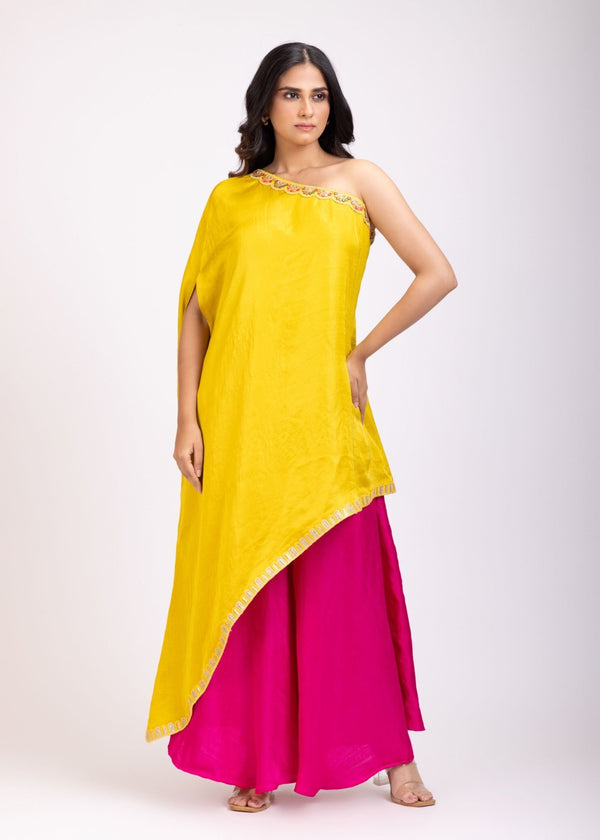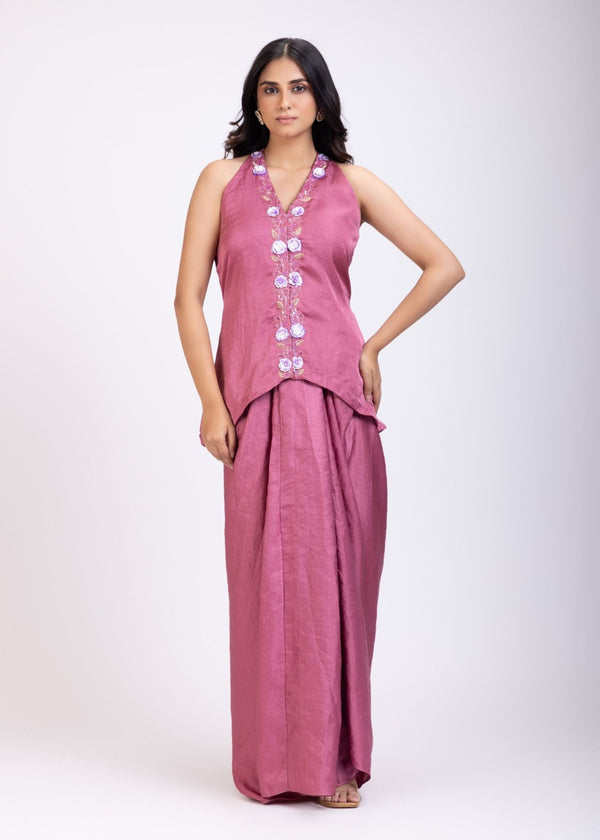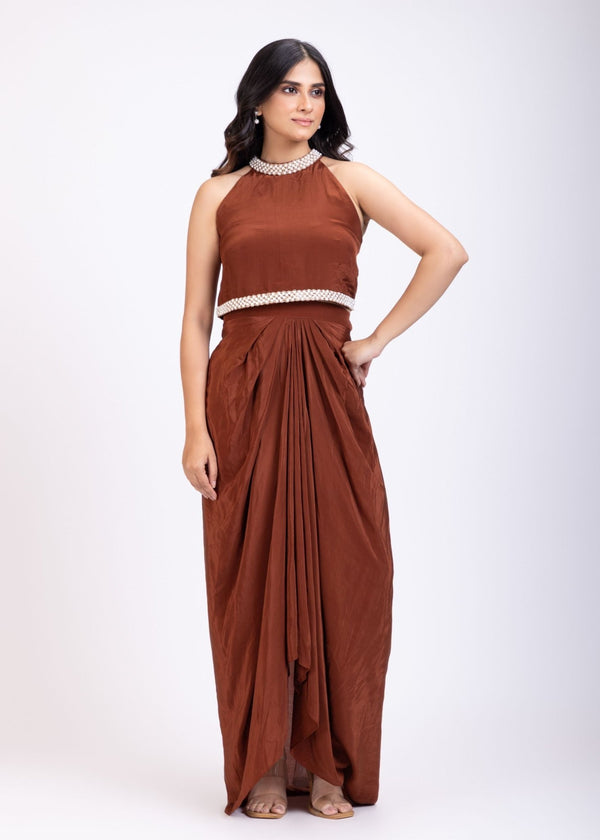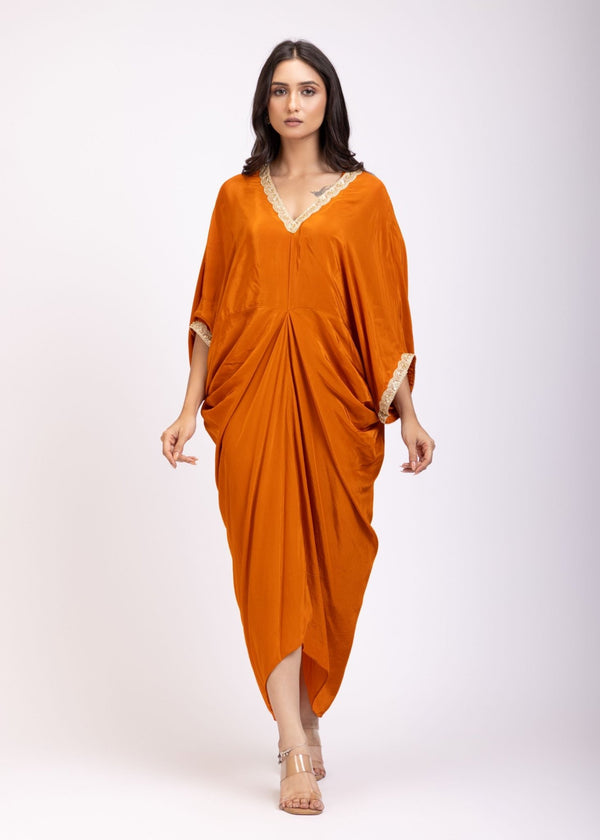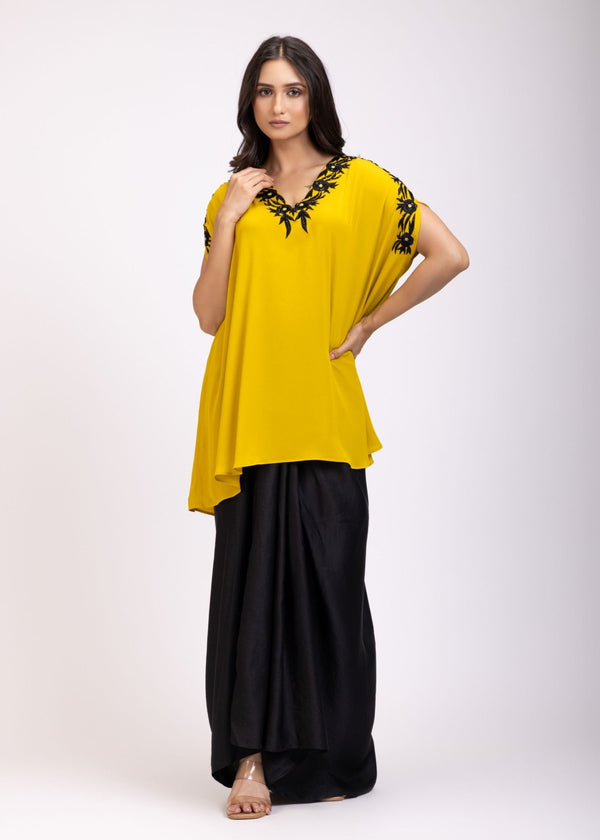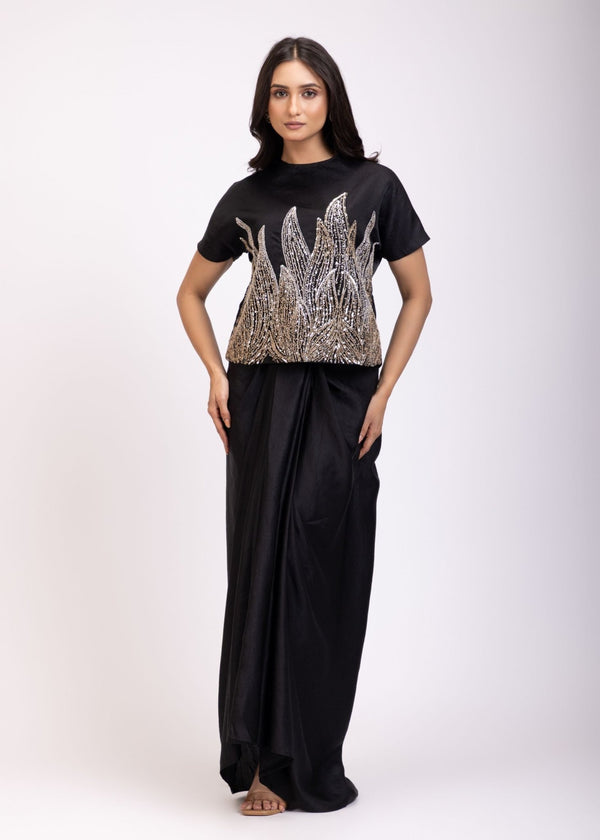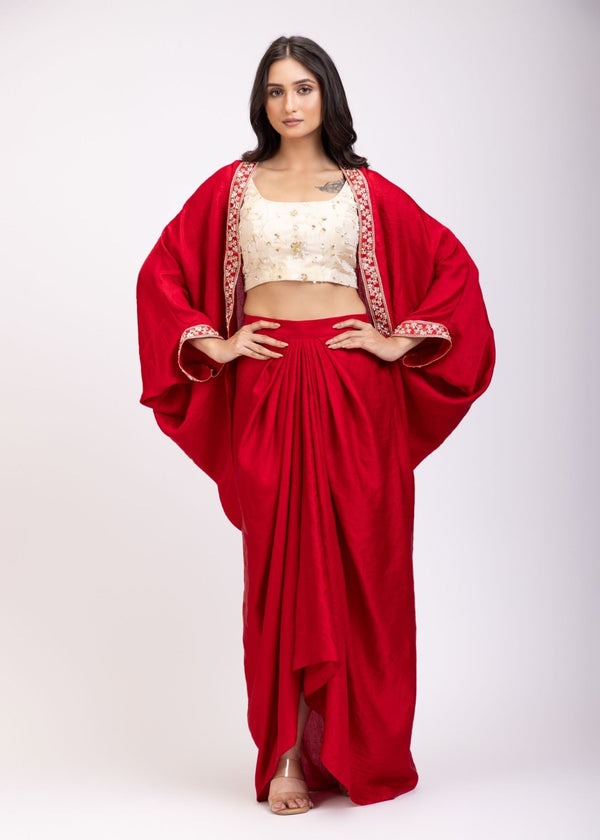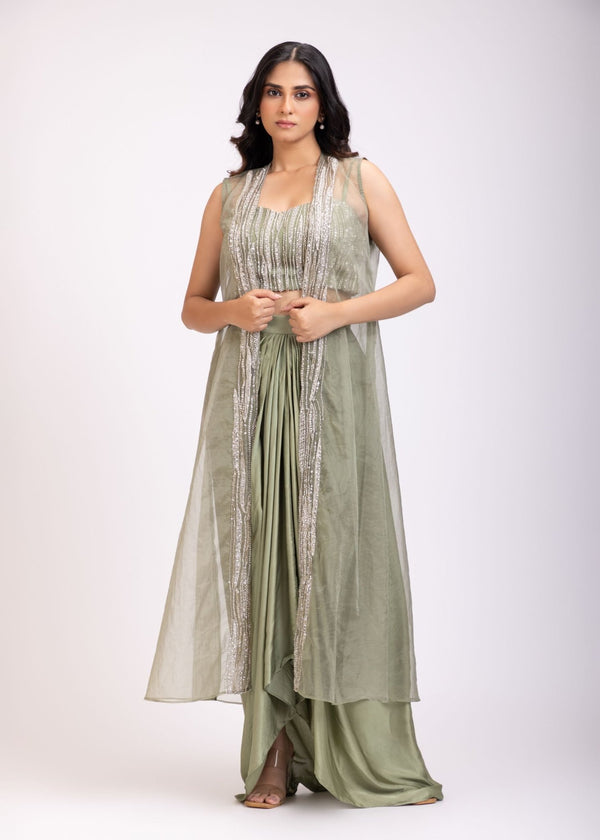




Choosing an Indian wedding guest outfit is about more than picking a festive dress. The right attire should suit the wedding function, venue, weather and dress code while keeping you comfortable throughout the celebration. Depending on the occasion, women can choose from sarees, lehengas, shararas, kurta sets and Indo-Western dresses. Whether you are attending a Mehendi, Sangeet, wedding ceremony or reception, these 10 do’s and don’ts will help you choose Indian wedding guest attire that feels festive, culturally appropriate and personal without looking overdressed.
10 Do’s and Don’ts of Indian Wedding Guest Attire
1. Do dress according to the wedding function
Not every wedding function requires the same level of dressing. A Mehendi or daytime gathering can call for a lighter and more comfortable outfit, while the main wedding ceremony may require more traditional attire. Receptions and evening celebrations often allow for more glamorous silhouettes. Before choosing your Indian wedding guest outfit, check the invitation and consider the time, venue and dress code.
2. Do choose traditional or Indo-Western styles
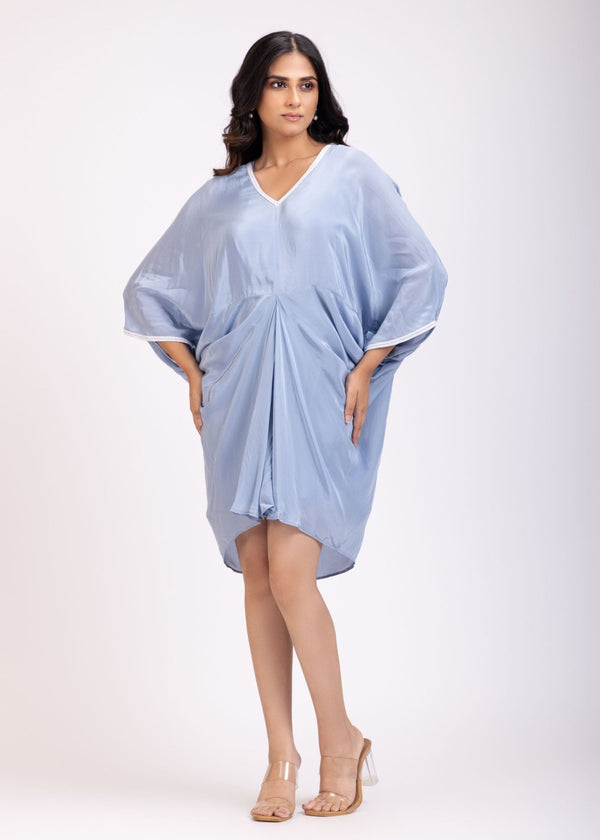
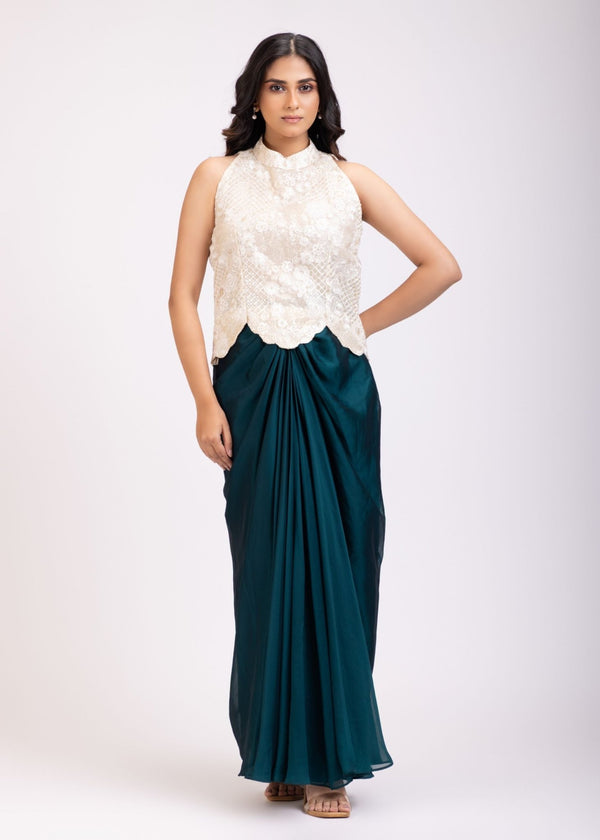
Indian wedding guest attire can be traditional or contemporary. A saree, lehenga, sharara, kurta set or Indo-Western outfit can all work when they suit the occasion. If you prefer a modern look, an Indo-Western dress can combine Indian detailing with contemporary silhouettes. The important thing is to choose an outfit that looks festive without feeling out of place at the ceremony.
3. Do choose festive colours thoughtfully
Indian weddings are naturally associated with vibrant and celebratory colours. Jewel tones, pinks, greens, blues, maroons, yellows and other festive shades can work well for wedding guest outfits. However, there is no single colour rule for every Indian wedding. Customs can differ between families, communities and ceremonies. If the invitation or hosts mention specific colours to wear or avoid, follow their preference.
4. Do prioritise comfortable fabrics and weather
Wedding celebrations can last for several hours, so comfort matters as much as appearance. Choose fabrics and silhouettes that allow you to sit, walk and move easily. For warm or daytime functions, lightweight and breathable fabrics can be more comfortable. For evening or cooler celebrations, silk, velvet, brocade and other structured fabrics can add warmth and richness. Your fabric choice should always match the season and venue rather than simply following a trend.
5. Do balance tradition with your personal style
Your outfit does not have to look completely traditional to be suitable for an Indian wedding. Personal styling can come through your blouse design, saree drape, dupatta styling, jewellery or silhouette. For example, a classic saree can be styled with a contemporary blouse, while a traditional lehenga can be paired with modern accessories. The aim is to create a coordinated look that still feels like you.
6. Don’t wear an outfit that competes with the bride or groom
Embellishment is not something you need to avoid completely. Sequins, embroidery, zari, beads and other decorative details are common in Indian wedding fashion. The important thing is to avoid an outfit that looks distinctly bridal when you are a guest. If the wedding is very formal, a richly detailed saree or lehenga can be perfectly appropriate, but the overall styling should still feel guest-appropriate.
7. Don’t ignore cultural and dress-code expectations
Indian weddings can involve religious ceremonies and customs that vary from one family or community to another. Some venues may also have specific expectations about modesty, footwear or covering the head or shoulders. If you are attending a traditional ceremony, check whether the hosts have shared any dress guidelines. When in doubt, choose a well-fitted outfit with appropriate coverage and keep the styling respectful.
8. Don’t choose impractical footwear
Wedding guests often spend hours walking, standing and dancing. Very high or uncomfortable heels may look good initially but can become difficult to manage during a long celebration. Block heels, wedges, embellished flats or comfortable low heels can be practical choices. Select footwear that works with the length of your outfit and gives you enough stability to move comfortably.
9. Do coordinate your accessories and grooming
Jewellery, footwear, bags, hairstyle and makeup should complement the outfit rather than compete with it. A saree may work well with statement earrings and bangles, while a heavily embroidered lehenga may need fewer additional accessories. A potli bag or compact clutch can also be useful for carrying essentials while maintaining a festive look. Keep your hairstyle and makeup suitable for the function and the overall level of formality.
10. Don’t forget the venue, time and weather
The same outfit may not work equally well for an outdoor daytime wedding and an indoor evening reception. Consider whether the event is taking place in a banquet hall, hotel, temple, outdoor lawn or another venue.
Think about four things before finalising your outfit:
Function + Dress Code + Weather + Venue
These four factors can help you decide whether you need a lightweight saree, a festive lehenga, a comfortable sharara, a kurta set or a more contemporary Indo-Western look.
What to Wear to Different Indian Wedding Functions
|
Wedding Function |
Suitable Guest Outfits |
Styling Direction |
|
Mehendi |
Sharara, lehenga, saree or kurta set |
Colourful, comfortable and easy to move in |
|
Haldi |
Lightweight saree, sharara, kurta set or fusion outfit |
Practical fabrics and comfortable footwear |
|
Sangeet |
Lehenga, saree, sharara or Indo-Western dress |
Festive, stylish and dance-friendly |
|
Wedding Ceremony |
Saree, lehenga, sharara or traditional set |
Traditional, refined and ceremony-appropriate |
|
Reception |
Saree, lehenga, gown or Indo-Western outfit |
More formal and suitable for evening styling |
|
Casual/Daytime Function |
Lightweight saree, kurta set or fusion outfit |
Breathable fabrics and lighter accessories |
Indian Wedding Guest Outfit Ideas
Saree or Lehenga for the Wedding Ceremony
For the main wedding ceremony, a saree or lehenga is a classic choice. A lehenga can create a festive silhouette, while a silk or Banarasi saree offers a more traditional look. A classic saree can also be styled with statement earrings, a structured blouse and coordinated footwear for a formal wedding guest look.

Sharara Set for Mehendi or Sangeet
A sharara set is a practical choice for lively pre-wedding functions. The flared silhouette gives you room to move, while embroidery and festive detailing keep the outfit celebration-ready. For a Mehendi or Sangeet, pair a sharara with comfortable footwear and jewellery that complements the outfit without making it difficult to move or dance.

Indo-Western Outfit for the Reception
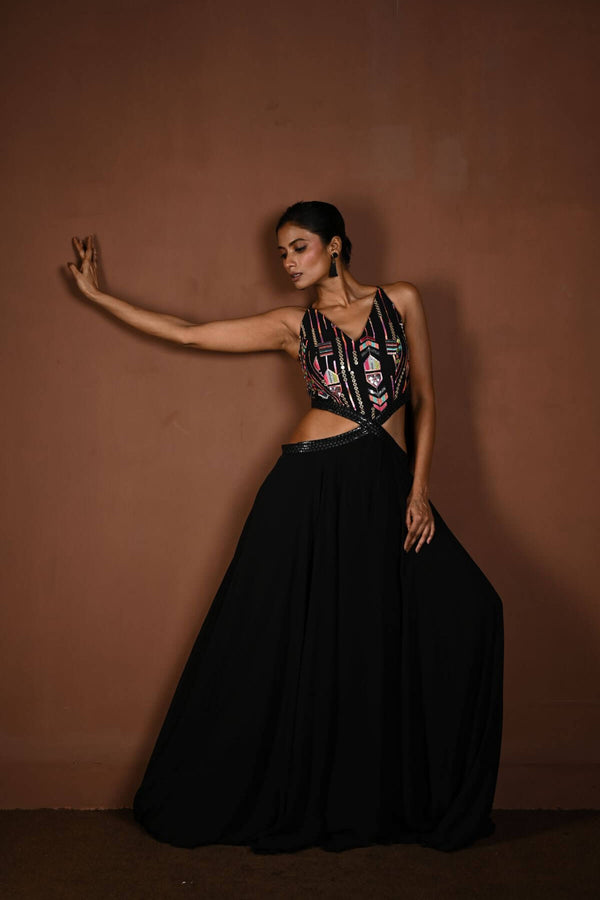
An evening reception often allows more flexibility with contemporary silhouettes. An Indo-Western gown or fusion dress can combine Indian-inspired detailing with a modern shape. This is a useful option if you want your Indian wedding guest outfit to feel contemporary while still retaining a festive connection to Indian fashion.

Kurta Set for a Daytime or Casual Function
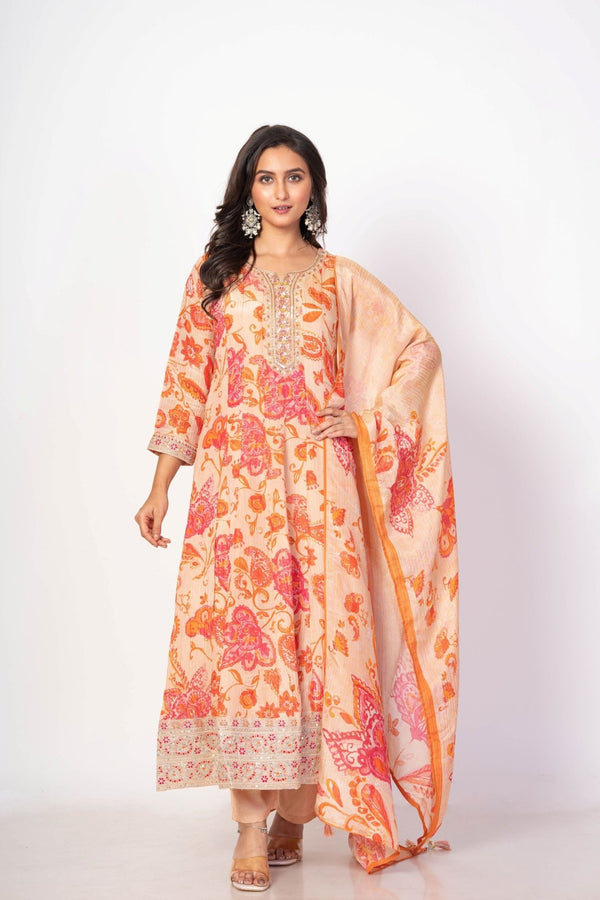
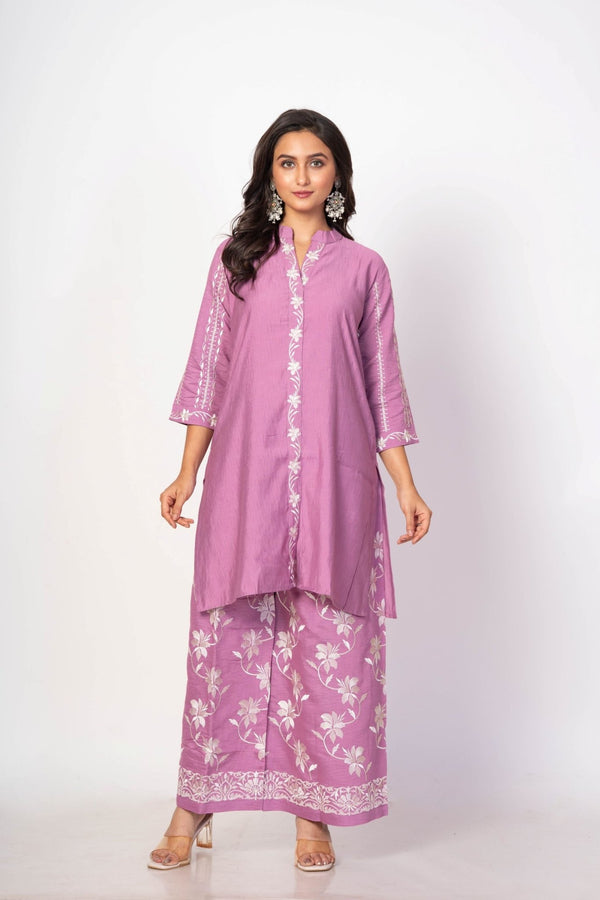
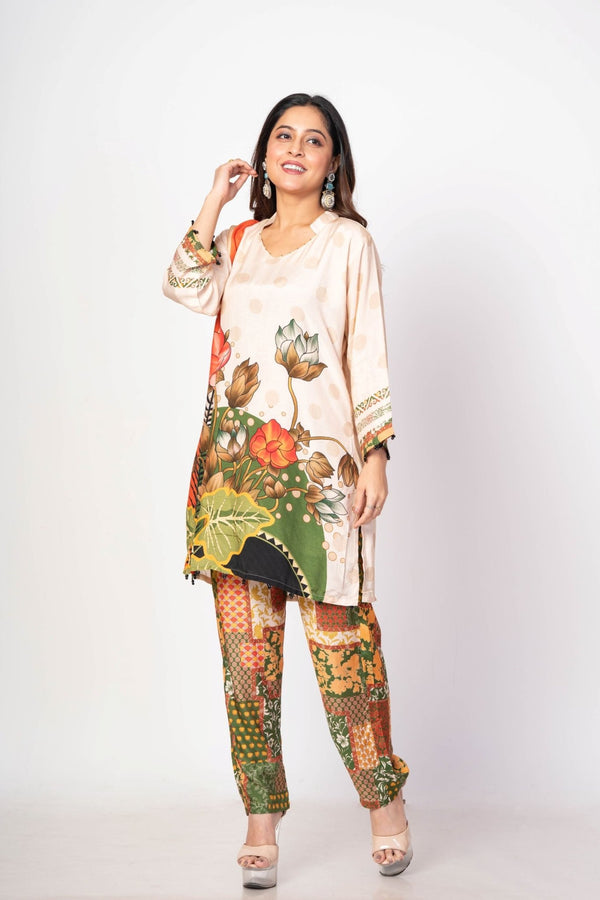
For a relaxed daytime celebration or smaller gathering, a lightweight kurta set can offer a comfortable balance of ethnic style and practicality. A long kurti set with trousers and a dupatta can work particularly well when you want a modest silhouette without wearing a heavily embellished outfit.

Final Tips for Choosing Indian Wedding Guest Attire
The right Indian wedding guest outfit should make you feel comfortable, appropriately dressed and ready to enjoy the celebration. Start by checking the function and dress code, then consider the venue, weather and level of formality. You can choose a saree, lehenga, sharara, kurta set or Indo-Western outfit depending on the occasion. Add jewellery and accessories that complement the outfit, choose practical footwear and avoid styling that looks distinctly bridal. A thoughtful balance of tradition, personal style and comfort is what makes a wedding guest look work.