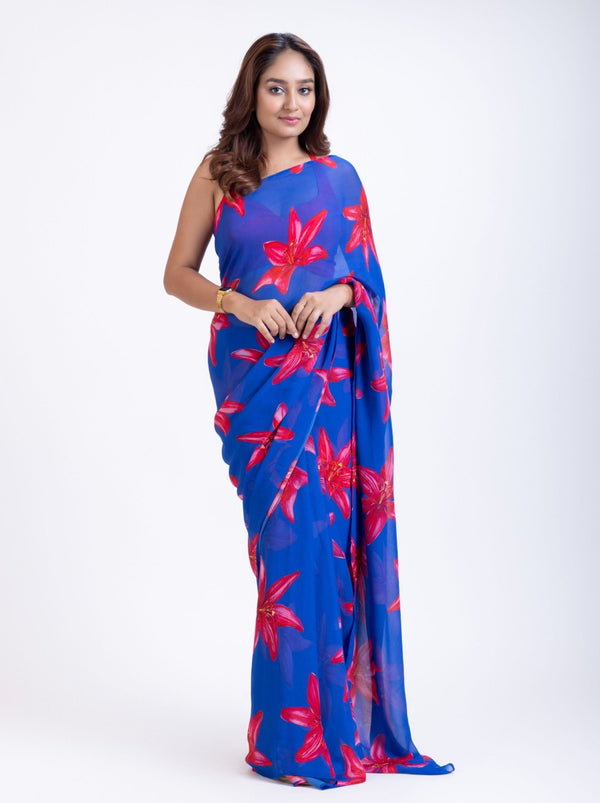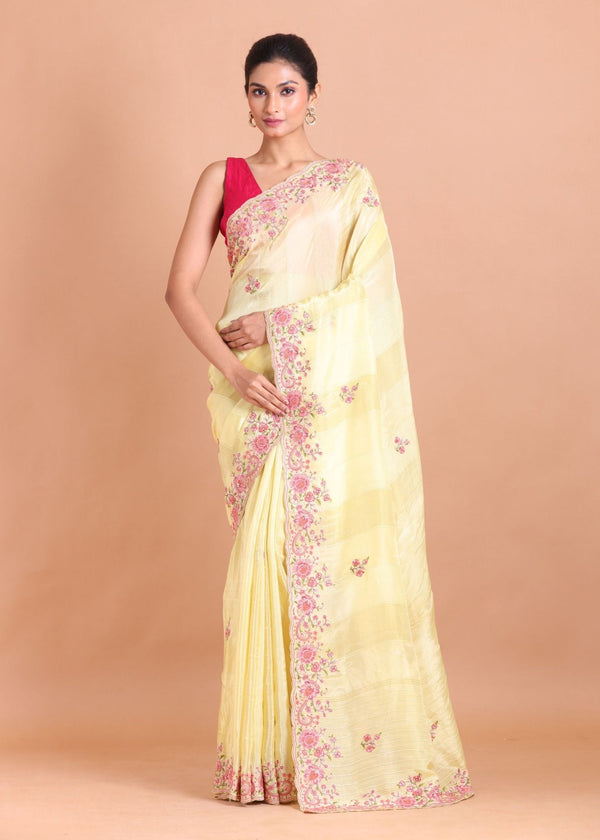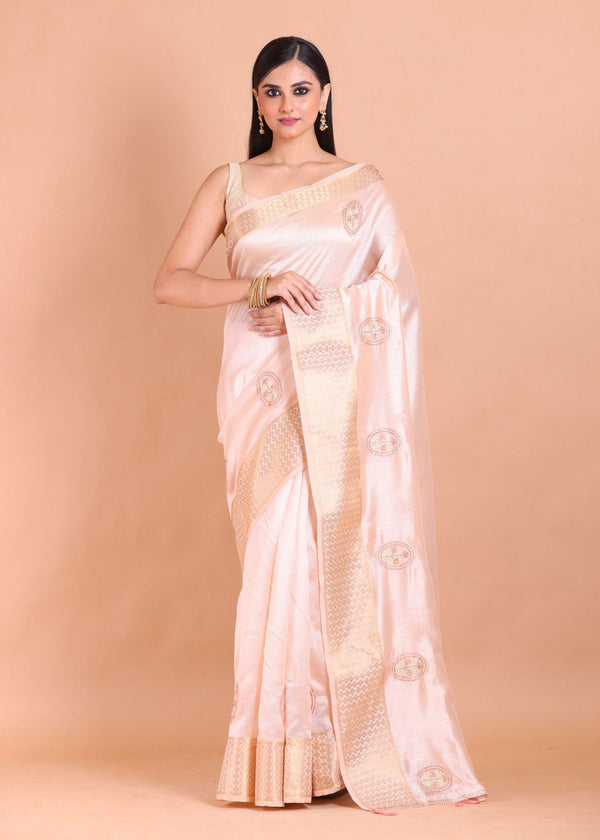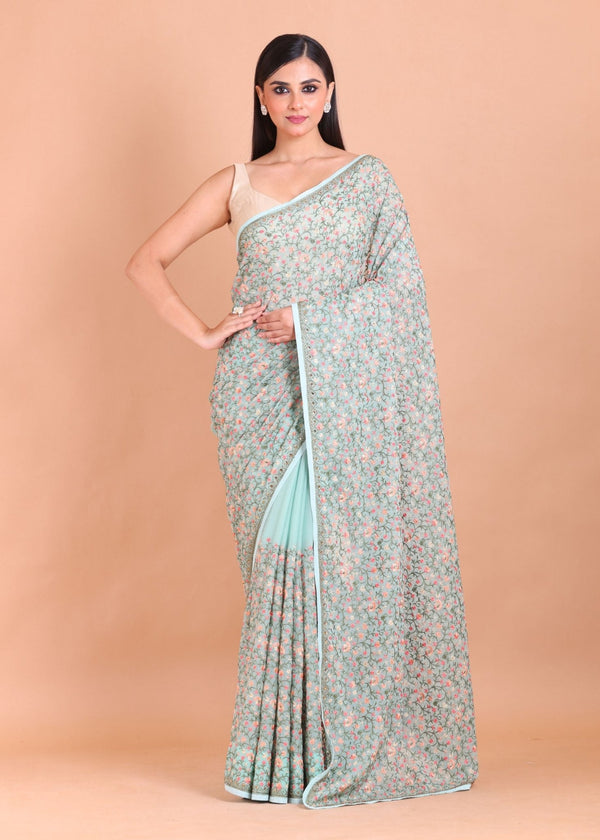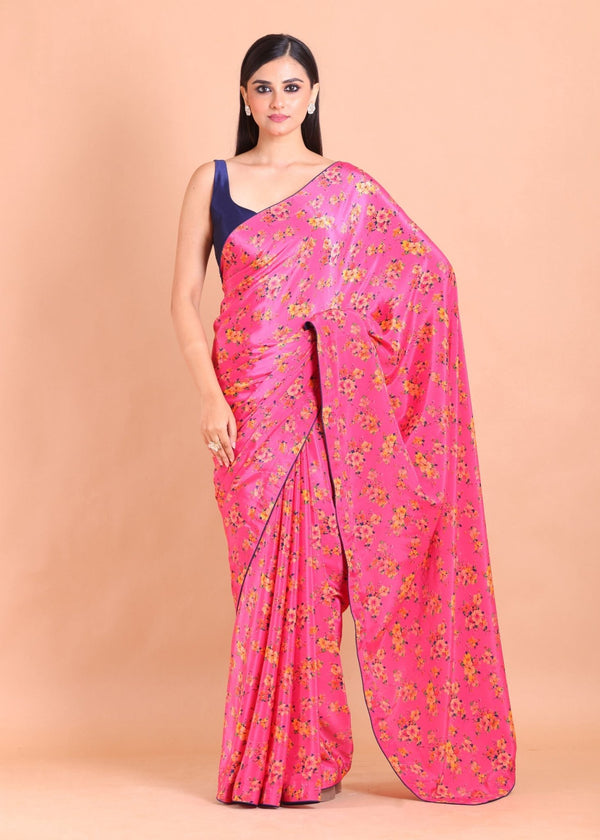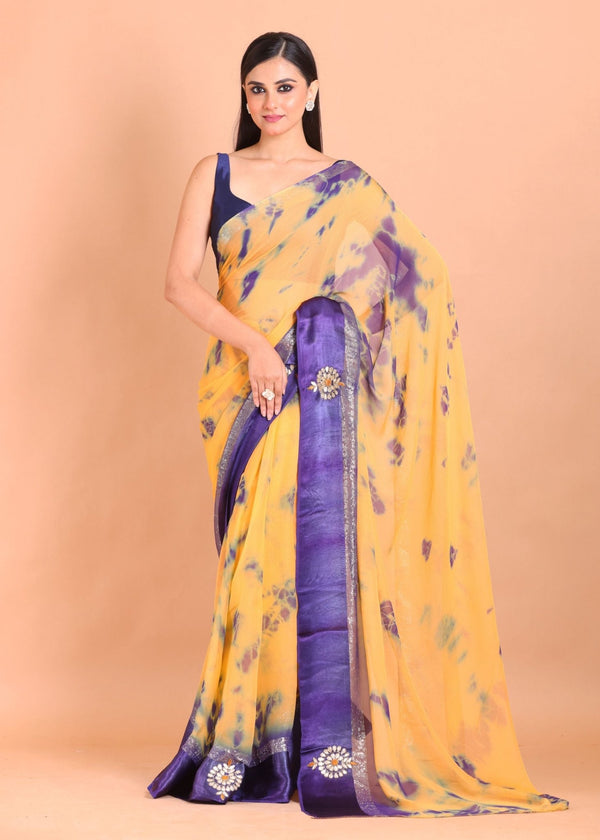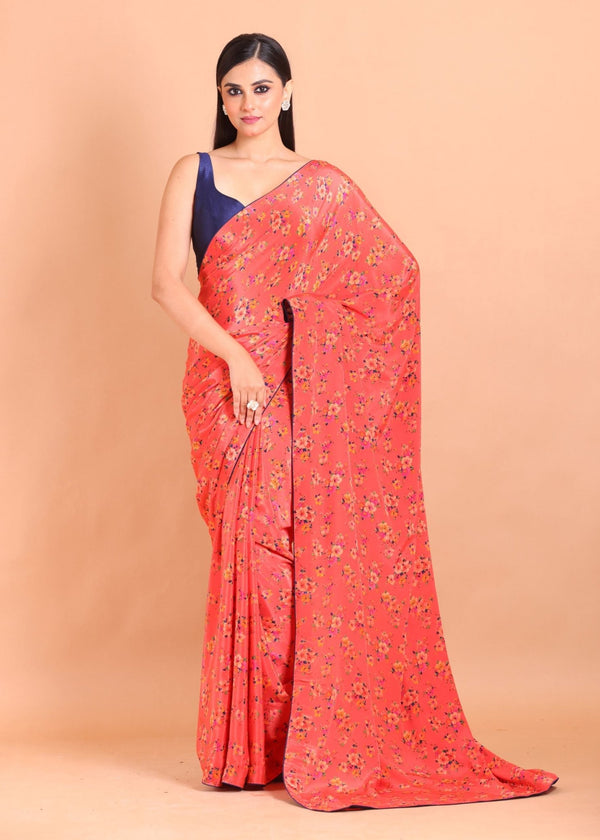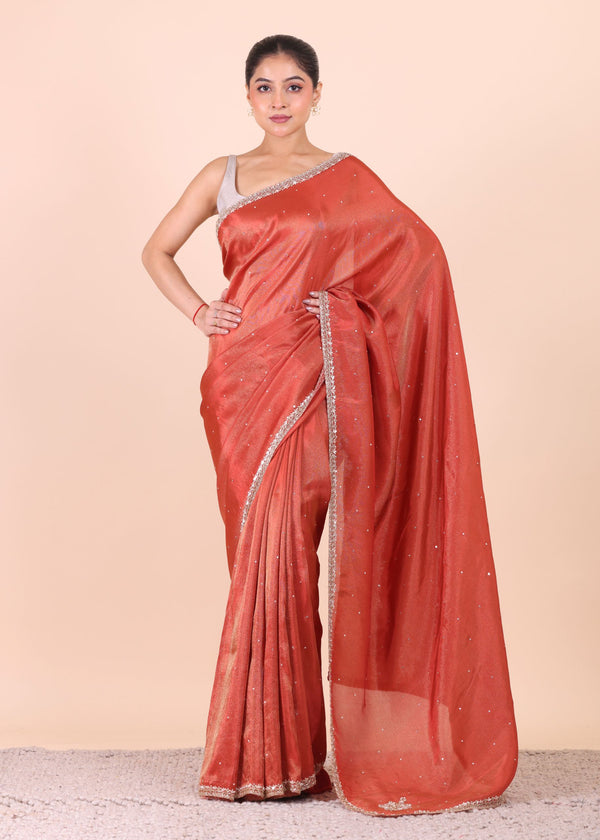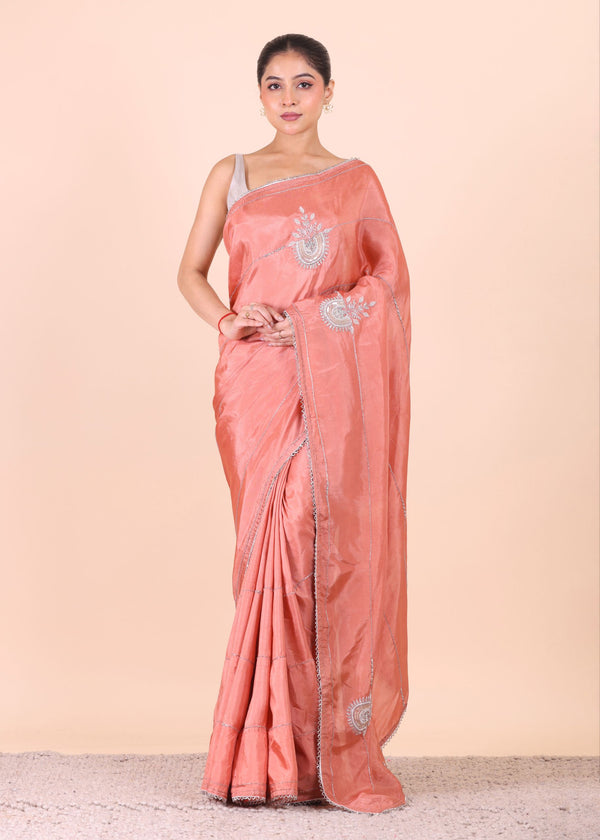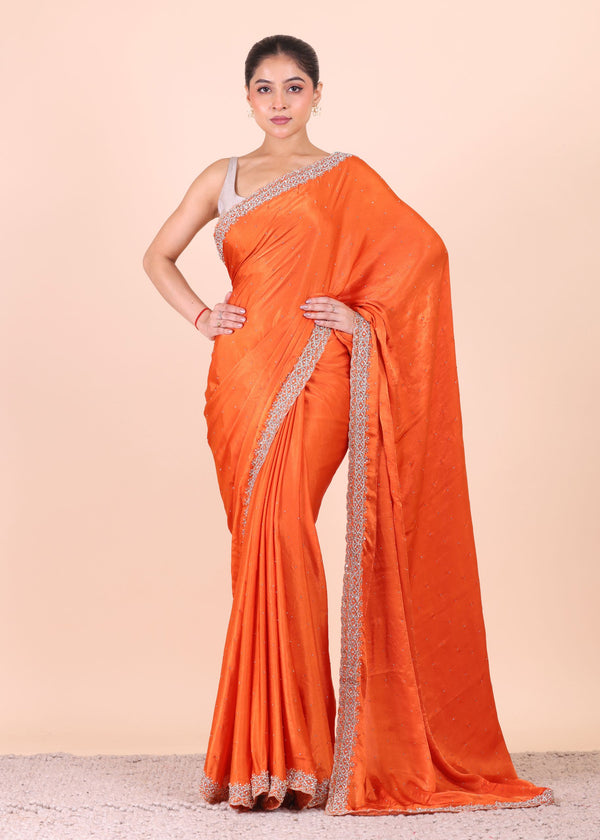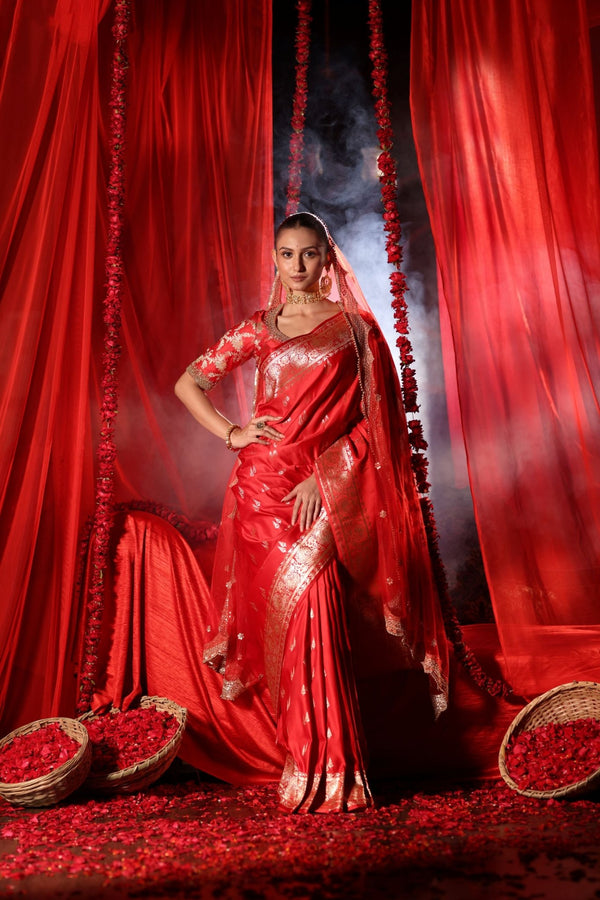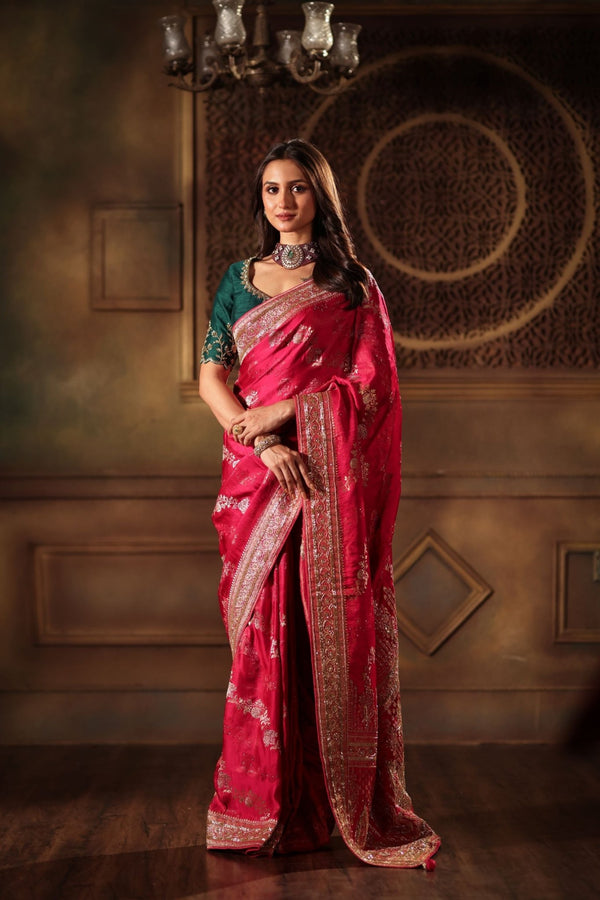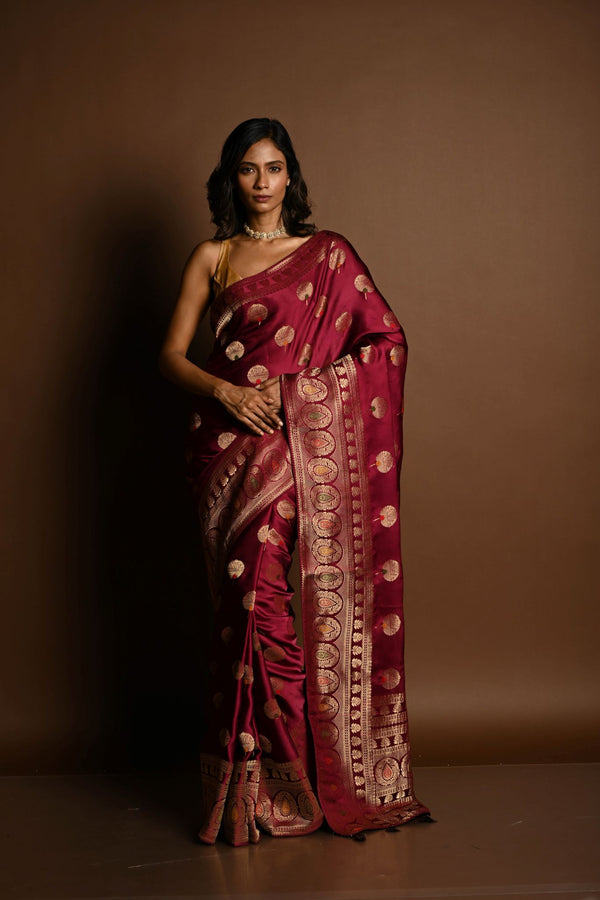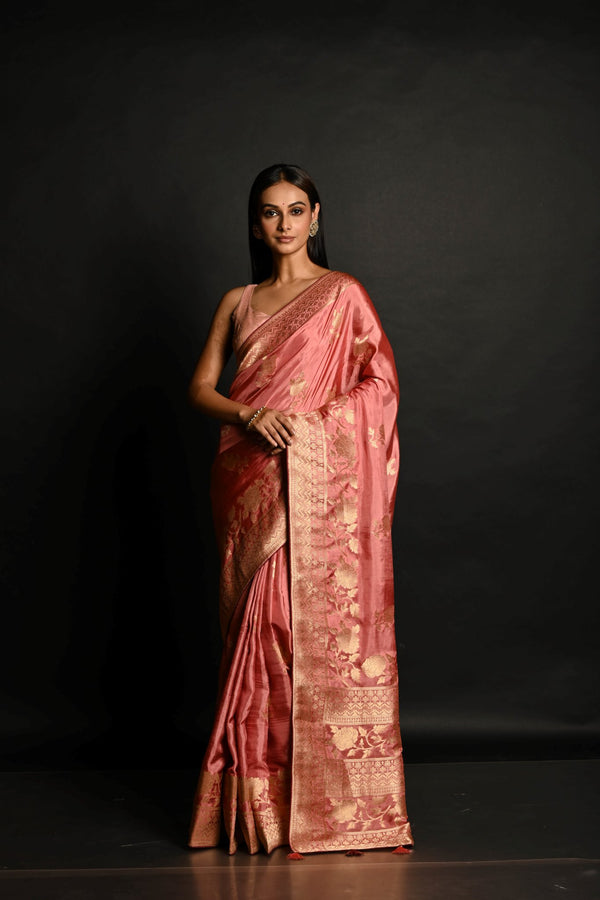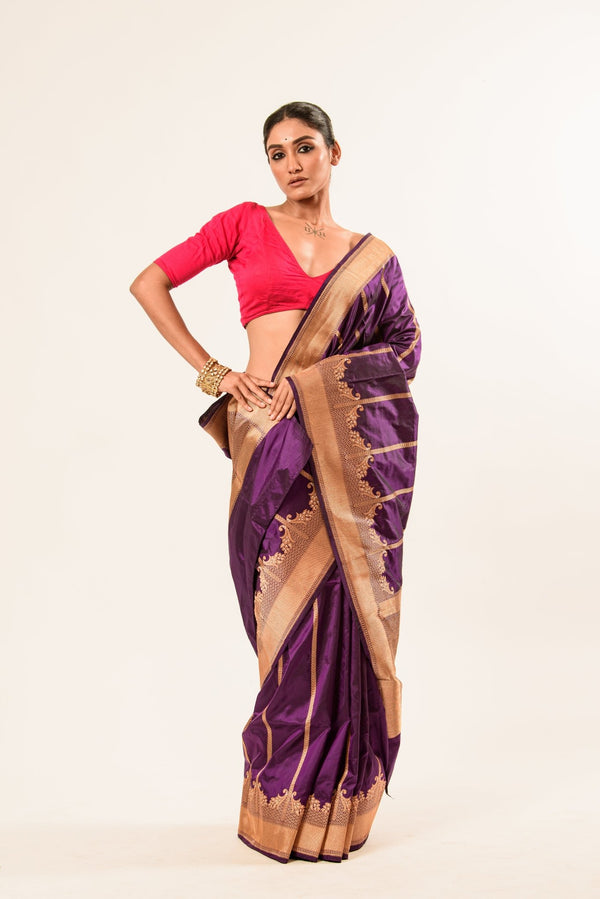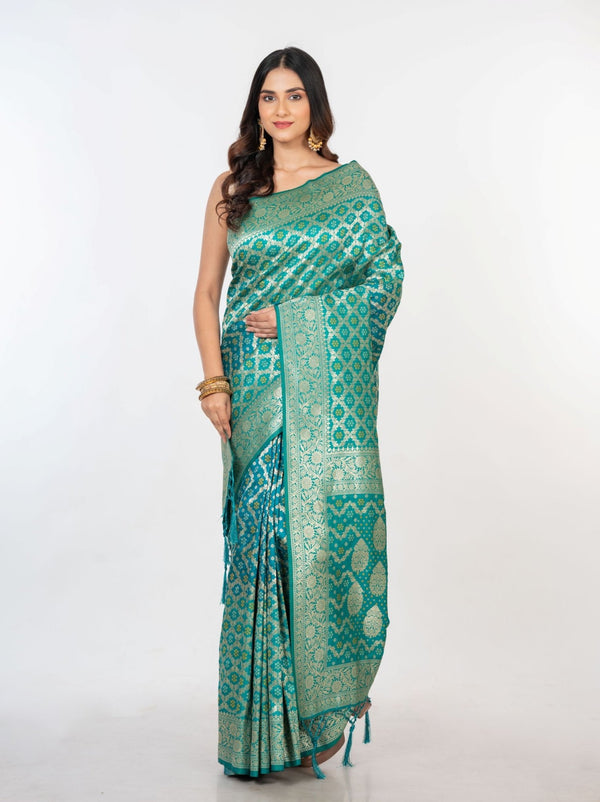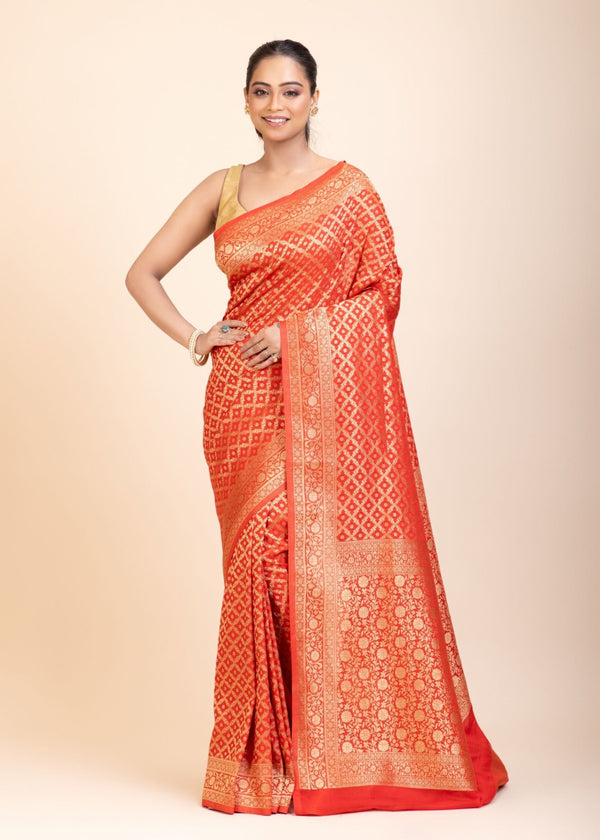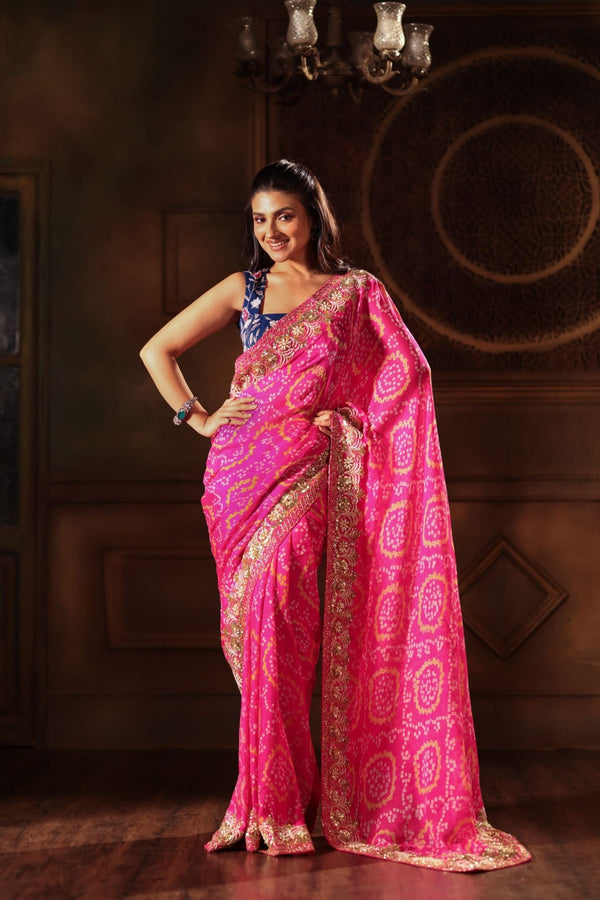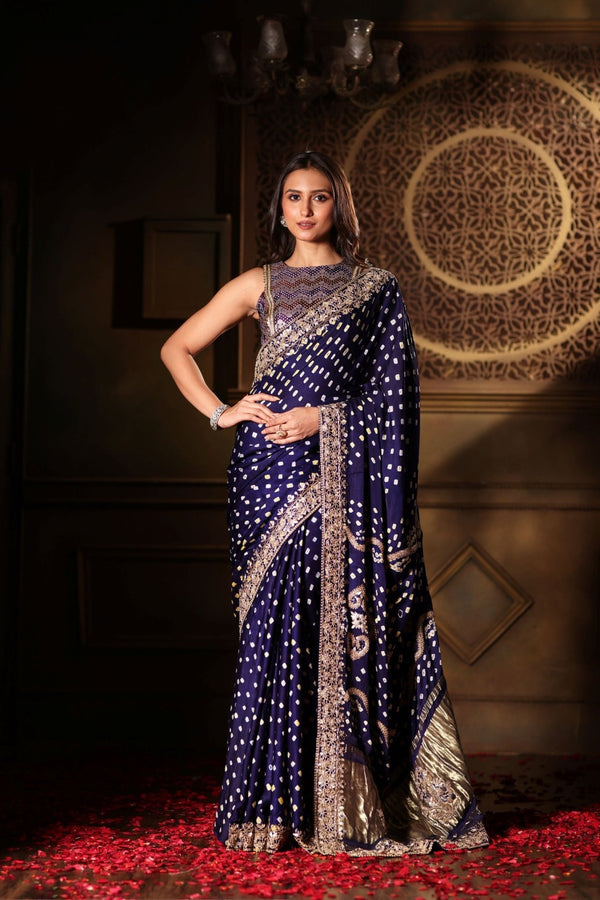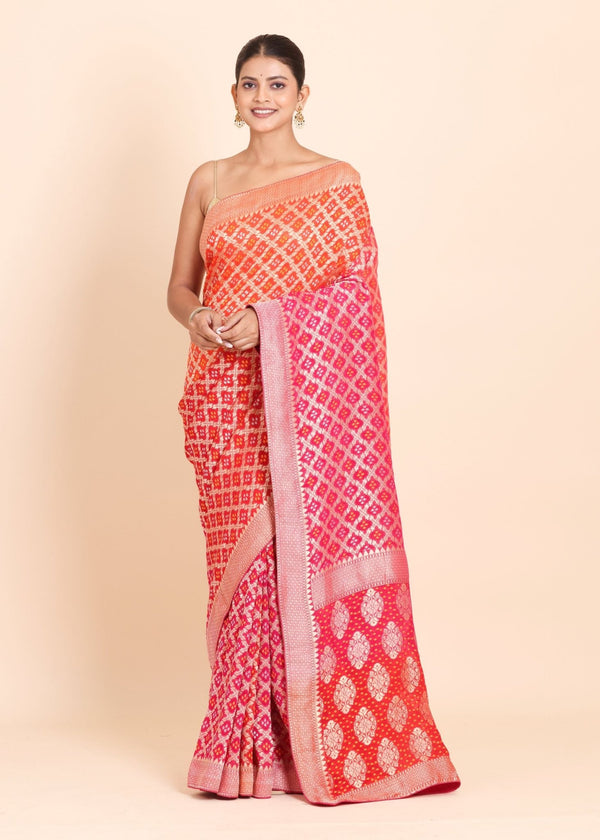




A saree can look beautiful on every body shape. The secret is not about hiding your body but about finding a drape that works well with your natural shape and makes you feel comfortable. The way a saree is pleated, tucked and placed can change the overall silhouette of the outfit. Fabric, pallu placement, blouse fit and the amount of fabric around the waist also make a difference. If you are looking for saree draping styles for curvy women, there are several traditional and contemporary options to explore. From the classic Nivi drape to the graceful Bengali Atpoure style, each drape creates a different look. With the right technique and styling, you can wear a saree with confidence while keeping the look neat, balanced and comfortable.
A good saree drape is not necessarily the tightest or most structured one. It should allow comfortable movement while keeping the pleats, waistline and pallu under control. The best drape is one that works with the fabric rather than forcing the fabric into a shape it cannot naturally hold. Small changes in pleat width, pallu placement and blouse proportions can make a noticeable difference to the finished look.
How the Right Saree Drape Can Flatter Your Silhouette
The right saree drape can bring balance to your overall appearance. Details such as the direction of the pleats, the placement of the pallu and the way the saree sits around the waist can change how the outfit looks. Vertical pleats, for example, can create a sense of length, while a smoothly falling pallu can add visual movement to the upper half of the outfit.
The fabric also plays an important role. Sarees with a soft and fluid fall, such as georgette, chiffon and lightweight crepe, can follow the body's natural movement without creating too much stiffness. If you are exploring fluid fabrics for this type of styling, georgette sarees can be a useful option. Heavier sarees can also look beautiful, especially when the pleats and pallu are arranged properly. Instead of following strict rules about what women with curves should or should not wear, focus on fit, proportion, comfort and the overall balance of your outfit.
It is also important to remember that the same drape can look different in different fabrics. A fluid georgette may create softer and narrower pleats, while a structured silk can hold broader pleats and give the outfit a more defined appearance. This is why choosing the draping style and fabric together often gives a better result than choosing either one separately.
5 Saree Draping Styles for Curvy Women
There is no single saree drape that every curvy woman needs to follow. Your height, body proportions, saree fabric, blouse design and personal preference all matter. The following styles are useful starting points for creating a comfortable and balanced saree look.
|
Draping Style |
Best For |
Silhouette Effect |
Sarees That Work Well |
|
Nivi Drape |
Everyday and occasion wear |
Creates clean vertical lines |
Georgette, chiffon, crepe, lightweight silk |
|
Gujarati Seedha Pallu |
Festive and traditional looks |
Adds structure through the front pallu |
Silk, Banarasi, designer sarees |
|
Bengali Atpoure |
Traditional and cultural occasions |
Creates a relaxed, balanced silhouette |
Cotton, handloom, tussar, silk |
|
Lehenga-Style Drape |
Modern and festive styling |
Gives a skirt-like, structured appearance |
Georgette, chiffon, lightweight sarees |
|
Rajrani Drape |
Grand occasions |
Creates a regal, elongated appearance |
Kanjeevaram, silk, Banarasi |
1. Classic Nivi Drape
The classic Nivi drape is one of the most popular saree draping styles and works beautifully for different body shapes. It creates neat vertical pleats at the front and allows the pallu to fall over one shoulder. When the pleats are arranged evenly, they create clean lines through the centre of the outfit. This can give the overall look a more balanced and elongated appearance.
A soft fabric such as georgette, chiffon, crepe or lightweight silk can work particularly well because it follows the body's natural movement. Keep the pleats even rather than making them extremely tight or very wide. The pallu can be left open for a softer look or neatly pleated for more structure. An open pallu can create a longer visual line, while a pleated pallu gives the outfit a more defined finish.
The blouse also plays an important role. A well-fitted blouse helps maintain proportion between the upper and lower parts of the outfit. You can choose a classic neckline for a traditional look or a structured contemporary blouse for a modern appearance. The Nivi drape is versatile enough for everyday sarees as well as weddings, festive occasions and formal gatherings.

2. Gujarati Seedha Pallu
The Gujarati Seedha Pallu is recognised by the way the pallu is brought from the back over the right shoulder and arranged across the front of the body. This makes the pallu an important part of the overall look. The front-facing pallu can highlight the saree's border, embroidery or woven details while giving the outfit a structured appearance.
This drape works particularly well with sarees that have an attractive pallu, broad border or detailed zari work. Designer sarees can work especially well for this style when the pallu is an important design element. Silk sarees, including Banarasi styles, can also create a rich traditional appearance.
If you want the pallu to remain the main focus, keep the front pleats simple and neatly arranged. Too much fabric around the waist can make the drape feel heavy, especially with a rich silk saree.
A fitted blouse with elbow-length or three-quarter sleeves can create a balanced silhouette, although sleeve length should always depend on personal comfort and preference. The Gujarati drape is particularly suitable for festive occasions, weddings, family celebrations and traditional events where you want the saree's pallu to become a key part of the look.

Image Source: Pinterest
3. Bengali Atpoure Drape
The Bengali Atpoure drape has a distinctive traditional character and is a beautiful choice for women who enjoy heritage-inspired saree styling. Unlike the conventional Nivi drape, the pallu is arranged over both shoulders, creating a wider and more relaxed silhouette. The front pleats are usually broad, giving the saree a graceful structure without making the drape look overly fitted.
Cotton, handloom, tussar silk and lightweight silk sarees work especially well with this style. A red and white sarees for women can create a classic Bengali appearance, while colourful handloom sarees can give the drape a more contemporary feel. The wider pallu also creates movement, which can make the overall outfit feel more relaxed and expressive.
Traditional earrings, bangles and a bindi can complete the look. You can also add a statement brooch or a traditional waist accessory if it suits the saree. When working with a heavier saree, keep the pleats controlled so that the additional fabric does not gather excessively around the waist. This drape is particularly suitable for Durga Puja, cultural celebrations, weddings and traditional family occasions.

Image Source: Pinterest
4. Lehenga-Style Drape
The lehenga-style saree drape is a modern option for women who want the appearance of a lehenga with the versatility of a saree. Instead of creating traditional front pleats, the saree is arranged around the waist in a skirt-like formation before the pallu is placed over the shoulder. The result is a structured lower silhouette with a flowing upper layer.
Lightweight georgette, chiffon and other fluid fabrics are particularly suitable because they allow the drape to move naturally. You can also add a slim belt at the waist if you want to create a defined waistline. A belt works best when it complements the saree rather than competing with it. If the saree already has heavy embroidery, a simple belt is usually enough.
A fitted blouse or contemporary crop-style blouse can complete the look. Statement earrings, a clutch and embellished heels can give the ensemble a more formal finish. This drape works particularly well for receptions, sangeet functions, cocktail events and modern festive celebrations. It is also a good option when you want the comfort of a saree but prefer a more structured and contemporary silhouette.

Image Source: Pinterest
5. Rajrani Drape
The Rajrani drape has a grand and traditional appearance, making it a strong choice for weddings and formal celebrations. It uses carefully arranged pleats and a long pallu to create a regal silhouette. The combination of structured pleats and flowing fabric gives the saree a distinctive presence without requiring an overly complicated styling approach.
The Rajrani drape can work especially well with richer sarees such as Kanjeevaram silk, Banarasi silk and other traditional weaves . Kanjeevaram sarees can be particularly suitable when you want to create a traditional and grand appearance. The key is to maintain clean pleats and allow the pallu to fall smoothly rather than creating too many layers around the waist.
Because the saree itself can have considerable visual weight, choose a blouse that fits well without adding unnecessary bulk. Gold jewellery, traditional earrings, bangles and a classic hairstyle can enhance the heritage feel. For a contemporary interpretation, pair the Rajrani drape with a simpler blouse and refined accessories. The result is a graceful option for bridal looks, receptions and grand festive occasions.

Image Source: Pinterest
Styling Tips for a Flattering Saree Drape
A good saree drape is only one part of the final look. The blouse, jewellery, footwear and accessories can also influence the overall proportion of the outfit. Instead of following strict rules about colours or silhouettes, look at how all the elements work together.
Choose a Fabric with a Good Fall
Sarees made from georgette, chiffon, crepe and lightweight silk usually have a fluid fall and move naturally with the body. They can be easier to manage when you want clean pleats and a smooth drape. Heavier fabrics can also be worn beautifully, but they may need more careful pleating and pinning.
Keep the Pleats Neat
Neat pleats create clean vertical lines and help the saree sit properly. Avoid gathering too much fabric in one area because it can make the drape look bulky. Take enough time to arrange the pleats evenly before securing them. The ideal pleat width can change depending on the fabric, so do not feel that every saree needs exactly the same pleat size.
Pay Attention to the Pallu
The pallu can change the entire appearance of a saree. A longer open pallu can create a flowing vertical line, while a pleated pallu gives a more structured finish. Choose the style based on your saree, blouse and the level of movement you need. If your saree has an elaborate pallu, allow it enough space to remain visible.
Get the Blouse Fit Right
A well-fitted blouse is more important than choosing one particular neckline or sleeve style. The blouse should sit comfortably around the bust, shoulders and arms without pulling or becoming too loose. A structured blouse can give a polished appearance, while a softer blouse can create a relaxed look.
The length of the blouse also affects the saree's proportion. A blouse that sits comfortably at the waist can work well with a conventional saree, while a longer or more structured blouse can create a different contemporary effect. Choose according to the drape rather than following a fixed body-shape rule.
Choose the Petticoat Carefully
The petticoat forms the base of the saree, so its fit matters. It should allow the saree to sit comfortably around the waist without excessive fabric gathering underneath. A well-fitted petticoat helps the saree fall smoothly and keeps the pleats in place. The right footwear should also be worn before finalising the saree length so that the finished drape falls at the correct height.
Use Accessories to Create Balance
Accessories can be used to add visual interest to your saree look. Long earrings, a statement necklace, bangles, a sleek clutch or a waist belt can each create a different effect. If your saree has heavy embroidery or zari, keep some accessories simple. If the saree is minimal, a statement accessory can become the focal point.
For example, a traditional silk saree can work well with gold jewellery and classic bangles, while a contemporary drape can be styled with statement earrings and a structured clutch. The aim is to create balance rather than match every accessory to the saree.

How to Choose a Blouse for Your Saree Drape
The blouse should work with both the saree and the draping style. A structured blouse can give a more defined appearance, while a simple blouse allows the saree and pallu to remain the focus. Neckline and sleeve length can also change the overall proportion of the outfit.
For a traditional look, you can choose a classic round, V-neck or boat neckline with sleeves. A contemporary saree can be paired with a high-neck, sleeveless or statement blouse. The most important factor is fit. A blouse that sits correctly at the shoulders and bust will make the entire saree drape look more polished.
You can also experiment with colour. A matching blouse creates a coordinated appearance, while a contrasting blouse can introduce more visual interest. For example, a red saree can be paired with a green or gold blouse, while a pastel saree can work beautifully with an ivory or contrasting blouse.
The blouse does not have to compete with the saree. If the saree has a detailed border or an elaborate pallu, a cleaner blouse can create better visual balance. On the other hand, a simple saree can be paired with an embroidered or statement blouse to give the outfit more character.
Common Saree Draping Mistakes to Avoid
Even a beautiful saree can lose its appeal when the drape is not properly balanced. One common mistake is making the pleats too tight, which can restrict movement and make the saree uncomfortable. On the other hand, very loose pleats can make the front look untidy.
The petticoat should also not be too loose or too tight. An incorrect fit can affect the way the saree falls. Another mistake is deciding the saree length without considering the footwear. Always wear the footwear you plan to use before finalising the length of the drape.
It is also easy to add too many layers or accessories simply because the occasion is festive. A balanced outfit usually looks more polished. Allow the saree, blouse or jewellery to become the main focal point instead of making every element compete for attention.
Finally, avoid choosing a drape only because it is described as suitable for a particular body type. Comfort, personal style and the behaviour of the saree fabric are equally important. A drape that makes you feel comfortable will naturally look more confident.