



Traditional Indian clothing for women is much more than a way to dress for festivals and weddings. It reflects India's regional cultures, textile traditions, craftsmanship and changing fashion sensibilities. From the saree and salwar kameez to lehenga choli, Anarkali suits and shararas, traditional outfits continue to be part of everyday wardrobes as well as special occasions. What makes these outfits relevant even today is their ability to combine heritage with comfort and modern styling. Some silhouettes have remained almost unchanged for generations, while others have evolved through new fabrics, tailoring, drapes, embroidery and contemporary cuts. In this guide, we look at the most popular traditional dresses for women in India, their regional influence, the occasions they suit, popular fabrics and how traditional Indian clothing has adapted to modern fashion.
What Is Traditional Indian Dress for Women?
Traditional Indian dress refers to clothing styles that have developed through India's different regions, communities and textile traditions. There is no single traditional outfit that represents every part of the country. A saree from West Bengal can look very different from a Kanjivaram saree from Tamil Nadu. Similarly, a Punjabi salwar suit, a Gujarati chaniya choli and an Assamese Mekhela Chador each have their own silhouette, fabric, drape and styling details. Traditional clothing can also range from simple everyday outfits to highly embellished occasion wear. Cotton sarees, salwar kameez and kurta sets are often chosen for regular wear, while silk sarees, embroidered lehengas and festive Anarkali suits are popular for weddings and celebrations. This variety is one of the reasons Indian traditional wear remains so relevant. Women can choose an outfit according to their region, occasion, season, comfort and personal style.
Most Popular Traditional Dresses for Women in India
Several traditional outfits have become widely worn across India. Some began as regional styles and gradually became popular throughout the country, while others have always been associated with particular cultural traditions.
Saree: A Timeless Indian Traditional Outfit
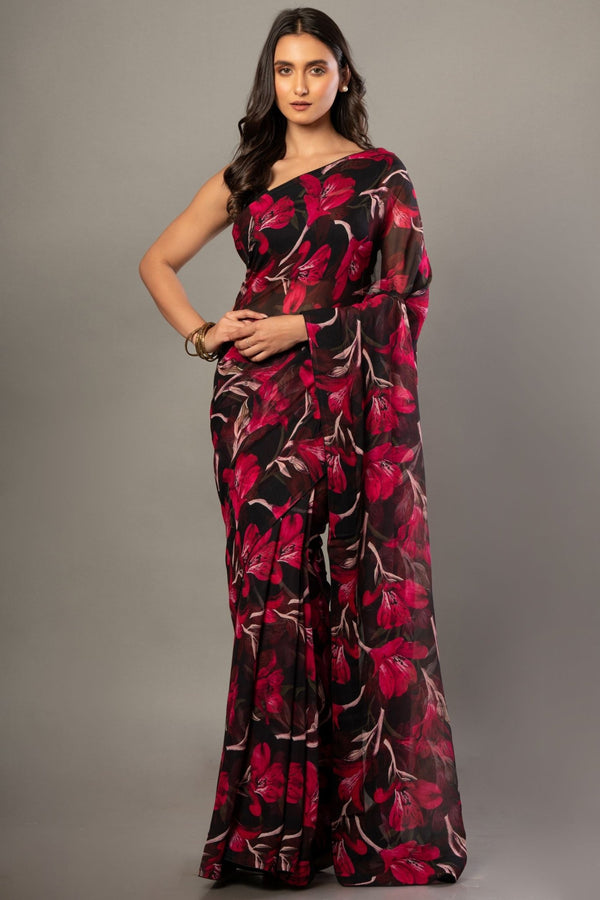
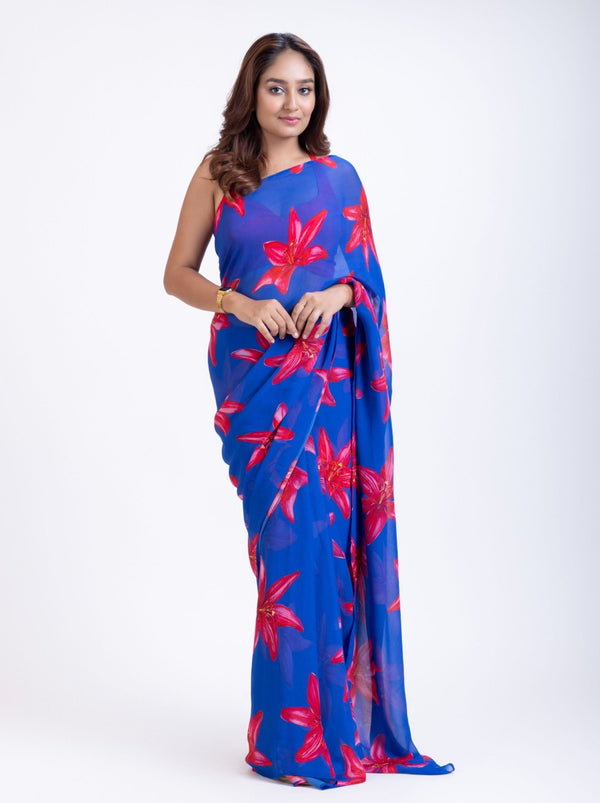
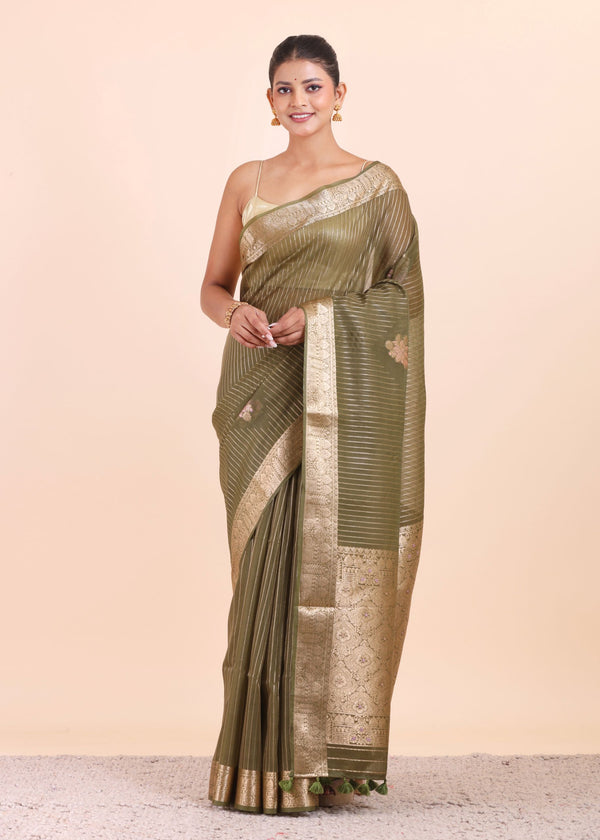
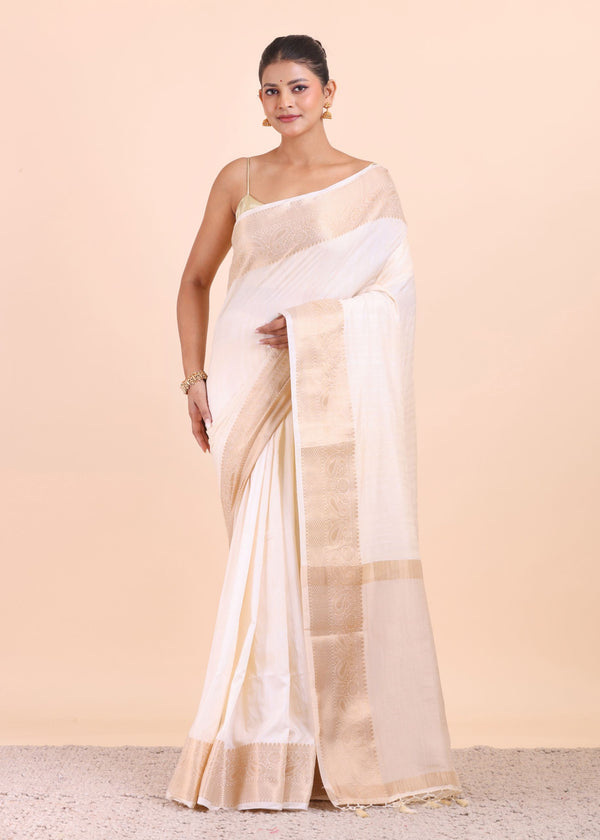
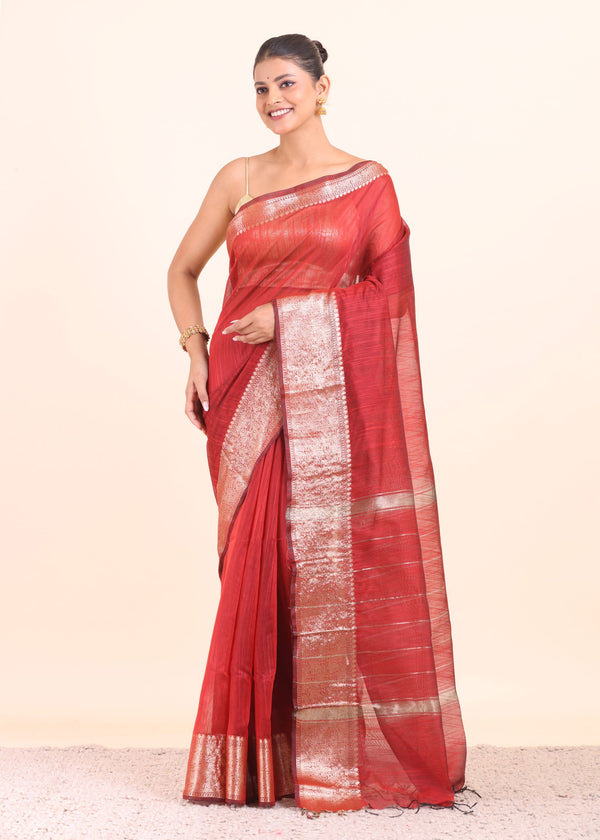
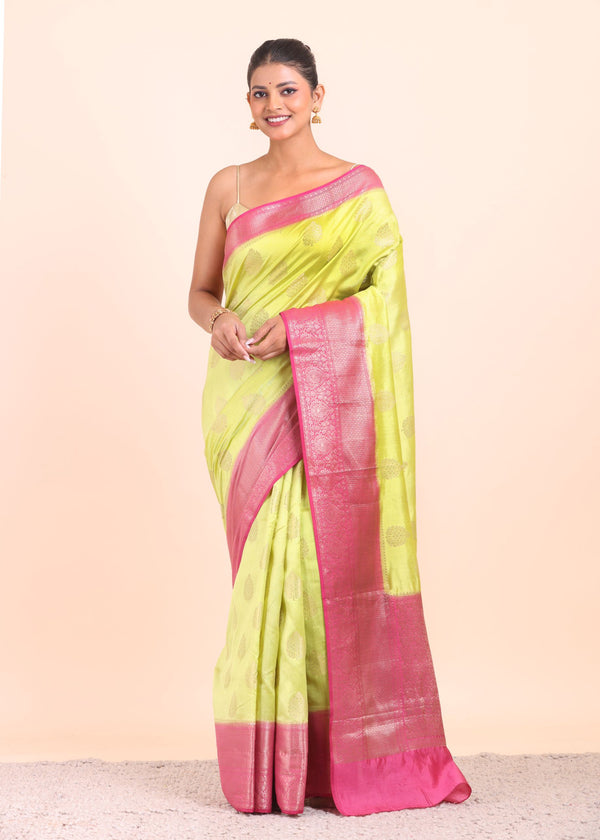
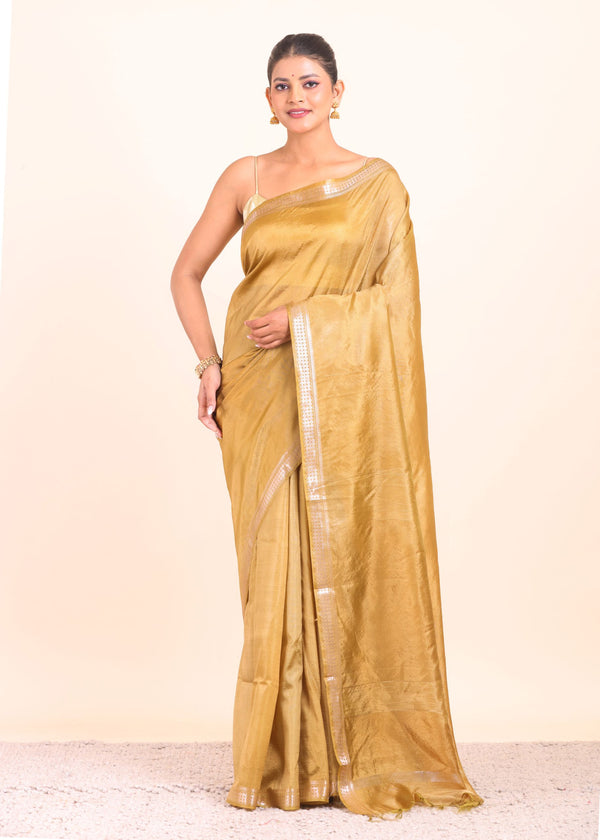
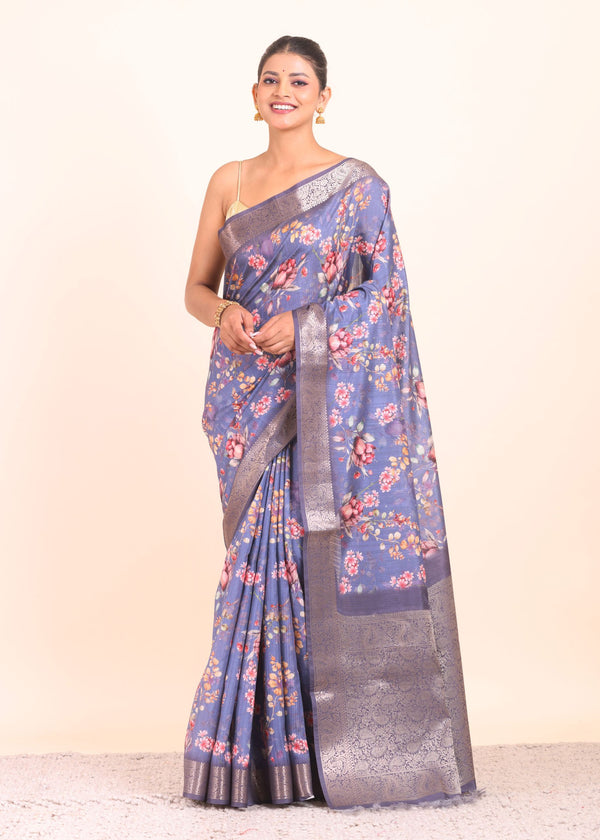
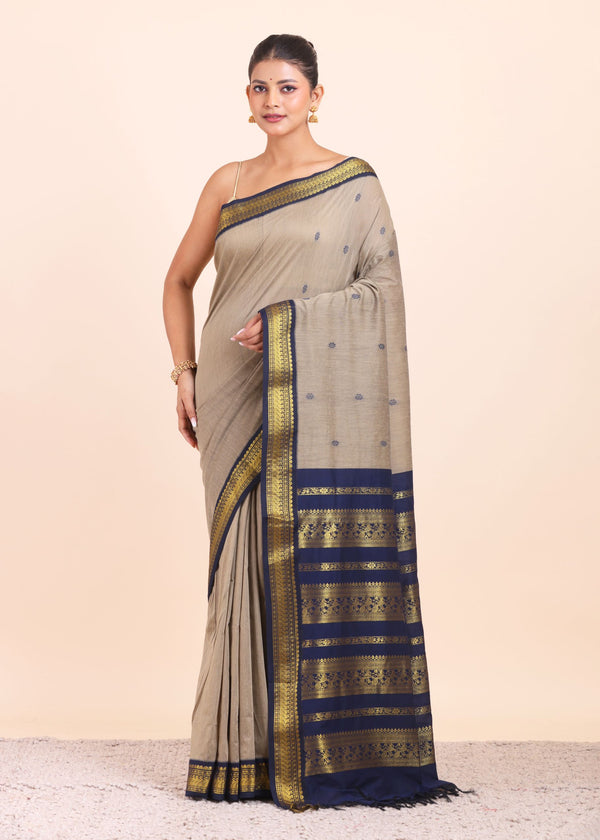
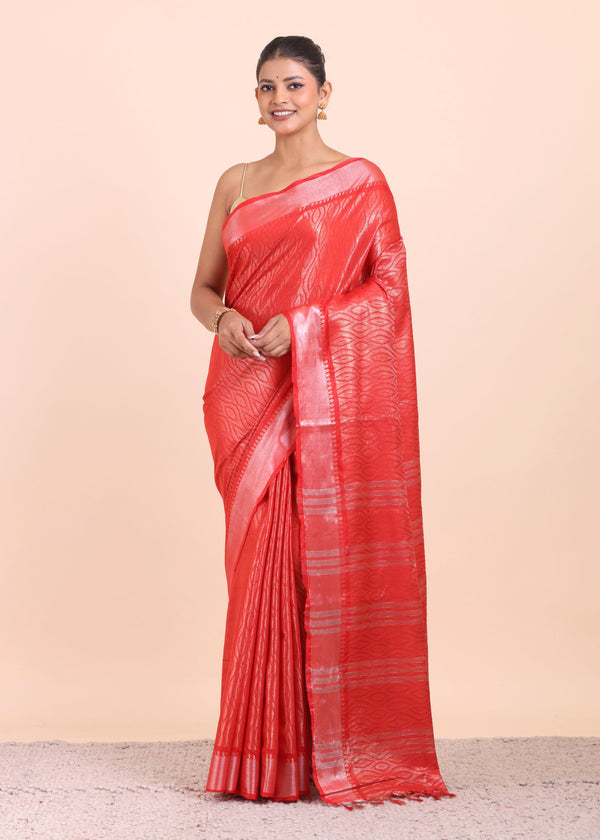
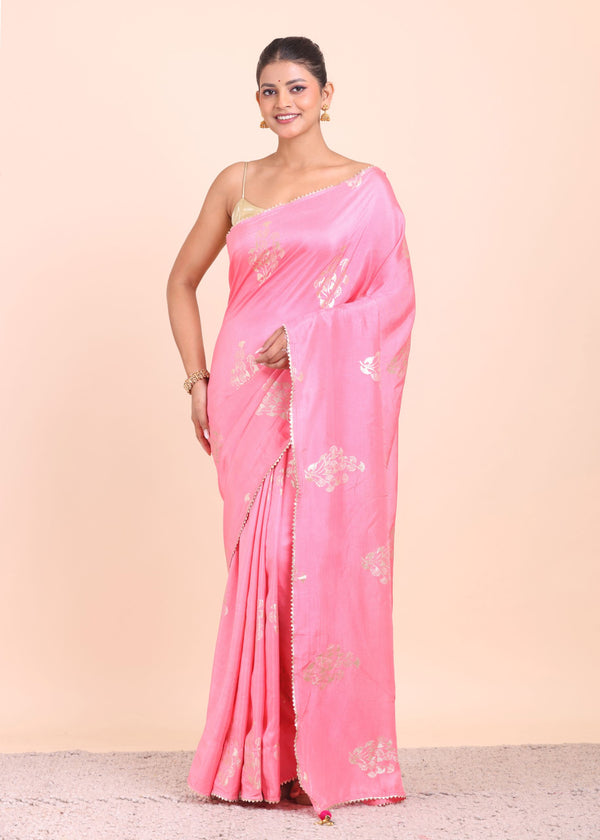
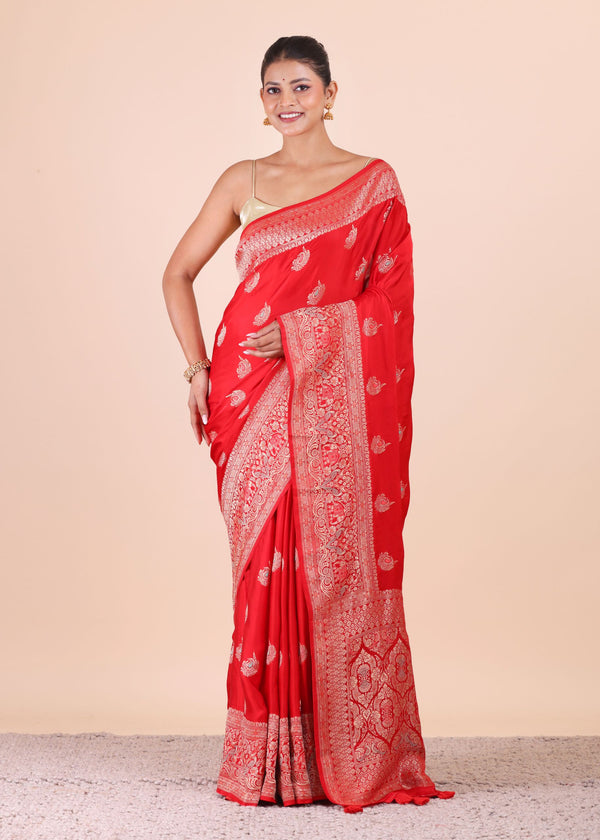
The saree is one of the most recognisable forms of traditional Indian clothing. It is a long piece of fabric that is wrapped and draped around the body, with different regions having their own draping techniques. Sarees are available in a wide range of fabrics, including cotton, silk, chiffon, georgette, organza and handwoven textiles. The choice of fabric can change the look, structure and comfort of the saree. Traditional sarees also showcase India's rich textile heritage. Jamdani, Banarasi, Kanjivaram, Chanderi, Tant, Sambalpuri and several other weaving traditions have their own distinctive motifs and techniques. A lightweight cotton saree can work well for everyday or daytime wear, while a silk or intricately woven saree can be suitable for weddings, festivals and formal celebrations. Jamdani sarees are particularly known for their delicate woven motifs. Floral patterns can give the saree a soft, artistic appearance while keeping the overall look rooted in traditional craftsmanship.

Salwar Kameez: A Practical Traditional Favourite
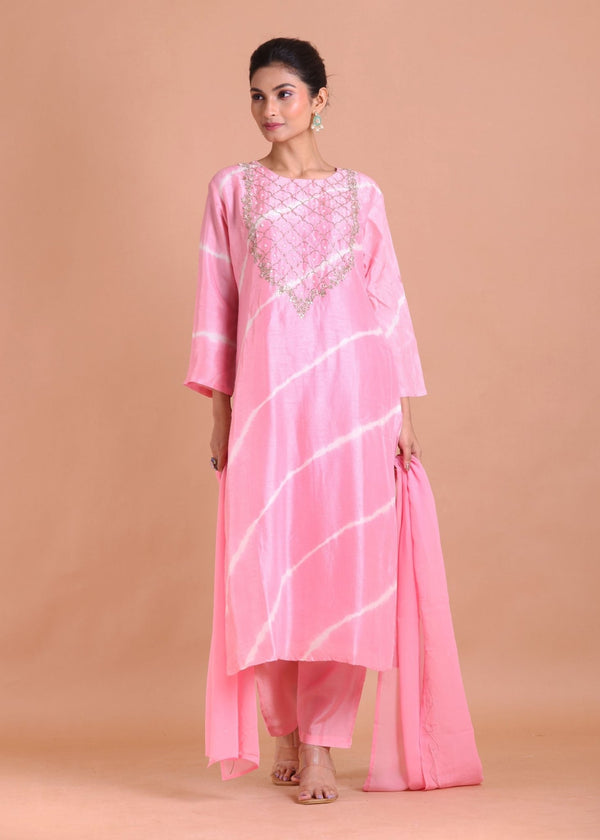
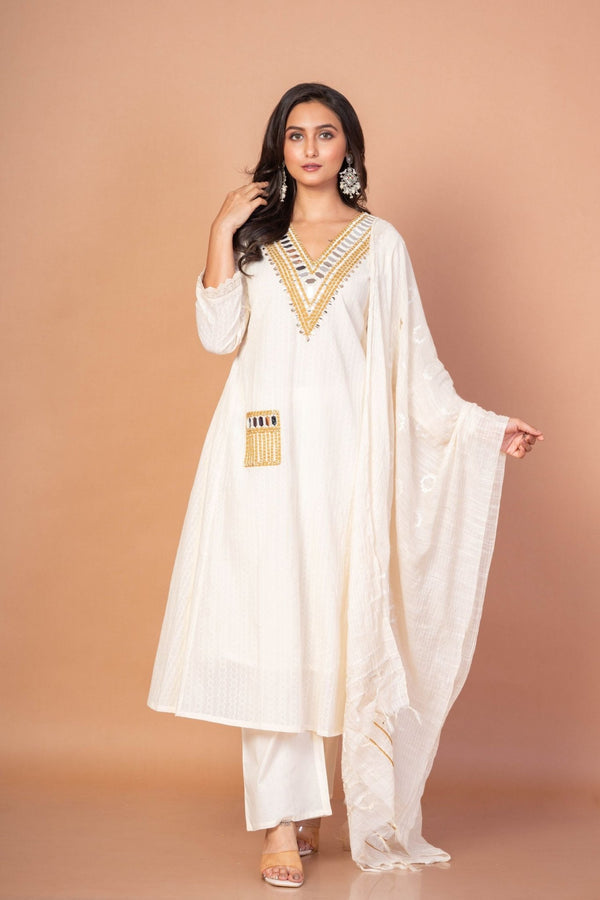
Salwar kameez is one of the most widely recognised traditional outfits for women in India. It generally consists of a kameez or tunic, salwar or another bottom style, and a dupatta. The silhouette can vary from a relaxed salwar to a churidar, straight pants or palazzo-style trousers. This makes the outfit easy to adapt to different occasions and personal preferences. Simple cotton salwar suits are often chosen for everyday wear, while silk, embroidered and embellished versions work well for festive occasions. The dupatta also adds another styling element, allowing women to change the overall appearance of the outfit through draping. Its versatility and ease of movement are major reasons why the salwar kameez continues to be a popular choice for women of different age groups.
Kurta Sets: Comfortable Traditional Wear for Everyday and Festive Styling
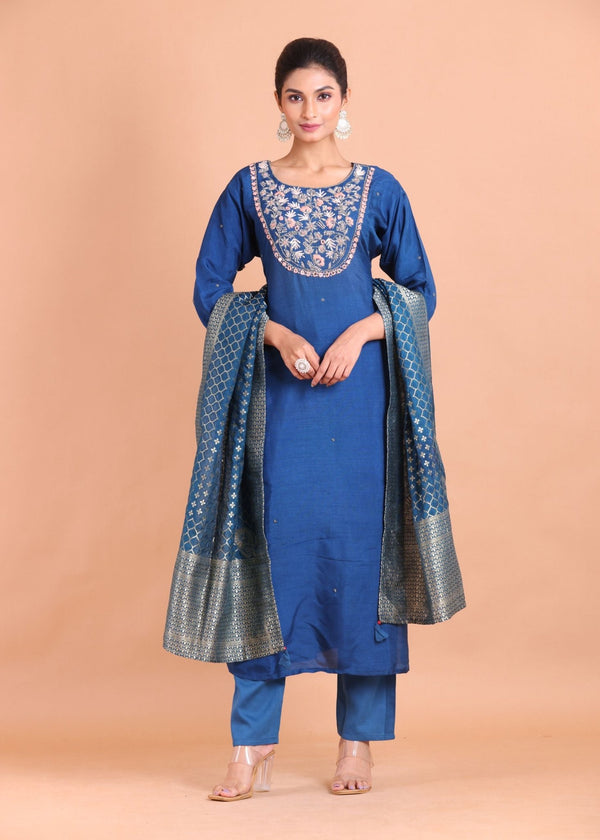
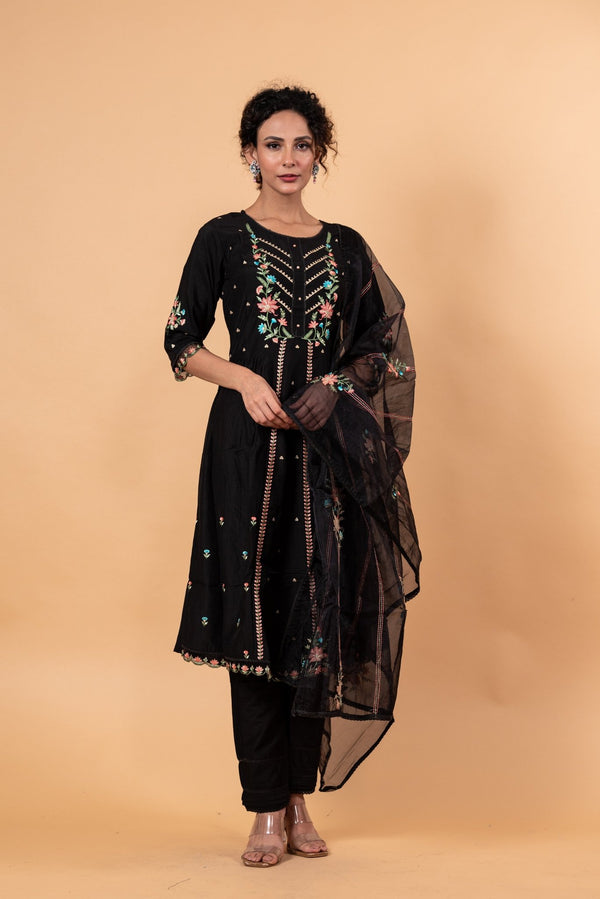
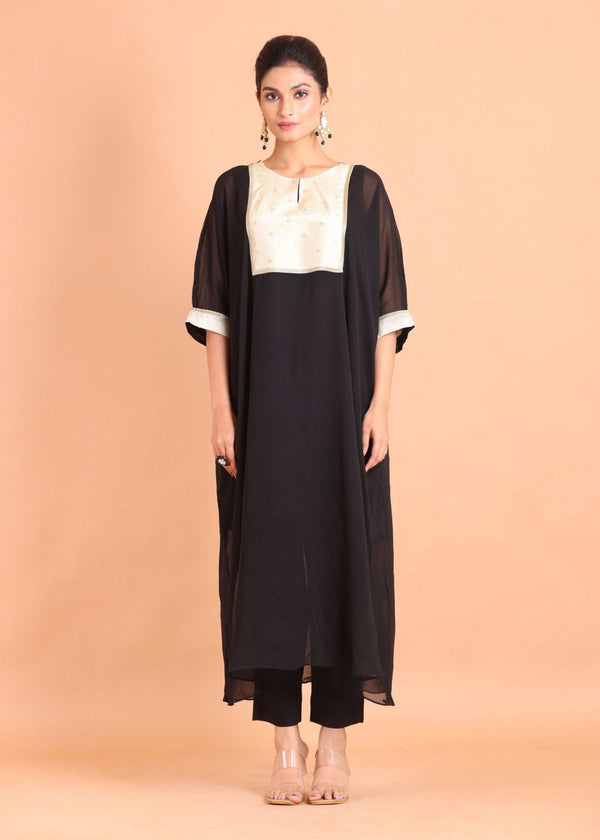
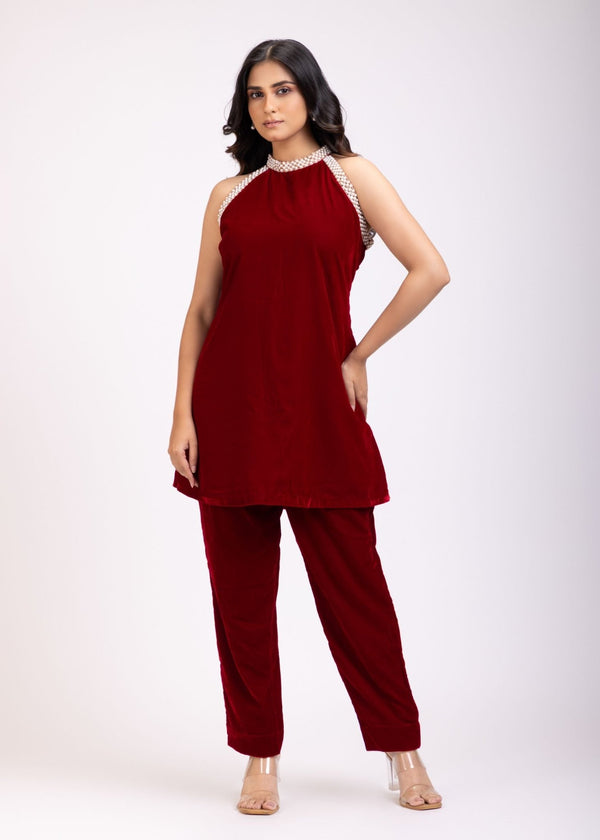
Kurta sets have become an important part of modern Indian ethnic wear. A typical set may include a kurta with trousers, pants, palazzos or a skirt, sometimes paired with a dupatta. The styling can be simple enough for everyday wear or more detailed for festive occasions. Cotton and lightweight fabrics are useful for warm weather and regular wear, while silk, brocade and embroidered fabrics can create a more dressy look. A silk kurta set with a dupatta, for example, brings together a traditional silhouette and a richer fabric. It can work well for festivals, family gatherings, cultural occasions and temple visits.

Lehenga Choli: Traditional Occasion Wear for Weddings and Celebrations
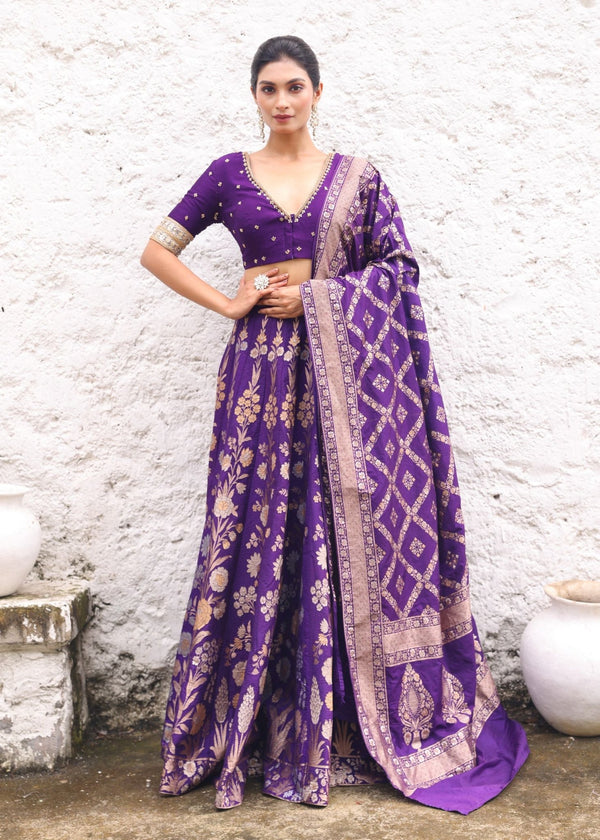
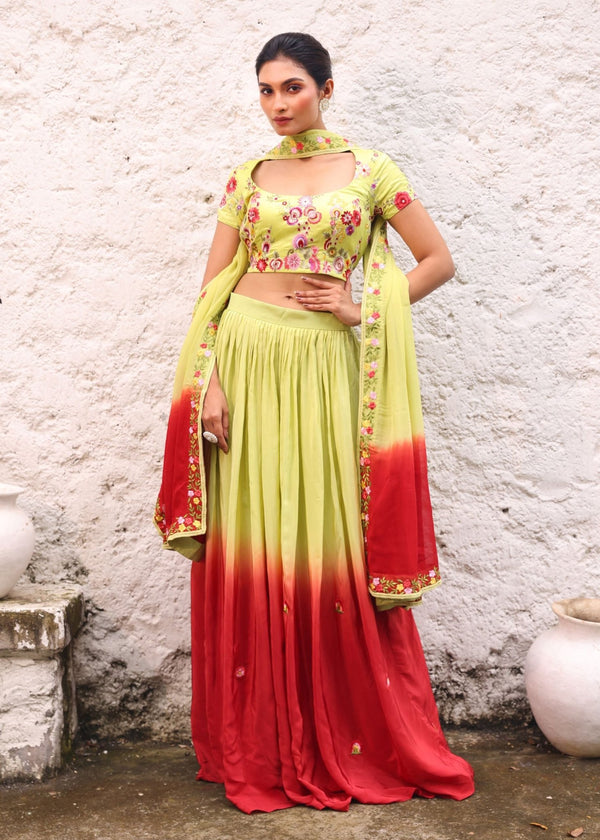
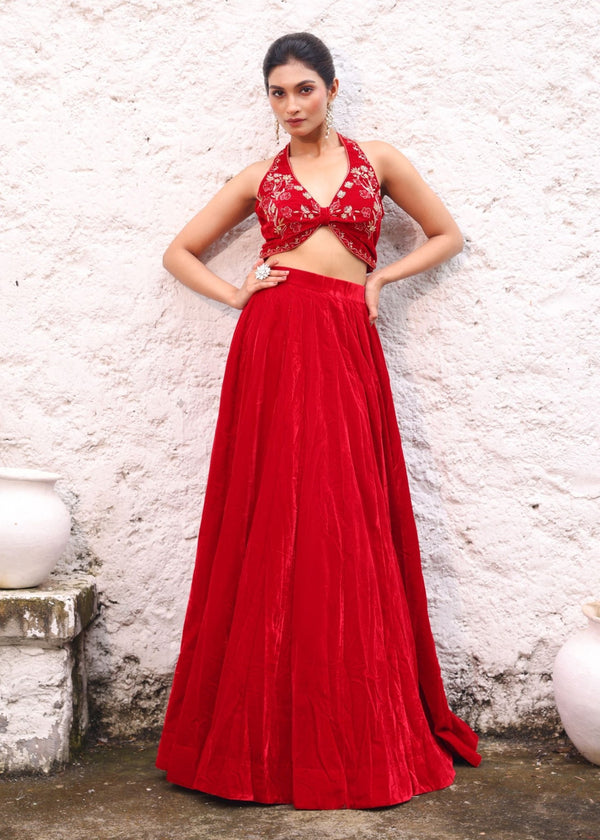
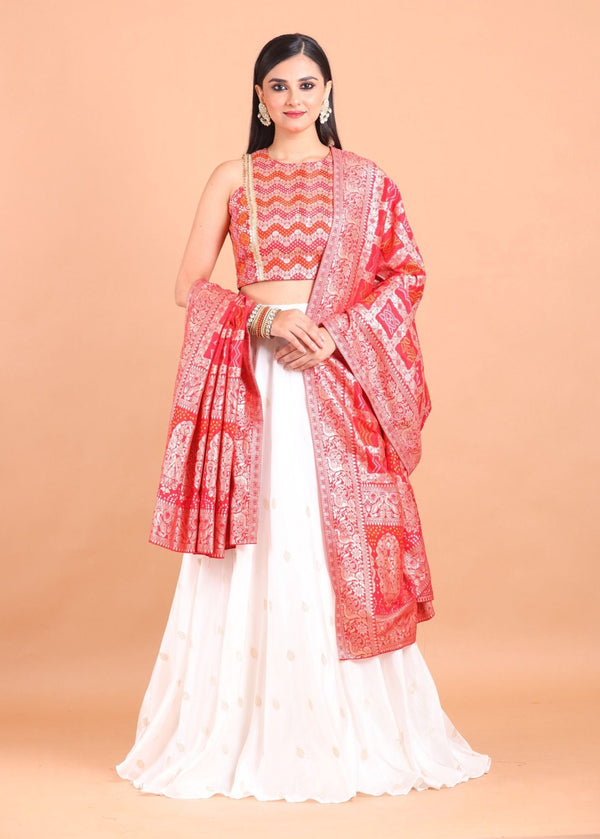
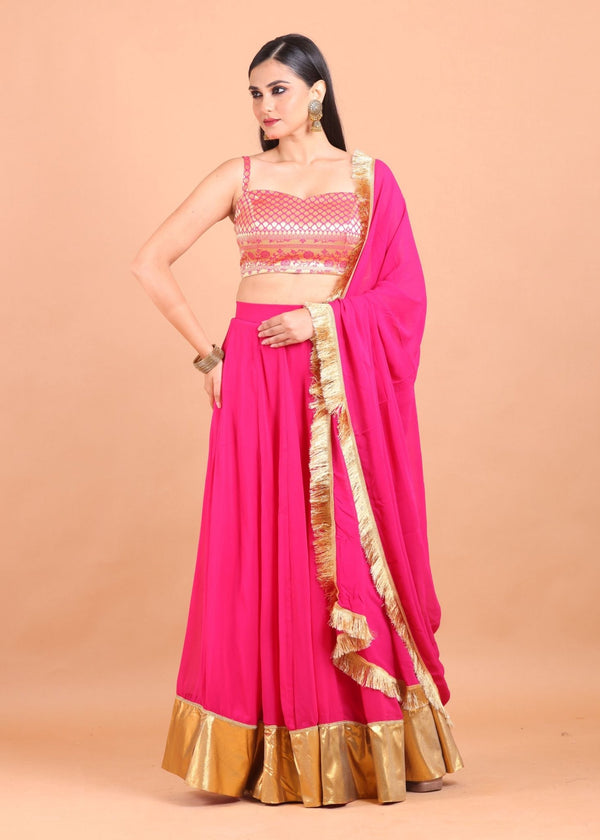
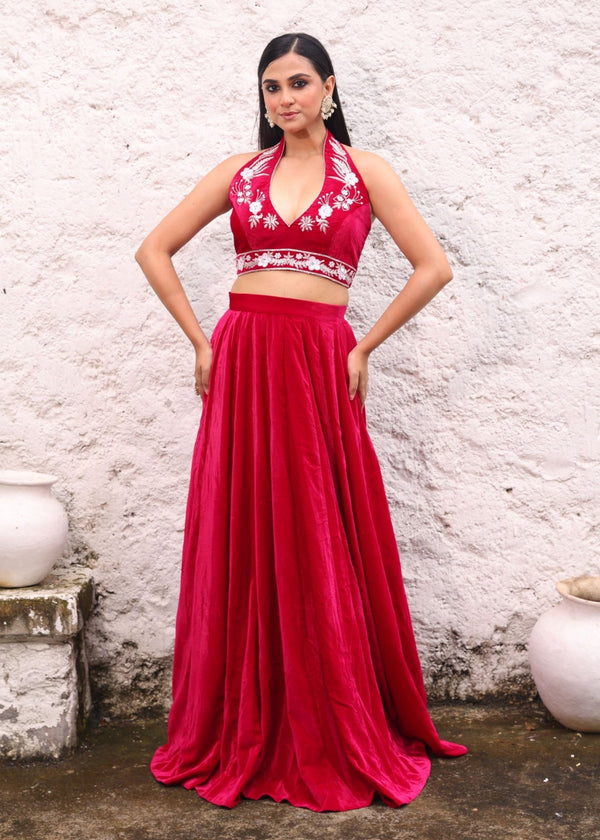
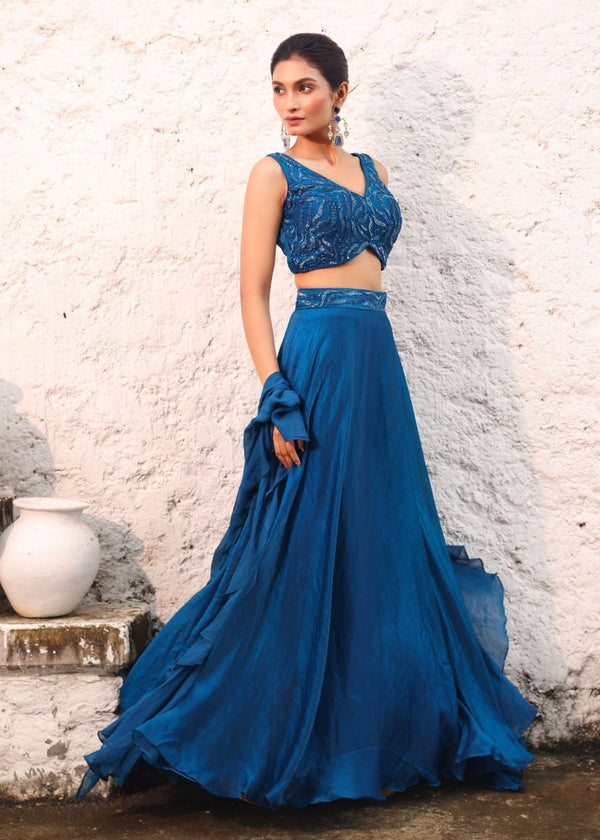
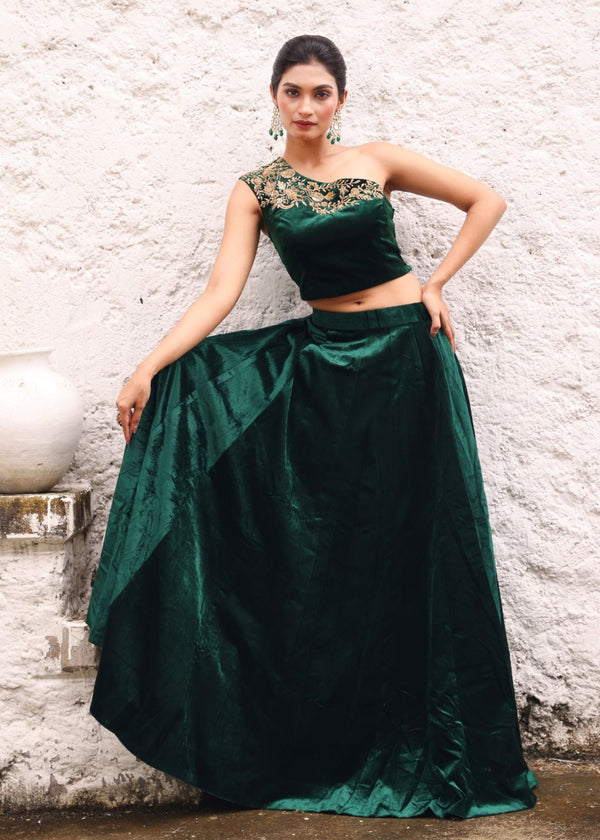
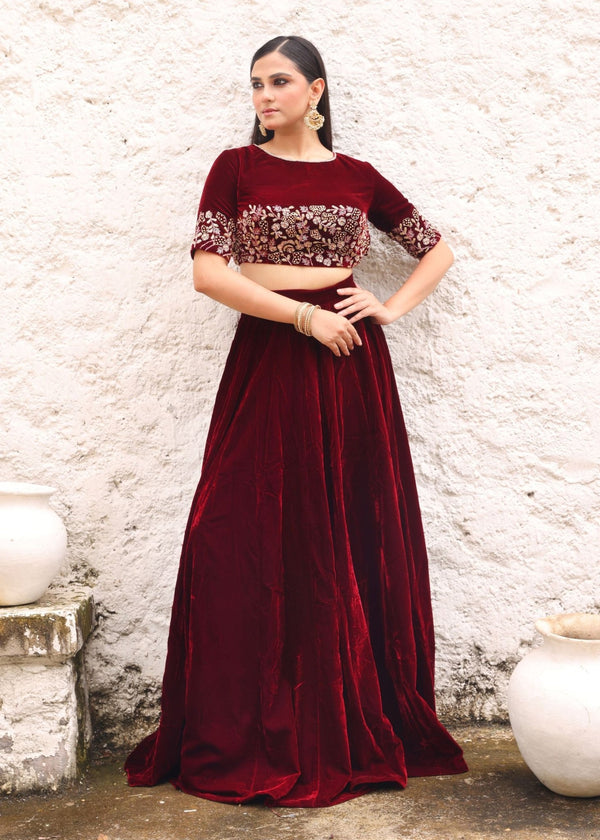
Lehenga choli is a traditional Indian ensemble consisting of a skirt or lehenga, a choli and usually a dupatta. It is strongly associated with weddings, festive celebrations and other grand occasions. The look can range from relatively minimal to heavily embellished. Embroidery techniques such as zardozi, mirror work, sequins, cutdana and thread embroidery can add texture and visual depth. Modern lehengas are also available in different silhouettes and blouse styles. Crop-top cholis, halter necklines, off-shoulder styles and contemporary jackets have introduced new proportions while keeping the basic lehenga structure recognisable. Because of this flexibility, lehengas can work for brides, bridesmaids and wedding guests.

Anarkali Suit: A Flowing Silhouette with Traditional Roots
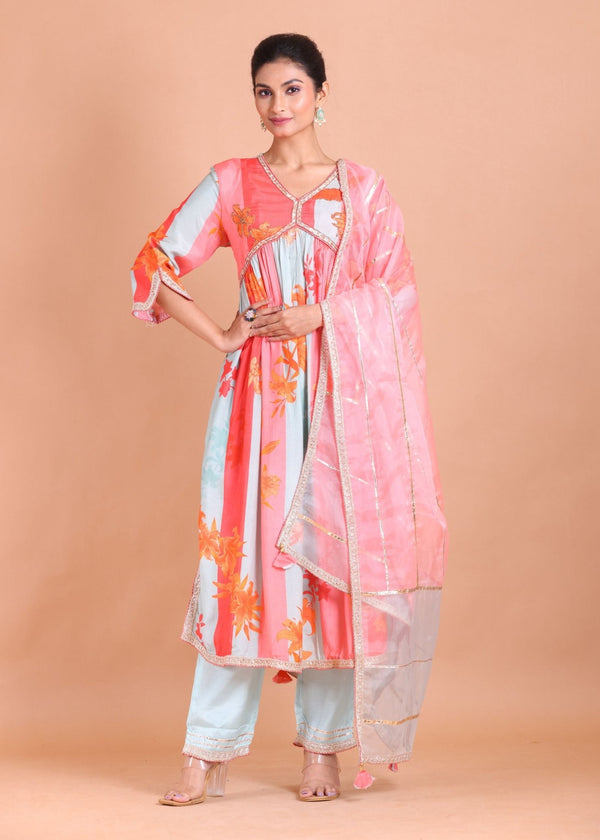
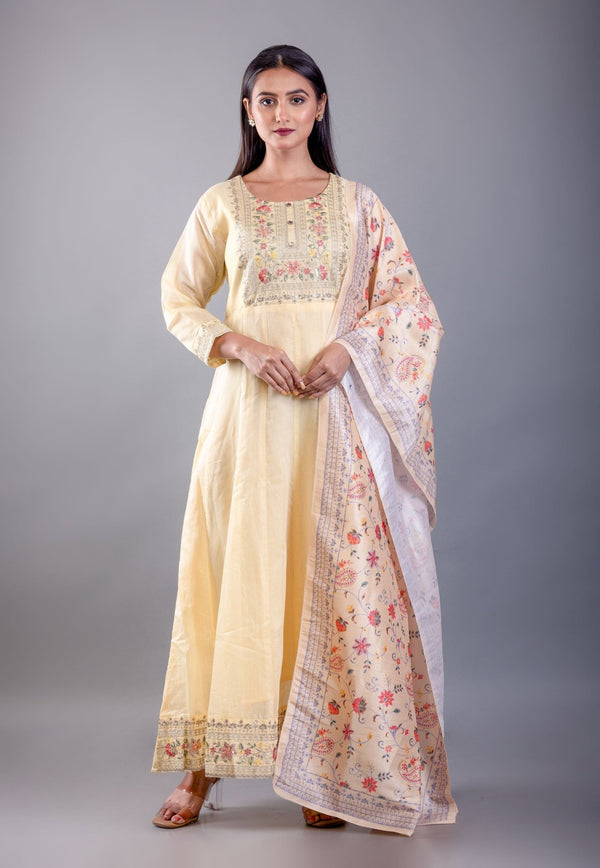
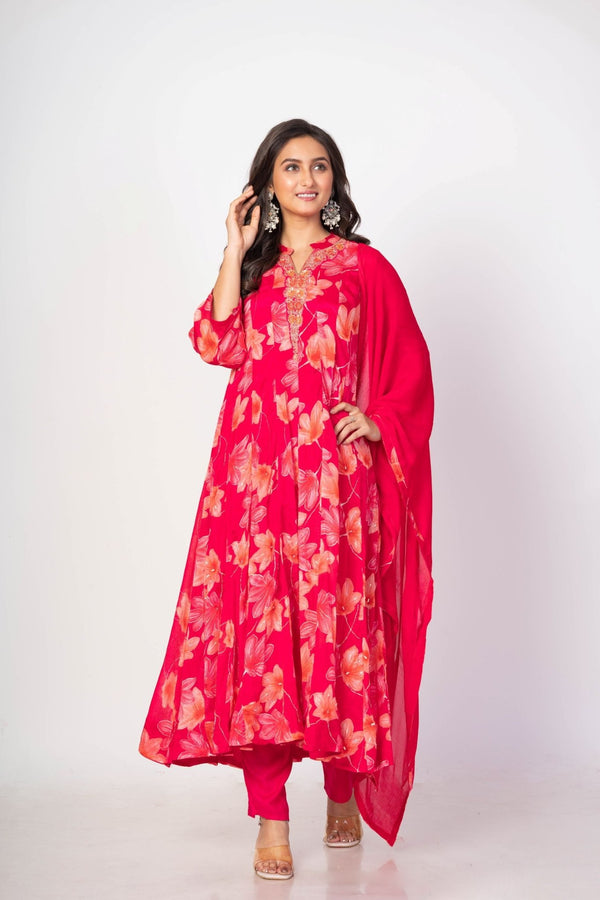
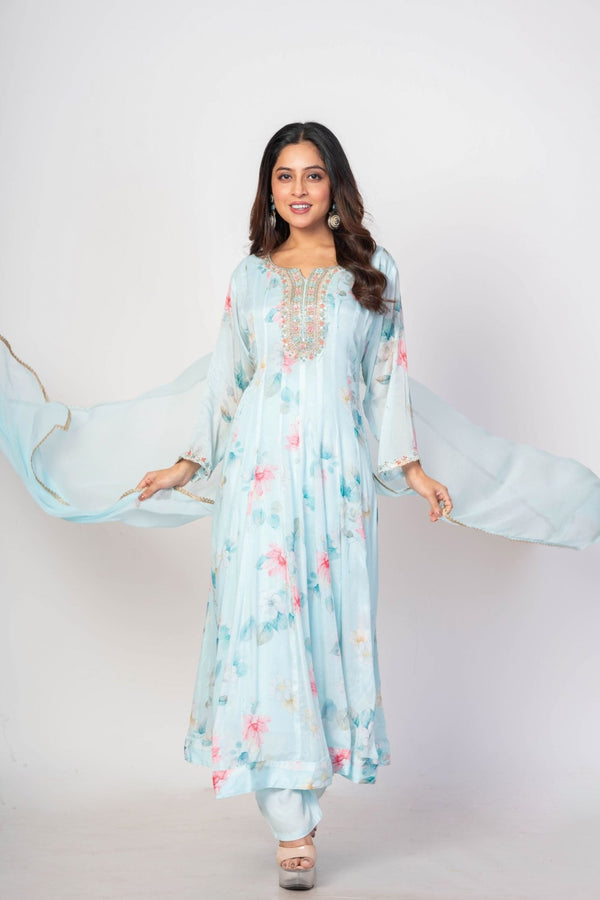
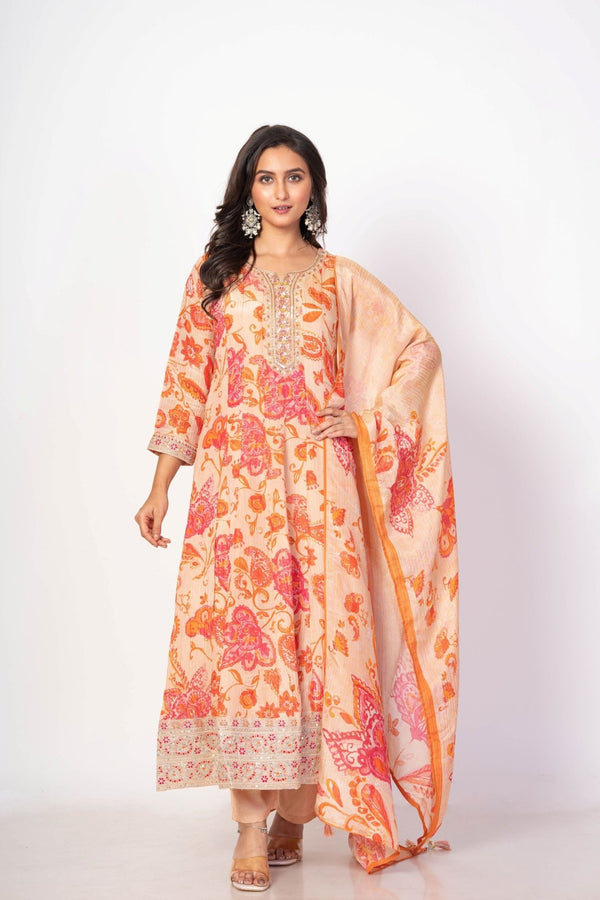
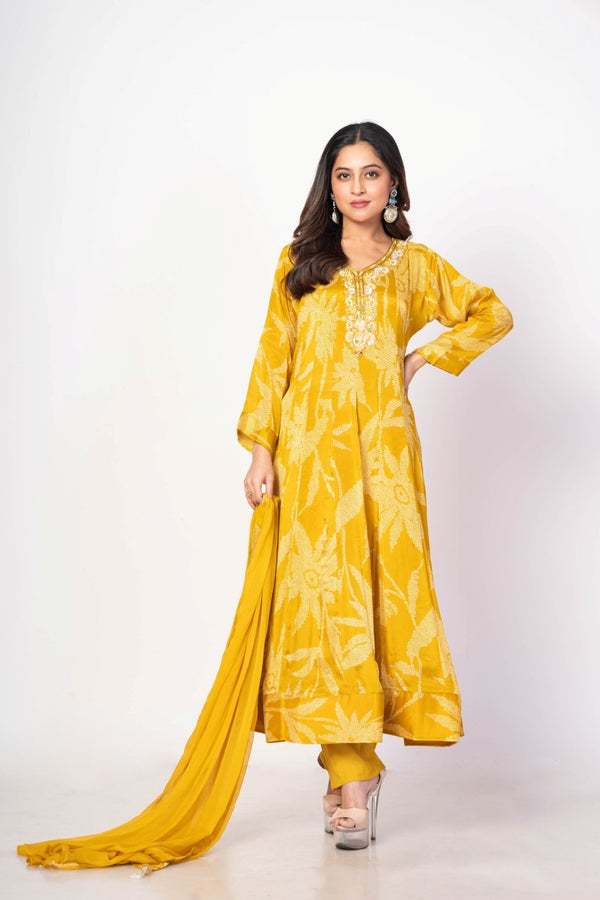
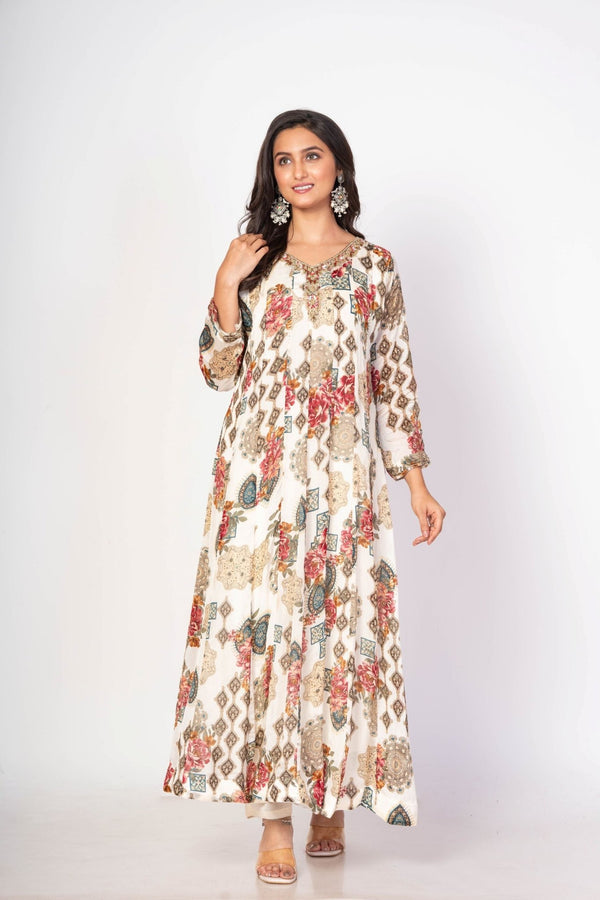
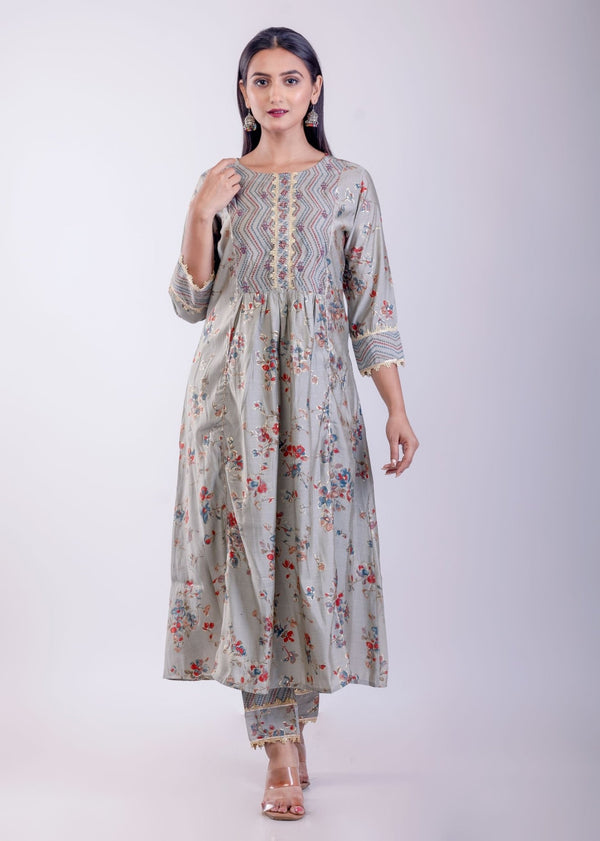
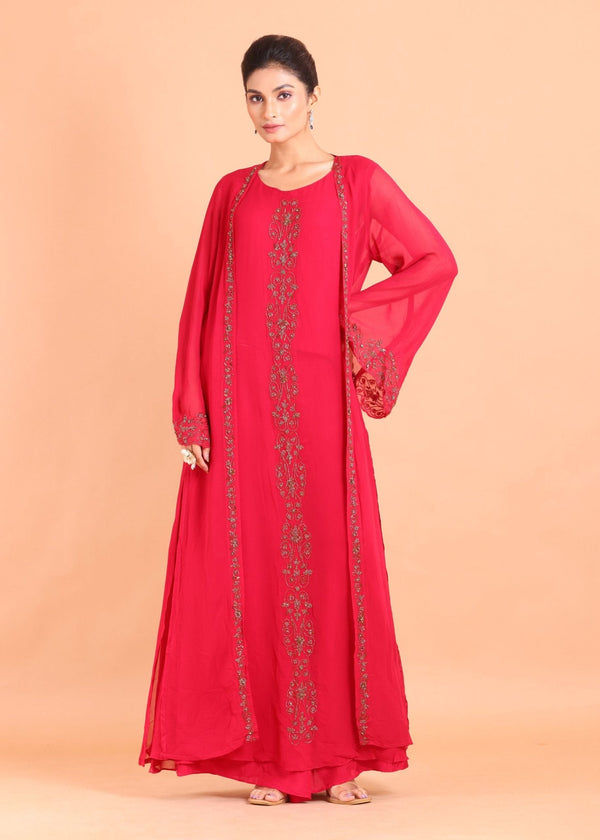
The Anarkali suit is recognised by its long, flared silhouette. The fitted upper portion gradually opens into a wider skirt-like shape, creating movement when the wearer walks. Anarkali suits are available in many fabrics and levels of embellishment. Printed versions can work for daytime functions, while embroidered or embellished designs are often chosen for weddings and festive occasions. The flowing silhouette also makes the Anarkali a versatile option for women who prefer traditional clothing without a heavily structured outfit. It can be styled with statement earrings, a dupatta and traditional or contemporary footwear depending on the occasion.

Sharara and Gharara: Flared Traditional Styles
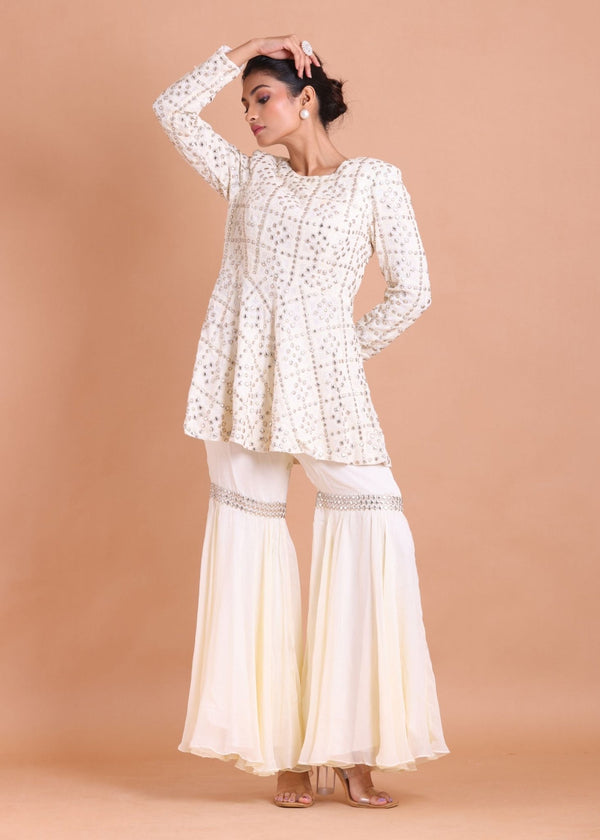
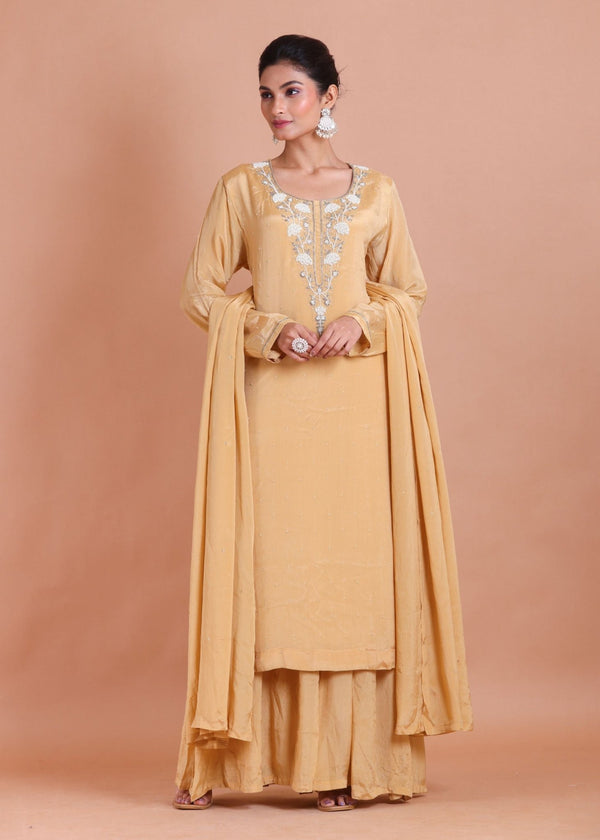
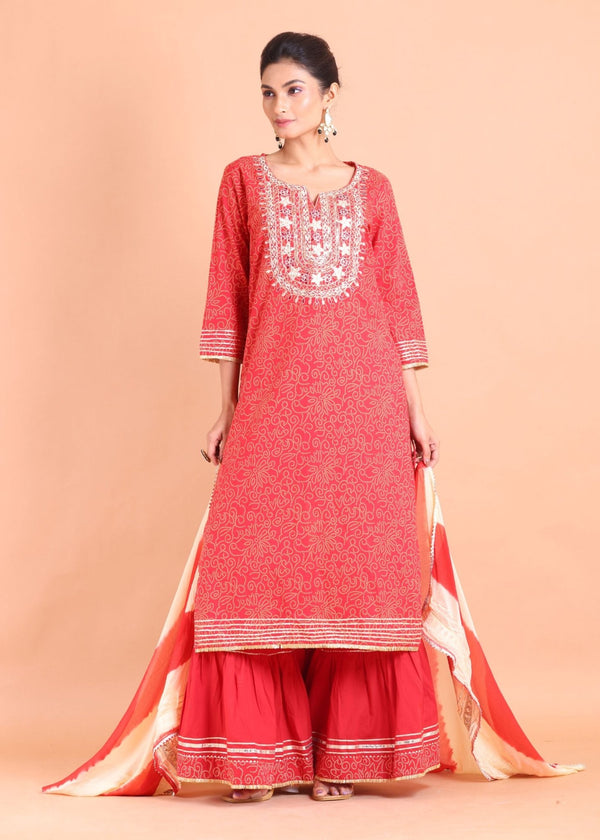
Sharara sets have become increasingly visible in festive and wedding wardrobes. A sharara generally features wide, flared trousers that create a skirt-like movement, often paired with a short kurta, crop top, jacket or dupatta. A gharara has a different construction, traditionally featuring a fitted portion around the knee followed by a pronounced flare. Both styles can create a statement silhouette while allowing considerable movement. Modern versions may include mirror work, embroidery, sequins, printed fabrics and contemporary jackets. They are particularly suitable for occasions such as mehendi ceremonies, festive parties and wedding celebrations. A jacket can add structure to a sharara while keeping the lower silhouette fluid.

Traditional Dresses for Women by Region in India
India's traditional clothing changes significantly from one region to another. Climate, local craftsmanship, weaving techniques, cultural practices and historical influences have all shaped regional clothing.
|
Region |
Examples of traditional women's wear |
|
North India |
Salwar kameez, Patiala suit, Anarkali |
|
West India |
Ghagra choli, chaniya choli, Nauvari saree |
|
South India |
Kanjivaram saree, Kasavu saree, half saree |
|
East India |
Jamdani, Tant, Baluchari and other traditional sarees |
|
Northeast India |
Mekhela Chador and regional woven garments |
|
Kashmir |
Pheran and other regional woollen clothing |
These categories are not strict boundaries. Traditional clothing has travelled across regions and continues to evolve. A saree or kurta style that once had a strong regional identity may now be worn across India in both traditional and contemporary forms.
Traditional Indian Dresses for Different Occasions
The right traditional outfit often depends more on the occasion than on fashion alone. Fabric, embellishment, silhouette and comfort all influence whether a particular outfit works for an event.
|
Occasion |
Traditional outfit ideas |
|
Wedding |
Saree, lehenga choli, Anarkali |
|
Wedding reception |
Silk saree, embellished lehenga, Anarkali |
|
Mehendi |
Sharara, colourful lehenga, festive kurta set |
|
Sangeet |
Lehenga, sharara, contemporary ethnic set |
|
Festival |
Saree, kurta set, Anarkali |
|
Puja |
Saree, simple kurta set, traditional silk outfit |
|
Family gathering |
Saree, salwar suit, kurta set |
|
Everyday wear |
Cotton saree, salwar kameez, simple kurta set |
|
Office |
Simple saree, straight kurta set, understated ethnic wear |
For long events, comfort should also be considered. Lightweight fabrics, a secure drape and an easy-to-manage silhouette can make a traditional outfit much more practical.
Popular Fabrics Used in Traditional Indian Women's Clothing
Fabric plays an important role in the look and comfort of traditional Indian clothing. The same silhouette can appear completely different when made in cotton, silk, georgette or organza.
|
Fabric |
Common use |
|
Cotton |
Everyday wear, summer dressing and casual occasions |
|
Silk |
Weddings, festivals and formal occasions |
|
Banarasi silk |
Festive and wedding sarees and ethnic wear |
|
Georgette |
Lightweight festive outfits and sarees |
|
Organza |
Structured sarees, dupattas and occasion wear |
|
Chanderi |
Lightweight traditional and festive clothing |
|
Velvet |
Winter weddings and grand occasion wear |
Handwoven and handcrafted textiles also have a special place in Indian fashion. Techniques such as Jamdani weaving, zari work, embroidery and regional dyeing methods add individuality and cultural value to traditional garments.
How Traditional Indian Dresses Have Evolved for Modern Fashion
Traditional clothing has not remained fixed. Designers and women have adapted classic silhouettes to suit modern wardrobes, lifestyles and styling preferences.
Sarees are now available in ready-to-wear and pre-draped formats, while traditional blouses can feature contemporary necklines, sleeves and back designs. Lehengas may be paired with crop tops or modern jackets, and Anarkali suits are available in updated lengths and silhouettes.
Kurta sets have also moved beyond purely traditional styling. Straight pants, palazzos, contemporary prints and tailored fits can give a classic outfit a more modern appearance.
This evolution allows women to enjoy traditional craftsmanship without having to follow only one way of wearing an outfit.
How to Choose the Right Traditional Dress
Choosing a traditional outfit becomes easier when you consider four basic factors.
1. Consider the Occasion
A heavily embroidered lehenga may be suitable for a wedding, while a cotton saree or simple kurta set may be more practical for everyday wear.
2. Choose the Fabric Carefully
Think about the season, event duration and amount of movement required. Lightweight fabrics can be more comfortable for daytime events, while silk, velvet and heavier textiles can work well for formal occasions.
3. Select a Silhouette You Can Move In
Consider how the outfit fits around the waist, shoulders and legs. A comfortable silhouette is especially important when attending long celebrations.
4. Think About Styling
The blouse, dupatta, jewellery, footwear and hairstyle can change the overall appearance of a traditional outfit. A simple outfit can look more festive with the right accessories, while a heavily embellished outfit may need minimal styling.
Traditional Dresses for Women: Quick Comparison
|
Outfit |
Best for |
Comfort |
Overall style |
|
Saree |
Weddings, festivals, everyday wear |
Depends on fabric and drape |
Traditional and versatile |
|
Salwar Kameez |
Daily wear, festivals and family occasions |
High |
Classic and practical |
|
Kurta Set |
Everyday, office and festive wear |
High |
Simple to refined |
|
Anarkali |
Festivals, parties and celebrations |
High |
Flowing and graceful |
|
Lehenga Choli |
Weddings and grand celebrations |
Depends on construction |
Festive and statement-making |
|
Sharara |
Weddings, mehendi and festive parties |
High |
Flowy and contemporary |