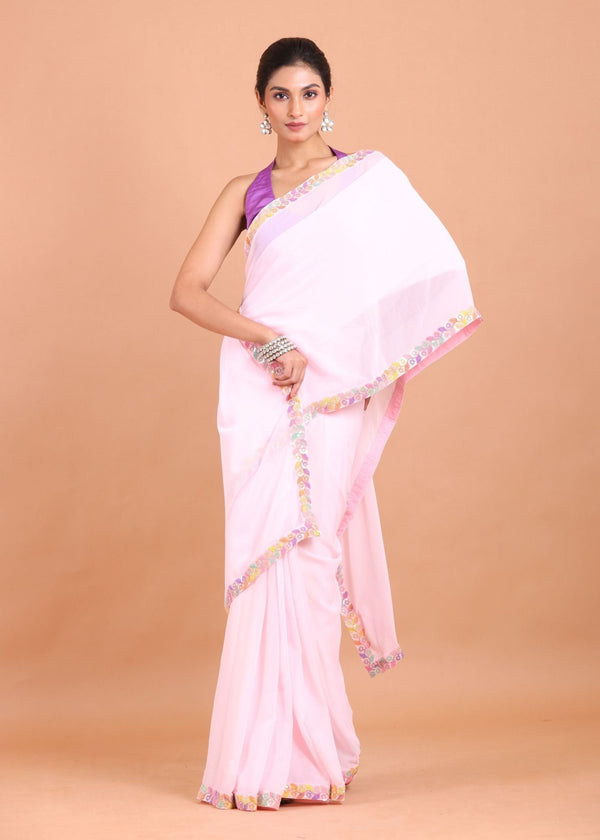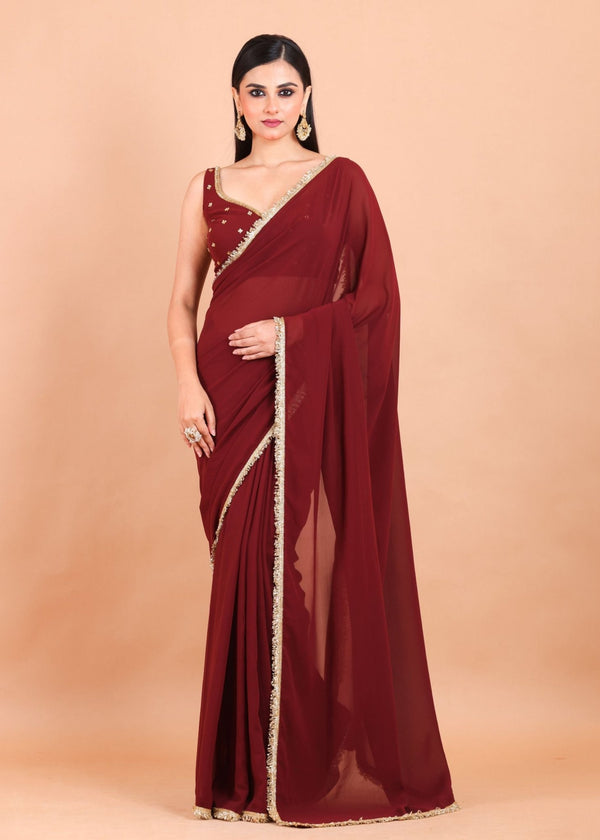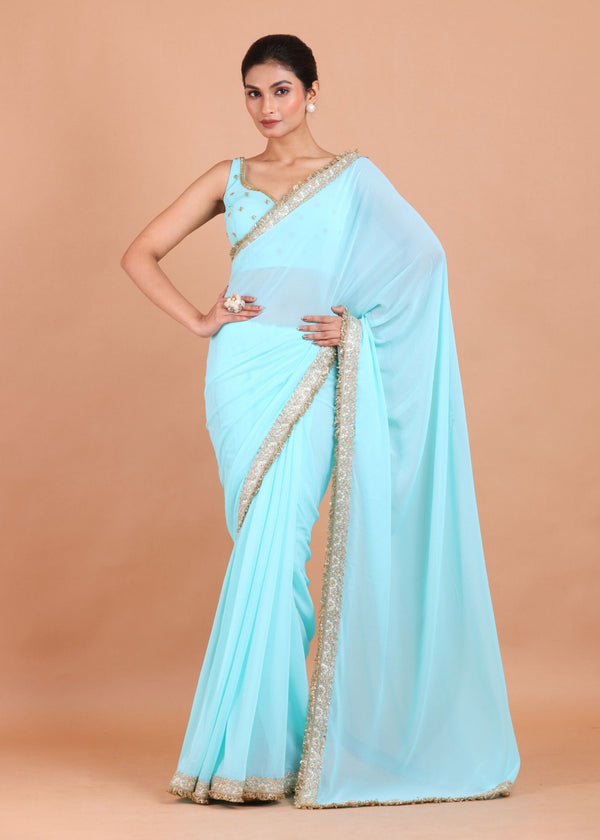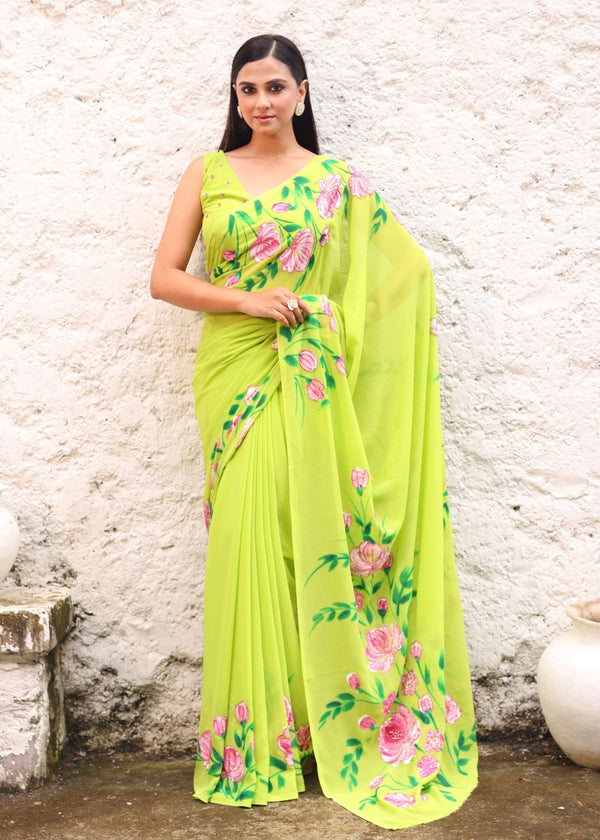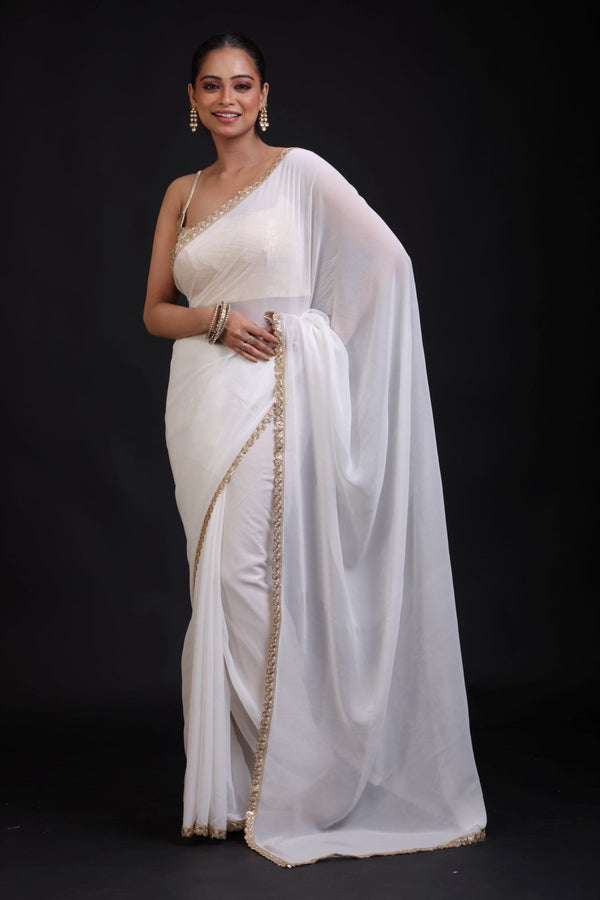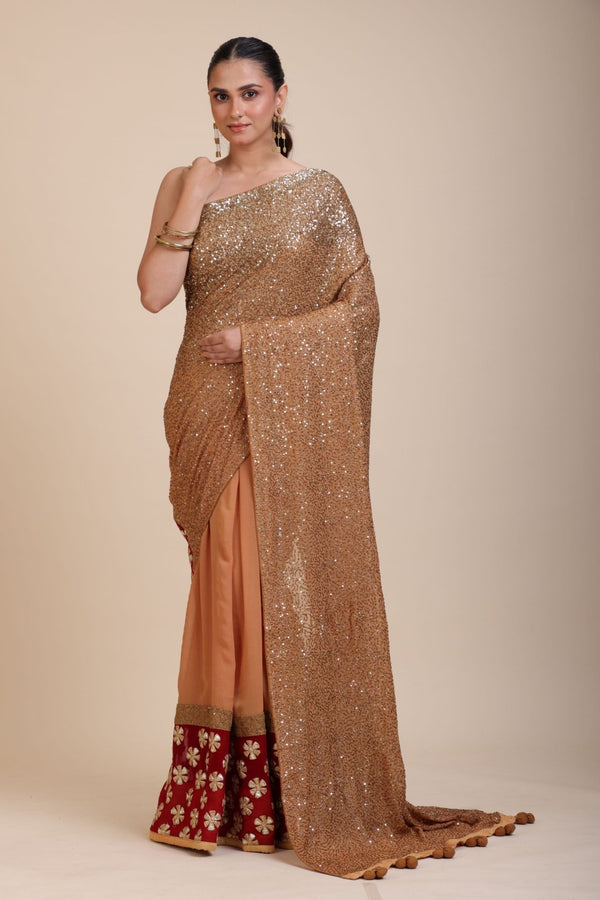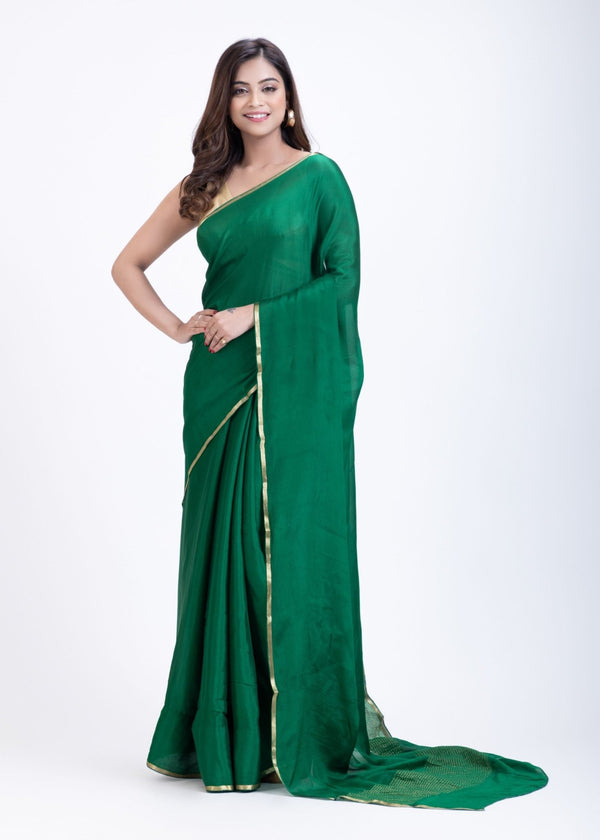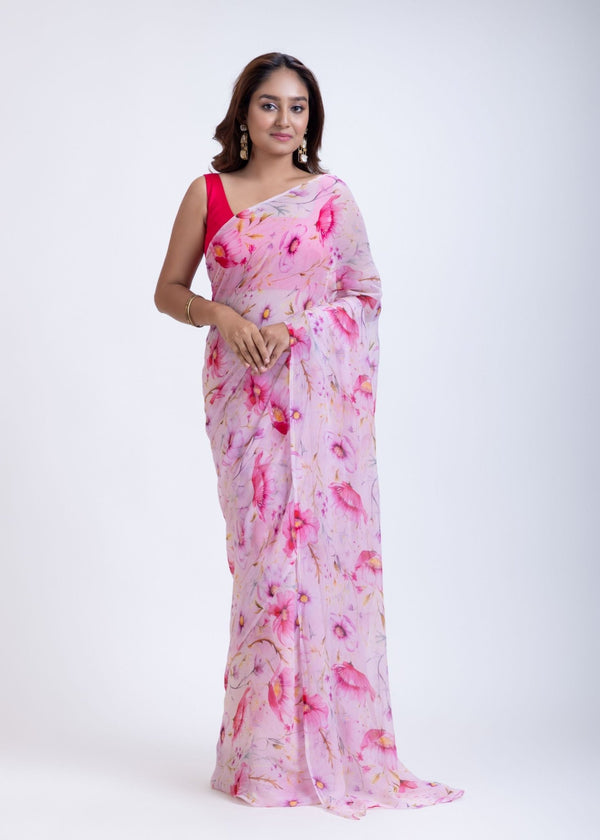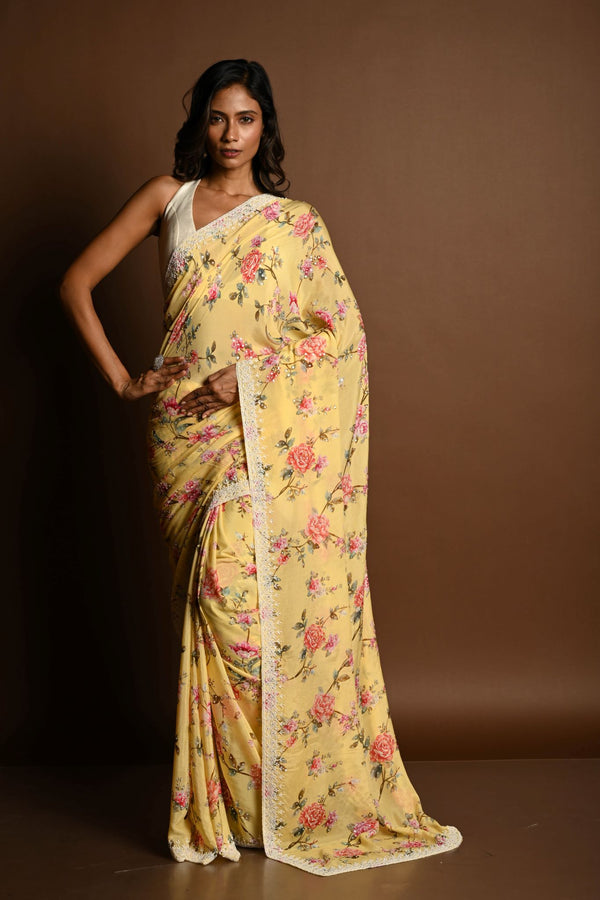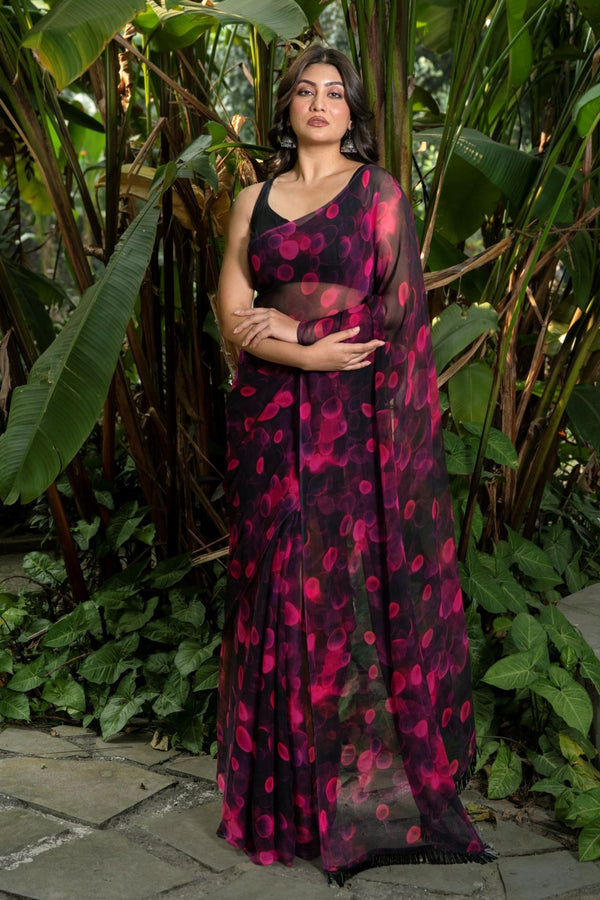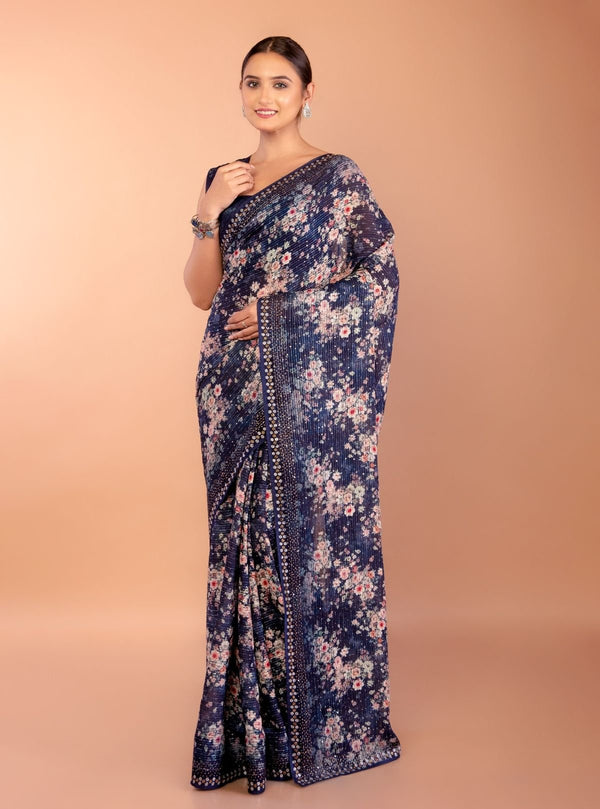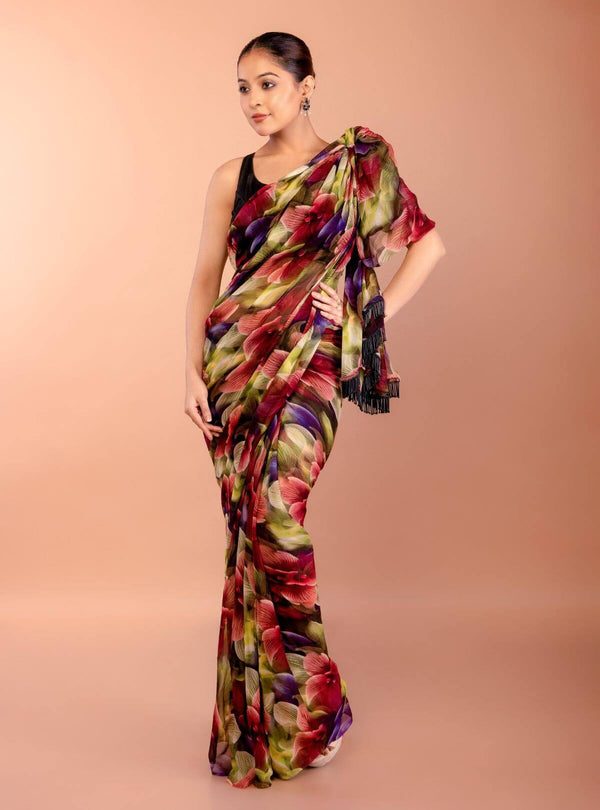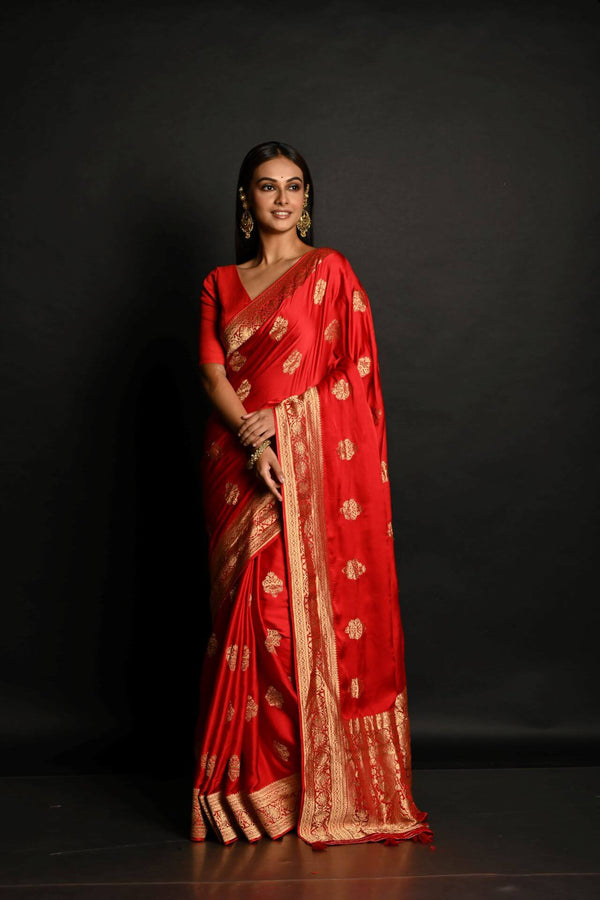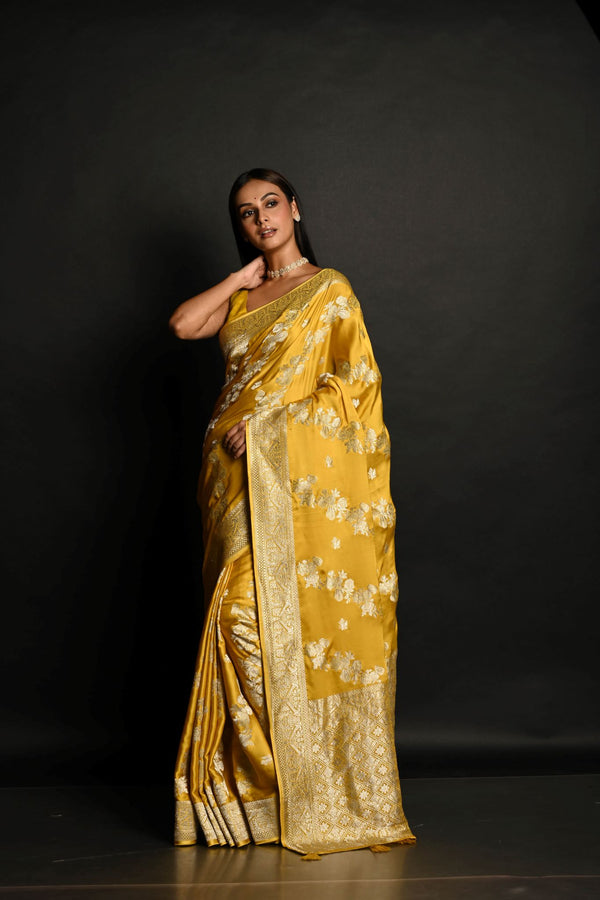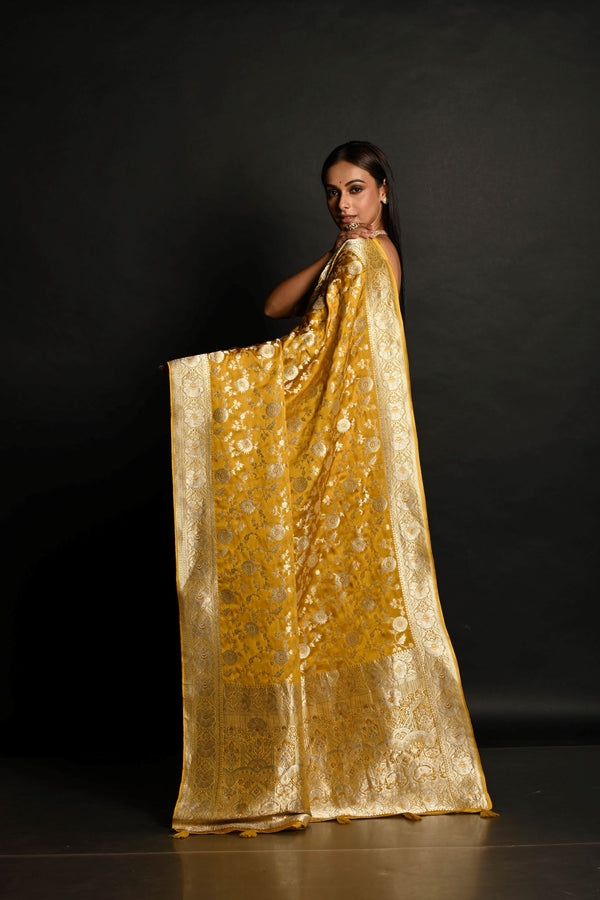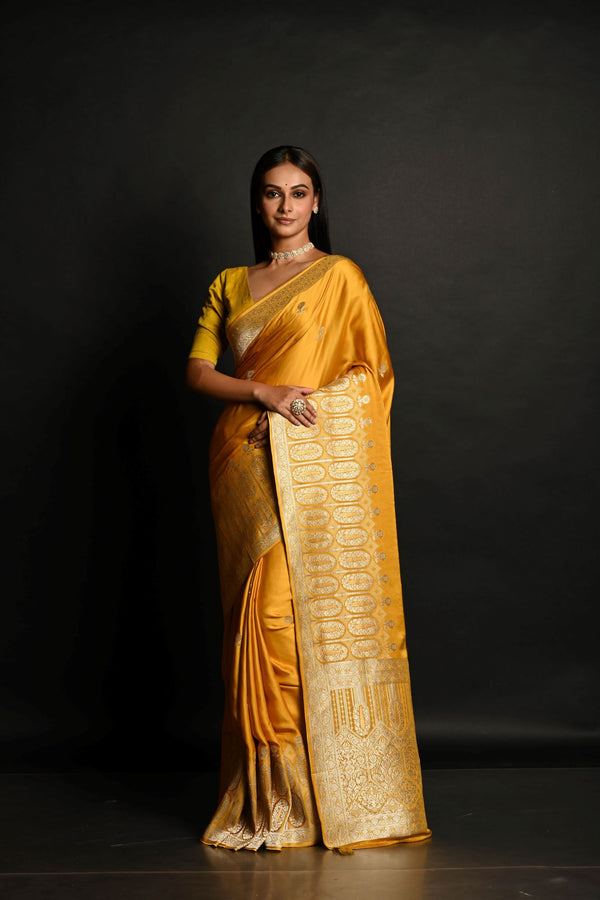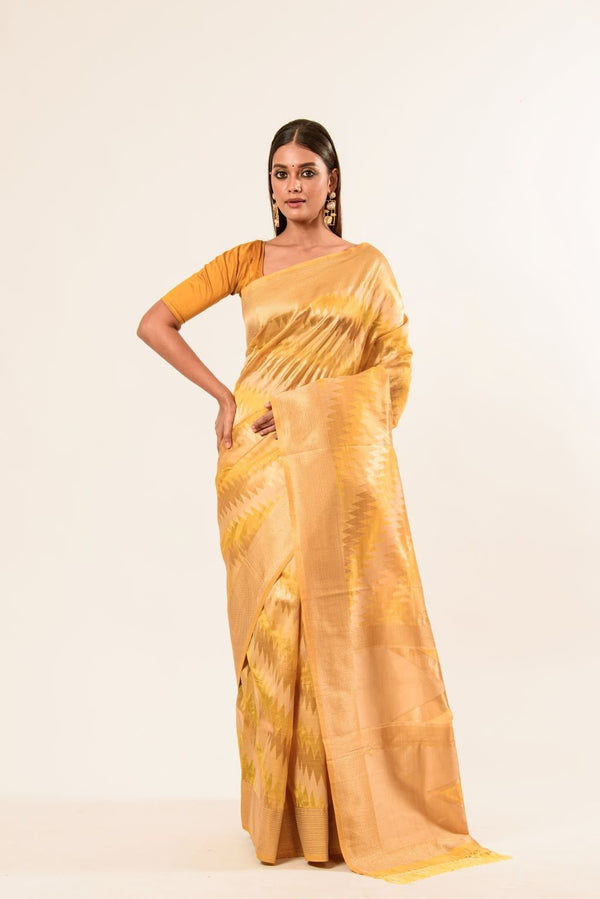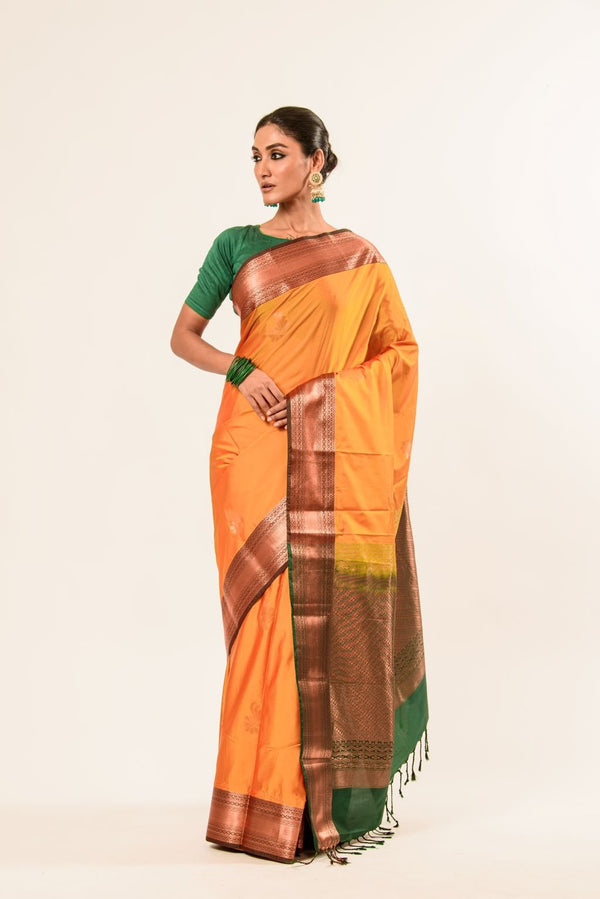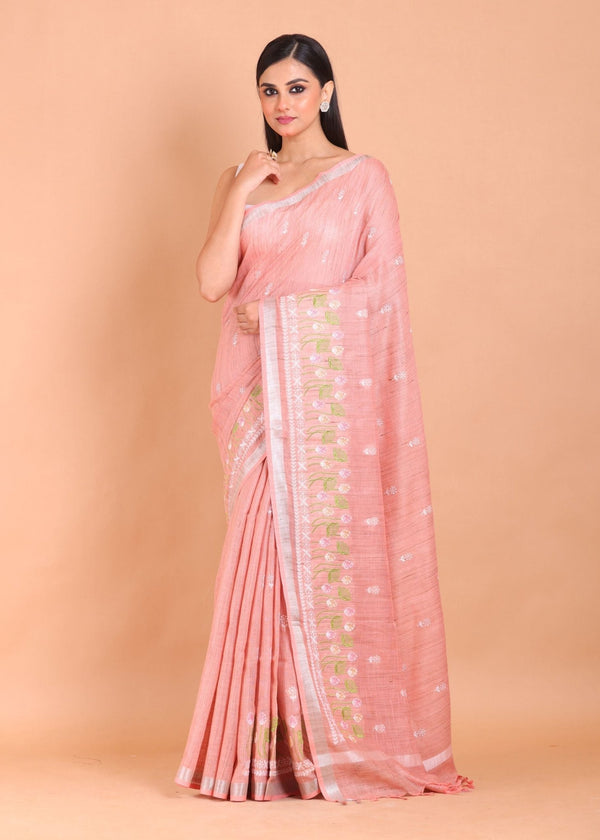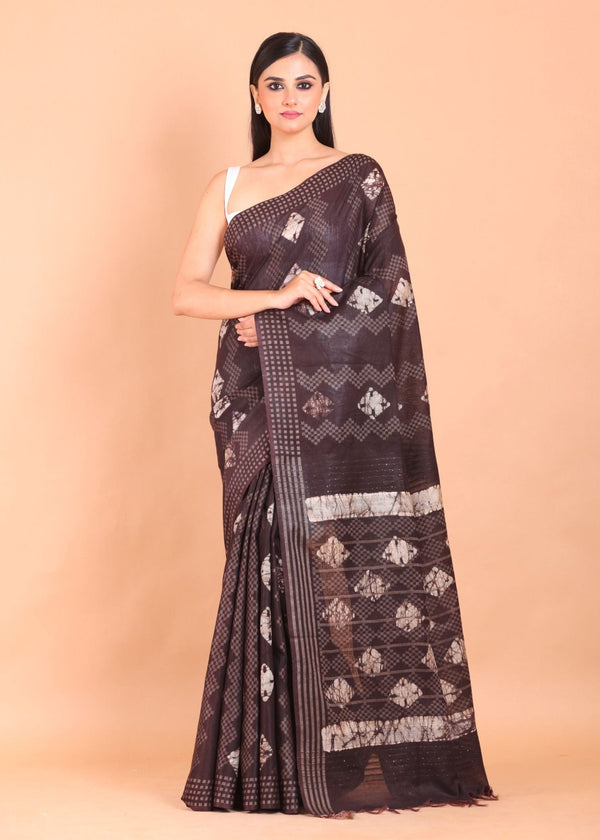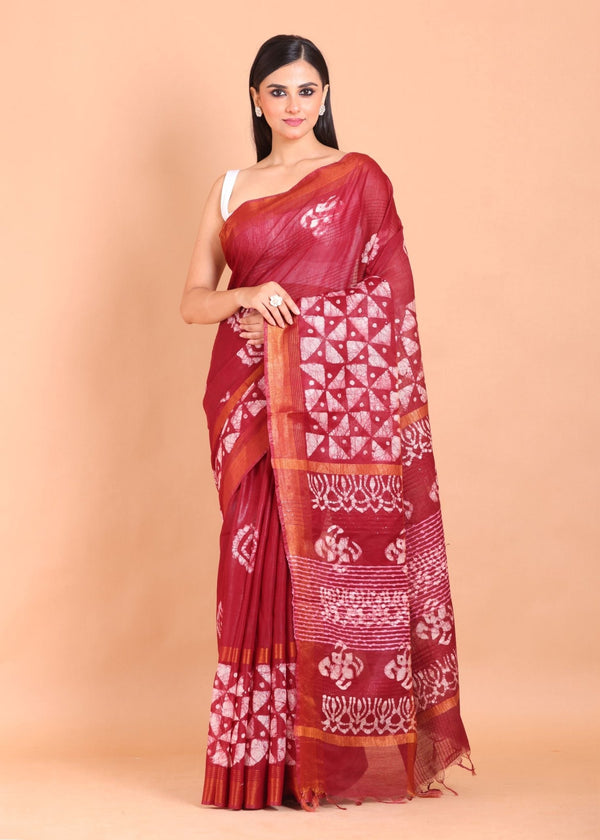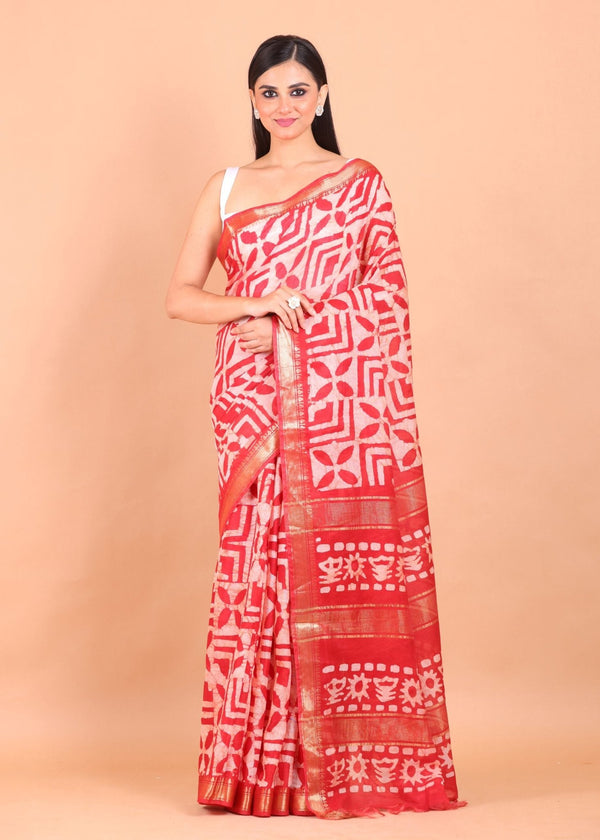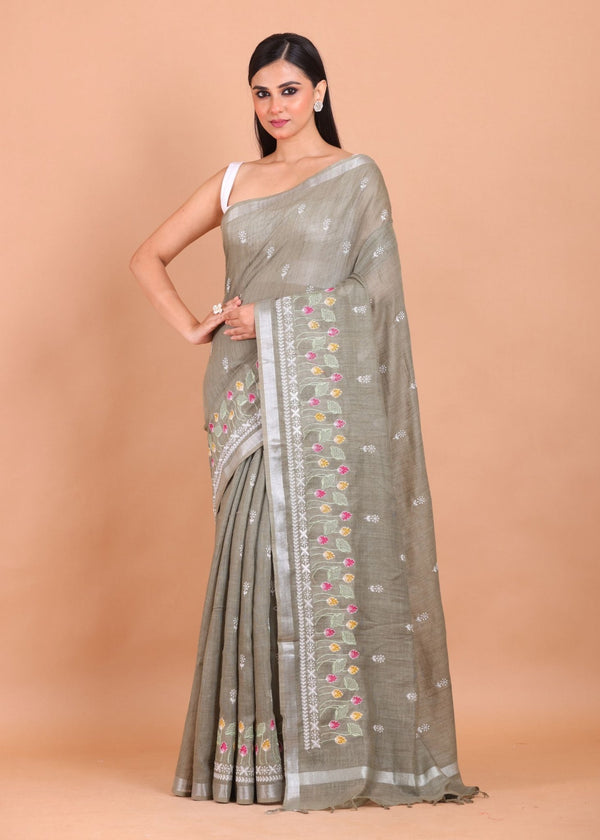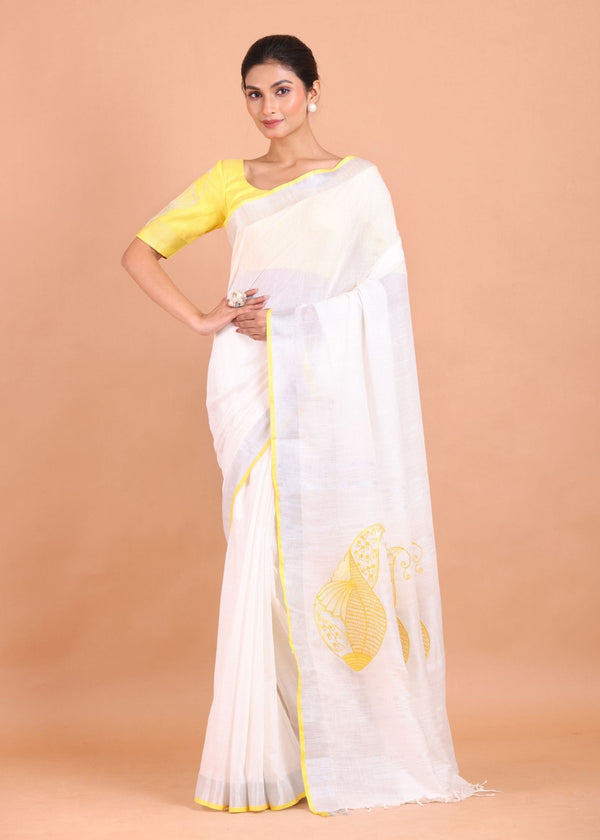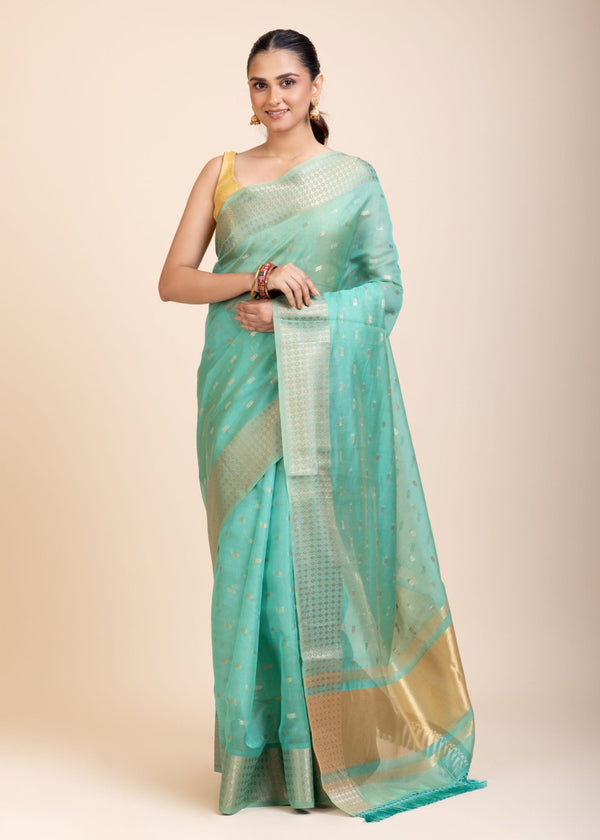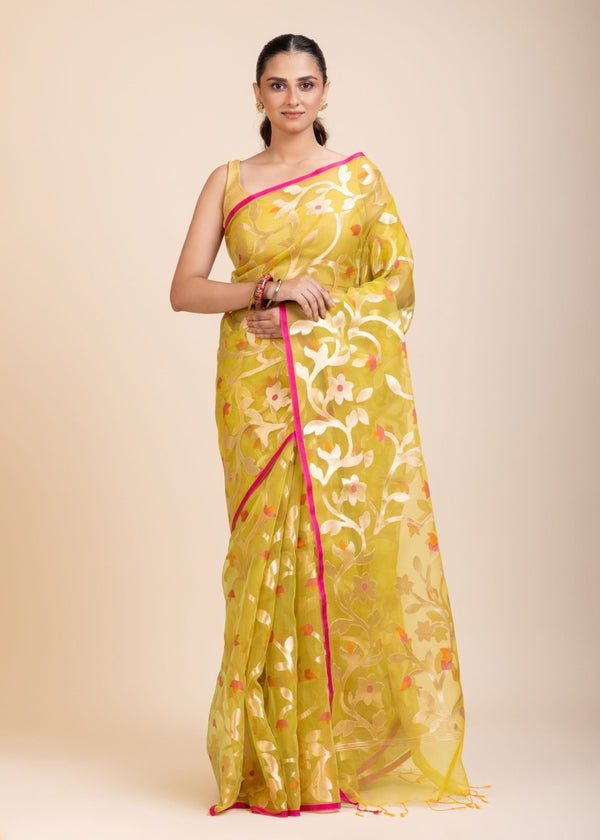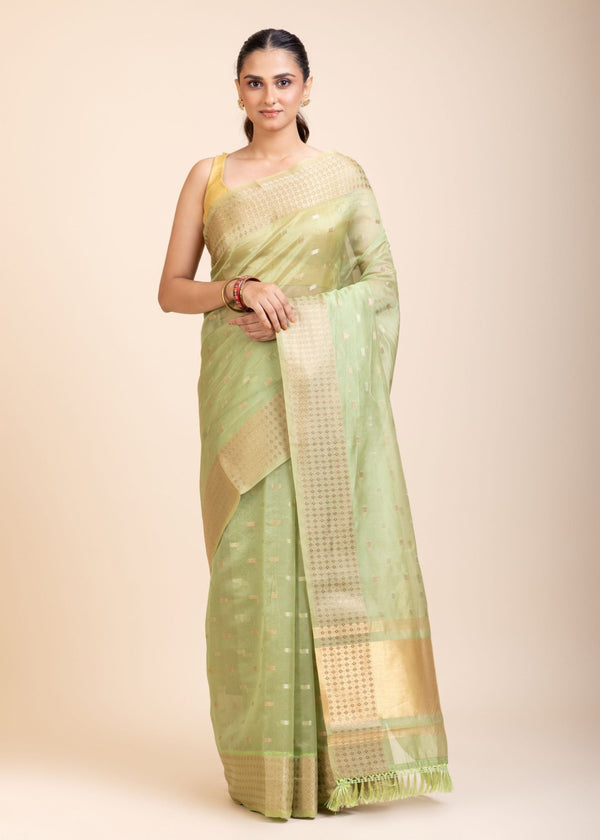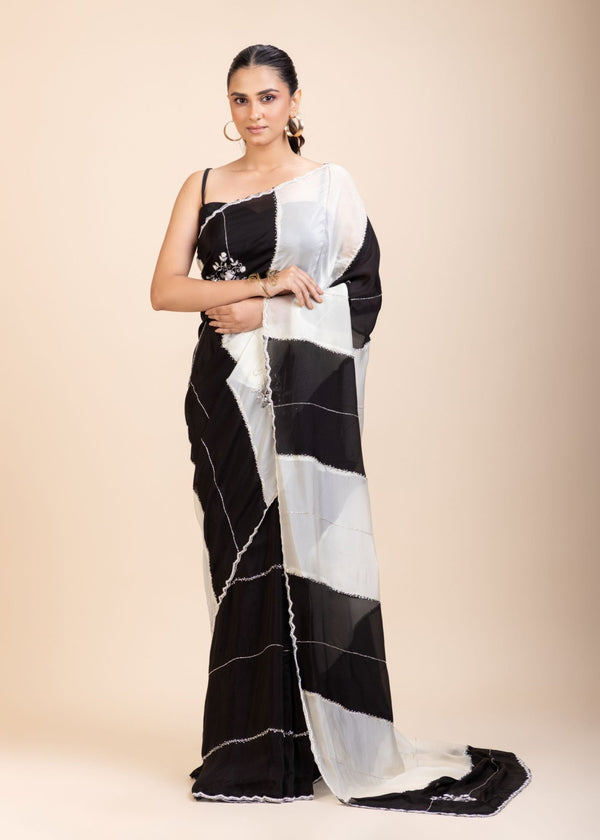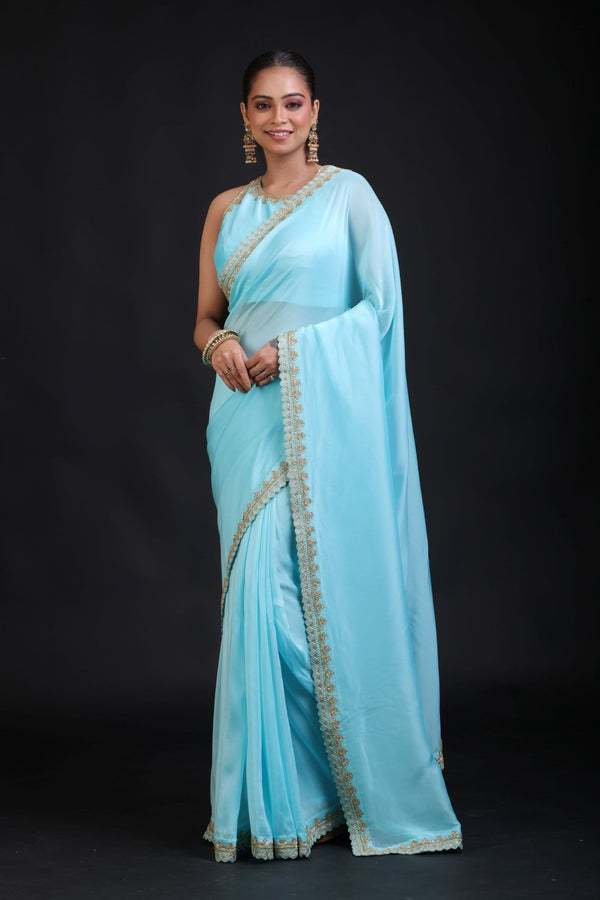




A saree looks its best when it drapes neatly, falls gracefully, and stays in place throughout the day. While choosing the right fabric and blouse is important, the finishing touches matter just as much. Two of the most important finishing processes are fall stitching and pico. Many women, especially those buying a new saree, often ask whether these steps are really necessary. The answer depends on the fabric, but in most cases, they make a noticeable difference to both the appearance and lifespan of the saree. If you have ever wondered why fall and pico are good for a saree, this guide answers the most common questions and explains how these simple additions can improve the way your saree looks and feels.
What Is Pico in a Saree and Why Is It Important?
Pico is a machine stitching technique used to finish the raw edges of a saree. It wraps the edges with fine thread, creating a clean border that prevents the fabric from fraying over time. Without pico, loose threads may begin to appear after repeated use or washing, especially on lightweight fabrics. One of the biggest reasons pico is important is that it protects the saree without changing its original design. The stitching is fine, almost invisible, and helps the edges remain neat for years. Fabrics like cotton, chiffon, georgette, linen, organza, and tissue sarees particularly benefit from pico because they are more likely to develop loose threads along the borders. Many people also ask whether every saree needs pico. In most cases, the answer is yes. Whether the saree is meant for daily wear or special occasions, pico gives it a finished appearance while reducing the chances of edge damage.
What Is Fall in a Saree and Why Is It Necessary?
A saree fall is a strip of fabric stitched along the inner edge of the lower border of a saree. It is usually made from cotton and is carefully matched with the saree's colour. Although it remains hidden when the saree is worn, it plays an important role in improving the way the saree falls and moves. The primary purpose of a fall is to add slight weight to the lower edge of the saree. This extra support helps the saree drape smoothly and keeps the pleats looking structured. It also prevents the border from curling upwards while walking, making the saree easier to manage. Another reason why fall is necessary is that it protects the expensive border from direct contact with the ground. Wedding sarees, tissue silk sarees, Banarasi sarees, Kanjivaram sarees, and heavy designer sarees often have intricate borders that can wear out quickly without this additional layer of protection. Although some lightweight sarees may still be worn without a fall, adding one usually improves both the appearance and durability of the saree.
Why Fall and Pico Are Good for a Saree Before You Wear It
Fall and pico work together to improve both the beauty and longevity of a saree. While pico protects the edges from fraying, the fall supports the lower border and enhances the overall drape. These two finishing processes may seem small, but they significantly affect how comfortable and polished a saree looks once worn. A saree with proper fall and pico creates sharper pleats and a smoother silhouette. It also feels easier to carry during weddings, festivals, office events, and family functions because the fabric stays in place more naturally. Instead of constantly adjusting the pleats or pallu, you can move with greater confidence. Another important benefit is protection. Sarees are often valuable investments, especially those made from silk or featuring hand embroidery, zari work, or delicate embellishments. Fall and pico help preserve these details by reducing unnecessary wear, making the saree suitable for repeated use over many years.
Which Sarees Need Fall and Pico the Most?
Some sarees need fall and pico more than others. The need depends on the fabric, the border, and how often the saree is worn. Fall helps the saree drape well and protects the lower border. Pico finishes the edges and stops them from fraying. For heavy, delicate, or frequently used sarees, both finishing touches are very useful.
Silk Sarees Need Fall and Pico for Better Support
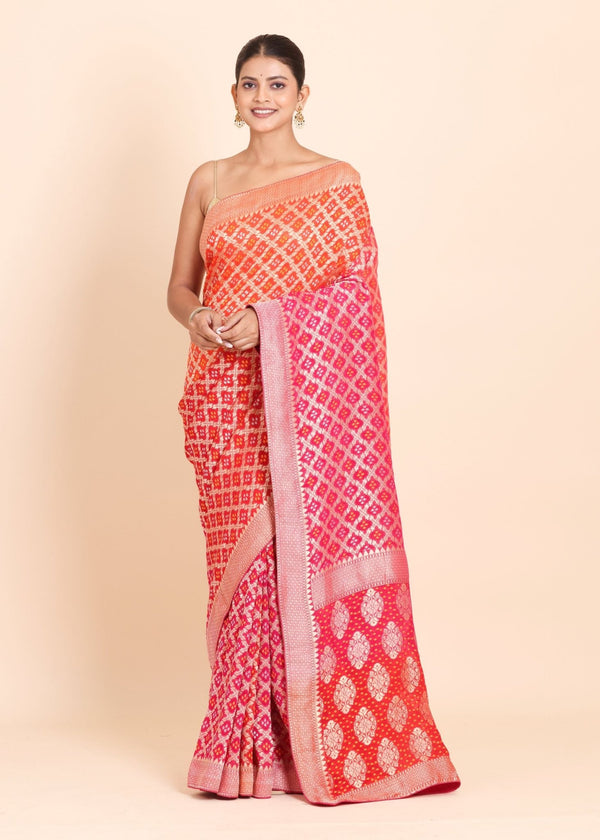
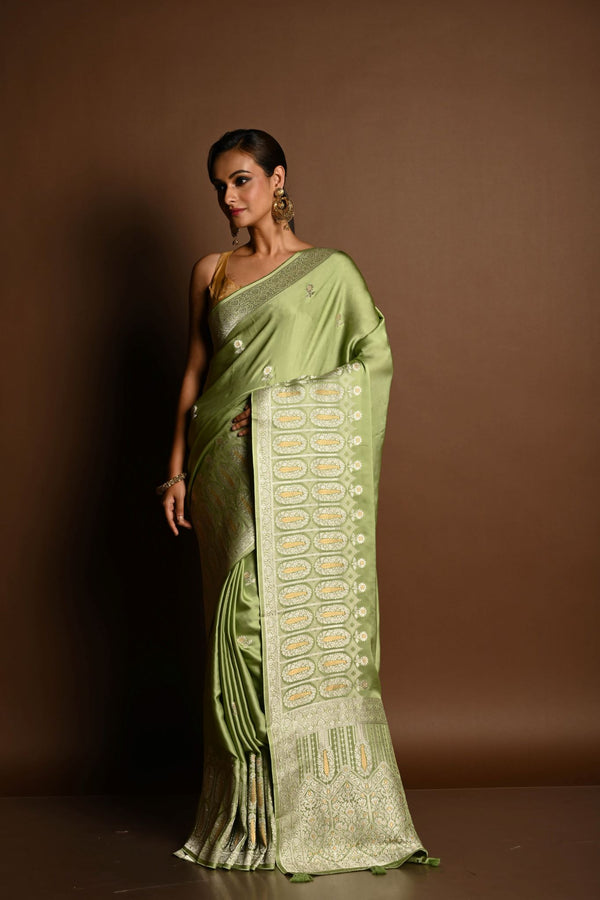
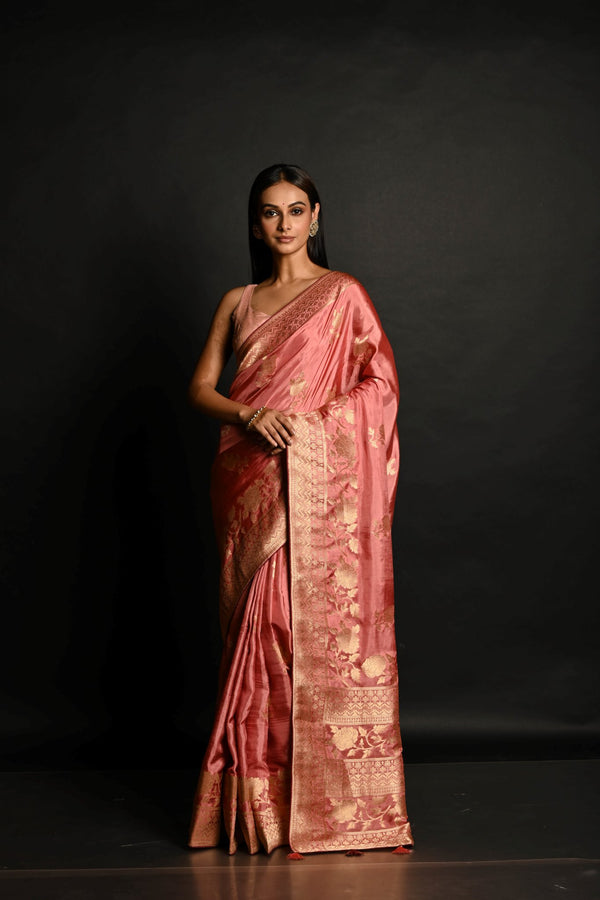
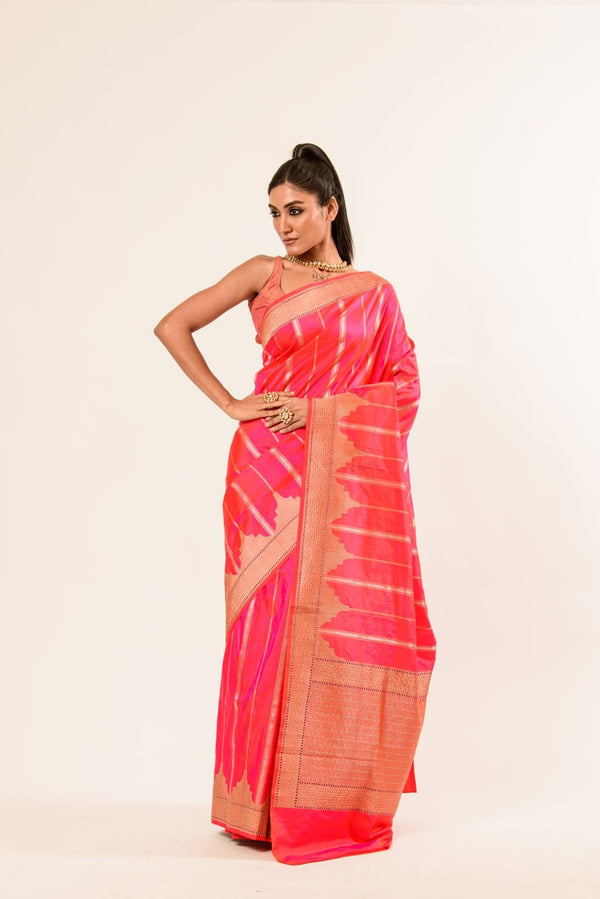
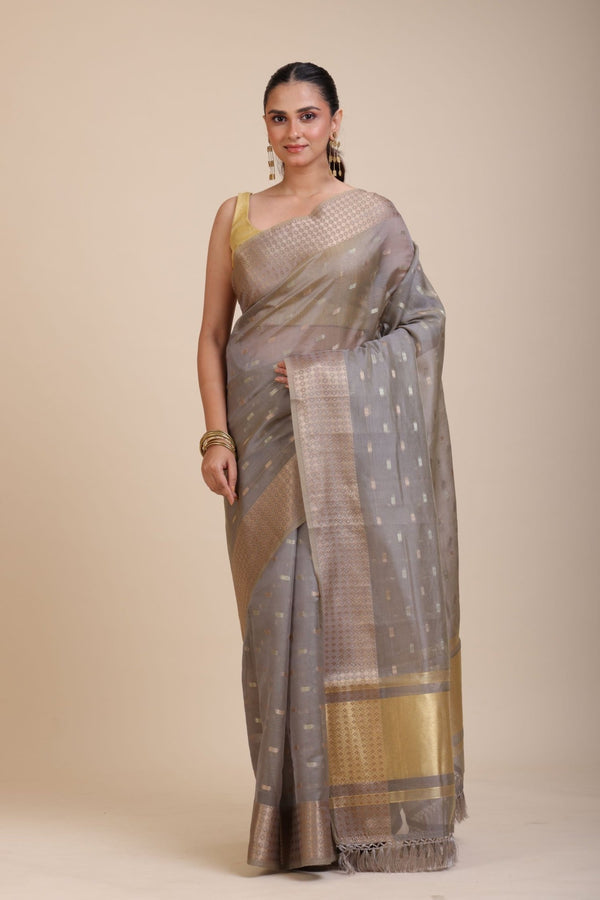
Silk sarees are one of the best examples of sarees that need fall and pico. They are usually heavier than many other fabrics and often have rich borders with zari, embroidery, or woven designs. A fall adds a little weight to the lower edge, which helps the saree hang properly and keeps the pleats in place. It also stops the border from curling up while walking. Pico is just as important for silk sarees because it protects the edges from loose threads and fraying. This is especially useful for Banarasi sarees, Kanjivaram sarees, bridal sarees, and festive silk sarees. These sarees are often expensive and worn on special occasions, so proper finishing helps them stay beautiful for a long time.

Cotton Sarees Need Pico to Prevent Fraying
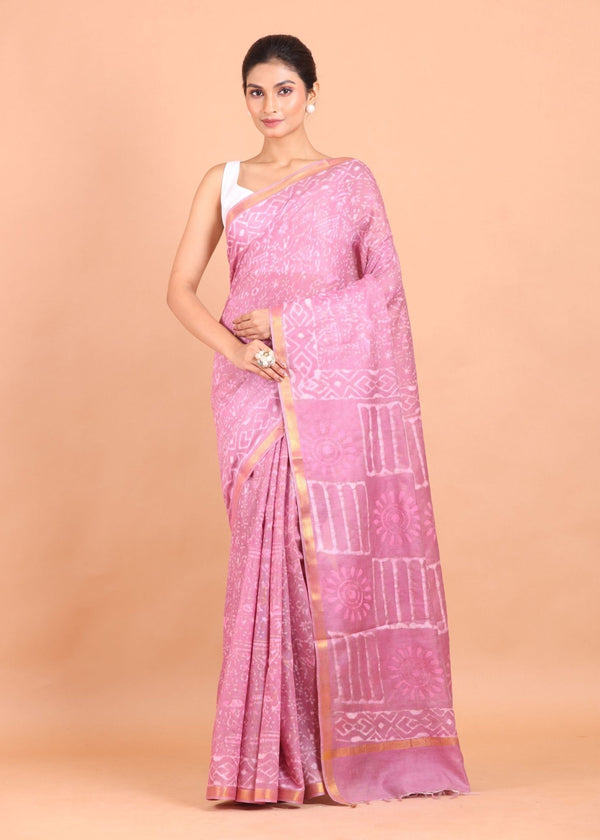
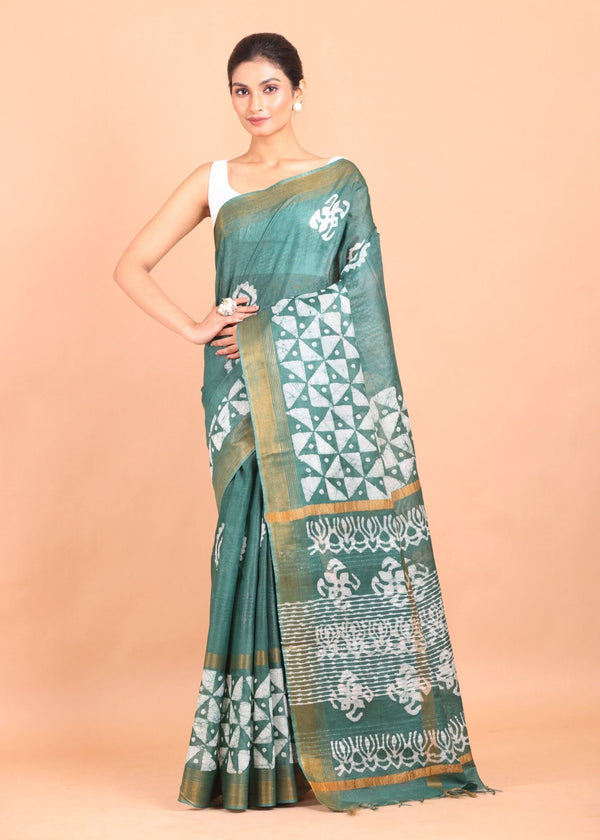
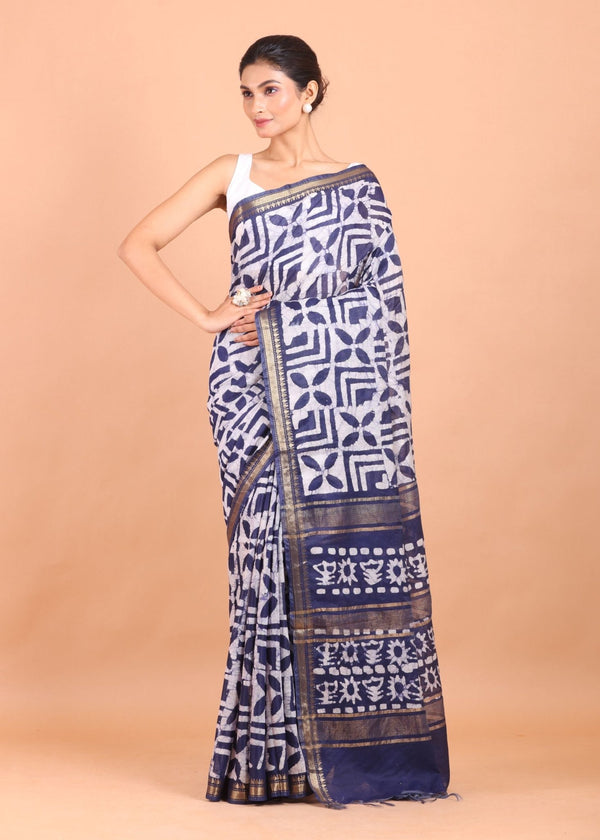
Cotton sarees are worn often, especially for office wear, daily use, and simple functions. Because they are washed many times, their edges can become rough over time. Pico helps keep the borders neat and stops the fabric from opening at the sides. It gives the saree a clean and finished look. A fall can also be helpful for pure cotton sarees. It gives the lower part of the saree a little support and helps it drape better. This makes the saree easier to pleat and wear. For women who wear cotton sarees regularly, fall and pico are simple additions that make the saree last longer and look more polished.

Georgette and Chiffon Sarees Drape Better with a Light Fall
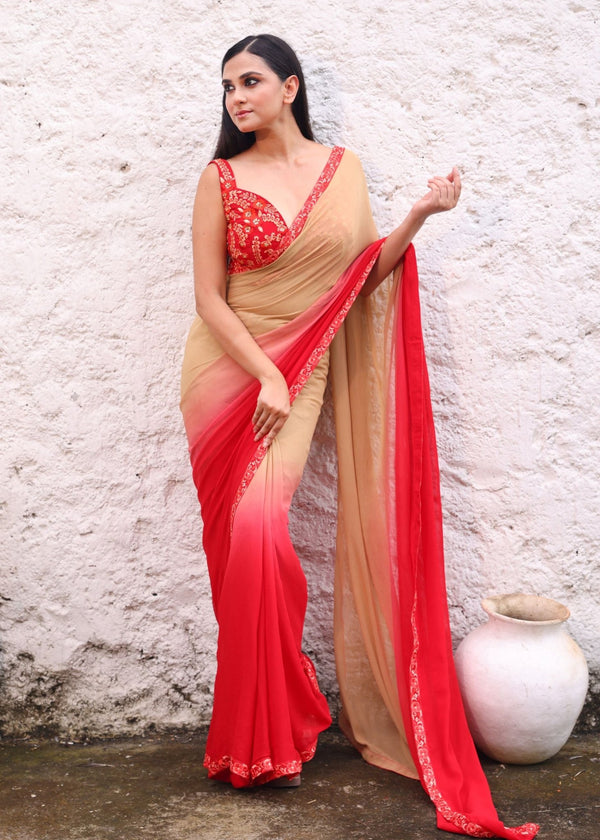
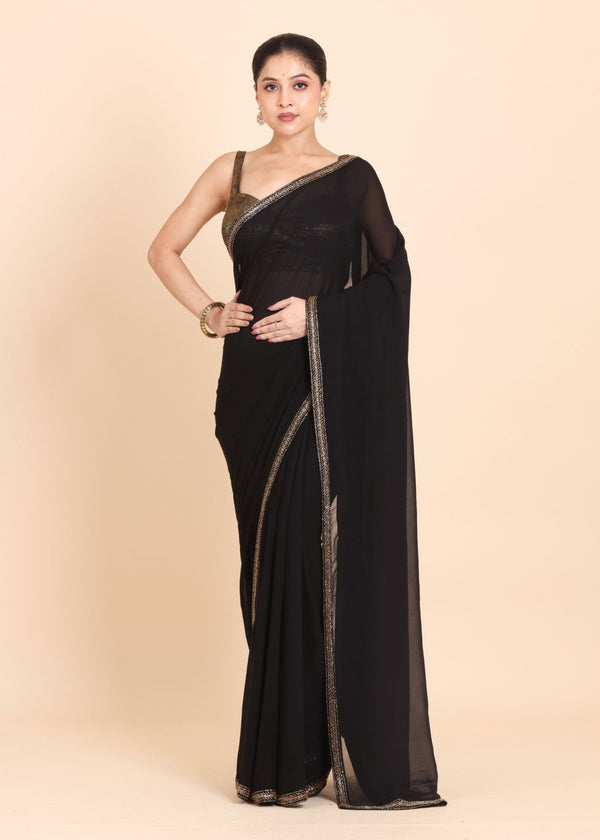
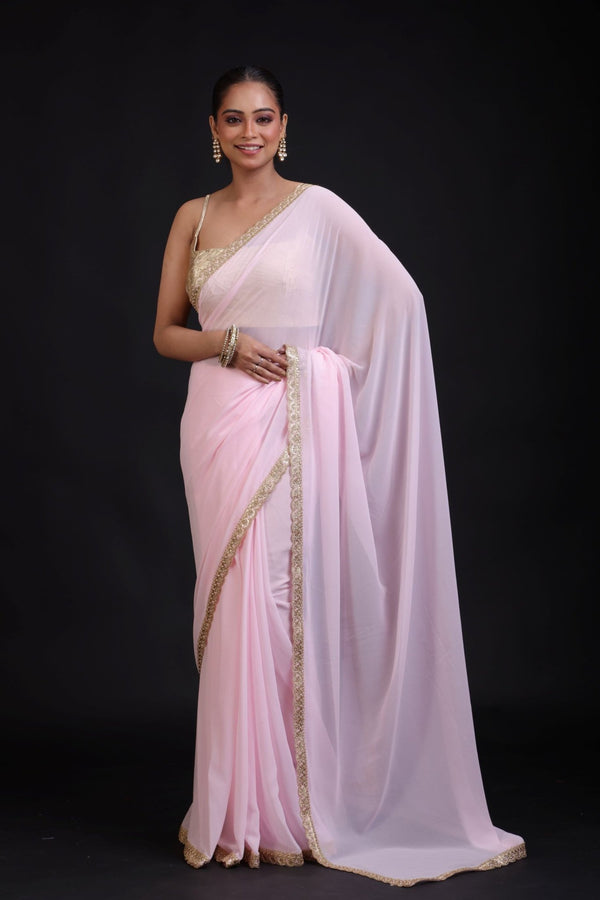
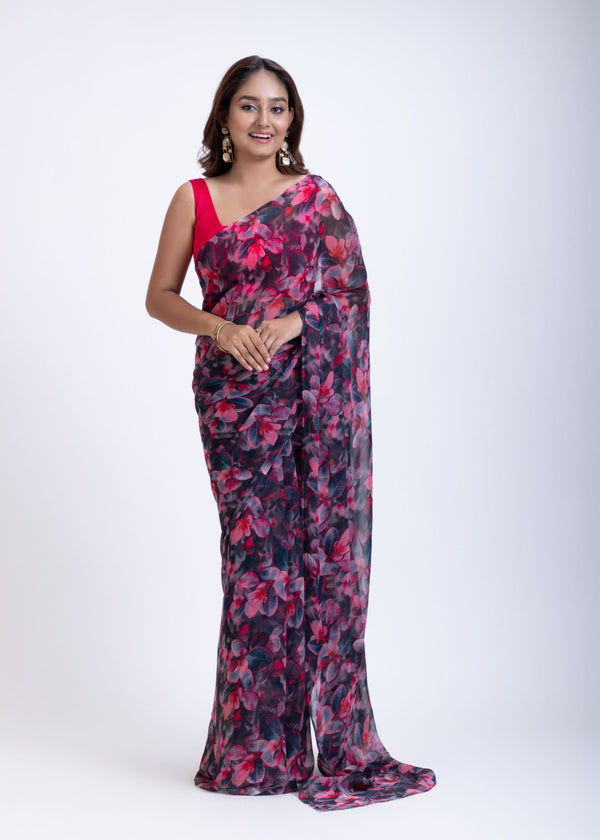
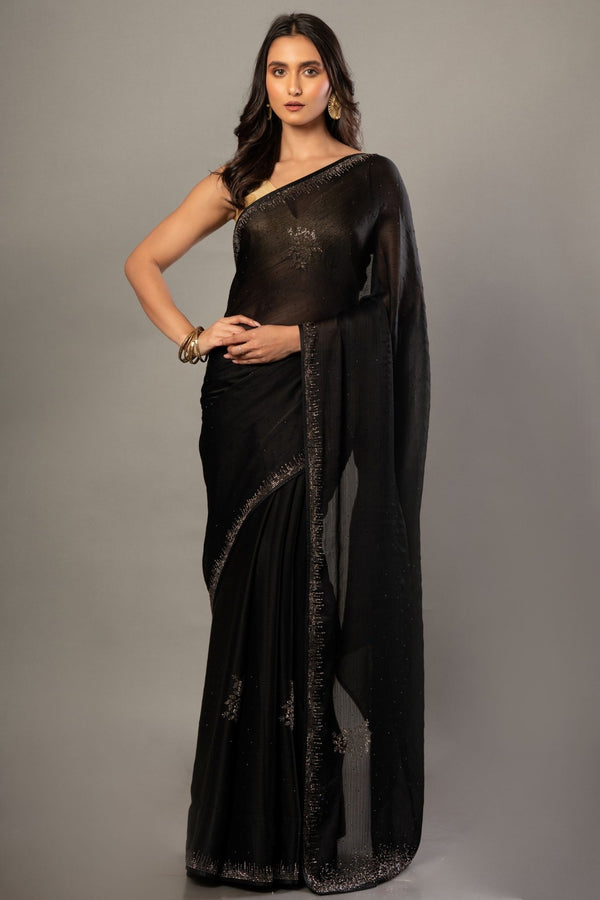
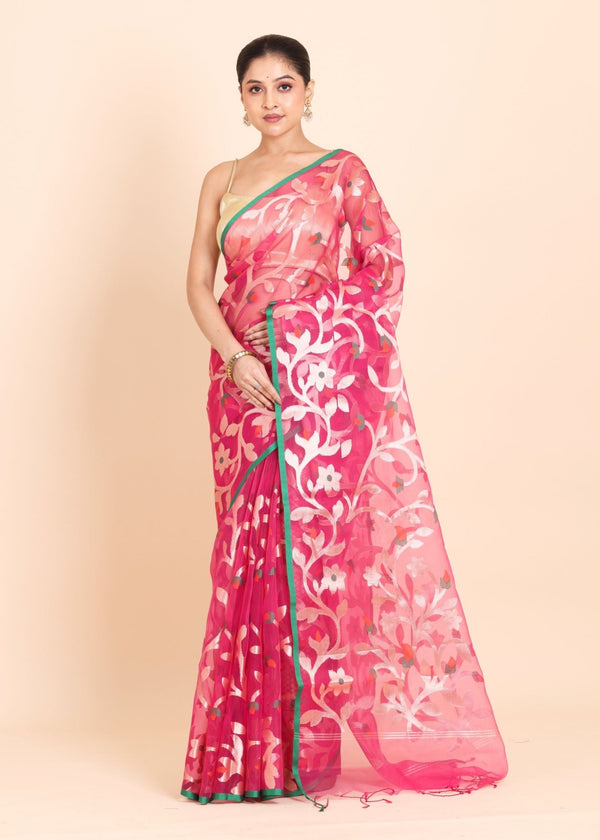
Georgette and chiffon sarees are soft, light, and flowy. They look elegant, but because they are so light, they can move too much and lose shape while wearing. A light fall adds just enough weight to help the saree fall smoothly and stay in place. It also makes the pleats look more neat and defined. Pico is also very useful for these fabrics because their edges can fray easily if left unfinished. Since plain georgette sarees and chiffon sarees party wear are often worn for parties, receptions, and festive events, proper finishing helps them look graceful and stay comfortable for longer hours. A well-stitched fall and pico can make a big difference in how these sarees look when worn.


Organza and Tissue Sarees Need Delicate Finishing
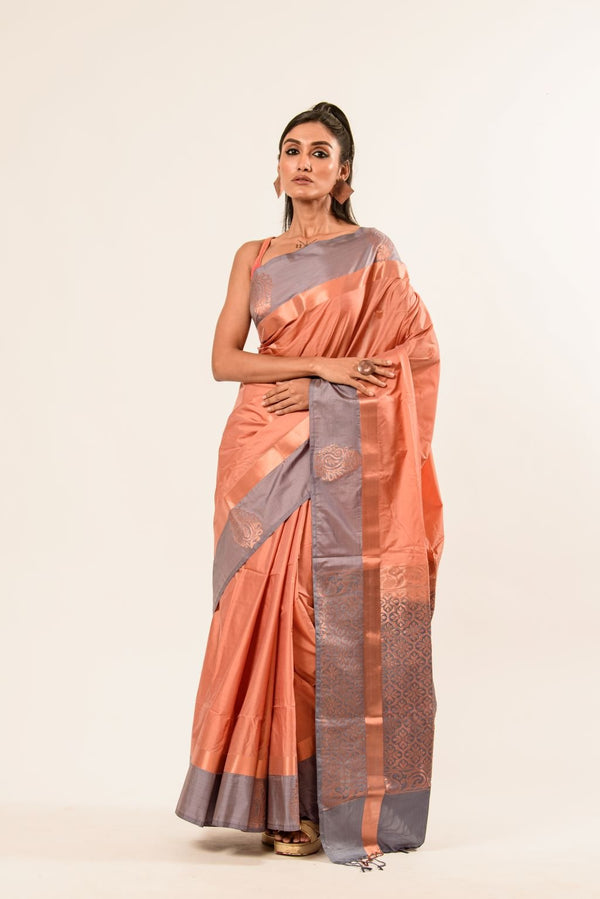
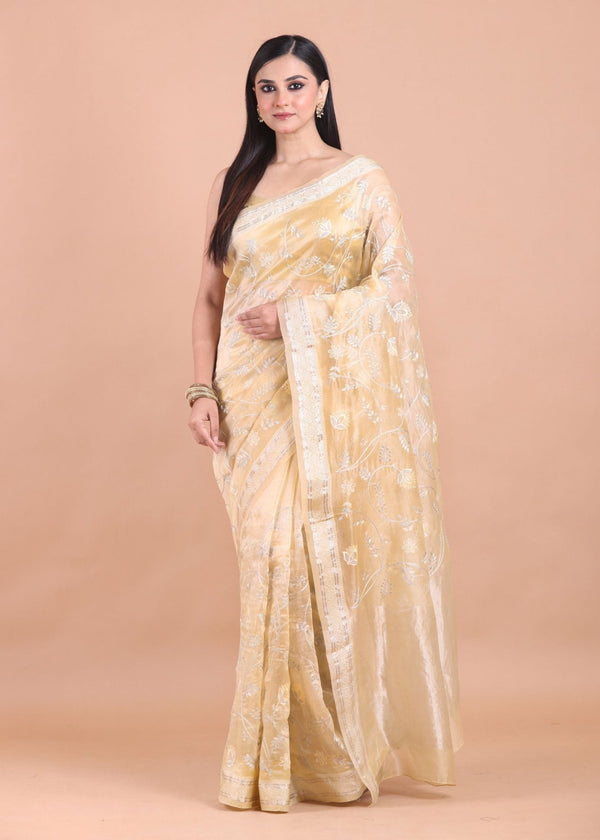
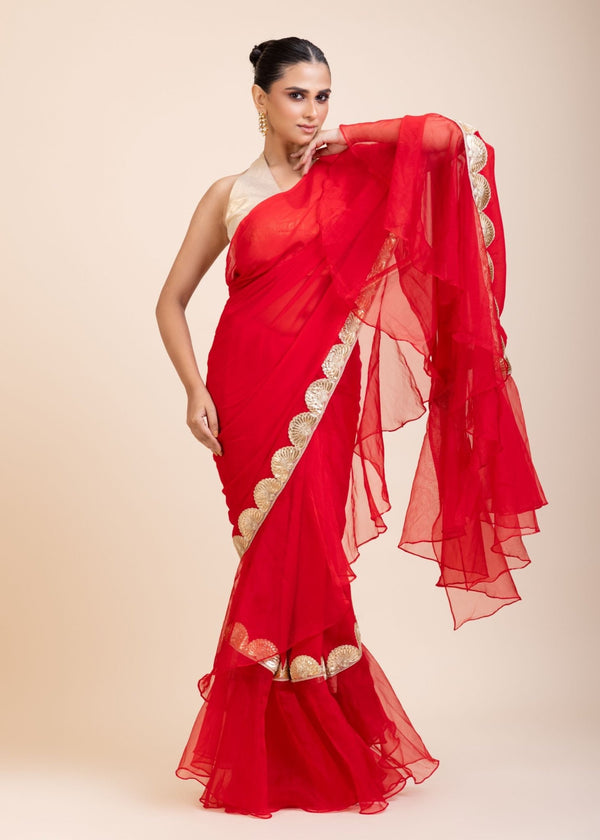
Organza and tissue sarees are delicate and often have a crisp, shiny, or slightly stiff look. These sarees need careful finishing because the wrong type of stitching can affect their natural appearance. A heavy fall is usually not a good choice for them. Instead, a light fall works better because it gives support without changing the fabric's shape. Pico is very important for organza silk sarees because it keeps the edges neat and prevents fraying. Since these sarees are often chosen for special occasions, they should look clean and well cared for. Proper fall and pico finishing helps them keep their elegant look and makes them easier to wear without damage.


Designer and Embroidered Sarees Benefit from Both for Protection
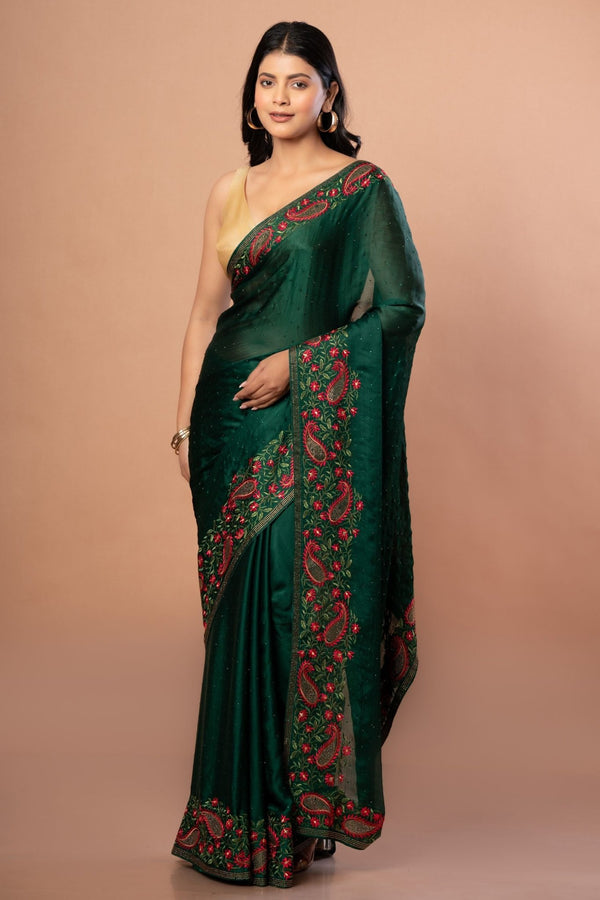
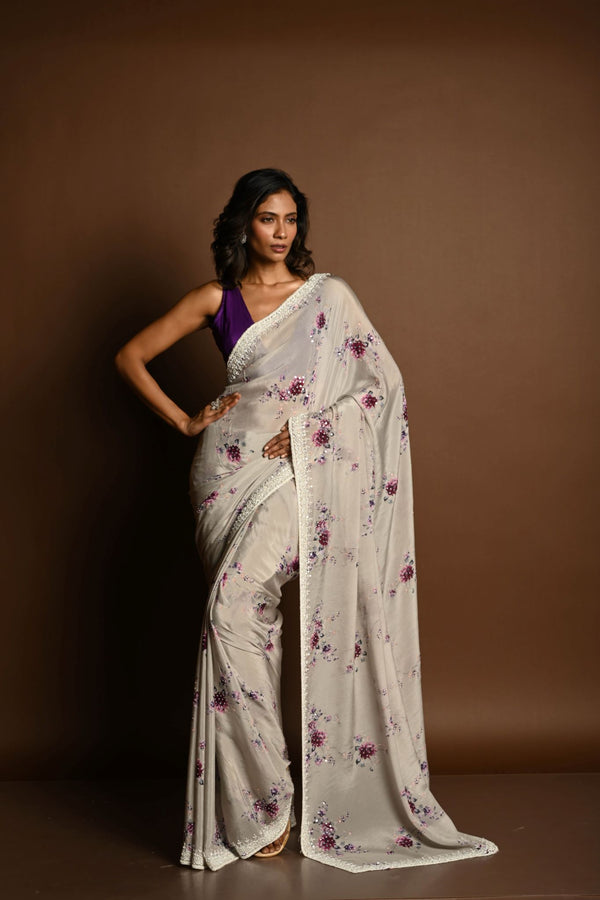
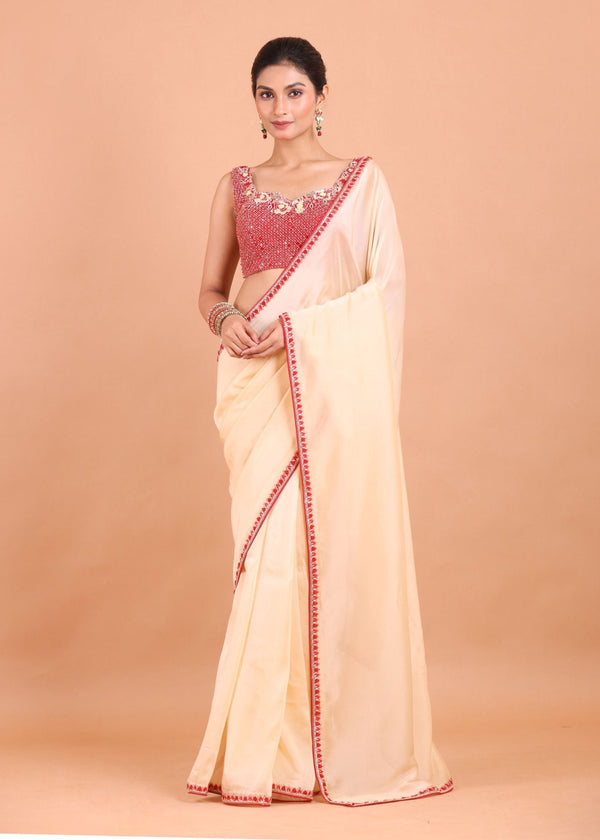
Designer sarees, embroidered sarees, and sarees with zari, beads, sequins, or handwork should always be finished with fall and pico before use. These sarees often have detailed work near the borders, and that work can get damaged if the saree is not protected properly. Fall supports the lower edge and helps the saree hang beautifully. Pico keeps the sides neat and stops the fabric from fraying, which is very important when the saree has delicate decoration. This finishing also helps the saree look more elegant and well-made. If you want your designer saree to stay in good condition for many wears, fall and pico are simple but important steps.
Can You Wear a Saree Without Fall and Pico?
Yes, you can wear a saree without fall and pico, but it may not always be the best choice. Some ready-to-wear sarees and certain lightweight fabrics are designed to be worn without additional finishing. However, many traditional sarees perform much better after both processes have been completed. Without pico, the edges are more likely to develop loose threads over time. Without a fall, the border may not drape properly, and expensive fabrics may experience faster wear due to constant contact with the floor. These issues become more noticeable if the saree is worn frequently or for long hours. If your saree is made from silk, Banarasi fabric, Kanjivaram silk, or any fabric with a rich border, getting fall and pico done before wearing it is generally recommended. It is a small investment that helps maintain the saree's appearance and extends its life.
Saree Fall and Pico Tips for Different Fabrics
Choosing the right fall and pico depends on the fabric of your saree. Cotton sarees usually need durable pico stitching to keep the edges tidy after frequent washing, while a lightweight cotton fall helps the saree maintain its shape without making it feel heavy. Silk sarees benefit from a colour-matched fall that supports the rich border and enhances the graceful drape, making them ideal for weddings and festive occasions. Georgette and chiffon sarees look more elegant when a light fall adds stability to the pleats without reducing their natural flow. Organza and tissue sarees should have fine pico stitching and a carefully selected lightweight fall so the fabric retains its crisp texture and airy appeal. Designer and embroidered sarees also deserve properly matched fall and pico because they protect intricate craftsmanship and allow the saree to hang beautifully. No matter which fabric you choose, getting the right fall and pico before wearing your saree helps it look well-finished, comfortable to carry, and ready for every special occasion.