


Traditional Dress
Indian traditional dress is known for its rich culture, beautiful craftsmanship, and timeless style. Every region of India has its own unique clothing, fabrics, embroidery, and weaving techniques, making traditional wear special for different occasions. Whether you are attending a wedding, festival, family celebration, or cultural event, choosing the right traditional outfit helps you look elegant while respecting the occasion.Traditional fashion is becoming more comfortable and versatile. Lightweight sarees, elegant salwar suits, Anarkali dresses, lehengas, Indo-Western outfits, and handcrafted blouses are among the most popular choices. Many women now prefer outfits that combine traditional designs with modern comfort, making them suitable for both festive celebrations and contemporary events.This guide will help you understand the different types of Indian traditional dresses, the styles popular in each region, the latest fashion trends, and how to choose an outfit that suits your occasion. Whether you are shopping for your first ethnic outfit or adding new pieces to your wardrobe, these simple tips will help you make the right choice with confidence.
Read more110 Products
110 Products


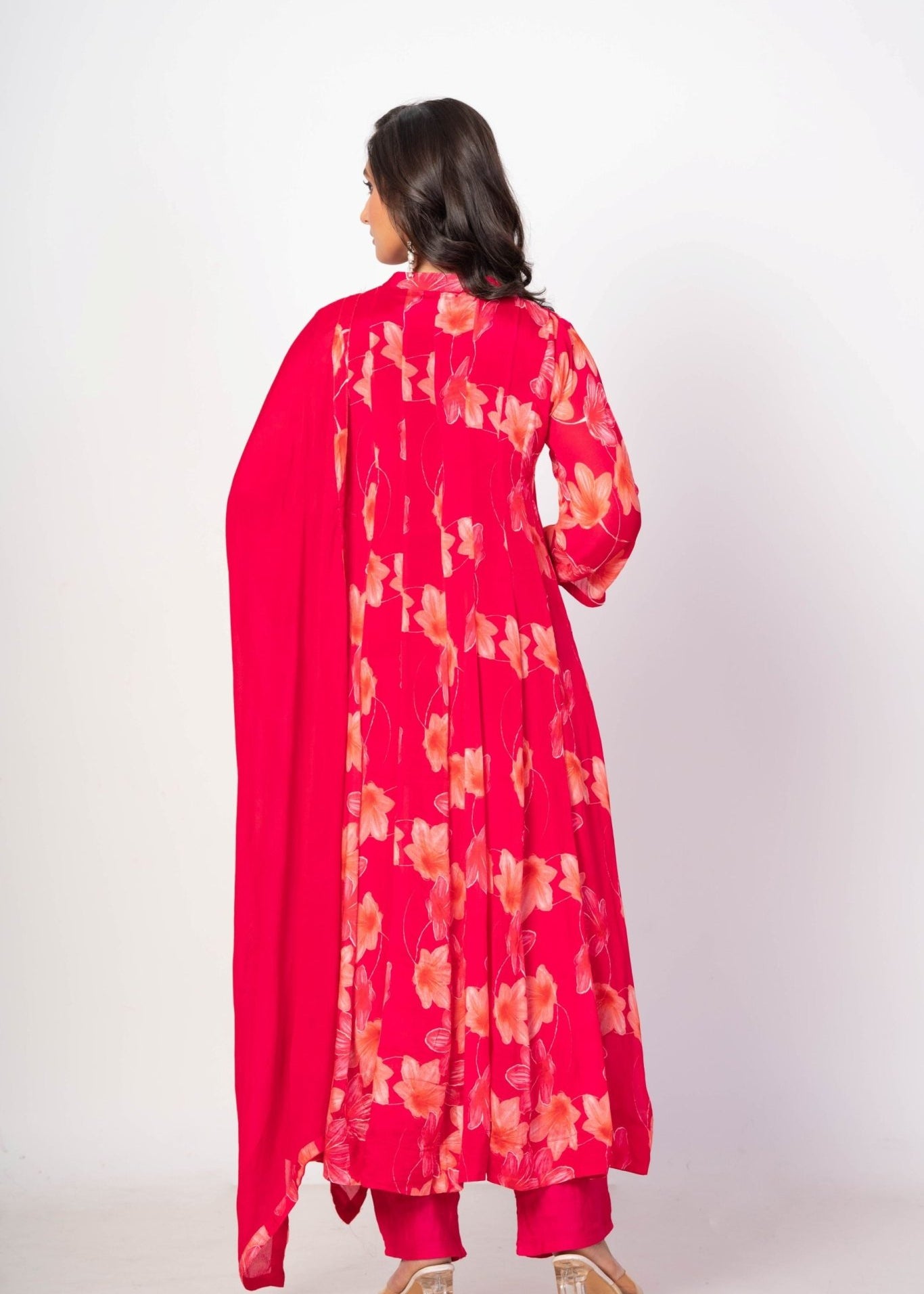


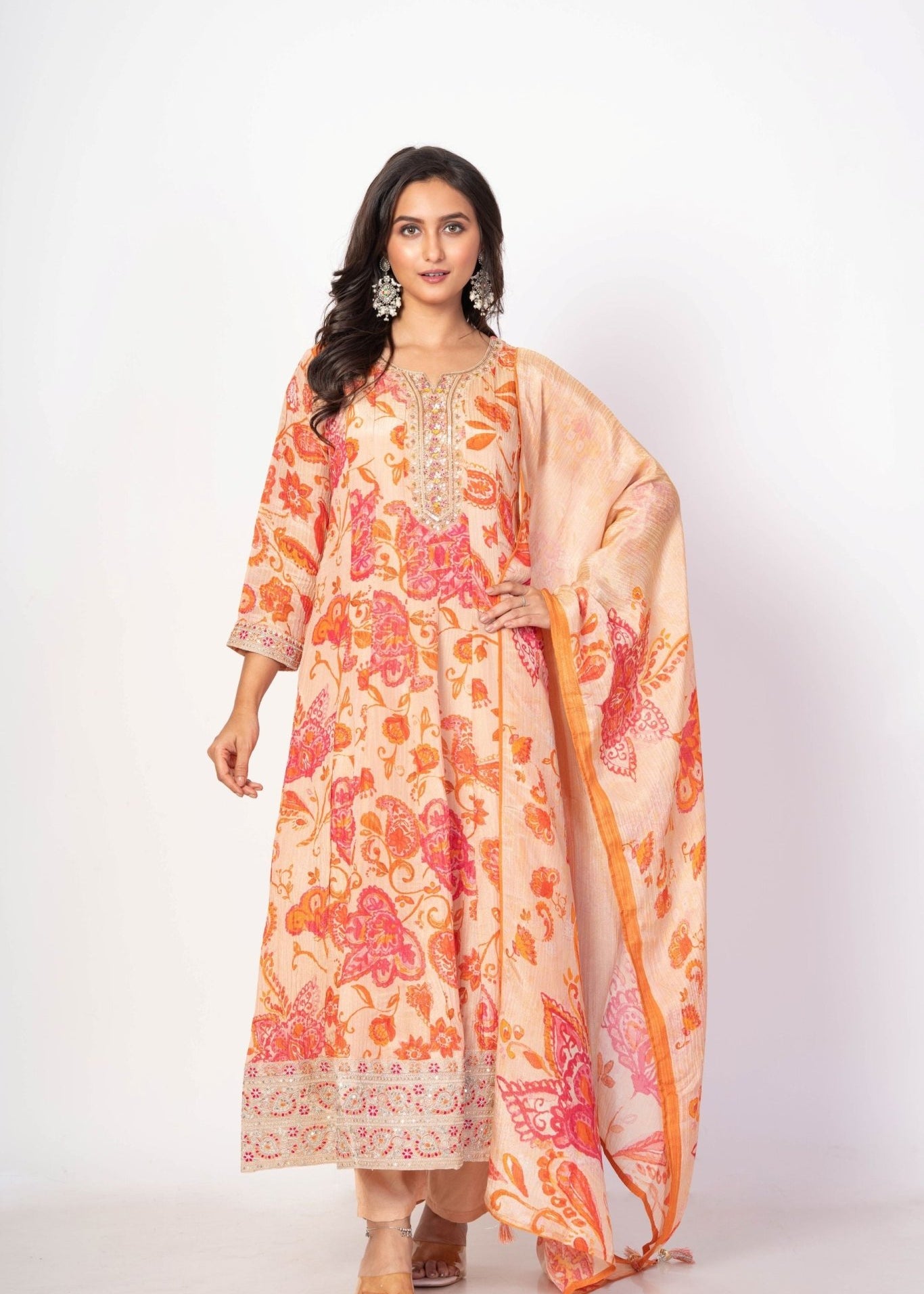
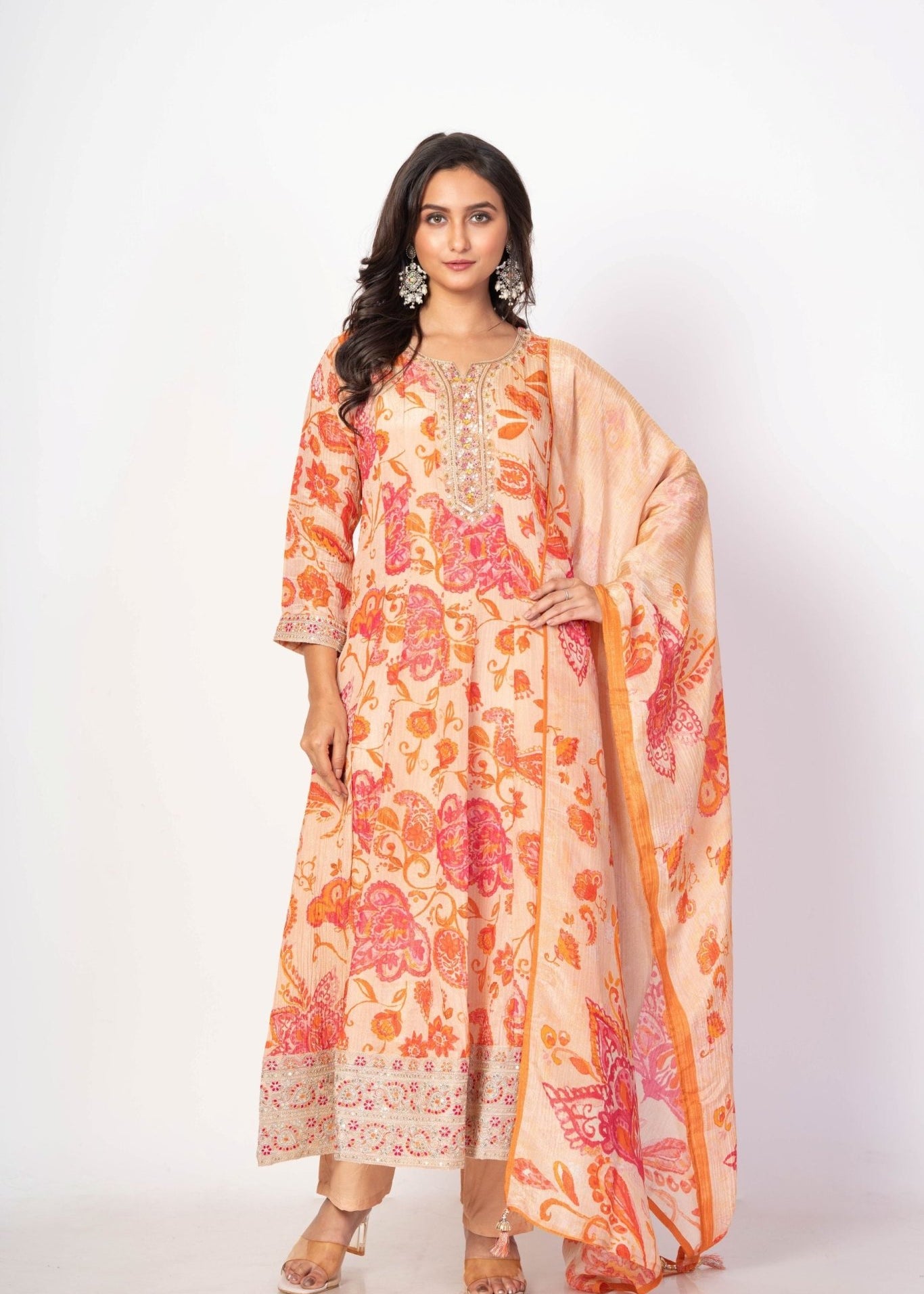
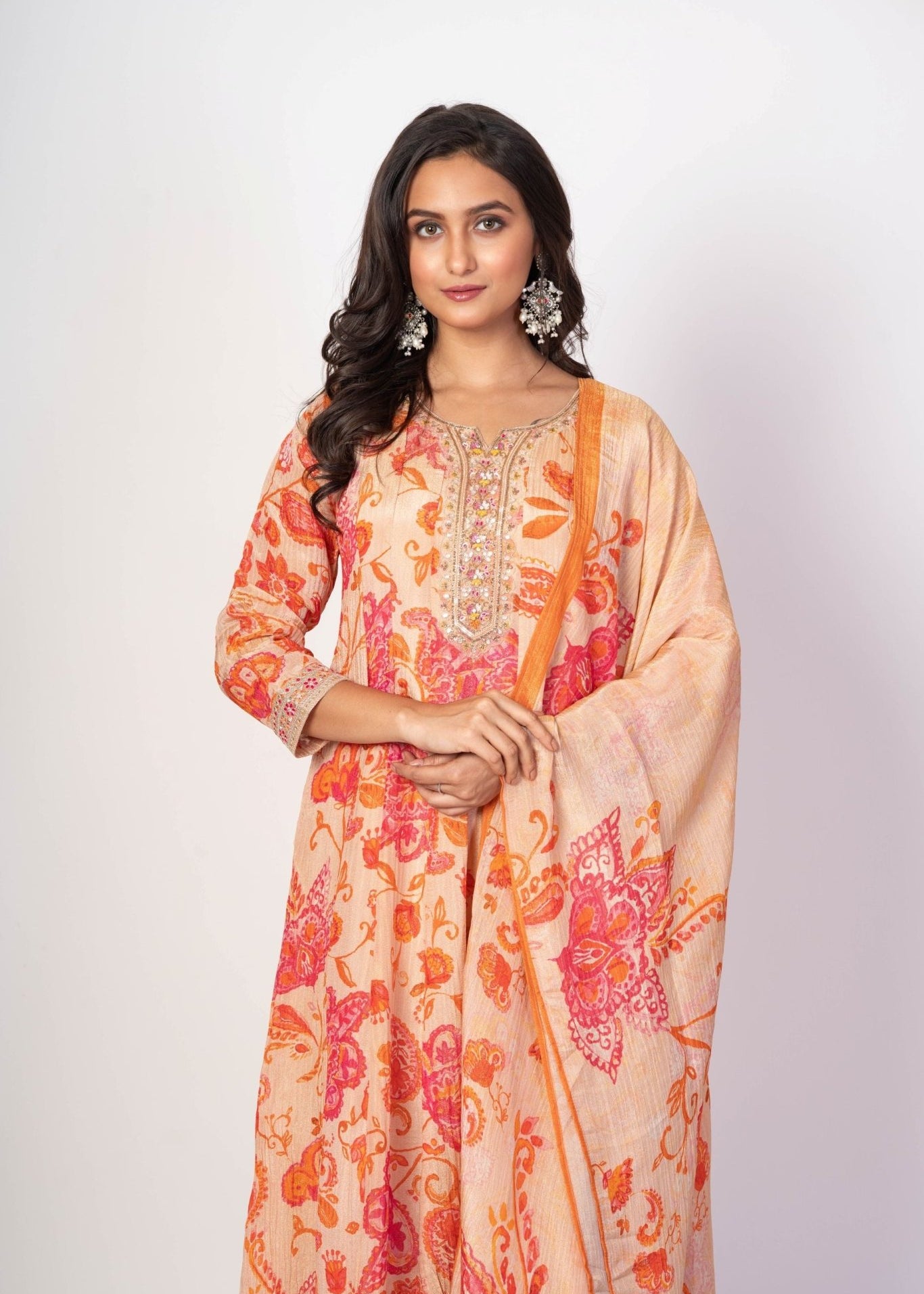


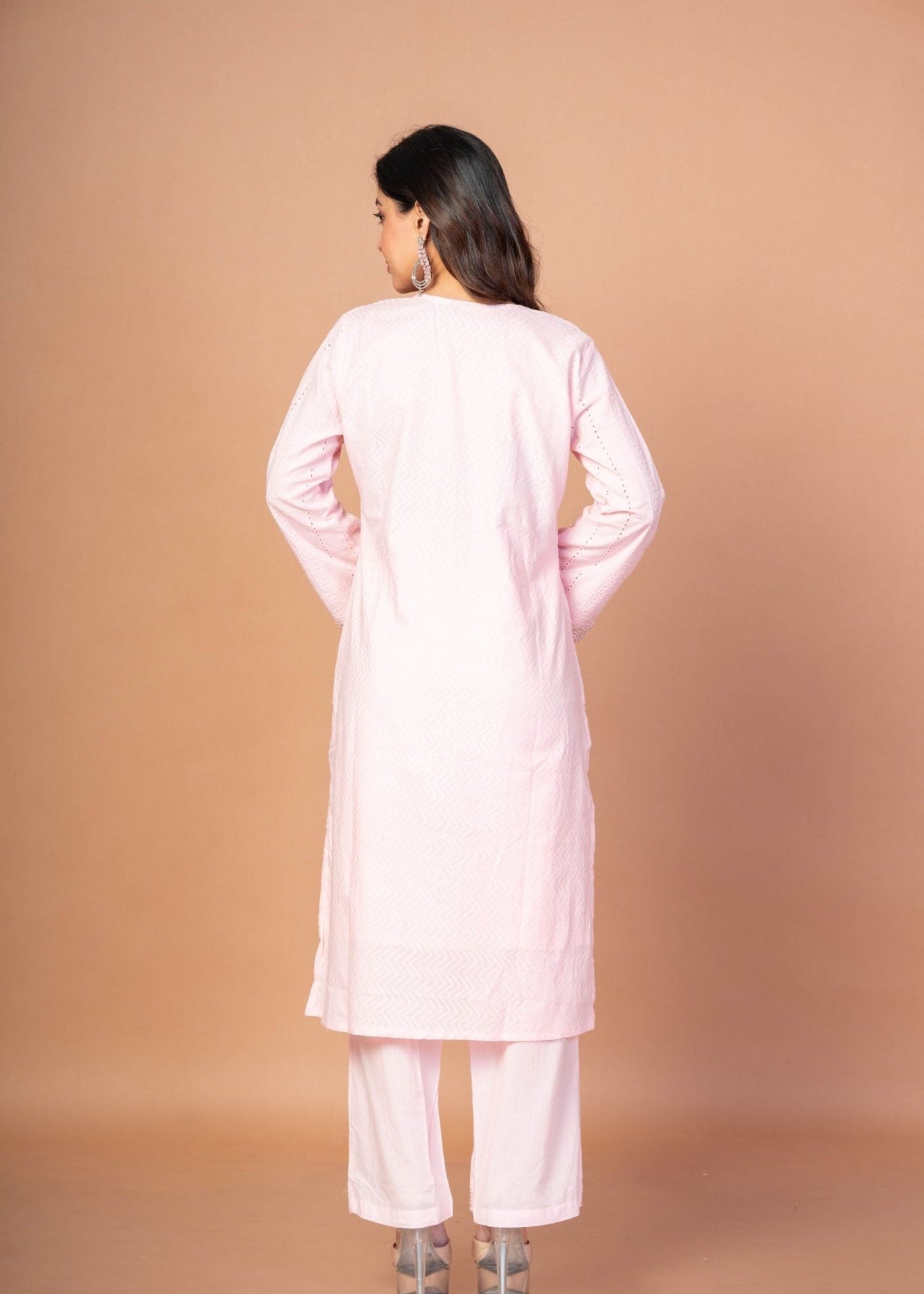
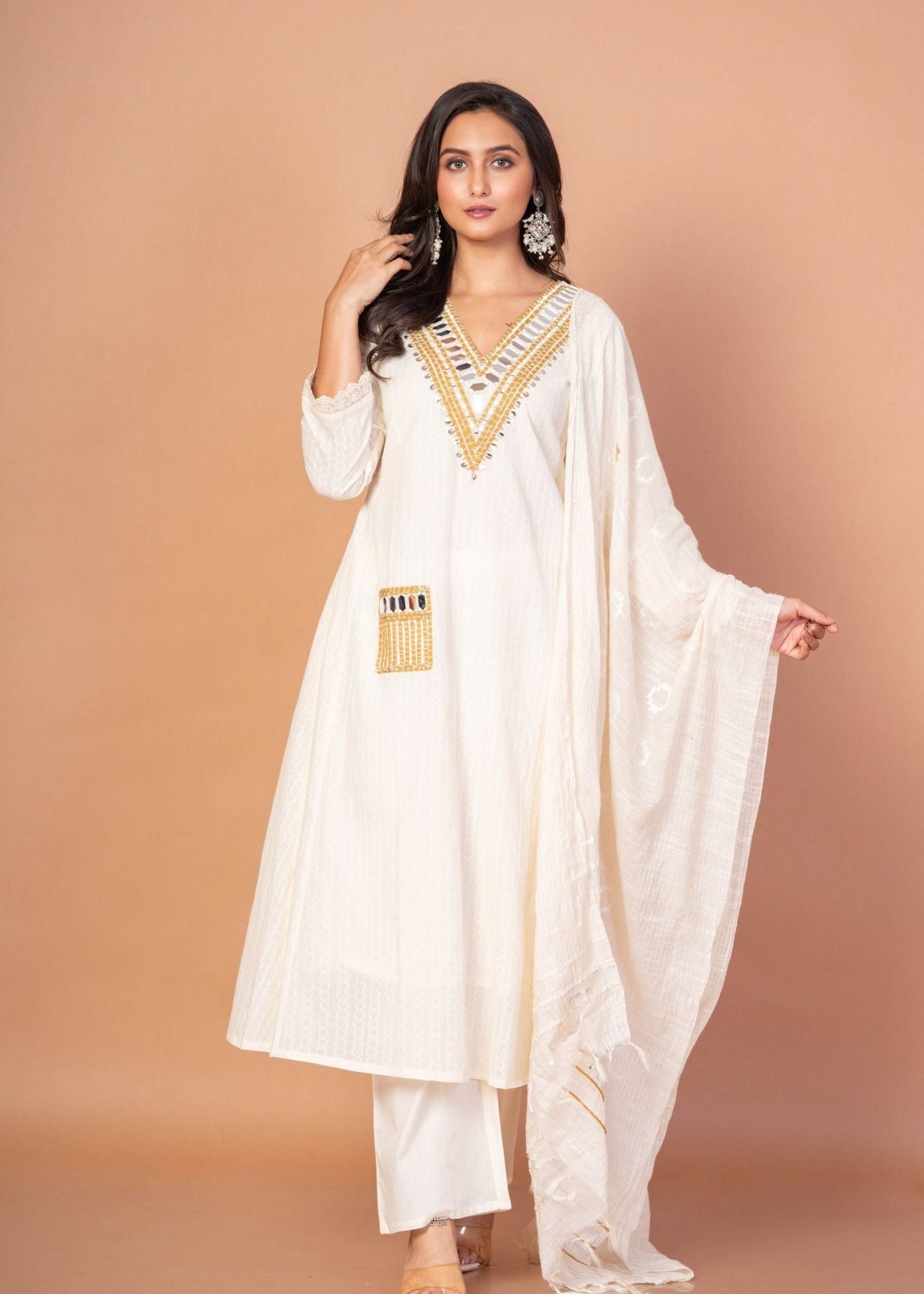
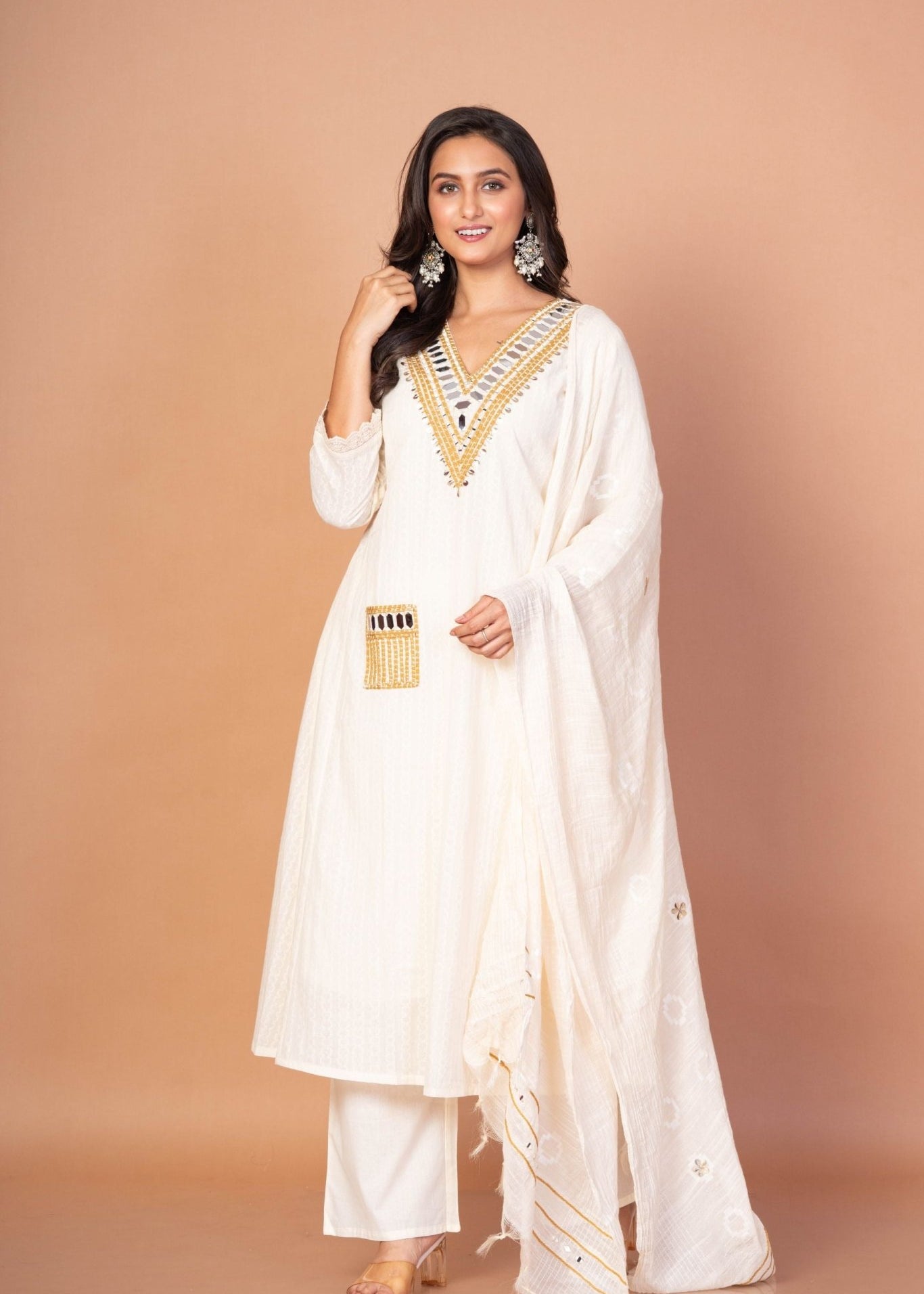
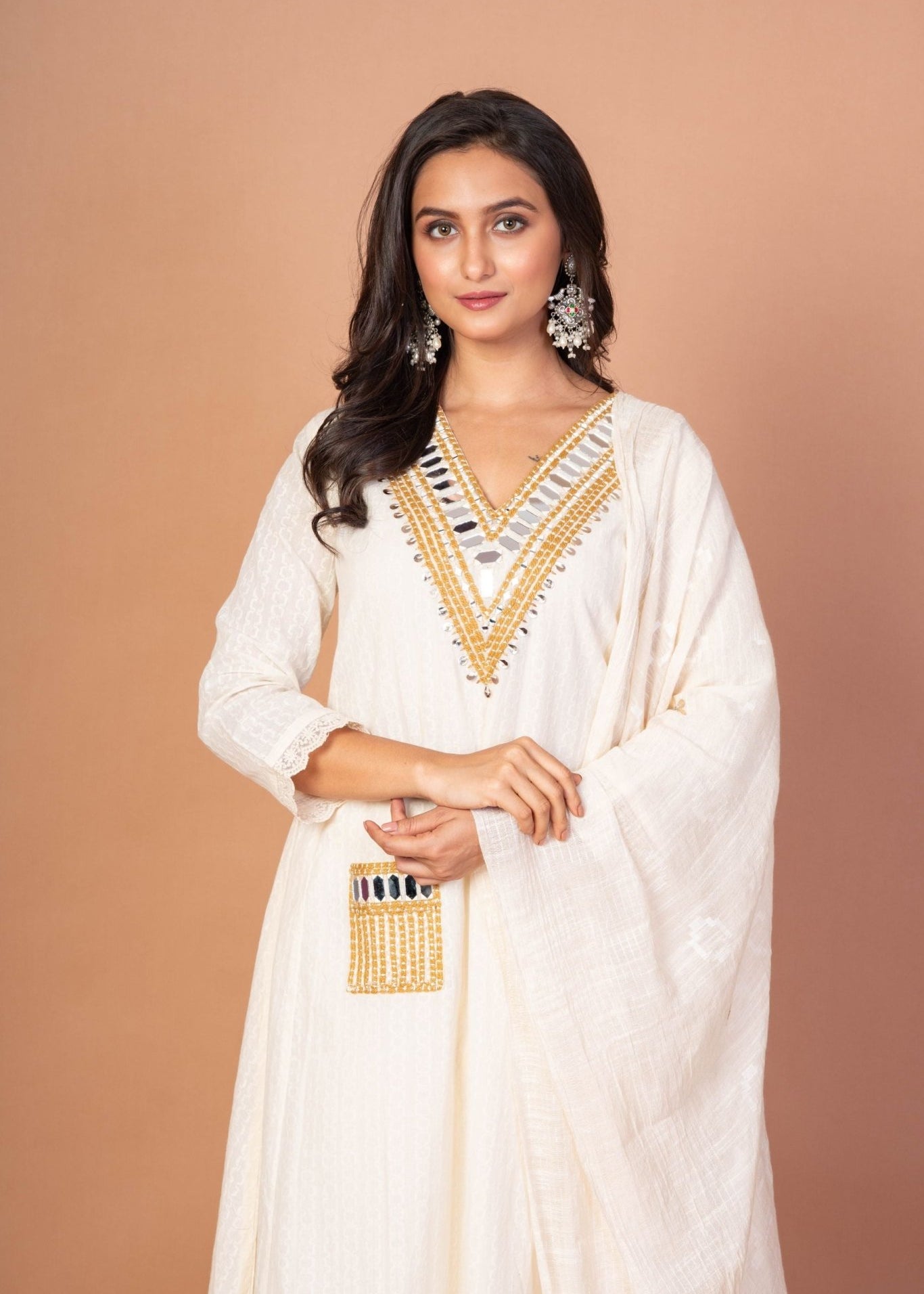
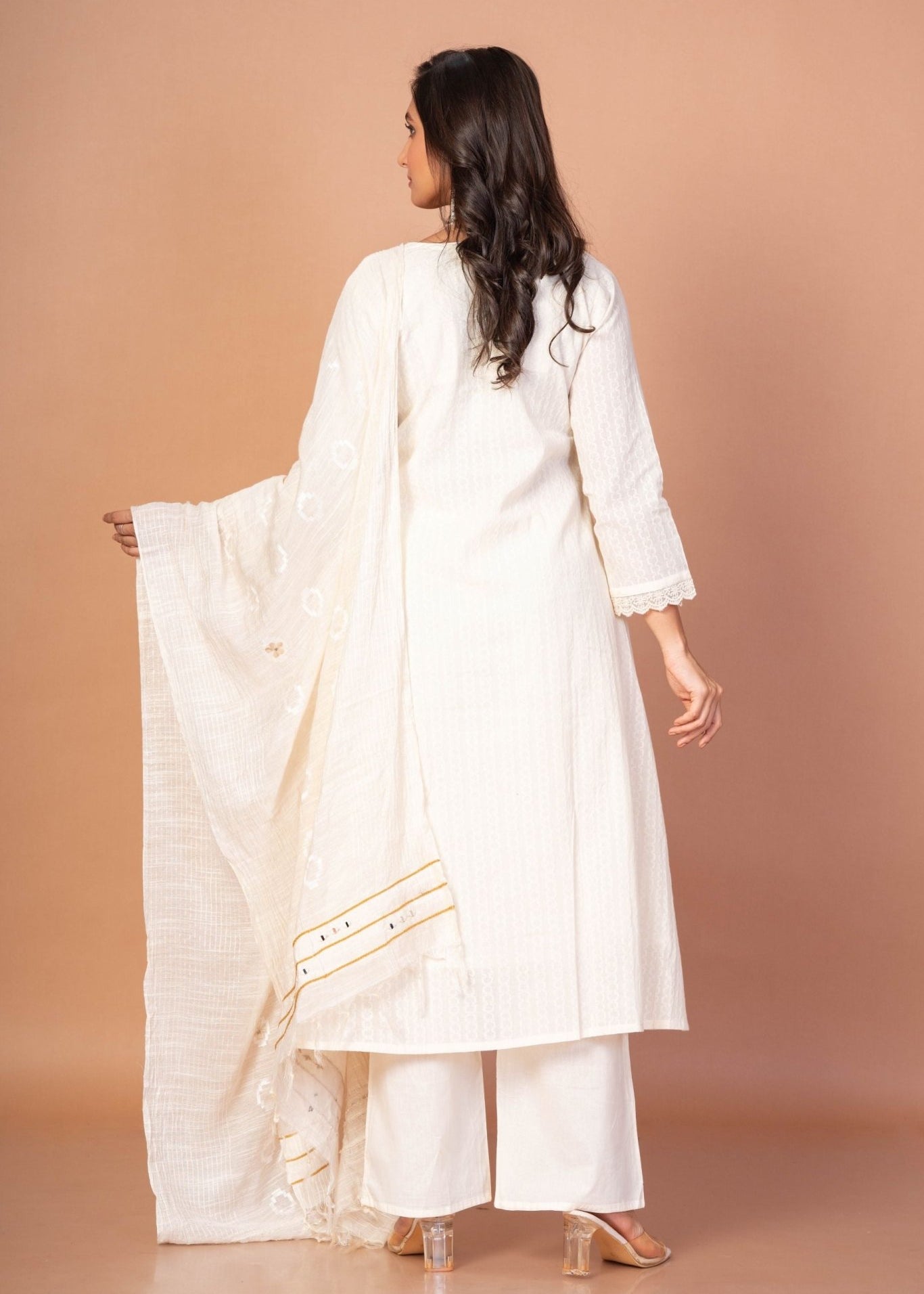
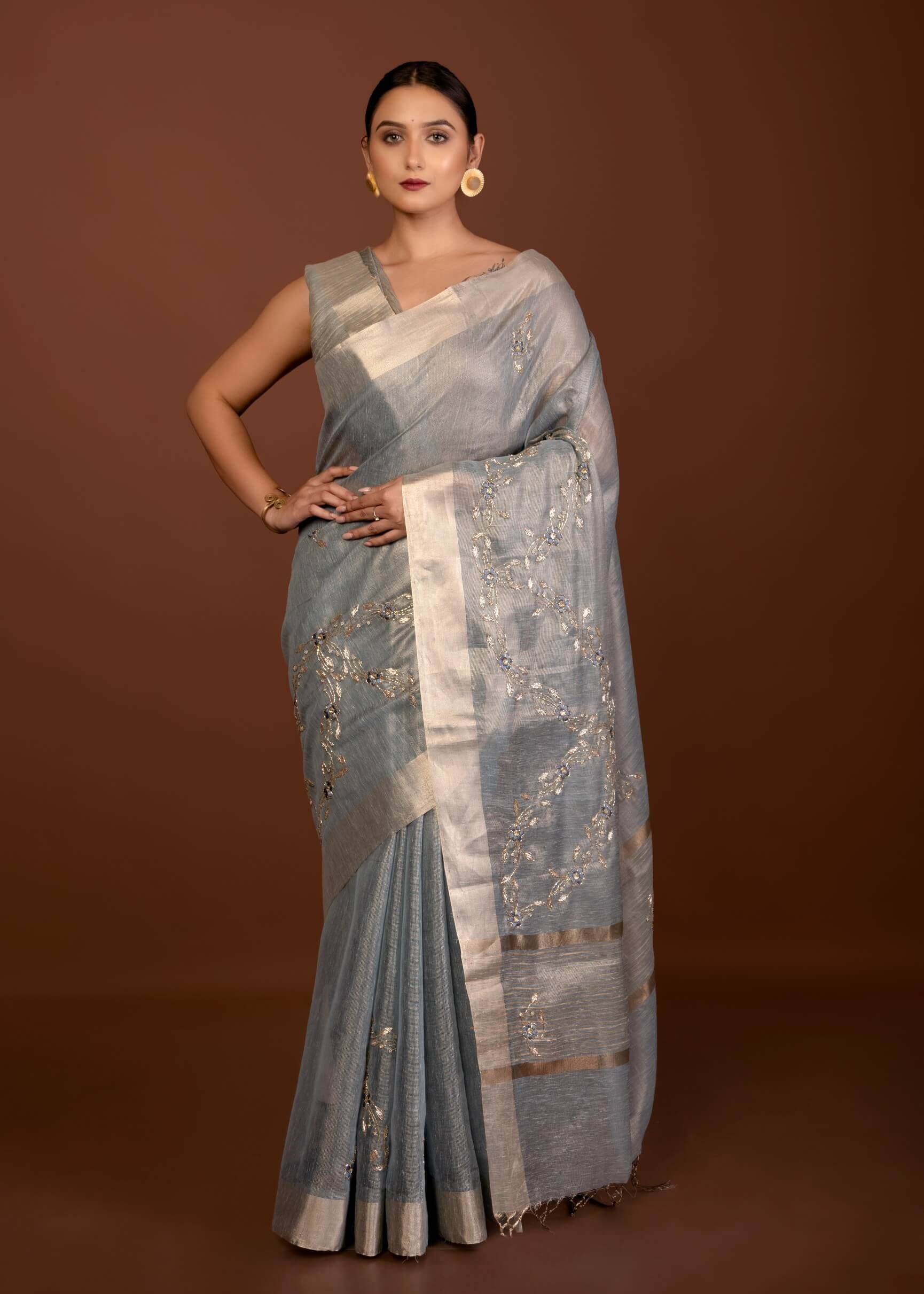
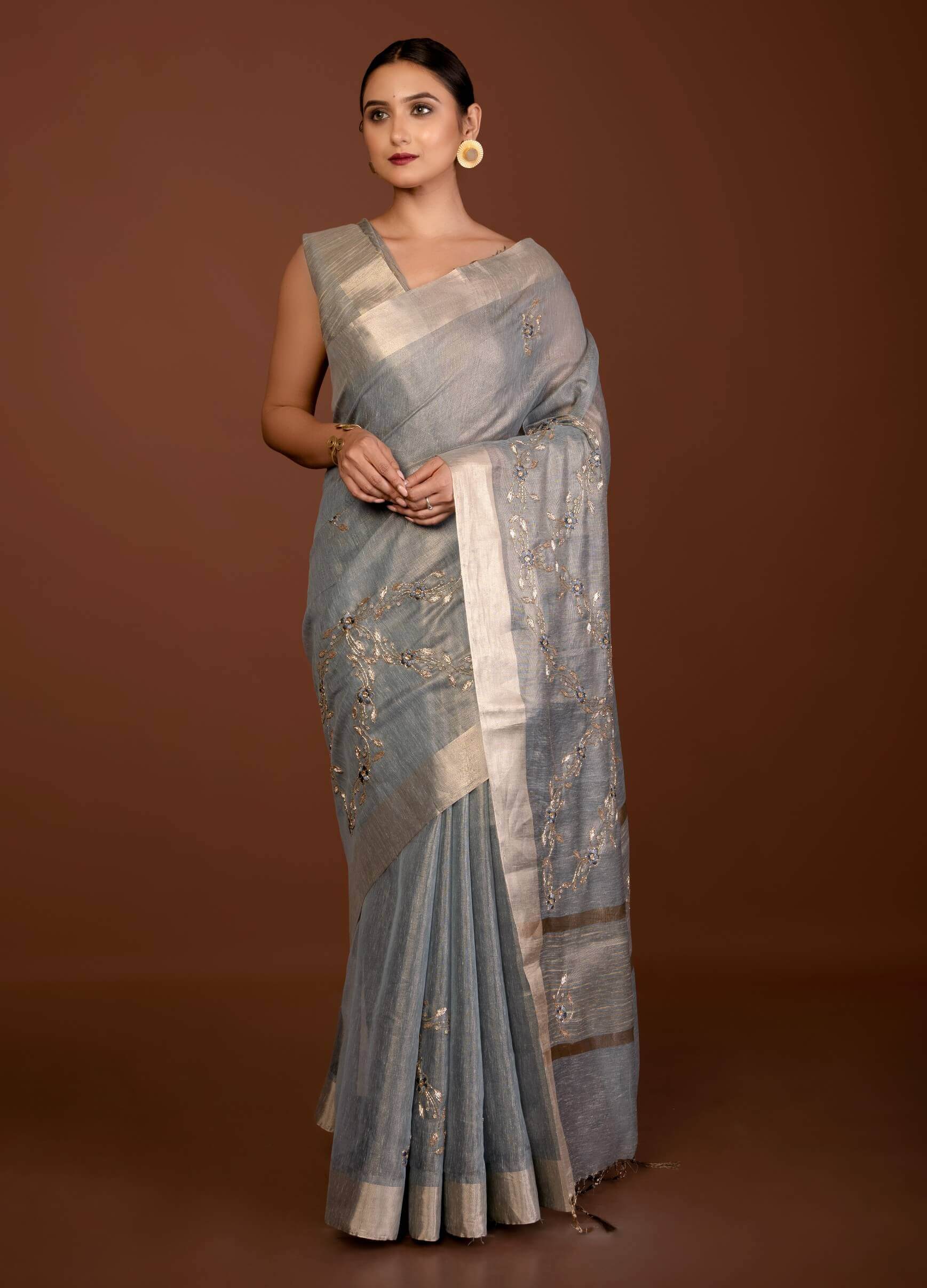


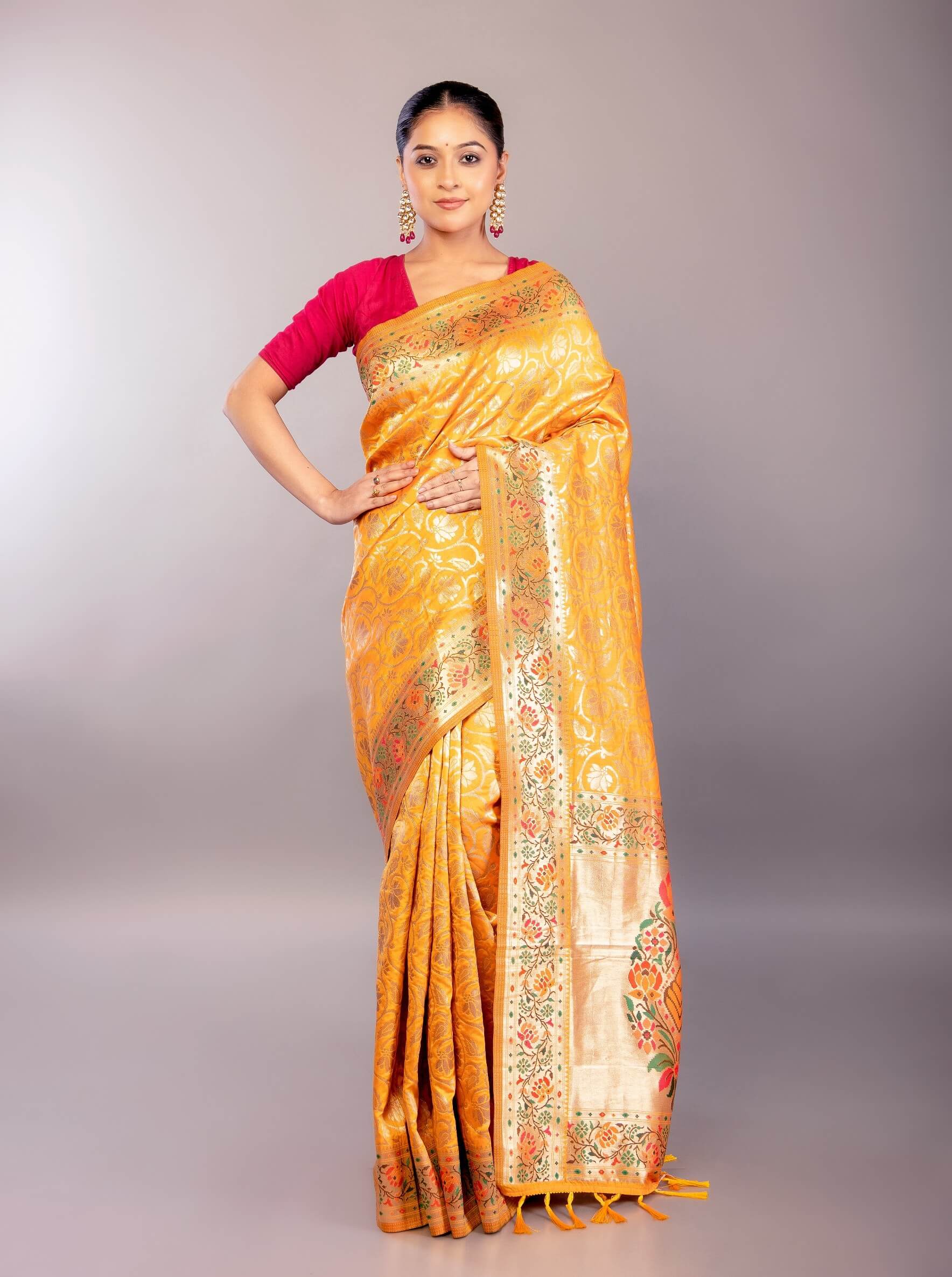




Types of Indian Traditional Dresses
Indian traditional dresses are not limited to one style. Every region has its own unique clothing, fabrics, and craftsmanship that reflect local culture and traditions. Sarees, lehengas, salwar suits, Anarkali dresses, kurta sets, and sharara sets are some of the most popular choices for women, while kurta pajamas, sherwanis, dhotis, and mundus are widely worn by men. People are choosing traditional outfits that combine comfort with timeless elegance. Lightweight fabrics, handcrafted textiles, and versatile designs are becoming more popular for weddings, festivals, and family celebrations. When choosing a traditional dress, consider the occasion, weather, and your comfort. A well-fitted outfit made from quality fabric will always look stylish and help you enjoy the celebration with confidence. Explore our dresses for women or discover the perfect blue gown for women for elegant and versatile styles suitable for different occasions.
Traditional Dress: Saree
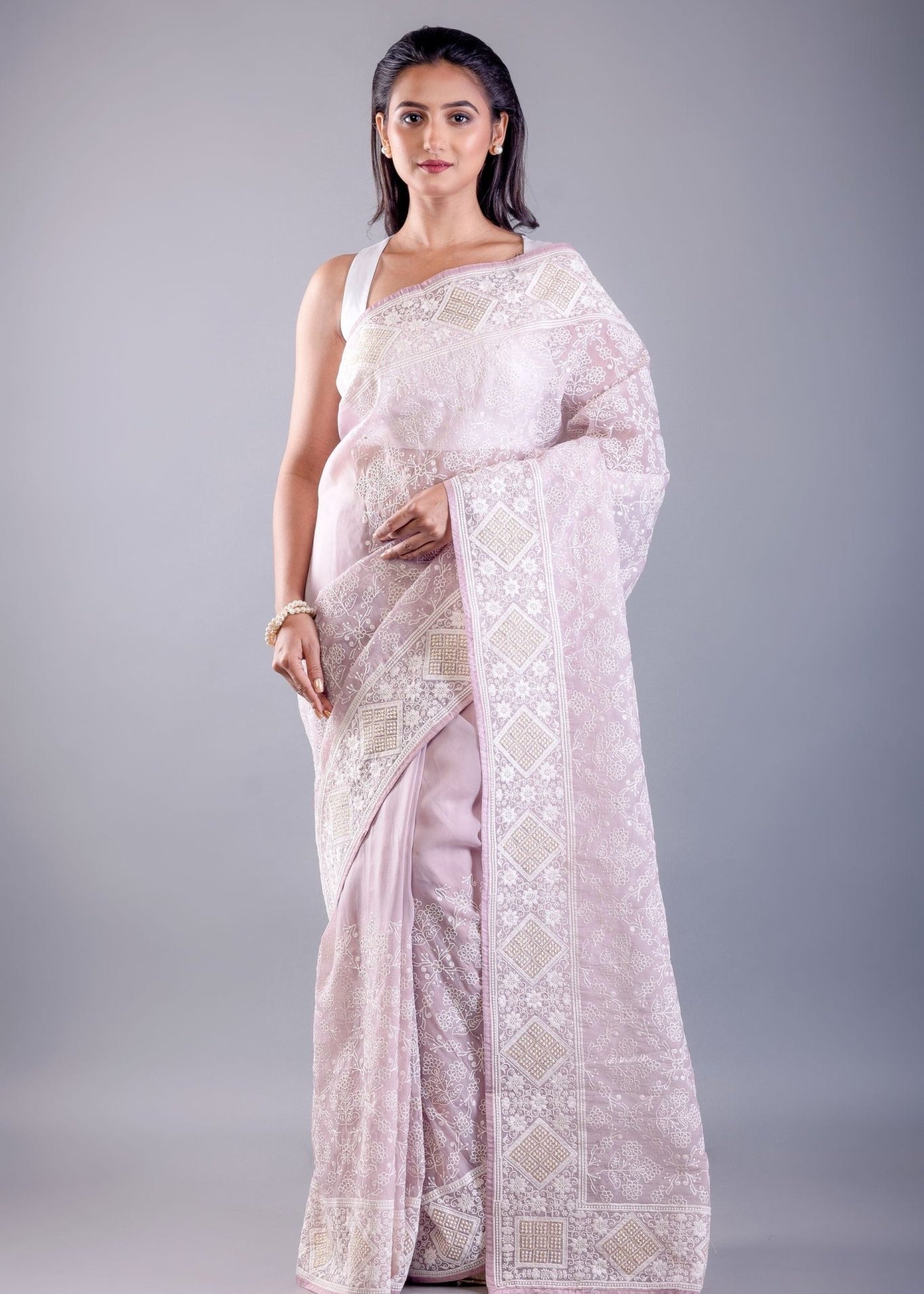
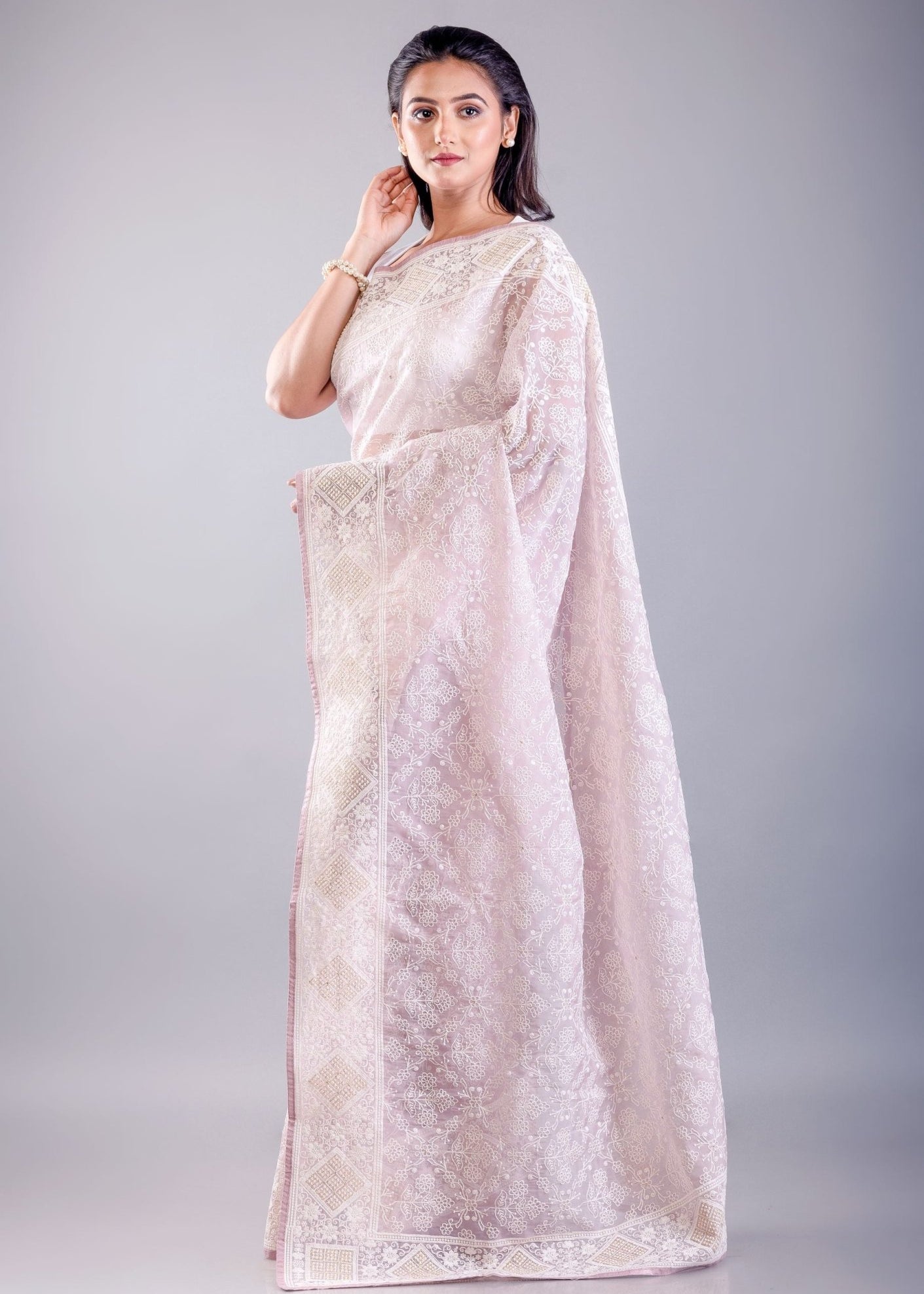
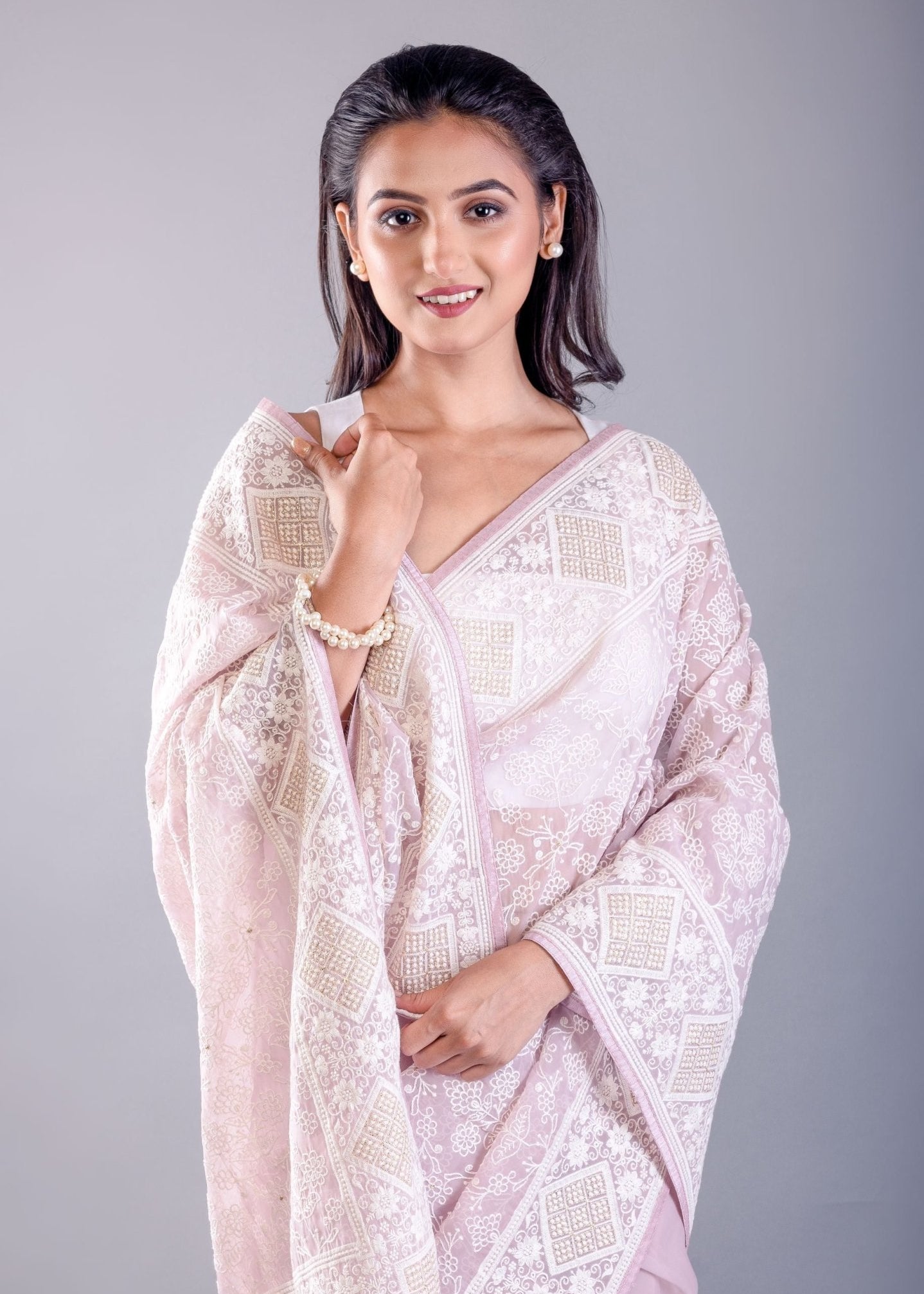
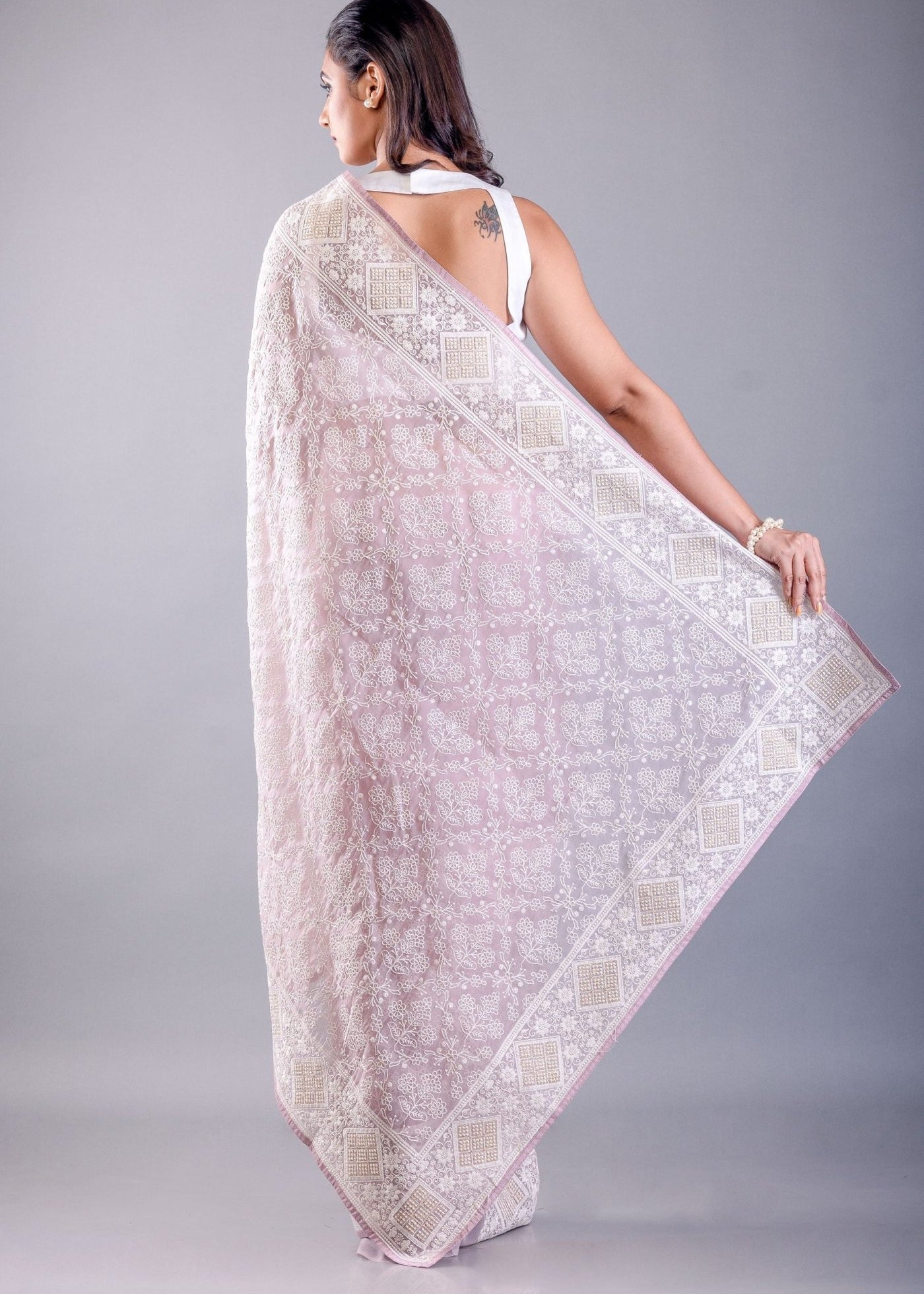
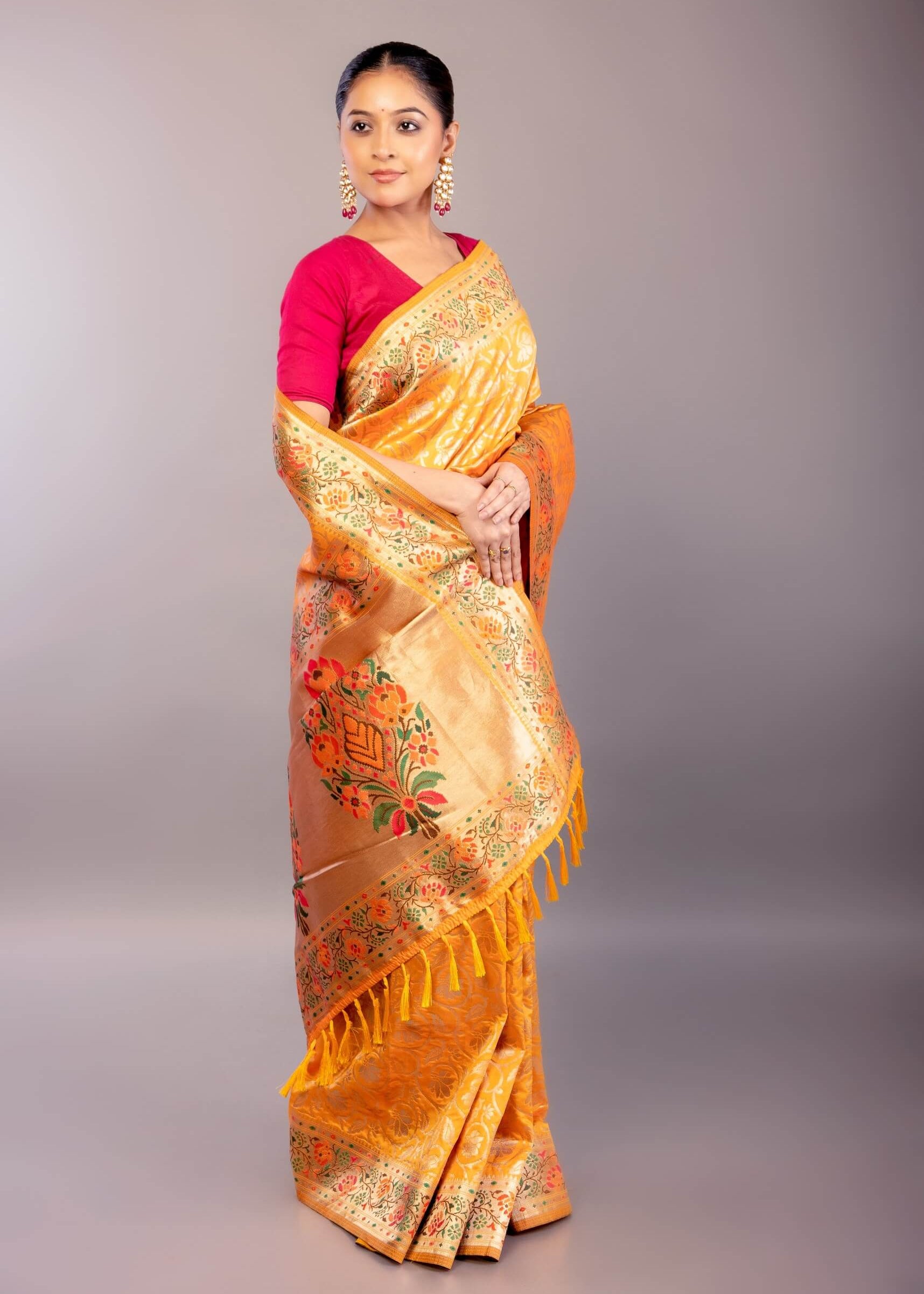
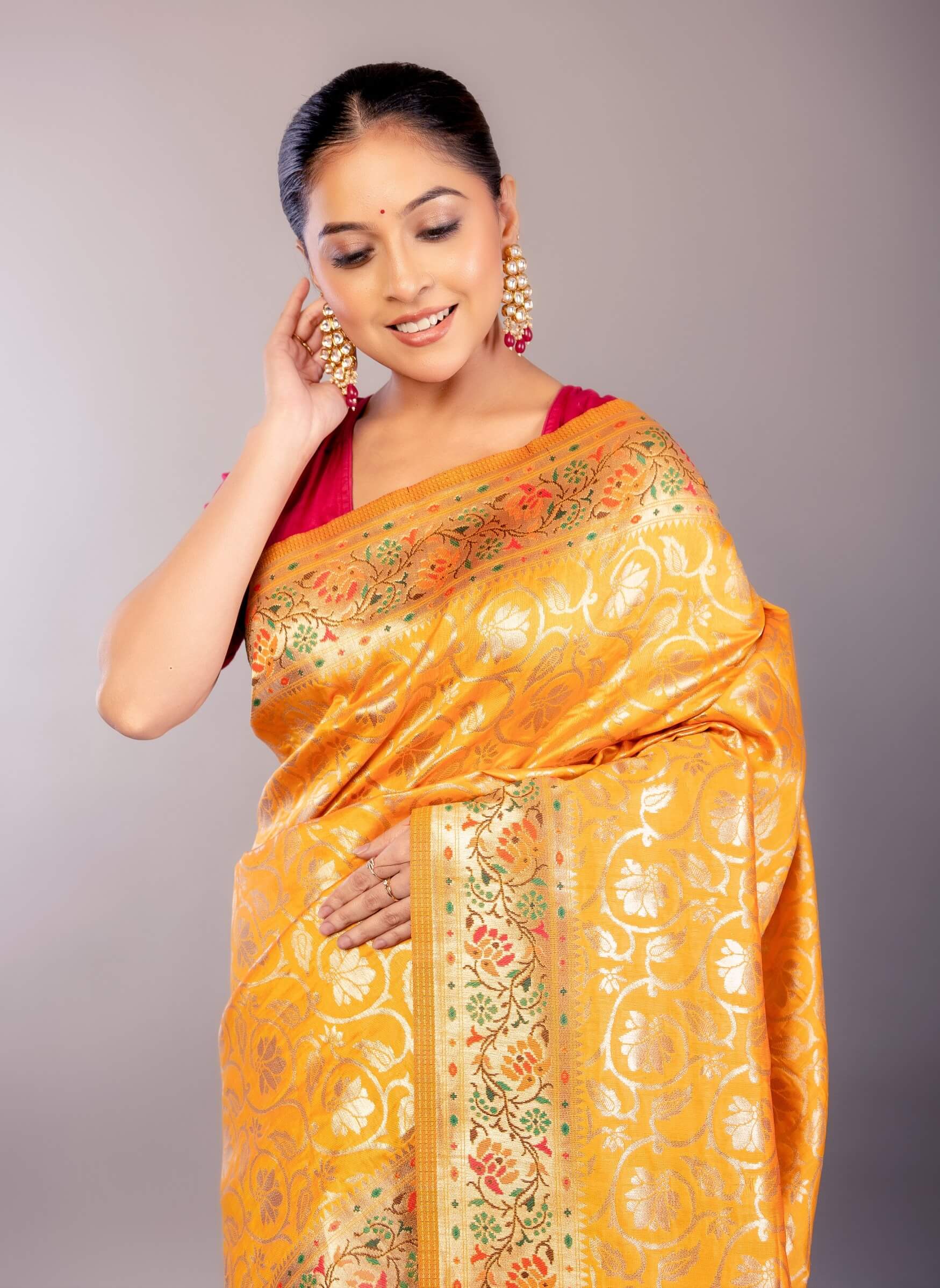
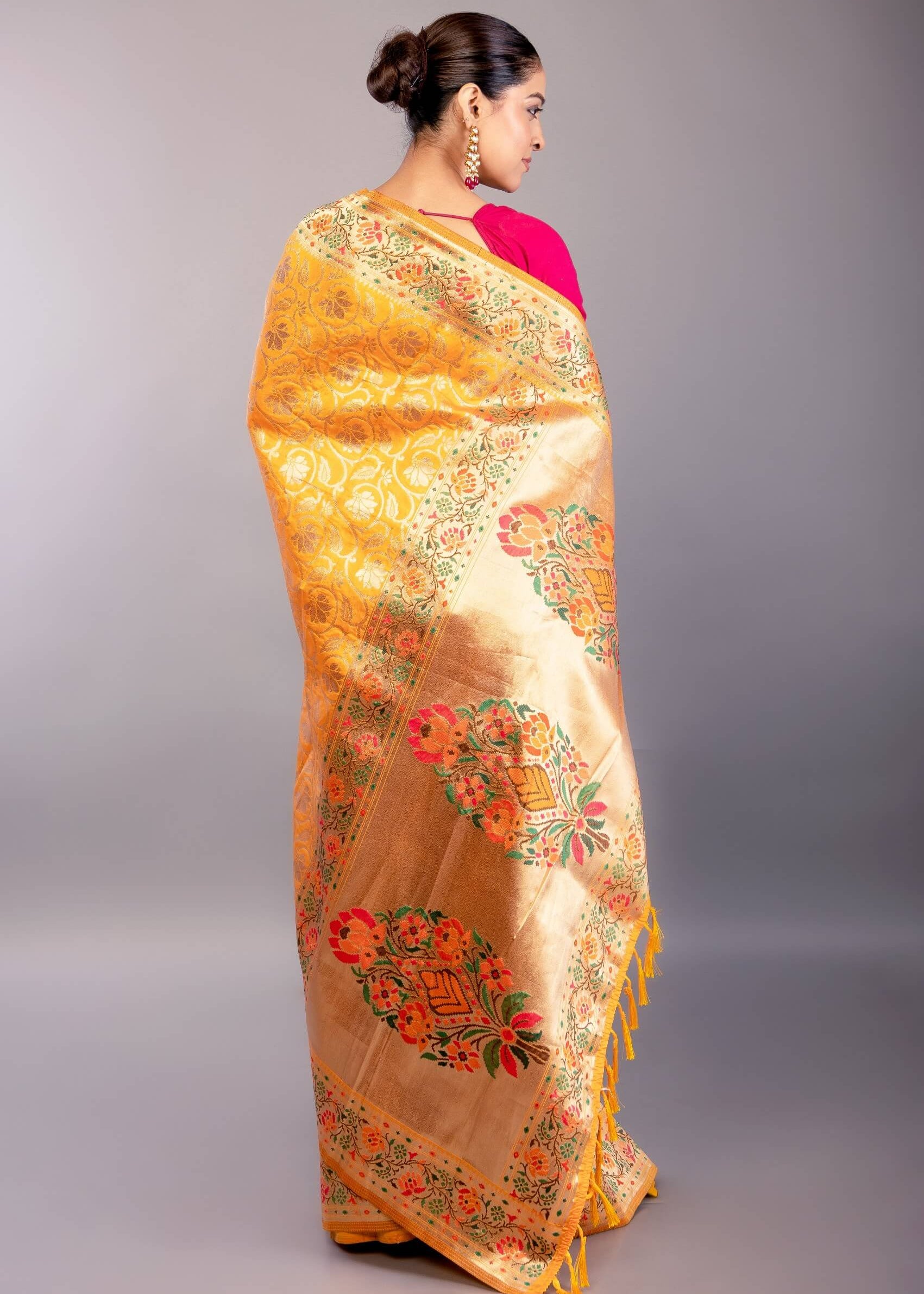
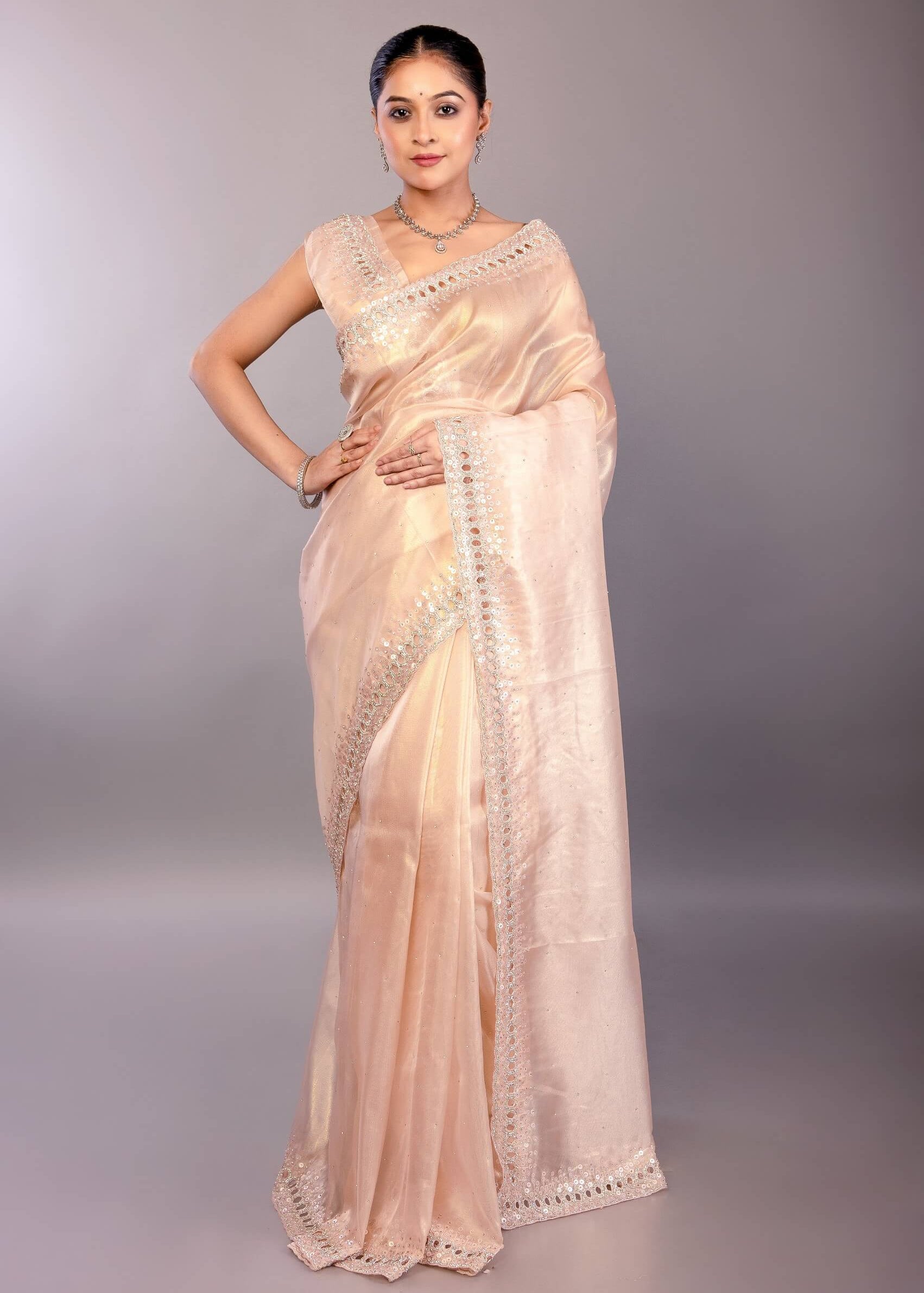
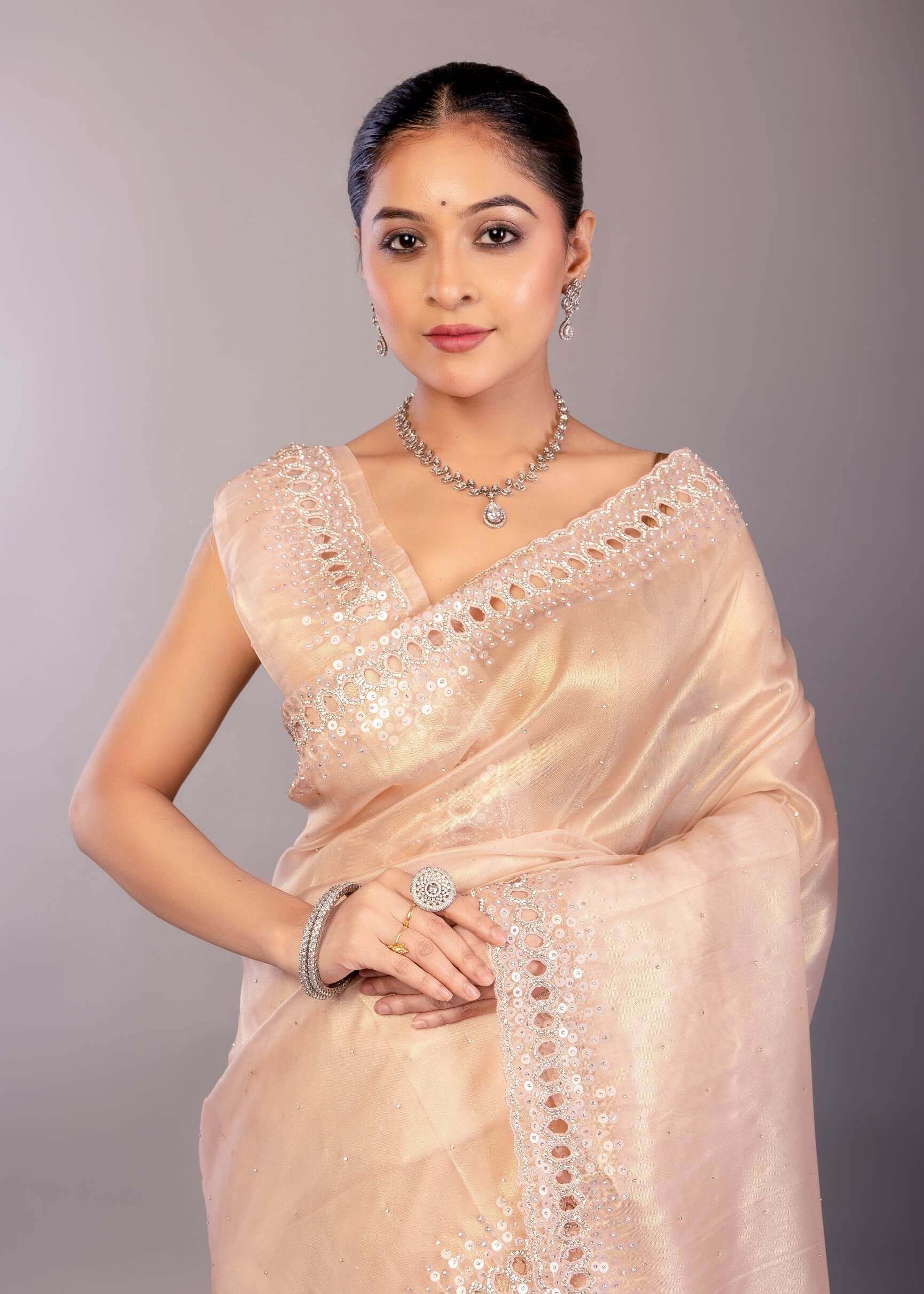
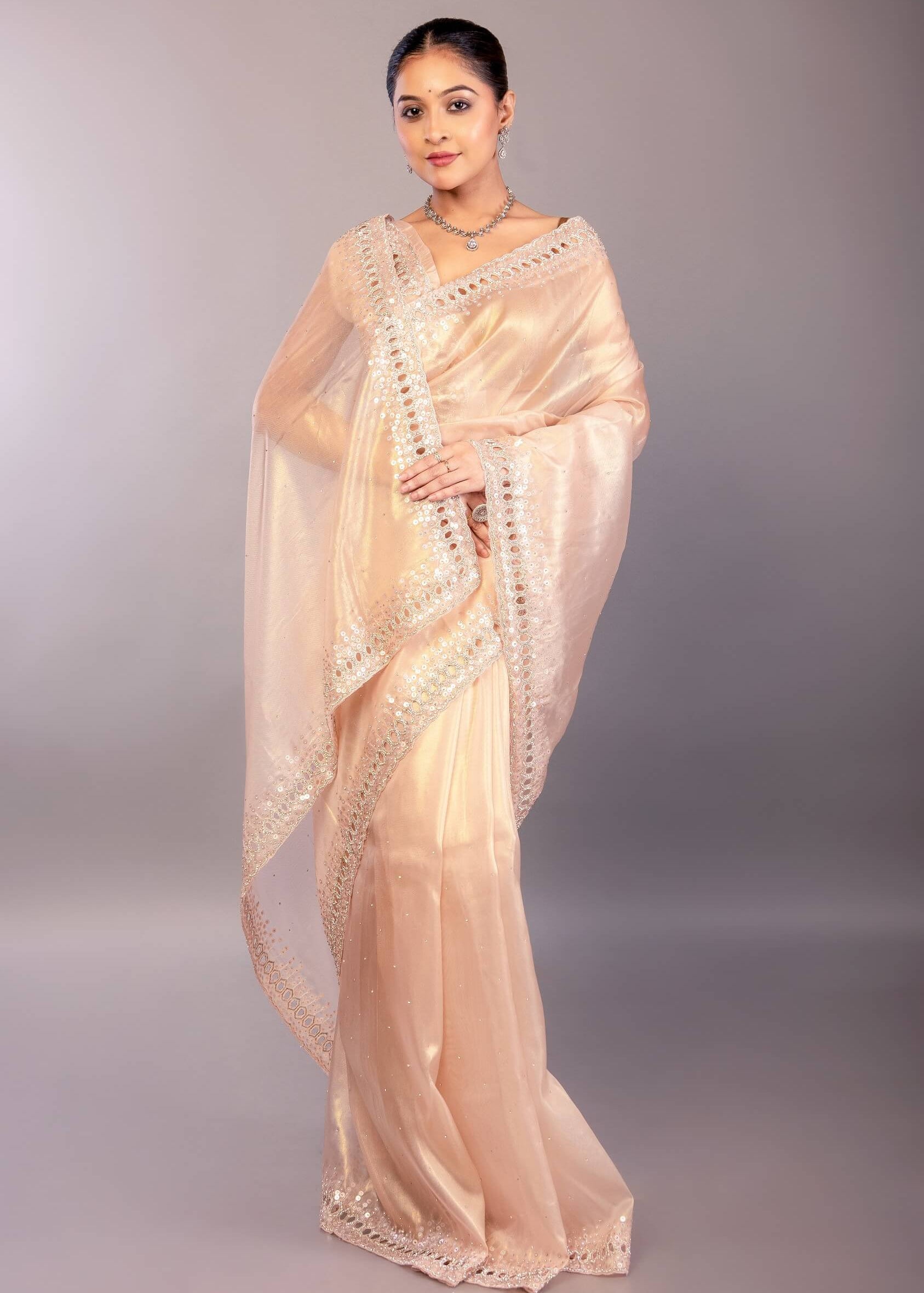
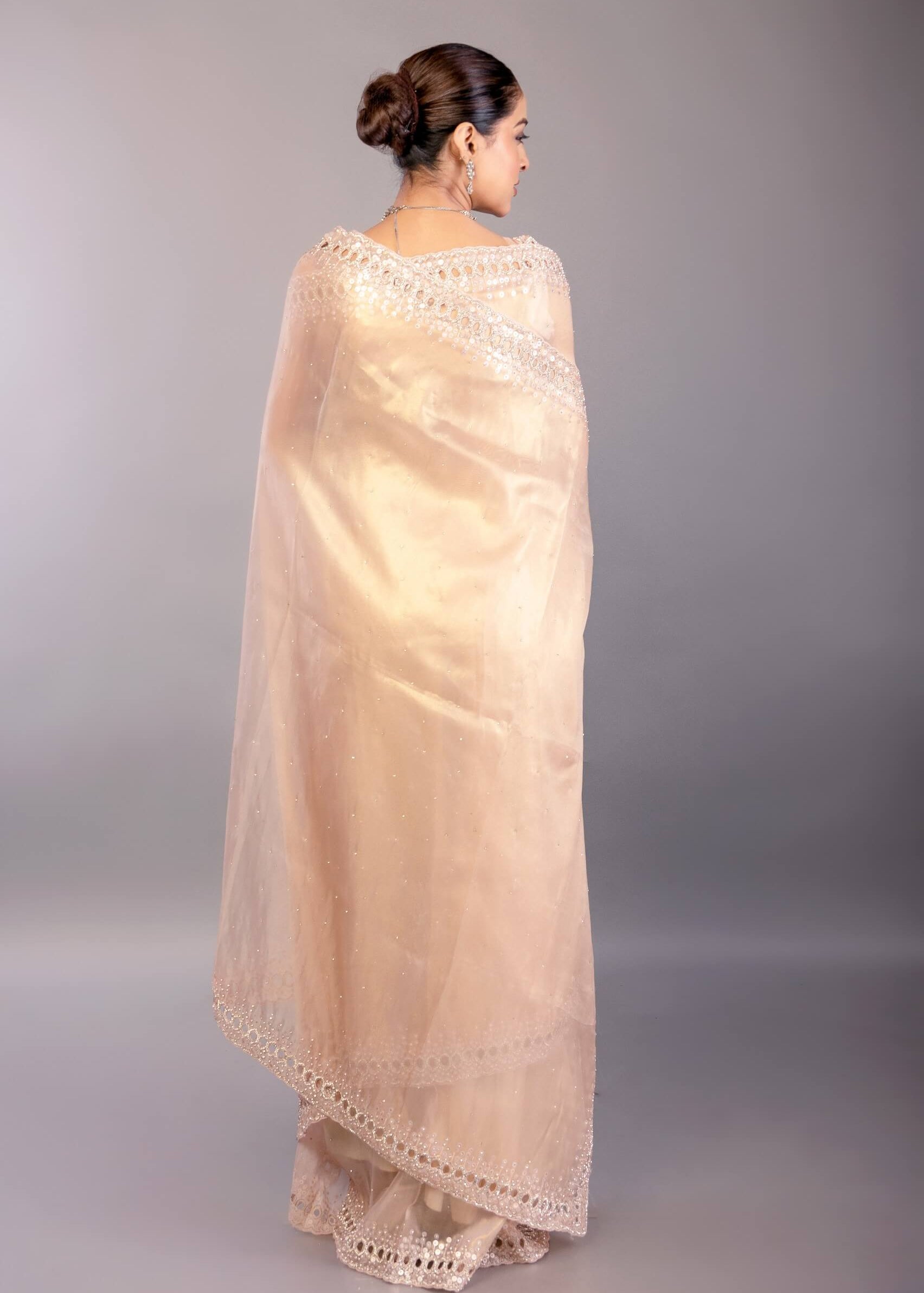
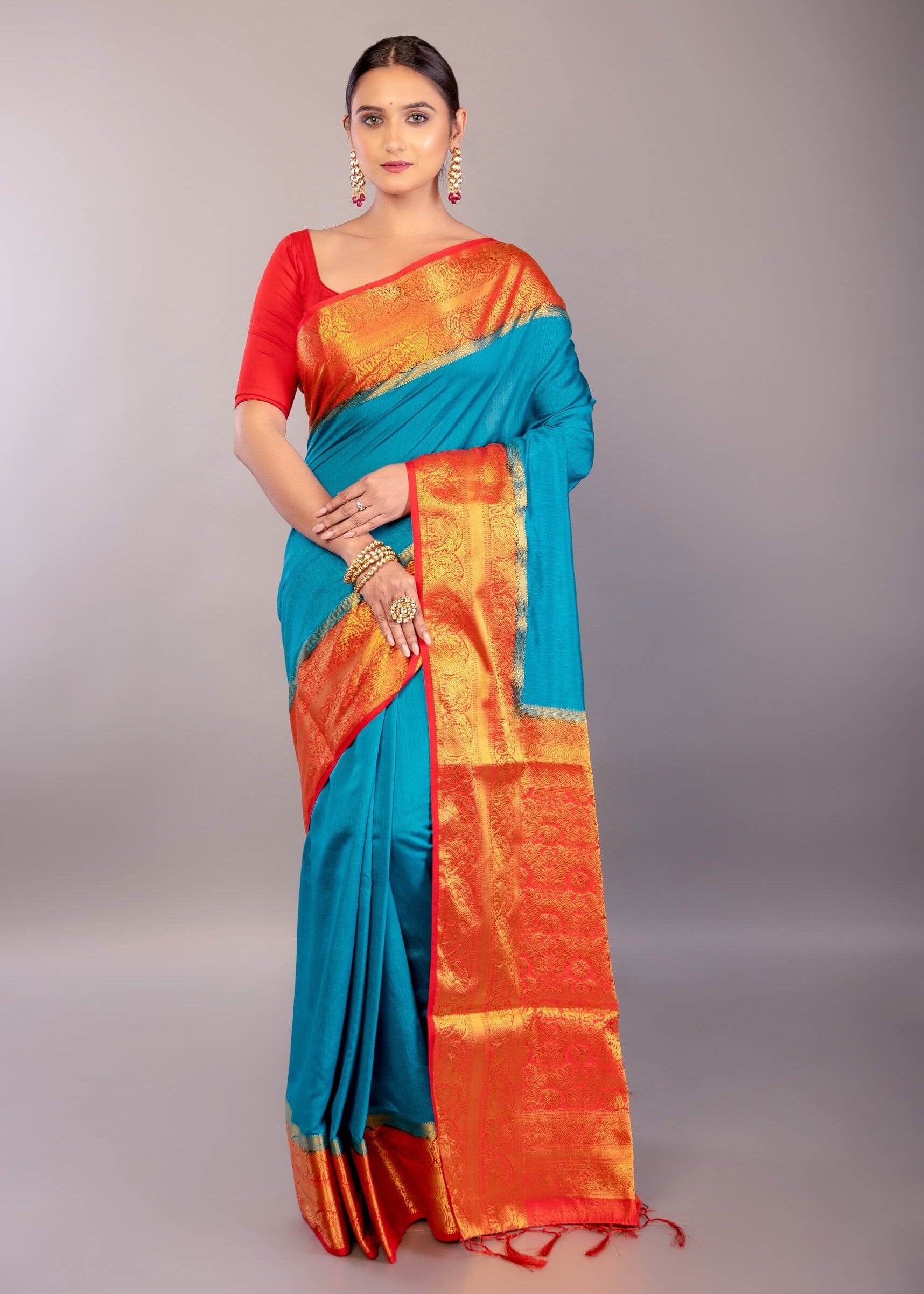
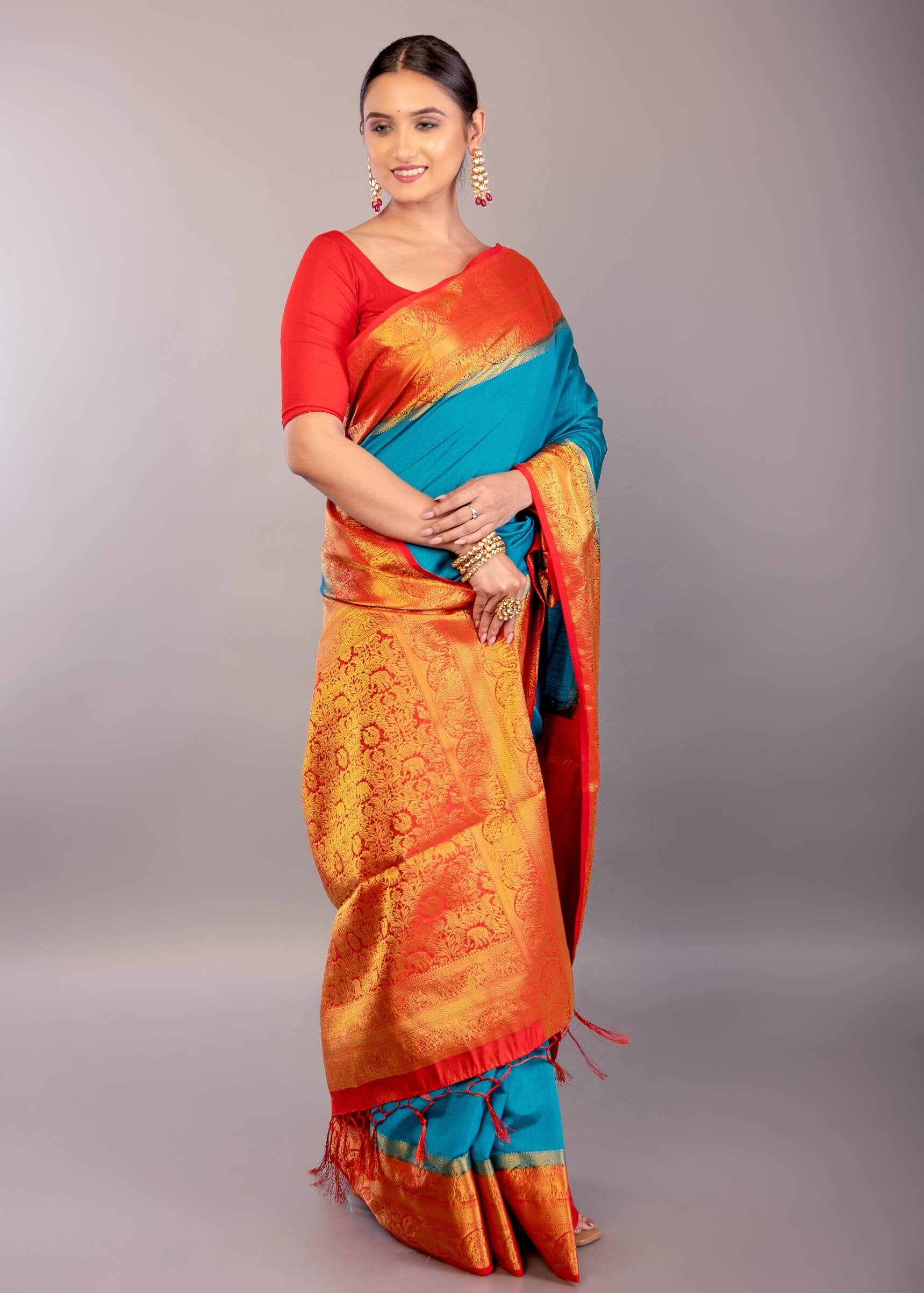
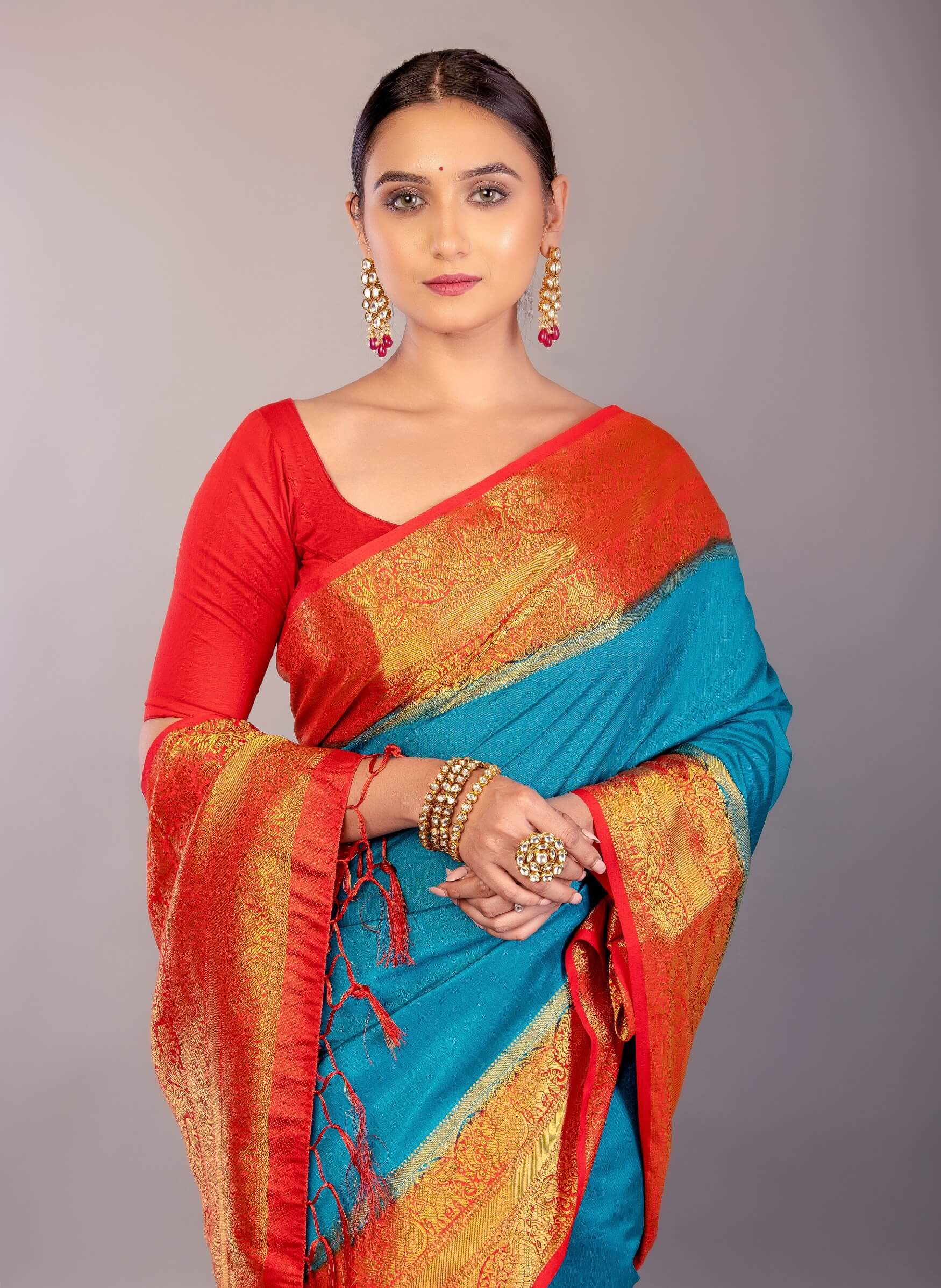
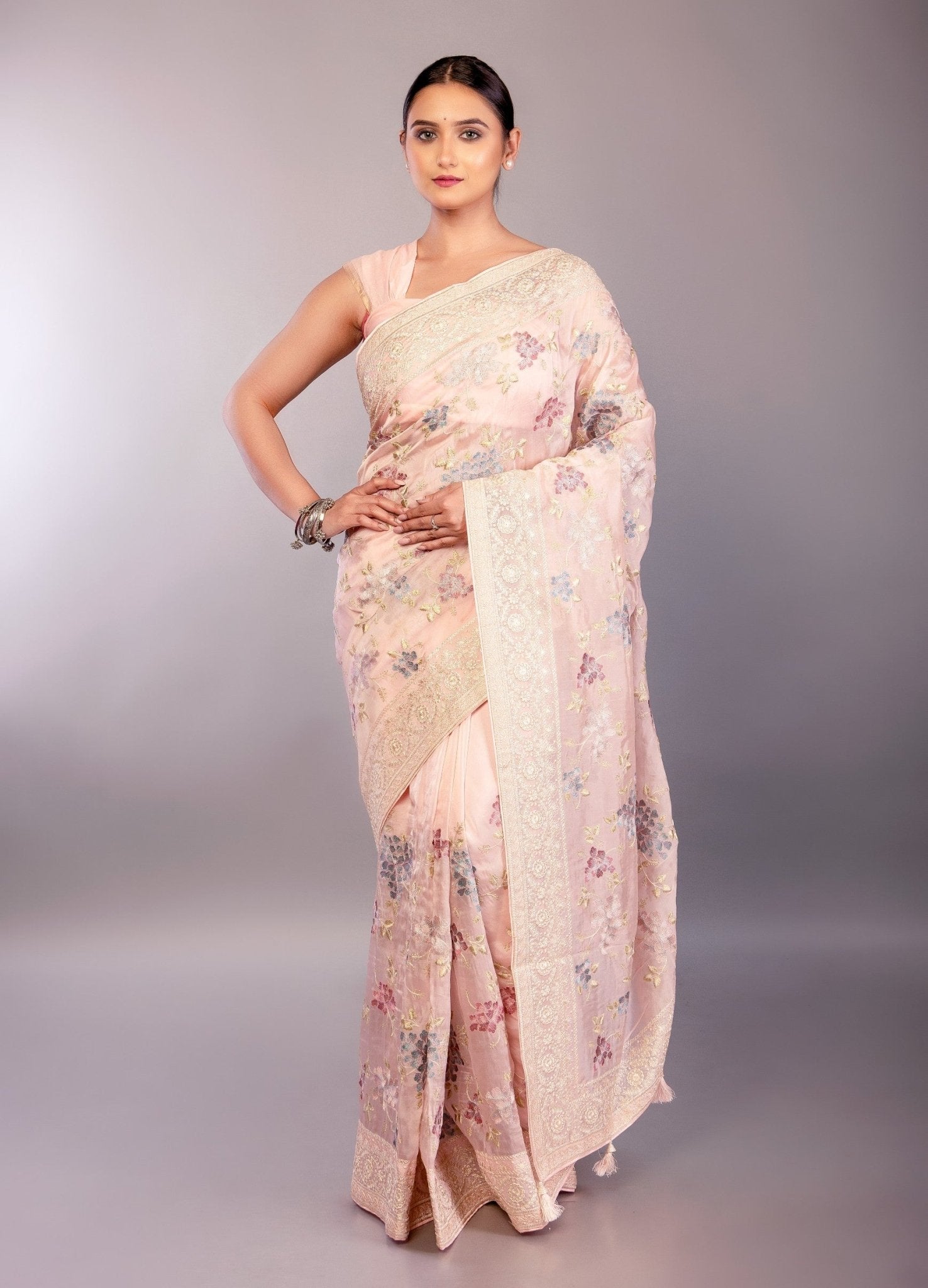
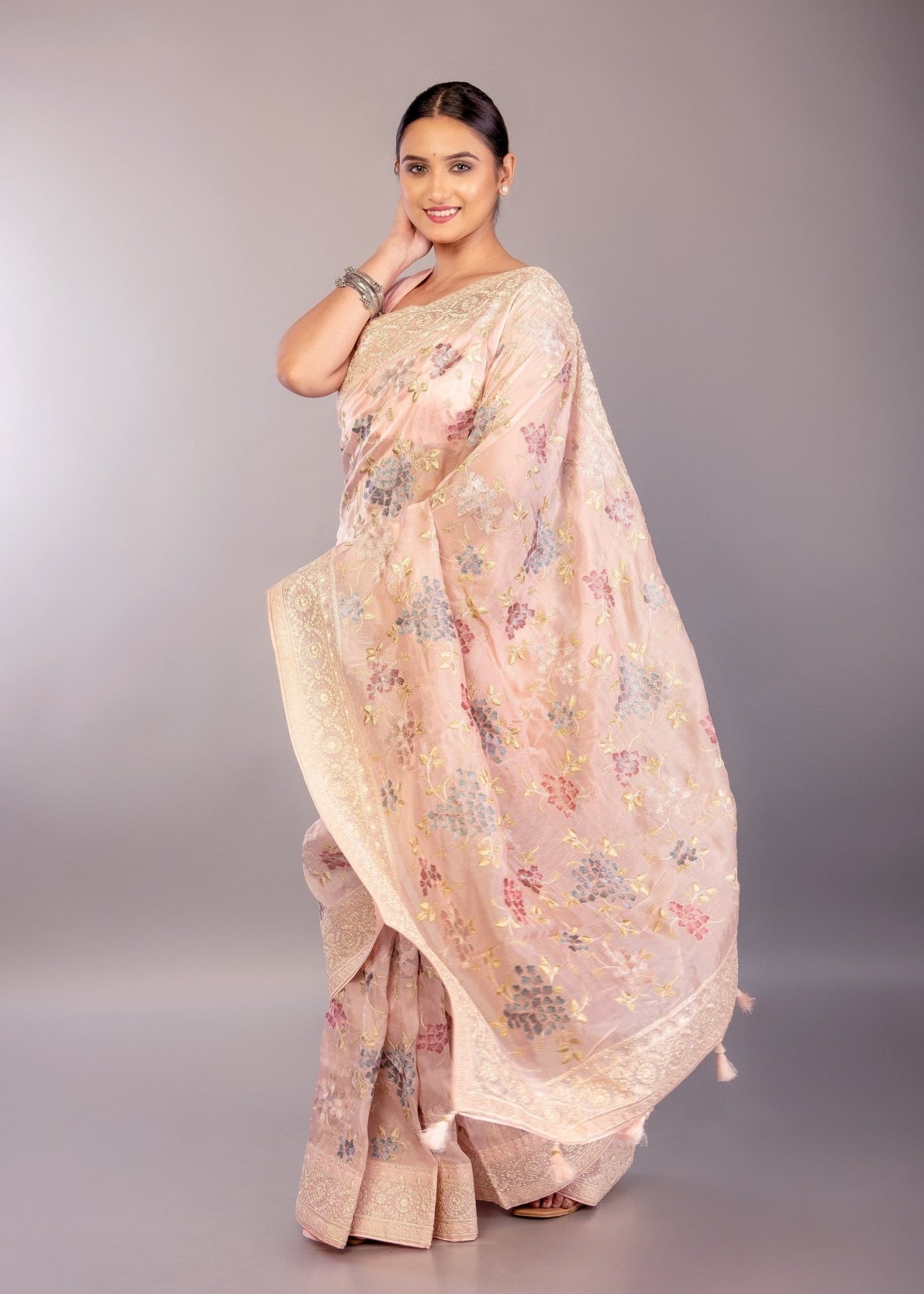
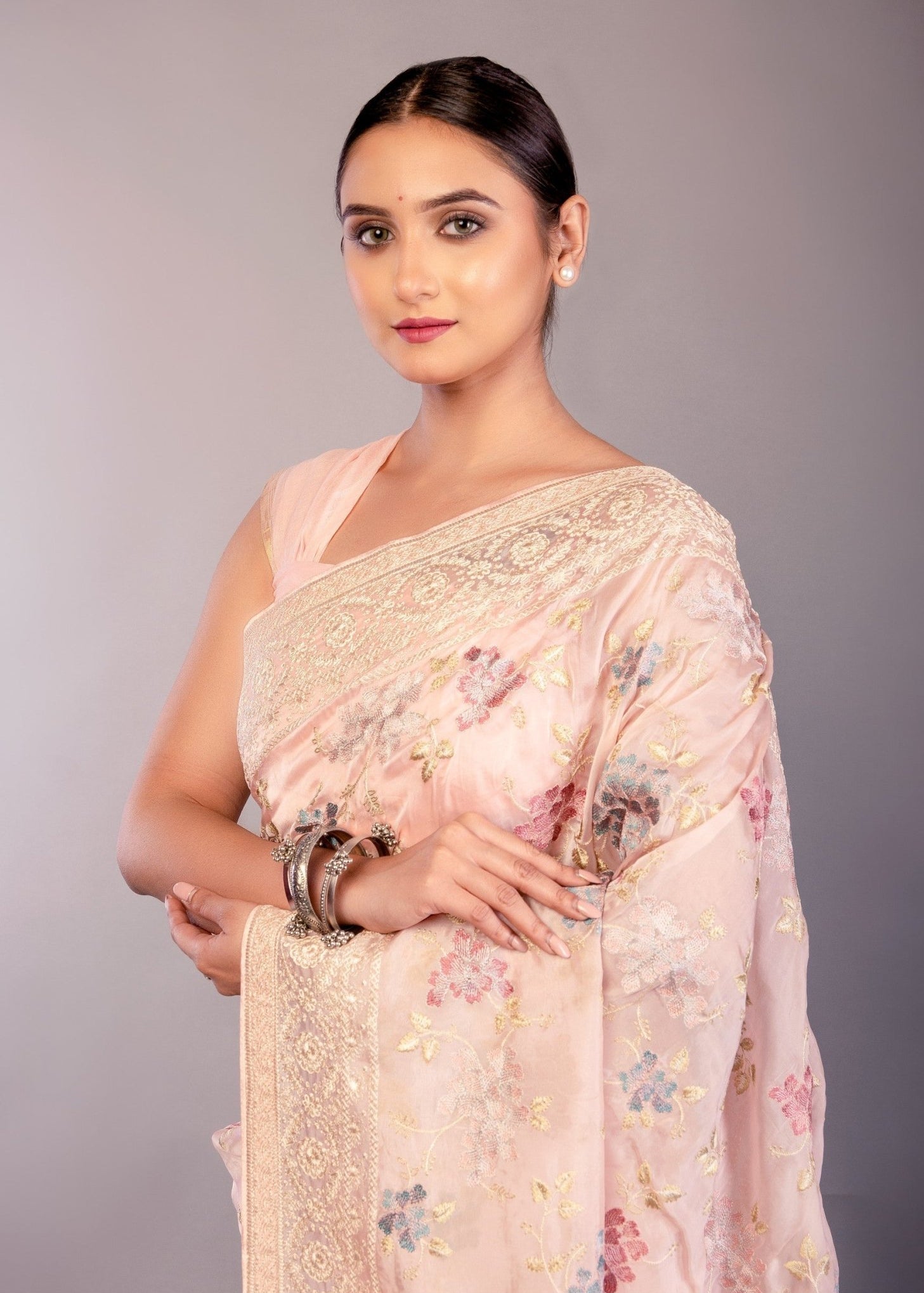
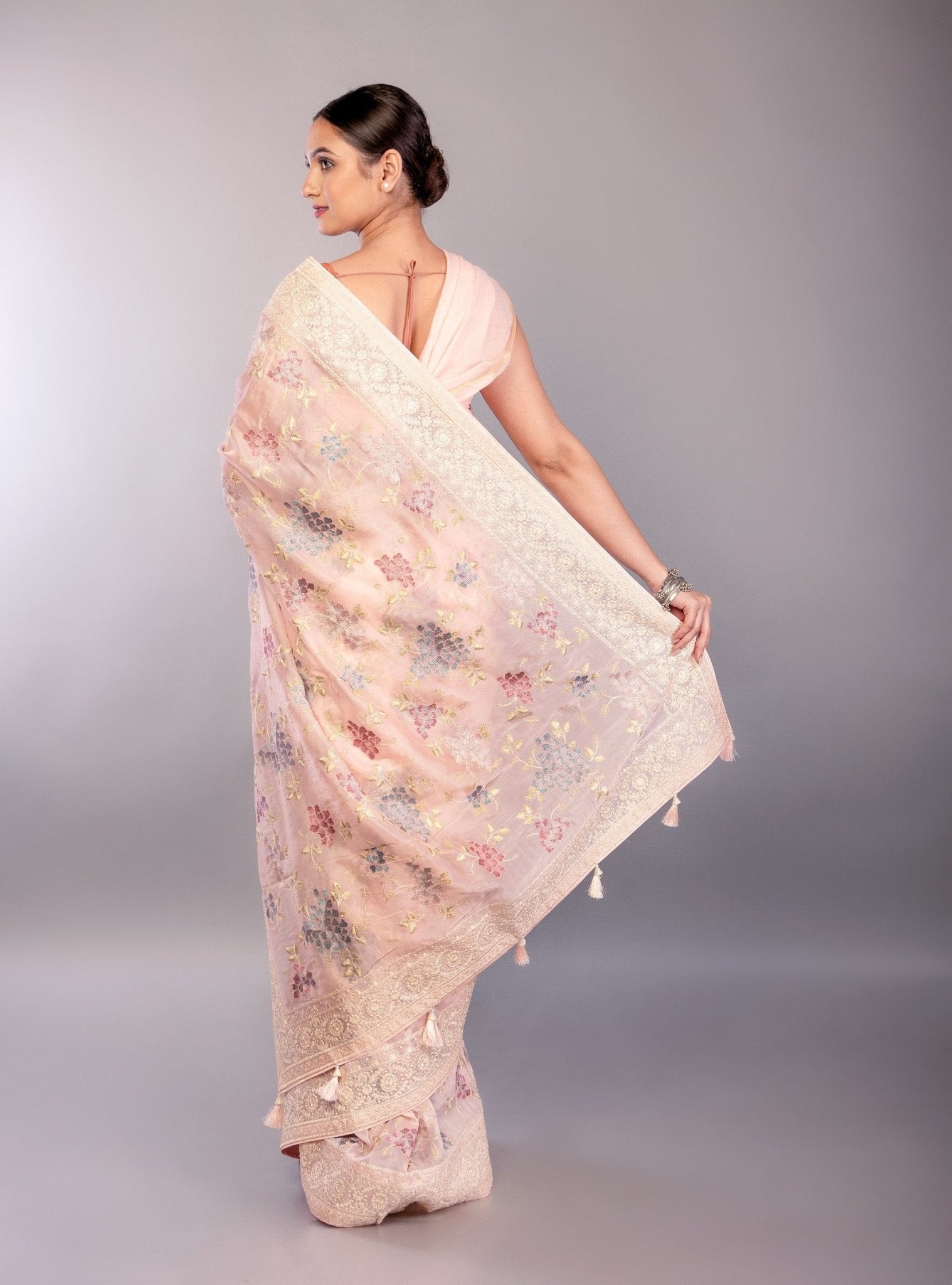
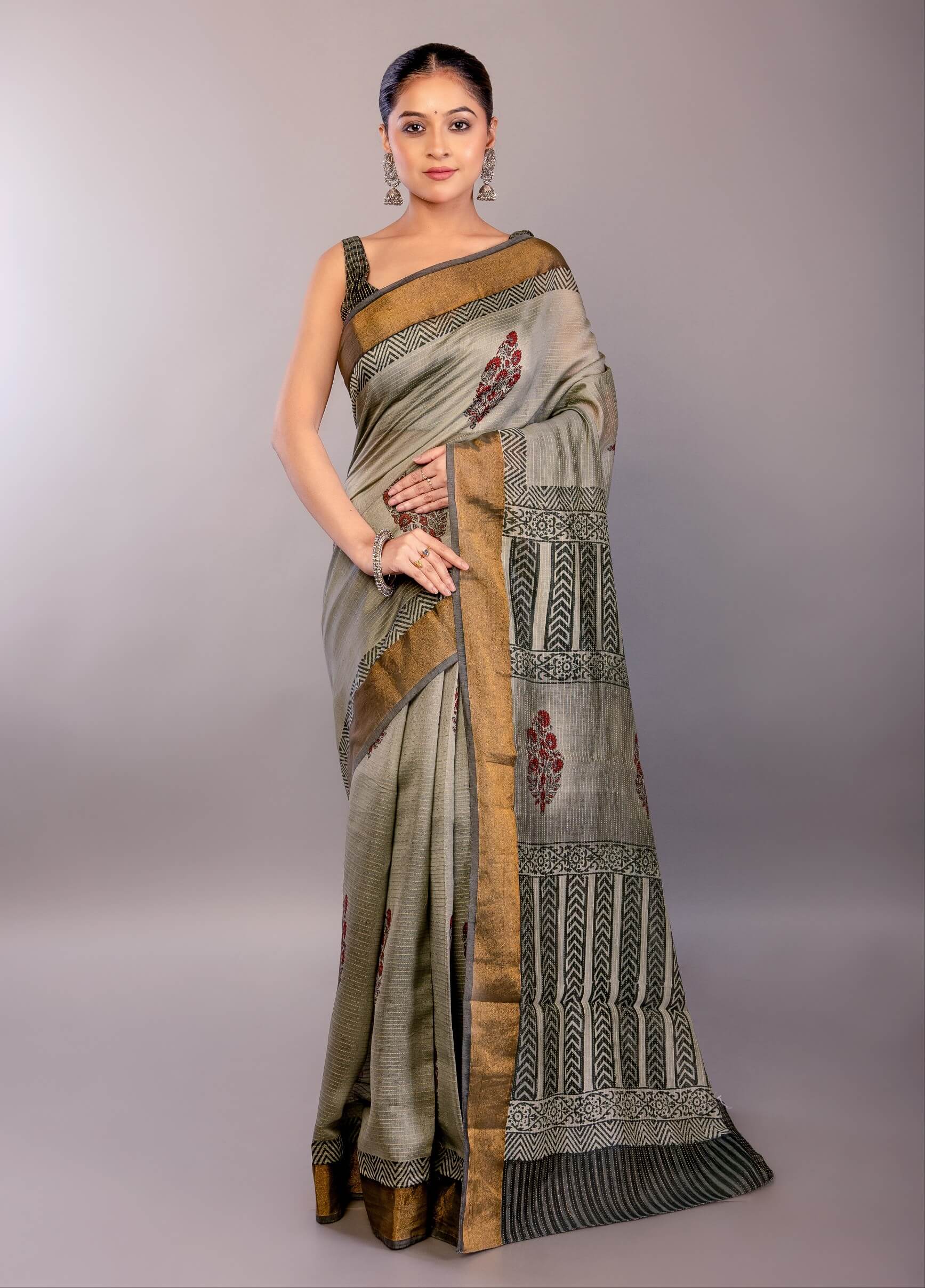
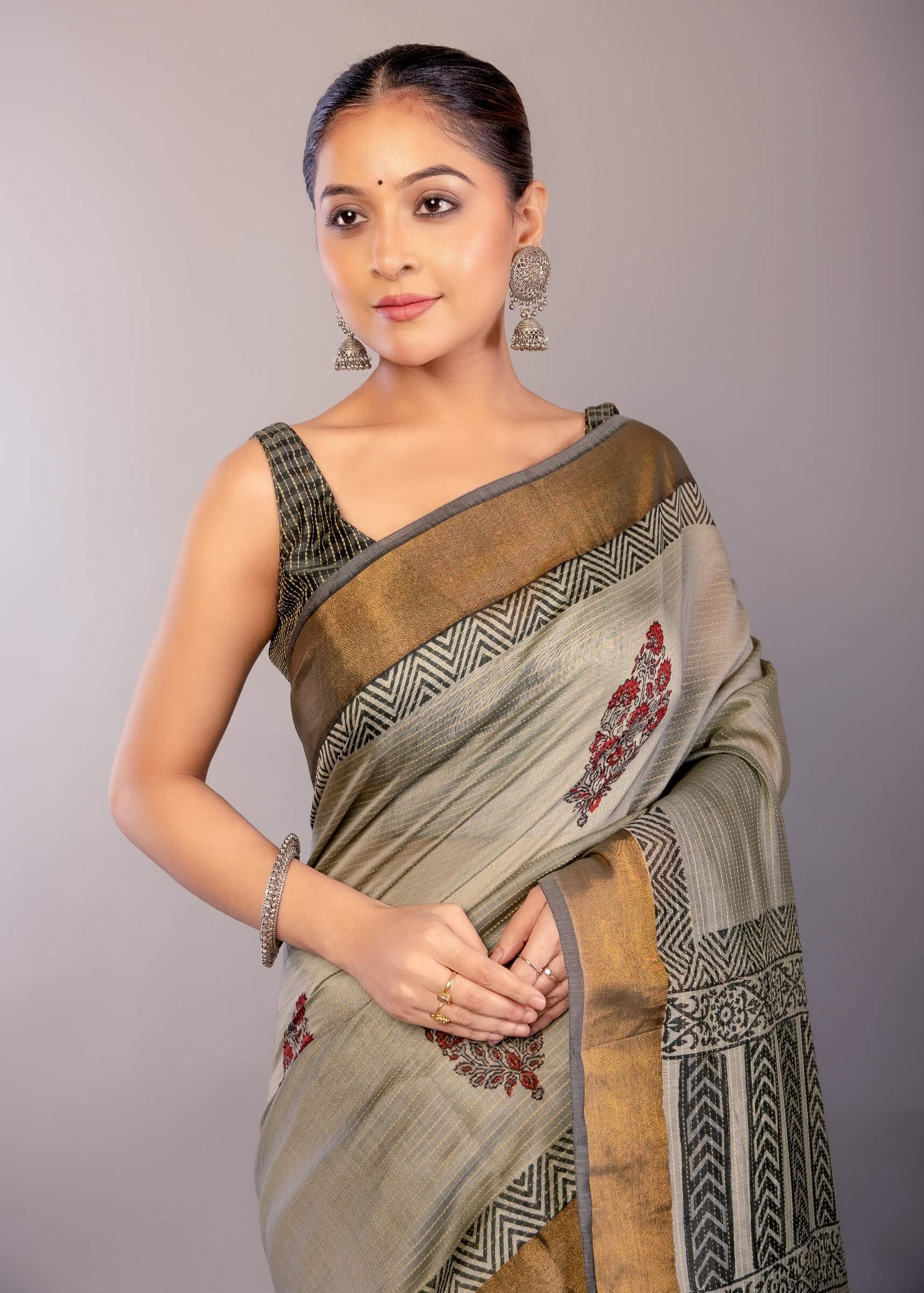
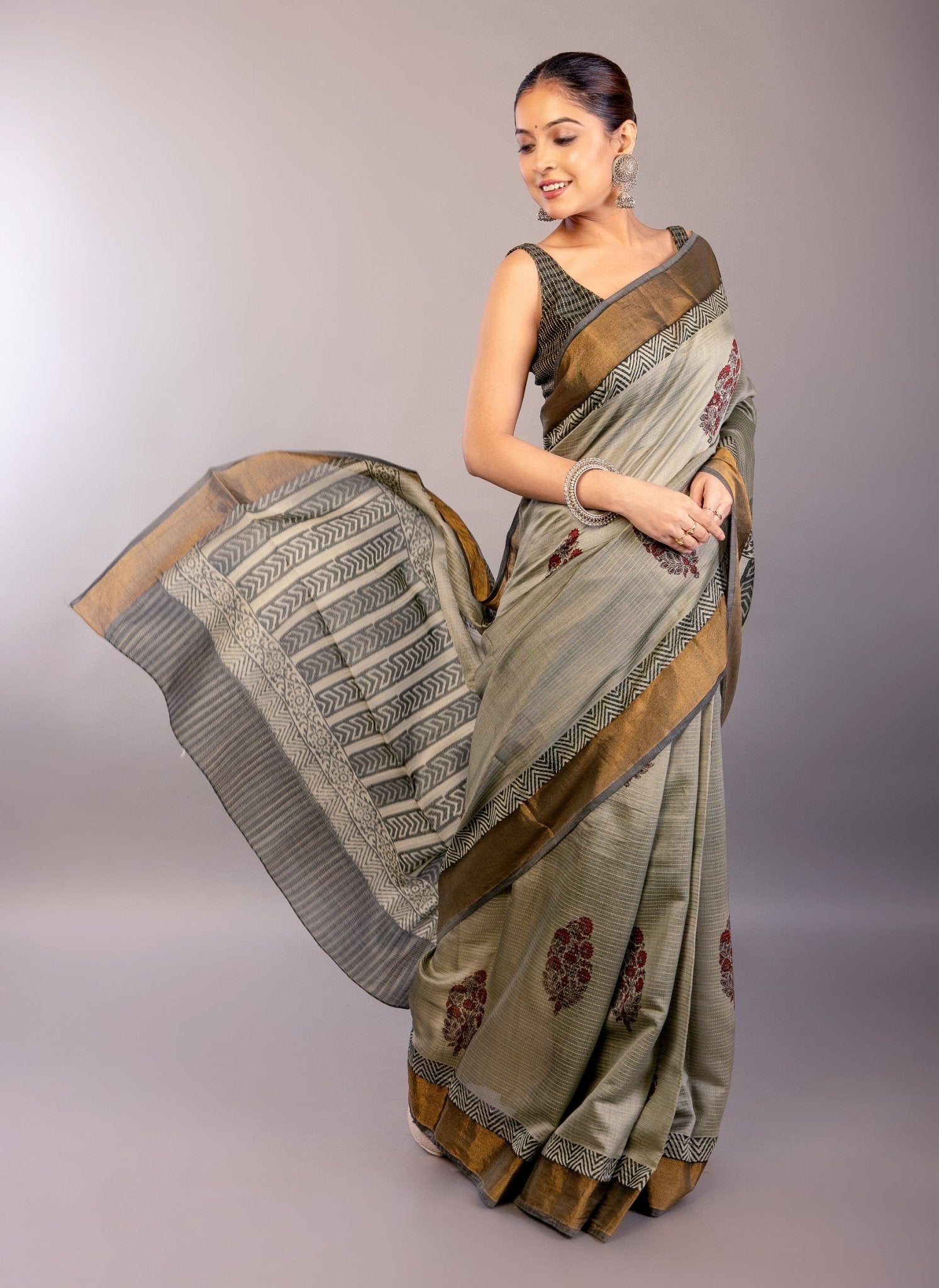
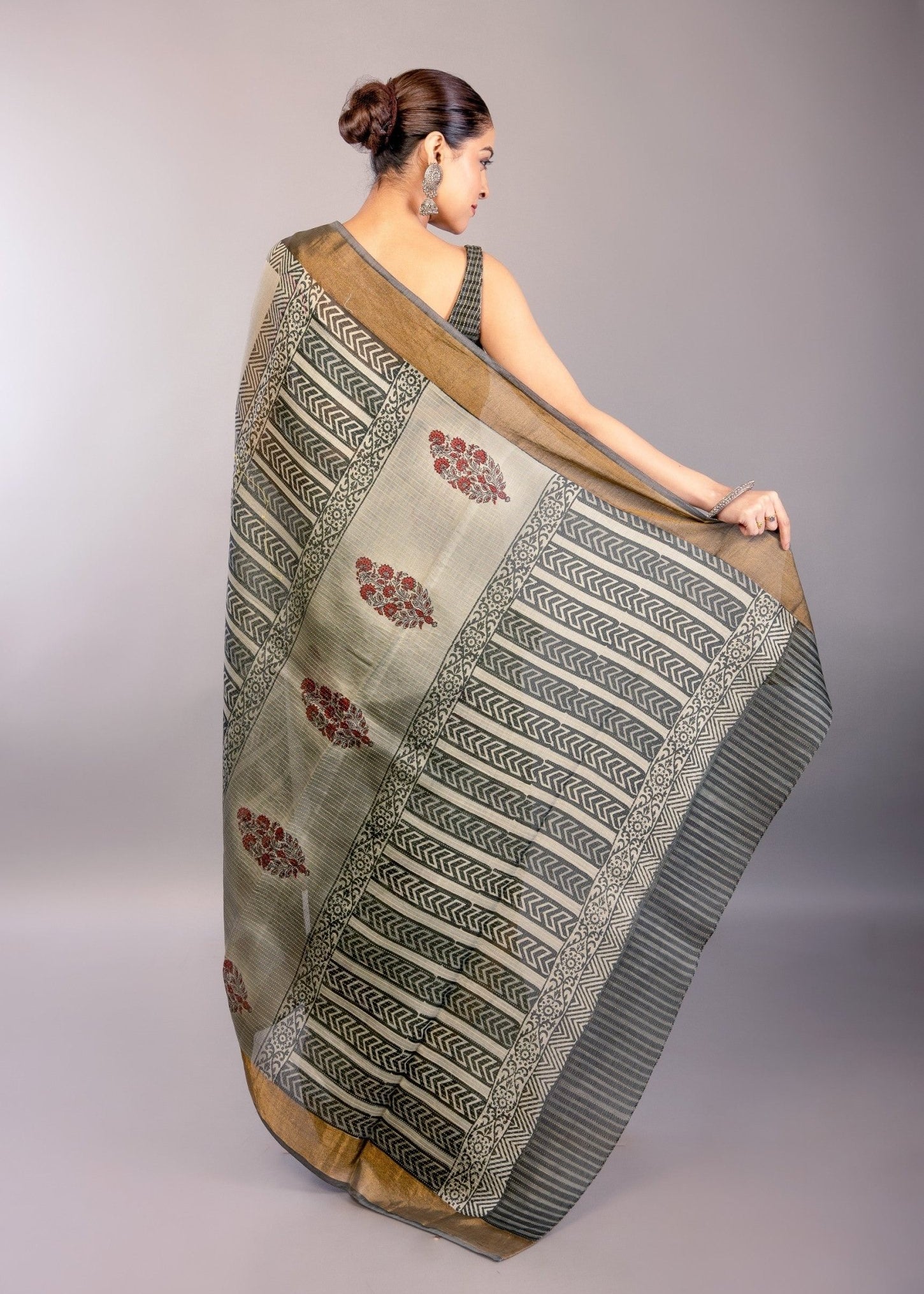
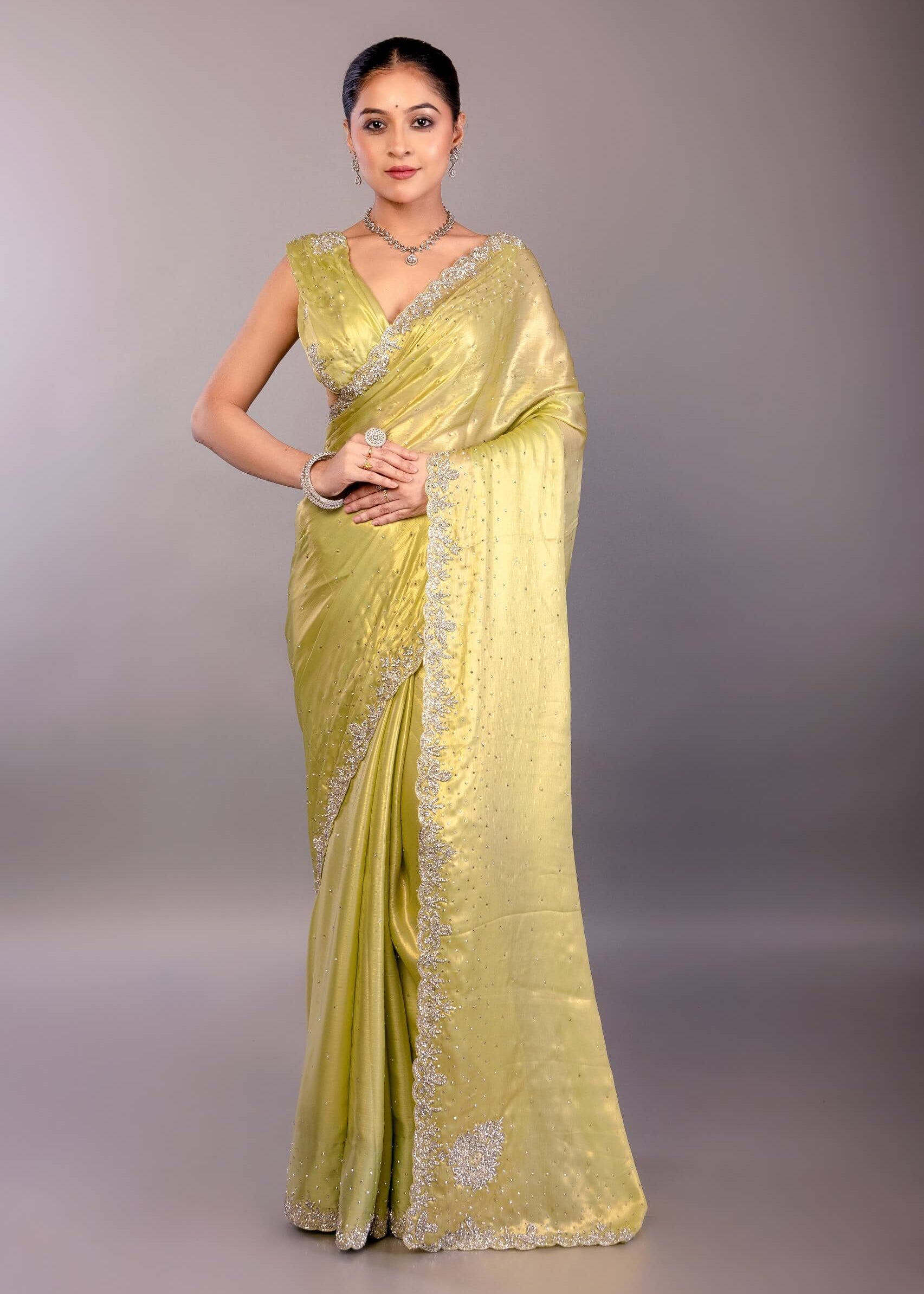
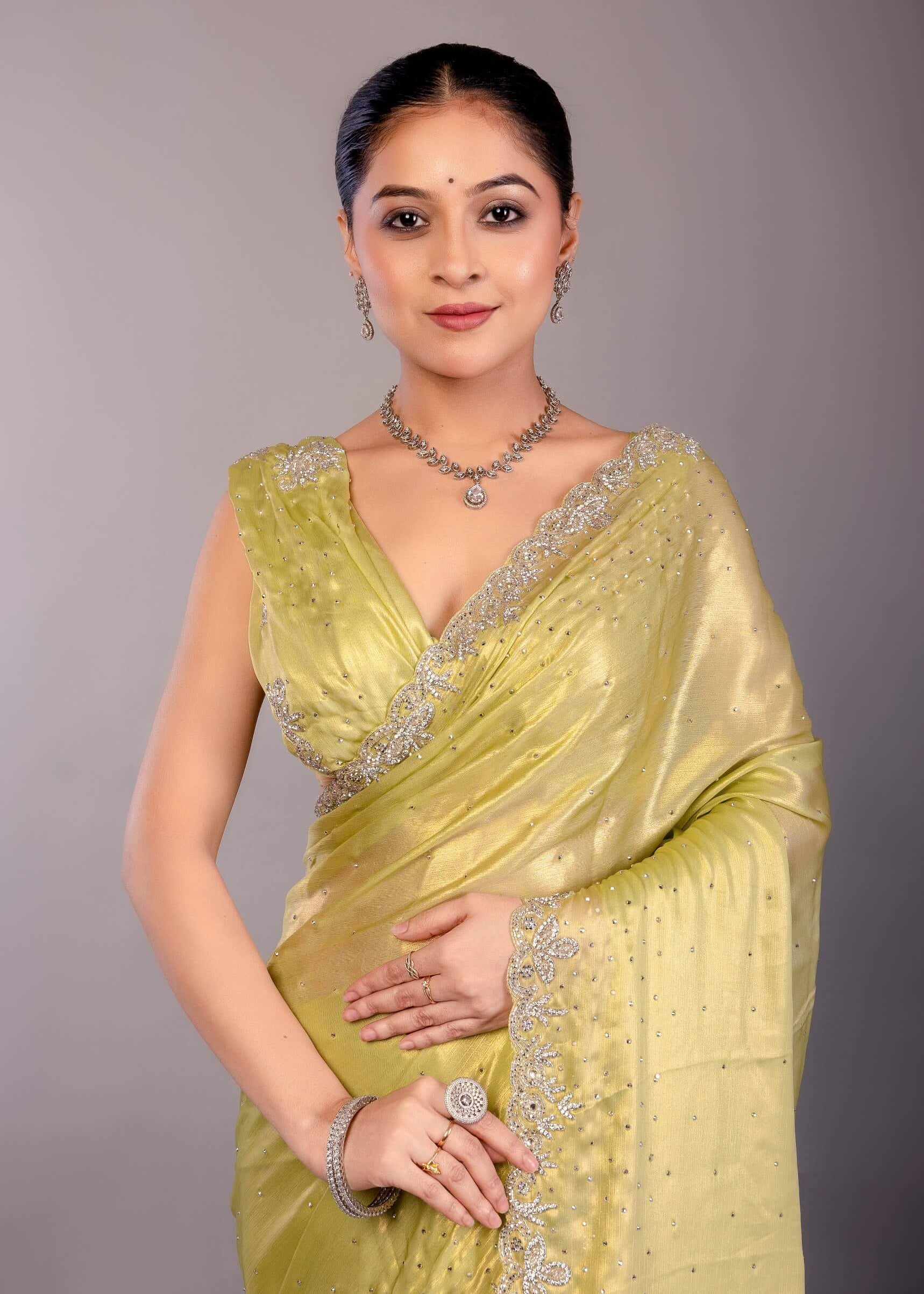
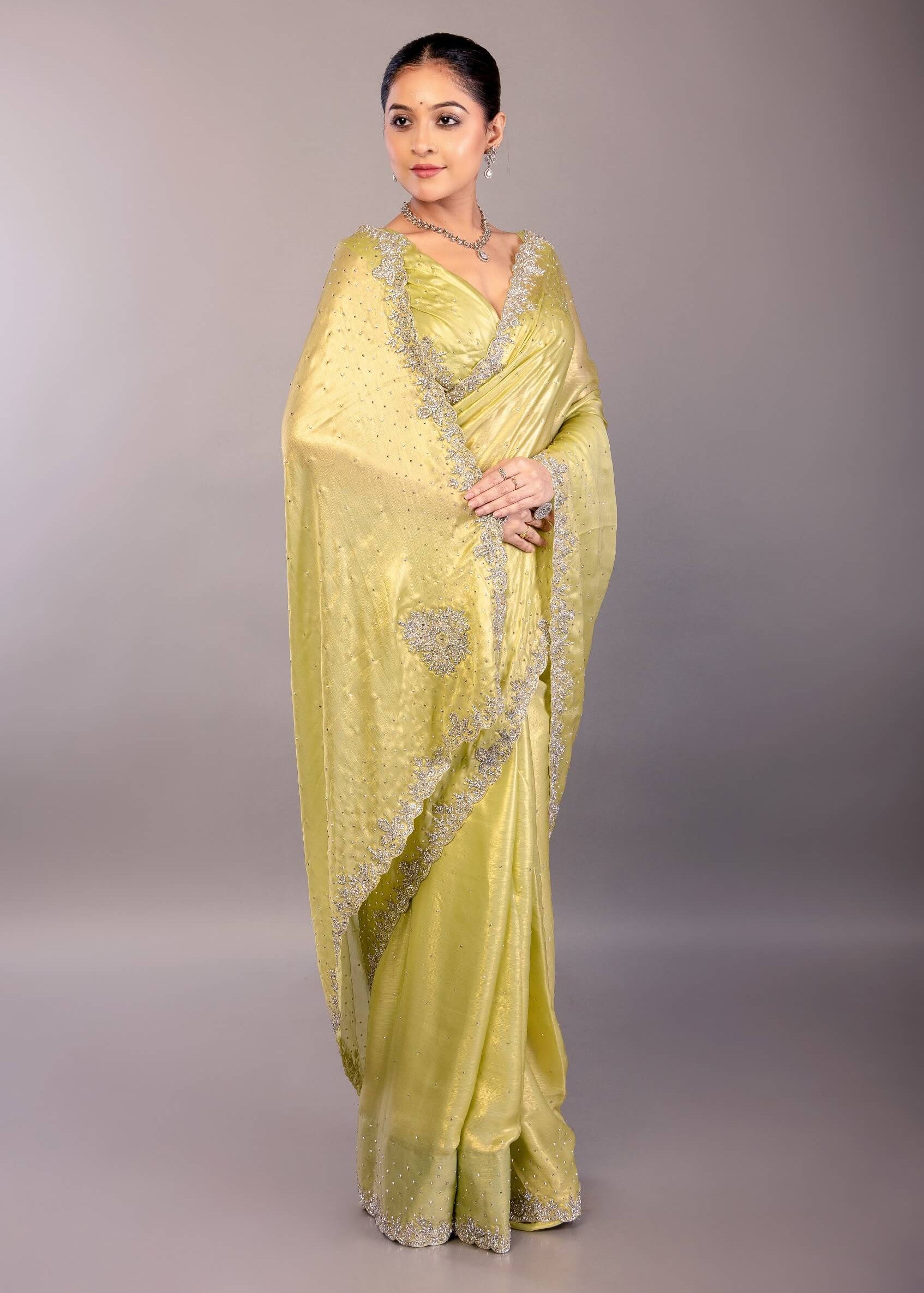
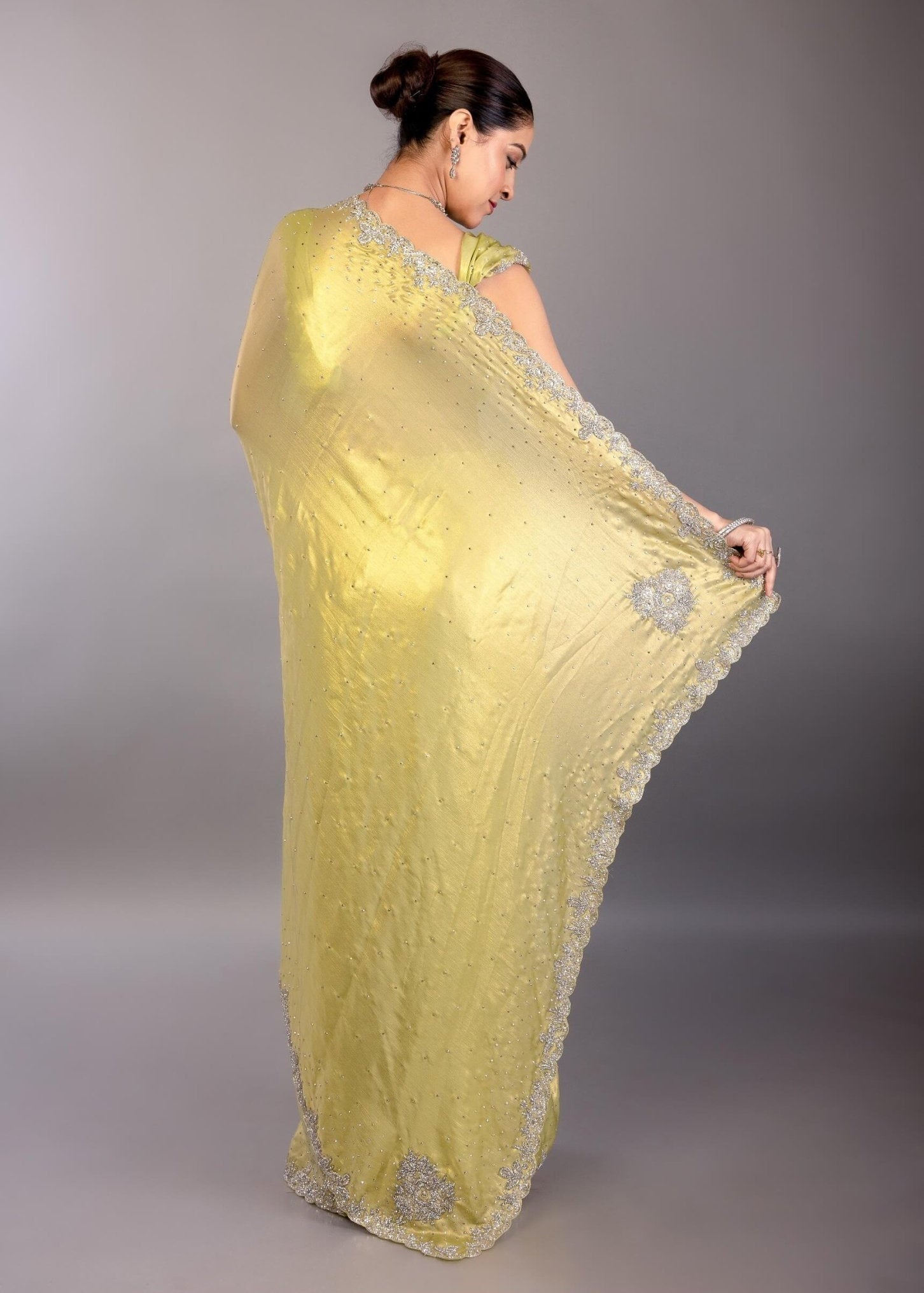
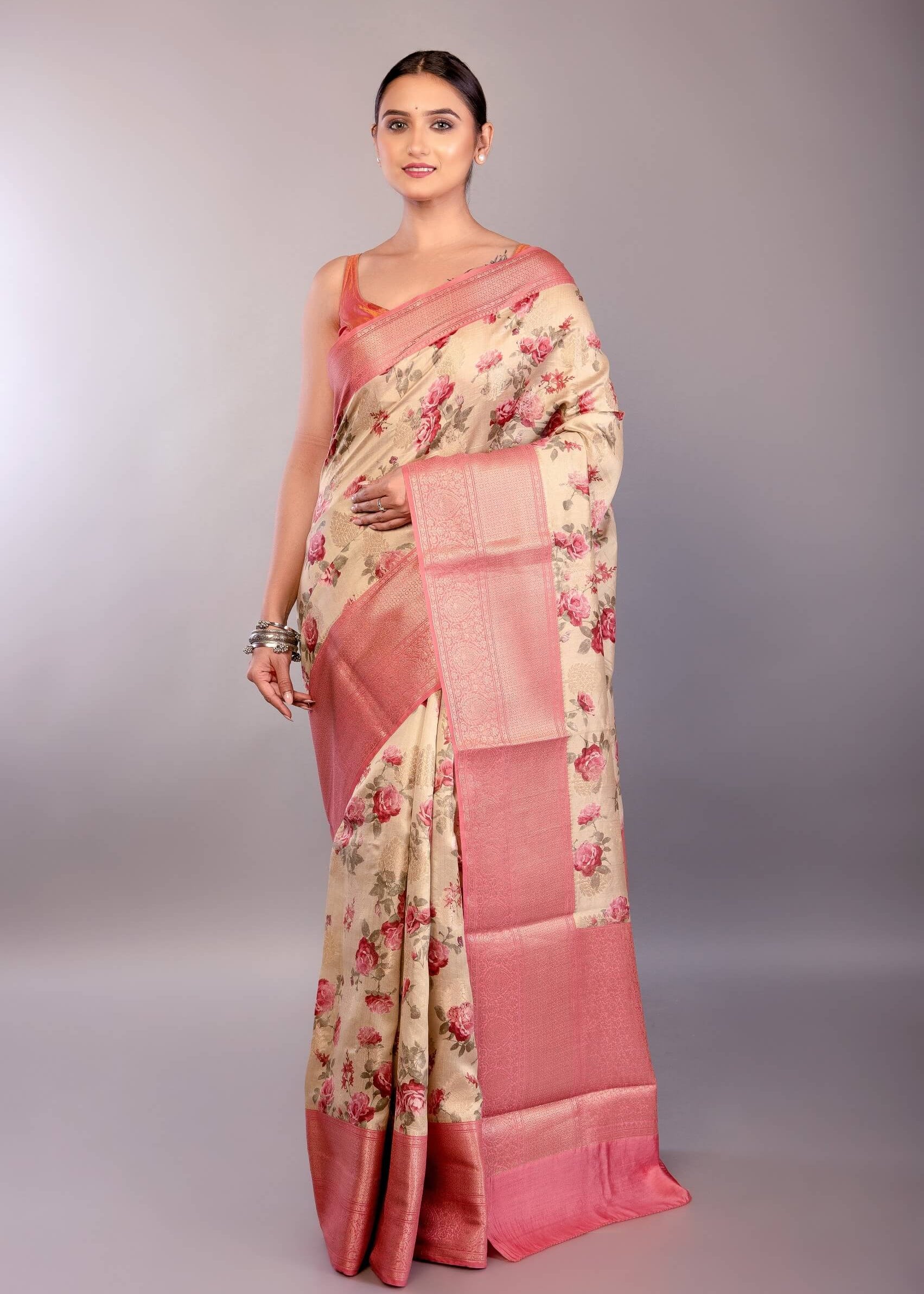
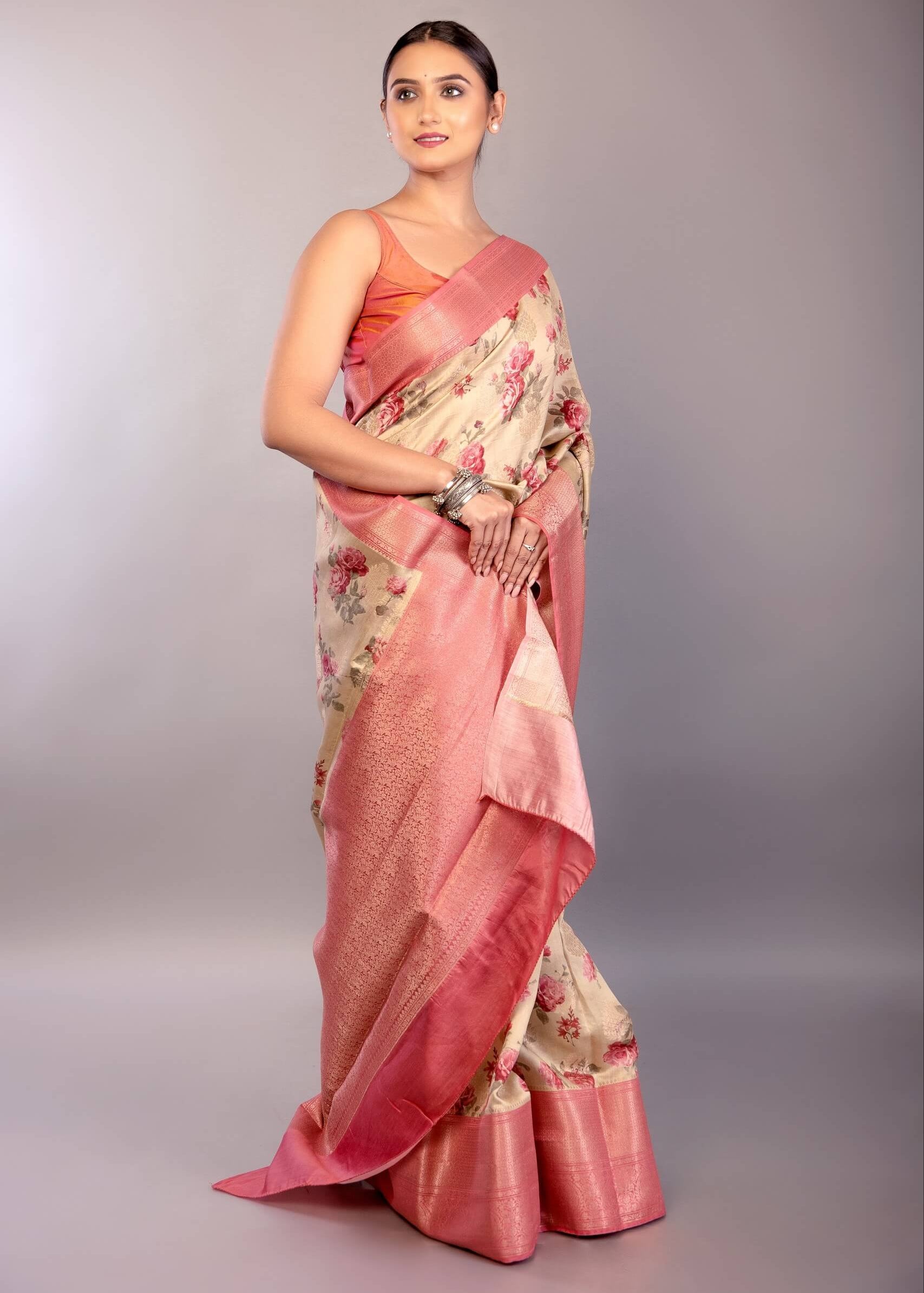
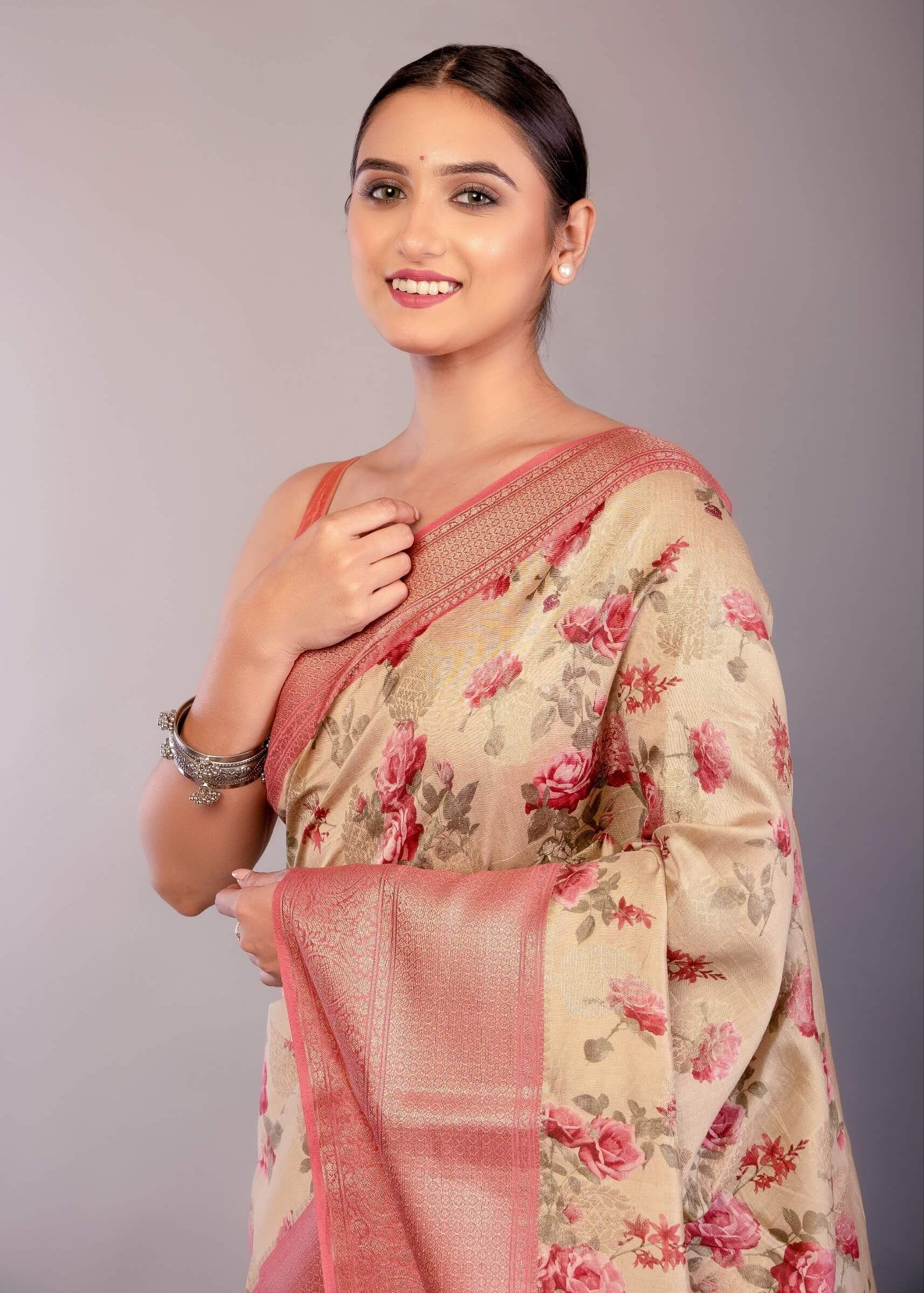
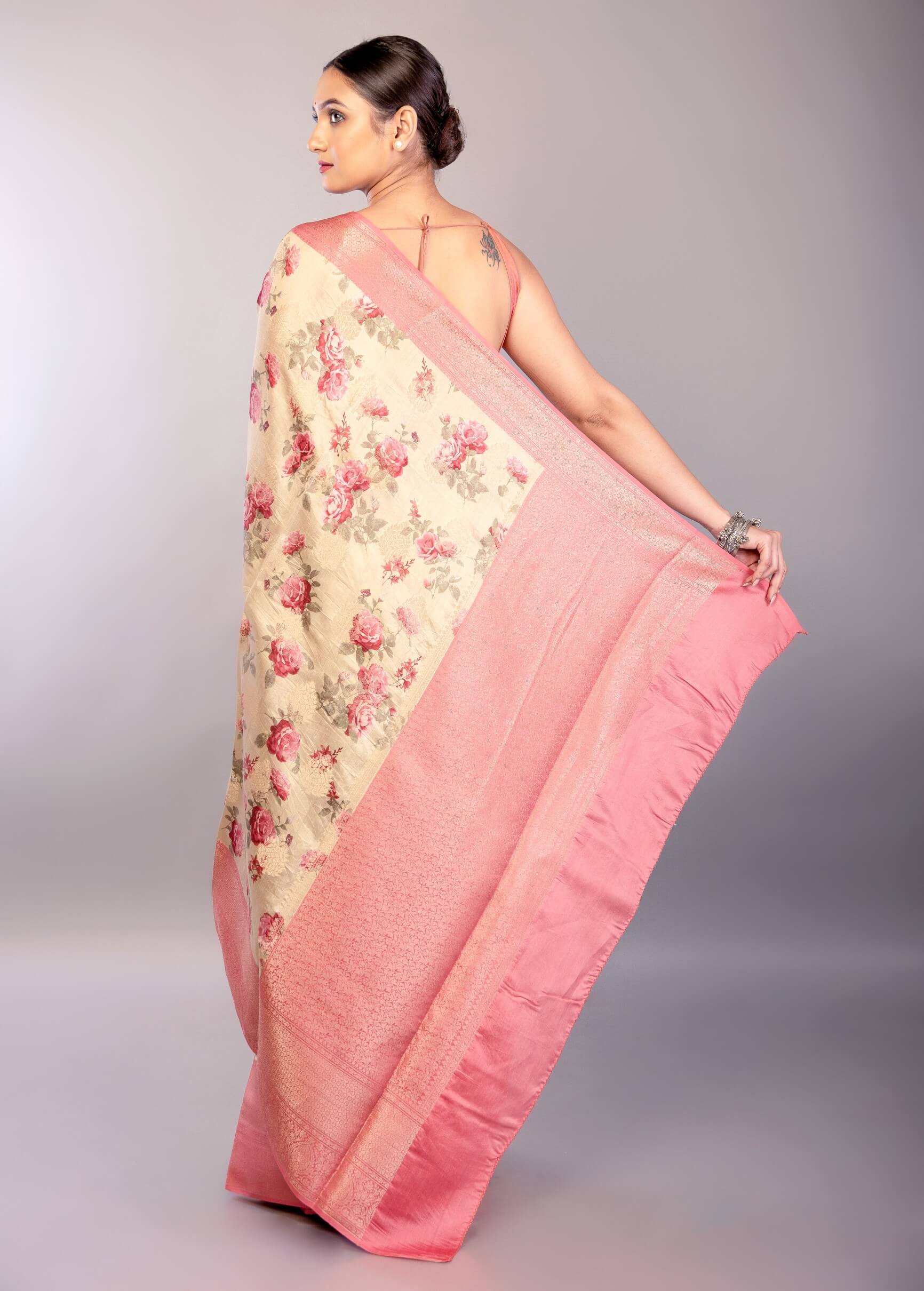
The saree is one of the oldest and most loved traditional dresses in India, representing the country's rich culture and heritage. Every state has its own distinctive saree style, such as Banarasi from Uttar Pradesh, Kanjivaram from Tamil Nadu, Paithani from Maharashtra, Bandhani from Gujarat and Rajasthan, Jamdani from West Bengal, and Muga Silk from Assam. These sarees are known for their unique weaving techniques, fabrics, and craftsmanship. Today, women prefer lightweight organza, handloom cotton, linen, georgette, chiffon, a regal banarasi tissue silk saree, or silk ready to wear sarees for both comfort and style. Modern designer blouses, belt styling, and minimal accessories have also become popular, making the saree a timeless choice for weddings, festivals, office wear, and cultural celebrations.
Traditional Dress: Mekhela Chador
The Mekhela Chador is the traditional dress of Assam and is known for its graceful elegance and rich weaving heritage. It is a two-piece outfit consisting of the Mekhela, worn as the lower garment, and the Chador, draped over the upper body. It is commonly worn during festivals like Bihu, weddings, religious ceremonies, and cultural events. Traditional Mekhela Chadors are crafted from luxurious Muga silk, Eri silk, and Pat silk, featuring beautiful handwoven motifs inspired by nature and Assamese culture. Today, both classic handwoven and lightweight contemporary designs are popular, making the Mekhela Chador a perfect choice for women who appreciate timeless tradition with modern comfort.
Traditional Dress: Lehenga Choli
The Lehenga Choli is one of India's most popular traditional outfits, especially for weddings, festivals, and grand celebrations. It consists of a flared skirt (lehenga), a fitted blouse (choli), and a matching dupatta. Originating from Rajasthan and Gujarat, the outfit is known for its vibrant colors, intricate embroidery, mirror work, gota patti, zari, and hand-crafted details. Today, women prefer lightweight organza, georgette, velvet, and silk lehengas in both traditional and contemporary designs. From bridal wear to festive celebrations like Navratri and Diwali, the Lehenga Choli remains a timeless choice that beautifully blends cultural heritage with modern fashion.
Traditional Dress: Anarkali Suit
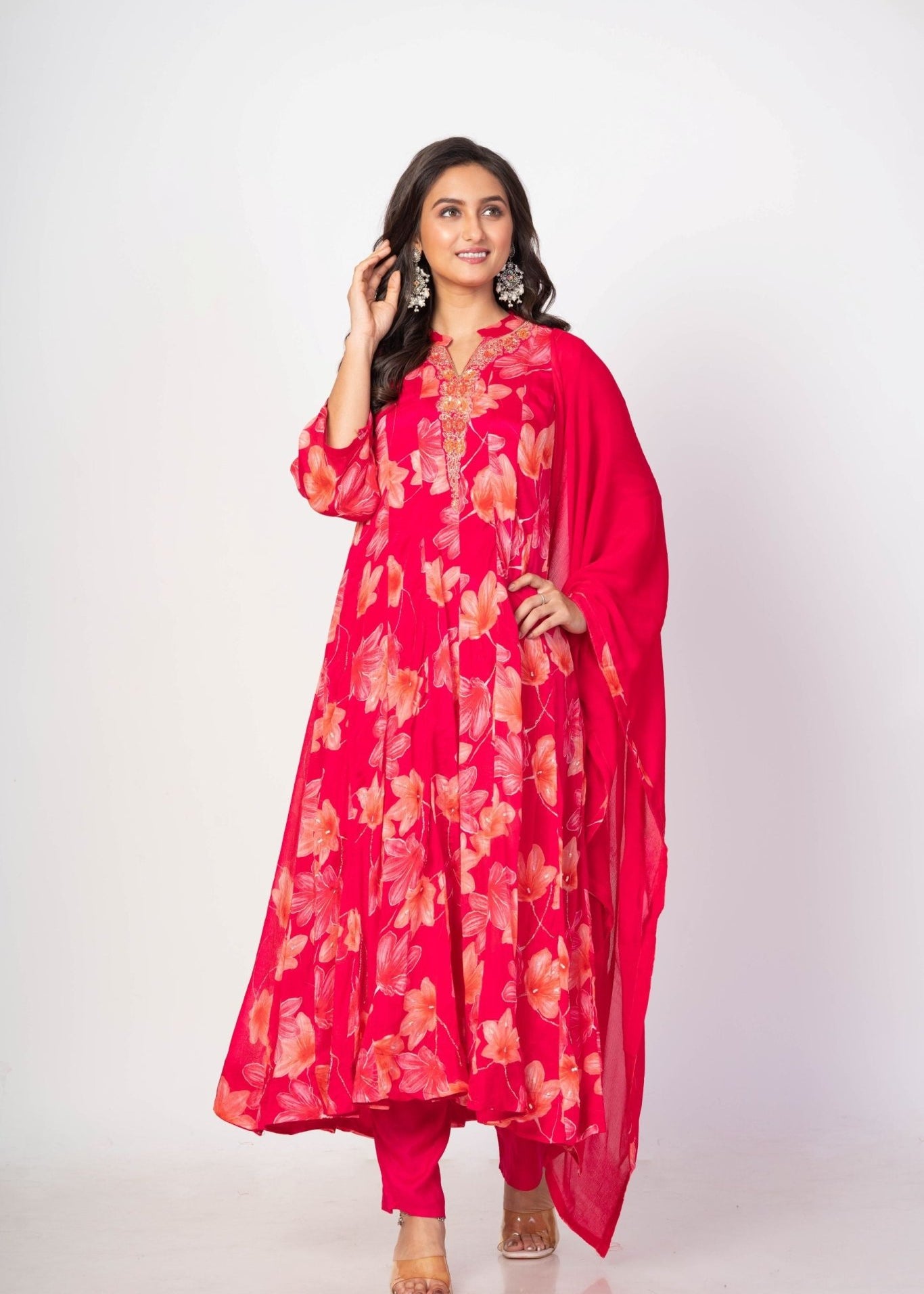
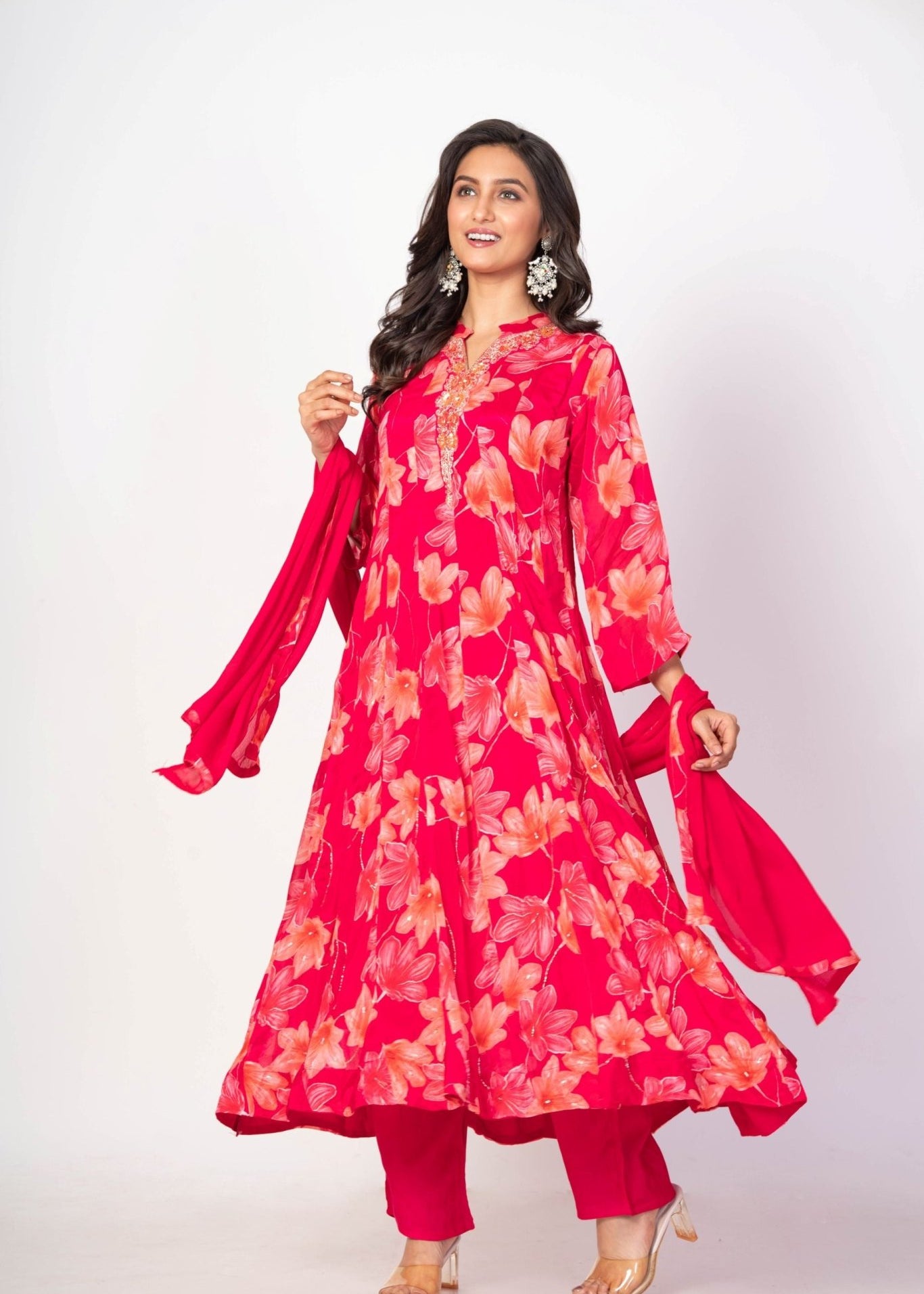
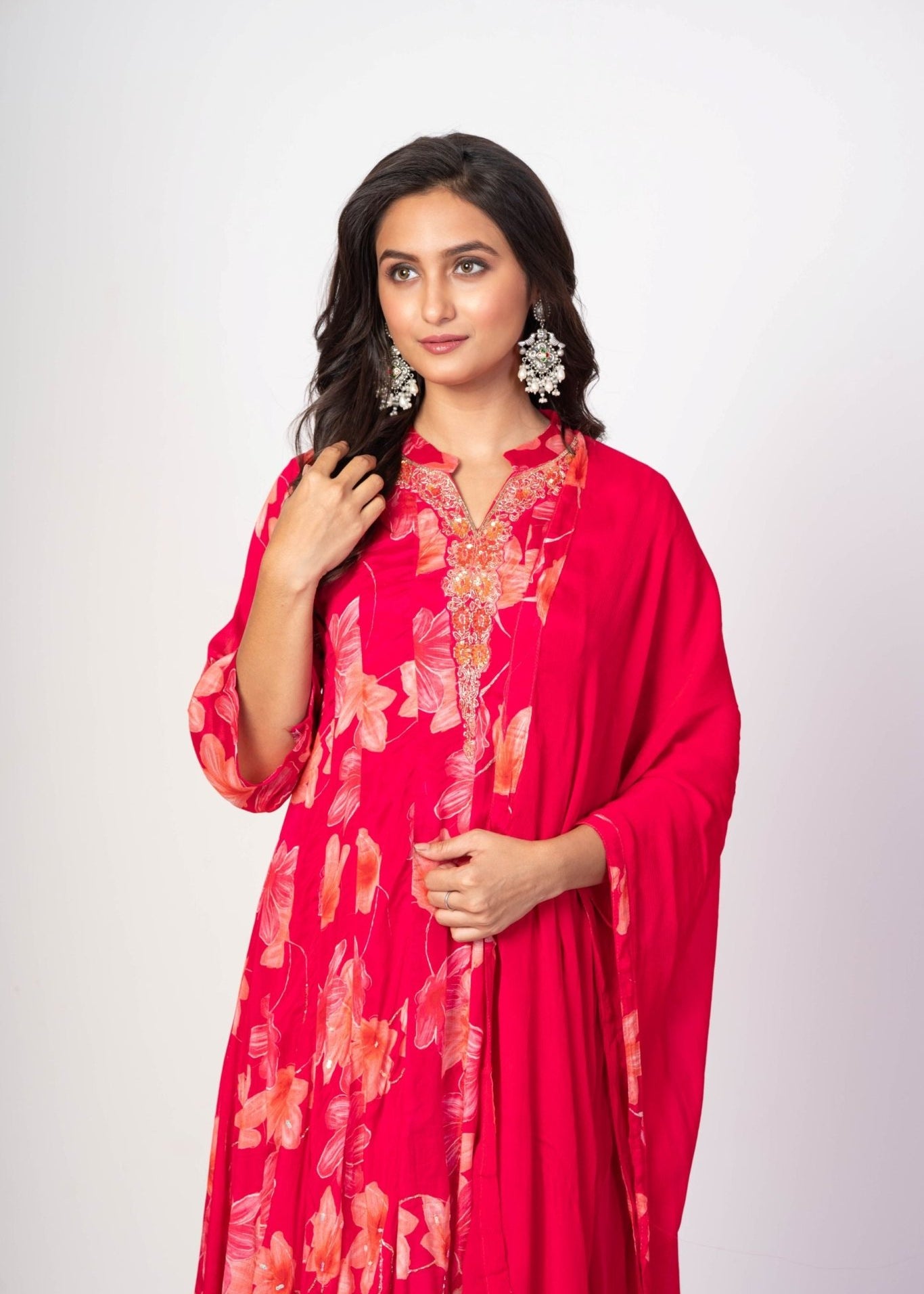
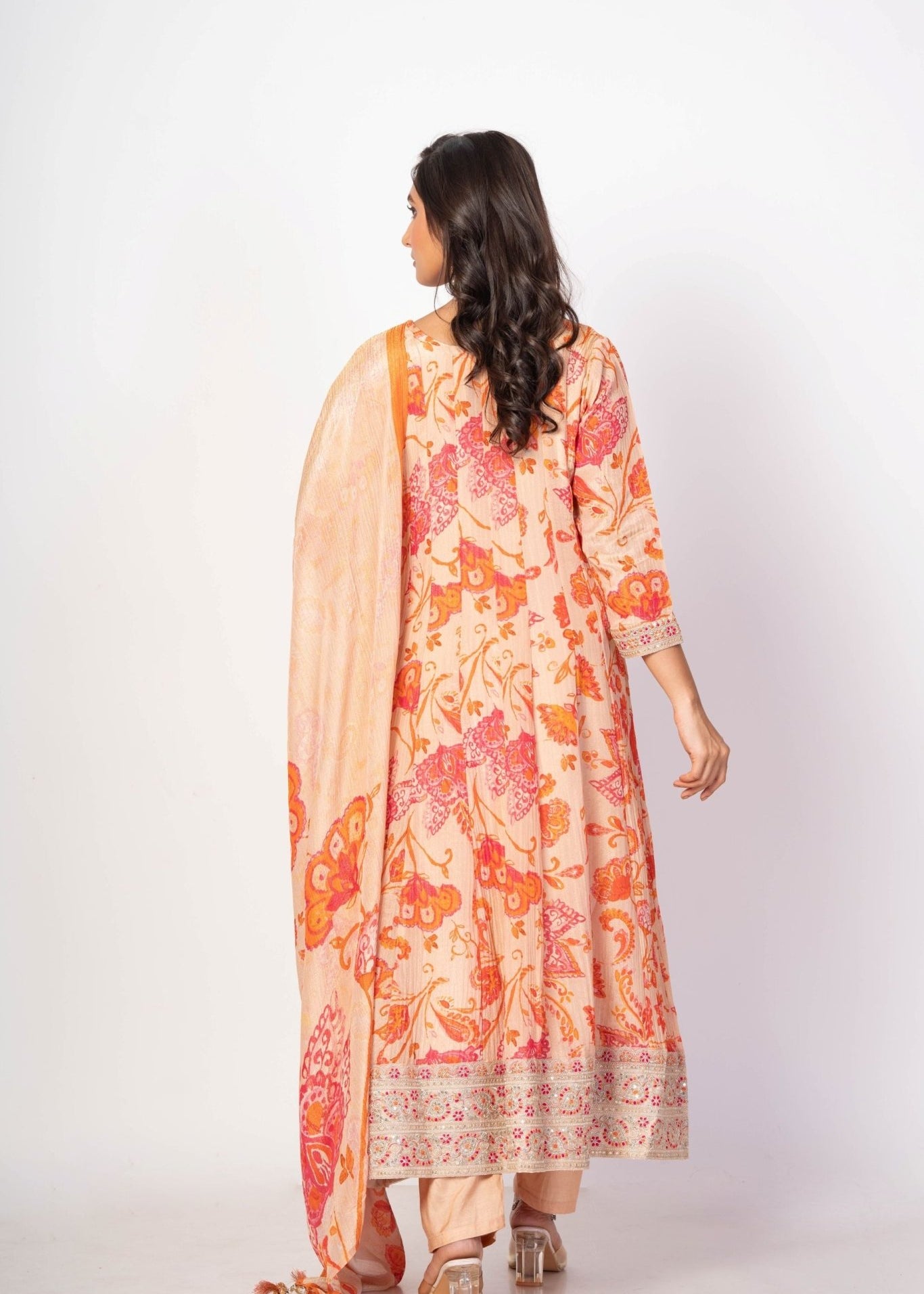
The Anarkali suit is a timeless traditional outfit that combines elegance, comfort, and graceful style. Inspired by the Mughal era, it features a long, flared kurta paired with fitted pants or churidar and a matching dupatta. Popular across North India, the Anarkali is commonly worn for weddings, festivals, family functions, and religious celebrations. It is available in fabrics such as silk, georgette, cotton, chiffon, and organza, with embroidery, zari, mirror work, or thread detailing. Today, floor-length, layered, and lightweight Anarkali suits are popular because they offer a traditional look while providing comfort and ease of movement for every occasion.
Traditional Dress: Salwar Kameez
The Salwar Kameez is one of the most comfortable and versatile traditional dresses in India. Originating from Punjab, it consists of a long or short kameez (tunic), loose or fitted salwar (bottom), and a matching dupatta. It is widely worn for daily wear, office, festivals, family gatherings, and religious occasions. Available in cotton, silk, georgette, chiffon, and linen, the Salwar Kameez suits every season and age group. Today, straight-cut suits, A-line styles, palazzo suits, and embroidered designer sets are popular, offering a perfect blend of traditional elegance, comfort, and modern fashion.
Traditional Dress: Sharara & Gharara
The Sharara and Gharara are elegant traditional outfits that originated in Lucknow, Uttar Pradesh, and have a rich Mughal heritage. Both outfits feature a short kurta with wide-legged bottoms and a matching dupatta, although a Gharara has a fitted section around the knees while a Sharara flows freely from the waist. They are popular choices for weddings, Mehendi, Haldi, Eid, and festive celebrations. Crafted in fabrics like georgette, silk, chiffon, and organza, they often feature chikankari, zari, mirror work, or sequin embroidery. Today, lightweight pastel designs and floral embroidered styles are especially popular, offering a perfect balance of traditional charm and modern elegance.
Traditional Dress: Kurti with Palazzo
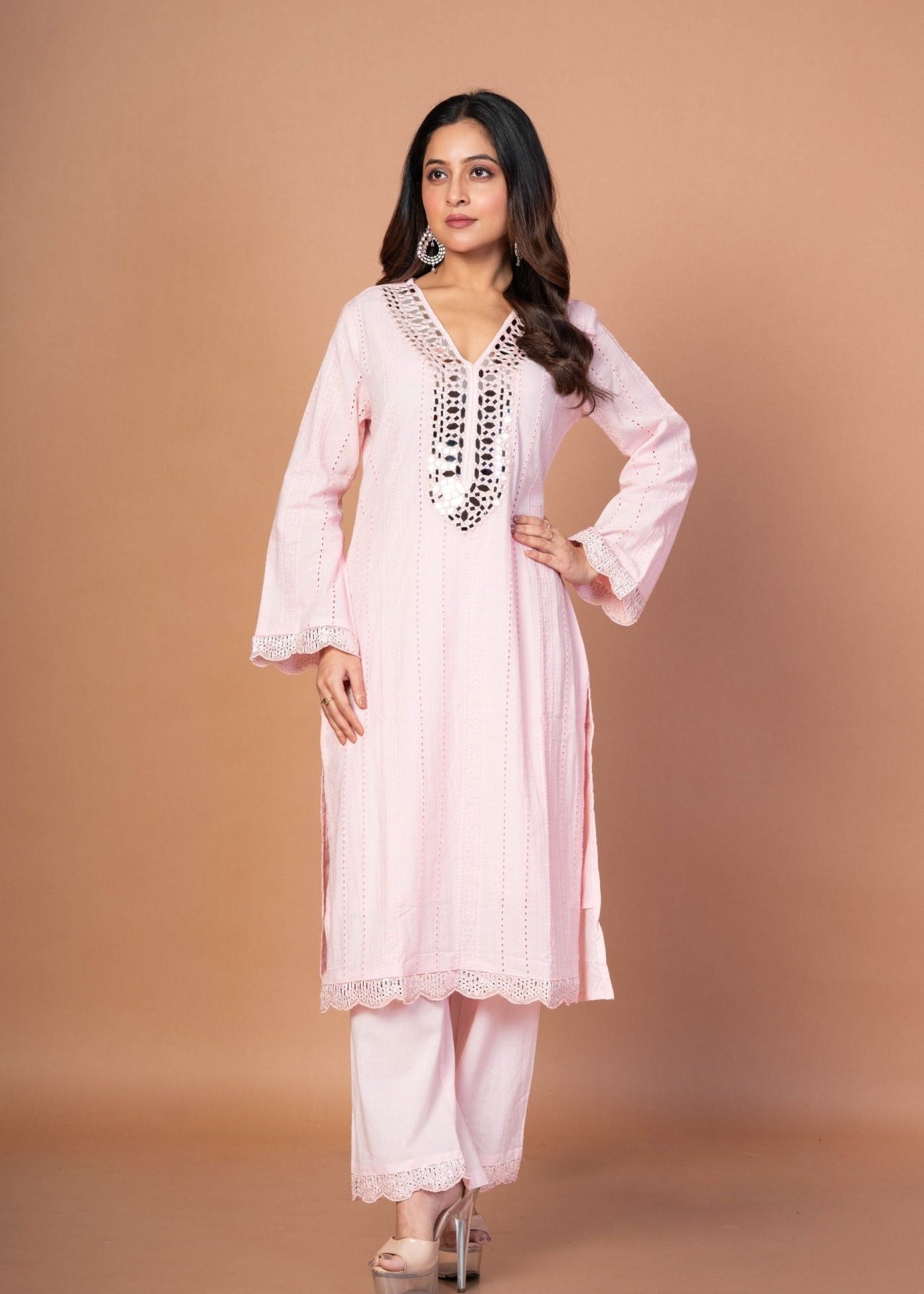
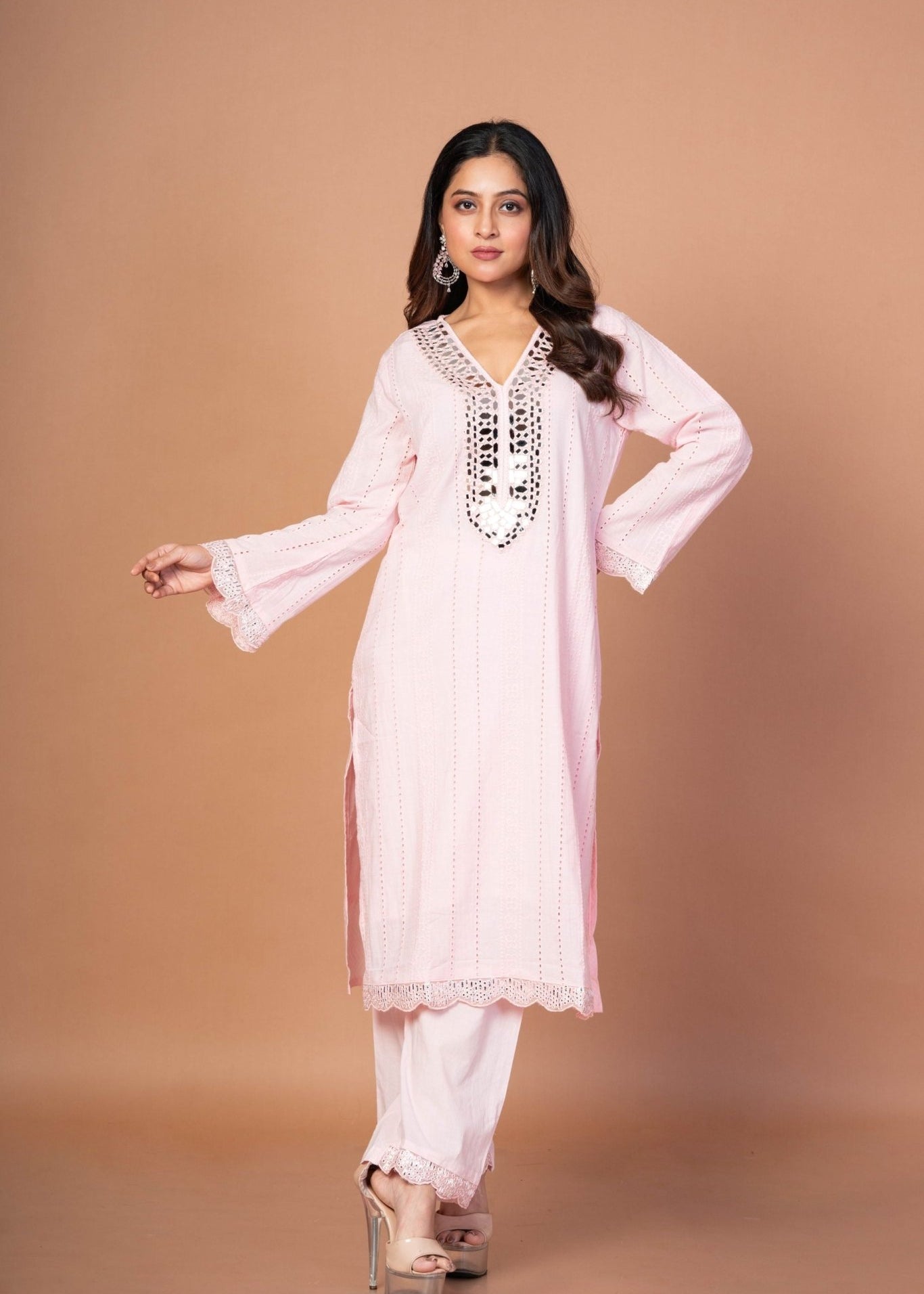
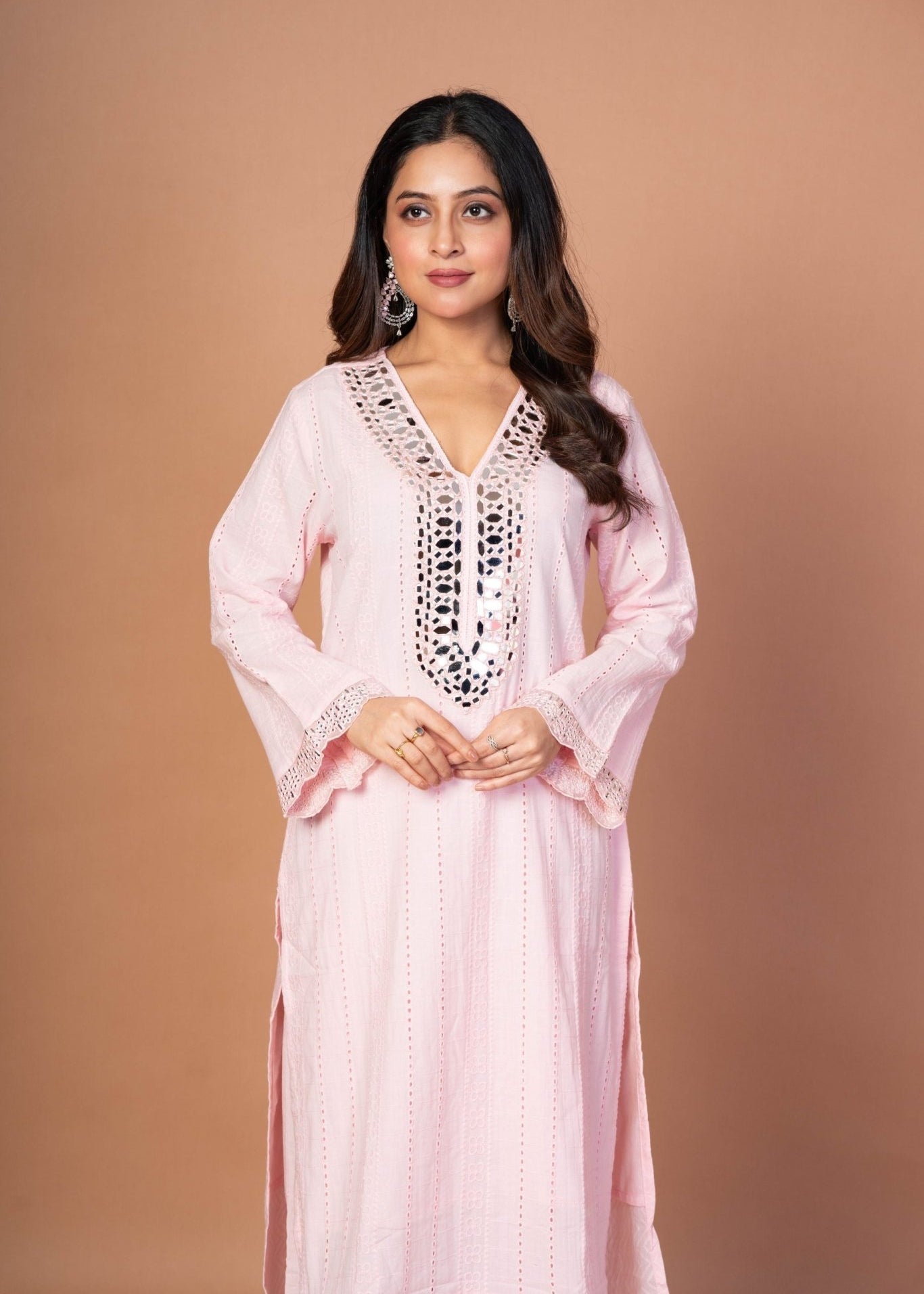
The Kurti with Palazzo is a modern traditional outfit that combines comfort with everyday elegance. Popular across India, it includes a straight, A-line, or flared kurti paired with wide-legged palazzo pants. This outfit is suitable for office wear, family gatherings, festivals, casual outings, and small celebrations. Cotton, rayon, linen, georgette, and silk are the most commonly used fabrics, making it comfortable in every season. Today, embroidered kurtis, printed designs, a contemporary kaftan kurta set, hand-block prints, and matching co-ord styles are popular, giving women a stylish ethnic look that is easy to wear and suitable for both daily and festive occasions.
Traditional Dress: Ghagra Choli
The Ghagra Choli is a vibrant traditional dress that originated in Rajasthan and Gujarat and is closely associated with India's rich folk culture. It consists of a flared skirt (ghagra), a fitted blouse (choli), and a matching dupatta. The outfit is widely worn during Navratri, Garba, weddings, festivals, and cultural celebrations. Traditional Ghagra Cholis are known for mirror work, Bandhani prints, gota patti, embroidery, and colorful handcrafted details. Made from cotton, silk, georgette, and velvet, they offer both beauty and comfort. Today, lightweight designs with contemporary cuts and elegant embroidery are popular, making the Ghagra Choli a timeless choice for festive occasions.
Traditional Dress of North India
North India is known for its colorful and elegant traditional clothing, influenced by royal heritage, local craftsmanship, and diverse cultures. Each state has its own unique styles, fabrics, and embroidery, making the region one of the richest in ethnic fashion. Women commonly wear sarees, salwar kameez, Anarkali suits, lehenga cholis, sharara sets, and phulkari outfits, while men prefer kurta pajamas, sherwanis, dhoti kurtas, and Nehru jackets. Rich fabrics like silk, cotton, brocade, velvet, and georgette are widely used, along with embroidery techniques such as zari, chikankari, phulkari, and gota patti. These traditional outfits are popular for weddings, festivals, religious ceremonies, and family celebrations, beautifully reflecting the cultural heritage of North India.
Traditional Dress of South Indian States
The traditional dress of South India is known for its simplicity, elegance, and rich silk weaving traditions. Each state has its own distinctive attire that reflects its culture and heritage. Women commonly wear Kanjivaram sarees from Tamil Nadu, Kasavu sarees from Kerala, Ilkal sarees in parts of Karnataka, and Pochampally Ikat sarees from Telangana. Men traditionally wear the Veshti (Dhoti), Mundu, or Panche, often paired with a simple shirt or angavastram. South Indian traditional clothing is mainly crafted from silk and fine cotton, making it ideal for the region's warm climate. These outfits are widely worn during weddings, temple visits, festivals such as Onam and Pongal, and other religious and cultural celebrations, showcasing timeless craftsmanship and elegance.
Traditional Dress of East India
The traditional dress of East India reflects the region's rich weaving heritage, handloom traditions, and cultural diversity. Covering states like West Bengal, Odisha, Assam, Bihar, Jharkhand, and Sikkim, the region is known for elegant handcrafted textiles. Women commonly wear Jamdani and Baluchari sarees from West Bengal, Sambalpuri and Bomkai sarees from Odisha, and the Mekhela Chador from Assam. Men traditionally wear dhoti-kurta, kurta-pajama, and regional handloom garments for festivals and cultural events. Cotton, silk, Muga silk, Eri silk, and handwoven fabrics are widely used. These traditional outfits are commonly worn during Durga Puja, Bihu, Rath Yatra, weddings, and religious ceremonies, celebrating the rich artistic heritage of Eastern India.
How to Style Traditional Dresses
A traditional dress looks its best when it is styled to match both the occasion and your personal style. For weddings and grand celebrations, choose outfits with rich fabrics, hand embroidery, zari work, or traditional weaving, and pair them with statement jewellery for a complete festive look. For family gatherings, festive pujas, or cultural events, lighter fabrics, versatile maxi dresses for women, and subtle embellishments offer both comfort and elegance throughout the day. If you prefer contemporary fusion for evening receptions, styling a glamorous gown for women or an elegant black gown with traditional kundan or polki jewelry creates a striking modern aesthetic. Complete your outfit with matching footwear such as juttis, mojaris, or embellished sandals, and carry a coordinated handbag or potli bag for a polished finish. A neatly draped dupatta, simple makeup, and a hairstyle that complements your outfit can make a noticeable difference. You can also experiment with regional textiles, vibrant colours, or classic handloom pieces to create a timeless look. Most importantly, wear a traditional dress that fits well and reflects your personality, because confidence always adds the perfect finishing touch.
Popular Search
Explore More


FAQs
The traditional dress of Gujarat reflects the state's rich culture, vibrant colors, and skilled craftsmanship. Women commonly wear a Chaniya Choli, which includes a flared skirt (chaniya), a fitted blouse (choli), and a dupatta. These outfits are often decorated with mirror work, embroidery, beadwork, and patchwork, making them popular during festivals like Navratri. Men traditionally wear a Kediyu, a short embroidered tunic, paired with dhoti or churidar and a colorful turban. Gujarat is also famous for its Bandhani, Patola, and Gharchola textiles, which are widely used in traditional clothing.
India does not have one single traditional dress because every state has its own unique clothing style. However, the saree is one of the most recognized traditional outfits for women across the country, while men commonly wear garments such as the dhoti, kurta-pajama, or sherwani for cultural and festive occasions. Different regions have their own traditional attire, such as Banarasi sarees from Uttar Pradesh, Kanjivaram sarees from Tamil Nadu, and Kasavu sarees from Kerala. India's traditional clothing is known for its beautiful fabrics, handloom weaving, embroidery, and cultural significance.
The traditional dress of Tamil Nadu is known for its simplicity, elegance, and silk weaving heritage. Women traditionally wear the Kanjivaram (Kanchipuram) silk saree, which is famous for its rich silk fabric, vibrant colors, and intricate gold zari borders. It is commonly worn during weddings, festivals, and religious ceremonies. Men usually wear a veshti (a white or cream dhoti), often paired with a white shirt or angavastram. These traditional outfits represent the state's cultural values and are an important part of Tamil Nadu's celebrations and customs.
The traditional dress of Uttar Pradesh combines cultural heritage with timeless elegance. Women commonly wear sarees, especially Banarasi silk sarees, which are famous for their luxurious silk fabric and intricate zari weaving. Salwar suits and lehengas are also popular for festivals and weddings. Men traditionally wear a dhoti-kurta or kurta-pajama, while sherwanis are commonly worn during weddings and special occasions. The state's traditional clothing reflects its rich history, craftsmanship, and connection to Indian culture.
The traditional dress of Kerala is admired for its simple yet elegant appearance. Women traditionally wear the Kasavu saree, a white or off-white saree with a beautiful gold border, especially during festivals like Onam, weddings, and religious ceremonies. They may also wear the traditional Kasavu set mundu, which consists of two matching pieces of fabric. Men commonly wear the Mundu, a white or cream-colored garment wrapped around the waist, often paired with a shirt or angavastram. Kerala's traditional attire reflects the state's cultural heritage, comfort, and graceful style.
Latest Dresses Collection with Price
Dresses List
Price
