



Wedding & Reception Lehengas for Women
Choosing a wedding or reception lehenga is about more than finding a beautiful outfit; women usually want a design that suits the occasion, feels comfortable for hours, and complements their personal style. Our Wedding & Reception Lehengas for Women bring together traditional Indian craftsmanship and contemporary silhouettes, making it easier to find an outfit for the bride, bridesmaid, sister, or wedding guest. For the wedding ceremony, richly detailed lehengas with embroidery, zari work, sequins, or traditional motifs can create a more festive and ceremonial look. Reception celebrations often allow greater freedom to explore lighter embellishments, modern cuts, elegant fabrics, and statement colours while maintaining a sophisticated appearance. At Anvi Couture, we focus on thoughtful detailing, fabric selection, fit, and finishing so each lehenga feels considered rather than simply decorative. Explore styles across different colours, silhouettes, and embellishment levels to find a lehenga that suits your celebration, styling preferences, and comfort.
Read more64 Products
64 Products


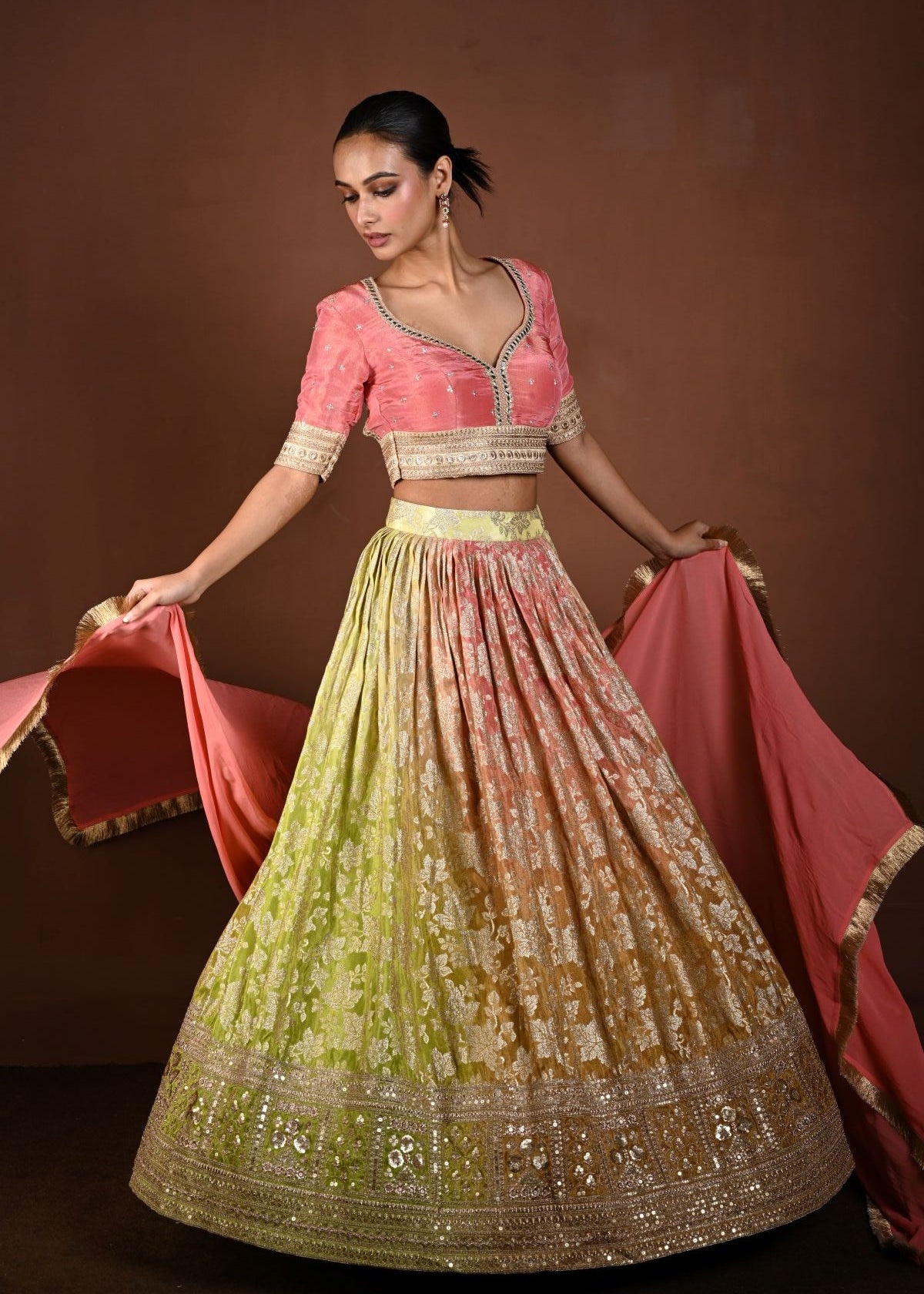
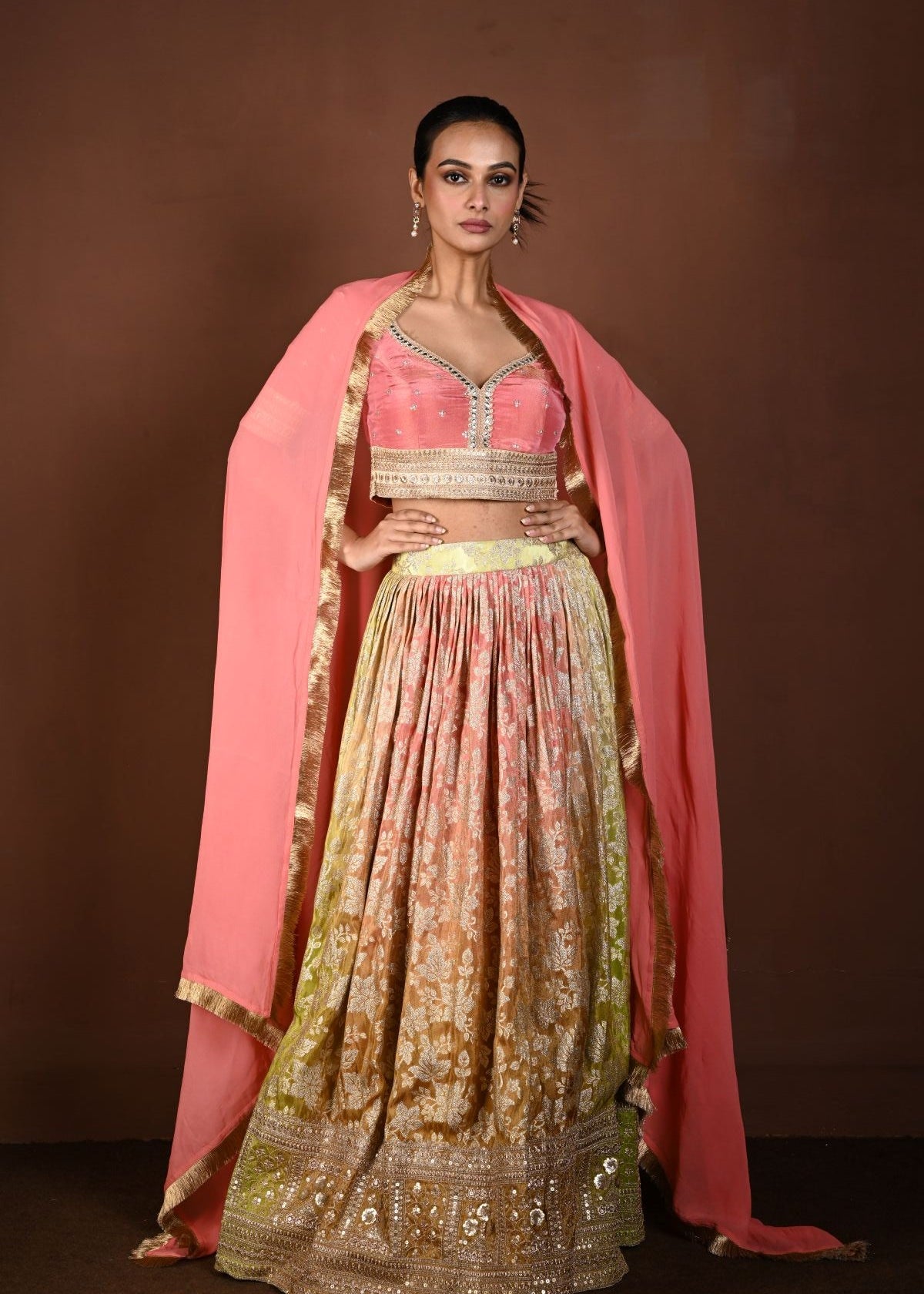
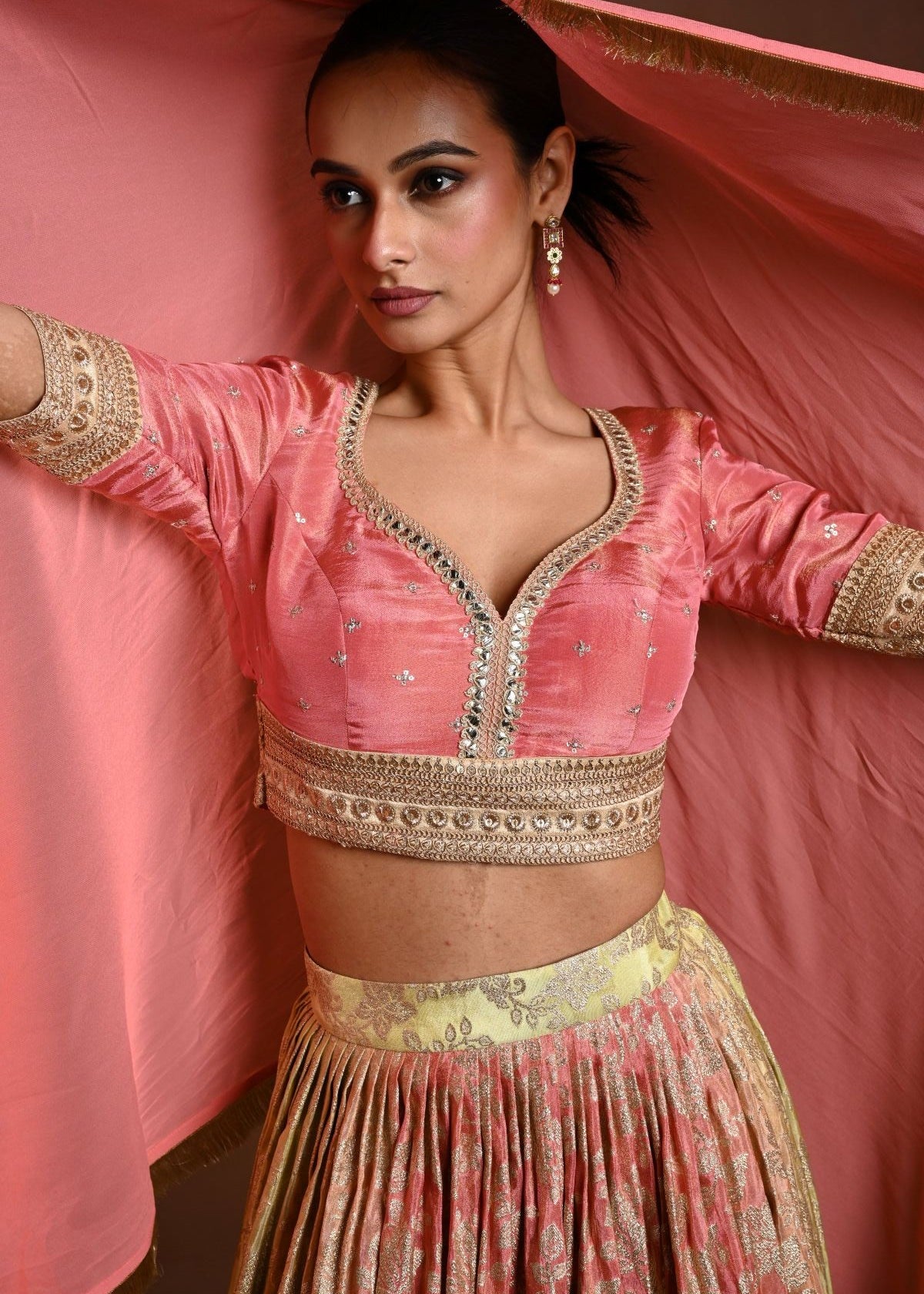
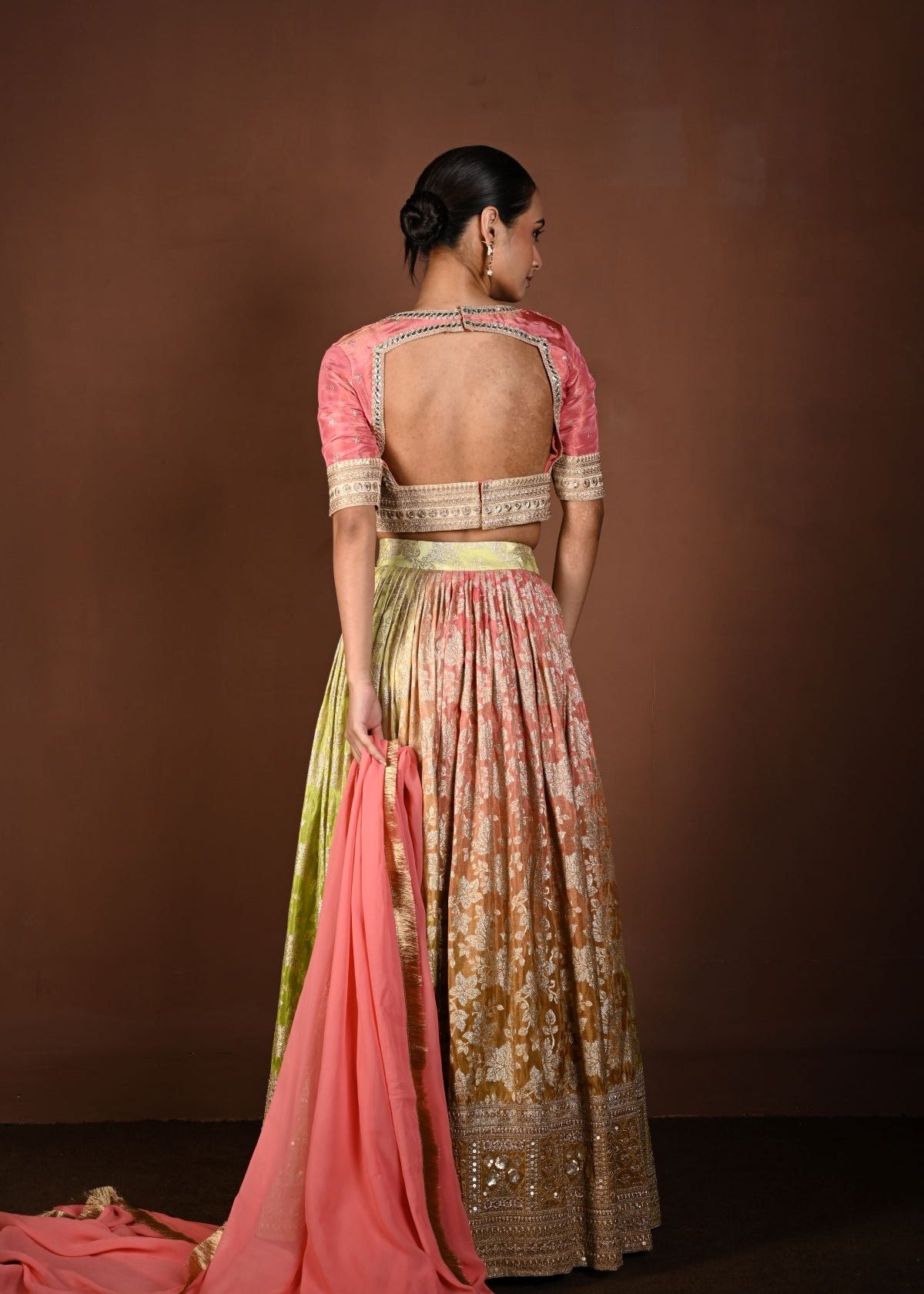
Explore Wedding & Reception Lehenga Designs
Choosing the right lehenga depends on the role you have at the wedding, the formality of the occasion, and how long you expect to wear it. From heavily embroidered bridal styles to lighter reception and guest looks, the right design should balance visual appeal, comfort, fabric, fit, and the overall mood of the celebration. Explore these styles to understand which lehenga works best for your wedding function and personal style.
Bridal Wedding Lehengas
Bridal lehengas are designed to create a memorable look while carrying the richness and tradition expected from a wedding ceremony. Detailed embroidery, zari, sequins, threadwork, and layered skirts can add depth without making the outfit feel unnecessarily heavy. When choosing a bridal lehenga, consider the wedding venue, ceremony duration, blouse fit, skirt structure, and dupatta styling. A well-finished lehenga should not only photograph beautifully but also allow you to move, sit, and participate comfortably throughout the celebration.
Reception Lehengas
A reception lehenga offers more freedom to experiment with contemporary silhouettes, sophisticated colours, and refined embellishment. Instead of choosing a design only for its decorative appeal, consider how the fabric falls, how the blouse complements your body shape, and whether the embellishment suits the evening setting. Velvet, silk, satin, organza, and other dressier fabrics can create different finishes, while sequins, metallic embroidery, or subtle crystal detailing can add a polished reception-ready look.
Engagement & Pre-Wedding Lehengas
Engagement and pre-wedding celebrations often call for lehengas that feel festive without competing with the grandeur of the wedding ceremony. Lighter embroidery, floral motifs, pastel shades, contemporary prints, and elegant skirt-and-blouse combinations can work particularly well for daytime or intimate events. Since these occasions may involve considerable movement and photography, choosing a comfortable fabric and manageable silhouette can make a noticeable difference. The right lehenga should reflect your personal style while remaining appropriate for the setting and celebration.
Wedding Guest Lehengas
Wedding guest lehengas allow you to embrace Indian festive fashion while keeping the overall look appropriate to your role at the celebration. Instead of choosing bridal-level embellishment, guests can explore elegant embroidery, printed fabrics, subtle zari, contemporary cuts, or coordinated dupattas. Consider the wedding's dress code, time of day, venue, and season before selecting a colour and fabric. A thoughtfully styled guest lehenga can feel festive and distinctive while allowing the bride to remain the natural focus of the occasion.
How to Choose the Right Wedding or Reception Lehenga
Choosing a wedding or reception lehenga involves more than selecting a colour or embroidery pattern. The occasion, fabric, embellishment, silhouette, fit, and comfort all influence how the outfit looks and feels throughout the celebration. A considered choice also helps ensure that the lehenga suits the venue, season, photography, and level of formality. Use the following factors to compare designs and select an outfit that feels appropriate, comfortable, and personal rather than simply following a current trend.
Choose Your Lehenga According to the Wedding Function
Start by considering the specific function because a bridal wedding lehenga may be far more elaborate than an outfit for an engagement, reception, or wedding guest appearance. Traditional wedding ceremonies often suit richer embroidery, structured silhouettes, and detailed dupattas, while receptions can accommodate contemporary cuts and refined embellishment. For daytime functions, lighter colours and fabrics can feel more natural, whereas evening celebrations can support deeper shades and more reflective detailing. Matching the design to the function creates a more balanced overall look.
Choose a Lehenga Fabric for Comfort and Appearance
The fabric affects both the visual character of a lehenga and how comfortable it remains during extended wear. Silk and velvet can create a rich, structured appearance, while georgette and lighter fabrics generally offer softer movement and easier draping. Organza can provide a crisp, elegant finish but may feel different from fluid fabrics. Consider the season, venue, duration of the event, and amount of movement involved before choosing. The fabric should complement the embroidery while allowing the skirt and dupatta to fall naturally.
Consider the Weight of Embroidery
Embroidery can transform a lehenga, but heavier embellishment is not automatically better for every wedding occasion. Dense zari, sequins, beads, and layered embroidery can create a luxurious bridal appearance, while more selective detailing may be preferable for receptions or guest outfits. Consider where the embellishment is concentrated because a heavily decorated waistband, blouse, or hem can affect comfort differently from evenly distributed work. Checking the construction and finishing of the embroidery can also help you understand how practical the lehenga will be for extended wear.
Select the Right Lehenga Silhouette
The silhouette determines how the lehenga moves, photographs, and works with your preferred styling. A flared circular or panelled skirt can create dramatic movement, while an A-line shape can offer a more streamlined appearance with easier movement. Consider the volume of the skirt alongside the blouse length, neckline, waist placement, and dupatta style rather than evaluating the skirt alone. Most importantly, the waistband and blouse should provide a secure, comfortable fit because even a beautifully designed lehenga can feel restrictive when the proportions are not right.
Choose a Colour That Works With the Occasion
Colour selection should reflect the function, time of day, personal preference, and overall wedding setting rather than relying only on seasonal trends. Traditional bridal colours such as red, maroon, pink, and deeper jewel tones can create a ceremonial appearance, while pastels, neutrals, and softer shades can work beautifully for daytime or pre-wedding celebrations. For receptions, metallic accents and deeper colours can complement evening lighting. Also consider how the chosen colour works with your jewellery, dupatta, blouse detailing, and the venue's visual setting.
Wedding Lehenga vs Reception Lehenga: What's the Difference?
A wedding lehenga and a reception lehenga can both be richly detailed, but they are usually chosen with different settings, styling expectations, and levels of formality in mind. Understanding these differences can help you select an outfit that feels appropriate for the ceremony while still reflecting your personal style. The choice does not have to follow a fixed rule; the venue, time of day, cultural traditions, and your role in the celebration can all influence which design feels right.
Wedding Lehenga
A wedding lehenga is generally chosen for the main ceremony, where traditional detailing and a more ceremonial appearance often take priority. Bridal designs may feature intricate embroidery, zari, threadwork, sequins, or traditional motifs, with a fuller skirt and statement dupatta adding to the overall grandeur. When selecting one, look beyond surface embellishment and consider the lehenga's weight, construction, fit, and comfort. Since wedding ceremonies can last several hours, the outfit should allow you to move and sit comfortably while maintaining its structure and finish.
Reception Lehenga
A reception lehenga often provides greater scope for contemporary styling, refined embellishment, and modern colour combinations. Depending on the venue and dress code, you might choose a sleek silhouette, lighter embroidery, metallic detailing, or fabrics such as silk, satin, velvet, or organza. Evening receptions can work particularly well with deeper colours and subtle reflective embellishments that respond beautifully to event lighting. Comfort remains important, especially when the reception includes dinner, photographs, dancing, and extended socialising.
Can You Wear the Same Lehenga for the Wedding and Reception?
Yes, wearing the same lehenga for both occasions can be a practical and stylish choice, particularly when the design is versatile enough to suit both settings. You can create a noticeably different appearance by changing the blouse, dupatta drape, jewellery, footwear, hairstyle, or makeup. A richly detailed lehenga can therefore be restyled for a reception without looking identical to the ceremony look. Before buying, consider whether the skirt, blouse, and dupatta can be coordinated in multiple ways so the outfit offers greater value beyond a single event.
Wedding & Reception Lehenga Fabrics
The fabric of a lehenga influences its drape, structure, comfort, movement, and overall appearance, so it is worth considering alongside colour and embroidery. A fabric that looks beautiful in photographs may feel very different after several hours of wear, particularly during a long wedding ceremony or reception. Understanding how different fabrics behave can help you choose a lehenga that suits the season, venue, level of embellishment, and style of celebration.
Silk and Brocade Lehengas
Silk and brocade are well suited to occasions where you want a lehenga with a rich, structured appearance and traditional character. Silk can provide a smooth base for embroidery, zari, or other surface detailing, while brocade introduces woven motifs and texture directly into the fabric. These fabrics work particularly well for bridal and formal wedding looks because they hold their shape effectively. When choosing one, consider the weight of the fabric and embroidery together to ensure the finished lehenga remains comfortable.
Organza Lehengas
Organza creates a crisp, lightweight appearance that can give a lehenga a refined and contemporary finish. Its slightly structured quality works especially well for voluminous skirts, layered designs, statement dupattas, and delicate embroidery. Organza can be a particularly appealing option for engagement ceremonies, receptions, and daytime celebrations where an airy look is desirable. Because the fabric has less fluid movement than softer textiles, pay attention to the skirt construction and lining to ensure the lehenga feels comfortable while walking, sitting, and moving.
Georgette and Chiffon Lehengas
Georgette and chiffon are valued for their fluid drape and lighter feel, making them useful choices when ease of movement is important. Their softer fall can create graceful movement through the skirt and dupatta without adding unnecessary structure to the outfit. These fabrics can work across pre-wedding celebrations, receptions, and wedding guest looks, depending on the embroidery and styling. For longer events, check the lining, waistband, and finishing carefully because these details can make a significant difference to comfort and fit.
Velvet Lehengas
Velvet brings depth, softness, and a naturally luxurious appearance to formal lehengas, making it particularly suited to evening and winter celebrations. Its rich surface can pair beautifully with zari, metallic embroidery, sequins, or traditional motifs, creating a more dramatic wedding or reception look. Because velvet can feel warmer and visually heavier than lighter fabrics, consider the season, venue temperature, and amount of embellishment before choosing it. A well-balanced velvet lehenga can provide both a distinctive texture and an elegant, formal presence.
Wedding & Reception Lehenga Colours
Lehenga colour can shape the overall mood of your wedding outfit, but the right choice depends on more than current fashion trends. Consider the ceremony, time of day, venue, jewellery, skin-tone preferences, and how the colour will appear under natural or event lighting. Traditional shades can create a ceremonial feel, while softer and deeper contemporary colours offer different ways to express personal style. Exploring the colour families below can make it easier to choose a lehenga that feels appropriate for the occasion.
Traditional Red and Maroon Lehengas
Red and maroon remain closely associated with traditional bridal dressing and can create a rich, ceremonial appearance. Red offers a brighter and more vibrant expression, while maroon provides greater depth and can pair beautifully with antique gold, zari, or traditional embroidery. These shades work particularly well for formal wedding ceremonies, especially when combined with detailed craftsmanship. If choosing a heavily embellished design, consider balancing the richness of the colour with the embroidery so the overall outfit remains elegant rather than visually overwhelming.
Pink and Fuchsia Lehengas
Pink and fuchsia offer a versatile alternative to traditional red while retaining a distinctly festive character. Softer pinks can create a romantic and delicate appearance, whereas fuchsia provides stronger colour and works well for vibrant wedding celebrations. These shades can be paired with gold, silver, or contrasting embroidery depending on the desired finish. They are suitable for bridal, engagement, reception, and festive guest looks, allowing the same colour family to work across different occasions with changes in silhouette and embellishment.
Wine and Burgundy Lehengas
Wine and burgundy create a sophisticated, deeper colour palette that can work particularly well for evening weddings and receptions. Their rich undertones complement gold, antique-gold, champagne, and even carefully chosen contrasting embroidery. These colours can also offer a more understated alternative to bright bridal red without losing the formality expected from a wedding outfit. Consider the venue lighting before choosing a very dark shade, as heavily shaded environments can reduce colour definition in photographs and make intricate embroidery less visible.
Ivory and Champagne Lehengas
Ivory and champagne lehengas create a refined appearance and can be especially effective for contemporary receptions, engagements, and elegant evening celebrations. Their neutral foundation allows embroidery, metallic accents, pearls, sequins, and statement jewellery to become more noticeable. These colours can also provide a softer alternative to stronger bridal shades when the wedding style is modern or minimalist. Before choosing an ivory-toned lehenga, check the exact undertone because warm champagne, creamy ivory, and cooler off-white shades can create noticeably different overall effects.
Pastel Wedding Lehengas
Pastel lehengas in shades such as blush, lavender, powder blue, mint, peach, and soft yellow can create a fresh and graceful wedding look. They are particularly suited to daytime ceremonies, engagement celebrations, intimate weddings, and pre-wedding functions, although the right embellishment can make them equally appropriate for receptions. Since lighter colours can appear understated, consider adding dimension through embroidery, textured fabrics, layered dupattas, or jewellery. The final look should balance the softness of the colour with enough detail for the occasion.
Emerald and Other Jewel-Tone Lehengas
Emerald, sapphire, teal, royal blue, and other jewel tones can create a dramatic and sophisticated alternative to traditional bridal colours. Their depth works particularly well with metallic embroidery, making them suitable for evening receptions, formal weddings, and statement festive looks. When choosing a jewel tone, consider how the shade interacts with your jewellery, blouse detailing, and venue lighting. Rich colours can already make a strong visual statement, so carefully placed embroidery can often create a more polished result than excessive embellishment.
Why Choose Anvi Couture for Wedding & Reception Lehengas?
Choosing your wedding lehenga is about more than finding an attractive design. As a bride, you want to feel confident about the fabric, craftsmanship, fit, customisation, and finishing because you will be wearing the outfit for one of your most important celebrations. At Anvi Couture, we combine our experience with Indian ethnic wear and an understanding of traditional textiles to guide you through these choices. From selecting the design to discussing measurements and finishing, our approach focuses on creating a lehenga that feels personal to you.
Experience in Indian Ethnic Wear
With experience in Indian ethnic wear, we understand that bridal dressing involves many details beyond the lehenga itself. The silhouette, blouse, dupatta, embroidery, fabric, and styling need to work together to create a balanced look. We help brides consider these elements together so that the final outfit reflects the occasion while remaining connected to the richness of Indian festive dressing.
Understanding of Indian Textiles
Indian textiles have their own textures, drapes, weaving techniques, and visual character, and these qualities can influence how a lehenga looks and feels. Our understanding of fabrics and traditional textile aesthetics helps us guide brides when considering materials, embellishment, structure, and styling. Whether you prefer a richly textured traditional look or a lighter contemporary finish, the fabric should support the design rather than simply act as its base.
Customization and Personalization
Your bridal outfit should feel like your own, especially when you already have a particular colour, blouse style, embroidery detail, or silhouette in mind. Depending on the design and fabric, we offer customisation options that allow you to discuss these preferences with our team. We help you understand what can be adapted so that your lehenga remains cohesive while incorporating the details that are personally meaningful to you.
Customer-Focused Fitting
A beautiful bridal lehenga should also feel comfortable when you are wearing it for several hours. Our fitting process focuses on understanding your measurements and preferred fit before the garment is tailored. We encourage brides to communicate specific fitting preferences or concerns during the measurement stage because small details such as blouse fit, skirt length, and waist placement can make a meaningful difference to comfort and confidence.
Quality and Finishing Checks
The final appearance of a bridal lehenga depends on more than the design shown in a photograph. Stitching, embroidery placement, seams, closures, lining, finishing, and overall construction all contribute to how the garment looks and performs when worn. Our process includes attention to these details before the garment is prepared for delivery, helping ensure that the finished lehenga reflects the approved design and customisation requirements.
Real Customer Experience
A bride's experience extends beyond receiving a beautifully designed outfit; clear communication and realistic expectations are equally important. We aim to keep customers informed about measurements, customisation, production timelines, and applicable policies throughout the order process. Our customer feedback and experiences help us understand what brides value when choosing and preparing their wedding outfits, from personalised styling discussions to the practical details of fit and delivery.
What Is a Reception Lehenga for a Wedding?
A reception lehenga is an Indian festive outfit worn for a wedding reception, usually after the main wedding ceremony. Reception lehengas can range from richly embroidered bridal designs to contemporary styles with sequins, metallic details, statement blouses, or softer colours. Unlike a traditional wedding lehenga, a reception lehenga often allows greater flexibility with colour, silhouette, fabric, and embellishment. Brides may choose a distinct reception look, while bridesmaids and close family members can select lighter designs. The venue, time, dress code, comfort, jewellery, and overall wedding styling should also influence the choice.
Can We Wear a Lehenga to a Wedding Reception?
Yes, a lehenga is an appropriate choice for most wedding receptions when Indian festive or formal attire is suitable. Brides can choose an elaborate reception lehenga, while bridesmaids, family members, and guests can select designs with a more moderate level of embellishment. For evening receptions, sequins, metallic embroidery, velvet, jewel tones, and statement blouses can create a sophisticated appearance. For daytime celebrations, lighter fabrics and softer colours may be more comfortable. Always consider the invitation, venue, dress code, your relationship to the couple, and whether your outfit could visually compete with the bride.
How to Choose a Lehenga for Reception?
Choose a reception lehenga by considering the occasion, venue, time, dress code, fabric, embroidery, colour, and comfort together. Evening receptions can suit deeper colours, metallic detailing, sequins, and richer fabrics, while daytime events may work better with lighter fabrics and softer shades. Consider how long you will wear the outfit and whether the skirt, blouse, and dupatta allow comfortable movement. Pay particular attention to blouse measurements, because shoulder, bust, armhole, and neckline fit can significantly affect comfort. For custom lehengas, allow sufficient time for measurements, tailoring, fitting, and alterations.
What Is the Latest Trend in Reception Lehengas?
Current reception lehenga designs increasingly combine traditional Indian craftsmanship with contemporary silhouettes and styling. Popular design directions include statement blouses, structured skirts, refined sequin work, metallic embroidery, pastel shades, ivory and champagne palettes, jewel tones, and modern dupatta draping. Personalization is also becoming important, with brides considering custom measurements, blouse designs, colours, embroidery placement, and styling details. Rather than choosing a lehenga only because it is trending, consider the reception venue, lighting, season, jewellery, comfort, and personal style. A well-balanced design can remain elegant beyond a single wedding season.
What Not to Wear to a Wedding Reception?
Avoid ignoring the stated dress code, particularly when the invitation specifies formal, traditional, cocktail, or another defined style. Wedding guests should also avoid deliberately choosing an outfit that closely imitates the bride's distinctive wedding or reception look. Extremely heavy embellishment may feel inappropriate for a simple daytime celebration, while an overly casual outfit may not suit a formal evening reception. Comfort also matters because receptions can involve several hours of standing, walking, dining, dancing, and photographs. Before choosing a lehenga, consider the venue, formality, relationship to the couple, and expected styling.
Popular Search
Explore More


Latest lehanga Collection with Price
lehanga List
Price
