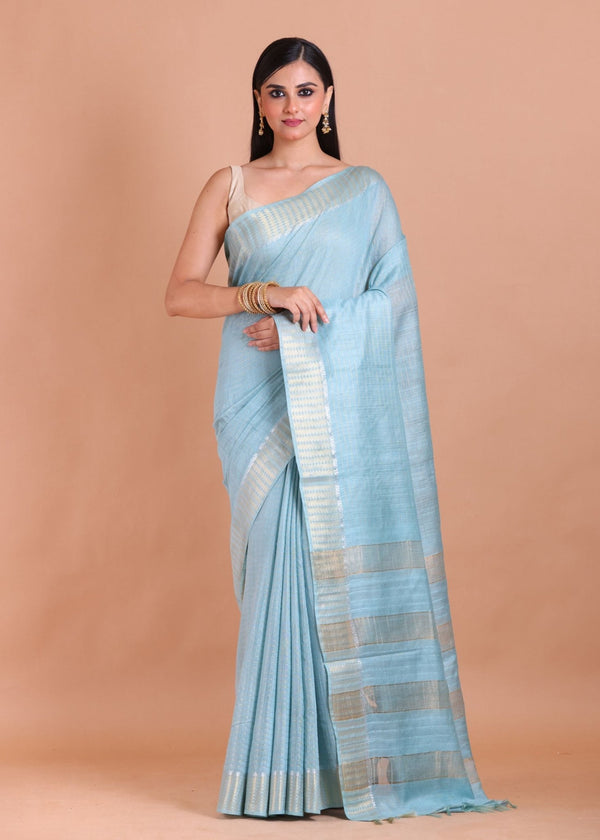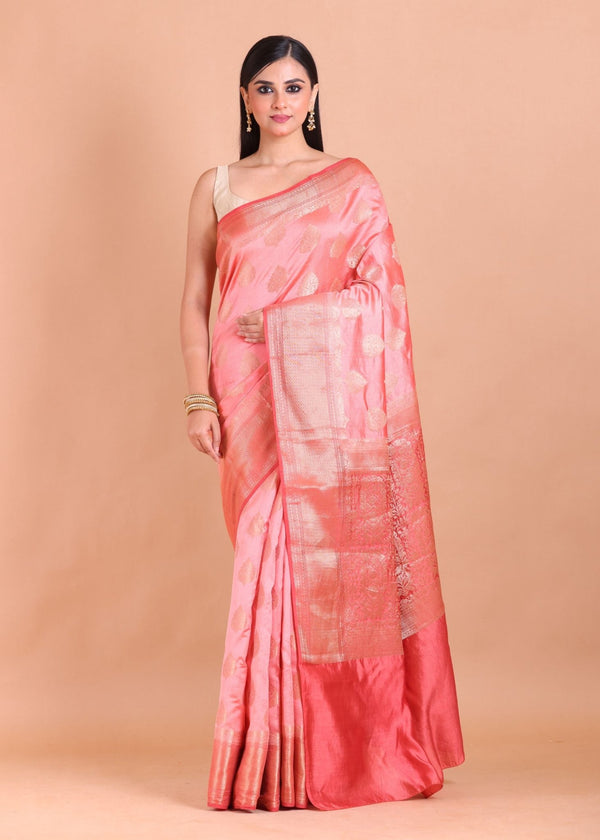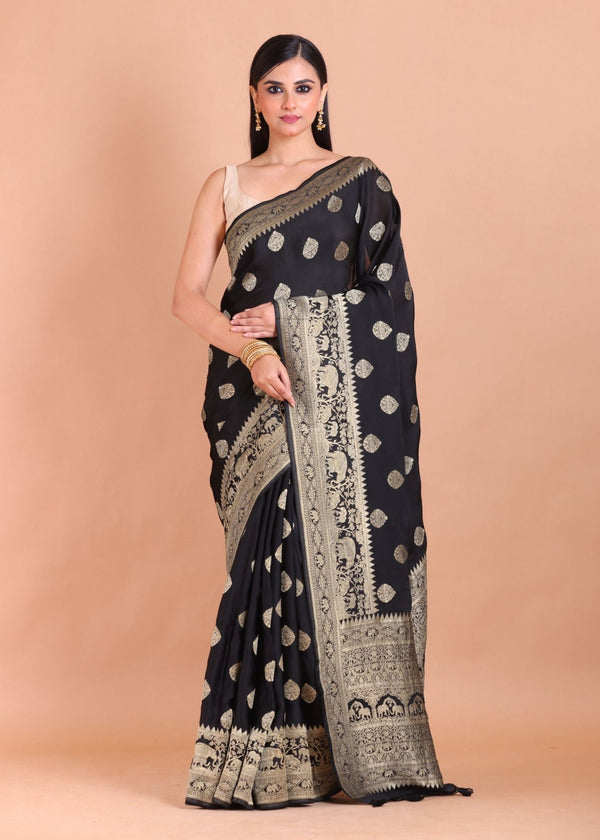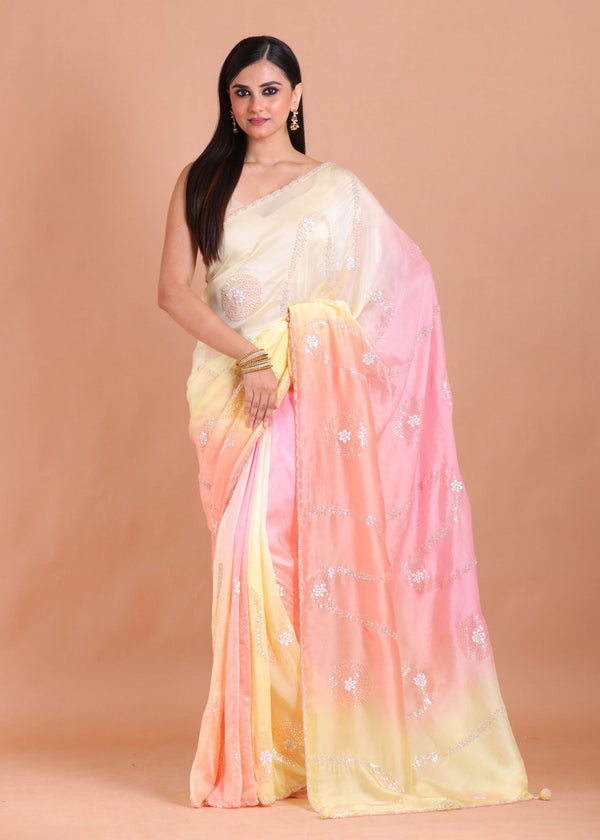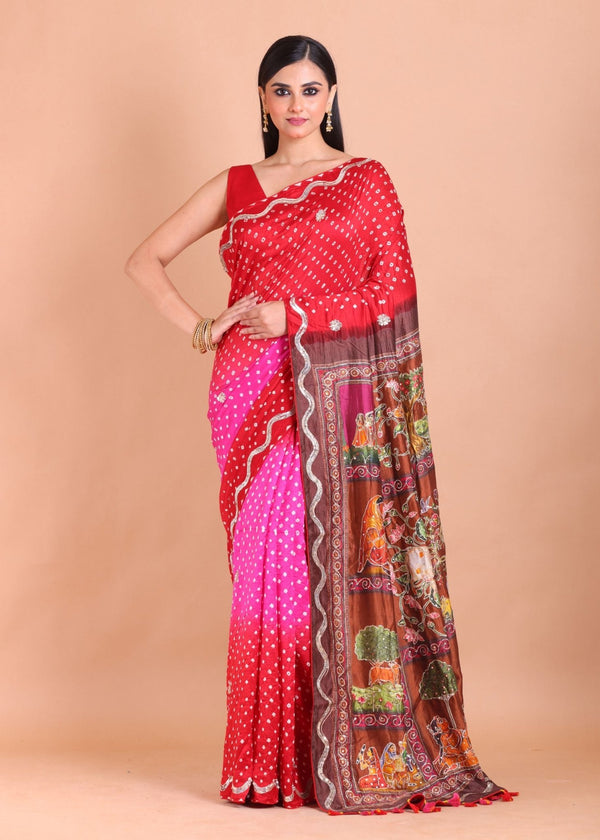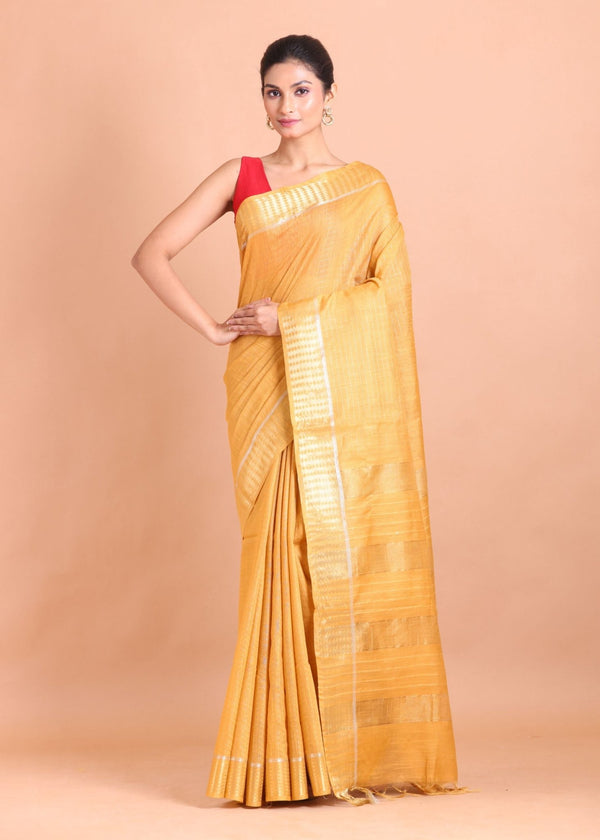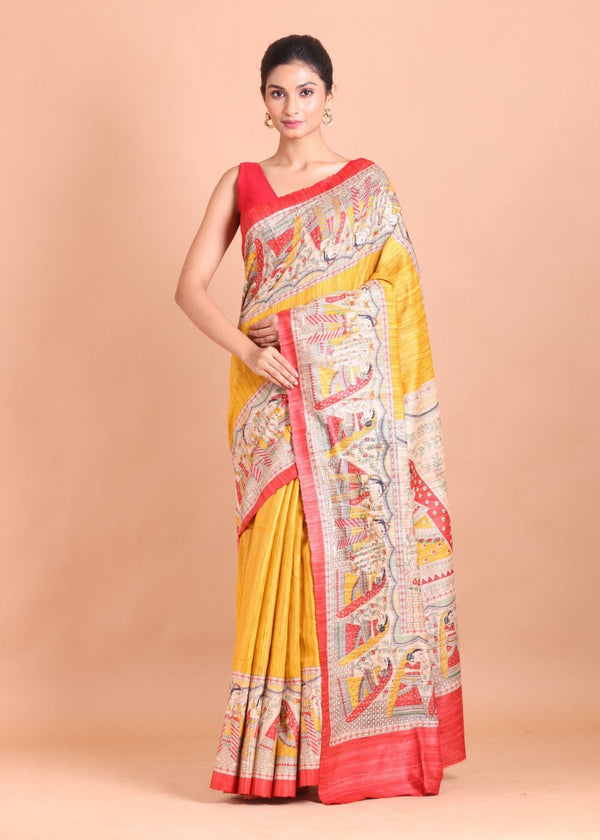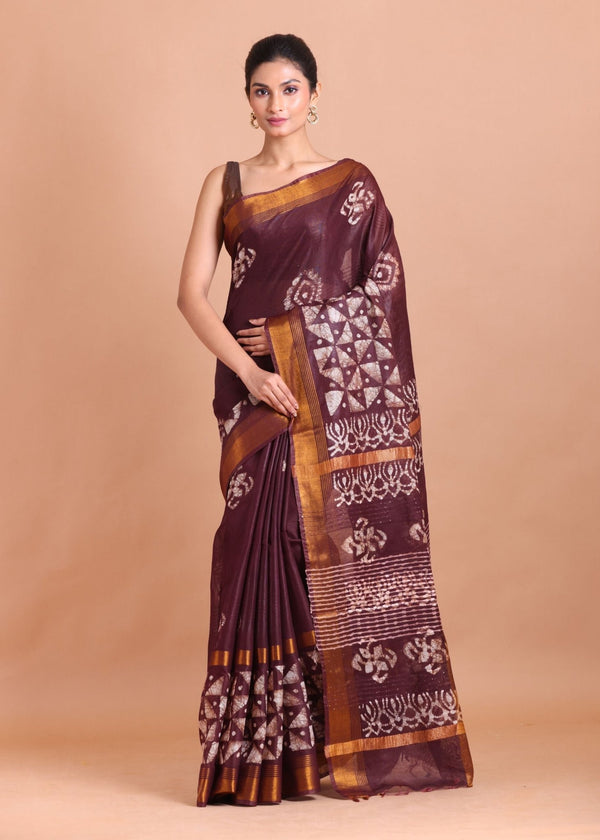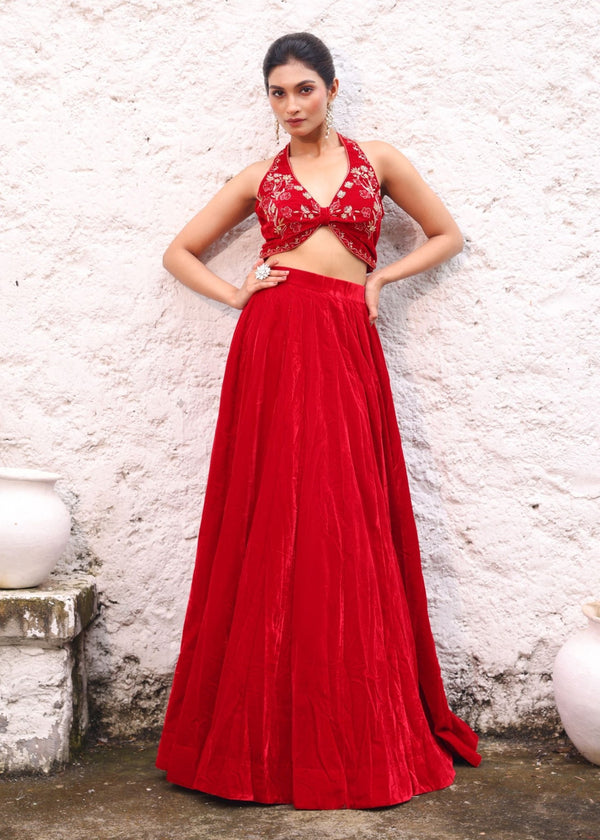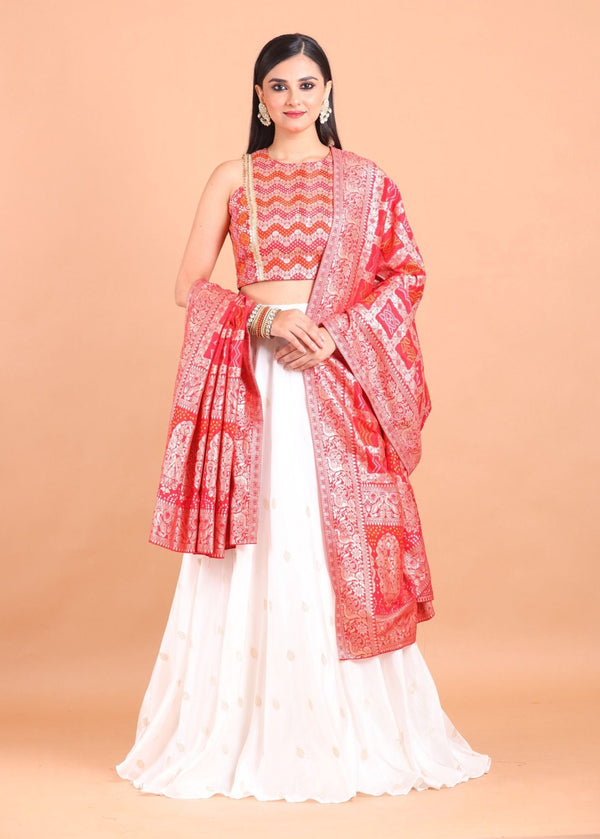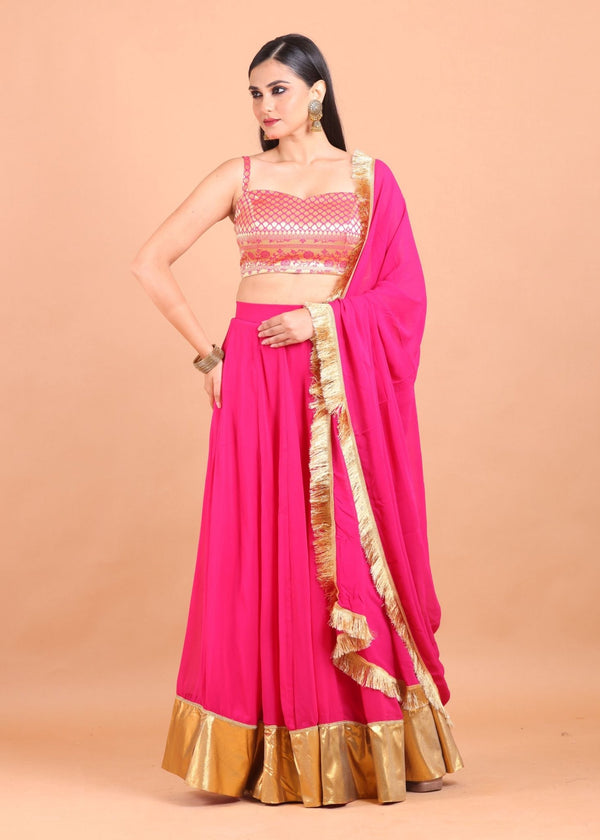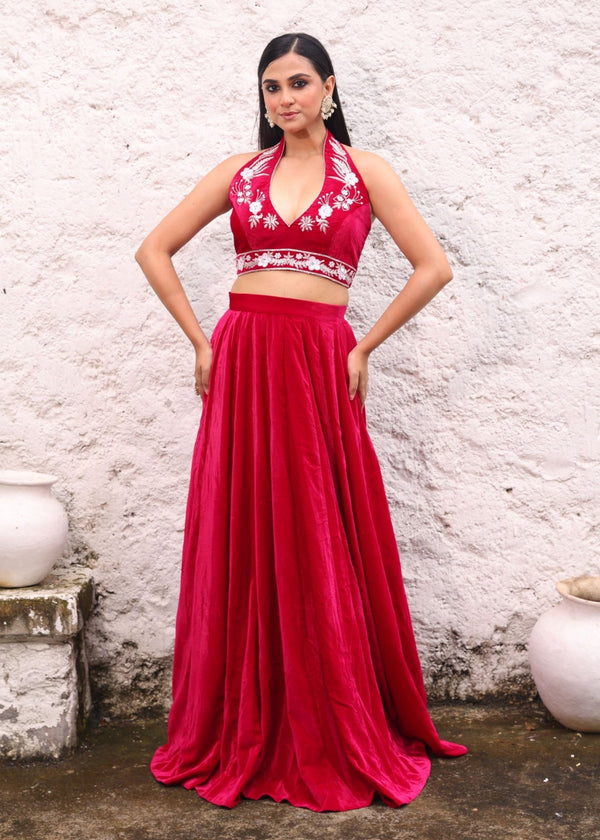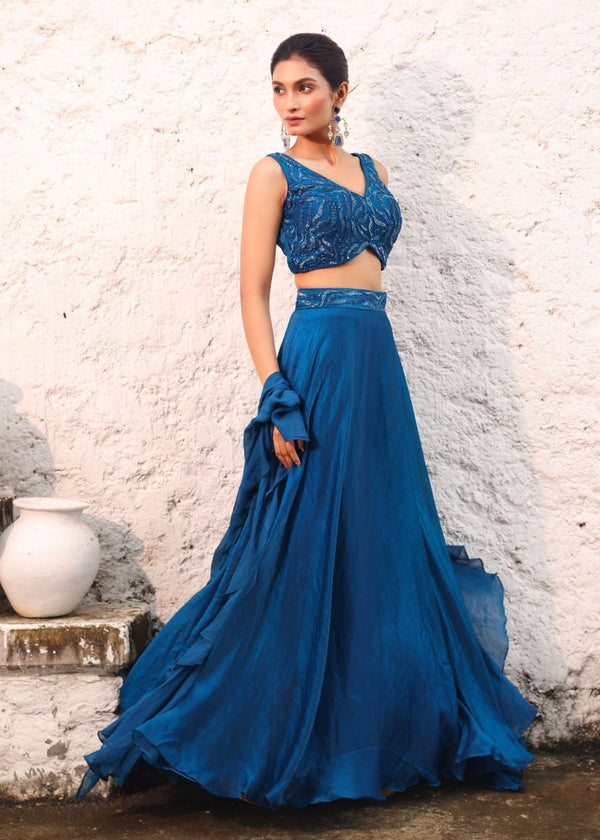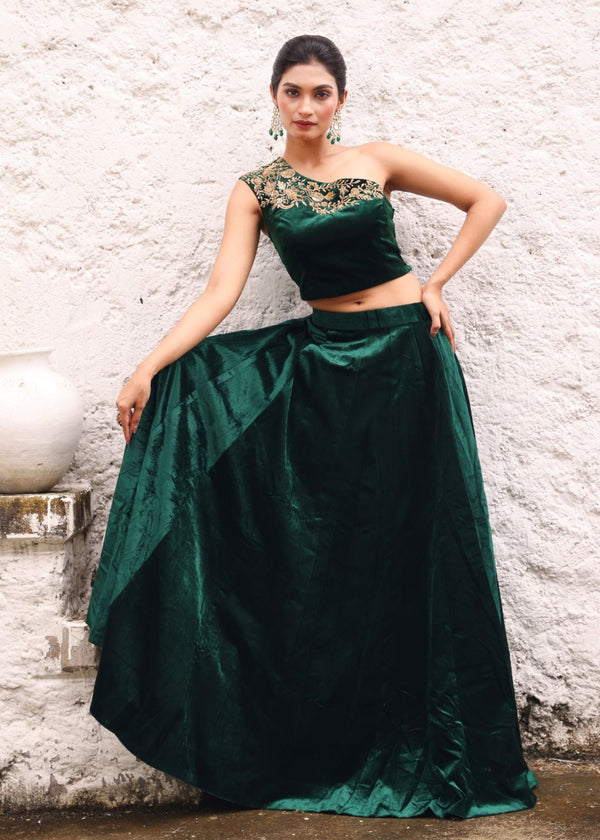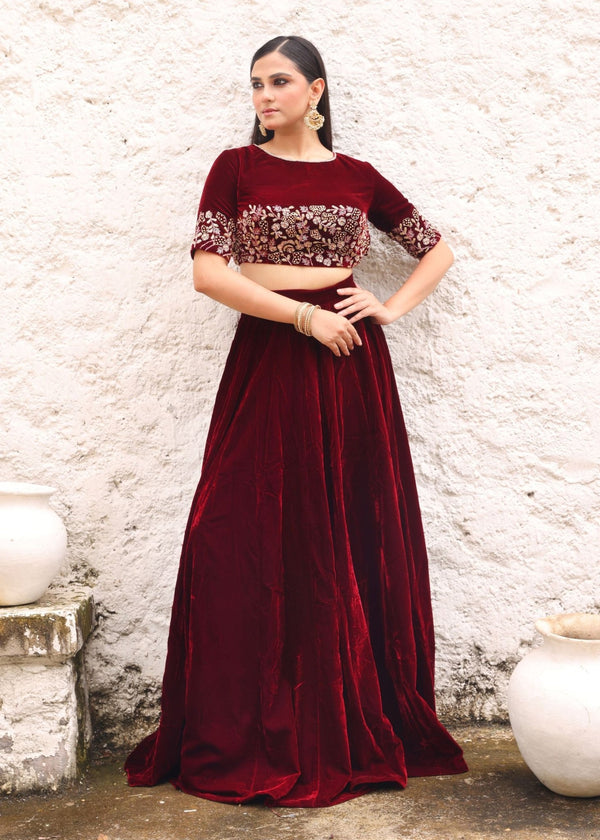




In 2026 it is evident that Gen Zs and millennials alike love flaunting traditional ethnic wear for wedding ceremonies and festive occasions. If you want to wear traditional dresses but have yet to decide which one is best for you, then you are on the right page. For here are 10 traditional dress ideas for women in 2026, along with when to wear them and how to style them. Traditional Indian clothing continues to offer many choices for women, from heritage silk sarees and handloom weaves to lehengas, Anarkali suits and sharara sets. In 2026, the focus is not only on how traditional an outfit looks but also on comfort, fabric, occasion, silhouette and styling. Whether you are dressing for a wedding, festival, puja, family function or formal celebration, the right traditional dress can make the occasion feel more special. The good part is that you do not have to choose the same outfit for every event.
10 Best Traditional Dresses Ideas for 2026
1. Silk Saree – A Classic Traditional Choice
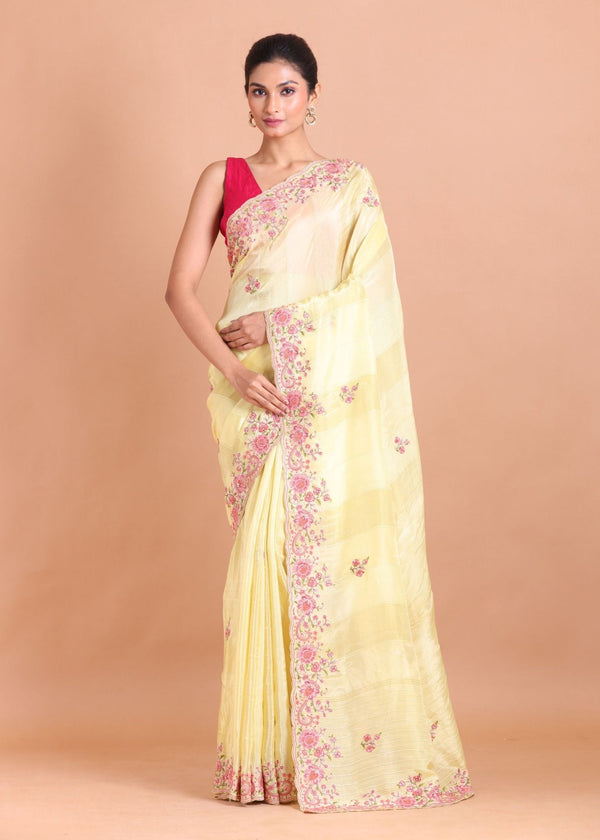
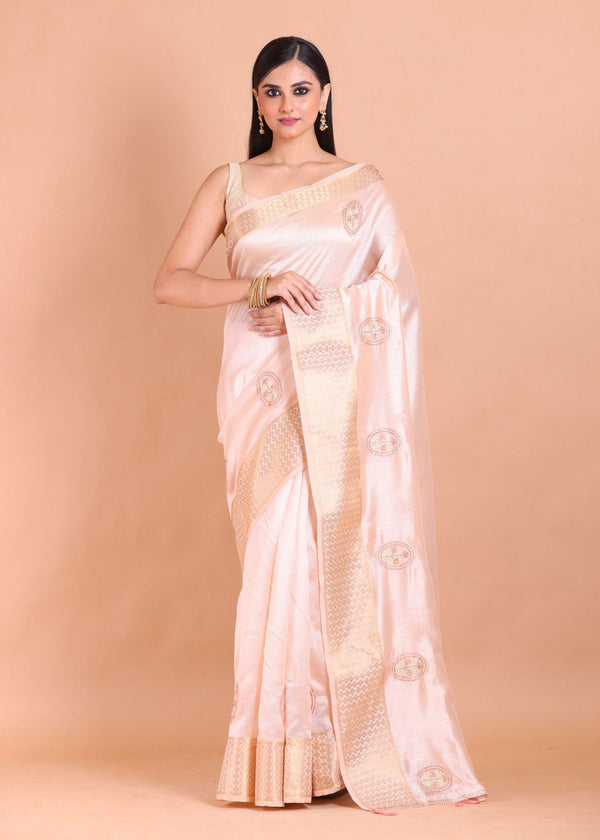
A soft silk saree is one of the most timeless choices in Indian traditional wear. It works especially well when you want a look that feels rooted in Indian heritage but still looks sophisticated for a special occasion. There are many types of silk sarees to choose from, including Kanjivaram, Banarasi, Gadwal, Paithani and Mysore silk. Each weave has its own texture, zari work, border and drape. A traditional silk saree is a natural choice for weddings, festivals, pujas and important family celebrations. For styling, the blouse makes a major difference. A structured blouse with zari details can complement a traditional silk saree, while a more contemporary blouse can give the look a modern touch. Temple jewellery, jhumkas, bangles and a classic hairstyle work well for formal occasions.
Best for: Weddings, pujas, festivals and traditional celebrations.

2. Banarasi Saree – A Rich Heritage Look
A Banarasi saree is a strong choice when you want traditional Indian wear with rich textile detailing. Known for its woven motifs and zari work, Banarasi silk sarees have a distinctive festive appearance. It can be worn for weddings, receptions, festivals and family functions. A heavily woven Banarasi saree usually needs little additional embellishment, so the styling can remain balanced. For a traditional look, pair it with a classic blouse and gold jewellery. If you prefer a contemporary look, try a blouse with a different neckline, statement earrings or a more structured silhouette. The beauty of a Banarasi saree is that the fabric and weave already create visual interest. You do not always need heavy accessories to complete the outfit.
Best for: Weddings, receptions, festive occasions and formal family events.

3. Handloom and Regional Sarees – For a Distinctive Traditional Look
Traditional Indian fashion is not limited to one type of saree. Regional handloom sarees offer a wide variety of weaves, textures, borders and motifs. Paithani sarees, Gadwal sarees and Mysore silk sarees are some of the finest examples of sarees that can bring a distinct regional character to a traditional wardrobe. They can be a good choice when you want something rooted in Indian textile traditions without choosing the same conventional wedding look every time. The styling should complement the weave instead of hiding it. Keep the blouse well-fitted and choose jewellery according to the richness of the saree. A lighter handloom saree can also work well for daytime pujas and family gatherings. When selecting a regional saree, pay attention to the weave, border, pallu, fabric feel and drape. These details often define the overall look.
Best for: Festivals, pujas, weddings, cultural events and family gatherings.

4. Designer Saree – Traditional Dressing with Contemporary Detailing
A designer saree is useful when you want the traditional saree silhouette but prefer modern surface detailing and styling. Embroidery, sequins, cutdana, lace, printed motifs and statement borders can change the overall character of a saree. Fabrics such as georgette, organza, crepe silk and other lightweight materials can also create different drapes and silhouettes. A designer saree can work for a wedding guest look, reception, festive party or evening celebration. The blouse is particularly important here. A statement neckline, embroidered sleeves or a contemporary back design can make the outfit feel more current. When the saree already has heavy embroidery or embellishment, keep the jewellery more controlled. With a simpler saree, you can use statement earrings, a layered necklace or embellished footwear.
Best for: Receptions, parties, weddings, festive celebrations and evening events.

5. Lehenga Choli – A Traditional Wedding and Festive Favourite
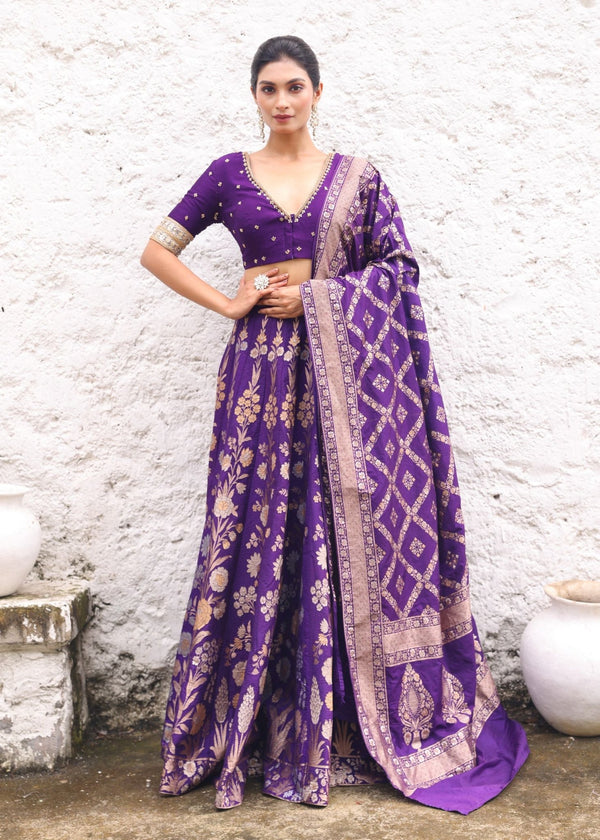
The lehenga choli remains one of the most popular traditional dresses for women for weddings and celebrations. It usually includes a flared lehenga skirt, choli or blouse and dupatta. The amount of embroidery and embellishment can be selected according to the occasion. Zardozi, sequins, cutdana, stone work, embroidery and brocade detailing can create a more elaborate festive look, while lighter designs are easier to wear for smaller functions. A bridal lehenga can be heavily embellished, while a wedding guest or bridesmaid lehenga can have a more balanced level of embroidery. For styling, consider the complete silhouette rather than the lehenga alone. The blouse fit, dupatta drape, jewellery, hairstyle and footwear should work together. If the lehenga is heavily embroidered, a simple dupatta drape can help keep the outfit balanced.
Best for: Weddings, receptions, bridal events, bridesmaid looks and festive celebrations.

6. Anarkali Suit – A Comfortable Traditional Outfit
Anarkali suits are a practical option for women who want traditional dressing without wearing a saree or lehenga. The outfit usually has a fitted or structured upper section with a flared lower silhouette, often paired with trousers or churidar and a dupatta. Anarkalis work well for festivals, family functions, weddings and festive dinners. The silhouette also gives you room to experiment with embroidery, prints, fabrics and dupatta styles. For a daytime event, a lighter embroidered or printed Anarkali can work well. For a wedding or evening function, richer fabrics and detailed embroidery can create a more formal look. Keep the jewellery according to the neckline and embroidery. Statement earrings can often be enough when the Anarkali already has detailed work.
Best for: Festivals, family functions, weddings, festive dinners and formal gatherings.

7. Salwar Suit – A Versatile Traditional Staple
A salwar suit is one of the most versatile traditional outfits for women. It can be simple enough for a family gathering or detailed enough for a festive occasion, depending on the fabric, embroidery and styling. The basic outfit can include a kameez or kurta, salwar or another coordinated bottom and a dupatta. Different silhouettes allow you to create very different looks without moving away from traditional Indian dressing. For everyday or daytime functions, lighter fabrics and minimal embroidery are practical choices. For festive occasions, embroidered fabrics, richer textures and embellished dupattas can add more visual interest. A salwar suit is also useful when comfort and movement are important. Choose the length, sleeve style and bottom silhouette according to the occasion and your personal comfort.
Best for: Family functions, festivals, pujas, daytime celebrations and semi-formal occasions.

8. Sharara Set – A Festive Alternative to the Lehenga
A sharara set is a strong option when you want a festive outfit with a different silhouette from a traditional lehenga. It generally combines a flared sharara bottom with a kurta, top or embellished blouse and a dupatta. Sharara sets work particularly well for mehendi, Sangeet, festive gatherings and wedding-related celebrations. Jacket-style shararas can add another layer to the outfit and create a more structured silhouette. One important difference between a sharara and a lehenga is the bottom. A lehenga has a skirt, while a sharara has flared trousers. This makes the sharara a useful choice for women who want a traditional festive outfit with the ease of a trouser-based silhouette. You can pair a sharara with statement earrings, embellished footwear and a neatly draped dupatta.
Best for: Mehendi, Sangeet, weddings, festivals and festive parties.

9. Kurta and Dupatta Set – Simple Traditional Dressing
Not every traditional occasion requires heavy embroidery or elaborate styling. A kurta and dupatta set is a good option when you want a simple, comfortable and put-together ethnic look. Depending on the design, a kurta set can work for a puja, family lunch, festive gathering or smaller celebration. Printed, embroidered and textured options can all create different levels of formality. The dupatta can also change the appearance of the outfit. A contrasting dupatta can add colour, while an embroidered or woven dupatta can make a simple kurta look more festive. For styling, keep the accessories proportionate to the outfit. Jhumkas, small earrings, bangles and traditional footwear can complete the look without making it feel too heavy.
Best for: Pujas, family gatherings, festive lunches, daytime functions and smaller celebrations.

10. Crop Top Lehenga or Fusion Lehenga – A Modern Traditional Look
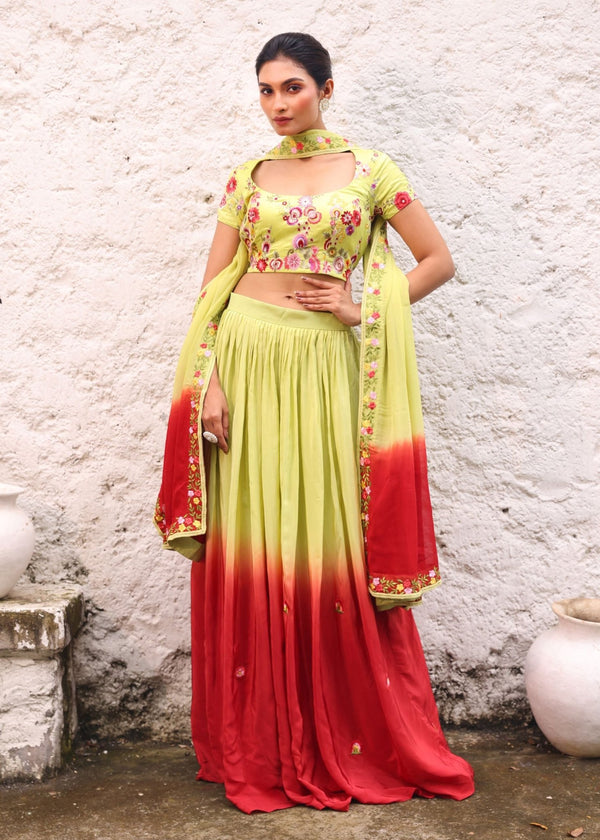
A crop top lehenga brings a contemporary silhouette into traditional Indian dressing. Instead of a conventional choli, the lehenga is paired with a crop-style blouse or top, often with a dupatta or additional layer. This style can work particularly well for women who want traditional occasionwear with a younger, more contemporary feel. Embroidery, sequins, cutdana, brocade and other embellishments can be used to create a festive look. For weddings and Sangeet functions, a heavily embroidered crop top lehenga can make a statement. For smaller celebrations, a lighter skirt with a simpler crop top can be easier to wear. The key is to maintain balance. If the blouse has heavy embroidery, the skirt can have more controlled detailing, or the styling can remain minimal. A well-draped dupatta can also make the outfit feel more traditionally Indian.
Best for: Sangeet, wedding functions, festive parties, receptions and contemporary traditional events.

Which Traditional Dress Should You Choose?
The right traditional dress depends mainly on the occasion, formality, comfort and type of silhouette you prefer.
| Occasion | Traditional dress ideas |
| Wedding | Silk saree, Banarasi saree, lehenga |
| Reception | Designer saree, lehenga, Anarkali |
| Festival | Silk saree, handloom saree, sharara |
| Puja | Silk saree, regional saree, kurta set |
| Mehendi or Sangeet | Sharara, lehenga, crop top lehenga |
| Family gathering | Anarkali, salwar suit, kurta set |
| Formal ethnic event | Banarasi saree, designer saree, Anarkali |
| Smaller celebration | Kurta set, lighter saree, salwar suit |
The same outfit can also work for different occasions when you change the blouse, jewellery, dupatta drape and accessories.
How to Choose the Right Traditional Dress
Choosing a traditional outfit becomes easier when you consider a few practical factors.
Consider the occasion: A wedding or reception may call for richer embroidery or traditional silk, while a daytime puja may be more comfortable in a lighter saree or kurta set.
Think about the fabric: Silk and brocade can create a rich traditional appearance. Georgette, organza and other lighter fabrics can offer a different drape and may be more suitable when you want less weight.
Choose the right silhouette: A saree creates a different look from a lehenga, Anarkali or sharara. Think about the shape and movement you want before selecting the outfit.
Keep comfort in mind: Consider how many hours you will wear the outfit, how much movement you need and whether the fabric and fit feel comfortable.
Look at the complete styling: The blouse, dupatta, jewellery, footwear and hairstyle should complement the outfit. You do not need every element to be heavily embellished.
How to Style Traditional Dresses in 2026
Styling can completely change the character of a traditional outfit. A silk saree can look classic with temple jewellery and a traditional blouse, while the same saree can feel more contemporary with a statement blouse and minimal accessories. The same approach works across other ethnic silhouettes too.
A lehenga can be kept balanced by pairing heavy embroidery with simpler jewellery and a clean dupatta drape. With an Anarkali suit, statement earrings can add enough definition when the outfit already has detailed embroidery. A sharara set can be styled with jhumkas, embellished footwear and a neatly draped dupatta for a festive look.
Smaller details can also make a difference. A kurta or salwar suit can be elevated with bangles, jhumkas and traditional footwear, while a crop top lehenga can combine a contemporary blouse with classic jewellery or a traditional dupatta. The goal is to let the outfit remain the focus while using accessories, draping and blouse design to give the look your own personality.
In 2026, traditional dressing is less about following one fixed styling formula and more about finding the right balance between heritage details, comfort and contemporary fashion.