



Choosing a bridal lehenga is one of the most exciting parts of wedding planning. But with so many colours, fabrics, silhouettes, embroidery styles and blouse designs available, finding the right one can also feel confusing. The best bridal lehenga is not simply the heaviest or most heavily embroidered outfit. It is the one that suits your personal style, wedding theme, body proportions, season, venue and comfort level. You also need to think about the blouse, dupatta, jewellery and footwear before finalising your bridal look. If you are looking for inspiration or wondering how to choose a bridal lehenga for your wedding, this guide covers the most popular styles along with practical tips on colour, fabric, fit, styling and shopping.
What Is a Bridal Lehenga?
A bridal lehenga usually consists of three main pieces: a lehenga skirt, a blouse or choli, and a dupatta. What makes it different from a regular lehenga is often the level of embroidery, embellishment, fabric quality and overall bridal detailing. Traditional bridal lehengas may feature zari, zardozi, threadwork, sequins, mirror work, brocade or other detailed embroidery. Modern bridal lehenga designs can combine these traditional techniques with contemporary silhouettes, lighter fabrics, unusual colour combinations and modern blouse designs. If you are exploring different styles, you can browse the bridal lehenga collection for more inspiration.
10 Bridal Lehenga Designs to Consider for Your Wedding
There is no single style that every bride has to wear. Your wedding lehenga should reflect your personality and work with the overall mood of your celebration. Here are ten bridal lehenga styles worth considering.
1. Classic Red Bridal Lehenga
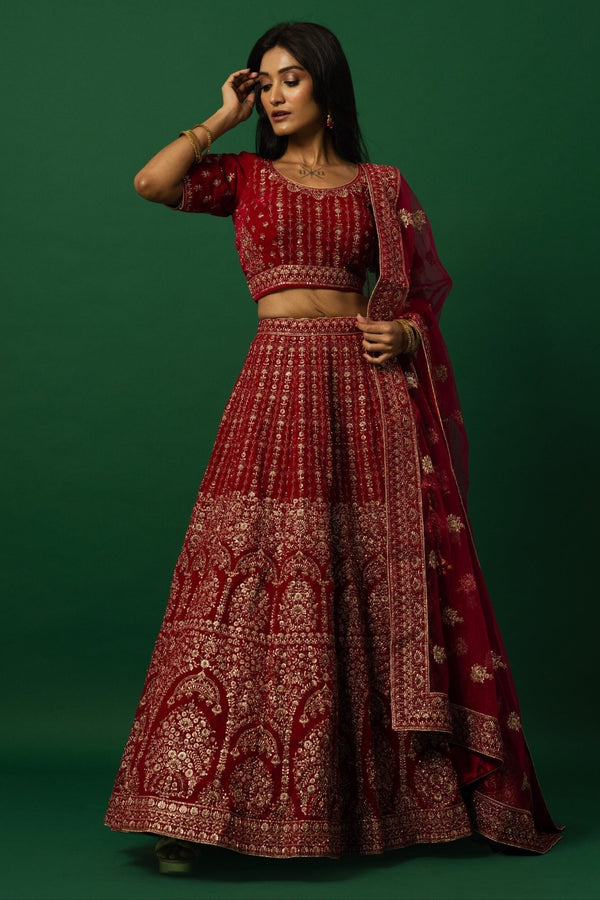
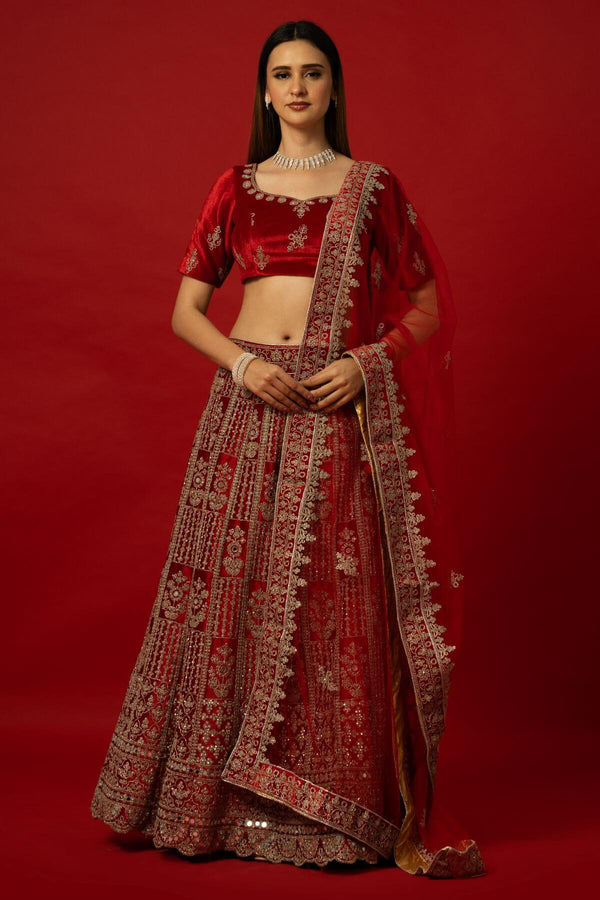
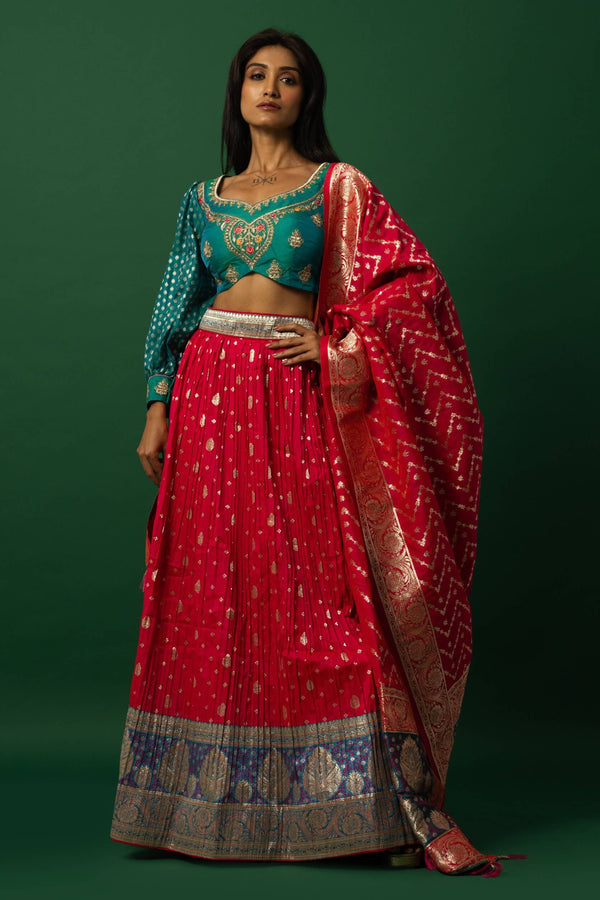
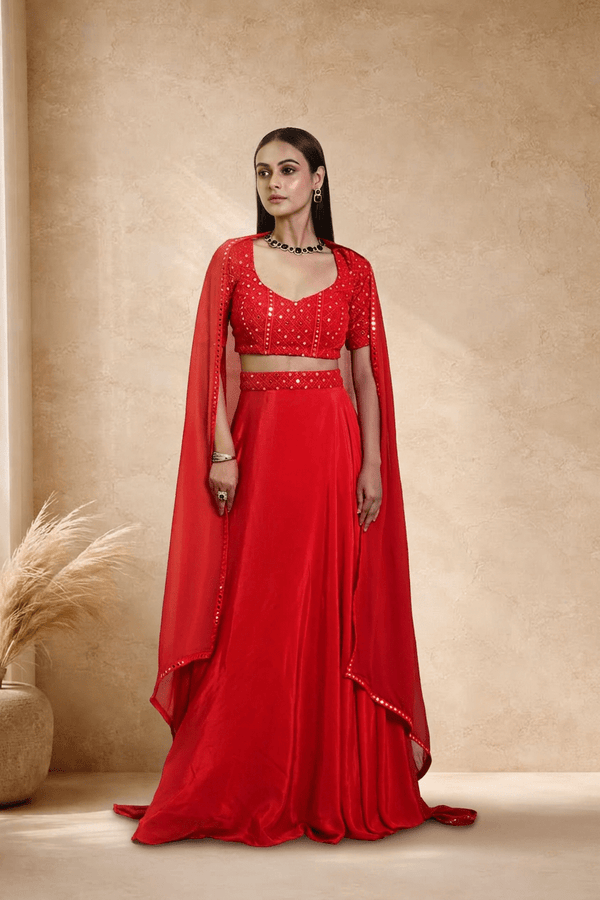
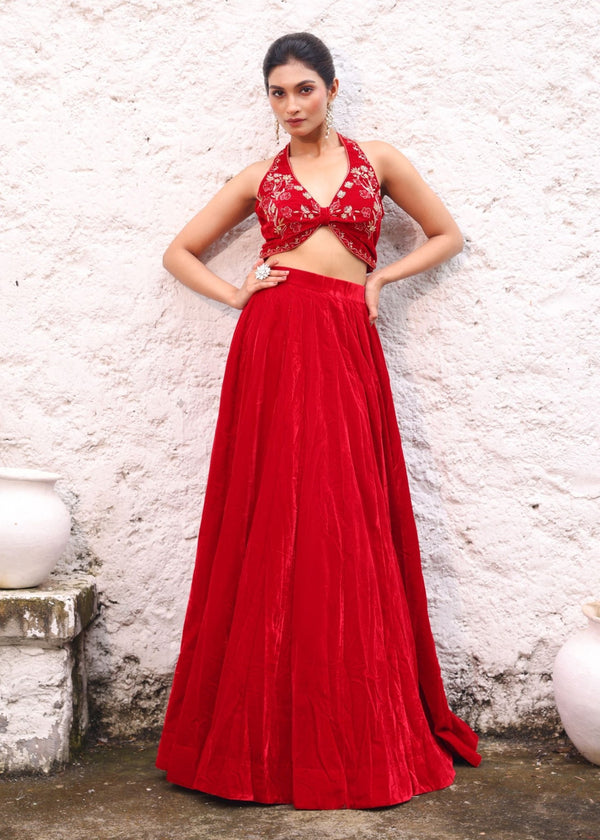
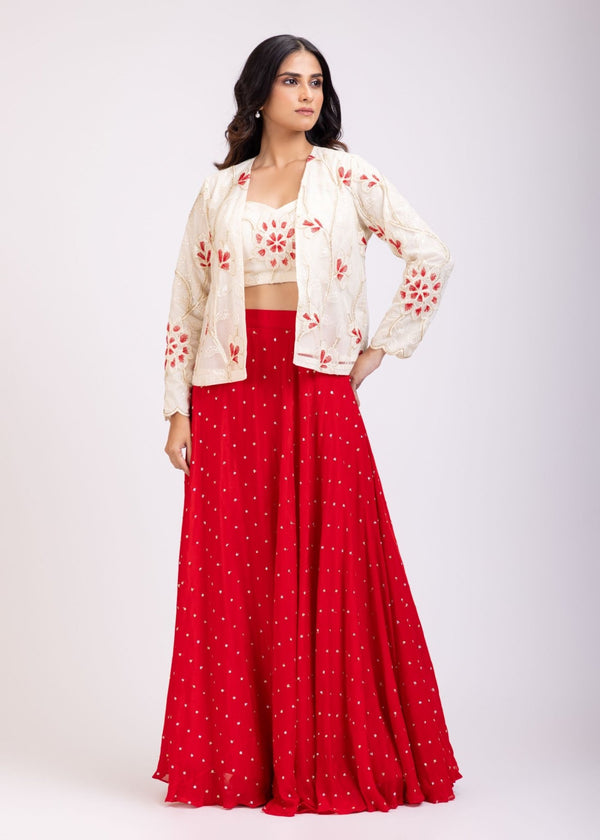
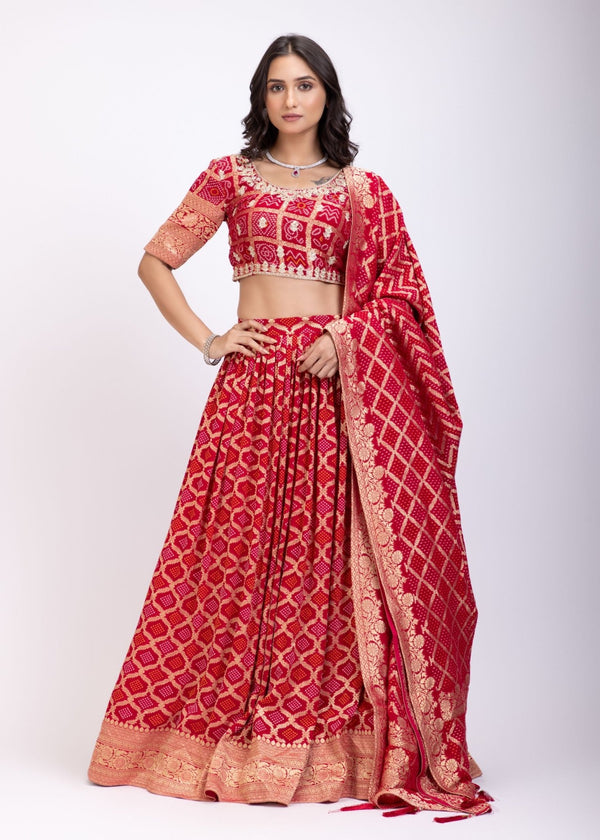
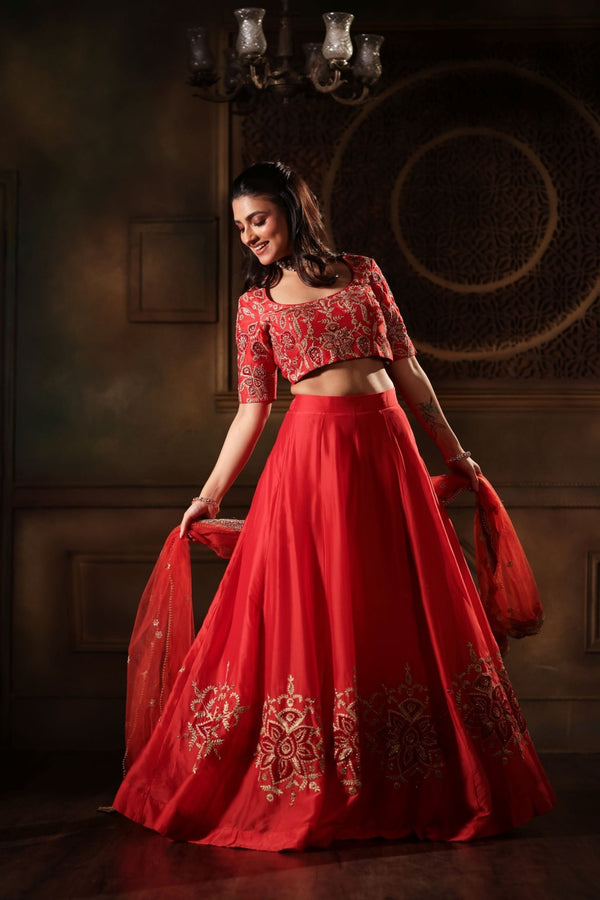
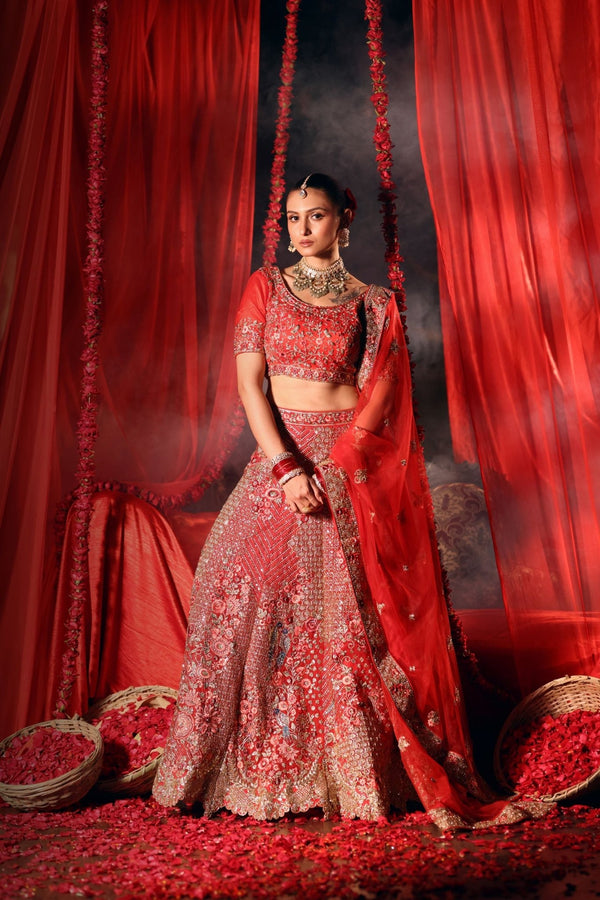
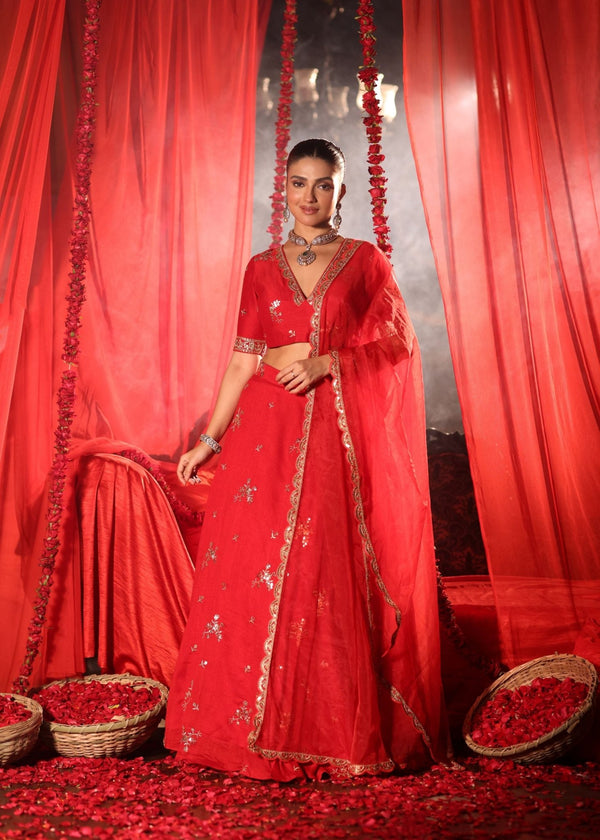
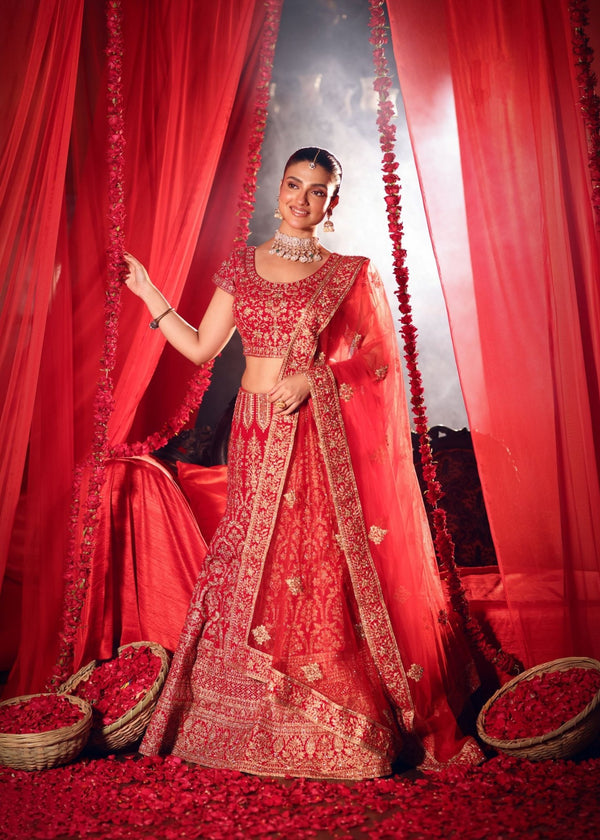
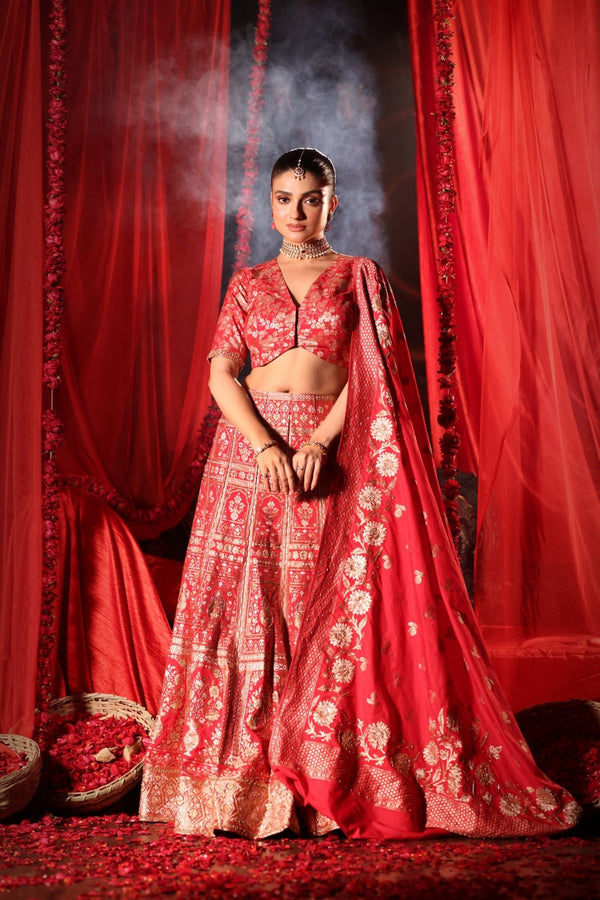
Red is one of the most traditional bridal colours in Indian weddings. A classic red lehenga with gold embroidery creates a timeless wedding look and works especially well for traditional ceremonies. You can choose bright red for a bold and festive appearance or explore deeper shades such as crimson, ruby and deep red for a more intense colour palette. Gold zari, zardozi, sequins and traditional motifs can add richness without requiring too many different colours. A red bridal lehenga also gives you plenty of jewellery options. Gold jewellery, kundan, polki and traditional bridal jewellery can all complement the look. If you want a traditional wedding outfit with a strong bridal identity, a red lehenga is still one of the most reliable choices.

2. Pastel Bridal Lehenga
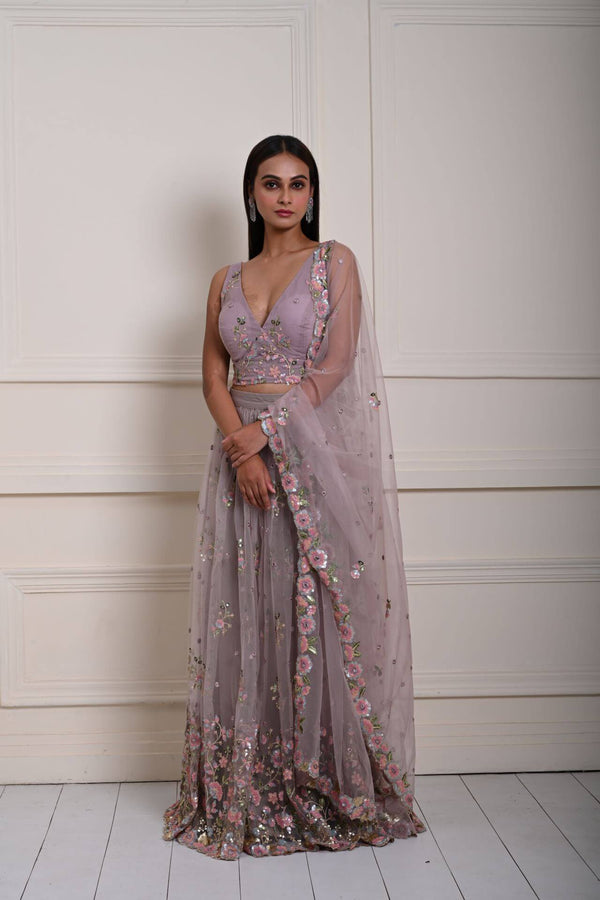
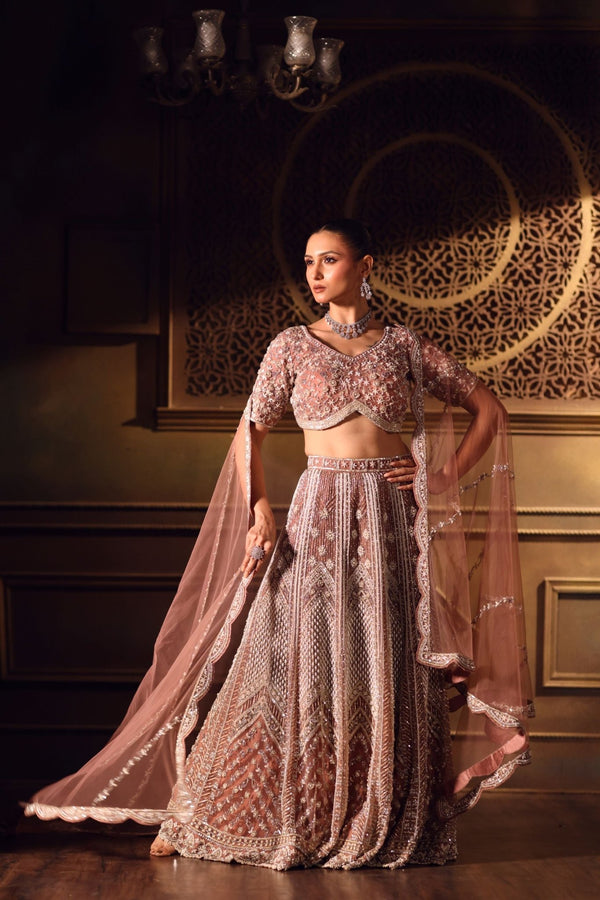
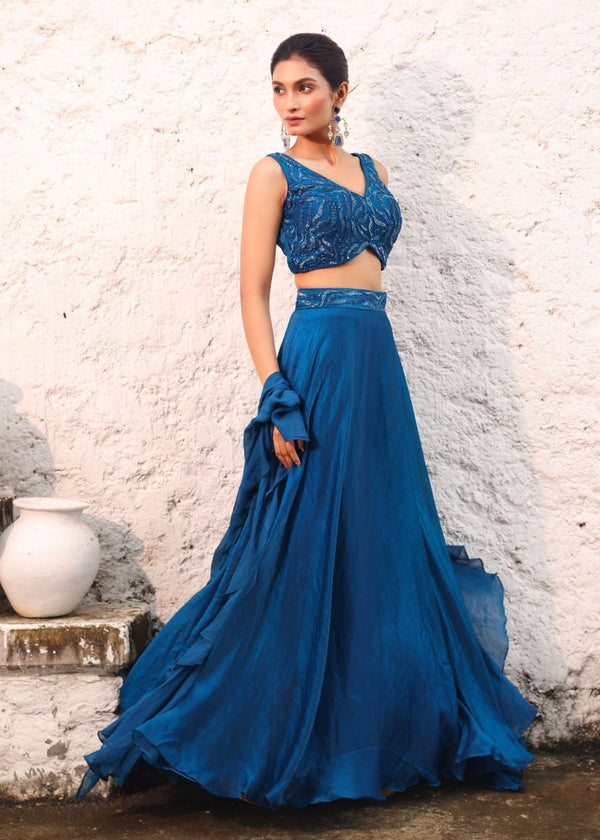
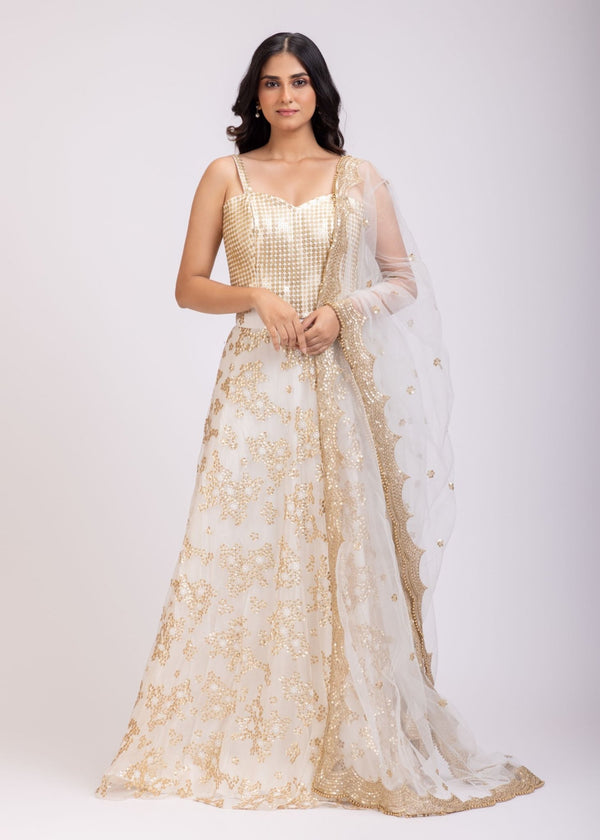
Pastel bridal lehengas are a popular choice for brides who prefer a softer and more contemporary colour palette. Blush pink, peach, powder blue, mint green and lavender can create a fresh bridal look without feeling too traditional. Pastels are particularly suitable for daytime weddings, outdoor ceremonies and destination weddings. Delicate embroidery in silver, champagne or soft gold can add bridal detail while keeping the overall look light. If you choose a pastel lehenga, you can create contrast through your jewellery, blouse detailing or dupatta. For example, a blush pink lehenga with antique gold embroidery can look more traditional, while silver embroidery can create a cooler modern effect.

3. Maroon and Jewel-Tone Bridal Lehenga
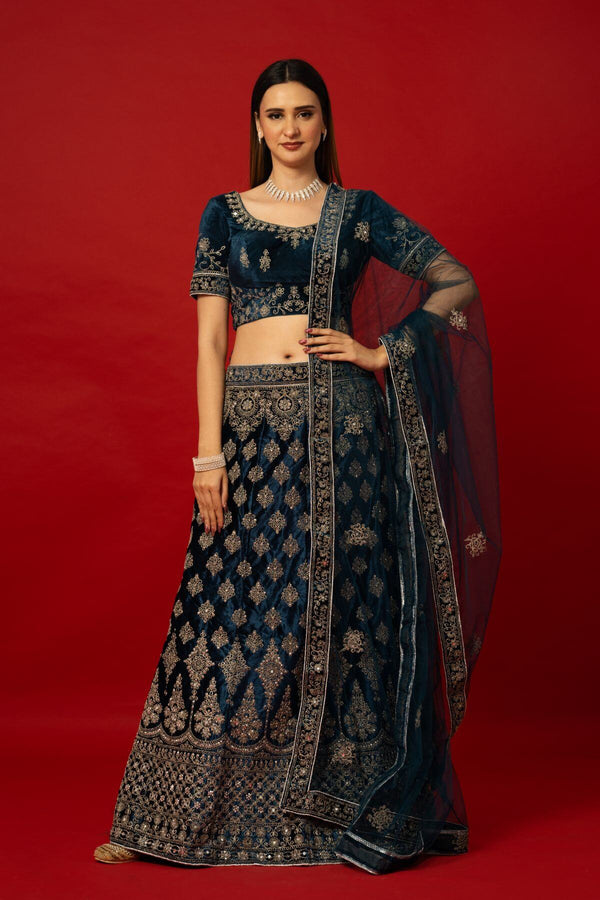
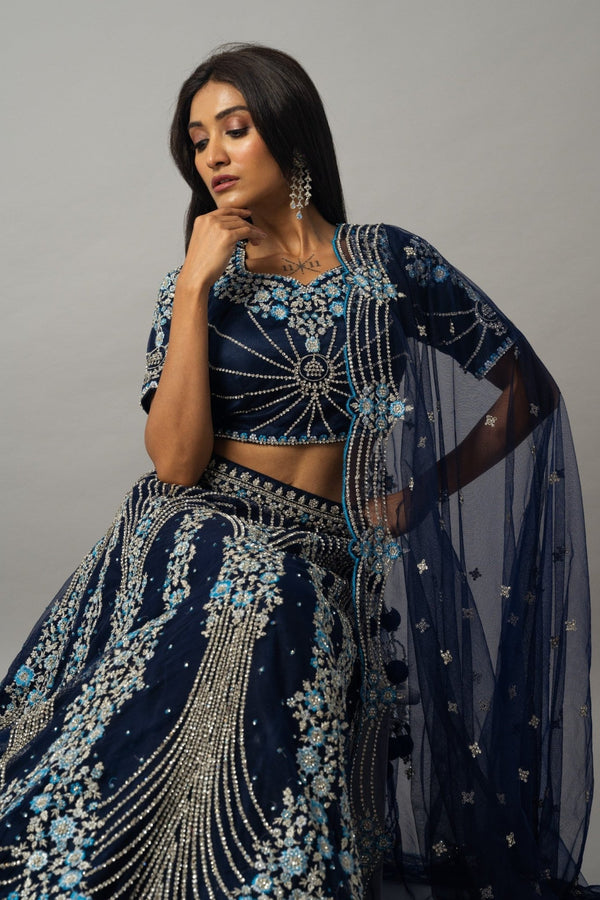
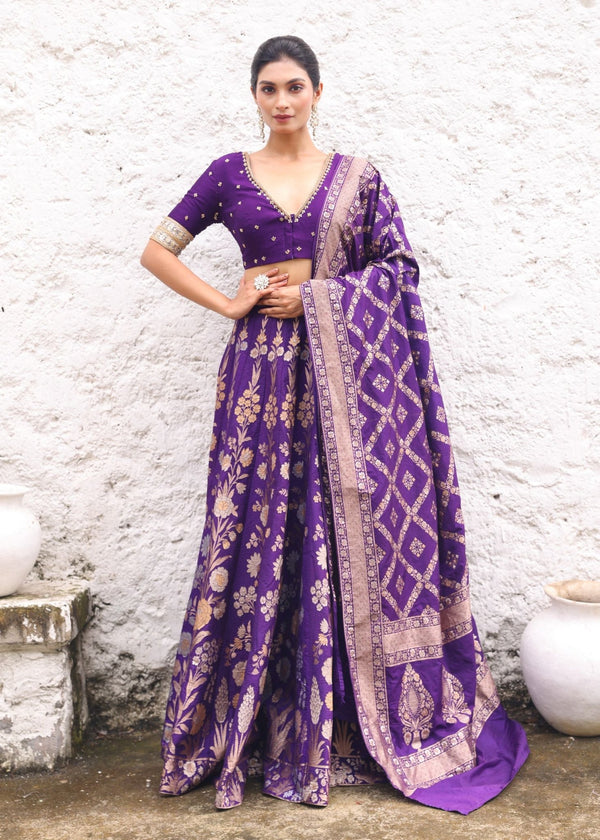
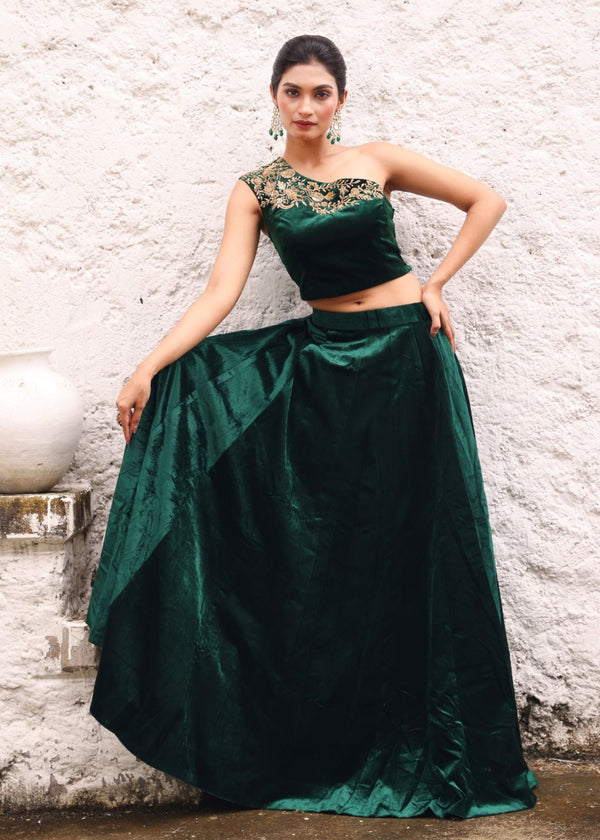
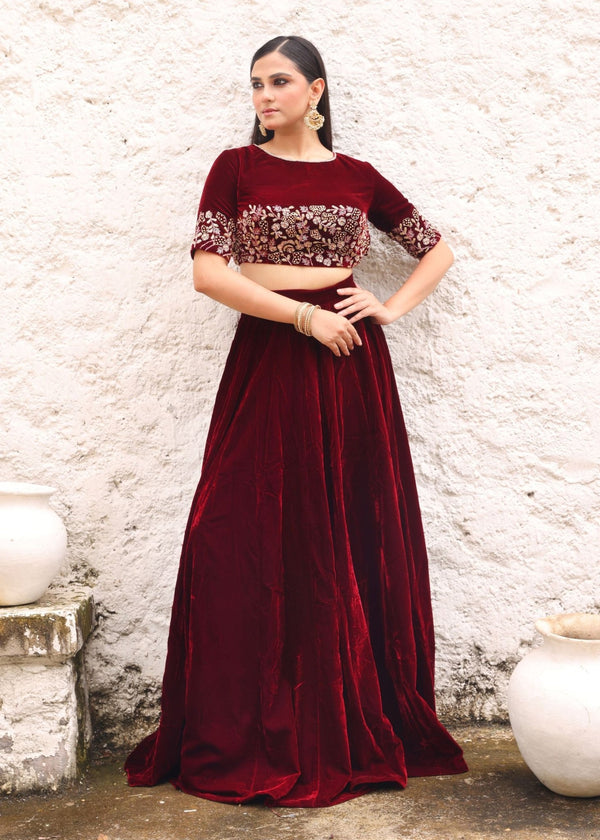
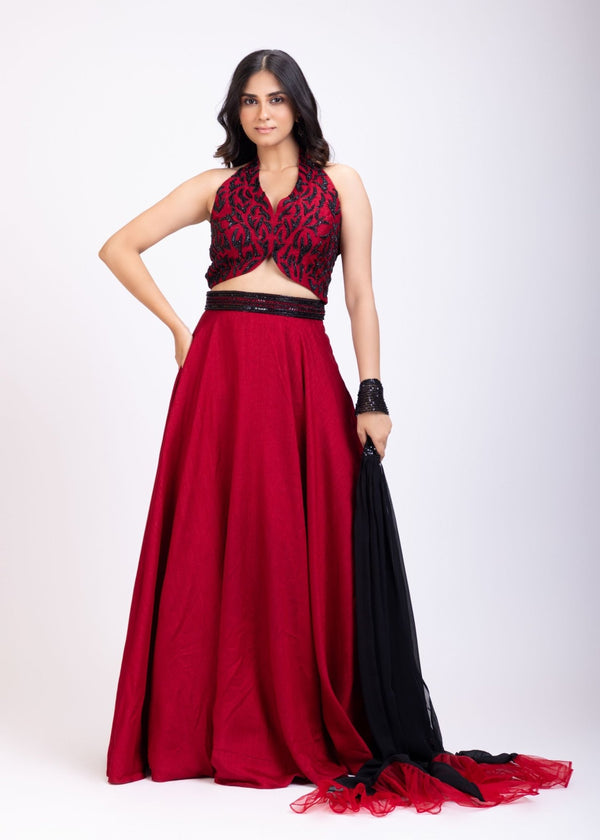
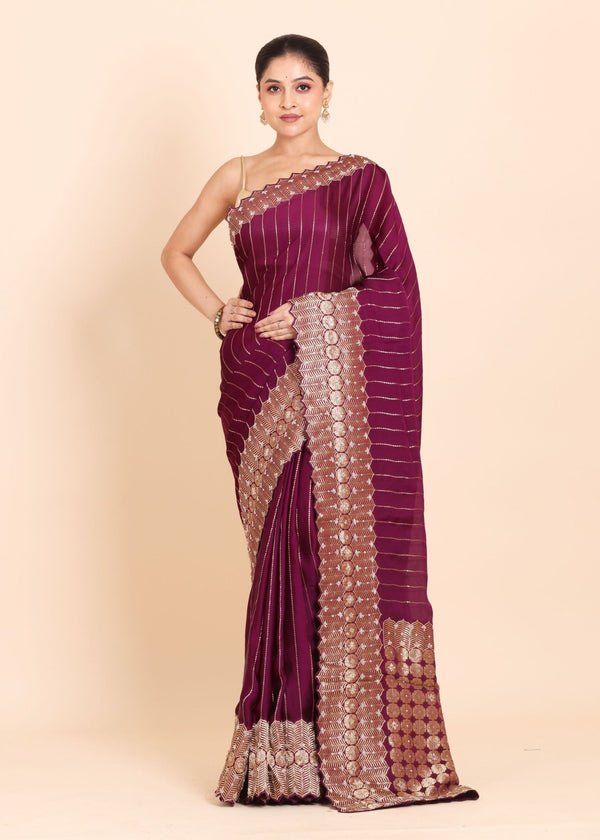
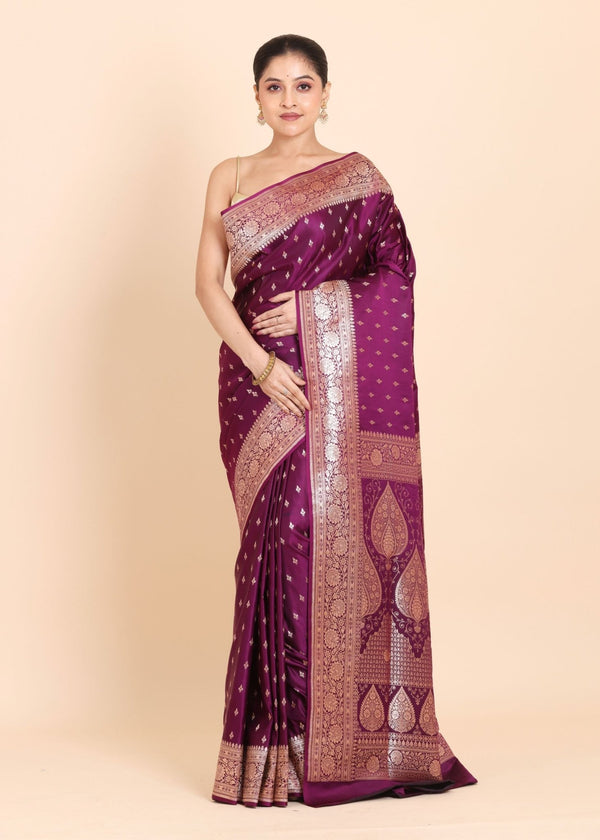
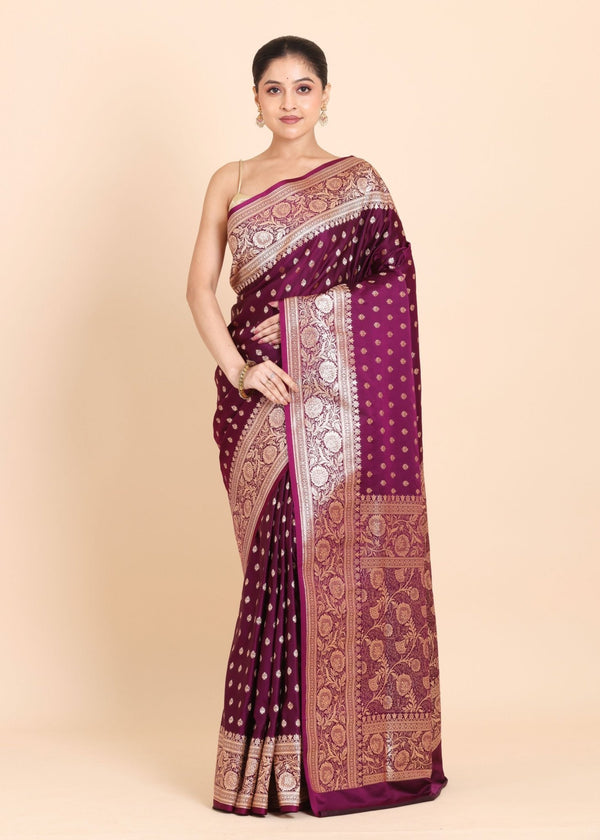
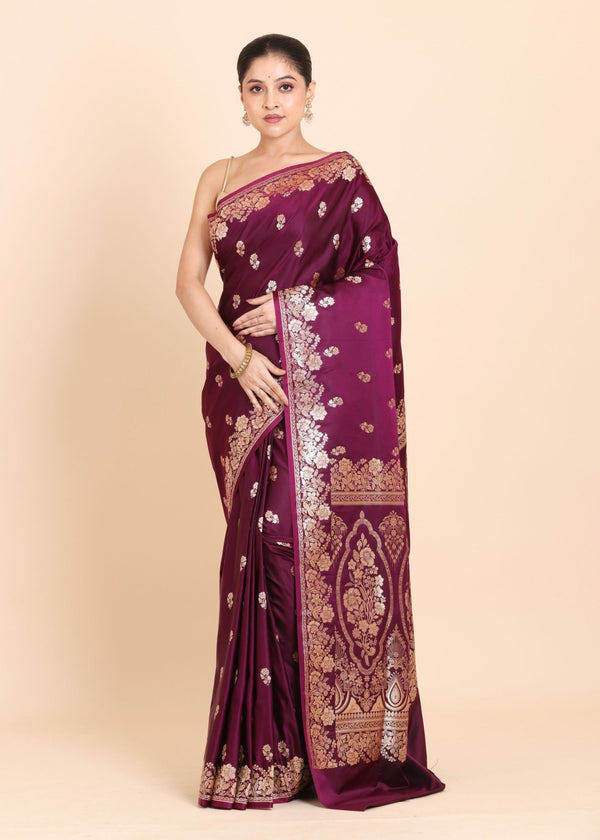
If you want something deeper than bright red, consider maroon, wine, burgundy, emerald green or navy blue. These jewel tones work particularly well for evening and winter weddings. Maroon bridal lehengas with antique gold embroidery can create a traditional appearance, while emerald or navy can give the outfit a more contemporary direction. Jewel tones also work well with statement jewellery. Kundan, polki, uncut diamond-style jewellery and antique gold pieces can add depth to these darker colours. The key is to balance the richness of the colour with the embroidery. A very heavily embellished jewel-tone lehenga can look dramatic, while lighter embroidery can make it more wearable.

4. Heavy Zardozi Bridal Lehenga
For brides who love traditional craftsmanship, a zardozi bridal lehenga can be a beautiful choice. Zardozi is known for its detailed metallic embroidery and can be combined with zari, dabka, sequins and other embellishments. This type of bridal lehenga works particularly well for grand indoor weddings, traditional ceremonies and evening celebrations. If your lehenga already has heavy embroidery, you do not need to make every other element equally elaborate. A more balanced blouse, carefully selected jewellery and a well-draped dupatta can keep the outfit from looking visually crowded. When selecting a heavily embroidered lehenga, pay attention to the weight. The embroidery should not make it difficult for you to walk or sit comfortably.

5. Floral Embroidered Bridal Lehenga
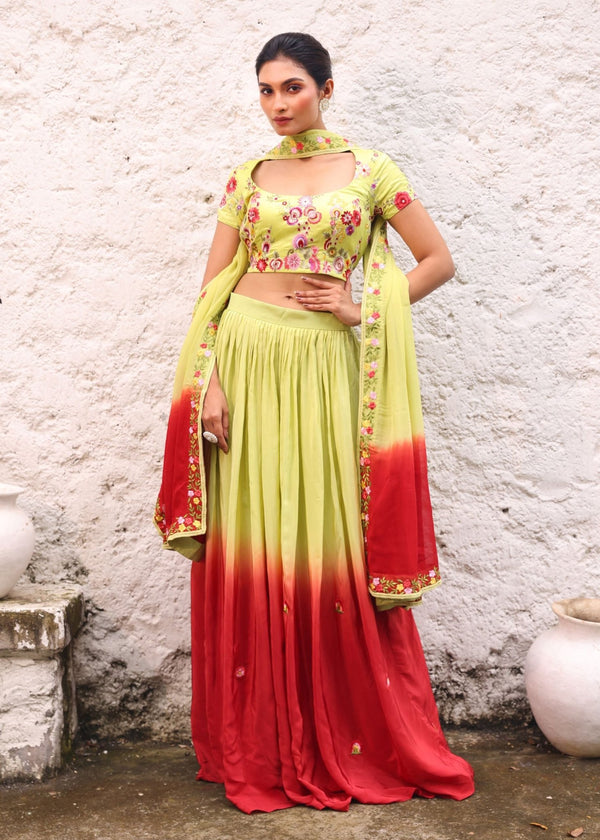
Floral embroidery brings a softer and more romantic feel to bridalwear. Instead of traditional geometric or paisley motifs, you can choose flowers, vines, leaves and botanical patterns. Floral bridal lehengas work particularly well for daytime weddings, garden ceremonies and destination celebrations. They can also be a good choice if you want a bridal outfit that feels traditional but not overly heavy. For a softer look, choose tonal embroidery or delicate threadwork. If you want more contrast, look for floral motifs in gold, silver or multiple colours. The blouse can either repeat the floral embroidery or use a simpler design so that the skirt remains the main focus.

6. Mirror Work Bridal Lehenga
Mirror work adds sparkle and movement to a bridal lehenga. Small reflective elements catch the light as you move, making this style particularly suitable for sangeet celebrations, receptions and evening weddings. Mirror work can be paired with thread embroidery, sequins or traditional motifs. It does not always have to cover the entire lehenga. Strategic mirror detailing can create a statement while keeping the outfit easier to carry. If your lehenga has a lot of reflective embellishment, choose jewellery carefully. You can either match the shine with statement jewellery or keep your accessories more controlled for a balanced bridal look.

7. Minimalist and Lightweight Bridal Lehenga
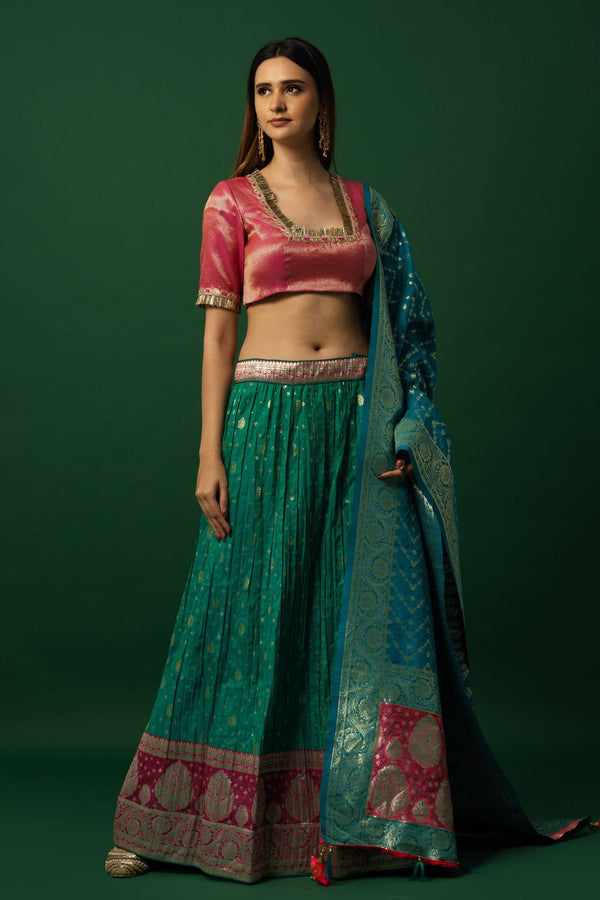
Not every bride wants a very heavy wedding lehenga. A minimalist bridal lehenga can be a smart option if comfort and movement are high on your priority list. Look for lighter embroidery, smaller motifs, fewer layers and fabrics that move comfortably. This style can work especially well for destination weddings, outdoor ceremonies and weddings where you expect to spend many hours on your feet. A lighter lehenga can still look bridal. The colour, blouse design, border, dupatta and jewellery can provide enough detail without making the entire outfit heavily embellished. A well-fitted blouse and carefully chosen jewellery can also make a simple lehenga look more complete.

8. Contemporary Bridal Lehenga
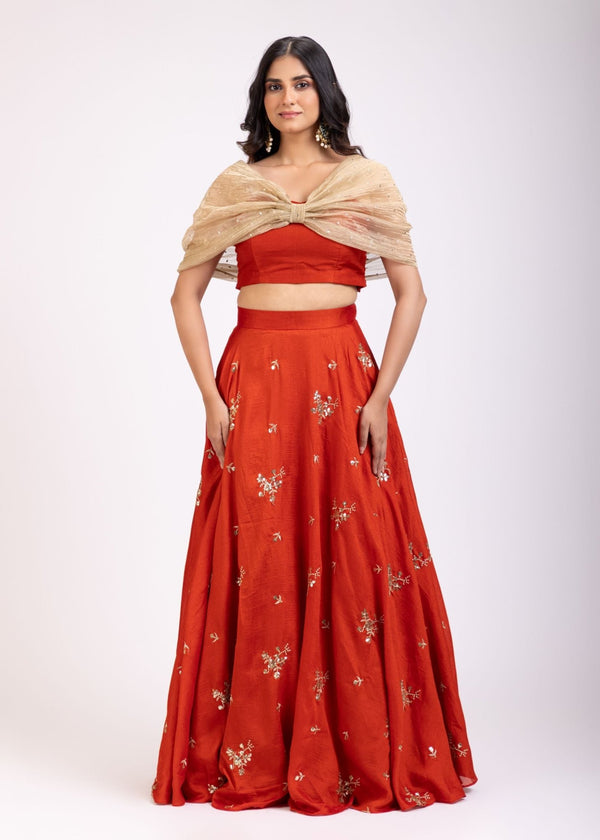
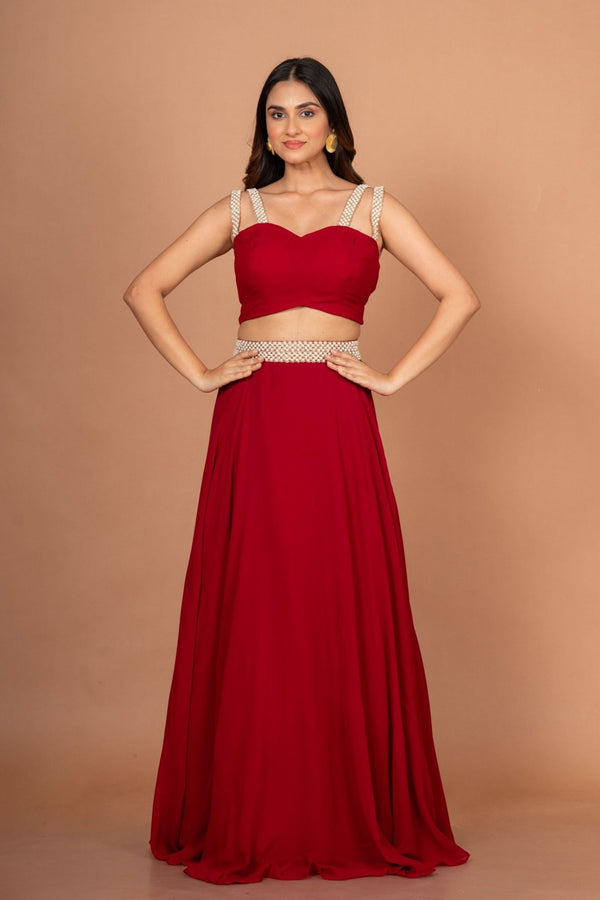
Modern brides can experiment with contemporary cuts, unconventional blouse styles and fusion details while keeping the traditional lehenga silhouette. A crop top, structured choli, corset-inspired blouse, modern neckline or unusual drape can give the outfit a fresh look. Asymmetrical details and contemporary embroidery layouts can also work well. A crop top lehenga for brides can be considered if you want a more modern bridal outfit. The blouse is especially important in a contemporary bridal lehenga.

9. Velvet Bridal Lehenga
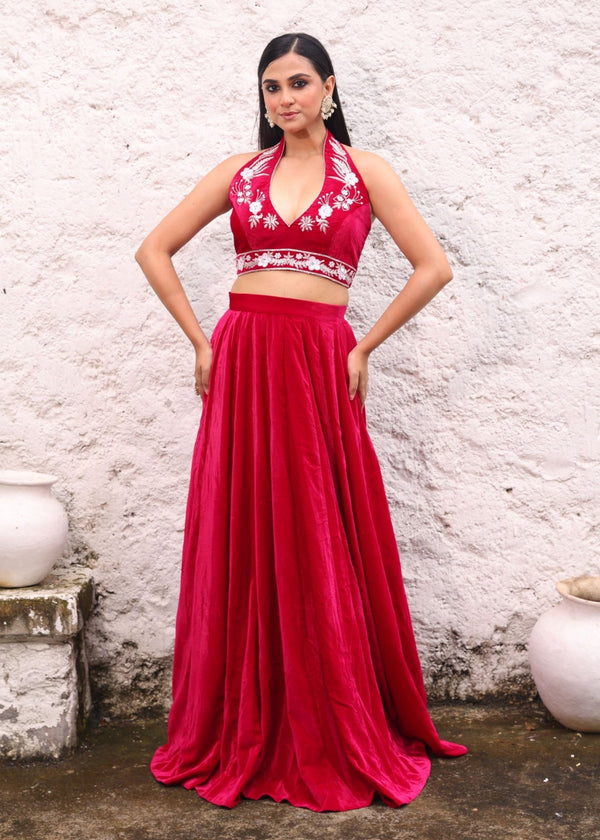
Velvet is a strong choice for winter and evening weddings. Its heavier texture and rich appearance make colours such as maroon, wine, emerald, navy and deep pink look particularly striking. A velvet bridal lehenga can work well with antique gold embroidery, zardozi and traditional motifs. Because velvet already has a rich visual texture, you do not always need extremely dense embroidery. This fabric is better suited to cooler weather. For a summer wedding, a lighter fabric may be more comfortable, particularly if your ceremony is outdoors.

10. Sheer and Layered Bridal Lehenga
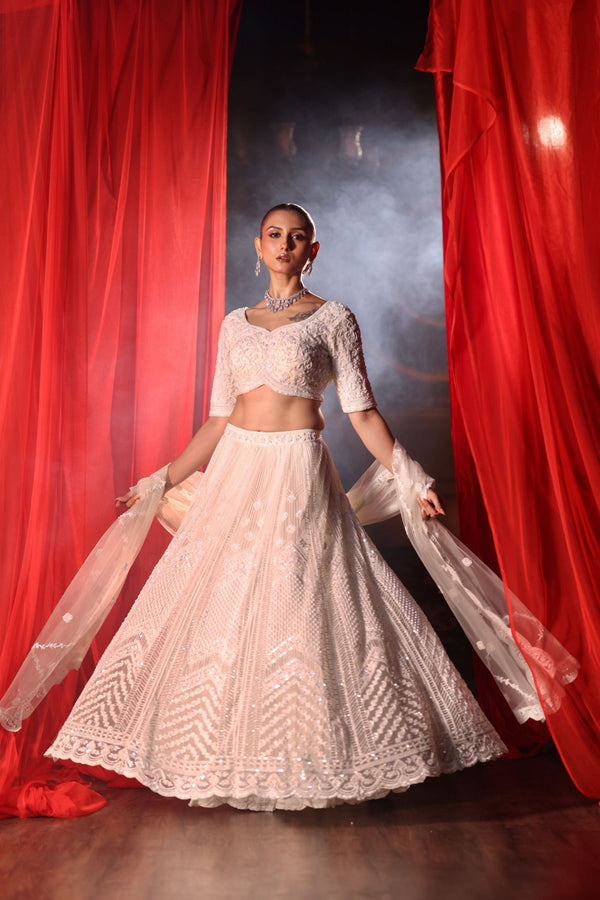
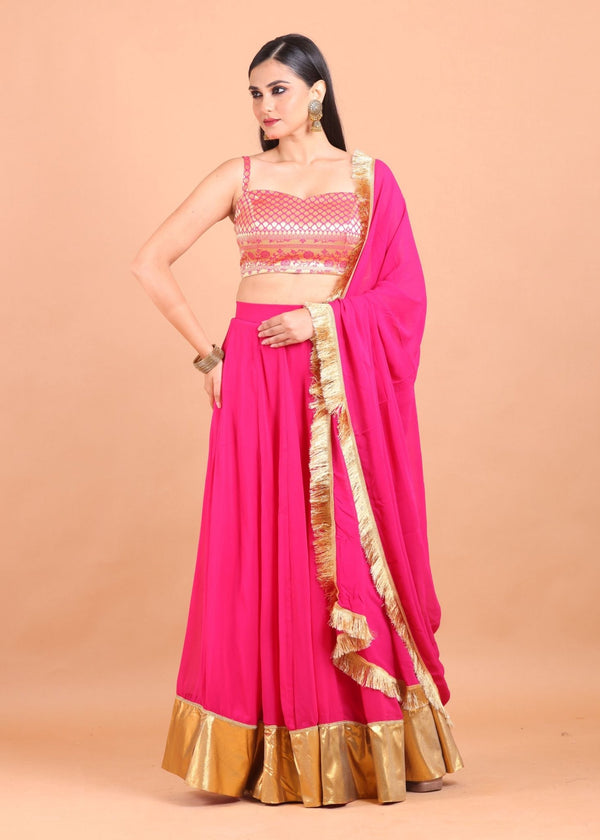
Sheer fabrics such as net, tulle and organza can create volume and movement without making the entire outfit look bulky. Layered skirts and sheer dupattas can give the bridal silhouette a soft, airy appearance. This style works particularly well for brides who want a dreamy or contemporary look. You can combine a structured blouse with a layered skirt or use a sheer dupatta to add another dimension to the outfit. If you like this lighter, glamorous approach, you can also explore latest party wear lehenga designs for ideas on sheer layers, embellishments and modern silhouettes.

How to Choose the Right Bridal Lehenga
Once you know which styles you like, the next step is to narrow down your choices. Instead of choosing a lehenga only because it looks beautiful in a photograph, consider how it will work for your actual wedding. Think about these factors:
Wedding venue → Season → Colour → Fabric → Silhouette → Embroidery → Blouse → Dupatta → Comfort → Budget → Alterations
Choose a Bridal Lehenga According to Your Body Shape
Your body shape can be used as a styling guide, but it should never be treated as a strict rule. Fit, proportion and personal comfort are more important. An A-line or flared lehenga can create balanced proportions, while a well-fitted blouse can define the waist. Brides who prefer a straighter silhouette can consider less volume and cleaner lines. If you have a petite frame, controlled volume and proportionate embroidery can prevent the outfit from overwhelming your frame. If you have a fuller figure, focus on good construction, fabric fall and a comfortable fit rather than trying to hide your shape. The most important thing is to choose a silhouette that allows you to move comfortably and makes you feel confident.
How to Choose Your Bridal Lehenga Colour
There is no single correct colour for a bridal lehenga. Traditional red is still a beautiful choice, but modern brides have many options.
|
Bridal Colour |
Best For |
Overall Look |
|
Red |
Traditional wedding ceremonies |
Classic and festive |
|
Maroon |
Evening or winter weddings |
Deep and traditional |
|
Pink |
Day or evening weddings |
Soft and romantic |
|
Pastel |
Day and destination weddings |
Fresh and modern |
|
Emerald |
Evening celebrations |
Rich and dramatic |
|
Wine/Burgundy |
Winter and night weddings |
Deep and sophisticated |
|
Ivory/Peach |
Contemporary weddings |
Soft and modern |
|
Gold |
Grand wedding celebrations |
Festive and statement-making |
You should also consider the colours used in your wedding décor and the overall theme. Your lehenga does not have to exactly match the décor, but the colour palette should look good together in photographs.
Which Fabric Is Best for a Bridal Lehenga?
There is no universally best fabric. The right fabric depends on your wedding season, venue, desired silhouette and comfort.
|
Fabric |
Suitable For |
Key Feature |
|
Silk |
Traditional bridal looks |
Rich and structured |
|
Raw Silk |
Embroidered lehengas |
Holds shape well |
|
Velvet |
Winter weddings |
Warm and rich |
|
Georgette |
Movement and comfort |
Fluid and lightweight |
|
Organza |
Structured modern looks |
Crisp and airy |
|
Net/Tulle |
Layered skirts |
Adds volume |
|
Brocade |
Traditional weddings |
Rich woven texture |
If your wedding is in a warm climate, lighter fabrics and breathable construction may be more comfortable. For winter weddings, velvet and heavier silk-based fabrics can provide more warmth.
Consider Your Wedding Season
Your wedding season should influence both fabric and embroidery. For summer weddings, lighter fabrics, fewer layers and breathable linings can make a significant difference. Pastels and brighter colours can also work beautifully for daytime ceremonies. For winter weddings, velvet, silk and richer fabrics can be more comfortable. Deep red, maroon, wine, emerald and navy also work well with winter wedding styling. If you are planning a destination wedding, consider the local weather rather than choosing a fabric only for its appearance.
Consider Your Wedding Venue
Your venue can also help you decide how heavy or detailed your bridal lehenga should be. For a grand indoor wedding, heavier embroidery and structured silhouettes can work beautifully. For an outdoor ceremony, lighter fabrics may make walking and moving easier. Beach and destination weddings generally call for lighter fabrics and manageable layers. Traditional temple or heritage venues can work especially well with silk, zari, brocade and classic embroidery. The goal is to make your lehenga feel appropriate for the setting without compromising your personal style.
Choose the Right Embroidery
Embroidery is one of the biggest visual elements of a bridal lehenga. Zardozi and zari can create a traditional bridal appearance. Thread embroidery can feel softer and more contemporary. Sequins and mirror work add shine, while floral embroidery can create a romantic effect. Also consider where the embroidery is placed. A heavily embroidered border can create a different effect from all-over embroidery. Similarly, detailed blouse embroidery can draw attention to the upper body while a statement skirt can become the main focus.
How to Choose a Blouse for Your Bridal Lehenga
The blouse or choli has a major impact on your final bridal look. It should complement the lehenga without making the outfit look too busy. Popular options include sweetheart necklines, square necks, V-necks, high necks, off-shoulder styles, sleeveless designs, full sleeves and structured corset-inspired blouses. If your lehenga has heavy embroidery, a slightly cleaner blouse can create balance. If the skirt is simpler, an embroidered or statement blouse can add more interest. Most importantly, make sure the blouse fits properly. The neckline, shoulder, bust, waist and sleeve measurements should all be checked before the final fitting. For more inspiration, explore different bridal lehenga blouse designs options.
How to Choose and Drape Your Dupatta
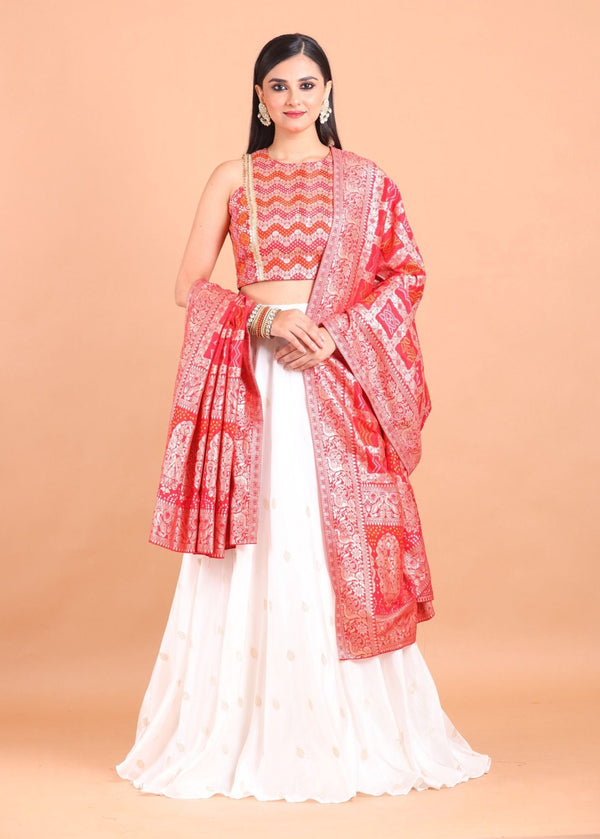
The dupatta is more than an accessory. It can change the entire appearance of your bridal lehenga. A single dupatta is easier to manage and can be ideal if you want greater freedom of movement. A two-dupatta look creates a more traditional and layered bridal appearance. One dupatta can be draped over the head while the second is styled across the shoulder or body. For heavily embroidered lehengas, a lighter dupatta can provide balance. If the lehenga itself is simpler, a detailed dupatta can become a statement element. Before finalising your outfit, try the complete dupatta drape with the blouse and jewellery. This will help you understand how comfortable the outfit will feel during the ceremony.
How Heavy Should a Bridal Lehenga Be?
A heavy bridal lehenga can look beautiful, but weight should not be your only measure of bridal quality. Think about how long you will wear the outfit and what you will need to do while wearing it. You may need to walk, sit, stand, climb stairs, pose for photographs and dance during the celebrations. Embroidery, multiple skirt layers, can-can, heavy borders and multiple dupattas can all increase the overall weight. If comfort is important to you, choose embroidery strategically rather than selecting the heaviest outfit available. A well-designed lightweight bridal lehenga can still create a strong bridal look.
How Much Should You Spend on a Bridal Lehenga?
Your bridal lehenga budget should include more than the skirt and blouse.
When planning your budget, remember to consider:
-
Lehenga and blouse
-
Dupatta or additional dupatta
-
Customisation
-
Alterations
-
Embroidery or design changes
-
Petticoat/can-can if required
-
Accessories and jewellery
-
Footwear
-
Delivery or shipping
A higher price does not automatically mean a better lehenga. Look at the fabric, craftsmanship, embroidery quality, construction, fit and finishing before making your decision.
When Should You Order Your Bridal Lehenga?
Do not leave your bridal lehenga until the last few weeks if you need customisation or major alterations.
A useful planning guide is:
6–9 months before the wedding: Ideal for custom or heavily embroidered bridal lehengas.
4–6 months before: A good window for most customised bridal orders and fittings.
2–3 months before: Suitable for ready-to-wear designs that need limited alterations.
4–6 weeks before: Possible for readily available outfits, but only if the size and alterations can be completed quickly.
Your exact timeline will depend on the designer, embroidery, customisation and shipping requirements. Always leave some extra time for fitting changes.
Bridal Lehenga Shopping Checklist
Before you finalise your wedding lehenga, check the complete outfit rather than looking only at the photographs.
☐ Fabric and lining are comfortable
☐ Blouse measurements are correct
☐ Skirt waist fits comfortably
☐ Skirt length works with your footwear
☐ Embroidery is finished properly
☐ Lehenga is comfortable to walk in
☐ You can sit comfortably
☐ Dupatta is large enough for your preferred drape
☐ Blouse neckline is comfortable
☐ Sleeves allow movement
☐ There is enough alteration margin if required
☐ Jewellery works with the neckline
☐ Footwear height has been considered
☐ Delivery date has been confirmed
☐ Alteration and fitting time has been planned
☐ The outfit has been checked under good lighting
This checklist can help you avoid last-minute surprises before your wedding day.
How to Style Your Bridal Lehenga
Once the lehenga is selected, styling should bring the entire look together.
Jewellery
Match jewellery to the embroidery and colour palette. Gold and kundan work beautifully with traditional red, maroon and gold lehengas. Diamond-style or silver-toned jewellery can work well with cooler pastels and contemporary colours. If the blouse has a detailed neckline, choose a necklace that works with its shape rather than covering the embroidery completely.
Footwear
Choose footwear based on both height and comfort. Your lehenga length should be checked while wearing the actual shoes you plan to use. If you expect to walk or stand for long periods, prioritise comfortable footwear. A beautiful lehenga will not feel enjoyable if your shoes become painful during the ceremony.
Blouse
Your blouse should complement the skirt while giving you enough movement. Make sure the fit is tested while sitting, raising your arms and moving normally.
Dupatta
Try your final dupatta drape before the wedding day. Pin placement, blouse neckline and jewellery can all affect how the dupatta sits.
Makeup and Hair
Your makeup and hairstyle should work with the overall bridal aesthetic. A heavily embellished lehenga can be balanced with a cleaner makeup look, while a simpler lehenga can give you more freedom to experiment with statement jewellery, hair accessories or bridal makeup.