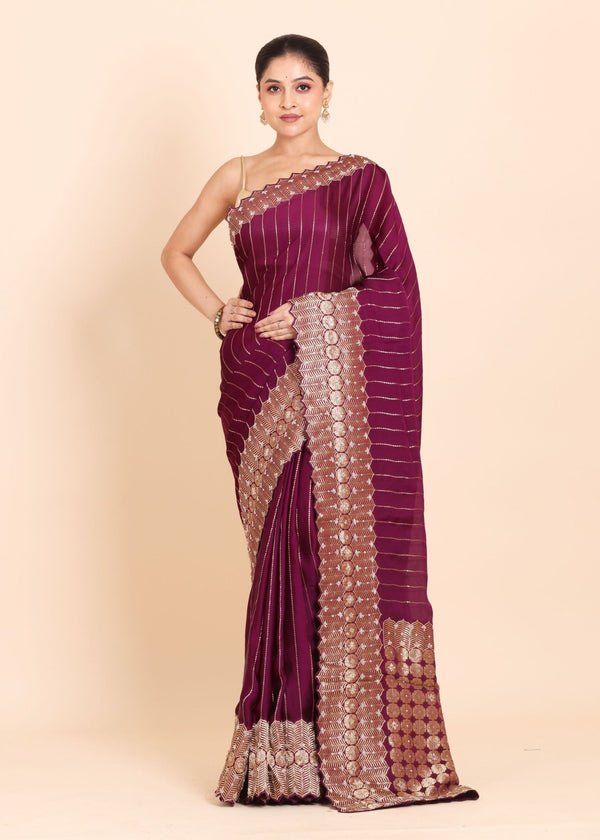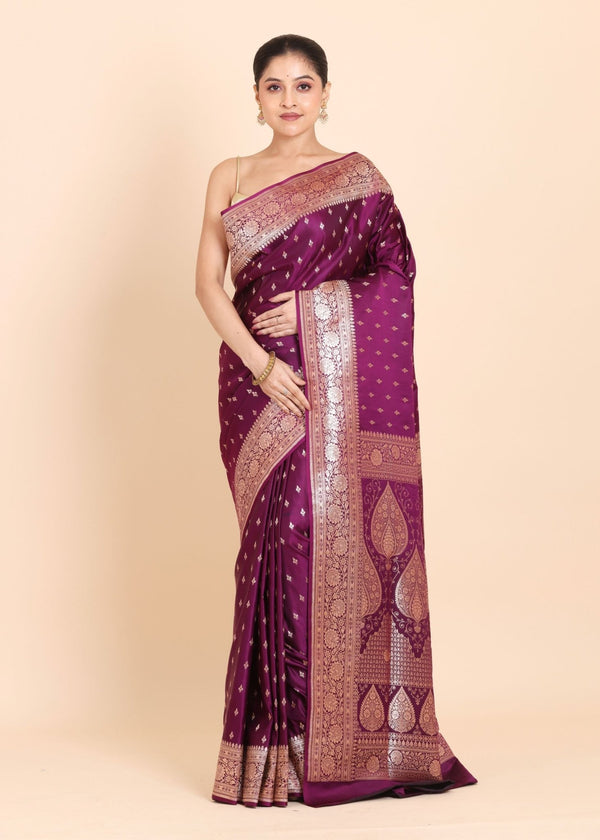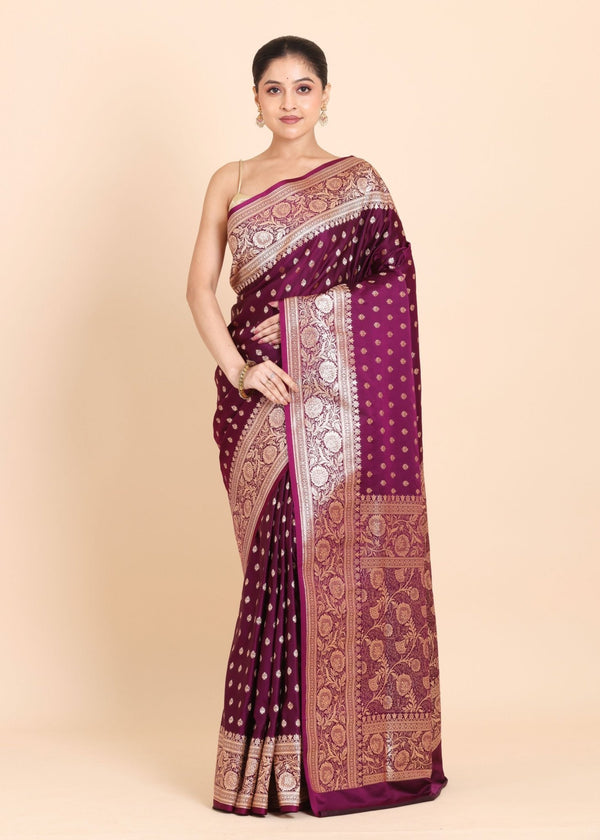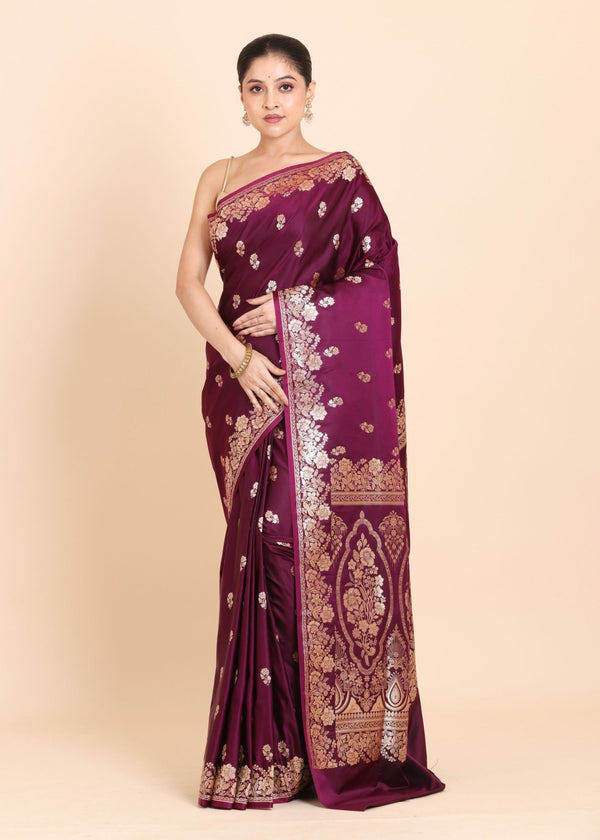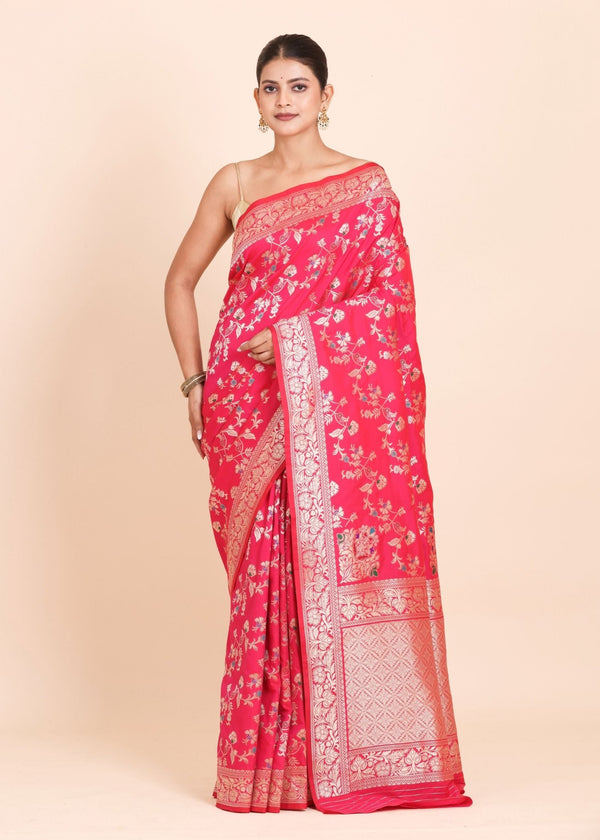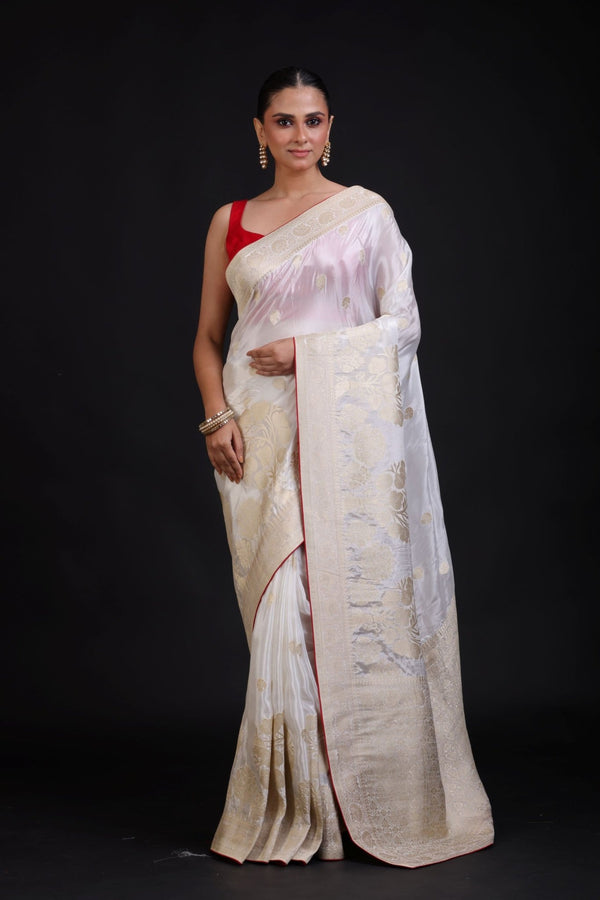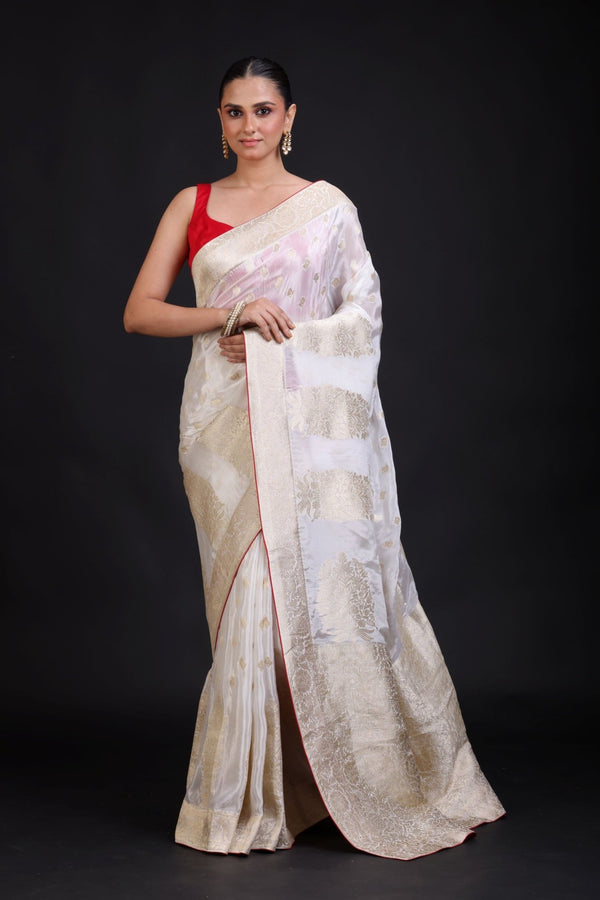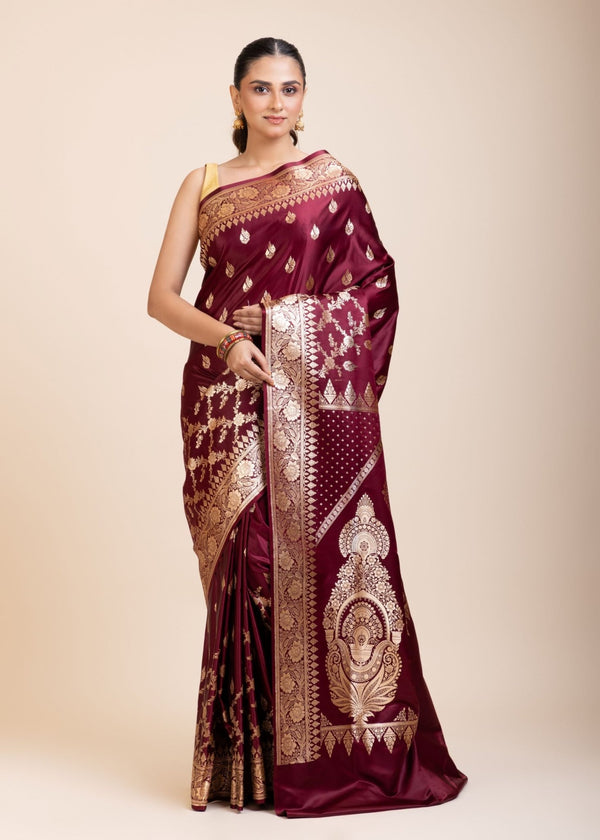




A Banarasi saree is a timeless choice for a bride who wants her wedding outfit to reflect Indian textile heritage, intricate craftsmanship and a rich bridal aesthetic. But choosing the right bridal Banarasi saree involves more than selecting a colour you like. The fabric, weave, zari, motifs, weight, occasion and styling all influence how the saree will look and feel on your wedding day. Whether you are choosing a saree for your main wedding ceremony, reception, engagement or another bridal function, knowing what to look for can make the shopping process much easier. This guide explains how to choose a Banarasi saree for your wedding, how to check important quality details and how to style and care for your saree.
What Makes a Banarasi Saree Special for Bridal Wear?
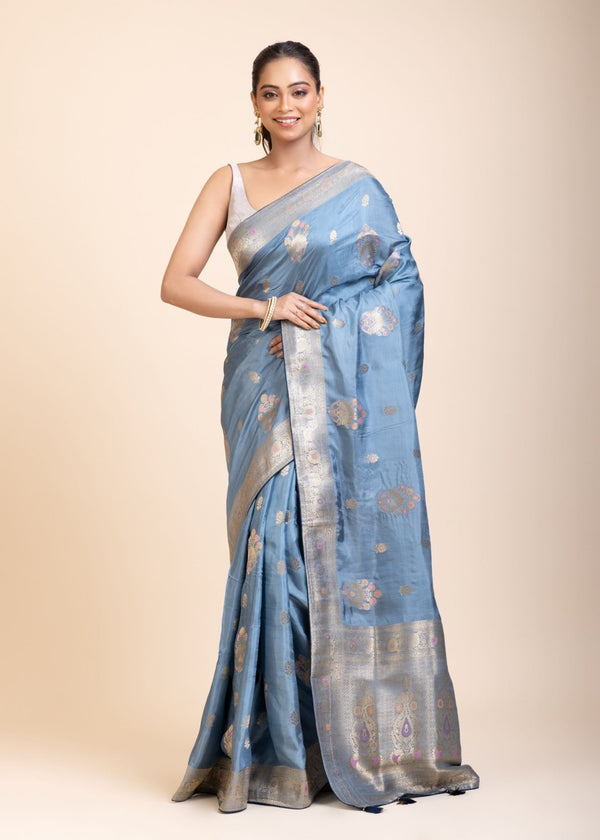
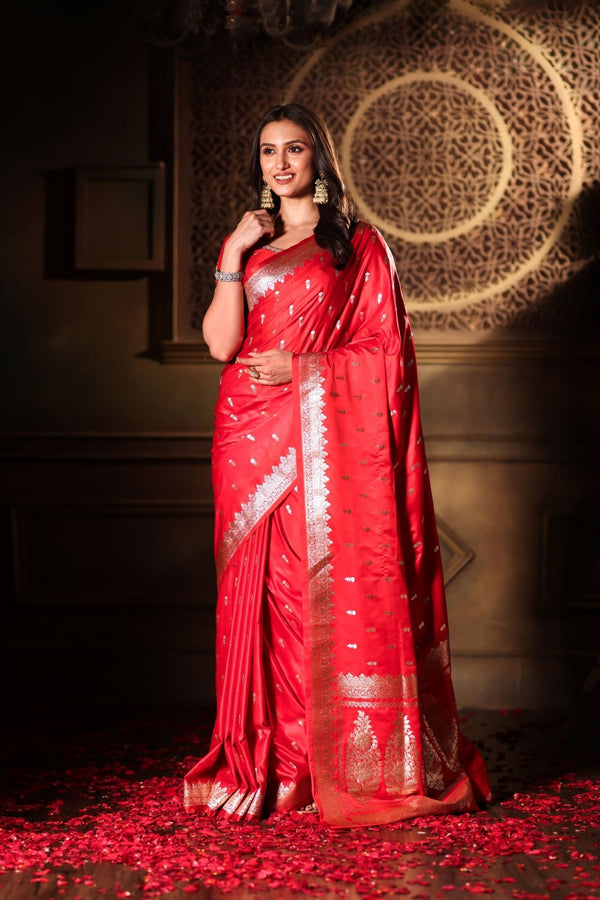
Banarasi sarees are closely associated with the weaving tradition of Varanasi, historically known as Banaras or Benares. Their distinctive character comes from the combination of silk, woven motifs, brocade techniques and zari work. For a bride, this combination creates a saree with texture, structure and visual richness. Depending on the fabric and weaving technique, a Banarasi can have a grand, traditional appearance or a lighter and more contemporary feel. The Banarasi silk saree collection offers a useful starting point for brides exploring different styles.
6 Tips to Choose the Right Bridal Banarasi Saree
1. Choose the Saree According to Your Wedding Ceremony
Start by deciding where you plan to wear the saree. A Banarasi chosen for the main wedding ceremony can be different from one selected for a reception, engagement or sangeet. The time of day, venue and amount of movement can all influence the right fabric and weave. For the main ceremony, many brides prefer richer silk, a substantial border, detailed zari and an elaborate pallu. These details create the traditional bridal effect associated with Banarasi sarees. For a reception or evening celebration, a lighter weave or a saree with a luminous finish can offer a more contemporary look. If you will be moving around frequently during a sangeet or other function, consider the weight and drape before making your choice. Instead of asking which Banarasi is universally the best, consider which one is most appropriate for your ceremony, styling and comfort.

2. Understand the Fabric and Weave
Banarasi sarees are available in different fabrics and weaving styles, so understanding a few common terms can make shopping easier. Katan silk has a rich silk base and a structured fall, making it a popular choice for traditional bridal looks. Organza or Kora Banarasi has a lighter, crisp and slightly sheer character. It can work well when you want the look of Banarasi craftsmanship without the weight of a heavily woven silk. Tissue Banarasi has a luminous appearance that can suit receptions and evening occasions. Georgette Banarasi has a softer, more fluid drape and may be suitable when ease of movement is important. You may also come across terms such as Kadhwa or Kadwa, Jangla, Tanchoi and Butidar. These describe different weaving or design characteristics. For example, Kadhwa involves individually woven motifs, while Butidar designs feature smaller motifs distributed across the saree. You do not need to become a textile expert before shopping. Simply ask what the particular term means for the saree you are considering and how it affects the look, texture and drape.

3. Check the Silk, Zari and Authenticity
A bridal saree is an important purchase, so it is worth understanding what you are actually buying. The Banaras Brocades and Sarees GI registration recognises the geographical identity of this textile tradition. However, a GI should not be treated as a general certification of every aspect of a saree. If a seller describes a saree as pure silk, ask about its silk composition and any relevant certification. Silk Mark is specifically associated with products made from 100% pure silk by authorised users. It is important to note that Silk Mark relates to the purity of silk and does not certify the purity or quality of zari.
When comparing sarees, ask:
-
What is the fabric composition?
-
What type of zari is used?
-
What weaving technique has been used?
-
Is the saree handwoven or powerloom?
-
Does it include a blouse piece?
-
Are certification or product details available?
For online purchases, ask for close-up photographs or videos of the border, pallu, motifs and reverse side of the weave. These details can give you a better understanding of the saree than a single full-length product photograph.

4. Choose the Colour, Motifs and Zari Carefully
Colour is important, but it should be considered as part of the complete bridal look. Traditional shades such as red and maroon work naturally with classic gold jewellery and traditional wedding styling. Deeper jewel tones can create a richer evening look, while pink, purple, green and blue can offer different interpretations of bridal dressing. For a traditional wedding palette, you can explore red sarees, Green sarees can work particularly well for Mehendi and other traditional functions, while yellow sarees and orange sarees can complement festive and daytime celebrations. For a softer or more contemporary bridal wardrobe, consider pink sarees, peach sarees, purple sarees or blue sarees. The zari colour also changes the overall effect. Gold creates a classic bridal appearance, while silver-toned or contrasting zari can give the saree a more contemporary character. Motifs deserve attention as well. Dense jaal work creates a more elaborate appearance, while smaller butis leave more visual space. A heavily detailed pallu or wide border can become the main focal point of the outfit, so consider how it will work with your blouse and jewellery.

5. Consider the Drape, Weight and Blouse
A bridal saree needs to look special, but it also needs to be comfortable enough to wear for several hours.
Before finalising a Banarasi, consider its:
-
Overall weight
-
Fabric feel
-
Border width
-
Pallu design
-
Pleating
-
Saree length and width
-
Blouse-piece fabric
A heavily woven saree can create a grand bridal silhouette, but it may not be the right choice if you expect to move around for long periods. The blouse should also work with the saree rather than compete with it. A richly patterned Banarasi can often be paired with a more controlled blouse design, while a simpler saree can provide more scope for embroidery, sleeves or other blouse detailing. Think about your footwear and final drape before the blouse is stitched. This helps ensure the saree falls correctly and the pleats sit comfortably. For reception or formal occasions outside the main wedding ceremony, you can also explore grey sarees or black sarees for a more contemporary direction.

6. Check the Seller and Delivery Details
If you are purchasing your bridal Banarasi online, do not make your decision based only on the product photograph. Look for clear information about the fabric, weave, zari, measurements and blouse piece. It is useful to see close-up images of the border and pallu as well as a video showing the saree in movement.
Before ordering, confirm:
-
Saree dimensions
-
Fabric composition
-
Zari details
-
Blouse-piece details
-
Customisation options
-
Dispatch and delivery timeline
-
Return or exchange policy
-
Care instructions
Order early enough to allow time for delivery, blouse stitching, alterations, fall and pico, and a trial drape. This is especially important for a wedding saree because last-minute adjustments can be stressful.

How to Tell If a Banarasi Saree Is Genuine
There is no single visual test that can confirm every aspect of a Banarasi saree. Shine, texture and appearance can offer clues, but they should not be treated as complete proof of silk or zari quality. Look for clear information about the fabric, weaving technique and zari. If the saree is described as pure silk, ask for relevant certification or documentation where available. The GI identity and Silk Mark serve different purposes. The GI relates to the recognised geographical identity of Banaras Brocades and Sarees, while Silk Mark relates specifically to the purity of silk in products carrying the mark from authorised users. For an online purchase, transparency is important. A reliable seller should be able to provide useful product information rather than relying only on broad descriptions such as “premium silk” or “bridal quality.”
Which Banarasi Saree Is Best for a Bride?
There is no single Banarasi saree that will be right for every bride. For a main wedding ceremony, you may prefer a rich silk saree with detailed zari, an elaborate pallu and a substantial border. For a reception or another function, a lighter fabric, a different weave or a more contemporary colour may be more suitable. Your decision should come down to the ceremony, comfort, styling, fabric, craftsmanship and the type of bridal look you want to create.
How to Buy a Bridal Banarasi Saree Online
Online shopping gives brides access to many Banarasi styles, but asking the right questions can prevent confusion later.
Before ordering, request clear views of:
-
The full saree
-
Border
-
Pallu
-
Woven motifs
-
Zari
-
Reverse side
-
Blouse piece
-
Saree in movement
Also ask about the fabric composition, weaving technique, zari, dimensions, customisation, delivery and return policy. If possible, compare several sarees based on their actual construction rather than comparing price alone. A lower or higher price does not by itself tell you whether one saree is more suitable for your wedding.
How to Take Care for Your Bridal Banarasi Saree
A Banarasi saree can remain part of your wardrobe for years when it is stored and cared for properly. Follow the care instructions provided for your particular saree. Avoid unnecessary washing and use professional cleaning when recommended for the silk and zari. Store the saree in a clean, dry place away from direct sunlight and excessive moisture. A breathable fabric such as clean muslin can be used as a protective layer. Refolding the saree from time to time can also help prevent permanent creases along the same fold lines. Keep perfume, sprays and harsh chemicals away from the silk and zari.
Final Thoughts
Choosing a bridal Banarasi saree becomes easier when you look beyond colour and appearance. Start with the wedding function, understand the fabric and weave, check the silk and zari details, consider the weight and drape, and make sure you have enough information about the seller and delivery timeline. The real appeal of a Banarasi lies in the combination of textile heritage and craftsmanship. Whether you choose a traditional red, a deep jewel tone or a contemporary shade, the right saree should suit your wedding ceremony, complement your styling and feel comfortable enough to enjoy throughout the celebration. For brides exploring different Banarasi styles, Anvi Couture's Banarasi saree collection offers another place to explore bridal and occasion-worthy designs.