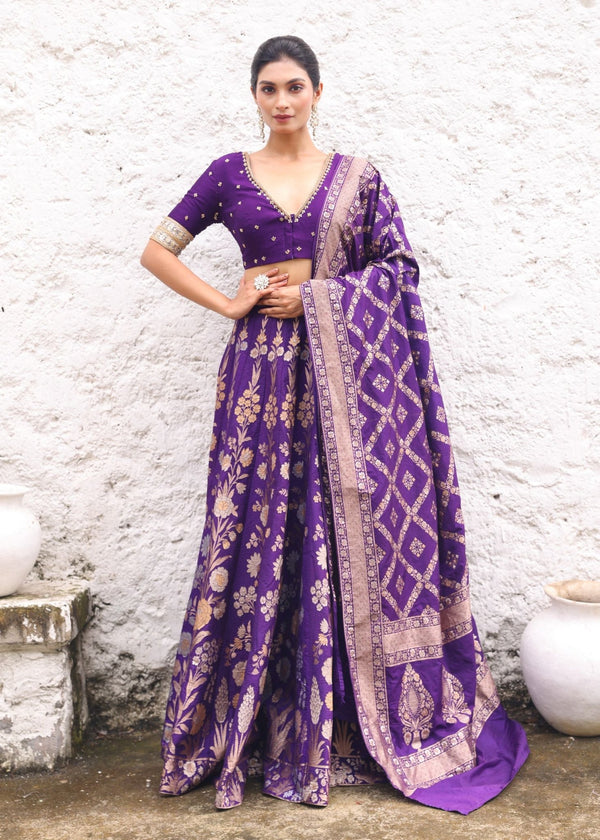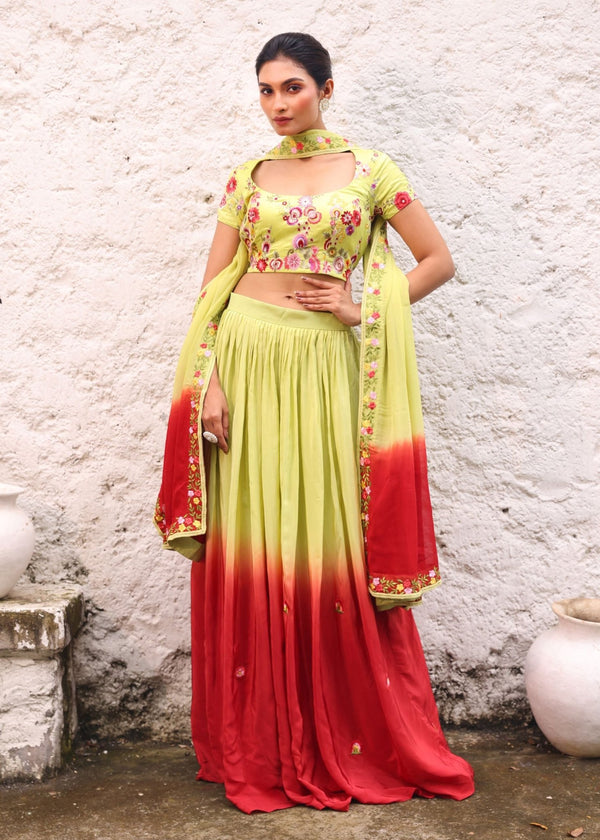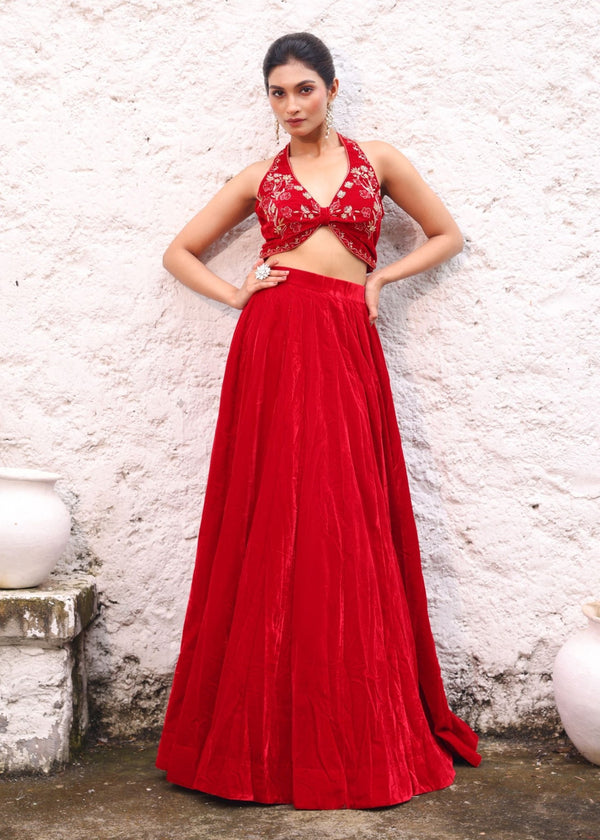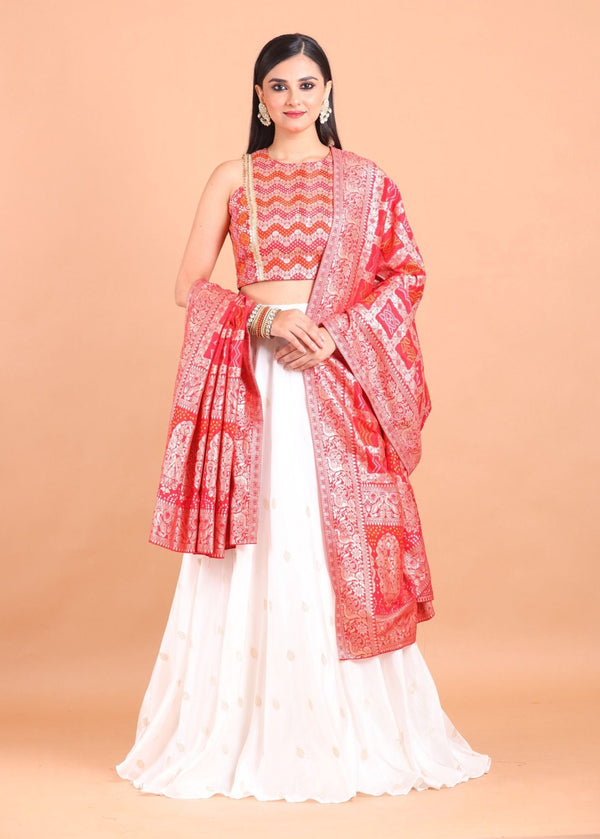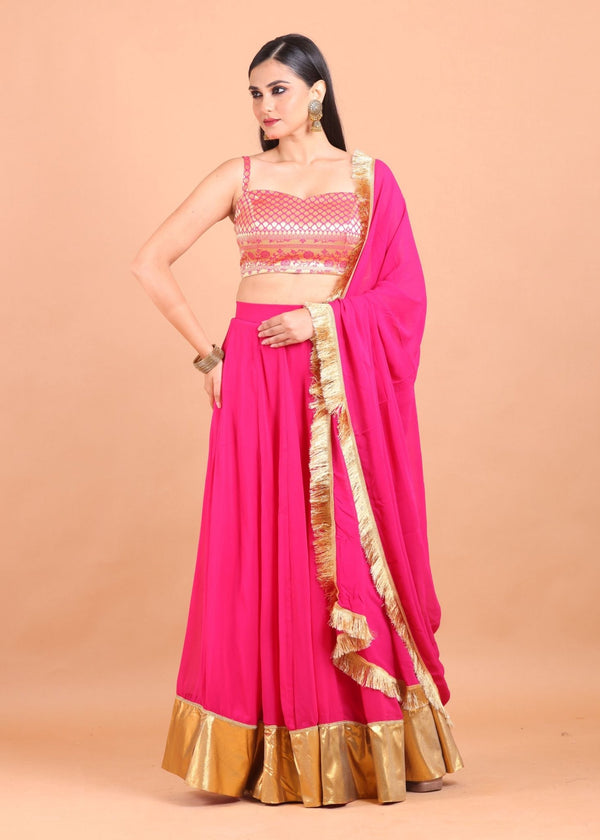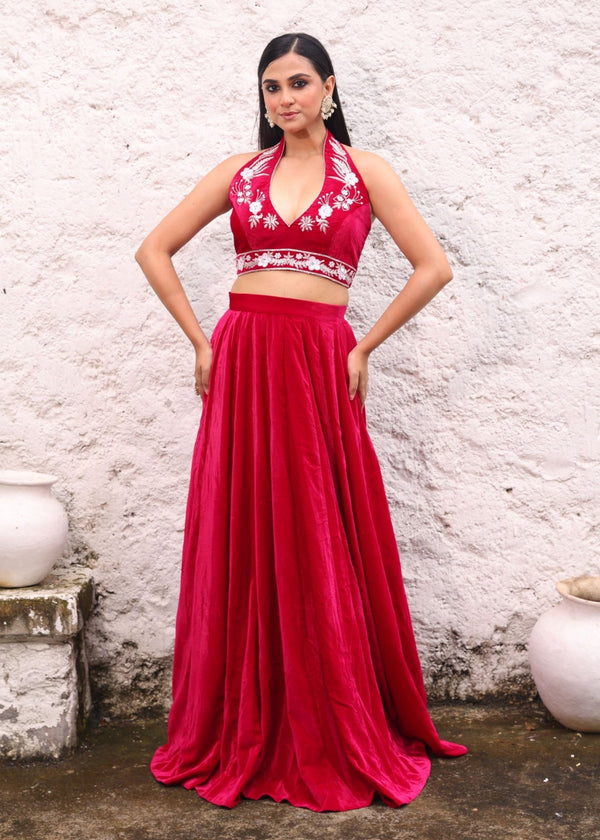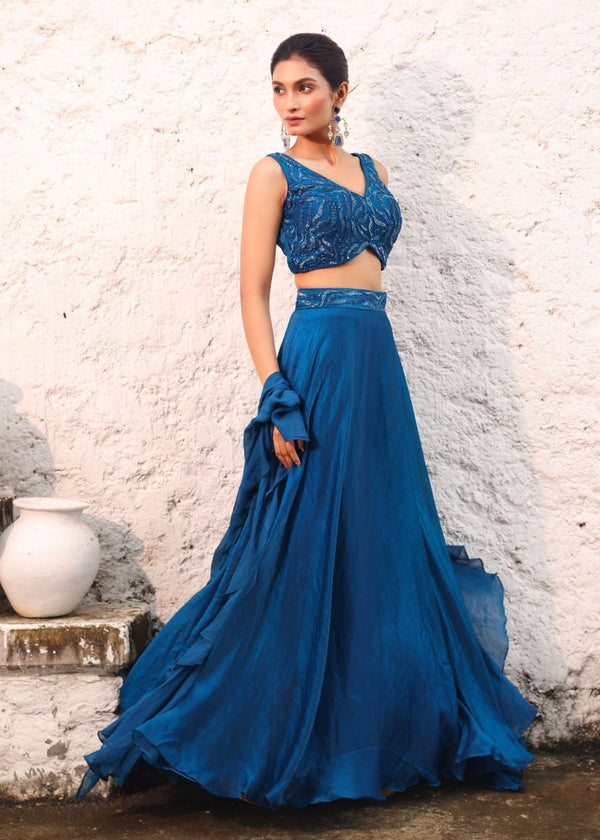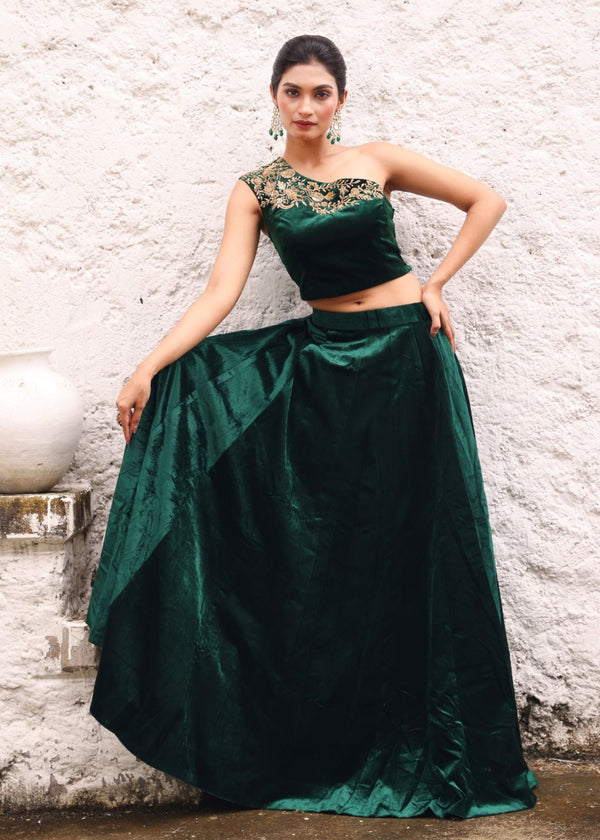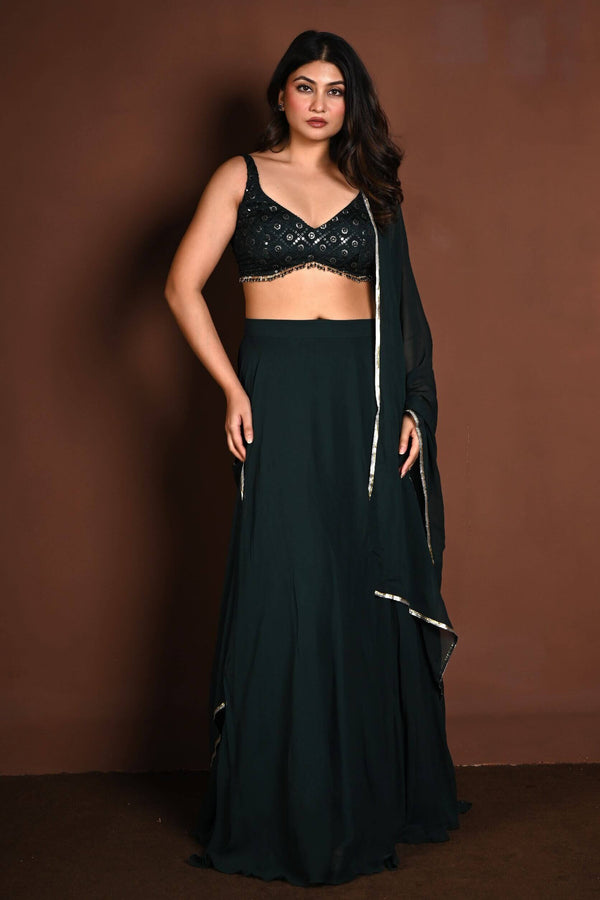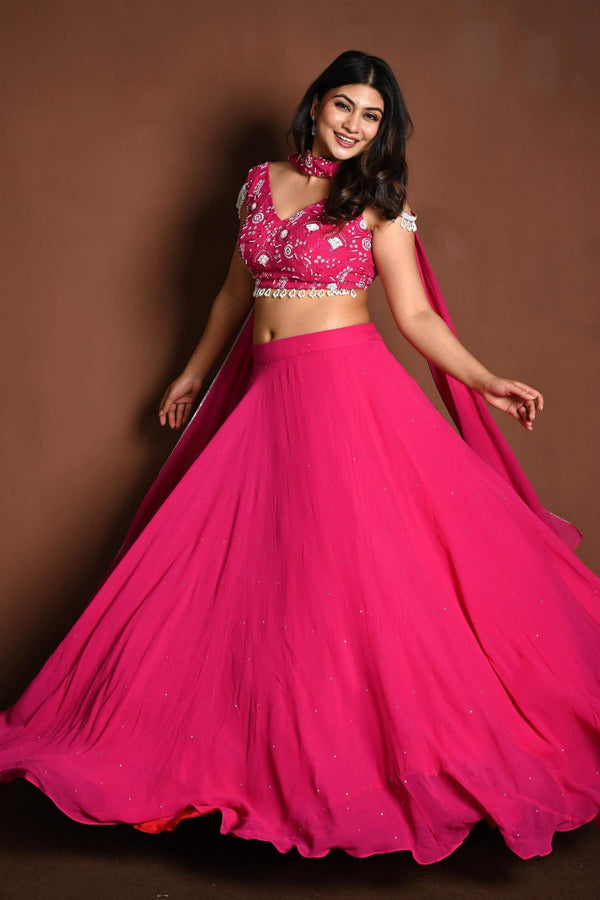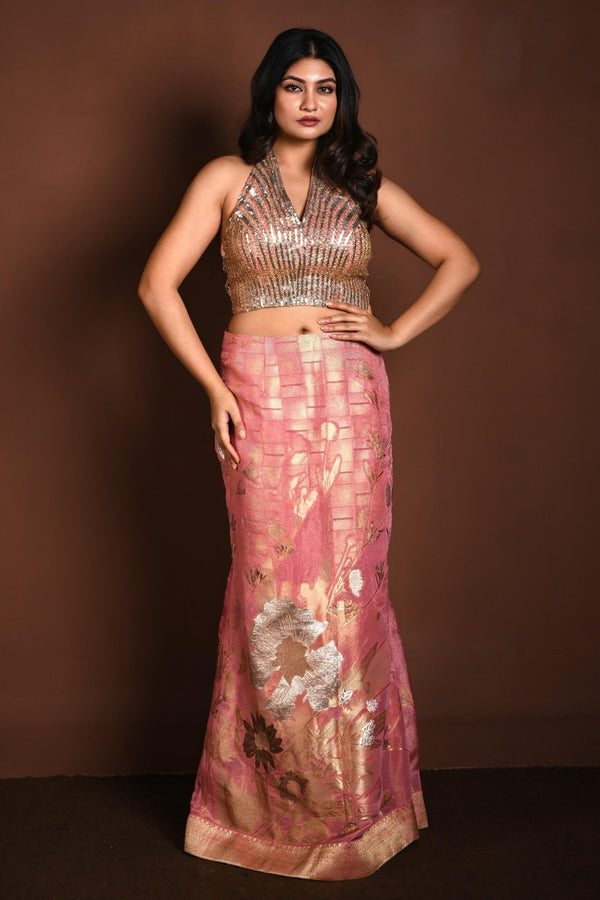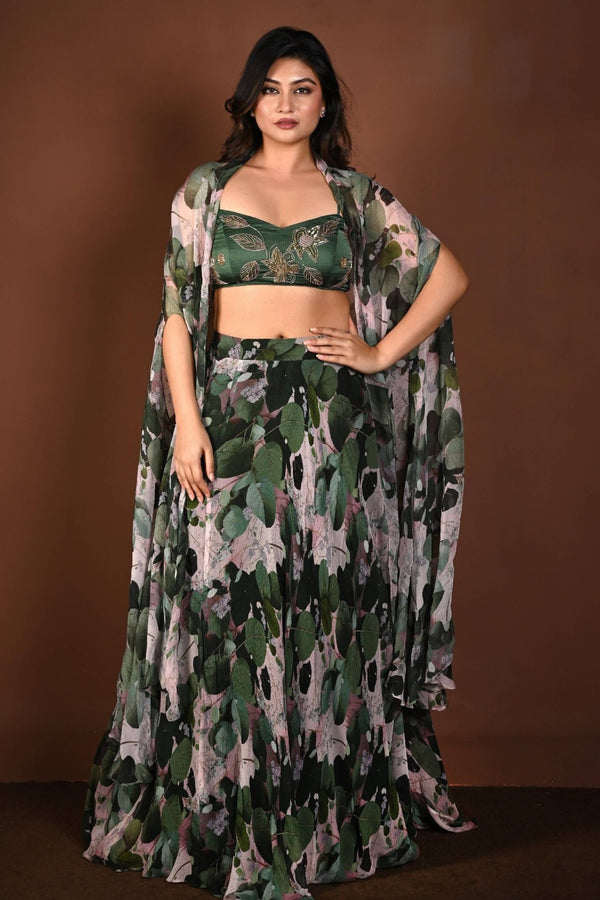




A lehenga is one of the most versatile outfits you can wear to an Indian wedding. From the Mehendi and Sangeet to the wedding ceremony and reception, there is a lehenga style for almost every function. The right choice, however, is not only about picking a trending colour or an attractive embroidery pattern. The silhouette, fabric, embellishment, blouse design, comfort and formality of the event all matter. Today, lehenga choli styles range from traditional bridal designs with intricate craftsmanship to contemporary silhouettes with minimal detailing. They also offer plenty of options for bridesmaids and wedding guests who want a festive look without choosing a heavily bridal outfit. Compared with a bridal saree, a lehenga also gives you more freedom to experiment with volume, blouse construction, dupatta draping and styling. If you are looking for inspiration, these 12 lehengas cover a mix of classic craftsmanship and contemporary wedding fashion. The guide also explains which styles work for different wedding functions and how to choose a lehenga that feels right for you.
Quick Guide: Which Lehenga Should You Wear to Each Wedding Function?
|
Wedding Function |
Lehenga Style to Consider |
Colours & Details |
Styling Direction |
|
Haldi |
Lightweight, easy-moving lehenga |
Yellow, green, pink, floral details |
Light jewellery and comfortable footwear |
|
Mehendi |
Floral, mirror-work or colourful lehenga |
Green, pink, peach, pastel shades |
Playful jewellery and a practical dupatta |
|
Sangeet |
Flared, sequined or mirror-work lehenga |
Jewel tones, pink, blue, wine |
Statement earrings and movement-friendly styling |
|
Wedding Ceremony |
Traditional bridal lehenga |
Red, maroon, deep pink, jewel tones |
Traditional jewellery and dupatta drape |
|
Reception |
Contemporary or minimalist lehenga |
Ivory, champagne, jewel tones, pastels |
Modern jewellery and structured blouse |
|
Winter Wedding |
Velvet, silk or brocade lehenga |
Deep red, emerald, royal blue, wine |
Rich embroidery and layered styling |
12 Trending Lehenga Designs for Weddings
1. A-Line and Flared Lehengas
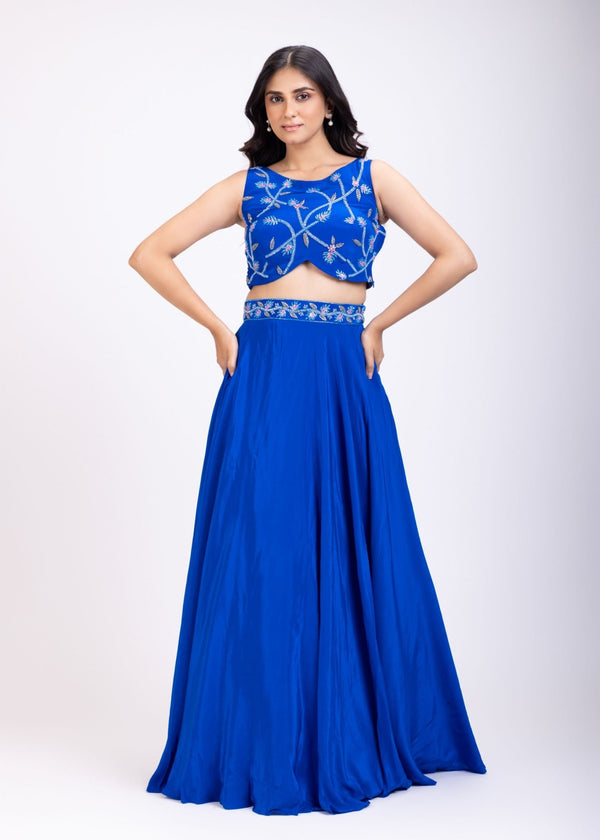
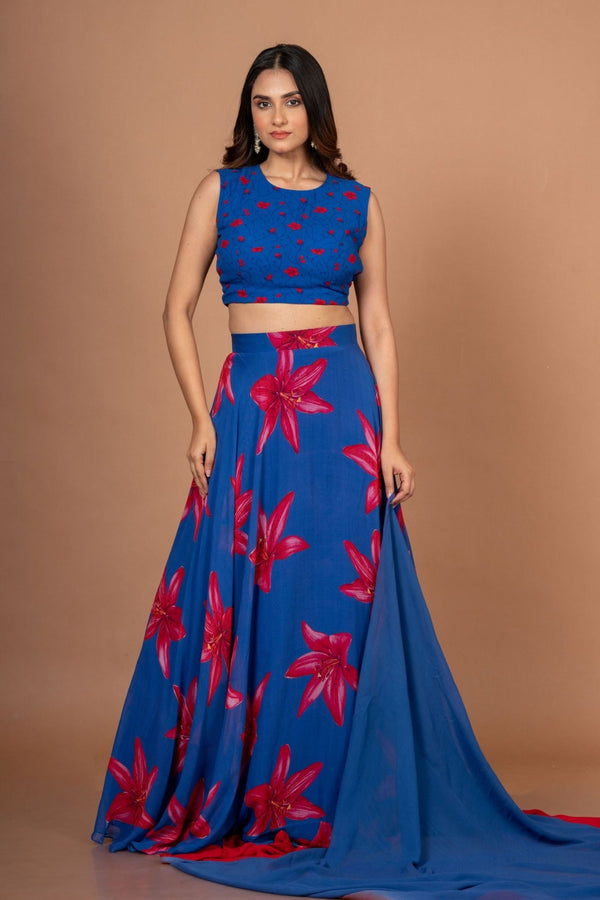
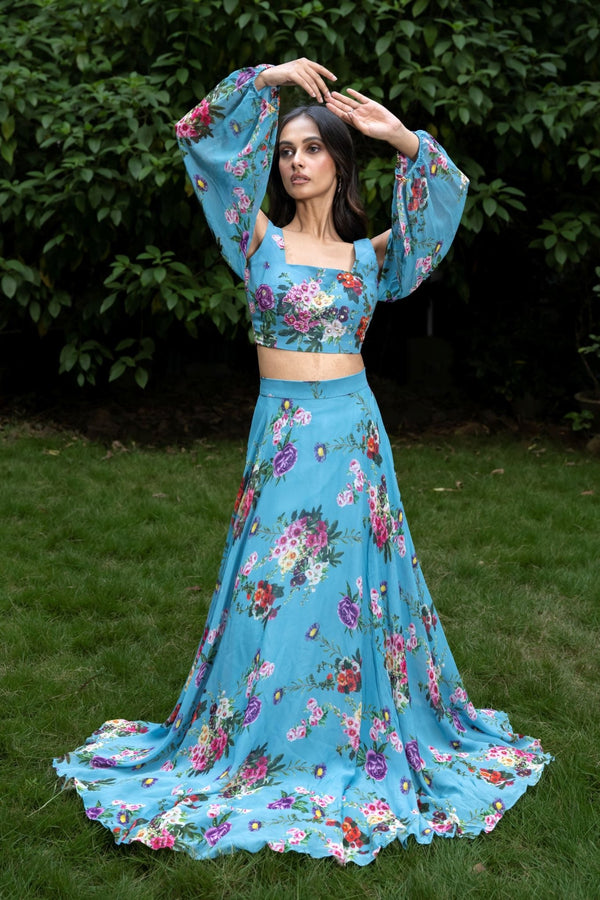
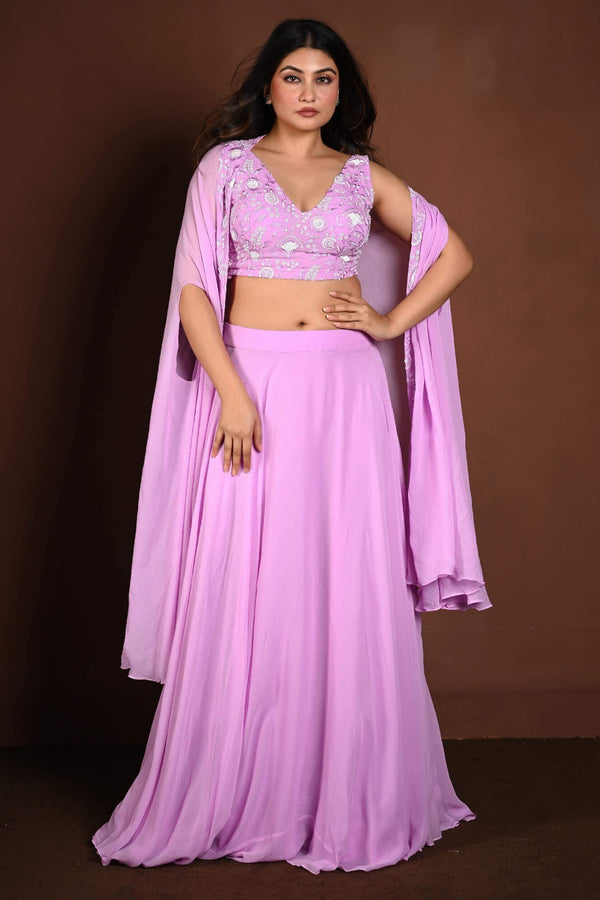
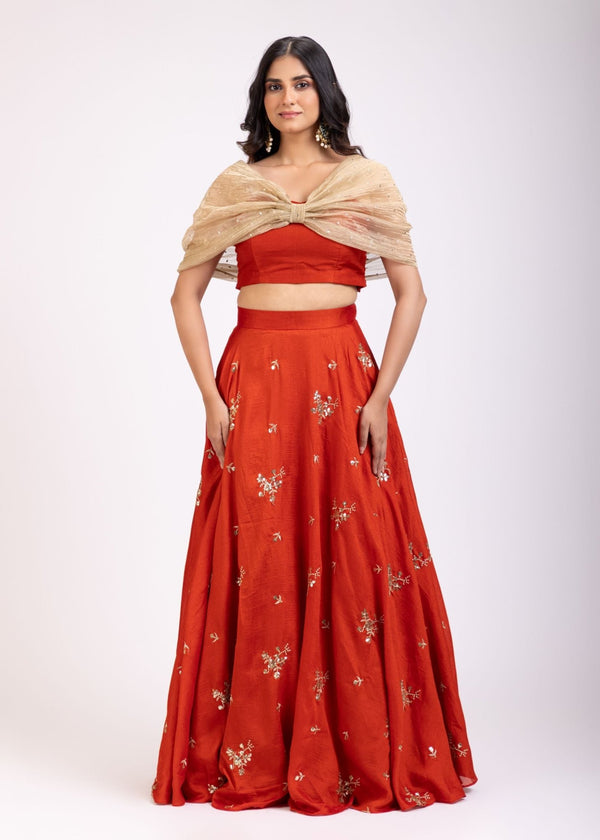
A-line and flared lehengas are versatile choices when you want a graceful silhouette with comfortable movement. An A-line lehenga gradually widens from the waist, while a circular or fuller flare creates more volume and drama. A flared skirt works particularly well for functions where you will be walking, dancing or taking photographs. The movement of the skirt also adds visual interest without requiring excessive embellishment. You can choose a heavily embroidered version for a wedding ceremony or a lighter design for a Mehendi or Sangeet. Pair a fuller skirt with a fitted choli to create a balanced silhouette. If the lehenga already has detailed embroidery, keep the blouse and accessories coordinated rather than adding too many competing elements.

2. Pastel Lehengas with Floral Embroidery
Pastel lehengas continue to be a popular choice for women who prefer a softer wedding look. Blush pink, peach, mint, sage, powder blue and lavender can create a fresh appearance, especially for daytime and intimate celebrations. Floral embroidery makes these lighter shades more interesting. Resham threadwork, delicate sequins, tonal embroidery and small embellishments can add dimension without making the outfit look too heavy. A pastel floral lehenga is especially suitable for a Mehendi, daytime Sangeet or pre-wedding celebration. You can keep the jewellery delicate or introduce contrast with pearls, polki or colourful stones. For a modern look, pair the lehenga with a structured blouse and a neatly draped dupatta.

3. Red and Deep-Tone Bridal Lehengas
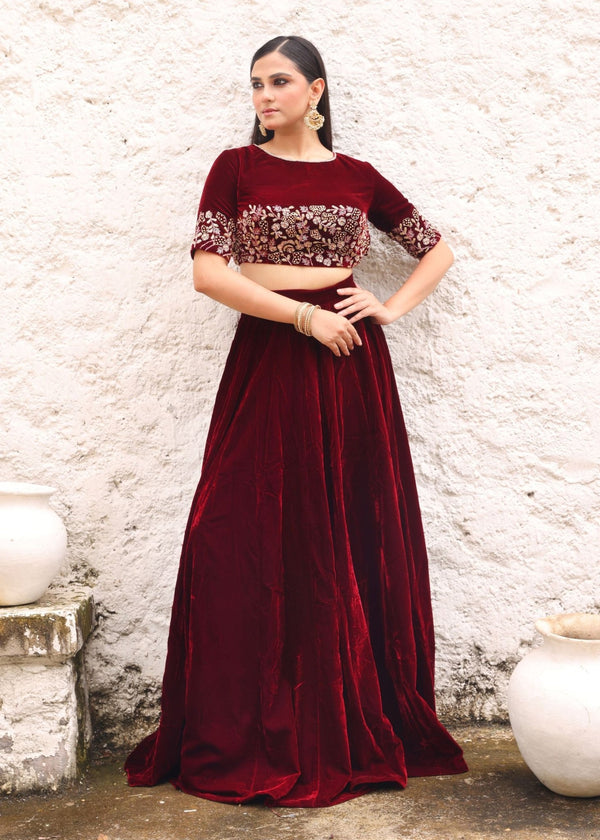
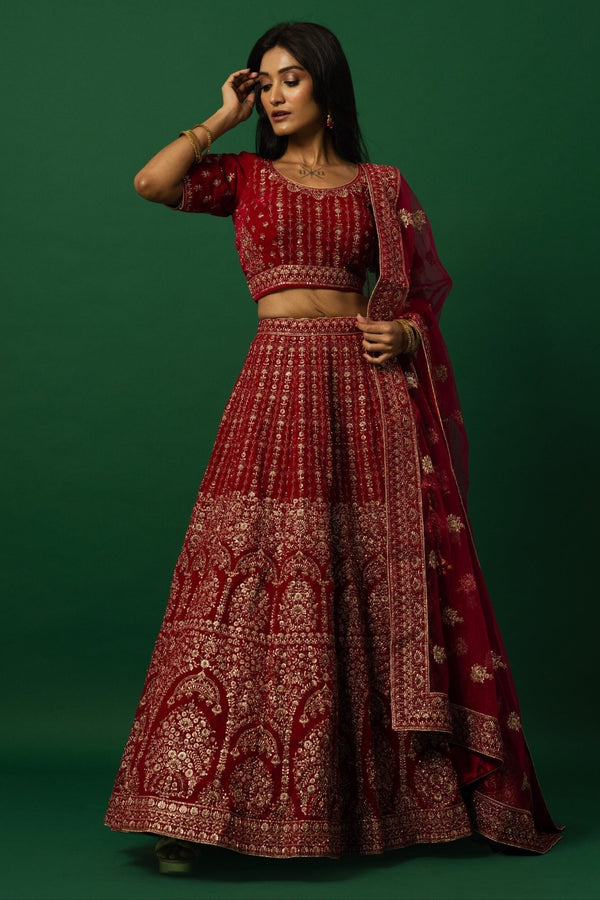
Red continues to have a strong place in traditional Indian bridal fashion. However, today's bridal palette can extend beyond bright red to include maroon, wine, burgundy and deep pink. The impact of a red lehenga often comes from the combination of colour, fabric and embroidery. Zari, zardozi, resham, sequins and stone embellishment can create different levels of bridal grandeur. Rich fabrics such as silk, velvet and brocade can also give deep colours more depth. A red lehenga with detailed embroidery is a natural choice for the wedding ceremony. If the lehenga is heavily embellished, balance it with a traditional dupatta and coordinated jewellery. Brides who want a contemporary interpretation can choose a modern blouse silhouette or a contrasting dupatta.

4. Cape and Jacket Lehengas
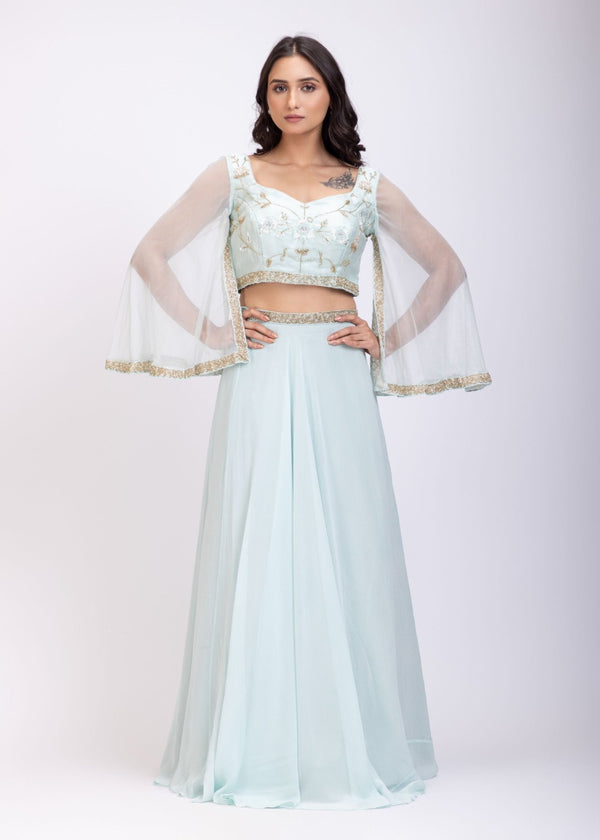
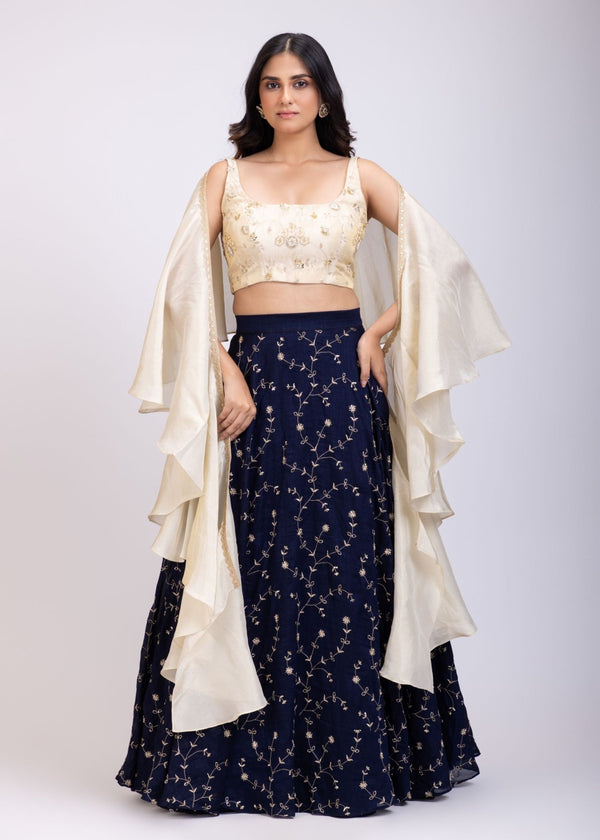
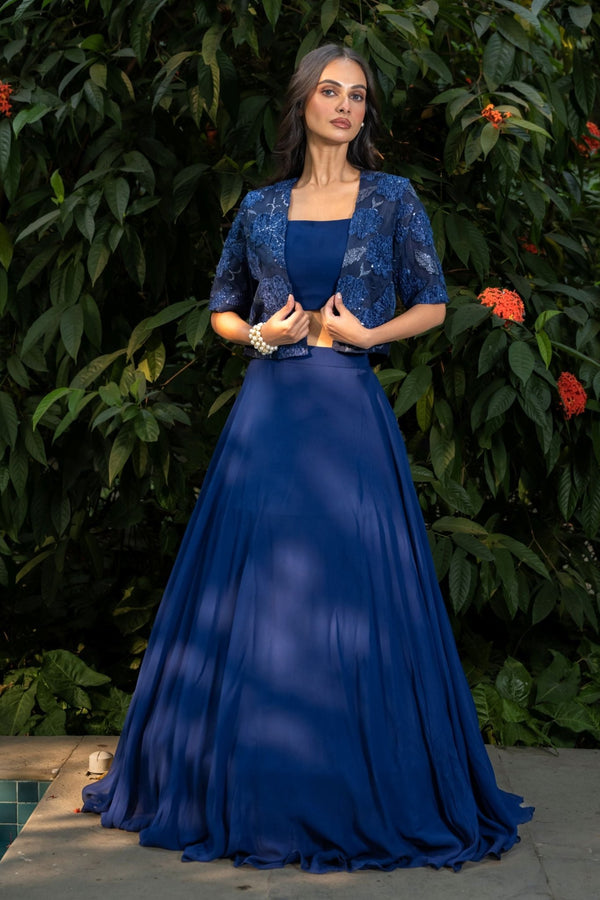
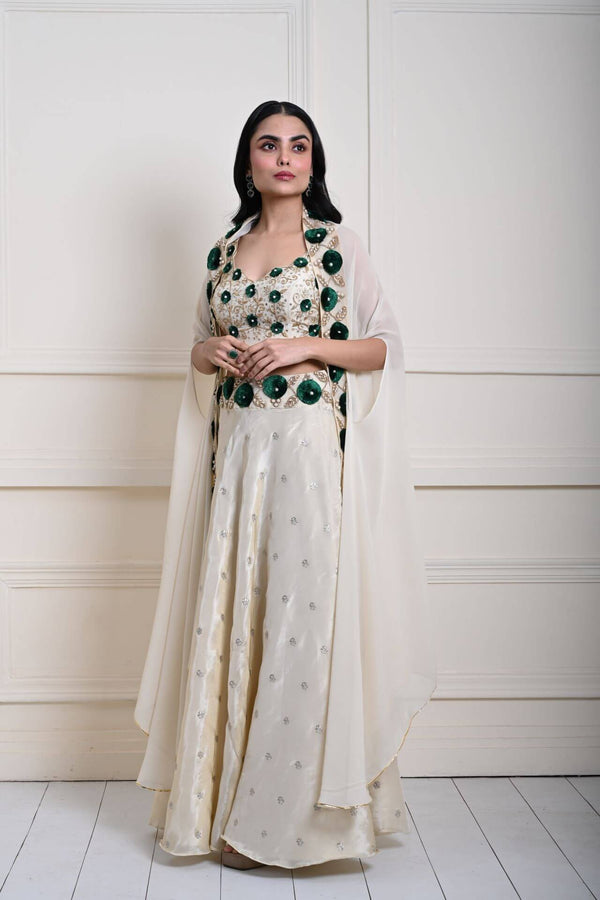
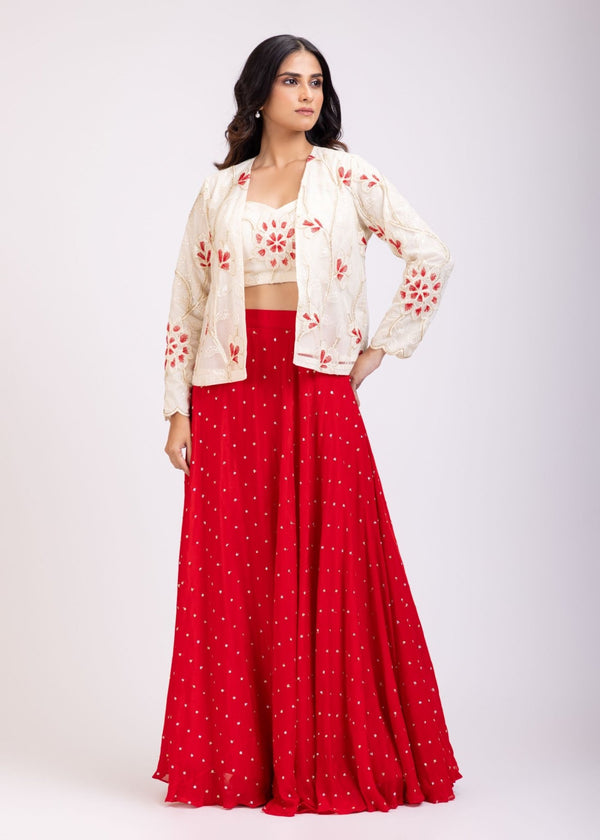
Cape and jacket lehengas bring a contemporary layer to the traditional lehenga silhouette. A sheer embroidered cape can replace a conventional dupatta for a lighter, more fashion-forward appearance, while a short or long jacket can add structure and coverage. This style is particularly useful for women who want a modern outfit without moving completely away from Indian wedding dressing. A cape can be delicate and translucent or heavily embroidered, depending on the formality of the occasion. A crop top lehenga for wedding celebrations can also be styled with a jacket, cape or statement dupatta for a contemporary look. When choosing the blouse, pay attention to neckline, sleeve length and proportion so the additional layer does not overwhelm the outfit.

5. Mirror Work Lehengas
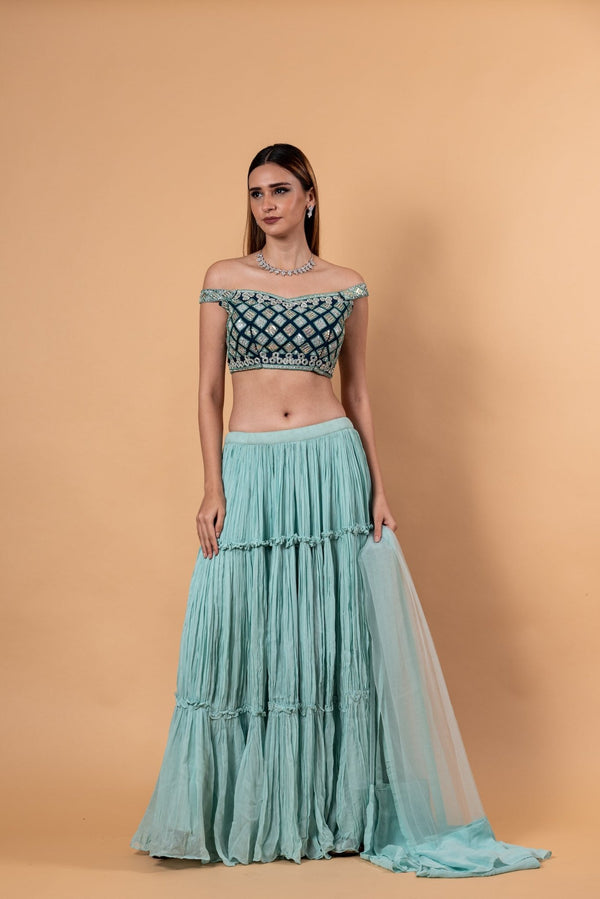
Mirror work adds light-catching detail and movement to a lehenga. Traditionally associated with Indian textile craftsmanship, mirror embellishment can now be used in both traditional and contemporary designs. Small mirrors can be scattered across the skirt, arranged into floral motifs or combined with threadwork and sequins. Because the embellishment catches light, mirror-work lehengas are particularly effective for evening celebrations and photographs. They can work beautifully for a Mehendi or Sangeet, where movement is an important part of the occasion. If the lehenga has dense mirror work, consider simpler jewellery such as statement earrings instead of layering several heavy pieces.

6. Minimalist and Contemporary Lehengas
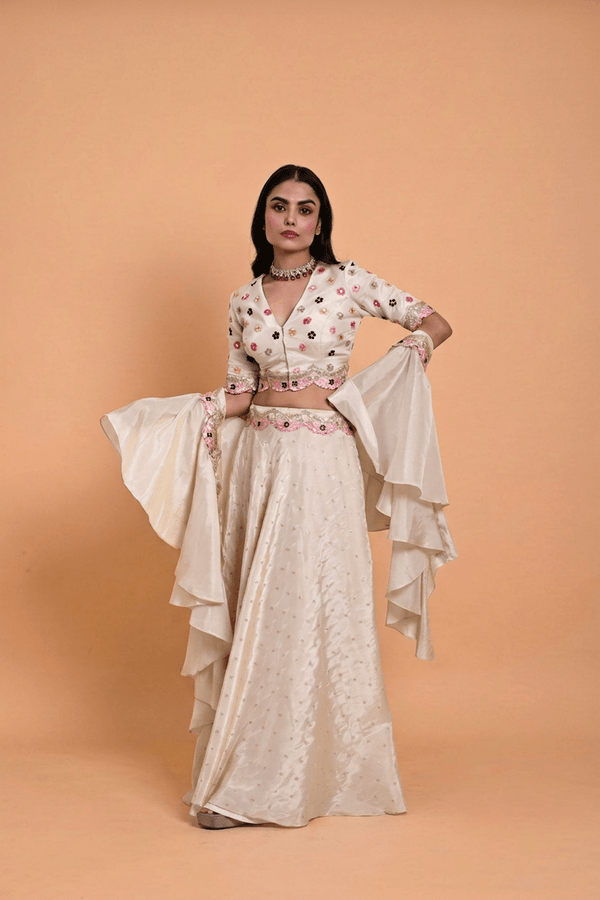
Not every wedding look needs heavy embroidery. Minimalist lehengas focus on clean silhouettes, refined detailing, fabric quality and the construction of the blouse and skirt. Monochromatic designs in ivory, champagne, beige, muted pink, sage and other soft tones can create a contemporary appearance. Instead of dense embroidery, the design may use tonal threadwork, subtle sequins, delicate borders or an interesting blouse structure. This approach works especially well for receptions, cocktail-style celebrations and modern wedding venues. The fit becomes particularly important with a minimalist lehenga because there are fewer embellishments to distract from the silhouette. Pair it with sculptural earrings, a sleek hairstyle or a statement blouse to give the outfit a distinct personality.

7. Sequined and Shimmer Lehengas
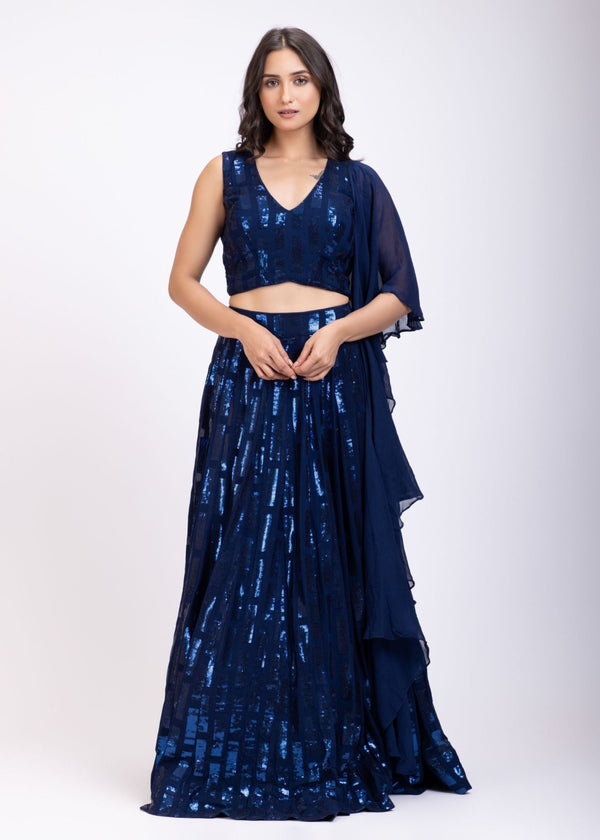
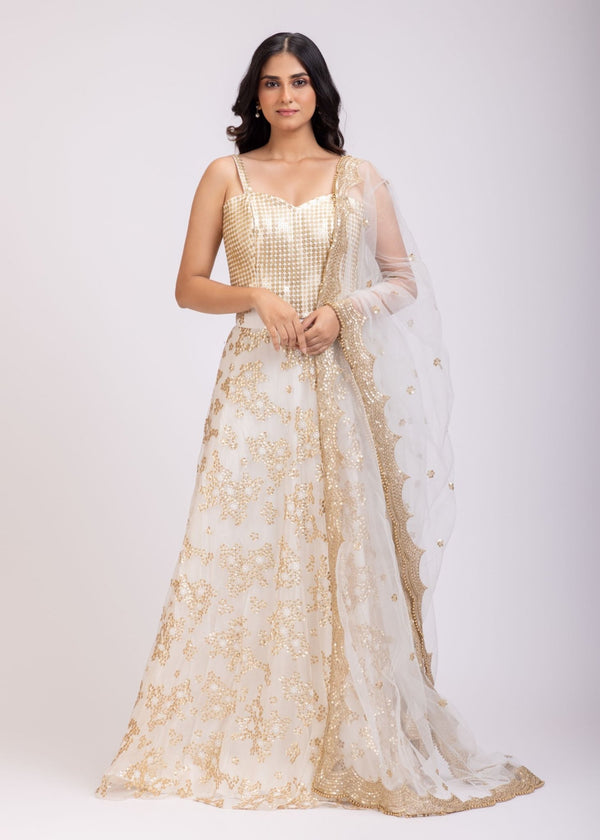
Sequins and shimmer detailing are natural choices for evening wedding functions. They reflect light beautifully and can give a lehenga a festive appearance without relying entirely on heavy traditional embroidery. A sequined lehenga can be fully embellished or use shimmer selectively along the blouse, skirt panels, border or dupatta. Lighter sequin designs can work well for a Sangeet, while denser embellishment can suit a glamorous reception. If you choose a high-shine lehenga, keep the rest of the styling controlled. A statement earring, sleek hair and a clean blouse design can allow the embellishment to remain the focal point. For a dance-heavy event such as a Sangeet, also consider the weight of the skirt and whether the embellishment affects movement.

8. Ombre and Multicolour Lehengas
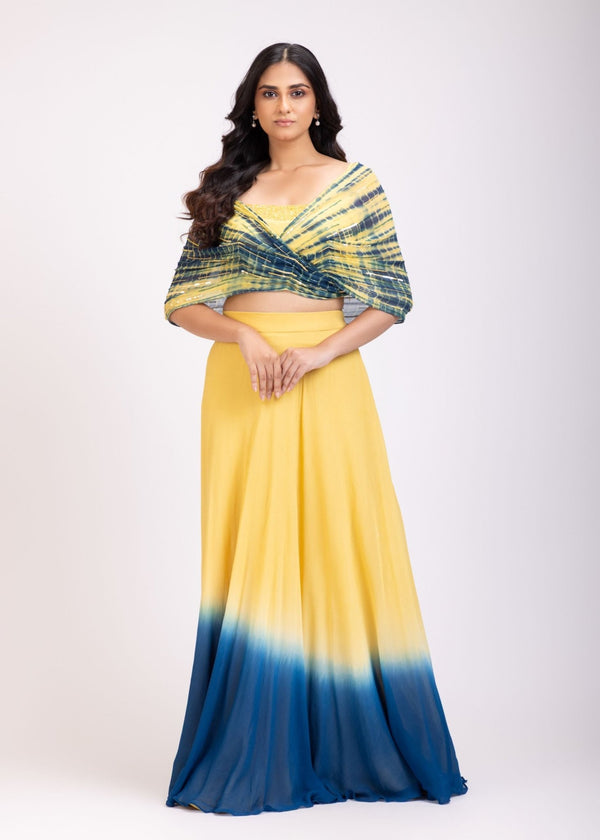
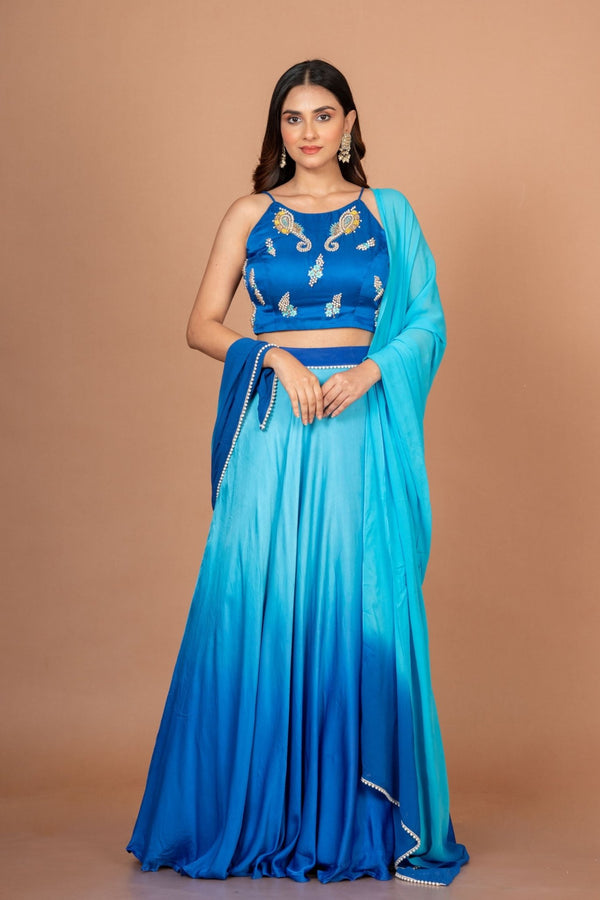
Ombre lehengas use a gradual transition from one colour to another, creating a sense of movement across the skirt. The colour transition can be subtle, such as blush pink to peach, or more vibrant, such as red to orange or pink to purple. This technique works particularly well when the skirt itself is the main visual element. The blouse can remain relatively simple so the colour gradient gets enough attention. Multicolour and ombre lehengas are a good option for women who enjoy expressive fashion and want something different from a single-colour bridal outfit. They can work for pre-wedding celebrations, Sangeet functions and even contemporary bridal looks when the colours and embroidery are carefully balanced.

9. Ruffle, Layered and Tiered Lehengas
Ruffles, layers and tiers introduce volume and movement into the traditional lehenga silhouette. They can make the skirt look fuller without depending only on heavy embroidery or can-can. Layered construction can range from soft and subtle to dramatic and fashion-forward. Ruffles are particularly effective when combined with lighter fabrics that move easily as you walk or dance. For a Sangeet or pre-wedding celebration, a lighter layered lehenga can provide the movement needed for dancing and photographs. If the skirt has substantial volume, choose a more fitted blouse and keep the dupatta styling secure and practical. The key is proportion. A voluminous skirt, elaborate blouse and heavily embellished dupatta can quickly make the outfit feel too busy.

10. Velvet and Rich-Fabric Lehengas
Velvet brings a rich texture and deeper colour saturation to a wedding outfit. It is particularly suitable for winter weddings and evening celebrations because of its heavier hand feel and plush appearance. Deep red, emerald green, royal blue, wine and other jewel tones work especially well with velvet. Gold or silver embroidery can add further depth, while brocade and silk can offer similar richness with a different texture. A velvet lehenga can be heavily embroidered for a traditional bridal appearance or paired with a simpler blouse for a more contemporary look. Since velvet already has visual weight, consider the overall balance of the outfit before adding a heavily embellished dupatta and extensive jewellery.

11. Statement Blouse Lehengas
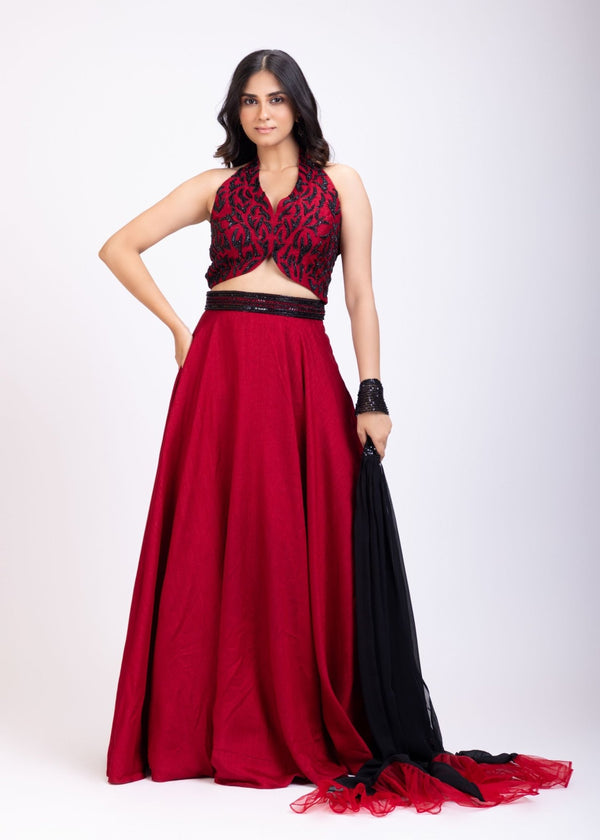
The blouse has become an important part of contemporary lehenga styling. Instead of treating the choli as a supporting element, many modern designs make the blouse the main focal point. Statement options include corset-inspired silhouettes, halter necks, high necks, structured bodices, dramatic sleeves, full-sleeve blouses and embroidered designs. Cape sleeves and contemporary necklines can also update a traditional skirt. A well-designed exclusive lehenga blouse design for wedding celebrations can completely change the character of the same lehenga skirt. This also makes the blouse useful when you want to rewear the outfit in a different way. When selecting a statement blouse, focus on fit. The neckline, shoulder placement, bust fit, waist fit and sleeve construction should allow you to move and sit comfortably throughout the event.

12. Traditional Craft with Contemporary Silhouettes
One of the most versatile directions in wedding fashion is the combination of traditional Indian craftsmanship with contemporary construction. Think of classic zari or zardozi embroidery on a modern blouse, traditional motifs on a pastel skirt, intricate craftsmanship with a crop-top silhouette, or a classic bridal colour paired with an unconventional drape. This approach works well for brides who want their outfit to feel rooted in Indian wedding traditions while still reflecting their personal style. It also gives bridesmaids and wedding guests a way to wear traditional craftsmanship without choosing a heavily bridal design. The key is balance. Let one or two elements carry the traditional character while the silhouette, blouse or styling introduces a modern point of view.

How to Choose the Right Lehenga for Your Wedding
A beautiful lehenga may catch your attention immediately, but the best choice also needs to work with the occasion and your comfort. Consider these factors before making a decision.
Choose the Right Silhouette
The silhouette determines how the lehenga falls and how much movement it creates.
A-line: Gradually widens from the waist and offers a versatile silhouette.
Circular or flared: Creates more volume and movement, making it useful for festive functions and photographs.
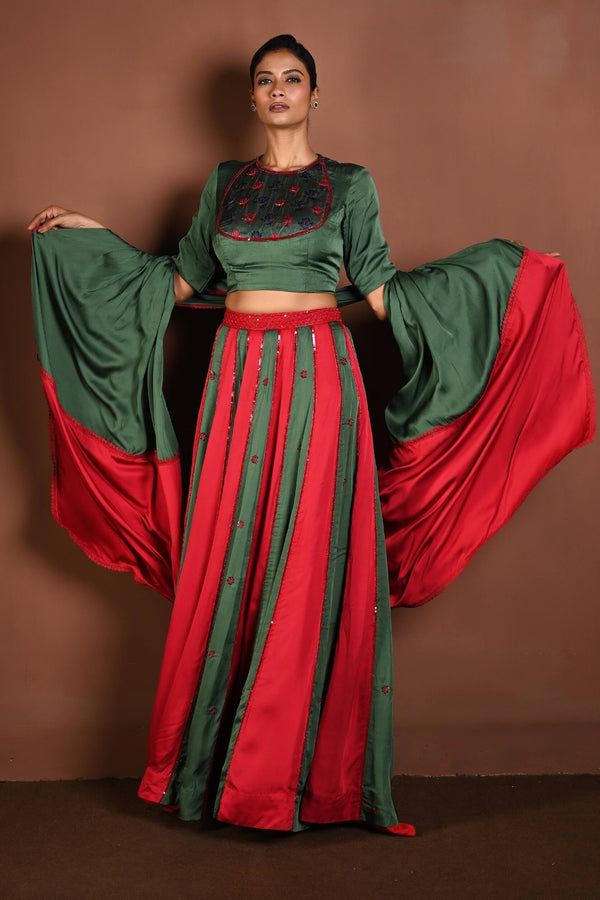
Panelled: Uses separate panels to create structure and a defined fall.
Mermaid or fishtail: Fits closer through the upper portion and flares towards the hem for a more body-skimming effect.
Straight or slim: Uses less volume and works well for a contemporary aesthetic.
There is no single silhouette that works for everyone. Try different shapes and consider how each one feels when you sit, walk and move.
Pick the Fabric According to the Season and Function
Fabric affects the weight, fall, movement and comfort of your lehenga. For warmer weather, lighter fabrics such as georgette and organza can be easier to carry. Silk, brocade and velvet offer more structure and richness and can work particularly well for formal or winter celebrations. For a dance-heavy function, consider how easily the fabric moves. For a formal wedding ceremony, you may prefer a more structured and richly embellished fabric.
Choose the Colour
Colour should work with the function, time of day and your personal style. Traditional bridal colours include red and deeper shades such as maroon and wine. Pastels can work beautifully for daytime events, while jewel tones such as emerald, royal blue and deep pink can create a stronger evening presence. Also consider the venue lighting. A colour that looks subtle in daylight may appear very different under warm indoor lights or stage lighting.
Understand Embroidery and Embellishment
The embroidery determines much of the visual weight of a lehenga.
Some common options include:
-
Zari and zardozi for traditional bridal detailing
-
Resham threadwork for softer, detailed motifs
-
Mirror work for light-catching texture
-
Sequins for evening shimmer
-
Stone embellishment for a more glamorous finish
-
Gota and traditional trims for a heritage-inspired look
Heavy embroidery is not always necessary. The right amount depends on the function, silhouette and overall styling.
Get the Fit Right
A well-fitted blouse and correctly proportioned skirt can make a bigger difference than additional embellishment. Check the blouse around the bust, shoulders and waist. Make sure you can raise your arms, sit comfortably and move without constantly adjusting the garment. The lehenga length should also work with the footwear you plan to wear. If you are getting a lehenga customised, leave enough time for measurements, alterations and a final fitting.
Which Lehenga Is Best for Mehendi, Sangeet, Wedding and Reception?
The same level of bridal dressing does not have to be repeated for every function.
Mehendi
Choose lighter and more playful designs. Floral embroidery, mirror work, pastel shades and colourful details can work well. Comfort is especially important because Mehendi functions often involve sitting, walking and interacting with guests.
Sangeet
Choose a lehenga that allows movement. Flared skirts, sequins, mirror work and contemporary silhouettes can work particularly well. Keep the dupatta secure and avoid excessive weight if you plan to dance.
Wedding Ceremony
This is where traditional bridal details can take centre stage. Red, maroon and deep jewel tones paired with zari, zardozi or intricate embroidery are classic directions. Traditional jewellery and a carefully planned dupatta drape can complete the look.
Reception
A reception gives you more freedom to experiment with contemporary styling. Minimalist lehengas, structured blouses, capes, jackets, sequins and modern colour palettes can all work well.
How to Style the Same Lehenga for Different Wedding Functions
You do not always need a completely different lehenga for every event. Small styling changes can create a noticeably different look. For the wedding ceremony, pair the skirt with a traditional dupatta and heavier jewellery. For the reception, change to a statement blouse, cape or jacket and use contemporary jewellery. For a Sangeet, switch to lighter accessories and a more secure dupatta drape so you can move comfortably. You can also change your hairstyle, footwear and makeup to alter the overall mood. This approach makes a versatile lehenga more useful beyond one occasion.
Can You Wear the Same Lehenga to Different Wedding Functions?
Yes. A versatile lehenga can be styled in several ways.
A moderately embellished skirt with a well-fitted blouse gives you more styling flexibility than an extremely heavy bridal set. You can change the blouse, dupatta, jewellery, hairstyle and layering pieces to create different looks. For example, a traditional embroidered skirt can be paired with a heavily embellished dupatta for the wedding and then styled with a contemporary blouse and lighter accessories for a reception. If rewearing is important to you, consider a lehenga with a timeless silhouette and a colour that works with more than one type of occasion.
Wedding Lehenga Buying Checklist
Before buying a wedding lehenga, check:
-
Function: Is it for Mehendi, Sangeet, wedding or reception?
-
Silhouette: Does the skirt shape suit the look you want?
-
Fabric: Is it suitable for the season and venue?
-
Weight: Can you comfortably carry the outfit for several hours?
-
Blouse fit: Can you sit, walk and move your arms comfortably?
-
Length: Does the skirt work with your chosen footwear?
-
Embroidery: Is the embellishment appropriate for the function?
-
Dupatta: Is the fabric and size practical for the way you want to drape it?
-
Alterations: Is there enough time for custom fitting?
-
Versatility: Can the pieces be styled separately or worn again?