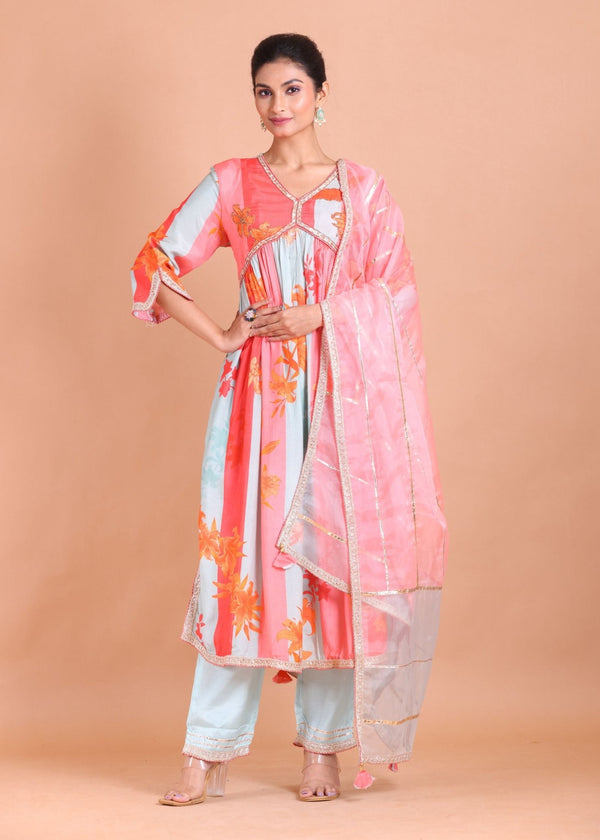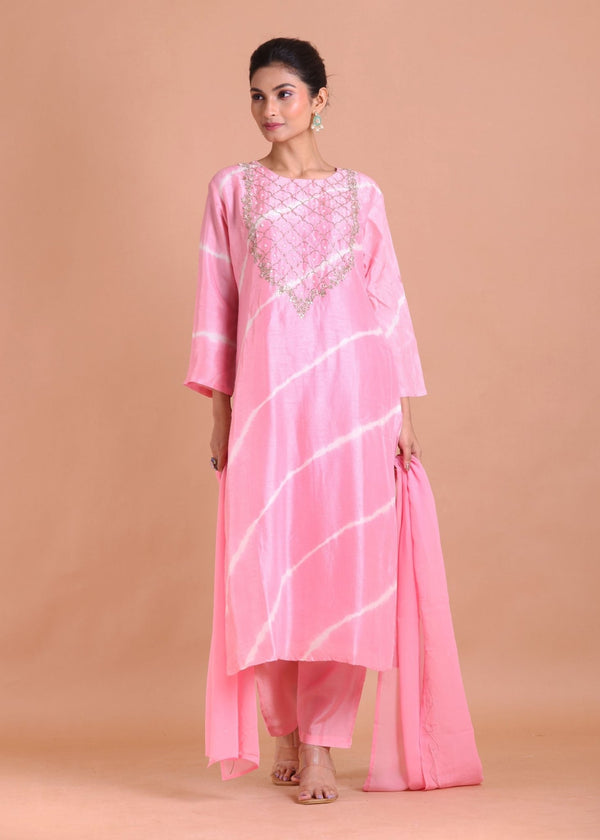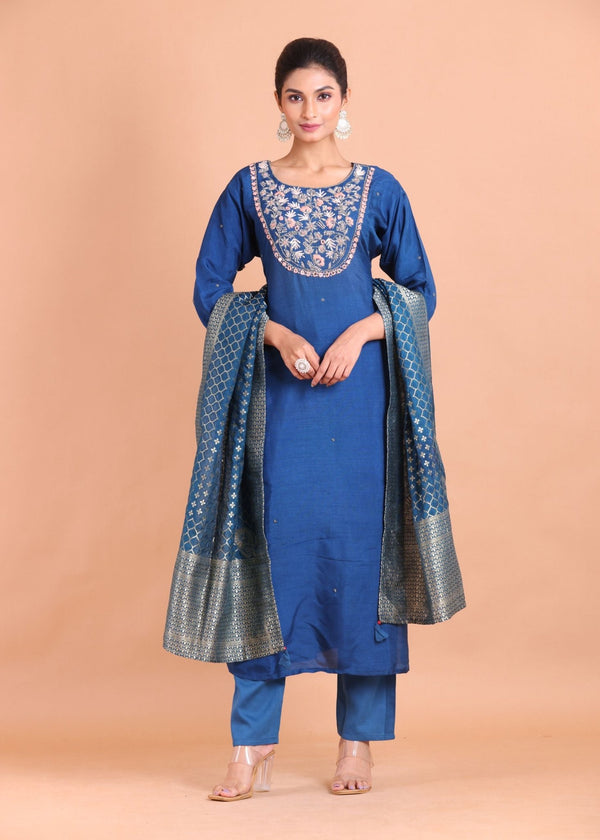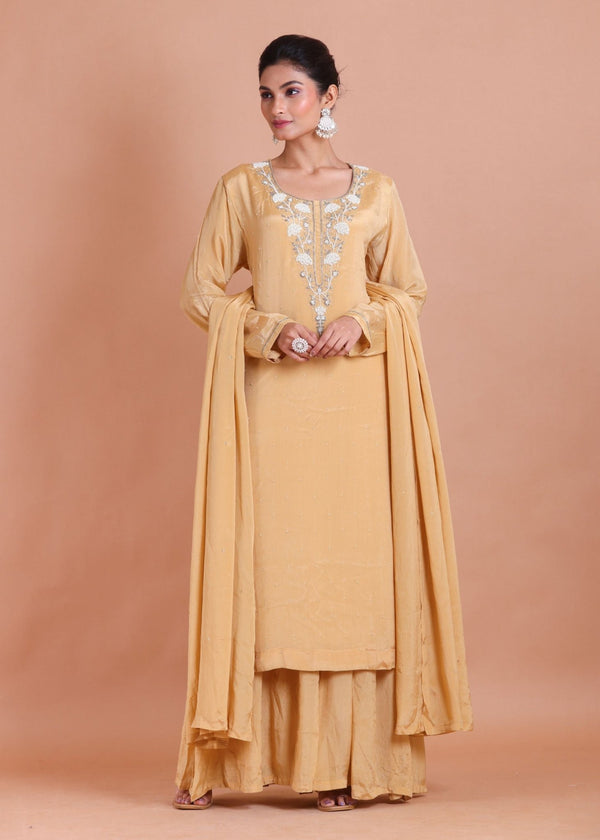




The trending kurti styles for 2026 combine comfort, contemporary silhouettes and traditional Indian craftsmanship. Coordinated kurta sets, flowing Anarkalis, asymmetric hemlines, statement sleeves and modern straight-cut kurtis are gaining attention because they can be styled for different occasions without compromising comfort.
Lightweight cotton and cambric remain practical for everyday and office wear, while silk and georgette offer a more festive appearance for weddings, parties and celebrations. Traditional details such as Aari embroidery, mirror work and delicate embellishment are being paired with cleaner, modern cuts, creating a balanced ethnic look. Floral prints, pastel shades and vibrant colours also make it easier to choose a kurti according to the season and occasion. The best 2026 styles are not simply fashionable; they combine fabric comfort, flattering silhouettes and versatile styling, allowing women to create both traditional and contemporary looks.
15 Trending Kurti Styles for 2026
1. Anarkali Kurti with Contemporary Embroidery
A modern Anarkali kurti combines the classic flared silhouette with updated embroidery, making it suitable for festive celebrations, family functions and wedding events. Style it with statement earrings, embroidered juttis and a lightweight dupatta for a polished ethnic look.

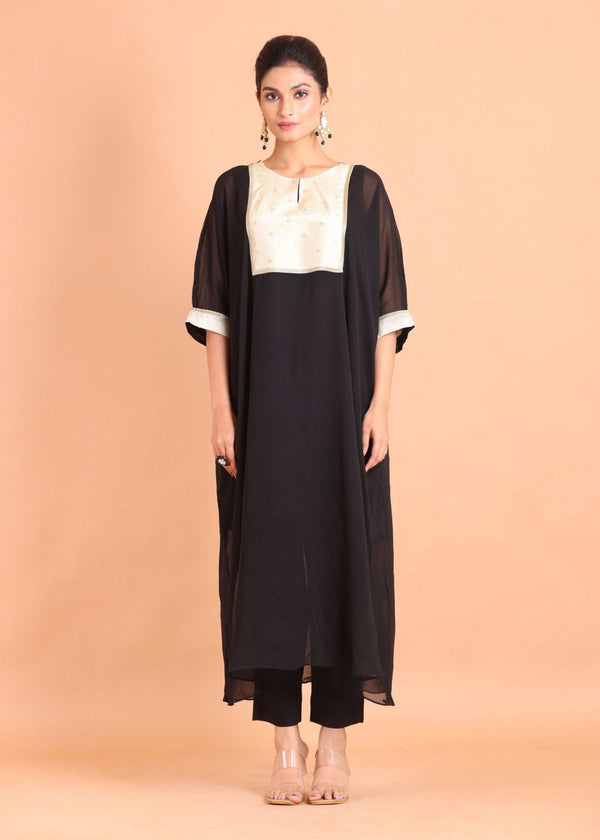
2. Kaftan-Style Kurti with Flowing Sleeves
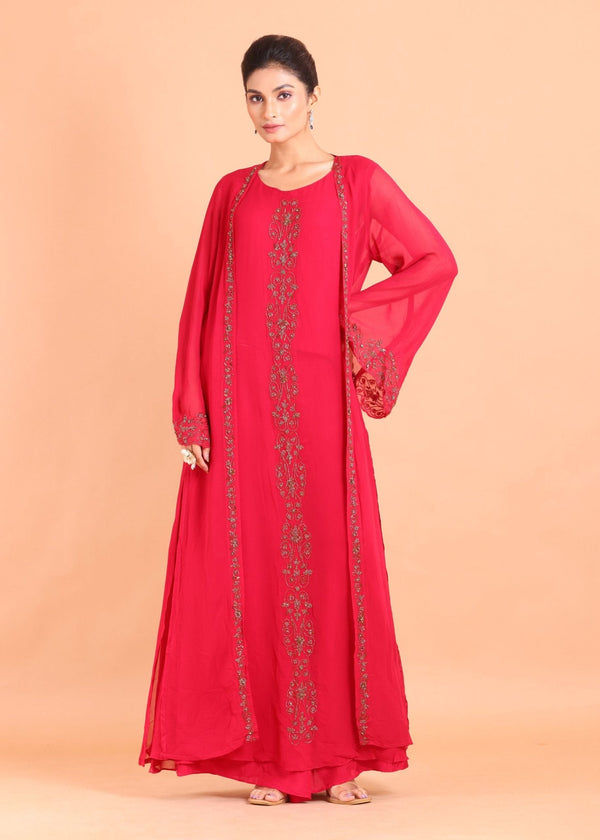
A kaftan-style kurti offers a relaxed silhouette with generous movement, making it appealing for women who prefer comfort without giving up a dressed-up appearance. It can work for vacations, resort evenings and casual parties when paired with simple sandals, hoops and a compact handbag.

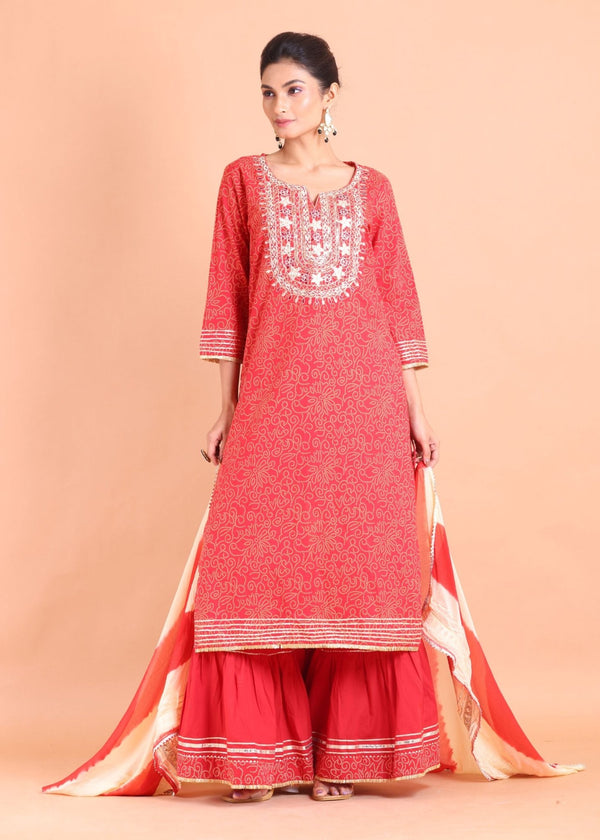
3. Kurti with Sharara or Flared Pants
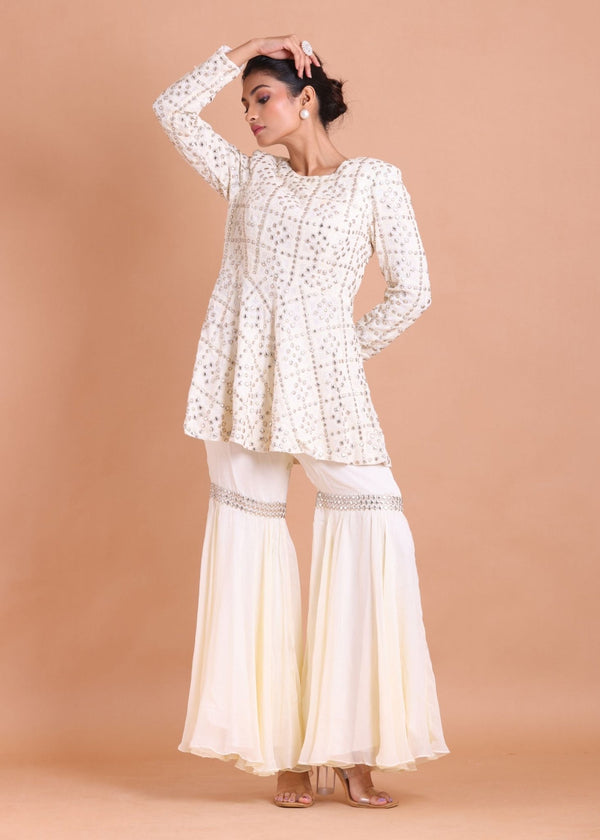
Pairing a shorter or medium-length kurti with flared sharara pants creates a lively sharara set silhouette that works particularly well for festive and wedding occasions. This style is a popular choice when looking for a sharara suit for women, especially for celebrations where comfort and traditional flair come together. Keep the accessories coordinated with the embroidery or print, and choose embellished footwear to reinforce the celebratory feel.

4. Pastel Ombre Kurta Set
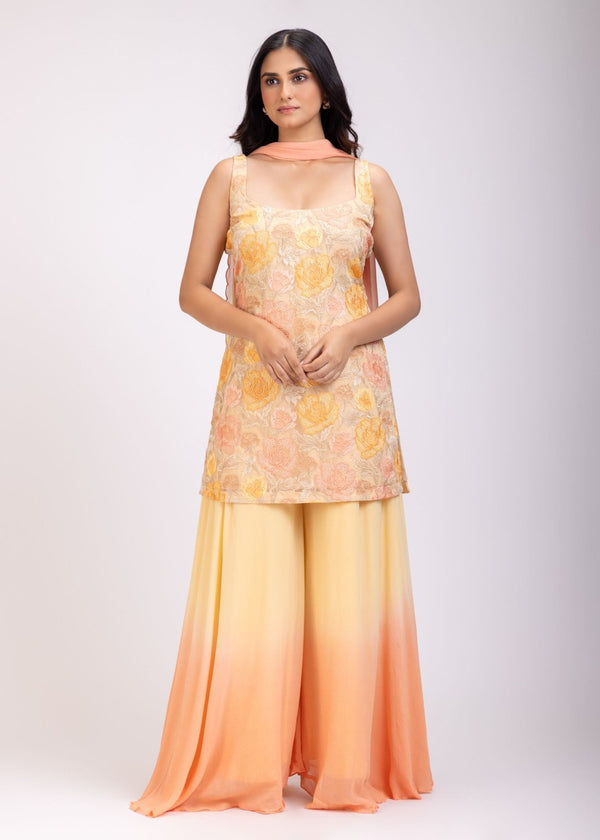
Ombre colouring gives a familiar kurta set a contemporary visual effect, while pastel shades make the outfit particularly suitable for daytime events. Pearl jewellery, delicate sandals and a small clutch can complement the soft colour transition without competing with the outfit.

5. Georgette Kurti with Lightweight Dupatta
Georgette Kurti creates fluid movement and works well when you want an outfit that feels dressy without appearing too structured. A lightweight dupatta, delicate earrings and heels can turn this style into an appropriate choice for evening parties, receptions and festive dinners.

6. High-Low Kurti with Cigarette Pants
A high-low silhouette adds visual movement and gives a contemporary edge to traditional ethnic wear. The style is suitable for casual parties and social gatherings, while cigarette pants and pointed flats or heels help maintain a streamlined appearance.

7. Long Layered Kurti for a Modern Ethnic Look
Layered kurtis create depth through overlapping fabrics, panels or coordinated lengths, giving the outfit more dimension than a conventional straight-cut design. Wear one with slim trousers or fitted pants and minimal accessories when you want a modern outfit for dinners, cultural events or informal celebrations.

8. Collar-Neck Kurti with Structured Details
A collar neckline gives the traditional kurti a sharper, more contemporary character and can work particularly well for office and semi-formal dressing. Pair it with tailored trousers, loafers or block heels and understated jewellery for a sophisticated workwear look

9. Kurti with Statement Sleeves
Sleeves with embroidery, gathered volume, flares or distinctive cuffs can transform a simple kurti into a statement outfit without requiring heavy embellishment throughout the garment. This style works for festive lunches, parties and social occasions, especially when the rest of the outfit and accessories are kept relatively simple.

10. Straight-Cut Kurta Set with Printed Dupatta
The straight-cut kurta remains practical because its clean silhouette works for both everyday and semi-formal dressing. A printed dupatta adds colour and personality, while straight pants, small earrings and comfortable flats create an easy office-to-evening outfit.

11. Asymmetric Kurti with Contemporary Hemline
An asymmetric hem gives a traditional kurti a distinctly modern appearance without making the outfit difficult to wear. The style works especially well for casual outings, college wear and informal gatherings when paired with jeans, cigarette pants or wide-leg trousers.

12. Embroidered Silk Kurti Set
Silk Kurti brings a richer appearance to the traditional kurti, while controlled embroidery prevents the outfit from looking overly heavy. This combination is particularly suitable for festive dinners, receptions and evening celebrations, where you can complete the look with pearl or metallic jewellery.

13. Floral Printed Kurti with Solid Bottoms
Floral prints bring a fresh, feminine quality to everyday ethnic dressing and work particularly well for daytime occasions. Pair a printed kurti with plain trousers or palazzos so the print remains the visual focus, and finish with minimal jewellery and sandals.

14. Mirror Work Kurti for Festive Occasions
Mirror work adds light-catching detail without requiring an elaborate silhouette, which makes it a versatile choice for festive dressing. Wear a mirror-work kurti with matching trousers or a sharara, statement earrings and embellished footwear for occasions such as Diwali, Navratri or family celebrations.

15. Cotton Kurti with Aari Embroidery
Cotton kurti provides breathability while Aari embroidery introduces handcrafted character, making this combination practical for India's warm weather. It works well for daytime gatherings, casual office settings and cultural occasions when styled with straight pants, juttis and understated jewellery.

Expert Insight: What Makes a Kurti Style Worth Wearing in 2026?
A kurti is worth choosing in 2026 when its design combines the character of Indian craftsmanship with the comfort and versatility expected from contemporary clothing. From a design perspective, the strongest styles are not simply based on decoration; they consider fabric movement, proportion, fit, occasion and ease of styling. Traditional details such as Aari embroidery, mirror work and delicate embellishment can feel modern when they are applied to cleaner silhouettes, coordinated sets or contemporary hemlines. This balance allows a kurti to remain connected to Indian heritage while fitting naturally into modern wardrobes.
When assessing whether a kurti is genuinely practical and versatile, consider these factors:
-
Comfortable construction: Breathable fabrics and practical fits make a kurti easier to wear for longer periods, particularly in warm weather.
-
Balanced detailing: Embroidery and embellishment should enhance the silhouette without making the garment unnecessarily heavy or difficult to maintain.
-
Modern proportions: Asymmetric hems, statement sleeves, layered designs and contemporary necklines can give traditional styles a current appearance.
-
Occasion versatility: A well-designed kurti should work with different styling choices, allowing simple accessories for daytime and more distinctive jewellery for festive occasions.
-
Quality craftsmanship: Neat embroidery, consistent stitching, carefully finished seams and appropriate fabric selection are useful indicators of attention to garment quality.
-
Easy coordination: Kurtis that work with trousers, palazzos, jeans, shararas or dupattas offer greater flexibility and better long-term wardrobe value.
The most worthwhile 2026 kurti styles therefore combine craftsmanship, comfort, thoughtful construction and styling flexibility rather than relying only on a short-lived fashion trend.
How to Style Different Kurti Silhouettes
Different kurti silhouettes create different visual proportions, so styling should support the shape of the garment while keeping the overall outfit balanced. The right combination of bottoms, footwear, jewellery and dupatta can also help the same kurti adapt to different occasions.
-
Anarkali Kurti: Pair a flowing Anarkali with churidar pants or slim straight trousers to maintain its flared shape. Juttis, statement earrings and a lightweight dupatta add character and work particularly well for festive occasions and family gatherings.
-
Straight-Cut Kurti: Straight-cut kurtis pair easily with cigarette pants, palazzos or tailored trousers. For office wear, choose minimal jewellery with flats or block heels, while statement earrings and an embellished dupatta can create a more festive appearance.
-
Asymmetric Kurti: An asymmetric hem already creates visual interest, so streamlined trousers or fitted pants help maintain balanced proportions. Keep the accessories simple with flats, sandals or low heels for a contemporary casual look.
-
Kaftan-Style Kurti: The relaxed volume of a kaftan kurti works well with slim trousers or leggings that balance its flowing shape. Sandals, hoops and a compact handbag complete a comfortable look for vacations, resort outings or casual parties.
-
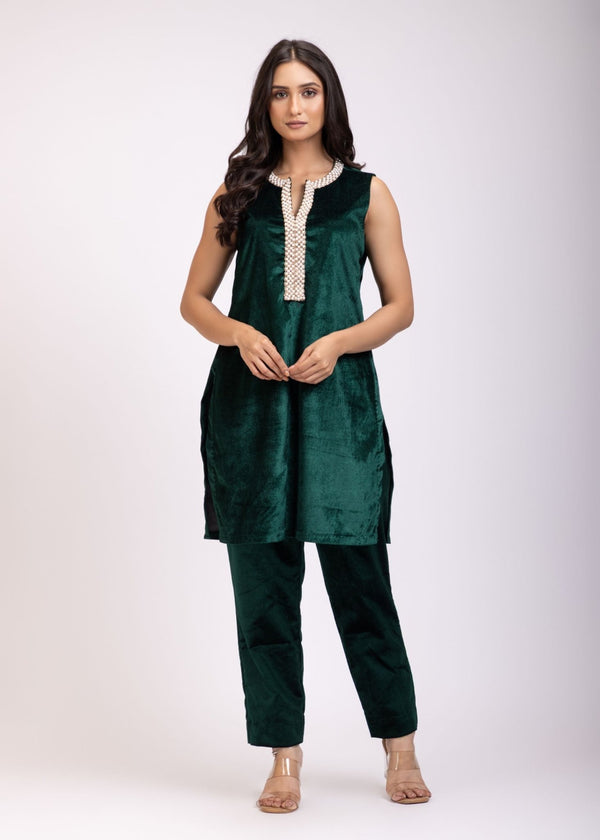
Coordinated Kurta Set: A coordinated kurta set creates a complete outfit, while the choice of accessories can change its overall character. Wear a matching dupatta with traditional jewellery for festive occasions, or skip the dupatta and choose understated accessories for a lighter daytime look.
The key to styling any kurti silhouette is balance: let the garment's shape remain the focal point while choosing accessories that complement rather than overwhelm the outfit. Thoughtful combinations of proportions, colours, footwear and jewellery can make a kurti look polished and appropriate for the occasion.
How to Choose the Right Kurti Fabric and Fit
The right kurti fabric affects comfort, drape, appearance and suitability for different occasions, while the fit determines how naturally the garment sits and moves on the body. Cotton and cambric are practical choices for everyday and warm-weather wear, whereas georgette and silk are better suited to festive occasions when you want more fluid movement or a richer appearance.
-
Cotton: Lightweight and breathable, cotton kurtis are ideal for summer, everyday wear and office settings. Pair them with straight pants or palazzos for a comfortable daytime outfit.
-
Cambric: Cambric cotton has a slightly more structured feel while remaining comfortable, making it useful for regular wear, travel and casual outings. Its neat appearance works well with straight-cut and asymmetric silhouettes.
-
Georgette: Lightweight and fluid, georgette creates graceful movement and is well suited to parties, evening gatherings and festive occasions. Embroidery or embellishment can add a dressier finish without making the silhouette look overly heavy.
-
Silk: Silk offers a rich appearance and refined drape, making silk kurtis and coordinated sets particularly suitable for weddings, receptions and festive celebrations. Keep the accessories coordinated so the fabric and craftsmanship remain the focus.
Practical Fit Considerations
A good fit should provide enough room for comfortable movement while maintaining the intended shape of the kurti. Consider the following points before choosing a style:
-
Check that the shoulder seams sit naturally at the edge of your shoulders.
-
Ensure the bust and waist areas allow comfortable movement without excessive pulling or looseness.
-
Choose the kurti length according to your height, preferred silhouette and chosen bottom wear.
-
Check sleeve length and armhole comfort, especially when wearing the kurti for several hours.
-
Consider the fabric's drape; flowing fabrics suit relaxed silhouettes, while structured fabrics can support sharper cuts.
Choosing the fabric and fit together ensures that a kurti not only looks appropriate for the occasion but also remains comfortable and practical throughout the day.
Kurti fashion in 2026 is all about finding the right balance between comfort, traditional craftsmanship and contemporary style. Whether you prefer a breathable cotton kurti for everyday wear, a contemporary asymmetric design for casual outings, or an embroidered Anarkali or silk kurta set for weddings and festive occasions, the best choice is one that suits your lifestyle and the event. Consider the fabric, fit, silhouette, colour and styling options before choosing a design. Rather than following every passing trend, focus on kurti styles that feel comfortable, complement your personal style and can be adapted for different occasions. With the right choice, a kurti can remain a versatile and practical part of your wardrobe throughout 2026 and beyond.
Finding Your Ideal Kurti Style for 2026
Kurti fashion in 2026 is all about finding the right balance between comfort, traditional craftsmanship and contemporary style. Whether you prefer a breathable cotton kurti for everyday wear, a contemporary asymmetric design for casual outings, or an embroidered Anarkali or silk kurta set for weddings and festive occasions, the best choice is one that suits your lifestyle and the event. Consider the fabric, fit, silhouette, colour and styling options before choosing a design. Rather than following every passing trend, focus on kurti styles that feel comfortable, complement your personal style and can be adapted for different occasions. With the right choice, a kurti can remain a versatile and practical part of your wardrobe throughout 2026 and beyond.