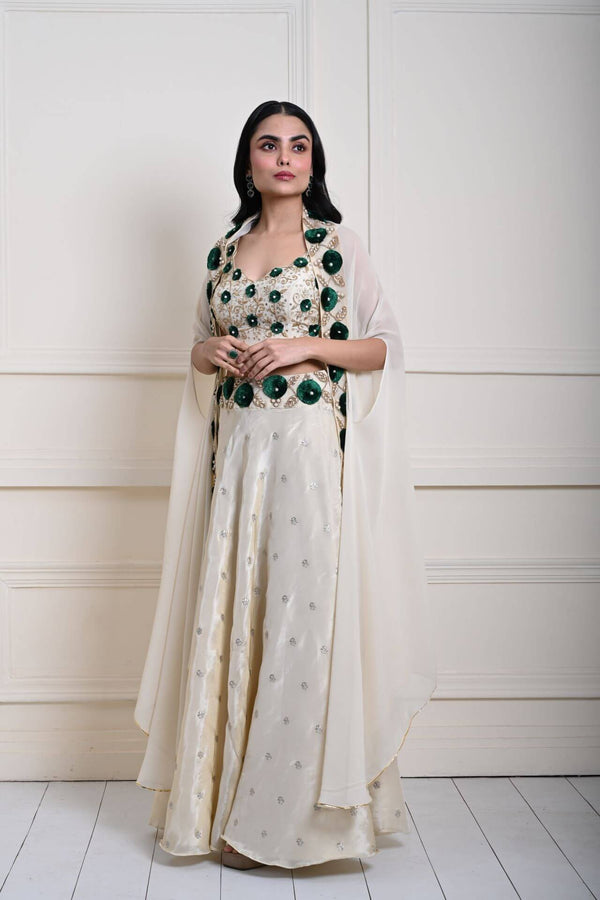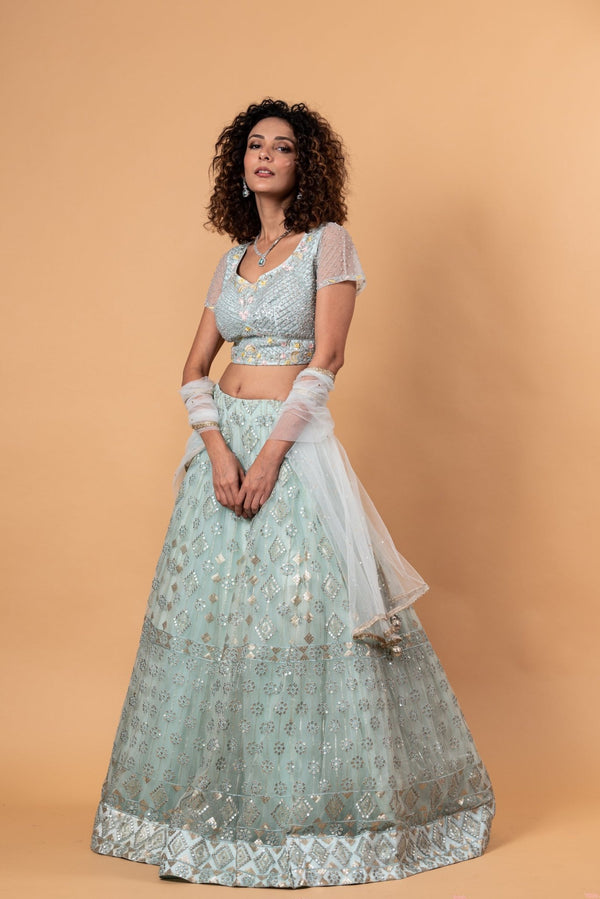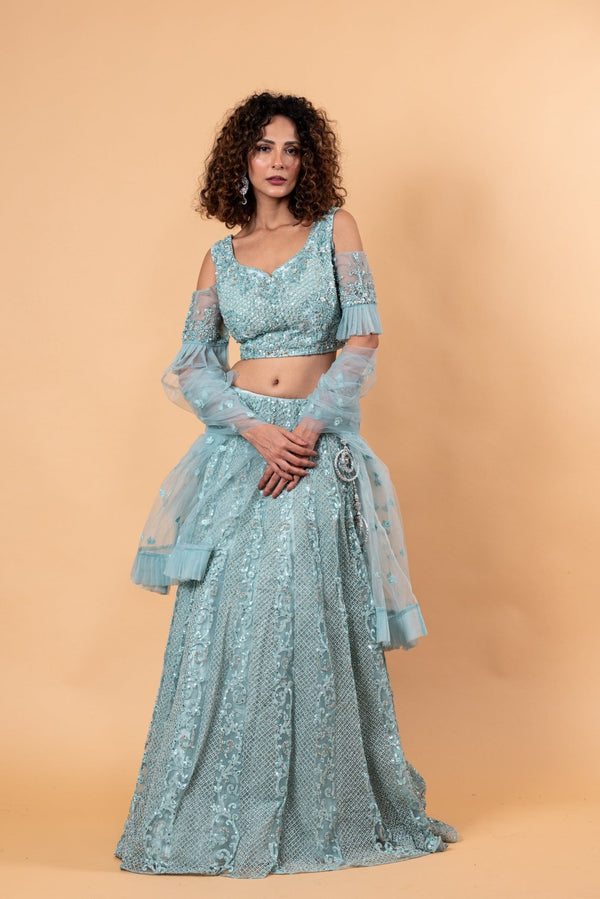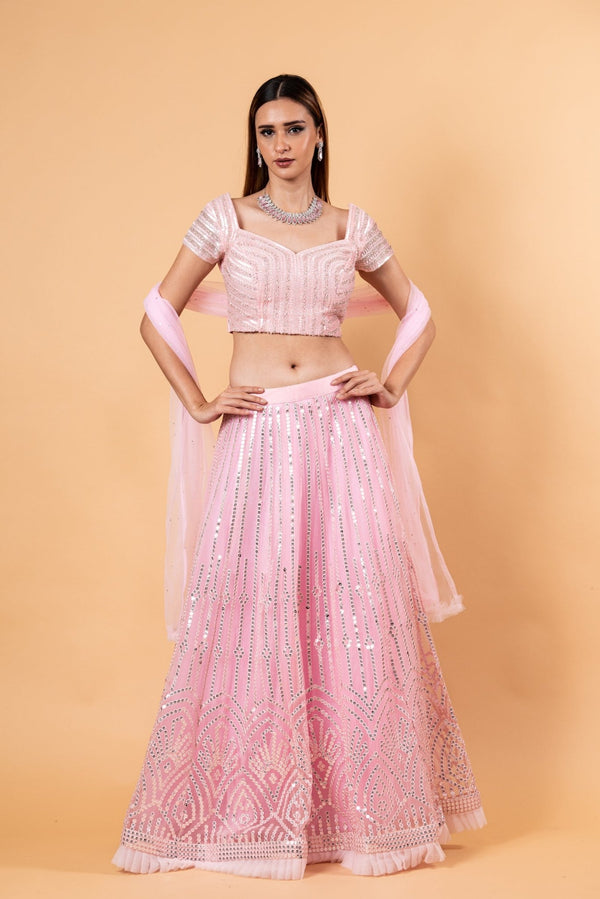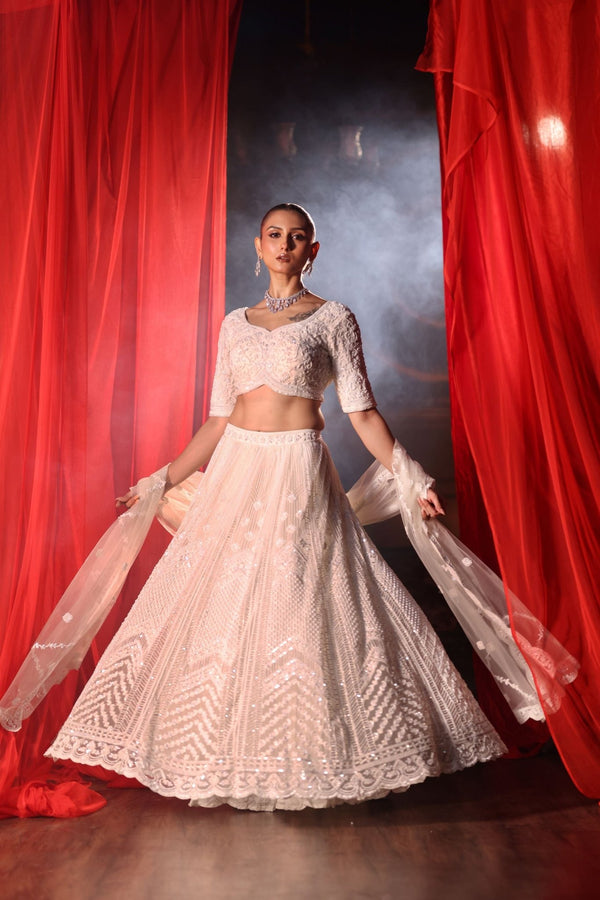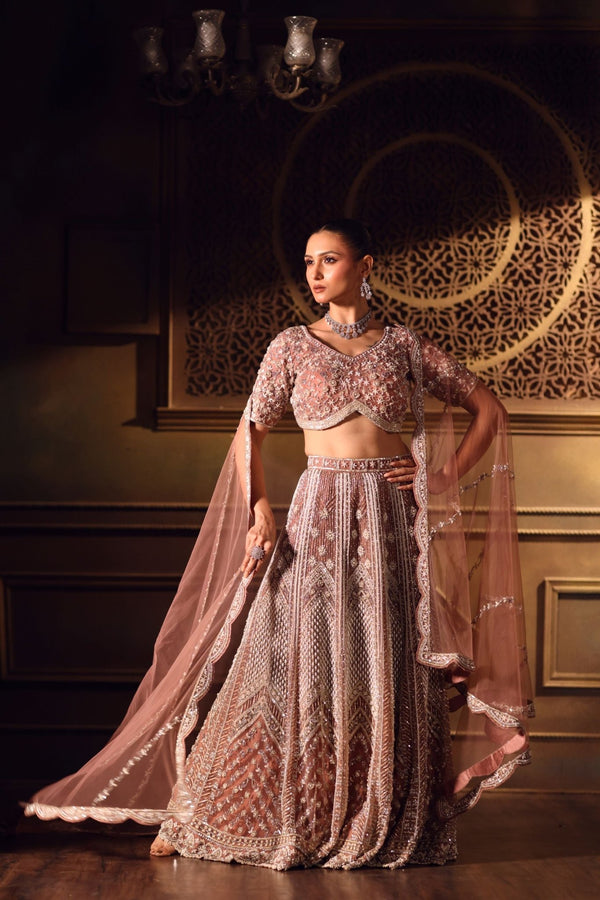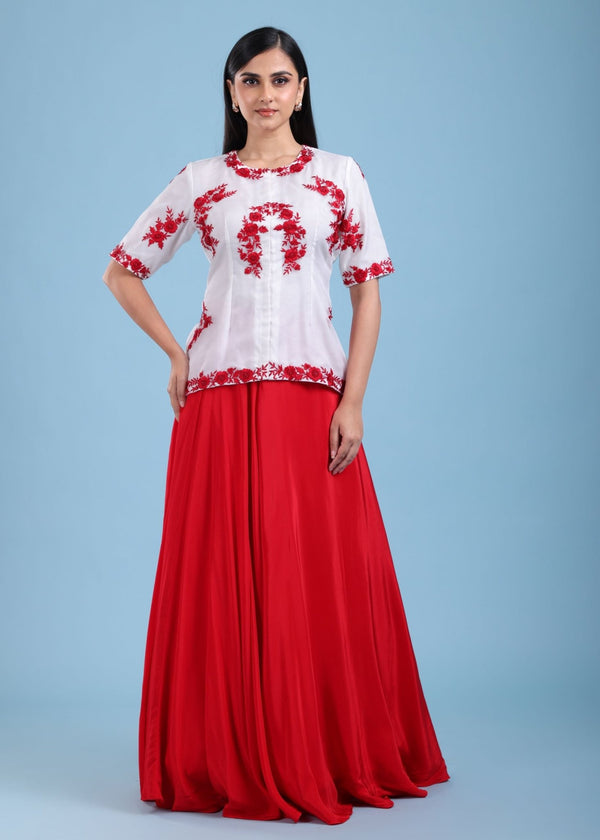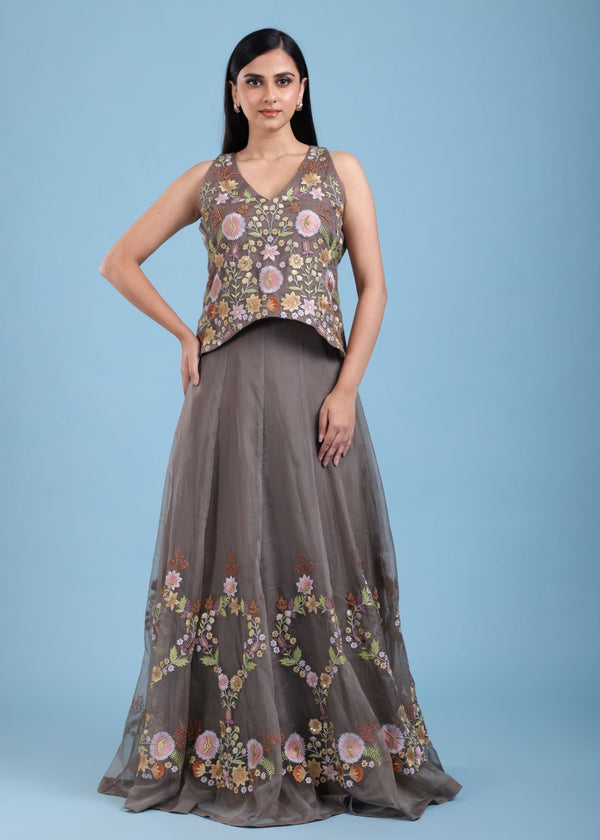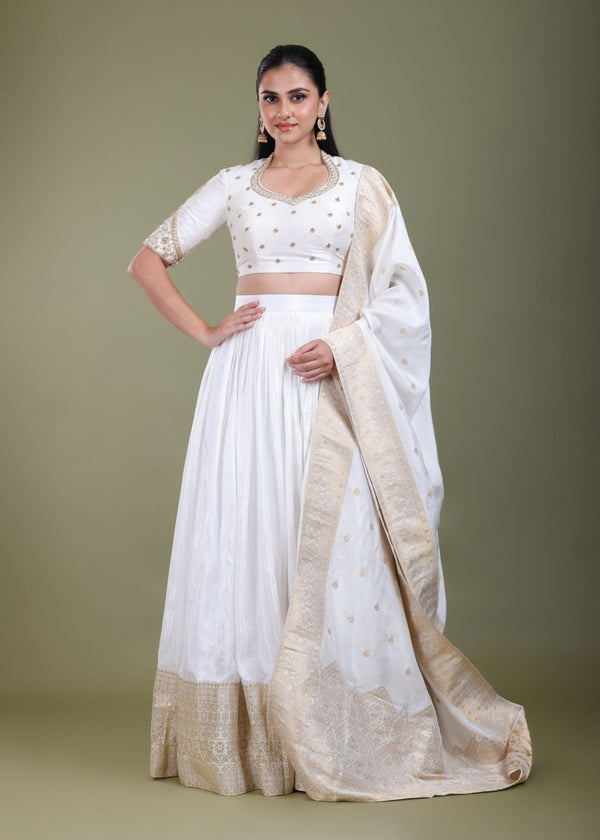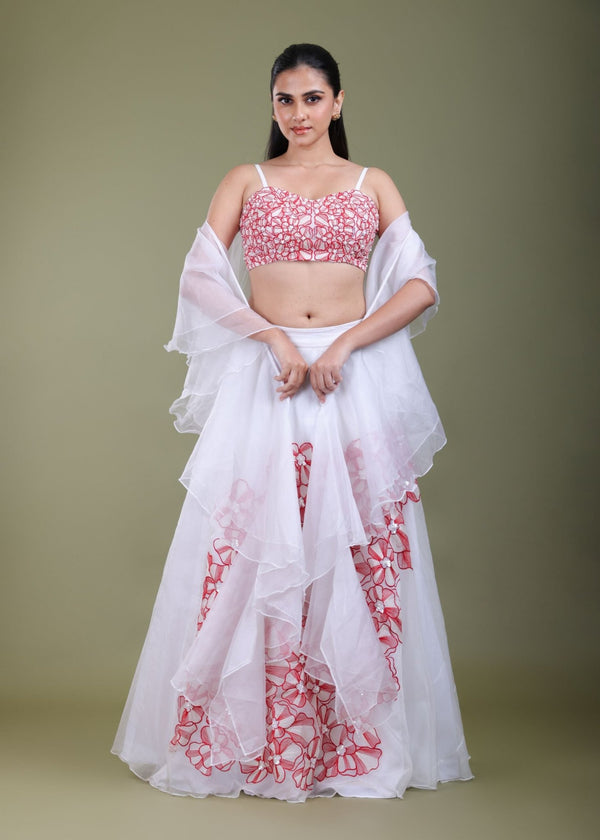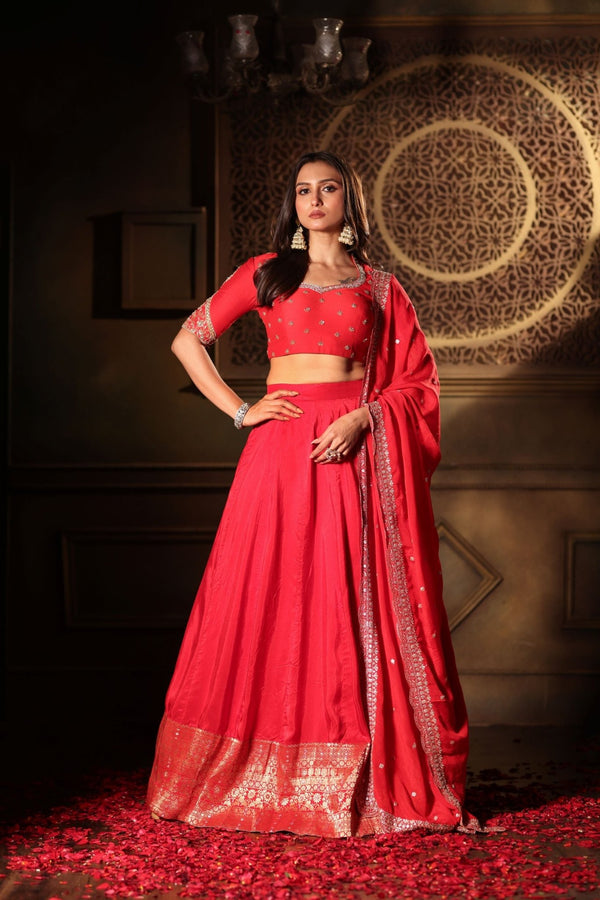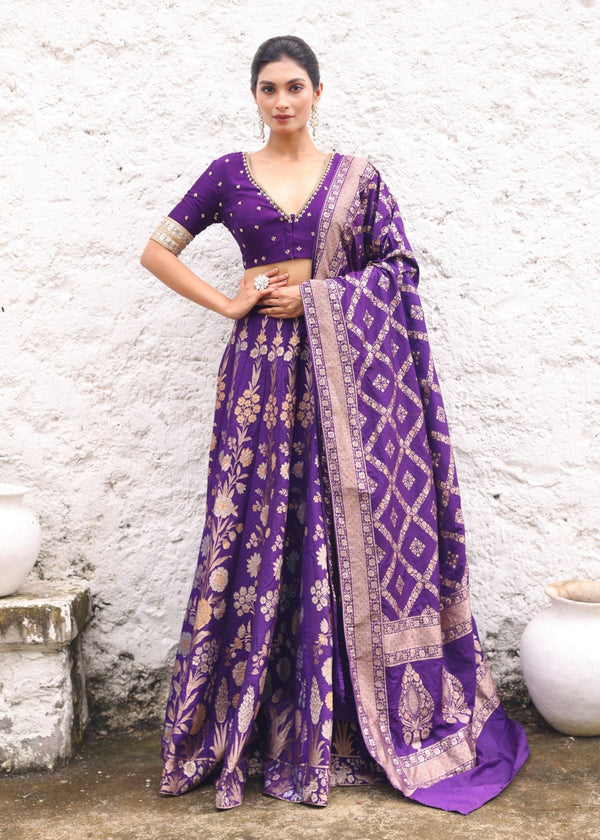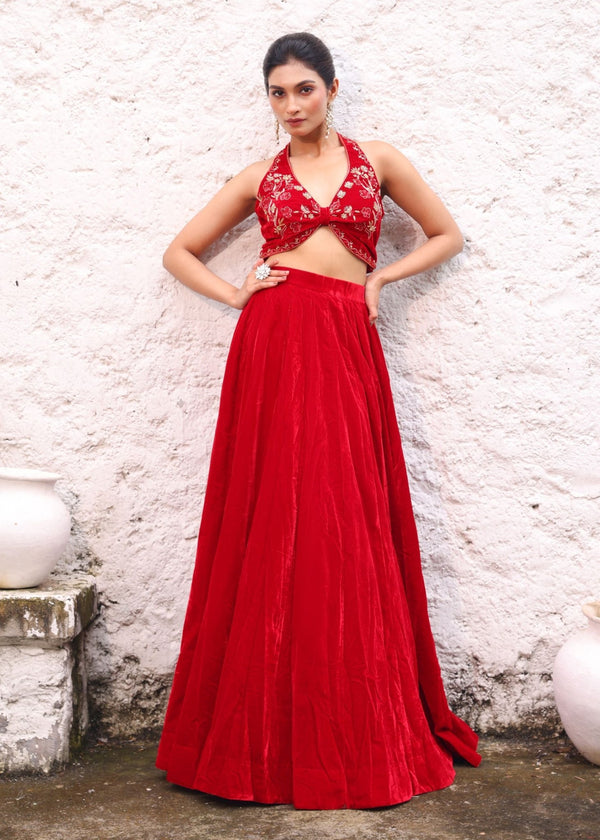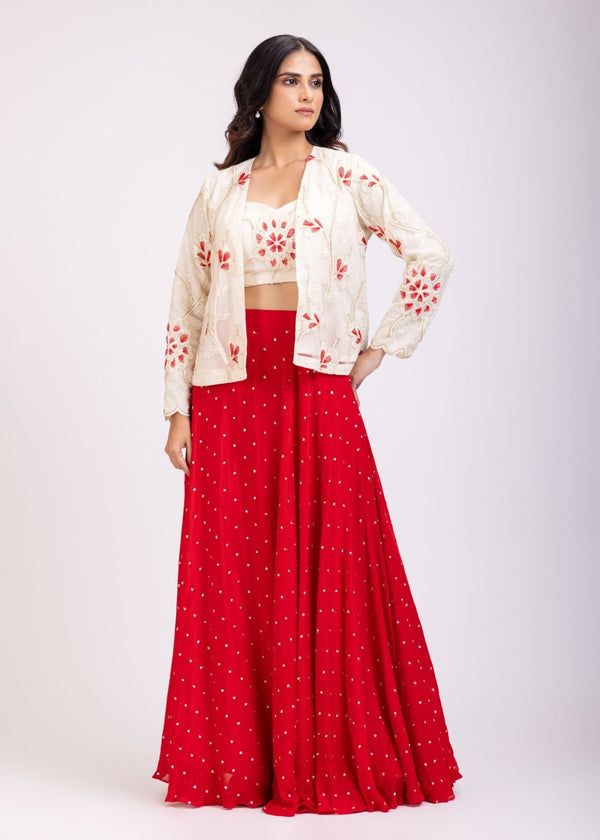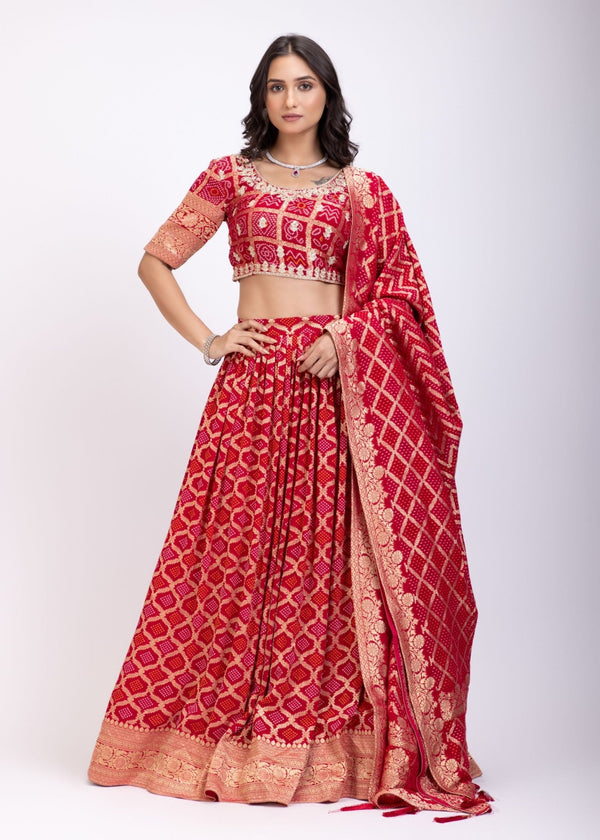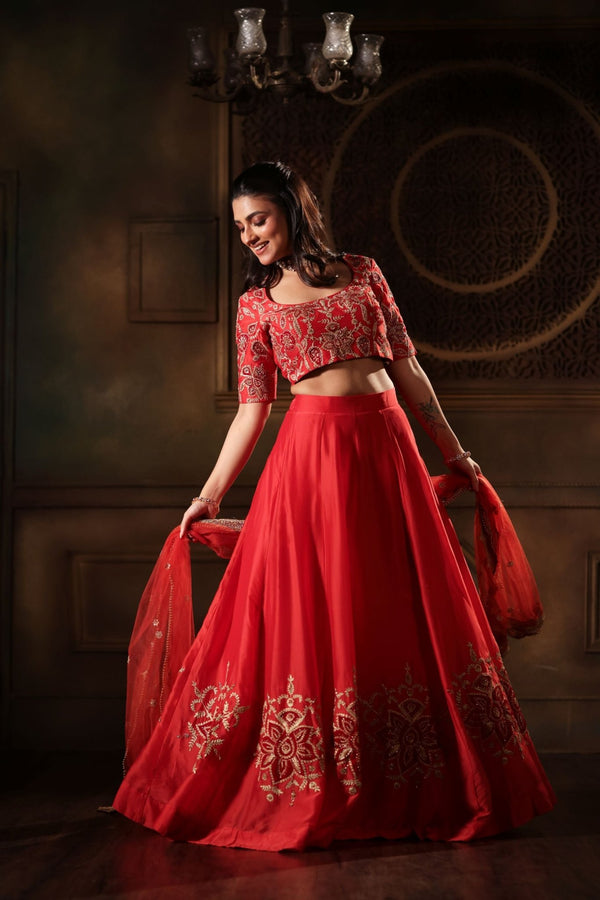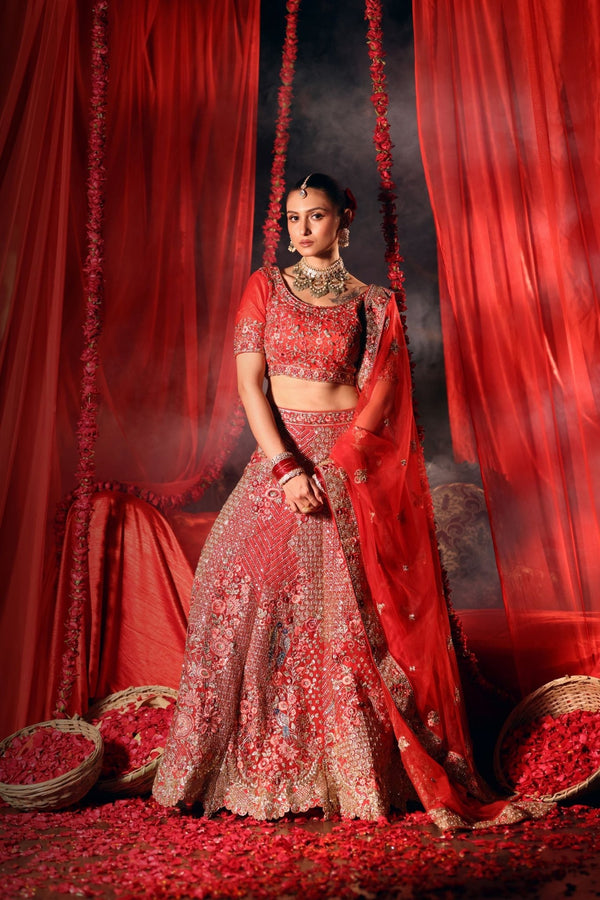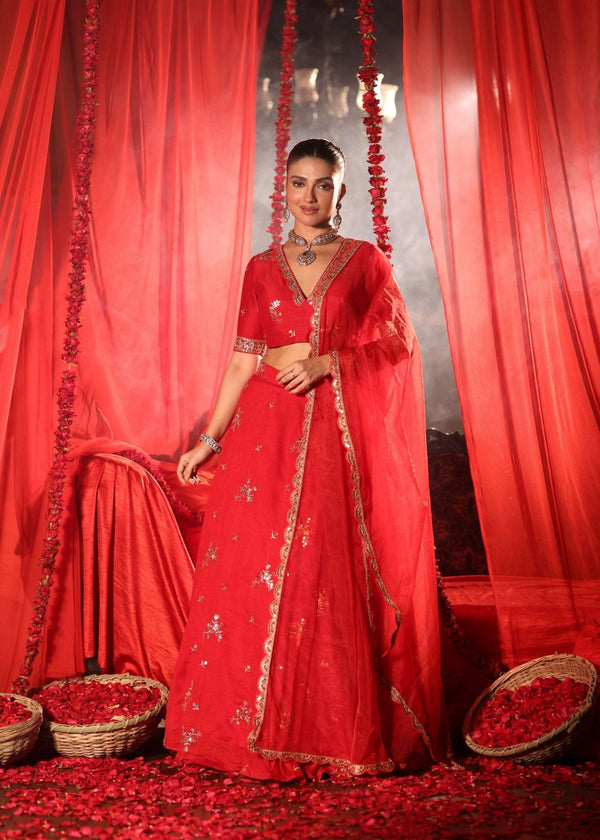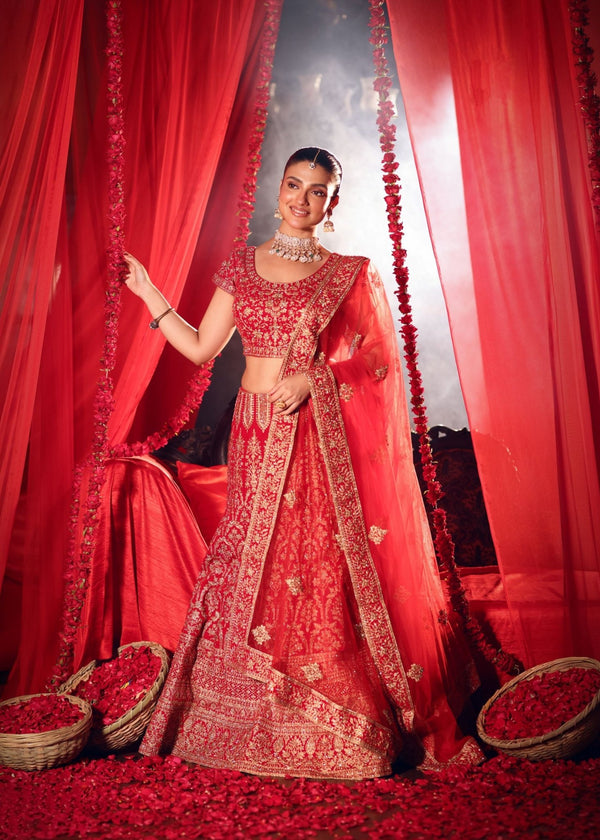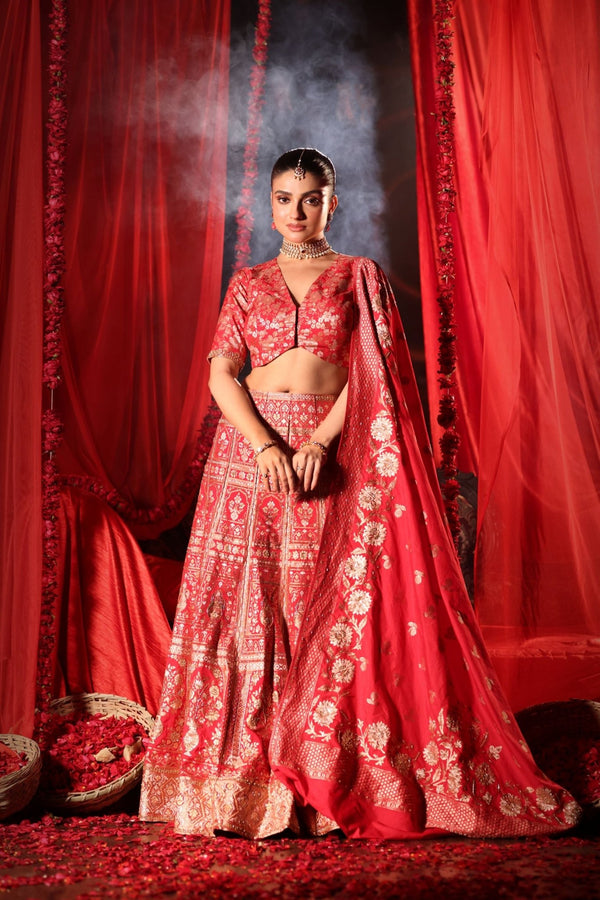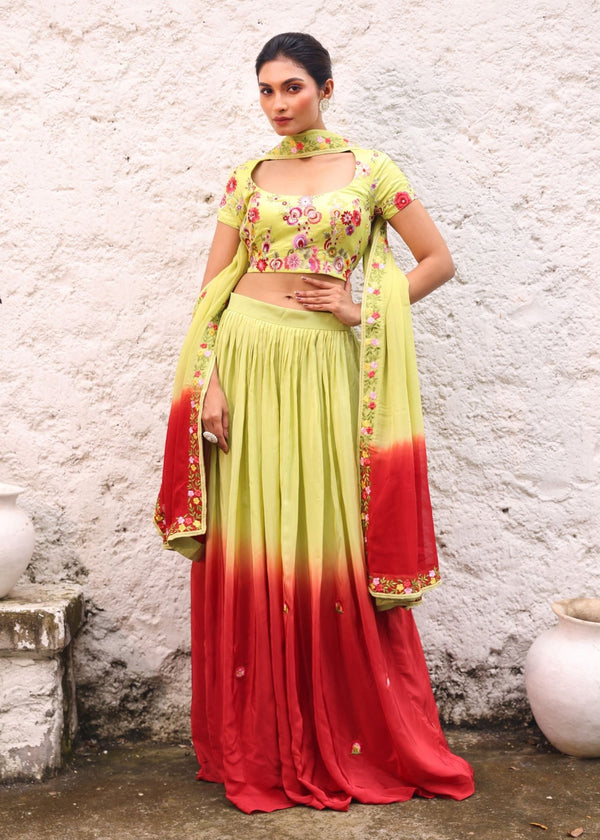





Red, maroon, blush pink, emerald green or royal blue—which bridal lehenga colour will actually suit your skin tone? The answer isn't as simple as choosing a colour for fair, wheatish or dusky skin. Your skin's undertone, the fabric, embroidery and even the lighting at your wedding can change how a lehenga looks on you. Warm undertones often pair well with earthy reds and golden shades, while cool undertones can complement dusty pinks and jewel tones. Neutral undertones offer plenty of room to experiment. But these aren't strict rules. Before you buy customized lehengas online, here's how to narrow down your colours and find one that feels right for your bridal look.
How to Identify Your Skin Tone and Undertone
Your skin tone and undertone are two different things, and understanding both can make choosing your bridal lehenga much easier. Skin tone refers to how light or deep your complexion is, commonly described as fair, medium, wheatish, dusky or deep. Undertone is the subtle colour beneath your skin's surface. It generally falls into three categories:
-
Warm undertones: Golden, yellow or peachy undertones.
-
Cool undertones: Pink, rosy or bluish undertones.
-
Neutral undertones: A balance of warm and cool characteristics.
How Can You Tell Your Skin's Undertone?
Try comparing gold and silver jewellery against your skin in natural daylight. Gold may complement warmer undertones, while silver may work particularly well with cooler undertones. Another useful trick is to hold different fabric colours near your face. Compare warm shades like rust and coral with cooler shades like dusty rose and blue. Notice which colours make your complexion look more balanced. These tests aren't foolproof, but they can help you identify colours worth trying.
Bridal styling tip: Don't judge a lehenga colour only by how it looks on a mannequin or in a product photograph. Always consider how the actual shade appears against your skin.
Best Bridal Lehenga Colours for Different Skin Tones
There isn't one bridal colour that suits every bride with the same complexion. However, certain colour combinations are useful starting points.
Bridal Lehenga Colours for Fair Skin
Fair complexions can carry both soft pastels and deeper bridal colours. The key is choosing a shade that complements your undertone.
Colours worth trying:
-
Ruby red and classic maroon
-
Dusty pink and rose
-
Emerald green
-
Royal blue and navy
Dusty pink can be particularly appealing on fair skin with cool undertones, especially when paired with silver embroidery or crystal embellishments. For warmer undertones, consider maroon with antique gold zari or a peach-toned pink. If very pale shades seem to blend into your complexion, try a contrasting dupatta or a blouse with richer embroidery.
Bridal Lehenga Colours for Wheatish or Medium Skin
Wheatish and medium complexions can work with a wide range of bridal colours, from rich jewel tones to softer earthy shades.
Colours worth trying:
-
Wine and burgundy
-
Rani pink
-
Emerald green
-
Rust and terracotta
-
Deep maroon
Warm undertones may pair particularly well with rust, coral and golden embroidery. Cooler undertones can look striking with wine, berry pink or jewel blue. For brides considering pastel lehengas, shades like dusty rose, peach and champagne are also worth trying.
Styling tip: Pay attention to the colour of the blouse and dupatta. A contrasting blouse or embroidered dupatta can bring more definition to an otherwise muted bridal outfit.
Bridal Lehenga Colours for Dusky and Deep Skin
Dusky and deep complexions offer plenty of possibilities, especially with saturated colours, metallic embroidery and contrasting fabrics.
Colours worth trying:
-
Royal blue and sapphire
-
Deep maroon and burgundy
-
Magenta and rani pink
-
Emerald green
-
Champagne and metallic gold
Jewel tones can create a striking contrast against deeper complexions. Royal blue with silver embellishments or emerald green with gold zari are two combinations worth considering.
But what about pastel lehengas?
Yes, brides with dusky or deep skin can absolutely wear pastels. Blush pink, lavender, powder blue and champagne can all work. The important thing is finding the right shade and balancing it with suitable embroidery, jewellery or a contrasting dupatta. Don't rule out a colour simply because someone says it doesn't suit your complexion.
Which Bridal Lehenga Colours Suit Warm, Cool and Neutral Undertones?
Here's a quick comparison to help narrow down your choices.
|
Skin Undertone |
Bridal Lehenga Colours to Try |
Embroidery and Jewellery |
|
Warm |
Maroon, rust, coral, warm red, terracotta |
Gold, antique gold, warm-toned zari |
|
Cool |
Dusty pink, ruby red, jewel blue, berry pink |
Silver, pearls, crystals |
|
Neutral |
Wine, champagne, emerald green, rose, mocha |
Gold, silver or mixed metallic finishes |
Remember, these are styling suggestions rather than fixed rules. A warm-toned bride can wear blue, just as a cool-toned bride can wear red. The exact shade and how it looks against your face matter more than the colour name.
Bridal Lehenga Colour Inspiration: Six Looks Worth Considering
Sometimes, seeing how a colour works with different fabrics and embellishments makes the decision easier. Here are six bridal lehenga combinations that show how colour, texture and detailing can change the overall look.
1. Dusty Pink Swarovski Lehenga

Dusty pink is a softer alternative to traditional bridal red. Its muted, rosy character can complement cool undertones, while Swarovski embellishments add sparkle without making the colour appear too heavy. Pair it with silver jewellery or pearls for a coordinated look.
2. Mocha Brown Cutdana Embellished Lehenga

Mocha brown is worth considering if you prefer earthy, understated bridal colours. Its neutral character makes it adaptable to different complexions, while cutdana embellishments add texture and shine. Try antique gold jewellery for warmth or champagne-toned accessories for a softer finish.
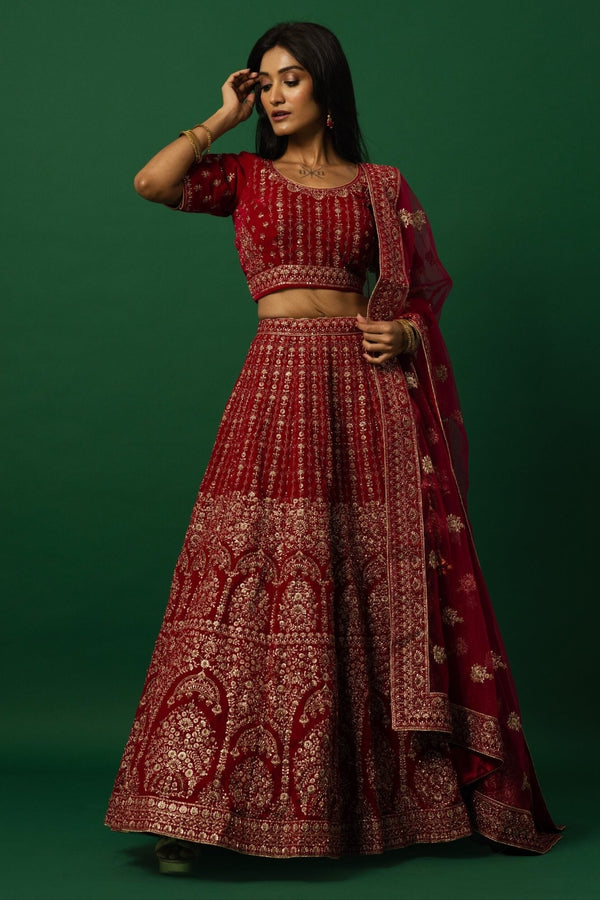
3. Classic Maroon Embroidered Bridal Lehenga

Maroon remains a popular bridal choice because it works across different skin depths. A warmer, brownish maroon can complement golden undertones, while a cooler, wine-toned maroon may suit rosy undertones. Gold zari, sequins and thread embroidery can add depth to the colour.
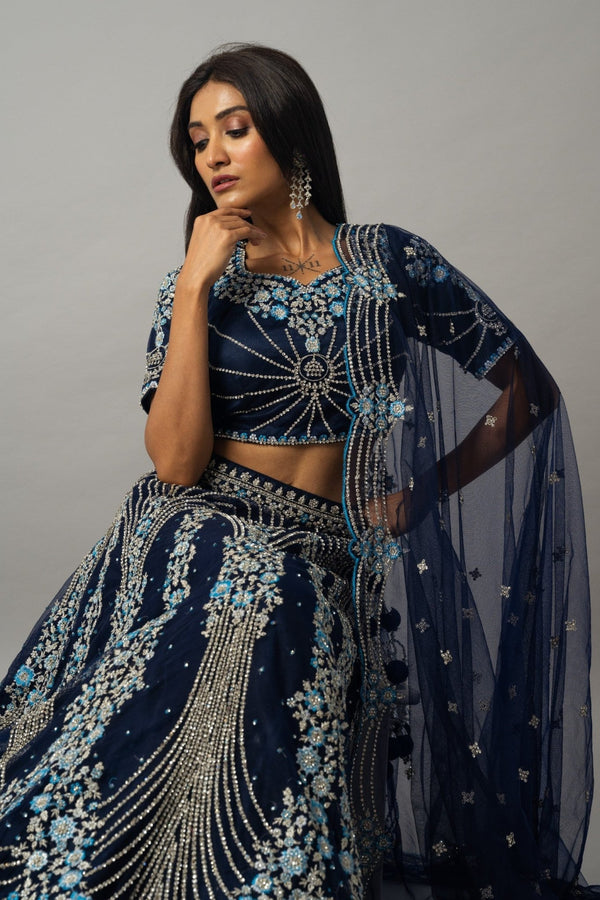
4. Deep Blue Swarovski Encrusted Bridal Lehenga

Deep blue is a striking alternative for brides who want to move beyond traditional reds. The rich colour creates contrast, while Swarovski embellishments reflect light beautifully during evening celebrations. Silver jewellery can enhance its cooler character, while gold accessories create a warmer contrast.
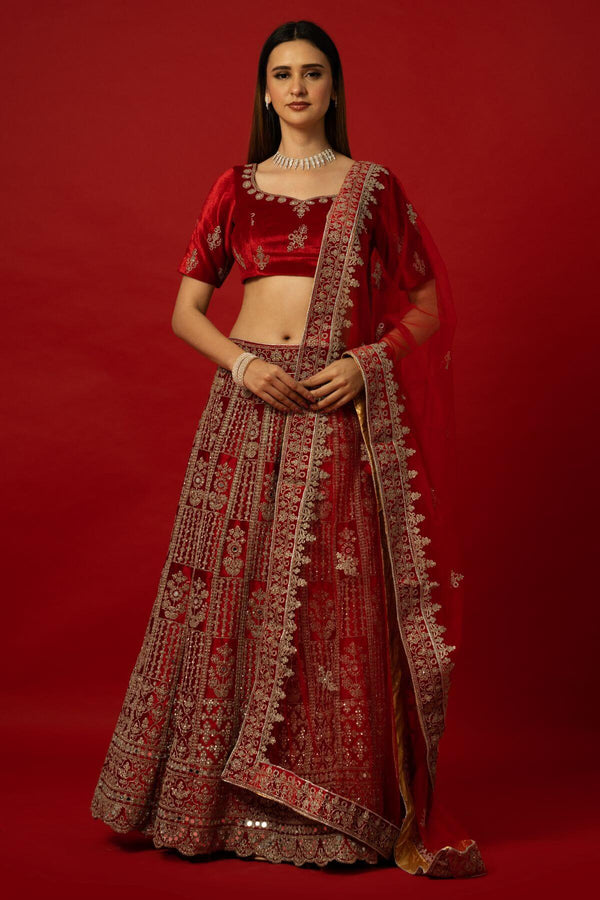
5. Luxe Maroon Velvet Bridal Lehenga

Fabric can make a familiar colour look completely different. Maroon velvet has a deeper, richer appearance than many lightweight fabrics because of its dense texture and the way it reflects light. It's particularly worth considering for winter weddings and evening ceremonies.
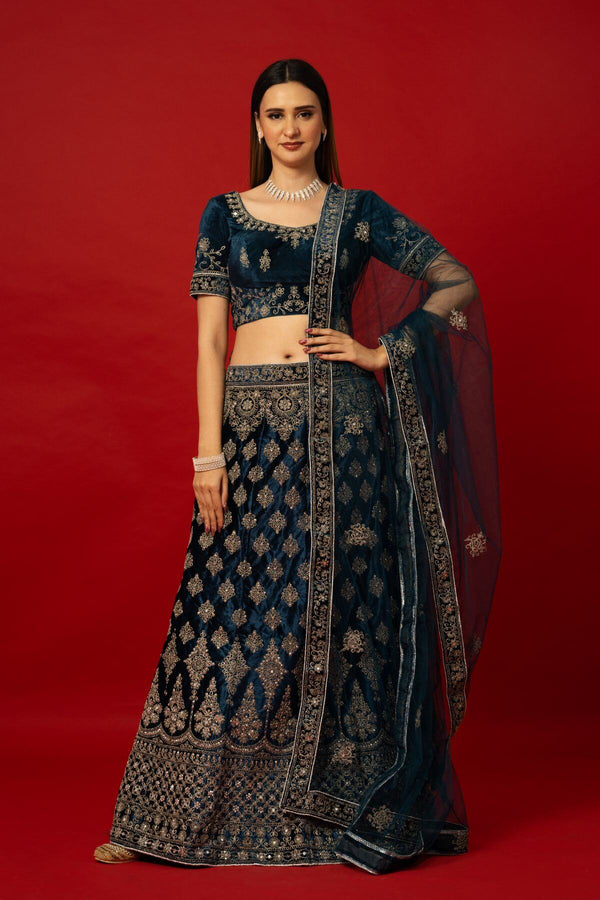
6. Jewel Blue Zari Bridal Lehenga

Jewel blue paired with traditional zari creates an interesting balance between colour and craftsmanship. Gold zari brings warmth to the blue base, while silver zari creates a cooler finish. This makes the combination worth exploring across different undertones.
How to Choose the Right Bridal Lehenga Colour Before Your Wedding
Found a colour you love? Before making the final decision, consider these four things.
1. Check the Colour in Different Lighting
A lehenga can appear brighter in daylight and deeper under warm indoor lighting. If possible, examine the fabric in natural light and under lighting similar to your wedding venue. This is especially important for champagne, peach, blush pink and metallic shades.
2. Look Beyond the Base Colour
Embroidery changes how a lehenga colour is perceived. A red lehenga with gold zari looks different from the same red paired with silver sequins. Similarly, velvet absorbs and reflects light differently from silk, organza or georgette.
3. Consider Your Wedding Ceremony
Traditional reds and maroons remain popular for wedding ceremonies, while pastels, jewel tones and metallic shades are often chosen for receptions. However, there is no reason to limit yourself to these combinations. Choose according to your wedding setting, personal style and the look you want to create.
4. Test the Dupatta Near Your Face
Your lehenga skirt may be the main attraction, but the dupatta and blouse often sit closest to your face. Try draping the dupatta before deciding whether the colour works for you. When comparing options for your perfect lehenga, pay attention to the complete outfit rather than judging the skirt alone.
Complete Your Bridal Look with the Right Blouse and Styling
The right blouse and jewellery can make a noticeable difference to your bridal outfit. For heavily embroidered lehengas, a simpler blouse neckline can help balance the overall look. If your lehenga has minimal detailing, consider a statement blouse with embroidery or an interesting neckline. You can also experiment with latest bridal lehenga blouse designs to find a silhouette that complements your chosen colour and jewellery. For brides who prefer a contemporary silhouette, bridal crop top lehenga designs offer another way to style traditional fabrics and embroidery. And if you're planning a separate reception or cocktail outfit, the best party wear lehenga for brides will depend on the event's setting, how comfortable the outfit feels and whether you prefer subtle detailing or statement embellishments. One final styling tip: Try your blouse, dupatta and jewellery together before the wedding. Colours that look good separately don't always create the same effect when worn together.