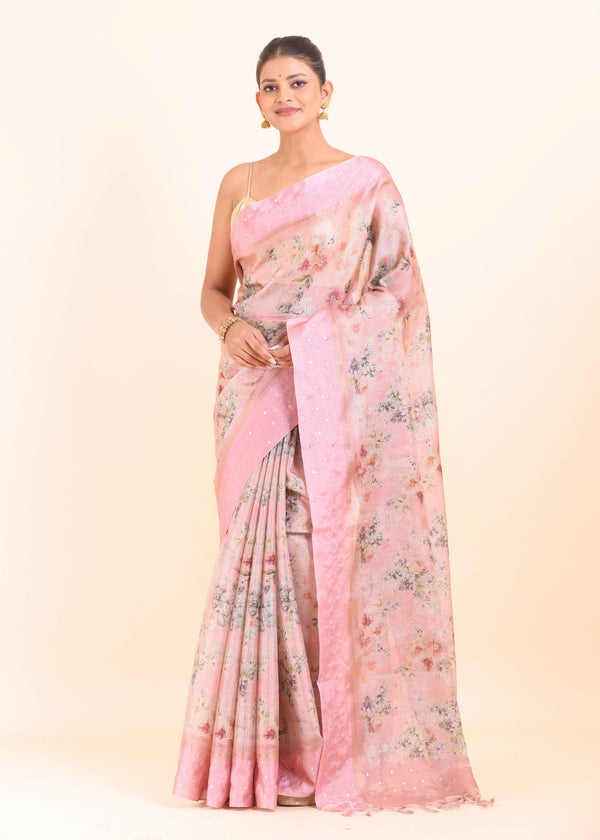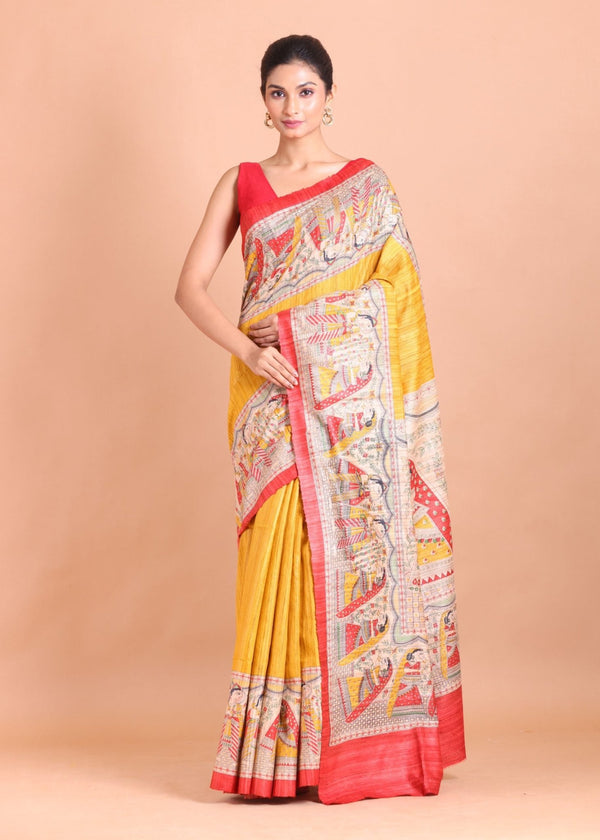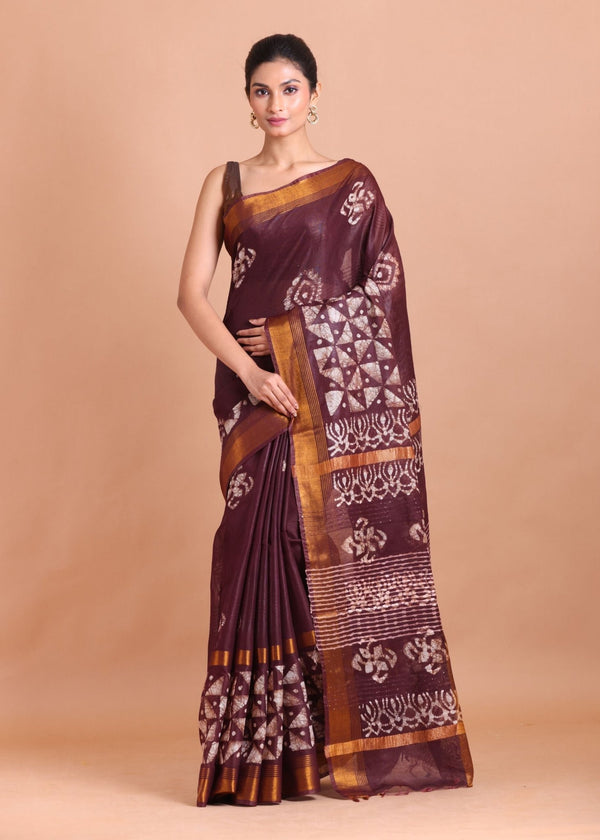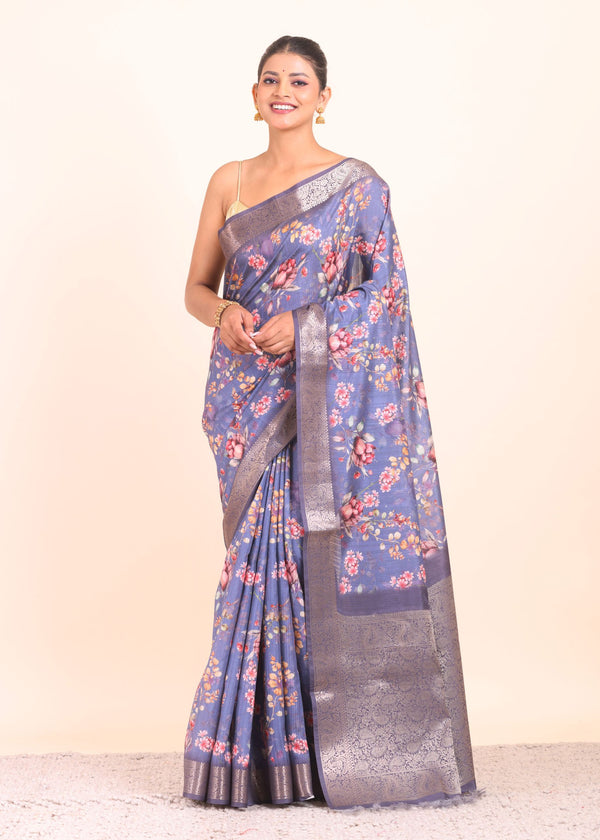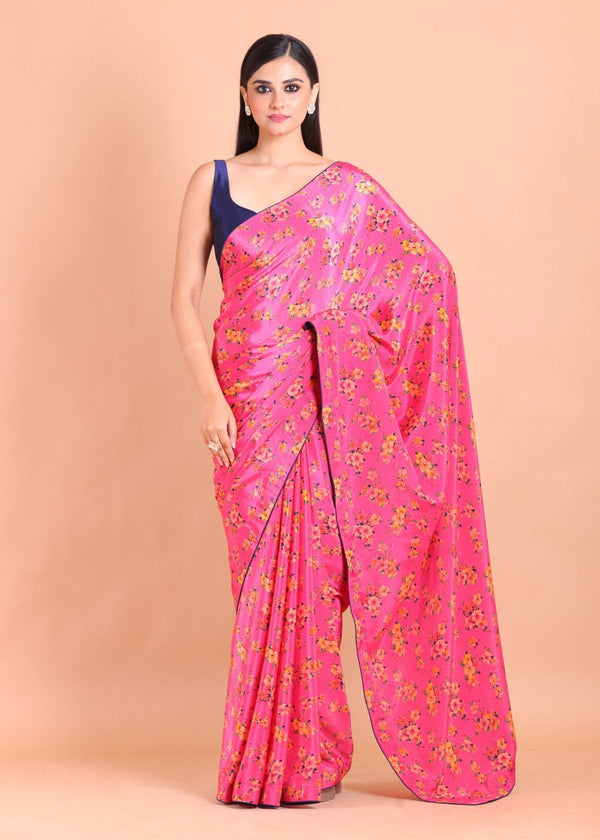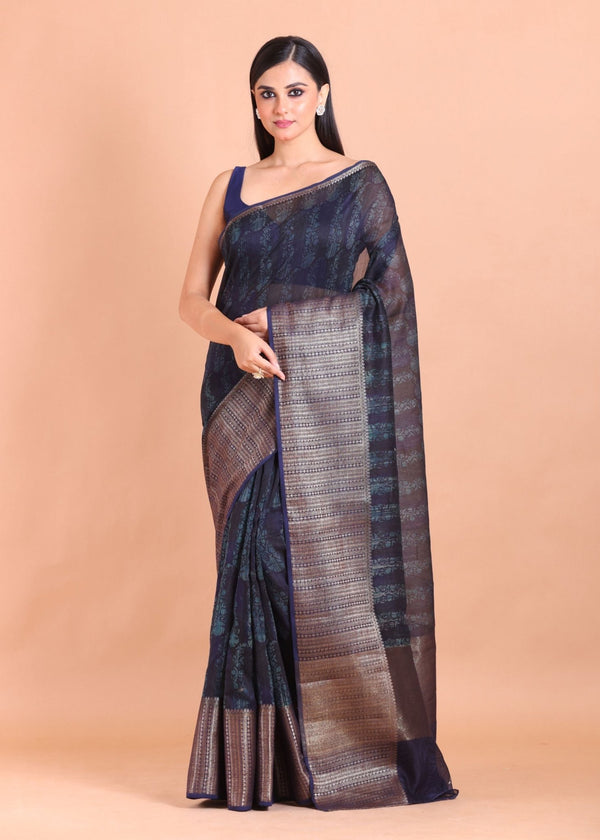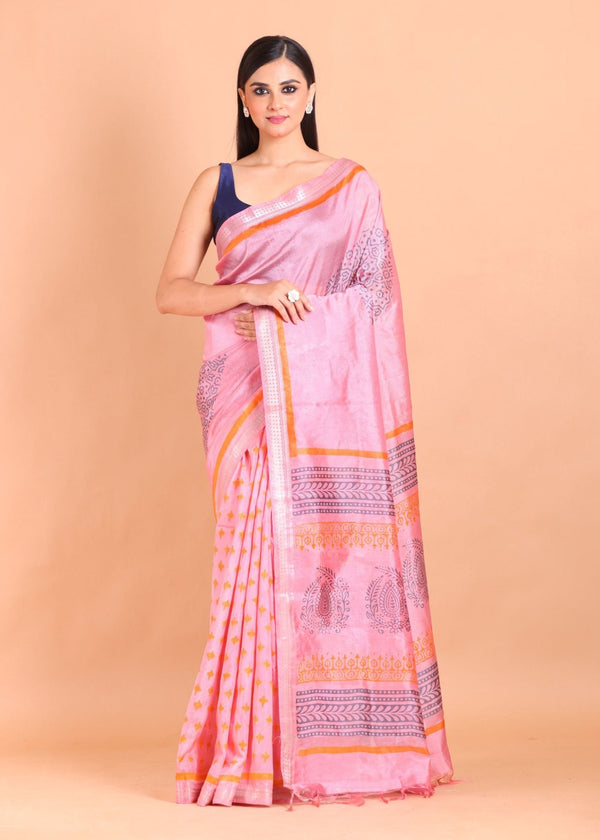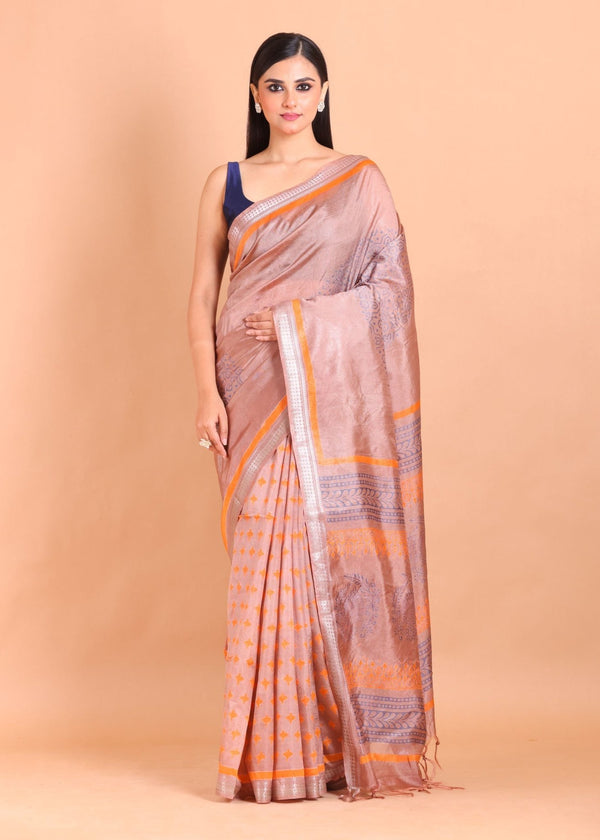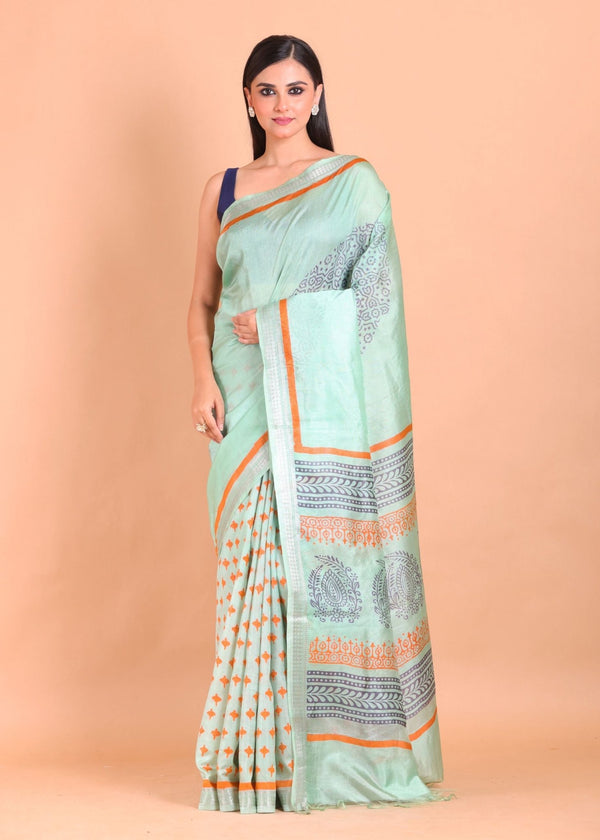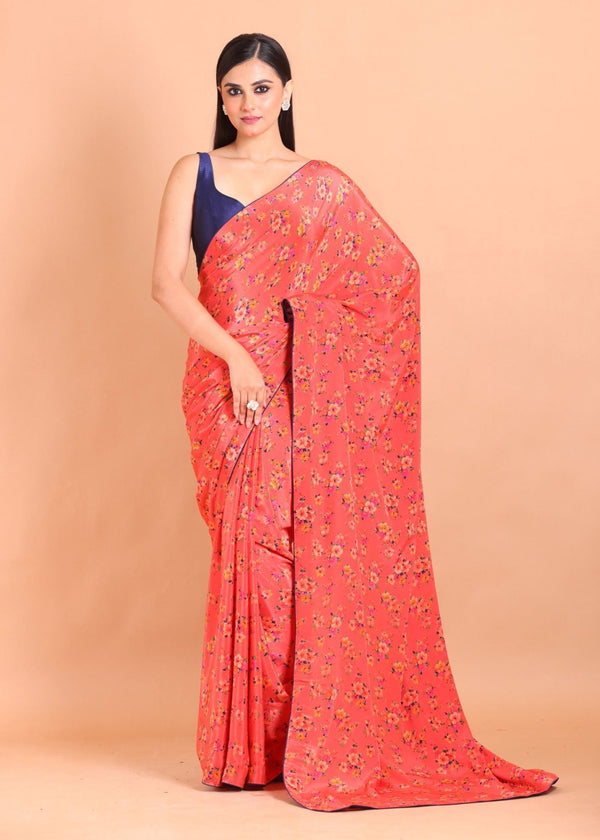




Buying a printed saree online can be difficult. A saree may look beautiful in photographs but feel different when you drape it. The colour may transfer, the print may look less sharp in person, or the blouse piece may not have enough fabric for the design you want.
So, how do you identify a good-quality printed saree before buying it?
Start with five things: colour fastness, print quality, fabric weight, blouse-piece measurements and finishing. These checks can help you understand what you are buying and ask the right questions before placing an order.
At Anvi Couture, we work with Indian ethnic wear, sarees, blouses and customised outfits. Our approach to choosing a garment considers not just how it looks, but also how the fabric falls, how the details are finished and whether the outfit can be tailored for the person wearing it.
This guide explains what to look for, what to ask a seller and what you can realistically check at home. You can use these tips when shopping with Anvi Couture or any other saree brand.
1. Colour Fastness: Will the Saree Colour Stay After Washing?
Colour fastness describes how well a fabric retains its colour when exposed to conditions such as washing, rubbing, perspiration or light. Poor colour fastness can cause colour transfer, fading or staining.
This matters particularly when you are buying a saree in a deep shade or combining a dark body with a light-coloured border.
How to check colour quality before buying
Look for clear care instructions. Check whether the seller recommends hand washing, machine washing or dry cleaning. The correct method depends on the fibre, dye, printing process and embellishments.
Ask about colour fastness. If the seller claims that a saree has been tested, ask which test was conducted and whether a test report is available. A general statement such as “premium quality colour” is not the same as documented testing.
Inspect contrasting colours. When a saree combines dark red with cream, navy with white, or black with a pastel shade, look closely at the boundaries between the colours. Uneven staining or unintended colour transfer may be a concern, although appearance alone cannot establish colour fastness.
Can you test colour fastness at home?
You can perform a cautious preliminary check using a small, inconspicuous area of the fabric.
-
Read the care label first.
-
If appropriate, gently press a clean white cloth against a hidden area of the fabric.
-
If the care instructions permit, use a slightly damp white cloth and apply light pressure.
-
Check whether colour transfers to the cloth.
-
Stop if the fabric appears to be changing, staining or becoming damaged.
Do not scrub the fabric or use this test on delicate silk, embellished sarees or fabrics that require specialist care without checking with the seller first.
A home check cannot confirm long-term colour durability. A fabric may pass a quick check and still fade after repeated washing or prolonged exposure to sunlight.
What does a professional colour fastness test mean?
Textile laboratories can assess different aspects of colour fastness using defined methods. For example, ISO 105-X12 covers colour fastness to rubbing, while ISO 105-C06 covers colour fastness to domestic and commercial laundering.
These tests assess different properties. A rubbing-test result does not automatically establish how a fabric will perform during washing.
Buying tip: If colour durability is important to you, especially for a frequently worn saree, ask the seller about the actual fabric testing and care requirements rather than relying only on the colour or price.
2. Print Sharpness: How to Recognise a Well-Printed Saree
A good printed saree should have a design that suits the fabric and looks intentional across the body, border and pallu. The quality of the print depends on the design, printing method, fabric construction and production process.
Check the edges of the motifs
Look closely at floral patterns, paisleys, geometric shapes and fine decorative details.
-
Digital prints: Fine details should be reasonably clear at normal viewing distance. Pixelation or blurred edges may indicate limitations in the design file, printing process or image reproduction.
-
Screen prints: Where colours meet, look for unintended gaps, overlaps or misalignment.
-
Hand block prints: Small variations and slight differences between repeated motifs can be part of the handmade character. Look for an overall balanced pattern rather than expecting every motif to be mechanically identical.
Not every irregularity is a defect. The important distinction is between a deliberate design characteristic and a production problem that affects the appearance of the saree.

Check the border and pallu
The border and pallu often become the most visible parts of a saree when it is draped.
Look for:
-
A border that appears reasonably consistent along its length.
-
Motifs that are placed as intended.
-
No obvious unintended breaks in the design.
-
A pallu pattern that looks balanced when the fabric is spread out.
-
No unexplained colour smudges or printing marks.
If you are shopping online, look for photographs of the full saree, the pallu, the border and close-up fabric details. A single model photograph may not show enough information to assess the print.
Should the print look the same on both sides?
Not necessarily.
The visibility of a design on the reverse depends on the printing technique, fibre, fabric construction and finishing. Some printed fabrics show a strong design on the front and a much lighter pattern on the reverse by design.
A lighter reverse is not, by itself, proof that the print will fade or wear off quickly.
Instead, ask the seller which printing method was used and whether there is evidence of colour fastness or durability testing.
Buying tip: Do not judge a printed saree only by how attractive the pattern looks. Also check whether the print placement, border and pallu suit the way you intend to drape it.
3. Fabric GSM: Does the Saree Have the Right Weight and Drape?
GSM stands for grams per square metre. It measures the mass of a fabric over a given area and is one way to describe its weight.
But does a higher GSM mean a better saree?
No. A heavier fabric is not automatically better than a lighter one. The right weight depends on the fibre, weave, construction, finishing, intended drape and occasion.
A lightweight chiffon saree may be exactly what you want for a flowing look, while a more structured fabric may be better for a saree with a sculpted pallu or substantial embellishment.
How fabric weight affects a saree
|
Fabric characteristic |
What it can mean when wearing a saree |
|
Lightweight and sheer |
Creates a light, flowing appearance but may require additional attention to coverage and lining. |
|
Soft with fluid drape |
Follows the body and forms softer pleats. |
|
Crisp and structured |
Holds a more defined shape and can create a sculpted silhouette. |
|
Heavier or densely embellished |
May create a richer appearance but can feel heavier during long events. |
|
Thin fabric with heavy surface work |
May need careful construction because the added weight can affect drape and durability. |
These are general characteristics, not guarantees. Two fabrics with similar GSM can behave differently because their fibres, yarns, weaves and finishes differ.
What should you check if GSM is not listed?
Many online saree listings do not provide GSM. You can still ask useful questions.
-
What is the exact fabric composition?
-
Is the fabric sheer, semi-sheer or relatively opaque?
-
Does it have a soft, fluid drape or a crisp structure?
-
Is a lining recommended for the intended blouse or outfit?
-
Is the fabric suitable for the weather and duration of your event?
If you can inspect the saree in person, view it under natural light and handle it gently. Check its transparency, texture and ability to form pleats.
Do not assume that a thicker saree is always more durable or that a thinner saree is necessarily poor quality.
Buying tip: Choose the fabric for the way you want the saree to look and feel, not simply for its weight.
4. Which Fabric Is Best for a Printed Saree?
Different fabrics create different looks. Understanding these differences can help you choose a saree that suits your occasion, comfort preferences and styling.
Silk and silk blends
Silk and silk-blend sarees can offer a rich appearance, a distinctive sheen and a range of drapes depending on their construction. They are popular for weddings, family celebrations and traditional occasions.
Check the fabric composition carefully. A saree described as a silk blend is not necessarily made from the same fibre composition as a pure silk saree.

Georgette
Georgette is often chosen for its flowing drape and softly textured appearance. It works well for many printed party sarees and can be easier to arrange into fluid pleats.
The exact feel and transparency depend on the fabric construction and fibre.

Chiffon
Chiffon is generally lightweight and often sheer, creating a delicate, floating appearance. It can suit daytime functions and occasions where you prefer a light drape.
Because lightweight chiffon may snag or require additional coverage, check the fabric and care instructions before buying.

Organza
Organza is known for its crisp, structured appearance. It can create a defined pallu and a more sculpted silhouette.
Its stiffness may make it less suitable for someone who prefers a soft, close-to-the-body drape.

Satin
Satin refers to a type of fabric construction rather than one specific fibre. Satin-finish fabrics can have a smooth, glossy surface that makes colours appear vivid.
Check the fibre composition and finish because comfort, breathability, crease behaviour and care requirements vary.

Cotton and cotton blends
Cotton sarees are often chosen for daytime wear, warm weather and occasions where comfort matters. Their feel and drape vary according to yarn, weave, weight and finishing.
Cotton blends may combine the characteristics of different fibres, so check the composition rather than assuming that every blend will behave like pure cotton.

Velvet
Velvet has a pile surface that creates depth and a rich appearance. It is more commonly used for statement styling and some evening or cooler-weather looks than for everyday sarees.
If you are considering a velvet-based or heavily embellished outfit, check its weight, comfort and care requirements before purchasing.
The important point: There is no single best fabric for every printed saree. Choose one that works with the design, occasion, climate and the way you like to drape it.
5. The Blouse Piece: Check the Length Before You Buy
A saree can look perfect until you discover that the blouse piece is too short for the design you want.
Before buying, check whether a blouse piece is included, how much fabric it contains and whether its colour and construction suit your planned blouse.
How much blouse fabric do you need?
A saree is commonly sold with a drape length of around 5.5 metres, although product specifications vary. A separate blouse piece may be included, attached to the saree or sold separately.
As a preliminary shopping guide, a blouse piece around 0.8–1 metre may be sufficient for some conventional blouse designs. However, this is not a universal requirement.
The fabric needed depends on:
-
Your measurements and preferred fit.
-
Sleeve length and blouse length.
-
Neckline and back design.
-
Whether you want a high-neck, deep-back or more elaborate blouse.
-
The fabric width and direction of the print.
-
Matching motifs across seams.
-
Additional panels, pleats, ruffles or other design details.
A more elaborate blouse may require additional fabric. If you want a specific design, share the measurements and reference image with your tailor before deciding whether the available fabric is sufficient.
How to check the blouse piece
Check the length and width. Do not rely only on the statement that a blouse piece is included. Confirm its actual dimensions.
Check the colour in daylight. A blouse piece may look different under indoor lighting or in photographs. Compare it with the saree in natural light where possible.
Check the print placement. If you want a central motif on the back or a particular design on the sleeves, the fabric must allow the tailor to place the pattern appropriately.
Check the fabric weight. A blouse fabric should work with the saree and the construction you have in mind. A sheer fabric may need lining, while a heavier blouse may need a different construction approach.
What makes a saree blouse fit well?
A good blouse is not just about the neckline or sleeve design. It must also fit comfortably.
Important fitting points include bust shaping, shoulder width, armhole depth, blouse length and the placement of closures. The right measurements depend on the individual's body shape and the design.
If the blouse is too tight across the bust or armhole, movement may become uncomfortable. If it is too loose in the wrong areas, it may not provide the intended shape.
At Anvi Couture, customers looking for a customised blouse or outfit can enquire about tailoring options and share their requirements before confirming the design.
Buying tip: If you have a particular blouse design in mind, confirm the available fabric and your tailoring requirements before purchasing the saree.
6. Embroidery and Embellishments: What Should You Inspect?
Printed sarees may also feature zari, thread work, sequins, mirror work, pearls or decorative stones. These details can change the appearance, weight and care requirements of the garment.
Here is what to look for.
Zari and metallic thread
Check whether the metallic threads appear secure and whether there are loose loops or unfinished areas. Ask the seller about the material used if the distinction between real zari and other metallic yarns matters to you.
Do not assume that every metallic-looking thread is real zari.
Resham and other thread embroidery
Look for reasonably even stitches, secure thread ends and neat finishing on the reverse. Some variation may be part of handmade work, but loose threads or visibly unfinished areas deserve attention.
Sequins
Check whether the sequins are securely attached and whether the fabric beneath them shows signs of pulling. Loose sequins may become detached during wear or cleaning.
Mirror work
Inspect the stitching around the mirrors and check that the edges are properly finished. Poorly secured or exposed sharp edges can damage the surrounding fabric or cause discomfort.
Pearls, stones and crystals
Check whether the embellishments are firmly attached and whether their weight is suitable for the fabric. Heavy surface work on a delicate base can affect the drape and place additional stress on the fabric.
Why the reverse side matters
The reverse can reveal loose threads, exposed knots, unfinished seams or areas where embellishments have not been secured neatly.
Not every handmade garment will have a perfectly uniform reverse. What matters is whether the construction is appropriate for the garment and whether the finishing is secure.
Buying tip: If the saree is heavily embellished, ask how it should be cleaned and stored. The correct care method may be different from that of a plain printed saree.
7. Which Printed Saree Should You Wear for Each Occasion?
The best saree depends on the occasion, your comfort, the weather and the look you want.
For weddings
Printed silk or silk-blend sarees can work well for weddings, especially when paired with carefully selected embroidery or a structured blouse.
Choose the fabric and embellishment according to the ceremony, venue and duration of wear.
For receptions and evening events
Satin-finish fabrics, georgette and other evening-appropriate fabrics can create a dressier appearance. Sequins, metallic details or a statement blouse may add interest.
Consider the weight of the outfit if you will be wearing it for several hours.
For engagements and family celebrations
Organza, georgette and other fabrics with a defined but comfortable drape can suit these occasions. Light embroidery or carefully placed embellishments can complement the print without overwhelming it.
For festive dinners and parties
Choose a fabric that allows you to sit, move and enjoy the event comfortably. A bold print with a well-fitted blouse can create a complete look without requiring heavy embellishment.
For pujas, brunches and daytime functions
Cotton and cotton-blend sarees are popular choices for their comfort. Depending on the weather and design, lighter fabrics may also work well.
The right choice depends on the actual fabric and construction, not simply the name of the material.
8. How Printed Fabrics Work in Other Ethnic Outfits
The same fabric checks can help when you are buying kurtas, Anarkalis, shararas, palazzos or Indo-western outfits.
However, the silhouette changes how the fabric behaves.
Anarkali suits
Anarkalis generally have a fitted upper section and a flared lower section. The fabric needs to support the intended movement and volume without making the outfit unnecessarily heavy.
Straight-cut kurtas
A straight-cut kurta offers a cleaner silhouette. Large prints, repeated motifs and vertical patterns may become prominent, so check how the design falls across the garment panels.
Sharara sets
Sharara trousers flare from the knee or lower leg, depending on the design. The fabric must support the intended movement while remaining comfortable to wear.
Palazzo sets
Palazzos generally have a wider leg shape, often flaring from the hip. Fabric drape and opacity matter because they affect the way the trousers move and sit.
Cape-style outfits
Capes add volume around the shoulders and upper body. A crisp fabric can create structure, while a lighter fabric can provide a softer effect.
Asymmetric and Indo-western designs
Uneven hems, layered drapes and diagonal lines can create a contemporary appearance. Print placement and fabric drape matter because they affect how the design looks when the garment is worn.
For customised outfits, ask the designer or tailor how the fabric will behave when cut into the intended silhouette.
9. How to Care for a Printed Saree
Good care can help you maintain the appearance of a saree, but the correct method depends on its fibre, dyes, printing process and embellishments.
Before the first wash
Read the care label or ask the seller for instructions. Do not assume that every printed cotton saree can be washed in the same way or that every georgette saree requires dry cleaning.
Washing and drying
-
Follow the recommended washing method.
-
Use a suitable detergent and avoid harsh treatments unless the care instructions permit them.
-
Avoid rubbing or twisting delicate fabric.
-
Dry the saree according to its care requirements and avoid unnecessary prolonged exposure to direct sunlight.
-
Separate garments where colour transfer may be a concern.
Storing the saree
Store the saree clean and completely dry. Use a breathable fabric cover where suitable, avoid trapping moisture and refold the garment periodically if it is stored for long periods.
Heavily embellished sarees may need additional care to prevent snagging, pressure on decorative details or damage to the base fabric.
For silk, velvet, delicate organza and heavily embellished garments, consult the care label or a qualified cleaner before attempting home washing.
10. Anvi Couture's Approach to Sarees and Customised Ethnic Wear
At Anvi Couture, our focus is on Indian ethnic wear, including sarees, blouses, lehengas and fusion outfits. Our design approach combines attention to fabric, print, finishing and the way a garment is intended to be worn.
For customers considering a saree or customised outfit, it is useful to look beyond the photograph and understand the actual product specifications.
Before confirming an order, check the fabric composition, print or embellishment details, measurements, care instructions and whether the blouse piece is included.
Customers interested in a customised blouse or outfit can enquire about the available tailoring options, share their preferred design and discuss their measurements before finalising the garment.
Our Kolkata store offers a way for customers to discuss their requirements and explore tailoring options in person. Availability of specific fabrics, designs and services should be confirmed before visiting or placing an order.
Whether you are shopping for a wedding, a festive occasion or everyday ethnic wear, the aim is to choose a garment that suits your preferences and works well when worn—not simply one that looks attractive in a photograph.
11. Printed Saree Buying Checklist
Before you place your order, use this checklist to review the most important details.
Fabric and colour
-
The fabric composition is clearly stated.
-
The care instructions are available.
-
Colour fastness claims are supported by relevant testing information, where claimed.
-
The fabric weight and transparency suit the intended occasion.
Print and construction
-
The print looks appropriate for the printing method.
-
The border and pallu have the intended placement.
-
There are no obvious unintended smudges, gaps or production defects.
-
Embellishments, seams and finishing appear secure.
Blouse piece and fit
-
The blouse piece is included, if expected.
-
Its length and width are sufficient for the intended design.
-
The colour and print placement suit your blouse preference.
-
Your tailor has enough information to confirm fabric requirements.
Online shopping
-
Product photographs show the fabric and relevant details clearly.
-
Price, delivery, return and exchange conditions are available.
-
The seller has provided clear information about the product.
-
Any special care or tailoring requirements are understood before purchase.
You do not need to find a saree that scores perfectly on every characteristic. You need one whose fabric, construction, care requirements and design suit your expectations.
Final Thoughts
A good printed saree is about more than an attractive design. Fabric, colour performance, print placement, construction, blouse-piece measurements and care requirements all influence your experience after buying it.Take a little time to check these details before placing your order. Ask questions when product information is missing, and do not rely on a single visual test to judge technical qualities such as colour fastness.