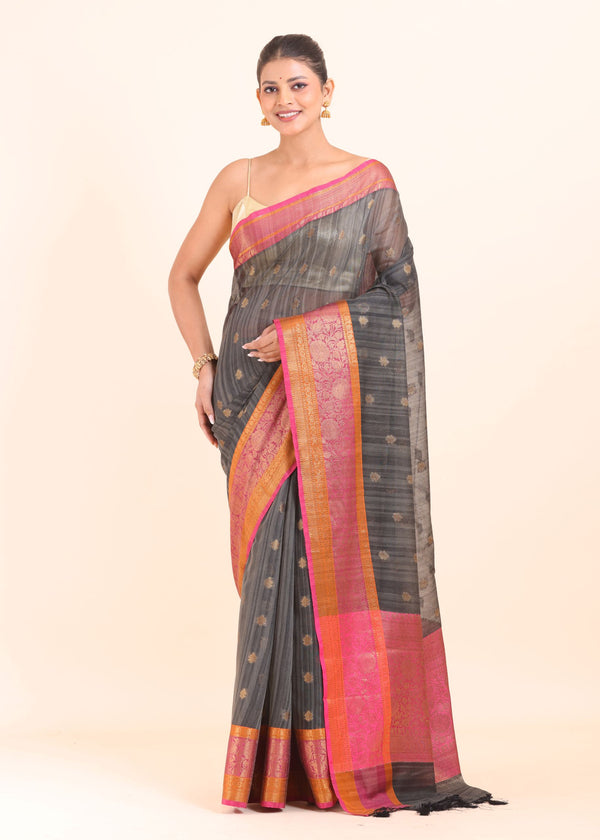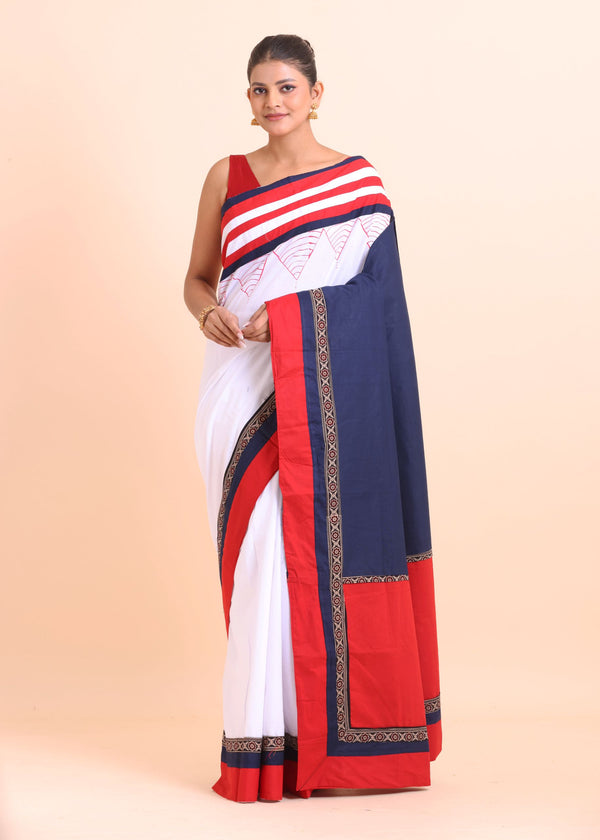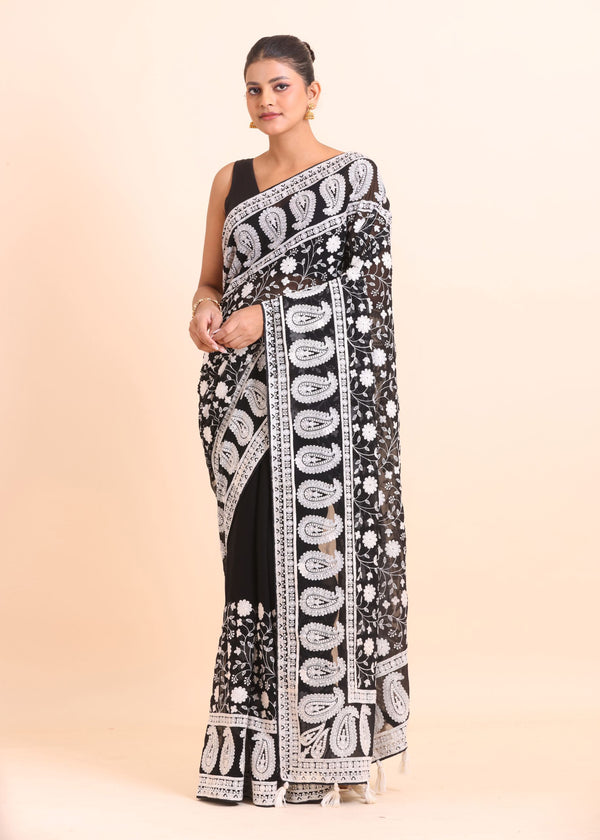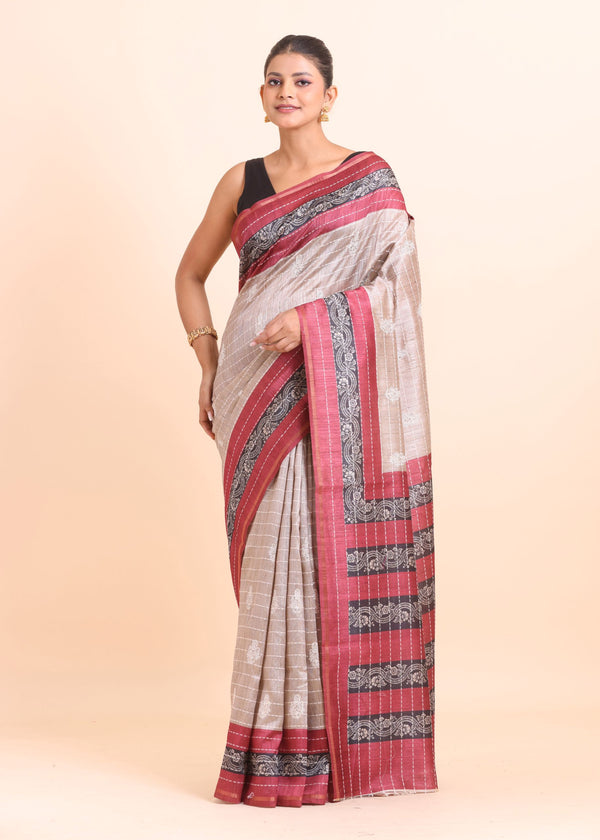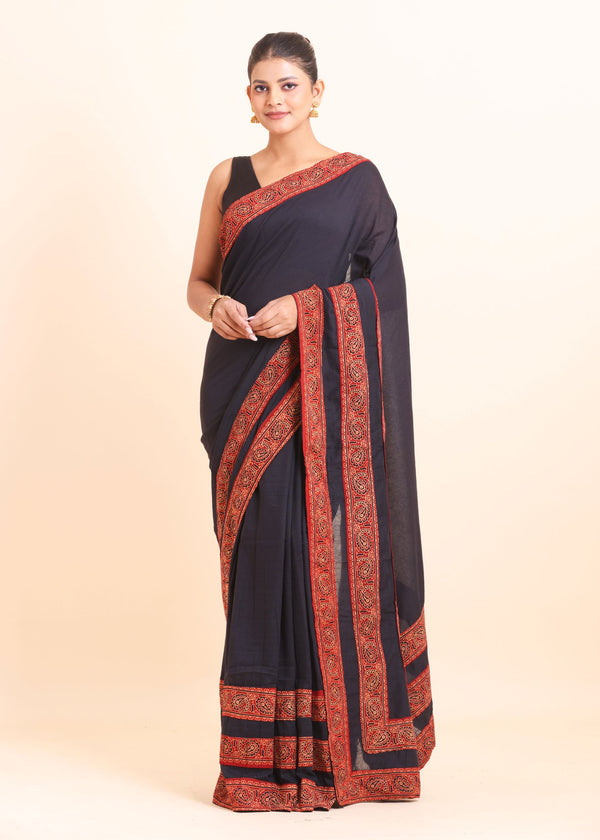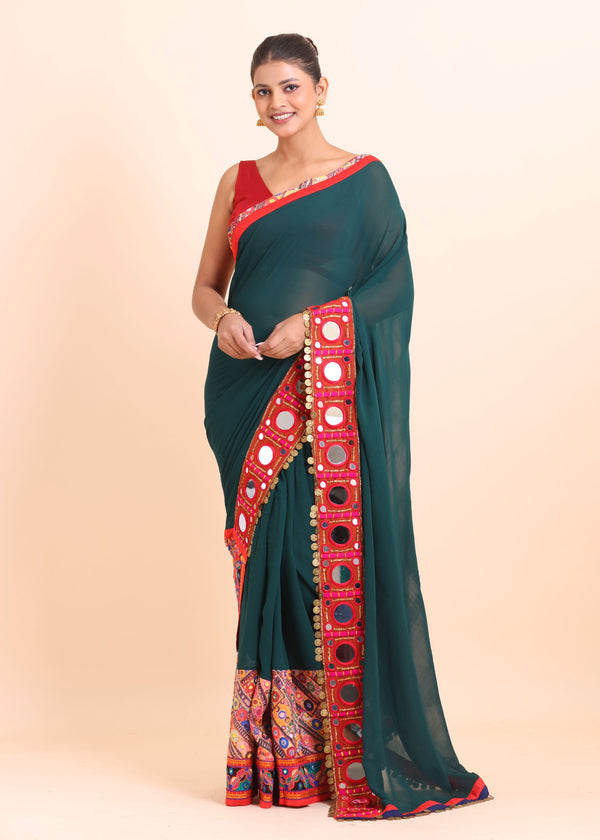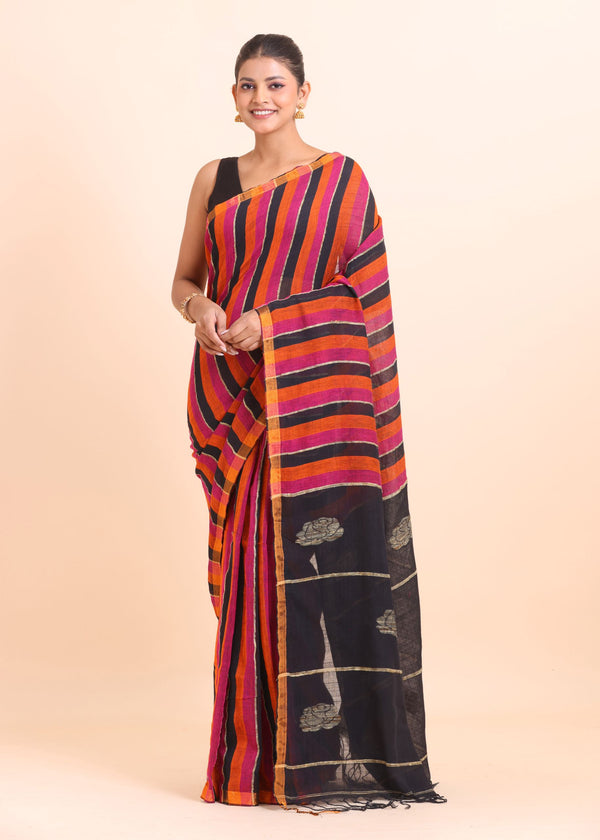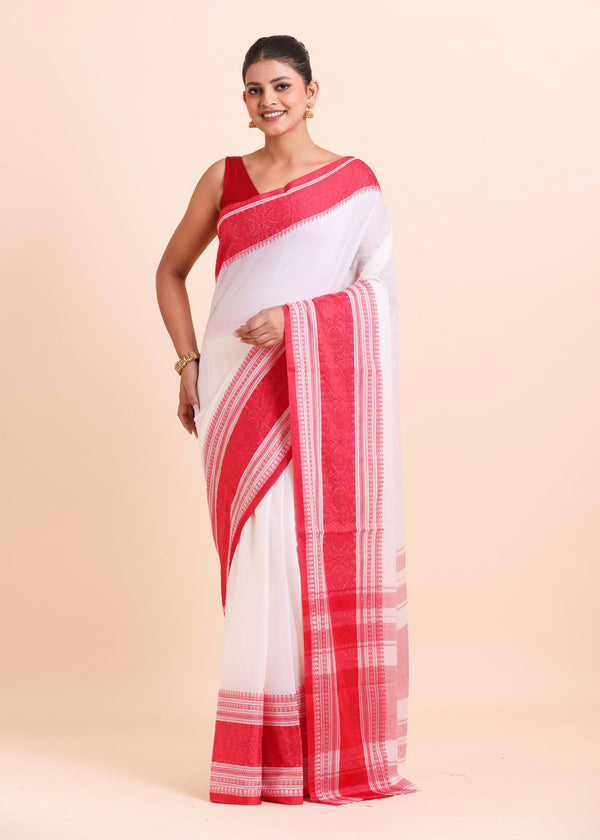




Looking classy at an Indian wedding is all about finding the right balance between traditional dressing, personal style and the occasion. You don't necessarily need an elaborate outfit or heavy jewellery to make an impression. A well-fitted saree, a thoughtfully styled lehenga or a graceful Indo-western outfit, paired with the right accessories, can create a refined wedding guest look. Indian weddings often include several celebrations, from daytime ceremonies and mehendi functions to sangeet nights and grand receptions. Each occasion calls for a slightly different approach to dressing. The key is to choose outfits that complement the function, feel comfortable throughout the celebrations and reflect your personal style. If you're wondering how to look classy at an Indian wedding without overdressing, here are some practical outfit and styling ideas to consider.
1. Choose an Outfit That Balances Tradition and Style
Your outfit sets the foundation for your entire appearance. Indian wedding guest fashion offers plenty of choices, but the best option is one that suits the occasion, your comfort and your preferred style.
Sarees for Timeless Sophistication
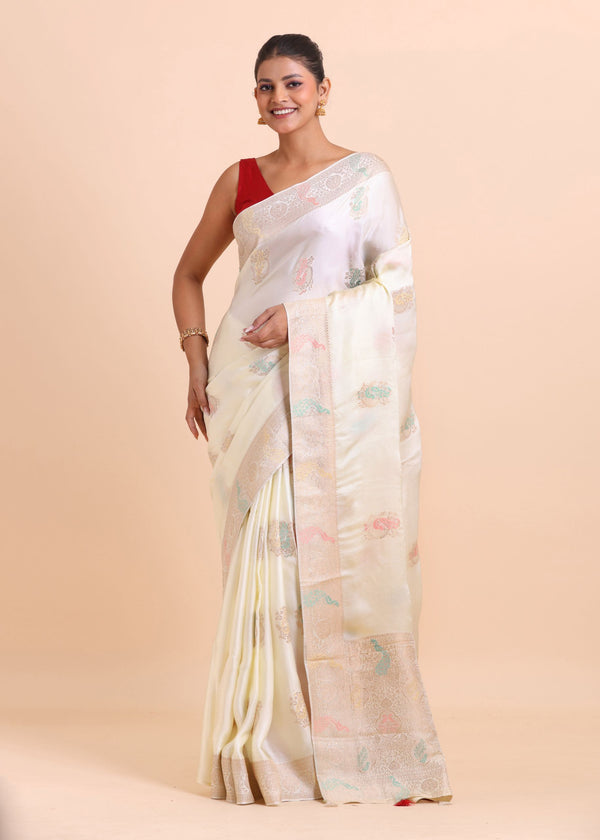
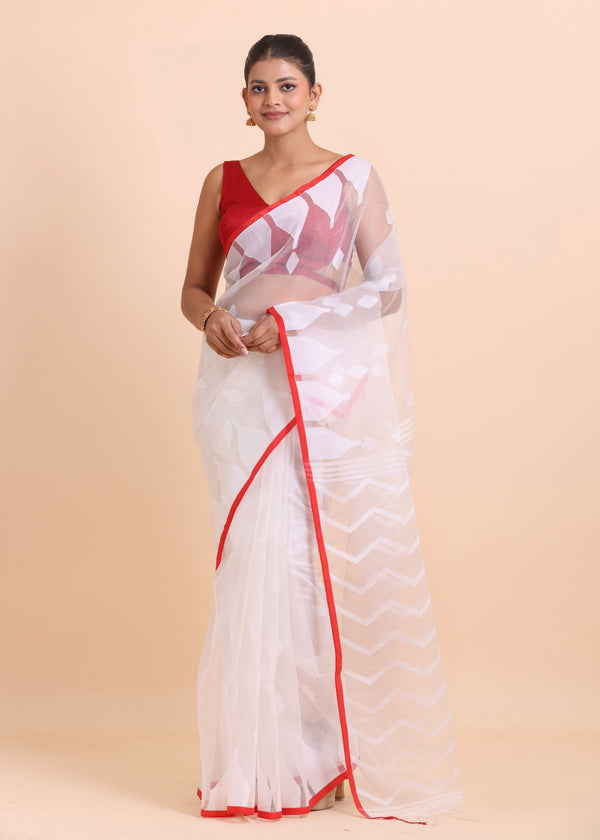
A saree is one of the most versatile choices for an Indian wedding. Its appeal lies in how easily it can look traditional, contemporary or understated, depending on the fabric, draping style and blouse design. For a refined appearance, consider silk, Banarasi, georgette or organza sarees. A traditional silk saree with an intricate border works well for wedding ceremonies, while a lightweight georgette or organza saree with delicate embroidery can be a lovely choice for daytime celebrations and evening gatherings. If you prefer exploring different styles, browse sarees online or look at the wedding saree collection for occasion-appropriate designs.
A few styling details can make a noticeable difference:
-
Choose a blouse with a flattering neckline and a comfortable fit.
-
Keep the draping neat so the pleats and pallu sit properly.
-
Pair detailed sarees with relatively understated jewellery.
-
Choose embellishments that complement the saree rather than compete with it.

Lehengas for a Festive Look
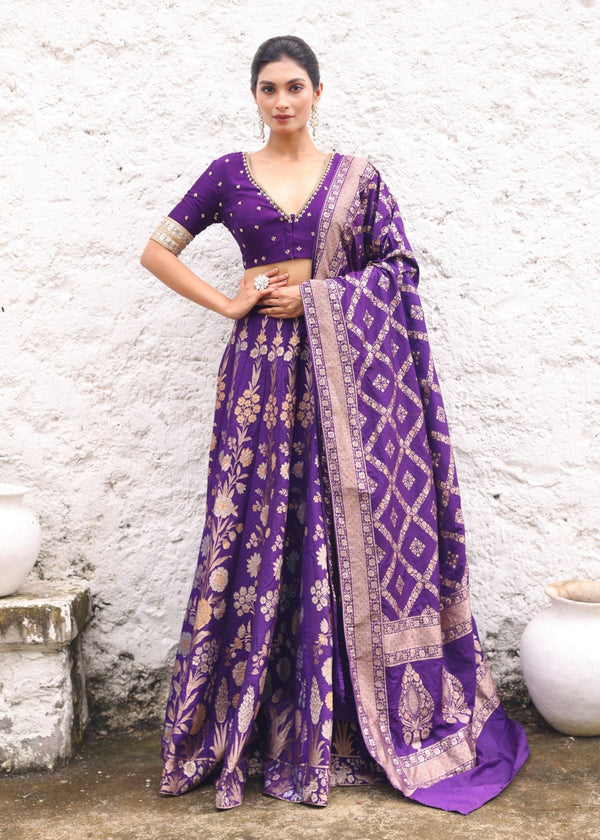
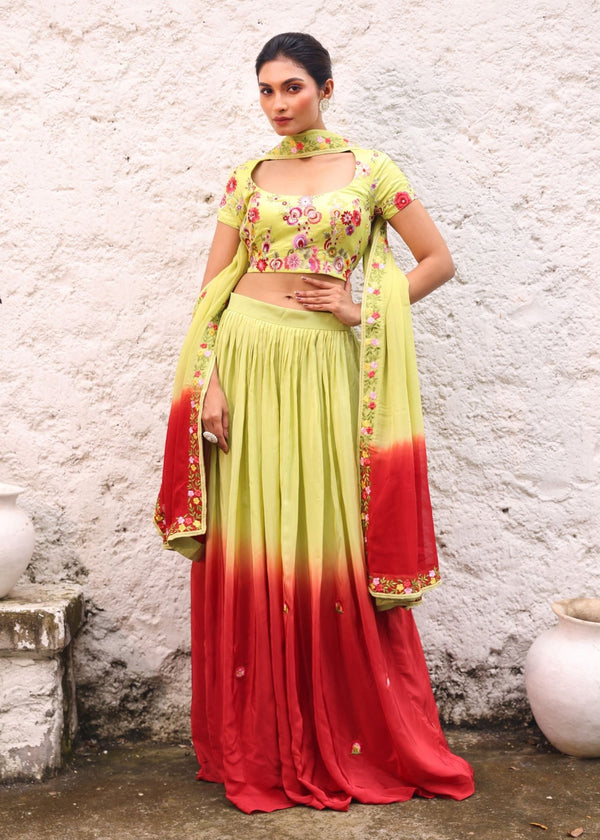
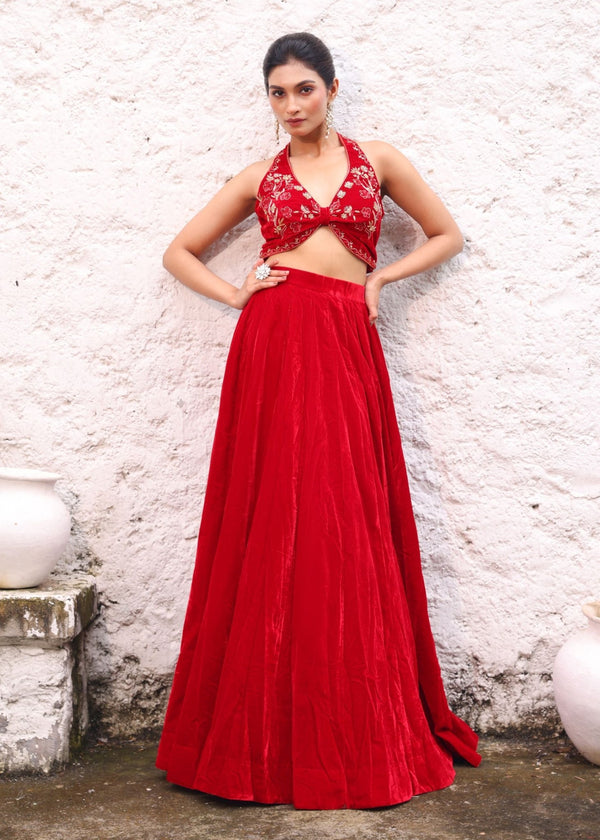
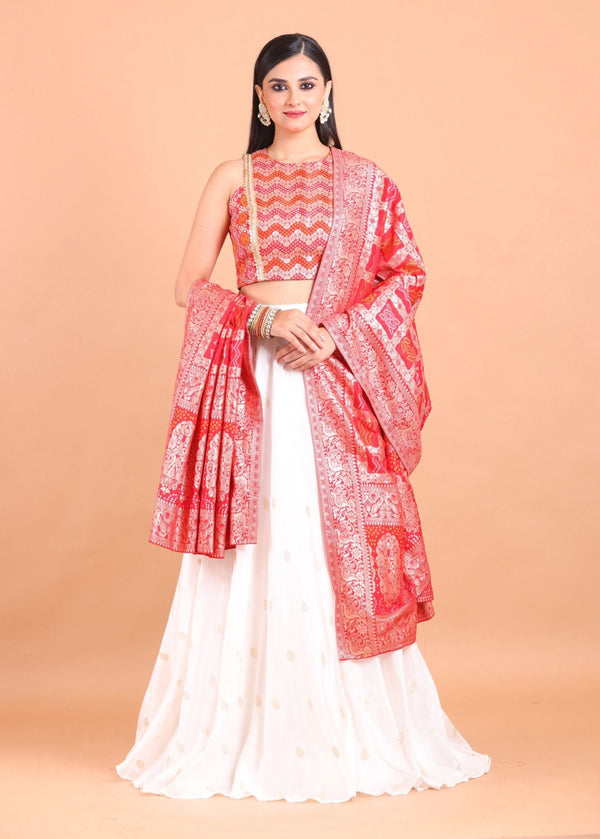
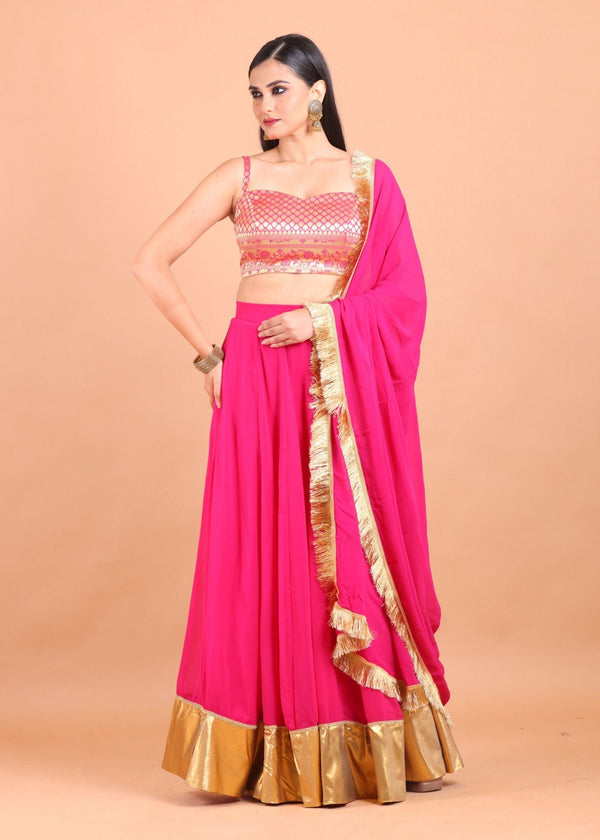
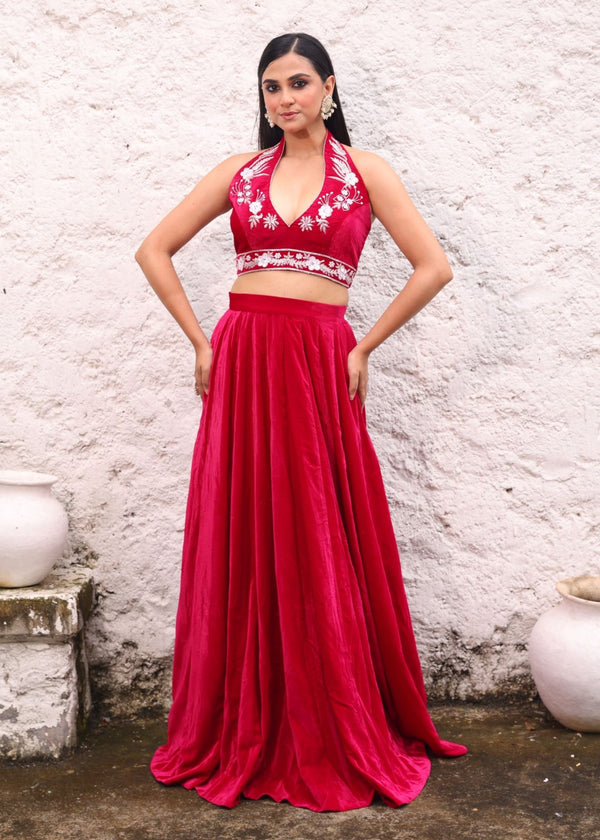
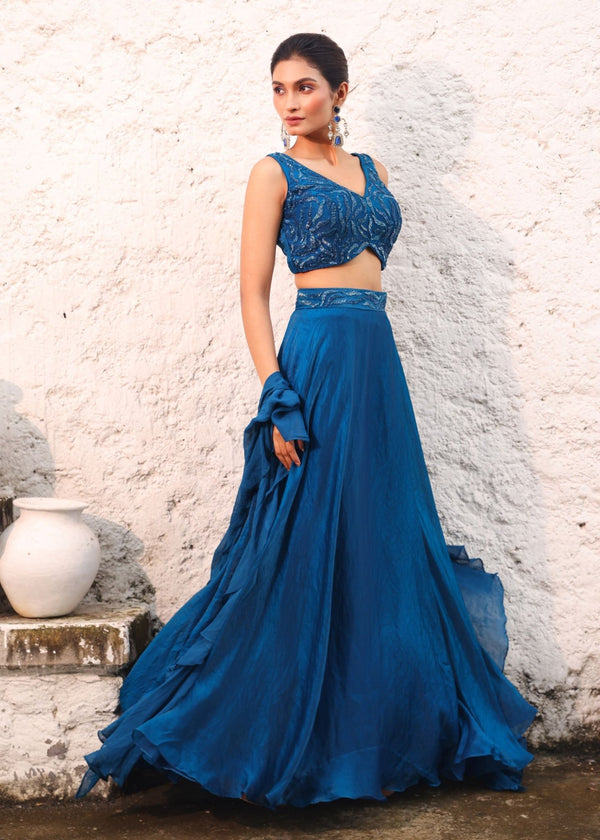
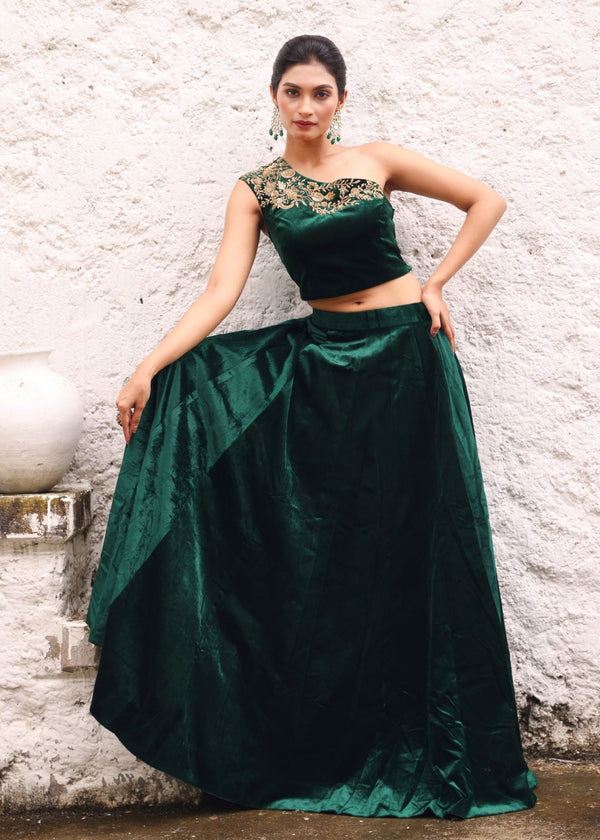
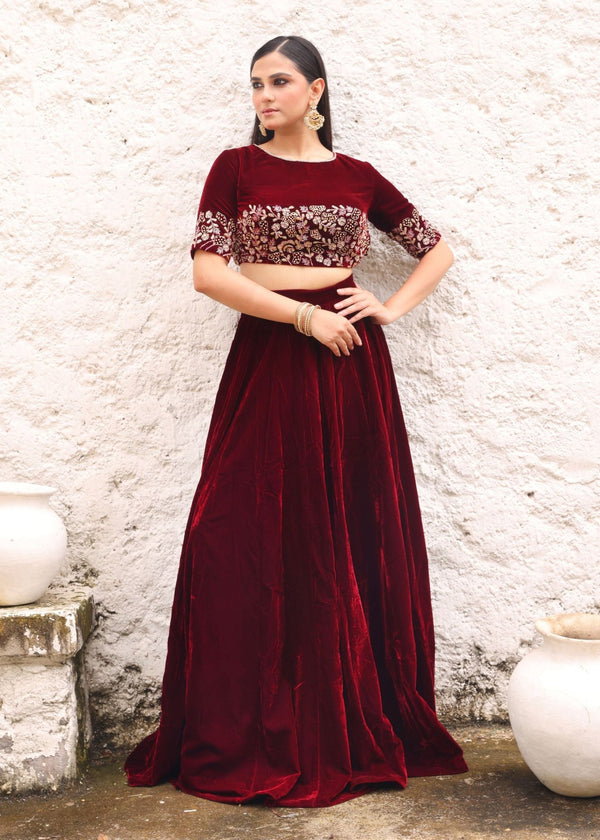
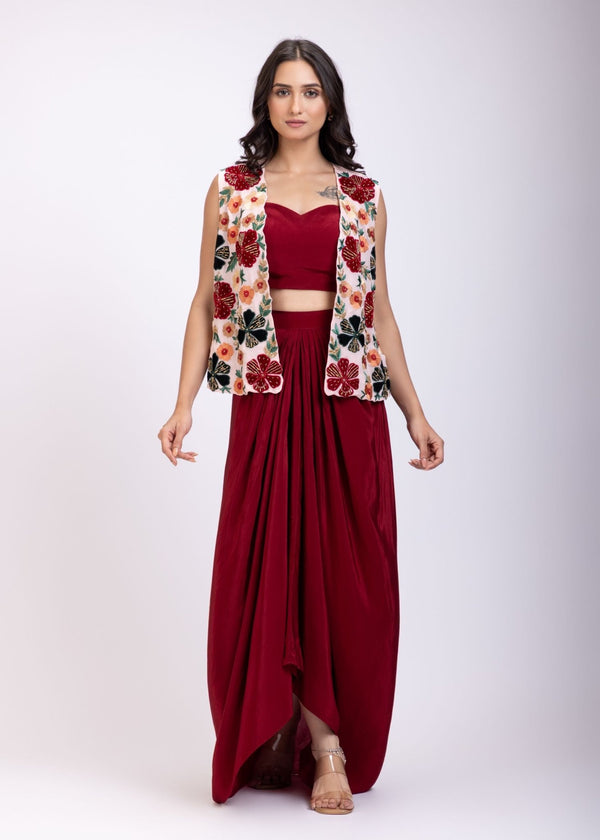
Lehengas are another popular option, especially for sangeet celebrations, wedding festivities and receptions. However, a classy wedding guest lehenga does not necessarily have to be heavily embellished. Look for balanced embroidery, flattering silhouettes and well-coordinated cholis and dupattas. A lehenga with intricate detailing and moderate volume can make a festive statement without looking too close to bridal attire. You can also experiment with contrasting blouse and skirt combinations, provided the colours and embellishments complement each other. Explore different lehenga styles to find a silhouette that suits the function and your personal preferences.

Anarkalis, Sharara Sets and Indo-Western Outfits
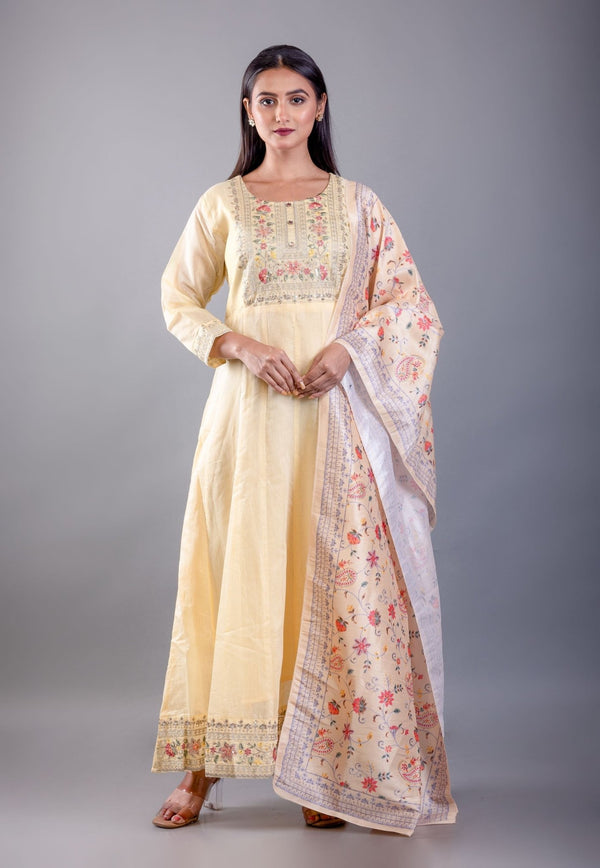
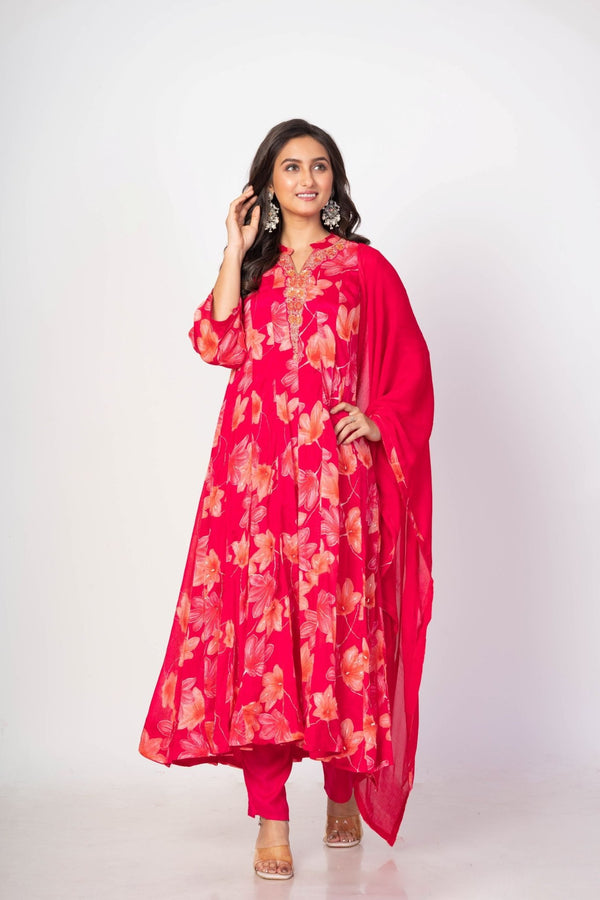
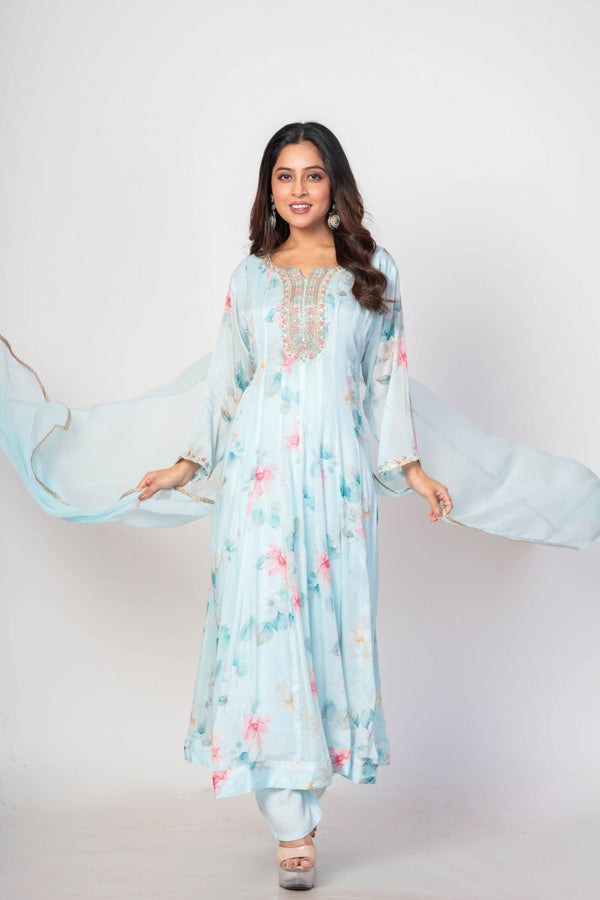
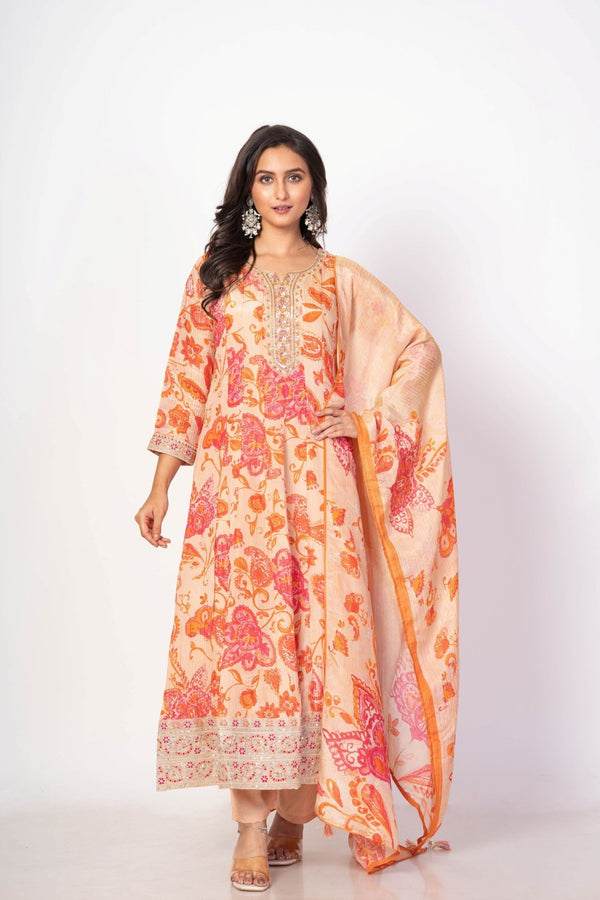
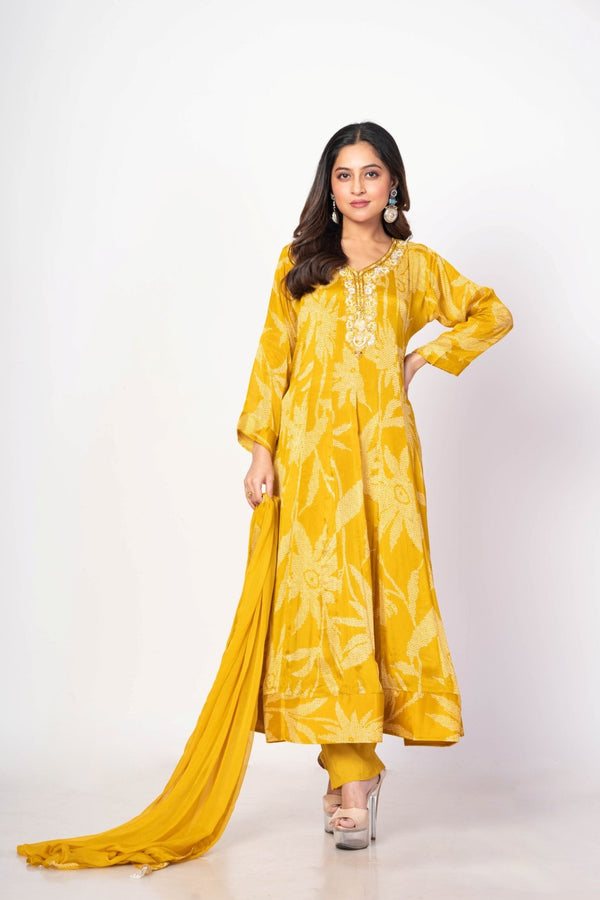
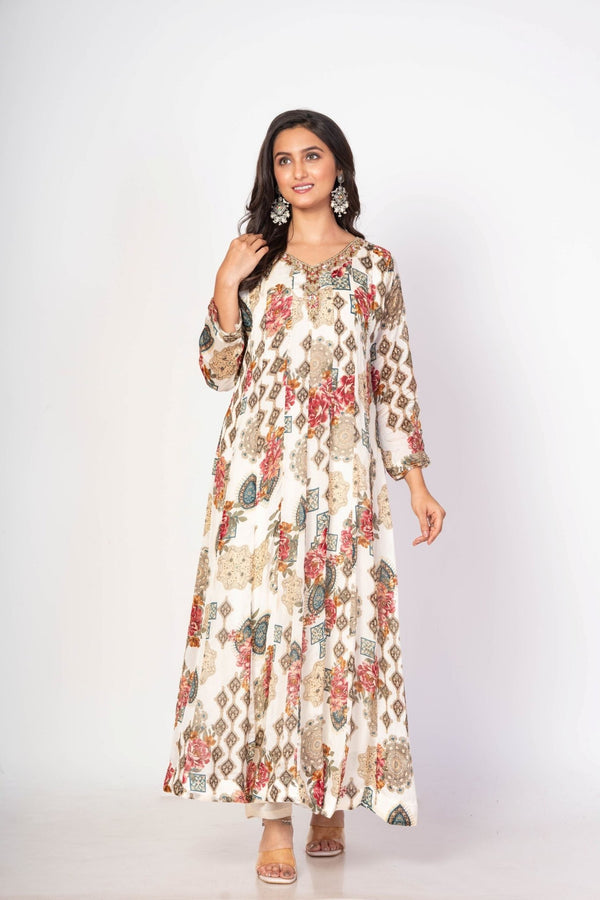
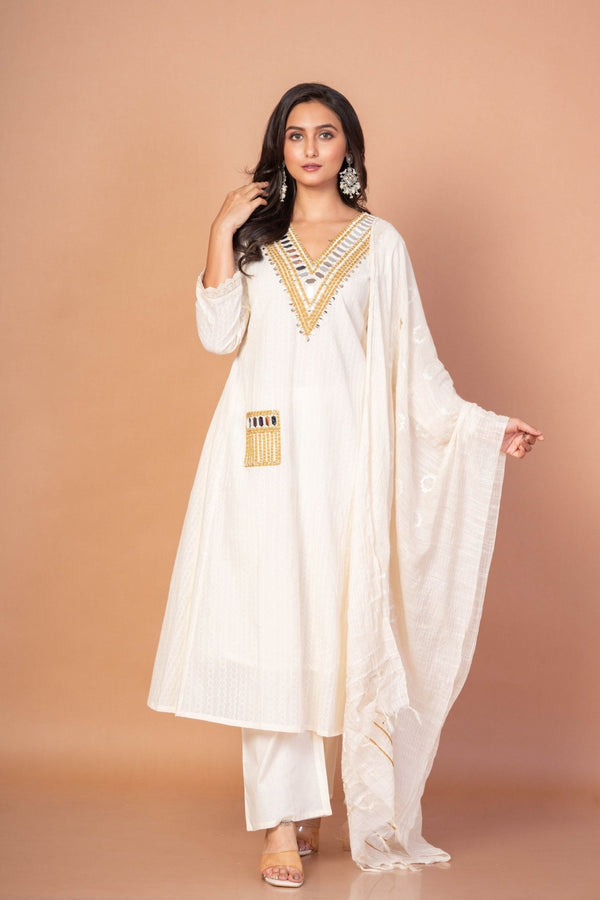
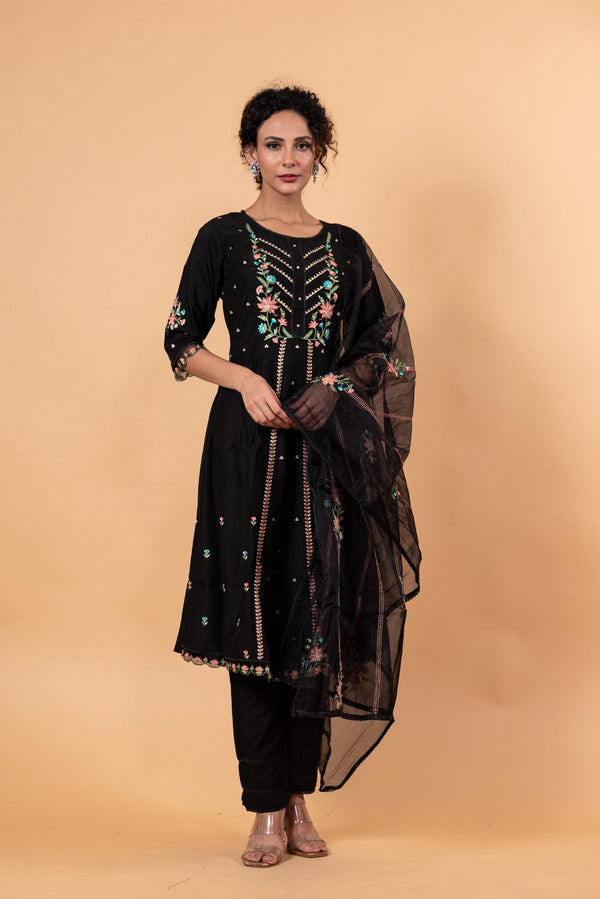
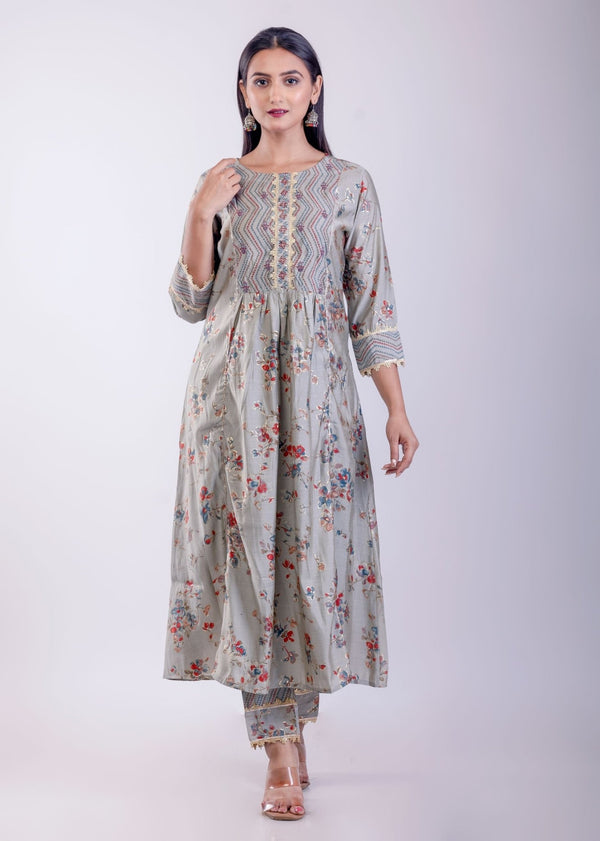
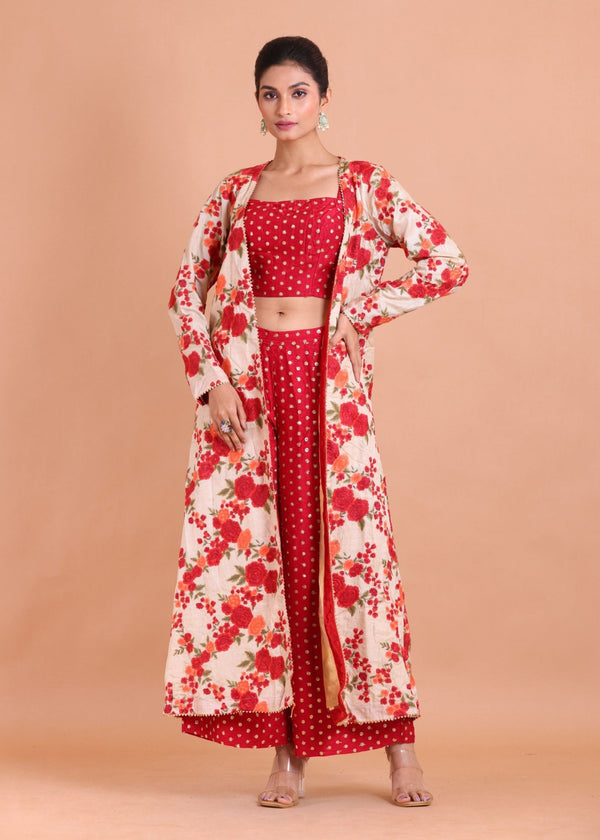
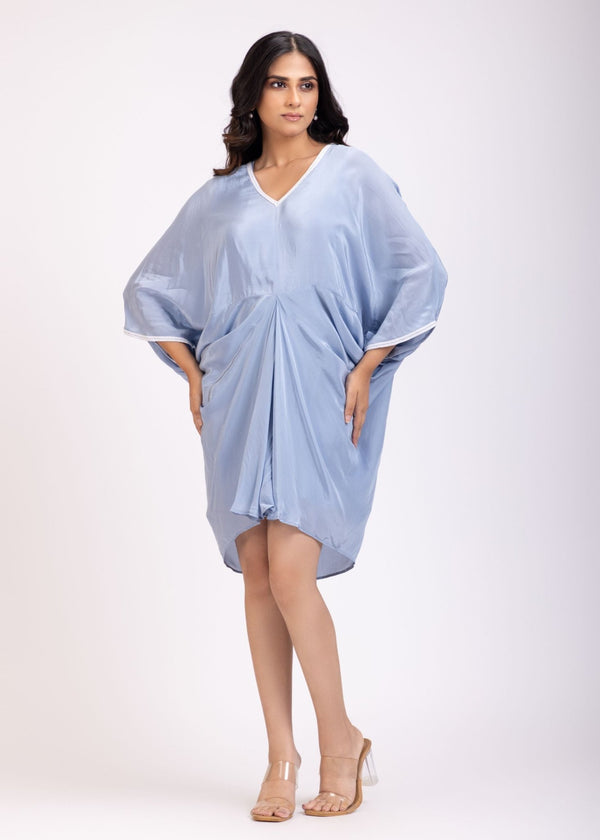
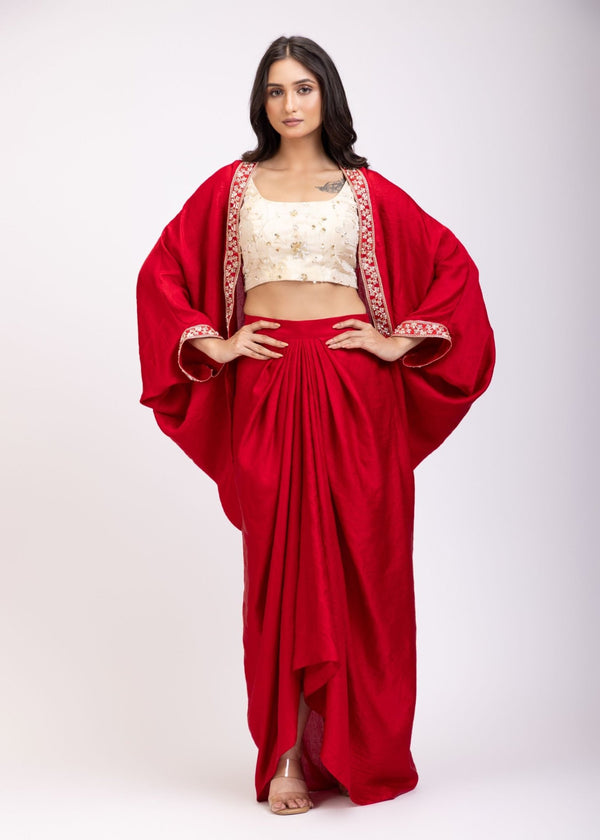
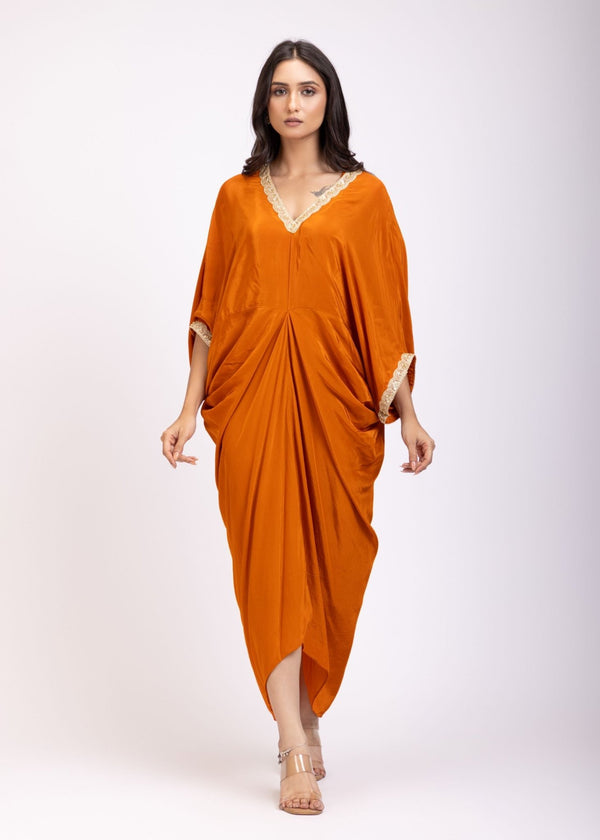
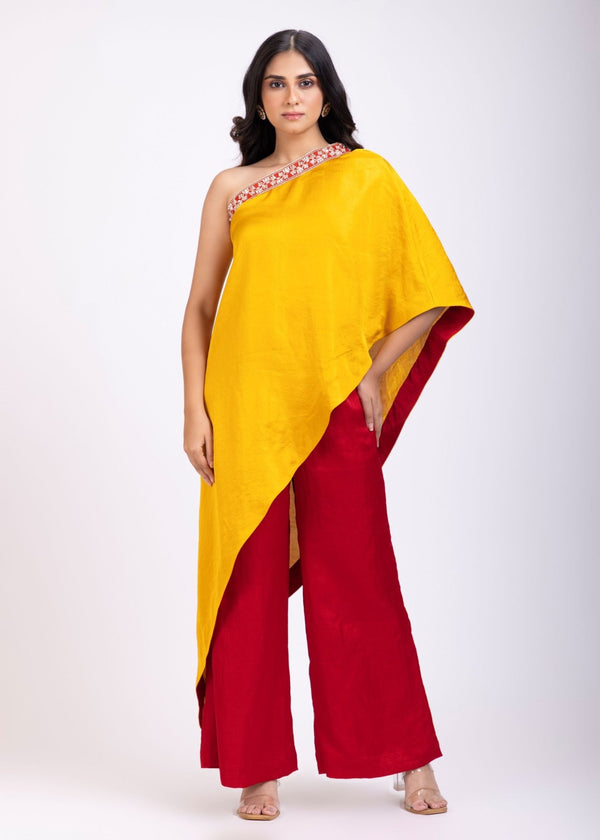
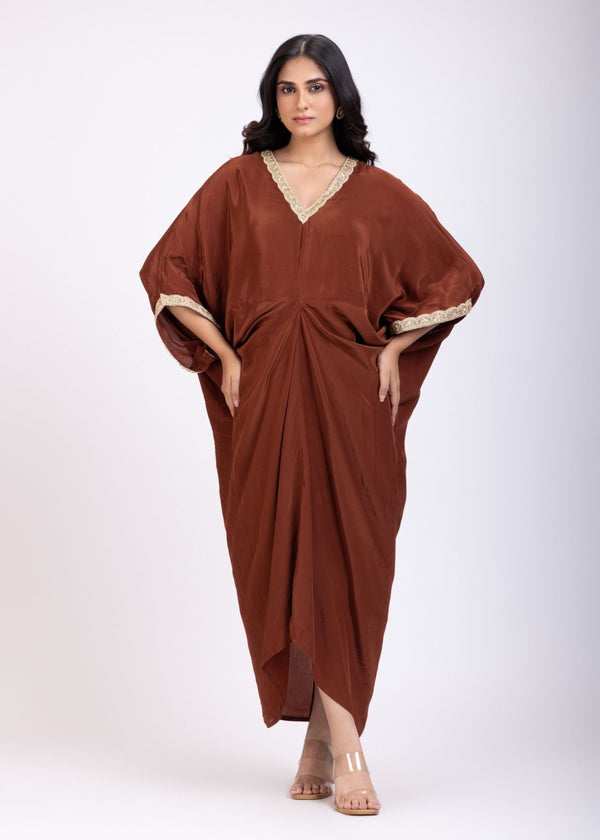
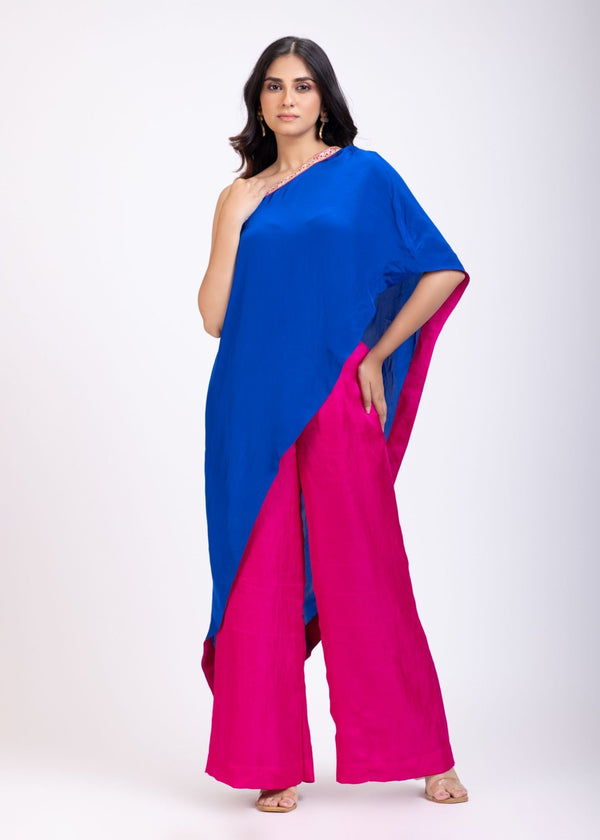
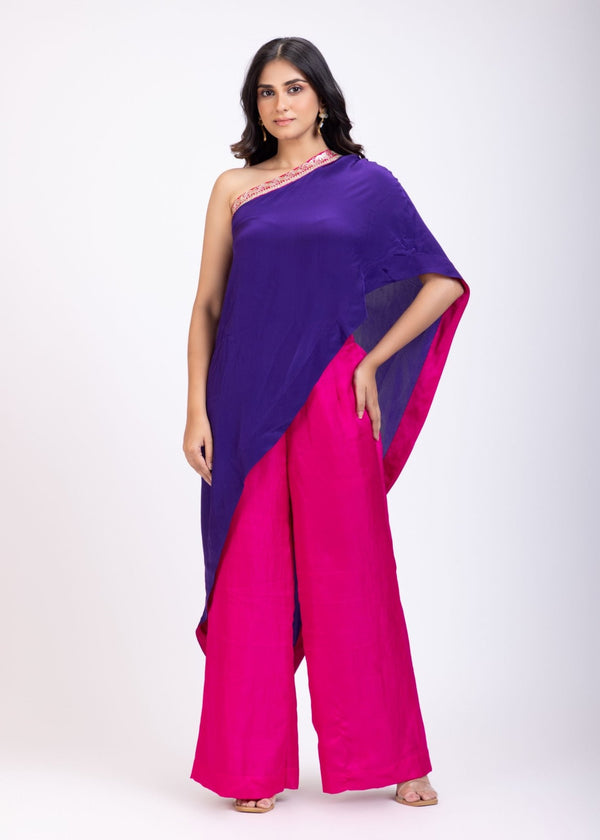
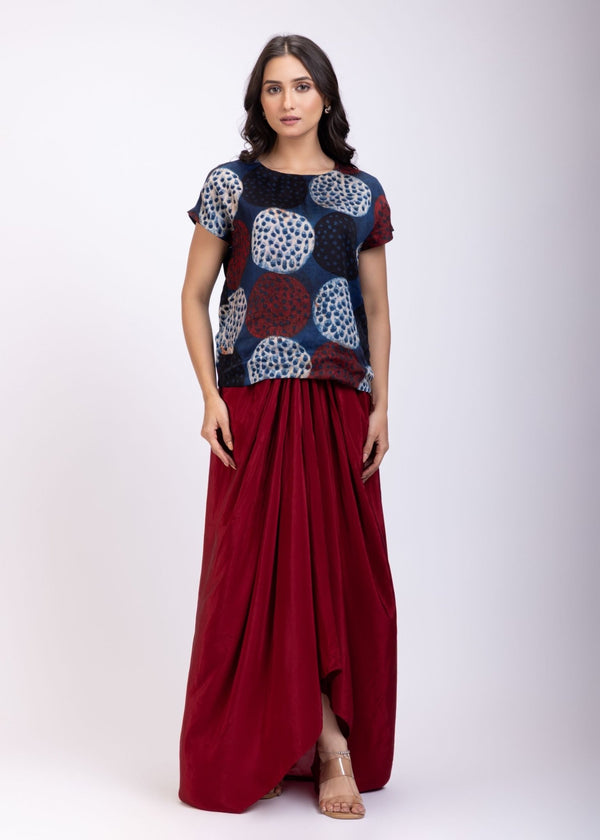
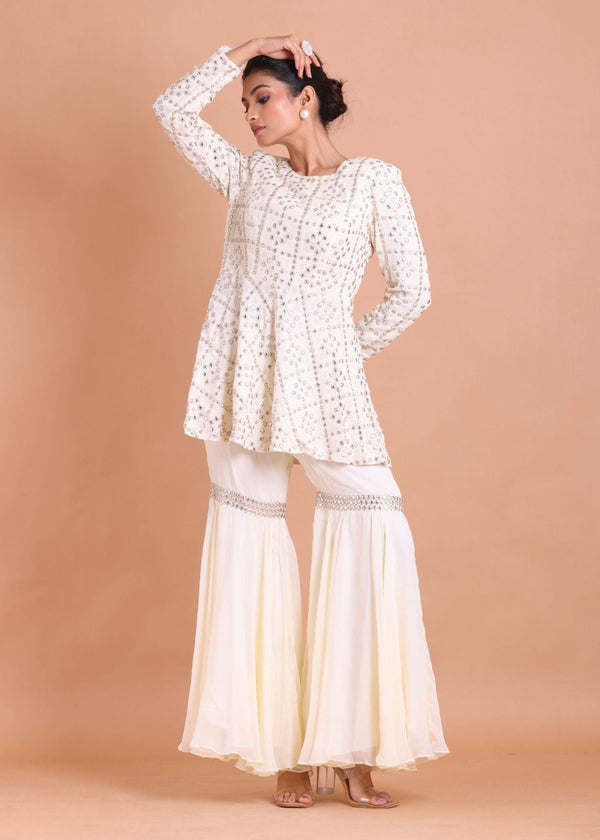
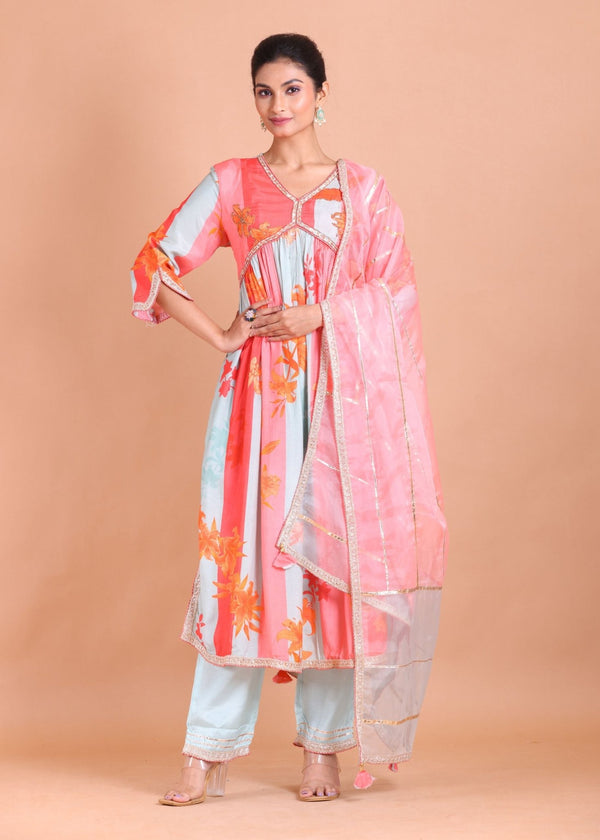
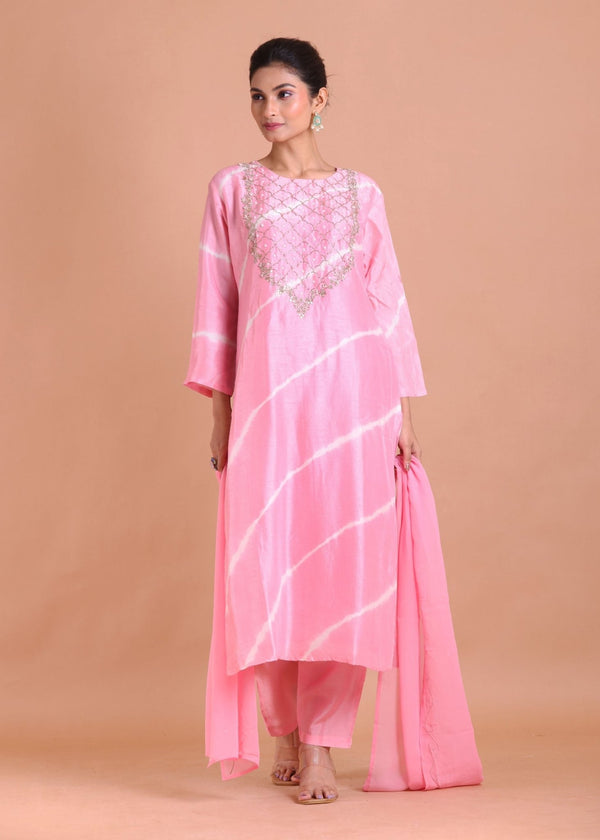
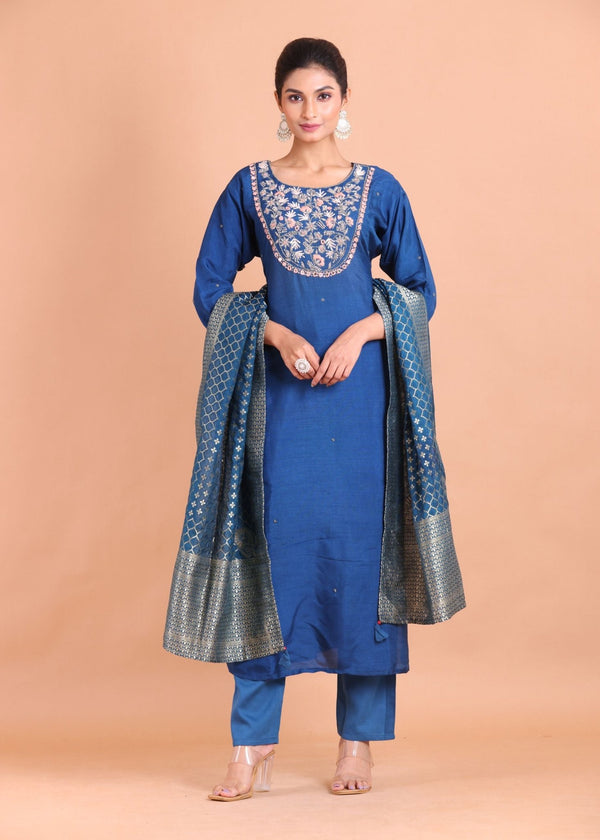
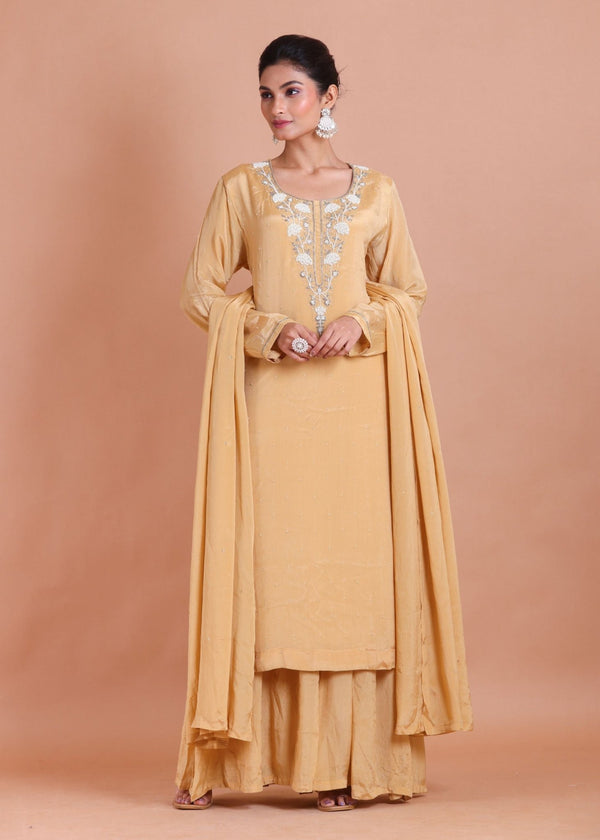
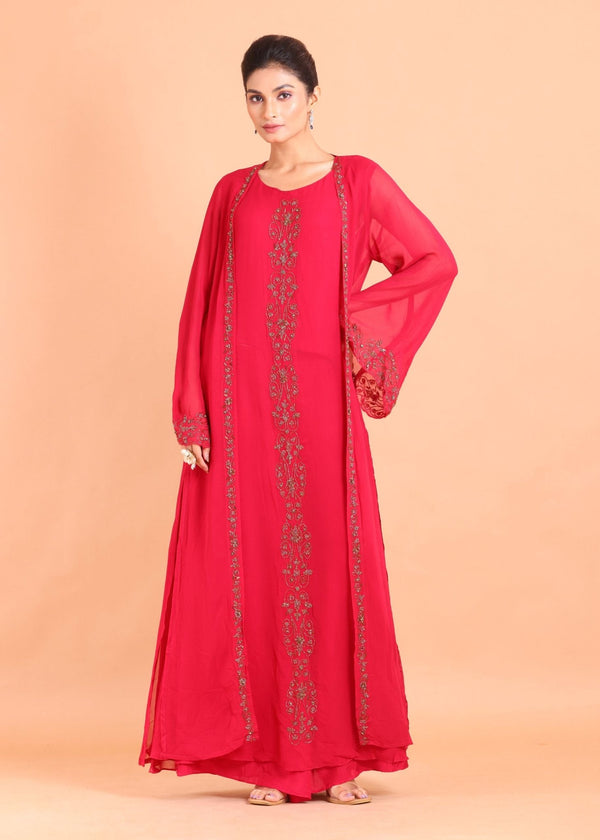
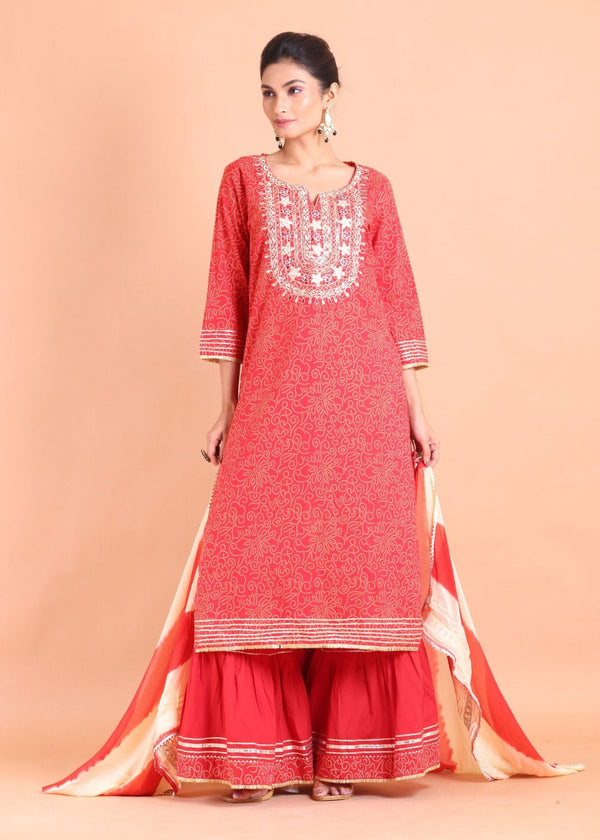
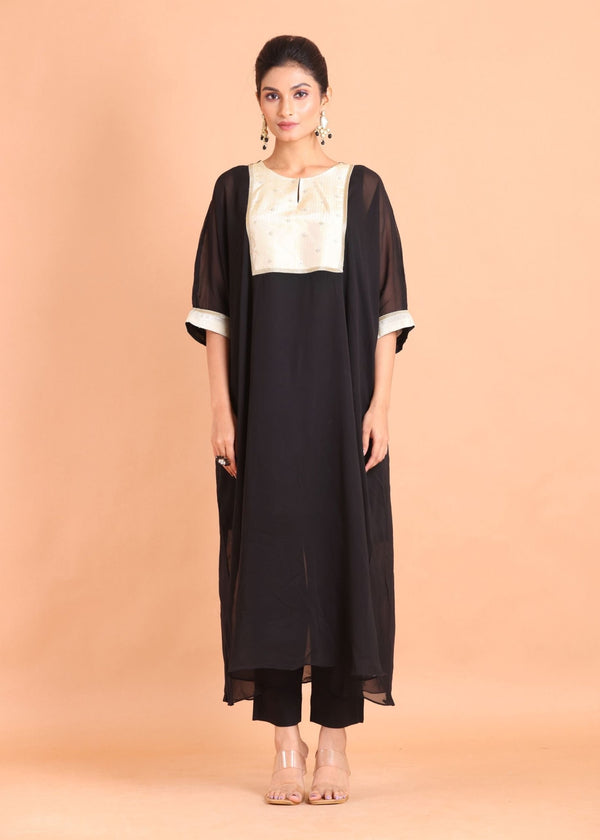
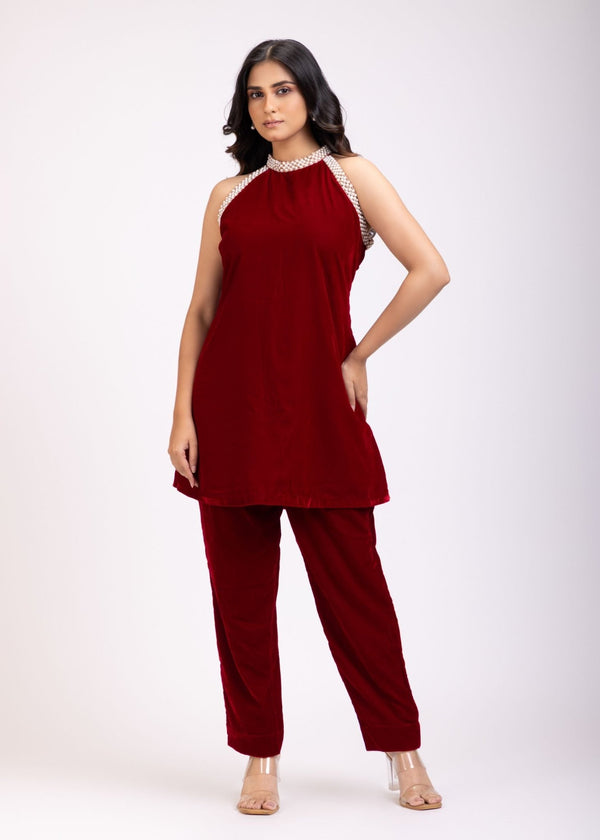
If sarees and lehengas aren't your preferred choices, Anarkalis, sharara sets and Indo-western outfits are equally suitable options for many Indian wedding celebrations. Anarkalis with structured bodices and flowing silhouettes work well for family functions and wedding ceremonies. Sharara sets offer a festive alternative, particularly for mehendi and pre-wedding gatherings. Indo-western outfits can be considered for cocktail parties and receptions where the dress code allows contemporary styling. The trick is to select quality fabrics, flattering cuts and tasteful embellishments. A well-fitted outfit with thoughtful detailing often looks more refined than one with excessive decoration.

2. Pick Colours and Fabrics That Suit the Occasion
The colour and fabric of your outfit can influence how appropriate and sophisticated it looks. Rather than following every fashion trend, consider the time of day, wedding setting and any dress code mentioned in the invitation. For daytime weddings: Soft pastels, peach, powder blue, mint green, blush pink and floral shades are lovely options. Lightweight fabrics such as chiffon, georgette and organza are particularly comfortable for outdoor or daytime celebrations. For evening weddings: Richer shades such as emerald green, royal blue, wine, maroon and navy can create a more festive appearance. Silk, Banarasi and satin fabrics are suitable choices for more formal celebrations. For traditional ceremonies: Consider the family's customs and the cultural significance of particular colours. If the couple has specified a colour theme, take that into account when selecting your outfit. Fabric selection matters just as much as colour. Silk sarees are a classic choice for formal ceremonies, while georgette sarees offer a lighter, fluid drape that works well for longer celebrations. Also consider the weather and venue. A breathable fabric may be more comfortable for a summer wedding, whereas richer fabrics can work well for cooler evening functions.
3. Keep Jewellery and Styling Balanced
Even a well-chosen outfit can look incomplete or overwhelming if the accessories aren't coordinated properly. A classy appearance comes from making sure every element works together.
Jewellery: Match your jewellery to the outfit's neckline, embroidery and overall detailing. A statement necklace can work well with a simpler blouse, while elaborate earrings may be enough when the outfit already has intricate work. You don't have to wear every piece of jewellery at once. Choose a few pieces that complement each other. You can also explore different jewellery styles to find pieces that suit your wedding outfit.
Blouse and fit: For sarees, a well-fitted blouse makes a significant difference to the overall appearance. Pay attention to the neckline, sleeve length and back design. Similarly, lehengas and suits should fit comfortably without restricting movement.
Footwear: Embellished juttis, dressy flats, sandals and block heels are practical options. Consider the venue and how much walking or standing the celebrations may involve.
Makeup and hairstyle: For daytime functions, fresh makeup with subtle eye definition and a natural lip colour can work well. Evening celebrations allow more defined eyes or a deeper lip shade. Hairstyles such as soft curls, a neat bun or a simple updo can complement traditional outfits. The aim is to create a coordinated appearance rather than letting every accessory compete for attention.
4. Dress Appropriately for Different Indian Wedding Functions
Indian weddings often have multiple functions, and wearing the same type of outfit to every celebration isn't necessary. Adapting your look to the occasion helps you dress appropriately while still expressing your personal style.
|
Wedding function |
Outfit suggestions |
|
Mehendi and daytime ceremonies |
Lightweight sarees, floral suits, shararas and comfortable Indo-western outfits |
|
Haldi |
Simple sarees, lightweight suits and festive outfits that are easy to move around in |
|
Sangeet |
Embellished lehengas, sharara sets, statement sarees and contemporary festive outfits |
|
Wedding ceremony |
Silk sarees, Banarasi sarees, traditional lehengas and elegant Anarkalis |
|
Reception |
Designer sarees, structured lehengas and sophisticated Indo-western ensembles |
Always check the invitation for dress codes or specific colour themes. For religious ceremonies, also consider the customs of the venue and family. An outfit that works beautifully for a cocktail evening may not be the most appropriate choice for a traditional wedding ritual.
5. What to Avoid for a Classy Indian Wedding Look
Looking classy is not about following strict fashion rules. However, a few common styling mistakes can make an otherwise lovely outfit feel out of place.
-
Overdoing embellishments: Wearing heavily embroidered clothing with equally elaborate jewellery can make the overall look overwhelming.
-
Choosing an uncomfortable outfit: Avoid garments that restrict movement, require constant adjustment or make it difficult to enjoy the celebrations.
-
Ignoring the dress code: Always consider the wedding invitation, venue and cultural expectations before finalising your outfit.
-
Wearing something too bridal: As a guest, choose an outfit that feels festive without deliberately recreating the bride's overall look.
-
Neglecting fit and finishing: Ill-fitting blouses, poorly adjusted dupattas and untidy saree pleats can affect the appearance of an outfit.
Remember, you don't need to follow every trend or wear the most elaborate ensemble to dress well. A thoughtful combination of fit, fabric, colour and accessories is often enough.
Conclusion
Looking classy at an Indian wedding comes down to choosing an outfit that feels appropriate, comfortable and true to your personal style. Whether you prefer a classic saree, a traditional silk ensemble or a contemporary lehenga, focus on good fit, suitable fabrics and balanced accessories. Most importantly, dress for the occasion rather than simply following trends. When your outfit, jewellery and overall styling complement each other, you can enjoy the celebrations while feeling confident and appropriately dressed.