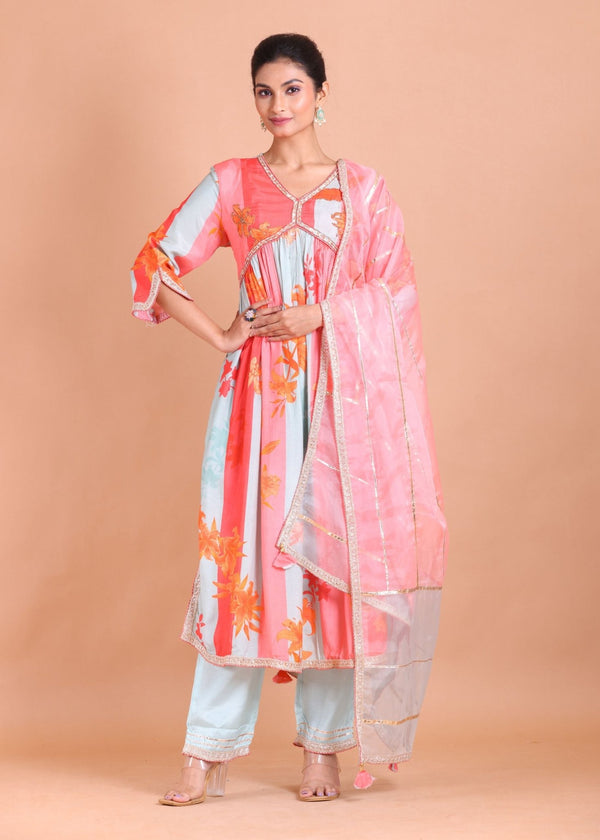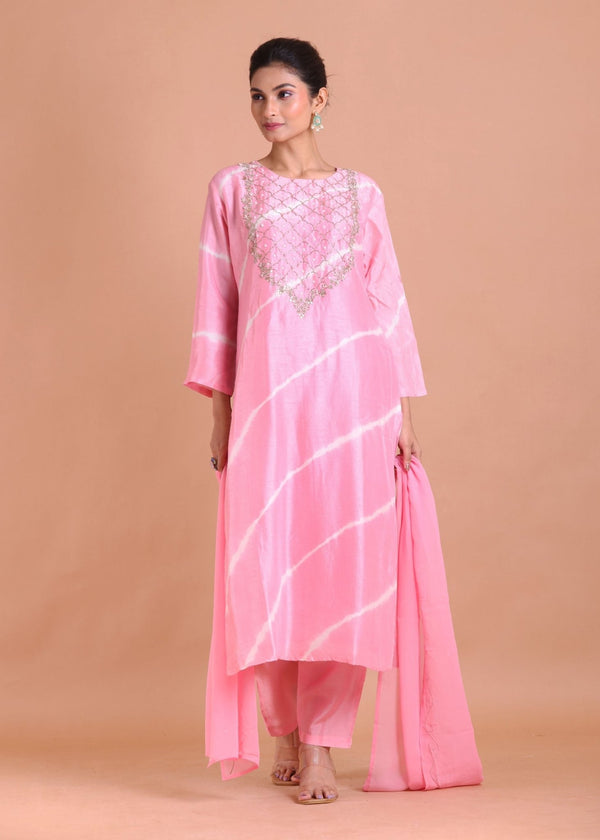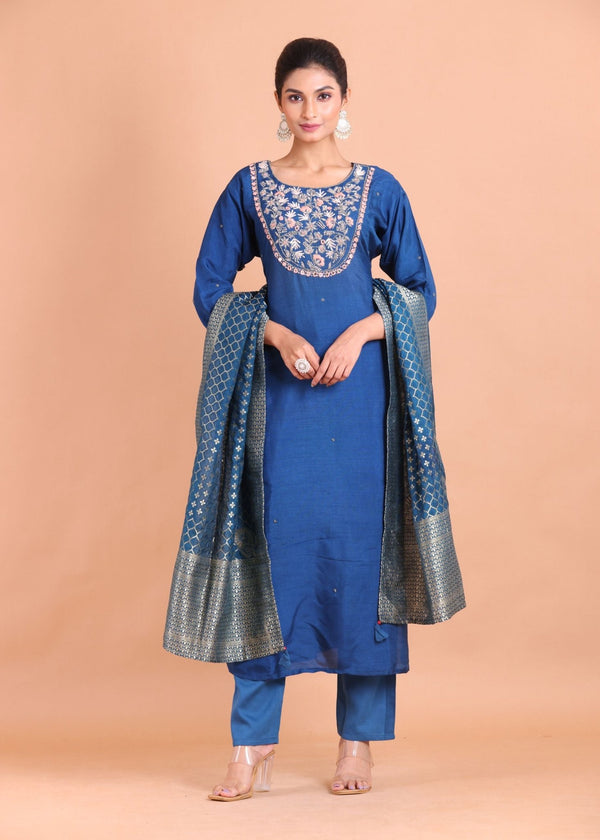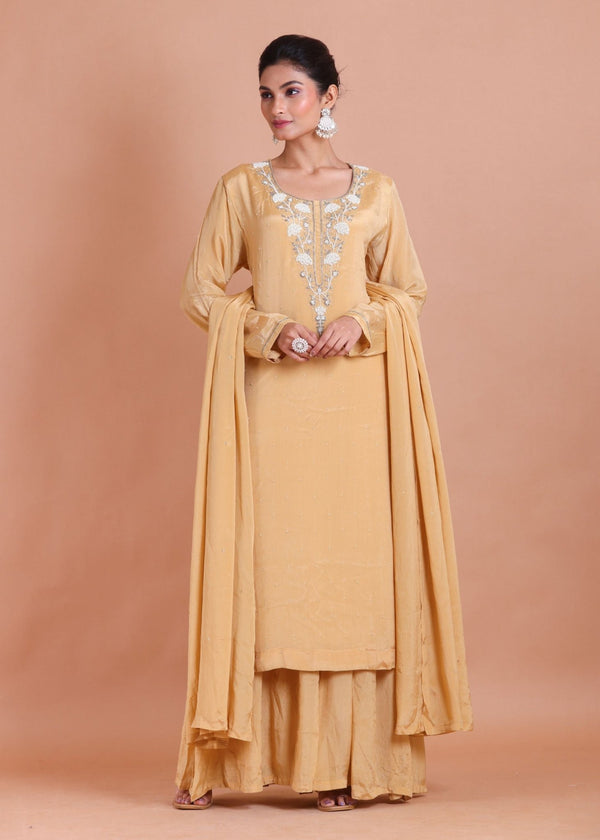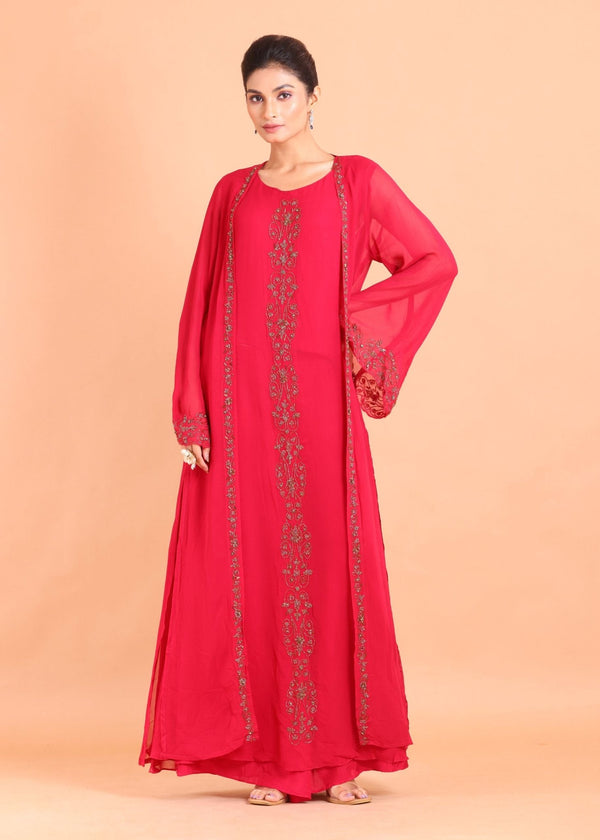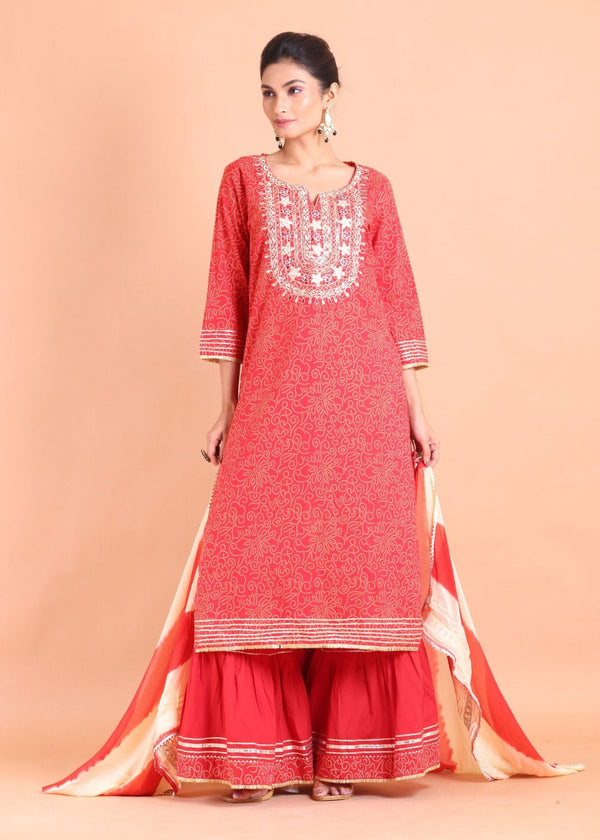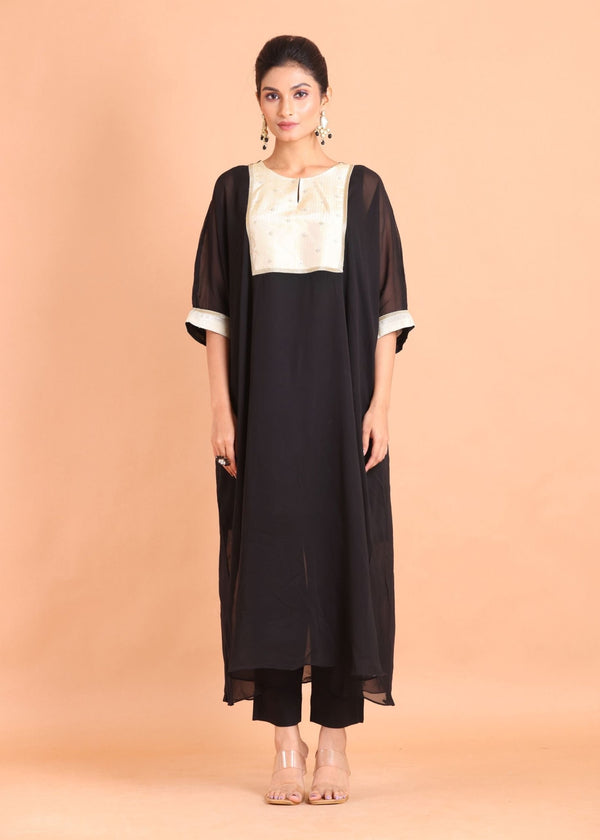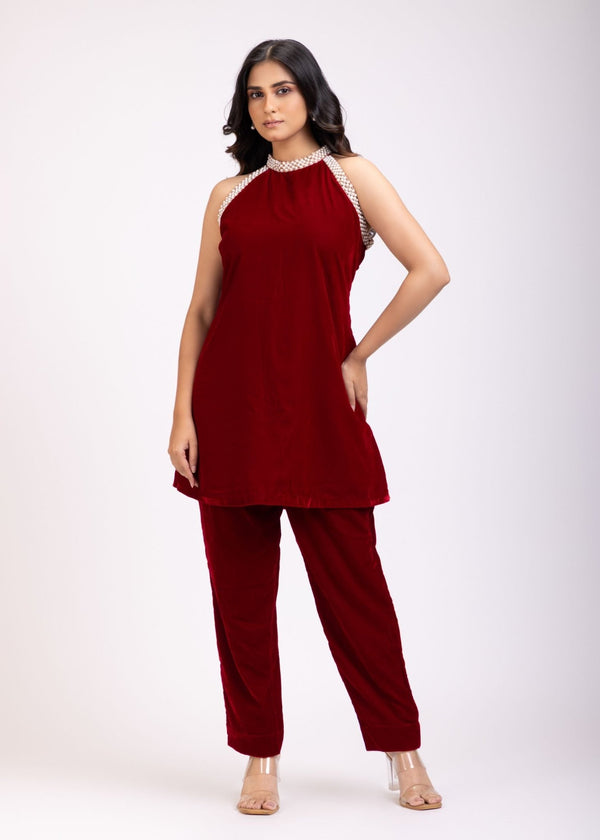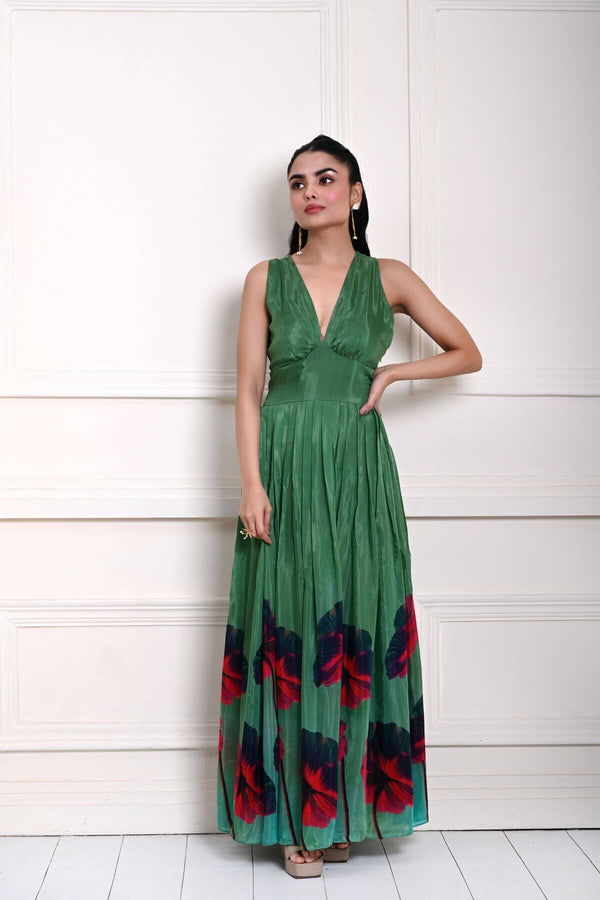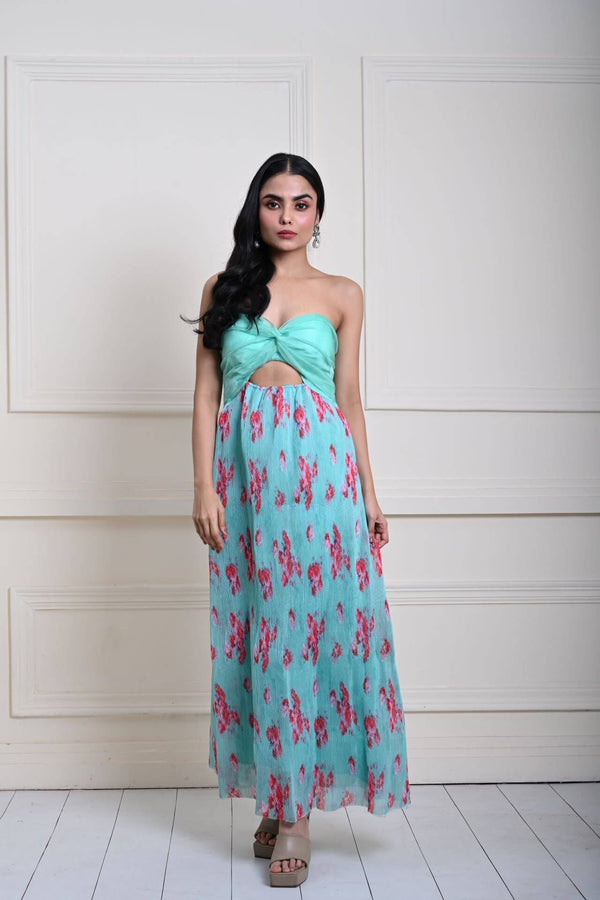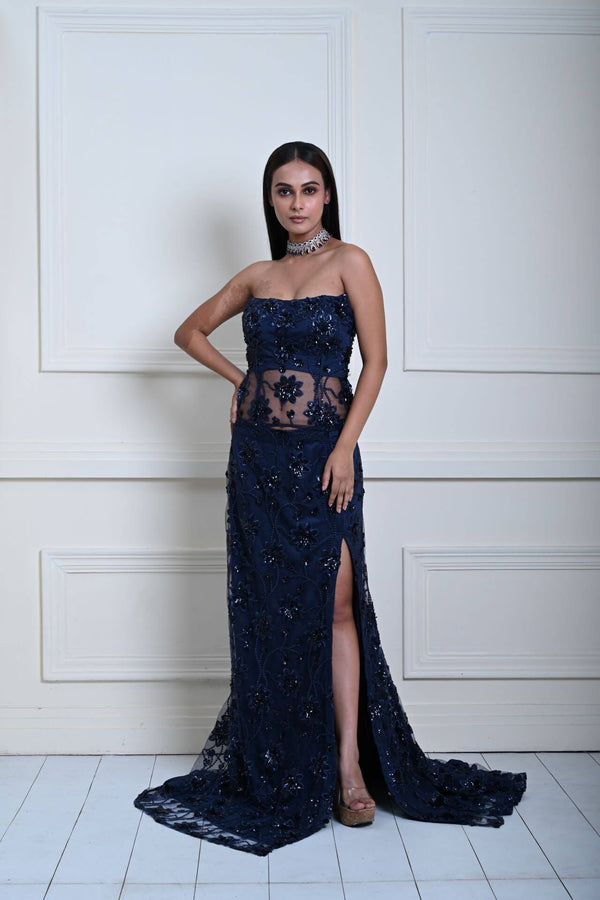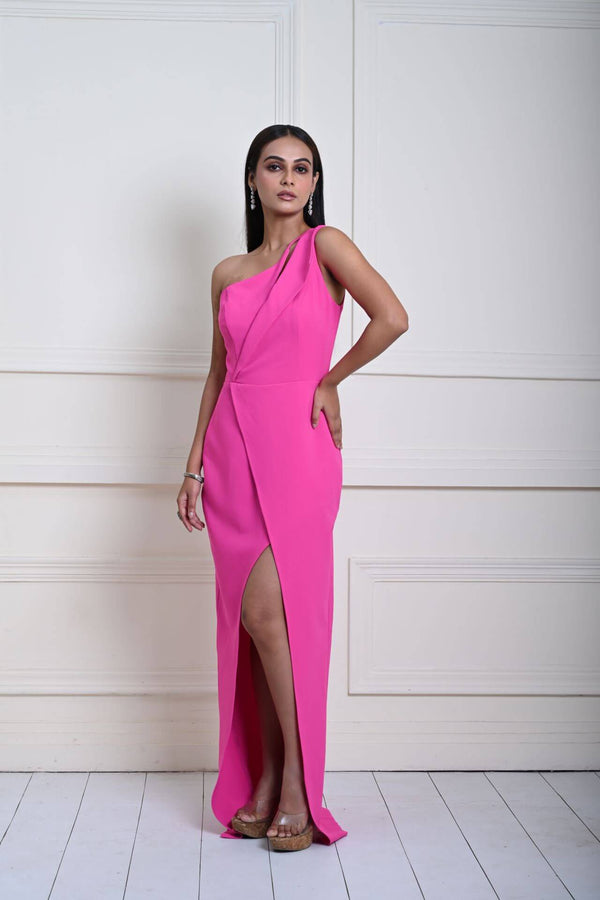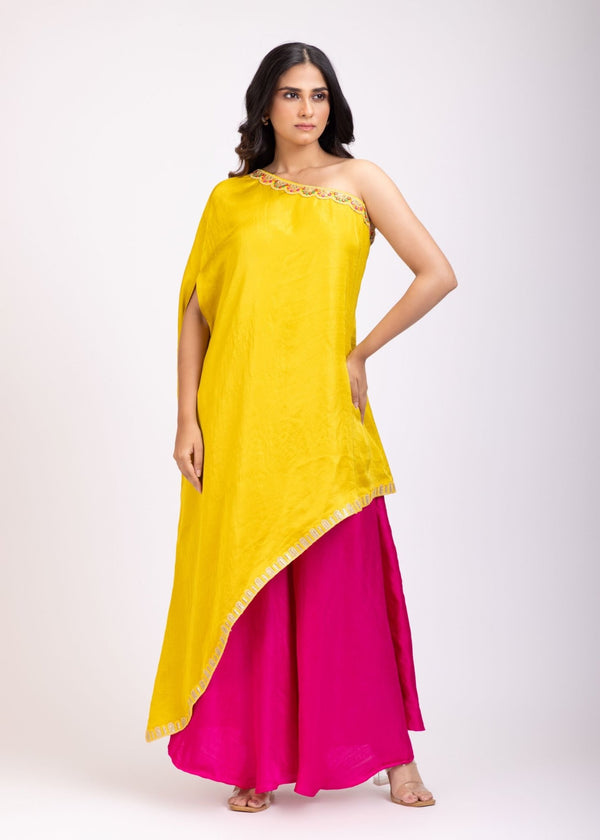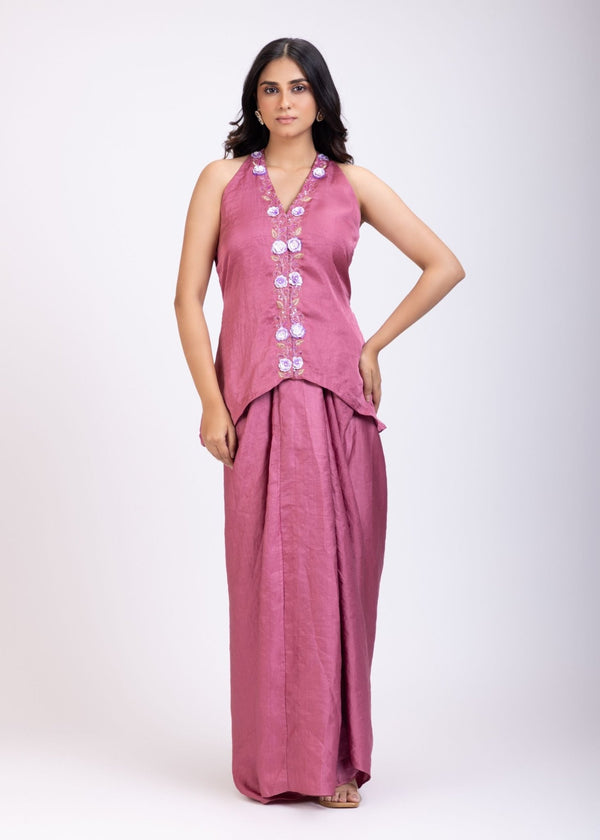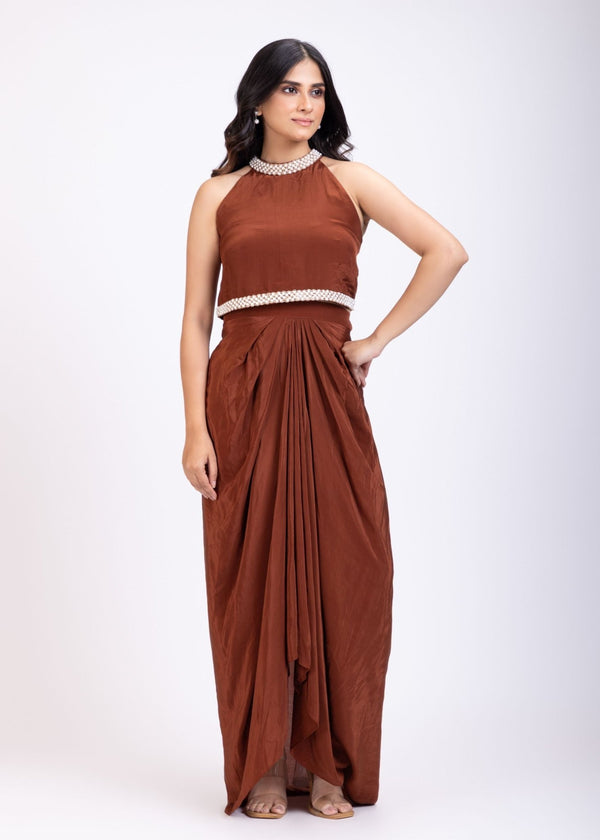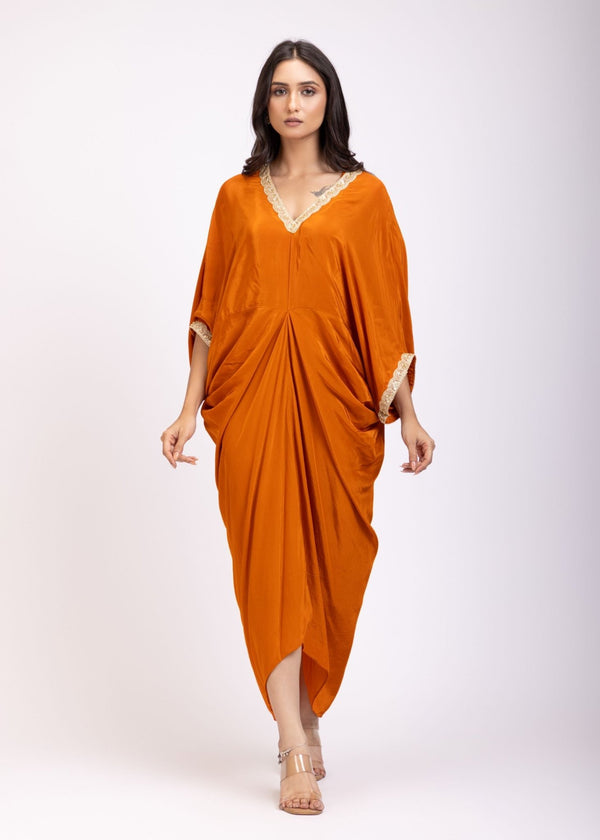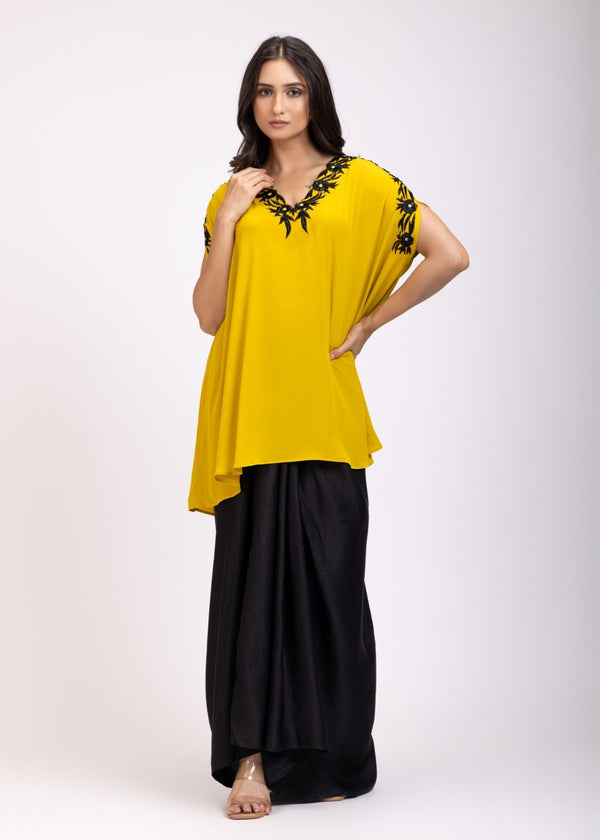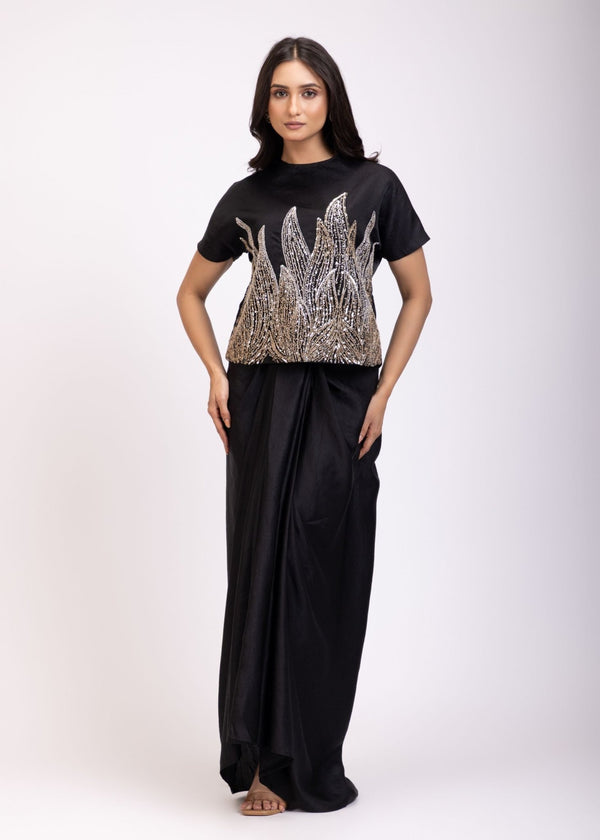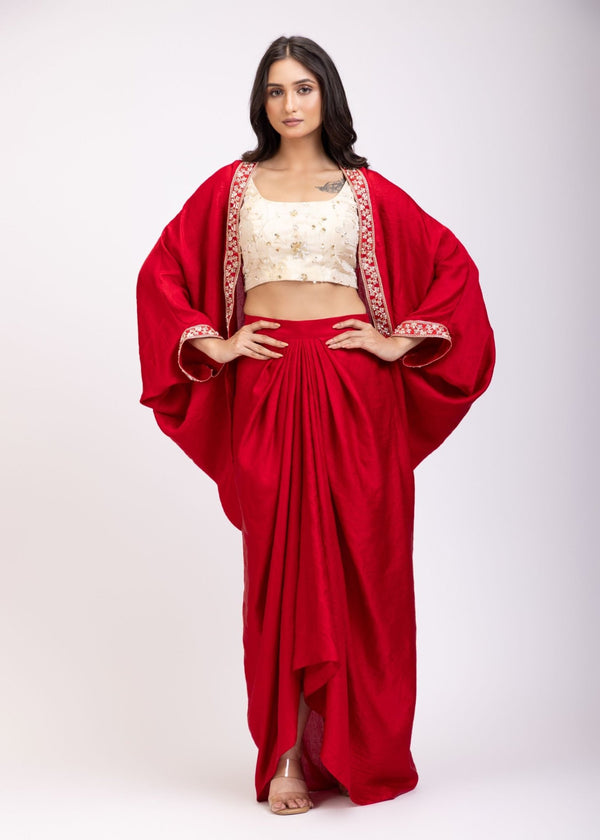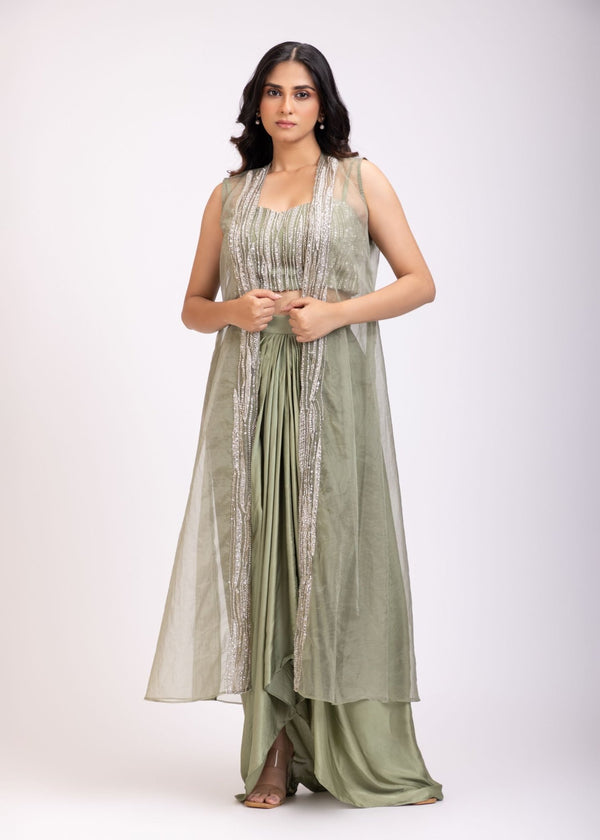




Attending an Indian wedding means dressing for a celebration filled with different ceremonies, traditions and festivities. If you are a female wedding guest, you have plenty of outfit choices, from sarees and lehengas to sharara sets, festive suits and contemporary Indo-Western outfits. The best outfit depends on the wedding function, time of day, venue, season and dress code. While a traditional saree or lehenga works well for the wedding ceremony, a lightweight sharara might be more practical for a mehendi, and an embellished gown can be a great choice for an evening reception. The idea is to look festive and appropriately dressed without compromising on comfort. Here are some Indian wedding guest outfit ideas, along with practical tips to help you decide what to wear to each celebration.
What Should a Woman Wear to an Indian Wedding?
There is no single outfit that every female wedding guest needs to wear. Indian weddings bring together different regional traditions and personal preferences, so both traditional ethnicwear and contemporary fusion outfits can be appropriate.
Here are six popular choices for women attending an Indian wedding:
|
Outfit |
Best suited for |
Overall look |
|
Saree |
Wedding ceremony, reception |
Traditional or contemporary |
|
Lehenga |
Sangeet, wedding, reception |
Festive and statement-making |
|
Sharara set |
Mehendi, sangeet |
Comfortable and traditional |
|
Festive suit |
Haldi, daytime functions |
Simple and graceful |
|
Indian gown |
Reception, evening celebrations |
Contemporary and dressy |
|
Indo-Western outfit |
Sangeet, cocktail functions |
Modern and fusion |
When choosing between these outfits, consider the formality of the event and the amount of movement involved. A heavily embellished lehenga might be suitable for a grand reception, whereas a lightweight saree or sharara can be more comfortable for a daytime celebration.
1. Saree
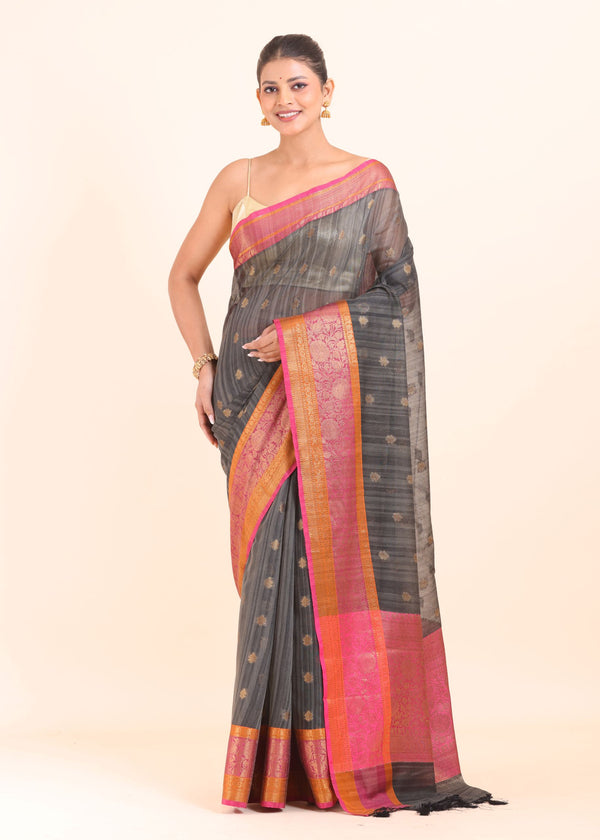
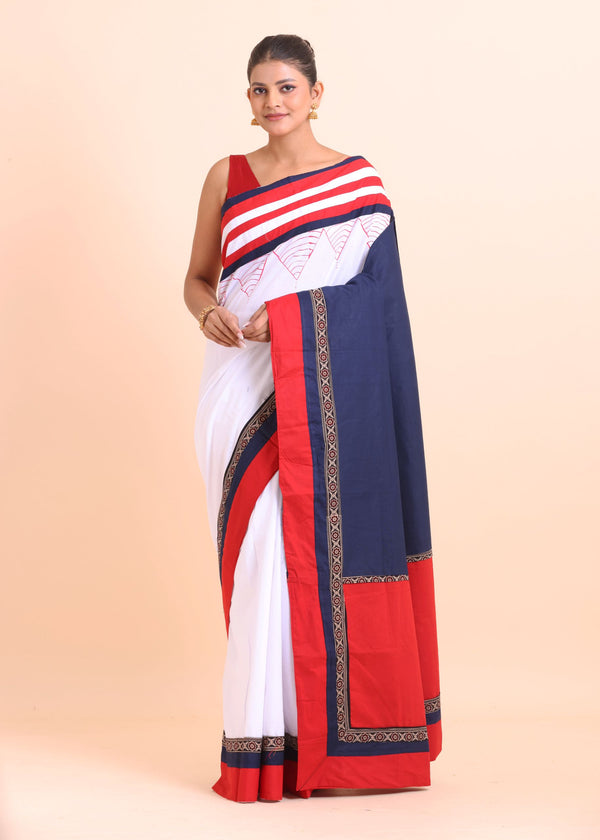
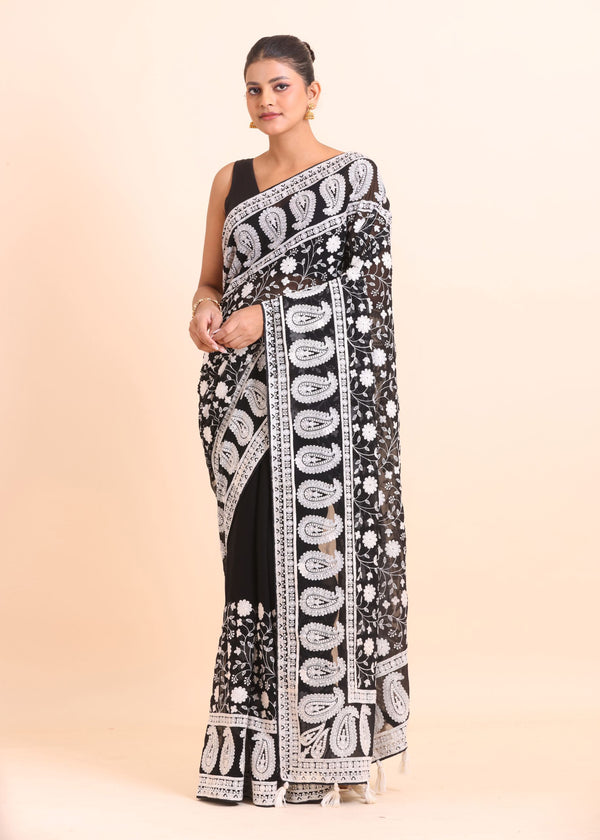
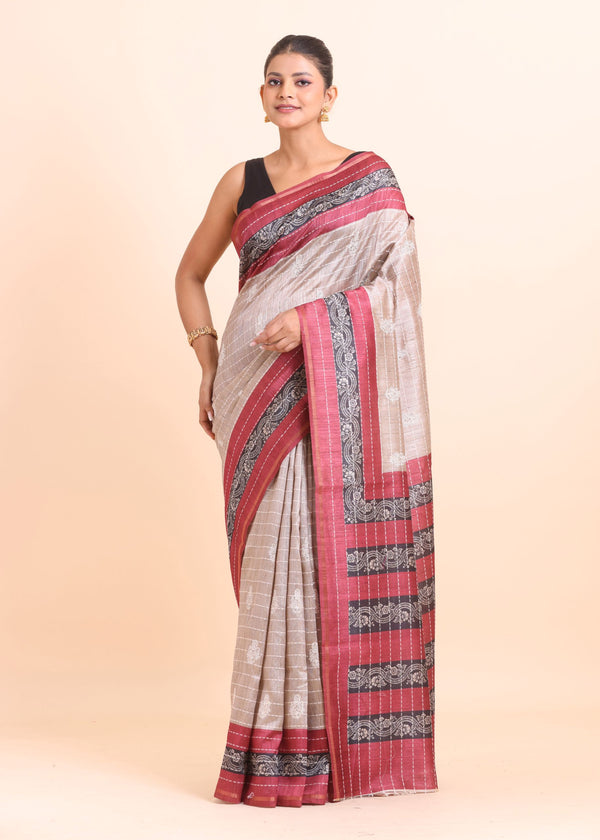
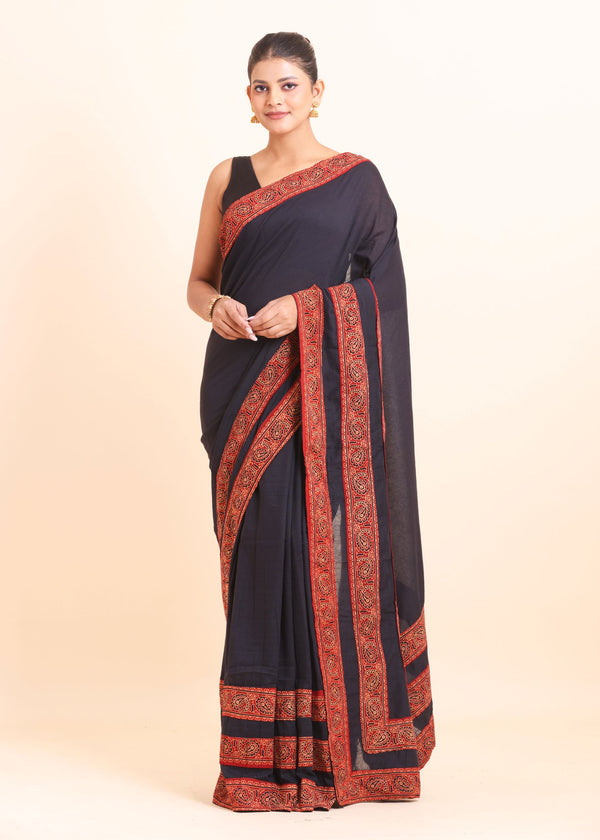
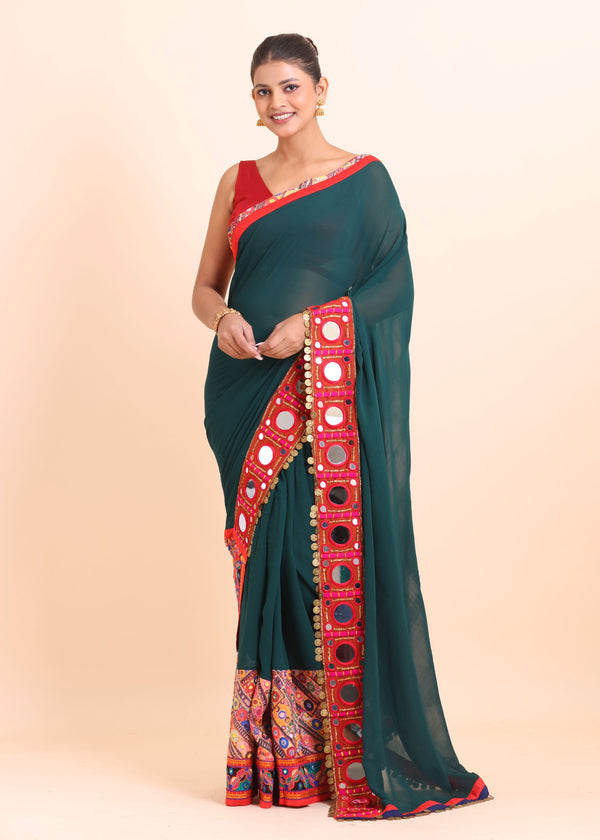
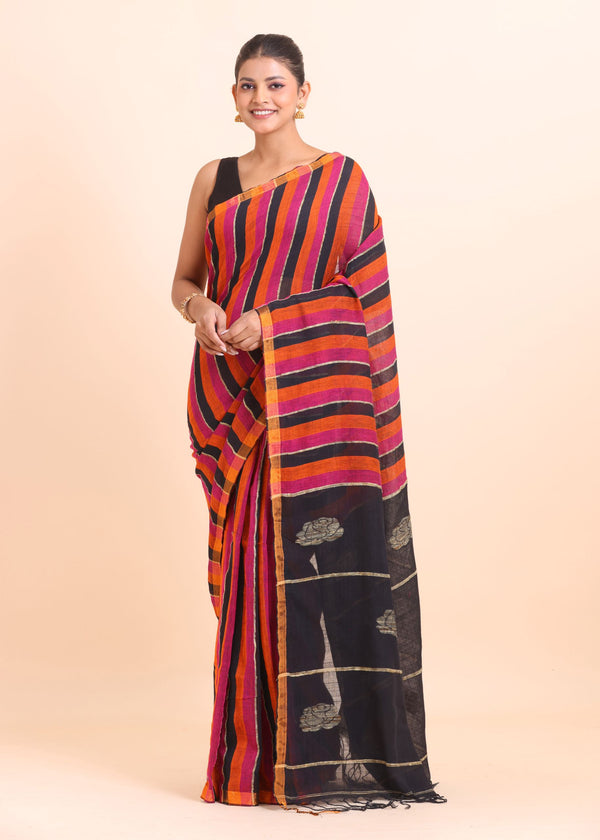
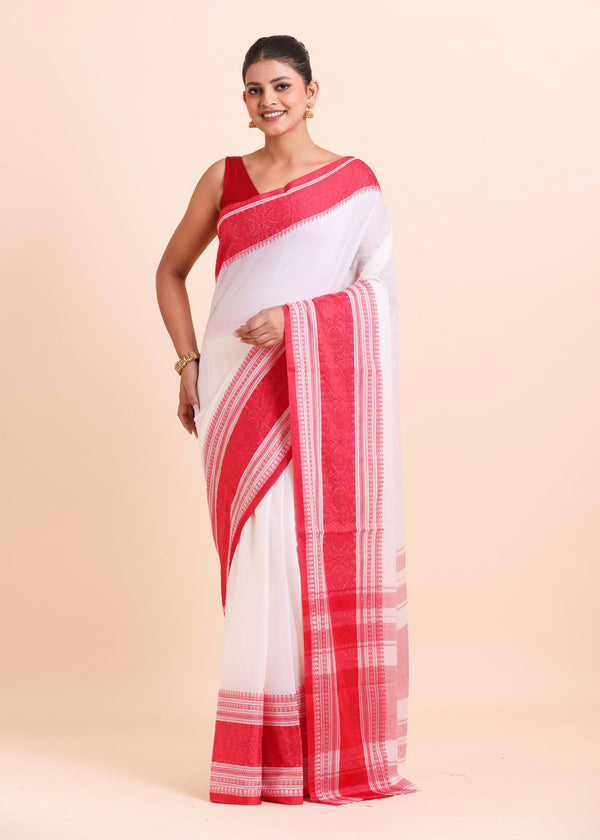
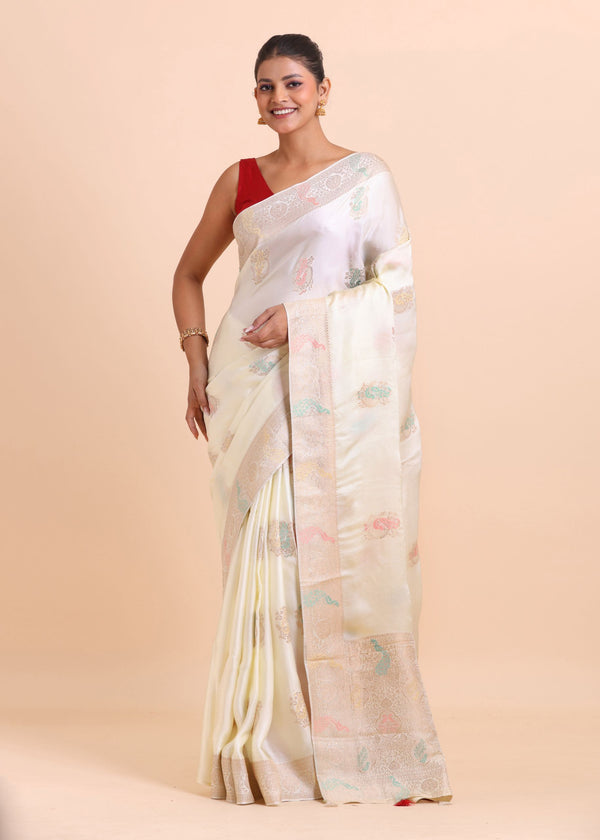
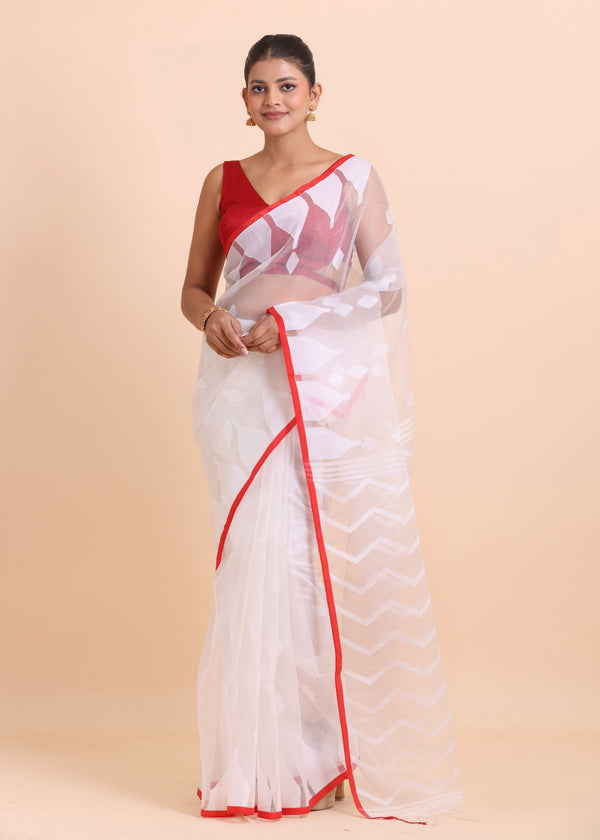
A saree is one of the most versatile choices for an Indian wedding guest. Depending on its fabric, embroidery, drape and blouse design, it can look traditional, understated or dressy. An embroidered saree is a particularly good choice when you want a festive appearance without wearing an elaborate layered outfit. Threadwork, zari, sequins and delicate embellishments can add just the right amount of detail. For daytime celebrations, consider lightweight georgette, chiffon or organza sarees. Silk, Banarasi and richly embroidered designs are particularly suitable for traditional wedding ceremonies and evening receptions. The blouse also plays an important role in defining the overall look. A contemporary neckline or statement sleeves can give a saree a modern touch, while a traditional blouse paired with classic jewellery creates a more traditional appearance. If you are planning to purchase a saree online, check the fabric, measurements, blouse details and draping requirements before making your selection.

2. Lehenga Choli
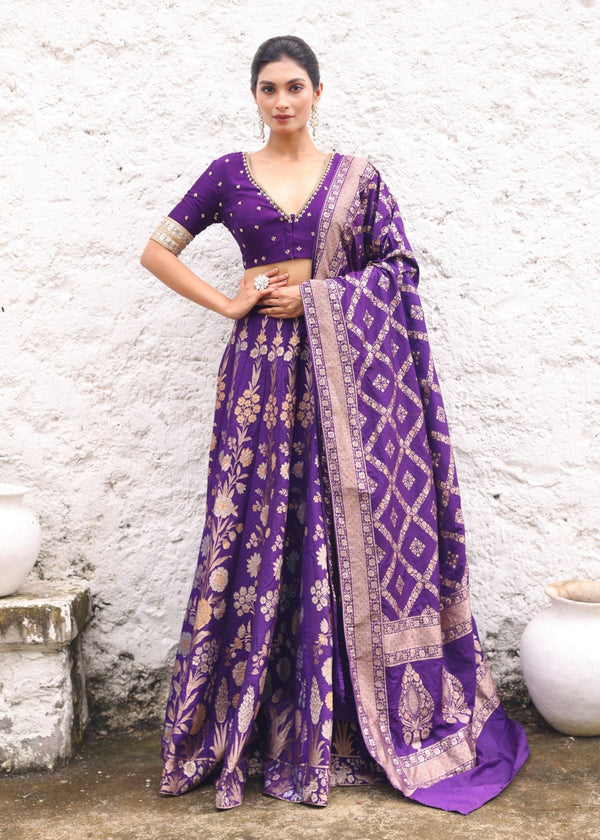
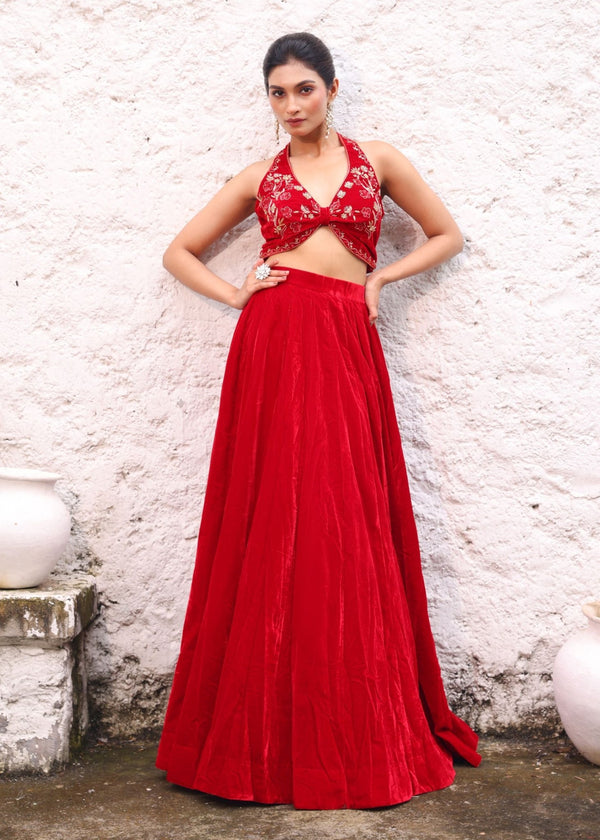
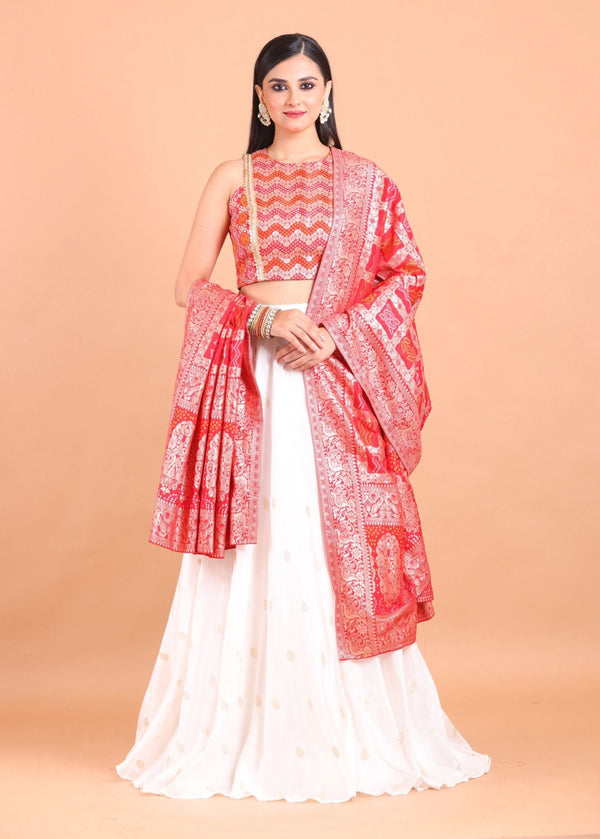
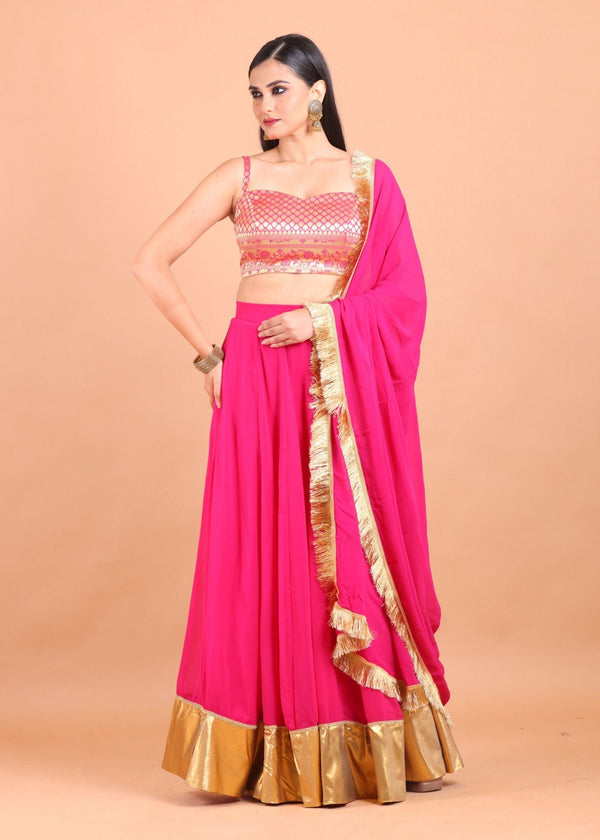
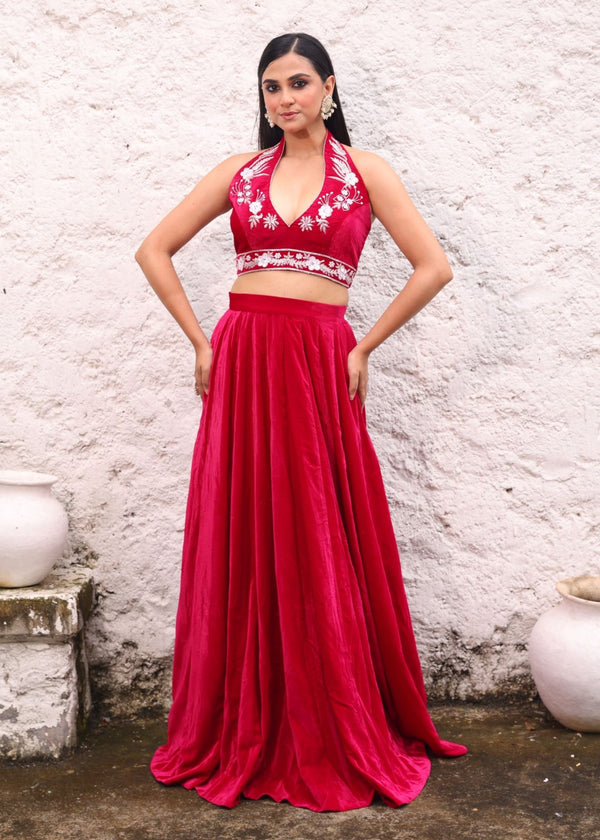
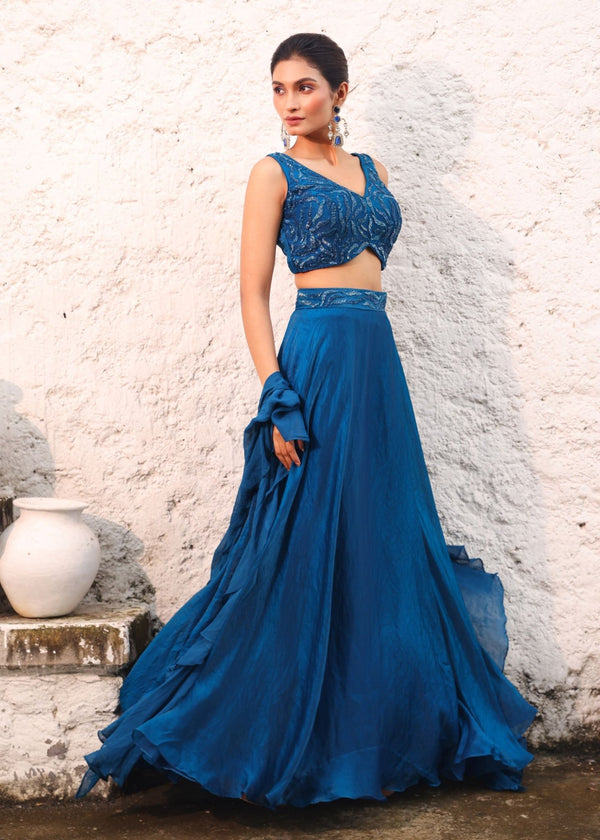
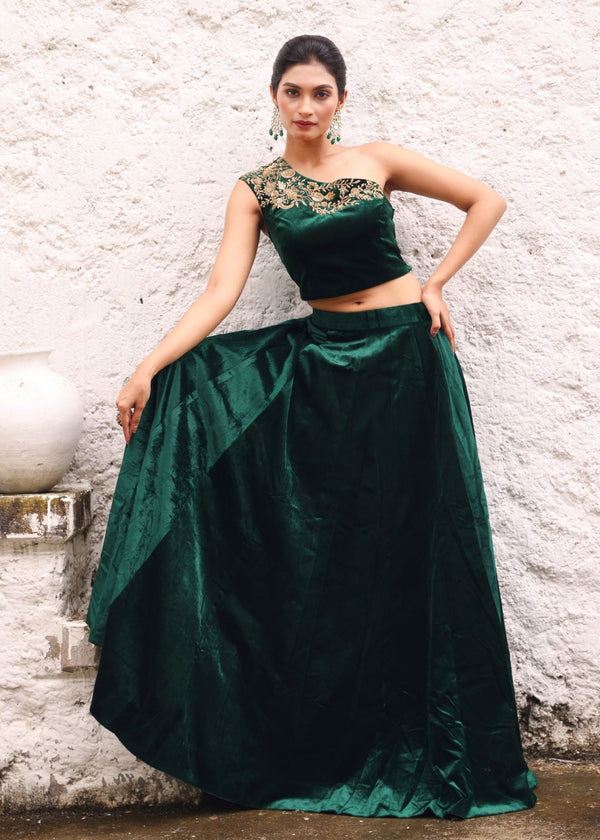
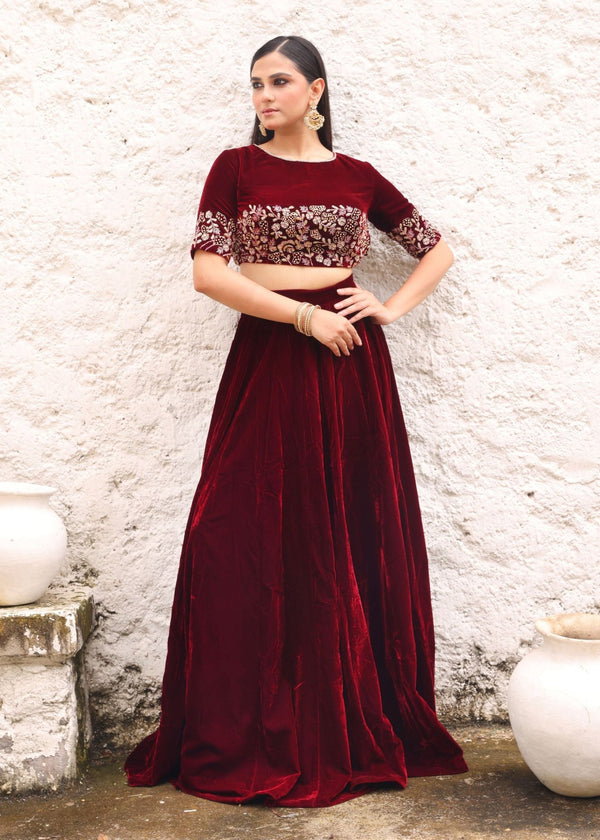
A lehenga choli is a popular choice for women attending sangeet celebrations, wedding ceremonies and receptions. Its flared silhouette and detailed craftsmanship make it suitable for occasions that call for a more festive outfit. You can choose a heavily embroidered lehenga for a grand evening celebration or a lighter design for a daytime function. Georgette and chiffon lehengas offer fluid movement, while silk and brocade create a more structured, traditional appearance. If you prefer a statement silhouette, a flowy lehenga with a detailed blouse and a well-draped dupatta can create an attractive wedding guest look.
One practical tip: if the lehenga has elaborate embroidery, keep the blouse and jewellery relatively simple. This helps maintain a balanced look without making the outfit feel overwhelming.

3. Sharara Set
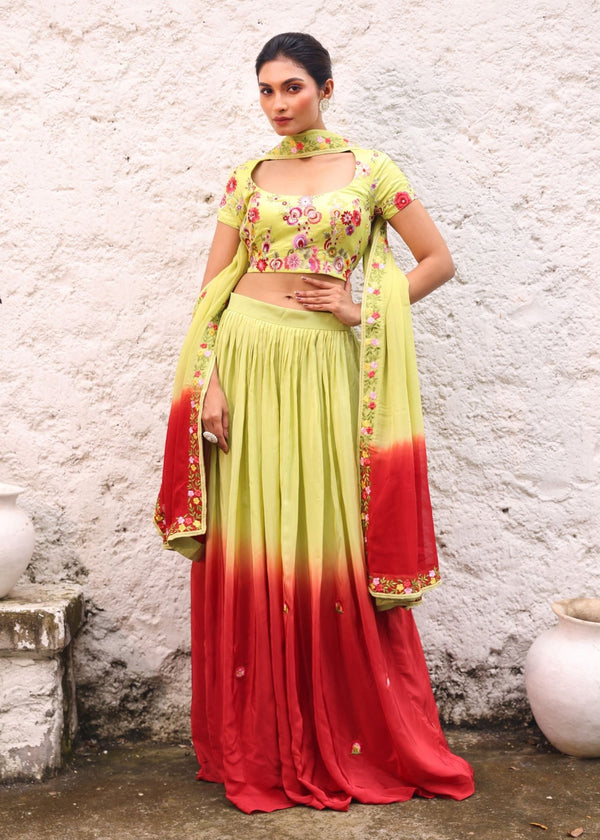
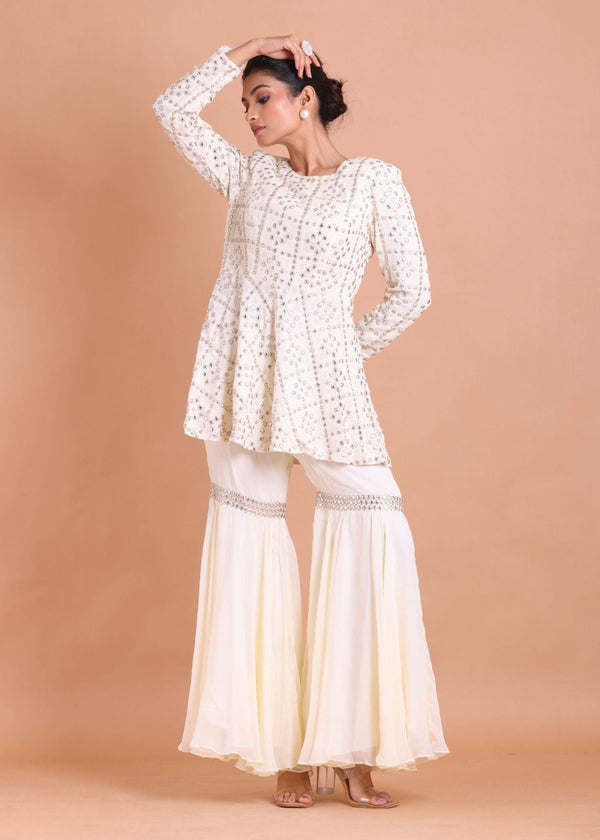
A sharara set combines traditional Indian styling with a relaxed, wide-leg silhouette. Usually paired with a kurta, tunic or jacket, it is a comfortable alternative to heavier lehengas. A sharara set works particularly well for mehendi and sangeet celebrations, where guests may spend several hours walking, sitting, socialising or dancing. For daytime functions, lightweight embroidered designs and floral details work well. For evening celebrations, you can consider silk, satin and more embellished styles. A contrasting dupatta, statement earrings and comfortable footwear can complete the look without requiring too many accessories.

4. Festive Suit
A festive suit is a practical choice for women who prefer traditional clothing without the weight of a heavily embellished outfit. An embroidered kurta set, anarkali suit or a coordinated salwar suit can work beautifully for daytime weddings, haldi celebrations and smaller family functions. Choose breathable fabrics such as cotton silk, georgette or lightweight silk blends, depending on the season and occasion. Delicate embroidery, zari borders or a detailed dupatta can make a simple suit more suitable for a wedding celebration.

5. Indian Gown
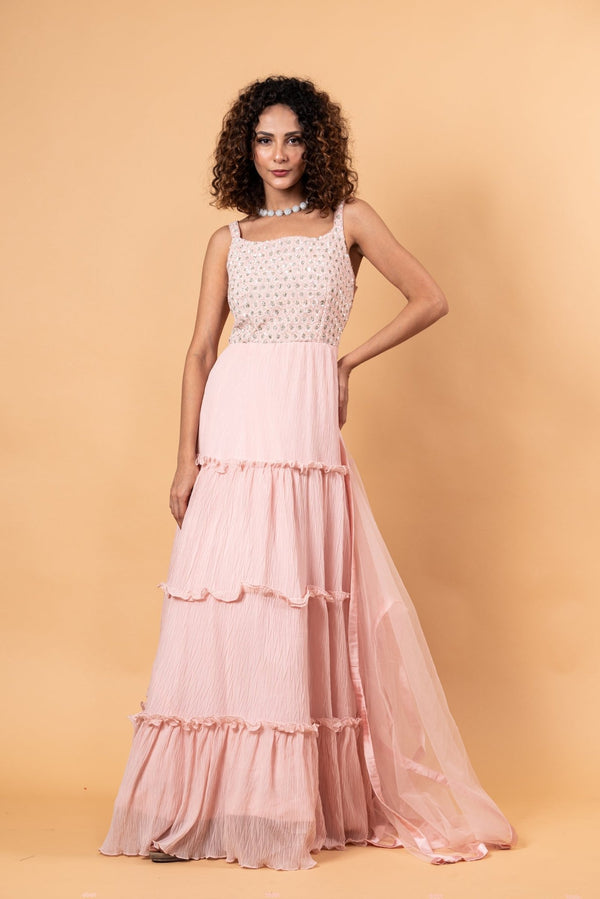
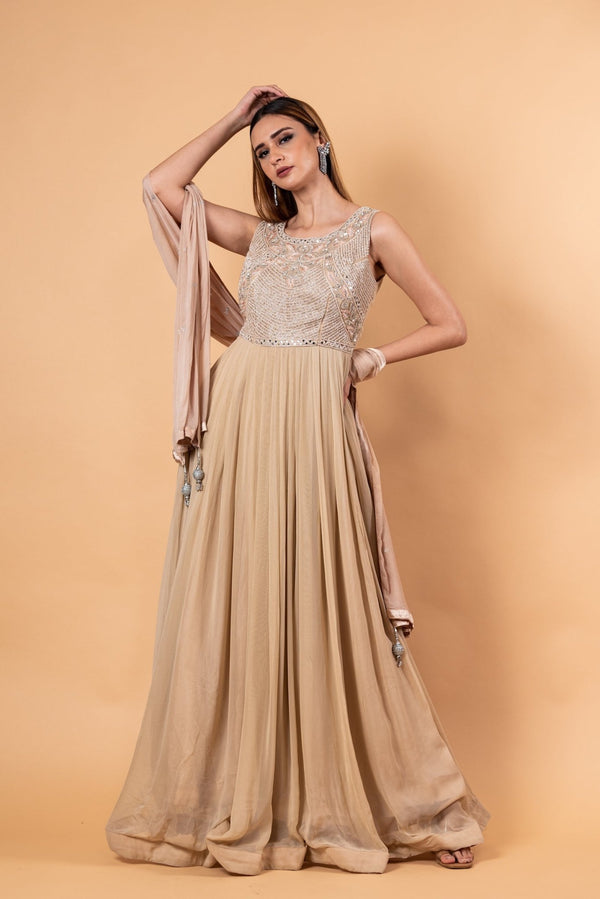
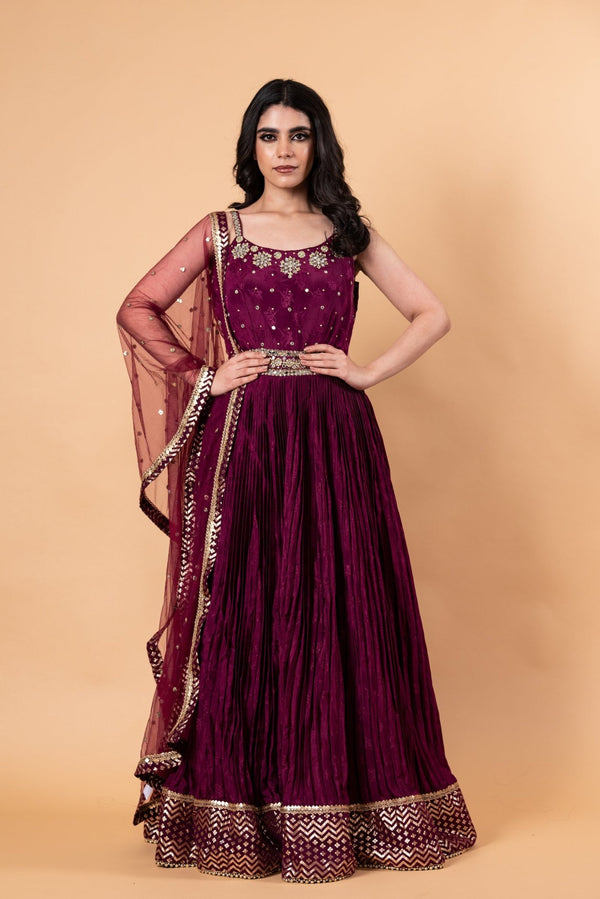
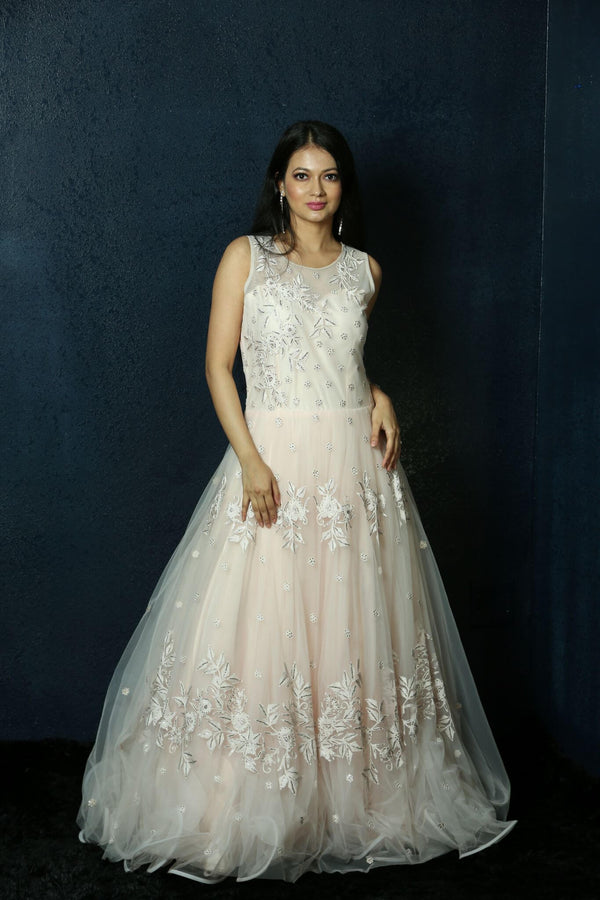
An Indian gown combines a contemporary gown silhouette with traditional fabrics, embroidery and embellishments. It is a good option if you prefer a one-piece outfit instead of a saree or lehenga. Embroidered gowns, silk gowns and brocade designs are particularly suitable for evening receptions and formal wedding celebrations. A traditional-style gown with Indian embroidery can provide the right balance between contemporary styling and ethnic detailing. Depending on the design, you can add a dupatta or statement jewellery for a more traditional finish.

6. Indo-Western Outfit
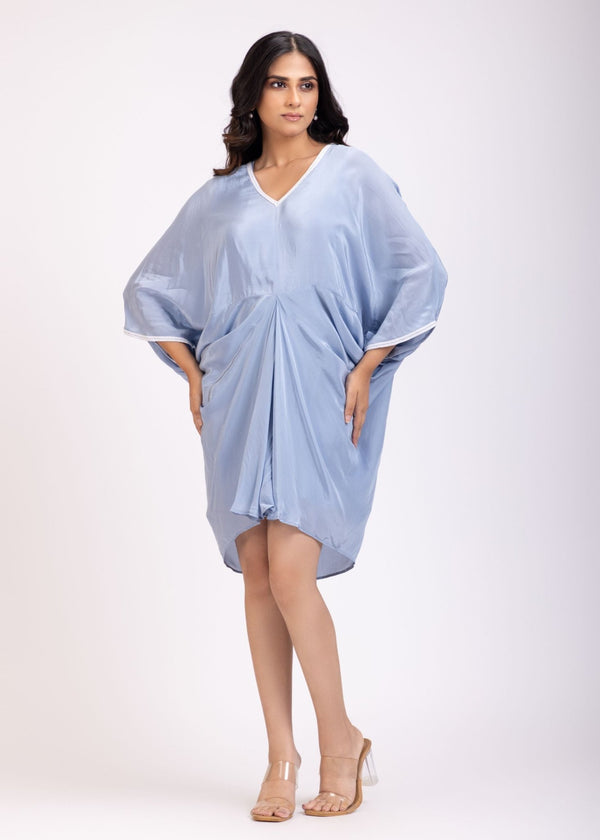
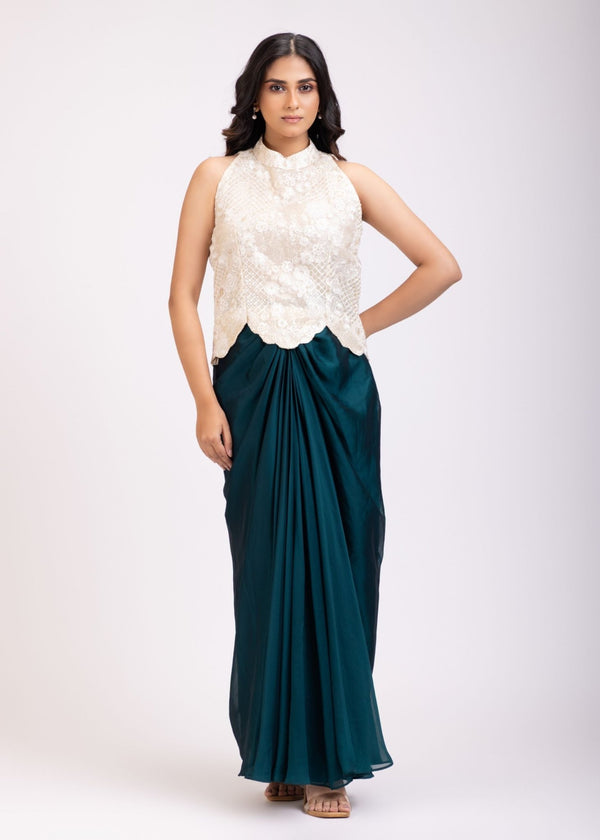
Indo-Western outfits are ideal for women who enjoy experimenting with contemporary silhouettes while retaining Indian design elements. They can be particularly suitable for modern wedding venues, cocktail-style celebrations and sangeet functions. Options include draped dresses, jacket-style outfits, embellished skirts with crop tops and short dresses featuring silk, brocade or traditional embroidery. An edgy Indo-Western dress can be styled with statement earrings, embellished footwear or a dupatta, depending on how traditional you want the final look to be.

What to Wear to Different Indian Wedding Functions
An Indian wedding usually involves several celebrations, and each function has its own atmosphere. Your outfit should reflect the occasion while allowing you to participate comfortably.
What to Wear to a Mehendi
Mehendi celebrations are generally colourful, relaxed and interactive. Sharara sets, festive suits, lightweight sarees and comfortable Indo-Western outfits are all suitable choices. Floral prints, bright colours and delicate embroidery work well for the occasion. If you are getting mehendi applied during the function, choose an outfit with sleeves and a dupatta that can be managed easily without getting in the way.
What to Wear to a Haldi
Haldi ceremonies are usually more relaxed and involve turmeric, photographs and plenty of movement. Lightweight sarees, festive suits and easy-to-manage shararas are practical options. Yellow and mustard are popular choices, but you can also wear orange, peach, pink or green depending on the family's dress code or colour theme. Since turmeric can stain clothing, consider fabrics that are easier to manage and avoid wearing an outfit that requires particularly delicate handling.
What to Wear to a Sangeet
The sangeet is an opportunity to experiment with more expressive wedding guest fashion. Sangeet lehengas, shararas, statement sarees and Indo-Western outfits are all appropriate choices. Sequins, mirror work, metallic detailing and embroidery can add a festive touch. However, if you plan to dance, pay attention to the outfit's weight, blouse fit and skirt length. Choose footwear that provides enough stability for movement.
What to Wear to the Wedding Ceremony
For the main wedding ceremony, traditional Indian outfits are a natural choice. Silk sarees, Banarasi sarees, lehengas and festive suits can all work depending on the wedding's customs and formality. If the ceremony takes place in a temple or another religious setting, consider the venue's expectations regarding clothing coverage and dress code. You do not necessarily need a heavily embellished outfit. A well-crafted saree or a beautifully detailed lehenga can be equally appropriate.
What to Wear to a Wedding Reception
A wedding reception generally allows more flexibility in terms of contemporary styling. Designer sarees, embellished lehengas, Indian gowns and Indo-Western outfits are popular choices. For evening receptions, you can consider richer fabrics, statement jewellery, metallic detailing and more elaborate embroidery. However, let the invitation and venue determine how formal your outfit should be.
How to Choose the Right Outfit for an Indian Wedding
Apart from the type of outfit, a few practical considerations can help you make the right choice.
Time of day: Daytime celebrations generally work well with lightweight fabrics, floral details and delicate embellishments. Evening functions offer more scope for richer textures, metallic accents and elaborate embroidery.
Wedding venue: For outdoor or garden weddings, prioritise breathable fabrics and comfortable footwear. Hotel ballrooms and formal indoor venues allow you to experiment with more structured silhouettes and statement embellishments. Religious venues may have specific clothing expectations.
Season and weather: For warmer weather, choose breathable fabrics such as georgette, chiffon and lightweight cotton blends. During colder months, silk, velvet, brocade and layered outfits can be more comfortable. If the wedding is during the monsoon, consider practical footwear and fabrics that are easier to manage.
Dress code: Always check the wedding invitation for specific dress codes, colour themes or cultural requirements. If the hosts have requested a particular style or colour palette, use that as your starting point.
What Colours Should a Female Wedding Guest Wear?
Indian wedding guest outfits offer plenty of scope for experimenting with colour. Pink, green, yellow, peach, blue, purple, wine, maroon and jewel tones are all popular choices.
You can also consider the function when selecting a colour:
-
Daytime celebrations: Pastel pink, peach, mint green, yellow and floral combinations.
-
Mehendi: Green, orange, pink and colourful combinations.
-
Haldi: Yellow, mustard, orange and other bright shades.
-
Evening celebrations: Wine, maroon, emerald green, royal blue and deeper jewel tones.
Can You Wear Red, Black or White to an Indian Wedding?
There is no universal rule that prohibits wedding guests from wearing red, black or white. However, their cultural significance can differ across Indian communities and families. Red is traditionally associated with bridalwear in many Indian wedding traditions, but it is also commonly worn by guests. Black and white may have different associations depending on the region, religion and ceremony. If you are unsure, check the wedding invitation or ask the hosts whether there are any colour preferences. It is always better to respect the couple's wishes than follow generalised colour rules.
What Should You Avoid Wearing to an Indian Wedding?
While Indian weddings offer considerable freedom in fashion, a few considerations can help you dress appropriately as a guest.
-
Avoid competing with the bridal look: Be mindful of heavily bridal styling, especially outfits that closely resemble the bride's ensemble or the bridal party's coordinated outfits.
-
Check colour preferences: If the couple has requested guests to avoid particular colours, respect their wishes.
-
Avoid impractical outfits: Extremely heavy clothing, restrictive blouses and difficult-to-manage dupattas can become uncomfortable during long celebrations.
-
Consider the venue: Religious ceremonies may have specific expectations regarding modesty and coverage. Choose your outfit accordingly.
-
Think about footwear: Very high or uncomfortable heels may not be practical for outdoor venues, dancing or extended celebrations.
The goal is to look festive while remaining comfortable and respectful of the occasion.
How to Style Your Indian Wedding Guest Outfit
Once you have selected your outfit, a few styling details can help bring the entire look together.
Choose the right blouse: With a saree, the blouse can completely change the overall appearance. A contemporary neckline or statement sleeves can modernise a traditional saree, while a classic blouse works well with traditional silk and Banarasi designs. Make sure the fit allows comfortable movement.
Pick suitable jewellery: Statement earrings, jhumkas, necklaces, bangles and rings can complement your outfit. If your saree or lehenga already has heavy embroidery, choose fewer accessories to maintain balance.
Wear comfortable footwear: Block heels, wedges, embellished flats and comfortable sandals are practical options. Consider the venue and how much walking or dancing you expect to do.
Manage your dupatta or pallu: Secure your saree pallu or dupatta properly so that it does not interfere with movement. With lehengas and shararas, choose a draping style that complements the outfit without making it difficult to carry throughout the event.