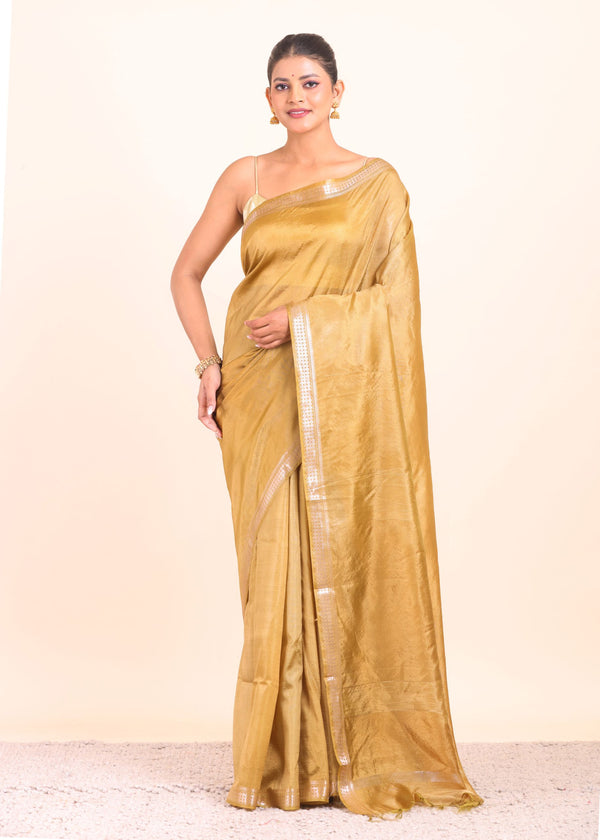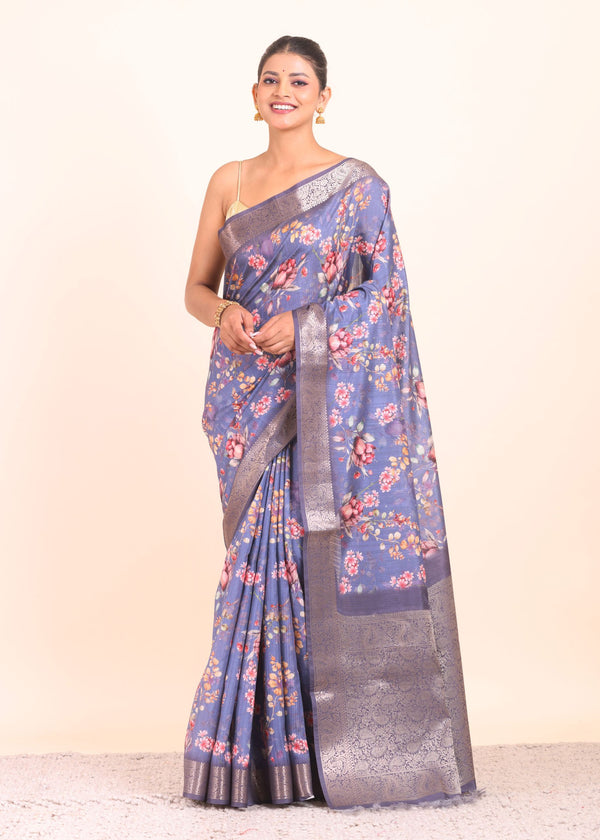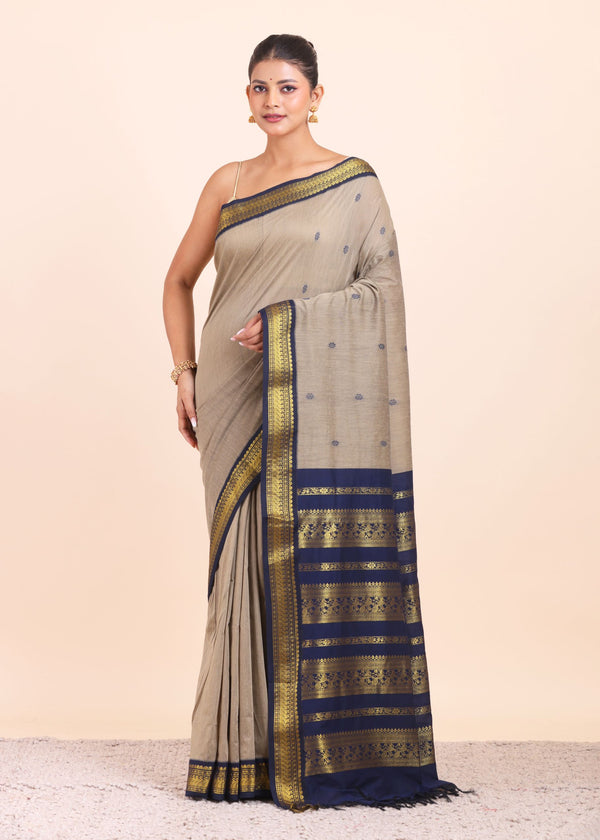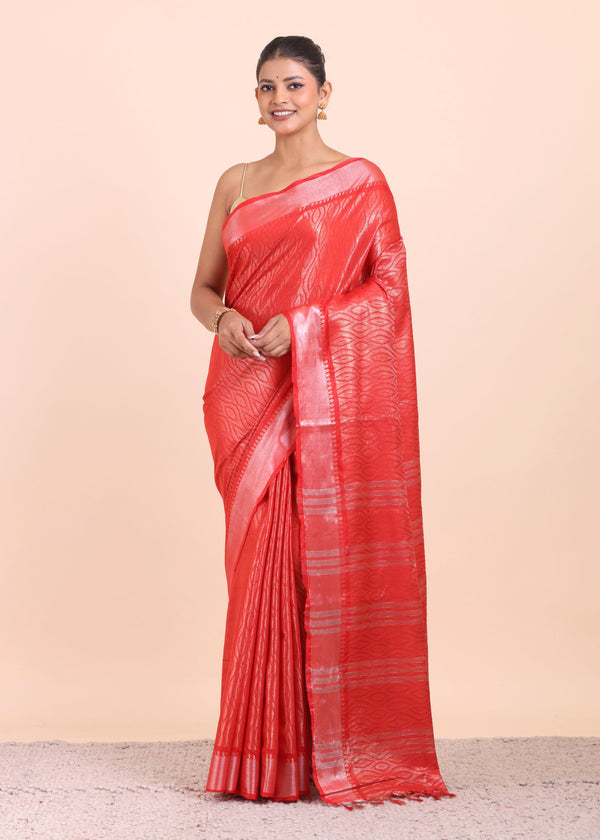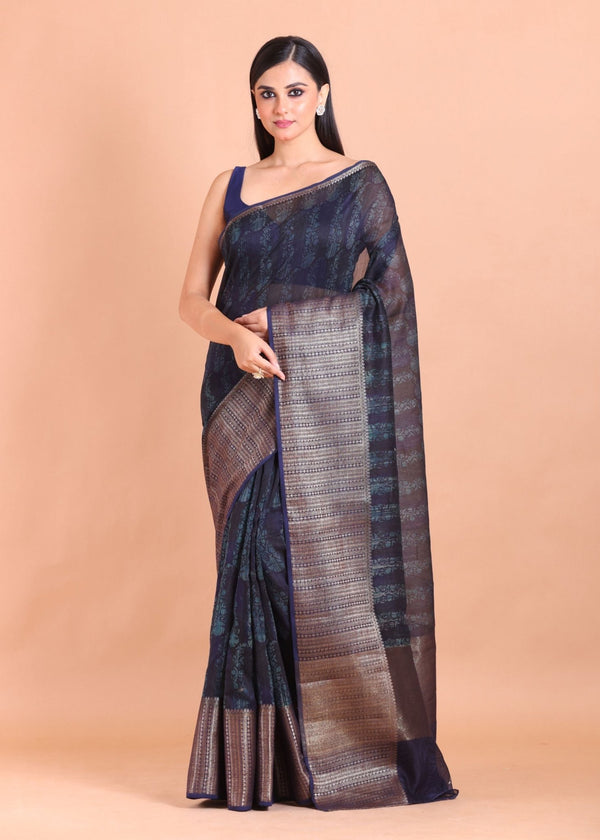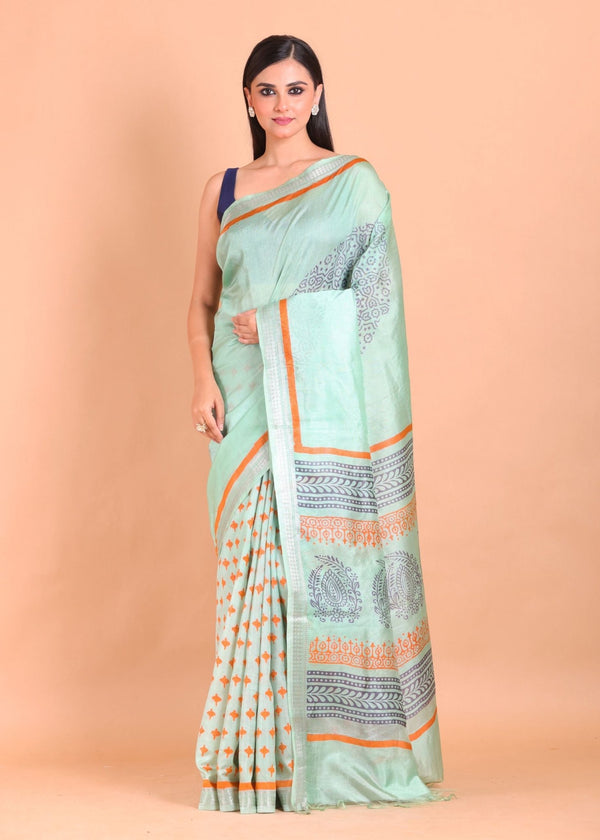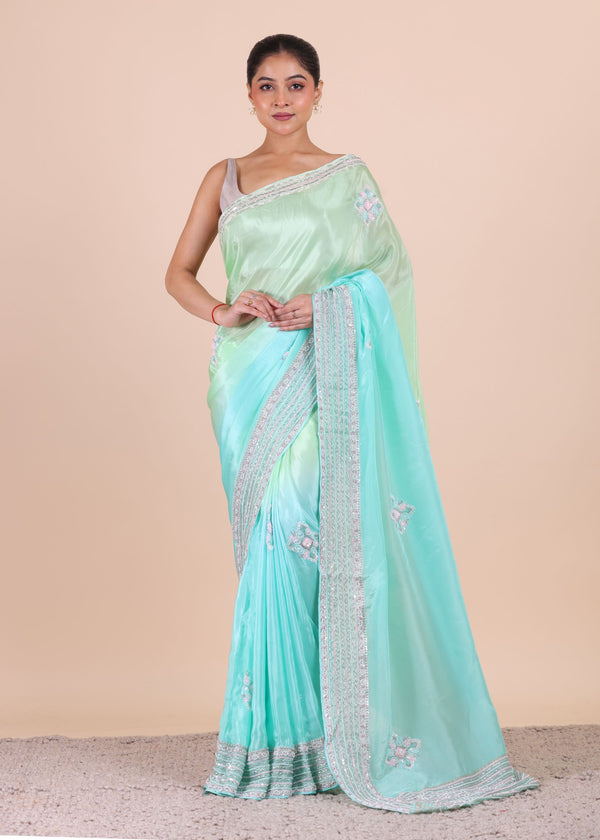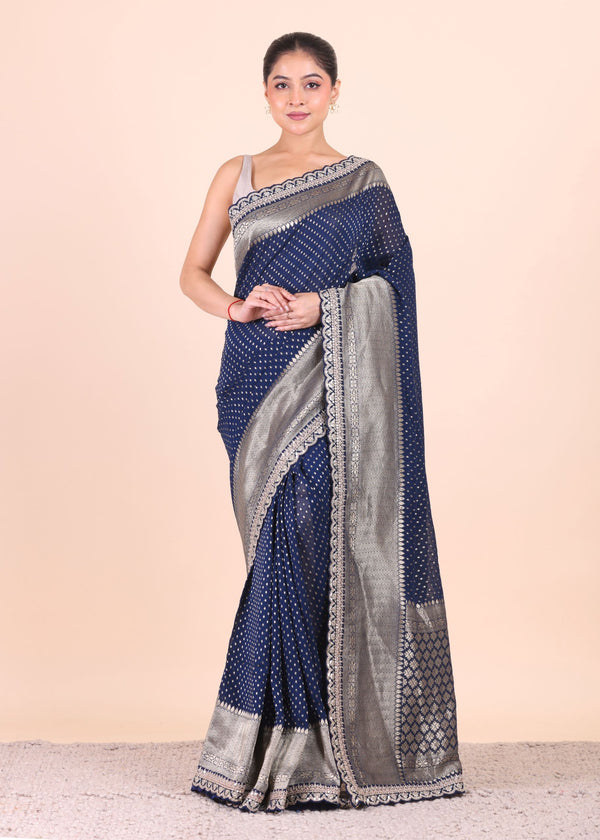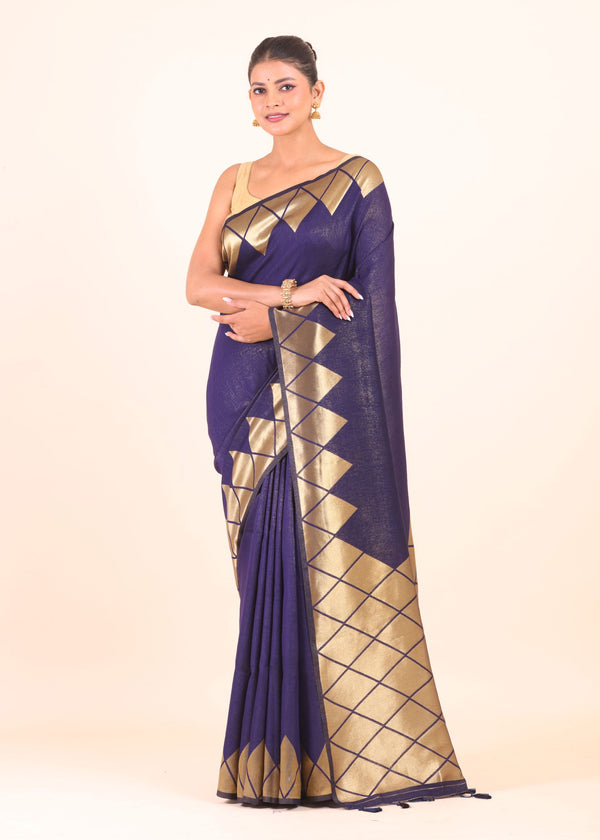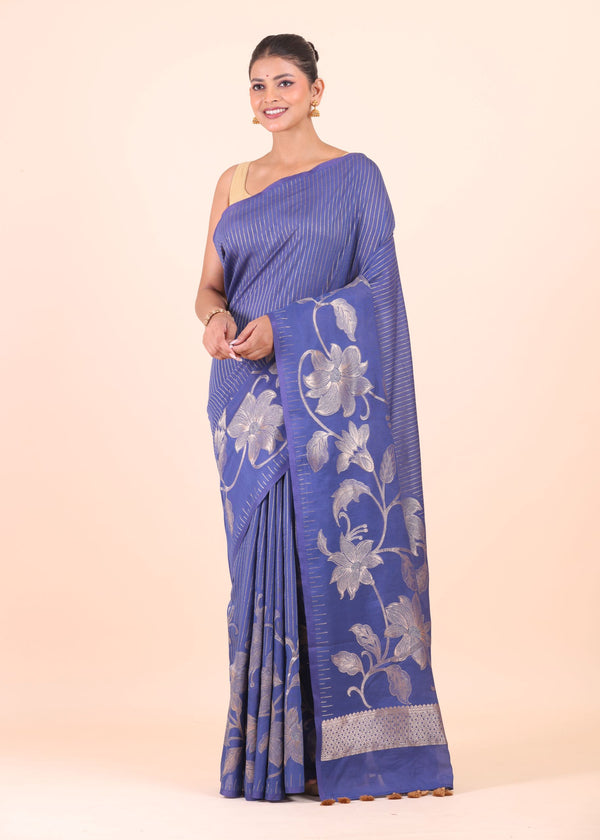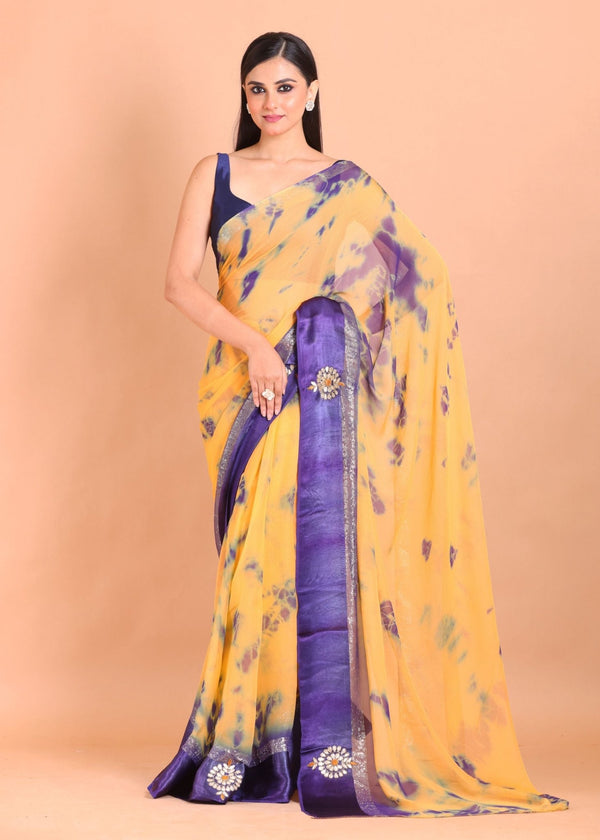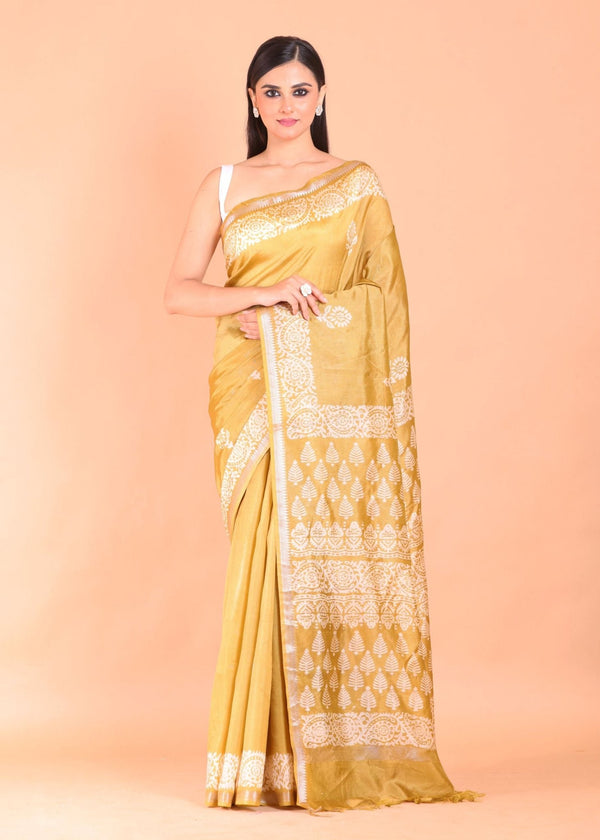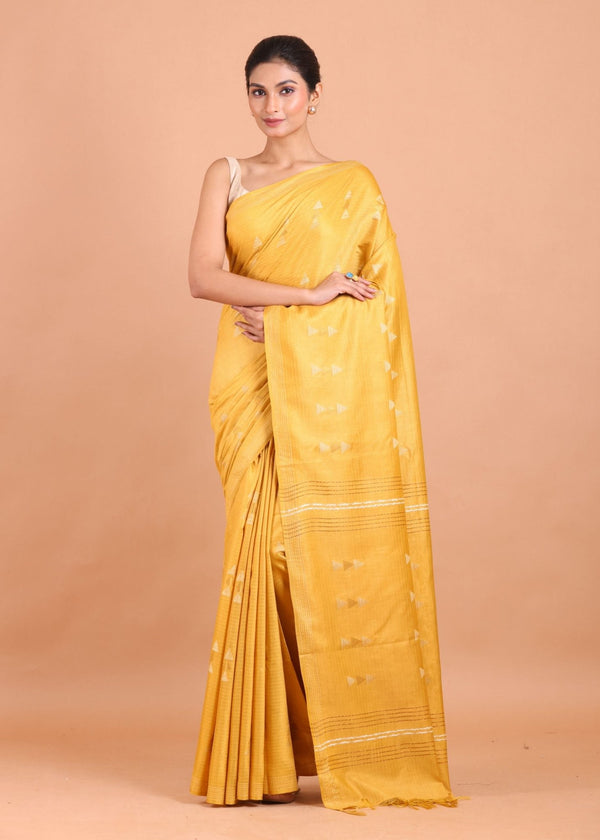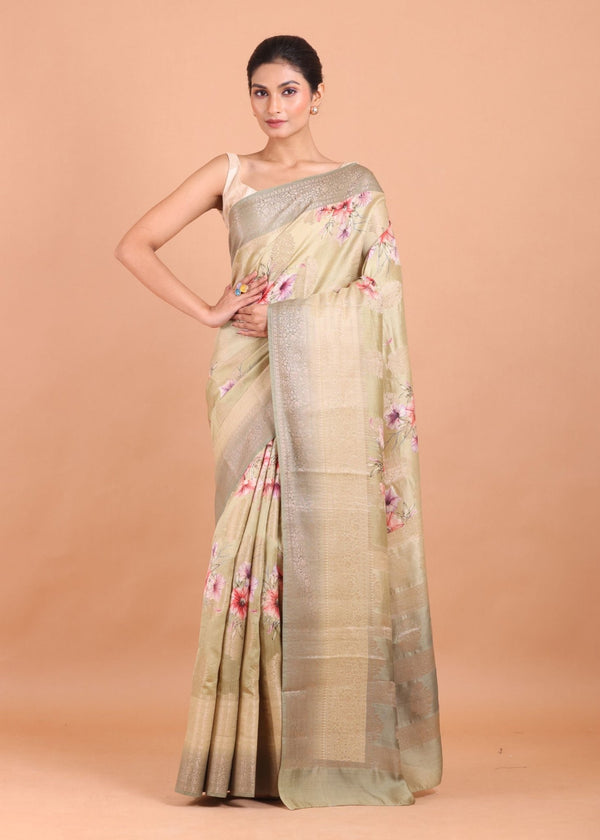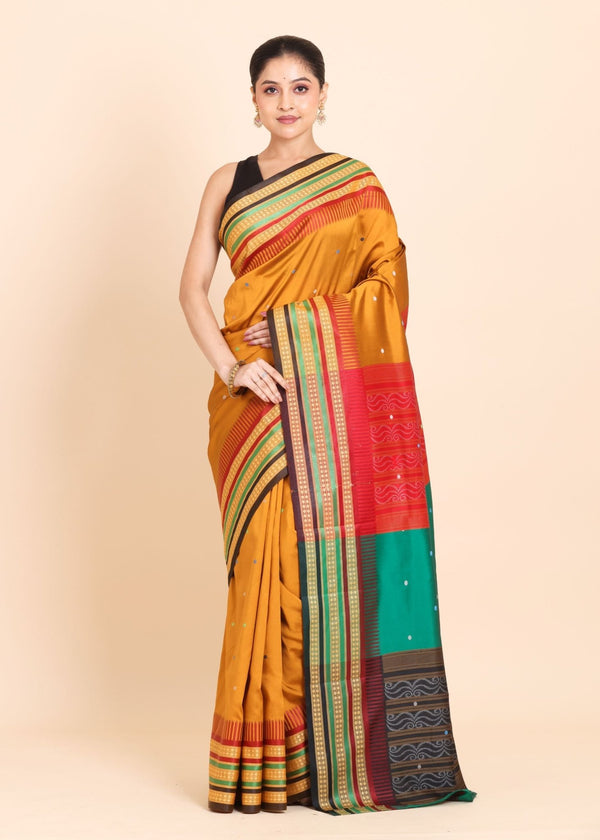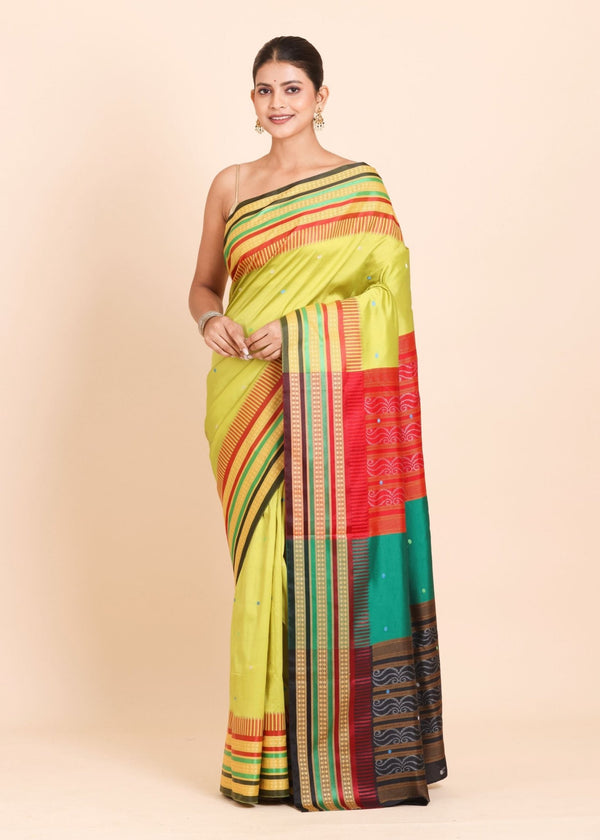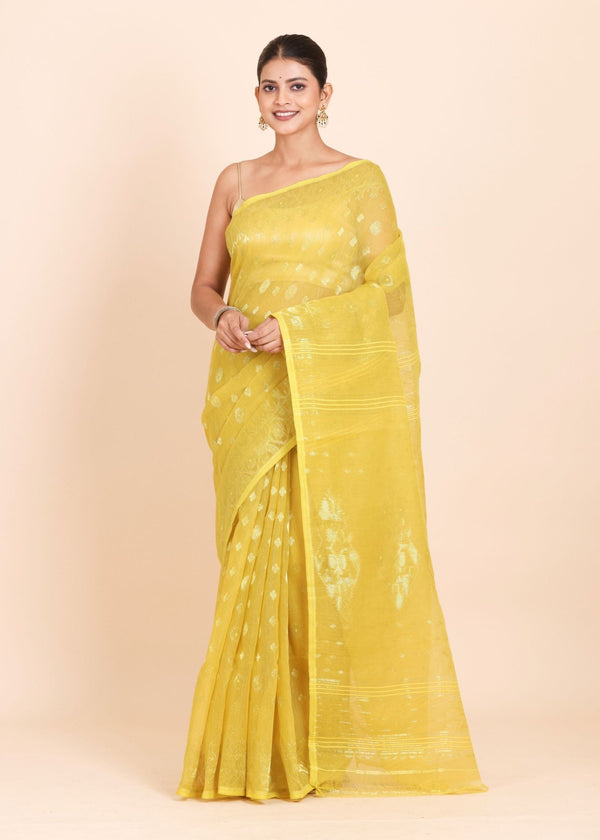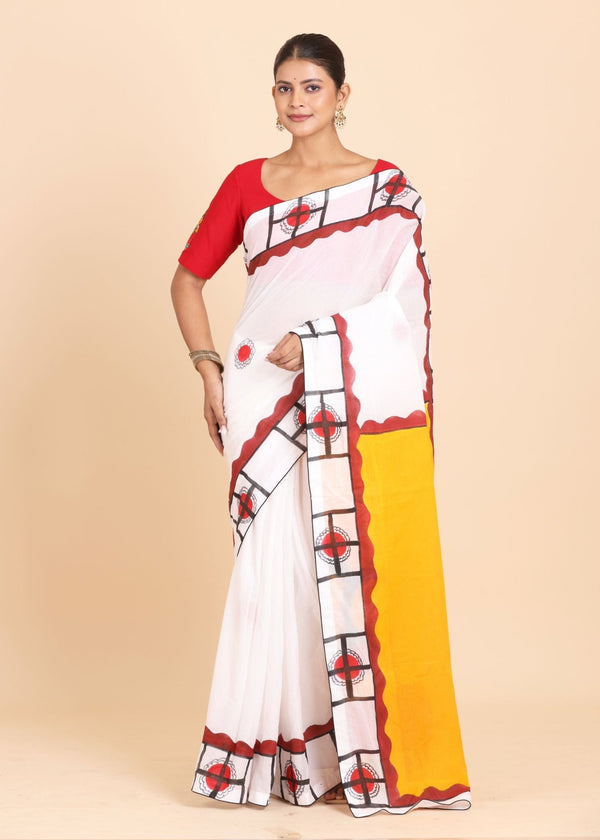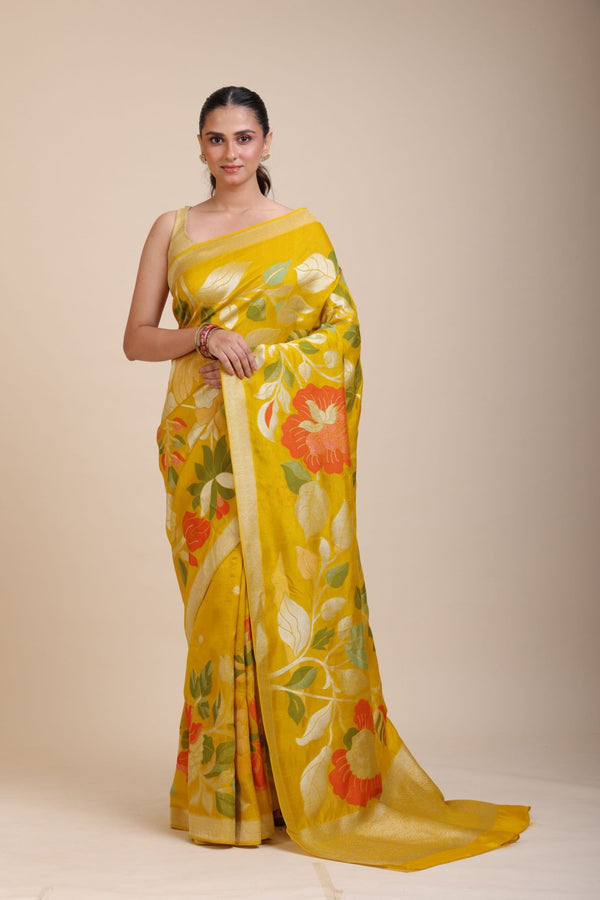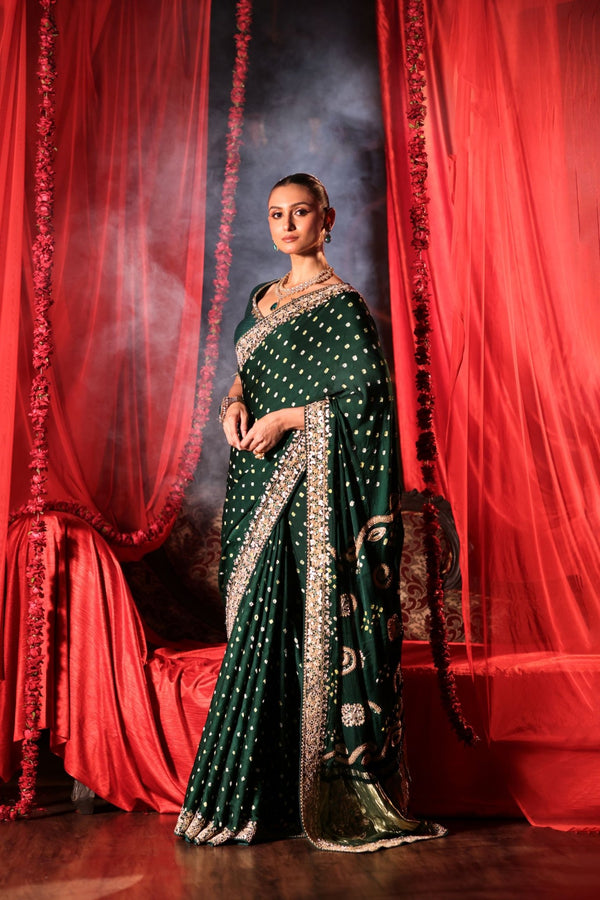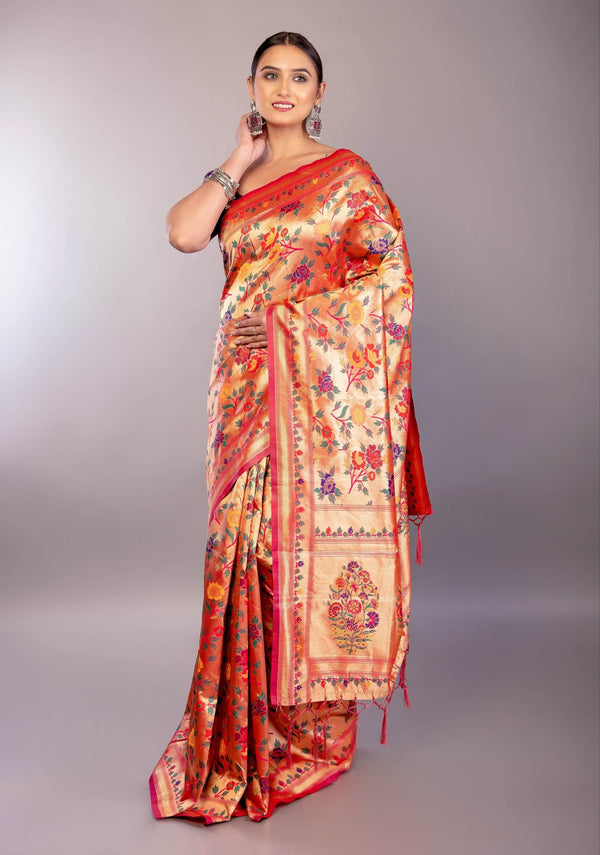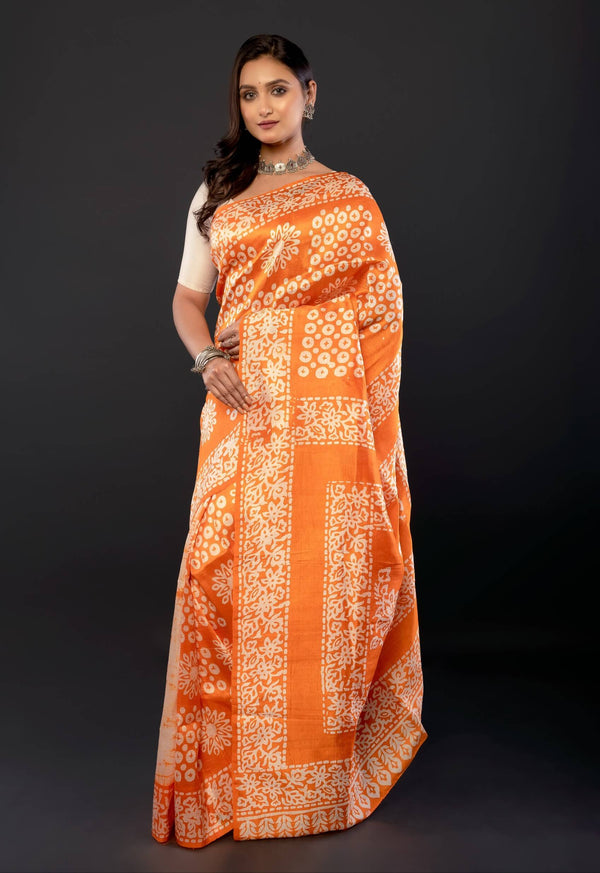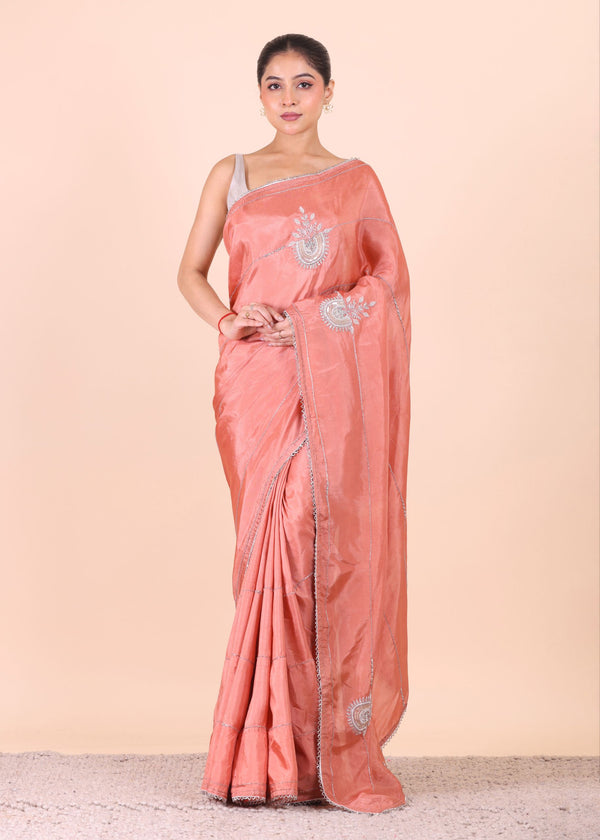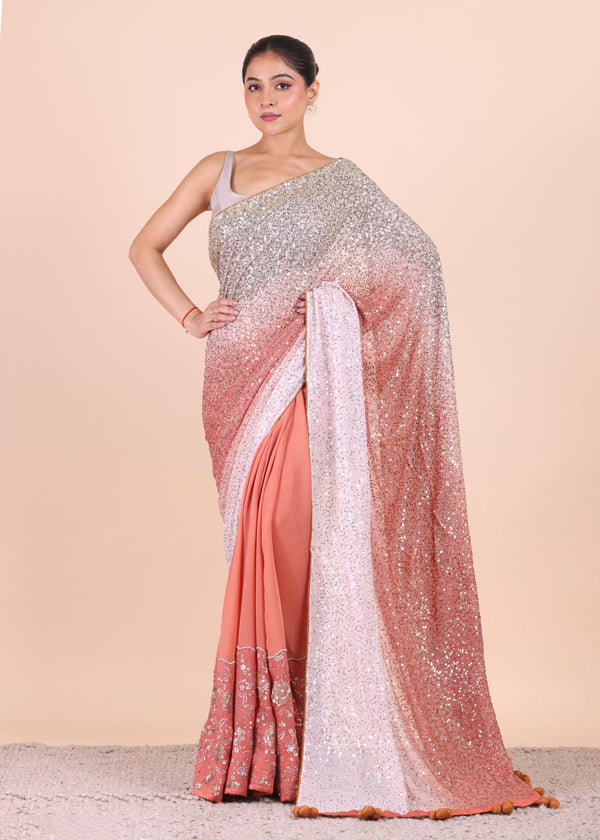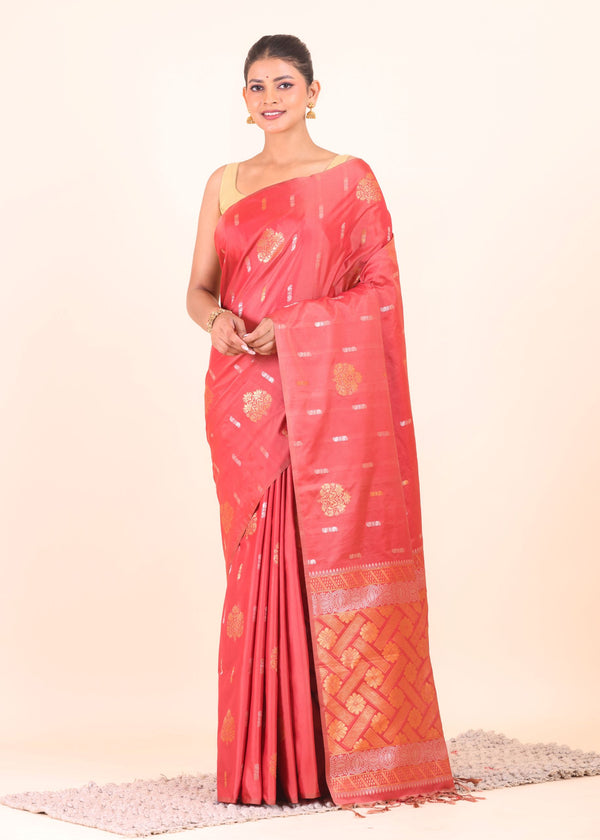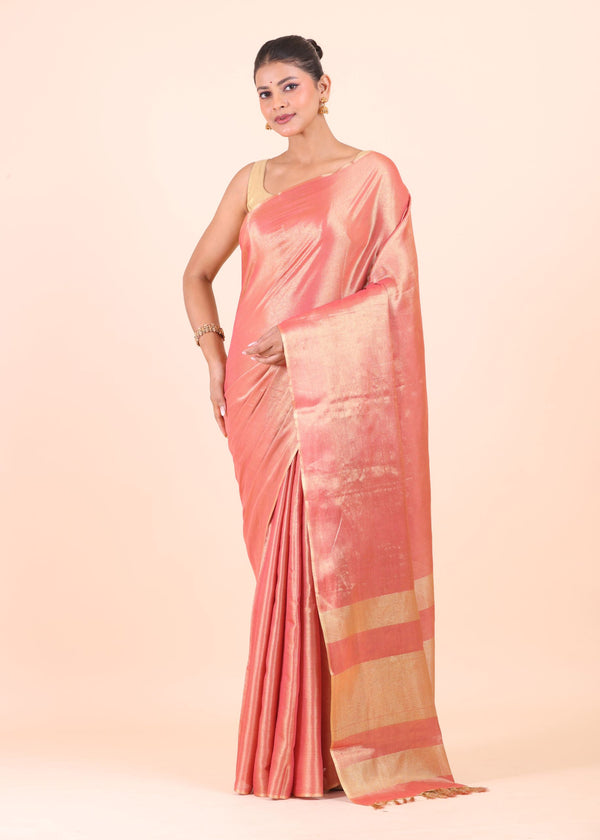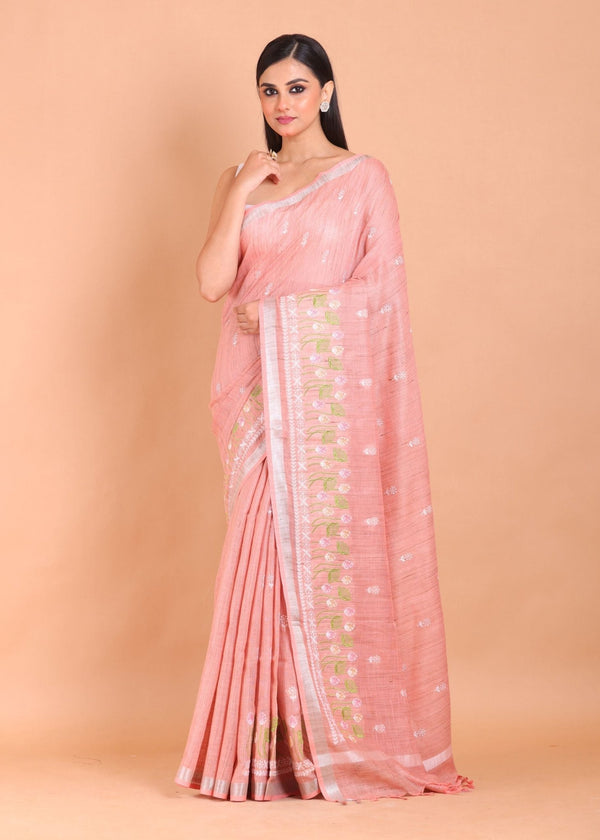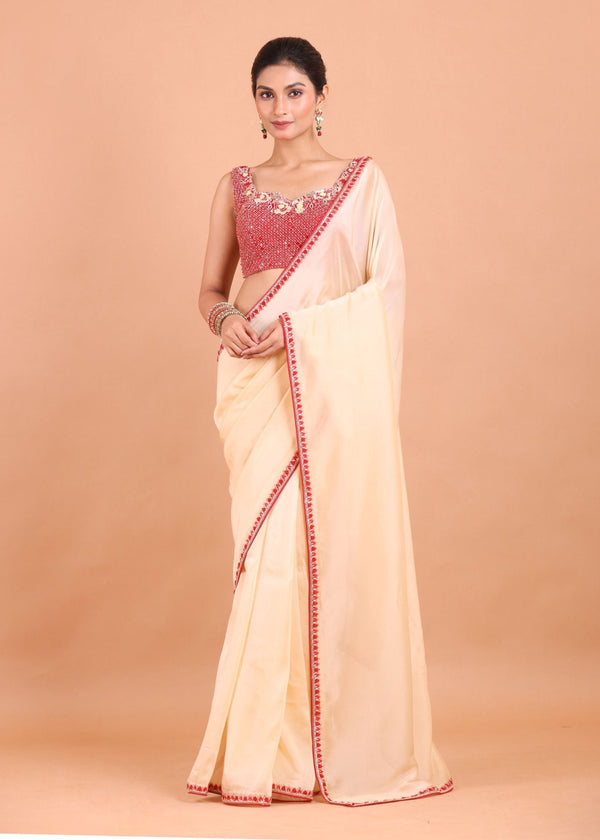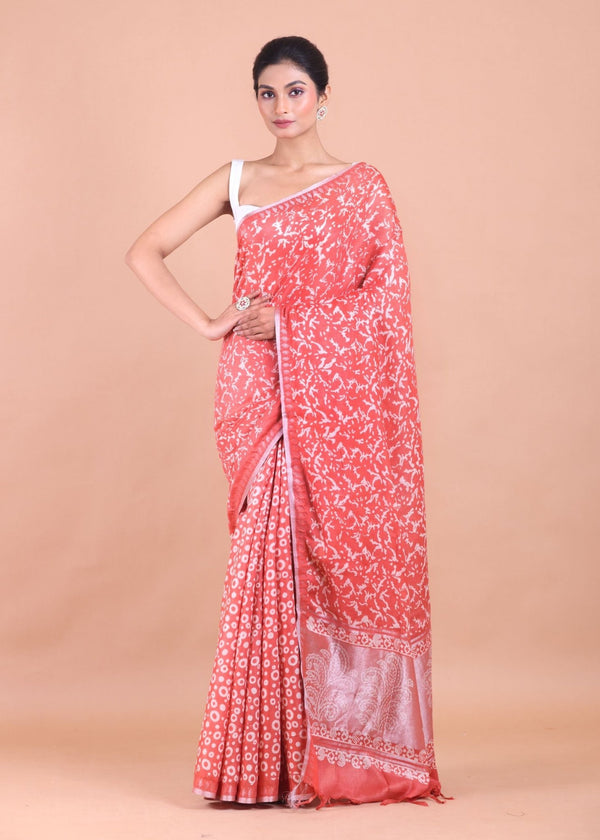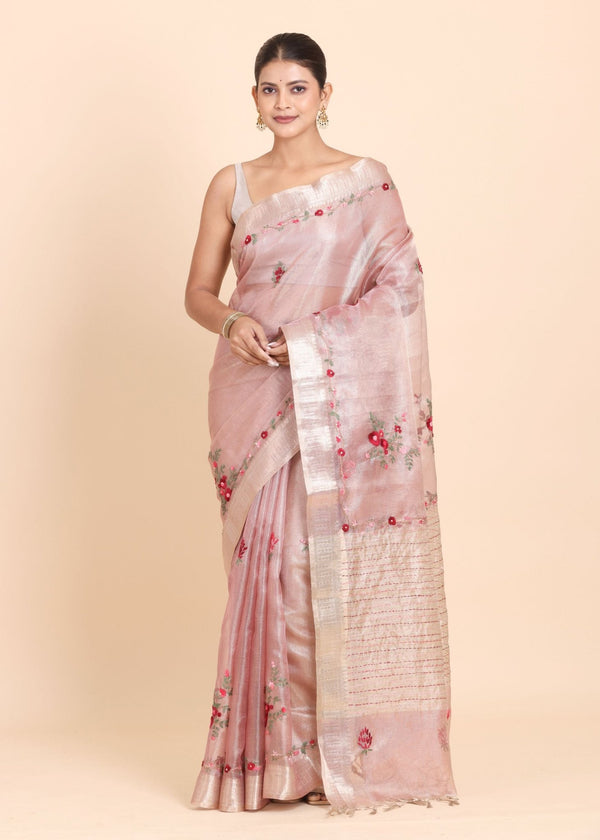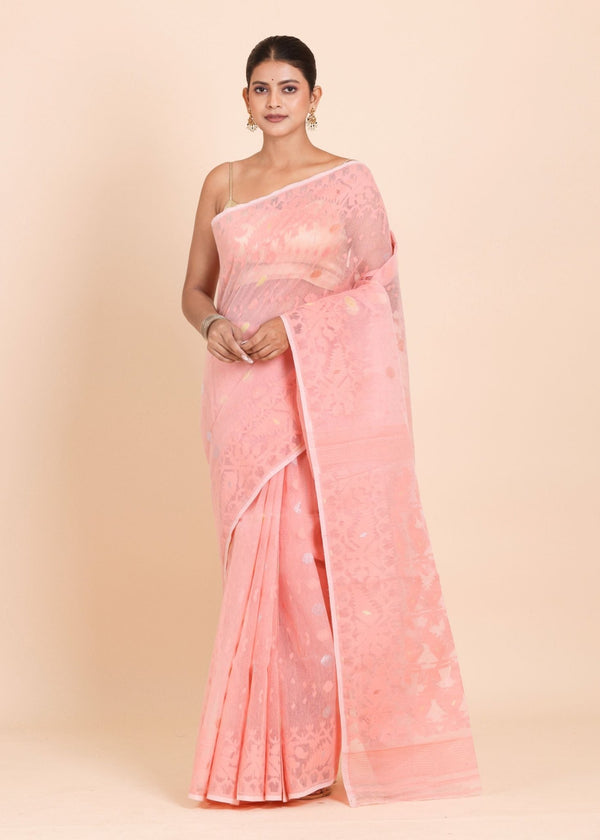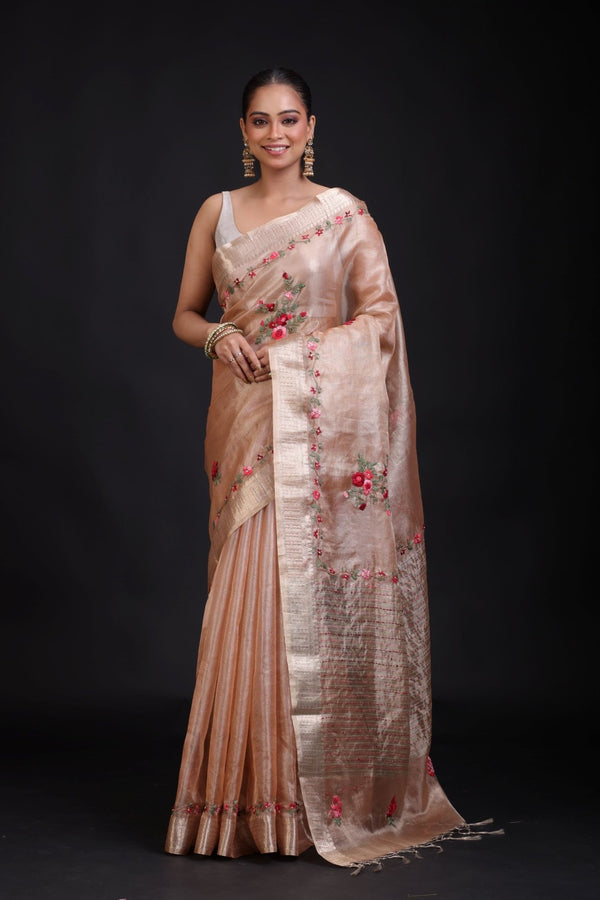




Saree colour trends for 2026 bring together traditional jewel tones, festive yellows, soft pastels and modern neutrals. From rich maroon and emerald green to peach, blush pink, lavender and powder blue, there are plenty of options for weddings and festive occasions. The right saree colour depends on more than just current trends. The wedding function, time of day, saree fabric, border, embellishment and jewellery can all change how a colour looks. This guide covers the most popular saree colours for 2026 and explains how to choose the right shade for haldi, mehendi, weddings, engagements, receptions and other festive occasions.
What Are the Trending Saree Colours for 2026?
The most useful way to look at 2026 saree colour trends is through colour families rather than a single list of shades. Traditional reds, maroons and greens continue to work well for wedding dressing, while peach, blush pink, lavender, powder blue and ivory offer softer options. Here are some of the key saree colour directions to consider for weddings and festive occasions in 2026.
Red, Maroon and Wine
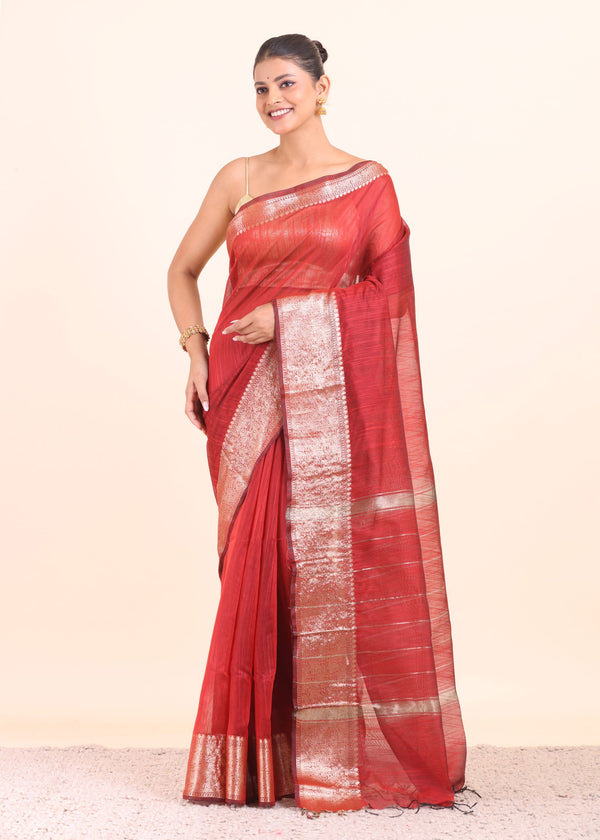
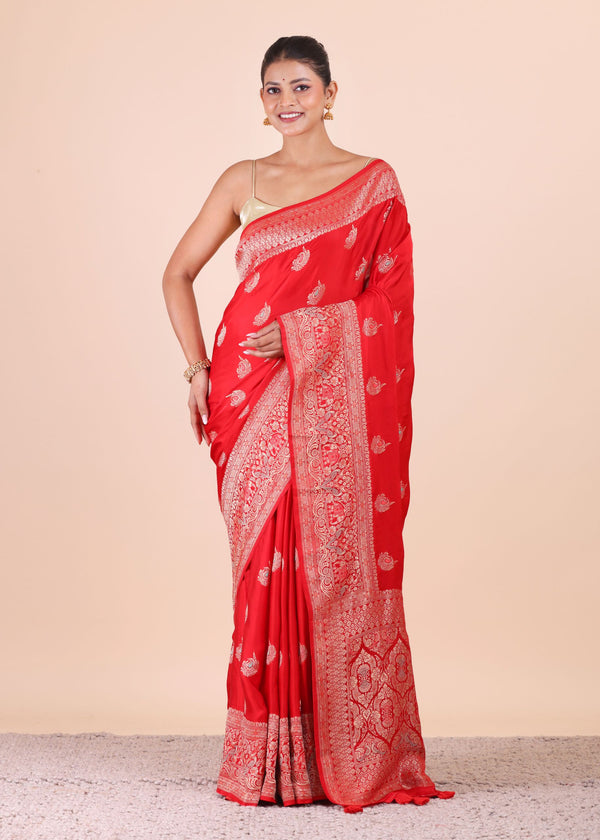
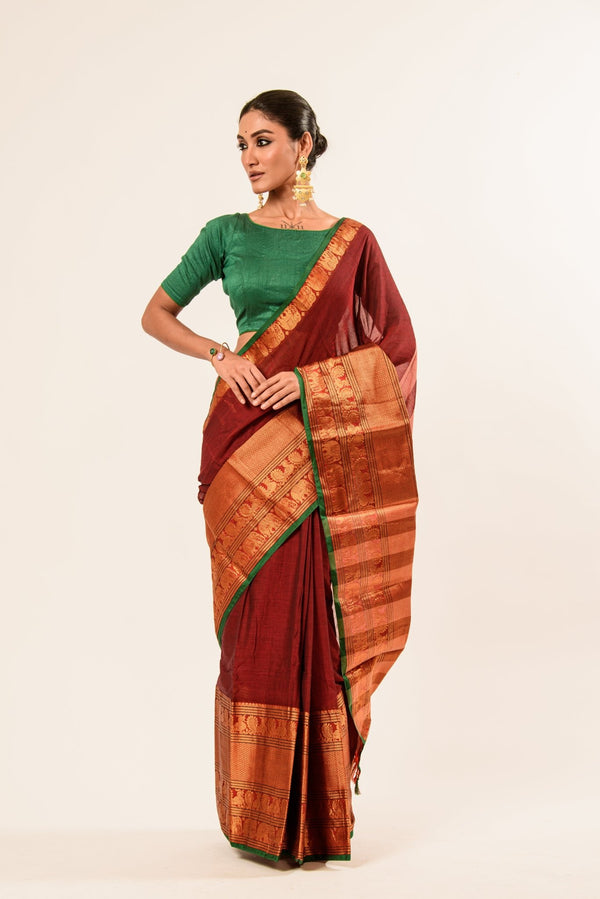
Red and maroon remain closely connected with traditional Indian wedding dressing. A rich red saree can create a strong festive look, while maroon and wine shades offer a deeper colour palette for evening functions. A Golden Saree or maroon saree with zari work can work particularly well for wedding ceremonies and receptions. Gold detailing, a fancy saree texture and a golden strap blouse can make the overall outfit look richer without requiring excessive embellishment. For wedding guests, deeper red and maroon shades can be styled with a simpler blouse and jewellery so that the saree feels festive without looking overly bridal.

Emerald, Bottle Green and Deep Green
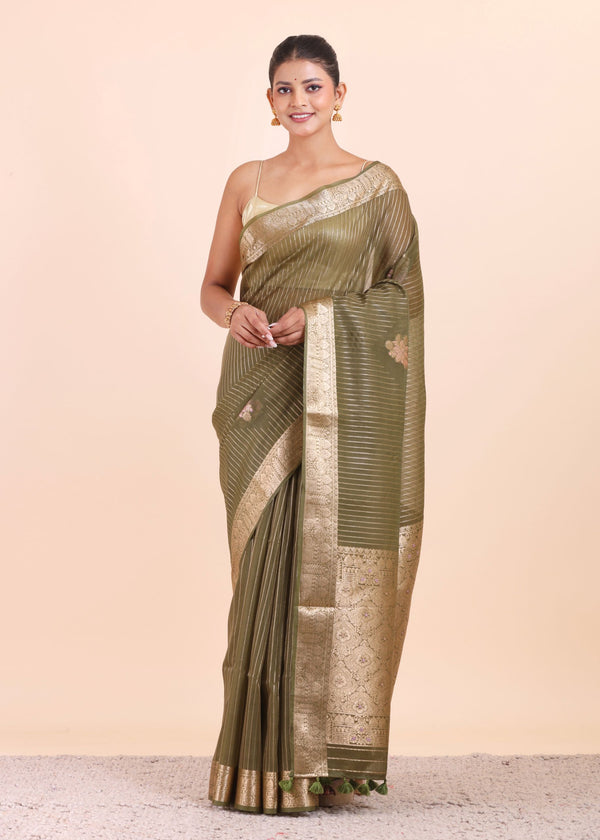
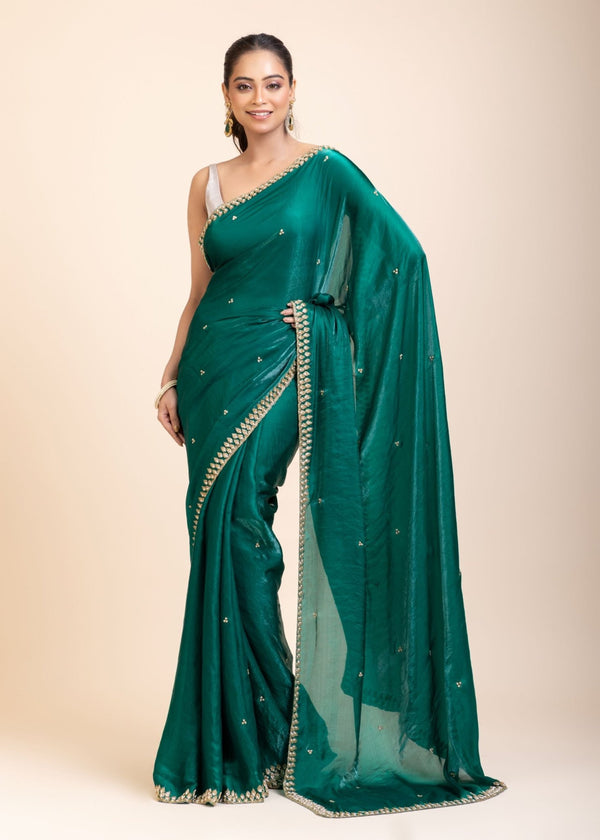
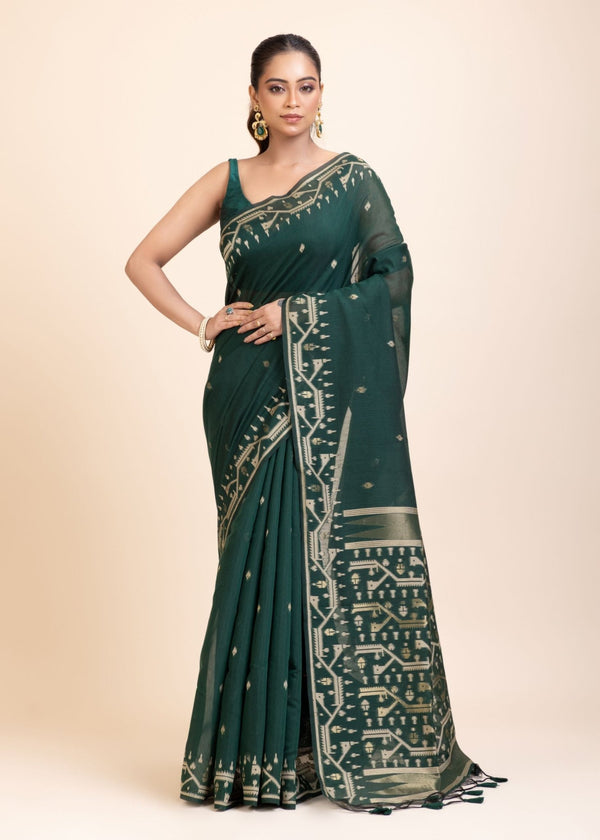
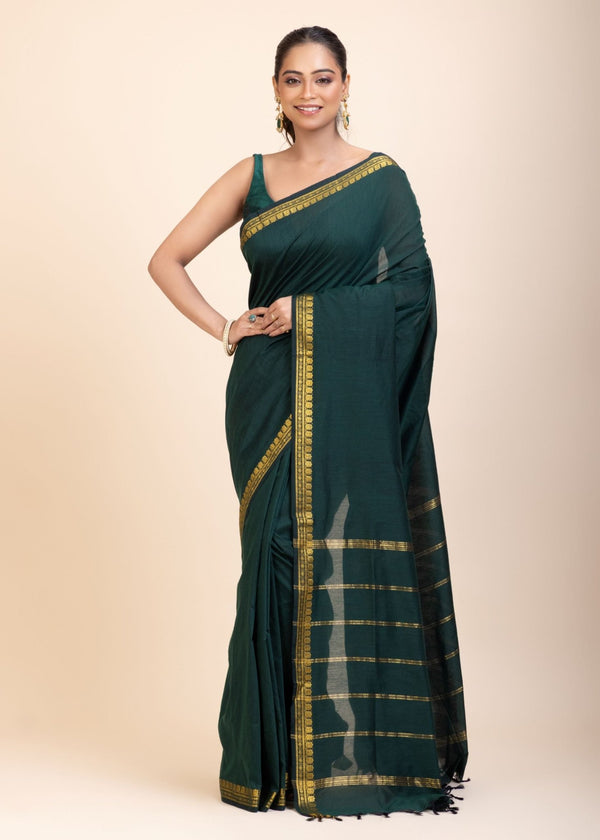
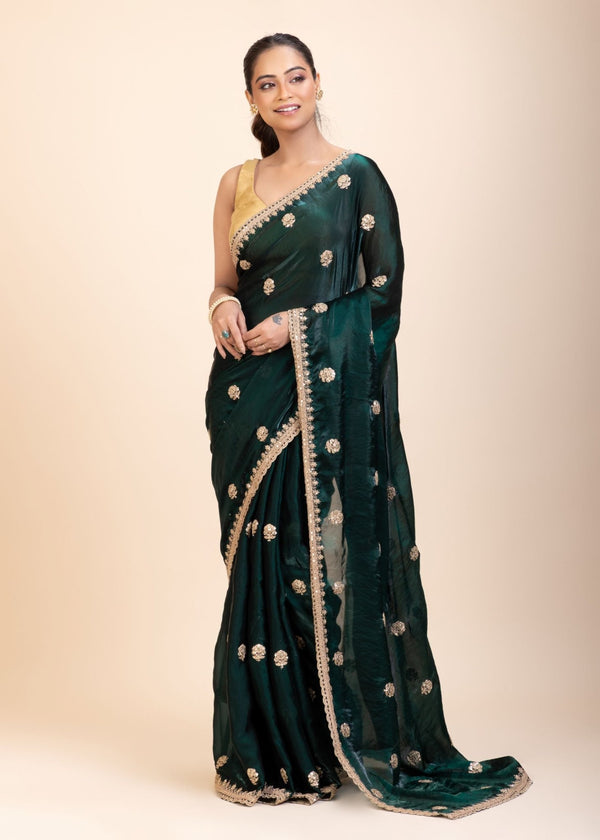
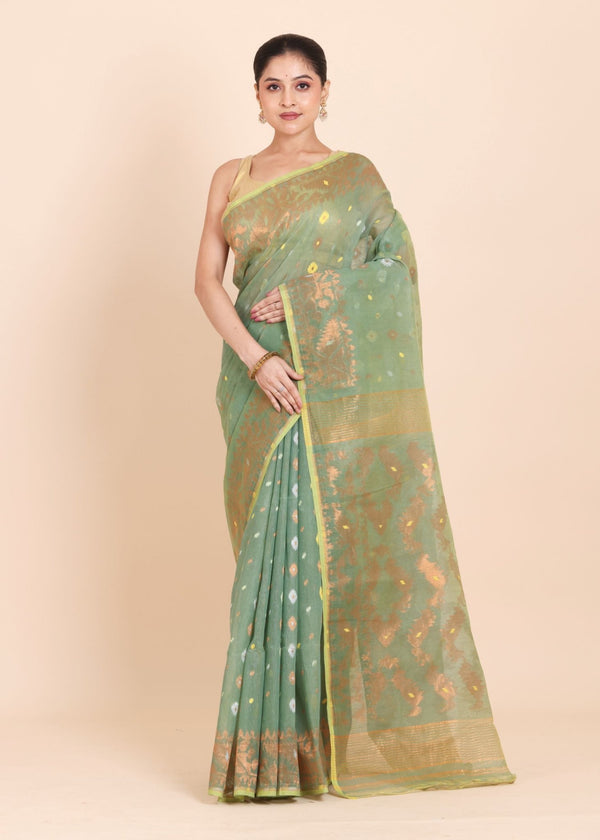
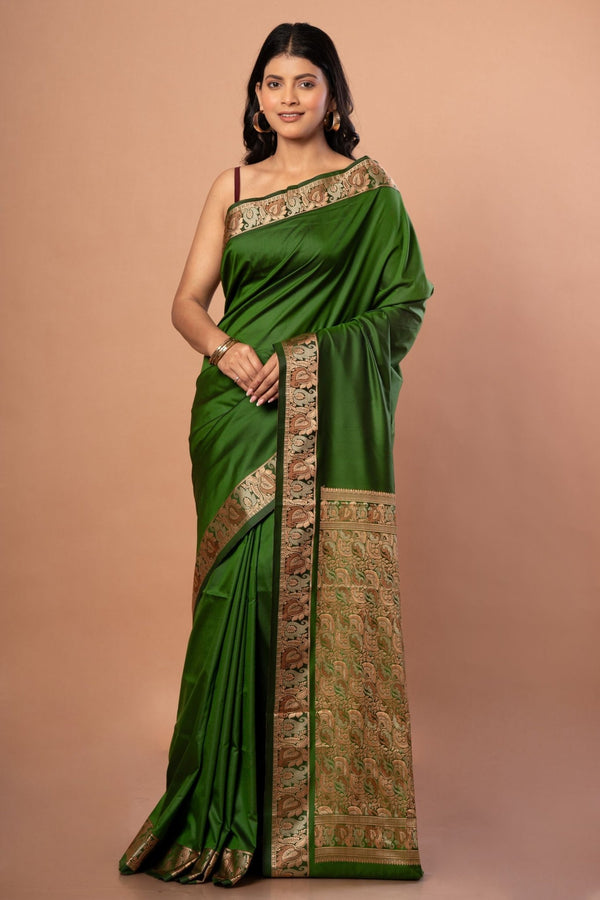
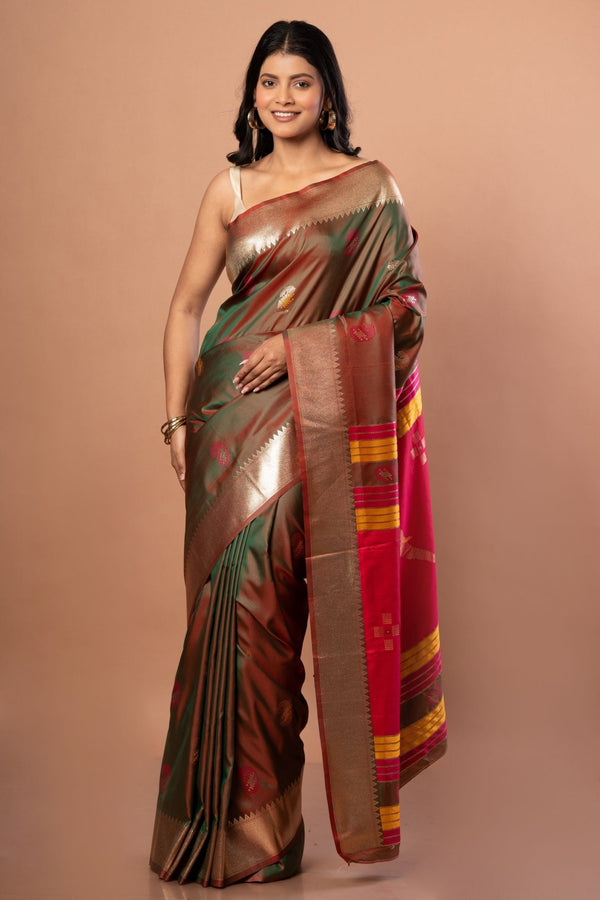
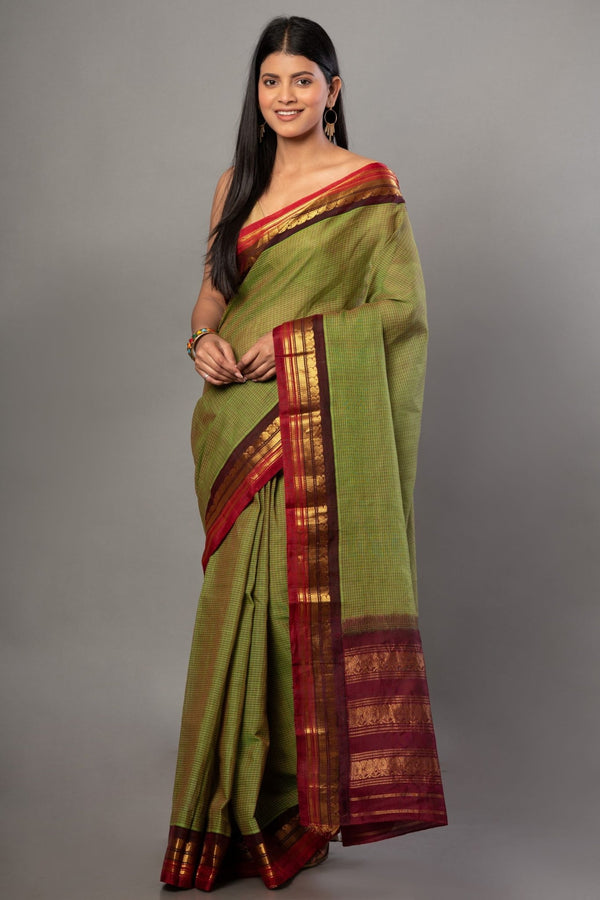
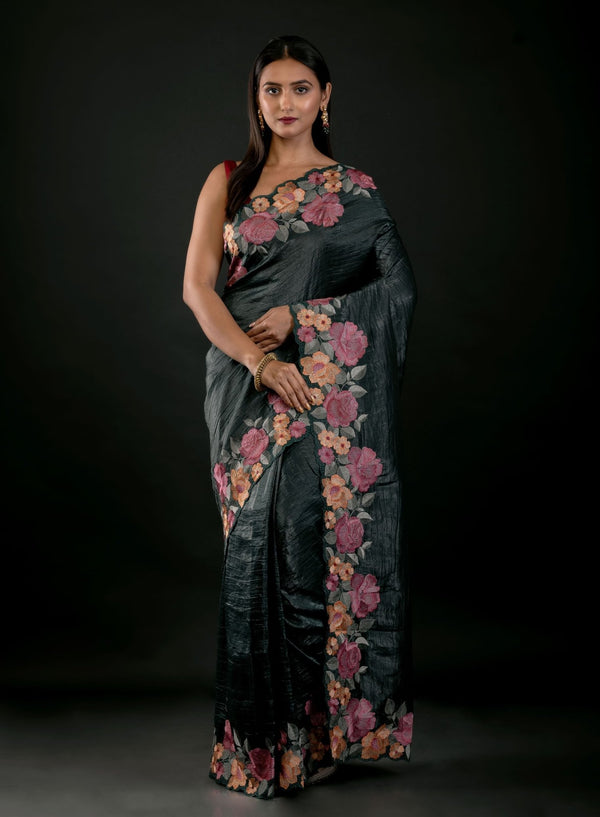
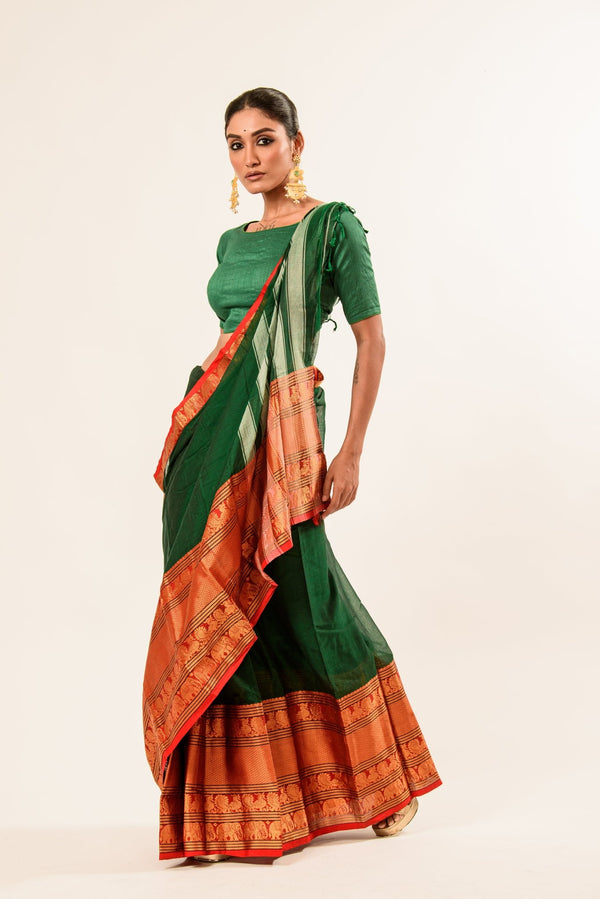
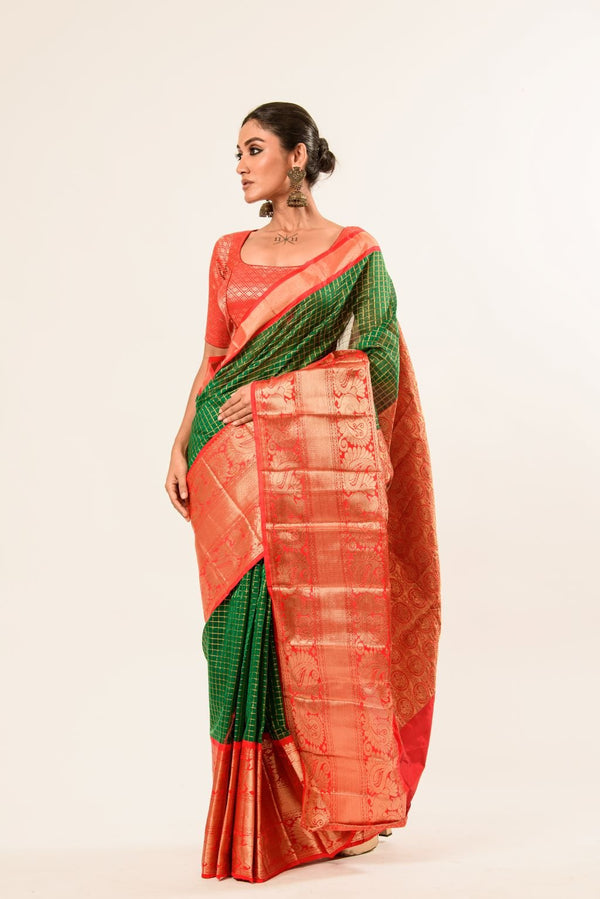
Green is another versatile saree colour for weddings and festive dressing. Emerald, bottle green and dark green shades have a rich jewel-tone quality and work particularly well with silk, organza and embellished sarees. Deep green can be styled with gold zari for a traditional wedding look or with silver detailing for a more contemporary outfit. Lighter green shades can work well during the day, while darker greens are especially suitable for evening weddings and receptions. An organza saree in dark green can also balance visual richness with a lightweight drape, making it a useful option when you want a dressy evening look without a very heavy saree.

Pink, Blush and Rani Pink
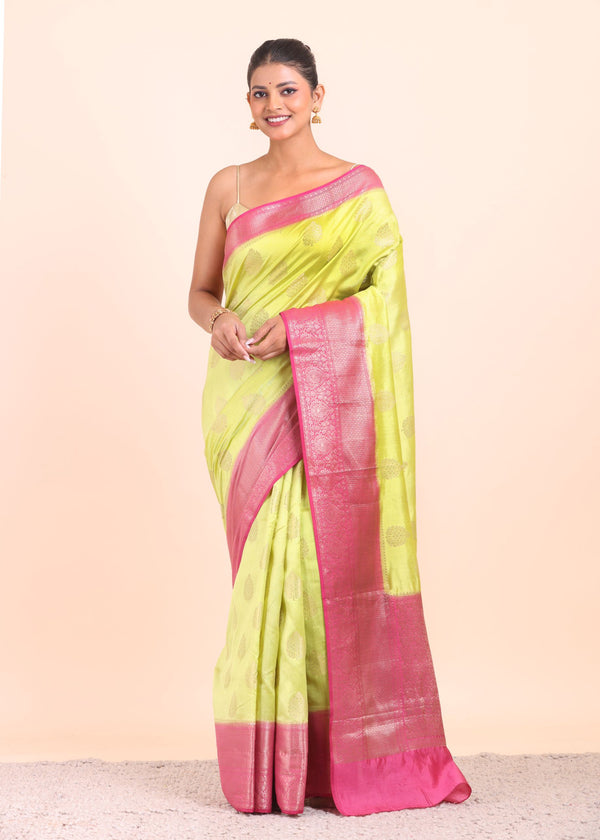
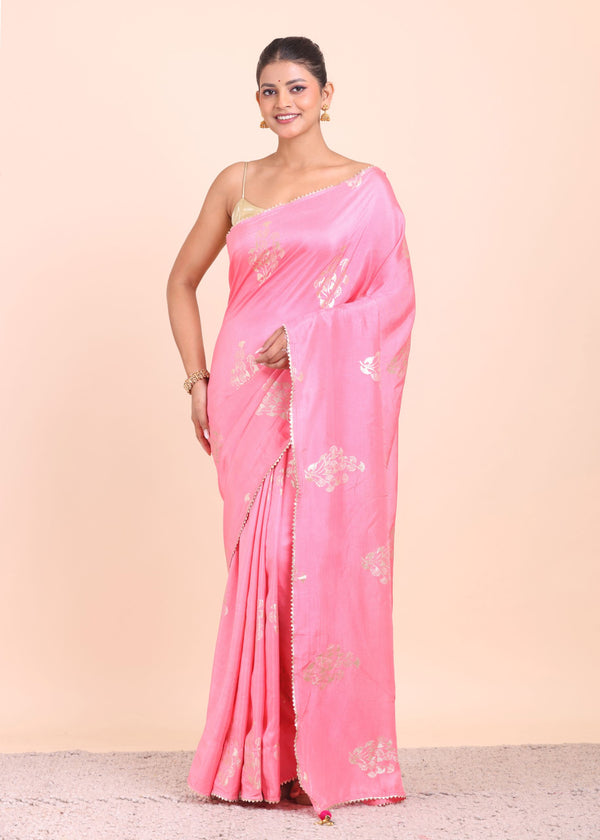
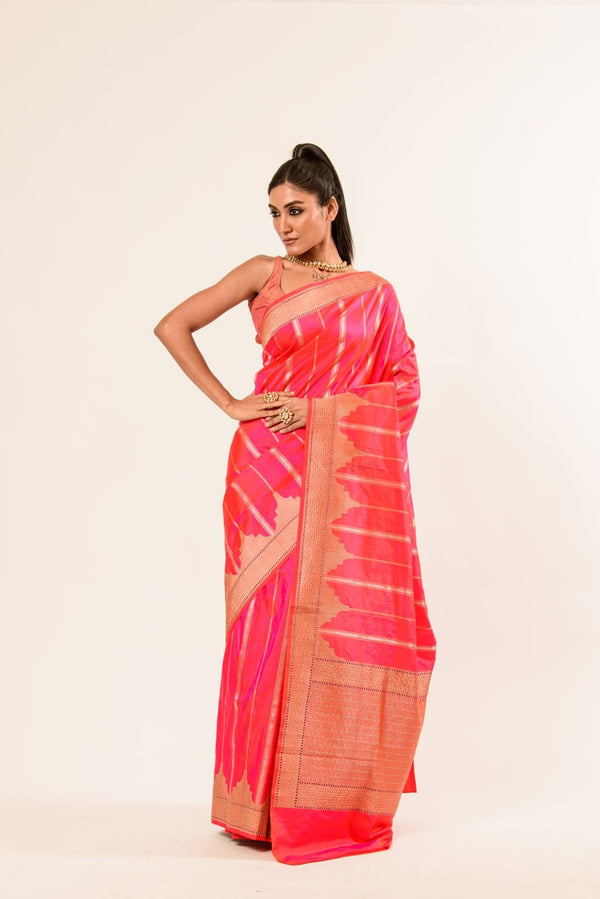
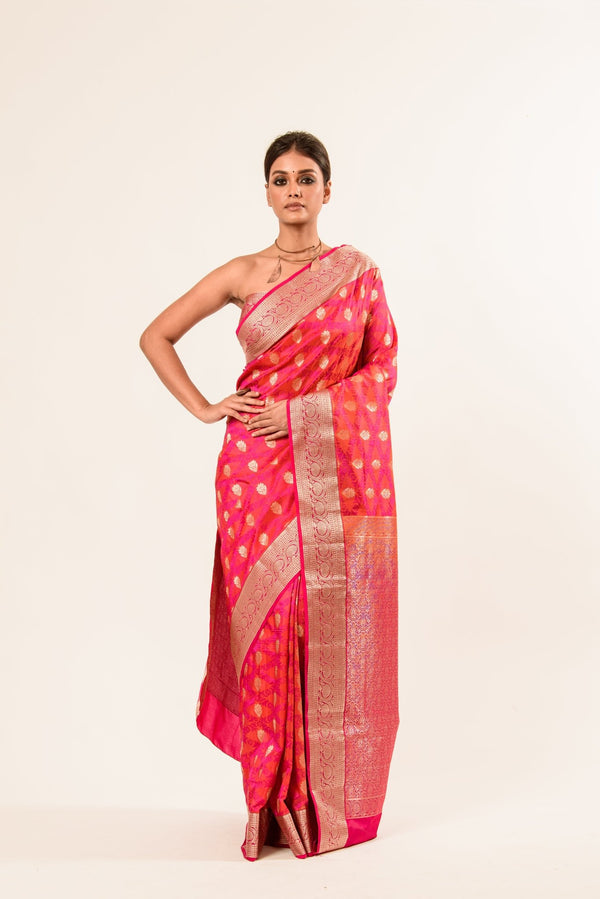
Pink offers one of the widest colour ranges for wedding dressing. Blush pink and light pink work well for daytime events, while deeper rani pink and rose shades can create a stronger festive look. A blush pink saree can be paired with pearl, silver or rose-gold jewellery for a softer look. Deeper pinks can be combined with gold jewellery and embroidered blouses for weddings and receptions. Pink is particularly useful for wedding guests, engagements and festive gatherings because it can look traditional or contemporary depending on the fabric, border and blouse design.

Yellow and Mustard
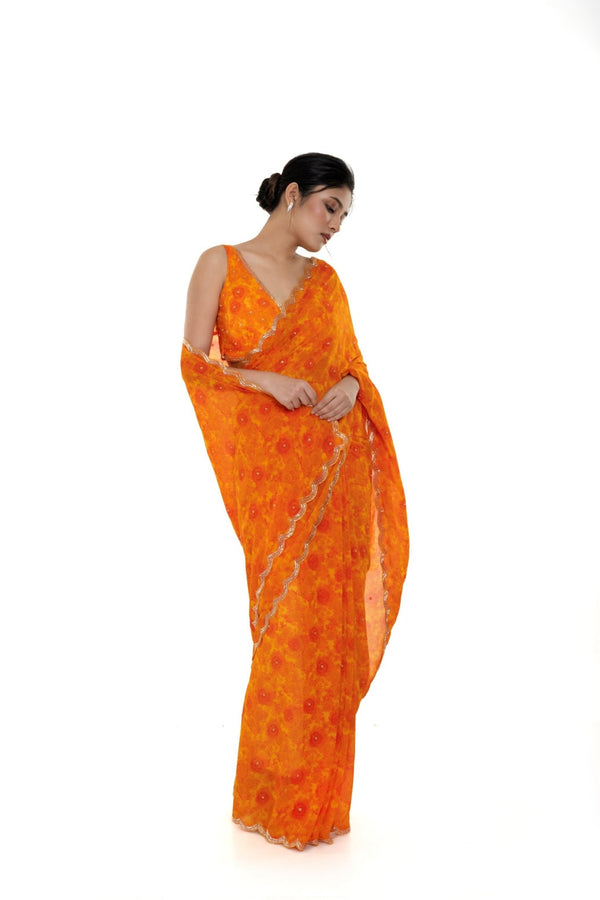
Yellow is naturally suited to cheerful daytime celebrations. Bright yellow, marigold and mustard shades can work especially well for haldi ceremonies, pujas and other pre-wedding functions. A mustard yellow Banarasi saree brings together a vibrant colour with traditional weaving. A Banarasi Saree with zari motifs can make mustard feel more traditional and occasion-ready. A yellow saree can also be paired with fresh flowers and traditional jewellery for a haldi celebration. For a more specific haldi look, a yellow saree for haldi can be styled with a contrasting blouse or floral accessories.

Peach, Ivory and Off-White
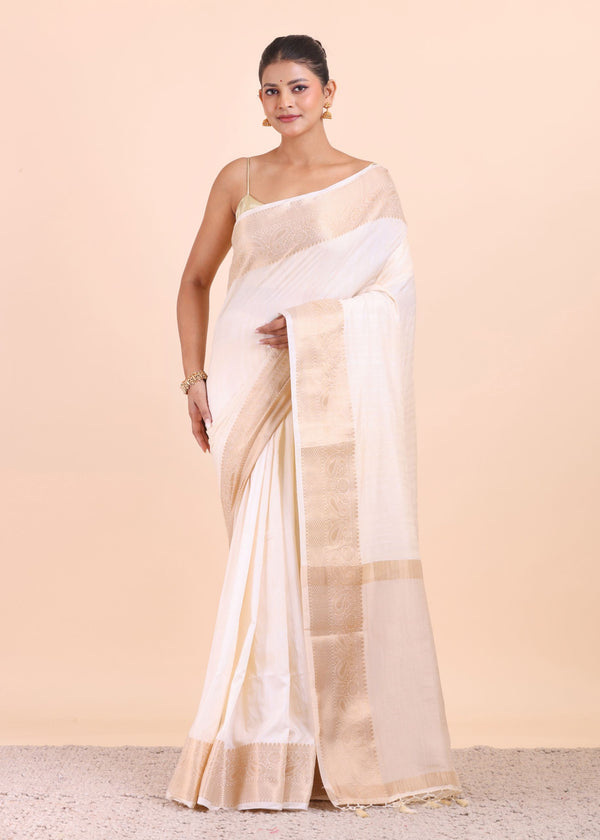
Soft neutrals and warm pastels are useful choices for daytime weddings, mehendi functions, festive brunches and understated party looks. Peach works particularly well with fabrics such as organza, silk and crepe because the colour can look soft while the fabric adds structure and texture. Ivory and off-white can also be paired with gold borders or embroidery when you want more visual richness. An off white party wear saree is one option for a festive evening or daytime celebration, depending on the embellishment and styling.

Powder Blue and Deeper Blue
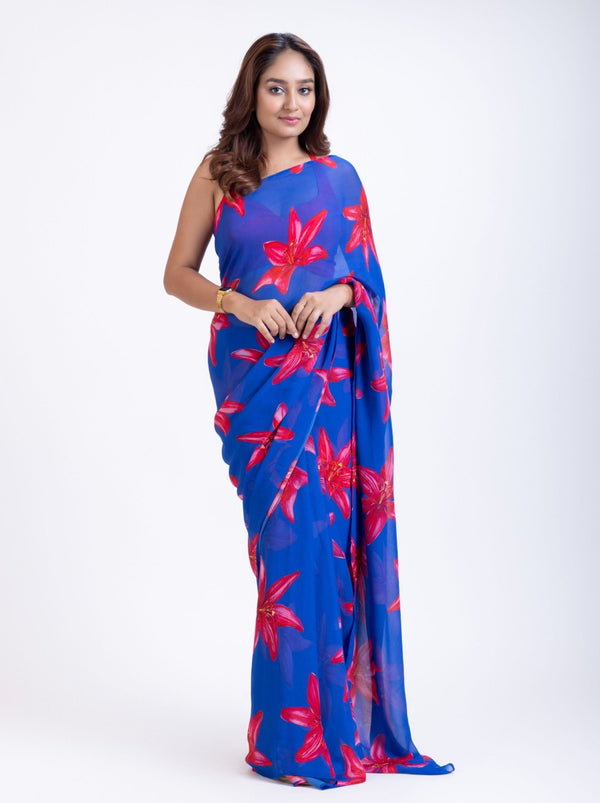
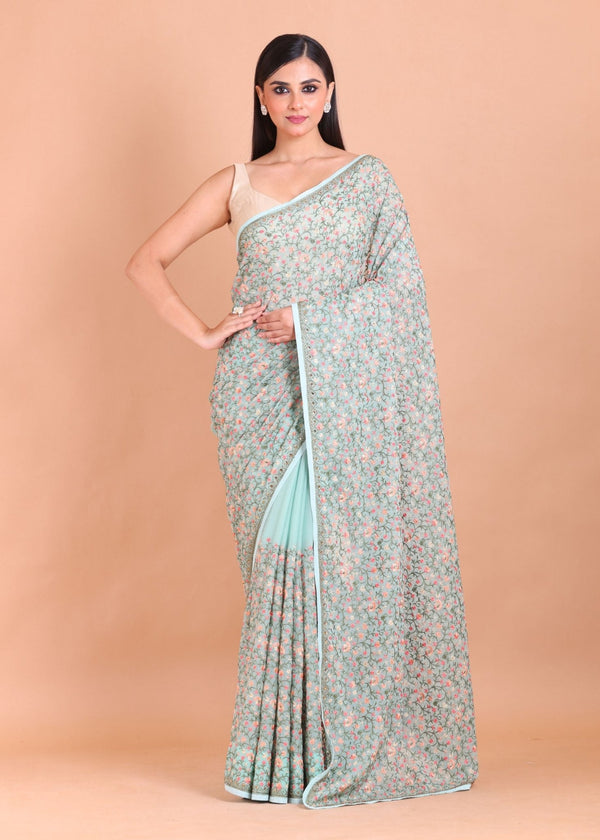
Blue offers both soft and dramatic options. Powder blue and sky blue are well suited to daytime weddings, engagements and festive brunches, while deeper blue shades can work for evening celebrations. A Sky blue saree can be paired with silver-toned jewellery for a cool, contemporary look. Gold jewellery can also work when the saree includes warm zari or gold embellishment. The fabric makes a difference here. A lightweight georgette or organza can make blue feel airy, while silk or Banarasi weaving gives the same colour a more traditional appearance.
Lavender, Purple and Mauve
Lavender has a softer pastel appeal, while purple and mauve provide deeper alternatives from the same colour family. Lavender and silver make a suitable combination for engagements, daytime celebrations and contemporary festive dressing. Deeper purple can be used for evening receptions, especially when the saree has sequins, embroidery or metallic detailing. The jewellery can also change the mood of the colour. Silver complements the cooler side of lavender, while gold can add warmth to purple and mauve sarees.
Gold and Metallic Shades
Gold is a natural part of Indian festive dressing and continues to work across wedding ceremonies, receptions and traditional celebrations. A gold saree can be kept simple with a plain blouse and minimal jewellery, or made more festive through zari, sequins, embroidery or a statement blouse. Because metallic fabrics already catch light, balancing the saree with controlled jewellery and accessories can help keep the outfit cohesive. Gold also works particularly well as an accent colour with maroon, red, green, peach, pink and ivory sarees.
Best Saree Colours for Different Wedding Functions
There is no single best saree colour for every wedding function. Haldi, mehendi, wedding ceremonies and receptions have different settings, lighting and dress codes.
|
Wedding function |
Saree colour ideas |
Why they work |
|
Haldi |
Yellow, mustard, green |
Bright, festive and suitable for daytime |
|
Mehendi |
Green, pink, peach, yellow |
Fresh colours work well with daytime celebrations |
|
Engagement |
Pink, lavender, peach, powder blue |
Soft and contemporary colour palette |
|
Wedding ceremony |
Red, maroon, green, gold |
Traditional and rich wedding colours |
|
Reception |
Wine, emerald, deep blue, purple, gold |
Deeper colours work well in evening lighting |
|
Wedding guest |
Pink, peach, blue, green, muted jewel tones |
Festive without necessarily looking bridal |
|
Puja and festive functions |
Yellow, red, green, pink |
Traditional festive colour choices |
These are starting points rather than strict rules. The saree fabric, embellishment and styling can make a colour suitable for more than one occasion.
Best Saree Colours for Daytime Weddings
Daytime weddings usually work well with colours that look fresh in natural light. Peach, blush pink, ivory, powder blue, pastel green and yellow are all useful options. A peach Kanjivaram silk saree, for example, combines a softer colour with the richness of traditional silk weaving. This makes it suitable for a festive morning, puja or family celebration.

For daytime functions, lighter fabrics and softer shades can also help create a balanced look. If the saree has heavy zari or embroidery, choosing a calmer blouse and accessories can prevent the outfit from looking too heavy in bright daylight.
Best Saree Colours for Evening Weddings and Receptions
Evening lighting can make deeper and richer colours particularly striking. Maroon, wine, emerald green, dark blue, purple and gold are useful choices for receptions and evening weddings. A dark green saree in organza is one example. The deeper shade gives the outfit a rich jewel-tone appearance, while the sheer texture of organza keeps the drape visually light.

Gold zari, sequins, cutdana and embroidery can reflect evening lighting and add dimension to deeper colours. However, the saree does not need to be heavily embellished to work for an evening event.
How to Choose the Right Saree Colour for a Wedding
Choosing a saree colour becomes easier when you consider the event before choosing the shade.
Consider the Wedding Function
Start with the function. Bright yellows and mustard shades naturally fit haldi, while pink, peach and green can work well for mehendi. Traditional reds, maroons, greens and golds can suit wedding ceremonies, while deeper jewel tones and metallic shades can work for receptions.
Consider the Time of Day
Natural daylight can make pastels and lighter shades look fresh. Evening lighting can bring out the depth of maroon, emerald, wine, navy and purple. This does not mean a pastel saree cannot be worn at night or a dark saree cannot be worn during the day. The fabric, embroidery and accessories can change the overall effect.
Consider the Saree Fabric
The same colour can look very different depending on the fabric. A red silk saree can have a traditional and structured appearance, while red georgette can create a softer, fluid drape. Peach organza can look light and airy, while peach silk can feel richer and more traditional. Banarasi, Kanjivaram and other woven silks also add texture through zari and weaving, which can make a simple colour appear more detailed.
Consider the Border and Embellishment
A plain saree and an embroidered saree in the same colour can create very different looks. Zari borders add traditional richness, while sequins, cutdana and hand embroidery can make a saree more suitable for a party or reception. If the saree has heavy embellishment, a simpler blouse can create better visual balance.
Consider Your Role at the Wedding
The same colour can be styled differently depending on whether you are the bride, bridesmaid, a close family member or a wedding guest. Brides may choose traditional reds, maroons and rich silk colours depending on their ceremony and personal preferences. Wedding guests can explore pink, peach, green, blue, lavender and jewel tones, while keeping the level of embellishment appropriate for the occasion. There is no universal rule that a particular colour belongs to one wedding role. Cultural customs, family preferences and the event's dress code should also be considered.
Quick Guide to 2026 Saree Colours
If you are choosing a saree for a particular event, this quick guide can help narrow down the colour family.
|
Saree colour |
Suitable occasions |
Best suited time |
|
Maroon |
Wedding, reception, festive events |
Evening |
|
Emerald green |
Wedding, reception, festive events |
Day or evening |
|
Yellow |
Haldi, puja, festive events |
Day |
|
Mustard |
Haldi, wedding, festive events |
Day |
|
Peach |
Mehendi, engagement, wedding guest |
Day |
|
Blush pink |
Engagement, wedding guest, reception |
Day or evening |
|
Lavender |
Engagement, festive events |
Day or evening |
|
Powder blue |
Day wedding, engagement, brunch |
Day |
|
Gold |
Wedding, reception, festive events |
Evening or indoor |
|
Ivory/off-white |
Day wedding, festive events, parties |
Day or evening |