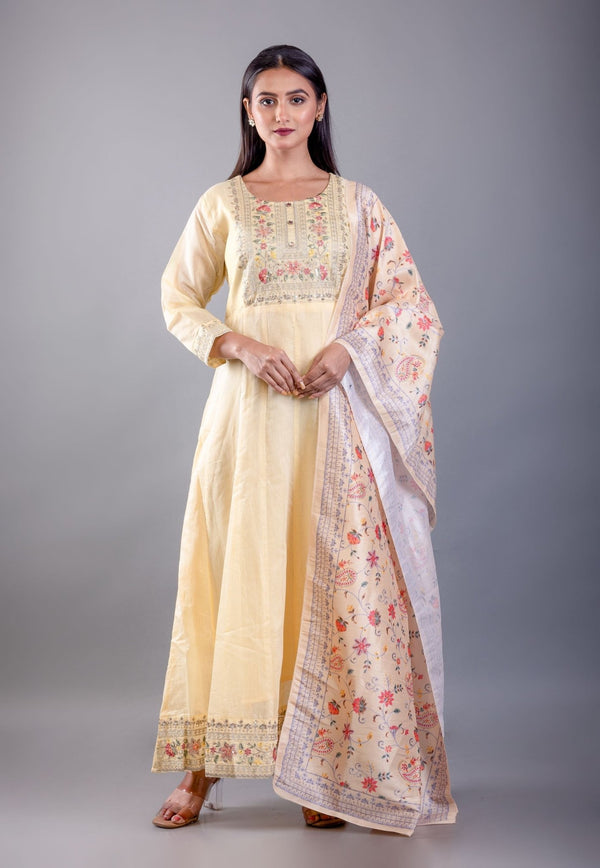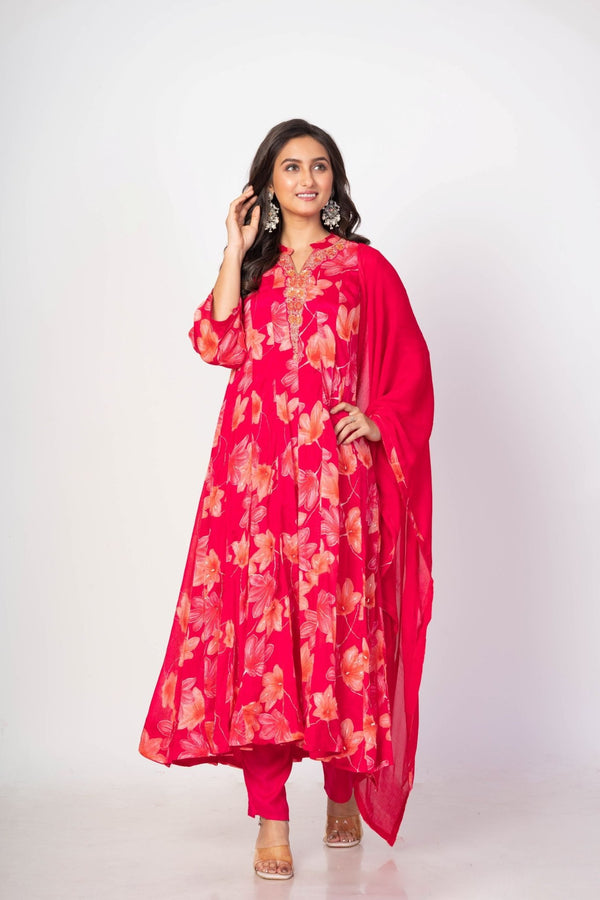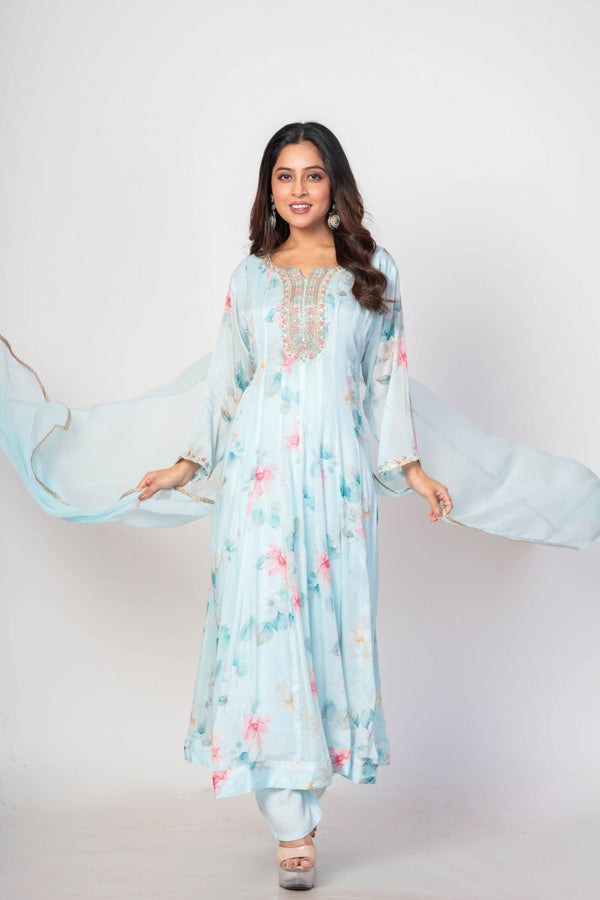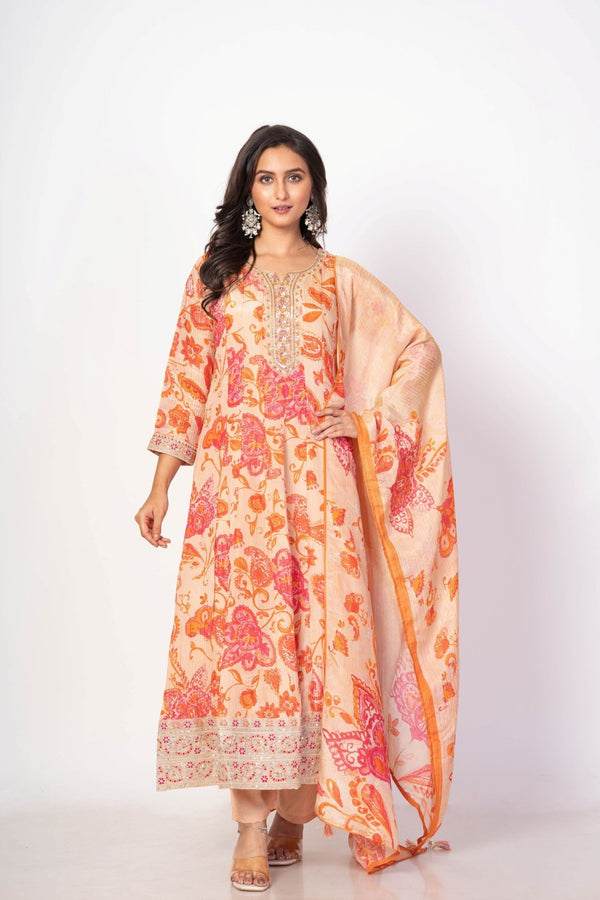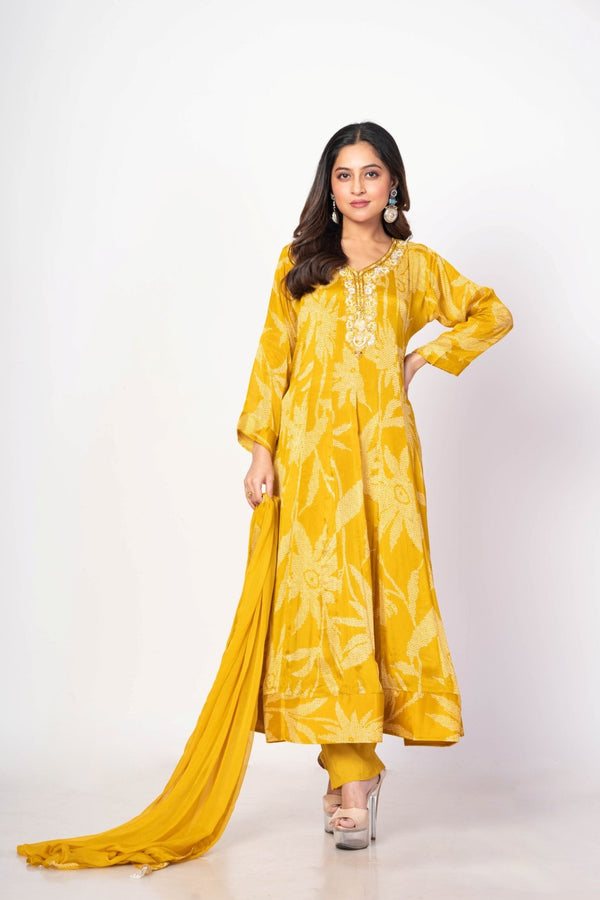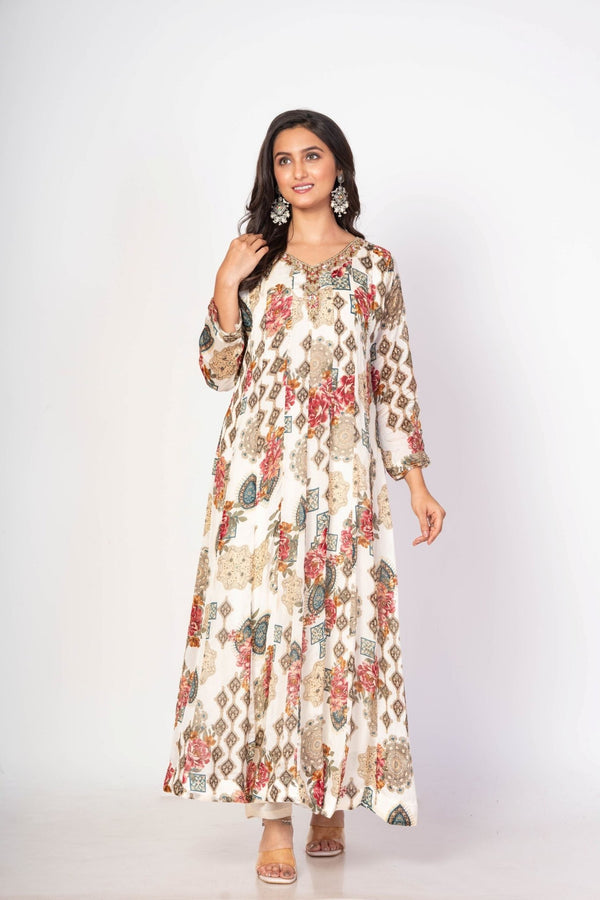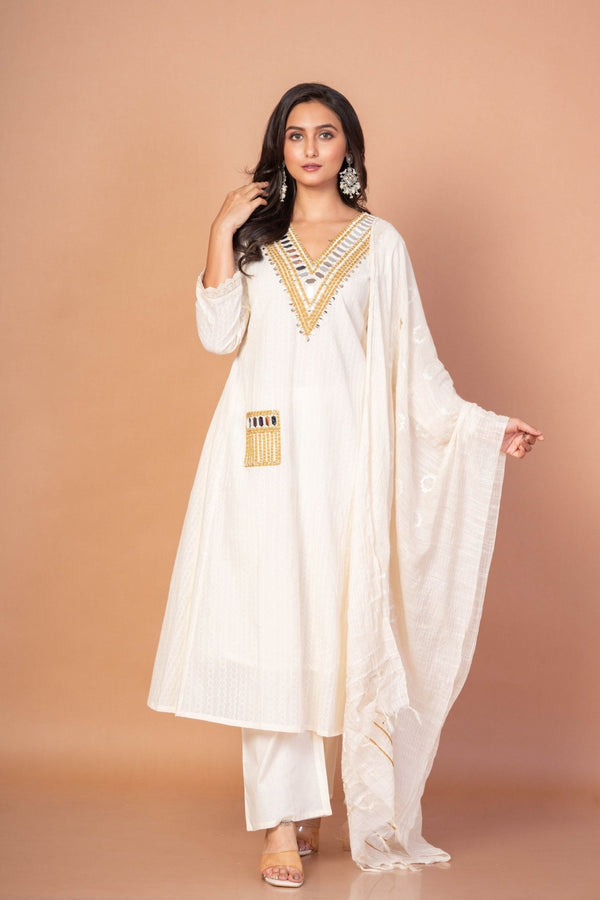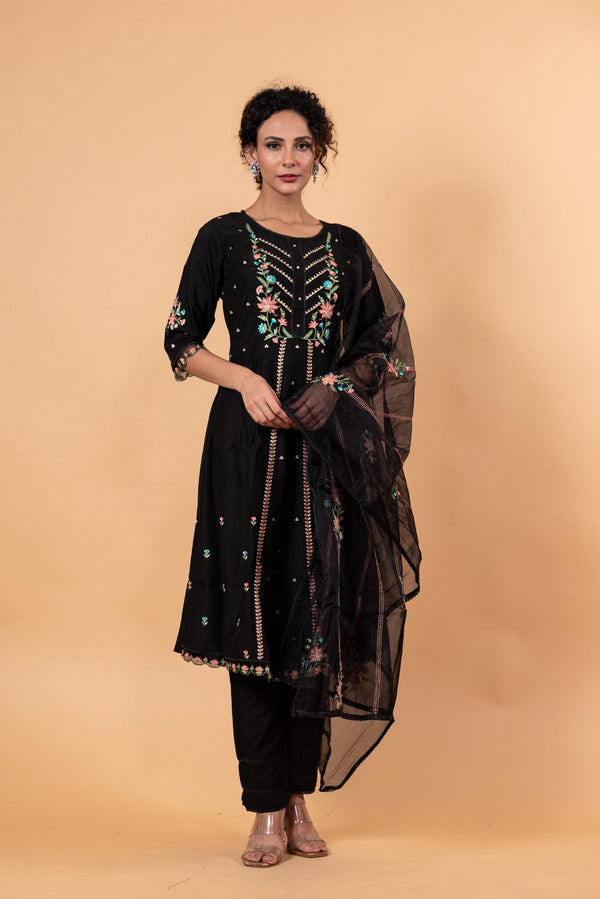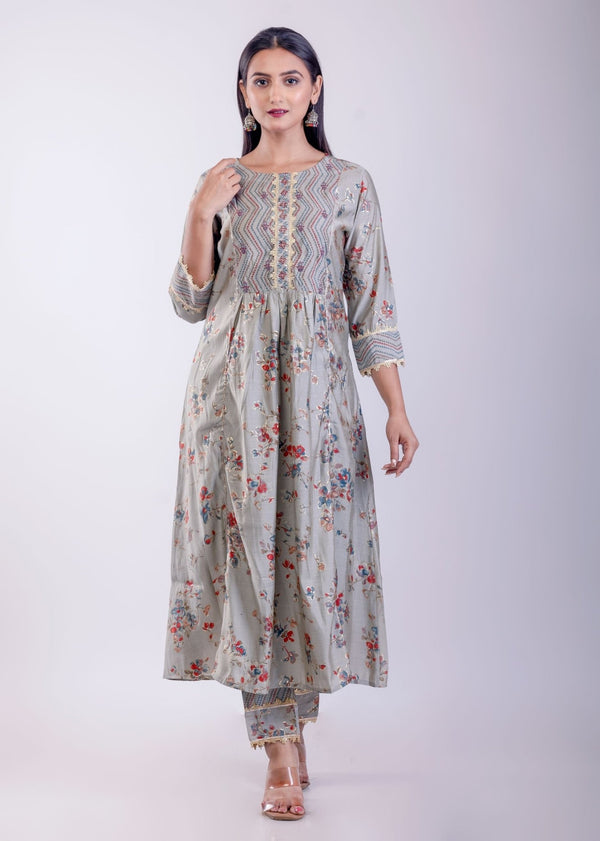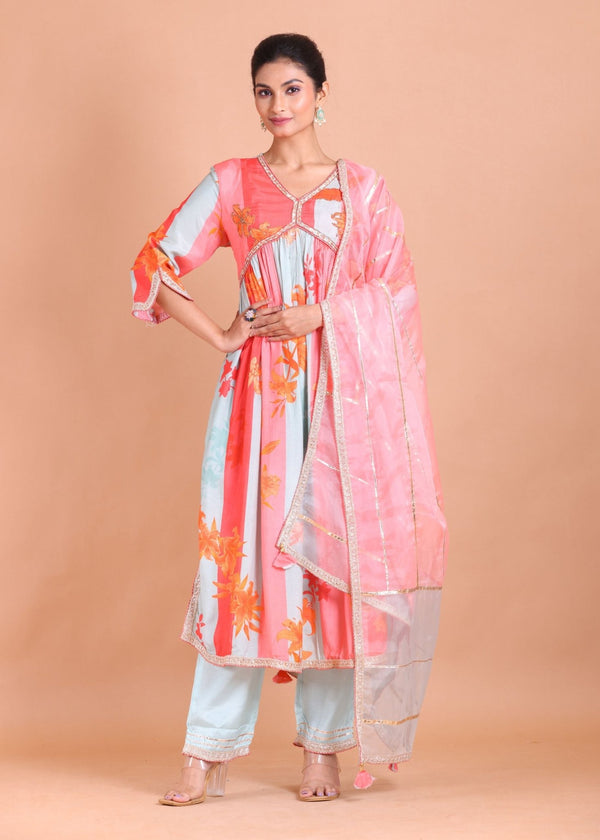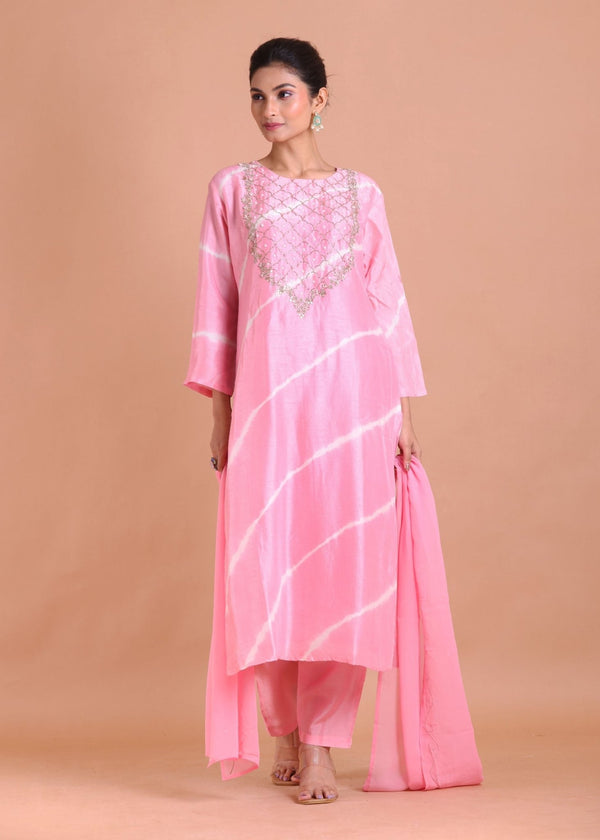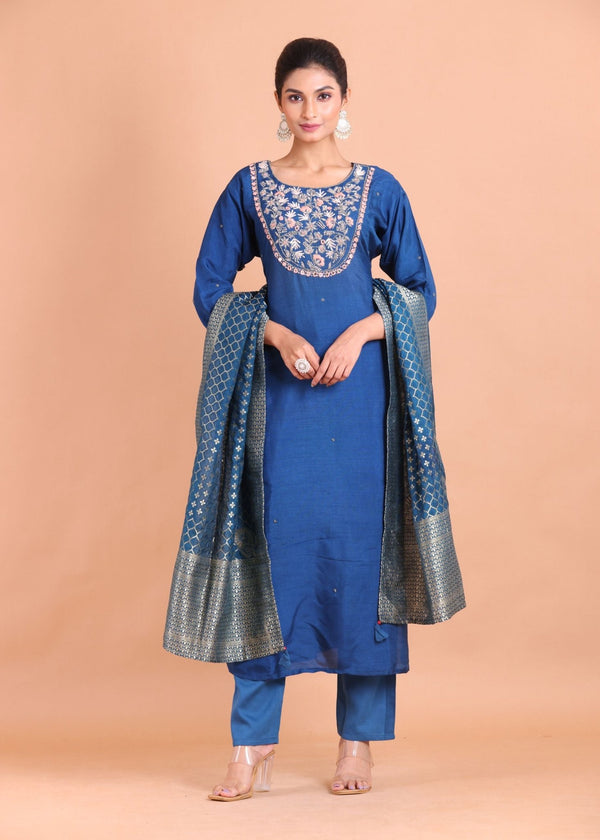




Anarkali suits are a popular choice for wedding functions because they combine a flowing silhouette with the charm of traditional Indian clothing. From floral embroidery and floor-length designs to contemporary jacket styles and shimmering embellishments, there are plenty of options to suit different occasions and personal preferences. The right Anarkali suit for a wedding function depends on the event, fabric, level of embellishment, and comfort you need. Whether you're attending a daytime ceremony, sangeet, or evening reception, these designs offer inspiration for putting together a wedding-ready outfit.
7 Trending Anarkali Suit Designs to Consider for Wedding Functions
1. Floral Embroidered Anarkali Suits
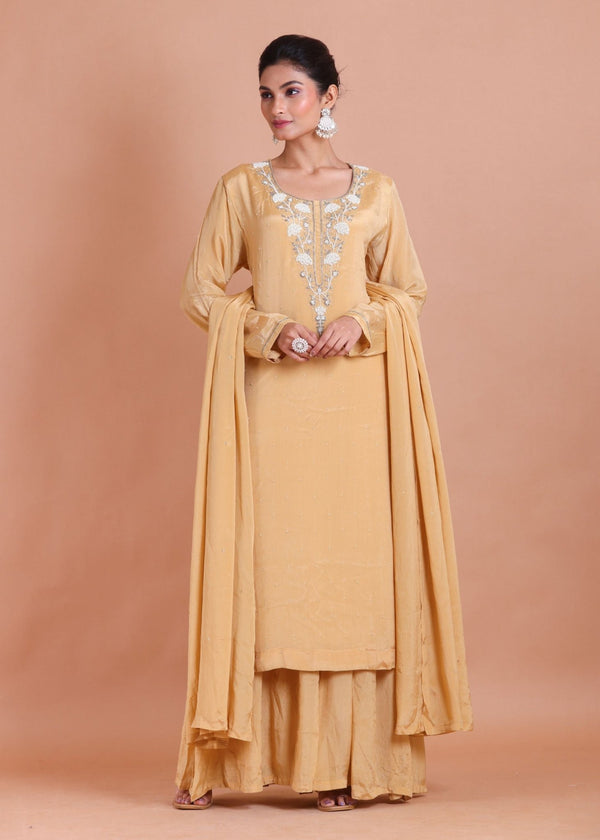
Floral embroidered Anarkali suits bring a fresh, detailed look to traditional wedding attire. Delicate threadwork, floral motifs, and subtle bead embellishments can add interest without making the outfit feel too heavy. For daytime weddings and pre-wedding ceremonies, consider softer shades such as peach, blush pink, or lavender. Deeper colours like maroon, navy, and emerald green can work well for evening celebrations, especially when paired with richer embroidery. The placement of the floral work also matters: embroidery concentrated around the bodice creates a different effect from motifs spread across the skirt. Choose the level of embellishment according to the occasion and your preferred style.

2. Peplum-Style Anarkali Suits
Peplum-style Anarkalis offer a contemporary alternative to the conventional flared silhouette. The fitted waist and short, flared peplum create a more structured appearance, often paired with a longer skirt, trousers, or palazzos. This style can be a good option for wedding guests who prefer defined lines rather than a completely flowing silhouette. Zari work, mirror embellishments, and floral embroidery can make the outfit more suitable for festive occasions. When choosing a peplum Anarkali, pay attention to where the peplum ends and how it works with the bottom. The proportions should feel comfortable and balanced, particularly if you plan to wear the outfit for several hours.

3. Ruffle and Layered Anarkali Suits
Ruffles and layered skirts add movement, texture, and volume to Anarkali suits. Although the two details are often used together, they create different effects. Ruffles introduce decorative folds along the sleeves, neckline, or hem, while layered designs use overlapping or tiered fabric to create depth. These styles can work particularly well for sangeet functions and other celebrations where you want an outfit with noticeable movement. Lighter fabrics can make the layers easier to manage, while heavier fabrics and detailed embellishments create a more formal appearance. If you prefer contemporary ethnicwear, explore different silhouettes in the dresses collection for additional styling inspiration. Before choosing a heavily layered design, check how the skirt moves when you walk, sit, and dance. A good fit makes a noticeable difference to comfort.
4. High-Low Hem Anarkali Suits
High-low Anarkali suits feature a shorter front hem and a longer back, giving the traditional silhouette a contemporary twist. The asymmetrical cut draws attention to the footwear and adds movement without relying entirely on embroidery or embellishments. This design can be suitable for a sangeet, reception, or other wedding function where the dress code allows a more modern look. Sequins, pearl details, and embroidered borders can add festive interest, while a simpler design keeps the focus on the hemline. Pay attention to the length at the front and back when trying on a high-low Anarkali. The hem should allow you to walk comfortably without catching under your feet, particularly if the event involves dancing.
5. Jacket-Style Anarkali Suits
Jacket-style Anarkali suits combine a flowing traditional outfit with an additional layer, such as an embroidered long jacket, a short bolero, or a contrasting outer layer. This combination adds structure and creates an outfit that can look distinctive without requiring heavy embellishment throughout. For wedding ceremonies and evening receptions, consider jackets with zari embroidery, intricate threadwork, or velvet detailing. A lighter jacket can work well for a daytime event, while a richly embroidered layer can make the outfit more formal. The key is to balance the jacket with the Anarkali underneath. If the outer layer already features elaborate embroidery, a simpler inner outfit can keep the overall look from feeling too busy.

6. Sequin and Shimmer Anarkali Suits
Sequin and shimmer Anarkalis are worth considering for evening wedding functions, particularly when you want an outfit that stands out under event lighting. Sequins can be concentrated on the bodice, sleeves, skirt, or dupatta, while subtle metallic threadwork adds detail without covering the entire outfit. For a balanced look, choose one main area of embellishment and coordinate the rest of the outfit around it. For example, a heavily embellished bodice can work well with a relatively simple skirt and dupatta. Comfort is important when selecting this style. Check whether the embellishments feel scratchy against the skin, whether the fabric allows easy movement, and whether the weight is manageable for a long event.
7. Classic Floor-Length Anarkali Suits
Floor-length Anarkali suits remain a versatile option for formal wedding functions. Their long, flared silhouette creates a traditional look, while the fabric and embellishment determine whether the outfit feels understated or elaborate. Silk and richly embroidered designs can suit formal ceremonies, while lighter fabrics such as georgette can be useful when you want a flowing silhouette that is easier to wear for extended periods. A coordinated dupatta can complete the outfit without competing with the embroidery. The fit and length deserve particular attention. The skirt should have enough room to move comfortably, and the hem should work with the footwear you intend to wear. If you prefer lighter ethnicwear for smaller functions, a georgette kurti can also be an option to consider.
How to Choose an Anarkali Suit for Different Wedding Functions
The best Anarkali suit depends on the type of function, its dress code, and how much time you expect to spend moving around. Here's a quick comparison to help you narrow down your options.
|
Wedding function |
Anarkali styles to consider |
What to look for |
|
Mehendi or daytime ceremony |
Floral embroidered or lightly embellished Anarkali |
Breathable fabric, manageable layers, and comfortable movement |
|
Sangeet |
Ruffle, layered, or high-low Anarkali |
A skirt that moves comfortably while dancing |
|
Wedding ceremony |
Floor-length or richly embroidered Anarkali |
Occasion-appropriate detailing, a coordinated dupatta, and a secure fit |
|
Evening reception |
Jacket-style or sequin Anarkali |
More structured styling or statement embellishments, depending on the dress code |
These are suggestions rather than strict rules. A richly embroidered Anarkali can work for a daytime wedding, just as a simpler design can suit an evening reception. Consider the venue, weather, cultural expectations, and dress code before making your final choice.
How to Style an Anarkali Suit for a Wedding
The right styling details can make an Anarkali suit feel complete without overwhelming its design.
-
Jewellery: Pair heavily embroidered outfits with simpler earrings or a delicate necklace. If the Anarkali has minimal detailing, statement earrings or a more noticeable necklace can add interest.
-
Dupatta and footwear: Drape the dupatta in a way that complements the neckline and sleeves. Choose footwear that works with the skirt length and allows you to stand, walk, and dance comfortably.
-
Fabric and comfort: Consider the season, venue, and duration of the event. Lighter fabrics can be useful for warm-weather weddings, while richer fabrics and additional layers may suit cooler conditions.
-
Colour and embellishment: Coordinate the outfit with the formality of the function. If the suit already has prominent embroidery, keep the remaining accessories relatively simple.
Above all, choose an outfit that allows you to move comfortably. A wedding look should work for the entire event, not just for photographs.