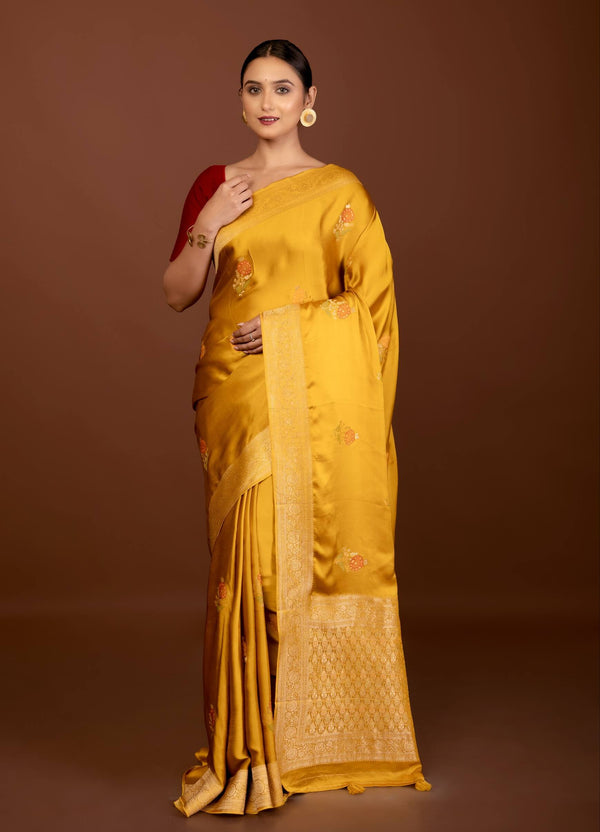




Diwali, the festival of lights, is a time for family gatherings, puja, festive meals and dressing up in traditional Indian outfits. If you are wondering when Diwali 2026 falls and what to wear for the celebrations, the main festival will be observed on Sunday, 8 November 2026. The surrounding celebrations include Dhanteras, Naraka Chaturdashi, Govardhan Puja and Bhai Dooj, with some regional differences in the calendar. From a traditional silk saree for Lakshmi Puja to a contemporary Indo-Western outfit for an evening party, the right festive look depends on the occasion, your personal style and how comfortable you feel wearing it. Here is a practical look at the important dates, outfit ideas and shopping decisions to consider before Diwali.
1. Diwali 2026 Date and Five-Day Festival Calendar
Diwali is commonly celebrated over five days, beginning with Dhanteras and concluding with Bhai Dooj. The main Diwali celebration in 2026 falls on Sunday, 8 November. The dates of certain surrounding observances can vary according to regional traditions and the local panchang.
|
Festival |
Date in 2026 |
What It Celebrates |
|
Dhanteras |
Friday, 6 November |
Prosperity, new beginnings and traditional purchases. |
|
Naraka Chaturdashi / Choti Diwali |
Saturday, 7 November, in some regional calendars |
The victory of good over evil and preparations for Diwali. |
|
Diwali and Lakshmi Puja |
Sunday, 8 November |
The main festival, associated with lights, family celebrations and worship of Goddess Lakshmi. |
|
Govardhan Puja |
9 or 10 November, depending on the calendar followed |
Devotion to Lord Krishna and the Govardhan Hill. |
|
Bhai Dooj |
Wednesday, 11 November |
The bond between brothers and sisters. |
Note: Festival dates and observances can differ by region. Check your local panchang for the relevant dates and Lakshmi Puja muhurat. Knowing the dates helps you plan family visits, festive events and outfit preparations. If you still need to finalise your festive wardrobe, prioritise the outfit you intend to wear for the main Diwali celebration, followed by looks for any additional gatherings.
2. What Should Women Wear for Diwali 2026?
The best Diwali outfit is one that suits the occasion without making you uncomfortable after a few hours. A traditional saree may be ideal for Lakshmi Puja, while a sharara set or Indo-Western dress may be more practical for an evening party.
Before choosing an outfit, consider three things:
-
Occasion: Puja at home may call for a traditional saree or salwar suit, while a party allows more room for contemporary silhouettes.
-
Comfort: Consider the fabric, fit, weight and ease of movement, particularly if you will be hosting guests or attending several events.
-
Styling: Think about the jewellery, footwear and accessories you already own. A well-chosen combination can make a simple outfit feel festive.
Sarees for Diwali: Banarasi, Silk, Organza and Tissue
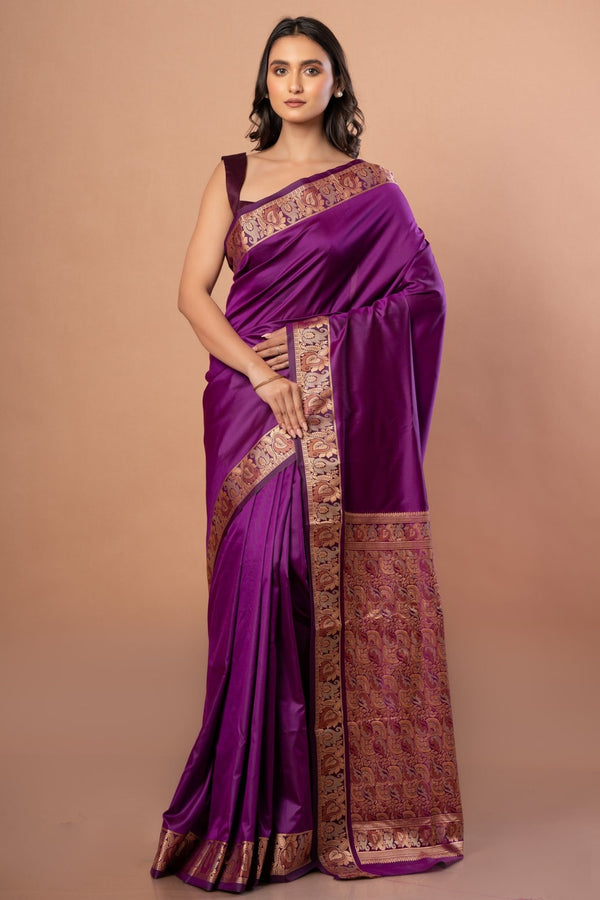
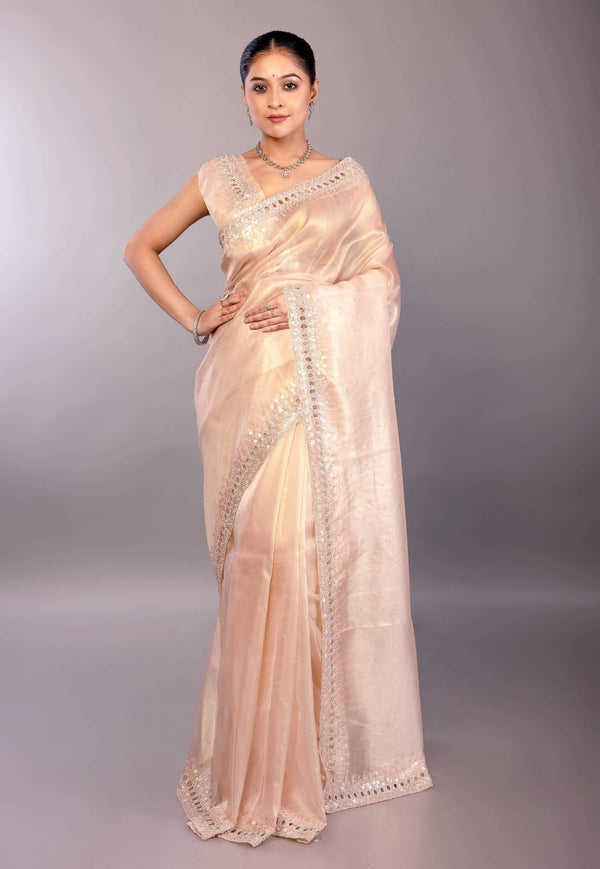
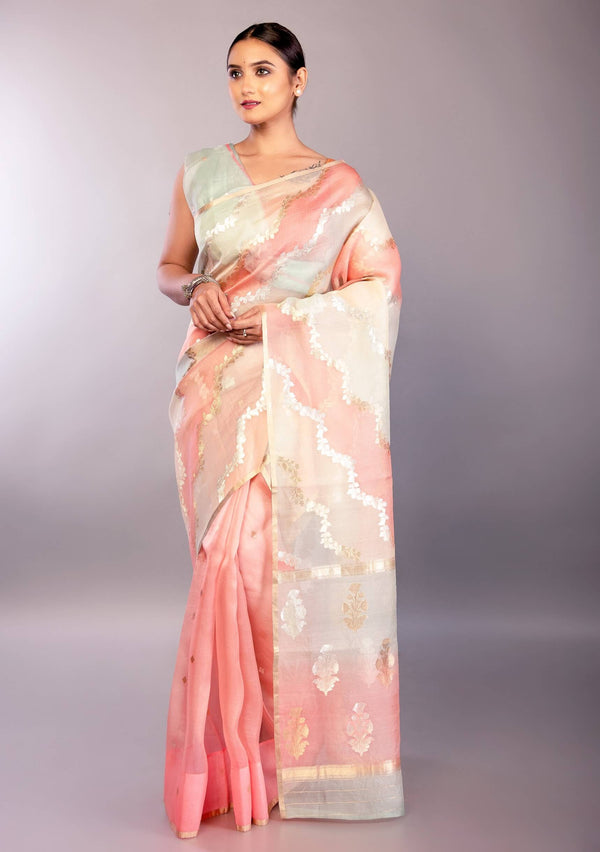
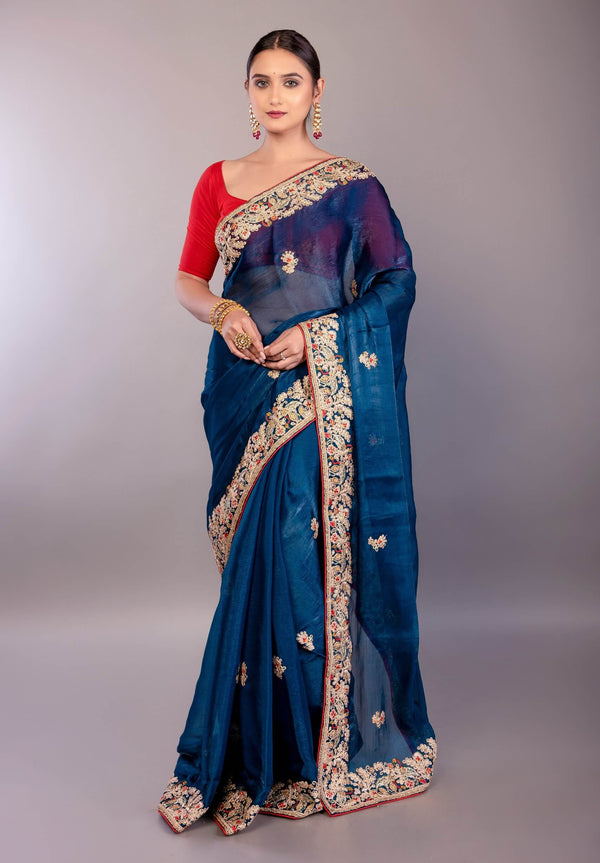
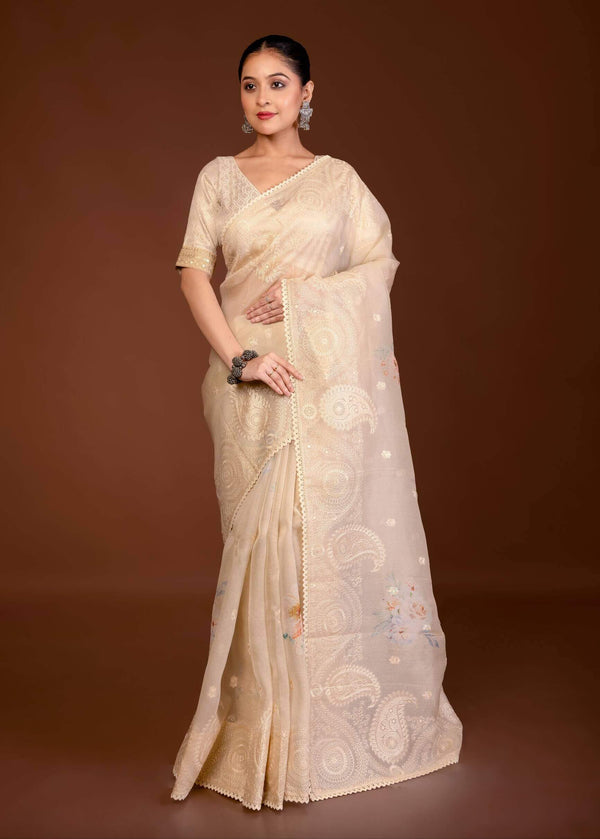
Sarees remain a dependable choice for Diwali because they work for both traditional rituals and family gatherings. Banarasi and Kanjivaram silk sarees are particularly suitable for Lakshmi Puja, while softer silk sarees offer a balance between festive detailing and comfort. A rich red, maroon, green, royal blue or pink saree pairs well with gold jewellery. If you prefer a softer colour palette, consider blush pink, ivory or pastel shades with subtle woven or metallic detailing. A well-fitted blouse is just as important as the saree itself. Choose a neckline and sleeve length that complement the drape, and make sure the blouse is comfortable enough to wear for several hours. Browse the Banarasi silk saree collection for traditional festive styles.

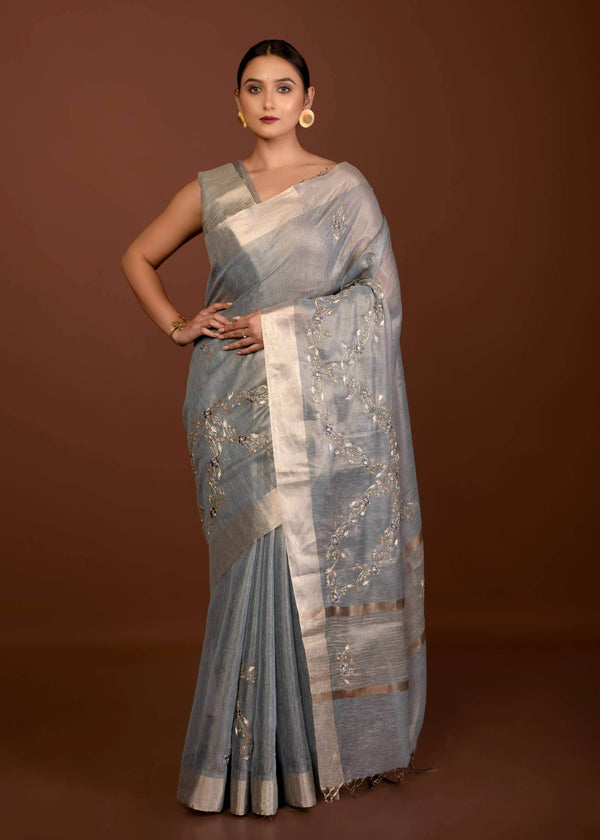
If heavy silk feels difficult to manage, organza and tissue sarees are worth considering. Organza creates a structured drape, while tissue silk offers a subtle sheen that works well for festive evenings. These fabrics can be suitable for family gatherings and parties, depending on their construction and embellishment. You can also browse the tissue silk saree collection for festive options.

Diwali Lehenga, Salwar Suits and Indo-Western Outfits
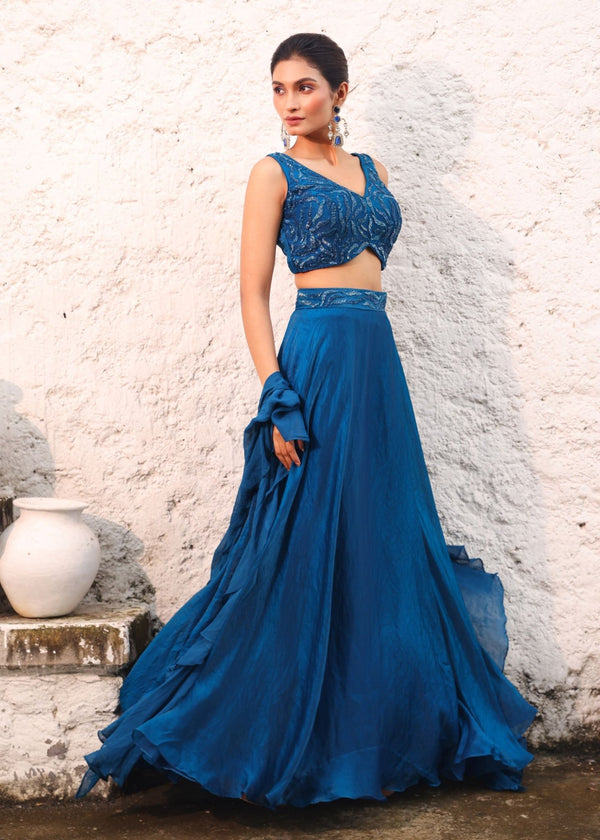
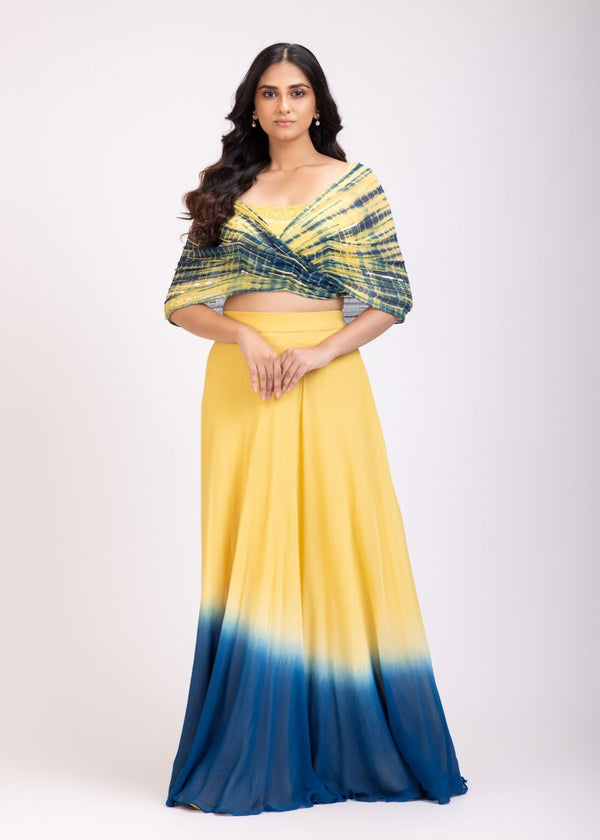
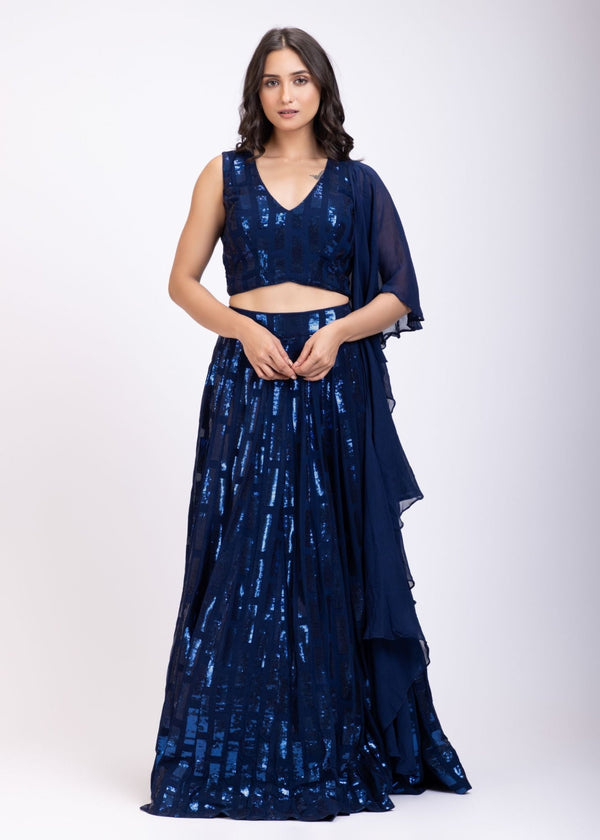
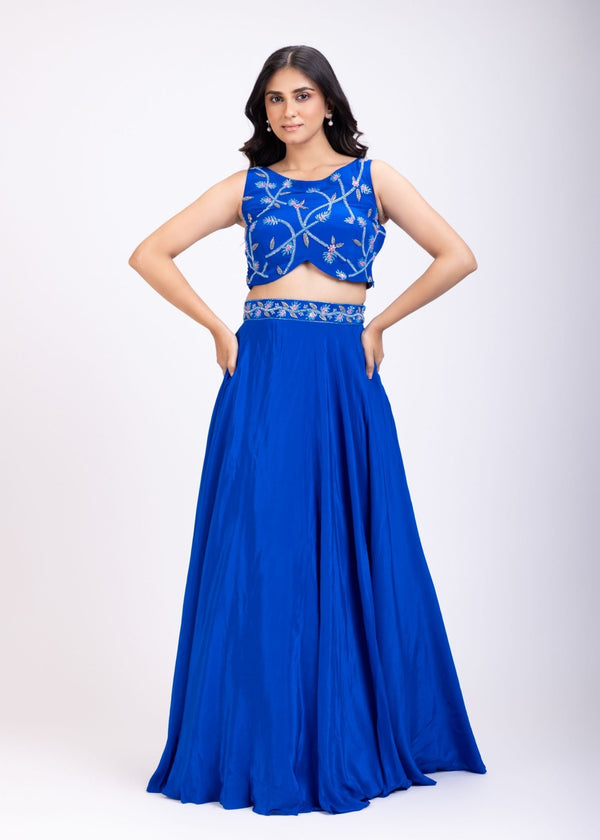
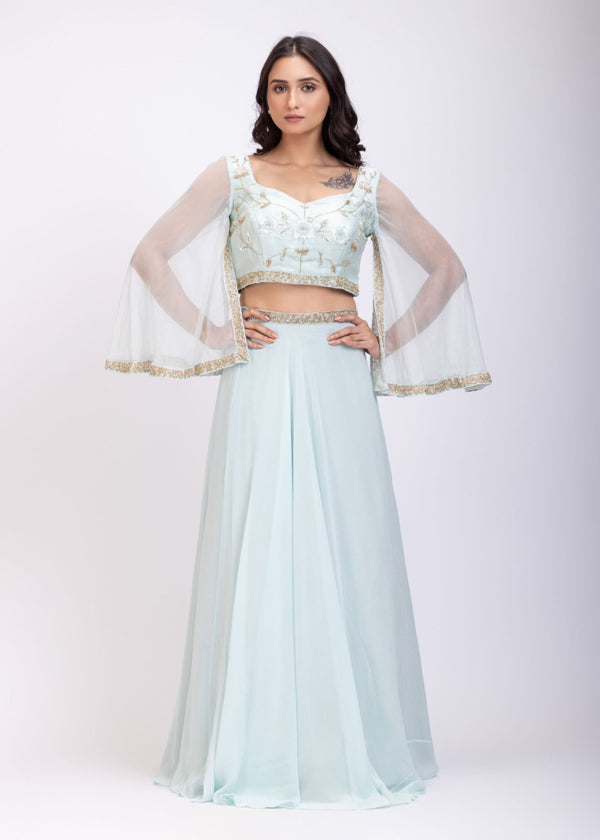
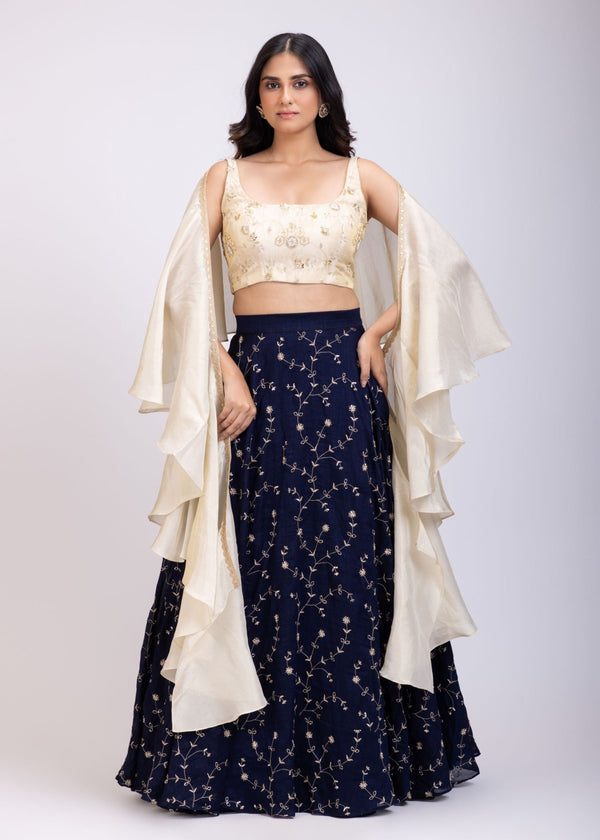
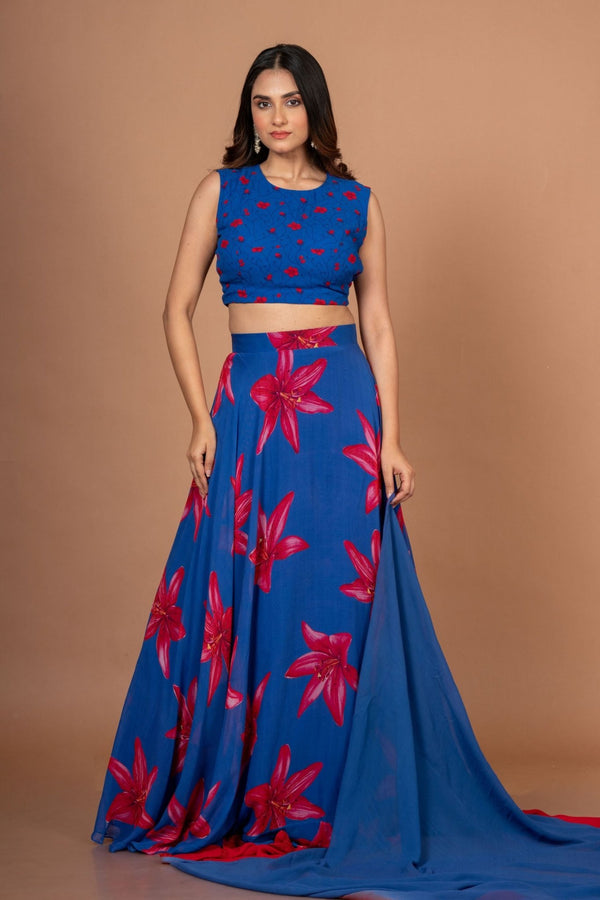
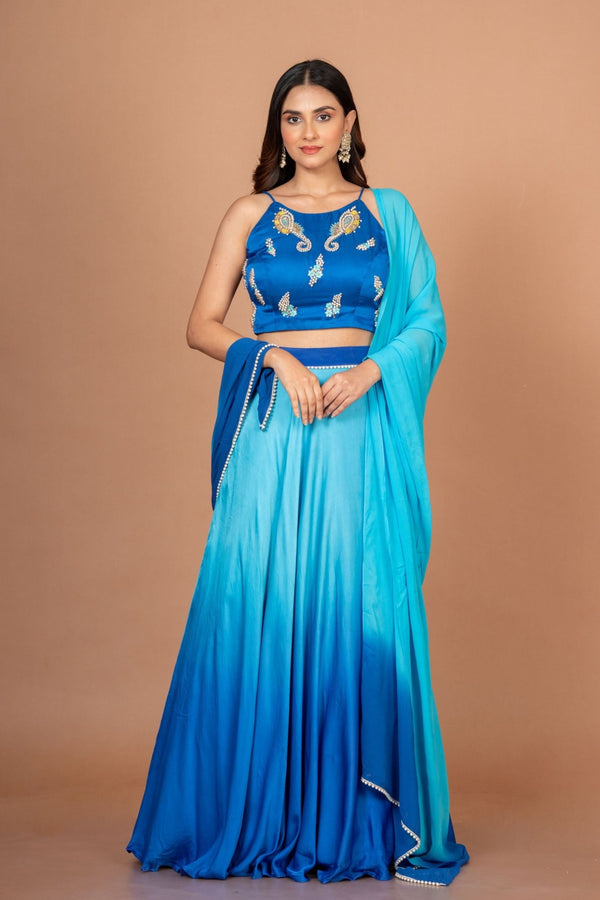
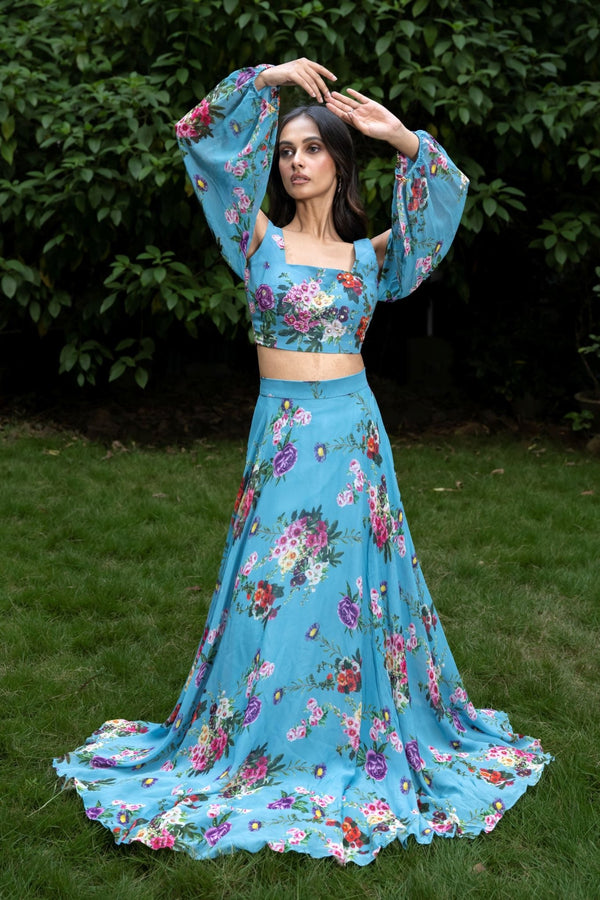
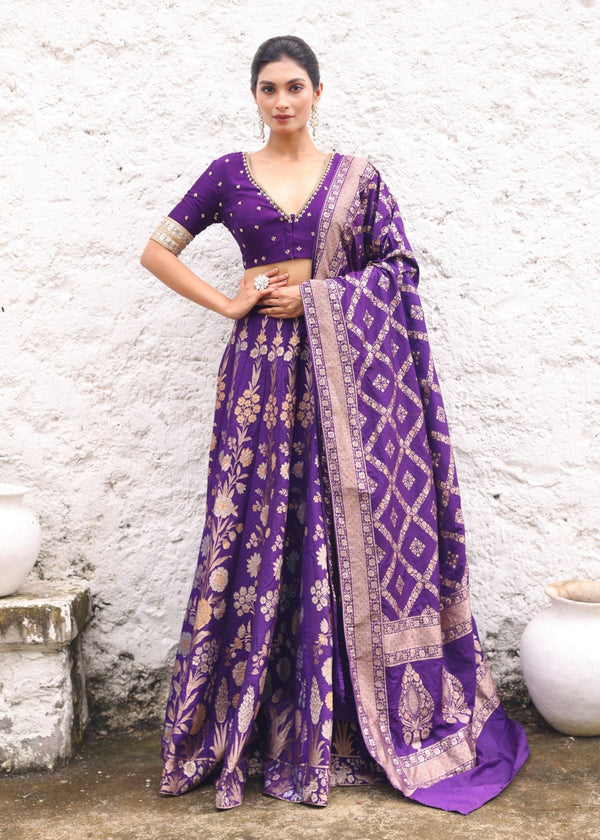
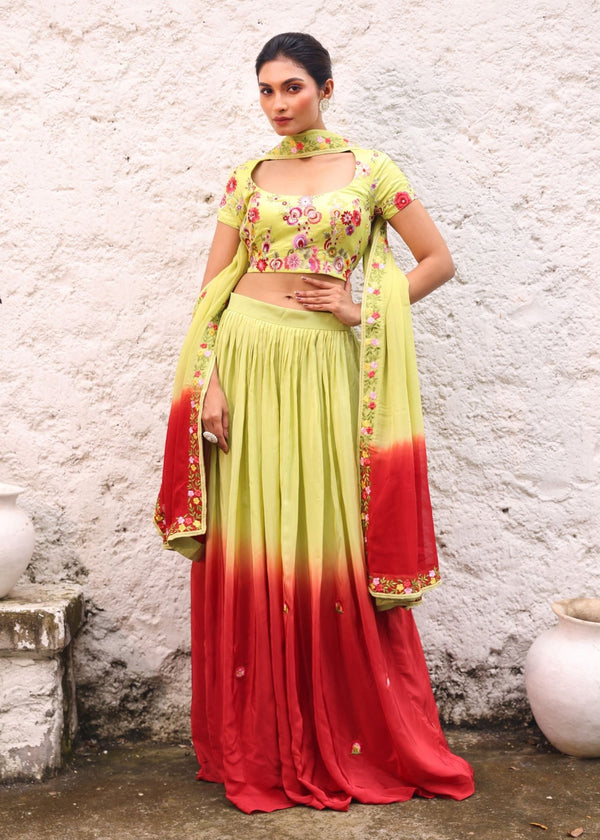
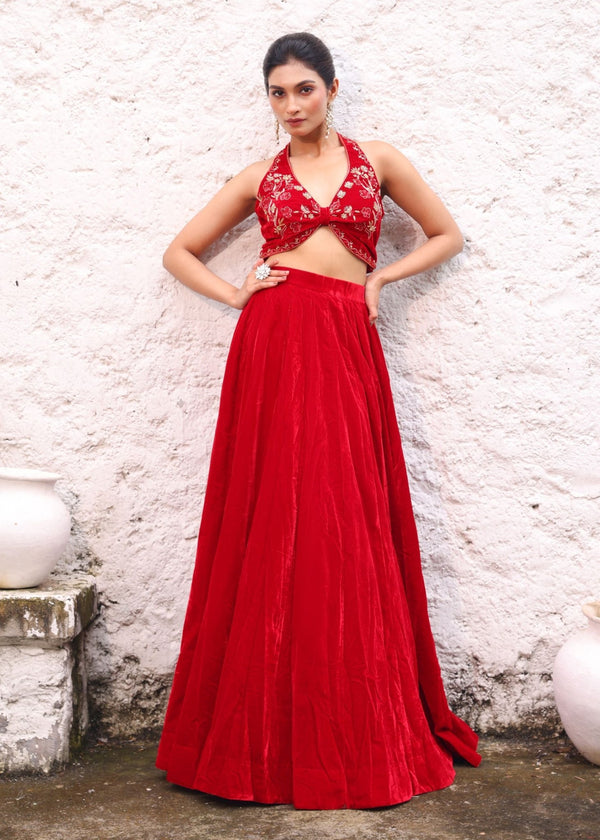
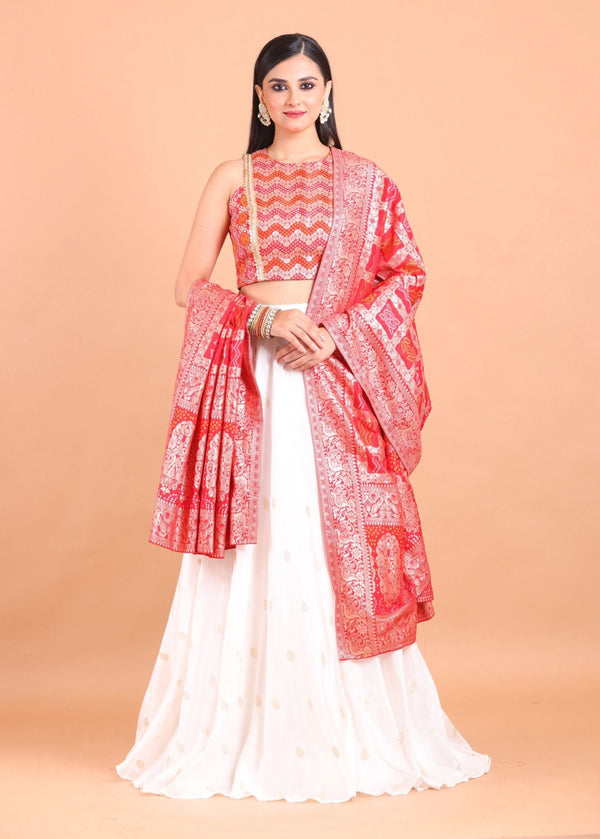
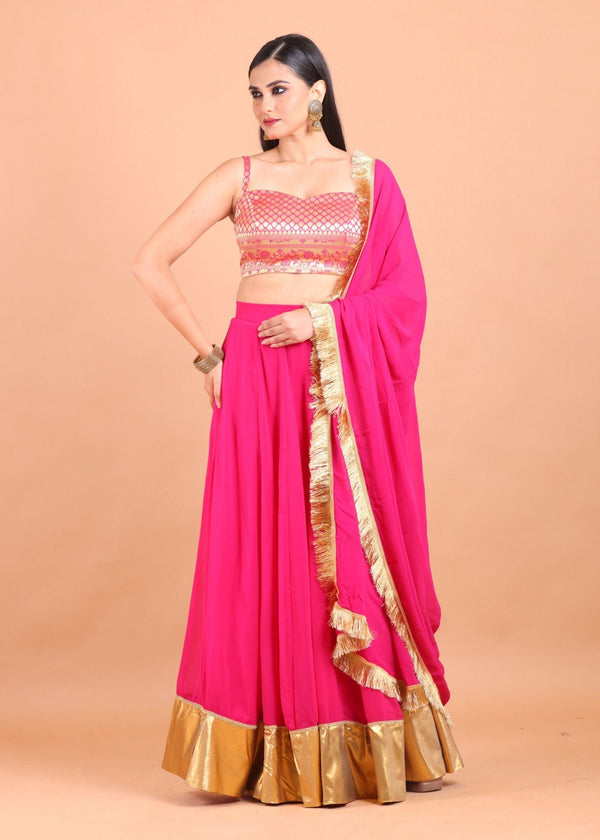
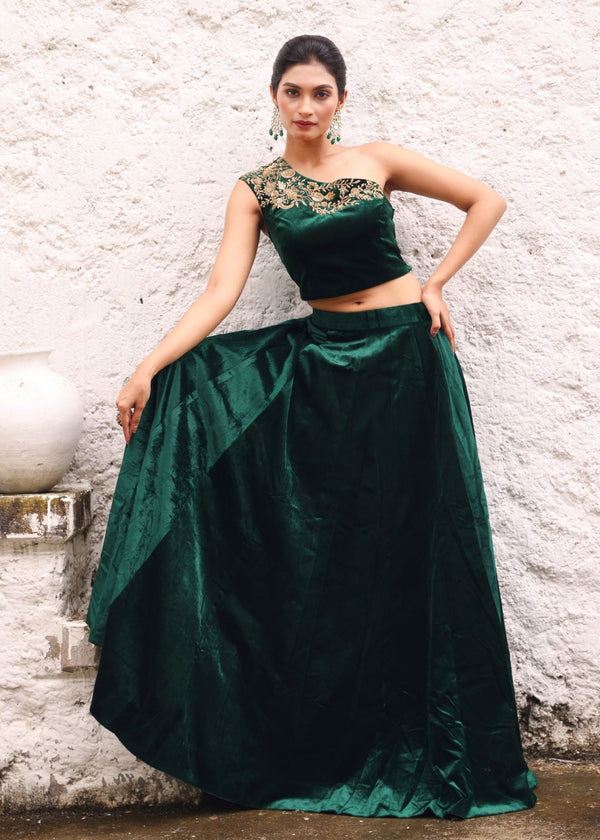
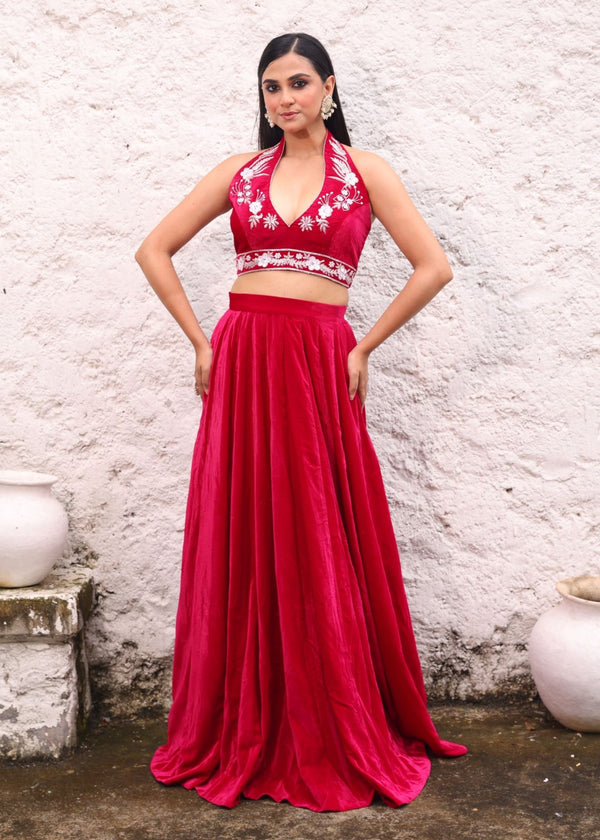
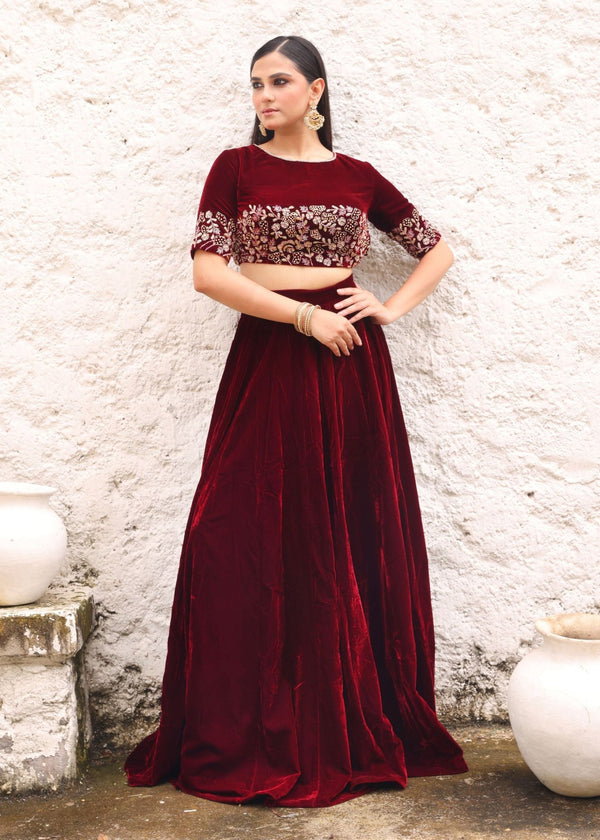
A lehenga is a good choice for women who want a more dressed-up look for a Diwali party or family gathering. You do not necessarily need heavy bridal embellishments; lighter embroidery, mirror work, gota patti or subtle sequin detailing can create a festive appearance without making the outfit difficult to carry. A diwali lehenga with a comfortable blouse and manageable skirt volume can work particularly well for evening celebrations. Choose the level of embellishment according to the formality of the event.

For a more relaxed celebration, salwar suits, Anarkalis and sharara sets are practical alternatives. Straight-cut suits work well for daytime visits, while embroidered Anarkalis and shararas can suit evening gatherings. Silk blends, georgette and other comfortable fabrics are worth considering, depending on the weather and the outfit's construction.

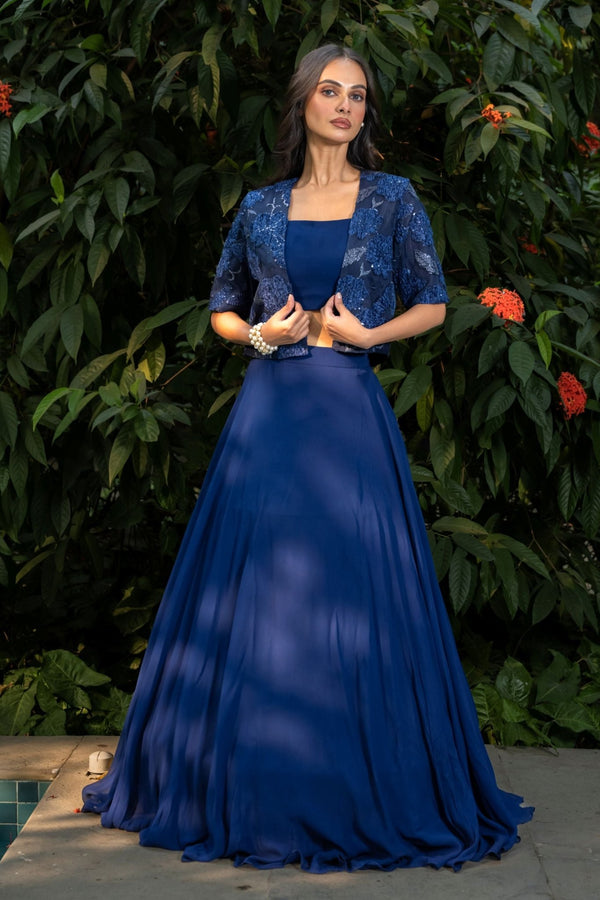
If you prefer contemporary festive dressing, Indo-Western outfits offer another option. Drape dresses, jacket-and-skirt sets and coordinated separates combine elements of Indian occasionwear with modern silhouettes. A white dress with embroidery, metallic detailing or a statement jacket can be a distinctive choice for a Diwali party. Gold accessories add warmth, while silver jewellery creates a cooler finish. Choose an outfit that suits the event and your personal preferences.

3. Diwali Outfit Colours and Styling Tips
Red, green, pink, gold and royal blue are popular festive choices, but there is no single colour that everyone needs to wear for Diwali. Choose a shade you enjoy wearing and consider how it works with your jewellery, blouse and accessories.
Here are a few combinations to consider:
-
Red and gold: A traditional combination for a silk saree or embroidered lehenga.
-
Green and gold: A rich pairing for festive sarees and evening outfits.
-
Pink and silver: A softer combination for contemporary festive dressing.
-
Royal blue and gold: A striking choice for silk sarees and embroidered ensembles.
-
White and metallic accents: A modern option for Indo-Western outfits and festive dresses.
White can be worn for Diwali, although customs and preferences differ between families and regions. If you are dressing for a particular puja or family gathering, consider the expectations of that occasion. For accessories, aim for balance. Pair a heavily embroidered outfit with simpler jewellery, or use statement earrings to complement a more understated saree. Choose footwear that allows you to walk comfortably, and check that your blouse, sleeves and dupatta stay in place when you move.

4. What to Wear on Each Day of Diwali 2026
Each day of Diwali can involve different rituals, visits and social plans. You do not need a completely new outfit for every occasion; choosing versatile pieces and changing your accessories can be enough.
|
Day |
Outfit Ideas |
Styling Tip |
|
Dhanteras |
Silk saree, woven saree or festive salwar suit |
Choose a traditional look that is comfortable for shopping, visits or puja. |
|
Choti Diwali |
Kurta set, lightweight saree or sharara |
Keep the outfit easy to move in if you are helping with preparations. |
|
Diwali and Lakshmi Puja |
Banarasi saree, Kanjivaram silk saree, embroidered lehenga or Anarkali |
Coordinate your outfit with jewellery and choose comfortable footwear for the rituals. |
|
Govardhan Puja |
Cotton-silk suit, simple saree or comfortable ethnic set |
Prioritise ease of movement for family and religious activities. |
|
Bhai Dooj |
Festive salwar suit, Anarkali or lightweight saree |
Choose something comfortable for family visits and photographs. |
The dates of individual observances can vary by regional calendar, so check the schedule followed by your family before making plans.

5. Diwali Shopping Checklist: What to Prepare Before the Festival
With Diwali approaching, the most useful thing you can do is finalise your outfit and check the practical details before the celebrations begin.
Check the fit: Try on your saree blouse, kurta or lehenga before the event. If alterations are needed, allow enough time for the work to be completed.
Confirm the fabric and comfort: Consider how long you will wear the outfit, whether the fabric is suitable for the weather and whether the embellishments will be comfortable for extended use.
Plan your accessories: Check your jewellery, footwear, bag and any additional layers in advance. This helps avoid last-minute changes and ensures that the complete outfit works together.
Verify delivery timelines: If you are ordering online, check the dispatch estimate, delivery date, size details and return policy before placing the order. Do not assume that an outfit will arrive before Diwali simply because it is listed online.
Reuse what you already own: A saree can look different with another blouse, a change of jewellery or a different draping style. A familiar outfit styled thoughtfully can be just as suitable as a new purchase.
Finally, avoid choosing an outfit solely for its appearance. An uncomfortable blouse, difficult footwear or a skirt that restricts movement can take away from the enjoyment of the celebration. The best festive outfit is one you can wear with confidence throughout the occasion.