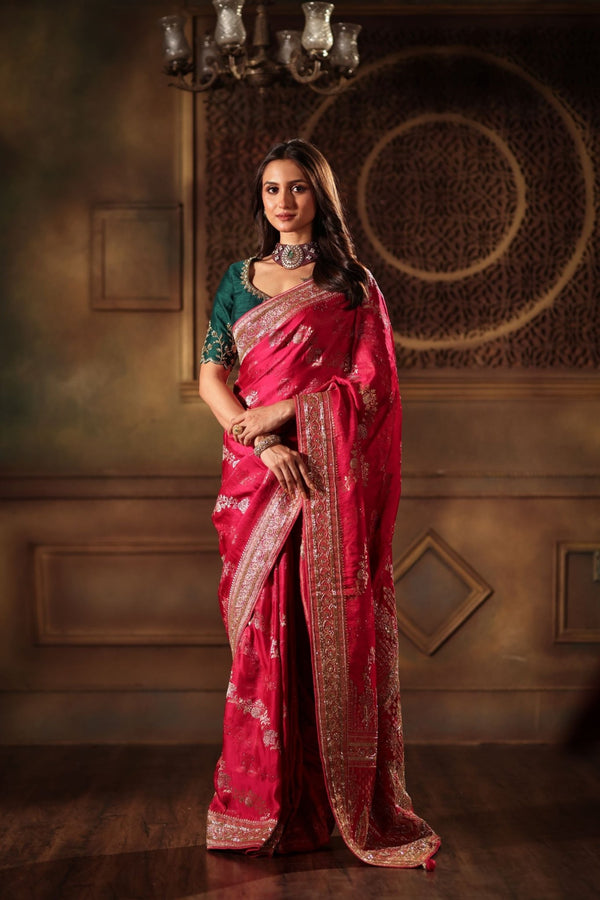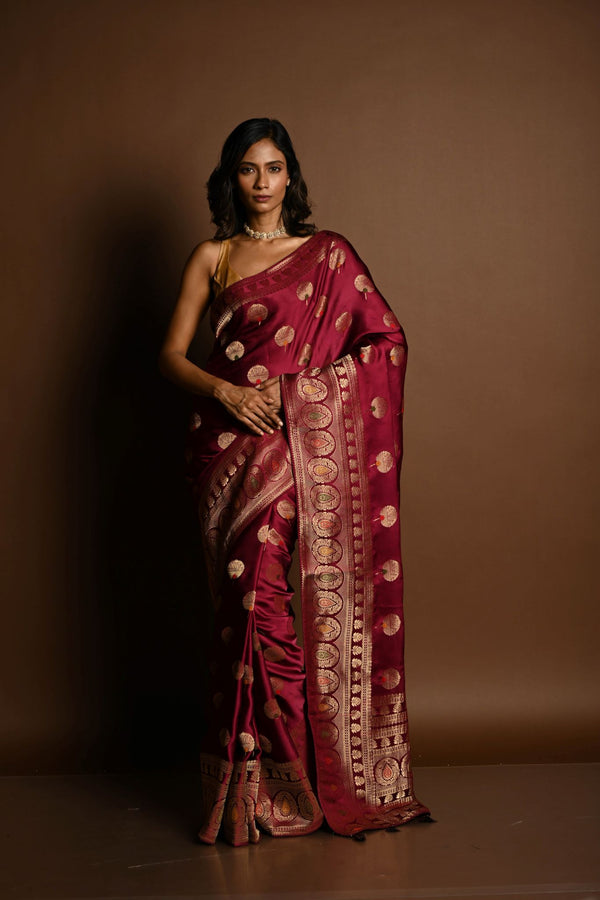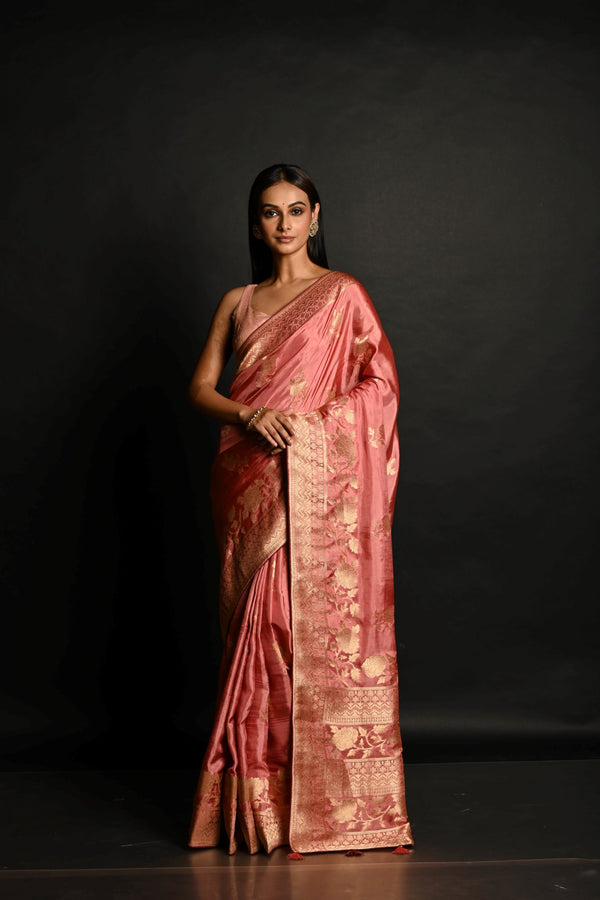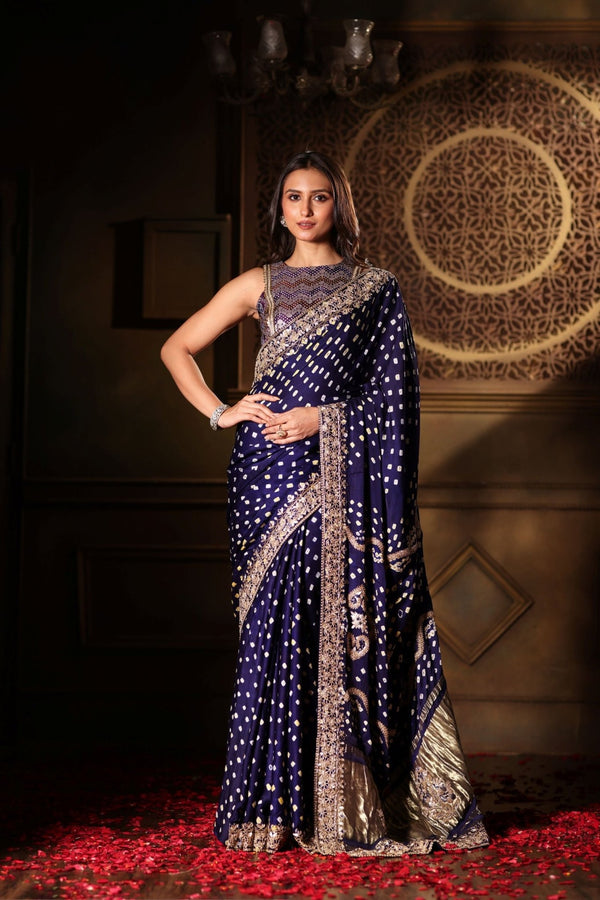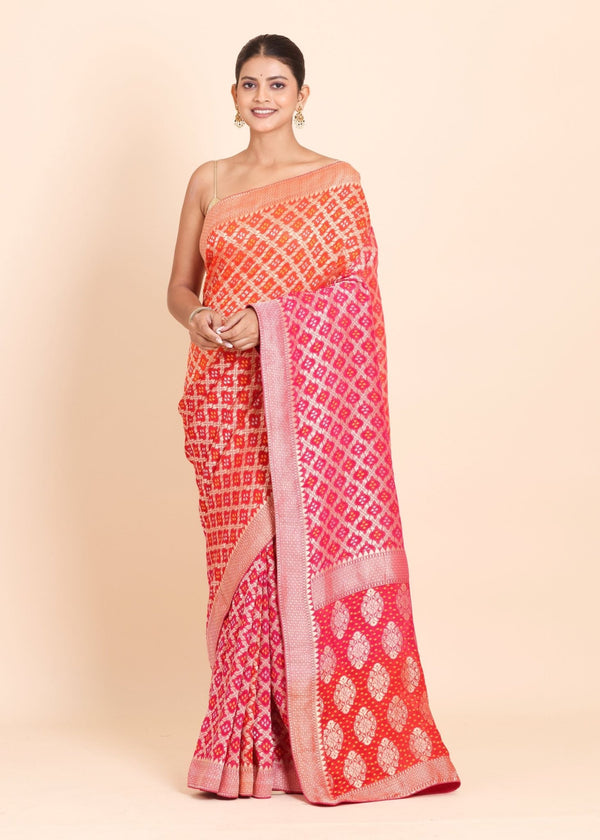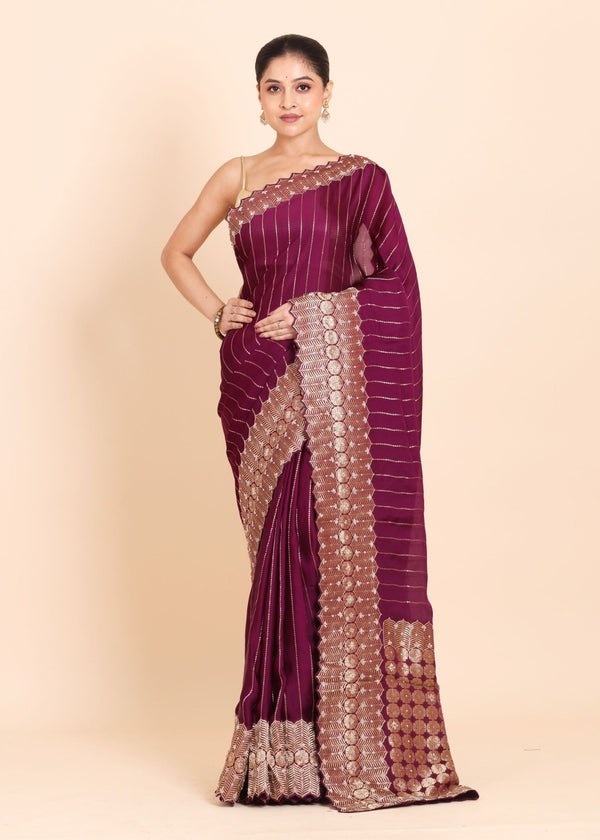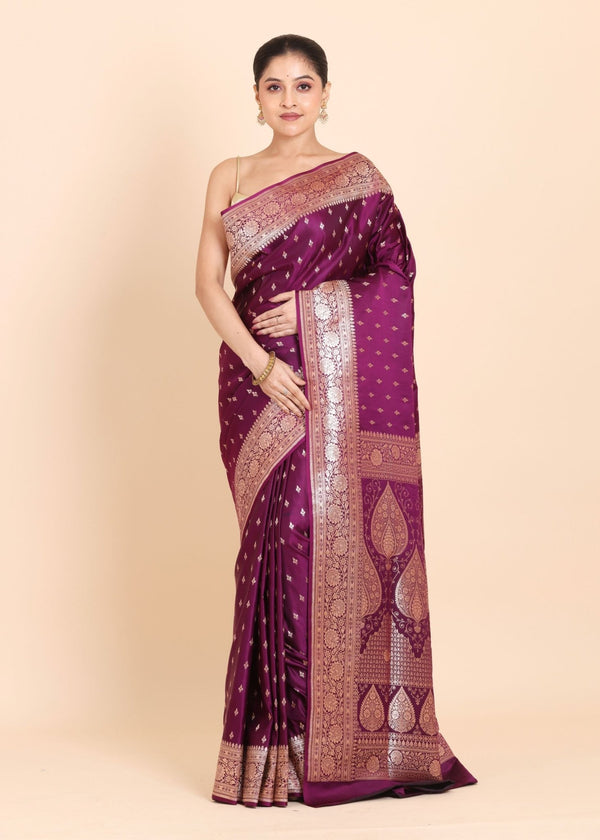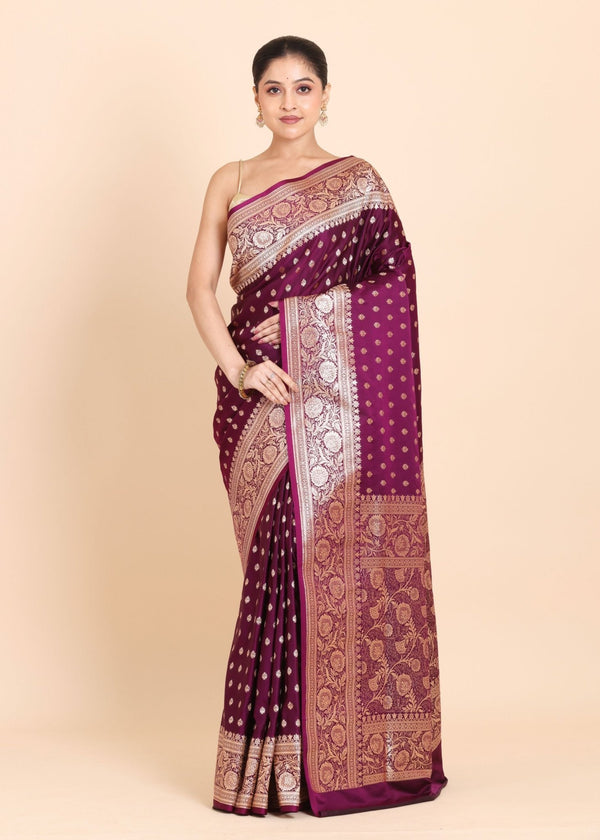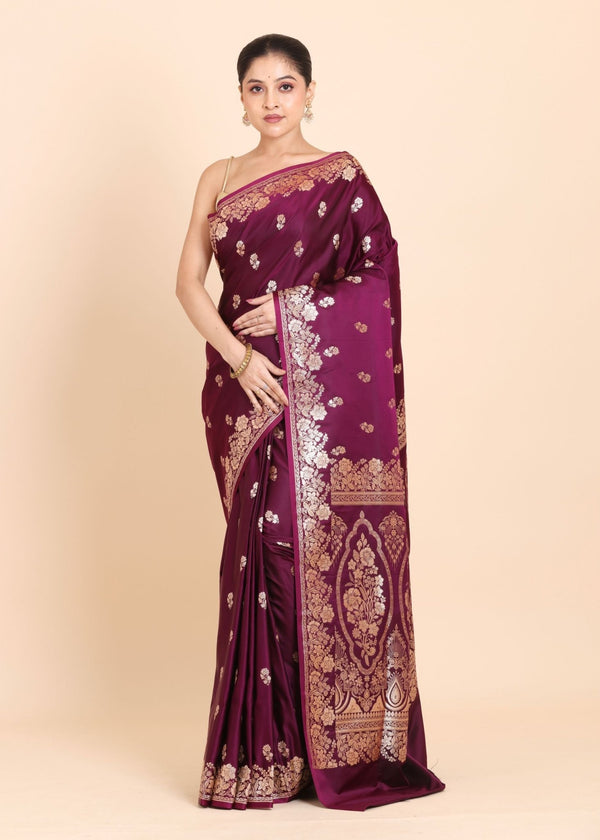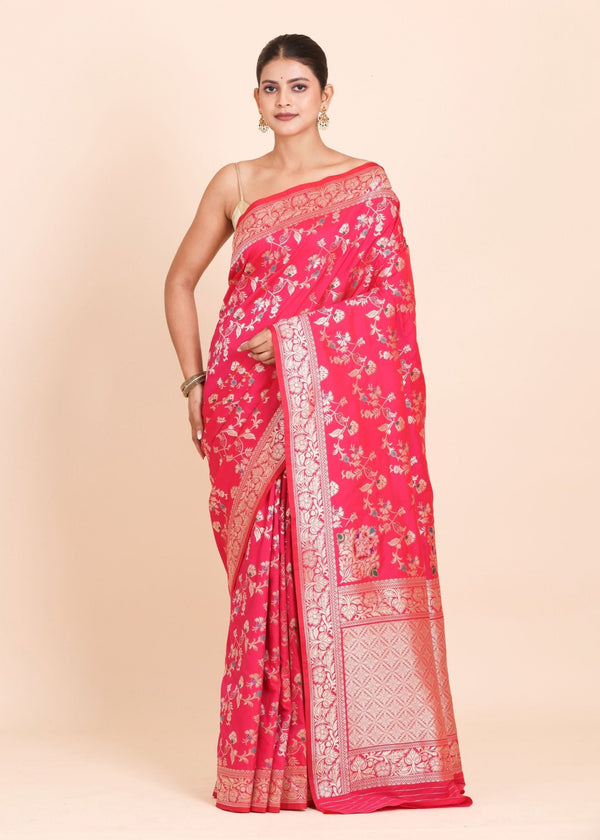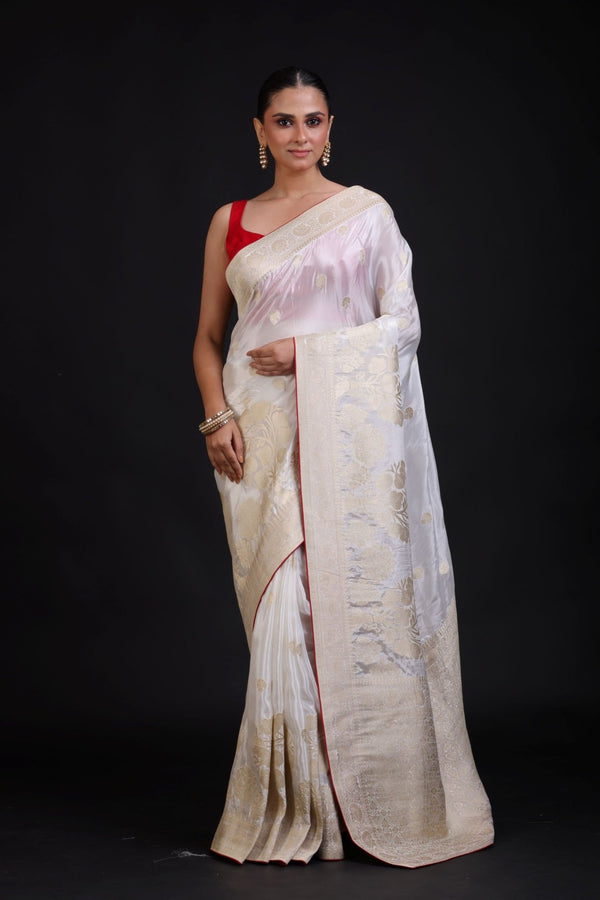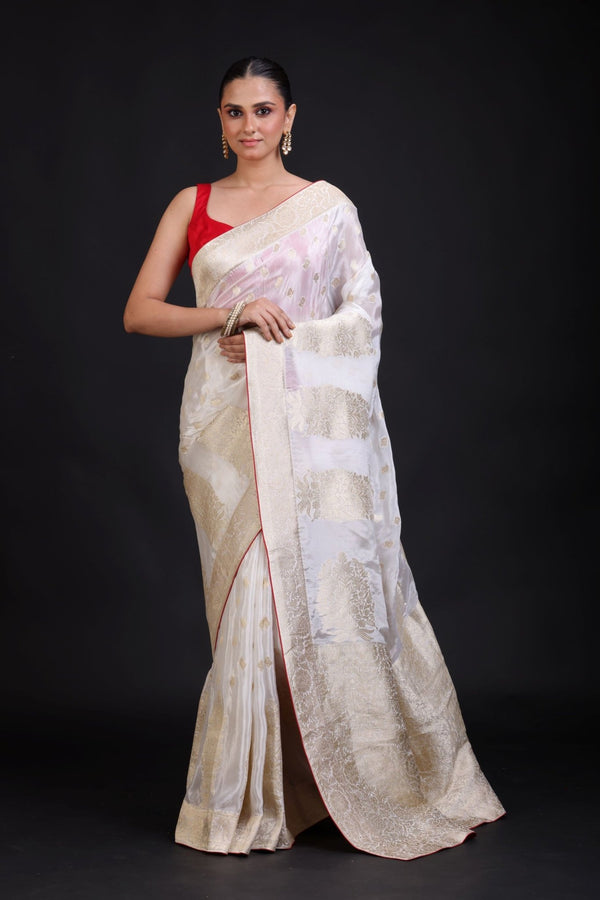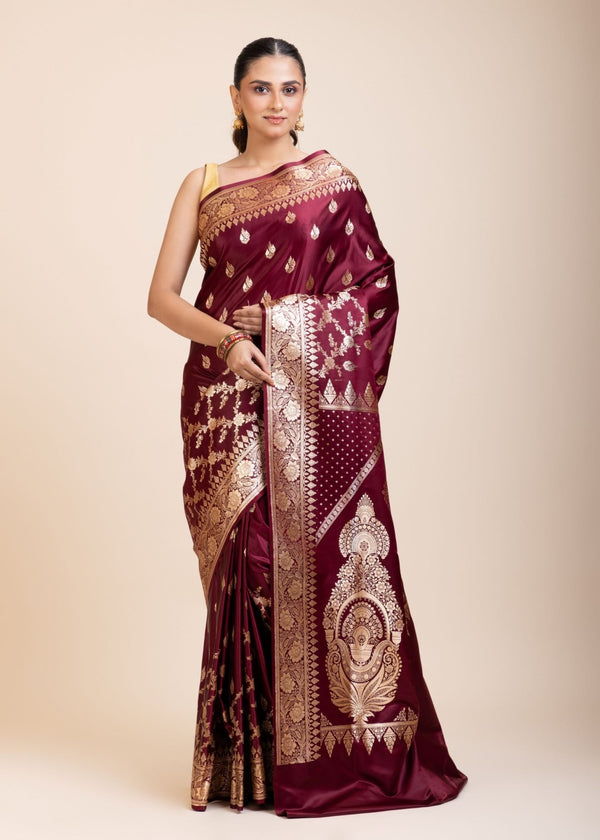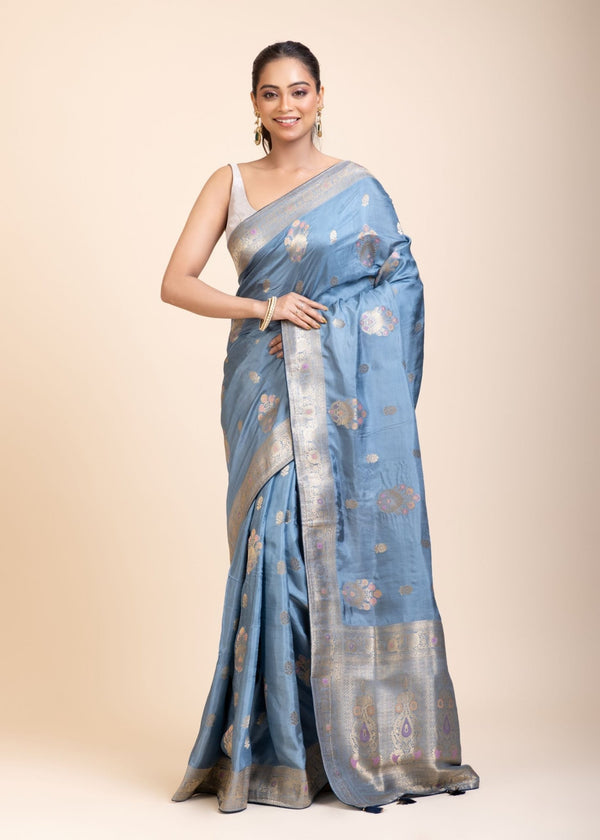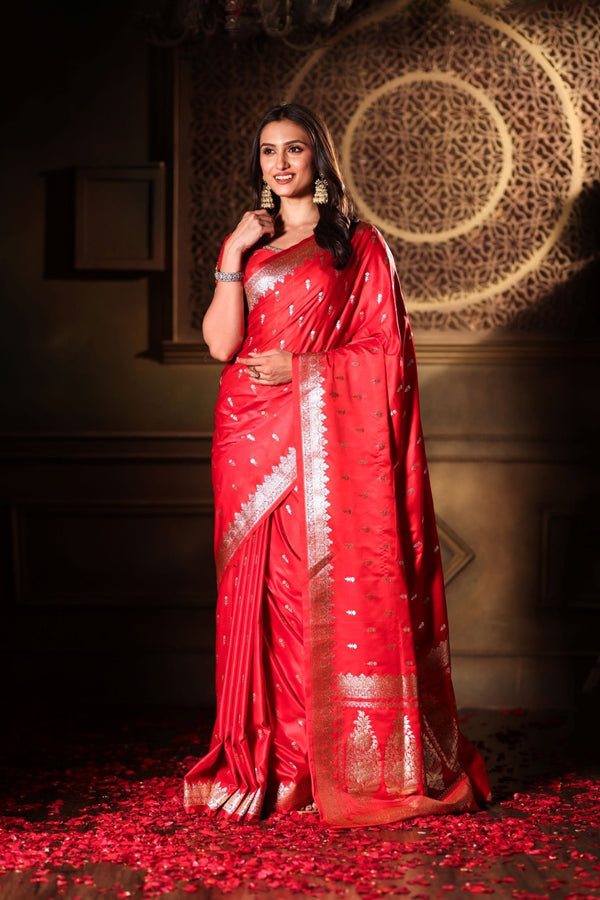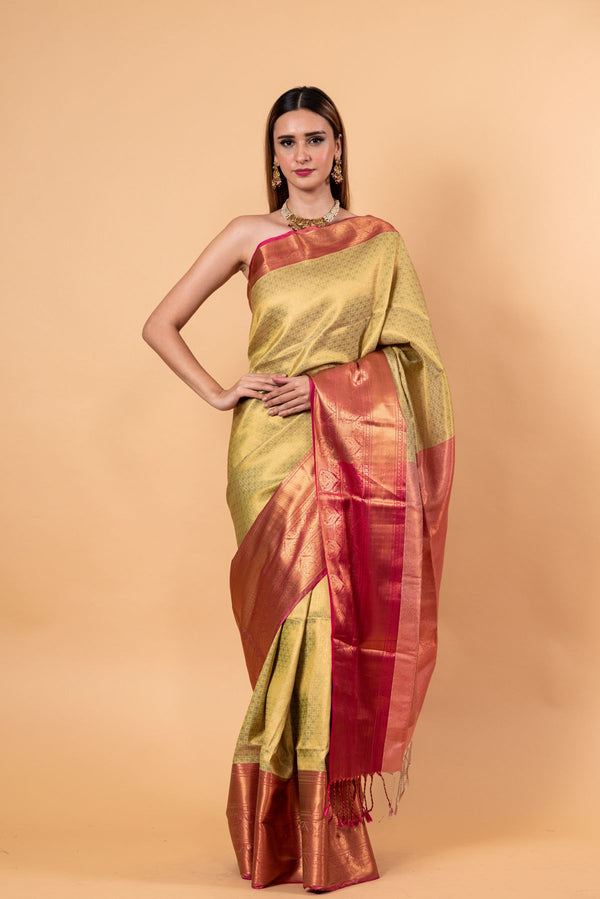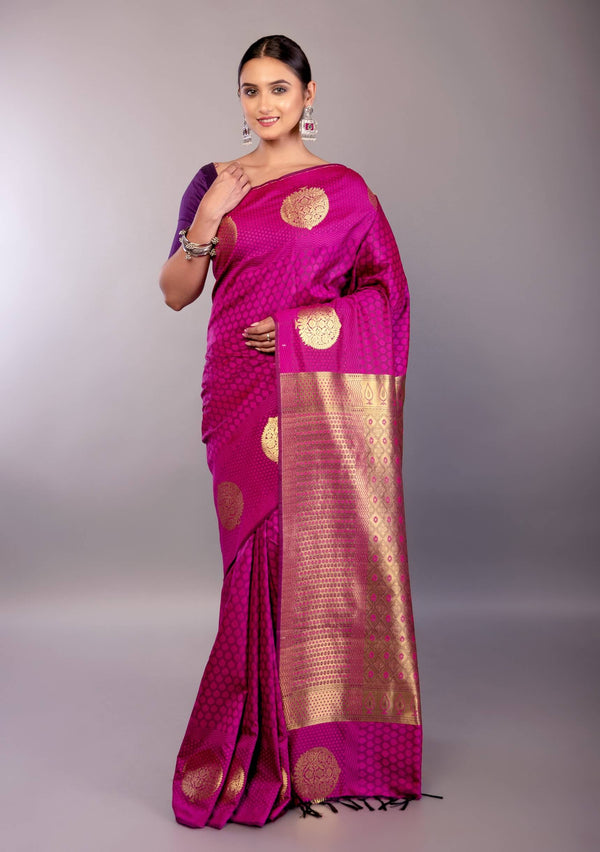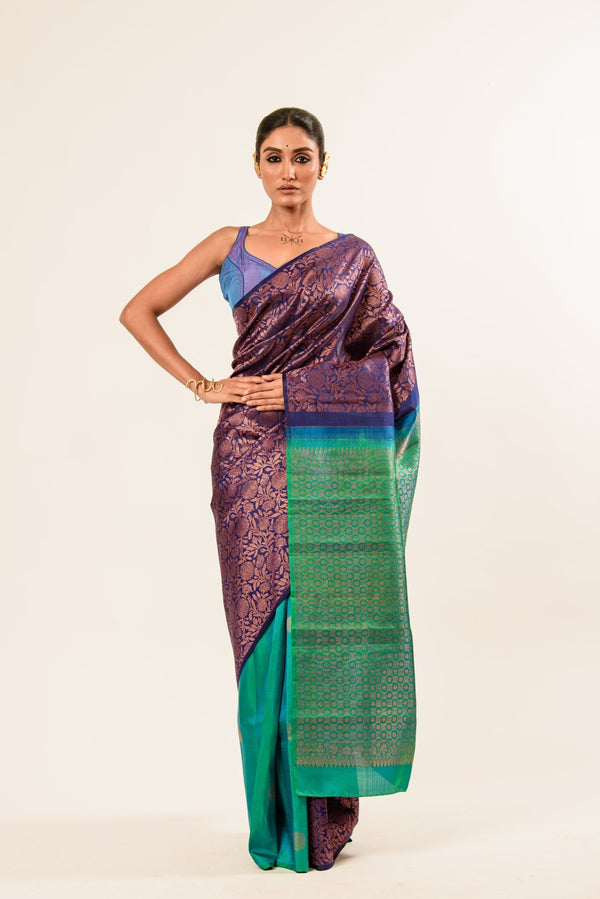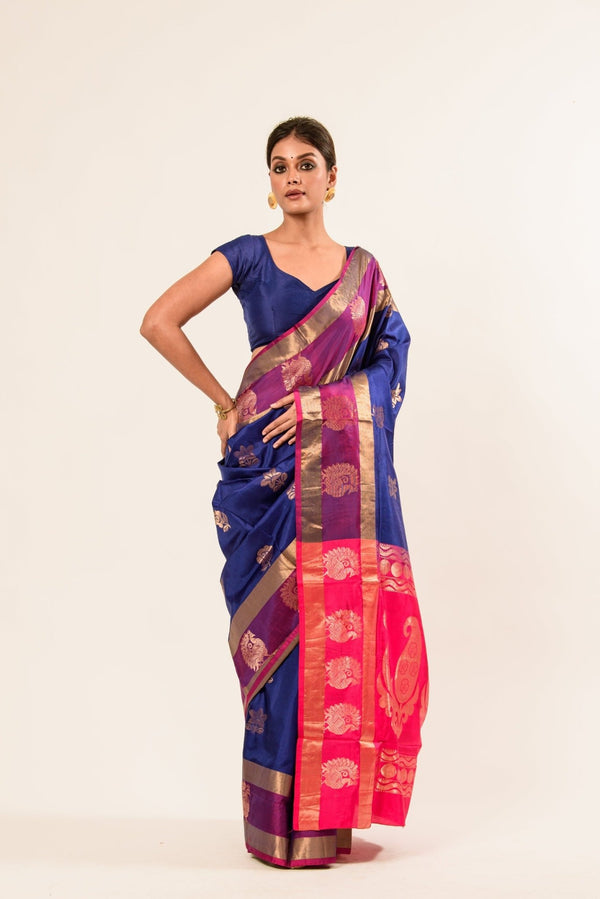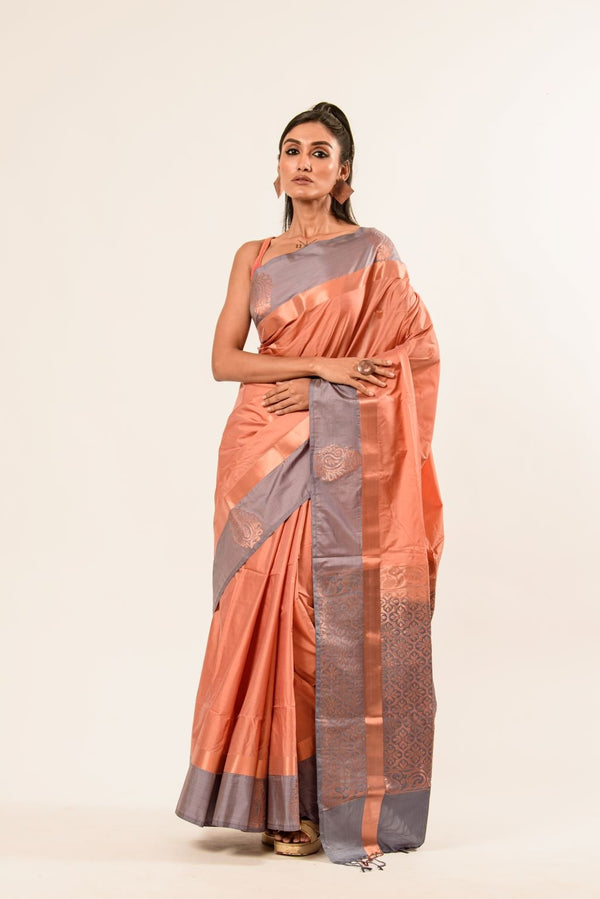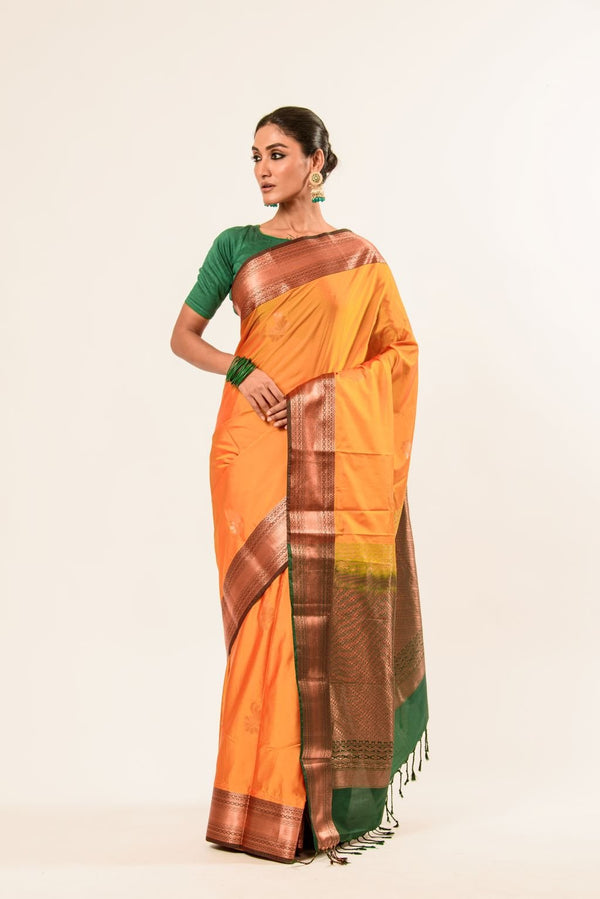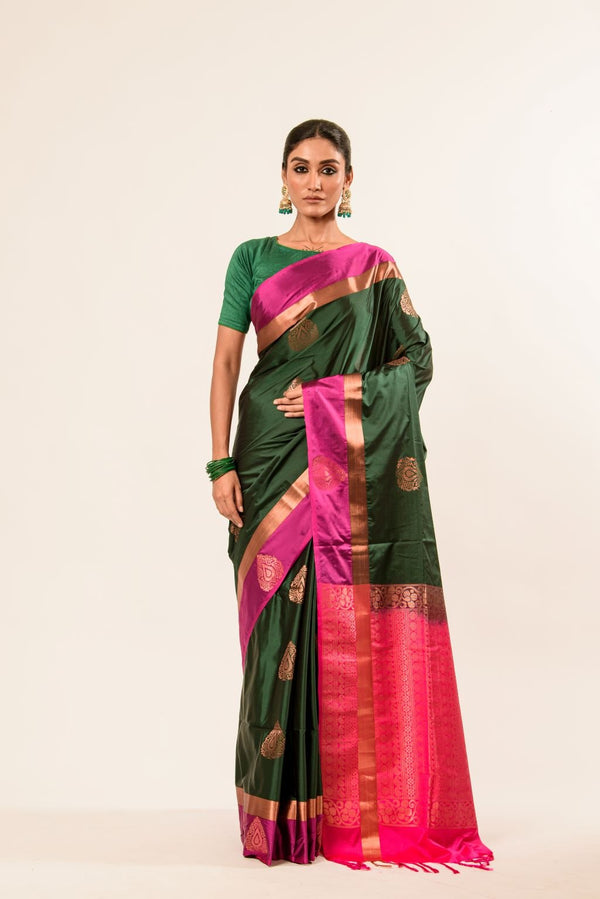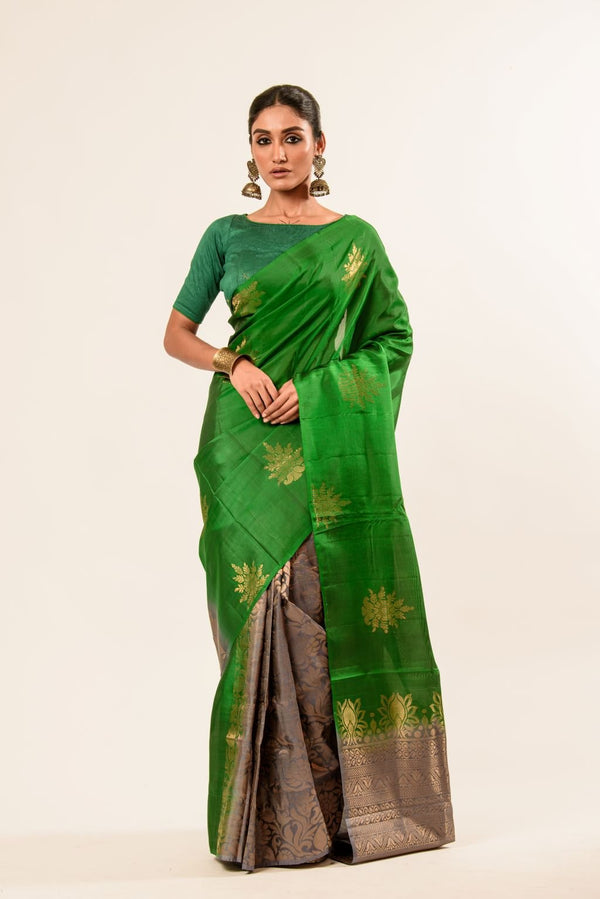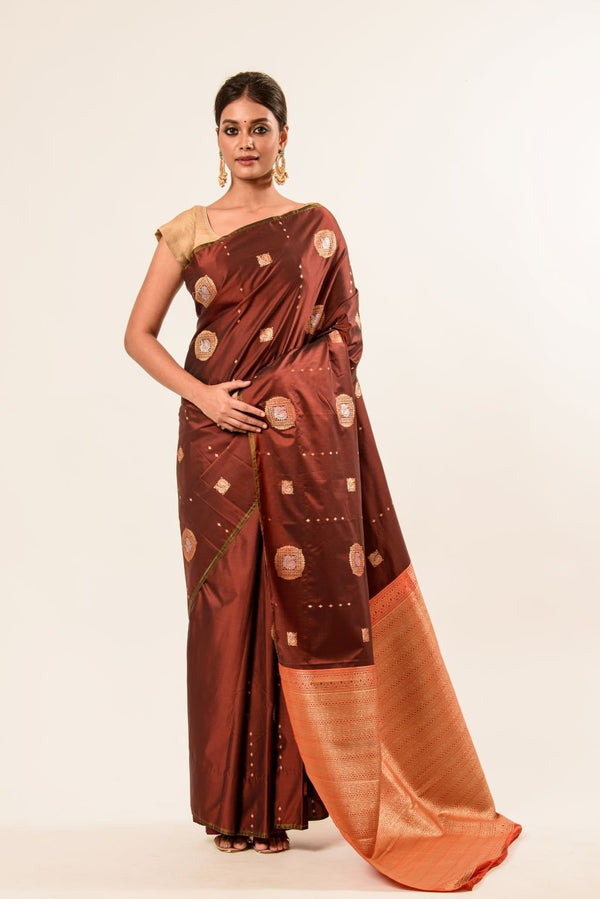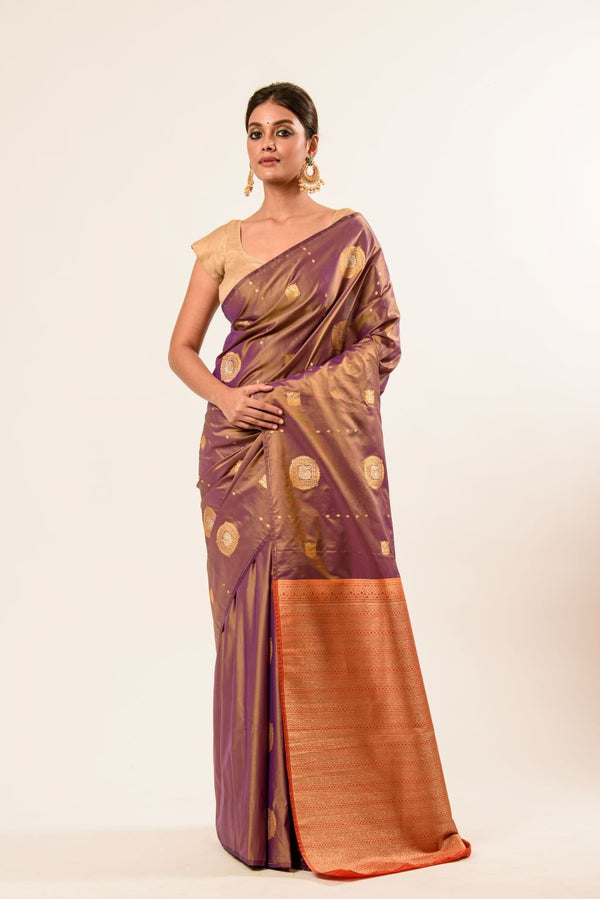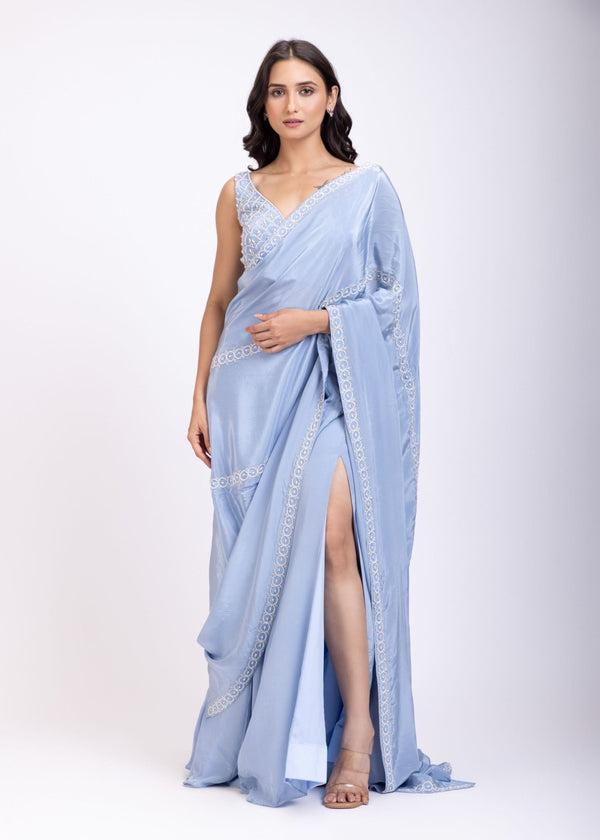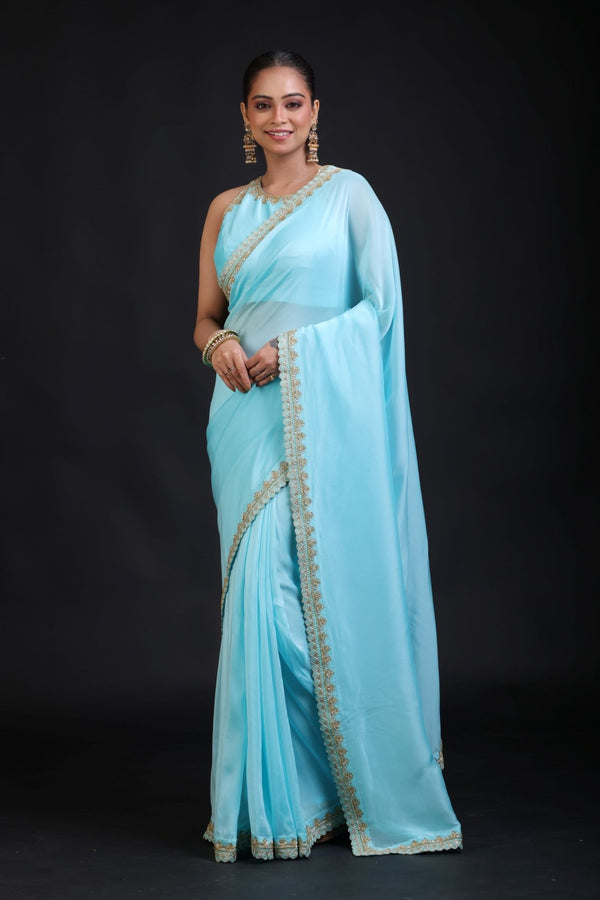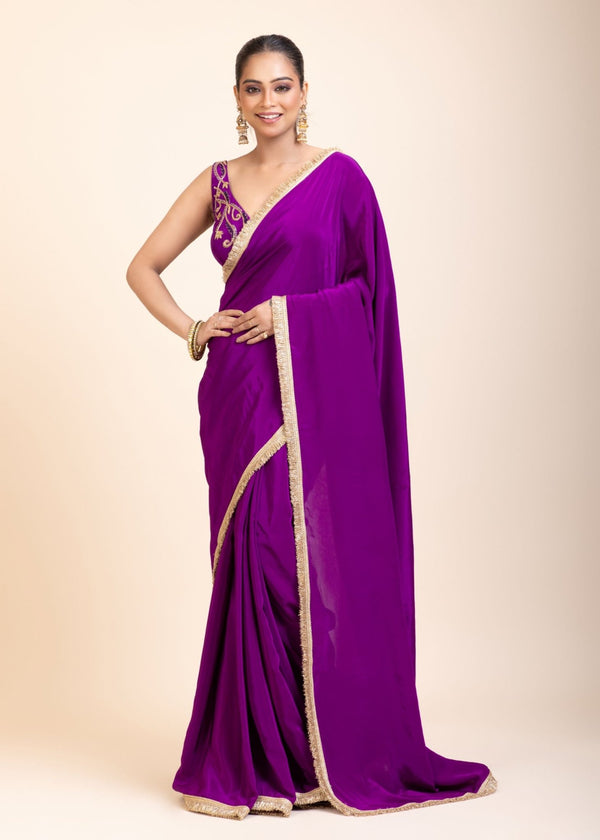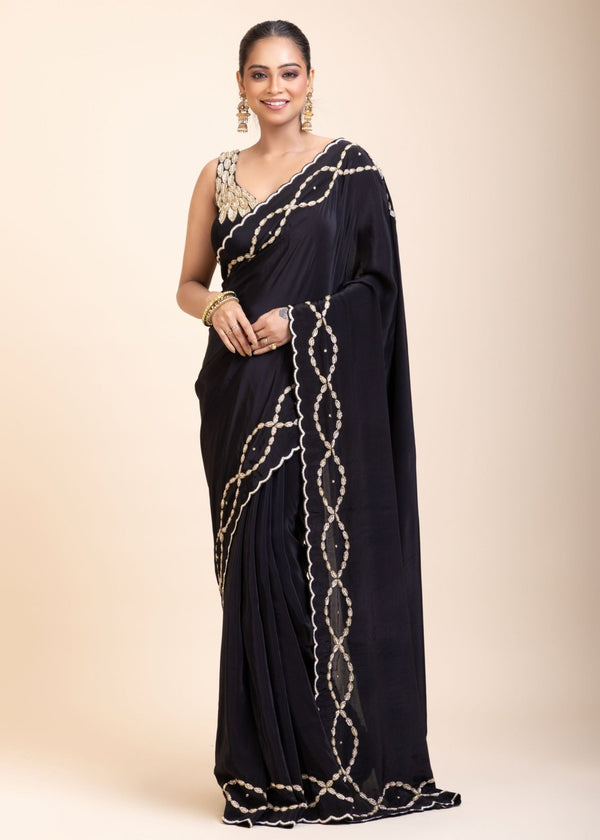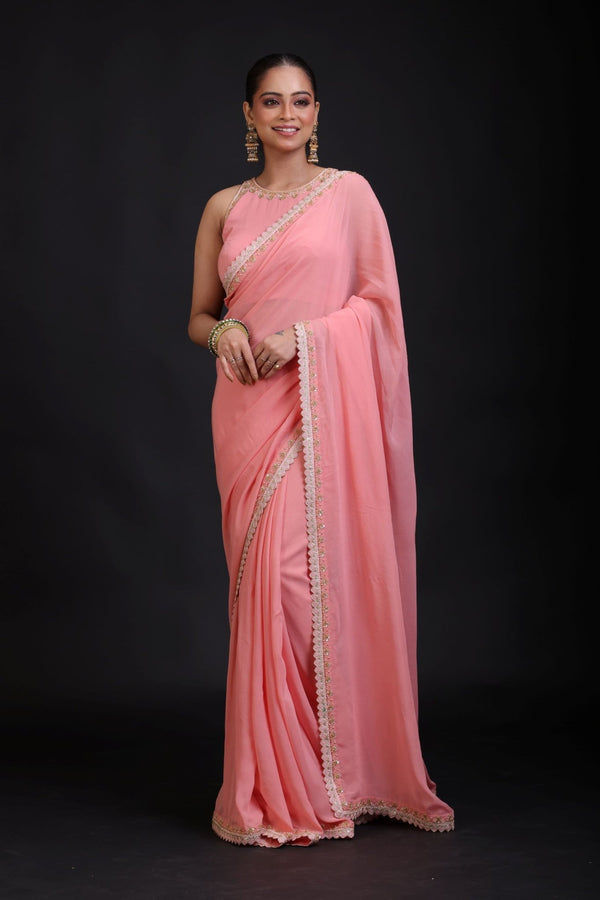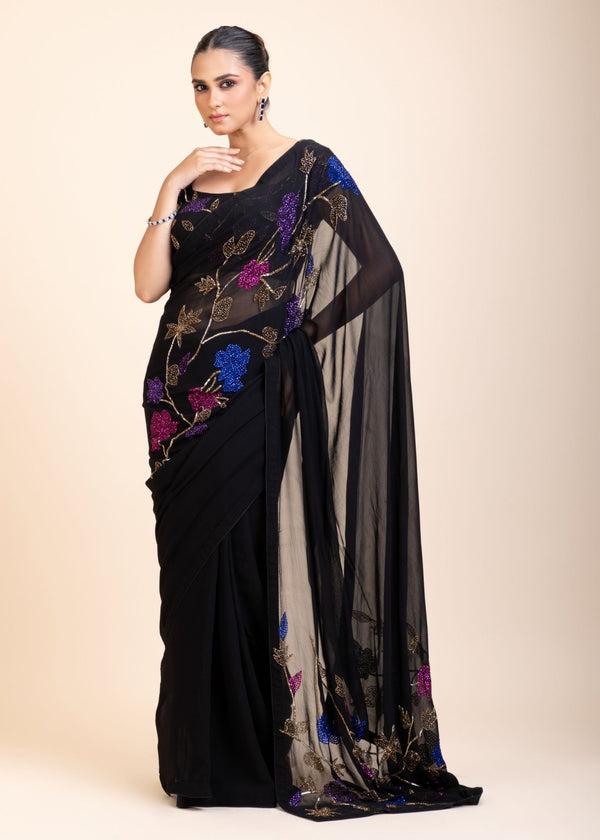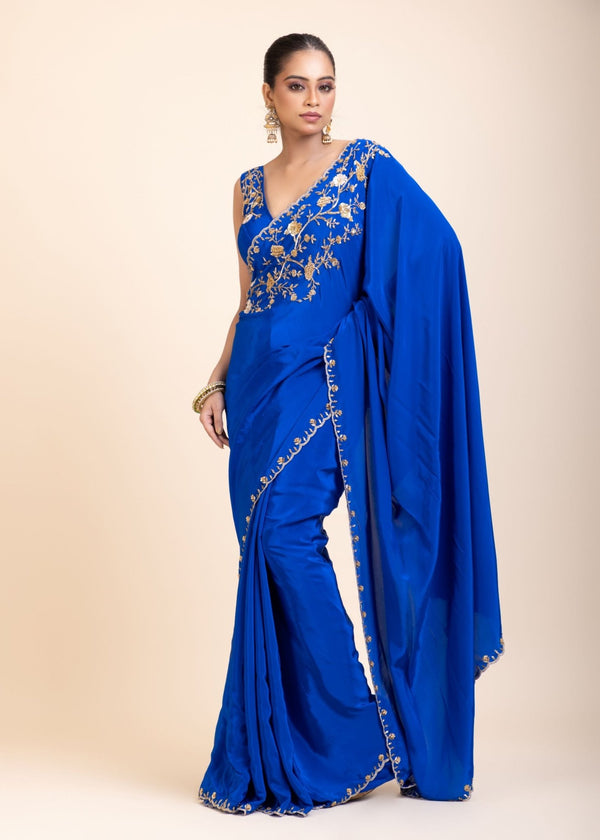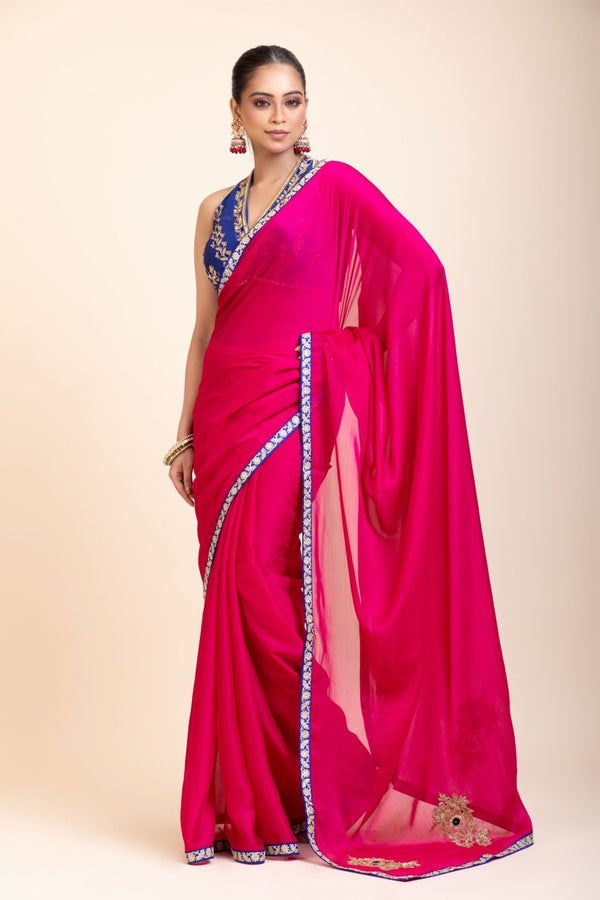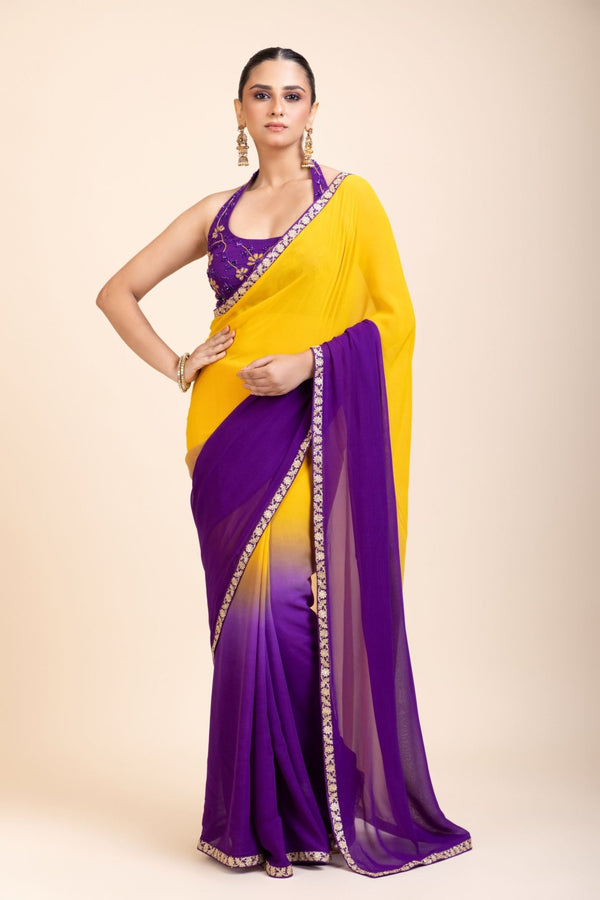




Looking elegant on your wedding day comes down to four deliberate choices: selecting a saree whose fabric and colour suit your ceremony's lighting, tailoring the blouse to your exact proportions, choosing a drape supported by the right foundation layer, and letting one focal point lead your jewellery and makeup. Elegance is rarely about wearing the heaviest ensemble in the room—it is about harmony, comfort, and restraint. When planning a wedding outfit for women, brides often feel pulled between heritage expectations and contemporary trends. A thoughtfully styled bridal saree bridges both effortlessly, photographing with grace decades from now. (Attending a celebration rather than walking down the aisle? Explore our dedicated guide on how to look classy at an Indian wedding for wedding guest outfit for women and Indo-Western Indian wedding guest outfit ideas.)
1. Match Your Bridal Saree to the Ceremony, Season, and Lighting
The best outfit for a wedding is one that works with its environment rather than against it. A weave that looks luminous under warm banquet chandeliers can appear overly dense in harsh midday sun, while an airy pastel drape can lose visual presence in a dimly lit evening mandap.
Fabric and Weave Selection
Your saree's fabric dictates both its silhouette and how comfortably you move through hours of rituals. Instead of choosing by colour alone, match the weave and handwork to the timing and scale of your event:
|
Wedding Setting & Timing |
Ideal Bridal Saree Fabrics |
Drape & Visual Character |
Jewellery Balance |
|
Traditional Muhurat / Evening Pheras |
Structured pleats, rich zari borders, and regal sheen under warm indoor lights |
Pair dense all-over weaves with one statement necklace; let open-motif weaves carry layered heirloom pieces |
|
|
Daytime Ceremony / Outdoor Mandap |
Organza saree, soft handwoven silk, Chanderi |
Translucent, airy structure that catches natural daylight without feeling heavy |
Polki, pearls, or delicate gold drops that echo the fabric's lightness |
|
Evening Reception / Cocktail |
Tissue silk saree, georgette saree with handwork |
Metallic lustre (tissue) or fluid, body-skimming movement (georgette) |
Sculptural earrings or a sleek diamond/kundan choker with a clean neckline |
|
Sangeet / Movement-Heavy Functions |
Ready-to-wear pre-draped saree, crepe silk, georgette |
Pre-set pleats that stay crisp while dancing and greeting guests |
Lightweight statement earrings and stacked bangles; skip heavy layered necklaces |
Handcrafted detailing—such as fine zardozi, cutdana, resham threadwork, or woven zari—adds depth up close and reads far more refined on camera than flat, heavy machine-applied sequins. For example:
-
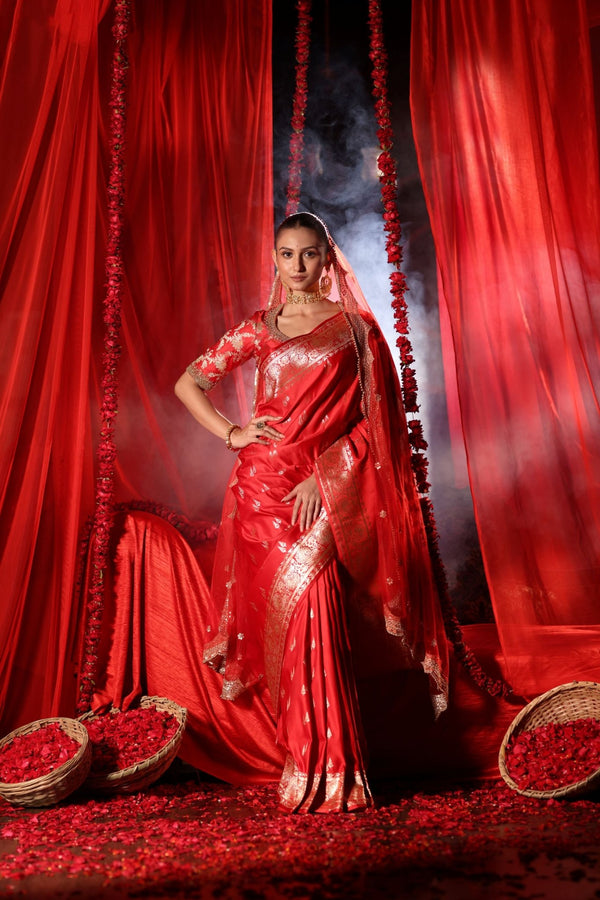
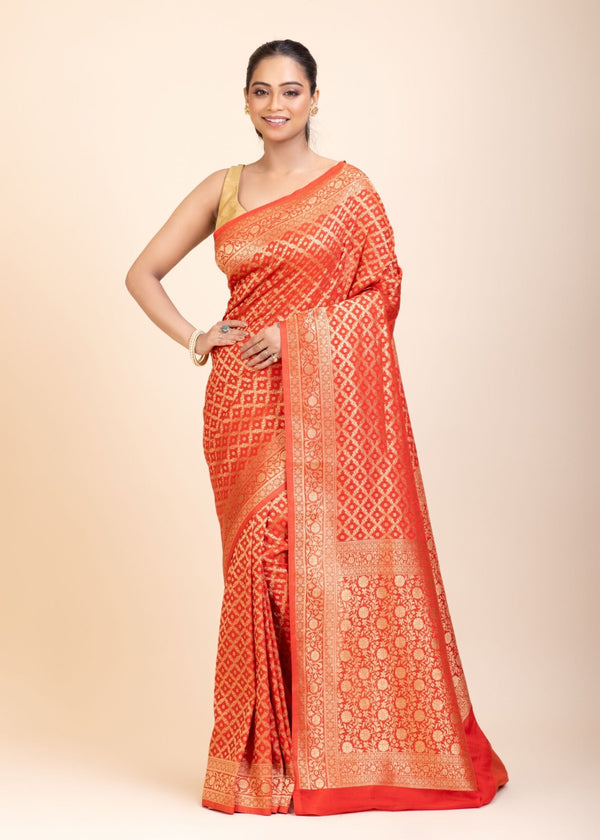
For a classic evening ceremony, a richly worked piece like the Red Bridal Banarasi Saree with All Over Zardosi Work delivers traditional bridal presence without needing excessive layering.

-
For a sunlit daytime ceremony or intimate vow exchange, the Pearl White Silk Organza Saree in Floral Embroidery keeps the silhouette crisp and luminous in natural light.

-
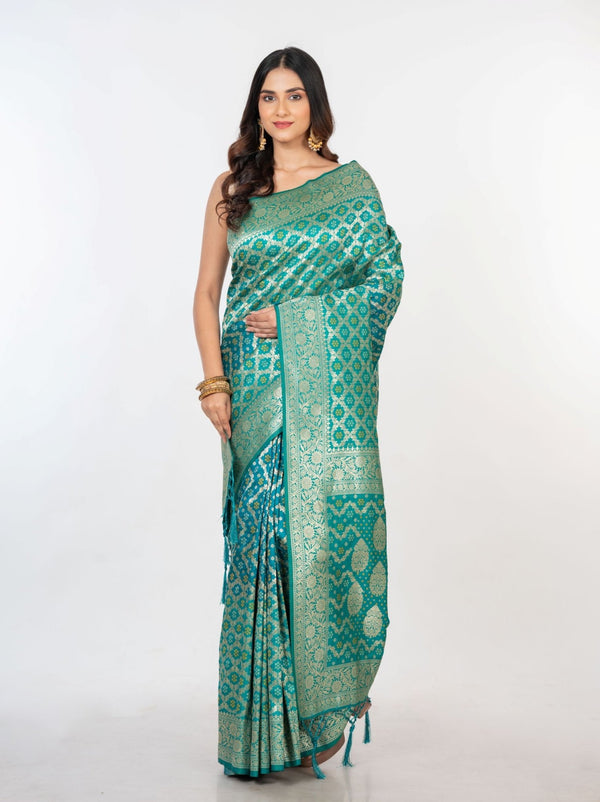
For a reception or festive evening function, a lustrous weave such as the Green Tissue Silk Saree with Pink Floral Embroidery catches ambient lighting gracefully while staying lightweight.

If you are shortlisting wedding outfit ideas across multiple ceremonies, varying your textures—such as a heritage silk for the pheras and a tissue or fluid drape for the reception—keeps each appearance distinct.
Choosing a Timeless Colour Palette
Traditional crimson, sindoori red, and deep maroon remain iconic for Indian brides because they carry cultural weight and glow naturally against wedding lamps and floral decor. At the same time, contemporary brides increasingly choose ivory, champagne, blush pink, emerald, or dusty rose—especially for daytime vows and receptions. Before finalising your shade, test a corner of the saree near your face under lighting similar to your venue. Warm undertones often shine in rust-reds, antique gold, peach, and emerald, while cool undertones look crisp in ruby, wine, rose pink, and silver-toned pastels. For a deeper look at colour selection by ceremony and undertone, read our guide on which saree colour looks best for a bride.
2. Master the Drape and Foundation Layer
Even the finest handloom silk can look untidy if the drape slips or the foundation underneath bunches at the waist. Crisp pleating and an invisible foundation are what separate an ordinary outfit for a wedding from a truly couture bridal look.
Choosing the Right Draping Style
-
Classic Nivi Drape (Pleated vs. Open Pallu): The most versatile bridal drape. Pinning narrow, even shoulder pleats elongates the torso and keeps your blouse neckline and necklaces unobstructed. An open, floating pallu works best on lighter organza or tissue sarees with delicate borders; on heavy Banarasi or Kanchipuram silks, neat shoulder pleats prevent the fabric from overwhelming your frame.
-
Bengali Atpoure Drape: Iconic for Bengali bridal sarees, featuring wide box pleats in front and the pallu brought over both shoulders—ideal for highlighting broad, intricate woven borders.
-
Front-Pinned or Gujarati Seedha Pallu: Brings the ornate pallu to the front, making it a strong choice when your saree features a heavily embroidered or brocade pallu you want visible throughout the ceremony.
-
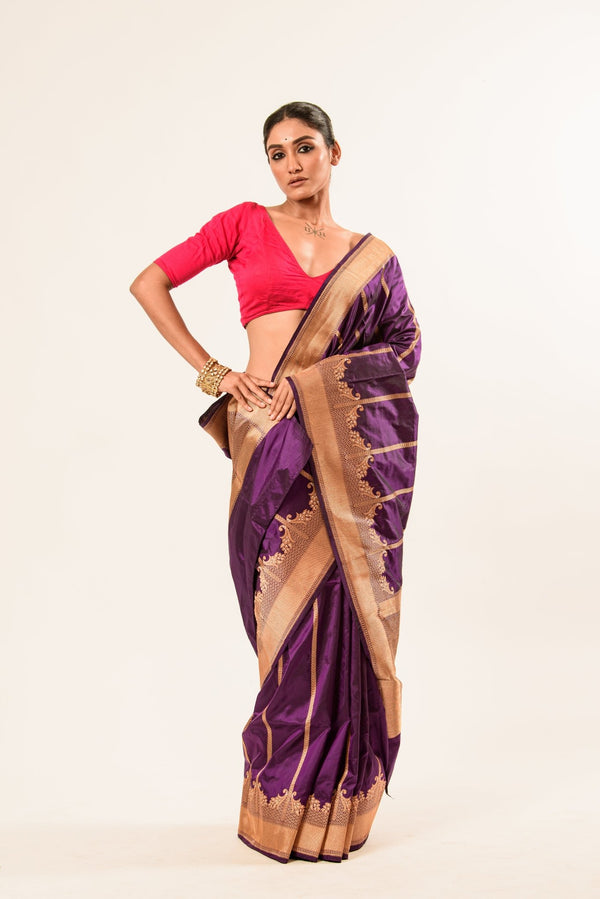
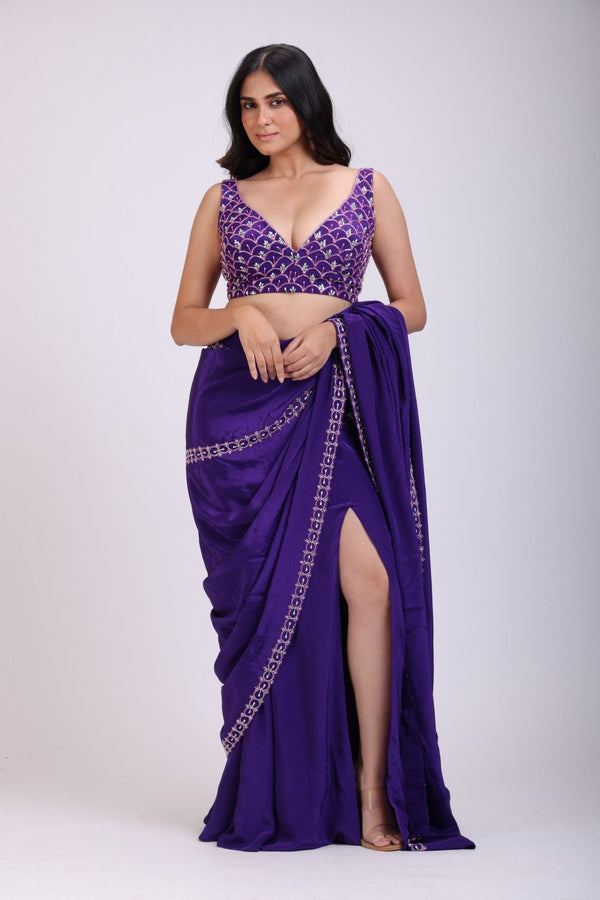
Pre-Draped Saree: For sangeets, receptions, or cocktail evenings where you want saree elegance without worrying about pleats shifting, a ready-to-wear saree—such as the Purple Hand Embroidered Pre-Drape Designer Saree Set—delivers a tailored, movement-friendly fall in minutes.

The Foundation Rule: Petticoat and Pinning
-
Match the finish and shade: Choose a colour-matched satin or matte cotton-silk petticoat rather than a shiny synthetic one that reflects camera flash through sheer fabrics like organza or tissue.
-
Consider saree shapewear for fluid fabrics: Under georgette, crepe, or tissue silk, fitted saree shapewear removes waist bulk and creates a clean, tapered line from hip to hem.
-
Pin strategically: Use small, sturdy safety pins hidden beneath the inner pleats and at the shoulder seam. If you are wearing a bridal veil or second dupatta over your head, anchor it securely to your hair bun and the blouse shoulder so it does not tug your pallu out of place during the pheras.
3. Perfect the Bridal Blouse Fit and Neckline
A bridal saree is only as refined as the blouse anchoring it. Poor shoulder seams, gaping armholes, or an uncomfortable neckline will distract you throughout the day and show immediately in close-up portraits.
Pairing Necklines with Your Jewellery
Design your blouse and jewellery together rather than treating them as separate purchases:
-
Sweetheart, U-Neck, or Square Necklines: Frame chokers, kundan sets, and layered rani haars cleanly without fabric crowding the pendant.
-
Boat-Neck or High-Neck Blouses: Create a regal, structured frame that works best with statement jhumkas or chandbalis and minimal neck jewellery.
-
Detailed Back Designs: If your ceremony involves sitting with your back toward guests during rituals, refined blouse back designs—such as a structured keyhole, tie-back with delicate tassels, or a broad U-back—add elegance from every angle.
Why Custom Tailoring Matters
Off-the-rack sizing rarely accounts for individual shoulder slope, bust darts, or armhole depth. Opting for a custom-made blouse or exploring tailored wedding blouse designs—like a structured, hand-embroidered silk piece such as the Royal Blue Pure Silk Hand Embroidered Blouse, which can be tailored for sleeve length, neckline, and custom measurements—ensures the blouse complements your saree's border cleanly. Always request a slight internal seam allowance and do a movement check during your fitting: raise both arms, sit comfortably, and confirm the hooks sit flat without pulling.

4. Balance Jewellery, Hair, Makeup, and Footwear
Elegance thrives on visual breathing room. When every element competes for attention at full volume, the eye has nowhere to rest.
Follow the "One Focal Point" Principle
-
Heavy saree, edited jewellery: If your saree has dense all-over zari, brocade, or intricate hand embroidery, limit your jewellery to two or three intentional pieces—such as a choker, matching earrings, and curated bangles—rather than stacking multiple long necklaces.
-
Understated saree, heirloom jewellery: If you are wearing a minimalist tissue, organza, or clean-bordered silk saree, let heirloom gold, polki, or diamond pieces take centre stage.
-
Coordinate metal tones: Match your jewellery's base metal (antique gold, bright yellow gold, rose gold, or silver/diamond) to the zari or embroidery thread in your saree so the palette feels cohesive.
Hair, Makeup, and Footwear
-
Match your hairstyle to your veil weight: If you are pinning a heavy embroidered veil or second dupatta over your head, a low, firmly anchored bun provides the structural support needed to hold the weight without slipping. Save soft, brushed-out waves or half-up styles for veil-free receptions and cocktail evenings.
-
Timeless beauty over heavy trends: Skin-like, luminous base makeup, defined eyes, and a classic lip shade age far better in photographs than overly heavy contouring.
-
Match footwear height to your saree hem: Choose block heels, wedges, or embellished juttis you can stand in for several hours—and wear those exact shoes during your saree draping trial so the hem grazes the floor cleanly without tripping you or looking too short.
5. Pre-Wedding Styling Checklist for Calm, Effortless Poise
Poise on your wedding day is not something you force in front of the camera—it is the natural result of feeling physically comfortable and prepared in your wedding outfit.
-
Plan customisation lead times early: Finalise your bridal saree and custom blouse measurements well ahead of the wedding so there is comfortable buffer time for fittings, fall-and-pico finishing, and minor alterations.
-
Do one full dress rehearsal (1–2 weeks out): Put on your stitched blouse, petticoat or shapewear, wedding footwear, and main jewellery together to check neckline spacing, sleeve comfort, and hem length.
-
Schedule hair and makeup trials with your neckline in mind: Bring a photo of your saree and blouse (or the blouse itself) to your makeup artist so your hairstyle complements the back design and dupatta placement.
-
Break in your footwear: Wear your bridal heels or juttis indoors for short stretches ahead of time to prevent blisters.
-
Pack a compact draping kit: Keep extra matte safety pins, fashion tape, blotting paper, and a small pair of scissors with a trusted bridesmaid or family member.
When your saree is well-proportioned, your blouse fits without pinching, and every pin is secure, you stop adjusting your clothes and stay present in the moment—and that ease is what makes a bride look truly unforgettable. If you are curating your bridal trousseau, explore Anvi Couture's wedding saree collection and blouse neck designs to find handcrafted weaves and tailored fits crafted for long wedding celebrations.