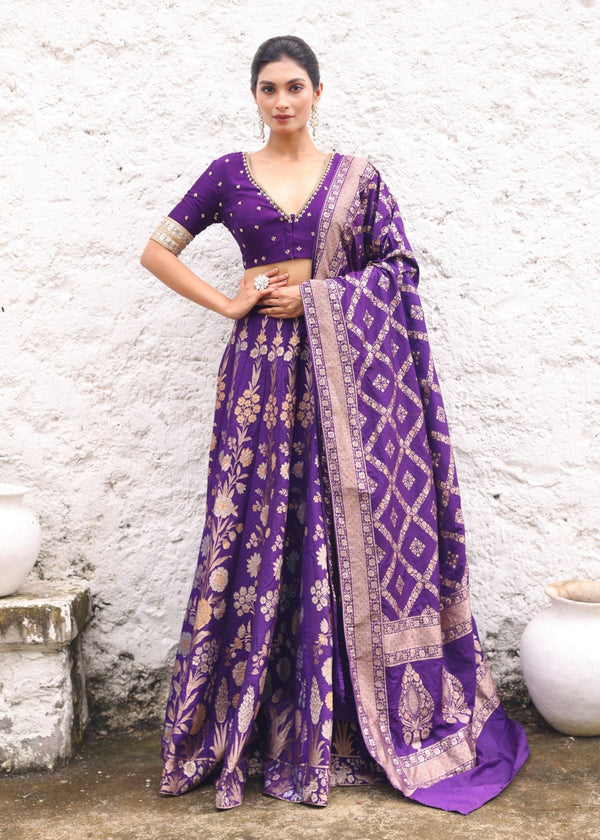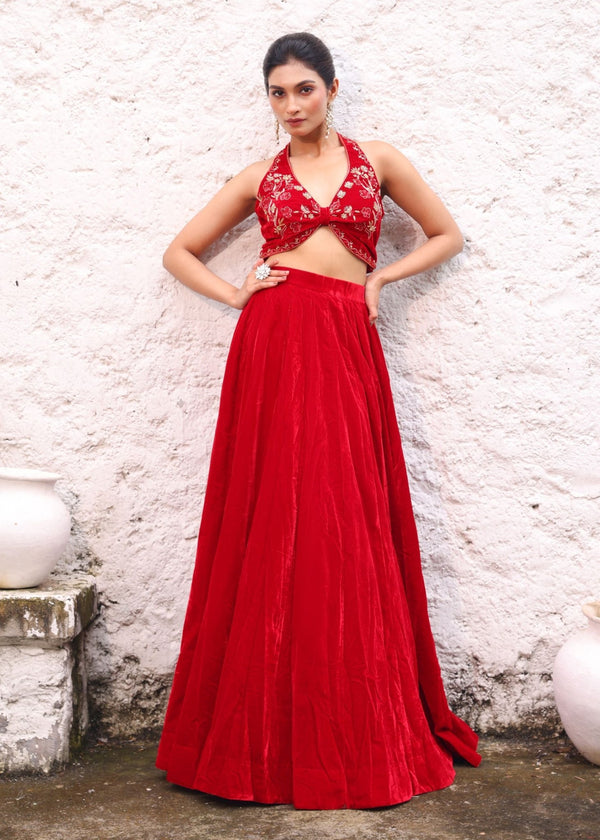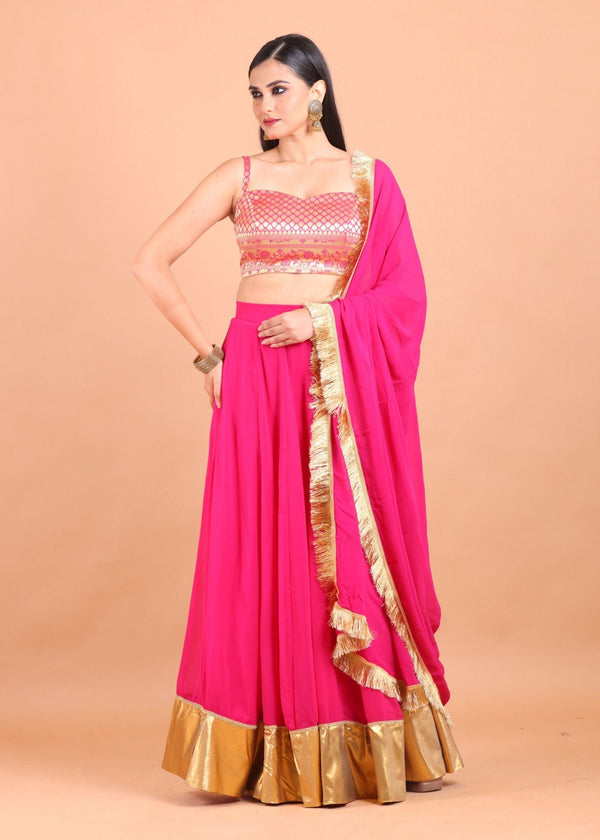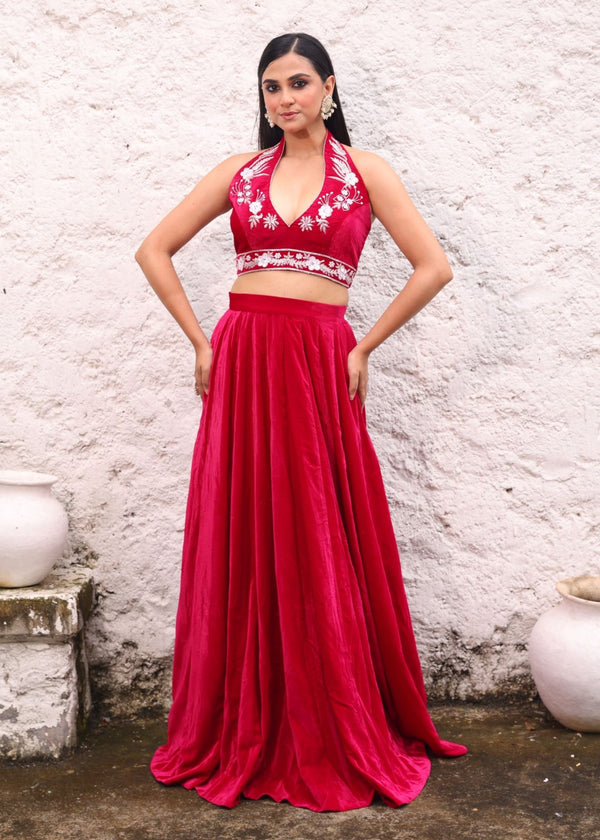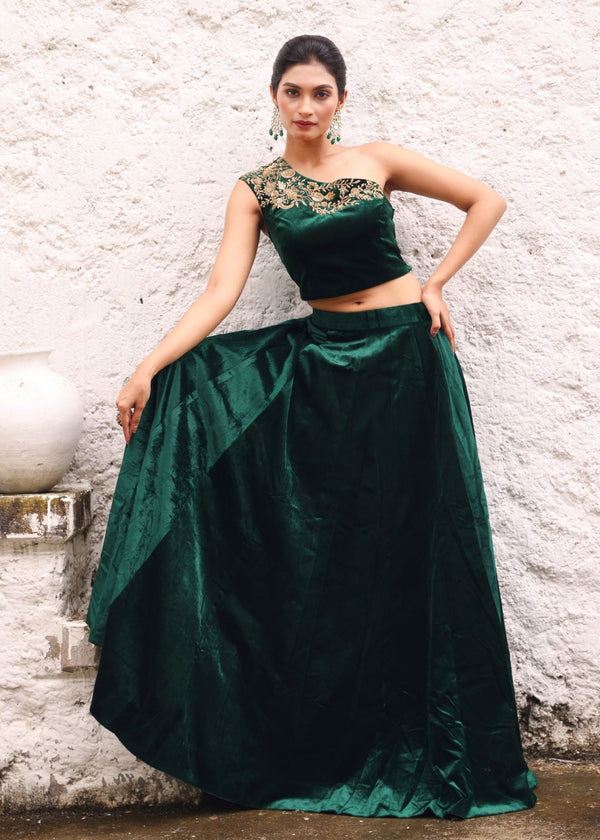




Choosing the right lehenga is not just about picking a beautiful design—it is about finding a silhouette that complements your natural proportions and makes you feel confident. The right lehenga can define your waist, balance your proportions, create the appearance of curves or add length to your frame. But with so many styles, fabrics and blouse designs available, knowing what actually suits your body shape can be confusing. In this guide, we’ll help you identify your body shape and share practical lehenga styling recommendations for hourglass, pear, apple, rectangle and petite body types. You’ll also discover which lehenga silhouettes, blouse necklines, fabrics and flare work best for each shape, along with styling tips to create a balanced and flattering look for weddings, festive celebrations and special occasions.
How to Identify Your Body Shape
Before choosing a lehenga, look at the proportions of your shoulders, waist and hips. You do not need exact measurements to identify your general body shape.
-
Hourglass: Your shoulders and hips are relatively balanced, with a more defined waist.
-
Pear: Your hips are wider than your shoulders, with more volume around the lower body.
-
Apple: You carry more fullness around the midsection, while the legs and lower body may appear comparatively slimmer.
-
Rectangle: Your shoulders, waist and hips are relatively similar in width, creating a straighter silhouette.
-
Petite: Petite mainly refers to height and overall proportions. A petite woman can have any body shape.
These categories are only a styling guide. You may fall between two body shapes, and there is no single lehenga style that you must wear.
Which Lehenga Style Is Best for Your Body Shape?
The right lehenga silhouette can help you define the waist, balance proportions, add curves or create a longer visual line. Use the following guide to narrow down your options.
Lehenga Styles for an Hourglass Body Shape
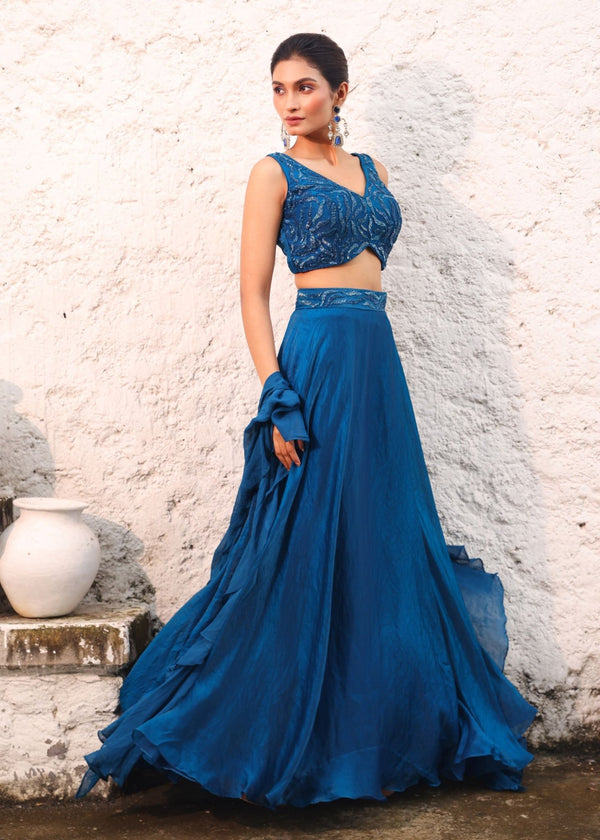
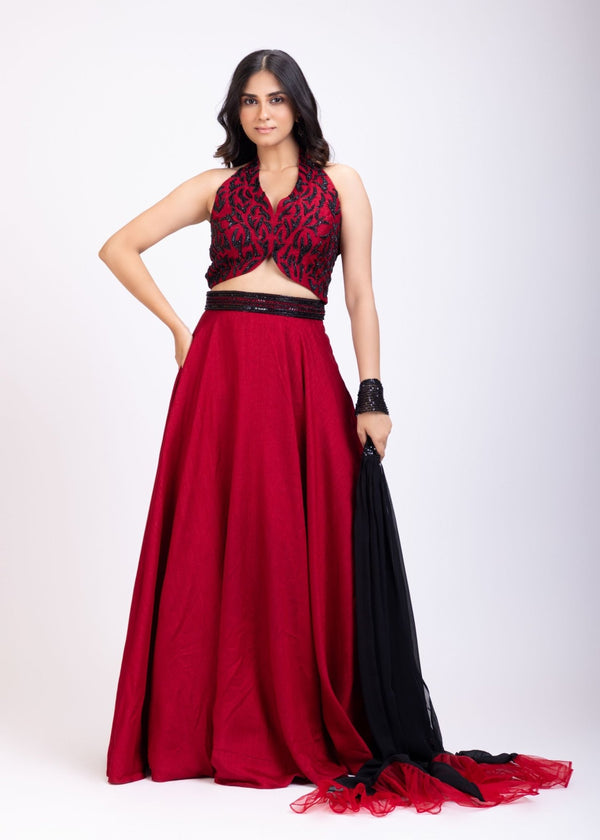
If you have an hourglass body shape, lehenga silhouettes that define the natural waist can work particularly well. Mermaid and fishtail lehengas follow the body's curves and create a sculpted silhouette, while A-line lehengas offer a softer and more relaxed flare. A fitted or structured choli can maintain the natural balance between the shoulders, waist and hips. High-waist lehengas are another option when you want to draw attention to the waistline. For a statement look, a fishtail silhouette can highlight natural curves without requiring excessive embellishment.

Lehenga Styles for a Pear-Shaped Body
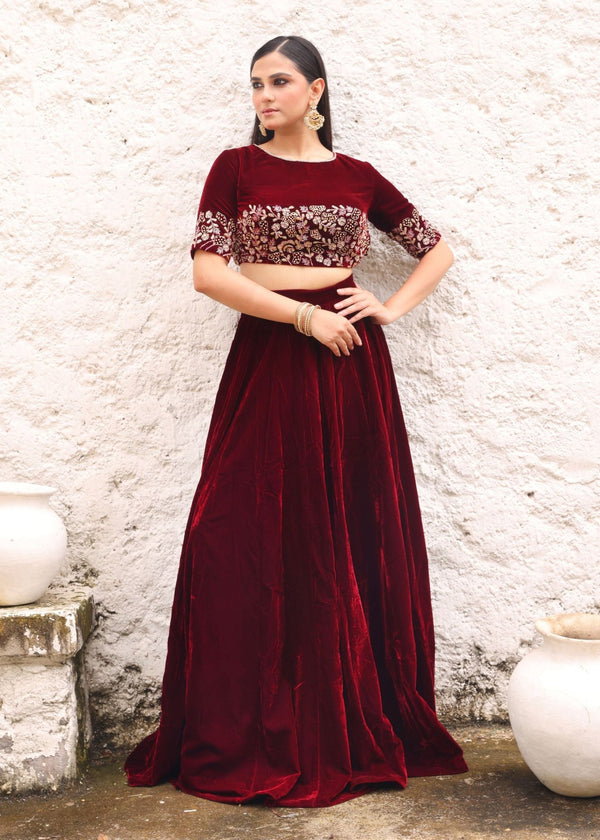
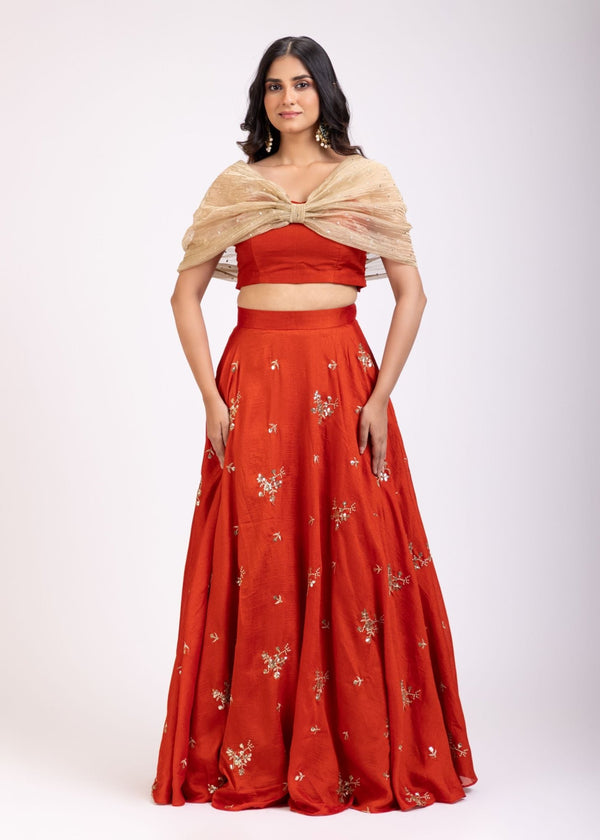
For a pear-shaped body, the styling focus can be on creating visual balance between the upper and lower body. A-line and panelled or Kalidar lehengas are useful choices because they create a controlled flare from the waist rather than adding excessive volume around the hips. You can bring more attention to the upper body with an embellished choli, statement sleeves or an interesting neckline. A dupatta draped over one shoulder can also add visual interest around the upper half. A well-fitted waistband gives the skirt a clean starting point. If you prefer a contemporary look, a cape can also add another layer around the upper body.

Lehenga Styles for an Apple-Shaped Body
If you carry more fullness around the midsection, look for lehenga designs that create a clean and elongated line. A-line and panelled lehengas can be practical choices because their flare falls away from the waist. A slightly higher waist placement can create a longer visual line through the lower body. Blouses with V-necks, scoop necks or longer structured proportions can also help create balance. When selecting fabric, consider materials that drape well without adding excessive bulk around the waist. Fluid fabrics can create softer movement, while carefully structured fabrics can provide shape without making the outfit look heavy. The most important factor is fit. Avoid a waistband that feels too tight or excessive embellishment concentrated around the midsection if you prefer a cleaner silhouette.

Lehenga Styles for a Rectangle Body Shape
A rectangle body shape generally has a straighter proportion through the shoulders, waist and hips. If you want to create the appearance of more curves, choose designs that add dimension around the waist and lower body. Panelled, circular, ruffled and peplum lehengas can introduce volume and movement. A defined waistband combined with a flared skirt can also create more shape. Peplum cholis are useful when you want to add visual volume around the waist and hips. Ruffles, layers and strategic embroidery can similarly create dimension.

Best Lehenga Styles for Petite Women
If you are petite, proportion is one of the most important factors when selecting a lehenga. A skirt with excessive volume, a very wide border or a heavy oversized blouse can overpower a smaller frame. High-waist lehengas with controlled flare can create a longer visual line. A-line, lightly flared and panelled silhouettes are generally easy to balance on a petite frame. Vertical embroidery, smaller motifs and a proportionate choli can also help the outfit look more balanced. Circular or heavily flared lehengas can still work if the volume and embellishment are kept in proportion to your frame.

The goal is not simply to make a petite woman look taller. It is to ensure that the skirt, blouse, dupatta and embellishment work together without overwhelming your proportions.
How Blouse Design Can Change the Look of a Lehenga
The blouse is just as important as the skirt when creating the overall silhouette. The neckline, sleeve length, shoulder detailing and blouse length can change the visual balance of the outfit.
Choose the Right Neckline
V-necklines can create a longer vertical line, while square and sweetheart necklines can add structure and definition. Boat necks can bring more visual attention towards the shoulders. Choose a neckline based on the effect you want rather than following a fixed body-shape rule.
Pay Attention to Sleeves and Shoulder Details
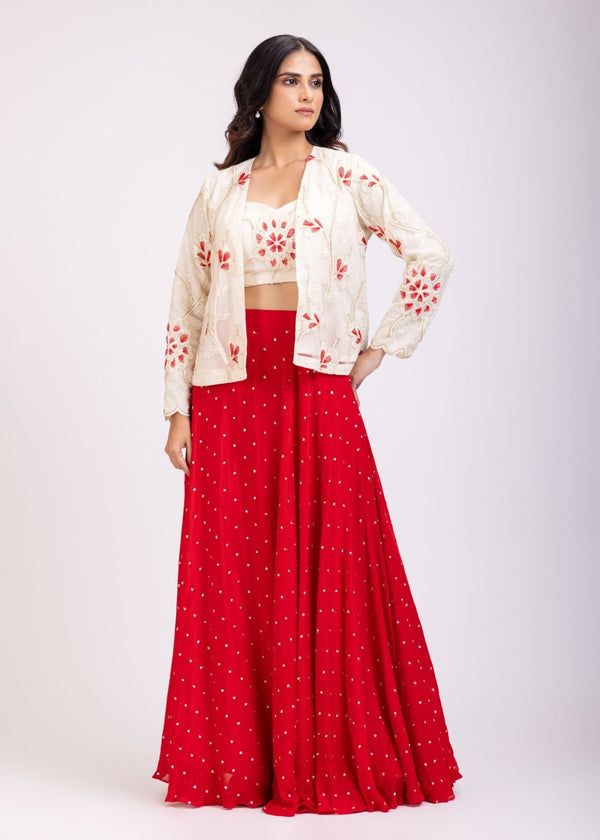
Statement sleeves, puff sleeves and embellished shoulders can add volume and draw attention towards the upper body. Fitted sleeves and cleaner shoulder lines create a more streamlined appearance. A jacket is another way to change the proportions of a lehenga. Structured jackets can define the upper body, while layered or flared jackets can add dimension to a straighter frame.

How Fabric and Flare Affect Lehenga Fit
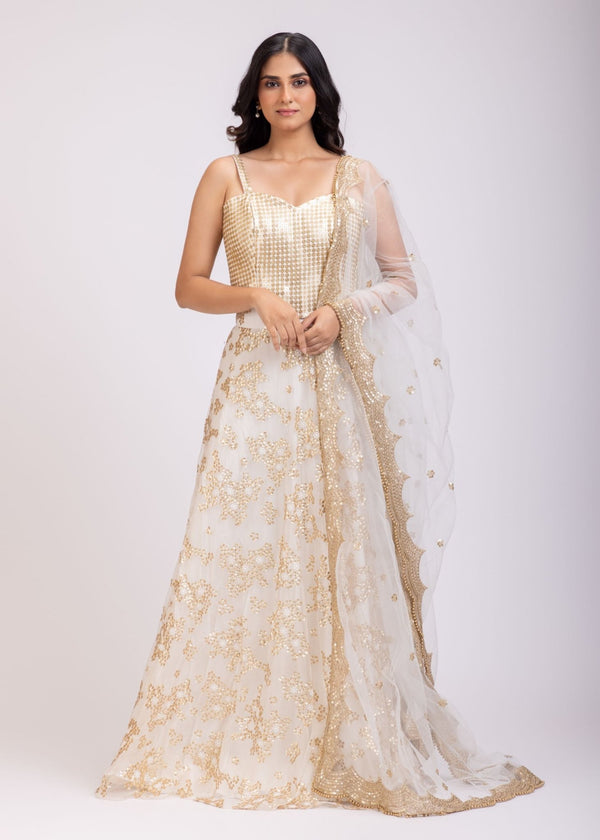
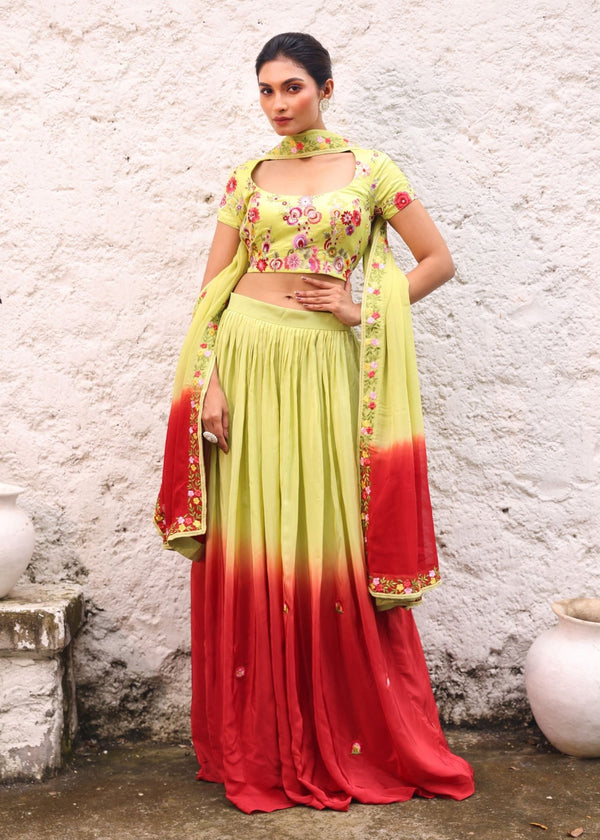
The fabric can change how the same lehenga silhouette looks on the body. Fluid fabrics such as georgette and crepe generally fall closer to the body and create softer movement. Structured fabrics such as silk and brocade can hold their shape and create more volume. The amount of flare also matters. A heavily flared skirt with layers, can-can and dense embroidery will look very different from a lightly flared skirt made from a fluid fabric.

Quick Guide to Choosing a Lehenga That Flatters Your Proportions
If you are still unsure which style to choose, use this simple guide:
-
Want to define your waist? Choose a fitted or high-waist silhouette.
-
Want to balance fuller hips? Try an A-line or panelled lehenga with more visual detail on the blouse.
-
Want to create the appearance of curves? Consider flared, ruffled or peplum combinations.
-
Want to create a longer visual line? Try a high-waist lehenga with proportionate detailing and controlled volume.
-
Want to highlight natural curves? Mermaid and fishtail silhouettes can be good options.
-
Want more movement? Circular and flared lehengas create more volume and flow.
The key is to consider the silhouette, blouse, fabric, flare and embellishment together rather than judging the skirt style alone.
How to Choose a Lehenga for Different Occasions
Your occasion and dress code should also influence the lehenga you select.
-
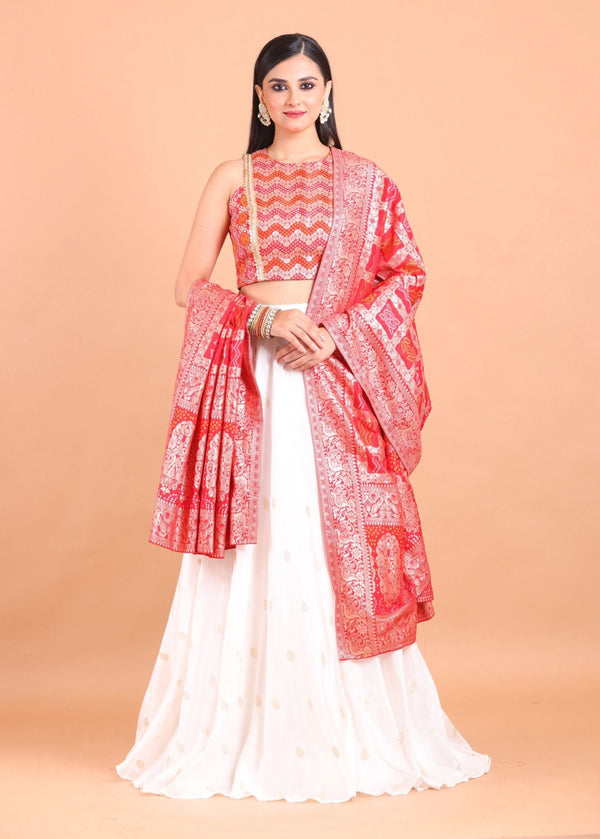
Wedding: Heavier embroidery, silk, brocade and structured silhouettes work well for a grand wedding look.
-
Reception: Mermaid, jacket and contemporary lehenga silhouettes can create a more fashion-forward appearance.
-
Sangeet: Flared, ruffled and movement-friendly styles are useful when you expect to dance or move around.
-
Festive occasions: Lighter fabrics, manageable flare and comfortable blouse designs are practical for longer wear.
For a contemporary formal look, a black lehenga for women can be styled in different ways depending on its fabric, embroidery and blouse design.
Common Mistakes to Avoid When Choosing a Lehenga
Even the right silhouette can look different when the fit and proportions are not right. Keep these points in mind:
-
Do not choose a style only because it is trending. Consider whether its proportions work for you.
-
Do not ignore the waistband. Waist placement affects how the skirt falls and how the proportions appear.
-
Be careful with excessive volume. Too many layers, heavy can-can or oversized borders can overwhelm a smaller frame.
-
Do not focus only on the skirt. The blouse, neckline, sleeves and dupatta also influence the overall silhouette.
-
Prioritise the fit. A well-fitted blouse and comfortable waistband can make a bigger difference than choosing a particular body-type style.